
Rethinking
Productivity
in Sof tware
Engineering
—
Edited by
Caitlin Sadowski
Edited by
Caitlin Sadowski
Thomas Zimmermann
Rethinking Productivity in Software Engineering
ISBN-13 (pbk): 978-1-4842-4220-9 ISBN-13 (electronic): 978-1-4842-4221-6 https://doi.org/10.1007/978-1-4842-4221-6
Library of Congress Control Number: 2019934471 Copyright © The Author(s) and Editor(s) 2019
This work is subject to copyright. All rights are reserved by the Publisher, whether the whole or part of the material is concerned, specifically the rights of translation, reprinting, reuse of illustrations, recitation, broadcasting,
reproduction on microfilms or in any other physical way, and transmission or information storage and retrieval, electronic adaptation, computer software, or by similar or dissimilar methodology now known or hereafter developed.
Open Access This book is licensed under the terms of the Creative Commons Attribution-NonCommercial-NoDerivatives 4.0 International License (http://creativecommons.org/licenses/ by-nc-nd/4.0/), which permits any noncommercial use, sharing, distribution and reproduction in any medium or format, as long as you give appropriate credit to the original author(s) and the source, provide a link to the Creative Commons license and indicate if you modified the licensed material. You do not have permission under this license to share adapted material derived from this book or parts of it.
The images or other third party material in this book are included in the book’s Creative Commons license, unless indicated otherwise in a credit line to the material. If material is not included in the book's Creative Commons license and your intended use is not permitted by statutory regulation or exceeds the permitted use, you will need to obtain permission directly from the copyright holder.
Chapter 9 is licensed under the terms of the Creative Commons Attribution 4.0 International License (http:// creativecommons.org/licenses/by/4.0/). For further details, see license information in the chapter.
Trademarked names, logos, and images may appear in this book. Rather than use a trademark symbol with every occurrence of a trademarked name, logo, or image we use the names, logos, and images only in an editorial fashion and to the benefit of the trademark owner, with no intention of infringement of the trademark.
The use in this publication of trade names, trademarks, service marks, and similar terms, even if they are not identified as such, is not to be taken as an expression of opinion as to whether or not they are subject to proprietary rights. While the advice and information in this book are believed to be true and accurate at the date of publication, neither the authors nor the editors nor the publisher can accept any legal responsibility for any errors or omissions that may be made. The publisher makes no warranty, express or implied, with respect to the material contained herein.
Managing Director, Apress Media LLC: Welmoed Spahr Acquisitions Editor: Susan McDermott
Development Editor: James Markham Coordinating Editor: Jill Balzano
Cover image designed by Freepik (www.freepik.com)
Distributed to the book trade worldwide by Springer Science+Business Media New York, 233 Spring Street, 6th Floor, New York, NY 10013. Phone 1-800-SPRINGER, fax (201) 348-4505, e-mail [email protected], or visit www.springeronline.com. Apress Media, LLC is a California LLC and the sole member (owner) is Springer Science + Business Media Finance Inc (SSBM Finance Inc). SSBM Finance Inc is a Delaware corporation. For information on translations, please e-mail [email protected], or visit www.apress.com/rights-permissions. Apress titles may be purchased in bulk for academic, corporate, or promotional use. eBook versions and licenses are also available for most titles. For more information, reference our Print and eBook Bulk Sales web page at www. apress.com/bulk-sales.
Any source code or other supplementary material referenced by the author in this book is available to readers on GitHub via the book's product page, located at www.apress.com/9781484242209. For more detailed information, please visit www.apress.com/source-code.
Printed on acid-free paper Caitlin Sadowski
Mountain View, CA, USA
To Mr. Wiggles.
—Caitlin Sadowski
v
About the Editors ���������������������������������������������������������������������������������������������������xvii
Acknowledgments ��������������������������������������������������������������������������������������������������xix
Introduction ������������������������������������������������������������������������������������������������������������xxi
Table of Contents
Part I: Measuring Productivity: No Silver Bullet �������������������������������������������� 1
Chapter 1: The Mythical 10x Programmer ���������������������������������������������������������������� 3
Some Work Time Variability Data �������������������������������������������������������������������������������������������������� 3 Insisting on Homogeneity�������������������������������������������������������������������������������������������������������������� 4 Deciding What We Even Mean ������������������������������������������������������������������������������������������������������� 5 Uninsisting on Homogeneity ��������������������������������������������������������������������������������������������������������� 6 Questioning the Base Population �������������������������������������������������������������������������������������������������� 6 It’s Not Only About Development Effort ����������������������������������������������������������������������������������������� 7 Are Slower Programmers Just More Careful? ������������������������������������������������������������������������������ 7 Secondary Factors Can Be Important ������������������������������������������������������������������������������������������� 8 The Productivity Definition Revisited �������������������������������������������������������������������������������������������� 9 How Would Real People Work? ����������������������������������������������������������������������������������������������������� 9 So What? ������������������������������������������������������������������������������������������������������������������������������������� 10 Key Ideas������������������������������������������������������������������������������������������������������������������������������������� 10 References ���������������������������������������������������������������������������������������������������������������������������������� 11What’s Inherently Wrong with a Single Productivity Metric? ������������������������������������������������������ 15 Productivity Is Broad ������������������������������������������������������������������������������������������������������������� 15 Flattening/Combining Components of a Single Aspect Is Challenging ���������������������������������� 16 Confounding Factors ������������������������������������������������������������������������������������������������������������� 16 What Do We Do Instead at Google? ��������������������������������������������������������������������������������������������� 17 Key Ideas������������������������������������������������������������������������������������������������������������������������������������� 19 References ���������������������������������������������������������������������������������������������������������������������������������� 19
Chapter 3: Why We Should Not Measure Productivity �������������������������������������������� 21
Unintended Consequences ��������������������������������������������������������������������������������������������������������� 22 Explaining Productivity ���������������������������������������������������������������������������������������������������������������� 23 Dealing with Change ������������������������������������������������������������������������������������������������������������������� 24 Managers as Measurers ������������������������������������������������������������������������������������������������������������� 25 Key Ideas������������������������������������������������������������������������������������������������������������������������������������� 26vii
Chapter 5: A Software Development Productivity Framework ������������������������������� 39
Productivity Dimensions in Software Development �������������������������������������������������������������������� 40 Velocity ���������������������������������������������������������������������������������������������������������������������������������� 40 Quality ����������������������������������������������������������������������������������������������������������������������������������� 40 Satisfaction ���������������������������������������������������������������������������������������������������������������������������� 41 Lenses ����������������������������������������������������������������������������������������������������������������������������������������� 41 The Productivity Framework in Action: Articulating Goals, Questions, and Metrics �������������������� 42 Example 1: Improving Productivity Through an Intervention ������������������������������������������������� 43 Example 2: Understanding How Meetings Impact Productivity ��������������������������������������������� 44 Caveats ��������������������������������������������������������������������������������������������������������������������������������������� 45 Key Ideas������������������������������������������������������������������������������������������������������������������������������������� 46 References ���������������������������������������������������������������������������������������������������������������������������������� 46Chapter 6: Individual, Team, Organization, and Market: Four Lenses of
Productivity ������������������������������������������������������������������������������������������������������������ 49
The Individual ������������������������������������������������������������������������������������������������������������������������������ 49 The Team ������������������������������������������������������������������������������������������������������������������������������������� 50 The Organization ������������������������������������������������������������������������������������������������������������������������� 51 The Market ���������������������������������������������������������������������������������������������������������������������������������� 52 Full-Spectrum Productivity ��������������������������������������������������������������������������������������������������������� 53 Key Ideas������������������������������������������������������������������������������������������������������������������������������������� 53 References ���������������������������������������������������������������������������������������������������������������������������������� 53Drivers That Influence Productivity ��������������������������������������������������������������������������������������������� 61 Software Developers vs� Knowledge Workers: Similar or Different? ������������������������������������������ 63 Summary������������������������������������������������������������������������������������������������������������������������������������� 64 Key Ideas������������������������������������������������������������������������������������������������������������������������������������� 64 References ���������������������������������������������������������������������������������������������������������������������������������� 65
Part III: The Context of Productivity�������������������������������������������������������������� 67
Chapter 8: Factors That Influence Productivity: A Checklist ���������������������������������� 69
Introduction ��������������������������������������������������������������������������������������������������������������������������������� 69 A Brief History of Productivity Factors Research ������������������������������������������������������������������������ 70 The List of Technical Factors ������������������������������������������������������������������������������������������������������� 70 Product Factors ��������������������������������������������������������������������������������������������������������������������� 70 Process Factors ��������������������������������������������������������������������������������������������������������������������� 72 Development Environment ���������������������������������������������������������������������������������������������������� 73 The List of Soft Factors ��������������������������������������������������������������������������������������������������������������� 74 Corporate Culture ������������������������������������������������������������������������������������������������������������������ 74 Team Culture ������������������������������������������������������������������������������������������������������������������������� 75 Individual Skills and Experiences ������������������������������������������������������������������������������������������ 76 Work Environment ����������������������������������������������������������������������������������������������������������������� 78 Project ����������������������������������������������������������������������������������������������������������������������������������� 79 Summary������������������������������������������������������������������������������������������������������������������������������������� 79 Key Ideas������������������������������������������������������������������������������������������������������������������������������������� 80 Acknowledgments ���������������������������������������������������������������������������������������������������������������������� 80 Appendix: Review Design ������������������������������������������������������������������������������������������������������������ 80 References ���������������������������������������������������������������������������������������������������������������������������������� 81ix How Is Disruptiveness of an Interruption Measured? ������������������������������������������������������������ 88 Interruptions Cause Errors ����������������������������������������������������������������������������������������������������� 89 Moving Controlled Experiments Out of the Lab ��������������������������������������������������������������������� 90 Summary: Controlled Experiments ���������������������������������������������������������������������������������������� 91 Cognitive Models ������������������������������������������������������������������������������������������������������������������������� 91 What Are Cognitive Models? �������������������������������������������������������������������������������������������������� 92 What Can Cognitive Models Predict About the Impact of Interruptions on Productivity? ������ 93 Summary: Cognitive Models �������������������������������������������������������������������������������������������������� 94 Observational Studies ����������������������������������������������������������������������������������������������������������������� 94 Observational Studies of the Workplace �������������������������������������������������������������������������������� 94 Benefits and Detriments of Interruptions ������������������������������������������������������������������������������ 95 Stress, Individual Differences, and Interruptions ������������������������������������������������������������������� 96 Productivity ���������������������������������������������������������������������������������������������������������������������������� 96 Strategies for Dealing with Interruptions ������������������������������������������������������������������������������ 97 Summary: Observational Studies ������������������������������������������������������������������������������������������ 97 Key Insights��������������������������������������������������������������������������������������������������������������������������������� 98 Key Ideas������������������������������������������������������������������������������������������������������������������������������������� 99 Acknowledgments ���������������������������������������������������������������������������������������������������������������������� 99 References ���������������������������������������������������������������������������������������������������������������������������������� 99
Key Ideas����������������������������������������������������������������������������������������������������������������������������������� 122 References �������������������������������������������������������������������������������������������������������������������������������� 122
Chapter 11: Dark Agile: Perceiving People As Assets, Not Humans ��������������������� 125
Revisiting the Agile Manifesto ��������������������������������������������������������������������������������������������������� 125 Agile in Global Outsourcing Setups ������������������������������������������������������������������������������������������� 126 Tracking Work to Increase Productivity ������������������������������������������������������������������������������������� 127 Daily Stand-Up Meeting to Monitor Productivity ����������������������������������������������������������������������� 128 Stressful Work Environment ������������������������������������������������������������������������������������������������������ 128 Cost of Productivity ������������������������������������������������������������������������������������������������������������������� 129 Open Questions for Productivity in Software Engineering �������������������������������������������������������� 131 Key Ideas����������������������������������������������������������������������������������������������������������������������������������� 132 Acknowledgments �������������������������������������������������������������������������������������������������������������������� 132 References �������������������������������������������������������������������������������������������������������������������������������� 133Part IV: Measuring Productivity in Practice ����������������������������������������������� 135
Chapter 12: Developers’ Diverging Perceptions of Productivity ��������������������������� 137
Quantifying Productivity: Measuring vs� Perceptions ���������������������������������������������������������������� 137 Studying Software Developers’ Productivity Perceptions ��������������������������������������������������������� 138 The Cost of Context Switching �������������������������������������������������������������������������������������������������� 139 A Productive Workday in a Developer’s Life ������������������������������������������������������������������������������ 139 Developers Expect Different Measures for Quantifying Productivity ���������������������������������������� 140 Characterizing Software Developers by Perceptions of Productivity ���������������������������������������� 141 Opportunities for Improving Developer Productivity ����������������������������������������������������������������� 143 Key Ideas����������������������������������������������������������������������������������������������������������������������������������� 145 References �������������������������������������������������������������������������������������������������������������������������������� 145xi
Chapter 14: Using Biometric Sensors to Measure Productivity���������������������������� 159
Operationalizing Productivity for Measurement ������������������������������������������������������������������������ 159 What the Eye Says About Focus ������������������������������������������������������������������������������������������������ 160 Observing Attention with EEG ��������������������������������������������������������������������������������������������������� 161 Measuring Rumination �������������������������������������������������������������������������������������������������������������� 163 Moving Forward ������������������������������������������������������������������������������������������������������������������������ 164 Key Ideas����������������������������������������������������������������������������������������������������������������������������������� 165 References �������������������������������������������������������������������������������������������������������������������������������� 165Chapter 15: How Team Awareness Influences Perceptions of Developer
Productivity ���������������������������������������������������������������������������������������������������������� 169
Introduction ������������������������������������������������������������������������������������������������������������������������������� 169 Awareness and Productivity ������������������������������������������������������������������������������������������������������ 171 Enabling Awareness in Collaborative Software Development ��������������������������������������������������� 172 Aggregating Awareness Information into Numbers ������������������������������������������������������������������ 173 Aggregating Awareness Information into Text �������������������������������������������������������������������������� 174 Rethinking Productivity and Team Awareness �������������������������������������������������������������������������� 175 Key ideas����������������������������������������������������������������������������������������������������������������������������������� 177 References �������������������������������������������������������������������������������������������������������������������������������� 177Rethinking Dashboards in Software Engineering���������������������������������������������������������������������� 188 Key Ideas����������������������������������������������������������������������������������������������������������������������������������� 189 References �������������������������������������������������������������������������������������������������������������������������������� 189
Chapter 17: The COSMIC Method for Measuring the Work- Output
Component of Productivity ����������������������������������������������������������������������������������� 191
Measurement of Functional Size ���������������������������������������������������������������������������������������������� 192 The COSMIC Method ����������������������������������������������������������������������������������������������������������������� 193 Discussion of the COSMIC Model ���������������������������������������������������������������������������������������������� 195 Correlation of COSMIC Sizes with Development Effort ������������������������������������������������������������� 199 Automated COSMIC Size Measurement ������������������������������������������������������������������������������������ 201 Conclusions ������������������������������������������������������������������������������������������������������������������������������� 202 Key Ideas����������������������������������������������������������������������������������������������������������������������������������� 202 References �������������������������������������������������������������������������������������������������������������������������������� 203xiii
Part V: Best Practices for Productivity ������������������������������������������������������� 219
Chapter 19: Removing Software Development Waste to Improve Productivity ���� 221
Introduction ������������������������������������������������������������������������������������������������������������������������������� 221 Taxonomy of Software Development Waste ������������������������������������������������������������������������������ 222 Building the Wrong Feature or Product ������������������������������������������������������������������������������� 223 Mismanaging the Backlog ��������������������������������������������������������������������������������������������������� 224 Rework �������������������������������������������������������������������������������������������������������������������������������� 225 Unnecessarily Complicated or Complex Solutions �������������������������������������������������������������� 226 Extraneous Cognitive Load �������������������������������������������������������������������������������������������������� 227 Psychological Distress ��������������������������������������������������������������������������������������������������������� 228 Knowledge Loss ������������������������������������������������������������������������������������������������������������������ 229 Waiting/Multitasking������������������������������������������������������������������������������������������������������������ 230 Ineffective Communication �������������������������������������������������������������������������������������������������� 231 Additional Wastes in Pre-agile Projects ������������������������������������������������������������������������������� 232 Discussion ��������������������������������������������������������������������������������������������������������������������������������� 234 Not All Problems Are Wastes ����������������������������������������������������������������������������������������������� 234 Reducing Waste ������������������������������������������������������������������������������������������������������������������� 235 Conclusion �������������������������������������������������������������������������������������������������������������������������������� 238 Key Ideas����������������������������������������������������������������������������������������������������������������������������������� 239 References �������������������������������������������������������������������������������������������������������������������������������� 239Chapter 21: Does Pair Programming Pay Off? ������������������������������������������������������ 251
Introduction: Highly Productive Programming �������������������������������������������������������������������������� 251 Studying Pair Programming ������������������������������������������������������������������������������������������������������ 252 Software Development As Knowledge Work ����������������������������������������������������������������������������� 253 What Actually Matters in Industrial Pair Programming ������������������������������������������������������������� 254 Constellation A: System Knowledge Advantage ������������������������������������������������������������������� 255 Constellation B: Collective System Knowledge Gap ������������������������������������������������������������ 256 Constellation C: Complementary Knowledge ����������������������������������������������������������������������� 256 So, Again: Does Pair Programming Pay Off? ����������������������������������������������������������������������������� 257 Key Ideas����������������������������������������������������������������������������������������������������������������������������������� 258 References �������������������������������������������������������������������������������������������������������������������������������� 258Chapter 22: Fitbit for Developers: Self- Monitoring at Work ��������������������������������� 261
Self-Monitoring to Quantify Our Lives ��������������������������������������������������������������������������������������� 261 Self-Monitoring Software Developers’ Work ����������������������������������������������������������������������������� 262 Supporting Various Individual Needs Through Personalization ������������������������������������������������� 264 Self-Reporting Increases Developers’ Awareness About Efficiency ������������������������������������������ 265 Retrospection About Work Increases Developers’ Self-Awareness ������������������������������������������ 265 Actionable Insights Foster Productive Behavior Changes ��������������������������������������������������������� 266 Increasing Team Awareness and Solving Privacy Concerns ����������������������������������������������������� 267 Fostering Sustainable Behaviors at Work ��������������������������������������������������������������������������������� 268 Key Ideas����������������������������������������������������������������������������������������������������������������������������������� 269 References �������������������������������������������������������������������������������������������������������������������������������� 269xv Pay Attention to Privacy Concerns ��������������������������������������������������������������������������������������� 276 Focus on Value First, Not on Accuracy ��������������������������������������������������������������������������������� 276 Let Users Surprise You��������������������������������������������������������������������������������������������������������� 277 Summary����������������������������������������������������������������������������������������������������������������������������������� 277 Get Your Own FlowLight������������������������������������������������������������������������������������������������������� 277 Key Ideas����������������������������������������������������������������������������������������������������������������������������������� 278 References �������������������������������������������������������������������������������������������������������������������������������� 278
Chapter 24: Enabling Productive Software Development by
Improving Information Flow ��������������������������������������������������������������������������������� 281
Mylyn: Improving Information Flow for the Individual Software Developer ������������������������������ 282 Tasktop Sync: Improving Information Flow for the Development Team ������������������������������������ 285 Tasktop Integration Hub: Improving Information Flow for a SoftwareDevelopment Organization �������������������������������������������������������������������������������������������������������� 288 Takeaways �������������������������������������������������������������������������������������������������������������������������������� 290 Key Ideas����������������������������������������������������������������������������������������������������������������������������������� 291 References �������������������������������������������������������������������������������������������������������������������������������� 291
Chapter 25: Mindfulness as a Potential Tool for Productivity������������������������������� 293
A Definition of Mindfulness ������������������������������������������������������������������������������������������������������� 293 Mindfulness for Productivity? ��������������������������������������������������������������������������������������������������� 294 Cognitive Benefits of Mindfulness �������������������������������������������������������������������������������������������� 295 Mindfulness and Emotional Intelligence ����������������������������������������������������������������������������������� 296 Pitfalls of Mindfulness �������������������������������������������������������������������������������������������������������������� 297 Mindfulness Breaks ������������������������������������������������������������������������������������������������������������������ 298 Conclusion �������������������������������������������������������������������������������������������������������������������������������� 299 Key Ideas����������������������������������������������������������������������������������������������������������������������������������� 300 References �������������������������������������������������������������������������������������������������������������������������������� 300About the Editors
Dr. Caitlin Sadowski is a software engineer at Google in Mountain View, California, where she aims to understand and improve developer workflows. Currently, she is helping Chrome developers make data-driven decisions as the manager of the Chrome Metrics team. In the past, she made static analysis useful at Google by creating the Tricorder program analysis platform, and then co-founded a team that provides ongoing insight into how developers spend their time and what makes them effective (the
Engineering Productivity Research team). She is a committee member of top software engineering and programming language conferences (ICSE, ESEC/FSE, OOPSLA, and PLDI). She has a PhD from the University of California at Santa Cruz where she worked on a variety of research topics related to programming languages, software engineering, and human computer interaction. She enjoys baking with her three-year-old, Naru (otherwise known as Mr. Wiggles).
Dr. Thomas Zimmermann is a senior researcher at Microsoft Research, where he analyzes data for a living. Currently, he works on the productivity of software developers and data scientists at Microsoft. In the past, he analyzed data from digital games, branch structures, and bug reports. He is the co-editor in chief of the Empirical Software Engineering journal and serves on the editorial boards of IEEE Transactions on Software Engineering, IEEE Software, Journal of Systems and Software, and Journal of Software: Evolution and Process. He is a committee member of top software engineering conferences (ICSE, ESEC/FSE, and ASE) and the chairman of ACM SIGSOFT. He
xix
Acknowledgments
Introduction
Caitlin Sadowski
Thomas Zimmermann
As Marc Andreessen put it, software is eating the world [1], and there is an ever- growing demand on software being built. Despite the immense growth in the number of professional software developers, there is still a shortage. To satisfy this demand, we need more productive software engineers.
Over the past four decades, there has been significant research on understanding and improving the productivity of software developers and teams. A substantial amount of work has examined the meaning of software productivity. Much of this introduced definitions of productivity (many of them!), considered organizational issues associated with productivity, and focused on specific tools and approaches for improving
productivity. In fact, most of the seminal work on software productivity is from the 1980s and 1990s (Peopleware, Mythical Man-Month, Personal Software Process).
Why This Book?
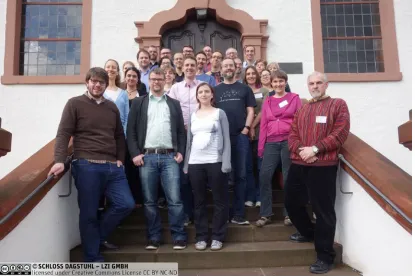
Historically, this book began as a weeklong workshop in Dagstuhl, Germany [2]. The motivation for this seminar was that since the 1980s and 1990s many things have changed and that it was time to revisit what makes modern software engineers productive.
What has changed since the 1980s and 1990s? Today’s software teams and engineers are often global and collaborate across borders and time zones, practice agile software development, frequently use social coding tools such as Stack Overflow and GitHub, and often work on laptops or their own personal devices. Today’s software engineers must deal with unprecedented complexity, can build large systems fast in the cloud, can store millions (or even billions) of lines of code in a single repository, and can release software frequently, often multiple times a day. They use on average 11.7 communication

![Ethyl 2 {1,3 bis[(6 chloro 3 pyridyl)methyl]imidazolidin 2 ylidene} 2 cyanoacetate ethanol solvate](data:image/gif;base64,R0lGODlhAQABAIAAAP///wAAACH5BAEAAAAALAAAAAABAAEAAAICRAEAOw==)