RESOURCE CENTERS
by
Paul L. Sebastian
A dissertation
submitted in partial fulfillment of the requirements for the degree of
Doctorate of Education in Curriculum & Instruction Boise State University
DEFENSE COMMITTEE AND FINAL READING APPROVALS
of the dissertation submitted by
Paul L. Sebastian
Dissertation Title: Form, Function, and Relevance of Contemporary Language Resource Centers
Date of Final Oral Examination: 10 October 2017
The following individuals read and discussed the dissertation submitted by student Paul L. Sebastian, and they evaluated his presentation and response to questions during the final oral examination. They found that the student passed the final oral examination.
Jennifer L. Snow, Ph.D. Chair, Supervisory Committee Richard Osguthorpe, Ph.D. Member, Supervisory Committee Kelly Arispe, Ph.D. Member, Supervisory Committee Rob Martinsen, Ph.D. Member, Supervisory Committee
iv
In some ways, this dedication has proven harder to write than the bulk of this dissertation. At this point in my life, I feel much more comfortable writing a literature review than trying to produce two lines on a birthday card. Nevertheless, here goes.
First, to my darling wife, Jessica. To make up for the late nights and subsequent grumpy and stressed out days, I promise you a lifetime of adventures big and small. Let’s get the party started in Paris. I’ll meet you there in March, mon amour.
v
This dissertation is a product of many formal and informal conversations with colleagues, advisors, professors, and students. First, I’d like to thank my entire
dissertation committee for putting up with my signature indecisiveness and for trusting me to take the lead on this study. A special thank you also to each of the ten participants for speaking with me so candidly about their respective centers. Additionally, I express gratitude to the new colleagues I have met from the International Association of
vi
This dissertation was conducted in order to better understand the interplay
vii
DEDICATION ... iv
ACKNOWLEDGEMENTS ...v
ABSTRACT ... vi
LIST OF TABLES ... xii
LIST OF FIGURES ... xiii
DEFINITION OF TERMS ... xiv
CHAPTER ONE: INTRODUCTION ...1
The Language Laboratory: A Brief History...1
From Language Laboratory to Language Center ...8
Communities of LRC Professionals...12
Background of the Problem ...14
Statement of the Problem ...18
Research Questions ...18
Significance of the Study ...20
Positionality ...21
Conclusion ...22
CHAPTER TWO: LITERATURE REVIEW ...24
Theoretical Framework ...26
viii
Review of Relevant Literature ...38
Form ...40
Function ...45
Relevance ...49
Conclusion ...53
CHAPTER THREE: METHODOLOGY ...55
Four Philosophical Assumptions of Qualitative Studies ...57
Selection of a Qualitative Approach ...62
Data Collection ...63
Interviews ...65
On-site Visits ...67
Reflective Journaling ...67
Data Analysis ...68
Structural Codes ...69
In Vivo Coding ...70
Focused Coding ...71
Theoretical Coding...75
Narrative Analysis ...77
Participants ...79
Validity, Dependability, and Trustworthiness ...82
Conclusion ...84
ix
The Knowles Center ...86
The Mayer Center ...90
The Swift Center ...93
The Dylan Center ...97
The Carey Center. ...101
Quantitative Results from the Four-step Coding Analysis ...105
Findings According to Relevance, Function, and Form ...110
Findings Pertaining to Relevance ...111
Relevance of the Knowles Center ...115
Relevance of the Dylan Center ...117
Relevance of the Swift Center ...118
Relevance of the Carey Center ...119
Relevance of the Mayer Center...120
Conclusion of Relevance ...121
Findings Pertaining to Functions ...123
Functions of the Knowles Center ...124
Functions of the Dylan Center ...126
Functions of the Swift Center ...127
Functions of the Carey Center ...128
Functions of the Mayer Center ...129
Conclusion of Functions ...130
x
Form of the Dylan Center ...132
Form of the Swift Center ...134
Form of the Carey Center ...135
Form of the Mayer Center ...136
Conclusion of Forms ...137
Conclusion ...138
CHAPTER FIVE: CONCLUSIONS ...139
Summaries and Syntheses ...139
Historical Overview and Impetus for The Present Study ...139
Context and The Creation of Relevant Frameworks...140
Identification and Explanation of Modes of Inquiry ...141
Narrative Profiles and Thematically Organized Findings ...142
Conclusions Pertaining to Form...142
Conclusions Pertaining to Function ...143
Conclusions Pertaining to Relevance ...144
Implications for LRC Researchers ...145
Implications for those Affiliated with LRCs ...148
Limitations and Suggestions for Future Research ...151
Limitations ...151
Future Research ...152
Conclusion ...154
xi
xii
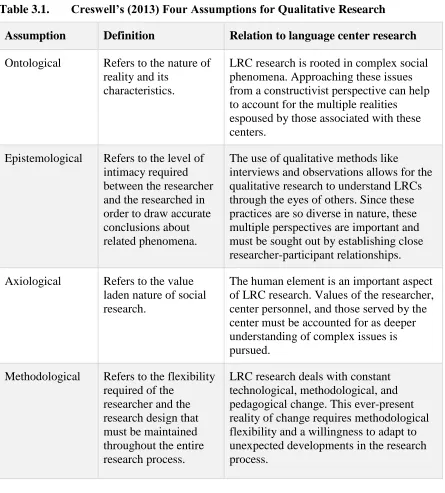
Table 3.1. Creswell’s (2013) Four Assumptions for Qualitative Research ... 58
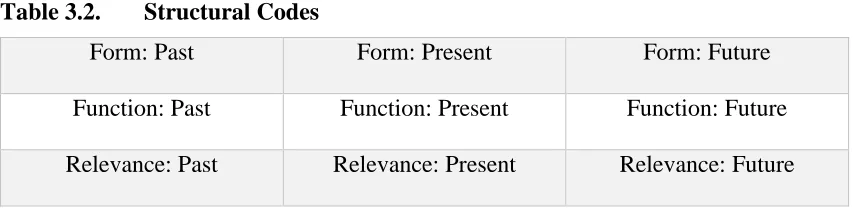
Table 3.2. Structural Codes ... 69
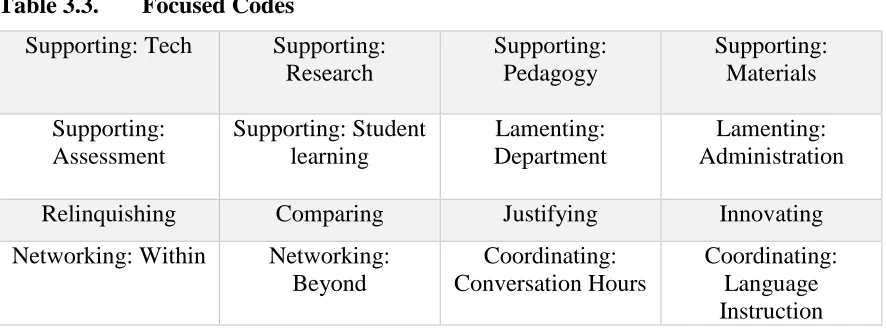
Table 3.3. Focused Codes ... 72
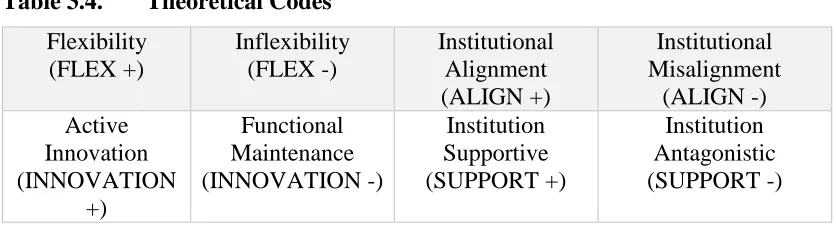
Table 3.4. Theoretical Codes ... 75
Table 3.5. Rules of Inclusion for Theoretical Codes ... 76
Table 3.6. Pseudonym Center Titles and Other Participant Descriptors ... 79
xiii
Figure 1.1. Audiolingual-style Language Laboratory: Rhodes College ... 5
Figure 1.2. Audiolingual-style Language Laboratory: Rhodes College ... 6
Figure 1.3. The Rise and Fall of the Language Laboratory ... 9
Figure 2.1. Theoretical Framework and Disciplinary Contributions ... 29
Figure 2.2. Theoretical Framework and Related Theoretical Contributions ... 35
Figure 2.3. Conceptual Framework ... 38
Figure 4.1 Combined Frequency Counts per Center: Structural Codes ... 105
Figure 4.2. Combined Frequency Counts per Center: Focused Codes ... 107
Figure 4.3. Combined Frequency Counts per Center: Theoretical Codes... 109
Figure 4.4. LRC Relevance: Flexibility, Alignment, Innovation, and Support ... 112
xiv
Computer assisted language learning (CALL): A term that encompasses a broad range
of topics related to the teaching and learning of language as facilitated by technology. Levy (1997) defines the term as “the search for and study of applications of the computer in language teaching and learning” (p. 1).
Foreign language education: A broadly defined term referring both to the instruction of
foreign language as well as foreign culture as the two are intimately connected.
International Association of Language Learning & Technology (IALLT): An
organization dedicated to better understanding language learning and technology in the context of foreign language education. This focus has been and continues to be rooted in the language resource center, formerly referred to as the language laboratory. The organization has undergone a good deal of change since its original inception as the National Association of Language Lab Directors (NALLD). IALLT meets biannually and is a frequent collaborator with other like-minded organizations like the Computer
Assisted Language Instruction Consortium (CALICO) and the American Council on the Teaching of Foreign Languages (ACTFL).
Language resource center (LRC): A term used to refer to the majority of centers today
xv
good deal of variability among these institutions. This variability is one of the topics being addressed in this dissertation. The terms language center, resource center, and language acquisition resource center are sometimes used synonymously throughout this dissertation.
Language laboratory: A term used to refer to the institutions that emerged in the early
20th century primarily as technology support centers for the teaching and learning of languages. Language laboratories are often differentiated from their modern counterparts, language resource centers, by their approach to providing access to technology and their accommodation of particular foreign language methodologies. With respect to
technology, language laboratories have historically assumed the responsibility of
CHAPTER ONE: INTRODUCTION
With this dissertation, I have sought a better understanding of the modern institution known as the language resource center (LRC). This opening chapter lays the groundwork for the study as I trace the historical roots of the LRC back to its 20th
century counterpart, the language laboratory. This introduction serves to contextualize the present study by tracing the evolution from language laboratory to language resource center and by articulating the present problems, which served as impetus for this investigation.
The Language Laboratory: A Brief History
Perhaps the only appropriate beginning to this investigation is with a machine that was invented by Mr. Thomas Edison in the year 1877 (Peterson, 1974). Commonly referred to as the “talking machine” (Clarke, 1918), the phonograph allowed sound to be recorded and reproduced using a needle which would etch the patterns of sonic vibrations into the wax of a cylinder (McClure, 1879). Charles Clarke’s 1918 article, The
Phonograph in Modern Language Teaching, provides an interesting window into the connection between machine and methodology. In the article, Clarke explained that “the use of the talking machine in teaching foreign languages is by no means new” (p. 116). According to Clarke, the affordances of the talking machine had already been
contribution of Edison’s machine to the teaching and learning of languages was in the area of pronunciation (1918). This early piece on language learning and technology revealed two truths. The first is that interest in the relationship between technology and language learning goes back much further than the invention of the personal computer. The second is that even with Edison’s phonograph, the cycle of new tech hype and its inevitable replacement was no different than what can be seen in today’s technological climate. Moving forward, Edison’s phonograph would play an important role in the birth of the language laboratory.
Just one year after Waltz’s 1930 overview of the Ohio State University phonetic laboratory, Waltz (1931) published a second article on the topic, but this time referred to the space as a language laboratory. In this follow-up article, Waltz again dedicated several pages to a discussion regarding the cost of laboratory equipment. For example, in discussing alternatives to the traditional phonograph, Waltz explained that there were many types of recording devices including “the Scully, Moneypenny, Melograph, Speak-a-letter, Speak-o-phone, Telegraphone, Telecord, Jenkins, Bristol, Victor home
recording, etc. But all of them are too expensive, inefficient for our purposes, and hence impractical” (1931, p. 218). My focus here on cost may seem irrelevant in matters of second language acquisition and pedagogy but it underscores an important reason for why language laboratories became so integral to language programs throughout much of the 20th century. Waltz’s oddly specific discussion of the hardware costs of these early language laboratories suggests that these machines were financially out of reach for the typical student. Because students lacked personal access to these important language learning devices, there was a need for the university to make them available. Therefore, providing access to expensive language learning technology constituted one of the reasons for the subsequent growth and expansion of the language laboratory.
Method had been utilized for the teaching and learning of Greek and Latin (Omaggio Hadley, 2000). In describing the application of this method in the classroom, Omaggio Hadley explained that “its primary purpose was to enable students to access and appreciate great literature, while helping them understand their native language better through extensive analysis of grammar of the target language and translation” (2000, p. 106). With the Grammar-Translation Method, the grammar of great texts was analyzed and the poetic prose of the classics were translated from one language to another
(Omaggio Hadley, 2000). In this sense, the Grammar-Translation Method was primarily a reading and writing oriented methodology which would later contrast sharply with the advent of the Audiolingual Method (Roby, 2004; Shrum & Glisan, 2015). Although it is difficult to accurately chronicle the history of foreign language methodology, Shrum and Glisan (2010) indicate that the Audiolingual Method began to take hold sometime around the 1940s and 1950s and was heavily influenced by the work of behavioral psychology. In their description of the Audiolingual Method, Shrum and Glisan wrote that there was an “emphasis on habit-formation and automatization based on repetition of teacher model with focus on pronunciation, stress, intonation, and rhythm” (2015, p. 45). Although both methods focused on language as something to be conquered through memorization and recall, it was their differences in modality that set the two apart. Compared to Grammar-Translation, the Audiolingual Method marked a clear transition of focus from reading and writing to an approach rooted in speaking and listening. Because the language laboratory provided access to machines that could capture and reproduce sound, it found itself well positioned as a critical component to foreign language education in the new
laboratories looked, I have included the following two photographs as Figures 1.1 and 1.2. These photographs are included here with permission from the Rhodes College Archives in Memphis, Tennessee.
Figure 1.1. Audiolingual-style Language Laboratory: Rhodes College
Figure 1.2. Audiolingual-style Language Laboratory: Rhodes College
Photo Credit: Rhodes College Archives, Memphis, TN
The photographs represented in Figures 1.1 and 1.2 above are typical of the language laboratories of this era. These photographs demonstrate the widespread adoption of headsets and microphones needed to carry out numerous audiolingual-oriented exercises. Furthermore, the photos show how students were isolated one from another. This
human to human interaction. Beyond the issues of access and methodology, a third and final factor played an important role in the rise of the language laboratory: the launch of Russia’s Sputnik satellite.
With the launch of Sputnik in 1957, the United States began to scramble as the threat of Russia’s dominance in space loomed large (Roby, 2004). As Baker (2011) explained, with the launch of Sputnik, “a new consciousness was aroused about the need for foreign language instruction” (p. 186). With this new impetus, the goals espoused by the Grammar-Translation method of teaching and learning languages continued to fade. Rather than access to classical literature, the United States needed people who could access critical information which was encrypted in languages other than English. Although national interest in foreign language learning had been steadily growing since World War II, it was the National Defense Education Act (NDEA) of 1958 that ushered in this golden era for language laboratories (Roby, 2004). In an attempt to catch up to the Russians in the race to space, the United States began to commit financial resources in three specific areas: science, mathematics, and modern foreign languages (Roby, 2004). Consequently, federal dollars started to pour into foreign language programs as the US government increased their financial support for foreign language research and teacher training (Mathieu, 1962). The impact of the NDEA on the growth of language
laboratories is most apparent when looking at the increase of the number of language laboratories in existence before and after the act was passed. Keating (1963) pointed to the results of a survey that demonstrated an increase in the number of language
program all played critical roles in the birth and exponential growth of the 20th century language laboratory. Following the passing of the NDEA, language laboratories would enjoy a number of years of external validation and a comparatively keen understanding of who they were, what they were doing, and why they mattered.
From Language Laboratory to Language Center
Toward the end of the 20th century, the golden age of language laboratories started to fade. In fact, as early as 1970 there was talk about how the language laboratory had failed to assist language learners in their quest for foreign language proficiency (Sherrow, 1970). Renee Sherrow offered the following reflection at the 1970 Northeast Conference on Teaching held in Boston Massachusetts:
Let’s install a lab! Nothing can go wrong! It was the decade of the sixties: a golden era. Language institutes flourished, electronic labs sprouted, magnetic tapes proliferated, and Candide-like optimism prevailed throughout the land. Surely, labs could help solve many of the problems facing language educators. The sixties, however, often proved to be a golden error. Language labs caused at least as many problems as they solved, and teachers discovered, contrary to expectations, that almost nothing could go right in lab. (p. 28)
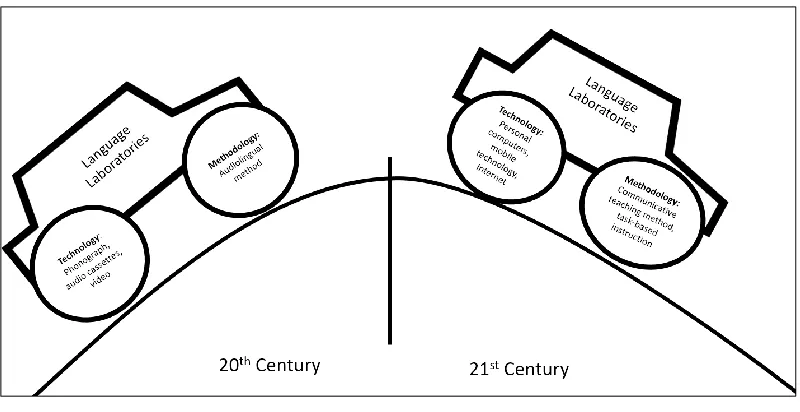
Figure 1.3. The Rise and Fall of the Language Laboratory
As Figure 1 indicates, increased access to technology and a more communicative approach to foreign language education caused a sort of identity crisis for many language laboratories (Koerner, 1988). In addressing the declining role of the traditional language laboratory, Koerner (1988) wrote the following:
In the past, we referred to our facilities as ‘language laboratories,’ a name which survives to this day and which often conjures up unpleasant thoughts: boring rooms filled with metal carrels that creaked and electronic equipment which did not always function fully to its advertised potential. (p. 83)
federally funded center at San Diego State University, were referred to as language acquisition resource centers. This variation in terminology was one sign of the search for an updated and cohesive identity as the laboratories of the past struggled to define themselves in a world where technology was increasingly ubiquitous and the primary methodology for the teaching and learning of languages was one where meaningful communication reigned supreme (Lee & VanPatten, 2003; Shrum & Glisan, 2015).
During this time, existing language laboratories also began to experiment with how things were done in an effort to keep pace with the changing climate of foreign language education. Some reverted back to a literal interpretation of the laboratory as a space for controlled experiments where second language acquisition could be measured with precision under laboratory-like conditions (Harroff, 1985). Others tried to
At around this same time, the United States Department of Education established the first round of national language resource centers which included the Language
Acquisition Resource Center (LARC) at San Diego State University, the National Capital Language Resource Center (NCLRC) at Georgetown University, and the National
Foreign Language Resource Center (NFLRC) at the University of Hawaii (NFLRC, 2017). After these three centers had been established in 1990, the Department of Education, with the support from Title VI of the Higher Education Act, went on to establish other national language resource centers throughout the country (NFLRC, 2017). Today, the number of Title VI funded centers is 16 and their specialties range from a focus on language learning at the community college level to emphasizing specific language groups like the Slavic and Eurasian Language Resource Center at Duke
University (NFLRC, 2017). Although these national language resource centers continue to play an important role in the teaching and learning of foreign languages, an important distinction must be made between these federally funded centers and those that have already been discussed. The Title VI centers that have emerged over the last several decades are in a very different league than the LRCs owned and operated at the local level. The latter have been around since the early days of the phonograph and the former have only recently emerged as well-endowed, government-backed institutions.
Furthermore, this study aims to better understand the form, function, and relevance of the non-Title VI LRCs. But, a thorough understanding of the transition from language
benchmark in the transition from laboratory to resource center took place at the Massachusetts Institute of Technology campus in 1989.
Communities of LRC Professionals
In 1989, members of what was then known as the International Association of Learning Laboratories (IALL) gathered at MIT to discuss the state of the evolving language laboratory (IALLT, 2015). At this meeting, Ruth Trometer, president of the organization, helped to establish a new tradition where a biennial conference would be held to discuss matters related to language learning and technology with a specific focus on the language laboratory (IALLT, 2015). A few years after the MIT conference, the organization changed their name from the International Association of Learning Laboratories to the International Association of Language Learning and Technology (IALLT, 2015). This name change was important because in dropping the term
“laboratory,” the organization echoed the shifting paradigm of the time as attention was turned from language laboratory to language resource center. This was not the first name change the organization had undergone. In the beginning, the organization was
I felt cautious as I reflected on the conversations about the relevance (and in some cases, irrelevance) of the LRC in today’s technological and methodological climates. And yet I felt hopeful as each person I met seemed to exude a sincere and genuine concern for foreign language education. What was perhaps most impressive was that these
individuals did not come from one obscure branch of a narrowly defined academic discipline. On the contrary, there was an exciting blend of faculty and staff who came from backgrounds in education, library science, technology, linguistics, and foreign languages. Professional staff sat at the same tables as well-written tenured professors and, just as advertised, people did really seem to like one another. These observations from the IALLT conference helped to frame this dissertation and the subsequent investigation of today’s language resource centers. However, despite the insights I was able to gain from the conference, I realized that the answers to the core questions that comprised this present study were only beginning to emerge.
Background of the Problem
professor would then upload her own file as feedback to my submission. As I carried out these tasks, the computer stations next to me were often either vacant or again, being used as overpriced and overpowered televisions.
My second exposure to a language laboratory was during my graduate studies at another institution. At this second institution, the laboratory had previously gone through the process of rebranding and the rooms which were once home to old metal carrels and headsets were filled with spacious desks upon which sat shiny Apple computers. My interactions with this new lab were quite different from my previous experiences. First, my experience with the lab at my previous institution was as a student. At this new institution, my interactions with the center were twofold. First, I used the space as a graduate instructor where I utilized the private testing rooms to administer oral
proficiency exams to my students at the end of each semester. It is important to note that none of the introductory Spanish language classes required students to spend a minimum amount of time in the center. My second association with this second lab was in the capacity of curriculum developer where I worked with a team to develop a custom video player which could break up YouTube videos into smaller segments. My job was to design curriculum materials to go along with the videos which were then used in a pilot intermediate Spanish course of which I was an instructor. In examining these two laboratories as examples, it is interesting to think about the differences between the two centers which, fifty years ago, might have been virtually identical.
laboratory facility at all. Then, during the 2017-2018 academic year, I came across a job advertisement looking to hire someone to direct a brand-new language resource center and to teach courses in second language acquisition as a tenure-track faculty member. The idea of helping transition what sounded like a very traditional language laboratory into a more modern language resource center prompted me to apply for the position. The timing coincided perfectly with my doctoral studies as I was just beginning work on my dissertation. What had started out as a dissertation about professional development in computer assisted language learning (CALL), soon shifted to a focus on the language resource center as a modern reincarnation of the 20th century language laboratory.
Here before me was the very real, very tangible task of directing the transition of a language laboratory into a language acquisition resource center. As I started to look into other LRCs, I began to realize that no single, well-defined model existed. The models I came across were either organized differently or they performed a mixture of dissimilar functions. Furthermore, there was no common title for these centers as some were still referred to as laboratories while others had adopted the newer title of language resource center. Around this time, I began to reflect more critically on my experiences with the language laboratory at my undergraduate institution and the language resource center I worked for during my graduate studies. How were these two institutions so different given their relatively common purpose to assist in the process of teaching and learning foreign languages? As with most scientific studies, this dissertation was born out of a series of real questions about real issues of which I was just beginning to understand.
What did it matter that language resource centers were different one from another? I began to wonder if language resource centers really were necessary in today’s
technological and methodological climate. After all, I had just completed my fifth year of teaching foreign languages at a school that did not have one. The situation, as I began to see it, was this: Either language resource centers were obsolete shells of their former selves or they were, in fact, contributing to the advancement of foreign language teaching and learning. If they were contributing positively to foreign language education, I wanted to know how. On the other hand, if there were, in fact, obsolete, I wanted to know why so many were still in existence. Given my previous experience with language laboratories, my suspicion was that some centers, like the language laboratory at my undergraduate institution, were fading in the new technological and methodological climate of foreign language education. Meanwhile, other centers, like the one I encountered during my graduate studies, were managing to thrive and adapt through innovative and creative ways of thinking.
An early hypothesis of this dissertation was that language resource centers were contributing to the efforts of teaching and learning languages by serving as centers for informal and formal CALL professional development. This early hypothesis was based on a 2013 survey of LRCs where Kronenberg (2016) found that 59% of language centers listed professional development as one of the main services they provide. After
Consequently, I abandoned the early hypothesis and broadened the scope of my inquiry. This broadening resulted in an interview protocol designed around three facets of the modern language resource center: form, function, and relevance.
Statement of the Problem
In my quest to better understand how LRCs were organized, what functions they performed, and how they were relevant, I hoped to address one central and deeply concerning problem. Given that language centers require significant institutional investment; very little information is available regarding their relevance to the current paradigms of foreign language education. If these centers are contributing to the
advancement of foreign language education, then these contributions are not being widely disseminated. On the other hand, if they are obsolete, their continued existence means that they are draining resources and energies which might be directed to other, potentially more beneficial, endeavors. This dissertation is only a step toward a better understanding of these issues.
Research Questions
O’Leary’s (2010) guide for developing research questions in mind, I drafted the following research questions for this study of language resource centers.
1. How has the organization of language resource centers changed over time? 2. In what ways, if any, do language resource centers contribute to the efforts of
foreign language teaching and learning?
3. How are language resource centers still relevant, if at all, today?
Significance of the Study
Here, I circle back to that dreaded yet extremely important question, “So what?” What is to be gained by investigating the answers to the research questions above? How might answers to these questions impact foreign language education? What might be the peripheral consequences of conducting such a study and who really cares about these issues anyway? For me, the core significance of this study can be found in the issue of relevance. One binary interpretation of this issue is that today’s language resource centers are either relevant to foreign language education or they are not. If the work being done by LRCs is, in fact, contributing positively to foreign language education, then these contributions need to be documented and disseminated so that other centers might have the chance to duplicate these successes. On the other hand, if the LRC is irrelevant to the teaching and learning of foreign languages, then resources and energies should be
directed to other efforts which might ultimately yield better results. A second
Positionality
Since beginning the work for this dissertation, my position as researcher has moved from outsider to newly appointed insider. The advantages and disadvantages of these perspectives have been well documented in the fields of anthropology, sociology, psychology, and applied linguistics (Dwyer & Buckle, 2009; Pike, 1967; Todeva & Cenoz, 2009). As this dissertation continued to unfold, I was simultaneously under consideration for a tenure track position as a professor of applied linguistics and founding director of a newly established language acquisition resource center. I have since been hired into this position and assumed this role in the fall of 2017. As one might suspect, this situation introduces the possibility of a biased analysis of language resource centers. In their discussion of insider bias, Dwyer and Buckle (2009) argued the following:
Being a member of the group under investigation does not unduly influence the process in a negative way. Disciplined bracketing and detailed reflection on the subjective research process, with a close awareness of one’s own personal biases and perspectives, might well reduce the potential concerns associated with insider membership. (p. 59)
Watt (2007) highlighted the benefits of keeping an ongoing research journal as a tool for ameliorating the potential biases mentioned by Dwyer and Buckle (2009). Watt argued that “an introspective record of a researcher’s work potentially helps them to take stock of biases, feelings, and thoughts, so they can understand how these may be
Finally, I wish to reiterate that my insider position as an LRC director was granted during the development and execution of this dissertation. Consequently, I approached the work in this dissertation first as an outsider and only later as a newly appointed insider. This transition from the etic perspective to the emic is quite rare in the sense that it occurred during the project itself. In my experience, most studies are framed with the researcher belonging to one group or the other throughout the entire duration of the study. Therefore, having had the opportunity to work on this project using both perspectives, it is my hope that my biases will not have unfairly influenced the final results.
Conclusion
In this chapter, I have provided a brief overview of the evolution from language laboratory to language resource center. I have argued that the rise and fall of the language laboratory was fueled both by technological as well as methodological innovations. In my discussion of the 20th century language laboratory, I indicated how the invention of the phonograph, the transition from the Grammar-Translation method to the Audiolingual Method of foreign language instruction, and the Space Race all contributed to the rise of the traditional language laboratory.
Finally, I have attempted to articulate the problems that this dissertation addresses and have introduced the specific research questions that have guided this project from beginning to end. I remind the reader that this study does not necessarily aim to offer a definitive answer regarding the relevance of the language resource center to the current models of foreign language education. Rather, the goal has been to scratch the surface of these issues and to establish a model which might be utilized by future researchers in order to ascertain a more comprehensive study of these issues. However, despite these limitations, this body of work represents a much-needed pivot towards a better
understanding of the modern language resource center and its role in foreign language education.
In order to achieve these goals, a qualitative path of inquiry was chosen. Although the details of these decisions are more thoroughly discussed in Chapter 3 of this
dissertation, Merriam’s (1995) discussion of the purposes of this research methodology is of particular interest here. She writes:
Qualitative research is ideal for the following: clarifying and understanding phenomena and situations when operative variables cannot be identified ahead of time; finding creative or fresh approaches to looking at over-familiar problems; understanding how participants perceive their roles or tasks in an organization; determining the history of a situation; and building theory, hypotheses, or generalizations. (p. 52)
CHAPTER TWO: LITERATURE REVIEW
This chapter begins with an outline of the theoretical and conceptual frameworks that served to frame the current investigation on language resource centers (LRCs). Pertaining to the theoretical framework, a combination of related theories from the disciplines of educational psychology, second language acquisition, and educational technology informed this research project. With respect to the conceptual framework, I describe a two-tiered model that is first organized by topic (form, function, relevance) and secondly by time period (past, present, future). Given the complexities of these two frameworks, I provide accompanying visual models as ancillary guides to my narrative descriptions.
any online search databases. Furthermore, the only accessible volumes of the most recent iteration of the journal, the IALLT Journal, were those published during and after 2002. In my quest for these materials, I posted a message to the IALLT Facebook group asking members if they knew of any way to access these offline and out-of-print publications. I was delighted to see that within twenty-four hours, I had received several responses suggesting a few long-standing members whom I might contact regarding my inquiry. A few emails later, I had received ten or eleven articles form the NALLD and IALL
journals as email attachments and had been invited to assist with the task of uploading these decades worth of articles onto the current IALLT website. This simple invitation allowed me to gain access to almost the entire collection of articles from the very first volume of the NALLD Journal in 1967 all the way up to the most recent edition of the
IALLT Journal. The earliest issue I had access to was actually the fourth issue of the first volume as the other issues exist only as physical copies and were likely tucked away in just one or two faculty offices. In addition to the NALLD, IALL, and IALLT
publications, the recent edited volume by IALLT’s current president, Felix Kronenberg (2017), played a key role in the decision to organize this chapter using the paradigm of past, present, and future. Other key findings are pulled from chapters in edited volumes, professional documents published by IALLT, and publications found in journals with missions that reach far beyond the specialized topics related to language centers and laboratories.
Excluded from this review were studies that only discussed the use of a particular technological tool, language teaching methodology, and/or focused on an aspect of language teaching or language learning without centering that discussion within the context of the language center. To offer an example of these parameters, only one of the nine chapters included in Bush and Terry’s (1997) Technology-Enhanced Language Learning fits all of the criteria for the kinds of sources that I sought to include in this review. The other chapters focused their comments on popular technologies,
methodologies, but did so in a way that was largely detached from the context of the language resource center. Some chapters in the volume even mentioned language
laboratories but none, with the sole exception of Scinicariello’s (1997) chapter, presented their findings as squarely within the context of the LRC. Now, this is not necessarily to say that the other chapters, nor the other sources excluded from this review, were in some way flawed or of poor quality. Their exclusion simply marks their irrelevance to the central issues explored in this study, issues which are all rooted firmly within the institution of the LRC.
Theoretical Framework
as they framed their discussion of the language center around the theory of multi-competence (Cook, 1991) and the theory of communities of practice (Wenger, 1998). These two theoretical frameworks provide helpful context to Scott and Hughes’ (2017) argument that LRCs should serve to debunk the often over idealized native speaker myth and assist in creating spaces for communities of learners to come together in shared spaces. The second chapter to mention any sort of theory makes reference to Larsen-Freeman & Cameron’s (2008) discussion of complexity theory as a way to understand their concept of a multi-institutional model for LRCs (Brudermann, Grosbois, & Sarré, 2017). The third and final chapter to integrate theory is the concluding chapter by Kronenberg (2017) himself where he points to Gee (2004) and Lefebvre (1991) as examples of thinking critically about learning spaces. In a book that examines the language centers of the past, present, and future, these few and somewhat fleeting indications of theory are cause for concern about the state of research involving LRCs.
On a related and perhaps similarly concerning note, theory development in the broader field of computer assisted language learning (CALL) research has also suffered from a lack of common frameworks. In 1997, Levy opened his book on CALL by pointing out that, “emerging most strongly in a review of the literature on CALL
materials is the lack of a generally accepted theoretical framework that authors can use to guide their work” (p. 4). Over a decade later, Hubbard (2008) conducted a systematic literature review with the goal of understanding the degree to which theory had been discussed in the Computer Assisted Language Instruction Consortium (CALICO) Journal
throughout the journal’s 25 published volumes, no single or identifiable group of CALL-oriented theories existed. In his final reflections, Hubbard (2008) echoed some of the same concerns expressed earlier by Levy (1997) stating that the apparent lack of an agreed upon theoretical framework or set of frameworks was likely due to the fact that CALL exists as a subdiscipline of the broader field of second language acquisition; a relationship which perpetuates a continual borrowing of tangentially related theories of teaching and learning from the work of psychologists, educational theorists, and applied linguists.
As I have already demonstrated, research on language resource centers has also suffered from this lack of theoretical cohesion. The result is that studies involving LRCs have either ignored theory altogether, like the majority of the chapters in Kronenberg’s (2017) recent edited volume, or have relied somewhat tangentially on theories used primarily for other purposes (Brudermann, Grosbois, & Sarré, 2017; Kronenberg, 2017; Scott & Hughes, 2017). To overcome this challenge, and in an effort to break the chain of theory neglect, I sought to frame my dissertation using theories from neighboring
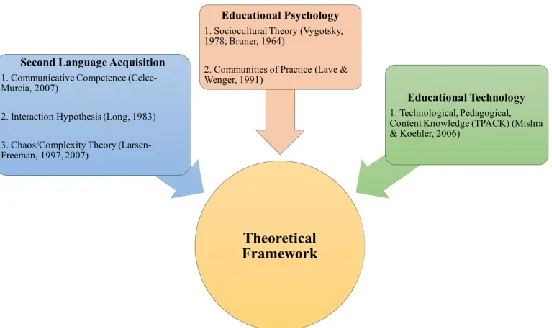
Figure 2.1. Theoretical Framework and Disciplinary Contributions
This multi-theory framework, as demonstrated in Figure 2.1, combines key theories from three related disciplines. As I have already outlined, this theoretical borrowing has been quite the norm in the area of CALL and LRC research. Pond (1967) provided an indication that this borrowing has been going on for many decades now as he explained that to understand the role of the language laboratory, “we must look at the field of learning theories, and secondly, at the field of applied linguistics” (p. 11).
One potential and existing candidate was the Technological Pedagogical and Content Knowledge (TPACK) framework by Mishra & Koehler (2006). In describing TPACK Mishra and Koehler argued that technology-based practices needed to take into account issues pertaining to both pedagogy as well as content knowledge. Furthermore, they demonstrated how each of these three areas were intimately related to one another. The combination of tool, pedagogy, and content knowledge expertise struck me as particularly helpful in thinking about possible frameworks for the present study.
However, the TPACK framework, although well suited for issues related to teaching with technology and CALL-oriented professional development, did little to address the
specific issues pertaining to language learning and language resource centers. Consequently, I began to look elsewhere for a more comprehensive framework.
Neither of these models had been specially designed for language acquisition and so fell short of a fully comprehensive theoretical framework for what I hoped to accomplish with this project. In order to supplement this missing link, I turned to theories in second language acquisition (SLA) in hopes of finding a suitable model for my study.
Having taught several courses in SLA theory and practice, my search for
potentially suitable theoretical models in this discipline was much less strenuous than my searches in the areas of educational psychology and educational technology. It was not long before I had decided on the notion of communicative competence (Celce-Murcia, 2007) and the Interaction Hypothesis (Long, 1983) as possible theories to help frame my dissertation. However, despite the strength of these hypotheses in the field of SLA, they too failed to meet the complex needs of this study. I found that I was still in need of a framework that could account for the continually evolving paradigms of technology, methodology, society, and culture. The last theory to inform this study seemed to specifically address the difficulty of understanding complex phenomena, particularly within unstable contexts. Here, Larsen-Freeman (1997, 2007) has shed light on the possibility of adapting Chaos/Complexity Theory as a possible unifying framework for the field of second language acquisition. She convincingly argues that language, as a system, exhibits many properties that adhere to the main tenets of the theory; mainly the system’s propensity to deviate from predictable norms and to evolve over time. Still, this connection between Chaos/Complexity Theory and the broader field of applied
Theoretical framework(s)
In the end, I decided to approach my study using a combination of the theories outlined above and highlighted in Figure 2.1. This multi-theory framework is reflective of the heterogeneous nature of language centers themselves. In thinking about the evolution of language laboratory to language center, it is clear that the 21st century LRC has
survived because of its technological, methodological, and sociocultural flexibility
(Liddell & Garrett, 2004). Ledgerwood (2017) summarized this point well when he wrote the following:
Language centers are amazingly flexible and adaptable places. What were
originally laboratories have morphed over the years into resource centers and now forums and studios. As language methodology has changed over the years due to advances in second language acquisition theory and research so have language centers. (p. 6)
Societies, cultures, technologies, and methodologies are in a constant state of change. Although the rate of change might differ (technology has typically changed at a faster rate than methodology), this constant flux is precisely what unites these seemingly unique processes. Consequently, any institution that stands at the crossroads between these four areas must be willing to adapt and change. Furthermore, any attempts to investigate these institutions through research must remain equally agile. In the following sections, I describe how each related theory was subsumed into the theoretical framework for this study.
evolve as spaces where opportunities for social and cultural interactions are facilitated through a combination of face-to-face, hybrid, and online spaces. The second theory to come from the field of educational psychology is the concept of communities of practice (Lave & Wenger, 1991). Within this broader framework it is important to note the specific notion that members of a community of practice are in constant flux between the community’s peripheral and insider membership ranks (Lave & Wenger, 1991). In terms of the LRC community, membership possibilities include teacher, student, and LRC staff. As students and teachers become more adept in their abilities to teach and learn
languages, they are able to move closer towards insider status. Some even become so proficient that they then become community brokers where they are able to act as
emissaries between peripheral and insider community members (Lave & Wenger, 1991). This idea of fluid and constant movement of a community’s members is subsumed into the overall framework which informed the study’s design. In addition to these two educational psychology theories, additional theories coming from the areas of second language acquisition and CALL help to shed light on LRC related research.
insights from two influential SLA theories played important roles in the creation of the new framework.
From the field of second language acquisition, Larsen-Freeman’s (1997, 2007) adaptation of Chaos/Complexity Theory for language as a system was particularly helpful. Both Long (1983) and Celce-Murcia (2007) offer additional models for how to think about the process of acquiring a second language. In retrospect, Long’s theory that languages are best acquired through a sort of conversational negotiation of meaning seems quite simple by today’s methodological standards. Long’s hypothesis stands as a sort of amalgam of Krashen’s Input Hypothesis (1982) and the later articulated Output Hypothesis by Swain (1995). Both of these hypotheses stressed the importance of comprehensible communication, the former with an emphasis on language processing and the latter on language production. Interestingly, these seminal theories in second language acquisition are almost always discussed in relation to Vygotsky’s (1978) Zone of Proximal Development (Shrum & Glisan, 2015). The idea of communicatively stretching just beyond one’s current level of proficiency to the next level of
understanding fits very well within Vygotsky’s (1978) discussion of actual and potential developmental levels. In light of these connections, I have come full circle in my
Figure 2.2. Theoretical Framework and Related Theoretical Contributions
As Figure 2.2 demonstrates, the theoretical framework for this study aims to account for constant fluctuations in the areas of technology, methodology, society, and culture. In doing so, it draws from theories that all, to some degree, encompass the idea of constant change. The framework demands flexibility and adaptability throughout the entire research process from initial inquiry to subsequent data-driven conclusions. As I will highlight in the following chapter, the methodological decisions I made in this study were influenced by this multi-theory framework. Furthermore, the conclusions I offer in the final chapter of this dissertation will be framed within this same context.
Conceptual Framework
divide the complex history of LRC research into more digestible components.
Kronenberg (2017) described the conceptual organization of his edited volume in the following manner:
The volume is loosely divided into three sections: the past, present, and future of the language center. This is not a strict division; all chapters reflect on the past, the present, and the future in some ways. But in order to bring some order to chaos, this editor used these categories to order the different viewpoints. (p. 1)
This explanation rings true throughout the text as the various contributors often cross chronological boundaries in their treatment of past, present, and future LRC models. This chronological ordering of content, despite the potential problems with oversimplification, successfully groups the chapters into more digestible categories. The decision to divide LRC research chronologically was also made by Roby (2004) in his chapter on the evolution of the language laboratory. However, the two sources differ in that Roby’s review of LRC related findings utilizes a much more detailed division between the markers of past, present, and future.
Roby’s (2004) conceptual framework can be found in his review of literature on the effectiveness of the language laboratory. The three-part chronologically ordered framework begins with what he referred to as the forerunners to the language laboratory. The first division begins with the invention of the phonograph in 1877 and concludes with the end of World War II in 1946. As for the second chronological division, Roby discussed literature from 1946 to 1958, a time which he referred to as the “postwar and pre-NDEA period” (p. 530). The decision to end this second division with the
published in 1980. Apart from these two examples of conceptual frameworks, a few other models are also worth mentioning here.
A number of articles published on language resource centers have adopted more of an anecdotally focused conceptual framework. For example, Angell, DuBravac, and Gonglewski (2007) each spent time highlighting their own experiences as LRC directors at three different institutions. This action research oriented approach to inquiry can be found in recent LRC publications (Yaden & Evans, 2017; Sun, 2017) as well as those of the past (Lyman-Hager, 1990; Waltz, 1930; Wang, 2006). Other studies on language laboratories have taken a more didactic approach and have employed conceptual
frameworks that were built around practical concerns with designing, implementing, and evaluating language centers (Kronenberg & Lahaie, 2011; Ross, 2013; Simon, Kraemer, Kronenberg, Lavolette, & Sartiaux, 2017). Of these available conceptual frameworks, the chronologically defined models, as implemented by Kronenberg (2017) and Roby (2004) served as the main references for the development of the current conceptual framework for this study.
Figure 2.3. Conceptual Framework
The conceptual framework represented in Figure 2.3 will be used to organize this study in such a way that invites reflection of the past, assessment of the present, and planning for the future. Not only was this framework utilized in the subsequent sections of this chapter but it also served as an overarching organizer for the conclusions I offer in the final chapter of this dissertation. The difference between how the framework is used in this chapter and the form it takes in the final chapter has to do with the emphasis given on the past and future time markers. For example, past examples of form, function, and relevance play center stage in this review of literature. However, as I discuss my
conclusions to the project, my focus shifts toward present and even future LRC models. In any case, the multi-layered framework helps to contextualize both discussions.
Review of Relevant Literature
focus their attention on one particular aspect or timeframe. Before beginning my overview, it is necessary to clarify what is meant by form, function, and relevance. Furthermore, I shall take just a moment to provide a sense of how I define the
chronological markers of past, present, and future, inasmuch as they pertain to the current study of LRCs.
As for form, I am referring to the various aspects of how a laboratory or center is organized. This notion of organization is not limited to administrative structure, staffing, or oversight but rather includes the actual composition of the space occupied be it physical, virtual, or hybrid in nature. As for function, I refer to the various activities that LRCs perform. At certain intervals throughout the history of LRCs, these functions were relatively cohesive and well understood. However, recently, activities and responsibilities assigned to LRCs are of increasing complexity and can range from hosting online target language rap competitions (Urlaub & Kautz, 2011) to community outreach into public schools (Primov & Clark, 2005). Finally, with respect to relevance, I refer specifically to indications of how LRCs are serving to benefit the efforts of teaching and learning foreign languages. Of course, the flip side to this, the irrelevance of LRCs to foreign language education, will also be examined.
both the chronological specificity employed by Roby and the flexibility of Kronenberg’s descriptors. Ultimately, I settled on distinctions that drew from both models. As a
chronological distinction between past and present I use the turn of the century as a loosely interpreted partition. For future, I include any discussion that refers to models of LRCs either not yet in existence or that have not yet been widely adopted or normalized. With the variables of form, function, and relevance somewhat operationalized and the time markers of past, present, and future articulated, it is now time to turn to the relevant LRC literature.
Form
From the birth of the LRC in the early 20th century to the last few decades of the millennium, there were not many organizational differences among language
laboratories. Again, Waltz’s (1930) article offers a helpful description for what these early language laboratories might have been like. He wrote:
Each listening machine is a unit. As many as forty students could use a single unit or machine at one time. However, for our purposes we have fixed on a table seating 16 students. The table is 13 feet 4 inches long and 2 feet 9 inches in height. The width is 3 feet. The table is divided into compartments by a thin 18 inch board running down the center and boards of the same material running at right angles. (p. 28)
Many instructors . . . generally put a tape in the console and graded papers while the students were put through their paces. One, who is no longer here, used to drink coffee and read the newspaper at the console. He didn't notice that his students weren't repeating. To be fair, teachers who tried to use these consoles in some sort of interactive way found that one switch would often disconnect five or more students, connect some random number of students to each other, or send a high-pitched whistling noise into the ears of 25 unsuspecting aspirants to the German subjunctive” (p. 75).
With the aid of a substantial grant, Williams was later able to convert the audiolingual- oriented space into a center that accommodated not only audio resources but also video materials and an overhead projector. There was, however, some evidence that not everyone was under the same impression as to what a language laboratory was or how it was to be organized. Capretz (1969) wrote of this confusion saying that:
First of all nobody really knows what a language laboratory is. So many various and sundry conglomerations of equipment go under that name, that in order to find what is common to all of them, and makes them language laboratories, you have to get down to features so general that they mean very little. (p. 33)
Although, as Capretz pointed out, variations in language laboratories must have existed among the early models, the visual image of individual listening stations where students would sit for extended periods of time repeating phrases and listening to scripts continues to prevail even today. This organization was, no doubt, closely linked to the prevailing methodology of the day. These were methods that did not require social human
interaction but rather emphasized high volumes of drilled memorization oriented around the modalities of speaking and listening (Shrum & Glisan, 2015). However, as
methodologies began to evolve from drill-based isolated practices to socially oriented activities, so too did the organization of the language laboratory.
came about as technologies like the Sony Walkman and the laptop computer disrupted the long-standing need for students to congregate around a centrally located
technologically rich facility. Otto (1989) described the portability of the Walkman and its relevance to the traditional language laboratory in this manner: “These student-owned machines can be exploited as portable audio labs. Language learners can be released from the bonds of language lab carrels by learning centers or libraries that provide copies of audio programs for use on personal tape players” (p. 23). Twenty years prior to Otto’s chapter, Barrutia (1967) presciently wrote that mobile technologies like the portable radio would lead to the establishment of a “laboratory without walls” and that the breakthrough would “hasten the decentralization of the live bodies and the centralization of all teaching information” (p. 895). However, this decentralization of the laboratory would be slow to occur with discussions of fully online or virtual laboratories emerging as viable
possibilities only after the turn of the century.
Towards the end of the 20th century, Gölz (1999) published an article where he discussed early models of distance education courses which could harness the power of the World Wide Web to facilitate teacher to student and even student to student
the decentralization of the physical LRC. Still, these discussions of physical space
seemed to weigh heavy on the minds of LRC professionals. These concerns can be noted, for example, in an article by Garrett (1997) where she wrote the following:
We need to think even further ahead, past the issue of whether ‘our space’ is to be dedicated to language learning or opened up to other disciplines. We need to anticipate that in the not-too-distant future our facilities may to a considerable extent disappear as dedicated physical spaces. Many campuses now have central servers and networks connecting libraries, dorms, and classrooms, so that students can accomplish much of their textual computing without coming into general purpose computing labs. As yet, however, we can't easily or inexpensively deliver multimedia over these networks, and we can't count on all our students having audio and video capabilities on their dorm or home computers, but those obstacles will disappear within the next few years. At the point when campuses have a fair number of networked classrooms capable of receiving and showing multimedia, they are likely to stop maintaining specialized facilities. And we won't be able to prevent language labs from disappearing simply by voicing indignant protest; we need to articulate cogent reasons why they should continue. (p. 27)
Garrett’s concerns were later reflected in a question posed by Burston (2003) where he asked, “When all its resources are finally available from anywhere on campus, what justification will there be for maintaining a center as a physical entity” (p. 23)? In answer to these questions and concerns, a number of articles would later be published on the topic of the virtual language laboratory.
environment for language students. Years went by and these limitations slowly faded away with the progress made in language learning and technology. These improvements led MacDonald to publish an article in 2011 titled “The ‘Virtual Language Lab’ Virtually Painless, Simply Real.” She described her idea of a virtual language lab as “a portable, digital space that is liberated by the individuality of learners and teachers and finds expression in pluri-dimensional, multi-channel technological applications” (p. 146). Faced with budgetary constraints that limited the availability of physical and
technological resources, the virtual language lab offered a way for MacDonald to access the benefits of a language center at an institution where no physical entity existed. It must be noted, however, that this idea of a decentralized virtual space poses a potential threat to those whose professional lives are grounded in the physical language center. To those concerned with these issues, MacDonald offered an excellent caveat for the complete replacement of physical centers as she argued the following:
One final suggestion: do not abandon the idea of a traditional language lab facility just because there is a lot of free stuff out there. Despite everything above, I am still pushing for a dedicated lab space for our department. Whether we designate it a Language Learning Center, a Language Lab, or a Technology Assisted Foreign Language Study Room, it would still be nice to have someplace to call our own, with a director that could be dedicated to keeping our entire department and all our students abreast of the most recent technology and the most contemporary pedagogy that will drive its use. Until then, the Virtual Language Laboratory is something functional for the overworked, underfunded, and perhaps under-prepared non-expert without a tech degree or huge quantities of expertise and time. (p. 156)
MacDonald’s parting thoughts underscore another key element in the design and
steps to designing a center for a particular institution. Tchaïcha highlighted the benefits of gathering input from internal as well as external constituents, visiting other language centers, and taking into account financial details before implementing a new language center.
As I trace the organization of LRCs form present time backwards, various models can be identified. What was once an exclusively physical space has recently begun to take on more of a hybridized form as evolving technologies have allowed for place-free learning to occur. The next potential shift in form and organization may very well be towards a completely virtual space not unlike those discussed at length by MacDonald (2011) and Yang (2004). And yet, even despite technological and methodological
advances, the human element of foreign language education is an important one. Perhaps only time will tell whether or not computer assisted language learning will ever be able to sufficiently facilitate the millions of data points exchanged in a single face-to-face
conversation. Function
Audiolingual Method of foreign language education has been well documented in recent publications (Kronenberg, 2014; Roby, 2004; Scinicariello, 1997). An analysis of articles published during this particular chapter in LRC history adds an even more detailed understanding of how the language laboratory accommodated the Audiolingual Method’s focus on listening and speaking. Pond’s article regarding the language laboratory (1967) offered such an account. Regarding learning objectives, Pond wrote:
A more realistic goal might be stated as follows: You will have to respond
correctly, orally and without hesitation to all the stimulus sentences in Exercise C of Lesson 29 with books closed. If the term correctly, as used in stating this goal, must be defined, the student can be told that a correct answer means an answer identical to the taped confirmations. (p. 12)
The rigidity of the Audiolingual Method is clear in Pond’s call for more specific educational goals. As I continued my search for publications from this era, I was surprised to find a collection of growing discontent towards the powerfully influential Audiolingual Method. Just a year after Pond’s publication Valette (1968) offered these insightful words:
We must wrench ourselves out of the stimulus-response straight-jacket and accept a more balanced view of language learning. We must provide students with accurate models, but we must also give them some leeway to make mistakes and to learn from those mistakes. We must allow for creative intellectual activity in addition to the intensive exercise of memorization and drill. (p. 5)
Just a year after Valette’s article, Reinert (1969) would offer continued support for thinking about the language laboratory as more than just a place for drilled input and output. In encouraging others to think more broadly about the possible functions of the language laboratory, Reinert argued the following:
been used only for drill work and its creative possibilities have been ignored. (p. 58)
As an example of one of these creative possibilities, Reinert suggests the use of children’s records arguing that their simplified syntax, variety of character voices, and inclusion of a story or narrative can help to keep students engaged during lab sessions. A second creative possibility discussed by Reinert included the use of the laboratory as a place for assessment. Thus, calls for a broader application of language learning and technology were evident even during the golden era of language labs and the
Audiolingual Method. And yet, as often is the case, praxis rumbled on at a business-as-usual pace well into the latter years of the 20th century.
As for present and relatively recent functions of language centers, some of the best insights into these operations came from the presentations at the recent IALLT conference at Concordia College. A great variety of LRC functions were discussed in the various sessions throughout the conference. These included a language coaching program run by the language resource center at American University that works to pair native speakers with language students for additional opportunities to use the language in real social settings (Cruz, 2017). In another session, Ettzevoglou and Rosen (2017)
highlighted various online programs like Kahoot and Quizalize which can provide automated reports which can then inform efforts in differentiated instruction. Other LRC functions have been noted in the professional literature.
To learn a language with the assistance of social software and communicative technologies in the 21st century classroom, we will provide our students with a sense of cohesiveness that our traditional learning space, a classroom enclosed by four walls, simply cannot provide By welcoming and celebrating a multiplicity of perspectives, a cacophony of voices, different and differing worlds, cultures, and languages we not only improve our teaching, but we also better prepare our students for the world that awaits them. (pp. 15-16)
Another emerging function of the LRC is to assist in online and hybrid styles of learning. This is particularly evident in videoconferencing programs. Both MacDonald (2011) and Coverdale-Jones (2000) discussed the communicative benefits of videoconferencing technology and the role that the LRC can play in providing professional development for teachers and students in this area. Finally, a few researchers have offered insights into future possibilities regarding how an LRC might function within future technological, methodological, and pedagogical contexts.
A number of chapters included in Kronenberg’s (2017) edited volume offer suggestions for potential future LRC functions. These include chapters on the role of the LRC as support for non-tenure track professional development (Van Deusen-Scholl & Young, 2017), a support center for student and faculty research (Sun, 2017), and as champion for the efforts involving language for specific purposes (Stone, 2017). In addition to these bold new directions, there seems to be a general drift towards the utilization of the LRC as a social space where human to human interactions are
encouraged and amplified through the support of CALL based technologies (Kronenberg, 2016; Jeanneau, 2017, Yaden & Evans, 2017).