LABORATORIES OF INEQUALITY: THE POLITICS OF ECONOMIC DEVELOPMENT INCENTIVES AND THE DISTRIBUTION OF RESOURCES IN AMERICA
Joshua M. Jansa
A dissertation submitted to the faculty at the University of North Carolina at Chapel Hill in partial fulfillment of the requirements for the degree of Doctorate in Political Science in the
College of Arts and Sciences.
Chapel Hill 2016
ABSTRACT
Joshua M. Jansa: Laboratories of Inequality
(Under the direction of Virginia Gray and Thomas Carsey)
This dissertation addresses critical limitations in the theory of economic competition between the American states. In doing so, it looks at the growing use of economic development incentives (or subsidies) by states. Specifically, extant theory is limited in its ability to predict differences across the states in incentive spending and oversight, and is limited in its assessment of the effect of incentives. Instead of pure competition between neighboring states, incentives are actually the product of a political process in which individual firms and business associations work closely with economic development bureaucrats and state legislators to develop policy. Meanwhile, other organizations struggle to gain access. The consequences of this process are that states increase their use of incentives in order to keep up competition for investment from desired industries. State officials also risk increasing economic inequality with their use of incentives. Despite lawmakers’ intention to create broad economic prosperity, economic
ACKNOWLEDGEMENTS
First, I would like to thank my committee for their time and input throughout the course of this project. Tom Carsey and Virginia Gray worked together brilliantly as my dissertation co-chairs. Tom regularly provided creative ideas and excellent advice in navigating political science as a career. Early work with Virginia informed much of the dissertation and her mentorship kept the project on track toward completion. Michele Hoyman, Chris Clark, and Justin Gross
provided encouragement and substance throughout. Michele in particular provided much of the enthusiasm and energy that fueled the dissertation. I am looking forward to continuing my friendship and working relationship with each of my committee members.
Other colleagues provided a great deal of input to the dissertation. The State Politics Working Group, Thomas Loeber, and Kevin Banda helped shape the dissertation from very rough drafts into a finished product. I am also indebted to the dozens of individuals from North Carolina, Nevada, and Oregon who talked with me about incentive policy. Generous funding for the project was provided by the Horowitz Foundation for Social Policy.
One does not survive graduate school without moral support from fellow students and their families. To Kristin Garrett and her husband Eric—thank you for your friendship and for being on this journey with Breanna and I. Jacob Smith is a true friend who I am glad to have experienced frustration and excitement with in graduate school.
v
TABLE OF CONTENTS
LIST OF TABLES ... ix
LIST OF FIGURES ...x
INTRODUCTION: STATE GOVERNMENTS AND THE POLITICAL ECONOMY OF DISTRIBUTING PUBLIC FUNDS TO PRIVATE FIRMS ...1
Limitations of the Interstate Competition Paradigm ...3
A New Approach to Economic Development ...4
Key Terms Used Throughout the Dissertation ...6
Contributions to Scholarship and Practice ...6
CHAPTER 1: INSTITUTIONS, INTEREST GROUPS, AND THE CAPTURE OF STATE ECONOMIC DEVELOPMENT POLICY ...8
Interstate Competition & Economic Development Incentives ...10
Policies that Concentrate Benefits & Their Risk of Capture ...12
Applying Capture to Incentives ...14
Research Design & Case Selection ...16
Nevada Overview ...17
North Carolina Overview ...18
Oregon Overview ...18
Case Study Methodology ...19
Inside the Incentive Debate ...21
Overview of the Incentive Policy Process ...27
Client Group Advantage in Legislative Approval of Negotiated Packages ...35
Client Group Access and Lobbying in the Legislature ...38
The Effect of the Process on Spending and Oversight ...41
Oversight & Spending in Nevada ...41
Oversight & Spending in North Carolina ...44
Oversight & Spending in Oregon ...47
A Captured Process? ...49
Academic Contributions of the Study ...52
Implications for Practitioners ...53
CHAPTER 2: INDUSTRY TARGETING AND INCENTIVES IN THE AMERICAN STATES ...55
The Logic of the Interstate Economic Competition Hypothesis ...57
Operationalization of the Hypothesis ...58
Industry-based Interstate Economic Competition ...60
Incentive Packages in the American States ...64
Data on Large Incentive Packages ...66
Modelling the Adoption of Large Incentive Packages ...69
Competition Variables ...69
Additional Independent Variables ...70
Model Results ...72
A New Approach to Economic Competition Between the States ...77
Growing Inequality in the American States ...84
State Redistributive Policy and Income Inequality ...86
State Economic Development and Income Inequality ...88
A Theory of Incentives and Market Conditioning in the American States ...89
Subsidizing Existing Job-Holders ...90
Financing Normal Market Behavior ...91
Encouraging Rent-Seeking ...92
Data & Methods ...94
Results & Discussion ...98
Concluding Thoughts ...105
CONCLUSION: THE FUTURE OF ECONOMIC DEVELOPMENT SCHOLARSHIP AND PRACTICE ...107
Reforming Incentives ...109
APPENDIX A: PROCESS DIAGRAMS ...112
APPENDIX B: CASE SELECTION & RELEVANT VARIABLES ...113
APPENDIX C: INTERVIEW SCRIPTS ...114
APPENDIX D: INTERVIEW SUBJECT TABLE ...117
APPENDIX E: TOP TEN LOCATION FACTORS FOR BUSINESSES ...118
APPENDIX F: INDUSTRY DEFINITIONS AND INCENTIVE PACKAGES ...119
APPENDIX G: VARIATION ACROSS THE STATES BY INDUSTRY-BASED COMPETITION ...121
APPENDIX H: DESCRIPTIVE STATISTICS FOR INEQUALITY ANALYSIS ...122
APPENDIX J: INCREASED INCENTIVES SPENDING DURING
LIST OF TABLES
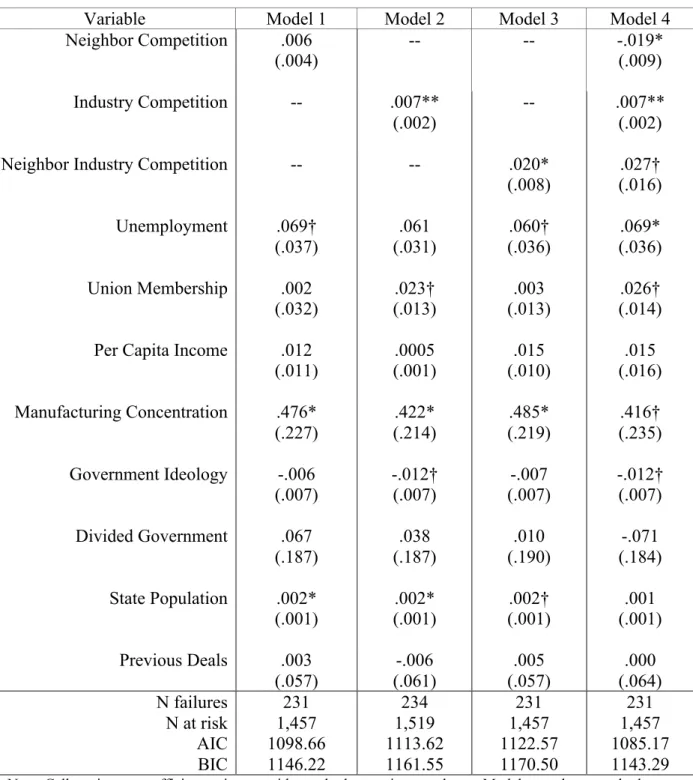
Table 1. Models of State Adoptions of Large Incentive Packages, 1984-2014 ...74
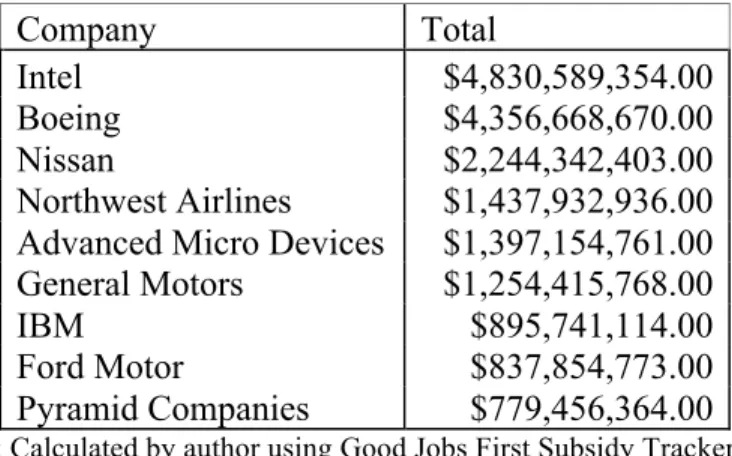
Table 2. Top 10 Corporate Recipients of State-level Incentives, 1984-2006 ...84
Table 3. The Effect of Economic Development Incentives on Market Income Inequality, 1984-2006 ...99
Table A1. State Economic and Political Conditions Since 2012 ...113
Table A2. Summary of Interview Subjects ...117
Table A3. Top Business Location Factors ...118
Table A4. Variable Definitions and Descriptive Statistics ...122
LIST OF FIGURES
Figure 1. Adoption of Large Incentive Packages by State, 1984-2014 ...68
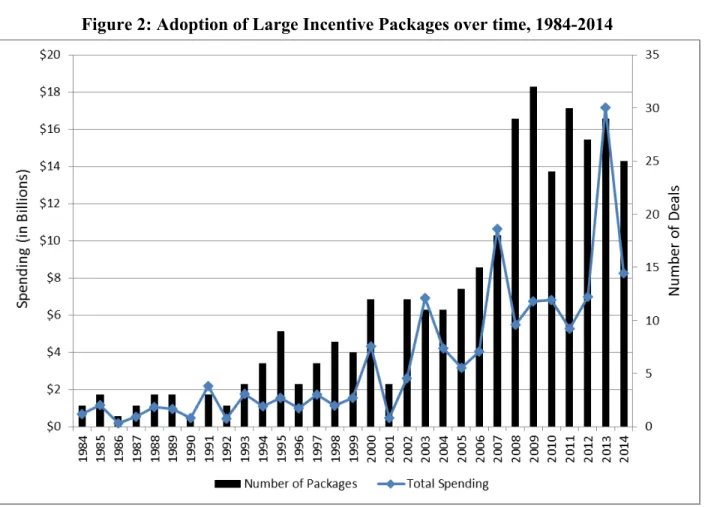
Figure 2. Adoption of Large Incentive Packages over Time, 1984-2014 ...68
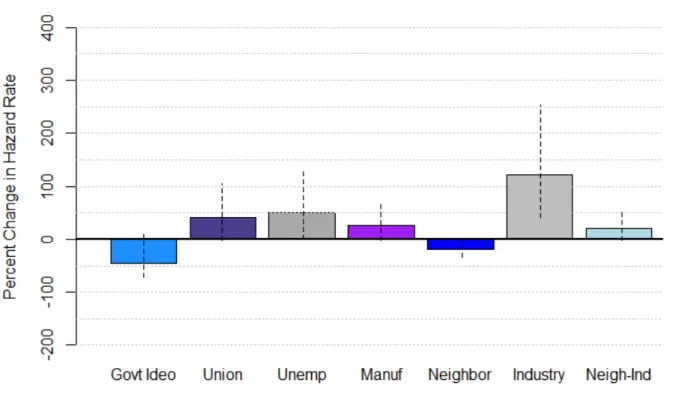
Figure 3. Estimated Effect on the Hazard Rate for Incentive Packages ...75
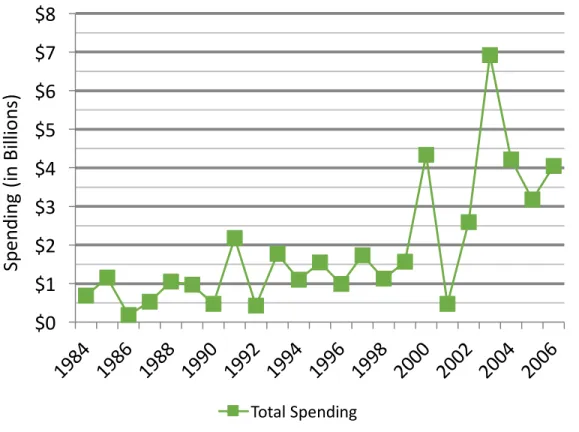
Figure 4. Increased Incentive Spending in the American States, 1984-2006 ...83
Figure 5. Increased Inequality in the American States, 1984-2006 ...85
Figure 6. Per Capita Incentive Spending by State, 1984-2006 ...86
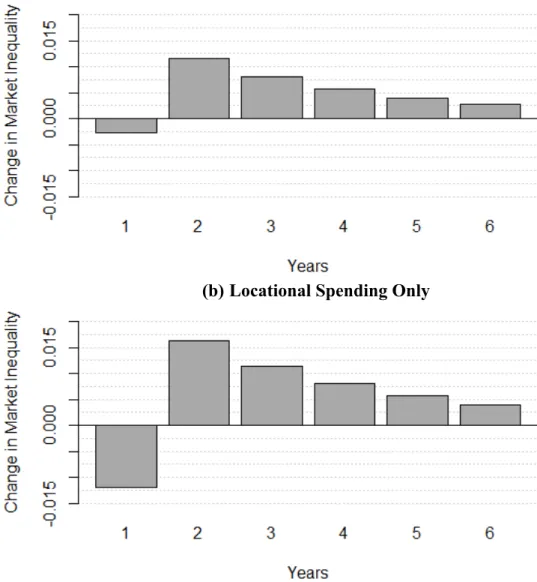
Figure 7. Incentive Spending and Its Long-term Effect on Inequality ...101
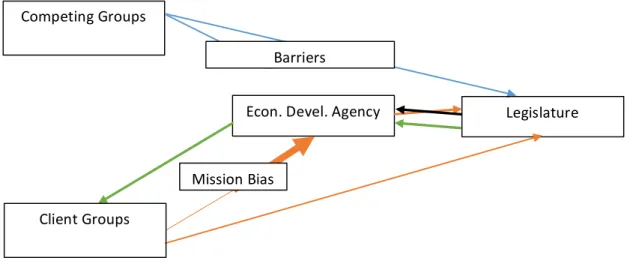
Figure A1. Interest Group Input in the Incentive Negotiation Process ...112
Figure A2. Interest Group Input in the Incentive Formulation Process ...112
Figure A3. Number of Incentive Packages & States by Industry, 1984-2014 ...119
Figure A4. Industry-based Competition Measure, 2014 ...121
INTRODUCTION: STATE GOVERNMENTS AND THE POLITICAL ECONOMY OF DISTRIBUTING PUBLIC FUNDS TO PRIVATE FIRMS
In August 2015, Governor Scott Walker (R-WI) signed a bill raising $250 million in new taxes to fund the construction of a basketball arena in downtown Milwaukee. The arena would be the state-of-the-art home for the Milwaukee Bucks, whose leadership had threatened to leave the state for a new arena elsewhere. Walker spearheaded the “Cheaper to Keep Them” campaign to raise state funding for the arena, arguing that the loss of the Bucks would be worse for
employment and growth than higher taxes or cuts to other programs.1 Milwaukee Bucks President Peter Feigin summarized the public interest in the effort, saying, “This is much more than an arena. This is about economic development, and this is about thousands of people living, working, and playing in downtown Milwaukee” (Calamur 2015).
The Wisconsin example is typical across the United States. State governments compete to attract and retain investment from private firms and they use economic development incentives,
or subsidies, to do so. Economic development incentives are fiscal policies that reduce costs to
businesses in order to encourage investment and job growth in a particular location. Incentives are awarded to specific firms in a variety of industries and include such cost-reducing measures as property, sales, and income tax credits, tax abatement, cash grants, cost reimbursement, and infrastructure assistance. Economic development incentives have reached such prevalence among the states that the Pew Center on the States called incentives “the leading tool used by states to grow their economies” (Pew Center 2012). Collectively, the states spend billions every
1 In the same year, Walker led the fight over for a state budget that cut $250 million in funding for the University of
year in economic development incentives. It is not overstated to say that economic development ranks alongside education as a premier function of state government (see Peterson 1995).
Scholars have found that this critical area of state policy is the product of fierce economic competition among the states. Many have observed that the use of incentives to attract private investment constitutes a “second war between the states” (see Hanson 1993). States are compelled to offer incentives to private firms; not doing so risks losing current or potential investment to other states (Peterson 1995; Berry and Berry 1990; Baybeck, Berry, and Siegel 2011). As a result, states engage in an arms race in hopes of outmatching one another’s
generosity to capital (Peterson 1995). The goal is to use incentives to both secure investment and signal that the state is a good place for doing business (Milward and Newman 1983; Eisinger 1988).2 In a recent debate on incentives in the North Carolina legislature, Democratic State Representative Elmer Floyd summarized the interstate competition orientation, saying “If you're going to run with the big dogs, what you got to do?” (Leslie 2015 b). The answer, Republican House Speaker Tim Moore replied, was to offer more incentives (Leslie 2015 b).
Economic competition as an explanation of state-level incentive policy has three main tenets. First, competitive pressure creates the conditions in which states innovate in their use of incentives, and those innovations diffuse across the states (Eisinger 1988; 1995; see also Berry and Berry 1990). Empirically, therefore, a large portion of the states should provide relatively equal benefits to firms as they match each other’s efforts. Second, states primarily compete with their geographic neighbors since proximal states are the most likely destination for capital flight (Saiz 2001; see also Baybeck, Berry, and Siegel 2011). Thus, the probability of adopting an
2 Incentives aren’t the only policy that states use to create a business friendly climate. Keeping taxes and wages low
3
incentive program increases as a state’s geographic neighbors adopt similar incentive programs. Third, interstate competition is both the cause of and rationale for using incentives. Scholars have found weak evidence that incentives actually create jobs or growth (e.g., Brace 1993; Dewar 2001). Yet, elected officials use them to keep up with competition and signal to the electorate that they are actively attempting to create jobs (e.g., Sharp and Elkins 1991).
Limitations of the Interstate Competition Paradigm
Each of these tenets is limited by the underspecified role of bureaucratic institutions and interest groups in shaping state policy. Specifically, the economic development agencies that are charged with administering incentives and the firms and business associations that benefit from incentives form powerful policy subsystems that shape the funding of incentives, the use of incentives, and the effect of incentives.
First, the extant literature is limited in its ability to predict persistent and disproportionate differences in incentive spending across the states. Indeed, incentive spending is concentrated in a few states and benefits a few, relatively wealthy firms (Hanson 1993; Jansa and Gray
forthcoming; see also Witko and Newmark 2005). These findings call into question the applicability of the universal arms race as an explanation. Instead, as policy diffusion expert Karch (2007) argues, it is likely that stakeholders within states shape the content of policy. In economic development, those stakeholders are the economic development agencies and business sector, each of which has a financial stake in incentives. These institutions and interest groups encourage more spending and less oversight in order to remain competitive for investment.
economy. While scholars have recognized this limitation (e.g., Shipan and Volden 2012), no alternative operationalization exists for economic competition as a mechanism of state policy adoptions.
Finally, failure to recognize the crucial role of groups and agencies leads scholars to focus on the wrong economic indicators when evaluating incentives. Incentives are formulated with the close consultation of businesses and agencies that focus incentives on attracting and retaining the firms that bring the most prestige and capital investment. In response to this input, states distribute public resources disproportionately to the wealthiest firms. Although intended to achieve job creation and economic growth, aiding the wealthiest firms can also affect the level of economic inequality in the state.
A New Approach to Economic Development
To address these limitations, it is argued here that incentives are shaped by a policy process in which client groups work closely with state economic development officials and legislators to define economic development goals and develop the tools to meet these goals. Competing groups with countervailing views struggle to gain access. As a result, states
dominated by client groups spend more on incentives with less oversight. Consistent with client group dominance, states award more incentives when states that target the same industries award more incentives. As a result, income inequality is exacerbated by concentrating benefits with the wealthiest firms without reciprocal job and wage growth for those in need.
The first chapter examines the process behind the formulation and negotiation of
5
institutional barriers prevent competing groups from participation. When policymaking is dominated by client groups, scholars should expect rapid growth in incentive spending but stagnate oversight. To the degree that competing groups are able to build majorities in the traditional legislative process, states will more cautiously increase spending and engage in more oversight. To test this theory, I conduct interview-based case studies of incentive policy in three states—Oregon, Nevada, and North Carolina. I find support for the theory; North Carolina and Oregon had relatively more input from competing groups and worked to restrain failed incentive programs. Nevada, on the other hand, was dominated by client groups and greatly expanded its incentive regime amid little legislative oversight.
The second chapter is an examination of the adoption of large incentive packages by states over a thirty-year period. Building on the findings of Chapter 1, state governments are likely to compete for specific industries in pursuit of a larger development strategy formulated with the help of client groups and economic development agencies. It is hypothesized that states are more likely to award incentive packages based on competition for targeted industries rather than competition between geographic neighbors. A repeated event history analysis is used to analyze the frequency of incentive package adoption and support for the industry-based competition hypothesis is found. States experiencing high levels of competition for targeted industries more frequently award incentive packages, all else equal.
dependent workers. Support for the hypothesis is found; states with higher incentive spending generate higher inequality for many years into the future.
Key Terms Used Throughout the Dissertation
I use several key terms throughout the dissertation, which are defined below as a guide for the reader. Other terms that are important to particular chapters (such as capture, client politics, industry-targeting, and market conditioning) are defined in the chapter they are discussed.
• Economic development incentives: Defined above. Also referred to as subsidies. This
term is defined in each chapter as a reminder.
• Incentive program: A program implemented by the state legislature that takes public
funds and distributes them to qualified businesses for the purpose of creating jobs and economic growth. Programs can be either statutory (defining how firms can qualify and for how much by formula) or discretionary (letting economic development agencies and the governor determine how much to award to which firms).
• Incentive package: A specialized set of awards provided to a specific firm in order to
reduce its cost of doing business in a particular location. Packages are commonly
negotiated and can bundle several different incentives, such as sales, property, or income tax breaks, infrastructure assistance, cash grants or bond funding, or waivers for
compliance with particular regulations.
• Client groups: Interest groups that have a financial stake in a particular policy. In the
realm of economic development incentives, these are individual firms seeking incentives and their industry associations. The firms tend to be large, wealthy firms and in chapter 3 I refer explicitly to these wealthy firms as the primary beneficiaries of incentive
spending. Small businesses are not included in this definition because they rarely lobby on their own and, as background interviews show, are not included in strategic economic development planning.
• Competing groups: Interest groups with opposing points of view vis-à-vis client groups.
In the realm of economic development incentives, competing groups include diverse groups on the left and the right. Such groups are labor unions, tax-payer and libertarian groups, progressive groups, community organizations, and education institutions. Each of these types of groups is either philosophically against the use of incentives by
7
Contributions to Scholarship and Practice
Taking an interest groups and institutions approach to interstate competition helps move the literature toward a more complete understanding of how and why states compete. Interstate competition is a natural inclination of state governments, but highly encouraged by those with a financial stake in the maintenance and acceleration of incentives—wealthy firms receiving the benefits and the economic development agencies buoyed by incentive funds. State legislators rely on their input when making policy decisions. Thus, response to competition is conditioned on the influence of these institutions and interest groups in each state. By taking this approach, several key questions are answered on the political economy of the American states.
CHAPTER 1: INSTITUTIONS, INTEREST GROUPS, AND THE CAPTURE OF STATE ECONOMIC DEVELOPMENT POLICY
Why do states differ in their use and oversight of economic development incentives? Scholars have repeatedly identified interstate competition as the predominant explanation for the adoption of incentive programs and packages (Grady 1987; Jenn and Nourzad 1996; Saiz 2001). Some studies argue that such competition is an inherent motivation of state governments (e.g., Peterson 1995), while others argue that competition is encouraged by firms seeking incentives (e.g., Harrison and Kanter 1978). It is unclear, however, how well either of these versions of the interstate competition hypothesis explains differences among the states in incentive policy (Hanson 1993; Witko and Newmark 2005; Jansa and Gray forthcoming). Such blunt hypotheses obscure the impact of the policy process on incentives and makes it difficult for researchers and practitioners to understand why state-level policy differences exist and whether these differences are governed by interstate competition alone. As policy diffusion scholar Karch (2007) notes, it is likely that differences in policy content exists due to the unique institutional arrangements and political environments in each state.
9
decline to verify firm-provided information, fail to analyze the secondary consequences of subsidization, and echo client group arguments for incentives in the legislature. Competing groups, however, can work-around captured agencies by finding support among legislators during the program formulation phase. When this happens, states are slower to expand incentive spending and more likely to review and repeal ineffective programs.
In-depth case studies of three states—Oregon, Nevada, and North Carolina—are used to test the theory. Data is gathered from original interviews and archival research and demonstrates support for the theory. Oregon and North Carolina exhibited slow growth in incentive spending and regular legislative oversight in response to input from ideological interest groups. Nevada, whose lobbying community is dominated by client business groups, rapidly accelerated incentive spending over the time period studied and did not provide much oversight. The results show that response to interstate competition is conditioned on the diversity of interest group input by state-level institutions.
This research holds important implications for scholarly theories of economic development, as well as the practice of economic development. Theoretically, interstate
competition is muddled by whether or not it is fueled by firms seeking incentives and its lack of explanatory power for persistent differences across the states. This paper develops a theory of how state institutions and their rules and norms serve to prioritize input from firms seeking incentives, compelling and reinforcing responsiveness to interstate competition. The ability of client groups to leverage competition into greater incentive spending and less oversight depends, though, on how much other groups are barred from participation. By clarifying the causal
diversifying interest group input and reducing the risk of capture. In this way, practitioners may more effectively pursue the public interest of creating jobs and protecting taxpayers.
Interstate Competition & Economic Development Incentives
Interstate competition is the dominant explanation in the literature for the adoption of incentive programs and packages. According to this perspective, state governments must implement policies designed to attract investment, or risk losing resources to other jurisdictions (Peterson 1995; Berry and Berry 1990; Baybeck, Berry, and Siegel 2011). States, as a result, engage in an arms race, offering new and more generous policies to attract capital (Grady 1987; Peterson 1995) and stagnating on labor-friendly policies (Hansen 2001; Jenkins, Leicht, and Wendt 2006).
Some scholars argue that interstate competition is inherent; subsidization is the preferred policy choice for legislators in democratic capitalist (Lindblom 1977) and federal (Peterson 1995) systems. Game theoretic studies have modeled interstate competition as a prisoner’s dilemma, where the dominant strategy is to subsidize private industry (Thomas 1997; Rogers and Ellis 2000; Rodrik and van Ypersele 2001). Elected officials also award incentives in pursuit of re-election goals (Sharp and Elkins 1991; Turner 2003) and to satisfy voter demands for
economic growth (Lindblom 1977). Firms benefit because mobility and liquidity conveys structural power (Lindblom 1977, 1980).
1987). The positive relationship between competition and policy adoption holds when tested alongside alternative hypotheses; scholars find little support for interest group strength (Jenn and Nourzad 1996), government ideology (Saiz 2001), or fiscal stress (Saiz 2001) having
independent effects on incentive policy adoptions. These findings have placed inherent competition as the dominate theory in the literature.3
Scholars have also argued that interstate competition is encouraged, or that firms exercise their power to increase incentive awards (e.g., Wolman and Spitzely 1996). Hirschman (1970) provides the logic that exiting, or threatening exit, can increase the probability that governments adopt favorable policies.4 Firms, therefore, make threats to locate elsewhere in order to reap more subsidies (Hanson 1993; Coyne and Moberg 2014). Looking historically, Bluestone and Harrison (1982) argue that manufacturers strategically leveraged globalization to extract
resources from governments. Similarly, Shermer (2013) finds that business leaders pursued close working relationships with Sun Belt state officials in order to implement low-wage, low-tax, and high-incentive policy regimes. Quantitative studies that find that business groups outnumber other organizations in economic development policymaking (Gray and Lowery 1991) and that their campaign contributions are used to secure more incentives (Jansa and Gray forthcoming). Indeed, Harrison and Kanter (1978) even contend that domination by the business sector is the impetus behind state-level incentives.
Both perspectives on competition, however, fail to explain why persistent differences in incentive policy exist among the states. Though they propose different mechanisms, each
3 Indeed, a book chapter on the topic in a leading state politics primer notes that globalization and jurisdictional
competition are the primary explanations for differences in state economic development policy (Saiz and Clarke 2013).
4 Hirschman (1970) builds on Tiebout’s (1956) famous locational model, which demonstrated that rational actors are
perspective should predict a steady and relatively equal acceleration of subsidization to the point of equilibrium. Empirically, however, scholars note persistent state-level differences in
smokestack chasing (Hanson 1993), pro-business tax and labor policies (Witko and Newmark 2005) and incentive spending (Jansa and Gray forthcoming) that is not predicted by either
mechanism. Incentives are surprisingly highly concentrated, with relatively few states accounting for most of the spending and relatively few firms accumulating most of the benefits (Jansa and Gray forthcoming). The South and Rust Belt, in particular, have been at the forefront of
economic development innovation (Cobb 1993) and have far outspent other regions (Jansa and Gray forthcoming). The skewed distribution is evidence that states are not responding to interstate pressure alone, however conceptualized.
There are two clear limitations in the literature that need to be addressed. The first is the specification of a causal mechanism that accounts for persistent and large differences across the states in incentive policy. The second is sorting out whether business influence is important to understanding responses to interstate competition or not. The literature on regulatory capture and client politics can be used to address these limitations. In particular, the capture literature finds that the diversity of interest group input in government institutions is a key determinant of the characteristics of policies that provide concentrated benefits to client groups.
Policies that Concentrate Benefits & Their Risk of Capture
Economic development incentives are a perfect example of this kind of policy; states award public funds to private firms in order to create jobs and economic growth.
The politics of these policies are typically characterized by client politics, where the client groups have premier access to relevant legislators and bureaucrats and use their access to maintain their benefits (Wilson 1973; see also Lowi 1972). These three political actors work together to formulate policy in an insular and iterative process. Wilson (1973, 1989) finds that, because of the insular process, policy is typically characterized by high responsiveness to client group demands. This responsiveness can rise to the level of capture; A government entity is captured when it is influenced by an interest group or sector of interest groups to the extent that the group(s) effectively directs government decision making.5 When captured, policy
systematically reflects the capturing group’s preferences rather than the public interest (Carpenter 2004; 2014).6
A fairly consistent finding in the literature, however, is that the risk of capture can be reduced by balancing client group input with input from diverse and competing interest groups (Berry 1984; Gormley 1982; Rourke 1991; Sabatier 1975; Schwarcz 2014).7 Absent
countervailing pressure from competing interest groups, policy that concentrates benefits among
5 While early scholars of capture focused on the influence of individual firms or industries on regulatory policy
made by bureaucracies (Bernstein 1955; Huntington 1952; Stigler 1971), more recent scholarship has examined interest groups’ ability to capture bureaucracies and legislatures in distributive policy (Wilson 1989; Posner 2014).
6 Capture can occur strictly or culturally. Strict capture occurs when an interest group provides resources, such as bribes, favors, or funding, to government decision makers in exchange for favorable policies (e.g., Huntington 1952). I do not think that this is the manner in which state economic development incentive policy is influenced. Cultural capture, on the other hand, occurs when an interest group, in pursuit of policy goals, engages in focused lobbying and takes advantage of institutional deficiencies to deliberately shape the assumptions and worldviews of government decision makers (Carpenter 2014; Kwak 2014; Johnson and Kwak 2010). This is closer to what is occurring in the American states and will be discussed later in the chapter.
7 Interest groups can certainly use tactics that increase their influence in the legislature and bureaucracy without
few recipients is likelier than other policy formulations to be highly influenced by client groups. Indeed, scholars have found that client group influence is compounded by barriers to
participation for competing groups (Wilson 1989; Carpenter 2014) and conflicts of interest in agency missions that leads to the prioritization of client group input (Huntington 1952). These factors create and reinforce a shared worldview among bureaucrats, legislators, and client groups (Kwak and Johnson 2010; Kwak 2014).8
Applying Capture to Incentives
The above literature helps bring clarity to the question at hand: why do states differ in incentive policy? The answer is that state responsiveness to interstate competition is conditioned on the diversity of interest group input in the policymaking process. Business encouragement of interstate competition is amplified by pro-business institutional arrangements but tempered by
counterarguments provided by competing interest groups.9
On incentives, client groups are individual firms and business associations that actively provide pro-incentive information to legislators and bureaucrats. Competing groups are other organizations in the interest group community, on the left and right, that are either ideologically opposed to incentives or accept incentives but worry about giving away too many public
resources. Despite diversity of preferences in the interest group community, not all preferences are given equal weight. Instead, institutional rules or practices can limit the consideration of
8 Capture is similar to the iron triangle model in terms of the relevant actors—bureaucrats, select legislators, vested
interest groups—but the theoretical approaches hold different assumptions about whether the preferences of the government officials are fixed or malleable. The iron triangle model assumes that preferences are fixed and the actors within the iron triangle bargain over policy (and exclude others from the bargaining process). Cultural capture, on the other hand, focuses on how the preferences of the government officials are shaped by their relationship with the vested interest groups.
arguments and information provided by competing groups. Additionally, the accomplishment of a policymaking institution’s mission can be dependent on serving the client groups. Through both of these mechanisms, client groups and their demands are likely to be weighted heavily compared to competing groups.
At the state-level, there is both an incentive negotiation process carried out by economic development agencies and an incentive package approval and program formulation process led by the legislature. Formal barriers and conflicts of interest exist in the incentive negotiation and package approval process. The program formulation process is open to competing groups, but they still encounter informal barriers. Formal barriers include actual facets of the institutional process that prevent organizations from being at the table, such as speedy approval of secretly negotiated packages and the use of non-disclosure agreements (NDAs) to preclude public exposure of proprietary information. Informal barriers are inherent biases that can be used against groups, such being perceived as not having 1) a financial stake in the content of policy and 2) expertise on incentives.
Competing groups, however, may be able to challenge client groups in the traditional legislative process during incentive formulation. With allied lawmakers, competing groups can make important amendments and push for greater oversight of incentive programs. In doing so, competing groups must seize upon examples of incentive failures in order to discredit the status quo, “controversialize” incentives, and create the political conditions for change in the
legislature. Yet, even campaigns to constrain incentives through the legislative process may encounter informal barriers such that they are unable to slow spending or increase oversight.
In sum, how well client and competing groups are able to access the institutions charged with negotiating and formulating incentives matters for incentive spending and oversight. Client group preferences for higher-spending and less-oversight are prioritized through mission-biased agencies designed to efficiently gather and process business-provided information. Competing groups are able to slow spending and increase oversight only if they are able to build majorities in the legislature. These hypotheses are stated below. A full diagram of the interaction of interest groups and institutions involved in the process is provided in Appendix A.
• Hypothesis 1: Incentive spending grows faster in states where competing interest groups
struggle to access the incentive negotiation and formulation process.
• Hypothesis 2: Incentive oversight is greater in states where competing interest groups
are able to build supportive majorities in the formulation process.
Research Design & Case Selection
governorship, unemployment rate, union membership, agency type, geographic neighbors’ incentive effort, and whether the large packages have gone to in-state or out-of-state firms. Each of these factors, or variations of them, have been purported to predict incentive effort in past studies (e.g., Saiz 2001). By selecting states that differ substantially on each of these factors, I can effectively control for them and instead examine the systematic similarities in the policy process across the three cases as an explanation for incentive effort. Appendix B provides a summary table of the economic and political conditions of each state since 2012. Below, I provide a brief overview of each case.
Nevada Overview
North Carolina Overview
From 2012-2015, North Carolina successfully recruited several companies to Charlotte and the Research Triangle, including headquarters for MetLife, HCL Technologies, and
bubblewrap manufacturer Sealed Air Corporation (Ohnesorge 2014; Tita 2014). North Carolina failed to secure several large investments, including the Boeing 777x manufacturing facility, Toyota USA headquarters, Mercedes-Benz USA headquarters, Giti Tire factory, Keer Group textile factory, and production facilities for automakers Volvo and Land Rover (Dalesio 2014; Rothacker and Portillo 2014; Dukes 2015 a; Dukes 2015 b). Republican Governor Pat McCrory and the Commerce Department claimed the reason for the failed recruitments was the lack of a discretionary “closing fund” and an underfunded Job Development Investment Grants (JDIG) program (Campbell 2015). The Republican legislature tightened film incentives in 2013 and rejected the governor’s expansion plan in 2014. These moves replaced the film tax incentives with a smaller grant program and rejected the creation of a $20 million discretionary fund. The legislature, however, fully funded and expanded JDIG and created a discretionary fund at the end of the 2015 session (Leslie 2015).
Oregon Overview
In October 2012, Democratic Governor John Kitzhaber was approached by Nike with a request for a 30-year extension on a corporate income tax break to help support their “Project Insight”.10 The extension exempted all income made on sales outside of Oregon from the state’s corporate income tax, a savings to Nike of $2 billion over the 30-year period (Gaston 2012). After months of negotiation, Kitzhaber called the legislature into a special session on December
10 Specifically, Nike sought “single-sales tax apportionment” which means that the state’s corporate income tax rate
10th, 2012, to get the incentive deal approved. The legislature held hearings on December 13th, and amended and passed the bill December 14th. In 2013, Intel sought the same 30-year
guarantee, which they were awarded outright under the Nike law. The next year, Intel also
sought to renegotiate their Strategic Investment Program (SIP) subsidy package with Washington County and the City of Hillsboro. SIP is a joint state and local program in which local
governments are partially refunded for the deals they negotiate with firms. The localities
approved a new agreement worth $2 billion in property tax relief over 30-years (Hammill 2014).
Case Study Methodology
Data was gathered from interviews with individuals involved in incentive policy in each state. Data was also gathered from newspaper accounts of incentive policy in each state over the three-year period. Both types of data are used to evaluate the hypotheses.
For the journalistic evidence, I searched for articles published from 2012-2015 pertaining to economic development incentives in the archives of the leading newspapers and online capitol blotters in each state.11 These sources are The Oregonian (Portland), OregonLive, the Raleigh News and Observer, the Charlotte Observer, WRAL.com @NCCapitol, the Las Vegas Sun News, and the Reno Gazette-Journal. National news sources such as the Wall Street Journal, New York Times, and Washington Post were consulted when appropriate.
A list of potential interviewees was produced from those individuals quoted or referenced in journalistic accounts of incentives in each state. These individuals were coded into one of the four occupational categories: client group (business) lobbyists, state legislators, economic development officials, and competing group lobbyists. Interview subjects were contacted via
11 I also used relevant company names (e.g., Nike) as search terms to be able to focus on the big events that
email with an explanation of the project and a request for an person interview. When an in-person interview was not possible, a phone interview was requested. The interviews were semi-structured and designed to extract information on the actual behaviors of subjects on the relevant incentive package or program (see Leech et al 2013; Beckmann and Hall 2013). For example, each subject was asked about his or her role—who they contacted, how often, what arguments were made, and any other tactics used—now and in past specific incentive debates. At the end of the interview, each subject was asked if any other individuals should be interviewed. This
created a snowball sample to ensure maximum coverage of the relevant actors. I continued interviews until no new information was learned with each interview.12
A total of 33 people were interviewed for the study. By state, 10 individuals were interviewed in Nevada, 9 in North Carolina, and 15 in Oregon. By occupation, I interviewed 5 competing group lobbyists, 5 business lobbyists, 11 legislators, and 12 economic development officials. Economic development officials and legislators were purposely oversampled in order to provide an in-depth understanding of decision-makers and their institutions. 29 of the 33
interviews were conducted in person, 4 by phone. 24 individuals were sampled purposively and 9 were sampled via snowball.
Overall, the response rate on interview requests was 47.9%. By state, the response rate was 56.5% in Oregon, 52.9% in North Carolina, and 34.4% in Nevada. The majority of
interviews were conducted from May 2015 to July 2015, with the exception of two conducted in February 2015 and April 2015, respectively. Records of the interviews were made by taking hand written notes on a pre-printed questionnaire sheet. Subjects were informed that they would not be identified by name or specific identifiers, although they would be identified by occupation
and state. A script of interview questions is provided in Appendix C. A summary of the interview sample, including length and date of interview, is provided in Appendix D.
The discussion of the case-study evidence will proceed as follows. First, the evidence will be discussed with regards to some of the important assumptions of the theory. These
assumptions are 1) there is diversity in opinions, information, and expertise in the interest group community on incentive policy and 2) there are formal and informal barriers that prevent diverse opinions, information, and expertise from being considered in the incentive package negotiation and approval process. I then turn to testing my hypotheses on the effects of this process on spending and oversight. The evidence provides support for the assumptions and confirms the hypotheses. The confirmation of the hypotheses brings leverage to the question of whether Nevada, North Carolina, and Oregon have captured processes; I conclude with a discussion of this question.
Inside the Incentive Debate
It was evident through interview and journalistic evidence that there is a wide array of preferences in the interest group community. The evidence also demonstrated remarkable consistency in arguments for and against incentives across the three states. As such, I will discuss evidence from all three states together for this section of the analysis. Each subject, regardless of occupation, was asked to provide pros and cons of incentives, as well as to characterize their own position on incentives. Most legislators and nearly all economic
arguments to support the creation, expansion, and maintenance of incentive programs. No evidence was found of business lobbyists actively working against incentives, although many recognized some of the downsides of incentives touted by competing groups.
Generally, pro-incentive arguments highlighted the mutual benefits of incentives for states and businesses. For states, incentives can provide a return on investment with relatively low-risk and cost. There is often no outlay of state funds since incentives usually consist of tax abatements on currently non-existent property or income. When direct payments are made, the state is likely to recoup costs because of increased tax revenue from the incomes of individuals and businesses constructing the property, or individuals and businesses providing services to the subsidized firm and its employees.
Proponents also argue that incentives help the state direct development, rather than leaving the structure of the economy to the whims of the market. Incentives can push investment to needy locations, attract industries that complement existing strengths, pursue investments in clean, sustainable, growing, and employment-intensive industries, and diversify the state
economy. One economic development official in North Carolina argued that communities ought to have the power to direct investment as they see fit, even if that means providing public money to private companies. It was also regularly argued that incentives allow states to build a
reputation as a good place to do business. This is especially important to get the state on the radar of site-selectors hired by firms to find locations for new operations.
incentives. Therefore, states should offer them in order to compete for investment. While one business lobbyist argued that asking for incentives stems from a fiduciary responsibility to shareholders, many interviewees from each of the four categories recognized that companies understand that states will respond favorably to requests for incentives, and so they actively seek opportunities for more incentives.
Journalistic evidence confirms the interview evidence by demonstrating that proponents, especially client groups, focus on the benefits incentives will bring to the state. Nike estimated 500 new jobs, $150 million in capital construction, and an average wage of $100,000 would be generated over five years by “Project Insight” (Rogoway 2012; Gaston 2012). Tesla estimated 6,500 full-time employees and $5 billion in capital construction through the year 2028 (Hidalgo 2014).13 On wages, 4,500 jobs would be production associates paid $22.79 per hour, and the average hourly pay would be $26.16 per hour. In North Carolina, MetLife claimed 2,622 new jobs with an average annual wage of $81,891, and $125.5 million in construction costs (Tita 2014). These numbers were echoed by allied lawmakers when discussing the incentives.
When challenged on incentives, proponents were ready with counter-arguments. Business lobbyists argued that awarding incentives to large firms is not special treatment, but a way to generate investment whose windfalls benefit many smaller firms. One business lobbyist stated that he/she argues that incentives are a way to fix existing burdens in the tax structure, making the tax structure amenable to investment. The same business lobbyist argued that saying that
13 Tesla was much more specific in its job, wage, and capital investment goals than Nike. It even set yearly job
incentives help corporations skirt “paying their fair share” misses the enormous contributions the private sector makes to the state and local economy.14
Business lobbyists also commonly argued that incentives are not giveaways, but instead tools for the state to provide tax certainty. Certainty is critical, business lobbyists argued, for long-term planning and preventing the abandonment of planned investments. While there is no guarantee of 100% certainty, argued one lobbyist, it is certainly sought by businesses from government. This argument seemed to resonate with legislators, as several volunteered that incentives help provide the tax certainty that businesses need.
Anti-incentive arguments focused on three aspects of incentives: 1) incentives are unnecessary, 2) incentives are offered in an undemocratic process, and 3) incentives are detrimental to state governments and taxpayers.
Interviewees from each of the four occupational categories gave voice to the “but for” argument. That is, it is impossible to know whether, but for incentives, the company would have located in the state anyway. In fact, many interviewees from each of the four categories
proposed that interested companies would likely locate in the state without incentives. A Nevada legislator who supported the Tesla deal reported that he/she knew Tesla was not going to locate its new factory anywhere else: Reno’s dry climate with low-taxes and proximity to California make it the perfect place to produce and transport lithium batteries.
Similarly, no one in government can know the minimum amount of incentives needed to keep investment. According to critics of incentives, states tend to over-bid for investment opportunities because of unknown competitive bids. Even if incentives are a legitimate use of
14 Business lobbyists also reported that they spend a large portion of their time shoring up support for the low-cost,
public money, overbidding is hurts taxpayers looking to get the most bang for their buck. Several legislators recognized that setting incentive policy is essentially guesswork; a lot of money is allocated to produce unmeasurable effects.
Several competing group lobbyists argued that the negotiation of incentive packages is largely obscured from public scrutiny.15 According to competing group lobbyists, the lack of public scrutiny can lead to excessive giveaways, including awarding large sums of cash up-front without many strings attached, issuing blank checks, and even waiving a company’s tort liability. In other words, awarding incentives on a case-by-cases basis risks inefficient use of state
resources. Many competing groups (and some economic development officials) advocated for a broader discussion of reforming the tax structure to attract investment and provide certainty as an alternative approach to incentives.
Many competing groups also argued that they are shut-out of long-term economic
planning. Business lobbyists, economic development officials, legislators, and the governor work together to develop comprehensive economic development plans that include which industries to target and how to use state resources to target those industries. Yet, without input from diverse organizations, state governments risk drifting from a public interest oriented plan and toward a plan that predominately reflects industry interests. As one competing group representative put it, states are now incenting “every Tom, Dick, and Harry” instead of large companies bringing high levels of capital investment. Originally, states targeted these so-called “buffaloes” because their sheer size was thought to drive economies. Now, incentives apply to any business that can qualify or negotiate. Furthermore, competing groups, and many legislators, worried that the general lack of transparency in long-term planning and short-term negotiation harms the public’s
perception of government. It appears in many instances that big business is “wagging the tail” of the legislature and the legislature responds by providing special treatment.
The crux of anti-incentive arguments, however, rests on the many reasons that incentives can be detrimental for states and taxpayers. Despite measures to reduce risk, there is always some risk of company failure or departure and the state losing part or all of its investment. Incentives also do not direct investment to certain areas of the state as well as they are purported to do. Instead, the data demonstrate that incentives disproportionately subsidize growth in urban areas because most firms want to locate their businesses near their customer and employee base. Thus, large portions of the state do not participate in the jobs and growth that incentives may bring even though they are paying for it through state taxes.
The arguments about the detriments to taxpayers are numerous still. Local government subsidization is largely unregulated, meaning wealthy counties can outbid poor counties for investment. The companies receive these local incentives in addition to state-provided
incentives. It was also commonly argued that incentives shuffle jobs rather than create new ones, especially when companies receive incentives to move within the state. The lack of new jobs creates a zero-sum game between states where one state secures jobs but the others lose. There is also an effect on the state budget. Even if a state wins an investment using only tax abatement (i.e. no cash), it reduces the revenue it can collect from the investing firm. The resulting growth can strain public goods such as education, roads, and parks, with little additional revenue to improve and expand services.
the incentive competition is a race to the bottom. As one business lobbyist commented, response to interstate competition makes states act like “lemmings off the cliff.”
The evidence demonstrates consistent arguments for and against incentives. There is a clear divide between the actors with access—economic development officials, legislators, and client group lobbyists—and competing groups. There were clear signals from business lobbyists that incentives were beneficial for their companies and for the state. Competing groups made fewer ideological arguments against incentives than may be expected, and instead focused on how incentives can be negotiated in a more open process that protects the state and taxpayers. Many legislators and, surprisingly, business lobbyists, recognized these process critiques. I turn now to look more closely at the process of negotiating incentives in order to better understand the facets of the process that make it difficult for competing groups to gain access to economic development officials and their agencies, especially when negotiating incentive packages. In contrast, it is relatively easy for businesses to access economic development officials. A number of formal barriers and pro-business mission bias account for the discrepancy in access.
Overview of the Incentive Policy Process
Before looking specifically at the bureaucracy, it is important to establish how they fit into the larger incentive policy process. There are three distinct parts of the incentive policy process that were evident in each of the three states: formulation, negotiation, and approval. Incentive policy is formulated in the legislature. The legislature establishes policy, including the amount of funding, purpose of the funds for each program, and whether the program is
incentives to economic development agencies. In negotiating incentives, the agencies gather information from the firms seeking incentives and make a determination of how much to offer. These agencies also provide business services, promote the state as a good location for
investment, track incentive awards and job creation, and gather feedback from firms on the state’s business climate. The legislature does not formally approve negotiated awards unless the value or scope of the negotiated package outsizes existing programs. This was the case with the Nike and Tesla deals in Oregon and Nevada, respectively. In these cases, the legislature is not privy to negotiations but is asked to approve executive-branch negotiated packages by amending state law. The legislature also has the power to oversee incentive administration generally by asking agencies to provide audits of awards made, revenue generated, and jobs created.
Client Group Dominance in the Bureaucracy
In each of the three states, extreme barriers to participation for competing groups existed in the agencies charged with negotiating incentives. Formal barriers that preclude public
scrutiny are compounded by a conflict of interest in the mission of economic development agencies in each of the three states. The result is that firm-provided data is often un-verified, analysis of the secondary consequences of subsidization is often eschewed, and the agencies echo client group arguments for incentives in the legislature. Client group dominance in the bureaucracy, therefore, establishes a basis for influence in the legislature on incentives. To begin, I describe the economic development agency in each state.
Business Oregon. In North Carolina, the legislature created a system where the non-profit Economic Development Partnership of North Carolina (EDPNC)16 handles business services and incentive negotiation, with any awards recommended by EDPNC requiring approval by the Department of Commerce.
In order to make awards, these agencies gather information from the firms seeking incentives. This information includes the number of jobs to be created or retained by the company, how many of the jobs will be new (i.e. not imported with the company from another state), what tasks the job holders will perform, the jobs’ wages and benefits, what industry the company is in, the level of capital investment (if any), the product to be produced, and possible locations. The agency may also seek proprietary information to verify the financial stability of the company. This data helps the agency understand why the company is seeking incentives.
While a fairly extensive list of information is sought, it is important to note that agencies do not require such basic information as the name of the company. Economic development officials in each of the three states reported making incentive offers without knowing the identity of the firm seeking incentives. In North Carolina, for example, the site-selection firm Jones, Lang, LaSalle approached Commerce Department officials in February 2014 looking for a location and incentives for “Project One.” Enough information was provided such that Commerce officials knew they were looking for space and money large enough to attract the headquarters of a major auto manufacturer. The state offered $107 million in incentives and proposed a location in Charlotte to the unknown company. When Toyota announced in April that it was relocating to Texas, Commerce officials figured they had lost the bid (Dalesio 2014).17
16 EDPNC is a non-profit organization jointly funded by taxpayers and corporate donors.
17 Similarly, in June 2012, KLG Advisors contacted North Carolina for consolidated office space for a major
A Nevada economic development official explained that if a company has a toxic “culture” it can get shut out of discretionary incentives, but the name of the company is not necessary to get a sense of the culture. It can be ascertained by how the firm approaches the process; companies that demand incentives outright are likely “bad news”. The impression this official, and many others, left was that incentive negotiation is an art more than a science. A key facet of their mission that makes awarding incentives an art is that economic development officials are not targeting particular companies, but prestigious and desirable industries. Desirability of an industry is determined by whether it can provide sustainable growth and complements existing competitive advantages. Not knowing the company’s name does not, in the eyes of economic development officials across the three states, inhibit the ability to
determine whether to subsidize a firm.
Economic development officials recognized that they base their awarding decisions almost exclusively on company-provided data. Sometimes these data are simply estimates and their analysis is done, in the words of one Oregon economic development official, in a “quick and dirty” manner. Analysis is usually done only on primary concerns, such as jobs, location, and spending, related to the immediate investment. Economic development officials rarely reported conducting analyses of secondary consequences of incentivizing investments, such as the strains growth puts on the local transportation and education system. Two Nevada officials recognized that the sheer size of the Tesla investment will have major secondary implications, but this was not considered or analyzed at the time of making the incentive offer.
company and the agency (see also Hoyman 1997). Companies know what agencies have done and can do, but the agencies cannot truly know what cards the company holds. This is especially true for determining whether the threat of locating elsewhere is just a bluff.
Indeed, there are several norms and rules governing the negotiation process that make it difficult for agencies to gather information from sources other than the firm seeking incentives. Non-disclosure agreements (NDAs) are legal documents that prevent all signatories from discussing terms or sharing information with any third parties. In the case of incentives, this means discussion of the firm’s proposed investment, company provided data, and potential incentive offers are prohibited from public release. According to economic development officials, NDAs do not affect the ability to gather information from the company, but it does prevent independent analyses and public discussion of negotiations. An economic development official remarked that NDAs can be seen as a component of secretive deal making, but
companies have shareholders to protect and the last thing the state wants to do is something that could hurt the company and lose the investment. In fact, one official lauded NDAs because they encourage greater dialogue between the agency and the firm by reassuring the firm that their proprietary information will not be exposed. Firms desire NDAs (and private negotiations generally) because, as one business lobbyist put it, incentive negotiations are a business agreement, not policymaking.
The agencies moved to take positions when the legislature was considering ending or cutting incentive programs, though. Over the time period studied, only Oregon and North Carolina considered cuts to incentives. Nevada did cut some programs, but this was to help pay for the Tesla incentive mega-deal. In these instances, economic development officials in Oregon reported using a number of tactics to ensure survival of programs, including keeping bills for different programs separate, consulting with the governor’s office, and providing examples of how incentives helped their ability to recruit and retain businesses.
The lobbying efforts made by agency officials to ensure the survival of incentive programs is a manifestation of their vested interest in the maintenance of incentive policy. Without incentives, economic development as a career-field would be drastically smaller. Indeed, several interviewees from each occupational category recognized that state economic development efforts there has nurtured an “incentives industry” of law firms, accounting firms, site-selectors, and economic development officials in the public and private sector that have a vested interest in the continuation and acceleration of incentives.
economic development officials that incentives are indispensable. Incentives help to start
conversations and close deals, and firms use them to decide between equally good locations. For some industries like film, incentives are critical. If a state does not offer them, a production will not consider the state when choosing a location.
Given the mission to attract and retain investment in the state, economic development officials are receptive to the use of incentives as a tool for accomplishing their mission. Several business lobbyists and economic development officials admitted that firms do not need
incentives to remain in business, and if they did that would be a bad investment for the state. Because other factors matter more for location decisions, lobbyists and economic development officials argued that states could drop incentive programs and still remain competitive.
While the mission of economic development agencies spurs officials to seek out information from the business sector, competing groups’ input is ignored or discounted. Competing group lobbyists universally reported having little regular access to the governor’s office or agencies on economic development issues. Competing groups in Oregon reported that agencies complied with data requests, but they certainly were not invited into any decision making processes. Competing groups in Nevada, on the other hand, reported that agencies were slow or unresponsive to data requests. Across the three states, competing groups craved greater access to economic development agencies, recognizing that business leaders had nearly
automatic audience with state officials. As one Nevada economic development official noted, he would take any business’ call because it could eventually lead to an investment opportunity for the state.
economic development officials as well, although they were less concerned about it. For example, the North Carolina Department of Commerce approved several large incentive
packages that eschewed public scrutiny even though they were made in accordance with existing state law. Each of these deals, once announced, exhibited issues with the veracity of the data provided by the company. For the $87.2 million MetLife deal, it was not clear how many of the jobs would be imported with the company from other states. Similarly, Sealed Air Corporation was offered $36 million in grants over 12 years in exchange for the consolidation of 1,300 jobs in Charlotte from closing offices in New Jersey, Wisconsin, Connecticut, and South Carolina (Tita 2014). But, like MetLife, it was unclear how many of the job-holders would relocate with the company. Sealed Air Corporation also claimed the jobs had an average salary of $120,000 per year, but the average was probably affected by high CEO or upper management pay (Tita 2014).
The evidence demonstrates that client groups both benefit from barriers and encourage their creation. Quick analysis of firm-provided data is a process implemented by the bureaucracy in the pursuit of its mission. While some economic development officials reported firms
Client Group Advantage in Legislative Approval of Negotiated Packages
When the legislature is charged with approving negotiated incentive packages, competing groups certainly have greater access than during negotiations but it is too late for any real
criticism or analysis to be effective. From 2012-2015, two of the states—Oregon and Nevada— negotiated large incentive packages with firms that required legislative approval. Business Oregon officials and Governor Kitzhaber offered a specialized deal to Nike worth $2 billion, later extended to Intel, which was approved by the legislature in late 2012. GOED and Governor Sandoval made a landmark deal with Tesla worth $1.3 billion in September 2014.18 NDAs were signed in Oregon and Nevada providing months of exclusive access and private negotiation with state officials for the firm. In both cases, select legislators were informed prior to public
announcement. Newspapers reported that Nevada was a finalist in the open sweepstakes for Tesla’s new battery factory, though no details of the deal were known. In Oregon, the existence and details of the Nike deal were a genuine surprise to the public, competing groups, and most legislators.
Competing groups learned of the details of the large negotiated packages when the firm and governor made a public announcement. This contrasts greatly with the long period of exclusive access the firm had with economic development officials, the governor, and some legislators prior to public announcement. In Oregon, an NDA was signed between Nike and Business Oregon in July 2012 and was active until December when the special session for package approval was called (Gaston 2012). The package was approved four days later. In effect, Nike had over four months of exclusive lobbying with state officials, while competing
18 Over the time period, North Carolina did not negotiate any incentive packages that required legislative approval,
groups had four days to lobby the legislature with its concerns. In interviews, one competing group representative reported that lobbying during the Oregon special session was “tokenism”; competing groups were invited to testify at hearings to fill a quota rather than have real input.
A similar process unfolded in Nevada. The legislature approved the Tesla incentive package one week after public announcement. Although negotiations were secret, it had been public knowledge that Nevada was a finalist for Tesla since February 2014. Thus, competing groups and legislators had time to consider the deal abstractly should Tesla decide to locate in Nevada. Nonetheless, the time from Tesla first approaching GOED officials to the announcement of the package was eleven months. From package announcement to legislative approval was seven days.
Furthermore, according to legislators and competing groups, the Tesla and Nike packages were presented to the legislature as done deals. Some legislators reported that they were
pressured by the governor and party leaders to not make changes or ask damaging questions. Other legislators in both states disagreed, saying there was room for some changes, but that the legislature generally agreed with the package and therefore made only a few changes. In all, only two changes were made to the Nevada-Tesla deal as introduced: an amendment requiring Tesla to offer its employees health insurance and procedures for the state to waive the requirement that the company hire 50% of its workforce from Nevada (Elkind 2014). Many legislators and
During the limited lobbying time, competing groups spent their time trying to make practical changes to the deals rather than stop them outright. Students in Oregon argued that the Nike deal should require the company pay a living wage and create guaranteed employment slots for graduates of the Oregon university system (Zheng 2012). One progressive lobbyist noted that Oregon was requiring surprisingly little given they were effectively reducing Nike’s state tax liability by 90% (Zheng 2012). Labor representatives in Oregon wanted requirements that Nike pay wages above the state median (Zheng 2012). In Nevada, labor unions wanted a guaranteed prevailing wage for construction workers building Tesla’s gigafactory (Hagar 2014). Competing groups also questioned the efficacy of incentives. One public interest lobbyist in Oregon made the argument that investments the size Nike promised could be secured by doing nothing; some business is likely to grow and invest as much as Nike or more without legislation specifically benefiting them (Zheng 2012). Southern Nevada-based labor unions and legislators worried that the Tesla deal would kill film jobs in Las Vegas to create manufacturing jobs in Reno. In effect, jobs were simply being transferred from one sector of the economy to another, and from one area of the state to another (Roerink 2014).
To counter these criticisms, economic development officials, the governor, and client group lobbyists made open reference to the possibility of the firm investing elsewhere unless they were incentivized. This was the case whether the firm was from the state (like Nike) or out-of-state (like Tesla). Nike claimed it was being “heavily courted” by other states but wanted to stay in Oregon (Rogoway 2012). However, at the time of passage of the bill, no specific