INTENTION OF WOMEN TO RECEIVE CERVICAL CANCER SCREENING IN THE ERA OF HUMAN PAPILLOMAVIRUS TESTING
Gina Suzanne Ogilvie
A dissertation submitted to the faculty of the University of North Carolina at Chapel Hill in partial fulfillment of the requirements for the degree of Doctor of
Public Health in the Department of Health Policy and Management within the Gillings School of Global Public Health.
Chapel Hill 2012
Approved by:
Suzanne Havala Hobbs, DrPH Sandra Greene DrPH
ii ©2012
iii Abstract
Cervical cancer screening and prevention has been one of the great success stories in public health, but is at a critical juncture. Awareness of the essential role of HPV infection in the genesis of cervical cancer, coupled with knowledge of the limitations of cytology has led to a re-visioning of the screening paradigm, towards the use of primary hr-HPV testing for cervical cancer
screening instead of cytology. Use of HPV testing could result in significant changes for screening programs including a later start to screening, extended screening intervals, and use of a test for a sexually acquired infection. These changes may have unintended consequences on a woman’s willingness to participate in cervical cancer screening. In this dissertation, we explore the potential impact of use of HPV testing for primary screening on women’s intentions to be screened for cervical cancer, and outline a plan to guide the change from cytology to HPV testing, using findings from the analyses.
Methods: At study exit, a sample of participants from a randomized trial of primary hr-HPV testing in Canada were invited via email to complete an
electronic questionnaire based in Theory of Planned Behaviour, which
iv
offered only every 4 years and c) HPV based cervical cancer screening started after 25 years of age. Demographic data, sexual history and smoking rates were assessed, and scales for attitudes about hr-HPV testing, perceived behavioural control and direct and indirect subjective norms were created.
Item correlation for scales was calculated to determine item agreement. Univariate analyses compared demographics and scale responses of women who intended to be screened for cervical cancer with HPV to those who did not. All demographic data and scales that were significantly different (p<0.1) were included in a stepwise logistic regression model to determine predictors of intention to be screened for cervical cancer with HPV.
Results: 2016 email invites were sent to women and 981 completed the entire survey for a response rate of 48.7%. There were no demographic and risk behavior differences between survey respondents and non-respondents. Eighty-four percent of women (826/981) responded that they intended to attend for HPV-CCS which decreased to 54.2% with an extended screening interval, and decreased further to 51.4% with a delayed start of age 25. There were not significant differences in demographics, sexual or smoking histories between women who intended to be screened for cervical cancer with HPV and those who did not intend. Women who intended to be screened with HPV were significantly more likely to report positive attitudes toward HPV testing, report positive
v
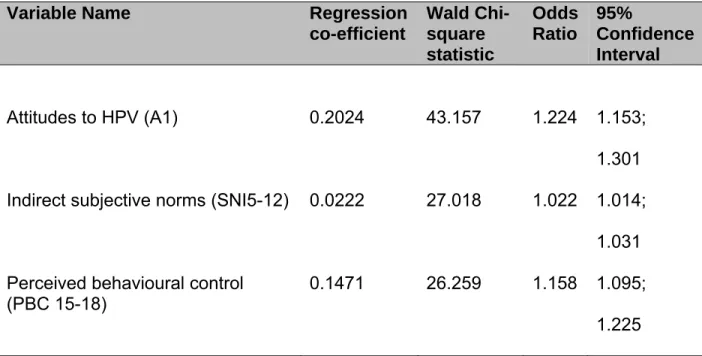
predictors of intentions to undergo screening were attitudes (OR 1.22; 95%CI 1.15, 1.30), indirect subjective norms (OR 1.02; 95%CI 1.01, 1.03) and perceived behavioural controls (OR 1.16; 95% CI 1.10; 1.22).
Discussion: Although women expressed intentions to be screened for cervical cancer with HPV, intentions decreased substantially when coupled with the extended screening interval and delayed screening start. Use of primary HPV testing may optimize the screening paradigm, but programs must anticipate women’s potential responses and concerns with program changes, such as extended intervals and delayed program starts, and should ensure robust
vi Dedication
vii
Acknowledgements
I am truly grateful for the opportunity to complete this degree, and want to thank many individuals who have helped me reach this stage of my Doctorate of Public Health.
My parents, who instilled the expectation of excellence and service My mentors, who advocated for me to pursue this degree
My colleagues, who supported my pursuit of this degree, welcomed my ‘newfangled’ ideas, and didn’t interrupt me during extended
teleconferences
My fellow students, who generously shared their own stories, ideas and experiences and created a wonderful learning environment
Dr. Rachael Powell, for her guidance in the early stages of this research project
My co-investigators at HPV FOCAL, particularly Dr. Andrew Coldman, Dr. Mel Krajden and Dr. Dirk van Niekerk, who endorsed and backed this project
Laurie Smith and Fareeza Khurshed for their tremendous support My professors at University of North Carolina, and particularly Dr. Suzanne Havala Hobbs and Dr. Sandra Greene, who have been unwavering in their support for me
My committee members, Dr. Mona Saraiya, Dr. Barbara Rimer and Dr. Vivek Goel, who put aside time in their very busy schedules to help guide this dissertation
viii
Table of Contents
List of Tables... x
List of Figures... xi
Chapter 1: Introduction... 1
Cervical Cancer and Human Papillomavirus... 1
Context for Research Question... 8
Chapter 2: Study roles, responsibilities and chronology... 9
Chapter 3: Literature Review... 10
Search Methods... 11
Inclusion and Exclusion Criteria... 11
Perceptions and Psychosocial Reactions to an HPV Diagnosis... 20
Need for Studies Situated in Behavioural Models... 25
Chapter 4: Methods... 29
Chapter 5: Analyses... 35
Chapter 6: Results... 42
Chapter 7: Discussion... 48
Logistic Regression Analyses... 54
ix
Chapter 9: Plan for Change... 58
Chapter 10: Concluding Remarks... 73
Figures... 74
Tables... 77
Appendix 1: Study questionnaire... 88
Appendix 2:List of abbreviations, definitions, specifications... 94
x
List of Tables
Table 1: Comparison of demographic characteristics of survey
respondents and survey non-respondents... 77
Table 2: Demographic characteristics of survey respondents... 79 Table 3: Characteristics of scale items: Correlation by Cronbach’s alpha... 80 Table 4: Univariate and bivariate comparisons between demographic
characteristics of women who intend and do not intent to receive
cervical cancer screening with HPV... 81
Table 5: Assessment of scale collinearity... 83 Table 6: Comparison of scale results between women intending to undergo
HPV testing instead of Pap smear for cervical cancer screening... 84
xi
List of Figures
CHAPTER 1: Introduction
Cervical Cancer and Human Papillomavirus
Cervical cancer screening using cervical cytology (the Pap smear) has been an extremely successful public health intervention, achieving reductions in cervical cancer incidence of up to 80% where practiced effectively (1). However, the Pap smear was introduced over 50 years ago, and studies have now proven that, despite its substantial contributions, as a screening tool it has significant limitations. Data from some jurisdictions indicate that cervical cancer rates have reached a nadir, and meta-analyses indicate that the sensitivity of a single Pap test to detect cervical intraepithelial neoplasia (CIN) or invasive cervical cancer is less than 60%(2).
There is now ample evidence that infection with high-risk types of the human papillomavirus (hr-HPV) is a requisite step for the development of cervical cancer and its precursors (3;4). Of the over 100 subtypes of human
2
women acquire cervical HPV infections with at least one type of HPV within 2 to 5 years after initiating sexual activity(6). Usually, however, HPV is a transient infection; over 90% of women clear incident cervical HPV infections within 2 years of acquisition (7;8). Women who do not clear HPV infections are at risk for developing persistent HPV infections and, potentially, pre-cancerous cervical lesions (CIN1, CIN2, CIN3) which may then progress to cervical cancer if not treated(9). Every year in British Columbia, more than 500,000 women are screened for cervical cancer through the cervical cancer screening program, more than 5,000 are treated for CIN2/3, and 100 develop HPV16/18 related cervical cancers (10). Although the overall rates of cervical cancer may appear low, these are only achieved because of extensive, sustained efforts with screening and treatment, of several thousands of women with pre-cancerous lesions using ablative and excisional therapies.
3
in this setting has screening performance characteristics that would make it an ideal primary screening test for cervical cancer.
To examine these concepts, several large, international randomized controlled trials (RCT) are being conducted in Europe and Canada to evaluate HPV testing as part of primary cervical cancer screening (13;18-25). With the exception of the Finnish Randomized Public Health Trial and phase 2 of the New Technologies for Cervical Cancer Screening (NTCC) trial in Italy, these trials compared combined HPV and cytology testing and cytology alone as the primary screening intervention. Phase 2 of NTCC, the Canadian HPV Focal Trial and the Finnish trials are comparing HPV versus cytology as the primary screen, with follow up cytology. These trials all examine clinically relevant endpoints of CIN2+ and CIN 3+. Data from these trials show that use of hr-HPV as a primary screen improves detection of CIN2+, and also prevents more cancer than cytology (26-28).
4
Use of HPV testing as a primary screen could lead to changes in both the timing of testing and implications of positive test results, which would have impacts on the acceptability, uptake and ultimately the success of the screening program.
Experiences with colorectal cancer screening have demonstrated that implementation of screening tools should be considered in a broad sense, beyond the sensitivity and disease detection capabilities of the screening
protocol. Colorectal cancer is the second most common cause of cancer death in Europe, Australia and the United States, and screening interventions have proved to be effective in reducing colorectal cancer mortality (32). Screening consists of faecal occult blood testing followed by colonoscopy, if warranted. Colonoscopy is a relatively invasive procedure, where a thin fibre-optic camera is inserted into the rectum and then into the large bowel. The clinician can then visualize both the rectal and bowel tissue and biopsy if any areas of concern are noted. In order for colonoscopy to be completed successfully, patients must complete bowel preparation in advance. Many patients find this uncomfortable and inconvenient. Combined, both the bowel preparation and the actual colonoscopy can be an unpleasant experience for patients, and has led to
5
complications. Women in particular articulated embarrassment and feelings of vulnerability. Suggested actions included development of improved bowel preparation processes as well as focusing on comfort during the procedure and providing comprehensive education to alleviate anxiety in order to improve the uptake rate of colonoscopy. The importance of client education and knowledge about the value of colonoscopy were identified as key opportunities to improve uptake and finally physician recommendation was a critical factor in influencing the uptake of colonoscopy.
Practitioners and policy makers need to be mindful that simply because a screening intervention is effective clinically, this is not sufficient to ensure
successful acceptance and implementation. However, screening for colorectal cancer has been successful in many countries, demonstrating that even if a screening intervention itself is of some concern for clients, they can be successfully adopted and utilized in a health care system to improve health outcomes, when attention is paid to the potential client issues.. As colorectal screening has shown, program implementation with consideration of broader issues can lead to a high acceptability of the procedure and screening
intervention. Thus, careful reflection of the broader implications of moving to hr-HPV testing as a primary screen for cervical cancer on the structure and
acceptability of cervical cancer screening is essential; to anticipate how the
6
HPV testing has specific elements that, if employed, will impact on the structure and delivery of cervical cancer screening. Because hr-HPV testing offers improved sensitivity for detecting precancerous lesions, a negative test offers greater assurance to clinicians and screening participants that they are not at risk for developing cervical cancer in the near future. Recent reviews by Dillner (14) have proposed that screening intervals for hr-HPV negative women could be extended to five years, yet still offer effective and safe screening for cervical cancer precursors. If hr-HPV testing were offered in British Columbia, women who have been accustomed to receiving annual screening may be advised and possibly limited to cervical cancer screening every five years.
In addition, hr-HPV testing is based more in the true natural history of cervical cancer dysplasia and lesions, and screening with hr-HPV may permit a delay in the age at which women begin to be screened for cervical cancer. HPV is an exceedingly prevalent infection, and the majority of women clear the
infection on their own. However, in women who do not clear their infections, there is a risk for development of precancerous cervical lesions and possibly cervical cancer. Given the prevalence of HPV, particularly in young women, testing for cervical cancer using HPV in women under 25 will identify an
7
be delayed until after age 25 and possibly even later, to ages 30, which is more aligned with current European practices.
The final challenge of the shift to HPV testing is that from an oncological to a communicable disease paradigm. Cytology identified cellular changes
associated with precancerous lesions in the transition zone of the cervix. In contrast, HPV testing identifies the infection that precipitates these changes in the transition zone. However, HPV itself is an infection that is sexually acquired. Despite the fact that the infection is highly prevalent, use of hr-HPV testing as the screen for cervical cancer will require practitioners to provide women, many of whom have been in monogamous relationships, with information that they are infected with a sexually acquired virus. Even though the virus may have been acquired many years prior, doubtless this will offer significant challenges both for practitioners and for patients. Since practitioners will be counselling women about a sexually transmitted infection, they will need to manage the anxiety, guilt and shame that may follow(33).
8
screening. If that occurs, policies, education and interventions to attenuate any projected uptake reductions will be required.
Context for research question
British Columbia is the western-most province of Canada, with a
population of 4 million. Health care in the province is publicly funded, and cancer care in the province is centralized with one agency, the British Columbia Cancer Agency, primarily responsible for establishing screening guidelines and for service delivery of cancer care throughout the province. The cervical cancer screening program of the BCCA is one of the longest established screening programs. Over 750,000 Pap screens are conducted in the province yearly, and one central laboratory analyzes all Pap smears.
In British Columbia, all recommendations for cancer screening and cancer care are made by the British Columbia Cancer Agency (BCCA) Tumour Group, an interdisciplinary panel of appointed experts, who review recommendations based on advice from focused task groups. Currently, the British Columbia Cancer Agency recommends that women be screened for three years annually using cytology, and then every two years, if the initial three screenings are negative. Even with these recommendations, many women still are screened yearly. As British Columbia begins to consider a change from cytology to hr-HPV testing, a comprehensive examination of the impact of such a change specifically on women’s intention and willingness to be screened for cervical cancer is
CHAPTER 2: Study roles, responsibilities and chronology
This dissertation has two parts: secondary analysis of a survey conducted as part of the HPV FOCAL trial and a plan for change to implement cervical cancer screening based on HPV testing. The HPV FOCAL trial is a randomized trial based in British Columbia with the primary objective of comparing the efficacy of cytology to hr-HPV testing as the primary screen for cervical cancer. The Doctorate of Public Health candidate, Dr. Gina Ogilvie, is co-principal investigator for the HPV FOCAL trial. HPV FOCAL trial is funded by Canada’s national health research agency, the Canadian Institutes for Health Research.
CHAPTER 3: Literature Review
Substantial changes in health care programs require health policy to provide the foundation for the change, leadership and engagement from the system to support the program, from practitioners, as advocates and experts to deliver the intervention and from the patients, who ultimately must accept and make the decision to be screened. Evidence shows that all of these elements must be aligned in order for a program to be successfully implemented. For purposes of this dissertation, the focus will be on one of these elements: the factors that facilitate acceptability and intention to be screened for women for cervical cancer using hr-HPV testing. Ultimately however, for system change to be effective, the broader elements of policy, system support and practitioner engagement must all be aligned and working in concert to achieve the paradigm shift.
As part of this inquiry, we examined the scientific literature broadly to determine women’s experiences and concerns about HPV testing as well as the impact of the proposed use of hr-HPV testing on women’s intentions and uptake of cervical cancer screening services. Following this, to specifically align with our focused research question, we conducted a systematic literature review to
11
have an impact on intentions or actual attendance for cervical cancer screening in North American women.
Search Methods
The search was conducted using standard search procedures in
‘PubMed’, a free database maintained by the U.S. National Library of Medicine and the National Institutes of Health that accesses MEDLINE and other
biomedical databases. PubMed was searched using the key words [‘attitude’ OR ‘knowledge’ OR ‘acceptability’ OR ‘intention’] AND human papillomavirus (HPV). Given the rapid pace of development for HPV testing, the search was limited to studies published from 2002 until December 2011 and to English language studies. Key words ‘screening’, ‘cervix’, ‘vaginal smears’ were not used for this search, since use of these words might limit search results unnecessarily, given the nascent nature of this field.
Inclusion and exclusion criteria
12
restriction for study inclusion based on country where the study was conducted, as long as the study was published in English.
As outlined earlier, although the role of practitioners, policy and systems are critical elements in success of a change in implementing screening
programs, for purposes of this dissertation, the focus is on acceptability and intentions to be screened from the perspective of women. Thus, studies that assessed attitudes of practitioners, peers or policy makers as were studies that examined attitudes to the HPV vaccine alone (and not HPV testing) or to
attitudes about HPV in men were not included.
Criteria for inclusion included: 1. Participants: Female 2. Age: 15-70 years
3. Study Objective: Examine women’s attitudes towards OR acceptability of HPV testing as a primary method for cervical cancer screening; To examine women’s intentions to be screened for cervical cancer with hr-HPV testing
4. Analysis technique: Qualitative or quantitative
Using ‘PubMed’ and following the search strategy listed above, the following results were obtained:
Key words: ‘attitude’ OR ‘knowledge’ OR ‘acceptability’ OR ‘intention’: 489,771
13 Limit: English, < 5 years: 148,872 articles
Human Papillomavirus: 483 articles
In the end, 483 articles were identified through the search strategy and sixty-eight articles were selected for review: None of the studies examined extension of cervical cancer screening from annual or bi-annual screening.
I. Intention and willingness to be screened with HPV-DNA
14
reluctant to receive a cancer or HPV diagnosis. Participants also expressed concern about the meaning and implications of a positive test. Regardless of a women’s perspective on HPV testing, all stressed the need for expressed consent regarding the meaning of the test.
Strengths of this study include the broad age range of the participants included, which mirrors the majority of women who seek and are recommended for cervical cancer screening. Women who often do not attend for screening (Spanish speaking, low income) specifically were recruited for this study, which can help broadly inform approaches to improve recruitment into screening for women known to be at higher risk for cervical cancer. By employing a focus group methodology, participants are encouraged and supported to explore broader conceptualization than with individual interviews. This study deliberately explored a very important area that will inform future programming for cervical cancer screening with the question ‘How would you feel about being tested for HPV?’ However, this exploratory study of the phenomena of HPV testing did not develop nor test a theoretical or conceptual framework for understanding HPV testing. The authors identified their findings as a foundation for future areas of future research and examination.
As part of an omnibus survey from the National Centre for Social
15
women said they were willing to accept HPV testing as cervical cancer
screening. In multivariate modeling, screening attendance, Caucasian ethnicity and talking to friends about female health issues were significant predictors of intention to receive hr-HPV testing for cervical cancer screening (35).
This study relied on an existing national recruitment methodology for a population based survey and is not based in a specific theoretical model. The survey explored a broad range of health questions, and included specific questions about HPV screening based on five point Likert scales. Variables relevant to cervical cancer screening attendance and uptake, including age, ethnicity and education level, were available on all participants. It also included the precise target range for cervical cancer screening. However, the study was limited by reliance on the pre-existing items in the survey. In addition, the author’s commented that specific minorities (6% vs. UK population of 8%) were under-represented, limiting their ability to examine detailed differences between specific ethnic minorities. As ethnicity is an important predictor of cervical cancer screening in general, this study could have provided very useful information for policy makers, given the existing differences in screening uptake in different cultural and ethnic groups.
16
Over 75% said they would have more frequent Pap testing after a positive HPV test.
The study was embedded in and thus benefitted from an established, well-designed community-based cross-sectional study. The study was well-designed to evaluate cancer perceptions in women from four racial and ethnic groups (white, Latina, African American and Asian). Participants were recruited from a wide range of primary care clinics in San Francisco and offered questionnaires in multiple languages to ensure a broadly representative sample. A limitation of this study was that it did not include women outside the health system. The authors also did not describe a theoretical framework for their survey. These findings are very relevant for the proposed research, as they it offers important information on HPV testing in an older cohort. That said, the very specific ethnicity of the
participants will offer some limitations to generalizability of findings.
Kwan (36) developed an intervention with the goal of reducing HPV-related stigma in the Chinese community. In a randomized controlled trial of HPV message testing, Kwan applied different foci for messaging around HPV, varying information and stress on prevalence, sexual acquisition and risk for cancer in women older than 18. Participants were assigned to read information about HPV from one of three theme groups, and completed a survey before and after the informational intervention. Prior to receiving the educational intervention, 90% of the 294 ethnic Chinese women who participated stated they would
17
testing as part of cervical cancer screening. The increase in positive intention to participate was significant (p<0.05), and this was found across all three arms.
The study provided insights about women’s intentions to receive high risk HPV testing both pre and post HPV education. It used items that showed good reliability, and the survey instrument was pilot tested and revised. Sample size calculations were clearly presented, and the rationale for statistical analyses was cogent. There were some limitations to this study. No theoretical framework for study design and approach was presented. Also, the study only included women who could read Chinese, which could limit generalizability of study findings to literate women. The study recruited solely from the Family Planning Association of Hong Kong for birth control. This would bias findings towards women who potentially had more sexual partners and were not in steady relationships, which would potentially limit the generalizability of the findings to a broad screening population.
II. Impact of a positive HPV test
18
Lack of awareness of the prevalence of HPV, but awareness of its sexually acquired nature was associated with high scores for stigma and shame.
Strengths of this study include use of a survey that is based on
established theories and was adapted from previous instruments and qualitative work. The method of distribution and recruitment model was highly appropriate for the age of the participants. However, because only women under the age of 30 were recruited it would be challenging to generalize findings of this study to a broad screening population.
In our literature search, four studies were identified in the past five years that examined women’s willingness to be screened with hr-HPV instead of
cytology. No studies were completely consistent with our parameters. In general, most reported that the majority of women were willing to receive HPV testing for cervical cancer screening. No studies looked at an extension of screening intervals or delayed screening, but included studies that assessed the
acceptability of hr-HPV testing. Studies tended to explore particular subgroups, such as women over the age of 50 or women of Chinese background, and only one aimed to recruit a broad screening population. Women expressed the need to consent for the test and information regarding implications of a positive test. Messaging was an important aspect of test acceptability, and a focus on high prevalence of hr-HPV was key to acceptance of HPV testing and decreased stigma of HPV infection.
19
assessed in the context of a positive HPV test in low risk women. Some critical findings for HPV education emerged. Women who were aware of the very high prevalence of HPV were less likely to report high levels of stigma, shame and anxiety. However, women who were only aware of the sexually transmitted nature of HPV had high levels of stigma and shame. This is likely related to the ongoing stigma that sexually acquired infections have in our society.
20
Perceptions and psychosocial reactions to an HPV diagnosis
In qualitative and quantitative studies women reported a wide range of emotions and psychosocial reactions to receiving an HPV diagnosis. These reactions included anxiety, fear, distress and anger in response to a positive HPV test. Women described anxiety about the impact of HPV results on their
relationships, expressed concern about the need to disclose their results to their sexual partners and highlighted the importance of informed consent for HPV testing. Some women also felt empowered, because they could take action to mitigate the consequences of the infection (39).
In an Australian study, women were anxious, distressed and confused by the diagnosis of HPV (40). In an additional study of British women, McCaffery found that much of the distress for HPV testing related to stigma for sexually acquired infections, and that this transcended cultural groups. McCaffery described ‘strong negative emotional responses’ to positive HPV tests. Women were concerned about the source of infection, and impact of a positive result on relationships, implications on mistrust, infidelity and promiscuity (41). While Hispanic women also reported potential anxiety and distress with an HPV positive result, this same group also reported a wide range of acceptance for HPV testing, from willingness to receive an HPV test to reluctance(34).
21
the HPV result as an STI reported much guilt, shame and stigma. Perceived risk for cancer was influenced by an adolescent’s framing of the health risk and perceptions of control. Stigma and shame were prominent components of the personal meaning that young women applied to positive HPV results. In particular, adolescent women were more likely to understand an HPV infection compared to an abnormal Pap smear as stigmatizing, and expressed concern about social rejection. Specifically, adolescents endorsed the belief that adolescents who had HPV infections would be perceived as promiscuous and likely co-infected with other sexually transmitted infections(42).
In Waller’s study of university students, she found that awareness of HPV infection was associated with higher levels of stigma and shame (43). In this study, however, increased awareness of HPV did not lead to greater anxiety, perhaps because women who were aware of HPV were less focused on the HPV and cancer link compared to women with less knowledge about HPV. At the same time, Waller noted that women reported lower stigma and shame scores when they were informed about the high prevalence of HPV.
22
In another study of Hispanic men and women, Fernandez found that women had a range of reactions to HPV positive results, from fatalistic to stoic. Their responses focused primarily on the link of HPV with cancer, and thus their responses reflected responses to a perceived ‘cancer’ diagnosis, as opposed to an STI diagnosis or results of a screening test to be investigated further. Women also focused on the impact on their families and economic consequences of a cancer diagnosis. When discussing partners’ reactions, women said that their partners would be angry, question their fidelity and quite possibly may abandon them. Women framed this in the machismo of Hispanic men, and most felt that their partners would believe the women had been unfaithful; few male partners would worry about the diagnosis being a reflection of their own potential infidelity (45).
Canadian women from Ontario associated an HPV diagnosis with stigma, infidelity and immorality (46). They described a reluctance to receive results and to share results with those around them. However, their anxiety about the
23
In another study of women who received positive HPV test results, Waller noted reactions of shock, confusion, distress about the diagnosis (47). These reactions were centred on the sexually transmitted nature of the virus, and the potential source of the virus from their partners. When women experienced a persistently positive HPV result a year later, women’s anxiety was heightened, as women realized that there may not be a resolution to the infection, and they may require further investigation and treatment. At this point, women described concerns about cancer, fertility and again focused on the sexually transmitted nature of the infection and its potential impact on their relationships. They also expressed disappointment that the infection had not cleared on its own, as they had hoped, and so were realizing that the infection was more serious than they initially believed. Disclosing results in this study created comfort for some women, as they found reassurance and support in their friends and family. However, for others, disclosure was not helpful, because their support networks were unaware of HPV, or women felt guilty that they had potentially infected their partners.
In a study with co-testing for HPV and cytology, women with abnormal Pap smears who also were HPV positive reported higher levels of anxiety, distress and concern compared to women with abnormal or normal smear
24
mainly with ongoing worries about developing cancer, as well as HPV status, history of abnormal smears and sexual health concerns.
In this literature review, we examined published data to determine if there is any evidence that demonstrates if i) an extension of the screening interval ii) delay of screening commencement and iii) use of a test for a communicable disease has an impact on intentions to participate in cervical cancer screening in North American women. Despite widespread use of cervical cancer screening, and its position as a central pillar in routine health maintenance, there has been relatively little work conducted on the impact of changing screening modality. This literature review has demonstrated that a preliminary body of work has been conducted on acceptability of the HPV vaccine and considerable work has been done on women’s knowledge, attitudes towards HPV testing as well as their experiences receiving HPV results both theoretically and in reality. However, few researchers have taken the next step to deliberately and methodically apply a theoretical framework and inquire from women as to whether they would continue receiving this important health intervention when paradigms shift. This is a
25 Need for studies situated in Behavioural Models
Future studies in this field should be grounded in established theoretical models that examine health care seeking in individuals, such as the Theory of Planned Behaviour or Health Belief Model (50). Research should be focused in particular on use of hr-HPV testing in screening paradigms (as opposed to case finding or follow-up of abnormal cytology). Implications for asymptomatic, low risk women are different from women who report symptoms or have abnormal test results. Both qualitative and quantitative work should be conducted. Population based studies that examine key elements such as intention to receive screening if hr-HPV testing is used and the potential impact of extended screening intervals should be conducted. These population-based quantitative studies should
include a broad range of women who both participate and do not participate in cervical cancer screening. Women should be asked how a change in testing modality would impact their future intentions to participate in screening. Qualitative work should examine women’s perceptions around hr-HPV testing and their concerns and worries about extended screening intervals and use of a test for sexually acquired infections. Women also should be asked how
26
One of the main limitations of previous studies regarding the acceptability and impact on intentions of a new screening paradigm is that they were not grounded in models of health behaviour. Ultimately, information from the proposed research will be used to inform program and policy planning for
implementation of a new screening program. It is prudent and advantageous and will improve the rigour of findings if inquiries are based on established theoretical models. By using a framework, planners can move beyond intuition and develop programs that are based on a more refined understanding of health behaviour. Several reviews have shown that interventions based on theories were more effective than those not based on a theoretical framework. Thus, considering theories from the start of planning programs designed to promote health seeking behaviours will likely to improve their success.
No single theory dominates health promotion research and education on health behaviour. Several prominent theories are used to understand why individuals participate in behaviours that promote health, such as cancer
screening. Using theoretical foundations, researchers can better parse out both the behaviour and the specific elements that underpin behaviours. Broadly, theories can be understood as explanatory or change theories, which focus on different aspects of behaviour, but contribute in complementary way to planning. In a recent systematic review, the most frequently used theories used for
27
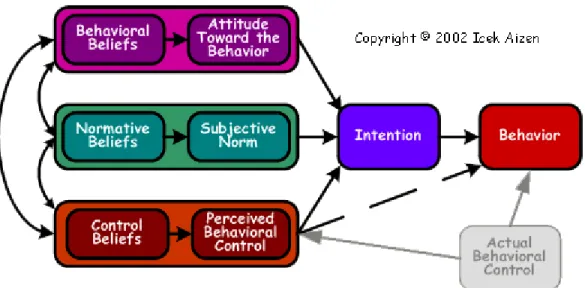
The theory of planned behaviour (TPB) is a well-described theory of human behaviour and has been used extensively to look at screening health behaviours, such as mammography (51). It is based on Ajzen’s and Fishbein’s Theory of Reasoned Action (TRA), which is particularly valuable to describe behaviours that are under an individual’s volitional control. The theory of planned behaviour, and its predecessor TRA describes intention as the most proximate predictor of behaviour. In turn, three specific elements predict intentions: attitude towards the behaviour, perceived behavioural control and subjective norms to the behaviour. Initially, with TRA, Ajzen and Fishbein described attitude toward the behaviour in question as well as the subjective norms to the behaviour (an individual’s belief about how people they care about will view the behavior in question.) To predict someone’s intentions, knowing these beliefs can be as
important as knowing the person’s attitudes. As the TRA was developed, Ajzen added an additional dimension, perceived behavioural control, to capture an individual’s ability to control the behaviour. This new theory was named the Theory of Planned Behaviour(51).
28
CHAPTER 4: Methods
Objectives: We determined intentions of Canadian women to attend
cervical cancer screening in the era of HPV testing. We conducted secondary analyses using exit survey data obtained from participants who were part of a large clinical trial in a Canadian provincial cervical cancer screening program. Among women who had completed the trial, we determined intentions to attend for cervical cancer screening in the era of hr-HPV as a primary screen for cervical cancer(52).
Primary Objective: Determine variables that predict intentions to undergo HPV testing instead of having Pap smears for cervical cancer screening
Survey instrument: The survey, developed by the investigative team of
HPV FOCAL prior to the dissertation, was based on Theory of Planned Behaviour (TPB) (53). For purposes of clarity, we will outline how the investigative team created the survey.
30
experts in the field. Surveys were drafted and reviewed by a Theory of Planned Behaviour expert Racheal Powell) and then pilot tested on ten women in the target demographic. Revisions were reviewed by principal investigators,
investigative team and the TPB expert. A final version of the survey was piloted and finalized. All items used seven point Likert scales (Appendix 1).
The survey is divided into six parts (Appendix I.): I. Attitudes
II. Subjective Norms
III. Perceived Behavioural Control IV. Attitudes and Intentions
V. Self-collection for HPV
VI. Involvement in HPV Focal study
For purposes of this evaluation, findings from parts I-IV were used. The primary research question is ‘What variables predict a woman’s willingness to be screened for cervical cancer with HPV testing instead of a Pap smear? (PI19)). We further examined this topic and determined how the following additional factors would influence willingness to undergo cervical cancer screening using HPV testing:
Cervical cancer screening using HPV testing would only be done every 4
31
Cervical cancer screening using HPV testing would only be done every 4
years and start after 25 years of age.
33
Recruitment: HPV FOCAL trial recruitment was completed March 2012.
As of August 31, 2012, 28,000 women were enrolled as study participants: over 4000 women had exited the trial. Women were invited to participate in the randomized trial in one of two ways. The first approach was when women presented for cervical cancer screening and were deemed eligible to participate by their family physicians (FP). The other method of recruitment was when
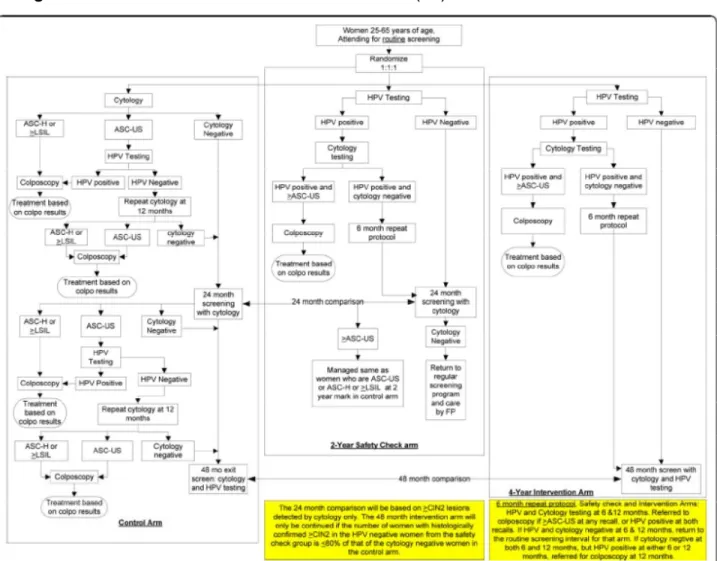
women were pre-identified as being due for screening from the provincial cervical cancer screening program. For the pre-identified, the FP office sent eligible women a study package that included invitation letter, study information pamphlet and appointments for their cervical screening test and also provided them with the opportunity to contact, or be contacted by study staff to learn more about the trial and decide on participation. All participants were consented by their FPs and asked to complete demographic and epidemiologic questionnaires as part of trial recruitment. As part of their consent, women allowed researchers to contact them to participate in other studies (Figure 2).
At study exit (which for this study included only women allocated to the two year safety check arm – Figure 2), women were mailed end of study
questionnaires via email using fluid survey’, an online web-based survey tool that complies with Canadian privacy laws. Women were sent two additional
34
Sample Size: In the survey, women were asked if they intended to receive
cervical cancer screening if HPV testing was used instead of Pap screening. Assuming 75% of women agreed with the statement of intention to receive hr-HPV testing(35), with a sample size of 1000, our 95% confidence interval around the estimate will be ± 2.7%.
Data Entry: At study exit, all women who had email addresses were sent
CHAPTER 5: Analyses
Survey response rate: Response rates were determined based on the standard definitions from the American Association for Public Opinion
Research(54). This survey is defined as a ‘list based survey’ where the
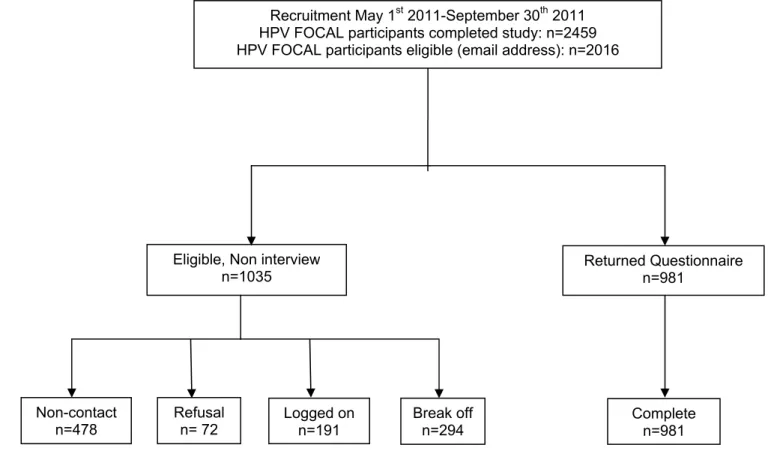
investigators have a sampling frame of email addresses for specifically named persons. As all women were participants in the HPV FOCAL trial, there are no women in ‘unknown eligibility’ category. Respondents fell into the following categories (Figure 3):
Eligible, Non-interview
Non-contact: Email bounced back as incorrect
Refusal: Email did not bounce back, survey not completed
Logged on: Clicked through link, did not complete any items
Break off: started survey, did not complete enough information to use
responses Returned questionnaire
Complete: survey completed
36
Surveys responses were reviewed for completeness. In the case of duplicate complete surveys, the first complete survey was used and the second survey was discarded. Minimum response rate (RR1) was calculated according to the American Association for Public Opinion Research. RR1 is the number of complete surveys divided by the number of returned questionnaires plus eligible non-interview. Demographic characteristics of survey non-respondents was available from epidemiological data from the larger clinical trial (Table 1), so we were able to compare non-responders and responders for mean and median age, education, cultural background, sexual history and smoking history.
Continuous variables were compared with Student’s t-tests, categorical variables were compared with Chi-square and with Kruskal-Wallis tests to compare
medians, as appropriate.
Descriptive analyses of demographic characteristics of the survey
respondents were performed, including mean and median age, marital status, education, sexual history, ethnicity and smoking history (Table 2). For all scale variables, definitions were listed in Table 3 and in the list of definitions.
37
Overall attitude toward having an HPV test instead of Pap screening (A1) was assessed with four items which were summed to form an attitude scale.
Attitudes to having an HPV test instead of Pap screening were assessed along with an extended screening interval (A20) and an extended screening interval and delayed start at the age of 25 (A22). All attitude scales were anchored in the same direction, so no recoding was needed. Item analysis using Cronbach’s α
was conducted to determine internal consistency of scales. If internal
consistency was achieved for the scale (Cronbach’s alpha >0.5), a composite variable was created for analyses (55).
For direct measures of subjective norms, 3 items (SND2-SND4) were assessed for consistency, and summed if Cronbach’s α was >0.5. If item
correlation was <0.5, then subscales based on the combination of SND2, SND3 or SND4 were created, and item correlation conducted. To create the normative belief score for the model for indirect norms, the belief score was multiplied by the score for motivation to participate in the named activity(55). For indirect norms, the Likert scales of 1-7 that measure normative belief (Family Physician - SNI5, Friends - SNI7, Spouse/Partner - SNI9, BC Cancer Agency - SNI11) were re-coded to a scale of -3 to +3. With this recoding, positive score indicates that overall, the individual experiences pressure from the individual/group named in the item to participate in the activity. To then create the item, the normative belief was multiplied by motivation to comply, thus creating 4 indirect measures
38
alpha. In the case of indirect norms, if there was low internal consistency, each item was examined individually, and subscales based on combinations of 2 or 3 of the indirect items were created. This is because the indirect norm of family physician influence may not necessarily be correlated with that of the influence of a friend or spouse. Based on these analyses, either a combined scale or
individual items was finalized for the model.
Perceived behavioural control, consisting of 4 items (PBC15-18), was assessed for consistency as well. If they had low internal consistency, we re-examined to create subscales, likely based on self-efficacy and control. Based on these evaluations, items were summed, either as two subscales or as an overall scale for PBC.
In addition to the usual Theory of Planned Behaviour measures and variables, an additional variable of ‘contacting partners’ was created for this analysis. One of the unique aspects of cervical cancer screening with HPV is that HPV is a communicable disease. Several studies have shown that women’s concerns about HPV testing are related to stigma around sexually acquired infections, implications of infidelity and the impact of positive HPV results on relationships with partners (41). Thus, there may be an expectation that sexual partners should be advised of an individual’s HPV status. This expectation may influence a woman’s willingness to participate in cervical cancer screening, due to
39
communicable disease/STI element of HPV would impact on a woman’s
willingness to have this test. These two items (CP13; CP14) were assessed for internal consistency and depending on score, were summed and included as an independent variable in the analyses.
Item analysis using Cronbach’s α was conducted to determine internal consistency of the composite scales, and scales with Cronbach’s α >0.5 were considered for the analysis (Table 3).
A logistic regression model was created to predict factors associated with women’s intentions to be screened for cervical cancer with HPV testing. The focus for the multivariate model was the dependent variable ‘intention to have HPV testing (PI19)’. On consultation with the provincial cancer policy leads,
respondents were dichotomized into intend to screen for cervical cancer with HPV (PI19>4) and do not intend to screen for cervical cancer with HPV
(PI19<=4). Provincial cancer agency leads felt this dichotomization would best capture the characteristics of women who would intend to be screened for cervical cancer. Demographic characteristics between the two groups were compared overall and between five year age strata, with Chi-square and
40
Following this determination, overall scale scores and mean scores with standard deviations for scale results between those who intended to screen and those who did not (PI19) intend to be screened were calculated. Mean results with standard deviations between scales that had acceptable agreement (Cronbach’s alpha >0.5) and not collinear were compared using Student’s t-test.
The main research question for this proposal is What variables predict
women’s intentions to undergo HPV testing instead of Pap testing for cervical cancer screening? with the model dependent variable of PI19 I would be willing to have an HPV test to screen for cervical cancer instead of a Pap smear. Thus, for the model, IN21 and IN23 were not included as they looked at the same issue as PI19, but with the added element of extended screening and delayed start. As well, the corresponding attitudes scales for IN21 and IN23, which are A20 and A22, were also excluded from the model. All demographic and scale variables that achieved p<0.2 in the univariate and bivariate analyses, and variables that were believed by the investigators to be important in predicting women’s
decisions to attend screening based on the comprehensive literature review that preceded questionnaire development were entered into the stepwise logistic regression model.
Given the large sample size and relatively small number of variables
41
scales [attitudes (A1), direct subjective norm (SND2-4), indirect subjective norm (SNI5-12), contacting partners (CP13-14), perceived behavioural control
CHAPTER 6: Results
Survey recruitment commenced May 1st, 2011 and finished September 30th, 2011. In May 2011, 2459 women had exited the safety arm of HPV FOCAL, and 2016 had email addresses. These 2016 women were all sent invitations to participate in the survey (Figure 3) and represent the eligible population. 1035 were eligible but were not surveyed. 478 emails were returned or bounced back, so these women were ‘non-contact’. 72 replied that they did not want to
participate, so were ‘refusals’. 191 individuals logged onto the survey, but did not start it, and 294 started the survey but did not complete it with sufficient
information to use the survey. 981 returned and completed the survey. The overall response rate (RR1) is 48.7% (981/2016).
Responders and non-responders did not differ significantly in their socio-demographic characteristics (Table 1). In particular, age, education level, cultural background, sexual history, smoking history and ethnicity were not different between survey responders and non-responders. Survey respondents had a mean age of 45.1 (SD 10.1); the age range of respondents was 25 to 65 years of age (Table 2). Over 85% of women had more than high school education, and 56.1% reported five or fewer sexual partners in their lives. The majority of
43
aboriginal. Six percent of women were current smokers and 36.1% had smoked at some time in their lives. 84.2% (95% CI 81.9; 86.5) intended to be screened for cervical cancer with HPV. However, willingness to be screened with an HPV test instead of Pap smear decreased substantially when women were provided with parameters around extended intervals and a delayed start. Willingness to be screened with HPV test instead of Pap smear for cervical cancer screening decreased from 84.2% to 54.2% (95%CI 51.1; 57.3) when women were advised about an extended screening interval of four years, and decreased further to 51.4% (95%CI 48.3; 54.5) when women were advised about a delayed start of screening at age 25.
Scale consistency was assessed for each construct (Table 3). Overall attitudes (A1), attitudes to extended screening interval (A20) and attitudes to extended screening interval and delayed starts (A22) all had Cronbach’s alpha of > 0.9, indicating excellent agreement. The indirect subjective norms scale (SNI5-SNI12), assessing the impact of individuals and organizations on women’s
44
0.5. However, SND2/SND4 and SND3/SND4 were poorly (0.103) or not at all correlated (-0.045). Thus, only the SND2/3 scale was included in the analysis.
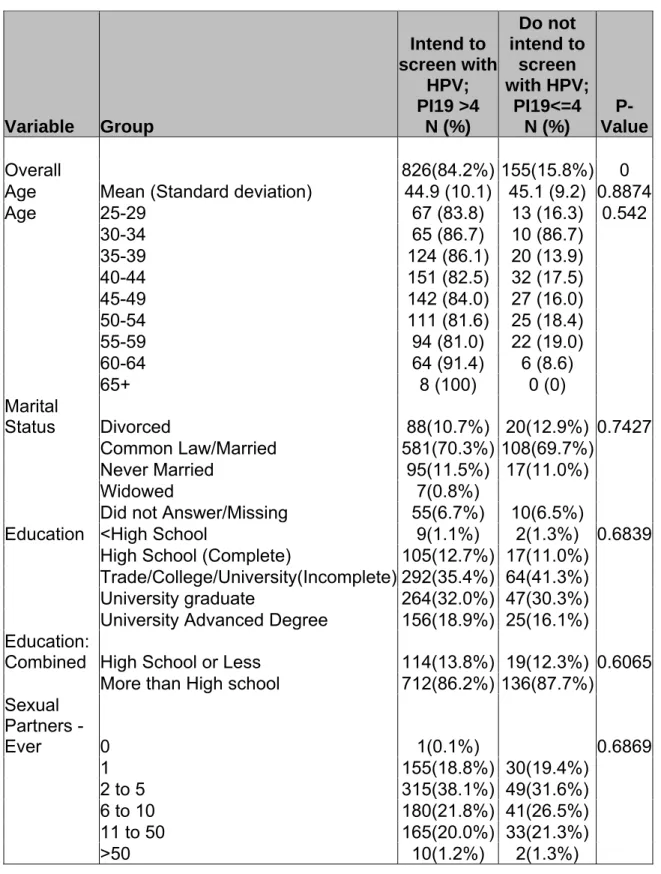
Of 981 women who completed surveys, 826 (PI19) intended to be screened for cervical cancer with HPV tests instead of Pap smears
(84.2%)(Table 4). There were no significant differences between the mean age, age strata, marital status, education level, sexual history, cultural background or smoking history of women who intend to be screened with HPV tests instead of Pap smears for cervical cancer (p>0.05). Across age strata, women over the age of 65 had the highest rates of intention to be screened for cervical cancer with HPV (n= 8, 100%) and women aged 55-59 reported the lowest rate (n=116, 81.0%). However, there was no significant difference across all age strata for intention to be screened with HPV for cervical cancer (p=0.542).
45
levels were still significantly different between women who were willing to undergo screening with an HPV test compared to those who were not.
The rest of the analyses will focus primarily on women’s overall willingness to be screened with HPV for cervical cancer (PI19). Univariate
comparisons between composite scales for women who were willing (PI19>4) or not willing (PI19≤4) to be screened for cervical cancer with HPV tests showed significant differences (Table 6). Overall, women who were willing to be screened with HPV tests had significantly higher attitudinal scores (A1),
indicating their belief that HPV testing was more accurate, safe, protective and acceptable than Pap smears (p<0.01). They were significantly more likely to report the influence of direct subjective norms (SND2-3) on their decisions, with the belief that most who are important to them would think they should have an HPV test, and would expect them to have an HPV test (P<0.01). Women who intended to be screened with HPV were significantly more likely to report the influence of indirect subjective norms as well (SNI5-SNI12), including the
opinions of family physicians, friends, spouse or partner and the British Columbia Cancer Agency as important in their decision making (p<0.01). Women who were more likely to intend to be screened with HPV testing also reported
46
with their partners and were more likely to say that partners would be understanding of their HPV results (p=0.05).
Psychological variables were reviewed for collinearity (Table 5). No variables used in these analyses had p>0.8 on correlation testing, indicating that the
variables are measuring non-collinear constructs. Based on univariate analyses of psychological scales, the following variables were put into the model:
Dependent variable: - (PI≤4 vs PI>4)
Independent variables: Psychological scales for attitude (A1); direct
subjective norms (SN2-3); indirect subjective norm (SNI); perceived behavioural control (PBC15-18); and contacting partners (CP13-14). Since no demographic characteristics were significantly different in univariate and bivariate analyses and based on review of all the variables, no demographic variables were entered into the model.
Table 7 shows the regression coefficients, Wald Chi-square statistics, odds ratios and 95% confidence intervals for odds ratios for variables in the model. According to the Wald criterion, overall attitudes, indirect subjective norms and perceived behavioural control were associated with women’s
47
CHAPTER 7: Discussion
Although almost entirely preventable, cervical cancer remains an important cause of morbidity and mortality for women worldwide (56). In high income countries, such as Canada, due to extensive investments and efforts with cytology, colposcopy, ablative and excisional treatments have led to a reduction in cervical cancer morbidity and mortality in these settings (1). The need to explore implementation of improvements in primary and secondary prevention of cervical cancer should be a priority for health policy leaders and clinicians. One of the newest innovations, HPV testing, has potential to contribute to improved outcomes since it is grounded in the relatively recent awareness of the virus’ role as the etiology of cervical cancer, and also has impressive attributes as a
screening tool. However, prior to introduction of this new technology for
screening, broader considerations should be included in deliberations regarding the inclusion of this new screening tool, including women’s experiences. An existing body of literature provides preliminary results of explorations of HPV testing as part of cervical cancer screening and the experience of women receiving HPV test results.
49
about stigma and shame associated with having a sexually transmitted infection (44;45). Although these results are illustrative, many of these findings were generated as part of a theoretical exercise or as part of co-testing screening with cytology and did not necessarily link the impact of these emotions of receiving an positive HPV result with impact on women’s intentions to be screened for cervical cancer. It is particularly important for researchers and planners to take the next step to fully articulate the impact of these psychosocial concerns with the
intended outcome of taking a screening test, to determine if a switch in
technology could be detrimental on the uptake rates of cervical cancer screening. To address this, using the theoretical framework of Theory of Planned Behaviour, we assessed the intentions of almost 1000 Canadian women who participated in routine cervical cancer screening to be screened for cervical cancer with HPV-DNA instead of Pap smears. These data will be used towards a broader
implementation plan for HPV based cervical cancer screening in the province of British Columbia.
Surveys were emailed to all participants who had completed participation in a randomized controlled trial. Not all invitees had functional email addresses, and not all invitees completed responses, leading to a response rate of 48.7%. Comparison of survey respondents and non-respondents showed that they were not significantly different on demographic characteristics (Table 1). Thus,
50
cervical cancer screening. As this population remains a key consideration for cervical cancer prevention, further explorations into this group are urgently needed, to understand both opportunities to improve uptake with novel approaches with HPV and also to ensure there is improved engagement.
Survey construction, although not part of this dissertation, found that most of the items within scales, with the exception of direct subjective norms were highly consistent, and thus were reliably measuring the same construct (Table 3). However for two of the scales using the direct subjective norms items analyses found Cronbach’s alpha of <0.5. For SND3-4, Cronbach’s alpha was 0.103, and for SND2-4 there was actually negative correlation (-0.045). Scores were re-examined to ensure that re-anchoring was conducted accurately, and findings were confirmed. Thus, we are left to interpret reasons underlying poor
correlation of some of these items. It is noteworthy that when item SND4 is included (‘I would feel under social pressure to have an HPV test for cervical cancer instead of a Pap smear’), correlation for the items was poor. This item probably is not correlated with the other two items for direct subjective norms. Women may not believe that ‘social pressure’ will influence their behaviours, but if specific named individuals or groups important to them wanted them and expected them to be screened for cervical cancer using HPV, that would influence their decisions.
51
place on the opinions of these groups in their decision making for cervical cancer screening. There are limited available published data on attitudes of these
groups towards screening for cervical cancer with HPV. In one study, Fernandez explored men’s reactions to a partner’s HPV infection(45). She found that men were concerned about uncertainty about the source of HPV infection and the implications of a positive HPV result for infidelity with their partners. Ultimately though, men were action oriented, and wanted to understand what they could do to support their partners to manage infections and take control of the situation. Further research on the attitudes and concerns of these influential groups and individuals to screening for cervical cancer with HPV is needed. As well, educational efforts for HPV screening should ensure that they are targeted not only at the women, but also at these seemingly broad groups, as they play a substantial impact on women’s decision around cervical cancer screening with HPV.
Overall, 84.2% of women intended to have cervical cancer screening with HPV instead of Pap screening (Table 2). In this analysis, no demographic characteristics were significantly different among women who intended to be screened with HPV. In particular, age, marital status, sexual history, smoking history, education and cultural background were not significantly different
52
HPV and willingness to have HPV-based test depending on age(33;48;58), and cultural background(41). In particular, previous studies reported certain cultural groups identified concerns about the sexual nature of the infection, implications for fidelity and relationships and the need for disclosure(41;45). Regardless, this has relevance for programming. One might expect women who have different educational or cultural backgrounds to be more or less reluctant to move to a different type of screening; particularly one with a communicable disease overtone, and that this ultimately could affect on willingness to be screened.
Our data highlight a very critical trend that should be a significant
53
acceptability of this improved method of cervical cancer screening. In addition, health systems are often poor at outlining the risk for over-screening. For
cervical cancer, overuse of HPV testing could lead to unwarranted colposcopies and biopsies, and perhaps create iatrogenic illnesses. This is also an important message to share with women and the public.
Further research around why women are reluctant to have an extended screening interval is needed. In research on Pap smears, women were reluctant to have extended screening intervals; 69% of women reported that they would continue to receive annual screening, even if advised it was not required(38). In Sirovich’s survey, women believed that cost was driving intervals around
screening, and similarly for HPV testing, women may interpret less frequent screening as a poorer quality screening program. There is likely a perspective that important precancerous lesions could be missed because of less frequent screening. Thus, there is a need for comprehensive education for women to improve their understanding about the rationales for internal change because of its poor sensitivity, and HPV testing has a higher sensitivity, thus decreasing the need for frequent screening. Similarly, changes in age of commencement for screening are based on an improved understanding of the natural history cervical cancer, as well as an increased awareness of the potential long-term
consequences of treatment of precancerous lesions, including preterm labour and low birth weight infants, not on a desire to reduce access to screening (59). Messaging that clearly outlines the scientific as opposed to economic
54 Logistic regression analyses
Women who intend to be screened with HPV reported significantly more positive attitudes regarding HPV accuracy, safety, ability to protect health and acceptability than women who did not intend to screen. In addition, attitudes of specific groups and behavioural control emerged as significant predictors of an intention to be screened with HPV. This indicates that substantial efforts should be invested in ensuring women are aware of the diagnostic attributes of HPV testing, as this is a key element for women to understand the safety, accuracy and acceptability of HPV testing and thus intending to receive HPV testing. Similarly, education and awareness in particular groups who are influential for women (friends, family physicians, spouses and BC Cancer Agency) is important for planners, as these groups play a key role in women’s decision about
CHAPTER 8: Study Limitations
Although this research provides important new information for program planning for HPV screening, there are limitations, which are related to limitations in the survey design and implementation as well as with the sample of women who completed survey.
Although the survey was designed with careful attention to the
recommended methods for Theory of Planned Behaviour (51), it is possible that the survey did not assess appropriate variables relevant for predicting
participation in cervical cancer and the factors that were important for intention to be screened for cervical cancer with HPV. Variables selected for analyses were based on initial consultation with experts, comprehensive literature reviews and pilot testing with eligible women. It is possible that some factors of importance were missed in this overview, and as such, some key elements in decision making for women were not included. One emerging theme that was not
56
have been helpful to explicitly examine this in the survey. In addition, some women in the pilot group found the rigid structure of TPB survey awkward and this may have affected their response patterns.
Although this study assessed women’s intentions to be screened for cervical cancer with HPV using a very large sample, some limitations should be considered as we apply findings to program decisions. Ultimately, to improve cervical cancer screening, programs should recruit all women in a population to engage in cervical cancer screening. As this study only surveyed women who had family physicians, were already engaged in cervical cancer screening and were part of a large randomized trial, the findings may not accurately
characterize the concerns and experiences of women who have not been
screened for cervical cancer. As the trial sample size is substantial (28,000) and women are recruited from the province, there is less concern about its
57
that the use of HPV screening will not negatively impact on any efforts for engagement into screening.
CHAPTER 9: Plan for change
Pap screening has been described as a rite of passage, and any proposed changes to this long established screening program will require careful
deliberation and planning. Introduction of primary HPV testing would be a paradigm shift in the delivery of this long established screening program, since use of HPV testing would lead to changes in both the frequency of testing and the consequences of positive test results. Currently, the British Columbia Cancer Agency recommends that women be screened for three years annually using cytology, and then every two years if the initial three screenings are negative. Even with these recommendations, many women still choose to attend for screening every year. Because hr-HPV testing offers improved sensitivity for detecting precancerous lesions, a negative test offers greater assurance to the clinician and screening participant that they are not at risk for developing cervical cancer in the near future. Recent reviews by Dillner (14) have proposed that screening intervals for hr-HPV negative women could be extended to five years, yet still offer effective and safe screening for cervical cancer precursors. If hr-HPV testing were offered in British Columbia, women who have been