PLOSMODIUM FALCIPARUM MALARIA IN PREGNANCY AND FETAL, NEWBORN, AND MATERNAL OUTCOMES AMONG A COHORT OF PREGNANT WOMEN IN
COASTAL KENYA, 2006 - 2009
Elizabeth Mary McClure
A dissertation submitted to the faculty of the University of North Carolina at Chapel Hill in partial fulfillment of the requirements for the degree of Doctor of Philosophy in the
Department of Epidemiology, Gillings School of Global Public Health.
Chapel Hill 2013
Approved by:
ii Abstract
ELIZABETH MARY MCCLURE: Plasmodium falciparum malaria in pregnancy and fetal, newborn, and maternal outcomes among a cohort of pregnant women in coastal Kenya,
2006 – 2009
(Under the direction of Steven R Meshnick, MD, PhD)
Plasmodium falciparum malaria in pregnancy causes adverse pregnancy outcomes, most notably reduced birth weight and maternal anemia. Preventive treatment that is safe during pregnancy has been shown to effectively reduce rates of malaria in pregnancy, yet in malaria-endemic regions rates of adverse pregnancy outcomes remain high.
iii
iv
v
Acknowledgments
This would not have been possible without the support of many people. First, I thank my research advisor and dissertation committee chair, Steve Meshnick, for his thoughtful guidance, patience, and mentorship throughout this research project. I thank the other members of my dissertation committee for their time and assistance: Anna Maria Siega-Riz, my academic advisor, for her encouragement and support throughout my doctoral program; Michael Hudgens, for patiently helping me appreciate and understand the signal and the noise; Carla Hand-Cerami, for her encouragement and support, and finally to Arlene Dent, for entrusting her study data with me, her very helpful advice, and her availability throughout this process.
I am indebted to many good friends for their support over the years. Especially, I thank Robert Goldenberg, my mentor, who has been helpful to me in so many ways, for encouraging me to begin when I thought it was too late, and who usually gave me good advice (even if I often didn’t follow it). I also thank Alan Jobe for continuous encouragement (and nagging), and especially friends from the Global Network for their ongoing friendship and support of my education and professional development.
I am very thankful to the faculty, friends, and colleagues in the UNC School of Public Health, Department of Epidemiology, who have supported my education and professional development, in a stimulating and supportive environment. Especially, the UNC
vi
I am grateful for the love and support of my family, who always remind me of what is important, my sons, William and James – I will remember the many nights doing our
homework and learning together - and my husband, Robert McClure, for his patience and perseverance. I thank my younger sister, Sonja - who led the way - and her family. I am especially thankful for my parents, Natalie and Gary Boorman, for their unconditional love, words of wisdom, and the many ways they have supported my growth over the years. I am indebted to my grandparents, for the sacrifices they made for their families, with fond memories of my grandfather, George, a great teacher in my life.
Finally, I thank the research team at Kenya Medical Research Institute and Case Western Reserve University, who conducted the parent study, with special thanks to Dr. Christopher King. I especially thank the women, doctors, and nurses of Msambweni District, Kenya who participated in this study, and without whom this study would not have been possible. I sincerely hope that our efforts, together with those of many others, will contribute to improving the health of women and children everywhere, so that fewer may die of
vii
Table of Contents
LIST OF TABLES ...ix
LIST OF FIGURES ...xi
LIST OF ABBREVIATIONS ...xii
Chapter 1. INTRODUCTION AND SIGNIFICANCE ... 1
P. falciparum malaria and pregnancy outcomes ... 1
Studies of malaria and pregnancy outcomes ... 4
Maternal anemia and malaria and other parasitic infections...11
2. BACKGROUND AND SPECIFIC AIMS...23
Specific aim I ...24
Specific aim II ...25
3. METHODS ...26
Study overview ...26
Inclusion and exclusion criteria ...28
Study recruitment ...29
Data collection ...30
Definition of study variables ...31
Data analyses ...36
4. P. FALCIPARUM MALARIA AND BIRTH WEIGHT...45
Introduction ...45
Materials and methods ...47
Results ...49
viii
5. MATERNAL AND NEONATAL ANEMIA ...62
Introduction ...62
Methods...64
Results ...66
Discussion ...70
6. P. FALCIPARUM MALARIA AND BIRTH WEIGHT...78
Findings ...78
Limitations ...80
Strengths ...80
Conclusions ...81
REFERENCES ...84
ix
LIST OF TABLES
Table 1-1 Randomized clinical trials of SP treatment in pregnancy
in Sub-Saharan Africa.……….………. .20
Table 1-2 Non-randomized studies of SP treatment in pregnancy in Sub-Saharan Africa………...……….………... .22
Table 3-1 Demographics of those who delivered at study hospital compared to those with no birth outcome recorded, coastal Kenya, 2006-2009………… .50
Table 3-2 Comparison of CWRU-PCR to UNC-PCR for P. falciparum malaria detection……….. .51
Table 3-3 Sensitivity and specificity of microscopy (MS), compared to PCR……... .51
Table 3-4 Maternal BMI by gestational age at measurement……….51
Table 3-5 Risk of low maternal BMI by infection………..51
Table 3-6 Summary of key study variables, Kenya cohort study………. .52
Table 3-7 Difference in birth weight (Mean, g, and 95% CI) with imputed missing birth weights using available birth weights, by PCR negative vs. PCR positive malaria, coastal Kenya, 2006-2009………53
Table 4-1 Maternal characteristics and relative risk (95% CI) for P. falciparum malaria at first antenatal care visit, Kenya cohort, 2006 – 2009………..67
Table 4–2 Estimated fetal weight and umbilical resistance index by gestation age and concurrent P. falciparum malaria at first antenatal care visit, Kenya cohort, 2006-2009………68
Table 4-3 Association of birth outcomes and malaria at delivery with malaria at first antenatal care visit, Kenya cohort, 2006-2009………69
Table 4-4 Association of birth anthropometrics and maternal malaria at antenatal care, Kenya cohort, 2006-2009……..………...71
Table 4-5 Supplementary table of fetal anthropometric measurements………...72
x
Table 5-2 Maternal characteristics and their association with P. falciparum malaria, hookworm, and urogenital schistosomiasis among a cohort
of pregnant women, coastal Kenya, 2006-2009..………. .92 Table 5-3 The associations of infections with moderate/severe maternal anemia
at first antenatal care visit, coastal Kenya, 2006-2009………...93 Table 5-4 The associations of infections with moderate/severe maternal anemia at
delivery, coastal Kenya, 2006-2009…………....……….94 Table 5-5 Multivariate analyses of risk factors associated with moderate/severe
xi
LIST OF FIGURES
xii
LIST OF ABBREVIATIONS
ANC Antenatal care aRR adjusted risk ratio BMI body mass index BW birth weight
CI confidence interval CS Cesarean section
G grams
GA Gestational age Hb Hemoglobin
HIV Human immune-deficiency virus
IPTp Intermittent preventive treatment in pregnancy ITN insecticide-treated bednet
IUGR Intrauterine growth restriction LBW Low birth weight
MIP Malaria in pregnancy PCR Polymerase chain reaction PI Pulsatility index
PM Placenta malaria PR Prevalence ratio RR Risk ratio
SP Sulphadoxine-pyrimethamine
US Ultrasound
1
CHAPTER ONE
INTRODUCTION AND SIGNIFICANCE
Plasmodium falciparum malaria and pregnancy outcomes
Malaria in pregnancy affects more than 25 million pregnant women who give birth in malaria-endemic areas each year, primarily in Sub-Saharan Africa, as well as many others who deliver in areas of low or unstable malaria transmission (Figure 1-1) [1]. Although those living in endemic areas
generally develop immunity to malaria, pregnancy is a period of increased vulnerability. Beginning in the late 1960s, published studies described lower birth weights among women who were infected with malaria during pregnancy.
Since then, adverse outcomes which have been associated with malaria for both mother and newborn include maternal anemia, stillbirth, preterm birth, and low birth weight (LBW). Of these outcomes, maternal anemia and LBW are the most commonly documented serious effects associated with malaria in pregnancy [1]. Eisele et al. [2] estimated that malaria
2
infection was responsible for up to 14% of all LBW infants worldwide and 11% of LBW-related infant mortality in Sub-Saharan Africa—probably the single largest cause of adverse newborn outcomes in this region.
Prevention strategies
Because of the adverse outcomes associated with malaria in pregnancy, several strategies to reduce malaria have been studied [2–4]. A 2006 Cochrane review of 16 trials evaluating antimalarial treatment concluded that the administration of antimalarials to all pregnant women significantly reduced prenatal parasitemia compared with no treatment (relative risk [RR] 0.53; 95% confidence interval [CI], 0.33–0.86) [4]. Numerous antimalarial treatments have been tested; for example, the Cochrane review included trials of proguanil, chloroquine, and sulfadoxine-pyrimethamine (SP). However, for low-resource settings, where the highest burden of malaria remains, treatment ideally is low-cost and effective with limited dosing, and has a good safety profile. In particular, the relatively low-cost SP had promising results in clinical trials [5]. In 2004, WHO recommended intermittent preventive treatment for pregnant women with 2 doses of SP (IPTp-SP) administered at least 1 month apart beginning in the second trimester (3 doses for women with HIV) as standard care in malaria-endemic areas [5]. With the increased availability of SP and the 2004 WHO endorsement, many countries in Sub-Saharan Africa implemented IPTp-SP programs [3].
3
malaria [1,2]. Fourth, the interactions of malaria with other common infections such as HIV are important—especially in Sub-Saharan Africa, where HIV remains prevalent and optimal treatment has not been determined [9]. Fifth, there are different ways to measure malaria during pregnancy, including peripheral or placental blood smears, polymerase chain
reaction (PCR), and placental histopathology; these measures are often not concordant [1].
Since the WHO guidelines were issued, a number of studies have evaluated the impact of intervention programs (IPTp-SP and/or insecticide-treated nets [ITNs]) on birth weight and other pregnancy outcomes. Given these efforts, the aim of this review was to review recent studies evaluating the impact of IPTp-SP, with emphasis on birth weight and anemia, to determine the effectiveness of SP to reduce adverse outcomes associated with malaria in pregnancy and factors influencing these outcomes.
Methods
A review of malaria in pregnancy and pregnancy outcomes in Sub-Saharan Africa was undertaken, with emphasis on recent studies of peripheral or placental malaria, antimalarial treatments (IPTp-SP and/or ITNs), and outcomes of birth weight and maternal anemia. English literature in PubMed, WHO publications, and the Cochrane database published since 2002 and relevant source publications were reviewed. Search terms
included “malaria in pregnancy,” “sulfadoxine-pyrimethamine,” “insecticide-treated bed nets,” “anemia,” and “birth weight.” Studies conducted in Sub-Saharan Africa that included rates of LBW, maternal anemia, and maternal malaria infection were included; studies that did not quantify birth outcomes associated with the intervention or that did not quantify the
4 Studies of malaria and pregnancy outcomes: results
Of the 197 papers screened, 84 studies were reviewed in-depth and 33 were included in the present review. Of these, 18 were observational studies, including cohort studies, and 15 were randomized clinical trials (Figure 1). The randomized clinical trials generally compared standard SP dosing (2 doses, as recommended by the 2004 WHO guidelines) with a number of different strategies: placebo; other antimalarials (chloroquine, mefloquine); and alternate SP-dosing strategies. Five trials also evaluated the impact of ITNs. Across both trials and observational studies, the primary outcomes evaluated were rates of placental malaria, LBW (defined as <2500 g), and maternal anemia, with several studies also examining preterm birth and perinatal mortality.
Table 1 summarizes the randomized clinical trials of SP published since 2004 [8–22]. The rates of ITN use and peripheral malaria at enrollment are included for trials that
reported these data. Next, the outcomes associated with 2 doses of SP (IPTp-SP) versus an alternate SP regime are given. At enrollment, the rate of untreated bed net use was
5
outcome. For example, Maiga et al. [19] found that LBW rates in Mali were significantly lower with 3 versus 2 doses of SP (adjusted RR 0.5; 95% CI, 0.32–0.79). A study from Côte d’Ivoire also found that a third dose decreased risk for LBW (adjusted odds ratio [OR] 0.12, 95% CI, 0.05–0.31) [8]. Among HIV-positive women, monthly SP dosing was superior to 2 doses in the trial reported by Filler et al. [17] and there was a non-significant trend for better outcome with monthly doses compared with 2 doses in the trial reported by Hamer et al. [9]. Finally, maternal anemia rates ranged from 2% to approximately 30%; these differences in part reflected different hemoglobin levels defining moderate–severe anemia, but in general within each study the SP-treated group had lower anemia rates than the alternate treatment or placebo group.
6
Next, the non-randomized studies of IPTp-SP treatment were reviewed [7,23–40] (Table 2). These studies included cohort, cross-sectional, and pre–post studies that evaluated the impact of IPTp-SP scale-up on rates of malaria in pregnancy, birth weight, and maternal anemia. In general, they found IPTp-SP use to be associated with reduced malaria rates in pregnancy. However, the impact of IPTp-SP on LBW and maternal anemia rates varied. Feng et al. [30] conducted a 10-year observational study in Malawi; they noted increasing trends of any SP use, use of more than 2 SP doses, and ITN use over time and corresponding decreases in rates of maternal malaria, LBW, and maternal anemia over the same period. By contrast, several studies noted the impact only among subpopulations—in particular, primigravid women and women who also used ITNs.
Several explanatory variables for the variation in impact of IPTp-SP were examined. A Tanzanian study, which found no differences in birth weight between infants born to women who received IPTp-SP and those born to women who did not receive SP treatment, found evidence of SP-resistant malaria parasites in the geographic area in which the study was conducted [39]. Additionally, one of the most commonly reported modifiers was
7
trials. Most observational studies did not conduct specific analyses of HIV-positive women; however, a cross-sectional study found that malaria and anemia were both reduced among HIV-positive women who were taking co-trimoxazole, regardless of SP treatment [31]. Finally, some studies observed that seasonality was a factor in effectiveness of treatment, with women who were pregnant during high-transmission season generally benefiting more from IPTp-SP treatment than those who were pregnant during low-transmission season.
Several studies examined the risk of LBW stratified by gravidity [8,11,19,35] for IPTp-SP compared with no treatment. Among primigravidae, IPTp-SP treatment was consistently protective against LBW (RR ranged from 0.1 to 0.5). Among multigravidae, SP treatment showed less association with risk of LBW (RR ranged from 0.70 to 0.98). In several of these trials, there was no significant difference in risk of placental malaria by gravidity; however, SP treatment reduced the risk of placental malaria overall in several trials (RR 0.04 [95% CI, 0.003–0.6] in the study by Gies et al. [11]; RR 0.48 [95% CI, 0.27–0.85] in the study by Maiga et al. [19]).
Discussion
8
the placenta. Furthermore, maternal anemia was defined by different hemoglobin cutoff values and ITN use was generally determined by self-report, which may be less reliable. However, common elements could be determined across both randomized and
non-randomized studies, thus enabling evaluation of the relationship of SP treatment to malaria in pregnancy and several pregnancy outcomes.
Several trends were noted across both the randomized trials and the
non-randomized studies with regard to malaria infection in pregnancy. Most studies found that peripheral malaria and placental malaria were both associated with adverse pregnancy outcomes among primigravidae, including higher risk for LBW. By contrast, multigravidae generally had a lower risk of LBW and other adverse pregnancy outcomes, regardless of malaria and SP treatment status [26,35,36,39]. Another observation was that the timing of infection was associated with birth outcome. Studies from Burkina Faso that evaluated outcomes according to gestational age at infection found a trend for decreased birth weight among women infected early or late in pregnancy [11,12]. The authors of a study conducted in Benin also reported that malaria infection detected early in pregnancy was associated with a lower mean birth weight compared with infection detected in mid-pregnancy [10].
Additionally, pregnancy outcomes associated with IPTp-SP use varied with regard to gravidity, number of SP doses received, and timing of treatment. For example, when
9
first pregnancy seemed to be a relatively consistent risk factor for adverse outcomes, and SP treatment appeared to reduce LBW among these women. With regard to the timing of treatment, earlier treatment—where examined—seemed to be beneficial; however studies with additional late treatment also found benefit. For example, the trial in Mali [19] and a Côte d’Ivoire study [25] both found that a third dose of SP—late in the third trimester, when significant fetal weight gain occurs—reduced risk for LBW. Additionally, trends indicated that an increased number of SP doses was associated with decreased risk of LBW and maternal anemia.
The use of ITNs in addition to IPTp-SP decreased the risk of malaria infection and LBW in several studies. In a study in Malawi, for example, SP treatment alone was not associated with reduced malaria infection rates, whereas concurrent ITN use provided significant protection [30]. However, in a trial in the Gambia, while those who used bed nets had similar birth weights regardless of treatment, the mean birth weight among women who did not routinely use a bed net was greater for those who received SP than those who did not [14]. The authors speculated that, especially in geographic areas with increasing resistance to SP, the use of ITNs may be more protective for malaria infection.
10
improved outcomes in a clinical trial setting in Benin; however, when the Benin Government scaled-up the IPTp-SP program, although pregnancy outcomes were still improved, the results were far less impressive than in the trials. Increasing SP resistance has been reported in several areas of Africa and has been hypothesized to be a potential factor in lower-than-anticipated reductions in LBW and other adverse pregnancy outcomes when SP alone is used; however, few of the trials specifically examined this issue. As observed in several studies, alternate strategies, including addition of ITNs, may increase effectiveness.
Steketee and Campbell conducted an ecologic evaluation of neonatal and childhood mortality prevalence rates associated with malaria control strategies, observing that, while there are numerous potential factors associated with recent health improvements in African countries, high coverage of malaria control intervention, especially with ITNs, has been an important contributor to reduced childhood mortality [41]. In light of the results from studies comparing the effectiveness of SP related to doses, the WHO revised its guidelines in 2012 to recommend monthly SP treatment beginning in the second trimester for pregnant women in Africa [42]. Given the reduction in malaria prevalence in many geographic areas, one of the considerations is at what prevalence this level of presumptive treatment should be provided. Thus, the specific components of malaria prevention strategies are important to overall public health impact.
Gaps in research
11
improves effectiveness. However, to reduce mortality substantially, optimal strategies to implement IPTp-SP effectively—taking into account important common comorbidities such as HIV—must be developed. With concerns about increasing resistance to SP, additional strategies, including alternate treatments and use of ITNs, may be important for improving outcomes during pregnancy. It is clear that increasing standardization of both measurement of malaria and evaluation of implementation strategies can lead to improvements in the data needed to address important questions regarding strategies to reduce malaria in pregnancy and associated adverse outcomes.
Maternal anemia and malaria and other parasitic infections
12 Figure 1-2. Global prevalence of anemia in pregnancy (WHO, [43])
Measurement of anemia
Anemia is measured by hemoglobin (Hb) level. In pregnancy, Hb levels decrease over the course of the pregnancy mostly due to increased volume expansion during
pregnancy, thus diluting the red cells and decreasing the proportion of hemoglobin [49-54]. The WHO thus has classified anemia as Hb <11.0 g/dL during pregnancy (compared with Hb < 12.0 g/dL for the non-pregnant, adult population) [43,49]. While Hb levels are an efficient way to approximate anemia levels at the population level, it does not distinguish iron-deficiency anemia from anemia which is not associated with iron deficiency [50].
In Sub-Saharan African countries, high rates of low cord Hb levels, known as fetal anemia, have been documented, with less research on newborn Hb levels [45-47].
However, international cut-offs for neonatal and fetal Hb levels parallel to those for maternal anemia have not yet been established, in part due to the challenges of
standardized collection of fetal and neonatal
blood samples [49]. In
high-resource countries, 13.5 – 19.5 g/dL is considered to be the normal range of cord Hb levels [49]. Several studies from Sub-Saharan Africa have used 12.5 g/dL as the cut-off to indicate fetal hemoglobin (based on cord blood) [45,47]. With increasing recognition of the importance of fetal and newborn iron levels in relation to growth and development, further research may be warranted on fetal
13
and newborn anemia and to establish reference ranges, incorporating data from Africa, which may differ from high-resource countries [46].
Etiology of anemia in pregnancy
Gestational anemia progresses during pregnancy as the increasing needs of the mother and fetus are met, the plasma expands and the concentration of hemoglobin decreases. However, malaria-endemic regions, many women are anemic at or prior to pregnancy and as a result of a number of risk factors, are at increased risk to develop moderate or severe anemia in pregnancy [56-64]. Anemia results from a number of conditions – often inter-related – prevalent in low-resource countries, infections (including malaria, hookworm, and other parasitic infections), inadequate nutrition, and genetic conditions (e.g., sickle cell anemia) [54-65]. The chronic conditions/diseases associated with anemia are summarized in the panel below [54].
Chronic conditions/diseases associated with anemia
Infection Malaria, HIV, tuberculosis, osteomyelitis, bacterial endocarditis, pulmonary abscess
Parasitic infection Hookworm, ascaris, schistosomiasis Chronic
noninfectious diseases
Diabetes, rheumatoid arthritis, Systemic Lupus Erythematosus, Chrohn’s disease, ulcerative colitis, chronic liver disease, cirrhosis, hemoglobinopathies
Malignancy Carcinoma, sarcoma, lymphoma, myeloma (from Gandopadhyay et al, 2011 [54])
14 Infectious etiology of anemia
While studies addressing the association between P. falciparum malaria and maternal anemia are described above and summarized in Table 1-2, malaria infection in pregnancy increases risk for maternal anemia. For example, Huyn et al founded an adjusted OR 1.7 (p = 0.001) for anemia among those women with malaria in pregnancy [23]. As another example, in a study in Malawi, maternal anemia was related to the number of malaria episodes, with higher anemia risk among women with 3 or more infections [60]. Malaria may also relate to fetal anemia. For example, a recent study in Malawi, found that the prevalence OR for fetal anemia was 1.41 (95% CI 1.05, 1.90) for malaria-positive vs. negative women [45]. Malaria causes anemia through hemolysis of red cells combined with suppression of erythropoiesis, but is not thought to cause iron-deficient anemia [66],
although this is an area of ongoing research.
Hookworm
In many geographic areas where malaria is endemic, other parasitic infections, most notably hookworm, are also prevalent [58,67-71]. An estimated 37 million pregnant women are infected with hookworm each year [71]. In one example, a cross-sectional study of pregnant women conducted from 2000-2005 in Kenya where 42.7% were infected with P. falciparum, rates of infections were 30.6% for Schistosoma haematobium and 31.5% for hookworm [67].
15
light, moderate or high infection, with moderate/high infections most closely associated with anemia in the population [70]. However, research has also suggested that there may be the potential for a lower threshold of infection to increase infection risk, especially in association with under-nutrition or among vulnerable populations [70].
In 1994, the WHO first
recommended that hookworm treatment be included in health care for women of reproductive age in geographic areas where hookworm was endemic; however the treatment (albendazole) was not recommended during pregnancy or lactation [69]. In 2002, the WHO
reconsidered their recommendation, given that there was no evidence of toxicity [70,71]. To date, three randomized controlled trials have assessed treatment for hookworm during pregnancy (Peru; Sierra Leone; Uganda), with results suggesting that the recommended anti-helminthic treatment effectively reduced prevalence of hookworm [73-77]. However, regarding impact on maternal anemia, the trial in Uganda which
assessed anemia by treatment arm, found no effect of treatment on anemia status [77]. In Kenya, as elsewhere, coverage of the WHO recommended program to eliminate hookworm has been inconsistent, as shown in Figure 1-3.
16 Schistosomiasis and other parasitic infections
In addition to malaria and hookworm, the primary infections associated with maternal anemia, a number of other infections have been associated with anemia in studies
[46,57,58,62]. For example, urogenital schistosomiasis (S. haematobium), a parasite present in urine which is measured as eggs/mL, has also been associated with anemia in some studies [78]. Treatment for schistosomiasis (praziquantel) is safe during pregnancy and recommended by the WHO and other organizations.
Besides hookworm, other helminthes, including T. trichuria and others, have been associated with anemia [58,79]. As with hookworm, high-intensity infections have been most closely correlated with moderate/severe anemia, most commonly in studies conducted with school-age children.
Finally, HIV has an important role in maternal anemia in Sub-Saharan Africa [e.g., 46,62,64], but is beyond the scope of this dissertation.
Role of nutrition in parasitic infection
17
In addition a direct contribution to increased risk of anemia, under-nutrition may also be associated with increased
vulnerability to infections, and other morbidities [52,59]. An example of the potential factors influencing nutrition and infection is illustrated in Figure 1-4 [59]. In addition to the relationship with infections, nutrition and especially inadequate intake of iron-rich foods, is a source maternal anemia, especially in
low-resource countries [49,59,66]. As a result, international guidelines recommend iron/folic acid intake during pregnancy, and especially among women who are iron-deficient [49,66]; however, research is ongoing to determine optimal strategies to reduce nutrition-related anemia.
Other factors associated with anemia
As noted, other maternal conditions, including chronic disease, as well as socio-demographic factors may increase risk of maternal anemia. Reduced time between
pregnancies also may be a risk factor for anemia, as time is required for a woman to restore depleted iron stores following pregnancy [49]. Thus, multigravida status compared to
primigravida status has been associated with risk of anemia in studies [e.g., 57]. Finally, chronic non-infectious disease, environmental and genetic factors (e.g., sickle cell disease) clearly contribute to anemia [54], but are beyond the scope of this review.
18
Research gaps and conclusions: anemia and infections
Maternal anemia remains an important and common condition associated with maternal morbidity and increased risk of maternal mortality. Maternal anemia is also associated with fetal and neonatal anemia, conditions which increase the risk of long-term neurodevelopmental impairment. However, the cut-offs for defining fetal/neonatal anemia is an area of ongoing research.
19
19
Table 1-1 Randomized clinical trials of SP treatment in pregnancy in Sub-Saharan Africa Country Study
period Sample size Other treatment ITN use, % Periph eral malaria , baselin e %
Placental malaria LBW Maternal anemia SP, % No IPT, % Other, % SP, % No IPT, % Other, % SP, % No IPT, % Other, %
Benin [10] 2005– 2008
1601 MQ 53a 7.2 4.4 — 1.7 9.8 — 8.0 20 — 16
Burkina-Faso [11]
2004– 2006
1441 Weekly CQ 35.5 20.0 19.2 — 18.8 12.8 36.5 24.8 14 — 35
Burkina-Faso [12]
2005 423 IPT-CQ 5.4 50.8 10.6 — 15.9 11.4 — 15.6 — — —
Burkina Faso [13]
2006– 2008
1034 Three-dose SP
— — 23.8 — 46.1 — — — —
Côte d’Ivoire [8]
2009 400 SP (no schedule)
— 9 4 — 7 12 — 15 9.8 — 14.6
Gambia [14] 2002– 2004
2688 multi
Placebo 50.2 a 14.9 3 9 — 5.4 7.1 — 10.6 8.9 —
Ghana [15] 2004– 2007
3643 AQ; SP-AQ 24.8 58.0 28.7 — 20.8 (AQ); 27.6 (SP-AQ)
23.8 — 19.3 (AQ); 22.6 (SP-AQ)
4.8 — 4 (AQ); 16 (SP-AQ) Ghana [16] 2007–
2008
3333 AQ-AS; ITN-SP
52.1 a 23 12.3 — 12.4 (ITN-SP); 11.3 (AQ-AS)
10.7 — 10.7 (ITN-SP); 12.7 (AQ-AS)
1.4 — 1.7 (ITN); 1.7 (AQ-AS)
Malawi [17] 2002– 2005
432 HIV-negative ; 266
20
20
HIV-positive Malawi [18] 2003–
2006
1320 Monthly SP; AZI-SP
60.4a 8.8 2.5 — 2.1 (monthl y SP); 1.8 (AZI-SP)
12.9 — 9.1 (monthl y SP); 7.9 (AZI-SP) — — —
Mali [19] 2006– 2008
814 Three-dose SP
16.7 26.7 16.7 — 8.0 13.3 — 2.1 3.3 — —
Mozambique [20]
2003– 2005
1030 Placebo — 9 4 4 — 10 10 — — — —
Mozambique [21] 2001– 2002 600 <21 years of age, primipar ous
Placebo — 33 2.4 13.3 9.5 13.3 — — — —
Uganda [22] 2004– 2007
5775 ITN-SP; ITN alone
— — 4.3 — 3.1
(ITN-SP); 2.6 (ITN)
6.5 6.3 6.8 (ITN-SP); 6.3 (ITN)
14.2 — 13.6 (ITN-SP); 16.3 (ITN) Zambia [9] 2003–
2004
224 HIV-positive
Monthly SP 25 17 26 — 29 15 — 12 49 — 43
21
21
Table 1-2 Non-randomized studies of SP treatment in pregnancy in Sub-Saharan Africa Country Study
period Sampl e size ITN use, %
≥1 SP dose, % Peripher al malaria, % Placental malaria, %
Birth weight results Maternal anemia
Benin [23,24] 2008– 2010
1037 100 a IPTp-SP 24 11.5 10.9% LBW, not associated with infection; 16% early positive vs 9% negative
Infection associated with increased risk of anemia (aOR 1.6 and 1.7, respectively)
Côte d’Ivoire [25]
2008 2044 47.9 83.8 — 4.8 10.6% LBW, associated with primigravidae and placental malaria
—
Democratic Republic of Congo [7]
2007 1393 — — — — 6.8% LBW (1 dose) vs 11.4%
LBW (2 doses); not significantly different after adjustment
—
Gabon [26] 2005– 2006
203 21 24 34.4 53.6 13% LBW overall; mean birth weight decreased if PM present (–315 g)
53%
Gabon [27] 2003– 2004; 2005– 2006
1403 51.6; 50.2
0 vs. 83.2
— — 11.7% LBW (2004) vs 10.3% LBW (2006). 12.6% LBW (no IPTp) vs 8.7% LBW (IPTp)
4.6% (2004) vs. 5.3% (2006)
Ghana [28] 2000; 2006
1065 — 76.5 — — 26.0 LBW (2000) vs 16.2 LBW
(2006) (P=0.03) in
primigravidae; multigravidae NS
35% for primigravidae; 33.5% (2000) vs. 17.8% (2006) in multi
Ghana [29] 2009 363 6.3 55.6 28.4 38.6 — Severe anemia 3.5%
(IPTp) vs. 12.4% (no IPTp)
Malawi [30] 1997– 2006
8131 14.4 65.6 77 (1997); 95 (2004) 24(1997); 5 (2006) 25 (1997); 7 (2006)
18% LBW (1997) vs 15% LBW (2006)
—
Malawi [31] 2005– 2009
1142 59.6 49.7 10 — — 61.4% (no treatment) vs.
22
22
34.7% (IPTp-SP and co-trimoxazole)
Mozambique [32]
2003– 2004
7911 13.5 92.5 — — 12.5% LBW (no SP) vs 7.3% LBW (≥2 doses)
3.4% (no SP) vs. 0.8% (≥2 doses)
Nigeria [33] 2003– 2004
983 1.1 — 13 13 LBW RR 1.30 (95% CI, 0.64–
2.61) in presence of PM
—
Nigeria [34] 2005– 2006
500 — — — 64.4 LBW not associated with PM
(P=0.08)
—
Nigeria [35] 2007– 2008
800 20.1 SP — — Increased risk of LBW with
non-use of IPTp-sp (aOR: 2.27 [95% CI, 0.98—5.28])
—
Nigeria [36] 2009 741 — Case– control 8.9 (2 doses); 16.3 (1 dose); 19.1 (none) 5.2 (2 doses); 19.3 (1 dose); 22.6 (none)
11% (IPTp-SP) vs. 23% (none)
1.6% (IPTp-SP) vs. 10.8% (none)
Senegal [37] 2004 692 — — — 10 2684 g (malaria positive) vs. 3085 g (malaria negative)
—
Senegal [38] 2000; 2007
965 0.7– 0.8
— — — 9.5% pre- vs. 7.7%
post-IPTp-SP Tanzania [39] 2002;
2005
880 15.5 — — — 9%–12.8% vs. 15.7% (aOR for
IPTp vs. none 0.53 (0.23– 1.19)
4.6% vs. 7.4%
Uganda [40] 2003– 2005
2785 — — 49.5;
17.6
— — —
Abbreviations: aOR, adjusted odds ratio; IPTp, intermittent preventive treatment in pregnancy; LBW, low birth weight; PM, placental malaria; RR, risk ratio; SP, sulfadoxine/pyrimethamine.
23
CHAPTER TWO
BACKGROUND AND SPECIFIC AIMS
Background
More 100 years ago adverse pregnancy outcomes were first reported in association with malaria and in the 1960’s, the specific association of malaria and low birth weight was reported in Sub-Saharan Africa [1,78]. Since then, numerous studies have confirmed an association between malaria in pregnancy and low birth weight as well as other adverse neonatal and maternal outcomes, but most notably maternal anemia [2,59]. Treatments to reduce malaria were established to be safe during pregnancy and, since 2004, international guidelines have recommended routine preventive treatment during pregnancy [42].
However, in the context of preventative treatment, few studies have examined the role of malaria in pregnancy on pregnancy outcomes. This study sought to describe the association of malaria and birth weight and maternal anemia, among a cohort who receive the
recommended preventive treatment for malaria in pregnancy.
Specific Aims
24 Specific Aim I
To describe the association between malaria infection during pregnancy and fetal growth, uteroplacental measures, and birth weight among a cohort in a malaria-endemic region with preventive treatment in pregnancy. The relationships between malaria exposure and these outcomes will be examined in association with other parasitic infections, maternal nutritional status (hemoglobin level, low body mass index [BMI]), and socio-demographic factors (use of bednets, gravidity, and socio-demographic status).
1. Evaluate the association between malaria exposure and fetal growth, evaluating the timing of exposure and fetal growth patterns.
Hypothesis: Malaria infection early in pregnancy (<22 weeks gestation) is associated with lower estimated fetal weight compared to late infection or no infection.
2. Evaluate the associations between maternal nutritional status and malaria infection on birth outcome.
Hypothesis: Malaria infection and poor maternal nutritional status, as measured by low BMI, are both associated with reduced birth weight.
3. Evaluate the association between malaria prevention (bed net use) and treatment, malaria infection and birth outcomes
Hypothesis: Those women who have not received preventive treatment prior to first study visit will have poorer birth outcomes compared to those who received
25 Specific Aim II
To estimate the association of malaria infection and hookworm infection during pregnancy on maternal anemia, specifically moderate/severe anemia, during pregnancy.
1. Evaluate the association between malaria exposure, low BMI and moderate/severe maternal anemia during pregnancy, as measured at antenatal care.
Hypothesis: Malaria infection during pregnancy and low BMI are both associated with moderate/severe maternal anemia.
26 Figure 3-1. Study Site: Msambweni
District, Kenya
CHAPTER THREE METHODS
Study overview
The dataset utilized for this dissertation was from the Case Western Reserve University (CWRU) and Kenya Medical Research Institute (KEMRI) Fetal Immunity to Falciparum Malaria study (Christopher R. King, MD, Principal Investigator; Arlene Dent, MD, PhD, Co-Investigator). The Fetal Immunity study, funded by the US National Institute of Allergy and Infectious Disease (National Institute of Allergies and Infectious Disease; NCT00314899), will examine how prenatal malaria exposure affects development of humoral and cellular immune responses to malaria blood stage antigens from birth to 3 years of age and to assess how prenatal exposure to malaria affects malaria infection during infancy, as well as growth and development during infancy.
Study population
27
the study. From 2006 to 2009, the study team recruited pregnant women who presented for antenatal care (ANC) for at the study hospital and obtained follow-up for the women who delivered at the hospital (detailed description of the parent study available [79]). At the time of the study, widespread distribution of insecticide-treated bednets (ITN’s) was ongoing, as part of Kenyan national policy [80].
Study recruitment and enrollment
Women who presented for antenatal care (ANC) at the Mswambweni Hospital between 16 and 28 weeks gestation were recruited for this study (however, women at any gestational age, prior to delivery were enrolled). Per Kenya’s national policy, women
received intermittent presumptive
treatment (IPTp) for malaria, beginning in the second trimester as part of routine
antenatal care, as well as iron/folate supplementation. Women with evidence of helminth infection were treated, but treatment for schistosomiasis was deferred until post-delivery. The birth outcomes collected were for consenting women with term, live births who delivered at the study hospital (Figure 3-2). (For the parent Fetal Immunity study, infants were followed to 36-months post-delivery, which is beyond the scope of this thesis.)
28 Inclusion and exclusion criteria
Inclusion criteria
Pregnant women were allowed to enroll irrespective of their gestational age, although they could not enroll at delivery because of the inability to undergo adequate consent. However, potential participants were strongly encouraged to come to the clinic for prenatal care early in the second trimester (ideally <16 weeks gestation) both to ensure adequate prenatal care for the mother and unborn infant. Additional inclusion criteria for the main study were as follows:
• Greater than or equal to 15 years of age • Willingness to provide informed consent • Confirmed pregnancy
• Apparent good health • Residence of study region
• Consent for lab and stool samples
Exclusion criteria
Exclusion criteria for the main study included the following criteria: • Preterm delivery less than 34 weeks gestation
• Failure to deliver in the hospital • Evidence of placenta previa • Maternal chorioamnionitis
29 Additional inclusion/exclusion criteria
The analysis set for the birth outcomes was restricted to term, singleton births. HIV infection was low among this cohort and thus not otherwise evaluated.
Study recruitment
The number recruited and inclusion/exclusion are summarized in Figure 3-3.
Figure 3-3. Study recruitment of pregnant mothers at first antenatal care visit, Msambweni District Hospital, coastal Kenya, 2006-2009
The demographic and exposure variables were compared for the women enrolled with birth outcomes to those without birth outcome data available. Overall, the groups did not have significant differences in these measures (Table 3-1).
Antenatal care visit: Screened n = 813 mothers
Birth Outcome Obtained at Hospital N = 515 newborns (501 mothers)
Not enrolled n = 14 Enrolled at Hospital
n = 799 mothers
Blood Pf (n-799), Hb (n =716) Birth outcome not obtained
Delivered elsewhere, fetal death n = 284
Excluded
Twins, stillbirth, PTB, or missing n = 52
30 Data collection
Antenatal care (ANC) visit: At the first antenatal care visit, demographic data (including maternal age, marital status, educational level, tribe, household expenditure), medical history (Cesarean section, maternal conditions), medications used in the past 3 months (iron, folic acid, blood, herbal medicine, malaria treatment and helminth treatment), date of last menstrual period, and pregnancy history (parity, and previous outcome) were obtained.
A maternal physical exam (height, weight, blood pressure) was performed. Finally, prenatal labs were obtained:
Malaria by blood smear
Hemoglobin by Coulter counter (Beckman Coulter)
Dipstick (haematuria, proteinuria, and glucose)
Hookworm by stool (eggs per gram)
Schistosomiasis (eggs per mL)
Ultrasound: at least one fetal ultrasound (US) exam which measured fetal head circumference (HC), biparietal diameter, abdominal circumference, and femur length to generate fetal weight was performed at enrollment. Ultrasound examinations were
31 The ultrasound variables include:
Placenta assessment (location, previa, grade, thickness)
Fetal assessment (biparietal diameter, head circumference [HC], abdominal circumference, fetal length, estimated gestational age, scalp thickness, organ calcification)
Doppler assessment (maximum velocity, pulsity index (PI), resistance index (RI), notching, and abnormalities) for umbilical and right/left artery
Delivery: At birth, the following were obtained:
Neonatal (birth weight, length and head circumference, Apgar scores)
Maternal (hemoglobin and labs including blood, urine, and stool, described above)
Placenta assessment (weight, length, height, proportion classified ‘abnormal’)
Malaria (cord, placenta or maternal by blood smear and PCR)
Definitions of study variables
Exposure
32
Women were tested for peripheral parasitemia during pregnancy as well as at delivery for placental malaria infection. These both may be assessed using microscopy or PCR techniques. PCR is generally considered to be the gold standard, demonstrating greater sensitivity to detect malaria parasitemia, while misclassification is more common with blood smear techniques. However, blood smear may provide a measure of clinically meaningful malaria infection as it detects only higher parasitemia levels, and to date is more feasible in field settings [83-85]. Accurate testing is important as pregnant women with malaria are often asymptomatic, especially those residing in malaria-endemic regions; however, recent studies have also suggested that there may be sub-groups of women, with particular co-morbidities, who are symptomatic during pregnancy [83-85].
For this study, malaria exposure was assessed at antenatal care visits (peripheral) and at delivery (placental, cord and maternal). Malaria was assessed at a KEMRI lab on-site in Kenya by microscopy using the standard Gibson stain (thick and thin slices). Parasitemia density was counted and also categorized as asexual and gametocytes. Additionally, samples were analyzed using PCR-ligase detection reaction/fluorescent microsphere assay at the CWRU laboratory for P. falciparum, P. malaria and P. vivax, as previously described [86]. For analyses of the primary outcome, peripheral malaria P. falciparum infection at the antenatal care visit and at delivery will be defined using the CWRU PCR results. Polymerase chain reaction (PCR) has been shown to be the gold standard and is able to detect malaria parasitemia that are not detected by blood
33
Furthermore, we also compared the microscopy results to the PCR-results for the samples with both results available. The sensitivity and specificity of the microscopy, using the CWRU PCR-test as a gold standard was 22% and 99% respectively, as shown in a sub-sample with both types of diagnostic tests available (Table 3-3).
Hookworm and other soil-transmitted helminthes (STH): Maternal stool samples were collected at ANC and delivery. Stool samples were then evaluated for presence and number of eggs per gram by specific organism hookworm (Ancylostoma duodenale) and other STH (Ascaris lumbricoides, Trichuris trichuria, Strongyloides stercoralis).
Urogenital schistosomiasis: Maternal urine samples were collected and measured as eggs/mL to assess presence of schistomiasis and intensity of infection. Urine samples were evaluated for presence of urogenital schistosomiasis (Schistosomiasis haematobium).
Neonatal outcomes and covariates
Gestational age: Gestational age was determined at enrollment using ultrasound measurement and date of last menstrual period. The study team at CWRU validated these estimates.
Fetal anthropometrics: Fetal measurements included head circumference, abdominal circumference, biparietal diameter (BPD) and femur length to generate fetal weight using Hadlock’s formula [87]. At delivery, within 24 hours of birth, birth weight, head
34
Birth weight: Weight was measured at birth by trained staff using a tray scale within 24 hours of delivery. Weight was measured twice.
Rohrer’s Ponderal Index (PI): The PI is calculated as birth weight / birth length cm3 and is a measure to approximate symmetrical vs. asymmetrical growth patterns. The following cut-points are used to define the newborn growth pattern [88]:
Symmetrical growth restriction: PI = 2.32 – 2.85 Asymmetrical growth restriction: P<2.32
Fetal anemia: Hemoglobin levels were measured at delivery from the cord. Fetal/neonatal anemia was defined as cord hemoglobin < 12.5 g/dL, corresponding to 2 standard deviations below the mean level in developed countries [89].
Maternal outcomes and covariates
Anemia: Hemoglobin levels were measured at antenatal care visits and at delivery by Coulter counter (Beckman Coulter Inc.). Maternal anemia is defined as a hemoglobin level < 11 g/dL [43,90].
Anemia was also categorized by severity according to guidelines: None to mild: Hb >=9 g/dL
Moderate to severe anemia: Hb< 9 g/dL
35
kg/m2 (per Institute of Medicine [91]) and pre-pregnancy obesity for women is defined as BMI > 30 kg/m2, in this study BMI was taken at the first ANC visit (approximately 20-32 weeks gestation), thus we defined low-BMI as the lowest percentile (less than or equal to the 10th percentile for the gestational age at which it was taken). The median BMI ranged from 23.9 kg/m2 to 25.3 kg/m2 with the range of 10th and 90th percentiles summarized in Table 3-4. Further description of the analyses to define this variable is included in Appendix 1; however, overall, these results suggest that this was a relatively homogenous group regarding BMI status, with most being relatively thin and no women considered to be obese.
Additionally, we conducted exploratory analyses to determine whether women with the low BMI were at increased relative risk of infection, compared to women without low-BMI (Table 3-5). Based on unadjusted analyses, low-BMI (10th percentile) did not appear to be an important risk factor for the main infections of interest for the study analyses (malaria, hookworm, and schistosomiasis).
Primigravid: Defined as a woman in her first pregnancy, a potential risk factor for adverse birth outcomes and generally associated with increased risk of malaria infection.
Preventive treatment in pregnancy (IPTp): Preventive treatment of women with SP beginning in the second trimester was standard of care and all women in the study received the recommended 2 doses. IPTp prior to the first ANC visit was self-reported and whether it was provided at the visit was also collected.
36
points, at the first ANC visit and, for a sub-set of women with term births who delivered at the study hospital (n= 501), at delivery for the mother, and the neonate.
Data analyses
Statistical analyses were performed in SAS 9.3 (SAS Institute, Cary, NC). Descriptive statistics (means, standard deviations, and frequencies) were computed for study variables. Based on evaluation of the variables, co-variates were categorized or collapsed into dichotomous variables for analyses. The potential confounders and effect measure modifiers were identified from literature review [See Chapter 2]. Finally,
multivariate linear and log-risk models were developed to assess the association of malaria on the study outcomes, birth weight and anemia.
Data analyses for Aim I. Maternal anemia and birth weight
37
educational level, maternal age), and bednet use. A backward elimination strategy was used to fit the multivariate models for birth weight. Ultrasound measurements were stratified by 3-week gestational age groups (18-35 3-weeks gestation) and compared malaria infected to not infected women.
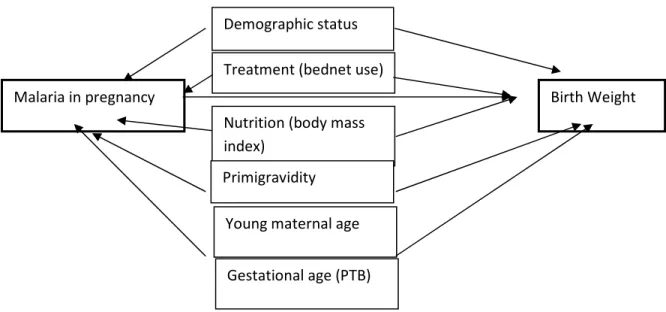
Figure 3-4 Directed Acyclic graph: Malaria and birth weight
Data analyses for Aim II. Maternal malaria, hookworm and anemia
This analysis explored the associations of malaria and hookworm at the first antenatal care visit with moderate/severe maternal anemia, considering other parasitic infections associated with maternal anemia, maternal under-nutrition (as measured by low BMI), and other potential confounders (identified through literature review and directed acyclic graph, 3-5).
Malaria in pregnancy
Demographic status
Nutrition (body mass index)
Primigravidity
Young maternal age Treatment (bednet use)
Birth Weight
38
Primigravidity, maternal age, maternal education, bednet use, and marital status were evaluated as potential confounders, based on previous research [See Chapter 2] [92]. Confounders with a change estimate >10% were kept in the final log-risk model to evaluate the contribution of hookworm, malaria, and other infections to maternal anemia.
Furthermore, maternal anemia in pregnancy was adjusted for gestational age at measurement. The estimated risk ratios for maternal anemia for each infection were estimated, with and without the potential confounders. Finally, a log-risk model was developed to estimate the association of the common infections (P. falciparum malaria, hookworm, schistosomiasis, T. trichuria) and moderate/severe maternal anemia.
Figure 3-5. Directed acyclic graph: Infection in pregnancy and anemia Malaria in pregnancy
Demographic status
Under-nutrition (BMI)
Gestational age Bednet use
Maternal anemia Hookworm
Schistosomiasis and other infections
Young maternal age
39
3.4 Sensitivity analyses for missing birth outcome data
For the study, as described, women who had term births (n = 501/799 or 63% of those enrolled at ANC) were subsequently enrolled for the parent study, whose goal was to assess effect of fetal immunity. Thus, for the present study, the association of malaria and reduced birth weight associated with preterm birth was unable to be assessed, only birth weight associated with intra-uterine growth restriction among term births. Since there were a significant proportion (n=298 or 37%) of women enrolled at antenatal care but whose infants were not enrolled at delivery for various reasons (including delivering outside the catchment hospital, preterm birth, stillbirth, voluntary withdrawal or other unknown reasons) (shown in Figure 3-3), we examined the demographic variables at antenatal care for those who delivered vs. who did not deliver at the study hospital for demographic variables with key study variables displayed (Table 3-1). Of those who were PCR- malaria-positive at ANC, 38% (n=23) had missing delivery data, while for those who were PCR-malaria negative at ANC, 38% (n=275) also had missing data at delivery. While there were slightly reduced rates of anemia at ANC (p<0.05), other demographic variables did not differ significantly between those women with outcomes obtained at delivery at the study hospital compared to those without data at delivery available. One important limitation is that the specific reason for lack of delivery outcomes (e.g., preterm birth, fetal death, lost to follow-up) was
unavailable.
40
care, but with missing birth weight. As a first step, the median, 10th, 25th and 75th percentiles birth weights were calculated for those with birth weight measurements available, stratified by PCR-malaria status as follows:
• PCR-malaria positive:10th percentile 2300 g; 25th 2600 g; 75th 3250
• PCR-malaria negative: 10th percentile 2400 g; 25th percentile 2750 g; 75th 3750
41
Table 3-1 Demographics of women who delivered at the study hospital vs. birth outcome not recorded
Delivered at study hospital N (%)
Delivered elsewhere N (%)
Chi2 p-value
Maternal Age 0.08
< 20 yrs 171 (38.3) 141 (37.1)
>20 yrs 276 (61.7) 239 (62.9)
Gravidity 0.1
Primigravida 118 (26.5) 81 (21.5)
Multigravida 296 (78.5) 239 (62.9)
Used bednet past 3 mos 0.4
No 115 (26.0) 103 (27.1)
Yes 327 (27.0) 277 (72.9)
Moderate/severe Anemia 0.01
No 286 (74.9) 237 (71.0)
Yes 96 (25.1) 97 (29.0)
PCR-malaria 0.1
No 45 (10.1) 42 (11.3)
Yes 398 (89.9) 328 (88.7)
Hookworm 0.4
No 257 (76.5) 242 (75.4)
42
Table 3-2 Comparison of CWRU-PCR to UNC-PCR for P. falciparum malaria parasitemia detection
UNC- Positive UNC-Negative Total
CWRU – Positive 7 1 8
CWRU – Negative 2 15 18
Total 9 16 25
Table 3-3. Sensitivity and specificity of microscopy (MS) compared to CWRU PCR for P. falciparum malaria parasitemia detection
Pf-MS Positive Pf-MS Negative Total
Pf- PCR Positive 13 46 59
Pf- PCR Negative 5 368 373
Total 18 414 432
Table 3-4 Maternal Body-Mass-Index (BMI) by Gestational Age (GA) at Measurement GA,
weeks
N (%) BMI, Median BMI, 10th percentile BMI, 90th percentile
18-20 64 (9) 24.3 19.5 30.1
21-23 92 (13) 23.9 20.4 28.2
24-26 135 (19) 24.9 20.7 29.9
27-29 182 (26) 24.5 20.7 29.7
30-32 140 (20) 25.3 20.8 30.2
33-35 89 (13) 24.4 21.3 31.4
Table 3-5. Relative risk of low BMI by infection (RR and 95% CI)
Low BMI, RR (95% CI) P-value
PCR-Malaria 0.8 (0.4, 1.7) 0.4
Microscopy-malaria 1.5 (0.5, 4.3) 0.5
Hookworm 0.8 (0.5, 1.4) 0.5
Hookworm >100 eggs/g 0.7 (0.9, 5.7) 0.7
43
Table 3-6. Summary of key exposure and outcome study variables
Variable Description Defined for study
Antenatal Care
P. falciparum malaria PCR-positive Dichotomous Hookworm Positive/negative -
Continuous (eggs/g)
Dichotomous
Burden - dichotomous (> 100 eggs/mL) Other parasitic
infection (T. trichuria, S. stercoralis, A. lumbricoides)
Positive/negative - Continuous (eggs/g)
Dichotomous
Burden - dichotomous (> 100 eggs/g) Schistosomiasis (S.haematobium) Positive/negative - Continuous (egg/mL) Dichotomous
Burden - dichotomous (> 50 eggs/mL)
Table 3-5 continued
Body-mass-index Kg/m2 as continuous variable Low BMI defined as lowest 10%ile for GA
Ultrasound
measurements
Biparietal diameter, femur length, head circumference, estimated fetal weight
Continuous
Maternal anemia Hemoglobin (Hg) - g/dL
Anemia – Hb < 11.0 g/dL Moderate/severe< 9.0 g/dL Delivery
P. falciparum malaria PCR-positive Dichotomous
Hookworm Positive/negative -
Burden of infection (eggs/mL)
Dichotomous
Moderate burden - dichotomous (> 100 eggs/mL)
Schistosomiasis Positive/negative -
Burden of infection (egg/mL)
Dichotomous
Birth weight Continuous (grams) Continuous
Anthropometrics Length, head circumference Continuous Maternal anemia Hemoglobin (Hg) - g/dL
Anemia: Hb < 11.0 g/dL
Moderate/severe: Hb < 9.0 g/dL Fetal anemia Cord hemoglobin (Hg) - g/dL
44
Table 3-7. Difference in birth weight (Mean, g, and 95% CI) with imputed missing birth weights using available birth weights, by PCR negative vs. PCR positive malaria*
Assumptions about missing birthweight (BWT) for PCR-malaria negative Mean difference, 95% CI
Assumptions about BWT for PCR-malaria positive
10th percentile 25th percentile malaria-negative BWT
Median malaria-negative BWT
75th percentile malaria-negative BWT
10th percentile 31 (-34, 97) -428 (-486, -371) -668 (-734, -602) -907 (-983, -831)
25th percentile 357 (307, 407) -128 (-186, -71) -368 (-433, -302) -607 (-683, -531)
Median 606 (611, 718) 271 (214, 329) 32 (-34, 98) -207 (-283, -131)
75th percentile 856 (806, 906) 665 (611, 718) 281 (216, 318) 43 (-34, 118)
45
CHAPTER FOUR
P. FALCIPARUM MALARIA AND BIRTHWEIGHT
Introduction
Malaria in pregnancy causes low birth weight, a major contributor to neonatal mortality and morbidity worldwide [1,2,93,94]. In Sub-Saharan Africa, where malaria is endemic, malaria in pregnancy may contribute to 25% of low birth weight [95]. Risk of decreased birth weight is generally highest among primigravida women, who may
experience more severe clinical illness associated with malaria infection [1,2]. Additionally, while maternal under-nutrition as determined by low body-mass index (BMI) has been associated with low birth weight [96,97], a recent study suggested an interaction between maternal under-nutrition and malaria [60]. The study, conducted in the Democratic Republic of Congo (DRC), found that among those women with malaria during pregnancy, intra-uterine growth restriction (IUGR) and birth weight were significantly reduced among women with under-nutrition [60].
In addition to the relation between maternal characteristics and malaria on birth weight, recent studies point to a role of the timing of malaria infection [13,23,60,98].
46
infection [98]. However, other studies have found malaria infection late in pregnancy, when fetal weight gain is most rapid, correlated with decreased birth weight [13,23].
Studies of malaria in pregnancy utilizing ultrasound, a method to establish
gestational age and fetal growth, have been limited [60,99-101]. In addition to evaluation of fetal growth, ultrasound assesses uterine and umbilical blood flow, both of which may be impaired by malaria in pregnancy [100]. With limited availability of routine ultrasound in Sub-Saharan Africa, few reports have described fetal growth and impairment associated with malaria by ultrasound. One study of 3,779 pregnant women from the Thai-Burmese border found that early malaria infection (<24 weeks) was associated with decreased biparietal diameter (BPD).[100] Another recent study in Tanzania, found that early malaria infection was associated with reduced third trimester fetal growth [101]. Additionally, in DRC, ultrasound evaluations established IUGR among women with malaria [60] and significantly increased uterine and umbilical artery resistance among malaria-positive compared to malaria-negative pregnant women [99]. Umbilical artery resistance has been associated with impaired fetal growth and intra-uterine growth restriction [102].
Given the adverse birth outcomes associated with malaria and the effective treatment now available, in 2004 the World Health Organization (WHO) recommended intermittent preventive treatment with two doses of SP (IPTp-SP) beginning the second trimester for pregnant women residing in malaria-endemic areas [5]; more recent WHO guidelines recommend monthly SP treatment [42]. With the increased SP availability, many countries in Sub-Saharan Africa have implemented programs based on the IPTp-SP
47
optimize public health programs. We therefore sought to explore the impact of malaria in pregnancy on fetal growth and newborn outcomes among a cohort of women enrolled in an IPTp-SP treatment program in a malaria-endemic region.
Materials and methods
Study population and recruitment
From 2006 to 2009, the study team recruited pregnant women who attended
antenatal care (ANC) at Msambweni District Hospital, Msambweni, Coast Province, Kenya, a rural area where malaria is endemic [67]. Per Kenya Ministry of Health national policy, women received IPTp beginning in the second trimester as well as iron, folic acid, and bed nets as part of routine care. At the first ANC visit, consented HIV-negative women were tested for peripheral malaria, demographic information was obtained, and a physical examination and an ultrasound examination were performed. Pregnant women with known medical disorders contributing to fetal growth restriction, placental dysfunction, twin
48 Measurements
All anthropometric measurements were obtained by trained study staff. Maternal BMI was calculated based on maternal weight and height obtained at the first antenatal care visit (kg/m3). Because a pre-pregnancy BMI was unavailable, to explore the potential effects of under-nutrition, BMI less than the 10 percentile for the gestational age at ANC was calculated and defined as low BMI. Ponderal index (PI), the ratio of infant length to weight, was also calculated with PI <2.32 defined as asymmetrical growth.
Ultrasound examinations were performed using a SonoSite 180 Plus ultrasound machine (SonoSite FujiFilm, Bothell, WA). Fetal biometry was performed according to standard techniques for determination of fetal gestational age and weight. Right and left uterine arteries were interrogated using standard techniques. Notching of uterine arteries was noted in pregnancies greater than 25 weeks gestation. Umbilical artery interrogation was performed on a free flowing segment of umbilical cord.
Presence of malaria parasitaemia was determined by polymerase chain reaction (PCR)-ligase detection reaction/fluorescent microsphere assay as previously described [86]. For purposes of this study, analyses of malaria were restricted to P. falciparum, the species most commonly associated with adverse birth outcomes [2].
Data analyses
49
and 95% confidence intervals (CI) for estimated fetal and newborn anthropometrics, before and after adjusting for potential confounders. Based on previous studies, the potential modifying effects of maternal BMI and primagravida status were evaluated. A p-value of <0.15 for the interaction term was selected to indicate statistical significance. Additional potential confounders evaluated were socio-demographic status (household expenditures, educational level, maternal age), and bednet use. A backward elimination strategy was used to fit the multivariate models for birth weight. Ultrasound measurements were stratified by 3-week gestational age groups (18-35 3-weeks gestation) and compared malaria infected to not infected women.
Results
Of the 813 women screened at antenatal care (ANC), 799 provided initial
demographic information and were tested for malaria; 676 had an ultrasound examination at the first ANC visit between 18 and 35 weeks and were included in analyses of fetal
measurements. Of these, 463 delivered a term, singleton, live birth in the study hospital.
50
prior to ANC were more likely to be malaria positive (RR 1.71, 95% CI 1.14, 2.55). Women who did not have malaria treatment prior to ANC had a relative risk of 1.68 (95% CI 0.76, 3.74) of being malaria positive at the first ANC visit. Women with moderate or severe anemia (hemoglobin <9 g/dl) had a higher relative risk of exposure to malaria. The median BMI was 24.2 (IQR 22.2, 26.9) and similar for the malaria-positive women (23.9, IQR 22.1, 26.0). Finally, we examined clinical symptoms of febrile illness and only 4 of the women who were malaria-positive had illness (data not shown).
Analyses adjusted for parity and stratified by gestational age to examine the
association of concurrent P. falciparum status and fetal growth estimated by ultrasound are reported in Table 4-2. The mean adjusted estimated fetal weight measurements were generally lower for fetuses exposed to P. falciparum positive compared to negative mothers; however, except at 30-32 weeks’ gestation, these differences did not reach statistical
significance. At 30-32 weeks, the fetal weight, head and abdominal circumference were significantly lower (p<0.05) for P. falciparum positive mothers, while femur length measurements were similar between the groups across all gestational ages (Table 4-5, supplemental tables).
51
differences in uterine artery notching, RI, PI, or S/D ratio between the groups found (data not shown).
Next, we examined birth anthropometrics and hemoglobin levels for live, singletons. Compared to women whose births were excluded (due to delivery outside the study hospital, voluntary discontinuance of study participation, lost to follow up, premature delivery, or non-collection of samples and measurements), women whose births were included were
comparable on incidence of malaria, education level, gravidity, age, and household expenditures to those whose births were excluded from the study, and maternal severe or moderate anemia. However, enrolled women who delivered a live birth in the study hospital were significantly less likely to have a low BMI percentile (p<0.05), compared to women whose birth data were not available.
![Figure 1-1. Malaria risk in pregnancy (Malaria Atlas Project) [1]](https://thumb-us.123doks.com/thumbv2/123dok_us/8246720.2185310/13.918.337.794.521.851/figure-malaria-risk-pregnancy-malaria-atlas-project.webp)
![Figure 1-2. Prevalence of anemia in pregnancy [43]](https://thumb-us.123doks.com/thumbv2/123dok_us/8246720.2185310/24.918.139.809.558.908/figure-prevalence-anemia-pregnancy.webp)

![Figure 1-4. Interaction of nutrition and infection [59]](https://thumb-us.123doks.com/thumbv2/123dok_us/8246720.2185310/29.918.181.803.171.500/figure-interaction-nutrition-infection.webp)