HC 657
Incorporating HC 982-i–iv, Session 2012–13
Published on 18 September 2013 by authority of the House of Commons London: The Stationery Office Limited £20.00
House of Commons
Health Committee
After Francis:
making a difference
Third Report of Session 2013–14
Report, together with formal minutes and oral
and written evidence
Additional written evidence published by the
Committee in Session 2012–13 is available at
www.parliament.uk/healthcom
Ordered by the House of Commons
to be printed 10 September 2013
The Health Committee
The Health Committee is appointed by the House of Commons to examine the
expenditure, administration, and policy of the Department of Health and its associated bodies.
Membership
Rt Hon Stephen Dorrell MP (Conservative, Charnwood) (Chair)1
Rosie Cooper MP (Labour, West Lancashire) Andrew George MP (Liberal Democrat, St Ives) Barbara Keeley MP (Labour, Worsley and Eccles South) Charlotte Leslie MP (Conservative, Bristol North West) Grahame M. Morris MP (Labour, Easington)
Andrew Percy MP (Conservative, Brigg and Goole) Mr Virendra Sharma MP (Labour, Ealing Southall) David Tredinnick MP (Conservative, Bosworth) Valerie Vaz MP (Labour, Walsall South) Dr Sarah Wollaston MP (Conservative, Totnes)
Powers
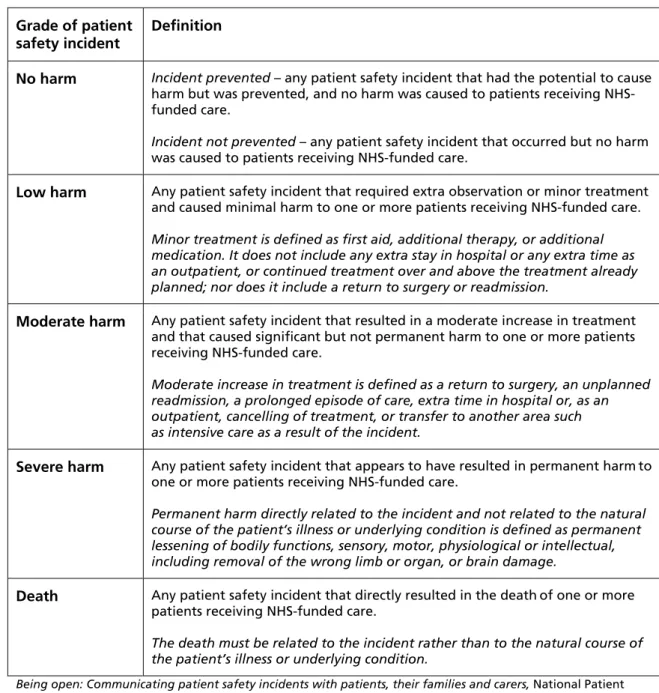
The Committee is one of the departmental select committees, the powers of which are set out in House of Commons Standing Orders, principally in SO No 152. These are available on the Internet via www.parliament.uk.
Publications
The Reports and evidence of the Committee are published by The Stationery Office by Order of the House. All publications of the Committee (including press notices) are on the Internet at www.parliament.uk/healthcom.
The Reports of the Committee, the formal minutes relating to that report, oral evidence taken and some or all written evidence are available in printed volume(s). Additional written evidence may be published on the internet only.
Committee staff
The staff of the Committee are David Lloyd (Clerk), Martyn Atkins (Second Clerk), Laura Daniels (Committee Specialist), Stephen Aldhouse (Committee Specialist), Frances Allingham (Senior Committee Assistant), and Ronnie Jefferson (Committee Assistant).
Contacts
All correspondence should be addressed to the Clerk of the Health Committee, House of Commons, 7 Millbank, London SW1P 3JA. The telephone number for general enquiries is 020 7219 5466. The Committee’s email address is
1 Mr Stephen Dorrell was elected as the Chair of the Committee on 9 June 2010, in accordance with Standing Order No. 122B (see House of Commons Votes and Proceedings, 10 June 2010).
Contents
Report
PageSummary 3
1
Introduction 11
The Francis Report and its significance 11
The Francis recommendations and subsequent reviews and responses 12
The Committee’s inquiry 14
Parliamentary oversight of professional regulation 14
2
An open and transparent NHS
16
Open culture and professional responsibility 16
The existing duty and practice of candour in the NHS 17
Accountability of commissioners 19
The NHS Constitution 20
The Francis recommendations 21
Reactions to the Francis recommendations 25
The role of criminal sanctions for individuals and healthcare organisations 26
3
Raising concerns and resolving disputes
29
The Francis Report and whistleblowers 29
Compromise agreements, gagging clauses and special severance payments 31 Compromise agreements at the Care Quality Commission 33
Compromise agreements and severance payments 34
The case of Gary Walker 35
Establishing a culture which is comfortable with challenge 36
4
The NHS and its patients
38
Fundamental standards of healthcare 38
Criminally negligent practice 42
Standards on care at the end of life 43
The National Patient Safety Agency 44
Feedback and complaints 46
5
Nursing and healthcare assistant staff in the NHS
48
Staffing ratios and patient care 48
Training and status of nurses 51
Nursing care for the elderly: the registered older person’s nurse 52
Training and regulation of healthcare assistants 53
6
The future of regulation
56
Regulating the system: the future of the CQC and Monitor 56
Inspecting the system: a Chief Inspector of Hospitals 59
Regulating professionals 60
Annex: The case of Mr Gary Walker, former Chief Executive of the United
Lincolnshire Hospitals NHS Trust
63
The Committee’s approach 63
Outline of the issues 65
The compromise agreement, the “gagging clause” and the threat to Mr Walker 67
Appendix 1: Correspondence between the Committee Chair and the incoming
Chair of the Care Quality Commission
70
Appendix 2: Implementing Safe Nurse Staffing in an NHS organisation:
briefing note from the Salford Royal NHS Foundation Trust
72
Conclusions and recommendations
76
Formal Minutes
84
Witnesses
85
List of printed written evidence
85
Summary
In this report the Committee gives its view on the principal recommendations of the report
of the public inquiry into the Mid Staffordshire NHS Foundation Trust undertaken by
Robert Francis QC. The Committee will be keeping the Government’s response to the full
set of recommendations made by Robert Francis under review as part of its ongoing
programme of scrutiny.
The Francis report is important because it describes a culture in one part of the healthcare
system where shocking and obvious deficiencies in care could persist unchecked, with
completely unacceptable consequences for patients and relatives. As a consequence, a
healthcare system established for public benefit and funded from public funds risks the
undermining of its guarantees of safety and quality. It is vital that the pervasiveness of this
culture in many parts of the health and care system is recognised and addressed: but it
must also be recognised that the experiences of poor care at Mid Staffs are not the
experiences of millions of patients treated each year by caring, experienced and committed
NHS staff.
Robert Francis recommended that the Committee should, through its programme of
regular accountability hearings and otherwise, monitor the implementation of his
recommendations and the development of cultural change in the NHS. The Committee
agrees, and plans to work with the Professional Standards Authority for Health and Social
Care to enhance its oversight of the quality of regulation of the healthcare professions.
Legislation proposed by the Government in response to certain of Robert Francis’s
recommendations is contained in Part 2 of the Care Bill [
Lords
]. The Committee
recommends that the Government respond to its report in good time for the response to be
discussed at that Bill’s Second Reading in the Commons.
Open culture and professional responsibility
Trusts and other care providers have a fundamental duty to establish and maintain an
environment where the concerns about patient safety and care quality raised by clinicians
or managers can be discussed openly and directly. The Committee recognises the
unambiguous professional duty on healthcare professionals to raise concerns about the
safety and quality of care delivered to patients: managers should also be expected to raise
any concerns they have about the safety and quality of care openly and without risk of
detriment.
The Committee considers that measures designed to strengthen a culture of candour in the
NHS should require openness about the full range of outcomes achieved, not just about
where things go wrong. More open accountability for outcomes achieved would spur
improvements to the quality of care delivered across the full range of health and care
facilities. An open culture which encourages challenge is fundamental to the delivery of
high quality care.
The duty of candour on providers now written into the NHS standard contract appears to
be based on sound principles, but experience shows that such principles have in the past
been too often honoured in the breach rather than the observance. Commissioners of NHS
services have a fundamental role in ensuring that providers observe the duty of candour
and the principles which underlie it. If a provider fails to be candid with its patients and the
commissioner which funds it, this should be regarded as a failure of enforcement by the
commissioner as well as a failure of performance by the provider. High quality providers
can set the pace for openness and transparency by improving their disclosure of
anonymised data on outcomes. Verbal commitments to higher standards are meaningless
if no effective steps are taken to monitor performance.
The NHS Commissioning Board (now NHS England) has not applied a duty of candour
explicitly to commissioners, a recommendation of the Committee’s 2011 report on
Complaints and Litigation
. The Committee considers this to be a significant opportunity
missed to promote a more open and accountable culture throughout the NHS: such a duty
is vital to build public confidence in the commissioning system. Similarly, the revision of
the NHS Constitution to reflect the new contractual duty of candour misses the
opportunity to indicate that commissioners have a responsibility to ensure that providers
of NHS care give timely, accurate and complete information to individual patients and to
commissioners in all circumstances.
Defensive considerations driven by an over-legalistic culture in providers should not be
allowed to impede the proper relationship between clinical professional and patient, nor
should they impede the duty on Trusts to provide full and candid explanations to relatives
bereaved as the result of an adverse incident.
Robert Francis argued for a statutory duty of candour owed by providers to patients. The
review of patient safety in England led by Professor Don Berwick also supported a
statutory duty of candour on this model, but entered reservations about its scope, since a
requirement for automatic reporting of ‘every error or near miss’ could lead to substantial
bureaucratic overheads which could detract from patient care. Berwick has recommended
the commissioning of research into the proactive disclosure of serious incidents and
engaging with patients about them. The Committee considers that undertaking this
necessary activity should not delay the implementation of measures designed to entrench
openness and candour across the NHS.
Robert Francis also argued for a statutory duty on healthcare workers to report beliefs or
suspicions about serious incidents to employers. The Berwick Review did not support this
recommendation, since the requirement was considered to be covered adequately by
professional codes of conduct and guidance.
The Committee is not persuaded that a statutory duty defined in secondary legislation,
operating in addition to existing contractual duties and professional obligations, will
necessarily be effective in achieving cultural change at the scale the NHS requires, and is
concerned that insufficient attention may have been given to how these proposed new
arrangements will interact with existing processes.
Raising concerns and resolving disputes
Robert Francis has recommended a change in NHS culture to achieve a situation where it
is easier and more palatable to raise a genuine concern about care standards or patient
safety than not. The Committee agrees with this approach, though
it recognises that
individuals who do raise concerns may face serious consequences as a result. The
management of each NHS provider has a duty to establish a culture where issues of
genuine concern can be raised freely. The Committee considers that disciplinary
procedures, professional standards hearings and employment tribunals are not appropriate
forums for honestly-held concerns about patient safety and care quality to be discussed.
Providers of health and care services, and their regulators, should be open and transparent.
Any ‘gagging’ clause in an agreement with such an organisation which has the effect of
inhibiting the free discussion of issues of patient safety and care quality is unlawful, and no
NHS body should seek to enforce any such agreement in a way which inhibits the free
discussion of such issues.
The Committee makes no finding of fact in the case of Mr Gary Walker, former chief
executive of United Lincolnshire Hospitals NHS Trust, who alleged that he had been
forced to compromise patient safety to achieve hospital access targets. The Committee was
nevertheless concerned that the Trust and its legal representatives showed insensitivity and
a lack of discretion in seeking to restrain Mr Walker from giving a radio interview in which
he planned to discuss his concerns.
The Committee has been pleased to receive an assurance from the incoming Chair of the
Care Quality Commission that its standard compromise agreement with employees makes
it explicit that such agreements do not prevent the raising of legitimate concerns though
protected disclosures. The Committee recommends that the CQC write to each individual
with which it has an existing compromise agreement to state unambiguously that the terms
of such agreements will not be enforced on individuals seeking to raise concerns in the
public interest through protected disclosures.
As many as 50 special severance payments made to former NHS staff may have escaped
Department of Health and Treasury scrutiny, as they were agreed through a process of
judicial mediation which had hitherto been deemed not to require the approval of the
Chancellor or the Secretary of State for Health. While the Committee welcomes the closure
of this loophole, it considers it unacceptable that in several cases hitherto the payment of
public money in settlement of claims against NHS bodies has been made outside normal
approval procedures intended to safeguard public money.
Establishing a culture which is comfortable with challenge
Responsibility for establishing a truly open managerial and professional culture which
would make the role of the whistleblower redundant lies with each Trust Board.
Commissioners also have a responsibility to ensure that providers to operate an open
culture: without this culture it is impossible for commissioners to discharge their
obligations. The CQC also has a role in working with commissioners to set challenging
benchmarks for cultural norms for providers.
The Committee welcomes the CQC’s new proposed approach to inspecting provider
leadership, governance and culture, areas which the CQC believes “make the difference
between success and failure”. The CQC should, as part of its inspection regime, satisfy itself
that the provider inspected has arrangements to protect and facilitate the position of any
member of staff who wishes to raise concerns about the quality of patient care.
Fundamental standards of healthcare and patient safety
The Committee agrees with Robert Francis that clear and unambiguous fundamental
standards of care should be established in such a way that patients, relatives, clinical and
auxiliary staff and managers can immediately recognise unacceptable care and take
appropriate action to remedy a breach. Any breach should be treated seriously and
investigated thoroughly, but regulatory consequences should be proportionate and focus
on analysis and remedy of the circumstances which have led to the breach.
Where breaches of these standards risk harm to patients, or lead to death or serious injury,
the Committee considers that the breach should be treated as a criminal matter. The
Committee notes the recommendation of the Berwick Review that an offence of wilful
neglect or mistreatment, applicable to organisations and to individuals, should be
introduced, but recommends that the Government examine how such behaviour could be
prosecuted under existing offences.
The Committee is concerned by the evidence of serious failures in care for dying patients
brought to light not only in Robert Francis’ inquiries but also in the recent Neuberger
Review of the Liverpool Care Pathway. However, the advances in quality end of life care
made under the pathway approach should not be lost. The CQC should establish specific
standards for end of life care to ensure that dying patients receive all the care they need to
minimise any suffering.
The Committee is concerned that leadership on patient safety policy now resides with NHS
England, which commissions the outsourcing of the National Reporting and Learning
System (NRLS) database of patient safety incidents previously maintained by the National
Patient Safety Agency. The impression given is that the overall significance of patient safety
policy has been downgraded and that the effectiveness of the function has been
compromised. The Committee repeats its recommendation that monitoring of patient
safety practice and data should be a core responsibility of the CQC, not NHS England, and
recommends that the scope of NRLS definitions of patient safety incidents be extended to
cover private healthcare and taxpayer-funded social care.
Feedback and complaints
Robert Francis recognised that proper complaint handling was vital if NHS organisations
were to ensure that services were to change for the better. The Government awaits the
outcome of the review of complaint handling in the NHS being undertaken by Rt Hon
Ann Clwyd MP and Professor Tricia Hart. The Committee takes very seriously the
warning by Robert Francis that patients in a vulnerable position in hospital may not
complain about poor care for fear of adverse consequences, and considers that providers
should be alert to this possibility.
Staffing ratios and patient care
Robert Francis considered that evidence-based tools were required to ensure that hospital
management could ensure that on any given day a provider had an adequate number of
staff to treat the patient load. While he did not endorse fixed staff-to-patient ratios, he
recommended that Trust boards should have a means of knowing whether each ward was
adequately staffed: this would be one means of ensuring that fundamental standards were
observed.
The Secretary of State has argued that evidence-based guidance on minimum staffing
levels, which providers would be expected to respect, should be developed. The Committee
believes that this approach will only win public confidence if providers also make a clear
commitment to open and public accountability for their staffing records. Ensuring
adequate staffing levels cannot be done through periodic inspection or twice-yearly
reporting of staffing data, as the Government proposes. Commissioners should require all
their providers to collect information on staffing at ward level on a daily basis and make it
available immediately for publication in a standard format which will allow ready
monitoring and comparison against benchmarks. The Committee commends the
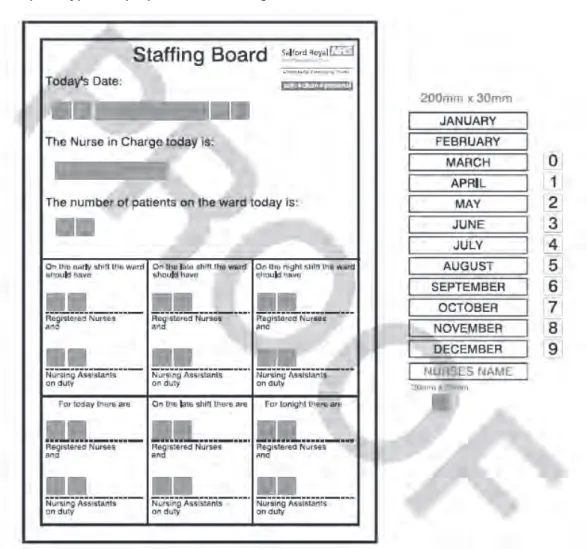
approach to staffing management and data publication taken by the Salford Royal NHS
Foundation Trust.
Training and status of nurses
The Committee has noted the scepticism about the Government’s proposal that every
student seeking NHS funding for a nursing degree should be required to serve for up to a
year as a healthcare assistant as part of a nurse training programme. The Committee is
concerned that the maximum period proposed may be too long and may deter potential
recruits: for this reason it recommends that the proposal should be fully piloted and
carefully evaluated to determine the optimum maximum length of time for such
placements. It is important that other lifetime experiences of potential trainees, including
lived experience and voluntary work, are taken into account under this approach.
The Government rejected the proposal by Robert Francis for the establishment of a new
category of nurse—the registered older person’s nurse—to recognise the acquisition of
specific skills in caring for the elderly. While the Government is concerned that
introducing such a designation might risk putting older persons’ nursing in a silo, the
Committee considers that encouraging nurses to develop specialist skills required to care
for the elderly is necessary and welcome. It recommends that the acquisition of skills in
older persons’ nursing should be recognised and certified, and that nurses should hold the
status of registered older person’s nurse in tandem with other registrations.
Training and regulation of healthcare assistants
The Committee has in the past supported the development of a registration process for
healthcare assistants to be undertaken by the Nursing and Midwifery Council once its
performance of its current core functions has demonstrably improved. Robert Francis also
recommended the establishment of a registration and regulatory regime for healthcare
assistants, together with a code of conduct and national training standards to apply to
them. While training standards and a code of conduct for healthcare assistants have been
introduced, and the Professional Standards Authority is to oversee proposals for voluntary
registration, the Government has ruled out proposals for compulsory registration and
instead proposes to operate a vetting and barring scheme to prevent unsuitable persons
from working as healthcare assistants. The Committee recognises the valuable role played
by healthcare assistants and endorses proposals to encourage and support them in
continuing professional development. It does not believe that the current unregistered
status of healthcare assistants should continue, though it recognises that the performance
of the NMC should improve before it is asked to take on additional responsibilities for
registration.
Future regulation
The Government rejected the proposal of Robert Francis to establish one regulator to
examine the performance of providers in terms of both quality and finance, functions
undertaken by the CQC and by Monitor respectively. Instead, it has proposed a ‘single
failure regime’ whereby the CQC, Monitor and the NHS Trust Development Authority will
work with each other and with commissioners to regulate care quality and financial
performance in Trusts.
The Committee is sceptical that the proposed failure regime, which is complex, can
effectively address and remedy issues of care quality and financial performance in
providers without considerable oversight. The Committee does not recommend any
further major institutional change in the relationship between Monitor and the CQC, and
proposes to examine the effectiveness of future regulatory arrangements through its
programme of accountability hearings.
The Committee is concerned that much of the detail of the operation of the single failure
regime will be implemented through secondary legislation, and recommends that before
presentation to Parliament a draft of the relevant instruments should be published for
scrutiny and comment.
The CQC has proposed that in future the frequency of hospital inspections should be
risk-adjusted according to the hospital’s rating, with ‘outstanding’ hospitals inspected once
every three to five years and inadequate hospitals inspected as and when needed. The
Committee considers that these proposals should be applied based on evidence and
experience, and is not convinced that there is sufficient evidence or experience of the
proposed process. The Committee therefore recommends the introduction of effective
monitoring arrangements which can trigger an immediate inspection in cases where
standards are alleged to be falling.
The Committee looks forward to examining the CQC on developments in hospital
inspection at its next accountability hearing later in 2013. The Committee will wish to be
assured that the inspectorate function is sufficiently well funded and resourced to meet the
objectives set for it. The Chief Inspector is expected to be a champion for openness and
transparency across the NHS, and the Committee expects him to inspect and report on the
culture encountered in providers.
Death certification
The Committee is disappointed to learn that reforms to death certification which were
recommended in 2003 as a result of the Smith Inquiry into the activities of Harold
Shipman, and enacted in 2009, have not yet been brought into force. The Health and Social
Care Act 2012 has passed responsibility for the new medical examiner system to local
authorities, and it is understood that there have been difficulties in agreeing the charging
regime to be put in place to fund the system. The Committee regrets that the
implementation of the new system has been delayed until October 2014 and urges the
Government to ensure that the timetable for this necessary reform does not slip further.
Robert Francis made a number of recommendations for the reform of the system of death
certification, including the imposition of a duty of candour which providers should owe to
coroners about the circumstances in which hospital patients have died, and a requirement
that a consultant in charge of the treatment of a patient who dies in hospital should be
personally responsible for certifying the cause of death. The Committee recommends that
the Government give early effect to these measures, particularly those which do not rely on
the implementation of the new independent medical examiner system.
1
Introduction
The Francis Report and its significance
1.
The failings at Stafford General Hospital first made public in the report of the Healthcare
Commission in March 2009 have cast a shadow over the reputation of the NHS for safe,
high-quality patient care. So significant were the failings in the Trust, and in the broader
healthcare management system supporting it, which were revealed in subsequent inquiries
that in February 2013 the Prime Minister made a public apology on the floor of the House
of Commons in response to the publication of the report of the Public Inquiry into the Mid
Staffordshire NHS Foundation Trust.
22.
The facts of the significant failure at Stafford, as initially audited by the Healthcare
Commission and given prominence by the campaign group Cure the NHS, have underlain
the debate over safety and quality in the NHS for several years. The findings of the
Healthcare Commission’s investigation and of the reviews into the Mid Staffordshire NHS
Foundation Trust undertaken for the Department of Health by Professor George Alberti
and Dr David Colin-Thomé were available to the predecessor Committee when it inquired
into patient safety in 2009.
3Since then, two inquiries, both chaired by Robert Francis QC,
have examined the particular failings at Stafford Hospital and the more general
inadequacies in the healthcare system which allowed the poor care at Stafford to persist for
so long. The evidence taken in the course of both Francis inquiries—particularly the
shocking experiences of poor care related by patients and relatives—informed two
substantial and important reports which have provided compelling analyses of what went
so badly wrong in a system supposedly geared to promoting excellence in healthcare.
3.
In the report of the second inquiry into Mid Staffordshire NHS Foundation Trust, a
public inquiry held under the provisions of the Inquiries Act 2005, Robert Francis has
anatomised the operation of the NHS system and the interrelationships of the various
bodies—Trust Board, regional health authority, Government department, regulators and
others—entrusted with the responsibility of operating a safe and high quality healthcare
system.
4In doing so he has indicated key components of a prevailing culture at Mid Staffs
which he characterises as ‘doing the system’s business’: by definition, this was a culture
which tended to prioritise the smooth operation of the healthcare system above the safe
and effective care of patients.
4.
The importance of Robert Francis’ report lies not only in its meticulous analysis of
the system, identifying areas where misplaced assumptions, perverse incentives and the
pursuit of natural human instincts inhibited the ability of the system to deliver high
quality care, but also in its description of a culture where the most shocking and
obvious deficiencies in care were apparently allowed to persist unchecked, with
consequences for patients and relatives which were completely unacceptable. It is vital
2 HC Deb, 6 February 2013, columns 279–83
3 Sixth Report of the Health Committee, Session 2008–09, Patient Safety, HC (2008–09) 151
4 Report of the Mid Staffordshire NHS Foundation Trust Public Inquiry, HC (2012–13) 898 I-III (report) and HC (2012–
that the pervasiveness of this culture in many parts of the health and care system is
recognised.
5.
The Francis report commands such attention, over four years after the initial Healthcare
Commission report, because it describes a system where such lapses from basic standards
appear still to be possible, and because there are so few guarantees that elements of the
failings at Mid Staffs could not be repeated in other hospitals. Robert Francis has
described a healthcare system established for the public benefit and funded from public
funds which now risks an undermining of public confidence in its guarantees of safety
and quality.
6.
The Committee is in no doubt as to the importance of the failures at Mid Staffs. It is
vital to the interests of patients that the lessons from these failures are learned and
acted upon, so that all patients can have confidence in the quality of care in the NHS.
Without in any way detracting from the importance of this process, the Committee also
believes that it is important to recognise that the experience of those patients at Mid
Staffs who experienced poor care is not the day-to-day experience of millions of NHS
patients treated each year by caring, experienced and committed staff. The purpose of
highlighting the key lessons of the Francis Inquiry is not to undermine the NHS but to
improve it.
The Francis recommendations and subsequent reviews and responses
7.
Robert Francis’ report makes 290 recommendations for change in the health and care
system, though, in truth, all can be summed up in one single recommendation—that the
culture of the NHS must change in order for the safety and quality of the service, and the
public’s confidence in it, to improve. Robert Francis indicated that he was anxious that the
report and its recommendations should stimulate real and lasting change. The Committee
is similarly concerned that the inquiry process, harrowing for the patients and relatives
involved and traumatic for conscientious public servants in the NHS, should lead to a
lasting and positive change in culture.
8.
The Prime Minister announced a number of headline measures in response to the
Francis Report on the day of publication, and the Government subsequently issued what
the Secretary of State described as a substantive response on 23 April 2013, which set out a
more detailed response to certain areas in which Francis made recommendations.
5The
Committee has taken account in this report the proposals in the initial Government
response, including the proposals for legislation in the Care Bill [
Lords
] and the proposals
for a new inspection framework published by the Care Quality Commission. A further
Government response, containing a detailed response to each Francis recommendation, is
expected later in the autumn of 2013. This response is to be informed by the findings of
four reviews commissioned by the Government to examine areas of concern to Francis.
Three of these were issued after the Committee had concluded taking evidence in its
inquiry and a fourth has yet to be issued:
5 Patients First and Foremost: The Initial Government Response to the Report of The Mid Staffordshire NHS Foundation Trust Public Inquiry, Cm 8576, March 2013
•
A review of the training and support of healthcare and care assistants, undertaken
by Camilla Cavendish: the report of this review was published on 10 July 2013.
6•
A review of safety practices in the 14 NHS Trusts and Foundation Trusts which
have been outliers for the last two years on either or both of the recognised
mortality indicators,
7undertaken by the NHS Medical Director, Professor Sir
Bruce Keogh: the report of this review was published on 16 July 2013 and the
Secretary of State made a statement to the House on its findings the same day.
8•
A patient safety review undertaken by a National Advisory Group on the Safety of
Patients in England, chaired by Professor Don Berwick: the report of this review
was published on 6 August 2013.
9•
A review of NHS complaints handling, undertaken by Rt Hon Ann Clwyd MP and
Professor Tricia Hart: this review has yet to report.
9.
In addition, the report of an independent review of the Liverpool Care Pathway
commissioned by the Minister of State, Department of Health in January 2013 and
undertaken by a team led by Baroness Neuberger was published on 15 July 2013.
10While
this review was not commissioned in direct response to the findings of the second public
inquiry into Mid Staffs, it followed a number of stories about complaints of poor and
insensitive care and communication which “appeared to have much in common” with the
complaints which prompted the Mid Staffs inquiries.
11In response to the review the
Minister of State for Care Services, Norman Lamb MP, announced on the same date that
the Government’s intention is for the Liverpool Care Pathway to be phased out “over the
next six to 12 months”, to be replaced by “an individual approach to end of life care for
each patient”.
1210.
This report gives the Committee’s view on the issues raised by Robert Francis’ report
and the Government’s initial response, on which it has taken evidence, together with
relevant issues thus far raised in the subsequent responses and reviews. The Committee
plans to keep the Government’s response to the full set of Francis recommendations under
review in the course of its ongoing programme of scrutiny.
6 The Cavendish review: an independent review into healthcare assistants and support workers in the NHS and social care settings, July 2013
7 The Standardised Hospital-Level Mortality Index (SHMI) or the Hospital Standardised Mortality Ratio (HSMR). 8 NHS England, Review into the quality of care and treatment provided by 14 hospital trusts in England: overview
report, 16 July 2013; HC Deb, 16 July 2013, columns 926–29.
9 National Advisory Group on the Safety of Patients in England, A promise to learn– a commitment to act: Improving
the Safety of Patients in England, August 2013
10 Independent Review of the Liverpool Care pathway, More care, less pathway: a review of the Liverpool Care
Pathway, July 2013; HC Deb, 15 July 2013, columns 62–64WS.
11 Ibid, p. 3
The Committee’s inquiry
11.
Robert Francis published the report of the public inquiry on 6 February 2013 and gave
evidence to the Committee on its findings on 12 February 2013. The report consisted of
three volumes, plus an executive summary, and contained 290 recommendations. The
Government published its initial response to the report on 23 March 2013 and the
Secretary of State made an oral statement to the House on the report the same day.
Subsequently the Secretary of State appeared before the Committee on 23 April 2013 to
discuss the report and the Government’s response to its recommendations made to date.
The Committee also took oral evidence from Sir David Nicholson KCB CBE, Professor Sir
Bruce Keogh KBE and Liz Redfern CBE, representing the NHS Commissioning Board
(now known as NHS England).
12.
Following allegations made shortly after the report’s publication that a Trust was
seeking to prevent a former employee from discussing in public issues relating to patient
safety at that Trust, the Committee invited Mr Gary Walker and Mr David Bowles,
respectively the former Chief Executive and Chairman of United Lincolnshire Hospitals
NHS Trust, to give evidence on the actions of NHS bodies which they considered had been
designed to prevent Mr Walker, or had had the effect of preventing Mr Walker, from
discussing in public issues of patient safety.
13.
The relevant sections of this report are intended to inform debate on the clauses in Part
2 of the Care Bill [
Lords
] which make provision to change the structure of quality and
safety regulation for care providers. The Committee recommends that the Government
should provide a response to the Committee’s report in good time for it to be taken into
account in the Second Reading debate in the Commons on the Care Bill [Lords].
Parliamentary oversight of professional regulation
14.
Robert Francis recommended that the Committee, through its arrangements for
regular accountability hearings with professional and system regulators and otherwise,
should monitor the implementation of his recommendations and the development of the
cultural change in the NHS which he considers vital. The Committee agrees with Robert
Francis’ recommendation for its role in monitoring implementation of his
recommendations. The Committee therefore proposes to enhance its scrutiny of
regulation of healthcare professionals by taking public evidence each year from the
Professional Standards Authority for Health and Social Care (the PSA, formerly the
Council for Healthcare Regulatory Excellence) on the regulatory environment and the
performance of each professional regulator, based on the PSA’s own annual report. The
Committee held an initial evidence session on 9 July with representatives of the PSA to
examine its annual report and performance review for 2012–13.
1315.
The Committee plans to draw on the views expressed by the PSA in its reports and
in these sessions in preparing for its regular accountability hearings with the General
Medical Council and the Nursing and Midwifery Council. It will also examine the case
for inviting other professional regulators under the PSA’s remit to appear before it
13 Oral evidence taken before the Health Committee, Professional Standards Authority for Health and Social Care, 9from time to time, in the light of the views expressed about their performance by the
PSA.
16.
The Francis Report demonstrated that failure of professional responsibility was a
key factor which contributed to failures of care at the Mid Staffordshire NHS Trust.
The Committee has also consistently emphasised the importance of an open and
accountable professional culture in its own reports during this Parliament. It welcomes
Robert Francis’ recommendation that there should be enhanced parliamentary
oversight of the quality of professional regulation, and it intends to develop its
relationship with the PSA to make this oversight as effective as possible.
2
An open and transparent NHS
Open culture and professional responsibility
17.
Healthcare professionals have an unambiguous professional duty to raise with the
relevant authorities any concerns which they may have about the safety and quality of care
being delivered to patients. Managers do not operate within the same framework of
regulated professional obligations but they should also be expected to raise concerns about
matters affecting patient safety and care quality and to be able to do so openly and without
suffering personal detriment.
18.
The Committee believes that Trusts and other care providers have a fundamental
duty to establish an environment where concerns about patient safety and care quality
raised by clinicians or managers are addressed openly and directly.
19.
Robert Francis told the Committee that an essential element of the recommendations
in his report was that “there should be no obstruction to individuals, or groups of
individuals, raising honestly-held concerns about patient safety”:
They need to be listened to. If there is to be a penalty, it should be to penalise those
who do not exercise their responsibility to raise those things, not the other way
around.
14He went on to say that
There needs to be full protection for people who genuinely raise concerns rather than
the extremely complex system we have at the moment. If we did that, we would not
have to be talking about whistleblowers. We could talk about everybody contributing
to a safe system and being welcomed for so doing.
15The principal changes necessary to establish a genuinely open culture are discussed below.
20.
Robert Francis told the Committee that his recommendations came as a package,
which had five principal themes. One of these was the promotion of openness,
transparency and candour, not just in relation to individual incidents of harm but in more
general terms:
That is a package. It is about candour to patients, but it is also about honesty with the
public, commissioners and regulators.
16[T]here is a little bit of confusion often in what we mean by a duty of candour.
Conventionally, the discussion has been in terms of candour about honesty to the
patient, in telling a patient who has been harmed or might have been harmed by care
the truth about that. There is a wider field of candour, which I distinguish by calling
14 Q34 15 Ibid. 16 Q85
it “openness and transparency”, which is about the truth as to more general
information concerning the service.
1721.
The Committee agrees with Robert Francis that the key requirement is for a culture
change within the NHS which values openness and transparency in all care delivery—
not just when things go wrong. The duty of candour does not simply arise in cases of
service failure; the requirement for an open culture which encourages challenge is
fundamental to the delivery of high quality care.
The existing duty and practice of candour in the NHS
22.
During the course of the Committee’s 2011 inquiry into complaints and litigation, the
Government announced that it would introduce a new requirement on NHS providers, in
their contracts with commissioners, to be open and transparent in admitting mistakes in
their care. NHS England (the NHS Commissioning Board) has introduced a contractual
duty of candour as one of the service conditions of the NHS standard contract for
2013/14.
1823.
The new duty in the standard contract applies to patient safety incidents which result in
moderate harm, severe harm or death (using the definitions provided by the National
Patient Safety Agency) and which are reported to local management systems. While the
contractual duty does not apply to incidents which result in low or no harm, guidance to
providers requires these incidents to be reported to the patient where appropriate.
19Under
the terms of the contract, the patient (or relative or carer) must be informed of a suspected
or actual patient safety incident within at the most 10 working days of the report of the
incident to local systems.
24.
The terms and definitions for grading patient safety incidents established by the
National Learning and Reporting System of the National Patient Safety Agency are set out
in Table 1. The Committee comments further on the scope of application of these terms
and definitions at paragraph 133 below.
25.
The initial notification must be delivered verbally, and face to face where possible,
accompanied by the offer of a written notification, and recorded for audit. An apology,
both verbally and in writing, must be provided: guidance to providers makes clear that a
sincere apology expressing regret for harm caused is not tantamount to an admission of
liability, and the risk of litigation should not prevent an apology.
17 Q36
18 Service Condition (SC) 35. The standard contract is available at http://www.england.nhs.uk/wp-content/uploads/2013/03/contract-service.pdf
19 NHS Commissioning Board, 2013/14 NHS Standard Contract: technical contract guidance, 4 February 2013, available at http://www.england.nhs.uk/wp-content/uploads/2013/02/contract-tech-guide.pdf
Table 1: National Reporting and Learning System terms and definitions for grading patient safety incidents
Grade of patient
safety incident Definition
No harm Incident prevented – any patient safety incident that had the potential to cause
harm but was prevented, and no harm was caused to patients receiving NHS-funded care.
Incident not prevented – any patient safety incident that occurred but no harm
was caused to patients receiving NHS-funded care.
Low harm Any patient safety incident that required extra observation or minor treatment and caused minimal harm to one or more patients receiving NHS-funded care.
Minor treatment is defined as first aid, additional therapy, or additional medication. It does not include any extra stay in hospital or any extra time as an outpatient, or continued treatment over and above the treatment already planned; nor does it include a return to surgery or readmission.
Moderate harm Any patient safety incident that resulted in a moderate increase in treatment and that caused significant but not permanent harm to one or more patients receiving NHS-funded care.
Moderate increase in treatment is defined as a return to surgery, an unplanned readmission, a prolonged episode of care, extra time in hospital or, as an outpatient, cancelling of treatment, or transfer to another area such as intensive care as a result of the incident.
Severe harm Any patient safety incident that appears to have resulted in permanent harmto one or more patients receiving NHS-funded care.
Permanent harm directly related to the incident and not related to the natural course of the patient’s illness or underlying condition is defined as permanent lessening of bodily functions, sensory, motor, physiological or intellectual, including removal of the wrong limb or organ, or brain damage.
Death Any patient safety incident that directly resulted in the deathof one or more patients receiving NHS-funded care.
The death must be related to the incident rather than to the natural course of the patient’s illness or underlying condition.
Being open: Communicating patient safety incidents with patients, their families and carers, National Patient
Safety Agency National Reporting and Learning Service, November 2009, Appendix B
26.
Incident investigation reports must be shared with the provider’s Board or medical
director and the appropriate commissioner promptly following completion of any
investigation. Providers are required to inform the patient’s commissioner when they are
communicating with a patient (or relative or carer) about an incident, though this
requirement may be fulfilled by six-monthly reports as part of contract review.
2027.
If an incident is not reported, but subsequently comes to the attention of a
commissioner, the commissioner is required to raise the matter with the provider: if an
incident has not been reported to the patient or to local systems, the breach of contract
should be treated very seriously: where serious injury or death has ensued, commissioners
should consider reporting to the CQC the provider’s failure to notify as a breach of the
provider’s registration requirements.
2128.
The consequences of the breach of the contractual duty are set out in the contract, and
include the commissioner requiring the chief executive to provide a direct written apology
and explanation to the individual or individuals affected, the commissioner requiring the
provider to publish notification of the breach on its website, or the commissioner notifying
the CQC. Commissioners may also recover the cost of the episode of care (or £10,000,
where the cost of the episode is unknown) from the provider.
2229.
The principles now set out in the NHS standard contract with regard to candour
with patients are sound, but experience in Mid Staffs and elsewhere makes it clear that
such principles have in the past been too often honoured in the breach rather than in
the observance. Whatever additional safeguards may be introduced, the Committee
regards the enforcement of these principles on all providers of NHS services as a
fundamental part of the role of NHS commissioners. Failure to apply to these
principles in practice should be seen as a failure of enforcement by commissioners as
well as a failure of performance by service providers.
30.
Furthermore, the Committee believes that in the requirement for openness and
transparency is too narrowly drawn in the NHS Standard Contract. The requirement
for candour about mistakes should, in truth, be seen as part of a much wider
commitment an open and accountable service. Challenge and debate about outcomes
should occur at all levels of quality achievement and in all contexts of care, not just at
the bottom. Indeed the Committee believes that if high quality service providers were
to set the pace for openness and transparency by making properly anonymised
information available on a dramatically improved basis, they would increase the
pressure on less good providers to demonstrate that they were matching their
standards to the best. Verbal commitments to high quality standards are virtually
meaningless if no effective steps are taken to monitor performance.
Accountability of commissioners
31.
In addition to its support for the role of commissioners in enforcing a new culture of
openness on providers, the Committee also recommended in its 2011 report on
Complaints and Litigation
that the NHS Commissioning Board should, when authorising
commissioning bodies, place the commissioners themselves under a contractual duty of
candour to their populations and to their local HealthWatch organisations.
23In response,
the Government indicated that it would consult on “the expectations which should be
placed on commissioners in terms of publicly reporting how often they are made aware of
instances of non-disclosure and what action they have taken as a result.”
2421 Ibid. 22 Ibid.
23 Health Committee, Sixth Report of Session 2010–12, Complaints and Litigation, HC 786-I, para 82
24 Government Response to the House of Commons Health Select Committee Sixth Report of Session 2010–11:
32.
In the event NHS England has not placed commissioners under any explicit duty of
candour either to local populations or to local HealthWatch organisations. In the
Committee’s view, such a duty is vital to build public confidence in the commissioning
system and to ensure that communities can hold their commissioners of health and care
services fully to account for the public money spent and the services commissioned. An
effective duty of candour on commissioners would also reinforce the requirement for
commissioners to enforce the principles of openness which are set out in the NHS standard
contract between commissioners and providers.
The Committee continues to believe that
commissioners should be under an obligation to collect and publish full information
about outcomes achieved for their communities, including a full account of failures to
deliver acceptable standards of care. By failing to apply a duty of candour explicitly to
commissioners, NHS England is losing an important opportunity to promote a more
open and accountable culture throughout the NHS.
The NHS Constitution
33.
The contractual duty of candour between provider and commissioner, which is
accompanied by a revised pledge to patients in the NHS Constitution: the previous pledge
that when mistakes happen, to apologise, explain what went wrong and put things
right quickly and effectively
has been superseded by the pledge
to ensure that when mistakes happen or if you are harmed while receiving health
care you receive an appropriate explanation and apology, delivered with sensitivity
and recognition of the trauma you have experienced, and know that lessons will be
learned to help avoid a similar incident occurring again.
34.
The Government explains that this new pledge reflects the introduction of the
contractual duty of candour, and is more specific in acknowledging where mistakes in care
have been made.
35.
The Committee believes that the new formulation in the NHS Constitution
explaining the duty of candour substantially understates the importance of a more
open culture in the NHS. Commissioners and providers should be under a duty of
openness about the full range of outcomes achieved, not just about examples of patient
harm. More open accountability for outcomes achieved would be an important spur to
improvements in the quality of care delivered across the full range of health and care
facilities. It must be driven from NHS England, but it must permeate every aspect of
care provision. It is the role of commissioners to ensure that the providers of NHS care
provide timely, accurate and complete information to both individual patients and
commissioners.
The Francis recommendations
36.
Robert Francis found that current requirements in the NHS “do not cover uniformly
and consistently the areas in which [openness, transparency and candour] are needed.” He
recommended that the following principles should underpin future requirements for
openness, transparency and candour in the NHS:
•
Every healthcare organisation and everyone working for them, or on their behalf,
must be honest, open and truthful in all their dealings with patients and the public.
•
Organisational and personal interests must never be allowed to outweigh the duty
to be honest, open and truthful.
•
Where harm has been, or may have been, caused to a patient by an act or omission
of the organisation or its staff, the patient (or, if the patient is deceased, any lawfully
entitled personal representative) should be informed of the incident, given full
disclosure of the surrounding circumstances and be offered an appropriate level of
support.
•
Full and truthful answers must given to any question reasonably asked by a patient
(or, if deceased, by any lawfully entitled personal representative) about his or her
past or intended treatment.
•
Any statement made to a regulator or a commissioner in the course of its statutory
duties must be completely truthful and not misleading by omission.
•
Any public statement made by a healthcare organisation about its performance
must be truthful and not misleading by omission.
25In applying these principles Mr Francis made three recommendations to amend the legal
obligations on providers of healthcare.
37.
Mr Francis’ first recommendation is that a statutory obligation to observe a duty of
candour should be imposed:
i.
on healthcare providers “who believe or suspect that treatment or care provided by
[the provider] to a patient has caused death or serious injury to a patient to inform
that patient or other duly authorised person as soon as is practicable of that fact
and thereafter to provide such information and explanation as the patient
reasonably may request”; and
ii.
on registered medical practitioners and registered nurses and other registered
professionals “who believe or suspect that treatment or care provided to a patient
by or on behalf of any healthcare provider by which they are employed has caused
death or serious injury to the patient to report their belief or suspicion to their
employer as soon as is reasonably practicable”.
The provision of information in compliance with this requirement “should not of itself be
evidence or an admission of any civil or criminal liability, but non-compliance with the
statutory duty should entitle the patient to a remedy”.
2638.
Secondly, Mr Francis recommended that there should be a statutory duty “on all
directors of healthcare organisations to be truthful in any information given to a healthcare
regulator or commissioner, either personally or on behalf of the organisation, where given
in compliance with a statutory obligation on the organisation to provide it.”
2739.
Thirdly, Mr Francis recommended that “it should be made a criminal offence for any
registered medical practitioner, or nurse, or allied health professional or director of an
authorised or registered healthcare organisation:
•
Knowingly to obstruct another in the performance of these statutory duties;
•
To provide information to a patient or nearest relative intending to mislead them
about such an incident;
•
Dishonestly to make an untruthful statement to a commissioner or regulator
knowing or believing that they are likely to rely on the statement in the
performance of their duties.”
28Observance of the duty “should be policed by the Care Quality Commission, which should
have powers in the last resort to prosecute in cases of serial non-compliance or serious and
wilful deception. The Care Quality Commission should be supported by monitoring
undertaken by commissioners and others.”
29The case for a statutory duty
40.
In evidence to us, Robert Francis clarified that his requirement for a statutory duty of
candour filled a gap in the obligations of NHS organisations to be honest with patients:
In relation to candour to the patient we already have a professional obligation, in
their codes of conduct, on the part of doctors and nurses to be honest with patients.
What we lack, except by means of guidance, is an obligation on the part of
organisations to be honest with patients. First, the organisation must have that
responsibility, and, in practical terms, it is the organisation that needs to organise the
telling of the patients quite a lot of the time.
30A statutory duty was required as a means to, and a precondition of, the substantial change
in culture which was required across the NHS. He put it in these terms:
What we have to do is to find a means of making it the normal thing to do to raise
concerns about what is going on in the hospital and, if necessary, about colleagues.
26 Francis Report, recommendation 181, chapter 2227 Francis Report, recommendation 182, chapter 22 28 Francis Report, recommendation 183, chapter 22 29 Francis Report, recommendation 184, chapter 22 30 Q36
The way you do that is by making it more difficult not to do that than it is to do it. I
know that sounds slightly counterintuitive, but we need encouragement, I am afraid,
for people to take their courage and to make it their obligation so that they have at
least the protection, and can say to their colleague, “I am frightfully sorry but I had
do this because if I didn't I could be prosecuted.”
31That is a pretty good start when
talking to your colleagues. I believe, although it may, when you first think about it,
sound paradoxical, that it will encourage openness as the norm at a stage before you
need to talk about whistleblowers.
He considered that the contractual duty of candour owed by a provider to a commissioner
did not go far enough:
The reason I think it should be a statutory duty is that it is all very well having a
contractual obligation to a commissioner, but the reality is that the obligation is to
the patient. There needs to be that direct relationship, which needs to be recognised
and [. . .] it follows that there will be a remedy involved if that was breached in itself.
So there is that duty enforced by a sanction, which means that anyone who gets in
the way of that duty deliberately should be subject to criminal sanction.
32By way of illustration, he referred to a case which had come to light during the inquiry
where a consultant’s report relevant to the death of a patient consequent on treatment at
Stafford General Hospital had been withheld from a coroner’s inquest, and from the
family, on the basis of legal advice given by the Mid Staffordshire Trust’s legal department
“because it was believed—honestly believed—by those doing it that it was in the trust’s best
interests to do that, which is, I am afraid, not a happy story for my profession.”
3341.
This case was discussed at length in Robert Francis’ report.
34Mr Francis criticised the
Mid Staffordshire Trust over the failure to disclose to a coroner material which might have
been of assistance to him, and concluded that in such circumstances the primary
consideration for a Trust’s solicitors should be “whether the information in the solicitor’s
possession would, or could, reasonably be considered to be of assistance to the Coroner,
whether or not it showed the trust in a poor light.”
35In the case in question, Mr Francis
concluded that “the only possible answer” was that the material should have been
disclosed. The trust and confidence of the bereaved family in the Trust had been seriously
damaged by the concealment of the report: that concealment “caused more distress than
disclosure could ever have done”.
3642.
Mr Francis observed that existing guidance requiring trusts and clinicians to be open
with patients and bereaved families about adverse incidents, and to offer them full
explanations of what occurred, “should be a very significant factor to be taken into account
31 Mr Francis clarified that the situation might equally apply to professionals who might otherwise be subject to disciplinary sanction by their professional bodies.
32 Ibid. 33 Ibid.
34 Francis Report, paras 2.164 – 2.210: the case in question is the death of John Moore-Robinson. 35 Ibid., para 2.204