STUDENTS’ PERCEPTIONS OF SCHOOL CONNECTEDNESS AT A FRESHMAN ACADEMY
by
La’Keisha D. Newsome Liberty University
A Dissertation Presented in Partial Fulfillment Of the Requirements for the Degree
Doctor of Education
Liberty University 2018
STUDENTS’ PERCEPTIONS OF SCHOOL CONNECTEDNESS AT A FRESHMAN ACADEMY
by La’Keisha D. Newsome
A Dissertation Presented in Partial Fulfillment Of the Requirements for the Degree
Doctor of Education
Liberty University, Lynchburg, VA 2018
APPROVED BY:
Vivian O. Jones, Ph.D., Committee Chair
Wesley Scott, Ed.D., Ph.D., Committee Member
ABSTRACT
The purpose of this qualitative case study was to understand how school leadership, teacher– student relationships, and school climate impact students’ perceptions of school connectedness at a freshman academy located on a middle school campus in southeast Alabama. The research questions focused on school leadership, teacher–student relationships, and school climate. Hirschi’s social bonding theory provided a framework to understand the association between socialization and social learning by focusing on an individual’s bond to social institutions. Social bond has an impact on perception, emotional well-being, and academic achievement. Data collection included student interviews, a school connectedness survey, and focus group interviews of ninth grade students. Data were collected from 12 participants using individual interviews, a school connectedness survey, and focus group interviews. Data were analyzed to identify the following themes that contributed to the understanding of the research topic: (a) students’ perceptions of attachment, (b) students’ perceptions of commitment, (c) students’ perceptions of involvement, and (d) students’ perceptions of belief. The theoretical and empirical findings confirmed the significant impact that school leadership, teacher–student relationships, and school climate had on students’ perceptions of school connectedness.
Keywords: connectedness, freshman academy, school climate, school leadership, social bond theory, teacher–student relationships.
Dedication
I would like to dedicate this dissertation to the memory of my late grandmother, Bertha Mae Peterman. She transitioned to heaven on the first day of my dissertation class. Although feisty, she was the glue that held our family together. I miss her dearly, but I know that she is rejoicing in the presence of Jesus and I will see her again.
Acknowledgements
I give honor and glory to My Lord and Savior Jesus Christ, for without Him I would be nothing. He is my strength, protector, and hope. I rested and hid myself in Psalm 46:5, God is within her; she will not fail. This journey has definitely been one of refinement and I am grateful for the purification.
To my husband, pastor, friend, and great encourager, Nathan, for always encouraging me to keep pressing forward. You continuously pushed me to be my greater self and reminded me of who I was in God. You have sacrificed so much of yourself to support me following my dreams and reaching my goals.
To my children Shanique, Jasmine, Gabi, and KC for always supporting and making me strive for greatness. Thank you so much for understanding and accepting the demand this process had on our lives. You have always been my inspiration and I pray that this path has inspired you.
I would like to thank my mother, Shannon Feaggins, who has always covered me with prayers, even without asking. I also thank you for always believing in me, especially during the times when I did not believe in myself. You have always been one of my biggest supporters.
To my uncle and surrogate father, Frankey L. Peterman, Sr., who stood in the gap and gave me the validation that a woman needs to thrive. The daily reminders and scriptures helped me find the strength tackle my days. Thank you for always seeing me as the Doc.
To the members of Landmark Christian Center, a praying church, thank you for praying for and encouraging me.
To the Hope School District, its superintendent, Hope High, and Hope Middle School, I am grateful for your help during the research process.
To the 12 participants of the study, your shared experiences provided valuable information for the education community.
To all of the members of “Team Keisha,” thank you for your support during this turbulent journey. Martha Callins, Kimberly Shipman, Rosie Smith, Danelle Peterman, and HCVC Staff, thanks for being my personal cheerleading squad. Words cannot express my gratitude for always throwing me a lifeline when I didn’t think I was worthy. I have lost and gained, but it was all worth it.
To Dr. Vivian O. Jones, thank you supervising this dissertation process. You have pushed me beyond “I can’t” into “I did.” I can honestly say that this process has made me stronger.
To Dr. Wesley Scott and Dr. Reginald Kimball, thank you for agreeing to serve on my committee and for your thorough and detailed reviews. I appreciate you very much.
Table of Contents ABSTRACT ... 3 Dedication ... 4 Acknowledgements ... 5 List of Tables ... 12 List of Figures ... 13 List of Abbreviations ... 14
CHAPTER ONE: INTRODUCTION ... 15
Overview ... 15 Background ... 16 Historical ... 16 Social... 17 Theoretical ... 18 Situation to Self... 19 Problem Statement ... 21 Purpose Statement ... 22 Research Questions ... 23 Research Question 1 ... 23 Research Question 2 ... 23 Research Question 3 ... 24
Significance of the Study ... 25
Theoretical ... 25
Practical... 26
Definitions... 26
Summary ... 28
CHAPTER TWO: LITERATURE REVIEW ... 29
Overview ... 29
Theoretical Framework ... 29
Related Literature... 35
School Connectedness ... 35
Lack of School Connectedness ... 40
Transition ... 48 Freshman Academy ... 51 School Leadership ... 53 Teacher–Student Relationships ... 56 School Climate ... 60 Summary ... 63
CHAPTER THREE: METHODS ... 66
Overview ... 66 Design ... 66 Research Questions ... 67 Research Question 1 ... 67 Research Question 2 ... 67 Research Question 3 ... 67 Setting ... 68
Participants ... 69
Procedures ... 71
The Researcher’s Role ... 72
Data Collection ... 74
Interviews ... 74
School Connectedness Scale ... 77
Focus Group Interview ... 78
Data Analysis ... 79
Trustworthiness ... 81
Credibility ... 81
Confirmability and Dependability ... 81
Transferability ... 82
Ethical Considerations ... 83
Summary ... 84
CHAPTER FOUR: FINDINGS ... 85
Overview ... 85 Participants ... 85 Results ... 89 Theme 1: Attachment ... 94 Theme 2: Commitment ... 99 Theme 3: Involvement ... 102 Theme 4: Belief... 105
Summary ... 114
CHAPTER FIVE: CONCLUSION... 116
Overview ... 116 Summary of Findings ... 116 Research Question 1 ... 117 Research Question 2 ... 118 Research Question 3 ... 119 Discussion ... 121 Empirical Discussion ... 121 Theoretical Discussion ... 122 Implications... 125 Empirical Implications ... 125 Theoretical Implications ... 126 Practical Implications... 126
Delimitations and Limitations ... 127
Recommendations for Future Research ... 128
Summary ... 128
REFERENCES ... 130
APPENDIX A: IRB PERMISSION TO CONDUCT RESEARCH ... 145
APPENDIX B: CONSENT FORM ... 146
APPENDIX C: LETTER TO SUPERINTENDENT ... 149
APPENDIX D: SUPERINTENDENT PERMISSION LETTER ... 150
APPENDIX F: INDIVIDUAL INTERVIEW QUESTIONS ... 152 APPENDIX G: FOCUS GROUP PROTOCOL ... 153 APPENDIX H: FOCUS GROUP INTERVIEW ... 154 APPENDIX I: PERMISSION TO USE STUDENT CONNECTEDNESS SURVEY .. 155 APPENDIX J: RESPONSES FROM SCS ... 156
List of Tables
Table 1. Participants’ Demographic Information ... 70 Table 2. SCS Results... 90 Table 3. Focus Group Interview Codes ... 93
List of Figures
Figure 1. Elements of Social Bond Theory ... 32
Figure 2. Themes and Subthemes ... 89
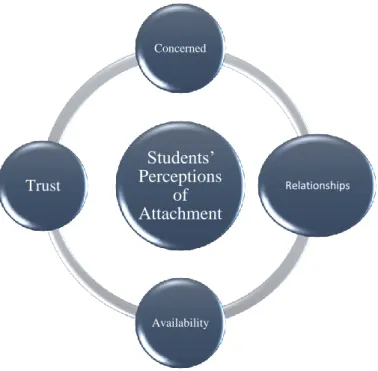
Figure 3. Students’ Perceptions of Attachment ... 95
Figure 4. Students’ Perceptions of Commitment ... 99
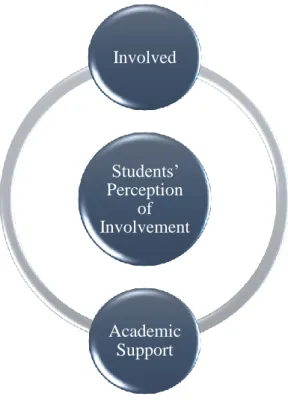
Figure 5. Students’ Perceptions of Involvement ... 103
List of Abbreviations Centers for Disease Control (CDC)
National Association of Secondary School Principals (NASSP) No Child Left Behind (NCLB)
CHAPTER ONE: INTRODUCTION Overview
Scholars have noted the high school dropout rate has plagued the United States for
several years and many students are entering high school unprepared for the change and intensity of the new environment (Pharris-Ciurej, Hirschman, & Willhoft, 2011). Furthermore, students are entering high school, but are failing to make it past ninth grade. For example, Cohen, Pickeral, and McCloskey (2009) stated, “In high schools with large populations, up to 40% of students drop out after ninth grade” (p. 178). In addition, McCullumore and Sparapani (2010) reported that the ninth grade is usually the largest cohort because it is composed of current and repeating ninth graders. Therefore, due to the number of students dropping out of school, immediate action from the education community is required.
The transitional phase from middle school to high school has a significant impact on student connectedness. The lack of connectedness can affect student engagement and academic success and studies have indicated that lack of connectedness is associated with dropping out of school (Langenkamp, 2010; Peguero, Ovink, & Li, 2016).
This chapter includes explanation as to why this study was conducted and how the data can be used by the education community in identifying immediate reforms to improve
educational outcomes for students in high school. In addition, the chapter topics encompass background information, situation to self, problem statement, and significance of the study, which served as an exploration of students’ perceptions of school connectedness at a freshman academy located on a middle school campus in southeast Alabama.
Research is limited in areas that target school connectedness within a freshman academy located on a middle school campus. Limited qualitative research exists that targets school
leadership, teacher–student relationships, and school climate, all of which influence school connectedness. Lack of school connectedness may result in diminished meaning and purpose in school, increase delinquent behavior, and dropping out of school. This study highlighted
awareness of school connectedness, especially in ninth grade, and the educational community as it attempted to provide necessary support to students during times of transition.
Background Historical
Considerable research has been conducted that targeted school connectedness and its relation to student success. The focus of previous research was on school connectedness and the impact it had on students who drop out of school, relationships between students and adults in the school, and school climate (Jordan, Kostandi, & Mykerezi, 2012; Pharris-Ciurej et al., 2012; Scribner & Bradley-Levin, 2010; Sebastian & Allensworth, 2012). These studies also were focused on mental health and delinquent behaviors (Chapman, Buckley, Sheehan, & Shochet, 2014; Oldfield, Humphrey, & Hebron, 2016). In addition, research suggests that school connectedness serves as a protective factor across several domains, such as mental, social, and emotional fields (Gentle & Genitty, 2009; Suldo & Shaunessy-Dedrick, 2013). One of the areas that has not been thoroughly researched is the impact of school leadership, teacher–student relationships, and school climate on school connectedness at a freshman academy located on a middle school campus.
Historically, having a high school diploma was not a requirement to live a comfortable and productive life; however, that is no longer the case in today’s society. Montgomery and Hirth (2011) stated, “While the dropout rates in the United States have actually decreased over the course of the past century, the ramifications of not completing high school is more significant
than any other time in history” (p. 251). Originally, high schools were strategically designed to filter workers from scholars (Warren, Fazekas, Rennie-Hill, Fancsali, & Jaffe-Walters, 2011). Students entered high school, but only a few could meet conditions to graduate. Students who completed high school furthered their studies, while others resorted to labor in fields and
factories. As society transitioned from rural towns and cities and livelihood moved from farming and factories to businesses, education became a necessity. According to Rumberger (2011), data obtained through research indicated,
The high school graduation rate is lower than the federal government reports, it is lower today than it was 40 years ago, and disparities in graduation rates among racial and ethnic minorities have not improved in the last 30 years. (p. 3)
Understanding the strain created by the effects of dropouts on society and the economy, a movement began to reduce the high school dropout rates across the nation (Montgomery & Hirth, 2011).
Social
Reducing the number of high school dropouts has become a national policy in education at local, federal, and national levels. According to Rumberger (2011), since 1988 the federal government has spent more than $300 million on research dedicated to dropout prevention. Research has identified several faulty areas in relation to the high school framework, including the transition from middle school to high school, the high school structure, relationships with adults in the school, and school connectedness (Ellerbrock & Kiefer, 2013; Langenkamp, 2010; McFarlane, 2010). While great measures have been taken to address the issues that impact the success of high school students, school connectedness remains an area of concern (Oscar & Bamidele, 2015).
School connectedness is a term used to refer to students’ belief that adults in the school are concerned about their learning and about them as individuals (Bolland et al., 2016; Han, Kim, & Ma, 2015; Millings, Buck, Montgomery, Spears, & Stallard, 2012). School
connectedness and positive school relationships have the potential to promote healthy
development and protect youth from negative psychosocial outcomes (Joyce, 2015). There is an obvious push for school connectedness in lower grades; however, it is important across all grade levels. School connectedness is most important during students’ adolescent years as its negative effects are evidenced in their behavior and perceptions toward school (Sampasa-Kanyinga & Hamilton, 2016). According to Eman (2013), difficulties experienced by ninth graders included “decreases in grade point average, attendance, feelings of connectedness, and co-curricular participation and increases in anxiety concerning school procedures and older students, social difficulties and changes in relationships with parents” (p. 72). These difficulties contributed to a negative perception of school connectedness in ninth graders. These students are likely to drop out of high school because school has no meaning or value (Booth & Gerard, 2012; Furlong, Sharkey, Quirk, & Dowdy, 2011).
Theoretical
Based on Hirschi’s (2009) social bond theory, the perception of school connectedness was key in student engagement, motivation, academic success, and overall well-being. School leadership, teacher–student relationships, and school climate are instrumental in creating an environment that nurtures and promotes school connectedness (Joyce, 2015; Sampsa-Kanyinga & Hamilton, 2016). The perception of school connectedness resides in the elements of social bond theory, which includes the elements of attachment, commitment, involvement, and belief (Bryan et al., 2012; Hirschi, 1969; Whiteside-Mansell et al., 2015). Each element represents a
separate phase or stage of social bond theory, yet each phase builds upon the previous and works collectively to create a perception of connectedness (Hirschi, 1969; Peguero et al., 2016). For example, students who display behaviors that are indicative of the committed phase have already established a foundation in the attachment phase.
Situation to Self
I have served in education for approximately 15 years, working over a decade in classrooms as a special education teacher and an intervention teacher. I have served in an administrative capacity for 5 years, two of which have been as the assistant principal for Hope Academy. Although apart from the Hope Middle School, Hope Academy was also a school within itself. During my time as the assistant principal, I was privy to all student achievement. Each year, students completed their freshman year with required credits to transition on to Hope High School.
As an assistant principal at Hope Academy, my top priority was student achievement, along with understanding the importance of relationships and creating a climate of high expectations for both students and teachers. With this set as my priority, the necessary steps were taken to connect with students at Hope Academy. I, along with teachers and staff, consistently collaborated to discuss ways to meet the emotional and academic needs of our students. These discussions led to identifying students who faced academic, emotional, or social barriers. These students were accommodated with support to decrease and/or eliminate the barriers. Due to this intervention, students were successful academically, and truancy levels were low as compared to years prior without these improvements.
While I believe that all students do not learn at the same pace, they all have the ability to experience academic success and increase their skills and knowledge base. School
connectedness is a vital component in the learning process; however, school connectedness is not acknowledged as a contributing factor or even implemented into innovative programs and
strategies. School connectedness is a basic concept that can have a tremendous impact on the lives of students as well as their academic outcomes, and educators must understand the power of relationship while maintaining a consistent position of awareness to teach and meet the needs of students. An investment of commitment, dedication, and perseverance provides students with the support needed for academic success.
This study was guided by a postpostivism philosophy. My philosophical assumptions allowed me to identify my personal beliefs and biases while using them to guide the study (Creswell, 2014). This identification allowed me to bracket my opinions and beliefs to hear the voices of the participants. Postpositivists believe that “reality exists and is observable, stable, and measurable” (Merriam, 2009, p. 8). Therefore, knowledge was acquired through the application of research methods (Creswell, 2014). The study was guided by the constructivist– interpretive view and it allowed me to use descriptive and categorical aggregation from feedback obtained from the participants of the study. According to Creswell (2014), in an attempt to understand the setting of the participants and to interpret the findings, researchers rely heavily on participants’ views of situations. My desire was to understand the phenomenon as it was
experienced by the students of the ninth-grade academy and build upon Hirschi’s (1969) social bond theory. Using Hirschi’s (1969) social bond theory as the theoretical lens, I sought to understand how school leadership, teacher–student relationships, and school climate impact students’ perceptions of school connectedness at a freshman academy located on a middle school campus in southeast Alabama.
Problem Statement
The high school dropout crisis is rooted in the lack of success a student has during his or her freshman year of high school. The problem of the study was how school leadership, teacher– student relationships, and school climate impact students’ perceptions of school connectedness at a freshman academy located on a middle school campus in southeast Alabama. According to Warren et al. (2011), dropout rates occur mainly during a student’s ninth grade year. There is no literature that addresses the relationship between school leadership, teacher–student
relationships, and school leadership and school connectedness. Romero (2015) found that students felt disconnected from their learning environment and have deemed this as a reason for leaving school. Several reasons were given in the literature that showed the relationship between the lack of connectedness and high school dropout rates (Joyce, 2015; Lester, Waters, & Cross, 2013; Nasir, Jones, & McLaughlin, 2011). School connectedness is an important foundation for the success of ninth grade students. However, the transition into high school limits the
opportunity for school connectedness (Jung, 2016; Oscar & Bamidele, 2015; Romero, 2015). Negative feelings and behaviors accompany the lack of connectedness. Suldo and Shaunessy-Dedrick (2013) found that for students who were disconnected, school lost its value and
meaning, and student motivation and student engagement decreased. Freshman academies were designed to create environments where ninth grade students are supported during the ninth grade transition while cultivating opportunities for the establishment of school connectedness
(Ellerbrock & Kiefer, 2010; Jung, 2016).
Freshman academies provide students with supportive services atypical of traditional high school settings. These academies are small learning communities within large,
program (Jung, 2016). In freshman academies, students are provided with a smaller, nurturing learning environment during a time when they are the most vulnerable (Ellerbrock & Kiefer, 2010). The smaller learning environments contribute to school connectedness by providing teachers and students with opportunities to establish meaningful relationships and create a positive school climate where students can thrive academically (Conner, Miles, & Pope, 2014; Ellerbrock & Kiefer, 2010).
Purpose Statement
The purpose of this qualitative case study was to understand how school leadership, teacher–student relationships, and school climate impacted students’ perceptions of school connectedness at a freshman academy located on a middle school campus in southeast Alabama. School connectedness was defined as “the extent to which students feel accepted, included, and close to others in the school and social environment” (Joyce, 2015, p. 185). The theory guiding this study was Hirschi’s (1969) social bond theory as it targets the association between social bond theory and school connectedness.
School connectedness has a significant impact on high school dropout rates. The lack of school connectedness is a reason why students fail to successfully complete high school.
Students often experience a lack of connectedness in ninth grade and it impacts their academic success (Chung-Do et al., 2013). The mission of freshman academies is to provide students with safe and secure learning environments (Montgomery & Hirth, 2011). The impact of school leadership, teacher–student relationships, and school climate on school connectedness was the focus of the current study.
Research Questions
The following research questions guided this study conducted to understand how school leadership, teacher–student relationships, and school climate impacted students’ perceptions of school connectedness at a freshman academy located on a middle school campus in southeast Alabama.
Research Question 1
How does school leadership impact students’ perceptions of school connectedness of ninth grade students in a freshman academy located on a middle school campus?
This research question was used to explore the impact of leadership on school
connectedness. School leadership has a significant impact on student connectedness. School leaders have influence in creating a school culture that is conducive to producing students who are “independent, self-sufficient and self-reliant” (Bloom & Owens, 2011, p. 210). According to McFarlane (2010), the climate of the school (e.g., the perception, values, and attitude) is directly and indirectly impacted by school leadership. Previous research has identified an association between school leadership and student learning (Sebastian & Allensworth, 2012). School leaders have the power to determine the learning quality and the quality of instruction as well as the learning experiences of the student (Sebastian & Allensworth, 2012).
Research Question 2
How do teacher–student relationships impact students’ perceptions of school connectedness of ninth grade students in a freshman academy located on a middle school campus?
This question was focused on the impact teacher–student relationships had on school connectedness. Teacher–student relationships are foundational in learning and have an impact
on school connectedness. Bonds between teacher and students decrease as students advance in grade and become students in classrooms that have larger student-to-teacher ratios. Teachers are key in promoting academic growth through relationships (Phillippo & Stone, 2013). According to Hughes (2011), students perceive teacher–student relationships as high levels of support and low levels of conflict. It is imperative that teachers understand that emerging adolescents have unique needs at different adolescent stages (Gehlback, Brinkworth, & Harris, 2012). Students benefit from teachers who invest in student achievement through devoting and energy to their engagement (Corso, Bundick, Quaglia, & Haywood, 2013). These students tend to have higher levels of academic performance (Phillippo & Stone, 2013).
Research Question 3
How does school climate impact students’ perceptions of school connectedness of ninth grade students in a freshman academy located on a middle school campus?
This question served to examine the impact of school climate on school connectedness. School climate is the learning atmosphere of a school and impacts school connectedness. Climate determineed student ability to connect with adults in the school, instruction,
achievement, and peers (Rich & Schachter, 2012). School climate influenced school culture and student perception. School leaders and teachers are responsible for creating a school climate that is responsive to the learning and emotional needs of students (Reyes et al., 2012). Students’ perceptions of school climate decrease as they progress through middle school and on to high school (White et al., 2014). It is vital that school leaders create a school climate with clear academic and behavior expectations (Gietz & McIntosh, 2014).
Significance of the Study Theoretical
This study was built upon and enhanced by an understanding of the social bond theory, the elements of the theory, and its association to the perception of school connectedness (Hirschi, 1969; Lemberger & Clemens, 2012; Peguero et al., 2016; Whiteside-Mansell et al., 2015). This current study provided insight into the experiences of ninth grade students attending a freshman academy on a middle school campus, along with broadening the spectrum of understanding school connectedness by expanding to the areas of school leadership, teacher–student
relationships and school climate. Additionally,the results of the study produced qualitative data that described the impact of school leadership, teacher–student relationships, and school climate on the perception of school connectedness.
Empirical
The empirical significance of this study exists in its support of the theoretical implications of Hirschi’s (1969) social bond theory and the relationship to the perception of school connectedness (Atkins, Fertig, & Wilkins, 2014; Ellerbrock & Kiefer, 2010; Furlong et al., 2011). This study supports other research that identified and confirmed the connection between social bonds and student behaviors (Bao, Haas, Chen, & Pi, 2012; Donner, Maskaly, & Fridell, 2016; Oscar & Bamidale, 2015). Also, this study supports other researchers that have reported on the impact of school leadership, teacher–student relationships, and school climate on school connectedness (Chung-Do et al., 2013; Nir & Hameiri, 2014; Reyes, Brackett, Rivers, White, & Salovey, 2012; Sebastian & Allensworth, 2012; White, La Salle, Ashby, & Meyers, 2014). Overall, this study represents an attempt to fill the gap in the literature regarding the impact school leadership, teacher–student relationships, and school climate has on students’
perceptions of school connectedness at a freshman academy located on a middle school campus (Chung-Do et al., 2013; Gülşen & Gülenay, 2014; Wilkinson-Lee, Zhang, Nuno, & Wilhelm, 2011).
Practical
Practical implications from the study include providing reliable data that targeted increasing student success by concentrating on students’ perception of school connectedness (Bolland et al., 2016; Joyce, 2015; Montgomery & Hirth, 2011; Ward, Boman, & Jones, 2012). The findings of the study provide helpful information to the education community seeking to provide support to students who are in danger of failing and dropping out of school (Jacobson, 2011; Neild, 2009). Another practical implication is that the findings may also bring awareness to the key roles adults play in creating and promoting positive school climates (Phillippo & Stone, 2013; Tillery, Varjas, Roach, Kuperminc, & Meyers, 2013). Finally, the results of the study will serve to focus areas of professional development in school leadership, teacher–student relationships, and school climate (Liu et al., 2016; Montgomery & Hirth, 2011; Whiteside-Mansell et al., 2015).
Definitions
The following terms have been identified for the purpose of this research:
1. Freshman Academy–Freshman academies are small learning communities that support freshman transition as well as provide the student with the skills needed to complete high school. Freshman academies can be on a school campus or an
independent facility. These academies provide adolescent students with the attention and support needed to get through the transition period without the peer pressure from older students found in traditional high school settings (Styron & Peasant, 2010).
2. School Climate–School climate has been recognized as the standards, expectations,
and polices of the school that has been implemented by stakeholders. The
multidimensional construct of school climate includes organizational, instructional, and interpersonal dimensions (White et al., 2014).
3. School Connectedness–Adolescent feeling of belongingness; the sense of being
accepted, valued, included and encouraged by others in the new setting (Chhuon & Wallace, 2014). Joyce (2015) defined school connectedness as “the extent to which students feel accepted included and close to others in the school and social
environment” (p. 185).
4. School Leadership–School leadership, no longer refers only to officially designated
positions. Instead, it has become a collective construct distributed among teachers and support staff through the cultivation of relationship and networks (Jacobson, 2011).
5. Social Bond Theory–An individual’s bonds to social institutions, such as family,
friends, religion, schools, and the like, influence how that individual will behave (Peguero et al., 2016).
6. Student Dropout Rate–The dropout rate is measured as students enter the ninth grade.
If students fail to graduate from high school, they are considered a high school dropout (Freeman & Simonsen, 2015).
7. Teacher–Student Relationship–The teacher–student relationship is the trust
established between a student and teacher. The teacher provides academic and social-emotional support to students in assigned mentoring relationships that often span multiple years (Phillippo & Stone, 2013).
8. Transition–School transitions are normative experiences typically occurring when students enter elementary school, middle school or junior high, and high school (Benner & Graham, 2009).
Summary
This chapter included description of the influences of school connectedness of students attending a freshman academy. School connectedness is associated with high school success. Research is limited in areas that target school connectedness of a freshman academy located on a middle school campus. There is also limited qualitative research that targets school leadership, teacher–student relationships, and school climate, all of which encourage school connectedness. Lack of school connectedness may result in diminished meaning and purpose in school, increase delinquent behavior, and dropping out of school. The purpose of this qualitative case study was to understand how school leadership, teacher–student relationships, and school climate impacted students’ perceptions of school connectedness at a freshman academy located on a middle school campus in southeast Alabama. This study was significant because it brought awareness to the significance of school connectedness, especially in ninth grade, to the educational community as it attempts to provide necessary support to students during a time of transition.
CHAPTER TWO: LITERATURE REVIEW Overview
This chapter includes discussion of the guiding theoretical framework, social bond theory, and how social bond theory emphasizes the connection between relationships and behavior. Through the use of the social bond theory, the study encompassed students’
perceptions of school connectedness of a freshman academy located on a middle school campus. This chapter also addresses several dynamics that impacted school connectedness including school leadership, teacher–student relationships, and school climate.
The purpose of this chapter is also to provide a theoretical framework for the study and review of the relevant literature about school connectedness and student perceptions of school connectedness. Using Hirschi’s (1969) social bond theory as a theoretical framework helped address the relationship between student social bonds and delinquent behaviors. The relevant literature provided evidence supporting the association between school connectedness and student success. Students’ perspectives were examined to determine the impact of school leadership, teacher–student relationships, and school climate had on school connectedness.
Theoretical Framework
The social bond theory, developed by American criminologist Travis Hirschi, has been used in research to associate student social bonds, or the lack thereof, with delinquent behaviors. In the 1960s, the social bond theory was developed to determine the association between social bond and delinquent behavior in juveniles (Hirschi, 1969). Hirschi’s (1969) social bond theory provided a framework to aid in understanding socialization and social learning by identifying a student’s social bonds within an institution (Peguero et al., 2016). The social bond theory has been used in school settings to determine the association between social bond and delinquent
behavior of students. There are several words that have been used to describe school bonding, such as “attachment to school, school connectedness, student engagement, and school belonging” that have all been used interchangeably to describe the connections youth have with their schools and various parts of their academic lives (Whiteside-Mansell et al., 2015, p. 247).
Students spend a significant amount of their day in a school setting; their perception of school is created through their experience. According to Niehaus, Irvin, and Rogelberg (2016), “School is the primary environmental context for youth and their learning, development of positive relationships at school and feeling connected to school are critical for promoting positive academic outcomes” (p. 55). Establishment of positive school bonds have been associated with academic success (Lemberger & Clemens, 2012). However, the lack of
connectedness is detrimental to student success; weak bonds have a negative impact on student academic progress (Peguero et al., 2016). Previous research findings indicate that school completion is heavily connected to positive teacher–student relationships (Atkins et al., 2014). According to other research, there is a positive association between school bonding and student success (Whiteside-Mansell et al., 2015). Adult behavior and interaction, especially in the learning environment, can alter the dynamics in the lives of students (Conner et al., 2014). Hirshi’s (2009) conceptualization of school bonding includes four components: (a) attachment, (b) commitment, (c) involvement, and (d) belief. These components target more specific areas such as attachment to school, attachment to teachers and school personnel, school commitment, and school involvement, all of which are indicative of student success (Bryan et al., 2012; Whiteside-Mansell et al., 2015).
Social bond theory has been used in addressing social problems of students who choose to participate in deviant behaviors. Deviant behaviors have been identified as behaviors which
violate institutionalized expectations (Hirschi, 1969). To explain deviant behavior among juveniles, the social bond theory was examined to determine the influence of social bond. The core of social bond theory targets the association between school connectedness, student social bonds, and student decision making as related to behavior (Han et al., 2015). Strong bonds with family, school, friends, are more likely to prevent students from initiating or participating in antisocial behaviors (Donner et al., 2016).
Social bonds are important in the lives of developing adolescents as they guide the trajectory of development. It is human nature to want to belong, to be a part of something bigger than one’s self. Humans strive for meaning and purpose and a lack of meaning and purpose leads to a disconnection which, in turn, leads to a life of delinquent behavior (Tillery et al., 2013). Research indicates that people become criminals when their bond to society is weakened (Donner et al., 2016). The same theory is applicable in a school setting. Other research indicates that students who lacked connectedness were more likely to have a high number of absences, higher behavior infractions, and lower grades when compared to peers who are connected to their schools (Oscar & Bamidele, 2015).
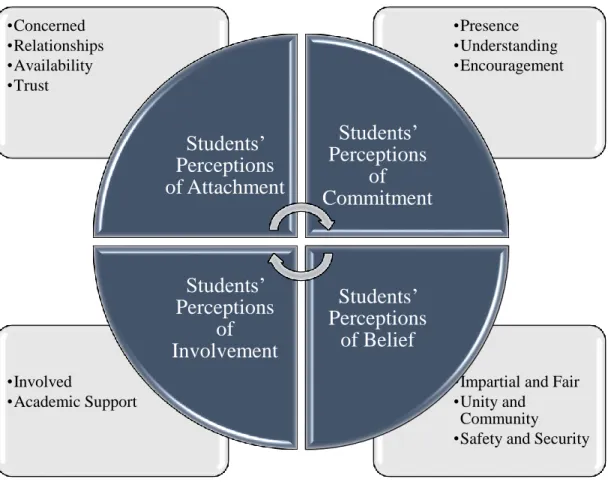
The four elements of social bond theory—attachment, commitment, involvement, and belief—serve as the foundational components of the theory. The four elements address bonding and its importance in preventing students from choosing to participate in deviant behaviors (Han et al., 2015). These components inspire school connectedness. Students who identify with social bond theory elements have stronger bonds compared to students who do not (Donner et al., 2016). Figure 1 illustrates the elements of Hirschi’s (1969) social bond theory.
Figure 1. Elements of social bond theory.
Attachment is the first element, and according to some researchers, the most important of the four elements. According to research, the element attachment is most important during the time of adolescent development as it influences the “biological, emotional, cognitive, and social transition” (Han et al., 2015, p. 342). Research indicates that attachment has a positive
association with student connectedness (Millings et al., 2012). Other research suggests that the attachment bonds individuals have with other people or institutions, such as schools and the individuals associated with those institutions, are major influencers over perceptions and
behaviors (Barfield-Cottledge, 2015; Han et al., 2015). These bonds serve as a protective factor and deter students from participating in delinquent behaviors. Opinions and perspectives of others shapes one’s behavior in the attachment phase. These students will typically refrain from getting involved in behaviors that are not accepted by the norm for fear of disappointment (Donner et al., 2016).
Attachment
Commitment
Commitment is the second element in social bond theory, and it is motivated by attachment. The research defines commitment as the time and energy individuals invest in activities and internalization of social and institutional norms (Bao et al., 2012). Students who are committed to school are less likely to act against the rules of the institution (Han, Kim, & Lee, 2016). Students who are dedicated to school are more than likely to refrain from risky behaviors that are not aligned with the values of the school (Donner et al., 2016). Students’ commitment to school also influences their personal goals; they are more likely to be academically successful than are those with a lack of commitment (Horstkötter, 2014).
The third element in social bond theory is involvement. Students who are committed are also more likely to be involved in school and school-related activities (Bao et al., 2012; Han et al., 2015). Involvement was what Hirschi (2009) referred to as “engrossment in conventional activities” (p. 22). School-related activities such as athletics, recreation, performing arts,
religious activities, and community services deter students from becoming involved in delinquent and criminal behaviors (Han et al., 2015). According to research, one reason for the deterrance is that students do not have the available time; they are too busy to participate in delinquent activities (Donner et al., 2015). Research also suggests that students who participate in school activities tend to have a stronger connection with peers and peer groups (Donner et al., 2015). Involvement in activities allows students to build bonds with not only peers, but also with adults in the school. Research indicates that interaction between students and adults at the school encourages school connection, establishes mutual trust, and allows students to receive needed academic and emotional support (Han et al., 2015). The stronger the connections, the more involved students are in different events and activities.
The fourth element is belief; a shared cultural belief system. Belief is defined as students’ acceptance of societal rules, values and regulations (Donner et al., 2016; Han et al., 2015). Students whose beliefs of school norms, such as rules, mission, and vision, are likely to align their behaviors and support with the guidelines and are less likely to make a practice of deviating from them (Ward, Boman, & Jones, 2012). School infractions occur when students have a weak belief system. Belief correlates with meaning and purpose (Donner et al., 2016). The lack of meaning and purpose can have a negative impact on belief.
Social bond theory, although used to gain an understanding of delinquent behaviors of students as a part of the criminal system, provides valuable meaning in understanding the importance of connectedness in a school setting. Attachment, commitment, involvement, and belief are all elements that are present in the establishment of school connectedness. School connectedness is a predictor of school success, and it also serves as a protective factor in
engaging in negative behaviors (Donner et al., 2016; Furlong et al., 2011). Schools can use this valuable information to apply to school settings to create learning environments that will foster the positive development of the whole student. Formation of bonds and support from school leaders, teachers, and peers will guide them as they attempt to navigate through the adolescent developmental phase (Whiteside-Mansell et al., 2015). Adolescence is a vulnerable time in the lives of students and providing students with a strong emotional and academic foundation will increase the likelihood of them reaching their goals (Ellerbrock & Kiefer, 2010).
Implementation of freshman academies is a reform method implemented to increase the graduation rate among high school students. Ninth grade is a significant and influential year on the academic journey. According to research, high truancy rate, high behavior infractions, and low grades are more common among the freshman class compared to upperclassmen (Ellerbrock
& Keifer, 2010; Eman, 2013; McCullumore & Sparapani, 2010). Research has identified an interruption in the establishment of bonds during the transition from middle school to high school (Langenkamp, 2010; Suldo & Shaunessy-Dedrick, 2013). Many schools fail to recognize or even address this small but significant factor. Students’ ability to connect and achievement of academic success has been associated with the connections with principals and teachers. The social bond theory emphasizes the importance of the establishment of social bonds with principals, teachers, and school climate.
Related Literature School Connectedness
According to Oscar and Bamidele (2015), school success is affected by school
connectedness. School connectedness is defined as “the feeling that the learning climate is safe and that teachers have a genuine concern for students as individuals” (Lapan, Wells, Petersen, & McCann, 2014, p. 304). An additional definition of school connectedness is “the sense of being accepted, valued, included, and encouraged by others in the setting” (Chhuon & Wallace, 2014, p. 381). According to research, school connectedness is a necessary element in academic achievement and is a defining influence in adolescent development (Furlong et al., 2011). Students who have a high perception of connectedness to their school have an increased
probability of graduating from high school, as compared to students who had a low perception of school connectedness (Sampasa-Kanyinga & Hamilton, 2016). Also, students who have a sense of belonging are more engaged in school extracurricular activities, express a greater commitment to school, and experience positive relationships with teachers (Nasir et al., 2011; Wilkinson-Lee et al., 2011).
Previous research indicates that students contribute positive school experience and academic success to school connectedness (Lemberger & Clemens, 2012). Additional research suggests that school had a tremendous influence, both academically and socially, in the lives of students (Wilkinson-Lee et al., 2011). Students who feel connected to their learning
environment are more likely to be engaged in school and involved in extracurricular activities (Joyce, 2015). Additionally, Lester et al. (2013) found that students who have a sense of
belonging participate in extracurricular activities and are happy, have increased self-esteem, have improved coping skills, have social supports, and experience reduced loneliness. It is essential that schools understand the power of school connectedness and identify ways to create learning environments that nurture student development (Atkins et al., 2014). Previous studies have identified dynamics that contribute to school connectedness, including “adult support, belonging to a positive peer group, commitment to education, and school environment to impact students’ ability to connect with their school, therefore making them areas of importance when creating positive learning climate to support student success” (Centers for Disease Control and Prevention [CDC], 2009, p. 8).
Attachment. The healthy transition of social-emotional, cognitive, behavioral, and physical development in adolescence is found in the social bond theory (Bryan et al., 2012). The literature reveals that adolescent development—the time between childhood and adulthood—is a period of time when social bonds are critical to healthy development (Wilkinson-Lee et al., 2011). Therefore, creating healthy bonds is an important part of adolescent development. The foundation of social theory is based on student attachment to the school and school personnel as well as students’ commitment to the school (Bryan et al., 2012). School connectedness is a fundamental principle found in the elements of Hirschi’s (1969) social bond theory and is
focused on the influence bonds have on behavior. Students’ perceptions of attachment are solely dependent upon their interaction with and concerns of the adults in their school (Atkins et al., 2014).
Teacher–student relationships directly affect the perception of school connectedness. According to Furlong et al. (2011), school connectedness is established through attachment to teachers and social institutions. Relationships between children and parents or parent-like figures are important during early developmental stages, as they establish the foundation for future relationship formations (Furlong et al., 2011). High school students have reported the decline in relationships with teachers (De Wit, Karioja, Rye, & Shain, 2011). In some cases, high school teachers view ninth graders as grown-ups and hold them responsible for decisions regarding their schooling, providing them with little to no support (Langenkamp, 2010).
Teachers are extremely valuable; they spend most of their time with students, which provides the opportunity for identifying and addressing academic and emotional needs (Duke & Jacobson, 2011). Teachers also have the power to serve as a liaison in addressing at-risk and negative behaviors (Scribner & Bradley-Levin, 2010). Also, teacher–student relationships promote healthy student development and protect youth from negative psychosocial outcomes (Joyce, 2015). Nasir et al. (2011) identified a positive relationship between teacher bonding and student performance, in which there was an identifiable positive association between teacher–student bonding among students in Grades 7 through 12 and students’ grade point averages (GPA). There was also an identifiable negative relationship with teacher–student bonding and misbehavior in 12th grade (Nasir et al., 2011).
Commitment. Relationships with adults in school are important and necessary in the lives of student academic and social development (Wilkinson-Lee et al., 2011). School
relationships with adults are vital in establishing a climate of school connectedness. Students positively respond when they sense adults are invested in them as individuals and have genuine concern for their academic achievement (Atkins et al., 2014). Chung-Do et al. (2013) stated, “School represents an important area where attachment among youth and school staff can be created and strengthened to enhance positive development and buffer negative experiences for youth” (p. 478). School is a place where students can connect with teachers, principals, parents, and other school personnel (Atkins et al., 2014). Teacher–student relationships have been
identified as a “powerful factor in fostering or discouraging school connectedness” (Chung-Do et al., 2013, p. 482). According to Wilkinson-Lee et al. (2011), “Adolescence is a time when relationships with non-parental adults become increasingly important as they seek guidance and support from adults outside the home” (p. 223). A nurturing school climate allows students to build academic and social connections with adults within the school (Simon, 2011). School connectedness allows students to create trusting relationships with others in their school
(Mahatmya, Lohman, Brown, & Conway-Turner, 2016). Schools that are committed to the well-being of students through school connectedness foster an environment that encourages mutual respect and relationship-building between its students and teachers (CDC, 2009).
Involvement. The third element of the social bond theory is involvement. As with attachment and commitment, involvement is an indicator of the presence of school
connectedness. According to Bolland et al. (2015), student connectedness is defined as a “perception of involvement or affiliation with others or integration into social networks” (p. 613). Student involvement increases as the elements of attachment and commitment are acquired. Donner et al. (2016) stated that involvement includes prosocial activities that deter individuals from engaging in antisocial or delinquent behaviors. Involvement in positive
activities in school and community decreases the likelihood of students being involved in negative activities.
Teacher–student relationships are nurtured through the involvement phase of social bond theory. It is critical for schools to provide ample opportunities for authentic and meaningful involvement among teachers and students to be immersed in school culture through school activities (Volungis, 2016). Research indicates that the depth of student involvement is contingent upon the depth of teacher–student relationships: the stronger the relationship, the more involved is the student (Chung-Do et al., 2013). According to Langille, Asbridge, Cragg, and Rasic (2015), “collaboration and interaction between teachers and students promotes a sense of community and provides opportunities for social bonding to develop” (p. 259). Social
bonding between teachers and students is enhanced when students and teachers work alongside each other and are involved in activities together (Chung-Do et al., 2013).
Belief. Belief is the fourth and final element in social bond theory and it is affected by the three prior elements. A lack in the development of attachment, commitment, or involvement can have damaging results on establishing of belief. Belief is defined as the “common
conviction that laws should be obeyed” (Donner et al., 2015, p. 418). Students accept and behave according to the vision and mission of the school, while having an inward desire to obey school rules and policies (Sampasa-Kanyinga & Hamilton, 2016). Students who exhibit
behaviors of belief are less likely to engage in behaviors that will go against established rules. Students’ belief in societal norms aid in guarding students from deviant behaviors (Sampasa-Kanyinga & Hamilton, 2016). For example, students will follow the school and classroom rules because that is what is expected and because other students willfully comply. Having accepted
these norms, students do not desire to engage in behaviors that would contradict values and principles of the school.
Lack of School Connectedness
One of the reasons for juvenile delinquency has been attributed to the lack of school connectedness. According to Bolland et al. (2016), there is an inverse relationship between delinquency and school connectedness. Empirical evidence supports the negative association between school connectedness and delinquent behaviors (Ward et al., 2015). Students who have little to no school connectedness are more apt to participate in risky behaviors. Lack of school connectedness can have detrimental effects on students’ academic, social, and physical well-being. Delinquent behaviors both may affect school performance and result in low school
connectedness (Bolland et al., 2016). Students who do not experience closeness, involvement, or affiliation with others in their school have a decreased sense of belonging (Bolland et al., 2016; Burrus & Roberts, 2012). Chung-Do et al. (2013) suggested that there is “increasing evidence supporting the importance of school connectedness for healthy youth development, more efforts should be made to create strategies that promote school connectedness” (p. 20).
Oscar and Bamidele (2015) reported that students with low school connectedness
ultimately have negative school experiences, which eventually become negative life experiences (Oscar & Bamidele, 2015). According to Li and Lerner (2013), “A young person’s success in school, and ultimately in life, depends largely on the extent to which he or she can capitalize on knowledge and skill development opportunities” (p. 20). Research indicates that students with a negative sense of belonging rated themselves as being in poor health and having poor
psychological stability, and are less likely to complete high school (Langille et al., 2015). Low school connectedness is also a predictor of future behaviors of substance abuse and criminal
activities (Liu et al., 2016). Students with low school connectedness also have a higher probability of being involved in delinquent behaviors (Langille et al., 2015; Oldfield et al., 2016). These students are also at risk of engaging in violent behaviors (Langille et al., 2015).
Decreased mental health. Lack of or low school connectedness has also been linked to decreased mental health in students (Oldfield et al., 2016). According to Sampasa-Kanyinga and Hamilton (2016), school connectedness has an impact on mental health and was a predictor of future mental health stability (Oldfield et al., 2016). Research suggests that students with low school connectedness battle symptoms of depression and suicidality (Sampasa-Kanyinga & Hamilton, 2016). These students tend to have negative experiences in behavior as well as emotional difficulties and antisocial behaviors (Oldfield et al., 2016). On the contrary, findings from research indicate that students who reported higher levels of school connectedness had lower rates of emotional distress, suicidal ideation, and delinquent and at-risk behaviors (Volungis, 2016). Students with low school connectedness were more likely to experience anxieties and depression as compared to students with high school connectedness (Oldfield et al., 2016). School connectedness serves as a protective factor or buffer against negative behaviors and students are less likely to give in to peer pressures (Sampasa-Kanyinga & Hamilton, 2016). School connectedness guards against destructive behaviors so that students do not engage in irresponsible behaviors. Oscar and Bamidele (2015) suggested that socially connected students are less likely to participate in substance abuse, staying out of school, sex, and violence. In addition, socially connected students are less likely to engage in behaviors linked to tobacco, alcohol, and marijuana use (Sampasa-Kanyinga & Hamilton, 2016).
A school that nurtures and supports school connectedness can produce a learning climate with high learning expectations, academic rigor, and positive school culture. School
connectedness is meaningful in that it promotes a sense of well-being, increased happiness, self-esteem, improved coping skills, social support, and reduced loneliness (Lester et al., 2013). Student success is achieved in climates that endorse school connectedness (Joyce, 2015). According to the CDC (2009), school climates that promote school connectedness are
“characterized by caring and promotive interpersonal relationships, opportunities to participate in school activities and decision-making and shared positive norms, goals, and values” (p. 7). According to researchers, there are practices schools can implement to create learning climates that provide connection opportunities for students, including meaningful roles, feelings of safety, and opportunities for creative and academic engagement (Wilkinson-Lee et al., 2011). The psychosocial climate of a school is gauged by school discipline, truancy, student involvement, and teacher classroom management practices (CDC, 2009). Research indicates that curricular opportunities to support students’ feelings of belonging and connectedness to the learning environment and how one might self-regulate social and learning potentials in these
environments can be especially useful in promoting student success (Lemberger & Clemens, 2012). There are practices that principals and teachers may enforce in classrooms and schools to create a school climate where school connectedness is nurtured. These practices include
providing students with personal and meaningful notes and feedback, enforcing feelings of safety in school, providing opportunities for students to tap into their own creativity and engagement, as well as allowing students to contribute in class discussions and academic tasks (Joyce, 2015).
Delinquent behavior. Previous studies have highlighted a relationship between school connectedness and irresponsible and criminal behaviors (Chung-Do et al., 2013). For example, students in facilities for delinquent students have acknowledged reasons for infractions and taking part in careless behaviors as being due to a lack of or poor relationships with adults at
their school (Bolland et al., 2016). The literature also includes evidence of the connection between low school connectedness and several risky activities such as delinquent behaviors, grade repetition and school dropout, misbehavior, suspension and expulsion, and violence (Chapman et al., 2014; Nasir et al., 2011; Rudasill, Niehaus, Crockett, & Rakes, 2014).
Additionally, Chung-Do et al. (2013) articulated that students with low school connectedness are almost twice as likely to have used marijuana and had sex (p. 482).
The middle school to high school transition is a critical, yet vulnerable time, in the lives of adolescent youth. According to Chung-Do et al. (2013), this “transitional period can be stressful as youth face more expectations to behave responsibly and independently while they begin forming their identities and beliefs that shape their behaviors” (p. 479). During the primary to secondary transition, students face many milestones, including physiological, cognitive, social, and emotional changes, and each one of these areas impact the social and academic stability in school (Benner, 2011; Lester et al., 2013; Montgomery & Hirth, 2011; Suldo & Shaunessy-Dedrick, 2013). Research indicates that as students experience transition, school connectedness decreases; they have reported liking school less, having lower perceptions of quality of life, experiencing a decline in academic success, and feeling a reduced sense of belonging (Chung-Do et al., 2013; Lester et al., 2013; Suldo & Shaunessy-Dedrick, 2013). According to Chung-Do et al. (2013), as school and class sizes grow larger, and interactions become less centralized, it is more difficult to create opportunities to build consistent
relationships among teachers and students.
It is important that educators are aware of student vulnerability when transitioning into a new phase of life. Oscar and Bamidele (2015) recommended creating an environment of
in the school, establishing and maintaining high expectations, and creating multiple opportunities for students to participate. According to Sampasa-Kanyinga and Hamilton (2016), patterns of behavior are learned from social environments, and when there is consistency in the socializing process, a social bond is formed among individuals within the social environment. A positive school climate nurtures school connectedness, which produces positive behaviors that support students in positive decision-making. Students mimic established patterns in school; they reflect the behaviors, beliefs, expectations, and standards that are projected in the school (Sampasa-Kanyinga & Hamilton, 2016).
High school dropout rate. According to research, ninth grade can be a problematic year for incoming freshman students. Ninth grade is a milestone; it is the first year of high school. Ninth grade makes up the largest cohort, yet these students represent the largest amount of absenteeism, behavioral infractions, and failure of core classes (Ellerbrokck & Keifer, 2010; McCallumore & Sparapani, 2010; Romero, 2015). This stage is a hypersensitive time as students are navigating through impressionable periods in their lives developmentally (Nichols, Loper, & Meyer, 2016). According to Neild (2009), some students “experience turbulence” as they enter the ninth grade (p. 63). The transition from middle school to high school creates a climate of “disorganization and chaos” and it has a negative impact on the social adjustment and well-being of ninth grade students (Neild, 2009, p. 63). Such a transition may influence a student’s ability to adjust to the new school environment (Neild, 2009). As students transition into ninth grade, they face obstacles that can have a negative impact on their school experience with lasting effects. Research indicates that students were vulnerable to dropping out of school if they fail a course their ninth-grade year (Langenkamp, 2010). It is essential that students have school environments that serve to support students as they encounter emotional and academic
barriers that are associated with high school transition (Simon, 2011). One cause for the barrier includes differences in the organization of middle schools and high schools (Nield, 2009). The structure of high school is different from middle school and the change of environment can cause a degree of anxiety as students attempt to adjust (Styron & Peasant, 2010; Warren et al., 2011).
The high school dropout rate is not a local issue; rather, it is a national issue. The nation’s high school dropout crisis requires immediate attention and response. Risk factors identify students who will most likely fail, but do not provide the answers to how and why (Pharris-Ciurej et al., 2012). Comprehending and targeting the dropout rate requires a significant amount of research and planning. School reform has been implemented to address the learning barriers that may affect the academic achievement of students (Jacobson, 2011; White-Smith & White, 2009). The Every Student Succeeds Act (ESSA) was signed into law by former President Barack Obama with the goal of eliminating the dropout rate by “closing the achievement gaps and ensuring all students enter the workforce ready for its many challenges” (Corry, Dardick, & Stella, 2017, p. 2003). Meeting those proficiency levels includes addressing high school dropout rates across the nation (Neild, 2009). According to Bridgeland, Dilulio, and Baltaz (2009), the focus of education reform includes “increasing the graduation rates, creating strong support among teachers, raising low academic expectations, placing responsibility on educators and schools, increasing parental engagement, and keeping students interested and engaged in coursework” (p. 22).
The high school dropout rate is an academic issue that has transformed into a societal issue. Dropping out of school has damaging consequences in the life a person. Students who drop out of school are more likely to experience low wage jobs, unemployment, incarceration, dependence on public assistance, and early death (Jordan et al., 2012). In some cases, high
schools have been labeled as “dropout factories” because students begin high school, but drop out in droves during or after the ninth grade year (Pharris-Ciurej et al., 2012, p. 709). There is no one instrument to measure dropout rates; however, research suggests that graduation rates vary between 50% and 85% (Jordan et al., 2012). An estimated 4.9 million 18- to 24-year-olds lack a high school diploma and at least one in five students drops out of high school (Montgomery & Hirth, 2011).
Previous studies have identified several reasons why students drop out of high school (Jordan et al., 2012; Tillery et al., 2013). Reasons for premature completion included
demographics, regions, race, and gender (Jacobson, 2011; McCullumore & Sparapani, 2010; Warren et al., 2011). Jordan et al. (2012) suggested that individual and family characteristics, high school structure, school discipline, and community and risk factors were also dynamics that affected successful completion of high school. According to Pharris-Ciurej et al. (2012),
minority status, economic marginality, distressed families, and human social capital deficits have been strongly used as predictors of identifying students who are likely to drop out. Research also indicates a disparity in the number of students who drop out in rural and urban area schools, as compared to suburban schools (Jordan et al., 2012). Montgomery and Hirth (2011) suggested additional reasons that included “low-income households, parents or siblings who did not finish school, do not speak English well, have repeated one or more grades, have behavioral problems in school and are absent frequently” (p. 3). High school work expectations, teachers showing less interest, lack of connection to school, and feelings of alientation are also contributory to why students leave high school before finishing (Pharris-Ciurej et al., 2012). Regardless of
impending risk factors, if identified early, and proper intervention is implemented, student trajectory can change (Bridgeland et al., 2009). Schools that effectively meet the needs of
students entering ninth grade have greater success as compared to schools that lacked freshman support (Jordan et al., 2012).
High school structure. Traditional high school structure has been determined to be a barrier for students entering the ninth grade. When transferring to a bigger high school, students are lonelier, more anxious, and tend to struggle academically (Benner & Graham, 2009). The structural organization of traditional high schools is not academically or developmentally supportive of ninth grade students (Jacobson, 2011). Depending on the size of the high school, students may have several teachers over several subject areas, all with different expectations and standards (Ganeson & Ehrich, 2009). According to Ganeson and Ehrich (2009), high school is arranged in “a compartmentalization style” (p. 63). Compartmentalization may act as an
obstacle when students perceived the school environment as “disconnected” (Ganeson & Ehrich, 2009, p. 63). Also, fast-paced context in high school, student expectations, and workload are often overwhelming for some freshman students (Montgomery & Hirth, 2011).
Due to the number of students dropping out of high school, ninth grade has become the area of target grade in looking for a resolution to the dropout crisis (Ellerbrock & Kiefer, 2013; Habeeb, 2013; Samel, Sondergeld, Fischer, & Patterson, 2011). Freshman academies have been implemented to identify possible negative influences that are common to ninth grade students (Styron & Peasant, 2010). Reform is focused on supporting ninth grade students by preparing them for the academic and social demands of high school. Identification of the negative influences provides schools with the capability to provide needed support during transition. When there is a lack of commitment and support from administration, school-wide plans that are not developed and implemented sufficiently do more harm than good (Fisher, Frey, & Lapp, 2009). Identifying at-risk students requires collaboration among school leaders and teachers.