Calhoun: The NPS Institutional Archive
Reports and Technical Reports All Technical Reports Collection
2011-11-09
Joint-Base Contracting: A Comparative
Analysis of Joint-Base Contracting
Activities Between Services
Bryce J. Fiacco
Approved for public release, distribution is unlimited.
Prepared for: Naval Postgraduate School, Monterey, California 93943 NPS-CM-11-166
^`nrfpfqflk=obpb^o`e=
pmlkploba=obmloq=pbofbp=
=
Base Contracting: A Comparative Analysis of Joint-Base Contracting Activities Between Services
9 November 2011 by
Capt. Bryce J. Fiacco, USAF, and Capt. Daniel O. Stephens, USAF
Advisors: Dr. Timothy G. Hawkins, Assistant Professor, and Dr. Rene G. Rendon, Associate Professor
Graduate School of Business & Public Policy
The research presented in this report was supported by the Acquisition Chair of the Graduate School of Business & Public Policy at the Naval Postgraduate School.
To request Defense Acquisition Research or to become a research sponsor, please contact:
NPS Acquisition Research Program
Attn: James B. Greene, RADM, USN, (Ret.) Acquisition Chair
Graduate School of Business and Public Policy Naval Postgraduate School
555 Dyer Road, Room 332 Monterey, CA 93943-5103 Tel: (831) 656-2092
Fax: (831) 656-2253
E-mail: [email protected]
Copies of the Acquisition Sponsored Research Reports may be printed from our website www.acquisitionresearch.net
=
Abstract
The Department of Defense (DoD) recently created 12 joint bases by
consolidating the support functions of geographically close bases under the lead of a single Service. The 2005 Base Realignment and Closure (BRAC) Commission recommended the joint-basing initiative based on the expected savings of $183.8 million annually. The objectives of the BRAC process were to achieve cost savings, transformation, improvement of capabilities, and enhancement of military value.
Using a case study approach, this research identified the specific factors that contribute to the organizational successes of joint-base contracting at Joint Base San Antonio (JBSA) and Joint Base Lewis-McChord (JBLM). These factors include processes, governance structures, organizational structures, and communication. This research also identifies barriers to consolidation, as well as compares and contrasts the way JBSA and JBLM operate. Additionally, this research identifies strengths and weaknesses of the approaches the Air Force and the Army use. Thus, by documenting specific enablers and barriers, this research should help to guide the planning and implementation of future consolidations throughout the DoD and other government organizations.
=
Acknowledgments
Our sincerest gratitude goes to our advisors LtCol Timothy G. Hawkins and Dr. Rene Rendon, whose guidance and direction proved instrumental in the
=
About the Authors
Bryce J. Fiacco, Captain, U.S. Air Force, Student, Graduate School of Business and Public Policy. Captain Fiacco graduated with a BS in 2006 from the U.S. Air Force Academy, Colorado Springs, Colorado, where he earned the Distinguished Management Major Award. Captain Fiacco also earned an MBA in 2009 from St. Mary’s University of San Antonio, Texas, where he earned the honor of Distinguished Graduate. Captain Fiacco is an Air Force contracting officer with five years of active-duty service, including his most recent assignment at the Air Education and Training Command Contracting Squadron in San Antonio, Texas. Upon graduation from the Strategic Sourcing Program at the Naval Postgraduate School in December 2011, Captain Fiacco will report to the Air Force Enterprise Sourcing Group at Wright-Patterson Air Force Base, Ohio.
Daniel O. Stephens, Captain, U.S. Air Force, Student, Graduate School of Business and Public Policy. Captain Stephens graduated from the U.S. Air Force Academy in 2006 with a BS in economics. Captain Stephens is an Air Force
contracting officer with five years of active-duty service. His most recent operational assignment was with the 90th Contracting Squadron at FE Warren Air Force Base in Cheyenne, Wyoming. Upon graduation from the Strategic Sourcing Program at the Naval Postgraduate School in December 2011, Captain Stephens will report to the Aeronautical Systems Center at Wright-Patterson Air Force Base in Fairborn, Ohio.
= = =
^Åèìáëáíáçå=oÉëÉ~êÅÜ=mêçÖê~ã=
= = = ^Åèìáëáíáçå=oÉëÉ~êÅÜ=mêçÖê~ã= NPS-CM-11-166
^`nrfpfqflk=obpb^o`e=
pmlkploba=obmloq=pbofbp=
=
Joint Base Contracting: A Comparative Analysis of Joint Base Contracting Activities Between Services
9 November 2011 by
Capt. Bryce J. Fiacco, USAF, and Capt. Daniel O. Stephens, USAF
Advisors: Dr. Timothy G. Hawkins, Assistant Professor, and Dr. Rene G. Rendon, Associate Professor
Graduate School of Business & Public Policy
Naval Postgraduate School
Disclaimer: The views represented in this report are those of the author and do not reflect the official policy position of the Navy, the Department of Defense, or the Federal Government.
= = =
^Åèìáëáíáçå=oÉëÉ~êÅÜ=mêçÖê~ã=
=
Table of Contents
I. Introduction ... 1
A. Overview ... 1
B. Background ... 3
C. Problem Statement and Gap in Literature ... 10
D. Research Objectives ... 10
E. Methodology ... 11
F. Managerial Implications ... 11
II. Literature Review ... 13
A. Introduction ... 13 B. Concepts ... 13 III. Methodology ... 33 A. Research Design ... 33 B. Data Collection ... 35 C. Analysis ... 37 IV. Results ... 41 A. Introduction ... 41 B. Organizational Structures ... 41
C. Interview Coding Results ... 49
D. Selected Questions and Answers ... 65
V. Discussion ... 83
VI. Conclusion ... 85
=
B. Answers to Research Questions ... 86
C. Managerial Implications ... 104
D. Recommendations... 105
E. Limitations ... 111
F. Areas for Further Research ... 113
G. Summary ... 114
List of References ... 117
List of Figures
Figure 1. Purchasing Portfolio Matrix (Kraljic, 1983, p. 111) ... 30
Figure 2. San Antonio Bases’ Purchasing Organizational Structures ... 42
Figure 3. JBSA Purchasing Organizational Structure ... 42
Figure 4. Fort Lewis and McChord AFB Purchasing Organizational Structure . 43 Figure 5. JBLM Purchasing Organizational Structure ... 43
Figure 6. JBSA Typical Organizational Structure ... 45
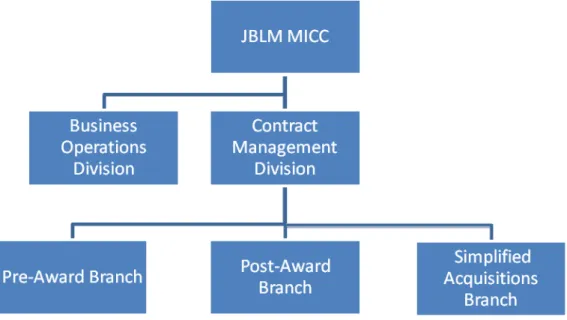
Figure 7. JBLM MICC Internal Organizational Structure ... 46
Figure 8. Excerpt From the Appendix Showing Part of Question 6 ... 66
Figure 9. Excerpt From the Appendix Showing Part of Question 8 ... 67
Figure 10. Excerpt From the Appendix Showing Part of Question 11 ... 68
Figure 11. Excerpt From the Appendix Showing Part of Questions 13 & 14 ... 69
Figure 12. Excerpt From the Appendix Showing Question 15 ... 70
Figure 13. Excerpt From the Appendix Showing Part of Question 18 ... 71
Figure 14. Excerpt From the Appendix Showing Question 22 ... 72
Figure 15. Excerpt From the Appendix Showing Parts of Questions 24 & 25 ... 73
Figure 16. Excerpt From the Appendix Showing Parts of Questions 27–30 ... 74
Figure 17. Excerpt From the Appendix Showing Question 37 ... 75
Figure 18. Excerpt From the Appendix Showing Part of Question 40 ... 76
Figure 19. Excerpt From the Appendix Showing Question 41 ... 77
Figure 20. Excerpt From the Appendix Showing Question 44 ... 78
Figure 21. Excerpt From the Appendix Showing Part of Question 52 ... 78
Figure 22. Excerpt From the Appendix Showing Question 57 ... 79
Figure 23. Excerpt From the Appendix Showing Parts of Questions 64 & 65 ... 80
Figure 24. Excerpt From the Appendix Showing Question 68 ... 81
Figure 25. Excerpt From the Appendix Showing Question 71 ... 82
List of Tables
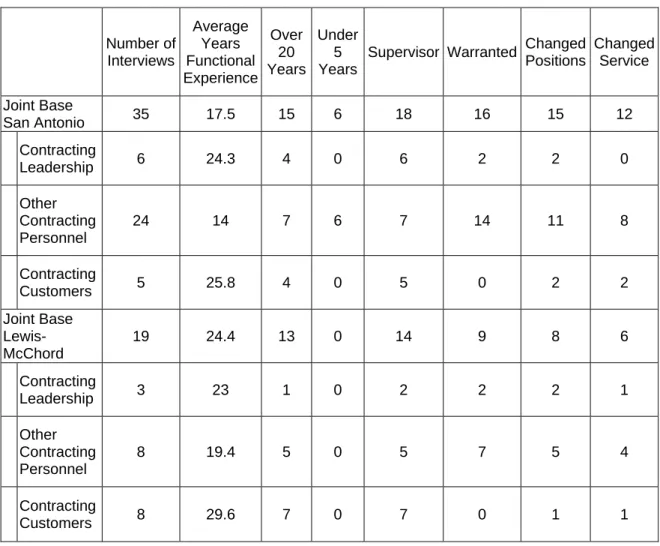
Table 1. Demographics of Interviewees ... 37
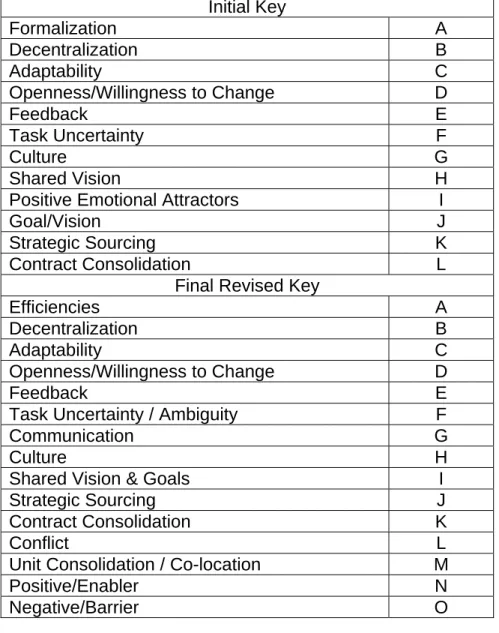
Table 2. Interview Coding Key ... 38
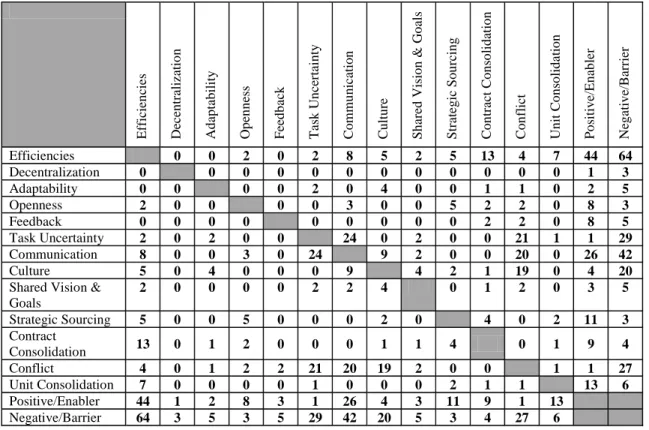
Table 3. JBSA Interview Coding Results ... 47
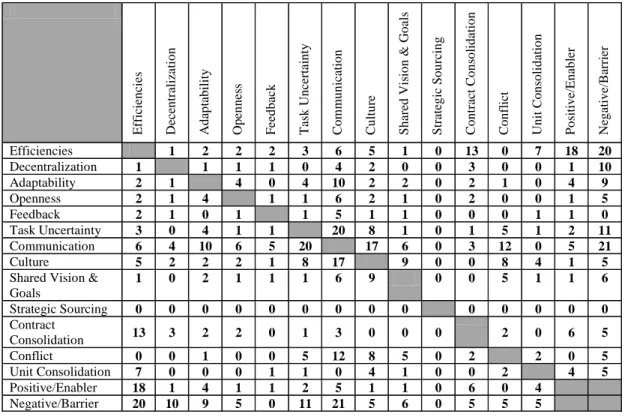
Table 4. JBLM Interview Coding Results ... 48
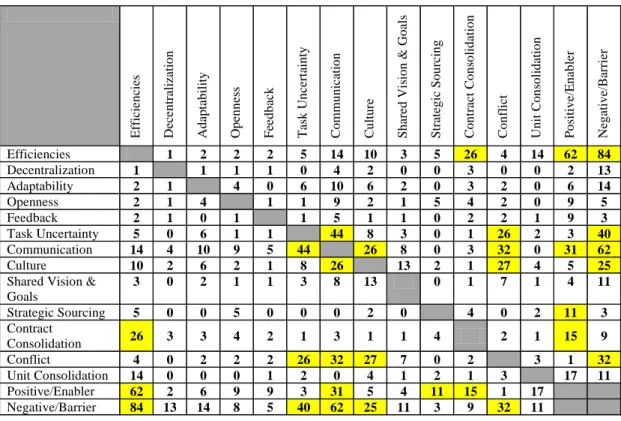
Table 5. Combined JBSA and JBLM Interview Coding Results ... 49
Table 6. Enablers and Barriers of Effective Consolidation ... 87
Table 7. Strengths and Weaknesses Identified at JBSA ... 91
Table 8. Strengths and Weaknesses Identified at JBLM ... 92
List of Acronyms and Abbreviations
AFB Air Force BaseAETC Air Education and Training Command
AFARS Army Federal Acquisition Regulation Supplement AFFARS Air Force Federal Acquisition Regulation Supplement AFPC Air Force Personnel Center
AMC Air Mobility Command BMT Basic Military Training
BRAC Base Realignment and Closure COLS Common Output Level Standards
DFARS Defense Federal Acquisition Regulation Supplement DoD Department of Defense
FOC Full Operational Capability
GAO General Accounting Office (before July 7, 2004); Government Accountability Office (after July 7, 2004)
GDP Gross Domestic Product GM General Motors GPC Government Purchase Card IRB Institutional Review Board JBLM Joint Base Lewis-McChord JBSA Joint Base San Antonio M&A Merger and Acquisition MEDCOM Medical Command
MICC Mission and Installation Contracting Command MSG Mission Support Group
PSM Purchasing and Supply Management RFP Request for Proposal
SACC San Antonio Contracting Center
SARPMA San Antonio Real Property Maintenance Agency TCO Total Cost of Ownership
I.
Introduction
A. Overview
The idea of consolidating functions is not new in the corporate world, nor is it new in government. Organizations often consolidate activities to achieve economies of scale and other efficiencies. Examples of consolidation include mergers, acquisitions, collocations, shared facility utilization, strategic alliances, and so forth. Such consolidations can reduce operating costs and increase potential performance for companies and government entities alike. Recently, due to decisions in the Department of Defense (DoD) Base Realignment and Closure (BRAC) process, military consolidations increased in frequency across the United States.
Mergers and acquisitions occur with incredible frequency throughout the world. They occur at every level of business, at every locality, and in virtually every industry. One estimate from 2004 stated that 30,000 mergers and
acquisitions were completed globally that year (Cartwright & Schoenberg, 2006). This estimate equates to one merger or acquisition every 18 minutes. More startling than the frequency with which mergers and acquisitions occurred is that the estimated value of these 30,000 transactions was $1.9 trillion, which exceeds the gross domestic product (GDP) of nearly all countries (Cartwright &
Schoenberg, 2006).
Joint purchasing, which is purchasing cooperatively with another organization either through consolidation or cooperative behavior without
consolidation, can lead to a competitive advantage for merging firms by reducing redundancy, consolidating purchases to gain economies of scale, and combining the experience and skill of multiple organizations to improve corporate
knowledge. The automobile industry has several examples of joint purchasing agreements that are not consolidations; specifically, General Motors (GM) and
Fiat purchase automotive supplies cooperatively while Renault and Nissan are similarly allied (Midler, Neffa, & Monnet, 2002). Private industry abounds with examples, other than those from the automobile industry, of both successful and unsuccessful consolidations. Governmental organizations often attempt to mimic the successes of industry where possible in order to meet regulatory
requirements and fiscal constraints, and consolidation is no exception. One example of consolidation is joint basing, where installations from multiple Services in close geographical proximity combine their support functions under the lead of one Service. Joint basing affects all functions on the
installation to some degree, but contracting organizations face unique
implementation issues. This effect remains especially true in instances of inter-Service joint basing where process changes occur to some degree at every level. Benchmarking the changes to the base-level contracting unit’s governance
structures, processes, and communication that occurred in recent joint-basing actions should reveal best practices and indicators for potential improvement. The best practices and indicators identified would apply directly to any future efforts to consolidate contracting activities from different military departments.
Because no extensively researched literature exists explaining the occurrences of contracting units in joint basing, this research is exploratory. Using a case study methodology, we conducted a comparative examination to explore consolidations of procurement at Joint Base San Antonio (JBSA) and Joint Base Lewis-McChord (JBLM). The United States Air Force leads the JBSA mission, and the United States Army leads the JBLM mission. Comparing and contrasting the way JBSA and JBLM operate provided a clearer understanding of how the consolidation of the contracting function changed the units and its
customers.
Utilizing an exploratory case study approach, we sought in this research to identify specific factors that contribute to the organizational successes of joint-base contracting. The goal was to unveil how joint basing has changed
contracting at the base-level. In this research, we sought changes that occurred because of joint basing in the contracting units. Then, we sorted those changes in terms of structure, processes, or communication. In the final step, we
identified the changes as either strengths or weaknesses. In this analysis— based on the contingency theory of organizational design, mergers and acquisition literature, change management, and strategic sourcing—we also reveal barriers to consolidation. Using previously identified successes in these related bodies of literature, we aim to find potential improvement for JBSA and JBLM. By documenting changes in these specific organizations, we hope to guide the successful execution of future joint-base contracting throughout the Air Force, DoD, and other federal, state, and local government organizations.
B. Background
JBLM and JBSA were created as the result of the 2005 DoD BRAC process, which sought to optimize efficiency and warfighting capabilities, maximize the joint utilization of resources, and ensure that the current defense infrastructure supported the post-Cold War force structure (U.S. Army Base Realignment and Closure Division, 2006). San Antonio, Texas, has a history of consolidated functions, even before the BRAC, as seen in the examples of the San Antonio Real Property Maintenance Agency (SARPMA) and the San Antonio Contracting Center (SACC), which occurred in the 1970s and 1980s (General Accounting Office [GAO], 1989). The SARPA and SACC are valuable examples that occurred over three decades prior to the BRAC joint-basing initiative, but they served very much the same purpose on a much smaller level. Additionally, they give some insight as to the effectiveness of function consolidation between bases. In this section, we give a brief history of the creation and subsequent disestablishment of the SARPMA and SACC, the BRAC process, the results of the various BRACs, and the estimated cost savings from the realignments and closures.
The DoD created the SARPMA and SACC with the Air Force as the lead after completing a cost study in 1975 indicating that over $2 million (in 1975 dollars) could be saved annually by consolidating the contracting services at five DoD installations in San Antonio, Texas (GAO, 1989). The five installations were the Air Force installations of Brooks Air Force Base (AFB), Kelly AFB, Lackland AFB, and Randolph AFB, and the Army installation of Fort Sam Houston. Standup of the SARPMA and SACC began shortly after the cost study was completed, and both organizations were stood up by October of 1978 (GAO, 1989). They operated for nearly a decade before closing.
Less than 10 years after their creation, studies by both the DoD and Air Force indicated that projected savings were not being realized and installation commanders wanted more direct control over these activities (GAO, 1989). By October 1, 1989, both installations had been disestablished and 97% of the employees were reassigned to their functions at the different installations in San Antonio versus the consolidated units (GAO, 1989). Years later, a 1996 GAO report noted that the DoD and the Services found it difficult to track monetary savings for inter-Service consolidations. The report went on to say that there is even a general resistance by commanders because it forces them to release control of their mission to other individuals or organizations (GAO, 1996). A report from 1983 directly stated, “SARPMA is probably not achieving the primary purpose of consolidation . . . lower cost to the government” (Massey, 1983). In the end, a Defense Management Report Decision concluded that determining savings was not possible for a variety of reasons (GAO, 1996). The report went on to say that although projected savings may not have occurred, its failure should not be blamed on consolidation alone (GAO, 1996). Years later, the BRAC process of joint basing reused the consolidation ideas of the SARPMA and SACC, which had tried and failed years earlier.
The BRAC process began in 1988 when Congress passed the Base Realignment and Closure Act to achieve significant savings by closing and
realigning underutilized or redundant facilities. The BRAC Act superseded a previous law, 10 U.S.C. § 2687, which mandated congressional approval for the closure of any installation that affected more than 300 DoD civilian employees (Defense Secretary’s Commission on Base Realignment and Closure, 1988). The act created a BRAC Commission to provide recommendations to the Secretary of Defense detailing which bases should be closed or realigned. For any bases to be closed through this process, the Secretary of Defense was required to approve all of the recommendations of the Commission. Additionally, the act gives Congress the opportunity to disapprove any of the Commission’s recommendations. If the Secretary of Defense approves the recommendations and Congress does not disapprove them, they will be implemented. No option is given in the act for either the Secretary of Defense or Congress to accept the Commission’s recommendations in part; they can only accept or reject the recommendations in their entirety (Defense Secretary’s Commission on Base Realignment and Closure, 1988).
The BRAC Commission, comprised of 12 members appointed by the Secretary of Defense, reviewed all military installations, including those under construction and planned for future construction. The Commission’s role was to ensure that the process was objective and open, including ensuring that all of its non-classified meetings were open to the public (GAO, 1997). To further ensure an objective process, no more than half of the Commission’s professional staff members could have worked for the DoD during the same year that they were a part of the BRAC Commission. Although their charter required them to consider readiness requirements, manning impacts, environmental impacts, economic impacts, and cost savings in the first six years following the theoretical closure of identified bases (GAO, 1997), the 1988 BRAC Commission was responsible for defining the full criteria used to determine which bases should be realigned or closed (Defense Secretary’s Commission on Base Realignment and Closure, 1988). In subsequent rounds of the BRAC process, the Secretary of Defense
determined the criteria (Defense Base Closure and Realignment Act of 1990, 2006).
The BRAC Commission used a two-phase process to determine which bases should be closed or realigned. First, it grouped the bases by functional categories and reviewed the military value of these functions, the base-to-base mobility of the different functions, and the excess capacity in each function. The Commission relied on the Services to provide the aforementioned functional data and chose several bases to review more closely than the broader list of bases. These bases identified for closer reviews were the focus of the second phase of the process, which concentrated primarily on the costs and savings associated with closing and realignment. At this stage, the Commission also considered the economic impact on the civilian community, the impact on the environment, and the impact of cleanup cost. The environmental cost was only a minor
consideration because the Commission determined that the DoD would be liable for those costs, regardless of whether or not the base in question was closed. The Commission used as much quantifiable data as possible but admitted that it was impossible to avoid subjective judgment (GAO, 1997). The 1988 BRAC process resulted in a recommendation to close 86 bases, partially close five bases, and realign 54 bases (Defense Secretary’s Commission on Base Realignment and Closure, 1988).
Another BRAC process began when Congress passed the Defense Base Closure and Realignment Act of 1990. The process was very similar to the one used in 1988 but with some notable changes. An important change was that the Secretary of Defense now determined the decision criteria for the BRAC instead of the Commission—which Congress had the opportunity to disapprove–and submitted recommendations for the BRAC to Congress. The BRAC
Commission’s role was now to analyze and review the process that the DoD used to apply the criteria and to create recommendations on changing the criteria that the Secretary of Defense used. The Commission was to submit a report to
the President, who could then accept all, reject all, or reject some of the
Commission’s recommendations. If some or all were rejected, the Commission could then revise its report and resubmit. If the President accepted the
recommendations, Congress would then have the option to disapprove the recommendations. If Congress did not disapprove, the Secretary of Defense would then implement the recommendations (Defense Base Closure and Realignment Act of 1990, 2006).
The remaining BRAC decisions were also based on the Defense Base Closure and Realignment Act—although the act was later amended—and used the same basic process. The 1991 DoD BRAC recommendation was to close 43 installations and to realign 28 other installations (Department of Defense [DoD], 1991). The 1991 BRAC Commission’s final recommendation advised 34
installation closures and 48 installation realignments (Defense Base Closure and Realignment Commission, 1991).
The 1993 round resulted in the DoD advocating that 31 major installations be closed and 12 major installations be realigned; closures or realignments that affected more than 300 jobs were considered major. Additionally, 122 minor activities were recommended for realignment (DoD, 1993). The 1993 BRAC Commission recommendation included 130 closures and 45 realignments. Of these, 35 were major closures and 27 were major realignments (Defense Base Closure and Realignment Commission, 1993).
In 1995, the DoD urged 33 major closures, 26 major realignments, and 87 minor actions (DoD, 1995). The BRAC Commission favored 28 major closures, 22 major realignments, and 83 minor actions. Of the 133 recommendations made by the BRAC Commission, the DoD did not originally recommend 10 of them.
During the most recent BRAC round in 2005, the DoD recommended 33 major closures, 29 major realignments, and 135 minor actions. The BRAC
Commission recommended 22 major closures, 33 major realignments, and 127 minor actions (Defense Base Closure and Realignment Commission, 2005). The recommended realignments included the creation of 12 locations where bases from multiple services would consolidate their base support functions to form joint bases, including JBLM and JBSA (Air Education and Training Command, 2008).
In 2002, the DoD estimate of the total savings due to the BRAC process through that point in time was $16.7 billion (adjusted for inflation), but the GAO characterized all estimates of BRAC savings as inexact estimates due to the dynamic nature of the implementation of the BRAC process (GAO, 2002). The DoD also estimated in 2002 that it would save $6.6 billion annually because of the closures resulting from the BRAC process. The estimated savings for the 2005 BRAC round were $15 billion if the projected personnel cost avoidance savings were not included, or $35.6 billion if they were included. The 2005
BRAC round had additional goals other than cost savings, including improvement of military capabilities, military value, and transformation. The transformation goal included improving “jointness” by promoting inter-Service integration and operations (Defense Base Closure and Realignment Commission, 2005).
The 2005 BRAC recommendations included 12 joint-basing initiatives in which base support functions were consolidated under a single Service for installations in close geographic proximity. The combined estimated savings for the 12 joint-basing initiatives was $183.8 million per year. Unfortunately, a breakdown of savings for each base did not exist. Due to enormous differences between the joint bases in terms of size, mission, personnel, and so forth, it is impossible to assume that any one base contributed a specific percentage of the total savings. The expected savings were anticipated to be gained through economies of scale and a reduction in redundancy. The projected lump-sum cost of establishing the 12 joint bases was $50.6 million, which included the cost of change management advisors, relocation costs, hiring costs, and severance costs. Similar to savings of joint basing, a breakdown of costs for each base did
not exist; thus, the differences between bases make any assumption concerning a specific percentage of total costs for any one base impossible. The Air Force was selected as the lead agency for six joint-basing initiatives, the Navy as the lead agency for four joint-basing initiatives, and the Army as the lead agency for the remaining two joint-basing initiatives. JBLM was one of the joint-basing initiatives that the Army was selected to lead while the Air Force was selected as the lead agency for JBSA (Air Education and Training Command, 2008). If the total cost of establishing the joint bases equals the estimated $50.6 million, then savings required must equal or surpass this amount in order for joint basing to be considered a fiscal success.
JBLM reached its full operational capability (FOC) on October 1, 2010 (Bartell, 2010). It was created by consolidating McChord AFB and the adjacent Fort Lewis, a U.S. Army base. McChord AFB was an airlift base that fell under Air Mobility Command (AMC). Fort Lewis was the headquarters of I Corps, home to multiple ground combat units, and fell under United States Army Forces.
The 2005 BRAC Commission also recommended the creation of Joint Base San Antonio. The Commission’s report recommended that the installation management functions of Fort Sam Houston and Randolph AFBs be relocated to Lackland AFB. Fort Sam Houston was the headquarters of Army Medical
Command (MEDCOM) and received multiple new medical units, including the Army Medical Research Detachment and dental research units from the Army, Air Force, and Navy as a result of the same BRAC Commission that created the joint-basing initiative. Additionally, it received new responsibilities not associated with new units, such as Combat Casualty Care Research, the inpatient function of Wilford Hall Medical Center, and enlisted medical training (Defense Base Closure and Realignment Commission, 2005). Fort Sam Houston also houses the 502d Air Base Wing, which provides installation support for each of the three separate entities that make up Joint Base San Antonio. Randolph AFB was the headquarters of Air Education and Training Command (AETC), as well as the
location of the Air Force Personnel Center (AFPC). Lackland AFB was the home of Air Force-enlisted Basic Military Training (BMT) and also fell under AETC. Joint Base San Antonio also reached FOC October 1, 2010 (Elliot, 2010).
C. Problem Statement and Gap in Literature
No extensively researched literature currently exists showing how to consolidate contracting activities in the federal government so that the desired results of cost savings, improvement of military capabilities, military value, and jointness can be achieved. No set of rules or procedures currently dictates how to go about putting processes, governance structures, organizations, and
communication into place to achieve these required savings. Thus, the requisite enablers are largely unknown. Likewise, the barriers to consolidation are not known. Absent the identification of enablers and barriers, consolidated
contracting activities in the federal government fail to create an environment in which the desired results can be achieved. Furthermore, correct application enables enormous savings in time and resources while simultaneously reducing negative mission impacts.
D. Research Objectives
Utilizing a case study approach, we sought in this research to identify specific factors that contribute to the organizational successes of joint-base contracting. These factors include processes, governance structures, organizational structures, and communication. We also identify barriers to consolidation. In order to more clearly understand the consolidation of the
contracting functions at these two installations, we compare and contrast the way JBSA and JBLM operate. Using previously identified successful organizational consolidations throughout the literature review, we aim in this research to find areas of potential improvement for JBSA and JBLM. By documenting indicators of common successes, we hope this research will guide the successful execution of future joint-base contracting throughout the Air Force, the DoD, and any other
government organizations. The specific questions we address in this research are as follows:
What are the barriers to effective consolidation? What are the enablers to effective consolidation?
What processes, governance structures, organizational structures, and communication lines and mediums are currently being employed? What are the strengths and weaknesses of the current approach(es) to
consolidation by the United States Air Force and the United States Army?
Will the employed processes, governance structures, organizational structures, and communication lines be successful?
E. Methodology
Yin (2009) recommended the case study method when looking at processes that answer “how” or “why” a particular event occurred, and this method is ideal for focusing on ongoing events as contrasted to controlled experiments. The case study methodology is appropriate for this research because the purpose is to see how contracting functions at separate bases consolidated into joint-base units and why the particular processes were used. Because the joint bases are already formed, our research was aimed purely at reviewing the processes rather than at manipulating factors and measuring resultant outcomes.
F. Managerial Implications
This study has several managerial implications. Most notably, there are currently 12 joint bases across the DoD, and each of these joint bases has at least one contracting organization. These contracting organizations began the joint-basing process, but consolidation is far from complete. By providing this information to the current contracting squadron commanders or directors, a
valuable insight can be added to their available resources. Additionally, while no plans currently exist to create more joint bases, the current financial climate in the United States and resulting budgetary pressure in Congress and the
Pentagon indicate that more cuts to federal spending will be sought throughout all parts of the federal government. Based on the outcome of the current joint bases—specifically on the ability to contract more efficiently—more joint bases could be forthcoming, in which case this study should act as a guide for
implementing the contracting units.
The information provided by answering the research questions should allow contracting activities at any joint location to plan more effectively for and react to contract consolidation activities. By providing these answers to the contracting body of knowledge, we hope to improve the performance of these and future contract consolidation efforts. Identifying enablers and barriers to effective consolidation will provide any future consolidated contracting activities a pathway towards success. Informing the United States Air Force and United States Army of the strengths and weaknesses in their current approach to consolidated contracting will allow for potential improvement to both Services. Examining the current processes, governance structures, organizational
structures, and communication lines being employed aids the United States Air Force and United States Army. Additionally, the Services can determine whether they are contributing to meeting the overall goals of the BRAC: cost savings, transformation, improvement of capabilities, and enhancement of military value (Defense Base Closure and Realignment Commission, 2005).
II.
Literature Review
A. Introduction
Although no specific literature exists that directly addresses the topic of this study in its entirety, literature relating to individual aspects of the BRAC process exists in volumes. Specifically, we apply the literature concerning the contingency theory of organizational design, mergers and acquisitions, change management, and strategic sourcing to guide this study.
B. Concepts
1. Contingency Theory of Organizational Design
The contingency theory of organizational design is a way of viewing organizations through a theoretical lens, which contends that organizational effectiveness is achieved by aligning organizational design with each situation (Donaldson, 2001). Performance or effectiveness is then a function of how well the organization “fits”into the environment in which it resides (Donaldson, 2001). Rather than identifying a best-practice laundry list or creating an ineffectual pictorial chart to describe the theory, its uses are far-reaching and can be
understood and applied by the layperson (Shepard & Hougland, 1978). Fit refers to the appropriate relationship between an internal and external aspect of an organization (Lawrence & Lorsch, 1986). For example, the organizational
structure of a company may change based on the industry in which it competes. The contingency theory of organizational design differs from all other
theories of organization in that rather than adopting factors to promote a
maximum outcome or performance, factors are aligned to the appropriate level to fit the contingency (Donaldson, 2001). To accept this theory, one must accept that optimal levels of performance may be achieved without reaching the elusive,
aforementioned “maximum.” For example, a football coach may recognize on third down and long that a pass play would generally be considered most
appropriate; however, due to weather, personnel, or other factors, he or she may opt for a run play that would generally be considered incorrect in terms of book-knowledge of the game. In the coach’s view, however, it may be the most appropriate play for the situation.
The contingency theory of organizational design has its roots in 1961 when Tom Burns and G. M. Stalker published their book The Management of Innovation. They identified that organizations seek to fit with the contingencies with which they are presented. The focus of Burns and Stalker (1961) was that the organizational environment in which organizations operate plays a major role in the contingency of designing the correct fit. This work was further developed over the next 50 years, and research supporting their initial idea of structuring organizations appropriately for their contingencies abounds. Subsequent research studies furthered the idea of fitting organizations into their appropriate contingency environment (Lawrence & Lorsch, 1986; Pennings, 1992;
Woodward, 1965). Other researchers quickly recognized that organizations required environmental considerations in order to be successful. The
contingency theory of organizational design can and should be applied across diverse organizations and industries with different managerial structures and configurations (Burton, DeSanctis, & Obel, 2006). Organization leaders who ignore this important idea of fitting their organizations with the contingency environment see degraded performance in multiple business areas (Donaldson, 2001).
Significant follow-on work has taken the idea of contingency theory to other fields of study. For example, Fred Fiedler’s (1967) creation of the
contingency theory of leadership took the base work of Burns and Stalker (1961) and transitioned it from organizational design into the realm of leadership. James W. Fredrickson (1984) applied the contingency theory to the
decision-making process to address how to comprehend and use imperfect information. More recently, John E. Delery and D. Harold Doty (1996) even took the ideas behind the contingency theory of organizational design and applied them to the realm of human resources, creating a solid theoretical foundation they claimed had been absent from that field.
With the opportunity for improved performance and the threat of
decreasing performance now identified in literature, studies into the link between organizational structure and performance began to increase in frequency. Each application of the contingency theory of organizational design provided unique information to the field of study, and whether quantitative or qualitative, each study showed the importance of organizational fit (Donaldson, 1987; Holdaway, Newberry, Hickson, & Heron, 1975; Woodward, 1965). Additionally, these findings held true for both public and private sector organizations because organizational fit was imperative for both types of organizations. Even when compared simultaneously, the importance of fit showed quantitative support of roughly equal importance to either public or private entities (Holdaway et al., 1975).
Three foundational commonalities exist between the contingency theories in each field of managerial study. These three commonalities lie at the heart of the contingency theory: the association between contingency and organizational structure, the change process that contingency change causes organizational structural change, and the fit of structure to contingency that affects performance (Donaldson, 2001). By understanding these three commonalities and the
literature that supports them, best practices can be discovered at JBSA and JBLM. In addition to identifying best practices, an analysis of the literature within each of these commonalities also allows us to identify weaknesses that can be applied to the case.
There is a correlation between contingency and structure. The presentation of this correlation may be quantitative (Holdaway et al., 1975) or qualitative
(Woodward, 1965). The strength of this correlation relies directly on the different magnitudes of the contingencies. In 1973, Child identified the role organizational size plays and how bureaucracies can have a direct impact on organizational structure. He identified that although size is a significant portion, other factors must be considered because complexity expands as size increases. Specifically, Child (1973) qualitatively and quantitatively showed that formalization and
decentralization are the main factors in successful organizational structure. Although Child’s 1973 study specifically used commercial organizations, its applicability is directly pertinent to public organizations as well.
The idea that contingency change causes organizational structural change is important to analyze. Some argue that structural contingency is static (Galunic & Eisenhardt, 1994), but this is an incorrect assessment. The contingency theory of organizational design is fluid and dynamic because both organizations and environments change over time (Donaldson, 2001). In fact, as the contingency structure changes, the organizations must adapt in order to remain effective (Burns & Stalker, 1961). Those organizations that fail to adapt will subsequently observe decreased performance as changes to either the structure or the
environment make them obsolete.
Because fit affects performance, organizations must carefully consider their environment and structure (Donaldson, 2001). Much like trying on new shoes or clothing to find the best size, organizations also seek to find the perfect fit. However, the complexity required by organizations searching for the perfect fit differs immensely from individuals trying on shoes. Understanding adaptability is one success predictor, and the knowledge of when to adapt is another.
Creating a new fit to improve performance and meet the changed contingency first requires an effective feedback loop to identify the change (Donaldson, 2001). This feedback loop is essential to the continued evolution of organizations as they morph internally and externally with their environment. Lowered
feedback can be identified and even predicted with limited accuracy (Donaldson, 1987, 2001).
In addition to the three foundational commonalities described here, we identify an important fourth commonality. Task uncertainty is a contingency that interfaces with technological advancements, business environment changes, and industry innovation—creating enormous pitfalls for organizations (Gresov, 1990). With special consideration given to governance structures, task uncertainty can create free-floating units within an organization unsure of its true role or purpose. Therefore, very specific attention and immediate “refit” action must be taken when task uncertainty roles emerge because their spill-over effects can be far-reaching (Donaldson, 2001).
Other researchers have identified myriad additional organizational
contingencies that play a role in the ultimate performance of units. However, for the purpose of this case study research, we have limited the contingency theory predictors for success to the previously identified factors: formalization,
decentralization, adaptability, effective feedback, and task uncertainty. When formal policies or procedures are in place and decentralized decision-making is encouraged, the literature shows an increased probability of success. Similarly, when organizations prove to be adaptable with changing contingencies, the chances of success improve. The same applies to implementing effective feedback processes and minimizing task uncertainty. Throughout this research, we highlight and emphasize these, especially with regard to governance
structures.
2. Mergers and Acquisitions
Although the BRAC decision to create JBSA and JBLM was
congressionally directed, much of the mergers and acquisitions (M&As) literature applies. In both JBSA and JBLM, no base or Service truly acquired the other; however, both bases saw a merger of functions and a subsequent appointment
of a lead contracting Service. In the corporate world, the majority of mergers fail in every sense (Weber & Camerer, 2003). Conflict arises, turnover occurs, and participants at every level seem disappointed with the results (Buono, Bowditch, & Lewis, 1985). Although the option to divest a non-performing unit is
unavailable to JBSA or JBLM, the goal of creating value still exists. By examining M&A literature and identifying processes that are indicators of
success, guidance can be given to improve the consolidation of contracting units. Fifty years of intense M&A research has had no appreciable impact on the failure rate of mergers (Cartwright, 2005). According to one author, “traditional M&A research has failed to find answers to improve the continuing high failure rates of M&As. The most frequently studied variables have offered no consistent explanations why some firms . . . succeed at implementing M&As changes and others fail” (Clayton, 2010, p. 1). Despite the continued struggle for M&As, the research has identified several key factors as best practices and indicators for success. While accepting that more research is needed, consistent information does appear throughout the literature that acts as either an indicator for success or failure.
The adaptability of both organizations and individuals is closely tied to the idea of culture. Organizational culture is a shared social understanding brought about by commonly held assumptions and worldviews among members of an organization (Wilkins & Ouchi, 1983). An organizational culture is the traditions, shared beliefs, and expectations about how individuals should behave and how tasks should be accomplished in organizations (Cartwright & Cooper, 1993). Because culture is so pervasive in both organizations and individuals, failure to understand and address it appropriately significantly increases the failure rate of M&As (Weber & Camerer, 2003). Understanding cultural differences between organizations is important and also has several subcomponents that must be understood and adequately addressed.
In a study of 156 companies in North America, Europe, and Asia-Pacific that was conducted over six months, researchers concluded that the most detrimental barrier to successful partnerships is the difference in organizational culture (Johnson, 2004). Working with another organization through M&As is more than just gaining new coworkers. Instead, it is coexisting and often clashing with every facet of the other organization currently or in the future (Badrtalei & Bates, 2007). Because an organization’s culture is a result of the organization’s history, it will resist change despite the environmental changes happening within an organization, specifically in M&As (Hofstede, Neuijen, Ohayv, & Sanders, 1990).
Acculturation is the outcome of a process in which the attitudes, beliefs, and values of two previously independent organizations form a unified culture (Larsson & Lubatkin, 2001). Obviously, firms involved in M&As must transition through acculturation in the development of the unified organization. Employees may resist acculturation by remaining individualistic or by forming subcultures in the post-M&A environment, but reducing or minimizing the occurrences is critical for successful task completion (Creasy, Stull, & Peck, 2009). This culture clash is a situation that has severe consequences, including low employee buy-in to the transformation, high turnover, low commitment to the change by employees, and overall decreased performance (Buono et al., 1985; Sales & Mirvis, 1984). Although research does exist on various aspects of cultural discontinuity, the literature is not extensive enough to provide sufficient causal links (Creasy et al., 2009).
The cultural discontinuity surfaces as the pre-merger entities transition to their post-merger reality (Creasy et al., 2009). The differences in managerial practices are especially significant for the organizations as the shift to unite the separate entities takes place (Marks & Marvis, 1985). When leadership styles in an organization are vastly altered or unceremoniously changed due to an M&A, the culture of one or both organizations will likely experience some form of
culture shock. This culture shock is most apparent when control systems, administrative practices, or management styles between the pre-merger and post-merger entities differ significantly (Creasy et al., 2009). Unless directly addressed, organizational instability will increase and a number of questions about structural-, cultural-, and responsibility-related changes and concerns potentially leading to significantly degraded organizational performance will grow (Buono & Bodwitch, 1989).
In connection to the cultural problems, another frequently identified factor indicating success is a company’s ability to adapt or evolve to meet the new requirements management has placed on them (Clayton, 2010; Swaminathan, Murshed, & Hulland, 2008). Just as with the contingency theory of organizational design, the theme of fitting organizations to the environment continues
throughout M&A literature. The concept of adaptability is broken down into four subcomponents: change, openness, shared vision, and a positive emotional attractor (Clayton, 2010). Each of these subcomponents of post-M&A flexibility is important to understand, but may be applied overall as adaptability.
As individual bases are merged to create joint bases, the problems, angst, and demands the bases experience are similar to the commercial world.
Adaptability to change is the first identified factor that is a key indicator of the future success of an M&A (Clayton, 2010). Organizations that have adaptive qualities are better able to focus on a common goal without sacrificing
performance (Losada & Heaphy, 2004). The personnel must be listened to and the integration of first-level employees must occur during the transition process. This integration is necessary because personnel at the edge of transitional chaos are most likely to create and subsequently implement effective ideas that will garner the highest level of buy-in (Losada & Heaphy, 2004).
Inseparable from adaptability is the fact that organizations must have openness. In The Fifth Discipline, Peter Senge (1990) explained two aspects of the concept of openness that organizations seek to achieve. The first is
participative openness, which is the freedom of individuals to speak out and be heard. The second is reflective openness, which is the willingness to change based on the input of others. Both participative and reflective openness are essential in order to achieve a successful fit of organizations with their
environment (Senge, 1990). Management’s attempt to require organizations or units to have both participative and reflective openness is made even more difficult when combining organizations through M&As.
If openness is coupled with a shared vision by both organizations’ employees, the predictors of success grow. Especially for units in a post-M&A environment, this shared vision is absolutely essential for the future success of the organization (Clayton, 2010). A shared vision is more than an important driver of and predictor for successful change. For individuals and groups in the midst of transition (turbulent or smooth), shared vision is the first discovery made that provides the foundation for all future transitions and integrations to be
successful (Akrivou, Boyatzis, & McLeod, 2006). This shared vision then provides a pathway that both individuals and the organization as a whole can follow toward increasing the probability of a successful merger or acquisition.
Finally, M&As require a positive emotional attractor that helps shape and grow the optimism, strengths, and hopes of individuals or groups toward their aspired ultimate position (Howard, 2006). Individuals with a positive emotional feeling toward the ultimate goal are more able to learn and change, thus
providing more value to the organization as a whole (Howard, 2006). Individuals who lack this positive emotional attractor may have a difficult time obtaining employee buy-in, which can lead to other problems associated with the integration of two separate units into one (Losada & Heaphy, 2004).
There are some important lessons that have been learned through failures in integration following M&As as well. One lesson that Badrtalei and Bates
(2007) identified in their examination of the Daimler-Chrysler merger was that change is inevitable and that it must be accepted and embraced if the
organization has any hope of moving forward. Management’s claims that no changes will occur after the merger are disingenuous and cause employees to lose faith in the competence of their leaders. Management’s honesty and competence, as viewed by an organization’s employees, is identified as a key factor in the predictability of success (Creasy et al., 2009; Swaminathan et al., 2008). Another lesson Badrtalei and Bates (2007) identified is that timing is key for any M&A process. Their rule of thumb is to double or triple the expected timeframe needed to accomplish integration.
The time it takes to implement M&As is another factor that researchers have studied at length. However, timing also falls short of being a complete predictor on how performance will be affected. Homburg and Bucerius (2006) proposed that managers involved with M&As consciously determine an
appropriate pace for the integration to occur. They proposed that the rate should be aligned so that when external relatedness is low and internal relatedness high, speed is beneficial. Conversely, when external relatedness is high and internal relatedness is low, speed acts detrimentally. However, other authors have stated that while the speed is important, it is only important as it relates to fitting the new organization into the new environment (Bragado, 1992).
Finally, it is imperative that the overall goal of the merger or acquisition be understood by all stakeholders prior to its implementation (Swaminathan et al., 2008). If consolidation is the aim of joint bases (U.S. Army, Base Realignment and Closure Division, 2006), then the focus of effort should be on gaining operational efficiencies (Swaminathan et al., 2008). However, if the perceived organizational support for previously separate units seems lacking, the
degradation of performance is sure to follow (Creasy et al., 2009).
A significant number of additional M&A theories exist along with additional M&A literature. However, for the purpose of this case study research, we have limited the predictors for success to the previously identified factors: minimizing culture shock, adaptability, openness, shared vision, positive emotional
attractors, and all stakeholders’ understanding of the goal. By minimizing culture shock, the process of integration can begin earlier and with better results.
Having employees, especially leaders, who are adaptable and open to changes can take new organizations forward in ways otherwise impossible. Also, gaining that shared vision with positive emotional attractors further decreases the
probability of failure. Finally, ensuring that every stakeholder understands his or her role through effective communication produces the end product sought after by all, but achieved by few.
3. Change Management
Another important concept required to answer the research questions is the concept of change management. John Kotter is considered by many to have laid the foundation of the change management field when he published Leading Change in 1996. In that book, Kotter revealed that only 30% of change initiatives succeed. Twelve years and thousands of scholarly articles later, a McKinsey survey of 3,199 executives from around the world found that only one in three transformation initiatives succeed (Aiken & Keller, 2009). Kotter (1996) studied both successful and unsuccessful attempts at change and identified the lessons learned or predictors for each. Although most literature on change management looks at the private sector lessons learned, some of the concepts can be applied directly to the public sector’s contracting organizations. Kotter (1996) identified eight predictors for success and eight critical mistakes to avoid when an
organization is undergoing change. Underlying Kotter’s work is the basis that the companies are making changes to improve themselves. Whereas for-profit companies introduce changes as they are needed to increase profitability
(Schaffer & Thomson, 1992), government agencies often implement changes as directed by either elected or appointed officials. Although all 16 of Kotter’s
(1996) ideas are valuable, especially in the private industry, not all are necessary when examining government contracting entities. The most applicable ideas include a communicated vision, empowered employees, and a positive culture change.
The importance of a communicated vision remains vital to the successful change of any organization. The success of change programs relies less on the persuasiveness of the individuals leading the change than it does on their
understanding of the message (Aiken & Keller, 2009). In a study of those responsible to implement change, Lewis (2000) found that a failure to
successfully communicate the vision of change was the most frequently identified category of encountered problems. The failure to adequately communicate the vision by leadership creates uncertainty and ambiguity concerning the true goals of the change. This lack of understanding the goals or vision often leads to the failure of change initiatives (Lewis, 2000). It is critical to communicate before and during change because “failure to share information or to inform people
adequately of what changes are necessary and why they are necessary” (Covin & Kilmann, 1990, p. 239) has undesired results.
If the entire organization understands and supports a change effort but the barriers preventing them from changing are not removed, the effort may still fail. “In highly successful change efforts, when people begin to understand and act on a change vision, it is important to remove barriers in their paths” (Kotter & Cohen, 2002, p. 73). Failure to remove these barriers is often not deliberate, but
because the formal steps required to remove barriers have not occurred, employees become powerless to support the change effort (Aiken & Keller, 2009). New ideas, best practices, or information sharing are just a few of the possibilities that show the empowerment of the employees. However, in most companies, resistance to empowering employees is system-wide (Bernoff & Schadler, 2010). The DoD surely falls into such a category with its strict
regulations and rank structure, but it must recognize that failure to empower the employees may significantly hinder, or even thwart, attempts at successful change.
A culture change is vital to any successful change-management initiative. As previously identified, the role of culture is key to the outcome of organizations
(Buono & Bodwitch, 1989; Buono et al., 1985; Creasy et al., 2009; Hofstede et al., 1990; Sales & Mirvis, 1984; Weber & Camerer, 2003; Wilkins & Ouchi, 1983). Because culture lies at the true soul of any organization, taking an organization through a change in which the culture will be altered (even minimally) will have enormous impacts immediately and in the future. Those impacts can have enormous repercussions, and some authors even argue that a culture that embraces adaptability creates an enormous competitive advantage (Reeves & Deimler, 2011). When change is happening, culture is impacted. However, by ensuring that change is positive and by minimizing the culture shock, the change has a greatly improved chance of being successful.
Change-management theories and ideas have been building upon one another for years as the available information and the changes occurring grow. For the purpose of this case study, we have limited the predictors for success to a communicated vision, empowered employees, and a positive culture change. Both vision and culture are also identified in M&A literature, and the
empowerment of employees ties directly to the decentralization identified in the contingency theory of organizational design literature. The importance of these predictors of success is significant because they permeate three distinct fields of study.
4. Strategic Sourcing
The main idea of strategic sourcing is that proactive procurement strategies can be implemented that make organizations more efficient than organizations that utilize reactive, tactical procurement. In a May, 2005 memo, the Office of Management and Budget (OMB) defined strategic sourcing as “the
collaborative and structured process of critically analyzing an organization’s spending and using this information to make business decisions about acquiring commodities and services more effectively and efficiently” (p. 1). However, strategic sourcing does not have a standard definition, and its use in academic literature varies widely; it is commonly described as a process that ensures that
all purchasing activities align with the strategic goals of the organization (Zsidisin & Ellram, 2001).
At the most basic level, strategic sourcing focuses on aligning purchasing processes and policies with the corporate strategy. This allows purchasing to be utilized strategically and adds significant value and competitive advantage to the organization that far exceeds an administrative function (Rendon, 2005). To be truly strategic, purchasing must also have some influence in the corporate strategy because it allows the company to take advantage of the market knowledge of the purchasing unit (Burt, Dobler, & Starling, 2003). Strategic sourcing not only involves the internal purchasing function but also includes relationships with suppliers as an integral part of the process. The successful management of these relationships can allow an organization to improve all aspects of its performance, including cost, quality, and responsiveness (Monczka, Trent, & Handfield, 2005).
Kraljic (1983) suggested that a radical change in philosophy is required to change purchasing from a clerical function to a strategic function. He stated that after this transformation takes place, the organization will be better suited to deal with the uncertainties and risks of doing business in a truly global economy. The cross-functional nature of this change goes beyond purchasing; in order to be effective, purchasing must broaden its scope to supply management. Zsidisin and Ellram (2001) brought many of these ideas together by proposing that establishing and maintaining alliances with suppliers is a strategic function for purchasing and supply management (PSM) activities. Not only does it force the purchasing function to align with broader organizational objectives, but it also forces the strategies of the suppliers to be integrated with those of the
purchasing organization.
Ellram and Carr (1994) found three distinct areas that the academic literature on strategic sourcing only generally covered. The first area was literature related to the choices the purchasing function had to address.
Stemming from the choices were the application of strategies for these decisions and how these decisions impacted other areas of the organization. They wrote that strategic sourcing decisions are influenced by the current market situation for suppliers and the type of purchase that is being considered (Ellram & Carr,
1994). They also discussed the implications of purchasing decisions for
marketing and the requirement for strategic cooperation between marketing and purchasing (Jain & Laric, 1979; Williams, Giunipero & Henthorne, 1994). Hahn, Kim, and Kim (1986) covered strategies for increasing competition, including awarding multiple contracts, relying on short-term contracts, and competitive bidding. It is interesting to note that they found that the uncertainty of these methods can cause increased costs for the suppliers and does not necessarily pay off in the long term. Rossetti and Choi (2005) also warned of the possible consequences of competition between the purchasing organization and its strategic partners.
The second noted area of focus for strategic sourcing literature by Ellram and Carr (1994) was on the process of integrating purchasing into corporate strategy and the role of purchasing in supporting corporate strategy. Spekman (1981) argued that before purchasing is viewed as a long-term strategic asset, the purchasing function must use strategic planning effectively. This example could be made by developing strategic relationships with suppliers that could later be integrated into corporate strategy as purchasing is recognized as a strategic function. Purchasing can directly impact corporate strategy by providing options and insight into the supply market (Browning, Zabriskie & Huellmantel, 1983) and the appropriate management of supplier relationships (Landeros & Monczka, 1989). Ellram and Carr (1994) also discussed the importance and potential advantage of having purchasing activities support long-term corporate objectives. The awareness of the long-term plans should lead to efficient resource allocation and short-term improvements, as well as to support for the long-term goals (Chen, Paulraj & Lado, 2004) as long as the awareness of the plans leads to daily operations that support them (St. John & Young, 1991).
The third focus of strategic sourcing literature is the utilization of purchasing as a strategic asset for the organization (Ellram & Carr, 1994). Spekman and Hill (1980) found that while many managers are aware of the potential for better utilizing the purchasing function, high-ranking individuals in purchasing spent too much time on daily operations and not enough time dealing with strategic issues so that they did not contribute to success on the strategic level. Another obstacle to the potential contribution of strategic sourcing is that even when purchasing managers believe that they have input into corporate strategy, that input may be disregarded (Farmer, 1981). Van Weele (1984) found that corporate managers’ perceptions of purchasing varied widely from being a purely administrative function to being a high-level strategic function. Similarly, the integration of purchasing considerations into the organizational strategy varies widely from company to company. However, the strategic use of
purchasing is trending upwards and appears to enhance the competitiveness of firms that do successfully integrate purchasing (Narasimhan & Das, 2001).
Chen et al. (2004) also presented a model that links strategic sourcing to the financial performance of the organization. Choosing to develop relationships with specific, critical suppliers limits the supply base for certain components but allows the firm to work very closely with the chosen suppliers, which actually increases the effectiveness of the supply base (Cousins, 1999). Additionally, adopting a long-term orientation in dealing with suppliers reduces conflict, encourages cooperation, and improves decision-making with imperfect
information (Morgan & Hunt, 1994). Because of these impacts, both reducing the supplier base and the adoption of a long-term orientation improve the firm’s ability to react to the needs of customers, which encourages repeat business and ultimately improves the financial performance of the firm (Chen et al., 2004).
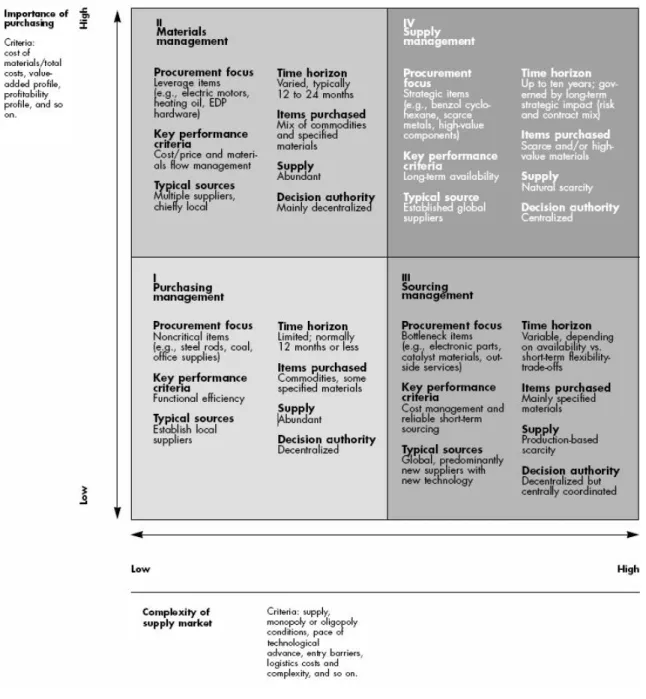
Other approaches to determining a successful sourcing strategy exist. Kraljic’s (1983, p. 113) approach to determining the most suitable sourcing strategy using the Purchasing Portfolio Matrix is still the most widely used model
in strategic sourcing (Gelderman & Van Weele, 2003). The central idea of the model is that the appropriate sourcing strategy depends on two primary factors: “(1) the strategic importance of purchasing in terms of the value added by product line . . . , and (2) the complexity of the supply market” (Kraljic, 1983, p. 110). The strategic importance of purchasing is determined based on the potential impact that savings or overruns could have on profitability. For
instance, if a single raw material made up almost all of the cost of a product, the potential gain or damage is very significant for that product, and the strategic importance of purchasing would be high. The complexity of the supply market is assessed by using factors such as scarcity, availability of substitutes, barriers to entry, the pace of technological change, and the degree of rivalry among
suppliers (Kraljic, 1983).
All procurements are categorized using the factors mentioned previously, and they receive a high or low rating for each factor. These ratings are then used to determine the most appropriate sourcing strategy (see Figure 1). The categories are strategic (both purchasing importance and supply complexity are high), leverage (purchasing importance is high and supply complexity is low), bottleneck (purchasing importance is low and supply complexity is high), and noncritical (purchasing importance and supply complexity are low; Kraljic, 1983).
Figure 1. Purchasing Portfolio Matrix
(Kraljic, 1983, p. 111)
Procurements that are classified as strategic lend themselves to extensive market research and developing long-term, cooperative relationships with the suppliers. The buyer–supplier relationship could also be seen as an opportunity to closely monitor the supplier’s performance and to promote continuous process improvements. Bottleneck procurements require reliable suppliers; thus,