University of Kentucky University of Kentucky
UKnowledge
UKnowledge
Theses and Dissertations--Education Science College of Education
2020
Leading Well: Anesthesiology Program Directors as Servant
Leading Well: Anesthesiology Program Directors as Servant
Leaders and Their Development of Resident Wellness Programs
Leaders and Their Development of Resident Wellness Programs
Amy Noel DilorenzoUniversity of Kentucky, [email protected] Author ORCID Identifier:
https://orcid.org/0000-0002-4732-5588
Digital Object Identifier: https://doi.org/10.13023/etd.2020.321
Right click to open a feedback form in a new tab to let us know how this document benefits you. Right click to open a feedback form in a new tab to let us know how this document benefits you.
Recommended Citation Recommended Citation
Dilorenzo, Amy Noel, "Leading Well: Anesthesiology Program Directors as Servant Leaders and Their Development of Resident Wellness Programs" (2020). Theses and Dissertations--Education Science. 69. https://uknowledge.uky.edu/edsc_etds/69
This Doctoral Dissertation is brought to you for free and open access by the College of Education at UKnowledge. It has been accepted for inclusion in Theses and Dissertations--Education Science by an authorized administrator of UKnowledge. For more information, please contact [email protected].
STUDENT AGREEMENT: STUDENT AGREEMENT:
I represent that my thesis or dissertation and abstract are my original work. Proper attribution has been given to all outside sources. I understand that I am solely responsible for obtaining any needed copyright permissions. I have obtained needed written permission statement(s) from the owner(s) of each third-party copyrighted matter to be included in my work, allowing electronic distribution (if such use is not permitted by the fair use doctrine) which will be submitted to UKnowledge as Additional File.
I hereby grant to The University of Kentucky and its agents the irrevocable, non-exclusive, and royalty-free license to archive and make accessible my work in whole or in part in all forms of media, now or hereafter known. I agree that the document mentioned above may be made available immediately for worldwide access unless an embargo applies.
I retain all other ownership rights to the copyright of my work. I also retain the right to use in future works (such as articles or books) all or part of my work. I understand that I am free to register the copyright to my work.
REVIEW, APPROVAL AND ACCEPTANCE REVIEW, APPROVAL AND ACCEPTANCE
The document mentioned above has been reviewed and accepted by the student’s advisor, on behalf of the advisory committee, and by the Director of Graduate Studies (DGS), on behalf of the program; we verify that this is the final, approved version of the student’s thesis including all changes required by the advisory committee. The undersigned agree to abide by the statements above.
Amy Noel Dilorenzo, Student Dr. Tricia Browne-Ferrigno, Major Professor Dr. Margaret Bausch, Director of Graduate Studies
LEADING WELL: ANESTHESIOLOGY PROGRAM DIRECTORS AS SERVANT LEADERS AND THEIR DEVELOPMENT OF RESIDENT
WELLNESS PROGRAMS
________________________________________ DISSERTATION
________________________________________ A dissertation submitted in partial fulfillment of the requirements for the degree of Doctor of Philosophy in the
College of Education at the University of Kentucky
By
Amy Noel DiLorenzo Lexington, Kentucky
Director: Dr. Tricia Browne-Ferrigno, Professor of Educational Leadership Studies Lexington, Kentucky
2020
Copyright © Amy Noel DiLorenzo 2020 https://orcid.org/0000-0002-4732-5588
ABSTRACT OF DISSERTATION
LEADING WELL: ANESTHESIOLOGY PROGRAM DIRECTORS AS SERVANT LEADERS AND THEIR DEVELOPMENT OF RESIDENT WELLNESS PROGRAMS
Anesthesiology residents are at significant risk of developing serious issues during training including burnout, depression, and substance abuse. Recent accreditation requirements mandate that these well-being issues be addressed by residency training programs. Program directors, as the leaders of residency programs, are charged with protecting the wellness of residents and leading wellness initiatives. The program director role can be well-described in a servant leadership construct because they are charged with caring for the individual needs of their residents.
This dissertation is a report of a mixed-methods study that explores
anesthesiology program directors’ self-perceptions as servant leaders and their efforts to lead the development of resident wellness programs. It describes program director perceptions of challenges to resident wellness and barriers to implementing wellness initiatives. Because the current state of anesthesiology residency wellness programs is unknown, findings from this study may prove useful to the field.
KEYWORDS: Servant Leadership, Anesthesiology, Graduate Medical Education, Burnout, Wellness
Amy Noel DiLorenzo (Name of Student)
July 30, 2020 Date
LEADING WELL: ANESTHESIOLOGY PROGRAM DIRECTORS AS SERVANT LEADERS AND THEIR DEVELOMENT OF RESIDENT WELLNESS PROGRAMS
By
Amy Noel DiLorenzo
Professor Tricia Browne-Ferrigno Director of Dissertation
Dr. Margaret Bausch Director of Graduate Studies
July 30, 2020 Date
DEDICATION
This dissertation is dedicated to my husband, Matt and our children, Dominic, Angelo, and Gianna.
iii
ACKNOWLEDGMENTS
Credit for the concept and completion of this dissertation belongs to many people. I am so appreciative of all of the love and assistance I have received.
To my husband Matt who listened to me patiently, gave me time and space to work while many other momentous things were happening in our lives and family, and who was there for the family when I could not be. Thank you for your love and support always.
To my children Dominic, Angelo, and Gianna for always being my inspiration and my motivation to keep going. You can do anything you set your mind to when you have faith and work hard. I can hardly wait to see where each of your journeys takes you!
To my mother and father, Betsy and Kolan Morelock, thank you for always encouraging me and believing in me. You are the strongest people I have ever known. I am so appreciative of the example you have given me.
Thank you to all of my family and friends for your love, support, and
encouragement. Thank you for stepping in to help with my kids when I couldn’t be there, keeping me laughing, and cheering me on.
My deepest appreciation is due to my dissertation committee. To Professor Tricia Browne-Ferrigno, you have believed in me since day one. I am a better writer and
researcher because of you, and I will always be grateful for your mentorship and
guidance. Your dedication to your students is unparalleled, and I am so grateful to have been one of yours. To Professor Lars Bjork and Professor John Nash, thank you for being such exceptional teachers. You have shaped the way I think and have encouraged
iv
me to strive for academic excellence. To Professor Randy Schell, I am eternally grateful to have the opportunity to work with and learn from you. This dissertation would not exist without you believing in my ability to contribute to the field of anesthesiology education.
v
TABLE OF CONTENTS
ACKNOWLEDGMENTS ... iii
LIST OF TABLES ... viii
LIST OF FIGURES ... ix
Chapter One: Introduction Definitions... 3
Program Director Role ... 4
Wellness in Residency Training ... 4
Statement of the Problem ... 5
Purpose and Significance ... 6
Researcher Supposition ... 6
Study Significance ... 7
Research Questions and Design ... 8
Assumptions and Delimitations ... 9
Assumptions ... 9
Delimitations ... 9
Summary ... 9
Chapter Two: Literature Review Wellness ... 12
Wellness Definition ... 13
Factors Associated with Resident Wellness ... 13
Burnout Definition ... 14
Factors Associated with Resident Burnout ... 14
Existing Interventions ... 16
Graduate Medical Education ... 17
Current Patterns of Education Delivery ... 17
Accreditation Requirements... 20
Program Directors as Leaders in the Healthcare System ... 26
Program Director Leadership Qualities ... 28
Servant Leadership ... 30
Conceptual Framework ... 31
Characteristics and Actions... 33
Anesthesiology Program Director Survey ... 35
Summary ... 37
Chapter Three: Methodology Rationale ... 40
Review of Relevant Works ... 41
Research Design ... 42
vi
Participants ... 44
Instrument ... 44
Data Collection and Analysis... 46
Study Design Phase 2 ... 49
Participants ... 49
Interview Protocol ... 50
Data Collection and Analysis... 50
Ethical Considerations... 51
Role of the Researcher ... 51
Researcher Background ... 52
Potential Researcher Bias ... 52
Limitations ... 53
Limitations of Survey Methods ... 53
Limitations of Interview Methods ... 55
Summary ... 57
Chapter Four: Results and Discussion Quantitative Findings ... 58
Demographics ... 58
Servant Leadership Profile-Revised (SLP-R) ... 62
Open-Ended Responses Concerning Resident Wellness ... 68
Qualitative Findings ... 75
Leadership Definition ... 76
Leadership Self-Identity as Program Director ... 76
Evolving Leadership Practice ... 78
Importance of Leadership Mentors ... 79
Leadership Methods ... 79
Wellness Definition ... 80
Leadership Impact on Resident Wellness ... 81
Challenges to Anesthesiology Resident Wellness ... 82
Current Wellness Initiatives ... 84
Discussion of Results and Findings ... 85
Summary ... 90
Chapter Five: Conclusions and Implications Integration ... 91
Conclusions ... 93
Implications for Practice ... 95
Implications for Research ... 96
Future Research ... 97
Concluding Reflections ... 98
Appendices Appendix A: Survey ... 100
vii
Appendix C: Institutional Review Board Approval ... 108 References ... 109 Vita ... 122
viii
LIST OF TABLES
Table 1.1, Key Terms Used in the Study ... 3
Table 2.1, SLP-R Self-Assessment Domains and Sample Associated Program Director Responsibilities ... 36
Table 3.1, Survey Items Targeting Domains of Servant Leadership ... 45
Table 4.1, Geographic Location of Anesthesiology Residency Programs ... 59
Table 4.2, Numbers of Residents in Anesthesiology Residency Programs ... 60
Table 4.3, Total Years as an Anesthesiology Program Director ... 61
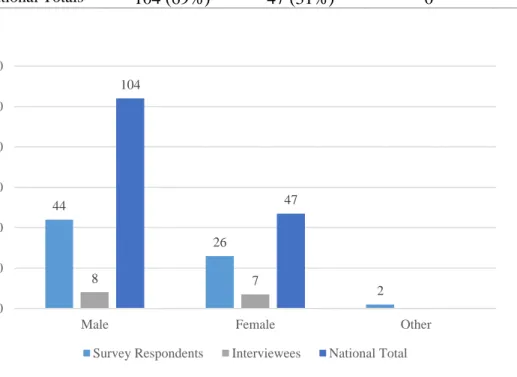
Table 4.4, Anesthesiology Residency Program Director Gender ... 62
Table 4.5, SLP-R Items Related to Developing and Empowering Others... 63
Table 4.6, SLP-R Items Related to Expressing Vulnerability and Humility ... 64
Table 4.7, SLP-R Items Related to Demonstrating Authentic Leadership ... 65
Table 4.8, SLP-R Items Related to Practicing Participatory Leadership ... 66
Table 4.9, SLP-R Items Related to Inspiring Leadership in Others ... 67
Table 4.10, SLP-R Items Related to Displaying Visionary Leadership ... 67
Table 4.11, SLP-R Items Related to Modeling Courageous Leadership ... 68
Table 4.12, Major Challenges to Wellness Faced by Anesthesiology Residents ... 69
Table 4.13, Program Initiatives to Support Resident Wellness ... 70
Table 4.14, Barriers to Implementing Wellness Initiatives in Residency Programs ... 72
ix
LIST OF FIGURES
Figure 3.1, Sequential explanatory design model. ... 43
Figure 4.1, Geographic location of anesthesiology residency programs. ... 59
Figure 4.2, Numbers of residents in anesthesiology residency programs... 60
Figure 4.3, Total years as an anesthesiology program director. ... 61
1
CHAPTER ONE INTRODUCTION
The physician workforce in the United States of America (USA) is instrumental in maintaining and improving the health of the nation. As key leaders in the health care system, physicians must treat patients while assuring they themselves are in fact physically and mentally healthy enough to take on this important role. The personal journey to become a physician is a lengthy and challenging one: A typical path of training for physicians in the USA includes a four-year bachelor’s degree, followed by four years of medical school, followed by three to seven years of residency training in a specialty (with the total length of residency dependent upon specialty choice). For those in some medical specializations, their residencies are often followed by one or more years of advanced fellowship training. This professional-development path involves academic rigor and requires dedication, persistence, personal sacrifices, and often assumption of significant financial debt (Rohlfing, Navarro, Maniya, Hughes, & Rogalsky, 2014). Anesthesiology residents, the focus of this study, complete four years of medical school, an internship year, and three years of clinical anesthesia training. Each anesthesiology training program has one appointed academic program leader, called the program director. Program directors are board certified physician anesthesiologists who are deemed by the Anesthesiology Residency Review Committee to have the experience, leadership, and academic achievements necessary to fulfill this role (Accreditation Council on Graduate Medical Education [ACGME], 2019).
Physicians in training are at significant risk of burnout, depression, substance abuse, and suicide (Dyrbye, Thomas, & Shanafelt, 2006). A growing recognition of these
2
issues and the importance of supporting physicians to be not only healthcare providers but also personal healthcare ambassadors and role models for their patients has emerged as a critical issue. Medical students enter their four years of training with similar rates of burnout as their age-matched peers in other professions and educational programs
according to Dyrbye and colleagues (2014). However, after matriculation into medical school and during medical training, evidence emerges that many aspiring physicians experience overall burnout, high levels of depersonalization, and high fatigue during their residency. Depressive symptoms are more commonly reported by residents than the similarly aged population in the USA (Dyrbye et al., 2014). Further, anesthesiology residents may be subject to serious consequences in training such as substance abuse and suicide (de Oliveria et al., 2013; Kuhn & Flanagan, 2017; Pospos et al., 2019). Some reasons for increased risk in anesthesiology residents, in comparison to peers in other specialties, include work compression, production pressure, demands for constant
vigilance, relative isolation in the workplace, and access to medications that can be easily diverted and abused (Kuhn & Flanagan, 2017).
Residency program directors are charged with the educational oversight and direction of residency training programs. Themselves physician anesthesiologists, program directors of anesthesiology residencies are subject to many of the same stressors as the residents coupled with the responsibility for guiding the future generation of anesthesiologists in their program (de Oliveria, Almeida, Ahmad, Fitzgerald, &
McCarthy, 2011). This study focuses specifically on anesthesiology residents and their program directors in the USA who provide the educational leadership in their learning environment.
3 Definitions
Terms related to this study are defined in Table 1.1. An explanation of common terminology used throughout the study is intended to aid the reader in understanding the research and conclusions.
Table 1.1
Key Terms Used in the Study
Term Definition
Accreditation Council for Graduate Medical
Education (ACGME)
The body responsible for accrediting the majority of graduate medical education training programs (i.e., internships, residencies, and fellowships) for physicians in the USA. Anesthesiology residency The internship year and three years of clinical anesthesia
specialty training (four years total) after medical school in order to become a board-certified anesthesiologist in the USA.
Sponsoring institution The organization or entity that assumes the ultimate financial and academic responsibility for a program of graduate medical education consistent with ACGME institutional requirements. For example, the sponsoring institution for the University of Kentucky Anesthesiology Residency Training Program is the University of Kentucky College of Medicine (Lexington, KY).
Anesthesiology program director
The appointed anesthesiology faculty member with the authority over and accountability for an anesthesiology residency training program.
Wellness Defined for the purpose of this study as “a dynamic and ongoing process involving self-awareness and healthy choices resulting in a successful, balanced lifestyle” (Eckleberry-Hunt, Van Dyke, Lick, & Tucciarone, 2009, p. 227).
Educational leaders Defined for the purpose of this study as program directors of anesthesiology residency programs. These individuals are themselves physician anesthesiologists appointed to oversee all aspects of residency training and the learning environment.
Servant leaders Defined for the purpose of this study as leaders who bring out the best in others by building trust, serving others first, and focusing on the needs of individuals.
4 Program Director Role
An understanding of the depth and the nature of the role of the residency program director is important because they are the leaders at the center of this research. The ACGME Common Program Requirements (2019) for all residency training programs specifies that the program director must
have responsibility, authority, and accountability for: administration and operations; teaching and scholarly activity; resident recruitment and selection, evaluation, and promotion of residents, and disciplinary action; supervision of residents; and resident education in the context of patient care. The program director must: be a role model of professionalism; design and conduct the program in a fashion consistent with the needs of the community, the mission of the Sponsoring Institution, and the mission of the program; administer and maintain a learning environment conducive to educating the residents in each of the ACGME Competency domains; . . . provide a learning and working
environment in which residents have the opportunity to raise concerns and provide feedback in a confidential manner as appropriate, without fear of intimidation or retaliation. (p. 9)
The significance of the leadership role and influence of the program director upon the experience of residents within a training program cannot be overstated. Their
responsibilities include selecting residents, overseeing their education and their well-being during training, overseeing the clinical learning environment, and ultimately attesting that each resident is ready for independent, safe practice upon graduation. Little has been studied or written about the anesthesiology program director as an educational leader. This research provides new information about program director self-perceptions as leaders and specifically their self-perceptions as servant leaders.
Wellness in Residency Training
The ACGME acknowledges the significant risk potential of resident burnout and depression. In the most recent version of its Common Program Requirements (2019), the ACGME outlines specific responsibilities of the program and sponsoring institution to
5
address resident well-being. It is important to understand the factors related to resident wellness that the ACGME has emphasized in program requirements because they drive the creation of residency wellness programs and policies. ACGME requirements specifically charge the program and sponsoring institution with (a) enhancing the meaning that each resident finds in the experience of being a physician, (b) developing resident schedules that are attentive to work intensity and work compression that could negatively affect resident wellness, (c) evaluating workplace safety data to address the safety of residents and faculty members, (d) implementing policies and programs that encourage optimal resident and faculty member well-being, and (e) educating faculty members and residents in identification of the symptoms of burnout, depression, and substance abuse, including means to seek appropriate care for those who experience these conditions. While these significant additions have been made to program requirements, the ACGME does not specify exactly how programs should achieve these aims in order to ensure the well-being of anesthesiology residents and faculty. The current study seeks to illuminate how programs across the country are meeting the new well-being
requirements.
Statement of the Problem
Anesthesiology residents are at high risk for burnout, depression, and substance abuse for a variety of reasons, not all of which are well understood (de Oliveria et al., 2013). Stress during anesthesiology residency training is one of the conditions that can lead to burnout, distress, and decreased wellness (Eisenach et al., 2014). These issues place anesthesiology residents at risk for suicidal ideation and suicide—a leading cause of death among medical residents (Yaghmour et al., 2017). Additionally, physicians
6
functioning with suboptimal mental health conditions may be more prone to mistakes and medical errors leading to negative health outcomes for their patients (Azam, Khan, & Alam, 2017; Dewa, Loong, Bonato, & Trojanowski, 2017).
Purpose and Significance
The purpose of this study was to explore the current state of emerging initiatives aimed at enhancing and supporting the wellness of anesthesiology residents and to investigate how anesthesiology program directors perceive themselves as servant leaders in the context of supporting these wellness initiatives. Wellness is important for
physicians themselves, their families, their colleagues, and the patients they serve. A greater understanding of the importance of resident wellness is emerging, and recent residency program accreditation requirements have been developed to help drive positive change (Weiss, Bagian, & Wagner, 2014). Previous studies have shown that physician habits formed during residency are replicated in practice for many years after the conclusion of training (Asch, Nicholson, Srinivas, Herrin, & Epstein, 2009). Likewise, professional habits, including those that may degrade or support wellbeing, are formed during residency training.
Researcher Supposition
An assumption driving the current study is that educational leaders in this training setting may have a long-lasting impact upon anesthesiologist resident wellness. As the educational leaders of residency training programs, anesthesiology program directors are charged with providing the conditions necessary for residents to learn and work in an environment conducive to their personal and professional wellbeing. Ultimately, the safety and high-quality care of patients depends in part upon the wellness of their medical
7
providers, and program directors help provide leadership to develop favorable conditions for optimal resident wellness during training and into their professional careers.
Study Significance
The rationale for the importance of this study is that decreased wellness in anesthesiology residents has the potential for negative effects for both the resident physicians personally as well as for the patients they serve (de Oliveria et al., 2013). Strategies to promote wellness in anesthesiology residency training are being newly developed nationwide, in part due to new program requirements from the ACGME (2019). Although some previous studies have discovered promising strategies for reducing burnout for physicians (Dyrbye et al., 2010), little information is known about common elements within anesthesiology wellness programs nationwide or barriers faced in designing and implementing these residency wellness programs. Further, the role of anesthesiology program directors as educational leaders in this setting and their
connection to wellness initiatives is unknown. To this researcher’s knowledge, no published studies evaluate anesthesiology program director perceptions of their role as servant leaders in supporting resident wellness.
Findings from this study contribute to knowledge and practice in educational leadership in anesthesiology training programs. The study focus was designed to illuminate the current state of anesthesiology residency wellness programs including common components and barriers to providing a system of supports. In addition, the study was designed to explore the nature of anesthesiology residency program directors as servant leaders and gather their self-perceptions of this role.
8
Research Questions and Design
The overarching research question this study sought to answer is, How do program directors perceive themselves as servant leaders in the context of supporting anesthesiology resident wellness initiatives? Three supporting research questions guided the study: (1) What are the top five challenges to wellness faced by anesthesiology residents as reported by their program directors? (2) What common components of wellness initiatives in anesthesiology residencies currently exist? (3) What barriers to current wellness initiatives do anesthesiology program directors identify?
Because both quantitative and qualitative research paradigms were utilized to enhance and clarify conclusions, a mixed-methods design was most appropriate for this research. The study was thus modeled after the sequential explanatory design model outlined by Creswell (2009). The first phase of the research gathered quantitative data via a survey administered to all anesthesiology program directors in the USA. The survey included questions related to program directors’ perception of anesthesiology resident wellness issues, wellness initiatives present at their own institution, barriers that program directors perceive in being able to provide wellness initiatives, and
self-perceptions of their own servant leadership characteristics informed by the Servant Leadership Profile (Wong & Page, 2003). The second phase of the research involved collection of qualitative data through phone interviews with fifteen program directors. The qualitative data were used to clarify and enhance the results of the quantitative data analysis.
9
Assumptions and Delimitations
Some assumptions and limitations were present in this study. It is important to describe these factors in order to consider how they may affect the interpretation of the study results and conclusions.
Assumptions
This study operated on the underlying assumption that anesthesiology program directors view themselves as serving in a capacity to have an effect on resident wellness. In addition, I assumed that the wellness program descriptions provided by program directors were accurate. No data were available to verify the accuracy of these program descriptions.
Delimitations
The nature of this study has inherent limitations. First, the ACGME is the only entity that accredits anesthesiology programs in the USA; hence, the population sample is limited. As such, data collected should evidence consistency in program attributes and conditions. It is unknown whether the data and resulting conclusions are applicable to international settings. In addition, because program directors are also at high risk for job-related stressors and burnout (de Oliveria et al., 2011), it is unknown how personal stress among program directors may influence their perceptions about resident wellness and their leadership in this component of residency training.
Summary
This chapter provided an introduction to the study, beginning with a brief background exploring the study’s context. The information presented included a brief overview of the current state of knowledge related to wellness challenges in
10
anesthesiology residents along with an overview of their educational leaders. This overview was followed by definitions related to the study, a statement of the problem, study significance, and a methodology overview. The chapter concluded by discussing assumptions and delimitations and providing a foundation for a deeper exploration into existing literature related to this topic.
Chapter Two presents a review of the literature relevant to servant leadership and issues related to wellness challenges in anesthesiology residents, while Chapter Three provides details about the research methodology. Chapter Four presents the results and findings of collected data, and Chapter 5 closes the study report with conclusions and implications for anesthesiology residency programs, program leaders, and researchers. A copy of the university’s approval to conduct the study, examples of all data collection instruments and prompts, a reference list of all cited works, and a brief researcher vita follow Chapter 5.
11
CHAPTER TWO LITERATURE REVIEW
This chapter includes a comprehensive overview of research on issues associated with physician resident wellness, resident burnout, and depression specific to
anesthesiology residents as well as existing interventions utilized currently to address the effects of resident burnout. The literature reviewed also provides an overview of the graduate medical education system as it relates specifically to anesthesiology residents and a synopsis of current patterns of education delivery in anesthesiology education programs. This context-defining information is important toward enhancing the reader’s understanding the educational context in which residents are learning and working and in which their program directors are teaching. The first major section also details
accreditation requirements related to resident wellness as well as accreditation
requirements that direct the activities of their educational leaders, the residency program directors.
The next major section in the chapter focuses on program directors as leaders in the healthcare system. Their leadership role is placed in the context of the larger healthcare system and the economics and other complexities that create leadership challenges. The final section reviews literature informing the conceptual framework of servant leadership and the characteristics and actions of servant leaders. Connections are drawn between the characteristics and actions of servant leaders in general and residency program directors specifically. The chapter concludes with a focus on survey tools designed to measure servant leader characteristics and the model used in this study. This
12
model includes a survey of anesthesiology program directors to gather their perceptions of their own servant leadership qualities.
Despite evidence documenting risks to resident wellness during training, existing interventions and accreditation requirements have not yet been effective in addressing this issue (Wolpaw, 2019). This study proposes that leaders in the clinical learning environment—specifically residency program directors—have an important role in developing and directing efforts to combat threats to resident wellness. Studying current wellness initiatives in anesthesiology residency programs as well as program directors’ self-perceptions as servant leaders can help inform this vital work.
Wellness
Wellness is important for physicians themselves, their families, their colleagues, and the patients they serve. Professional habits, including those that may support wellbeing, are formed during residency training. Anesthesiology residents are at high risk for burnout, depression, and substance abuse for a variety of reasons, not all of which are well understood (Looseley et al., 2019; Wainwright et al., 2019; Sun et al., 2019). A greater understanding of the importance of resident wellness is emerging, and recent residency accreditation requirements have been developed to influence positive change. As the leaders of residency training programs, anesthesiology program directors are charged with providing the conditions necessary for residents to learn and work in an environment conducive to their personal and professional wellbeing. Ultimately, the safe and high-quality care of patients depends in part upon the wellness of their providers, and program directors lead efforts toward developing favorable conditions for optimal
13 Wellness Definition
Wellness can be simplistically defined as a state of being in good health. It is more completely defined for this purpose by Eckleberry-Hunt and colleagues (2009) as a personal state of strength, resilience, growth, and happiness. From a positive-psychology standpoint, patients, faculty, and residents may be better served by focusing not on the end goal of reducing burnout, but rather on the goal of increasing wellness. Most current research in this area focuses on the study of burnout (i.e., the pathology and what is negative or failing) rather than on wellness and examining what contributes to individuals thriving despite difficult circumstances (Eckleberry-Hunt, Kirkpatrick, Taku, & Hunt, 2017; Eckleberry-Hunt, Kirkpatrick, & Barbera, 2018).
Factors Associated with Resident Wellness
The beginning of anesthesiology residency training can represent a time of incredible psychological, intellectual, procedural, technical, and logistical stress. As described by Eisenach et al. (2014), health behaviors may be impacted leading to
“deprivation stress” (p. 879) from a lack of sleep, irregular sleeping schedule due to being on call, and reductions in exercise, pleasurable activities, nutrition, and personal or family time. Factors associated with resident wellbeing may be best described as those which help to ameliorate these stressors.
“Joy in practice” (Swensen & Shanafelt, 2017, p. 308) is described as an aspirational state in which physicians are positively engaged in the care of patients and the mission of their work, and it is in this state that resident physicians may be truly well. Three primary conditions described by Swensen and Shanafelt as being associated with reducing burnout and bringing back a sense of joy in physician work are (a) satisfied
14
human social and psychological needs, (b) eliminated or mitigated structural and functional drivers of burnout, and (c) strengthened individual resilience.
Burnout Definition
According toMaslach and Leader (1996), burnout is a psychological syndrome resulting from work-related stress including symptoms of emotional exhaustion, sense of low personal accomplishment (inefficacy), and depersonalization (often manifesting as cynicism and reduction in empathy for others). Burnout is observed in individuals with clinical manifestations such as fatigue, eating disorders, headaches, and emotional instability. It is also associated with diminished job performance, depression, and potential alcohol and drug dependence (Maslach & Leiter, 1996).
Factors Associated with Resident Burnout
Multiple studies consistently find that a high proportion of medical students and residents across all residency specialties experience severe work-related stress and burnout. Factors within the learning and work environment are major drivers of burnout, rather than personal attributes such as habits or personality according to Dyrbye and Shanafelt (2015). Multiple studies suggest that 30% to 50% of physicians experience symptoms of burnout, and burnout is more prevalent among physicians than the general U.S. working population (Dyrbye et al., 2017; Shanafelt, 2011).
Anesthesiology residents may be at particular risk for burnout, depression, substance abuse, and suicide for a variety of reasons (Rose & Brown, 2010). Some commonly cited indicators of stress among anesthesiology practitioners include
production pressure, working in isolation from other anesthesia colleagues, and perceived lack of respect (Rose & Brown, 2010). Substance abuse is more common in
15
anesthesiologists and their support staff than in other medical specialties; however, the reasons for this are not entirely known. Speculated causes for this situation include easy access to mind-affecting drugs, environmental exposure to anesthetics, and potential genetic predisposition toward drug addiction (Bryson & Silverstein, 2008).
Numerous societal and personal consequences of physician burnout have been identified. Physician shortages are already realized in many underserved areas, and the U.S. Department of Health and Human Services projects a shortage of up to 90,000 physicians by 2025 (Shanafelt et al., 2016). Burnout, and specifically emotional exhaustion, are known factors in physicians reducing their work hours or leaving the profession entirely. A study conducted by Shanafelt and colleagues (2015) compared data on changes in burnout related to reduction in physician work hours. They observed that the increase in reported physician burnout between 2011 and 2014 translated into an approximate 1% reduction in the total work-hours effort of the U.S. physician workforce (or roughly equivalent to eliminating the graduating class of seven medical schools). Additional societal consequences linked to physician burnout may contribute to lower quality of care for patients, medical errors, and increased malpractice suits (Shanafelt, 2011).
Personal consequences of burnout for physicians include relationship problems, substance abuse, depression, and suicidal ideation (Shanafelt, 2011). Studies have shown that medical students enter training with a similar mental health status as their peers not entering medical school, but medical students experience substantial burnout and depression early in their medical training that peaks during residency training (Dyrbye, Thomas, & Shanafelt, 2006; Shanafelt, 2011). Commonly cited causes of burnout in
16
residency are the demanding training process that includes long work hours, unpredictable schedules over which residents have little control, stressful work environments, and accruement of significant educational debt (Shanafelt, 2011). Although the rate is lower than for the age-matched general population, suicide is the leading cause of death for male residents and the second leading cause for female resident deaths (Yaghmour et. al, 2017).
Existing Interventions
Limited data are available regarding how best to address trainee burnout, but efforts attentive to the learning and working environment are needed to promote and protect resident wellness. Existing interventions to prevent and reduce physician burnout were explored by West, Dyrbye, Erwin, and Shanafelt (2016) in a systematic-review and meta-analysis. They identified 2,617 articles related to interventions intended to prevent and reduce burnout in resident and practicing physicians. Their findings substantiate that effective approaches to reducing burnout include individual-focused interventions (e.g. mindfulness, stress management, small-group discussion), and organizational
interventions (e.g. work-hour limitations, practice delivery changes). Which specific interventions are most effective for which groups of physicians (e.g., specifically for anesthesiology residents) is currently unknown. In addition, the long-term effects and sustainability of effective interventions is unknown because few studies have measured long-term outcomes (West et al., 2016). It is expected that new training requirements related to wellness (ACGME, 2019) will prompt multiple new interventions and studies of their efficacy.
17
Graduate Medical Education
After completing medical school, new physicians spend three to seven years in graduate medical education (GME) training in a specialty area. This study focuses on residents in GME training in anesthesiology. In order to understand the learning environment, the following discussion illustrates the current provision of education in anesthesiology residency. Much of the structure of residency programs is designed according to accreditation requirements (ACGME, 2019). Descriptions of the accreditation requirements that relate specifically to the focus of this study,
anesthesiologist resident wellness and the program director role, are also presented.
Current Patterns of Education Delivery
Program directors for anesthesiology residency programs oversee the delivery of education to the residents, an experience that includes clinical, didactic, and simulation education. While some components of resident education are mandated by ACGME (2019) accreditation requirements, few national models exist. Hence, program directors make decisions about how education is delivered within their own training program. Program directors develop competency-based goals and objectives for each clinical rotation. The overarching goal of residency training is for the advanced education to culminate in graduating residents who exhibit sound clinical judgement in a wide variety of clinical situations and who can function as leaders of care teams (ACGME, 2019).
Clinical education. The clinical experience of residents comprises most of their preparation to become ready to enter practice and achieve certification. After successful completion of medical school, anesthesiology residents are trained over a minimum of four years. One year is spent in clinical-base rotations (e.g., medicine, pediatrics,
18
surgery), and three years are dedicated to clinical anesthesia training. The ACGME and anesthesiology residency review committee (RRC) dictate many of the requirements that are to be fulfilled during the four years of clinical education (ACGME, 2019). These requirements specify patient care and procedural skills, medical knowledge areas, and a wide array of other competencies that residents must demonstrate in order to graduate. Program directors have latitude to design many of the clinical experiences for their residency programs. For example, program directors have flexibility in deciding the order of clinical rotations and establishing unique elective rotations, such as global health opportunities during which residents practice anesthesiology in underserved parts of the world.
Didactic education. Although crucial, clinical education alone is not sufficient for anesthesiology residents to learn all of the knowledge needed to be fully competent and safe practitioners. A large body of medical knowledge is also expected to be taught through didactic education, which takes many forms in anesthesiology. Although traditional lectures are still a mainstay, active-learning techniques are gaining
momentum. New generations of learners, continually increasing demands upon time, and increasing awareness in medical education about the benefits of active learning and blended learning have brought additions to traditional lectures (Kurup & Hersey, 2013). Many programs are now incorporating the flipped-classroom technique, problem-based learning, and case-based learning as well as blended learning with web-based modules, podcasts, and videos to supplement in-class sessions. Program faculty (i.e., physician anesthesiologists) are charged with both the creation and delivery of educational content, and the residency program director is responsible for overseeing the curriculum
19
(ACGME, 2019). No standardized national curriculum for anesthesiology training programs exists; thus, each program director is charged with overseeing the development and delivery of core content, evaluation of resident acquisition of knowledge, and
provision of faculty development on sound teaching principles and techniques.
Simulation education. Traditional modes of education in anesthesiology have included hands-on experience in clinical education and acquisition of additional knowledge through didactics. Recently, anesthesiology education has also included simulation as a key component, following in the tradition of aviation simulation training (Howard, Gaba, Fish, Yang, & Sarnquist, 1992). The 2019 ACGME program
requirements for anesthesiology specify that residents must participate in at least one simulated clinical experience annually. The use of high-fidelity mannequins for simulation has increased the realism of these sessions because many mannequins are programed to simulate realistically such functions as heartbeats, pulse, breath sounds, and seizures and to respond realistically to injected drugs or inhaled anesthetics. Residents use mannequins in mock operating rooms or pre- or post-anesthetic care settings in order to simulate either common or rare anesthesiology care situations. In addition, residents use task-based simulators to practice discrete skills such as intubation of a patient with a difficult airway or ultrasound-guided placement of a needle for regional anesthesia. Practice with the simulators allows residents to learn both basic and advanced skills in a controlled environment with no potential for patient harm and provides many
opportunities for formative feedback (Okuda et al., 2009). Like didactic education, no national standardized anesthesiology simulation curriculum exists. The program faculty
20
are responsible for its creation and delivery, and the program director is responsible for ensuring its availability and oversight of the educational experience.
Accreditation Requirements
Residency training programs in the United States are reviewed by the ACGME. This accrediting body sets the basic requirements for all medical residencies (common program requirements) as well as requirements specific to each specialty.
Resident wellness. The 2019 additions and updates to the ACGME common program requirements place a new and major focus on resident wellness and a positive learning and working environment The philosophical basis behind these accreditation requirements is that the type of environment present during residency training affects residents’ functioning long into their professional careers (Asch et al., 2009). The new accreditation requirements place tremendous emphasis upon this component of training and include an entirely new set of requirements related to resident wellbeing.
Accreditation requirements addressing resident wellness include specifying that residency education must occur in an environment emphasizing commitment to the wellbeing of the residents (along with all of the other members of the health-care team). Following are the ACGME requirements that place responsibility on the residency program for wellness-related components of resident training and well-being:
• Enhancing the meaning that residents find in the experience of being a physician.
• Being attentive to issues around scheduling and the intensity of work that may impact resident well-being.
21
• Developing and enforcing policies that encourage both resident and faculty well-being.
• Giving residents opportunities to attend their own medical, dental, and mental health appointments.
• Devoting attention to resident and faculty burnout, depression, and substance abuse.
• Evaluating and addressing the workplace safety of residents.
• Providing a mechanism for clinical coverage for a resident who is unable to work due to issues such as fatigue, illness, or family emergencies. Policies for providing this clinical coverage must be implemented without causing
residents to fear negative consequences or retaliation for not being able to work.
Management of resident fatigue is also subject to new specific standards in the 2019 ACGME program requirements. There has long been recognition within the medical community that excessive work hours lead to potentially dangerous conditions both for residents and their patients. Duty-hour restrictions have been included in the common program requirements since 2003; however, a recent study illustrated that an increased and compressed workload within work hours also has a negative effect on both residents and patients (Philibert, Nasca, Brigham, & Shapiro, 2013). To maintain
compliance with ACGME (2019) accreditation requirements related to fatigue, residency programs must
• Educate faculty and residents to recognize signs of fatigue and sleep deprivation,
22
• Educate faculty and residents about alertness management and fatigue mitigation,
• Encourage residents to use fatigue mitigation strategies to minimize negative effects of fatigue on patient care and learning, and
• Ensure coverage of patient care in the case that a resident cannot perform duties due to fatigue.
Each individual residency training program is further charged with working in concert with its sponsoring institution (i.e., university, teaching hospital, medical center, health system) to provide additional resources and oversight for resident wellness. This standard appropriately recognizes that residency training programs need the support of the larger institution in order to provide adequate resources and oversight. The 2017 ACGME Clinical Learning Environment Review (CLER) pathways to excellence publication delineates the expectations for sponsoring institutions. These requirements include
• Ensuring adequate sleep facilities and safe transportation for residents who are too fatigued to get home safely;
• Providing education to residents and faculty about identification (including self-identification) of symptoms of burnout, depression, and substance abuse, including mechanisms to assist those who experience these issues;
• Encouraging residents and faculty to alert the program director immediately when they are concerned about a colleague who is displaying signs of burnout, depression, substance abuse, suicidal ideation, or the potential for violence;
23
• Providing access to tools for self-screening for the aforementioned potential issues; and
• Providing access to confidential mental health assessment and treatment including emergency treatment 24 hours a day, 7 days a week.
Program directors. Program directors are the faculty-physician leaders of residency training programs. The program director role is acknowledged by the ACGME, and obligations for individuals assuming this role are detailed in both common program requirements and specialty specific requirements (ACGME, 2019). Each anesthesiology residency training program must have identified a single program director charged with authority and accountability for the operation of the program.
According to the 2019 ACGME accreditation requirements, all program directors must possess certain qualifications including expertise in their medical specialty,
educational and administrative experience, current medical licensure, and a medical staff appointment. Additional qualifications specific to anesthesiology program directors include current certification from the American Board of Anesthesiology, faculty experience, leadership skills, organizational skills, administrative qualifications, and documented academic work in anesthesiology education including publications,
educational program development, or research. The importance of continuity of program directors to the training program is acknowledged by the requirement that the program director should continue in the position for a length of time adequate to maintain
leadership continuity and stability of the program. However, a minimum length of time is not specified in the program requirements.
24
Roles and responsibilities of the program director are mandated by the 2019 ACGME program requirements. The program director is responsible for maintaining an educational environment for the residents conducive to educating them in the six general competency areas: (a) medical knowledge, (b) patient care, (c) interpersonal and
communication skills, (d) practiced-based learning and improvement, (e) systems-based practice, and (f) professionalism. The program director must oversee and maintain the quality of both the didactic and clinical education for the residents, approve and evaluate faculty teachers, monitor the clinical supervision of residents, prepare and submit forms and updates to the ACGME, and implement policies and procedures.
Program directors are charged with direct oversight of several components of residency training directly related to resident wellness. This oversight includes
responsibility for (a) closely monitoring resident duty hours according to the standards specified by the ACGME, (b) making adjustments to resident schedules to mitigate potential fatigue, (c) providing residents with back-up clinical support systems when patient-care responsibilities are unusually challenging or lengthy, (d) ensuring that the program has a policy and educational program for substance-abuse prevention and awareness addressing the specific risk-factors and needs of anesthesiologists, and (e) ensuring that resident service commitments are not so excessive as to compromise their ability to achieve educational goals (ACGME, 2019).
Program directors are provided with resources to facilitate their management of the residency program. First, the ACGME (2019) mandates that residency programs maintain a program coordinator, a non-physician staff person who provides the clerical administrative support for the program director and the residents. Second, the ACGME
25
mandates that program directors have non-clinical time provided by their department so that they may fulfill the multitude of duties required by their role. Depending upon the size of the residency program (defined by the number of residents), this would translate to approximately 1 to 2 days per week on average away from clinical duties to manage the residency program. The remainder of the program director’s time is spent working clinically as an anesthesiologist, and much of this time is spent teaching and mentoring residents in the clinical setting.
A major complicating factor in the role of program directors in supporting
resident wellness is that program directors themselves experience a high level of burnout. For example, de Oliveria and colleagues (2011) reported a high level of burnout (21%) among the 100 anesthesiology program directors participating in their study. Further, their self-reported scores on the validated Maslach Burnout Index revealed that 52% of the responding program directors were at high-risk for burnout. The same group also indicated that they felt less effective in their role as program director, were more
dissatisfied with their position, were dissatisfied with the balance between their personal and professional life, and indicated a likelihood of resigning from their program director position within the next couple of years. Burnout among these program directors was also associated with emotional exhaustion and job-related stress including administrative duties (de Oliveria et al., 2011). A study by Adams and colleagues (2019) provided some encouraging data, suggesting that academic anesthesiology faculty did at least report a higher level of well-being than their residents on the ACGME well-being survey.
26
Program Directors as Leaders in the Healthcare System
Healthcare systems are complex and multi-faceted. As leaders, mentors, and role models for the physicians of the future, residency program directors help medical
residents navigate this complex environment. To understand the program director leadership role, it is important to provide context for the healthcare learning and working environment.
Residents are trained and educated within teaching hospitals called academic medical centers (AMCs). AMCs are charged with the triple-aim of clinical excellence (i.e., taking care of patients), educational excellence (i.e., training medical students, residents, and fellows), and research excellence (i.e., developing new medical knowledge, devices, procedures, and practices). The pursuit of these aims has transformed AMCs into environments of innovation where clinically complex patients are served (Dyrbye et al., 2017).
The landscape of healthcare continues to change rapidly with an expectation of increased productivity and less time spent with patients, expanded regulatory
requirements coupled with decreasing reimbursements, and continual growth in medical knowledge needing to be gained (Shanafelt, 2011; Shanafelt & Noseworthy, 2017). A significant component of the changing landscape of healthcare is adoption of electronic medical records. The acquisition and implementation of electronic health records represents a significant cost to hospitals, and a significant clerical burden for physicians (Shanafelt & Noseworthy, 2017).
Graduate medical education for residents is funded in part by Medicare; however, the institution shoulders the majority of the direct costs for training residents (Dzau, Cho,
27
& Ellaissi, 2013). These expenses include resident stipends and benefits, purchase of simulation and other training equipment, and salaries for administrative staff to support the residency program. The majority of AMCs are not-for-profit and provide an
invaluable service to the most vulnerable populations of society (Grover, Slavin & Wilson, 2014). According to Dzau and colleagues (2013), although teaching hospitals represent only 5% of all hospitals in the USA, these environments serve a
disproportionate number of underserved populations including 26% of Medicaid hospitalizations and 37% of charity care where no payment to the hospital is available. Teaching hospitals operate the vast majority of standby services needed in emergencies, representing greater than 80% of Level 1 trauma centers and burn centers. Serving a high-need and critically ill population drives up the average cost of service at AMCs, which are under increasing pressure to meet their economic challenges. This pressure manifests in many ways including additional service demands, pressure for increased funding for research, and even suggestions that resident training time be shortened to decrease costs (Dzau et al., 2013).
Another economic factor at play is that although the ACGME continues to increase accreditation requirements for individual programs and their sponsoring institutions, there is no funding provided to offset the additional costs. For example, requirements include such measures as providing (a) access to counseling services and emergency mental health services, (b) clinical coverage when residents need to attend their own health appointments, and (c) access to screening tools for burnout (ACGME, 2019). Meeting these requirements comes with considerable cost to a sponsoring institution, but there is no additional funding provided to meet the requirements. In
28
theory, cost savings will be realized from physicians being mentally and physically healthy and better able to provide the highest level of care to their patients.
Program Director Leadership Qualities
Leading a residency program in an AMC is a multi-faceted and challenging role. In addition to coordinating high-demand residency training, program directors must navigate the complexity of the healthcare environment and its economics, address issues and frustrations related to the adoption of electronic health records, meet clinical
demands of caring for underserved populations and critically ill patients, assure compliance with a multitude of accreditation requirements associated with residency training programs, and protect themselves from their own risk of burnout.
While the leadership by anesthesiology program directors may help to assure an optimal clinical learning environment for residents in training, specific leadership qualities may benefit program directors in their quest to oversee, train, educate, and secure the wellness of residents. Spears (2010) outlines several characteristics of effective, caring leaders that illuminates major ways program directors can positively impact anesthesiology residents:
1. Awareness: Program directors can use their leadership position to bring awareness within the department and institution to issues related to resident burnout and depression. For example, program directors can use the
knowledge that residents early in their first year of training are at an increased risk for suicide (Yaghmour, 2017) in order to bring increased support during this time. Increasing awareness may also help struggling residents to feel less isolated.
29
2. Empathy: Program directors are well positioned to provide genuine empathy to anesthesiology residents because they have also completed residency training and as practicing physicians may likewise be experiencing many of the same stressors as the residents.
3. Listening:Program directors can adopt an open-door policy for residents, inviting them to share and being willing to listen. Listening may take the form of both individual discussions and small-group discussions with
residents to discuss concerns. Program directors may be able to help residents seek additional help when they are in psychological distress.
4. Persuasion: Program directors may be able to effectively persuade and
negotiate for further wellness resources for residents, such as increased access to medical and mental health services. The program director may be often in the role of liaison between the residency program and the institution,
advocating for policies and facilities that support resident well-being. 5. Commitment: Program directors are key in demonstrating commitment to
resident wellness by overseeing and enforcing accreditation standards such as work hour limitations.
6. Building Community: Program directors can help provide a supportive community for residents. People have a need for social connectedness and camaraderie, and this sense of community can be protective against
developing burnout (Swensen & Shanafelt, 2017).
One Dutch study found that residents who described their relationship with their supervisors as supportive and beneficial had lower emotional exhaustion and
30
depersonalization than residents who felt under-appreciated by their supervisors (Prins et al., 2008). Program directors who are able to draw upon leadership lessons from business literature and build supportive relationships with residents may be well positioned to meet the leadership challenges they face (Mets, 2005).
Servant Leadership
The original concept of servant leadership was developed by Greenleaf (1977) who defined it as actions by persons who understand they are servants first and then develop a conscious choice to lead. Servant leaders make sure that high-priority needs of other people are served first. Greenleaf further asserted that those who are led grow personally as a result of the leadership by a servant leader. Servant leadership is not rooted in the ego but rather in the selfless regard for others. Servant leaders voluntarily take on this role. Additionally, Greenleaf describes the servant leader as one who supports and develops a healthy community.
For this study, anesthesiology program directors are considered servant leaders due to the healthcare context in which they work and specifically through their leadership of anesthesiology programs. The program director serves first as a physician and over time develops the desire to lead as the residency program director. Because program directors assure priority needs of the residents are met during training, including their wellness, and because they voluntarily assume this role, their actions evidence servant leadership. Program directors advocate for residents’ success and well-being to department faculty and institutional members, and they monitor residents’ training and growth as a physician while protecting their physical and mental health. Further, the program director helps to maintain a healthy learning community by providing
31
educational opportunities, mentoring residents and other program faculty, and ensuring that the learning community meets the standards for residents to ultimately become board certified anesthesiologists.
Conceptual Framework
Previous research and literature has acknowledged the role and value of the servant leadership concept in healthcare (Allen et al., 2016; Aij & Rapsaniotis, 2017; Boden, 2014; Cottey & McKimm, 2019). Healthcare organizations are still largely dominated by a transactional, top-down, hierarchical, managerial style (Schwartz & Tumblin, 2002; Smith, 2015). However, at its heart, the business and core mission of healthcare is to serve patients. Leadership styles often found to be most effective in the business world are transformational, situational, and servant leadership, which healthcare leaders must adapt as the health care industry changes (Schwartz & Tumblin, 2002).
One of the first studies exploring the concept of servant leadership in the healthcare environment was conducted by Garber, Madigan, Click, and Fitzpatrick (2009). Their research explored the dual concepts of collaboration and servant leadership as related concepts with a focus on relationships between physicians and nurses. In Chestnut’s (2017) essay on professionalism in anesthesiology, he specifically identifies those that demonstrate servant leadership characteristics as an ideal example. He discusses the mix of personal humility and professional leadership present in servant leaders that is well-suited to anesthesiology as a profession.
Lean leadership is a philosophy originally developed in the automobile industry by Toyota and is focused on improving processes and eliminating waste (Liker & Convis, 2012). Lean leadership philosophy is often applied to the healthcare setting due to the
32
need for ongoing improvements in quality and efficiency, while controlling healthcare costs (Toussaint & Berry, 2013). A systematic review of the literature comparing lean leadership and servant leadership was conducted by Aij and Rapsaniotis (2017). They found multiple overlaps in the two leadership styles and concluded that servant leadership could serve as an effective way to strengthen lean leadership implementation in health care settings and facilitate process improvements. Further, the utility of servant
leadership specifically in the intensive care unit environment was discussed by Savel and Munro (2017). The common thread in studies examining the role of servant leadership in healthcare organizations is that the characteristics and actions of servant leaders are core to the way healthcare leaders should ideally function.
Like servant leadership, transformational leadership moves beyond traditional styles of supervision, organization, and group performance to emphasize that people work more effectively together when they have a sense of mission. Transformational leaders communicate vision and mission in a way that is meaningful to followers, creates unity, and helps motivate people to work towards a common cause for mutual benefit (Gabel, 2012). As explained further by Gabel, both transformational and servant leadership have a moral component in which the two leadership styles raise the level of conduct and ethical aspirations of those who are led. Transformational leadership is appropriate for and applicable to healthcare leaders in many roles, including that of the program director who leads the educational mission of the department and the residents in training (Saravo, Netzel & Kiesewetter, 2017).
33 Characteristics and Actions
Characteristics of servant leaders include functioning in a way that builds trust, having intuitive insight, displaying honesty, acting in a way that displays social
responsibility, and relating to others in a manner that is creatively supporting rather than coercive. Servant leaders initially emerge with their having a feeling that they want to serve, and then they make a conscious choice that drives them to lead. This leadership awareness is markedly different from the individual whose main motivation and desire is simply to lead. Servant leaders make choices based upon what serves the highest needs of others, and they are open to inspiration. They are trusting individuals who elicit trust from others without striving for it. Followers trust in multiple dimensions of servant leaders, including both the competence and the spirit of these leaders to move the group towards achievement of goals. Because servant leaders are goal directed, they are able to communicate effectively an overarching purpose and keep followers motivated to work towards a big dream or visionary concept. These leaders can discern what is important from what is less important, while having reserve energy to deal with emergencies. Those who are led depend upon the leader due to heightened judgement and heightened creativity (Greenleaf, 1977).
According to Greenleaf (1977), servant leaders possess high levels of both awareness and perception. A servant leader is simultaneously capable of maintaining three perspectives all at once: (a) historian, (b) contemporary analyst, and (c) prophet. Servant leaders possess a sense about the unknowable and have foresight for what is not evident to others. Foresight is actually the lead that a leader possesses. A servant leader