Vagnoni, E. and Andreanidou, V. and Lourenco, S.F. and Longo, Matthew
R. (2017) Action ability modulates time-to-collision judgments. Experimental
Brain Research 235 (9), pp. 2729-2739. ISSN 0014-4819.
Downloaded from:
Usage Guidelines:
RUNNING HEAD: Action Ability and TTC
Action ability modulates time-to-collision judgments
Eleonora Vagnoni1,2, Vasiliki Andreanidou1, Stella F. Lourenco3, and Matthew R. Longo1
1Department of Psychological Sciences, Birkbeck, University of London
2Department of Clinical Educational and Health Psychology, University College London
3Department of Psychology, Emory University
Address correspondence to:
Eleonora Vagnoni
Department of Clinical Educational and Health Psychology
University College London
1-19 Torrington Place
WC1E 7HB
United Kingdom
E-mail address: [email protected]
Keywords: time-to-collision, looming, action ability, peripersonal space representation,
Abstract
Time-to-collision (TTC) underestimation has been interpreted as an adaptive
response that allows observers to have more time to engage in a defensive behaviour. This
bias seems, therefore, strongly linked to action preparation. There is evidence that the
observer’s physical fitness modulates the underestimation effect so that people who need
more time to react (i.e., those with less physical fitness) show a stronger underestimation
effect. Here we investigated whether this bias is influenced by the momentary action
capability of the observers. In the first experiment, participants estimated the
time-to-collision of threatening or non-threatening stimuli while being mildly immobilized (with a
chin-rest) or while standing freely. Having reduced the possibility of movement led
participants to show more underestimation of the approaching stimuli. However, this effect
was not stronger for threatening relative to non-threatening stimuli. The effect of the action
capability found in the first experiment could be interpreted as an expansion of peripersonal
space (PPS). In the second experiment, we thus investigated the generality of this effect
using an established paradigm to measure the size of peripersonal space. Participants
bisected lines from different distances while in the chin-rest or standing freely. The results
replicated the classic left-to-right gradient in lateral spatial attention with increasing viewing
distance, but no effect of immobilization was found. The manipulation of the momentary
action capability of the observers influenced the participants’ performance in the TTC task
but not in the line bisection task. These results are discussed in relation to the different
Introduction
In vision, looming refers to a specific pattern of optical expansion of a surface or
surface patch during direct approach towards a viewer (Gibson, 1958). Looming stimuli
evoke fear responses in crabs (Oliva et al., 2007), locusts (Gabbiani et al., 2002; Gray et al.,
2010; Hatsopoulos et al., 1995; Jones & Gabbiani, 2010; Rind, 1996; Rind & Simmons, 1997;
Rind & Simmons, 1992; Rind & Simmons, 1999), goldfish (Preuss et al., 2006), frogs (Ishikane
et al., 2005), pigeons (Frost & Sun, 2004; Sun & Frost, 1998; Wu et al., 2005; Xiao & Frost,
2009; Xiao et al., 2006), monkeys (Schiff et al., 1962) and humans (Ball & Tronick, 1971;
Náñez, 1988; Yonas et al., 1979; King et al., 1992). In monkeys, a network of brain areas has
been identified in which multimodal neurons typically respond to objects touching, near, or
looming toward the body surface (Graziano & Cooke, 2006). This network represents the
space around the body, also called peripersonal space (PPS) (Rizzolatti et al., 1997), and
plays a role in the sensory guidance of movements toward objects (Gentilucci et al., 1988;
Rizzolatti et al., 1988) as well as in reacting to or avoiding approaching objects (Cooke et al.,
2003; Graziano et al., 2002). There is evidence coming from behavioural, neuropsychological
and imaging studies in favour of a functionally similar PPS representation in humans
(Halligan & Marshall 1991; Cowey et al., 1994; Spence et al., 2004; Holmes et al., 2004;
Brozzoli et al., 2011; Bremmer et al., 2001; Makin et al., 2007; Sereno & Huang 2006).
The optical expansion of an object on a direct collision course with a viewer, in
theory, exactly specifies its time-to-collision (TTC) (Gibson, 1958). However, a large body of
research has shown that the arrival time of such looming stimuli is consistently
underestimated (McLeod & Ross, 1983; Schiff & Oldak, 1990; Neuhoff, 2001). The bias to
selective advantage (Neuhoff, 1998; 2001). Indeed, underestimating TTC yields more time to
engage in preparatory defensive behaviours. Although such a bias is, technically speaking,
an error, the cost of a false positive (making preparatory actions too early) is far less than
the cost of a false negative (making preparatory actions too late; Haselton & Nettle, 2006).
Following this logic, Neuhoff and colleagues have argued that perceiving and acting in
response to looming stimuli depends not only on perceptual abilities, but also on the motor
capabilities of the observer (Neuhoff et al., 2012). Indeed, the authors (Neuhoff et al., 2012)
demonstrated how physical fitness modulates TTC judgments with listeners with poorer
physical fitness showing a greater underestimation of the arrival time of looming sounds
than listeners with better physical fitness.
A distinction can be made between moment-to-moment action capability
(momentary action capability) and inherent action capability (stable action capability)
(Kandula et al., 2016). Inherent action capability represents the set of motor skills and
strategies the person possesses, whereas momentary action capability refers to the
robustness of these skills to cope with the current task difficulty level (Witt, 2011). It has
been shown that inherent and momentary action capabilities interact to influence the
location’s perception of an approaching ball (Kandula et al., 2016). Specifically, Kandula and
colleagues (2016) showed that participants with low inherent action capability (non-video
game players) underestimated the spatial location of an approaching ball only when their
momentary action capabilities were low (e.g., when the task was difficult). This effect was
not present in participants with high inherent action capability (video game players) who
showed a more accurate spatial location perception independently from the task’s difficulty
Here we investigated whether moment-to-moment changes in the ability to act
would similarly alter judged TTC. We reduced participants’ freedom to move by asking them
to rest their chin in a chin rest. We hypothesized that having reduced freedom of movement
would lead to an increased margin of safety, resulting in judgments of looming stimuli
arriving sooner. Indeed, according to several authors, emotions, states or capabilities of the
body can alter perception (Stefanucci et al., 2008; Stefanucci & Proffitt, 2009; Proffitt et al.,
1995). What we see in the world is influenced not only by optical and ocular-motor
information, but also by one’s purposes, physiological state, and emotions (Proffitt, 2006).
Bhalla and Proffitt (1999), for example, showed that participants who wore a heavy
backpack reported a hill as steeper than those who did not. These results have been
contested and interpreted as effects of experimental demand characteristics (Dean et al.,
2016; Durgin et al., 2009; Durgin et al., 2012; Firestone, 2013; Firestone & Scholl, 2014).
However, it has been shown that effort influences the peripersonal space representation
and motor imagery using paradigms where the experimental hypotheses were, possibly, less
transparent (Decety et al., 1989; Lourenco & Longo, 2009). Other studies have shown that
emotion influences perception and representation of space with the fear of heights being
associated with distorted perception of vertical distance (Jackson, 2009; Stefanucci &
Proffitt, 2009; Teachman et al., 2008), and claustrophobic fear associated with increased
size of PPS representation (Lourenco et al., 2011; Hunley et al., 2017).
Although looming has been viewed as a simple optical effect, the semantic content
of objects approaching our bodies and our individual differences related to fear modulates
our responses. For example, participants underestimate the arrival time of threatening,
relative to non-threatening, stimuli (Brendel et al., 2012; Vagnoni et al., 2012; 2015).
fearful of threatening stimuli underestimating more their arrival time (Vagnoni et al., 2012;
2015). This evidence is in line with and expands the view of the looming underestimation as
an adaptive response (Neuhoff et al., 2012). Indeed, if it is true that observers ensure
themselves with enough time to engage in a defensive behaviour if something is
approaching their body this could be especially true if they fear the object that is
approaching. In addition to manipulating action ability, we also manipulated the semantic
content of the stimuli in order to test whether dangerous objects are perceived as arriving
sooner when our body is mildly immobilised.
This study investigated the effects of mild immobilization in a chin-rest on TTC
judgments. In Experiment 1, participants made TTC judgments of threatening (snakes,
spiders) and non-threatening (butterflies, rabbits) stimuli which expanded on a screen for
one second at rates consistent with five actual TTCs. After each stimulus disappeared,
participants were asked to imagine it continuing to approach at the same rate and to press a
button when they judged that it would collide with them. In half of the blocks, participants
stood with their chin resting in a chin-rest, whereas in the other half of the blocks, they
stood freely. We predicted that immobilization in the chin-rest would lead participants to
use a larger margin-of-safety around their body, and so to judge stimuli as arriving sooner.
We were further interested in whether any such effect would be larger for threatening than
for non-threatening stimuli.
The results of the first experiment showed stronger underestimation when
participants had restricted ability to move suggesting an expansion of PPS. In the second
experiment we wanted to test the generality of the effect using a different PPS paradigm.
Previous findings have shown that when participants perform a line bisection task they
increasingly farther distances (e.g., Varnava et al., 2002; Longo & Lourenco, 2006; 2007;
Gamberini et al., 2008). The line bisection task has been used to investigate how PPS
expands after tool use (Longo & Lourenco, 2006; Gamberini et al., 2008; Seraglia et al.,
2012), shrinks with the use of wrist weights (Lourenco & Longo, 2009), and is modulated by
claustrophobic fear (Lourenco et al., 2011). In the second experiment we used a different
task to investigate the effect of restricted ability of movement on the PPS representation.
The results of this experiment showed the classic leftward bias in near space but no effect of
the manipulation. This lack of effect could be due to the fact that in the two experiments we
tapped into different aspects of the peripersonal space representation.
Experiment 1: Does reduced ability of movement influence time-to-collision judgments?
Method
Participants
Thirty members of the Birkbeck community (20 female) between 20 and 58 years of
age, mean age 31.8 years, participated for payment or course credit. Participants were
generally right-handed as assessed by the Edinburgh Inventory (M: 78.2, range: -100 – 100;
1 participant was left handed) (Oldfield, 1971). Participants reported normal or
corrected-to-normal vision. Procedures were approved by the local ethics committee.
An additional ten members of the Birkbeck community (6 female) between 20 and
49 years of age, mean age 26.2 years, completed an abbreviated version of the TTC task and
a questionnaire about the experimental hypotheses for payment or course credit.
Stimuli, Design, and Procedure
Stimuli were the same as used in our previous experiments (Vagnoni et al.,
2012; 2015), namely 160 colour photographs collected from the internet, 40 from each of
the four categories (snakes, spiders, butterflies, and rabbits). Images were cropped and
resized using Adobe Photoshop CS5 (Adobe Systems, San Jose, CA). This resulted in images
(400 pixels wide, 250 pixels high) in which the animal took up the entire image. Backgrounds
from the original photographs were replaced with a homogenous grey colour (identical to
the background of the experimental script).
Participants stood 60 cm from a screen (75 Hz refresh rate). Stimulus presentation
and data collection were controlled by a custom MATLAB (Mathworks, Natick, MA) script
using the Cogent Graphics toolbox (developed by John Romaya at the LON at the Wellcome
Department of Imaging Neuroscience, University College London).
We encumbered the participants by having them rest their chin in a chin rest. In the
“chin rest” condition, the participants stood in front of the screen resting their chin in a chin
rest. In the “no chin rest” condition, they were simply standing in front of the monitor. All
participants performed both conditions in a counterbalanced order.
To ensure that the participants maintained a constant distance from the screen and,
more importantly, to control their position in the two different conditions they were asked
to find a comfortable position of the head and to maintain it during the entire task without
changing it between blocks. Moreover, we controlled the position of their feet by aligning
them with strips of tape on the floor.
The monitor was positioned to be at the level of the participant’s head so that the
stimuli were presented looming towards their face. On each trial, the stimulus increased in
3.5, 4.0, 4.5, and 5.0 s after the onset of the first frame). It is important to stress that the
stimuli are perceived as approaching through their expansion. The stimuli, obviously, never
moved on a horizontal plane, and the different time-to-collisions were set through a script
that controlled the stimuli’s rate of expansion. The width of the stimulus on the first frame
was either 400 or 500 pixels (for all the categories), which means that the size on the screen
was either 10.6 or 13.3 cm (10° and 12.6° visual angle from 60 cm distance). The starting
image size was manipulated so that actual time-to-collision was not perfectly correlated
with the size of the image on the final frame. After the 75th frame, the image was replaced
by a grey background.
There were a total of 160 trials divided into 4 blocks of 20 trials per condition (chin
rest, no chin rest). Each block included one repetition of each combination of TTC (5 levels)
and stimulus category (4 levels). The order of trials within each block was randomized. The
20 images from each category were randomly assigned to trial types and each image was
used exactly twice for each participant. After the participant responded on each trial, the
next trial began after a random inter-trial interval of 300-800 ms.
Fear ratings for each of the four categories were collected by modifying the Fear of
Spiders Questionnaire (Szymanski & O'Donohue, 1995). The 18 items on this questionnaire
asked participants to indicate their agreement or disagreement with statements indicating
fear or anxiety related to spiders. Example items included: “If I saw a spider now, I would
feel very panicky” and “I now would do anything to try to avoid a spider”. The 18 statements
were modified for each of the other stimulus categories by replacing the word ”spider” with
either “snake”, ”butterfly”, or ”rabbit”. Participants rated their agreement or disagreement
with each statement using a 7-point Likert scale, where a score of +3 indicated strong
disagreement (i.e., low levels of fear). The 72 items were presented in random order using a
custom MATLAB script.
The participants also completed the Claustrophobia Questionnaire (CLQ; Rachman &
Taylor, 1993; Radomsky et al., 2001), a 26-item self-report questionnaire assessing trait
claustrophobic fear. They had to indicate for each item how anxious they would feel in the
described situations from 1 (not at all anxious) to 5 (extremely anxious). This questionnaire
can be divided in two subscales, “fear of suffocation scale” (SS) and “fear of restriction
scale” (RS). An example item of the first subscale includes “Having a bad cold and finding it
difficult to breathe through your nose” while an example item of the second scale includes
“Tied up with hands behind back for 15 minutes”.
Results
Regarding the time-to-collision judgments, for each participant, Z-scores were
calculated for collision judgments, separately for each level of actual
time-to-collision. Trials with Z-scores greater than +3 or less than -3 were considered outliers and
excluded from analyses (1% of trials).
Table 1 shows the ratings for the modified version of the Fear of Spiders
Questionnaire (Szymanski & O'Donohue, 1995). Mean fear ratings were higher for snakes
and spiders than for butterflies and rabbits t(29) = 7.88, p < 0.0001 , d = 1.42. This provides a
check on our manipulation of how threatening the different types of stimuli were. Table 2
shows the ratings for the Claustrophobia Questionnaire (CLQ; Rachman & Taylor, 1993;
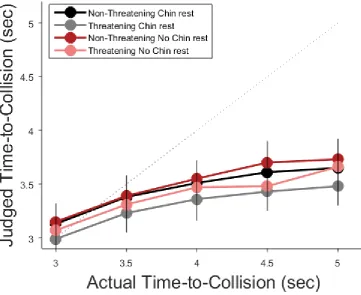
Figure 1 shows the results. An analysis of variance (ANOVA) was run on mean
time-to-collision judgments including the restriction manipulation (chin rest, no chin rest),
stimulus category (threatening, non-threatening) and actual time-to-collision (3.0, 3.5, 4.0,
4.5, 5.0 s) as within-subjects factors. There was a significant effect of actual TTC, F(4, 116) =
43.56, p < 0.0001, ƞp² = 0.71, with judgments increasing monotonically with actual
time-to-collision. There was also a main effect of stimulus category, F(1, 29) = 9.98, p < 0.005, ƞp² =
0.26, with judgments being reduced for threatening compared to non-threatening stimuli, a
replication of our previous results (Vagnoni et al., 2012, 2015). Finally, there was also a
significant effect of the restriction manipulation F(1, 29) = 6.05, p < 0.03, ƞp² = 0.17, with
judgments being reduced in the chin rest condition relative to no chin rest condition. There
were no significant interactions (ps > 0.1).
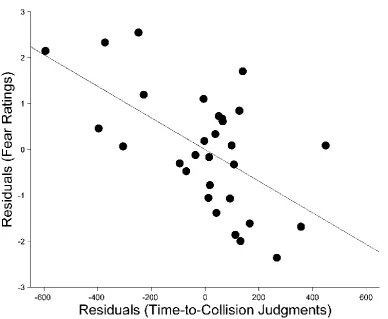
To isolate variance specifically related to individual differences in fear of the
threatening stimuli, fear ratings for snakes and spiders were regressed on ratings for
butterflies and rabbits, and we calculated the residuals. Similarly, for TTC judgments, mean
judgments for threatening stimuli were regressed on judgments for non-threatening stimuli
and we calculated the residuals. The residuals estimated how much more afraid of snakes
and spiders a participant was than would have been predicted by their fear of butterflies
and rabbits. In the case of TTC judgments, the residuals estimated how much earlier a
participant judged the arrival time of threatening stimuli than would have been predicted by
their TTC for non-threatening stimuli. The residuals for fear and TTC judgments were
significantly negatively correlated, r(28) = -0.589, p < 0.001 (Figure 2), indicating that people
who reported more fear of snakes and spiders, relative to their fear of butterflies and
replicate the relation between underestimation of TTC and the specific fears of participants
we have reported previously (Vagnoni et al., 2012; 2015).
To calculate the correlation between the underestimation effect in the chin rest
condition and claustrophobic fear, we regressed TTC judgments in the chin rest condition on
those in the no chin rest condition, and calculated the residuals. We then correlated that
index with the total scores at the CLQ and separately for the two scales (SS and RS). There
was no correlation with the total scores, r(28) = 0.13, p = .46, nor with either the SS scale
r(28) = 0.06, p = .38, or with the RS scale r(28) = .17, p = .18.
Stimulus Category Mean (SD)
Snakes 0.60 (1.09)
Spiders -1.11 (0.96)
Butterflies -2.50 (1.66)
Rabbits -2.44 (1.82)
Table 1. The mean (with SD) fear ratings for the four stimulus categories of the modified version of the Fear of Spiders Questionnaire (Szymanski & O'Donohue, 1995) where a score of +3 indicates high levels of fear and -3 indicates low levels of fear.
CLQ total score 60.20 (19.01)
SS subscale 26.56 (8.79)
[image:14.595.121.483.296.591.2]RS subscale 33.63 (11.72)
Table 2. The mean (with SD) of the total mean scores for claustrophobic fear (CLQ total score), for the fear of suffocation subscale (SS) and the fear of restriction subscale (RS).
Figure 2. Scatterplot showing relation of TTC judgments and fear. For both TTC judgments and fear ratings, variance specifically related to the threatening stimuli was isolated by calculating the residuals regressing scores for threatening on those for non-threatening stimuli. These residuals were significantly negatively correlated, indicating that greater fear was associated with increased tendency to
underestimate TTC. The grey line represents the least-squares regression line, regressing fear on TTC judgments.
Analysis of Participant’s Views on Experimental Hypotheses
One potential concern about these results is that the experimental hypotheses may
have been transparent to the participants, which may have influenced their
performance.On one hand we believe that the chin rest is not an obvious manipulation
given that it is not commonly used to restrict people and that participants, to comply with
our hypotheses, should have made many assumptions (they would have had to have
interpret this underestimation as an adaptive response that allows the observer to have
more time to engage in a defensive behaviour, that the chin rest was used to encumber
them and that while encumbered they would have underestimated more the TTC).
Moreover, if the hypotheses were transparent to the participants we should have found an
interaction between chin-rest condition and threat as hypothesized but not found.
Nevertheless, given the importance of this point we decided to collect data to
address it. To directly investigate this issue, we tested ten participants on an abbreviated
version of Experiment 1 and then asked them about their beliefs regarding the experimental
hypotheses. Specifically, after completing the behavioural task, we asked participants the
following questions and recorded their responses:
“Do you have any thoughts about our experimental hypotheses?”
“Do you think that the chin rest has influenced your responses? How?”
“Do you think that the semantic content of the stimuli has influenced your
responses? How?”
The majority of the participants (8 out of 10) did not have any thoughts about our
experimental hypotheses or had a wrong guess. Two participants mentioned that they
thought that we expected to find faster responses to threatening stimuli. Critically, none of
the participants mentioned either that the chin rest led to faster judgments or that they
thought that we were expecting such a pattern. When participants described how the chin
rest affected their TTC judgments their responses did not follow a specific pattern. Indeed
one participant claimed that the stimuli looked less dangerous and further away in the chin
rest condition while others, in contrast, felt that the stimuli looked closer when using the
their responses, while others felt that it slowed them, given that the chin rest acted as a
distractor or because it had a calming effect.
Neither the descriptions of the effect of the semantic content of the stimuli on the
TTC judgments were consistent. Indeed, while some participants had the impression that
the threatening stimuli speeded their responses others claimed that they were slowed down
by them. Some of the participants reported that it was not the semantic content of the
stimuli that influenced their responses but their orientation on the screen (e.g. facing
forward/backward) or their size in the real-world. Therefore, from these results, it seems
that both the restriction effect and the threat effect are not due to the experimental
demand characteristics.
Discussion
We replicated the classic TTC underestimation effect with judged TTC being
underestimated relative to actual TTC (McLeod & Ross, 1983; Schiff & Oldak, 1990; Neuhoff,
2001). The underestimation was not present for the shortest TTC, a result consistent with
previous results (McLeod & Ross, 1983; Cavallo & Laurent, 1988; Schiff et aI., 1992) showing
that TTC estimation improves as velocity increases. Sidaway and colleagues (Sidaway et al.,
1996) suggested that more intense optic flow fields increase the accuracy of the perception
of TTC. Indeed, a higher velocity of approach means a greater rate of flow in the optic array.
Therefore, the rate, and consequently the number, of texture elements crossing the retina
increases as velocity of approach increases.
We found that time-to-collision judgments of approaching stimuli were influenced
by our motor abilities. Having restricted ability to move led observers to use a more
conservative margin of safety. We also replicated our finding that the arrival time of
2012). However, these two effects did not interact. Restriction of movement produced an
overall decrease in judged TTC, but did not modulate the effect of threatening semantic
content. It seems that being encumbered led the participants to be more conservative in
their judgments with any object approaching their body, such that even if the looming
stimulus was represented by a non-threatening object, participants assured themselves with
a bigger margin of safety. Importantly, both the effect of restriction and the threat effect do
not seem to be mere consequences of the experimental demand characteristics.
Moreover, we replicated our finding that more fearful participants underestimated
more the arrival time of the feared objects. However, more claustrophobic participants did
not underestimate more the arrival time of looming stimuli when encumbered.
The stronger underestimation of looming stimuli while encumbered is in line with a
previous study on looming sounds (Neuhoff et al., 2012). Neuhoff and colleagues (2012)
measured each participant's strength and cardiovascular fitness, demonstrating that
listeners with lower levels of strength and cardiovascular fitness have a larger anticipatory
bias in their perceived auditory arrival time. In this experiment, we wanted to investigate if
transitory changes in the possibility to move also modulate the anticipatory bias.
The adaptive meaning of this effect is clear, having reduced motor abilities leads the
observer to use a more conservative margin of safety. Having weaker motor abilities led the
observer to underestimate more the arrival time of looming objects. Indeed, the observer
that has reduced ability to move needs more time to engage in a defensive behaviour.
Another possibility is that in the chin rest condition participants were wobbling less.
It has been shown that adding cross modal noise through wobbling in subject’s position can
improve TTC judgments (Ranjit et al., 2015). Several studies have shown how wobbling
showed that target tracking task can be improved by adding lateral noise to the chair where
subjects sat during the task. Necker (2007) argued that head-bobbing (i.e., a rhythmic
forward and backward movement of head while walking) enhance depth perception.
Experiment 2: How general is the modulation of momentary action capability?
One possible hypothesis of the increased underestimation of time-to-collision when
observers are restrained is that their PPS representation enlarged during the restriction
condition. Having reduced movement ability could influence the representation of our
safety zone, leading one to consider an object relatively far as closer because of the
awareness of being encumbered. Several tasks have been used to investigate PPS. In this
second experiment we employed a behavioural task in which the participants bisect lines at
different distances. Previous results have shown that people show a small leftward bias
(pseudoneglect) when bisecting lines in near space which gradually shifts to a rightward bias
with increased viewing distance (e.g., Varnava et al., 2002; Longo & Lourenco, 2006; 2007).
In this experiment, we asked participants to bisect lines with a laser pointer at several
viewing distances with or without a chin rest. Here, we investigated the generality of the
effect of the chin rest found in Experiment 1. If there is a modulation of the capability of
movement in this task the chin rest manipulation should affect the spatial gradient of
bisection biases, leading to a reduction in rightward bias at farther distances. Previous work
has shown that increasing effort on a line bisection task leads to a contraction of PPS
(Lourenco & Longo, 2009). Specifically, participants wearing heavy weights on their wrist
with increasing distance, suggesting that the nearest locations were represented as being
farther away (Lourenco & Longo, 2009).
Method
Participants
Nineteen members of the Birkbeck community (9 female) between 22 and 50 years
of age, mean age 34.4 years, participated for payment or course credit. The sample size in
this experiment was smaller relative to Experiment 1 given that there were fewer
experimental conditions. Participants were generally right-handed as assessed by the
Edinburgh Inventory (M: 72.98, range: -90.9 - 100) (Oldfield, 1971). Participants reported
normal or corrected-to-normal vision. Procedures were approved by the local ethics
committee.
Stimuli, Design, and Procedure
Stimuli were lines (height: 1 mm) of 4 different lengths, from 4 cm (length 1), 8 cm
(length 2), 16 cm (length 3) to 32 cm (length 4). The lines were grey and drawn on a
laminated matte black A3 paper (width 29.7 cm, height 42 cm).
Participants were tested in a large room where they bisected lines of 4, 8, 16, and 32
cm using a laser pointer at six distances from 30 to 180 cm, at 30 cm intervals (30, 60, 90,
120, 150, and 180 cm). Distances were marked on the floor with tape. Lines were centred on
A3 laminated matte paper and attached horizontally to a whiteboard. A different sheet of
activated and attached to the head of a tripod, the height of which was adjusted for each
participant’s comfort. The tripod was positioned to the right of the participant. When the
participant thought to have found the midpoint of the line, a picture of the pointing was
taken with a webcam controlled through a MATLAB (Mathworks, Natick, MA) script.
There were a total of 96 trials, during half of them the participants were performing the
bisection using the chin rest (chin rest condition) while in the other half they were
performing the bisection without the chin rest (no chin rest condition). The conditions were
pseudo randomised in an ABBA order.
Analysis
Data from 2 participants were removed due to computer problems. For each
participant, mean percent deviations were calculated for each distance and for each
condition (chin rest vs. no chin rest). In each condition, data were fit with multiple linear
regression for each participant, and parameter estimates of slope and y-intercepts were
used for subsequent analyses. The slope in the analysis indexes the rate at which bias shifts
rightward with increasing distance, a measure of the ‘‘size” of PPS. It has been previously
shown that tool-use produces a reduction of slope without a corresponding change in
intercept (Longo & Lourenco, 2006; Hunley et al., 2017), indicating that closer and farther
distances become less distinct with the farther distances being treated as if they are nearer
in space – an extension of PPS. Moreover, we tested for a reduction of slope in the chin rest
condition given that we hypothesized that the use of the chin rest would have expanded the
Results and Discussion
We found significant rightward shifts in bias with increasing viewing distance in both
the chin rest condition (mean slope, β = 0.73 line length/meter), t(18) = 3.15, p < 0.01, d =
0.69, and no chin rest condition (mean slope, β = 0.63 line length/meter), t(18) = 2.58, p <
0.02, d = 0.56. This replicates previous reports that viewing distance modules bisection
biases (e.g., Varnava et al., 2002; Longo & Lourenco, 2006; 2007). Critically, however, this
shift was not modulated by the chin rest and was similar in both conditions, t(18) = 0.39 p =
0.70, dz = 0.08 (Fig. 3). Further, the mean y-intercept was not significantly different in the
two conditions t(18) = -0.44, p = 0.66, d = 0.09.
Data were also analysed using analysis of variance (ANOVA) with condition (chin rest
vs. no chin rest) and distance (30–180 cm) as within-subjects factors. There was a significant
main effect of distance, F(5, 80) = 4.61, p = .001, ƞp² = 0.22, but, critically, no effect of
condition, F(1, 16) = 0.00, p = 0.96, ƞp² = 0.00, nor an interaction between distance and
condition, F(5, 80) = 1.73, p = 0.13, ƞp² = 0.09, suggesting that the rightward shift in bias
across distance was not affected by the chin rest manipulation (Fig. 3).
These results provide a clear replication of the shift in lateral attentional bias
between near space and far space. Critically, however, this transition does not appear to be
modulated by the use of a chin rest. To exclude the possibility that the lack of the
immobilization effect in Experiment 2 is not merely linked to lack of power (smaller sample
size relative to Experiment 1) we performed a Bayesian Repeated Measures ANOVA using
JASP software. The results show that the Bayes Factor of the null hypothesis against the
alternative hypothesis (BF 01) for the factor chin rest, no chin rest is equal to 6.610, which
constitutes moderate evidence in support of the null hypothesis. Therefore it seems that the
the BF 01 for the factor distances is 0.008, which represents strong evidence for the
alternative hypothesis. This means that, contrary to the effect of chin rest, the effect of
distance can be considered a strong effect.
There are several possible explanations for the lack of the immobilization effect in
Experiment 2. It is possible that the effect found in the first experiment is not linked directly
to representations of PPS. In this case, the immobilization effect could be described as an
anticipatory bias modulated by the motor system’s capability.
Another possibility is that the line bisection task has been used to investigate the
“space for action” function of the PPS. It is conceivable that the chin rest manipulation
doesn’t influence the “space for action” but only the “defensive” function of the PPS (de
Vignemont & Iannetti, 2015). Alternatively, immobilization with a chin rest may have effects
specific to head-centred PPS. Lourenco and Longo (2009) found that bisection biases were
clearly modulated by applying heavy wrist-weights to the arm. No such effect, however, was
found for wearing a heavy backpack, though that manipulation has been shown to modulate
other processes, such as distance perception (Proffitt et al., 2003) and locomotor imagery
(Decety et al., 1989). Thus, the bisection task may specifically reflect hand-centred
peripersonal space. Thus, different methods of movement restriction (heavy backpack, wrist
weights, chin-rest) may produce selective effects on different aspects of perception.
Another possibility is represented by the fact that visual-motor calibration depends on
response modality (Kunz et al., 2013). Indeed, it has been found that there is no transfer of
Figure 3. Mean (and SE) rightward bisection bias for chin rest and no chin rest conditions. Negative values indicate leftward bias while positive values rightward bias.
General Discussion
Our motor abilities influence TTC judgments. Indeed, having less possibility of
movement lead observers to adjust their judgments so that they assure themselves with a
margin of time to start a defensive response if needed. In Experiment 1, participants
showed reduced TTC judgments when they were immobilized with a chin rest compared to
when they stood freely. The results also provided a clear replication of our previous finding
that TTC judgments of threatening stimuli (i.e., snakes, spiders) are underestimated
correlated with participant’s specific fears of these categories (Vagnoni et al., 2012; 2015).
These two effects, however, did not interact as hypothesized. Indeed, immobilization did
not modulate the effect of threat. Experiencing the immobilization could have enhanced the
margin of safety independently from the semantic content of the approaching object so that
participants were more conservative in their judgments even when the looming object was
represented by a non-threatening stimulus.
This result is consistent with a recent finding (Kandula et al., 2016) where less skilled
participants (non-video games players) underestimated the location of an approaching ball
only when the task was difficult; indeed, the momentary action capability, in this case, was
manipulated by using two difficulty levels in a virtual reality experiment. The
underestimation of looming stimuli in the encumbered condition is not only in line with
previous ones showing how physical fitness influences TTC judgments (Neuhoff et al., 2012)
but it also extends them. Indeed, we recalibrate our judgments even for temporary changes
in our motor abilities. This result has clear adaptive meaning: if our body is temporarily
encumbered, then we need more time to engage in a defensive behaviour. Once again, we
showed that threatening stimuli were more underestimated that non-threatening stimuli
and that more fearful participants underestimated more the arrival time of the feared
objects. These effects could have an evolutionary origin. It has been proposed that fear
shaped our visual system (Isbell, 2009). In particular, it has been argued that the fear of
snakes prompted the evolutionary changes in the visual system of mammals (Isbell, 2009).
However, it is interesting to note that the same was not true for claustrophobic fear:
observers who are more claustrophobic did not underestimate more the arrival time of
looming stimuli in the chin rest condition. Moreover, we found no interaction between the
Both our motor abilities and individual differences modulate TTC judgments.
However, we do not know at which stage of information processing this modulation occurs.
Several authors claim that emotion, internal states, and physical efforts influence
perception, making people aware of both the opportunities and the costs associated with
action (Proffitt, 2006). Another possibility is that the recalibration intervenes at later
post-perceptual stages (Firestone, 2013; Firestone & Scholl, 2014), for example, during action
planning. On this interpretation, the perceived rate of expansion on the retina would be
interpreted accurately, while judgments would be influenced by the semantic content of the
stimulus, our specific fears, and our promptness to react. Thus, although our results provide
evidence that restricted action ability influences TTC judgments, they do not provide clear
evidence about whether this modulation occurs at a perceptual level, or at later cognitive
stages in which the results of perceptual processing are used to construct a behavioural
judgment. It is important to note that from our results it seems that both the effect of
immobilization and the threat effects are not simply due to the experimental demand
charcteristics.
Looming stimuli have been used in different paradigms to investigate PPS
representation both in monkeys (Cooke et al., 2003; Graziano and Cooke, 2006) and humans
(Canzoneri et al., 2012). The effects found with the TTC task could be interpreted as changes
in PPS. For example, the underestimation of TTC could be interpreted as an enlargement of
PPS. Previous studies have shown how PPS is flexible, so that the possibility to act in the far
space through a tool expands the PPS (Berti & Frassinetti, 2000) while the effort in
performing an action shrinks it (Lourenco & Longo, 2009). In our case, being mildly
earlier in the encumbered condition relative to when the participants were not
encumbered.
With Experiment 2, we were specifically interested in investigating the generality of
the modulation of momentary action ability. The results of Experiment 2 showed no effect
of the chin rest manipulation. It is possible that the immobilization effect found in the first
experiment doesn’t represent a consequence of the PPS expansion but an anticipatory bias
modulated by the motor system’s capability. However, another possibility is that in the two
experiments we are tapping two different aspects of PPS. Recently, a dual model of
peripersonal space has been proposed, based on a clear functional distinction between
bodily protection and goal-directed action (de Vignemont & Iannetti, 2015). The authors
argue that the two functions of PPS require distinct sensory and motor processes that obey
different principles. It is possible that in the first experiment we explored the “defensive”
function of the peripersonal space whereas in the second experiment we explored the
“space for action” function. It is true that the line bisection task has been widely used to
investigate the modulation of the PPS intended as the “reaching space” and in the task used
the participants were always capable of bisecting the line, the chin rest did not impair their
possibility of action on the environment. An explanation for the lack of the chin rest effect in
the Experiment 2 is that this manipulation modulates the defensive PPS while failing to
modulate the “space for action” PPS. Indeed, even if mildly encumbered, participants were
always able to bisect the lines, such that there were no significant consequences on their
References
Ball, W., & Tronick, E. (1971). Infant Responses to Impending Collision : Optical and Real,
171, 818–820.
Berti, A., & Frassinetti, F. (2000). When far becomes near: remapping of space by tool
use. Journal of cognitive neuroscience, 12, 415-420.
Bhalla, M., & Proffitt, D. R. (1999). Visual–motor recalibration in geographical slant
perception. Journal of Experimental Psychology: Human Perception and
Performance, 25, 1076.
Bremmer, F., Schlack, A., Shah, N. J., Zafiris, O., Kubischik, M., Hoffmann, K. P., Zilles K., Fink
G.R. (2001). Polymodal motion processing in posterior parietal and premotor cortex: a
human fMRI study strongly implies equivalencies between humans and monkeys.
Neuron, 29, 287-296.
Brendel, E., DeLucia, P. R., Hecht, H., Stacy, R. L., & Larsen, J. T. (2012) Threatening pictures
induce shortened time-to-contact estimates. Attention, Perception, & Psychophysics,
74, 979-987.
Brozzoli, C., Gentile, G., Petkova, V. I., & Ehrsson, H. H. (2011). FMRI adaptation reveals a
cortical mechanism for the coding of space near the hand. The Journal of Neuroscience,
31, 9023-9031.
Canzoneri, E., Magosso, E., & Serino, A. (2012). Dynamic sounds capture the boundaries of
peripersonal space representation in humans. PloS One, 7, e44306.
Cavallo, V., Laurent, M. (1988). Visual information and skill level in time-to-collision
estimation. Perception, 17, 623–632.
Cooke, D. F., & Graziano, M. S. (2003). Defensive movements evoked by air puff in
monkeys. Journal of Neurophysiology, 90, 3317-3329.
Cowey, A., Small, M., & Ellis, S. (1994). Left visuo-spatial neglect can be worse in far than in
near space. Neuropsychologia, 32, 1059-1066.
Decety, J., Jeannerod, M., & Prablanc, C. (1989). The timing of mentally represented
actions. Behavioural brain research, 34, 35-42.
Dean, A. M., Oh, J., Thomson, C. J., Norris, C. J., & Durgin, F. H. (2016). Do Individual
Differences and Aging Effects in the Estimation of Geographical Slant Reflect Cognitive
de Vignemont, F., & Iannetti, G. D. (2015) How many peripersonal spaces?
Neuropsychologia, 70, 327–334.
Durgin, F. H., Baird, J. A., Greenburg, M., Russell, R., Shaughnessy, K., & Waymouth, S.
(2009). Who is being deceived? The experimental demands of wearing a backpack.
Psychonomic Bulletin & Review, 16(5), 964-968.
Durgin, F. H., Klein, B., Spiegel, A., Strawser, C. J., & Williams, M. (2012). The Social
Psychology of Perception Experiments: Hills, Backpacks, Glucose, and the Problem of
Generalizability. Journal of Experimental Psychology-Human Perception and
Performance, 38(6), 1582-1595
Firestone, C. (2013). How “paternalistic” is spatial perception? Why wearing a heavy
backpack doesn’t—and couldn’t—make hills look steeper. Perspectives on
Psychological Science, 8, 455-473.
Firestone, C., & Scholl, B. J. (2014). “Top-down” effects where none should be found the El
Greco fallacy in perception research. Psychological Science, 25, 38-46.
Frost, B. J., & Sun, H. (2004). The biological bases of time-to-collision computation. Advances
in psychology, 135, 13-37.
Gabbiani, F., Krapp, H. G., Koch, C. & Laurent, G. (2002). Multiplicative computation in a
visual neuron sensitive to looming. Nature, 420, 320–324.
Gamberini, L., Seraglia, B., & Priftis, K. (2008). Processing of peripersonal and extrapersonal
space using tools: Evidence from visual line bisection in real and virtual
environments. Neuropsychologia, 46, 1298-1304.
Gentilucci, M., Fogassi, L., Luppino, G., Matelli, M., Camarda, R., & Rizzolatti, G. (1988).
Functional organization of inferior area 6 in the macaque monkey. Experimental Brain
Research, 71, 475-490.
Gibson, J. J. (1958). Visually controlled locomotion and visual orientation in animals. British
journal of psychology, 49, 182-194.
Gray, J. R., Blincow, E., & Robertson, R. M. (2010). A pair of motion-sensitive neurons in the
locust encode approaches of a looming object. Journal of Comparative Physiology. A,
Neuroethology, Sensory, Neural, and Behavioral Physiology, 196, 927–38.
Graziano, M. S., & Cooke, D. F. (2006). Parieto-frontal interactions, personal space, and
Graziano, M. S., Taylor, C. S. R., Moore, T. Complex movements evoked by microstimulation
of precentral cortex. Neuron, 34, 841-851.
Halligan, P. W., & Marshall, J. C. (1991). Spatial compression in visual neglect: a case
study. Cortex, 27, 623-629.
Haselton, M. G., & Nettle, D. (2006). The paranoid optimist: An integrative evolutionary
model of cognitive biases. Personality and Social Psychology Review, 10, 47-66.
Hatsopoulos N., Gabbiani F., Laurent G. (1995) Elementary computation of object approach
by a wide-field visual neuron. Science, 270, 1000–1003.
Holmes, N. P., & Spence, C. (2004). The body schema and the multisensory representation
(s) of peripersonal space. Cognitive Processing, 5, 94–105.
Hunley, S. B., Marker, A. M., & Lourenco, S. F. (2017). Individual differences in the flexibility
of peripersonal space. Experimental Psychology, 64, 49-55.
Iriki, A., Tanaka, M., & Iwamura, Y. (1996). Coding of modified body schema during tool use
by macaque postcentral neurones. Neuroreport, 7, 2325-2330.
Isbell, L. A. (2009). The fruit, the tree, and the serpent. Harvard University Press.
Ishikane, H., Gangi, M., Honda, S., & Tachibana, M. (2005). Synchronized retinal oscillations
encode essential information for escape behavior in frogs. Nature neuroscience, 8,
1087-1095.
Jackson, R. E. (2009). Individual differences in distance perception. Proceedings of the Royal
Society of London B: Biological Sciences, 276, 1665-1669
Jones, P. W., & Gabbiani, F. (2010). Synchronized neural input shapes stimulus selectivity in
a collision-detecting neuron. Current Biology, 20, 2052-2057.
Kandula, M., Hofman, D., & Dijkerman, H. C. (2016). Location estimation of approaching
objects is modulated by the observer’s inherent and momentary action capabilities.
Experimental Brain Research, 234, 2315–2322.
King, S. M., Dykeman, C., Redgrave, P., & Dean, P. (1992). Use of a distracting task to obtain
defensive head movements to looming visual stimuli by human adults in a laboratory
setting. Perception, 21, 245-259.
Kunz, B. R., Creem-Regehr, S. H., & Thompson, W. B. (2013). Does Perceptual-Motor
Calibration Generalize across Two Different Forms of Locomotion? Investigations of
Longo, M. R., & Lourenco, S. F. (2006). On the nature of near space: Effects of tool use and
the transition to far space. Neuropsychologia, 44, 977-981.
Longo, M. R., & Lourenco, S. F. (2007). Space perception and body morphology: Extent of
near space scales with arm length. Experimental Brain Research, 177, 285–290.
Lourenco, S. F., & Longo, M. R. (2009). The plasticity of near space: Evidence for
contraction. Cognition, 112, 451-456.
Lourenco, S. F., Longo, M. R., & Pathman, T. (2011). Near space and its relation to
claustrophobic fear. Cognition, 119, 448–53.
Makin, T. R., Holmes, N. P., & Zohary, E. (2007). Is that near my hand? Multisensory
representation of peripersonal space in human intraparietal sulcus. The Journal of
Neuroscience, 27, 731-740.
McLeod, R. W., & Ross, H. E. (1983). Optic-flow and cognitive factors in time-to-collision
estimates. Perception, 12, 417-423.
Náñez, J. (1988). Perception of impending collision in 3-to 6-week-old human infants. Infant
Behavior and Development, 11, 447-463.
Necker, R. (2007). Head-bobbing of walking birds. Journal of comparative physiology A, 193,
1177-1183.
Neuhoff, J. G. (2001). An adaptive bias in the perception of looming auditory
motion. Ecological Psychology, 13, 87-110.
Neuhoff, J. G. (1998). Perceptual bias for rising tones. Nature, 395, 123-124.
Neuhoff, J. G., Long, K. L., & Worthington, R. C. (2012). Strength and physical fitness predict
the perception of looming sounds. Evolution and Human Behavior, 33, 318-322.
Oldfield, R. C. (1971). The assessment and analysis of handedness: The Edinburgh inventory.
Neuropsychologia, 9, 97-113.
Oliva, D., Medan, V., & Tomsic, D. (2007). Escape behavior and neuronal responses to
looming stimuli in the crab Chasmagnathus granulatus (Decapoda: Grapsidae). Journal
of Experimental Biology, 210, 865-880.
Preuss T, Osei-Bonsu PE, Weiss SA, Wang C, Faber DS. (2006). Neural representation of
object approach in a decision-making motor circuit. Journal of Neuroscience, 26, 3454–
3464.
Proffitt, D. R. (2006). Embodied perception and the economy of action. Perspectives on
Proffitt, D. R., Bhalla, M., Gossweiler, R., & Midgett, J. (1995). Perceiving geographical
slant. Psychonomic Bulletin & Review, 2, 409-428.
Proffitt, D. R., Stefanucci, J., Banton, T., & Epstein, W. (2003). The role of effort in perceiving
distance. Psychological Science, 14, 106-112.
Rachman, S., & Taylor, S. (1993). Analyses of claustrophobia. Journal of Anxiety Disorders, 7,
281–291.
Radomsky, A. S., Rachman, S., Thordarson, D. S., McIsaac, H. K., & Teachman, B. A. (2001).
The claustrophobia questionnaire. Journal of Anxiety Disorders, 15, 287–297.
Ranjit, M., Gazula, H., Hsiang, S.M., & DeLucia, P.R. (2015). Stochastic Resonance in
Time-to-Contact Judgments. Fluctuation and Noise Letters, 14, 1550021.
Repperger, D. W., Phillips, C. A., Berlin, J. E., Neidhard-Doll, A. T. & Haas, M. W. (2005).
Human-machine haptic interface design using stochastic resonance methods, IEEE
Transactions on systems, man, and cybernetics-part A: Systems and Humans, 35,
574-582.
Rind, F. C. (1996). Intracellular characterization of neurons in the locust brain signaling
impending collision. Journal of Neurophysiology, 75, 986-995.
Rind, F. C., & Simmons, P. J. (1992). Orthopteran DCMD neuron: a reevaluation of responses
to moving objects. I. Selective responses to approaching objects. Journal of
Neurophysiology, 68, 1654-1666.
Rind, F. C., & Simmons, P. J. (1997). Signaling of object approach by the DCMD neuron of the
locust. Journal of Neurophysiology, 77, 1029-1033.
Rind, F. C., & Simmons, P. J. (1999). Seeing what is coming: building collision-sensitive
neurones. Trends in Neurosciences, 22, 215-220.
Rizzolatti, G., Fadiga, L., Fogassi, L., & Gallese, V. (1997). The space around us. Science, 277,
190.
Rizzolatti, G., Camarda, R., Fogassi, L., Gentilucci, M., Luppino, G., Matelli, M. (1988).
Functional organization of inferior area 6 in the macaque monkey II. Area F5 and the
control of distal movements. Experimental Brain Research, 71, 491–507.
Schiff W., Caviness J. A., Gibson J. J. (1962) Persistent fear responses in rhesus monkeys to
Schiff, W., & Oldak, R. (1990). Accuracy of judging time to arrival: effects of modality,
trajectory, and gender. Journal of Experimental Psychology: Human Perception and
Performance, 16, 303.
Schiff, W., Oldak, R., & Shah, V. (1992). Aging persons' estimates of vehicular motion.
Psychology and aging, 7, 518.
Seraglia, B., Priftis, K., Cutini, S., & Gamberini, L. (2012). How tool use and arm position
affect peripersonal space representation. Cognitive processing, 13, 325-328.
Sereno, M. I., & Huang, R. S. (2014). Multisensory maps in parietal cortex. Current opinion in
neurobiology, 24, 39-46.
Sidaway, B., Fairweather, M., Sekiya, H., & McNitt-Gray, J. (1996). Time-to-collision
estimation in a simulated driving task. Human Factors: The Journal of the Human
Factors and Ergonomics Society, 38, 101-113.
Spence, C., Pavani, F. & Driver, J. (2004). Spatial constraints on visual-tactile cross-modal
distractor congruency effects. Cognitive, Affective, & Behavioral Neuroscience, 4,
148-169.
Stefanucci, J. K., & Proffitt, D. R. (2009). The roles of altitude and fear in the perception of
height. Journal of Experimental Psychology: Human Perception and Performance, 35,
424.
Stefanucci, J. K., Proffitt, D. R., Clore, G. L., & Parekh, N. (2008). Skating down a steeper
slope: Fear influences the perception of geographical slant. Perception, 37, 321.
Sun, H., & Frost, B. J. (1998). Computation of different optical variables of looming objects in
pigeon nucleus rotundus neurons. Nature Neuroscience, 1, 296-303.
Szymanski, J., & O'Donohue, W. (1995). Fear of spiders questionnaire. Journal of Behavior
Therapy and Experimental Psychiatry, 26, 31-34.
Teachman, B. a, Stefanucci, J. K., Clerkin, E. M., Cody, M. W., & Proffitt, D. R. (2008). A new
mode of fear expression: perceptual bias in height fear. Emotion, 8, 296-301.
Vagnoni, E., Lourenco, S. F., & Longo, M. R. (2012) Threat modulates perception of looming
visual stimuli. Current Biology, 22, R826-R827.
Vagnoni, E., Lourenco, S. F., & Longo, M. R. (2015). Threat modulates neural responses to
looming visual stimuli. European Journal of Neuroscience, 42, 2190-2202.
Varnava, A., McCarthy, M., & Beaumont, J. G. (2002). Line bisection in normal adults:
Witt, J. K. (2011). Action’s effect on perception. Current Directions in Psychological Science,
20, 201-206.
Wu, L. Q., Niu, Y. Q., Yang, J., & Wang, S. R. (2005). Tectal neurons signal impending collision
of looming objects in the pigeon. European Journal of Neuroscience, 22, 2325-2331.
Xiao, Q., & Frost, B. J. (2009). Looming responses of telencephalic neurons in the pigeon are
modulated by optic flow. Brain Research, 1305, 40-46.
Xiao, Q., Li, D. P., & Wang, S. R. (2006). Looming-sensitive responses and receptive field
organization of telencephalic neurons in the pigeon. Brain Research Bulletin, 68,
322-328.
Yonas, A., Pettersen, L., & Lockman, J. J. (1979). Young infants' sensitivity to optical
information for collision. Canadian Journal of Psychology/Revue canadienne de
Acknowledgments
E.V. was supported by a studentship from the Economic and Social Research Council. M.R.L.
was supported by European Research Council grant ERC- 2013-StG-336050 under the FP7.