P r o t e c t E D C o d e of P r a c ti c e .
I n s t r u m e n t 3 : S t u d e n t
H a r a s s m e n t & S e x u al As s a ul t
Woo t t o n , AB, M a r s ell e, M R, D av ey, CL, N u t t a ll, B a n d Jo n e s , T
T i t l e
P r o t e c t E D C o d e of P r a c ti c e . I n s t r u m e n t 3 : S t u d e n t
H a r a s s m e n t & S e x u al As s a ul t
A u t h o r s
Woo t t o n , AB, M a r s e ll e, M R, D av ey, CL, N u t t all, B a n d
Jo n e s , T
Typ e
Bo o k S e c ti o n
U RL
T hi s v e r si o n is a v ail a bl e a t :
h t t p :// u sir. s alfo r d . a c . u k /i d/ e p ri n t/ 4 1 3 4 1 /
P u b l i s h e d D a t e
2 0 1 7
U S IR is a d i gi t al c oll e c ti o n of t h e r e s e a r c h o u t p u t of t h e U n iv e r si ty of S alfo r d .
W h e r e c o p y ri g h t p e r m i t s , f ull t e x t m a t e r i al h el d i n t h e r e p o si t o r y is m a d e
f r e ely a v ail a bl e o nli n e a n d c a n b e r e a d , d o w nl o a d e d a n d c o pi e d fo r n o
n-c o m m e r n-ci al p r iv a t e s t u d y o r r e s e a r n-c h p u r p o s e s . Pl e a s e n-c h e n-c k t h e m a n u s n-c ri p t
fo r a n y f u r t h e r c o p y ri g h t r e s t r i c ti o n s .
Instrument 3: Student Harassment & Sexual Assault
Ensuring the Safety, Security & Wellbeing of HEI Students & Assets
Ensuring the Safety, Security & Wellbeing
of HEI Students & Assets
SELF ASSESSMENT WORKBOOK
Instrument 3:
Student Harassment & Sexual Assault
Andrew B. Wootton, Melissa R. Marselle & Caroline L. Davey Design Against Crime Solution Centre, University of Salford
Brian Nuttall K7 Compliance Ltd
Instrument 3: Student Harassment & Sexual Assault – Version 1
Copyright © 2016 Andrew B. Wootton, Melissa R. Marselle, Caroline L. Davey, Brian Nuttall & Trevor Jones
Published by ProtectED
University of Salford,
Design Against Crime Solution Centre, New Adelphi Building,
Salford M5 4WT United Kingdom
National 0161 295 2693
International (+44) 161 295 2693
e-mail (for orders) [email protected]
Visit our Home Page at http://www protect-ed.org
All rights reserved. No part of this publications may be reproduced, stored in a retrieval system, or transmitted in any form or by any means, electronic, mechanical, photocopying, recording, scanning or otherwise, except under the terms of the Copyright, Designs and Patents Act 1988 or under the terms of a licence issued by the Copyright Licensing Agency, 90 Tottenham Court road, London, W1P 9HE, UK, without the permission in writing of the University of Salford, Salford, Greater Manchester, M5 4WT, United Kingdom.
ISBN 978-1-907842-91-7
ProtectED® and the ProtectED logo are registered trademarks of ProtectED, University of Salford.
CONTENTS
04 1. The ProtectED approach to Student Harassment & Sexual Assault 06 2. Specific measures
06 1. Student Harassment & Sexual Assault Policy
28 2. Student Harassment & Sexual Assault Awareness Raising and Service Promotion 52 3. Mitigating Hot Spot Situations
63 4. Service Management and Delivery
ProtectED INSTRUMENT 3
Student Harassment & Sexual Assault
1. The ProtectED approach to Student Harassment & Sexual Assault
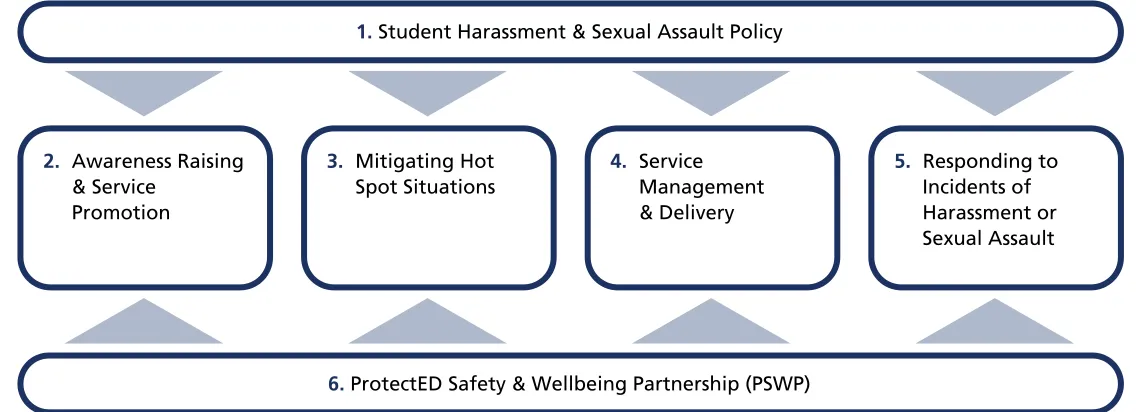
[image:7.842.136.704.209.415.2]This instrument is divided into six sections; the relationships between sections are modelled in Figure 1, below:
Figure 1. Structure of the ProtectED Student Harassment & Sexual Assault instrument
The ProtectED approach is focussed on preventing HEI student harassment and sexual assault, and promoting support services. Thus, Section 2 of the instrument focuses on harassment and sexual assault awareness raising, and promotion of the HEI’s support services. Section 3 continues the preventive focus by concentrating on mitigating hot spot situations in venues on and around campus. Section 4 of the Instrument — 'Service
1.Student Harassment & Sexual Assault Policy
3. Mitigating Hot Spot Situations
2. Awareness Raising & Service
Promotion
5. Responding to Incidents of Harassment or Sexual Assault
6.ProtectED Safety & Wellbeing Partnership (PSWP)
2. Specific measures
1. Student Harassment & Sexual Assault Policy
1.1 The HEI can demonstrate it has appropriate formal written procedures in place, covering harassment and sexual assault. 1.1 The HEI can demonstrate it has appropriate formal written procedures in place, covering harassment and sexual assault. 1.1 The HEI can demonstrate it has appropriate formal written procedures in place, covering harassment and sexual assault.
1.1.1 The HEI has formal written procedures for addressing harassment and sexual assault. 1.1.1 The HEI has formal written procedures for addressing harassment and sexual assault. 1.1.1 The HEI has formal written procedures for addressing harassment and sexual assault.
+ 3
+ 2
í All aspects of previous levels, plus:REQUIRED LEVEL
í All aspects of previous levels, plus:í All aspects of previous levels, plus:
The HEI has a formal written procedure covering harassment and sexual assault, such as:
‣
Bullying and harassment policy‣
Equality and diversity policy‣
Sexual assault policy.í All aspects of previous levels, plus:
í All aspects of previous levels, plus:
GOOD PRACTICE
NUS (2011) ‘Hidden Marks’ report
This is supported by recommendation #1 in the NUS (2011) report (p.30):
GOOD PRACTICE
UUK (2016a) ‘Changing the culture’ report
This is supported by recommendation (ii) in the UUK (2016a) report (p.58):
“Universities should take an institution-wide approach to tackling violence against women, harassment and hate crime.”
The report remarks:
“The university governing body [...] has a
legal duty (under the Equality Act 2010) to eliminate unlawful discrimination and
harassment throughout the institution and promote equality and diversity in line with
the principles in the Higher Education Code of Governance [...].”
(UUK, 2016a, p.51).
GOOD PRACTICE
NUS ‘Hate crimes and incidents in further & higher education’ reports
This is supported by recommendation #1 in the NUS (2011–2012) reports:
commitment to equality and diversity […] through […] codes of conduct, quality and diversity policies and complaint and reporting procedures.”
CASE STUDY
SOAS ‘Preventing and responding to gender based violence’
Section 1.1 of the SOAS (2015) guidance
document contains a section on awareness-raising for students.
For more information, see: https://
1. Student Harassment & Sexual Assault Policy
1.1 The HEI can demonstrate it has appropriate formal written procedures in place, covering harassment and sexual assault. 1.1 The HEI can demonstrate it has appropriate formal written procedures in place, covering harassment and sexual assault. 1.1 The HEI can demonstrate it has appropriate formal written procedures in place, covering harassment and sexual assault.
1.1.2 The HEI has formal written procedures for cyberbullying. 1.1.2 The HEI has formal written procedures for cyberbullying. 1.1.2 The HEI has formal written procedures for cyberbullying.
+ 3
+ 2
í All aspects of previous levels, plus:REQUIRED LEVEL
í All aspects of previous levels, plus:í All aspects of previous levels, plus:
The HEI has a formal written procedure addressing cyberbullying. This may be included within existing policies, such as:
‣
Social media policy‣
Acceptable use policy‣
Bullying and harassment policy‣
Equality and diversity policy‣
Sexual assault policy.Mention of cyberbullying within existing policies should:
‣
Describe the forms of cyberbullying‣
Refer specifically to social media‣
Promote positive use of technologyí All aspects of previous levels, plus:
‣
Outline legal and institutional consequences of cyberbullying‣
Provide advice for staff and students on how to respond‣
Include reporting and evaluation of instances of cyberbullying.GOOD PRACTICE
NUS ‘Cyberbullying’ briefing
1. Student Harassment & Sexual Assault Policy
1.1 The HEI can demonstrate it has appropriate formal written procedures in place, covering harassment and sexual assault. 1.1 The HEI can demonstrate it has appropriate formal written procedures in place, covering harassment and sexual assault. 1.1 The HEI can demonstrate it has appropriate formal written procedures in place, covering harassment and sexual assault.
1.1.3 The HEI has a formal written procedure for raising awareness of student harassment and sexual assault. 1.1.3 The HEI has a formal written procedure for raising awareness of student harassment and sexual assault. 1.1.3 The HEI has a formal written procedure for raising awareness of student harassment and sexual assault.
+ 3
+ 2
í All aspects of previous levels, plus:REQUIRED LEVEL
í All aspects of previous levels, plus:í All aspects of previous levels, plus:
The policy should detail awareness raising activities for students on the issues of
cyberbullying, harassment and sexual assault.
í All aspects of previous levels, plus:
í All aspects of previous levels, plus:
GOOD PRACTICE
NUS (2011) ‘Hidden Marks’ report
This is supported by recommendation #1 in the NUS (2011) report (p31):
“Develop a cross-institutional policy to tackle violence against women students.”
This policy should “set out how the institution and Students’ Union will develop and implement
GOOD PRACTICE
NUS ‘Hate crimes and incidents in further & higher education’ reports
This is supported by recommendation #2 in the NUS (2011-2012) reports:
“Develop preventative and education activity on prejudice and hate [...] [such as]
events that celebrate diversity and encourage integration.”
CASE STUDY
SOAS ‘Preventing and responding to gender based violence’
Section 1.1 of the SOAS (2015) guidance
document contains a section on awareness-raising for students.
For more information, see: https://
1. Student Harassment & Sexual Assault Policy
1.1 The HEI can demonstrate it has appropriate formal written procedures in place, covering harassment and sexual assault. 1.1 The HEI can demonstrate it has appropriate formal written procedures in place, covering harassment and sexual assault. 1.1 The HEI can demonstrate it has appropriate formal written procedures in place, covering harassment and sexual assault.
1.1.4 The HEI has a formal written procedure regarding staff and student training in addressing harassment and sexual assault. 1.1.4 The HEI has a formal written procedure regarding staff and student training in addressing harassment and sexual assault. 1.1.4 The HEI has a formal written procedure regarding staff and student training in addressing harassment and sexual assault.
+ 3
+ 2
í All aspects of previous levels, plus:REQUIRED LEVEL
í All aspects of previous levels, plus:í All aspects of previous levels, plus:
The HEI has a formal procedure that describes staff, Students’ Union Officer, and student training in relation to prevention and response to cyberbullying, harassment and sexual assault.
This may be included within a policy document.
í All aspects of previous levels, plus:
í All aspects of previous levels, plus:
GOOD PRACTICE
NUS (2011) ‘Hidden Marks’ report
The NUS (2011) report suggests a policy should:
“Enable students and staff to recognise and effectively deal with violence and
harassment against women students.”
GOOD PRACTICE
NUS ‘Hate crimes and incidents in further & higher education’ reports
This is supported by recommendation #5 in the NUS (2011-2012) reports:
“HE institutions should ensure those working in their counselling and advice
services are aware of the mental health impact of [hate crime] incidents.”
GOOD PRACTICE
UUK (2016a) ‘Changing the culture’ report
This is supported by recommendations (viii), (ix) and (xii) in the UUK (2016a) report (p.58/59):
“Universities should embed a zero-tolerance approach across all institutional activities including [...] student inductions
(including international student inductions), and student information.”
“Universities should take meaningful steps
to embed into their human resources processes (such as contracts, training,
zero-tolerance culture and are empowered to take responsibility for this.”
“Universities should conduct a thorough assessment of which staff members need to be trained and what training needs to be provided. A clear, multi-tiered training strategy covering different types of incident can then be developed.”
CASE STUDY
SOAS ‘Preventing and responding to gender based violence’
Section 1.2 of the SOAS (2015) policy states awareness-raising and response to incidents of sexual violence will occur in the Diversity and Inclusion mandatory training courses for all new staff. Further training will be given to key staff
(e.g. personal tutors).
For more information, see: https://
1. Student Harassment & Sexual Assault Policy
1.1 The HEI can demonstrate it has appropriate formal written procedures in place, covering harassment and sexual assault. 1.1 The HEI can demonstrate it has appropriate formal written procedures in place, covering harassment and sexual assault. 1.1 The HEI can demonstrate it has appropriate formal written procedures in place, covering harassment and sexual assault.
1.1.5 The HEI has formal written procedures for recording incidents relating to student harassment and sexual assault.*
1.1.5 The HEI has formal written procedures for recording incidents relating to student harassment and sexual assault.*
1.1.5 The HEI has formal written procedures for recording incidents relating to student harassment and sexual assault.*
+ 3
+ 2
í All aspects of previous levels, plus:REQUIRED LEVEL
í All aspects of previous levels, plus:í All aspects of previous levels, plus:
The HEI has formal procedures regarding incident recording for cyberbullying, harassment and sexual assault. This should also detail measures to encourage reporting of cyberbullying, harassment or sexual assault incidents.
This may be included within a policy document.
í All aspects of previous levels, plus:
í All aspects of previous levels, plus:
GOOD PRACTICE
NUS (2011) ‘Hidden Marks’ report
This is supported by recommendation #10 in the NUS (2011) report (p.30):
“Provide accessible ways for women students to report their experiences.”
GOOD PRACTICE
UUK (2016a) ‘Changing the culture’ report
This is supported by recommendations (x) and (xi) in the UUK (2016a) report (p.59):
“Universities should develop a clear, accessible and representative disclosure response for incidents of sexual violence
and rape, working with relevant external agencies where appropriate.”
“Universities should take reasonable and practicable steps to implement a
centralised reporting system.”
1.
Student Harassment & Sexual Assault Policy
1.1 The HEI can demonstrate it has appropriate formal written procedures in place, covering harassment and sexual assault. 1.1 The HEI can demonstrate it has appropriate formal written procedures in place, covering harassment and sexual assault. 1.1 The HEI can demonstrate it has appropriate formal written procedures in place, covering harassment and sexual assault.
1.1.6 The HEI and SU have a ‘zero-tolerance’ approach to harassment and sexual assault. 1.1.6 The HEI and SU have a ‘zero-tolerance’ approach to harassment and sexual assault. 1.1.6 The HEI and SU have a ‘zero-tolerance’ approach to harassment and sexual assault.
+ 3
+ 2
í All aspects of previous levels, plus:REQUIRED LEVEL
í All aspects of previous levels, plus:í All aspects of previous levels, plus:
The HEI and SU have a ‘zero-tolerance’ approach to cyberbullying, harassment and sexual assault.
The HEI implements partnership agreements / Code of Conduct between the student and the university that:
‣
Highlight the behaviours that are expected from all students as part of the university community‣
Set out disciplinary sanctions‣
State the university’s commitment to ensuring the safety and wellbeing of students.í All aspects of previous levels, plus:
GOOD PRACTICE
NUS (2011) ‘Hidden Marks’ report
This is supported by recommendation #2 in the NUS (2011) report (p.30):
“Institutions and students’ unions should adopt a ‘zero-tolerance’ approach to non-verbal and non-verbal sexual harassment; this
would send out a strong signal that such behaviour is unacceptable both within and
outside of the learning environment.”
GOOD PRACTICE
NUS ‘Hate crimes and incidents in further & higher education’ reports
This is supported by recommendation #3 in the NUS (2011-2012) reports:
“Prevent or mitigate against hate incidents […] HE institutions must make it clear that
hate-related behaviour is not acceptable, through the active enforcement of codes of
GOOD PRACTICE
UUK (2016a) ‘Changing the culture’ report
This is supported by recommendations (vii) and (viii) in the UUK (2016a) report (p.58):
“Universities should ensure that partnership agreements between the student and the university highlight up-front the behaviours
that are expected from all students as part of the university community, set out
disciplinary sanctions and state the university’s commitment to ensuring the
safety and wellbeing of students.”
“Universities should embed a zero-tolerance
approach across all institutional activities [...]”
CASE STUDY
University of Manchester SU ‘We get it’
The University of Manchester Students’ Union “We get it: Zero tolerance to bullying and harassment” campaign communicates the SU’s zero-tolerance approach to sexual harassment, and harassment motivated by racism,
CASE STUDY
University of Manchester SU ‘We get it’
The University of Manchester Students’ Union “We get it: Zero tolerance to bullying and harassment” campaign communicates the SU’s zero-tolerance approach to sexual harassment, and harassment motivated by racism,
homophobia, biphobia, transphobia, disablism, religious discrimination and sexism.
The campaign is supported by the Pro Vice Chancellor, which has led to partnership working between the University and the SU on the campaign.
The campaign was a runner-up in the 2015 NUS Awards, see: http://www.nusawards.org.uk/ runners-up/we-get-it-zero-tolerance-to-sexual-harassment/
For more information visit:
http://manchesterstudentsunion.com/wegetit; and
1. Student Harassment & Sexual Assault Policy
1.1 The HEI can demonstrate it has appropriate formal written procedures in place, covering harassment and sexual assault. 1.1 The HEI can demonstrate it has appropriate formal written procedures in place, covering harassment and sexual assault. 1.1 The HEI can demonstrate it has appropriate formal written procedures in place, covering harassment and sexual assault.
1.1.7 The HEI has formal written procedures for responding to harassment or sexual assault perpetrated by its staff or students 1.1.7 The HEI has formal written procedures for responding to harassment or sexual assault perpetrated by its staff or students 1.1.7 The HEI has formal written procedures for responding to harassment or sexual assault perpetrated by its staff or students
+ 3
+ 2
í All aspects of previous levels, plus:REQUIRED LEVEL
í All aspects of previous levels, plus:í All aspects of previous levels, plus:
The HEI has a formal written procedures for dealing with cyberbullying, harassment or sexual assault perpetrated by one of its staff or students (e.g. Disciplinary Regulations).
HEI Disciplinary Regulations detail the sanctions to students who breach the partnership agreement / Code of Conduct (see 1.1.6, above).
In the case of allegations of cyberbullying, harassment or sexual assault that involve university staff and students, or university students as both victim and accused perpetrator, the Disciplinary Regulations detail the
precautionary actions the HEI may impose on the accused perpetrator (see UUK, 2016b, Chapter 8, p.8).
í All aspects of previous levels, plus:
HEIs should follow the recommendations in the UUK (2016b) guidance for higher education institutions ‘How to handle alleged student misconduct which may also constitute a criminal offence’ when formulating this formal written procedure.
GOOD PRACTICE
UUK (2016a) ‘Changing the culture’ report
This is supported by recommendation (vii) in the UUK (2016a) report (p.58):
“Universities should ensure that partnership agreements between the student and the university highlight up-front the behaviours that are expected from all students as part
of the university community, set out disciplinary sanctions and state the
university’s commitment to ensuring the safety and wellbeing of students.”
GOOD PRACTICE
UUK (2016b) ‘How to handle alleged student misconduct which may also constitute a criminal offence’
Basis for Disciplinary Action’ and ‘Precautionary Action’ provide recommendations to HEIs on developing a Code of Conduct on unacceptable behaviour and the scope of Disciplinary
Regulations.
GOOD PRACTICE
NUS (2011) ‘Hidden Marks’ report
This is supported by recommendation #13 in the NUS (2011) report (p.30):
“Take decisive and appropriate action against perpetrators.”
A policy should “set out how the institution will respond to violence against women perpetrated
by its own students.” (p.5).
GOOD PRACTICE
NUS ‘Hate crimes and incidents in further & higher education’ reports
This is supported by recommendation #3 in the NUS (2011-2012) reports:
One way to do this is to ensure student
perpetrators are disciplined quickly and decisively.
CASE STUDY
SOAS ‘Preventing and responding to gender based violence’
Section 1.5 of the SOAS (2015) guidance details the School’s response to allegations of gender based violence. It states that the alleged student perpetuator will be considered in line with the School’s current Student Disciplinary Procedure. It
also details the School’s response to victims.
For more information, see: https://
1. Student Harassment & Sexual Assault Policy
1.1 The HEI can demonstrate it has appropriate formal written procedures in place, covering harassment and sexual assault. 1.1 The HEI can demonstrate it has appropriate formal written procedures in place, covering harassment and sexual assault. 1.1 The HEI can demonstrate it has appropriate formal written procedures in place, covering harassment and sexual assault.
1.1.8 The HEI has formal written procedures for support service provision in relation to student harassment and sexual assault. 1.1.8 The HEI has formal written procedures for support service provision in relation to student harassment and sexual assault. 1.1.8 The HEI has formal written procedures for support service provision in relation to student harassment and sexual assault.
+ 3
+ 2
í All aspects of previous levels, plus:REQUIRED LEVEL
í All aspects of previous levels, plus:í All aspects of previous levels, plus:
The HEI has a formal written procedure to ensure support services are adequately resourced and working effectively. To do this, the operation and capacity of these services should be regularly assessed in relation to demand and effectiveness.
This may be included within an existing policy document.
í All aspects of previous levels, plus:
í All aspects of previous levels, plus:
GOOD PRACTICE
UUK (2016a) ‘Changing the culture’ report
This is supported by recommendations (iii) and (iv) in the UUK (2016a) report (p.58):
towards adopting a cross-institution approach. This should include reporting on the resource made available and used to support an effective cross-institution approach, including any recommendations for additional resource.”
2. Student Harassment & Sexual Assault Awareness Raising and Service Promotion
A ProtectED university takes a preventative approach to harassment and sexual assault affecting its students.
2.1 The HEI undertakes harassment and sexual assault awareness raising. 2.1 The HEI undertakes harassment and sexual assault awareness raising. 2.1 The HEI undertakes harassment and sexual assault awareness raising.
2.1.1 The HEI and/or SU provides harassment and sexual assault awareness raising events and initiatives. 2.1.1 The HEI and/or SU provides harassment and sexual assault awareness raising events and initiatives. 2.1.1 The HEI and/or SU provides harassment and sexual assault awareness raising events and initiatives.
+ 3
+ 2
í All aspects of previous levels, plus:REQUIRED LEVEL
í All aspects of previous levels, plus:í All aspects of previous levels, plus:
The HEI and/or SU raise awareness of cyberbullying, harassment and sexual assault among staff and students.
í All aspects of previous levels, plus:
í All aspects of previous levels, plus:
GOOD PRACTICE
NUS (2011) ‘Hidden Marks’ report
The NUS Hidden Marks report makes suggestions for what such an awareness campaign could entail (p.31):
‣
What constitutes harassment, stalking, violence and sexual assault‣
The prevalence of this violence‣
How it affects women‣
The relationship between violence and gender inequality.GOOD PRACTICE
NUS ‘Hate crimes and incidents in further & higher education’ reports
This is supported by recommendation #2 in the NUS (2011-2012) reports:
“Develop preventative and education activity on prejudice and hate […] [such as]
raise awareness of what constitutes a hate incident and the negative impact this has
on victims […] [and] events that celebrate diversity and encourage integration.”
GOOD PRACTICE
NUS ‘Cyberbullying’ briefing
“As the internet can be very difficult to regulate, tackling cyberbullying on an institutional basis mainly rests on better education about the impact bullying has on the whole community of people and making students aware of the avenues open to
open to them in terms of support and advice.”
2. Student Harassment & Sexual Assault Awareness Raising and Service Promotion
2.2 Student Harassment and Sexual Assault Orientation. 2.2 Student Harassment and Sexual Assault Orientation. 2.2 Student Harassment and Sexual Assault Orientation.
2.2.1 The HEI runs mandatory Sexual Consent workshops for new students. 2.2.1 The HEI runs mandatory Sexual Consent workshops for new students. 2.2.1 The HEI runs mandatory Sexual Consent workshops for new students.
+ 3
+ 2
í All aspects of previous levels, plus:REQUIRED LEVEL
í All aspects of previous levels, plus:The HEI uses innovative measures to raise awareness and educate about issues of cyberbullying, harassment and sexual assault.
í All aspects of previous levels, plus:
The HEI has compulsory sexual consent workshops for new students.
í All aspects of previous levels, plus:
The HEI uses innovative measures to raise awareness and educate about issues of cyberbullying, harassment and sexual assault.
í All aspects of previous levels, plus:
GOOD PRACTICE
UUK (2016a) ‘Changing the culture’ report
This is supported by recommendation (viii) in the UUK (2016a) report (p.58):
“Universities should embed a zero-tolerance approach across all institutional activities including outreach activities with
schools and further education colleges, engagement with local bars and
nightclubs, student inductions (including international student inductions), and
student information.”
CASE STUDY
Rutgers University ‘SCREAM theatre’
SCREAM (Students Challenging Realities and Educating Against Myths) Theatre is a peer educational, interactive theatre group that provides information about sexual assault, dating violence, same-sex violence, stalking, bullying and peer harassment.
All SCREAM plays are written and performed by Rutgers University students.
GOOD PRACTICE
NUS Connect (2015) I Heart Consent Workshop Guide
The NUS I Heart Consent Workshop Guide is an aid to help individuals deliver student sexual consent workshops on campus.
For more information, visit: http://
www.nusconnect.org.uk/resources/i-heart-consent-workshop-guide
— is mentioned by the US Government for ‘bystander-focused prevention of sexual violence’ (https://www.notalone.gov/assets/ bystander-summary.pdf).
For more information visit: http://
vpva.rutgers.edu/scream-theater-and-scream-athletes/
Watch: https://youtu.be/bxWS5aeeGhQhttps:// youtu.be/ba2dVLQZJ_g?t=3s
GOOD PRACTICE
NUS Connect (2015) I Heart Consent Workshop Guide
The NUS I Heart Consent Workshop Guide is an aid to help individuals deliver student sexual consent workshops on campus.
For more information, visit: http://
www.nusconnect.org.uk/resources/i-heart-consent-workshop-guide
— is mentioned by the US Government for ‘bystander-focused prevention of sexual violence’ (https://www.notalone.gov/assets/ bystander-summary.pdf).
For more information visit: http://
vpva.rutgers.edu/scream-theater-and-scream-athletes/
Watch: https://youtu.be/bxWS5aeeGhQhttps:// youtu.be/ba2dVLQZJ_g?t=3s
CASE STUDY
Cambridge University consent course
Cambridge University has introduced
compulsory sexual consent workshops for new, first-year students. The 30-minute workshops are run in individual colleges with training from the Cambridge University Students’ Union Women’s Officer: http://www.womens.cusu. cam.ac.uk/consent/scwpr.pdf
The workshops are a response to a recent survey of Cambridge University students that found
46% of female students had been groped, 8.4% experienced attempted sexual penetration
and 4.4% had been sexually assaulted (ibid).
CASE STUDY
MaD Theatre Company & Essential Safeguarding ‘Black Eyes & Cottage Pie’
play and film
The MaD Theatre Company’s play and short film ‘Black Eyes and Cottage Pie,’ “raises awareness about domestic abuse within intimate teenage relationships.”
“It tells the story of Jodie, who is in an abusive relationship, and how over time
this escalating abuse impacts on her life. The play and film also highlights issues of
sexuality, adult domestic abuse, consent, sexting and the power of positive peer
In its second year, the workshops are now implemented in the majority of colleges at Cambridge University: h ttp://www.cambridge- news.co.uk/Cambridge-University-college-holds-mandatory/story-27984376-detail/story.html
CASE STUDY
MaD Theatre Company & Essential Safeguarding ‘Black Eyes & Cottage Pie’
play and film
The MaD Theatre Company’s play and short film ‘Black Eyes and Cottage Pie,’ “raises awareness about domestic abuse within intimate teenage relationships.”
“It tells the story of Jodie, who is in an
abusive relationship, and how over time this escalating abuse impacts on her life.
The play and film also highlights issues of sexuality, adult domestic abuse, consent,
sexting and the power of positive peer relationships.”
The play and film are part of wider training
about the impact of domestic abuse and how young people can spot signs of an unhealthy
and unsafe intimate teenage relationship.
For more information visit: http://
www.madtheatrecompany.co.uk/black-eyes-cottage-pie-2/
Watch at: https://youtu.be/oBUvaNcOCGE
In its second year, the workshops are now implemented in the majority of colleges at Cambridge University: h ttp://www.cambridge- news.co.uk/Cambridge-University-college-holds-mandatory/story-27984376-detail/story.html
CASE STUDY
MaD Theatre Company & Essential Safeguarding ‘Black Eyes & Cottage Pie’
play and film
The MaD Theatre Company’s play and short film ‘Black Eyes and Cottage Pie,’ “raises awareness about domestic abuse within intimate teenage relationships.”
“It tells the story of Jodie, who is in an
abusive relationship, and how over time this escalating abuse impacts on her life.
The play and film also highlights issues of sexuality, adult domestic abuse, consent,
sexting and the power of positive peer relationships.”
The play and film are part of wider training
about the impact of domestic abuse and how young people can spot signs of an unhealthy
and unsafe intimate teenage relationship.
For more information visit: http://
www.madtheatrecompany.co.uk/black-eyes-cottage-pie-2/
Watch at: https://youtu.be/oBUvaNcOCGE
CASE STUDY
MaD Theatre Company & Essential Safeguarding ‘Black Eyes & Cottage Pie’
play and film
The MaD Theatre Company’s play and short film ‘Black Eyes and Cottage Pie,’ “raises awareness about domestic abuse within intimate teenage relationships.”
“It tells the story of Jodie, who is in an
abusive relationship, and how over time this escalating abuse impacts on her life.
The play and film also highlights issues of sexuality, adult domestic abuse, consent,
sexting and the power of positive peer relationships.”
The play and film are part of wider training
about the impact of domestic abuse and how young people can spot signs of an unhealthy
and unsafe intimate teenage relationship.
For more information visit: http://
www.madtheatrecompany.co.uk/black-eyes-cottage-pie-2/
Watch at: https://youtu.be/oBUvaNcOCGE
CASE STUDY
SOAS sexual content workshops
In 2016, SOAS will facilitate mandatory sexual consent workshops for new students as part of its approach to raising awareness and reducing gender-based violence on campus.
For more information, see:
https://www.soas.ac.uk/equalitydiversity/gender-based-violence/ and
http://londonstudent.coop/news/2015/12/07/ soas-introduces-mandatory-consent-workshops/
CASE STUDY
MaD Theatre Company & Essential Safeguarding ‘Black Eyes & Cottage Pie’
play and film
The MaD Theatre Company’s play and short film ‘Black Eyes and Cottage Pie,’ “raises awareness about domestic abuse within intimate teenage relationships.”
“It tells the story of Jodie, who is in an
abusive relationship, and how over time this escalating abuse impacts on her life.
The play and film also highlights issues of sexuality, adult domestic abuse, consent,
sexting and the power of positive peer relationships.”
The play and film are part of wider training
about the impact of domestic abuse and how young people can spot signs of an unhealthy
and unsafe intimate teenage relationship.
For more information visit: http://
www.madtheatrecompany.co.uk/black-eyes-cottage-pie-2/
Watch at: https://youtu.be/oBUvaNcOCGE
CASE STUDY
MaD Theatre Company & Essential Safeguarding ‘Black Eyes & Cottage Pie’
play and film
The MaD Theatre Company’s play and short film ‘Black Eyes and Cottage Pie,’ “raises awareness about domestic abuse within intimate teenage relationships.”
“It tells the story of Jodie, who is in an
abusive relationship, and how over time this escalating abuse impacts on her life.
The play and film also highlights issues of sexuality, adult domestic abuse, consent,
sexting and the power of positive peer relationships.”
The play and film are part of wider training
about the impact of domestic abuse and how young people can spot signs of an unhealthy
and unsafe intimate teenage relationship.
For more information visit: http://
www.madtheatrecompany.co.uk/black-eyes-cottage-pie-2/
Watch at: https://youtu.be/oBUvaNcOCGE
CASE STUDY
University of York gender-neutral sexual content workshops
In September 2016, the University of York will give a ‘consent and respect’ talk as part of the University’s safety talk to all new undergraduate
CASE STUDY
MaD Theatre Company & Essential Safeguarding ‘Black Eyes & Cottage Pie’
play and film
The MaD Theatre Company’s play and short film ‘Black Eyes and Cottage Pie,’ “raises awareness about domestic abuse within intimate teenage relationships.”
“It tells the story of Jodie, who is in an
abusive relationship, and how over time this escalating abuse impacts on her life.
The play and film also highlights issues of sexuality, adult domestic abuse, consent,
sexting and the power of positive peer relationships.”
The play and film are part of wider training
about the impact of domestic abuse and how young people can spot signs of an unhealthy
and unsafe intimate teenage relationship.
For more information visit: http://
www.madtheatrecompany.co.uk/black-eyes-cottage-pie-2/
Watch at: https://youtu.be/oBUvaNcOCGE
CASE STUDY
University of York gender-neutral sexual content workshops
In September 2016, the University of York will give a ‘consent and respect’ talk as part of the University’s safety talk to all new undergraduate
CASE STUDY
MaD Theatre Company & Essential Safeguarding ‘Black Eyes & Cottage Pie’
play and film
The MaD Theatre Company’s play and short film ‘Black Eyes and Cottage Pie,’ “raises awareness about domestic abuse within intimate teenage relationships.”
“It tells the story of Jodie, who is in an
abusive relationship, and how over time this escalating abuse impacts on her life.
The play and film also highlights issues of sexuality, adult domestic abuse, consent,
sexting and the power of positive peer relationships.”
The play and film are part of wider training
about the impact of domestic abuse and how young people can spot signs of an unhealthy
and unsafe intimate teenage relationship.
For more information visit: http://
www.madtheatrecompany.co.uk/black-eyes-cottage-pie-2/
Watch at: https://youtu.be/oBUvaNcOCGE
CASE STUDY
University of York gender-neutral sexual content workshops
In September 2016, the University of York will give a ‘consent and respect’ talk as part of the University’s safety talk to all new undergraduate
CASE STUDY
MaD Theatre Company & Essential Safeguarding ‘Black Eyes & Cottage Pie’
play and film
The MaD Theatre Company’s play and short film ‘Black Eyes and Cottage Pie,’ “raises awareness about domestic abuse within intimate teenage relationships.”
“It tells the story of Jodie, who is in an
abusive relationship, and how over time this escalating abuse impacts on her life.
The play and film also highlights issues of sexuality, adult domestic abuse, consent,
sexting and the power of positive peer relationships.”
The play and film are part of wider training
about the impact of domestic abuse and how young people can spot signs of an unhealthy
and unsafe intimate teenage relationship.
For more information visit: http://
www.madtheatrecompany.co.uk/black-eyes-cottage-pie-2/
Watch at: https://youtu.be/oBUvaNcOCGE
CASE STUDY
University of York gender-neutral sexual content workshops
In September 2016, the University of York will give a ‘consent and respect’ talk as part of the University’s safety talk to all new undergraduate
CASE STUDY
MaD Theatre Company & Essential Safeguarding ‘Black Eyes & Cottage Pie’
play and film
The MaD Theatre Company’s play and short film ‘Black Eyes and Cottage Pie,’ “raises awareness about domestic abuse within intimate teenage relationships.”
“It tells the story of Jodie, who is in an
abusive relationship, and how over time this escalating abuse impacts on her life.
The play and film also highlights issues of sexuality, adult domestic abuse, consent,
sexting and the power of positive peer relationships.”
The play and film are part of wider training
about the impact of domestic abuse and how young people can spot signs of an unhealthy
and unsafe intimate teenage relationship.
For more information visit: http://
www.madtheatrecompany.co.uk/black-eyes-cottage-pie-2/
and postgraduate students. The ‘consent and respect’ talk is given by the Students’ Union, is gender-neutral and focuses on personal safety, alcohol and sexual health.
For more information, see:
http://www.independent.co.uk/student/news/ york-university-gender-neutral-sexual-assault-
rape-harassment-consent-classes-a7085181.html
CASE STUDY
Thames Valley Police ‘Consent: It’s as simple as tea’ video
Thames Valley Police created a funny,
educational video explaining consent through the metaphor of making tea:
“Imagine instead of initiating sex you’re making them a cup of tea.”
Watch at: https://youtu.be/pZwvrxVavnQ
and postgraduate students. The ‘consent and respect’ talk is given by the Students’ Union, is gender-neutral and focuses on personal safety, alcohol and sexual health.
For more information, see:
http://www.independent.co.uk/student/news/ york-university-gender-neutral-sexual-assault-
rape-harassment-consent-classes-a7085181.html
CASE STUDY
Thames Valley Police ‘Consent: It’s as simple as tea’ video
Thames Valley Police created a funny,
educational video explaining consent through the metaphor of making tea:
“Imagine instead of initiating sex you’re making them a cup of tea.”
Watch at: https://youtu.be/pZwvrxVavnQ
and postgraduate students. The ‘consent and respect’ talk is given by the Students’ Union, is gender-neutral and focuses on personal safety, alcohol and sexual health.
For more information, see:
http://www.independent.co.uk/student/news/ york-university-gender-neutral-sexual-assault-
rape-harassment-consent-classes-a7085181.html
CASE STUDY
Thames Valley Police ‘Consent: It’s as simple as tea’ video
Thames Valley Police created a funny,
educational video explaining consent through the metaphor of making tea:
“Imagine instead of initiating sex you’re making them a cup of tea.”
Watch at: https://youtu.be/pZwvrxVavnQ
and postgraduate students. The ‘consent and respect’ talk is given by the Students’ Union, is gender-neutral and focuses on personal safety, alcohol and sexual health.
For more information, see:
http://www.independent.co.uk/student/news/ york-university-gender-neutral-sexual-assault-
rape-harassment-consent-classes-a7085181.html
CASE STUDY
Thames Valley Police ‘Consent: It’s as simple as tea’ video
Thames Valley Police created a funny,
educational video explaining consent through the metaphor of making tea:
“Imagine instead of initiating sex you’re making them a cup of tea.”
Watch at: https://youtu.be/pZwvrxVavnQ
and postgraduate students. The ‘consent and respect’ talk is given by the Students’ Union, is gender-neutral and focuses on personal safety, alcohol and sexual health.
For more information, see:
http://www.independent.co.uk/student/news/ york-university-gender-neutral-sexual-assault-
rape-harassment-consent-classes-a7085181.html
CASE STUDY
Thames Valley Police ‘Consent: It’s as simple as tea’ video
Thames Valley Police created a funny,
educational video explaining consent through the metaphor of making tea:
“Imagine instead of initiating sex you’re making them a cup of tea.”
2. Student Harassment & Sexual Assault Awareness Raising and Service Promotion
2.2 Student Harassment and Sexual Assault Orientation. 2.2 Student Harassment and Sexual Assault Orientation. 2.2 Student Harassment and Sexual Assault Orientation.
2.2.2 The HEI runs social media training / workshops for new students on cyberbullying. 2.2.2 The HEI runs social media training / workshops for new students on cyberbullying. 2.2.2 The HEI runs social media training / workshops for new students on cyberbullying.
+ 3
+ 2
í All aspects of previous levels, plus:REQUIRED LEVEL
í All aspects of previous levels, plus:í All aspects of previous levels, plus:
The HEI has social media training / workshops on cyberbullying for new students. The training should educate and raise awareness about:
‣
The HEI’s formal procedures on social media use and cyberbullying, and its zero-tolerance approach‣
Positive use of social media‣
What constitutes bullying and an (online) hate crime‣
The impact of cyberbullying on the victim and perpetrator‣
Support available and how to protect oneself from cyberbullying.í All aspects of previous levels, plus:
GOOD PRACTICE
NUS ‘Hate crimes and incidents in further & higher education’ reports
This is supported by recommendation #2 in the NUS (2011-2012) reports:
“Develop preventative and education activity on prejudice and hate.”
CASE STUDY
Dudley College Union
“The introduction process at Dudley College used workshops to relate to new students cyberbullying policies and procedures.”
“The workshops involved group activities and a series of videos outlining the extent of
cyberbullying, along with the contexts in which it occurs and its impact.”
“Students enjoyed the workshops and
commented on the fact that they have made them more aware of the content and
pictures they post online [...].”
2. Student Harassment & Sexual Assault Awareness Raising and Service Promotion
2.3 Training. 2.3 Training. 2.3 Training.
2.3.1 Level 1 training: Whole institutional population. 2.3.1 Level 1 training: Whole institutional population. 2.3.1 Level 1 training: Whole institutional population.
+ 3
+ 2
í All aspects of previous levels, plus:REQUIRED LEVEL
í All aspects of previous levels, plus:í All aspects of previous levels, plus:
HEI or SU disseminates information about cyberbullying, harassment and sexual assault to the whole institutional population. (NB: this may be in the form of a toolkit).
Examples of what could be included:
‣
What constitutes cyberbullying, harassment and sexual assault‣
Prevalence in university students‣
Your legal rights‣
The HEI’s zero-tolerance approach to cyberbullying, harassment and sexual assault‣
How to respond if you or someone you know has experienced harassment or sexual assault.í All aspects of previous levels, plus:
The HEI or SU run Active Bystander Workshops whereby individuals learn techniques to challenge harassment.
GOOD PRACTICE
UUK (2016a) ‘Changing the Culture’ report
This is supported by recommendations (vi) and (viii) in the UUK (2016a) report (p.58):
“Universities should adopt an evidence-based bystander intervention programme.”
“Universities should embed a
zero-tolerance approach across all institutional activities including outreach activities with
schools and further education colleges, engagement with local bars and
nightclubs, student inductions (including international student inductions), and
student information.”
CASE STUDY
SOAS
information about the “school’s approach to raising awareness of and responding to incidents of sexual violence” (https://www.soas.ac.uk/ equalitydiversity/gender-based-violence/ file107475.pdf).
Further, SOAS “highlight the issue of gender based violence in our mandatory training
materials for new staff, and encourage colleagues to consider how they can embed it in school activities.” (ibid).
CASE STUDY
UWE ‘Intervention Initiative’
The ‘Intervention Initiative’ is a bystander intervention programme to prevent sexual coercion and domestic abuse in UK universities. The Initiative was funded by Public Health England.
The ‘Intervention Initiative’ is an evidence-based,
educational intervention programme involving eight hours of facilitated learning. The
‘Intervention Initiative’ toolkit and all resources are freely available on the project’s website:
www.uwe.ac.uk/interventioninitiative
good practice of an evidence-based bystander intervention programme in the UUK (2016a) ‘Changing the Culture’ report.
CASE STUDY
UCL Students’ Union Active Bystander Workshops
UCL Students’ Union (UCLU) Active bystander workshops are:
“[…] Designed to give UCL students the techniques and the confidence they need
to challenge sexual harassment and street harassment. A bystander is someone who
observes unacceptable behaviour, an active bystander is someone who chooses to act
and challenges that behaviour.”
( http://uclu.org/whats-on/general/active-bystander-workshop).
2. Student Harassment & Sexual Assault Awareness Raising and Service Promotion
2.3 Training. 2.3 Training. 2.3 Training.
2.3.2 Level 1 training: Friends. 2.3.2 Level 1 training: Friends. 2.3.2 Level 1 training: Friends.
+ 3
+ 2
í All aspects of previous levels, plus:REQUIRED LEVEL
í All aspects of previous levels, plus:í All aspects of previous levels, plus:
There is an institution-wide initiative to educate students about how to respond effectively if a friend tells them about an experience of cyberbullying, harassment or sexual assault.
í All aspects of previous levels, plus:
í All aspects of previous levels, plus:
GOOD PRACTICE
NUS ‘Hidden Marks’ website
The NUS Hidden Marks website contains a section on ‘Supporting a friend’ – what someone can do to help a friend who has experienced sexual harassment, stalking, physical or sexual assault.
GOOD PRACTICE
UUK (2016a) ‘Changing the culture’ report
UUK (2016a) report suggests “there should be a clear understanding [...] of who the ‘go to’ people are within the institution, what their role is and what is required to refer a student to them.” (p.53).
See pages 55 and Annexe F of the UUK (2016a) report for referral pathways templates.
CASE STUDY
University of Oregon (USA)
The University of Oregon has an online website detailing ‘How to help a friend’ who has experienced sexual assault.
For more information, see: https://
counseling.uoregon.edu/dnn/SelfhelpResources/ SexualAssaultSexualAbuse/
2. Student Harassment & Sexual Assault Awareness Raising and Service Promotion
2.3 Training. 2.3 Training. 2.3 Training.
2.3.3 Level 2 training: Staff and students who have defined pastoral roles. 2.3.3 Level 2 training: Staff and students who have defined pastoral roles. 2.3.3 Level 2 training: Staff and students who have defined pastoral roles.
+ 3
+ 2
í All aspects of previous levels, plus:REQUIRED LEVEL
í All aspects of previous levels, plus:í All aspects of previous levels, plus:
The HEI and/or SU ensures all staff and students with defined pastoral roles (e.g. personal tutors, course leaders, Students’ Union officers, hall of residence wardens, etc.) receive training in cyberbullying, harassment and sexual assault.
Training may include:
‣
HEI and SU formal procedures for, and a zero-tolerance approach to, student harassment and sexual assault‣
Legal rights‣
Service provision and referral pathways (‘go-to’ staff) for students who have experienced harassment or sexual assault‣
Reporting options available‣
Institutional proceduresí All aspects of previous levels, plus:
‣
Institutional procedures‣
Supportive, non-judgemental response to student disclosures.GOOD PRACTICE
UUK (2016a) ‘Changing the culture’ report
This is supported by recommendations (viii), (ix) and (xii) in the UUK (2016a) report (p.58–59):
“Universities should embed a zero-tolerance approach across all institutional activities including outreach activities with
schools and further education colleges, engagement with local bars and
nightclubs, student inductions (including international student inductions), and
student information.”
“Universities should take meaningful steps
to embed into their human resources processes (such as contracts, training,
inductions) measures to ensure staff understand the importance of fostering a
zero-tolerance culture and are empowered to take responsibility for this.”
to be trained and what training needs to be provided. A clear, multi-tiered training strategy covering different types of incident can then be developed.”
To do this, UUK suggests: “there should be a clear understanding across the staff [...] of who the ‘go to’ people are within the institution, what their role is and what is required to refer a student to them.” (p.53).
See pages 55 and Annexe F of the UUK (2016a) report for referral pathways templates.
to be trained and what training needs to be provided. A clear, multi-tiered training strategy covering different types of incident can then be developed.”
To do this, UUK suggests: “there should be a clear understanding across the staff [...] of who the ‘go to’ people are within the institution, what their role is and what is required to refer a student to them.” (p.53).
See pages 55 and Annexe F of the UUK (2016a) report for referral pathways templates.
CASE STUDY
SOAS
SOAS provide training materials on sexual consent for Student Society officers in order to help prevent sexual coercion in a university setting.
Key staff at SOAS (e.g. Personal Tutors, Academic Advisors, Student Advice and Wellbeing Officers)
also receive bespoke training on the best way to support students and staff who have experienced
sexual harassment or violence.
For more information, see: https://
CASE STUDY
University of Manchester & SU
The University of Manchester has brought in compulsory training for all University staff as part of the University of Manchester Students’ Union ‘We Get It’ zero-tolerance campaign to sexual harassment: http://www.nusawards.org.uk/ runners-up/we-get-it-zero-tolerance-to-sexual-harassment/
So far, 483 members of staff have completed this
online training: http://
manchesterstudentsunion.com/top-navigation/ student-voice/exec-team/women-s-officer/we-get-it/we-get-it-achievements
CASE STUDY
University of Manchester & SU
The University of Manchester has brought in compulsory training for all University staff as part of the University of Manchester Students’ Union ‘We Get It’ zero-tolerance campaign to sexual harassment: http://www.nusawards.org.uk/ runners-up/we-get-it-zero-tolerance-to-sexual-harassment/
So far, 483 members of staff have completed this
online training: http://
manchesterstudentsunion.com/top-navigation/ student-voice/exec-team/women-s-officer/we-get-it/we-get-it-achievements
CASE STUDY
Dudley College Union
Dudley College used the Child Exploitation & Online Protection Centre (CEOP) — a specialist part of the police that deal with online
harassment and exploitation — to train student and staff ambassadors to deliver the ‘thinkuknow’ programme. The CEOP have a ‘thinkuknow’
online behaviour and how staff and students can protect themselves.
For more information, visit:
2. Student Harassment & Sexual Assault Awareness Raising and Service Promotion
2.3 Training. 2.3 Training. 2.3 Training.
2.3.4 Level 3 training: Staff employed to work with or support students who have experienced harassment or sexual assault. 2.3.4 Level 3 training: Staff employed to work with or support students who have experienced harassment or sexual assault. 2.3.4 Level 3 training: Staff employed to work with or support students who have experienced harassment or sexual assault.
+ 3
+ 2
í All aspects of previous levels, plus:REQUIRED LEVEL
í All aspects of previous levels, plus:í All aspects of previous levels, plus:
The HEI ensures that appropriate training is given to university staff employed to work with or support students who have experienced cyberbullying, harassment, or sexual assault. Relevant staff may include university psychological services, student services and security services staff.
These specially trained staff are recognised both internally and externally as the ‘go-to’ people who will manage the response to a reported incident of cyberbullying, harassment or sexual assault.
Responsibilities of ‘go-to’ staff include: recording detailed disclosures and informing the student of their options, collecting forensic evidence, and available internal and external support.
í All aspects of previous levels, plus:
The HEI ensures that appropriate training is given to university staff employed to work with or support students who have experienced cyberbullying, harassment, or sexual assault. Relevant staff may include university psychological services, student services and security services staff.
The specially trained staff are recognised both internally and externally as the ‘go-to’ people who will manage the response to a reported incident of cyberbullying, harassment or sexual assault.
Responsibilities of ‘go-to’ staff include: recording detailed disclosures and informing the student of their options, collecting forensic evidence, and available internal and external support.
The specialist staff are recognised as the first point of contact, internally and externally of the HEI, to ensure that:
‣
Police and specialist agencies can contact them if a student approaches these agencies directlyGOOD PRACTICE
UUK (2016a) ‘Changing the culture’ report
This is supported by recommendation (xii) in the UUK (2016a) report (p.59):
“Universities should conduct a thorough assessment of which staff members need to be trained and what training needs to
be provided. A clear, multi-tiered training strategy covering different types of incident
can then be developed.”
For more information about ‘go-to’ staff, see
pages 52, 55 and Annexe F of the UUK (2016a) report, which demonstrate the role of
‘go-to’ staff.
To do this, the UUK (2016a) report suggests:
“An effective response should involve the
identification and upskilling of specialist staff within the university to act as the key
people who will manage the response to a reported incident of sexual violence
affecting a student within the university [...]. These specialist staff must be
recognised both internally and externally as the ‘go to’ people [...]. They will also be
are including forensics, reporting to the police and available internal and external support [...].” (p.52).
“Wherever possible, detailed disclosures of sexual violence should be taken by the ‘go to’ staff within the institution [...]. Staff taking disclosures should be appropriately trained to ensure they (i) are
3.
Mitigating Hot Spot Situations
3.1 Partnering with key venues. 3.1 Partnering with key venues. 3.1 Partnering with key venues.
3.1.1 Agreement with venues to enforce policies on harassment and sexual assault. 3.1.1 Agreement with venues to enforce policies on harassment and sexual assault. 3.1.1 Agreement with venues to enforce policies on harassment and sexual assault.
+ 3
+ 2
í All aspects of previous levels, plus:Off-campus venues frequented by students have signed a zero-tolerance pledge.
REQUIRED LEVEL
í All aspects of previous levels, plus:í All aspects of previous levels, plus:
Off-campus venues frequented by students have signed a zero-tolerance pledge.
University and Students’ Union venues have signed a zero-tolerance to harassment and sexual assault pledge.
í All aspects of previous levels, plus:
í All aspects of previous levels, plus:
Off-campus venues frequented by students have signed a zero-tolerance pledge.
GOOD PRACTICE
UUK (2016a) ‘Changing the culture’ report
This is supported by recommendation (viii) in the UUK (2016a) report (p.58):
“Universities should embed a zero-tolerance approach across all institutional activities including outreach activities with
schools and further education colleges, engagement with local bars and
nightclubs, student inductions (including international student inductions), and
student information.”
GOOD PRACTICE
UUK (2016a) ‘Changing the culture’ report
This is supported by recommendation (viii) in the UUK (2016a) report (p.58):
“Universities should embed a zero-tolerance approach across all institutional activities including outreach activities with
schools and further education colleges, engagement with local bars and
nightclubs, student inductions (including international student inductions), and
CASE STUDY
Hollaback London’s Good Night Out
campaign
Good Night Out is an independent campaign working with licensed premises (clubs, bars, pubs, venues) around the UK and Ireland to end harassment on nights out.
Good Night Out provide training to university and Students’ Union staff, security and management
on how to create a safe environment, free from sexual harassment.
For more information, and a list of participating
Students’ Unions visit:
http://www.goodnightoutcampaign.org/students-unions/
CASE STUDY
Hollaback London’s Good Night Out
campaign
Good Night Out is an independent campaign working with licensed premises (clubs, bars, pubs, venues) around the UK and Ireland to end harassment on nights out.
Good Night Out train staff, security and
management on how best to handle and prevent
harassment. All participating venues sign the Good Night Out pledge.
Participating venues can then display Good Night
Out posters in their venue to communicate their service and pledge to their customers.