Georgia State University Georgia State University
ScholarWorks @ Georgia State University
ScholarWorks @ Georgia State University
Public Health Theses School of Public Health
Summer 8-12-2014
An Examination of Factors Associated with the Use of Breast,
An Examination of Factors Associated with the Use of Breast,
Cervical, and Colon Cancer Screening Among Foreign-Born and
Cervical, and Colon Cancer Screening Among Foreign-Born and
Non-Foreign Born Individuals in the United States
Non-Foreign Born Individuals in the United States
Netsai Mariga
Follow this and additional works at: https://scholarworks.gsu.edu/iph_theses
Recommended Citation Recommended Citation
Mariga, Netsai, "An Examination of Factors Associated with the Use of Breast, Cervical, and Colon Cancer Screening Among Foreign-Born and Non-Foreign Born Individuals in the United States." Thesis, Georgia State University, 2014.
https://scholarworks.gsu.edu/iph_theses/349
i
An Examination of Factors Associated with the Use of Breast, Cervical, and Colon
Cancer Screening Among Foreign-Born and Non-Foreign Born Individuals in the United
States
By
Netsai N. Mariga, BSN, RN.
GEORGIA STATE UNIVERSITY
A Thesis Submitted to the Graduate Faculty of Georgia State University in
Partial Fulfillment of the Requirements for the Degree
MASTER OF PUBLIC HEALTH
ATLANTA, GEORGIA
ii
APPROVAL PAGE
An Examination of Factors Associated with the Use of Breast, Cervical, and Colon
Cancer Screening Among Foreign-Born and Non-Foreign Born Individuals in the United
States
By
Netsai N. Mariga BSN, RN.
Approved:
Ike Okosun, MS, MPH, PhD, FTOS, FACE
Committee Chair
R. Rothenberg MD, MPH
Committee Member
__July 28, 2014___________
iii
Acknowledgements
I would like to thank the faculty and staff of the School of Public Health at Georgia State
University for educating me for the past 18 months. I would like to acknowledge my
thesis committee members, Dr. I.S. Okosun and Dr. R. Rothenberg for providing
guidance, support, and time during this process. I extend my special appreciation to
Reynolds Morrison, MPH, K. Alcaraz PhD, MPH, J. Chaumba PhD, M. Denhere, PhD,
R. Rondozai, MBA and J. Mutanga, MD, MPH for their valuable time and assistance. To
my son Tonde, brother Farai, sister-in-law Jesca, and my extended family and friends,
you rock. Lastly but not least, I would like to thank God for His blessings
This thesis is dedicated to my late parents, Justus and Rumbidzai Mariga (helping to
iv
Author’s Statement Page
In presenting this thesis as a partial fulfillment of the requirements for an advanced
degree from Georgia State University, I agree that the Library of the University shall
make it available for inspection and circulation in accordance with its regulations
governing materials of this type. I agree that permission to quote from, to copy from, or
to publish this thesis may be granted by the author or, in his/her absence, by the professor
under whose direction it was written, or in his/her absence, by the Associate Dean,
College of Health and Human Sciences. Such quoting, copying, or publishing must be
solely for scholarly purposes and will not involve potential financial gain. It is understood
that any copying from or publication of this dissertation which involves potential
financial gain will not be allowed without written permission of the author.
Netsai N. Mariga BSN, RN
v Notice to Borrowers Page
All theses deposited in the Georgia State University Library must be used in accordance with the stipulations prescribed by the author in the preceding statement.
The author of this thesis is:
Student’s Name: Netsai N. Mariga Street Address: 50 Keyton Dr.
City, State, and Zip Code: Covington, GA, 30016
The Chair of the committee for this thesis is:
Professor’s Name: Dr. Solomon Ike Okosun Department: School of Public Health
College: Health and Human Sciences Georgia State University
P.O. Box 3995
Atlanta, Georgia 30302-3995
Users of this thesis who are not regularly enrolled as students at Georgia State University are required to attest acceptance of the preceding stipulation by signing below. Libraries borrowing this thesis for the use of their patrons are required to see that each user records here the information requested.
NAME OF USER ADDRESS DATE TYPE OF USE
vi Abstract
Background: The number of Foreign Born (FB) individuals in the United States (US) is growing and their health behaviors and beliefs are important to know. In the US, cancer is the second leading cause of death, and there is need to explore factors that are
associated with the use of cancer prevention strategies among FB individuals.
Objective: The study aimed to compare cancer screening rates, assess factors associated with use of cancer screening tests across FB and Non-Foreign Born (NFB) individuals and association between length of stay and use of selected cancer screening tests among FB people.
Methodology: Using the 2012 Health Information National Trends Survey (HINTS) 4, cycle 2 data, which comprised of 3,630 participants of which 513 were FB, logistic regression analyses were conducted to identify predictors of selected cancer screening tests. Independent variables included demographic and selected healthcare, beliefs, and information seeking factors.
Results: There were no significant differences in screening rates for cervical, breast, and colon cancers among the FB and NFB individuals. For breast cancer screening, having had a routine checkup in the last year was found to be associated with increased
likelihood of having a mammography exam. For cervical cancer screening, none of the selected healthcare, beliefs and information seeking factors was found to be significant among the FB individuals. For colon cancer screening, only the information seeking factor “it took a lot of effort to get cancer information” was found to be significant among FB individuals. Length of stay in the US for FB individuals was found be associated with increased likelihood of colon cancer test only.
Conclusion: Inventive and ethnically appropriate strategies are essential to increase awareness for cancer prevention strategies. Well-designed information strategies that take into account the diversity of the US population can lead to benefits such as increased cancer screening.
KEYWORDS: Foreign- Born, Cancer Screening, Information Seeking, Beliefs,
vii
LIST OF TABLES
ACKNOWLEDGEMENTS ... III
LIST OF FIGURES ... VIII
LIST OF TABLES ... IX
CHAPTER I ... 10
INTRODUCTION ... 10
1a. Background ... 10
1b. Purpose of study ... 11
1c. Hypothesis ... 12
1d. Theoretical Framework ... 12
CHAPTER II ... 14
LITERATUREREVIEW ... 14
2a. Foreign Born ... 14
2b Cancer Screening ... 15
2c. Information Seeking ... 16
2d. Health Beliefs ... 17
2e. Healthcare Factors ... 19
CHAPTER III ... 21
METHODOLOGY ... 21
3a. Data Source ... 21
3b. Inclusion and Exclusion Criteria ... 21
3c. Studied Variables ... 22
3d. Data Analysis ... 27
CHAPTER IV ... 28
RESULTS... 28
4a. Descriptive Statistics... 28
4b. Univariate and Multivariate Analyses ... 31
CHAPTER V ... 41
DISCUSSION ... 41
5a. Reticulated Reason for Study ... 41
5b. Strengths ... 45
5c. Limitations ... 45
5d. Implications of Findings to Public Health ... 46
5e. Recommendations for Future Research ... 47
CONCLUSION ... 47
viii
List of Figures
Figure 1. Health Belief Model ... 13
Figure 2 The World Health Organization’s principles of screening ... 16
Figure 3 Sample Selection ... 22
Figure 4 Breast, Cervical, and Colon Cancer Screening Rates by use of Mammography, Pap smear and Colon Cancer Tests in Foreign Born and Non Foreign Born
Individuals ... 30
ix
List of Tables
Table 1. Demographic characteristics and summary statistics of respondents in HINTS 4, cycle 2, N=3630. ... 29 Table 2. Results of Univariate Analysis of Healthcare, Beliefs, and Information Seeking
Factors associated with Mammography use in Foreign Born and Non Foreign Born Individuals. ... 32 Table 3. Results of Univariate Analysis of Healthcare, Beliefs, and Information Seeking
Factors associated with Pap smear use in Foreign Born and Non Foreign Born Individuals. ... 34 Table 4. Results of Univariate Analysis of Healthcare, Beliefs, and Information Seeking
Factors associated with Colon Cancer Test use in Foreign Born and Non Foreign Born Individuals. ... 35 Table 5. Results of Multivariate Analysis of Healthcare, Beliefs, and Information Seeking
Factors associated with Mammography use in Foreign Born and Non Foreign Born Individuals. ... 37 Table 6. Results of Multivariate Analysis of Healthcare, Beliefs, and Information Seeking
Factors associated with Pap smear use in Foreign Born and Non Foreign Born Individuals. ... 38 Table 7. Results of Multivariate Analysis of Healthcare, Beliefs, and Information Seeking
Factors associated with Colon Cancer Test use in Foreign Born and Non Foreign Born Individuals. ... 39 Table 8. Results of Bivariate Analysis of Length of Stay in the US and use of Breast,
10
CHAPTER I
INTRODUCTION
1a. Background
Foreign Born (FB) individuals make up a substantial proportion of United States
(US) residents. The 2010 American Community Surveyestimated the number of FB
individuals in the US to be nearly 40 million, or 13 percent of the total population in the
US (Grieco. E, 2012). The FB population from Latin America was the largest
region-of-birth group, accounting for over half (53 percent) of all foreign born with 28 percent born
in Asia, 12 percent in Europe, 4 percent in Africa, 2 percent in Northern America, and
less than 1 percent in Oceania(Grieco. E, 2012). FB individuals come to the USA with
their beliefs and cultures that will impact the use or accessibility of required health
services. It is, therefore, important to understand their health behaviors and beliefs in
order to provide efficient healthcare services.
There is great need to investigate this diverse group of people in order to better
their health standing and needs. The longer the period the immigrants reside in the US,
the more they need to be screened for chronic diseases including cancer. This is because
after immigration, the health status of immigrants often mirror those of their American
host (Sanou et al., 2014). Cancer is the second leading cause of death in the US, and
accounts for one of every four deaths (Hoyert DL, 2012). Hence, it is important to
investigate factors that change the health behavior of people who emigrate from other
11
an effect on the new way of living of the immigrants that may explain their health
behaviors.
It is also important to indicate that as is the case with cancer incidence, the
disparities in cancer mortality are not exclusively related to race and ethnicity;
socioeconomic dynamics are inseparably linked with the etiologic and disease promotion
or progression agents (Zonderman, Ejiogu, Norbeck, & Evans, 2014). In order to
understand the causes of patterns in cancer mortality, the understanding of factors that
cause cancer death, risk factors for cancer incidence, the use of methods to diagnose
cancer early, and the use of effective methods to treat cancer needs to be examined
(Byers, 2010). The issue is complex and requires the exploration of the factors that are
associated with the use of cancer screening among immigrants in the US. This will assist
in the design of effective policies for increasing screening rates.
1b. Purpose of study
The purpose of this study is to determine the factors that are associated with the
use of cancer screening among the FB individuals in the USA compared to Non-Foreign
Born (NFB) individuals.
Aims of the study
1. Comparison of screening rates in FB and NFB individuals.
2. Examination of factors associated with cancer screening in FB and NFB
12
3. Assessment of the relationship between length of stay of FB individuals in the US
and use of selected cancer screening tests among FB individuals.
1c. Hypothesis
This study theorizes that FB individuals will have a lower likelihood of using
cancer screening interventions. Several reasons have influenced this assumption: 1) For
FB individuals, cancer screening services could be challenging because of lack of
knowledge about healthcare services and the view of cancer as an unfamiliar, frightening,
potentially stigmatizing illness (Carroll et al., 2007). 2) There are different and/or greater
barriers to colorectal cancer screening among FB individuals than those experienced by
their US-born counterparts because of language, culture, and health access barriers
(Redwood-Campbell, Fowler, Laryea, Howard, & Kaczorowski, 2011). 3)
Access-enhancing strategies to FB women had the largest effect in improving cervical cancer
screening uptake. (Redwood-Campbell et al., 2011). Therefore, it is our belief that
differences on healthcare, beliefs, and information seeking factors associated with cancer
screening exist between FB and NFB individuals.
1d. Theoretical Framework
To explain behavior by different people, different health behavior theories have
been utilized. The Health Belief Model is one model that has been used to explain a
process that occurs when engaging in a change in a certain behavior or not, based on the
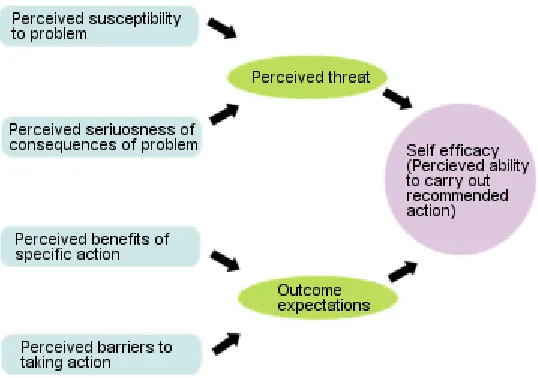
individual’s personal beliefs or perceptions. The four main concepts (see Figure. 1)
13
severity, perceived benefits, and perceived barriers. To enlighten and eventually change
cancer-contributing behaviors among different groups, it is important to have a basic
understanding of how each group varies on general beliefs about cancer and cancer
prevention (Davis, Buchanan, & Lee Green, 2013). FB individuals have different beliefs
and behaviors regarding cancer and cancer prevention efforts, and understanding these
will help health care providers to formulate interventions that are appropriate and can
increase the number of FB individuals who seek screening for cancer.
It is anticipated that the results of the study will assist healthcare professionals in tailoring
the health needs of FB individuals by incorporating their beliefs in the fight for
[image:14.612.191.460.451.640.2]preventing cancer among this group of people.
Figure 1. Health Belief Model
14
CHAPTER II
LITERATURE REVIEW
The literature review will contain compiled research from various studies about
cancer screening and FB individuals. The review will include several different factors
that have been associated with the use of cancer screening in the US. These risk factors
comprise of healthcare factors, information seeking behaviors and beliefs. The literature
is aimed at comprehending the many factors and the ways in which they are linked to
cancer screening. The terms “Foreign Born” and “Immigrant” will be used
interchangeably.
2a. Foreign Born
Clarifying the relationship between race, ethnicity, and foreign birth is important
because it may help identify specific barriers faced by these at-risk populations, and can
create opportunities to intervene and improve health (Goel et al., 2003). The health of FB
persons should be looked at to create opportunities to maintain or improve health.
Acceptance of cancer screening services could be challenging because of lack of
knowledge about the services and the view of cancer as an unfamiliar, frightening,
potentially stigmatizing illness (Carroll et al., 2007). A 2010 systematic review of
interventions to improve cervical cancer screening uptake in immigrant women, mostly in
the US, found that access-enhancing strategies had the largest effect (Redwood-Campbell
et al., 2011). It is important to address barriers to access in order to increase the uptake of
15
Foreign-born Hispanics have been shown to have a lower likelihood of being
screened for Colorectal Cancer (CRC) compared to Hispanics born in the United (Shih,
Elting, & Levin, 2008). This disparity may be due to different and/or greater barriers to
CRC screening than those experienced by their US-born counterparts such as language,
cultural, and health access barriers (Redwood-Campbell et al., 2011). Barriers to CRC
among FB beings need to be identified in order for public health programs to be
formulated. It was also ascertained that several socio-demographic factors were
associated with colorectal cancer screening adherence (Ellison, Jandorf, Villagra, Winkel,
& DuHamel, 2011). Ellison et al. (2011) also found from their study that participants who
were aged 65 years or older, were interviewed in Spanish, had lived in the US for 40
years or more, and were living alone/single were more likely to be adherent to CRC
screening.
2b Cancer Screening
Screening for illness is done to detect disease in individuals without clinical signs
or symptoms of the disease (Bretthauer & Kalager, 2013). Cancer screening, therefore, is
conducted to target the disease before it spreads to other parts of the body to increase the
chances of cure and decrease mortality from it. Early cancer detection can effectively
reduce mortality and morbidity when cancer treatment or precancerous lesions have an
enhanced probability of being treated effectively, and ethnic disparities that exist
compromise preventable mortality and mortality among ethnic women (Gonzalez et al.,
16
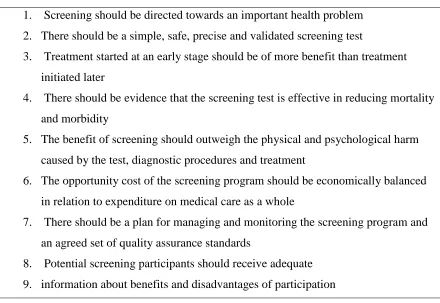
established in 1968 and they are still valid today and also guide the screening procedures
[image:17.612.103.543.194.497.2]as cited in (Bretthauer & Kalager, 2013).
Figure 2. The World Health Organization’s principles of screening
1. Screening should be directed towards an important health problem
2. There should be a simple, safe, precise and validated screening test
3. Treatment started at an early stage should be of more benefit than treatment
initiated later
4. There should be evidence that the screening test is effective in reducing mortality
and morbidity
5. The benefit of screening should outweigh the physical and psychological harm
caused by the test, diagnostic procedures and treatment
6. The opportunity cost of the screening program should be economically balanced
in relation to expenditure on medical care as a whole
7. There should be a plan for managing and monitoring the screening program and
an agreed set of quality assurance standards
8. Potential screening participants should receive adequate
9. information about benefits and disadvantages of participation
2c. Information Seeking
Barriers to cancer screening should be understood, including the importance of
cancer screening awareness, whether the immigrants are getting the information at all. It
is important that all people including immigrants receive information about cancer and
cancer screening. From a study using the 2005 Health Information National Trends
Survey (HINTS) data to examine possible disparities between FB and NFB individuals,
some of the findings were that FB Hispanics were less likely than the NFB persons to
17
also less likely to have had somebody else look for cancer information for them. The
study also found out that foreign-born individuals face greater obstacles during the
process of cancer information seeking, compared to NFB born counterparts, and that
Hispanics also do not trust some of the sources of health information, including doctors.
Furthermore FB individuals were more likely to protect adverse beliefs about cancer than
the NFB (Zhao, 2010).
It is estimated that half of all women in the U.S. who are diagnosed with cervical
cancer have never had a Pap smear, and another 10% have not had a Pap smear in the
previous five years (Owusu et al., 2005). Vulnerable groups including immigrants are
especially likely not to seek preventive health service. This often prohibit health care
services and access to utilization of much needed services that may prevent early
identification and treatment of disease, with the possibility that the care may be more
expensive in the long run, in terms of both financial and human costs (Owusu et al.,
2005).
2d. Health Beliefs
Individuals that immigrate often have beliefs that may be influenced by their
cultures and upbringing. For example, Lee Lin et al. (2007), found that some Chinese
American immigrants still believe that they do not need screening for cervical cancer if
they had no symptoms, or were menopausal, or were not sexually active. Furthermore,
the participants in the study had some beliefs that were not accurate and did not influence
18
length of time spent in the US without sufficient cancer knowledge and information may
strengthen deep seated cultural beliefs that may not be accurate (Lee Lin et al., 2007).
People who immigrate to the US at younger age may end up acclimatizing to the
way of living in the country and are more likely to be screened for cancer as
recommended by the American Cancer Society. Arab Muslims women, who comprise a
small percentage of Muslims worldwide, reported that the Islamic faith had a positive
impact on pursuing health care and taking care of their bodies (Salman, 2012). The author
went on to write that the most significant predictors found among these women included
high education levels, perception of the importance of the screening in finding breast
cancer, years of residency in the United States, and health provider recommendations
(Salman, 2012).
Other health beliefs may influence the use of preventative interventions for cancer
in the US by immigrants. Foreign birth and language are not just indicators of
socioeconomic status and access to health care, but may also be indicators of health
beliefs, knowledge, attitudes, and patient-provider communication concerning cancer
screening and prevention (Kandula, Wen, Jacobs, & Lauderdale, 2006). The researchers
went on to say FB Asian Americans perceive that cancer screening tests are a response to
a specific symptom of cancer rather than tests that are used prior to the development of
symptoms (Kandula et al., 2006). This may be lack of knowledge that preventive
interventions for cancer are useful in detecting and treating cancer early to reduce the
19
better outcomes, it is important to integrate immigrants’ health beliefs and customs into
interventions aimed at increasing screening rates among this group.
2e. Healthcare Factors
The perception of having good health among the foreign born may influence the
health seeking behaviors. Also, the age of the individuals may influence certain health
seeking behaviors. A study of immigrant women's cancer screening behaviors showed
that younger women were likely to have a Pap smear and considered their health status as
good or excellent while those with enhanced English language skills were more likely to
carry out breast self-exams but considered their health status as poor or fair (Ivanov, Hu,
& Leak, 2010). The authors went on to say that other factors like having health
insurance, and longer stay in the US were certainly associated with having a Pap smear
test to screen for cervical cancer and mammogram exams to screen for breast cancer. The
study also found out that Immigrant women have marginal involvement in health
promotion and cancer screening behaviors and there is need for early interventions to
help the immigrants in attaining positive health outcomes (Ivanov et al., 2010). Due to
high incidences of cancer in the US, it is imperative they receive all the care and
screening available to them.
The differences that exist in cancer screening rates between immigrants and the
US-born may partially be due to a lower occurrence of cancer screening and regular
doctor visits that would help in detecting the presence of cancer (McDonald & Neily,
20
more likely they are to get screened for cancer and also the more likely they are to utilize
diagnostic health services just like the US-born (McDonald & Neily, 2011). Another
study concluded that the differences that exist in the colorectal cancer screening rates
among Asian Americans and Pacific Islanders groups may be because of their
concentration in certain geographic locations where medical infrastructure is less
equipped, welcoming, or accessible than other areas, which may end up in screening rate
differences among populations (Lee, Lundquist, Ju, Luo, & Townsend, 2011).
In the US, having health insurance may enable an individual to seek preventative
health care; therefore not having health insurance may hinder efforts in cancer screening.
Health insurance coverage plays an important role in ensuring immigrants’ access to care
(Lebrun & Dubay, 2010). Having health insurance would be an enabling factor that can
motivate individuals to seek preventative health measures such as cancer screening. New
immigrants may not have health insurance available to them, and it may take a few years
for the immigrants to be able to have coverage for health. Length of time in the US,
having health insurance, and health care setting have effects for both health interventions
and health care policy among foreign born (Jandorf et al., 2010). Most recent Hispanic
immigrants and those with less insurance coverage may require help in navigating
through the health care system and may require supplementary financial support (Jandorf
21
CHAPTER III
METHODOLOGY
3a. Data Source
Analysis using secondary data from 2012 Health Information National Trends
Survey (HINTS) 4, cycle 2 was conducted. HINTS is anationally representative,
cross-sectional survey of the non-institutionalized adult population. Data were collected from
October 2012 through January 2013 and the sample design consisted of a single-mode
mail survey, using the Next Birthday Method for respondent selection and complete data
were collected from 3,630 participants.
3b. Inclusion and Exclusion Criteria
The sample for this study consisted of 3630 participants who answered all
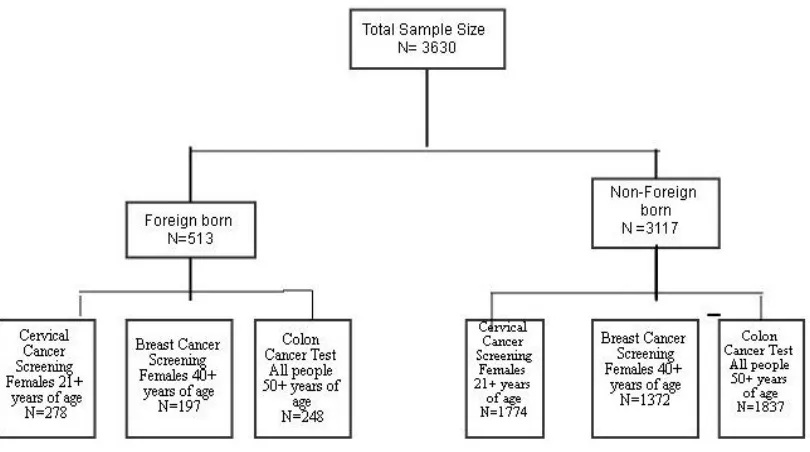
questions for the variables used in the analysis. Figure 3 shows the flow of sample
selection. For breast cancer screening, women aged 40 years and over were selected FB
(n=197) and NFB (n=1372). For colon cancer screening, individuals aged 50 years and
over were selected FB (n=248) and NFB (n=1837). The sample for cervical cancer
22 Figure 3. Sample Selection
3c. Studied Variables
The following variables were used in the analysis. Subjects with missing values for
studied variables were excluded.
Dependent Variables
Breast cancer screening is the first dependent variable. The survey item, “When
did you have your most recent mammogram to check for breast cancer, if ever?” was
used to create a dichotomous outcome variable, which was coded as 1) ‘up-to-date’ and
2) ‘not up-to-date’, for breast cancer screening. The American Cancer Society
recommends that a yearly mammogram for women, starting at age 40 and continuing for
‘up-to-23
date’ for breast cancer screening meant having had a yearly mammogram among women
who were at least 40 years old.
Cervical cancer screening is the second dependent variable. The question, “How
long ago did you have your most recent Pap test to check for cervical cancer?” was used
to create a dichotomous outcome variable, which was coded as 1) ‘up-to-date’ and 2) ‘not
up-to-date’, for cervical cancer screening. The American Cancer Society recommends
that womenbetween the ages of 21 and 29 should have a Pap test every 3 years, and a
test called the Human papillomavirus (HPV) test should not be used in this age group
unless it is needed after an abnormal Pap test result. Women between the ages of 30 and
65 are recommended to have a Pap test plus an HPV test every 5 years, or to have a Pap
test alone every 3 years. Women over age 65 who have had regular cervical cancer
testing with normal results should not be tested for cervical cancer (American Cancer
Society, 2014). So being ‘up-to date’ was defined as having had a Pap test every 3years
for women aged 21 years or over.
.Colon cancer screening is the third dependent variable. The survey item, “Have
you ever had one of these tests (colonoscopy, sigmoidoscopy, and stool blood test) to
check for colon cancer?” was used as an outcome variable of which the respondents
answered ‘yes’ or ‘no’. The American Cancer Society recommends that starting at age
50, both men and women should have tests for polyps and cancer (sigmoidoscopy every 5
years, colonoscopy every 10 years, double-contrast barium enema every 5 years, and CT
colonography every 5 years) and tests that primarily find cancer (yearly fecal occult
24 Independent Variables
The independent variables chosen reflect characteristics that may drive an
individual to get cancer screening i.e., beliefs, information seeking, and healthcare
factors. Although traditional demographic variables give information about the
respondents, the variables such as beliefs, information seeking and healthcare factors are
necessary to explore factors that are associated with cancer screening behaviors.
For the beliefs section certain variables were chosen. The survey item, “How
much do you think health behaviors like diet, exercise and smoking determine whether or
not a person will develop cancer?” was used to create a dichotomous variable, which was
coded as 1) ‘not at all/a little’ and 2) ‘a lot/somewhat’ as the categories. The original
answers were on a Likert scale with ‘not at all’, ‘a little’, ‘somewhat’, and ‘a lot’ as the
categories.
The survey item, “How much do you think genetics, that is characteristics passed
from one generation to the next, determine whether or not a person will develop cancer?”
was used to create a dichotomous variable, which was coded as 1)‘not at all/a little’ and
2)‘a lot/somewhat’ as the categories. The original answers were on a Likert scale with
‘not at all’, ‘a little’, ‘somewhat’, and ‘a lot’ as the categories. The survey item, “How
likely are you to get cancer in your lifetime?” was used to create a variable with
‘unlikely’, ‘neither’ and 'likely’ as the categories. The original answers were on Likert
scale with ‘very unlikely’, ‘unlikely’, ‘neither’, ‘unlikely’, ‘nor likely’, ‘likely’ and ‘very
25
Three information seeking variables were selected. The survey item, “Have you
ever looked for information about cancer from any source?” of which the respondents
answered either ‘yes’ or ‘no’, as the categories. The survey item, “Based on the results of
your most recent search for information about cancer, how much do you agree or
disagree with ‘it took a lot of effort to get the information you needed’,” was used to
create a dichotomous outcome variable, which was coded as 1)‘agree’ and 2)‘disagree’ as
the categories. The original categories ‘strongly agree’ and ‘somewhat agree’ were
grouped together to create a category labeled ‘agree’, and the categories ‘somewhat
disagree’ and ‘strongly disagree’ were grouped together to create a category labeled
‘disagree’.
The survey item, “Overall how confident are you that you could get advice or
information about cancer if you needed it?” was used to create a dichotomous outcome
variable, which was coded as 1) ‘confident’ and 2) ‘not confident’ as the categories. The
original categories ‘completely confident’, ‘very confident’ and ‘somewhat’ confident
were grouped together to create a category which was labeled ‘confident’; the remaining
categories i.e. ‘a little confident’ and ‘not confident at all’ were grouped together to
create a category which was labeled ‘not confident’.
Selected healthcare factors variables were utilized. The survey item, “About how
long has it been since you last visited a doctor for a routine checkup? A routine checkup
is a general physical exam, not an exam for a specific injury, illness, or condition” was
26
up-to-date’ as the categories, with ‘up-to-date’ meaning having visited a doctor within the
last 12 months.
The survey item, “Overall, how would you rate the quality of health care you
received in the past 12 months?” was used to create a dichotomous variable, which was
coded as 1) ‘good’ and 2) ‘poor’ as the categories. The original categories, ‘excellent’,
‘very good’ and ‘good’, were grouped together to create category labeled ‘good’ and the
remaining categories ‘fair’ and ‘poor’ were grouped to create the category labeled ‘poor’.
The survey item, “In the past 12 months, how often did you feel you could rely
on our doctors, nurses, or other health care professionals to take care of your health care
needs?” was used also used to create a dichotomous variable, which was coded as
1)‘always’ and 2)‘never’ as the categories. The original categories ‘always’ and ‘usually’
were grouped together to create category labeled ‘always’, and the remaining categories
‘sometimes’ and ‘never’ were grouped in one category labeled ‘poor’.
The survey item, “ The following questions are about your communication with
all doctors, nurses, or other health professionals you saw during the past 12 months spend
enough time with you?” was used to create a dichotomous variable, which was coded as
1)‘usually’ and 2) ‘never’ as the categories. The original categories ‘always’ and
‘usually’ were grouped together to create category labeled ‘usually’, and the remaining
categories ‘sometimes’ and ‘never’ were grouped to create the category labeled ‘never’.
The last selected survey item, “Overall, how confident are you about your ability to take
care of your health?” was used to create a dichotomous variable, which was coded as 1)
27
confident’, ‘very confident’ and ‘somewhat confident’ were grouped together to create
category labeled ‘confident’ and the remaining categories i.e. ‘a little confident’ and ‘not
confident at all’ were grouped together to create a category labeled ‘not confident’.
3d. Data Analysis
Analyses were performed in SAS 9.3 (SAS Institute, Cary NC). Sampling and
replicate weights were used to account for complex sampling design and to provide for
unbiased estimates of population values and consistent variance estimation. Bivariate
analyses were performed to assess the differences in breast, cervical and colon cancer
screening rates among the FB and NFB individuals. Odds ratios (OR) from binary
logistic regression analysis was used to estimate the risk for breast, cervical and colon
cancer screening (dependent variables) that is associated with healthcare, belief and
information seeking factors (independent variables) across FB and NFB individuals. In
the logistic regression analysis, statistical adjustments were made for age, race/ethnicity,
marital status, health insurance, cancer diagnosis, and education. In the case for colon
cancer screening, gender was also adjusted for. In all analyses p < 0.05 and 95%
28
Chapter IV
RESULTS
4a. Descriptive Statistics
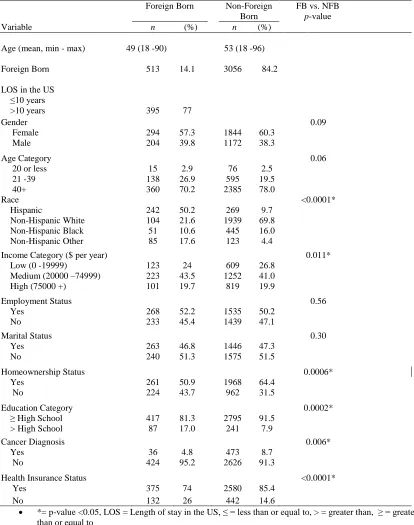
Table 1 presents descriptive analyses of various demographic characteristics of
this nationally representative sample. A total of 3630 individuals participated in the
survey, with FB (14.1%) respondents. The mean age was 49 (SD = 18.4) for FB
individuals and 53(SD=18.4) for NFB individuals. Fifty seven percent of FB beings
identified as female compared to two-thirds (61%) for NFB individuals. Fifty two percent
of FB individuals were employed compared to NFB (50%) individuals. Approximately
half of the FB (50.2%) individuals identified themselves as Hispanic compared to NFB
(9.7%) respondents with One fifth of FB (21.6%) identifying as Non-Hispanic White
compared to NFB (69.8%) respondents.
Approximately less than half FB (46.8%) and NFB (47.3%) were married or
living together with a partner. The majority of FB (81.2%) individuals had high school
education or above, so was their NFB (91.5%) counterparts. Approximately half of the
FB (51.9%) individuals indicated that they owned a home compared to their NFB
(64.4%) counterparts. Seventy four percent of the FB individuals stated that they had
Health insurance coverage compared to NFB (85.4%). Among the FB individuals, 6.4%
had been in the US for 5 years or less, with 8.4% having been in the country for between
29
Table 1. Demographic characteristics and summary statistics of respondents in HINTS 4, cycle 2, N=3630.
*= p-value <0.05, LOS = Length of stay in the US, ≤ = less than or equal to, > = greater than, ≥ = greater than or equal to
Min – max = min age to max age in years
FB= Foreign Born, NFB= Non-Foreign Born
HINTS = 2012 Health Information National Trends Survey.
Foreign Born Non-Foreign Born
FB vs. NFB
p-value Variable n (%) n (%)
Age (mean, min - max) 49 (18 -90) 53 (18 -96)
Foreign Born 513 14.1 3056 84.2
LOS in the US ≤10 years
>10 years 395 77
Gender 0.09
Female 294 57.3 1844 60.3 Male 204 39.8 1172 38.3
Age Category 0.06
20 or less 15 2.9 76 2.5 21 -39 138 26.9 595 19.5 40+ 360 70.2 2385 78.0
Race <0.0001*
Hispanic 242 50.2 269 9.7 Non-Hispanic White 104 21.6 1939 69.8 Non-Hispanic Black 51 10.6 445 16.0 Non-Hispanic Other 85 17.6 123 4.4
Income Category ($ per year) 0.011* Low (0 -19999) 123 24 609 26.8
Medium (20000 –74999) 223 43.5 1252 41.0 High (75000 +) 101 19.7 819 19.9
Employment Status 0.56
Yes 268 52.2 1535 50.2 No 233 45.4 1439 47.1
Marital Status 0.30
Yes 263 46.8 1446 47.3 No 240 51.3 1575 51.5
Homeownership Status 0.0006* Yes 261 50.9 1968 64.4
No 224 43.7 962 31.5
Education Category 0.0002*
≥ High School 417 81.3 2795 91.5 > High School 87 17.0 241 7.9
Cancer Diagnosis 0.006*
Yes 36 4.8 473 8.7 No 424 95.2 2626 91.3
Health Insurance Status <0.0001* Yes 375 74 2580 85.4
30
Figure 4 presents screening rates for cervical, breast, and colon cancers among the
FB and NFB individuals. Approximately more than half of FB (60.46%) individuals were
screened for breast cancer using mammography test compared to NFB (59.6%)
individuals, and was not statistically significant with p-value=0.83. Approximately three
quarters of FB (75.42%) individuals were screened for cervical cancer using the pap
smear test compared to NFB (77.96%) individuals, and was not statistically significant
with p-value=0.55. For colon cancer screening more than half FB (61.86%) individuals
used the colon cancer test, compared to NFB (69.92%) and was not statistically
[image:31.612.111.552.434.717.2]significant with p-value=0.10.
Figure 4. Breast, Cervical, and Colon Cancer Screening Rates by use of Mammography, Pap smear and Colon Cancer Tests in Foreign Born and Non Foreign Born Individuals
60.46%
75.42%
61.86% 59.06%
77.96%
69.92%
Mammography Pap Smear Colon Cancer Test
Breast, Cervical, and Colon Cancer Screening
Rates
FB NFB
p-value=0.83
p-value=0.55
31 4b. Univariate and Multivariate Analyses
Univariate logistic regression was conducted to determine the odds ratio and
confidence intervals for selected variables. Table 2, 3, and 4 shows the univariate
analyses for selected factors that may drive individuals to get screened for breast, cervical
and colon cancer by use of mammography, Pap smear and colon cancer test respectively.
Table 2 describes selected factors that may influence a woman to get screened for breast
cancer by use of mammography, while table 3 describes the factors that may influence a
woman to get a Pap smear test to screen for cervical cancer, and table 4 describes the
factors that may influence an individual to get screening for colon cancer by use of colon
cancer test.
Table 2 data reveals that FB individuals who had a most recent routine checkup in
the last year were 12.3 times more likely to get screened for breast cancer by use of
mammography (OR=12.3; 95% CI=3.72, 0.45) than those who did not have a most
recent checkup. NFB subjects who had a most recent routine test were 6.8 times more
likely to get screened for breast cancer by use of mammography (OR=6.8; 95% CI= 4.40,
10.56) than those who did not have a routine check-up in the last year. FB individuals
who think genetics determine whether or not a person will develop cancer were 0.26
times as likely to get screened for breast cancer by use of mammography (OR=0.26; 95%
CI: 0.09, 0.77) than those who did not think genetics determine whether or not a person
will develop cancer. NFB individuals who think genetics determine whether or not a
person will develop cancer were 1.72 more likely to get screened by use of
32
cancer was not possible were 2.6 times more likely to get screened for breast cancer by
use of mammography (OR=2.69; 95% CI: 1.07, 6.72). All selected healthcare factors
were statistically significant for NFB individuals, and only health factor, having had a
most recent checkup in the last year, was significant for the FB individuals. Having
[image:33.612.111.556.312.685.2]health insurance was significant for both the FB and NFB individuals.
Table 2.Results of Univariate Analysis of Healthcare, Beliefs, and Information Seeking Factors associated with Mammography use in Foreign Born and Non Foreign Born Individuals.
Foreign Born Non Foreign Born
Variables OR 95% CI OR 95% CI
Healthcare Factors
Most Recent Check Up In the Last Year 12.26* 3.72 40.45 6.81* 4.40 10.56
Ability Take To Care of Own Health 0.25 0.06 1.13 0.44* 0.24 0.81
Providers Spent Enough Time 1.45 0.50 4.21 1.79* 1.10 2.91
Quality of Health Care Received in the
Last Year 0.97 0.32 3.00 3.12* 1.33 7.32
Health Providers always take care of your needs.
0.79 0.23 2.74 0.46* 0.27 0.73
Beliefs
Health Behaviors determine development of CA
1.40 0.20 9.69 1.33 0.85 2.09
Genetics determine development of CA 0.26* 0.09 0.77 1.72* 1.20 2.48
Chance of Getting Cancer in a lifetime. 1.11 0.36 3.39 0.82 0.51 1.33
Preventing CA is Not Possible 2.69* 1.07 6.72 1.19 0.79 1.58
Information Seeking
Too Many Recommendations 1.38 0.61 3.17 1.47* 1.04 2.08
Took A lot Of Effort to get CA information
0.99 0.11 8.68 1.25 0.74 2.11
Ever looked for Cancer Information 1.28 0.39 4.18 1.22 0.89 1.67
Confidence of getting CA advice if needed
1.11 0.37 3.30 0.65 0.37 1.13
Other
General Health Status 0.38 0.12 1.19 0.53* 0.36 0.78
Health Insurance 4.16* 1.42 12.15 2.11* 1.25 3.55
Ever Diagnosed with Cancer 2.03 0.31 13.34 1.67* 1.15 2.43
OR=Odds Ratio, CI=Confidence Interval, CA=Cancer, *= p-value <0.05
33
Table 3 data reveals that only FB individuals who indicated that it takes a lot of
effort to obtain cancer information were 0.14 times less likely to get screened for cervical
cancer using the Pap smear test (OR=0.14; 95% CI:0.02, 0.92) . All other selected
variables were not significant for FB individuals. NFB individuals who had the most
recent check up in the last year were 2.4 times more likely to get screened for cervical
cancer by use of pap smear test (OR=2.4; 95% CI: 1.64, 3.41). For NFB individuals, all
34
Table 3.Results of Univariate Analysis of Healthcare, Beliefs, and Information Seeking Factors associated with Pap smear use in Foreign Born and Non Foreign Born Individuals.
Foreign Born Non-Foreign Born
Variables OR 95% CI OR 95% CI
Healthcare Factors
Most Recent Check Up In the Last Year 2.75 0.96 7.90 2.36* 1.64 3.41
Ability Take To Care of Own Health 0.31 0.09 1.05 0.79 0.43 1.44
Providers Spent Enough Time 0.78 0.29 2.12 0.99 0.59 1.68
Quality of Health Care Received in the Last Year
1.34 0.23 7.65 1.11 0.47 2.60
Health Providers always take care of your needs.
0.96 0.23 3.92 0.89 0.41 1.92
Beliefs
Health Behaviors determine development of CA
1.43 0.35 5.87 1.93* 1.24 2.99
Genetics determine development of CA 1.11 0.25 4.95 1.89* 1.19 3.03
Chance of Getting Cancer in a lifetime. 0.50 0.15 1.66 0.50* 0.34 0.74
Preventing CA is Not Possible 0.93 0.31 2.84 1.73* 1.15 2.61
Information Seeking
Too Many Recommendations 1.01 0.45 2.27 1.19 0.81 1.73
Took A lot Of Effort to get CA information
0.14* 0.02 0.92 1.33 0.76 2.33
Ever looked for Cancer Information 1.89 0.68 5.26 1.12 0.76 1.65 Confidence of getting CA advice if needed 0.51 0.14 1.87 0.61 0.36 1.03
Other
General Health Status 1.06 0.34 3.35 0.65* 0.43 0.98
Health Insurance 2.16 0.86 5.42 1.26 0.81 1.96
Ever Diagnosed with Cancer 14.93* 1.43 155.47 0.91 0.59 1.40
OR=Odds Ratio, CI=Confidence Interval, CA=Cancer, *= p-value <0.05
Pap smear – Cervical Cancer screening test
Table 4 data reveals that only FB individuals who believe that it takes a lot of
effort to get cancer information were 8.1 times more likely to get screened for colon
35
variables were not significant. For the NFB individuals, those who received good quality
health care in the last year were 2.2 times more likely to get screened for colon cancer by
use of colon cancer test (OR=2.2; 95% CI:1.12, 4.34). NFB individuals who believe
health behaviors determine development of cancer were 1.6 times more likely to get
[image:36.612.120.545.305.680.2]screened for colon cancer by use of colon cancer test (OR=1.6; 95%CI: 1.13, 2.33).
Table 4.Results of Univariate Analysis of Healthcare, Beliefs, and Information Seeking Factors associated with Colon Cancer Test use in Foreign Born and Non Foreign Born Individuals.
Foreign Born Non Foreign Born
Variables OR 95% CI OR 95% CI
Healthcare Factors
Most Recent Check Up In the Last Year 2.31* 1.00 5.34 3.92* 2.91 5.28
Ability Take To Care of Own Health 1.40 0.27 7.18 0.79 0.42 1.48
Providers Spent Enough Time 1.08 0.31 3.80 1.33 0.84 2.12
Quality of Health Care Received in the Last Year
2.25 0.60 8.44 2.20* 1.12 4.34
Health Providers always take care of needs.
0.77 0.29 2.02 0.68 0.39 1.21
Beliefs
Health Behaviors determine development of CA
1.69 0.66 4.30 1.62* 1.13 2.33
Genetics determine development of CA 2.03 0.60 6.91 1.02 0.74 1.42 Chance of Getting Cancer in a lifetime. 0.85 0.31 2.27 0.75 0.45 1.24
Preventing CA is Not Possible 1.49 0.61 3.67 1.82* 1.27 2.61
Information Seeking
Too Many Recommendations 1.27 0.66 2.46 1.28 0.94 1.75
Took A lot Of Effort to get CA information
8.09* 2.01 32.51 1.11 0.66 1.87
Ever looked for Cancer Information 0.66 0.27 1.63 1.80* 1.29 2.51
Confidence of getting CA advice if needed
0.63 0.15 2.57 0.53* 0.34 0.83
Other
General Health Status 1.81 0.78 4.22 0.94 0.64 1.36
Health Insurance 2.58 0.88 7.55 2.81* 1.74 4.55
Ever Diagnosed with Cancer 1.78 0.15 21.04 2.25* 1.46 3.46
OR=Odds Ratio, CI=Confidence Interval, CA=Cancer, *= p-value <0.05
36
Multivariate logistic regression analysis was performed. The purpose of the
multivariate analysis is to assess the association of selected factors has on breast,
cervical, and colon cancer screening while adjusting for all the other variables (age,
smoking, ethnicity, education, self-reported health status, health insurance). Gender was
controlled for in determining the relationships between the factors and colon cancer
screening.
Table 5 data shows that after controlling for age, smoking, ethnicity, education,
self-reported health status, and health insurance, FB subjects who had a most recent
check up in the last year were 8.3 times more likely to get screened for breast cancer than
those that did not have a most recent routine checkup by use of mammogram exam,
(OR=8.3; 95% CI: 1.44, 47.48). NFB individuals who had a most recent routine checkup
were 6.6 times more likely to get screened for breast cancer than those that did not have a
most recent routine checkup by use of mammogram exam which was significant
(OR=6.6; 95% CI: 4.26, 10.37).
After controlling for age, smoking, ethnicity, education, self-reported health
status, and health insurance, FB individuals who believed that genetics determine
development of cancer were 0.256 less likely to be screened for breast cancer than those
that did not believe genetics determine development of cancer (OR=0.26; 95% CI: 0.06,
1.14), and was not significant. However, NFB individuals who believed genetics
determine development of cancer were 1.6 times more likely to get screened for breast
1.022-37
2.661). FB individuals who believed that preventing cancer is not possible were still
significant (OR=5.1; 95% CI: 1.374, 8.986). However, NFB individuals were who
believe that preventing cancer is not possible were 0.9 times less likely to be screened for
breast cancer (OR=0.9; 95% CI:0.643-1.321), and was not significant. All other selected
variables for FB individual were not significant.
Table 5.Results of Multivariate Analysis of Healthcare, Beliefs, and Information Seeking Factors associated with Mammography use in Foreign Born and Non Foreign Born Individuals.
Foreign Born Non Foreign Born
Variables OR 95% CI OR 95% CI
Healthcare Factors
Routine Check Up 8.28* 1.44 47.48 6.64* 4.26 10.37
Ability Take To Care of Own Health 0.34 0.05 2.38 0.79 0.39 1.61
Providers Spent Enough Time 1.03 0.34 3.10 1.72 0.97 3.05
Quality of Health Care Received in the Last Year
0.61 0.20 1.86 2.59 0.91 7.36
Health Providers always take care of your needs.
1.09 0.23 5.28 0.60 0.34 1.04
Beliefs
Genetics 0.26 0.06 1.14 1.65* 1.02 2.66
Preventing CA is Not Possible 5.11* 1.37 18.99 0.92 0.64 1.32
Information Seeking
Too Many Recommendations 1.32 0.47 3.72 1.52* 1.00 2.31
OR=Odds Ratio, CI=Confidence Interval, CA=Cancer.
*= p-value <0.05
Mammography – Breast Cancer Screening Test
[image:38.612.107.546.313.551.2] Adjusted for age, smoking, ethnicity, education, self-reported health status, health insurance.
Table 6 reveal results of the multivariate analysis of healthcare, beliefs, and
information seeking factors that are associated with screening for cervical cancer by use
of Pap smear test. After controlling for age, smoking, ethnicity, education, self-reported
38
information among FB subjects was found not to be statistically significant (OR=0.15;
95% CI: 0.01, 2.09). All other selected variables for NFB individuals were found to be
statistically significant except for those that believed preventing cancer is not possible,
[image:39.612.108.547.286.492.2]and those that believed it took a lot of effort to get cancer information.
Table 6.Results of Multivariate Analysis of Healthcare, Beliefs, and Information Seeking Factors associated with Pap smear use in Foreign Born and Non Foreign Born Individuals.
Foreign Born Non Foreign Born
Variables OR 95% CI OR 95% CI
Healthcare Factors
Most Recent Check Up In the Last Year 1.25 0.34 4.66 2.96* 1.91 4.58 Beliefs
Health Behaviors determine development of CA
0.72 0.11 4.73 2.06* 1.28 3.34
Genetics determine development of CA 1.04 0.16 7.04 1.89* 1.01 3.54
Chance of Getting Cancer in a lifetime. 0.87 0.12 6.09 0.48* 0.32 0.71
Preventing CA is Not Possible 0.85 0.20 3.58 1.45 0.90 2.36
Information Seeking
Took A lot Of Effort to get CA information
0.15 0.01 2.09 1.40 0.73 2.67
OR=Odds Ratio, CI=Confidence Interval, CA=Cancer, *= p-value <0.05
Pap smear – Cervical Cancer Screening Test
Adjusted for age, smoking, ethnicity, education, self-reported health status, health insurance.
Table 7 shows results of multivariate analysis of healthcare, beliefs, and
information seeking factors that are associated with colon cancer test use in FB and NFB
individuals. After controlling for age, gender, smoking, ethnicity, education, self-reported
health status, and health insurance, among FB individuals, belief that it took a lot of effort
to get cancer information was not associated with increased odds of Pap smear screening.
For NFB individuals who had the most recent check up in the last year were 3.8 times
39
ethnicity, education, self-reported health status, and health insurance (OR=3.8; 95% CI:
2.72 -5.38), and was significant. NFB individuals who believed the quality of health care
received in the last year were 2 times more likely to be screened for colon cancer and that
was not significant (OR=2.0; 95% CI: 0.75, 5.55). NFB individuals who were confident
of getting cancer advice if needed were 0.6 times less likely to be screened for colon
cancer by use of colon cancer test (OR=0.6; 95% CI:0.304-1.149), and that was not
[image:40.612.111.546.368.569.2]significant. All other selected variables for NFB individuals were significant.
Table 7.Results of Multivariate Analysis of Healthcare, Beliefs, and Information Seeking Factors associated with Colon Cancer Test use in Foreign Born and Non Foreign Born Individuals.
Foreign Born Non Foreign Born
Variables OR 95% CI OR 95% CI
Healthcare Factors
Most Recent Check Up In the Last Year 2.01 0.72 5.58 3.83* 2.72 5.38
Quality of Health Care Received in the Last Year
1.43 0.02 1.34 2.05 0.75 5.55
Beliefs
Health Behaviors determine development of CA
3.31 0.65 16.86 1.86* 1.28 2.70
Preventing CA is Not Possible 2.26 0.59 8.67 1.76* 1.14 2.72
Information Seeking
Ever looked for Cancer Information 0.70 0.1 4.46 1.54 1.03 2.29
Confidence of getting CA advice if needed 1.15 0.15 9.11 0.59 0.30 1.15 Took A lot Of Effort to get CA information 9.47* 1.58 56.82 1.04 0.60 1.78
OR=Odds Ratio, CI=Confidence Interval, CA=Cancer, *= p-value <0.05
Colon Cancer Test = Colonoscopy, Sigmoidoscopy or Stool Blood Test.
Adjusted for age, smoking, ethnicity, education, self-reported health status, health insurance.
Table 8 shows the results of bivariate analysis of Length of Stay in the US and use
of Breast, Colon, and Cervical Cancer screening tests. A bivariate analysis indicated no
significance association between length of stay and use of breast cancer (p-value=0.64),
40
screening test (p-value=0.75). However, length of stay in the US by FB individuals was
[image:41.612.104.547.214.409.2]found to be significant with the use of colon cancer test (p-value=0.016).
Table 8. Results of Bivariate Analysis of Length of Stay in the US and use of Breast, Colon, and Cervical Cancer screening tests.
Cancer Screening Test Length of Stay p-value
<= 10 Years >10 years Weighted
Frequency %
Weighted
Frequency %
Mammography Test 0.64
Yes 99014 74.67 4763606 61.52
No 33590 25.33 2979570 37.48
Pap smear Test 0.74
Yes 1779512 71.75 8674672 75.24
No 700427 28.24 2855055 24.76
Colon Cancer Test
Yes 46367 9.90 7010215 64.20 0.017
No 423328 90.10 3908747 35.80
41
Chapter V
DISCUSSION
5a. Reticulated Reason for Study
The purpose of this study was to compare screening rates in FB and NFB
individuals, to examine factors associated with cancer screening amongst the two groups
of people and examine if length of stay in the US for FB individuals has an effect on the
use of cancer screening. While controlling for age, gender, smoking, ethnicity, education,
self-reported health status, and health insurance, several factors were examined that may
influence the cancer screening behavior among people born outside the USA compared to
those born in the USA.
The results of this study showed that cancer screening rates for FB and NFB
individuals were not statistically different. The reasons for lack of statistically
significance is not clear, but may be due to the fact that 77% of FB individuals had been
in the US for greater than 10 years with 6% having been in the US for 5 years or less
According to the literature review, it was expected that there would be differences in
cancer screening rates between FB and NFB individuals, and that those differences might
partially be due to a lower occurrence of cancer screening and regular doctor visits that
would help in detecting the presence of cancer (McDonald & Neily, 2011).
There were varied results found when selected healthcare, beliefs, and
information seeking factors that may influence the screening for breast, cervical or colon
42
checkup in the last year was found to be associated with increased use of mammography
exam, FB (OR=12.3; 95% CI= 3.72, 40.45) and NFB (OR=12.3; 95% CI= 4.40, 10.55).
After adjusting for age, smoking, ethnicity, education, self-reported health status, and
health insurance, having had the most recent routine medical checkup in the last year was
found to be associated with the breast cancer screening FB (OR=8.3; 95% CI: 1.44 –
47.48) and NFB (OR=6.6; 95% CI: 4.26-10.37). From previous research individuals may
be more likely to be screened for colorectal cancer if they get reminders that progress into
actual screening and trust that they can positively complete the screening on their own
(Beydoun & Beydoun, 2008). It is important that people establish consistent routine
medical care so that they get to referrals to have cancer-screening tests, which are
appropriate for them. An established routine medical care may provide a gateway for
cancer prevention efforts. The more people get screened for cancer, the earlier cancer
interventions begin, and may help reduce the mortality associated with it.
For cervical cancer screening, none of the selected healthcare, beliefs and
information seeking factors were found to be significantly associated with screening
among the FB individuals, after controlling for age, smoking, ethnicity, education,
self-reported health status, and health insurance. However, among the NFB individuals,
having the most recent medical checkup in the last year was found to be significantly
associated with screening suggesting that individuals who have had a recent medical
check in the last year were more likely to get screened for cervical cancer. Other factors
43
determine development of cancer, and also individuals who believed there was a chance
of getting cancer in their lifetimes. The varied differences in factors among the FB and
NFB individuals may be due to lack of other sources of influence that were not measured.
For colon cancer screening, only the information seeking factor, ‘it took a lot of
effort to get cancer information’ was found to be significant among the FB individuals
after controlling for after controlling for age, gender, smoking, ethnicity, education,
self-reported health status, and health insurance. For NFB individuals those that had most
recent check up in the last year, those that ever looked for cancer information, and those
that believed health behaviors and genetics determine whether you get cancer or not were
more likely to get screened for colon cancer. Cancer information availability to FB
people is critical. Culturally appropriate information dissemination strategies are
important to increase of information availability to this group of people. Again due to
sample size, it was a challenge to test if English language proficiency was a barrier to
seeking cancer information because of the small number of those who did not speak
English well.
To assess the association of length of stay in the US and use of the selected cancer
screening tests, bivariate analysis with Chi-square was performed. The analysis showed
that there was no association between length of stay and mammography (p-value=0.64).
However, from literature, older women who have been in the US for a long time were
more likely to receive a mammogram, demonstrating increasing understanding of the
44
for lack of statistically significance is not clear, but may be due to small sample size of
individuals who were of foreign born.
The result of this study did not show a positive association between length of stay
and cervical and breast cancer screening. However, a statistically significant association
between length of stay and colon cancer screening was found. Because of the small
sample size for FB individuals, it was not possible to perform the univariate and
multivariate logistic regression analysis. This significant association between length of
stay and colon cancer screening perhaps may be due to acculturation. This is supported
by findings from another study that said participants who were aged 65 years or older,
were interviewed in Spanish, had lived in the United States for 40 years or more, and
were living alone/single were more likely to be adherent to CRC screening (Ellison et al.,
2011).
The issue of acculturation adds to the complexity of behavior change among
the FB individuals. The more they stay in the US the more their behavior become like
that of NFB individuals. Therefore public health interventions should be geared towards
newer immigrants. An empowered person with cancer information has the ability to make
informed choices regarding healthcare. Complete plans for designing methods of cancer
prevention need to be tailored for the different kinds of populations that are in the
country, taking into account the different culture issues and the way the information is
disseminated to different vulnerable populations including immigrants from different
45 5b. Strengths
The major strength of the study is the use of the HINTS data that employed a
sampling scheme that is representative of the national population. The surveys are
standard and there are recurring variables that make a data reliable content over time. The
data set has variables that measure screening for colon, breast, and cervical cancers.
These cancers have guidelines for screening that have been endorsed by the American
Cancer Society.
5c. Limitations
There are some important limitations of this research. Although the 2012
(HINTS) 4, cycle 2 is a nationally representative sample, it only consisted of only 513 FB
individuals making the size of the FB subsample small to come up with clear-cut
population estimates. Because of the small sample size for FB individuals, it was not
possible to perform the univariate and multivariate logistic regression analysis for length
of stay and use of cancer screening tests. Also, it was not possible to identify the regions
or countries where the FB individuals originated because that was not measured in
HINTS. Since FB individuals are diverse, variation among the FB individuals could not
be taken into consideration. The racial and ethnic among the respondents was not
explored due to the sample size. Because 2012 HINTS data are cross sectional by design,
the findings from this study cannot be used in causal terms. The essential reasons for
46
due to other complex factors. Also prior health knowledge before immigration was not
available.
5d. Implications of Findings to Public Health
The aim of this study was to compare screening rates in FB and NFB individuals,
to examine factors associated with cancer screening amongst the two groups of people
and to examine if length of stay in the US for FB individuals has an effect on the use of
cancer screening. There was no difference in the screening rates the two groups but there
were differences found within groups. FB women who believed that there was nothing
you can do prevent cancer were more likely to get screened for breast cancer. Effort
should be focused on women who believe otherwise to get screened for breast cancer.
This study has shown that those that have had a most recent routine medical
checkup are more likely to get screened for breast and cervical cancer, it is important that
public health policies that ensures that everyone has a primary health provider that sees
them at least every year. This will help ensure that FB individuals are screened for cancer
to lower the mortality incidence. Access to a regular health care provider is an important
factor that will help increase the number of people that get will get screened for cancer.
In order to successfully design cancer prevention protocols, the local communities should
be assessed for their characteristics, for a possibility of providing proper interventions
and resources for the different people who live the communities. Community based