SCHUNKE, JAMES MICHAEL. Transcriptomic Profile of the Mexican Fruit Fly Anastrepha ludens under Desiccation Conditions and Structural Analysis of Geminiviral Proteins Rep and REn. (Under the direction of Dr. José Trinidad Ascencio-Ibáñez).
Anastrepha ludens is an invasive fly species that causes severe crop loss in climates without seasons to control the fly population. As climate change progresses and southerly latitudes begin to get warmer, the risk of A. ludens infestations increases. Some wild populations of A. ludens have developed the ability to resist desiccation through an undetermined
mechanism; understanding this mechanism could result in treatments to eliminate wild A. ludens populations. In this first study we analyzed the whole tissue transcriptomic profiles of
laboratory reared A. ludens (male and female) and compared them to biological replicates that were desiccation stressed using differential gene expression analysis and pathway analysis. Known and suspected genes important to the desiccation response in Drosophila were then selected for future qPCR analysis. Further, we analyzed the heritability of desiccation resistance of laboratory reared A. ludens. Our results show numerous similarities but also differences in the GO described for Drosophila when compared to A. ludens. We also found that the maintenance of desiccation resistance in A. ludens disappears after 20 generations and returns to the same susceptibility level of the non-resistant flies. Taken in its totality, the results would seem to suggest that the molecular and physiological profile A. ludens is closely related to that of
Drosophila and provides a unique insight into the polygenic mechanism of desiccation resistance in the Mexican fruit fly.
their functions and therefore potential avenues of exploitation to inhibit geminiviral replication or repress symptoms. The utilization of various different mathematical, statistical, and criteria-based modelling approaches is used to cross-validate the results of each tool using both homology and de novo-based modelling techniques. Several versions of Rep (with different lengths from the 5’ end) and full length REn were transformed into bacterial strains DH5-α and
BL21-DE3 and then purified from BL21-DE3 using a 10X histidine tag, validated via immunoblotting and then analyzed using natural abundance 14N NMR. The results of the
modelling were marginally successful with each tool providing a unique insight that when viewed in its entirety was useful. The results of the experiments were generally positive with purification and NMR analysis of full length (pNSB1531) Rep achieved while analysis of REn with NMR was not attempted because of the laboratory shutdown due to the COVID-19
Conditions and Structural Analysis of Geminiviral Proteins Rep and REn.
by
James Michael Schunke
A thesis submitted to the Graduate Faculty of North Carolina State University
in partial fulfillment of the requirements for the degree of
Master of Science
Biochemistry
Raleigh, North Carolina 2020
APPROVED BY:
_______________________________ _______________________________ Dr. José Trinidad Ascencio-Ibáñez Dr. Michael B. Goshe
Committee Chair
ii DEDICATION
iii BIOGRAPHY
James Schunke was born October 25th, 1995 in North Carolina. He grew up on a small farm in the foothills of Western North Carolina where they had a herd of about 30 registered Nubian dairy/show goats. He graduated with a B.S. in Biochemistry from NCSU in 2018 where he conducted undergraduate research in the lab of Dr. José Trinidad Ascencio-Ibáñez. After an invitation to complete his master’s thesis under the direction of Dr. José Trinidad
Ascencio-Ibáñez he began conducting research into the structure of viral proteins Rep and REn as well as a bioinformatic analysis of the desiccation specific transcriptome of the Mexican Fruit Fly
(Anastrepha ludens).
iv ACKNOWLEDGMENTS
I would like to thank Dr. José Trinidad Ascencio-Ibáñez for mentoring and guiding me throughout my undergraduate career and giving me the opportunity to conduct my master’s
research under his tutelage. Your instruction has been invaluable to me personally and professionally. Finally, your openness and willingness to talk about literally any subject of interest to me has been a treasure to me intellectually and makes learning from you a delight.
I would also like to thank my fun undergraduate friends – Aanandi, Ahmad, Alex, and Ethan – for your stimulating conversations and willingness to help me around the lab. Alex, your help in completing my experiments in the lab was invaluable; you will go far in life.
Further, many thanks to my graduate student friends who provided friendship and input throughout our classes and research endeavors. Natalia, Mareca, and Monica – Thank you so much.
Natalia, you have been a great friend and support through graduate school, encouraging me to excel and to pursue my dreams; you will go far in life. I am so proud of you.
Many thanks to my mentor and friend Dr. Charles Cook for your guidance and instruction in pursuing my goals and dreams.
Finally, boundless Thanks to my wife, Dallas, for the constant love and support she has shown me throughout my pursuit of my degree. Your support allowed me to complete my master’s on time, with continuity, and relatively stress free. Thank you, my beloved.
“Faithful friends are a study shelter; whoever finds one finds a treasure. Faithful friends are beyond price, no sum can balance their worth.”
v TABLE OF CONTENTS
LIST OF TABLES ... vii
LIST OF FIGURES ... viii
Chapter 1: Transcriptomic Profile of Anastrepha ludens ... 1
Introduction ... 1
Experimental Procedures ... 5
Results ... 11
Discussion ... 14
Future Work ... 19
References ... 21
Tables ... 33
Figures... 39
Chapter 2: Structural Analysis of Rep and REn ... 43
Introduction ... 43
Experimental Procedures ... 57
Results ... 65
Discussion ... 76
Future Work ... 83
References ... 86
Tables ... 98
vi LIST OF TABLES
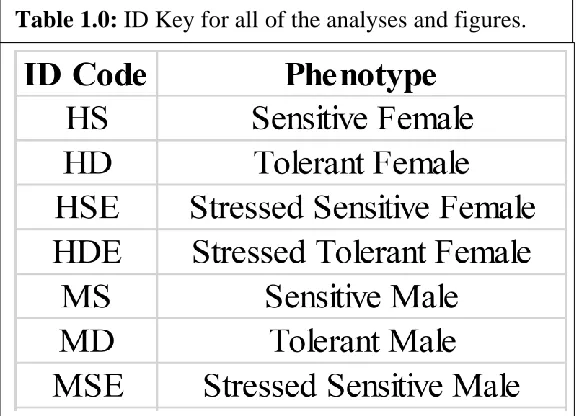
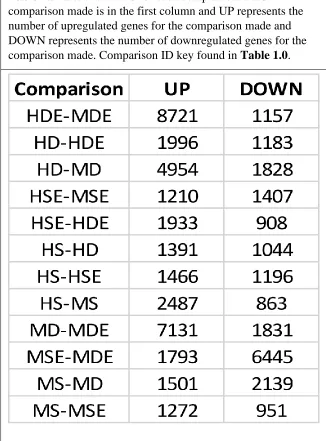
Table 1.0 ID Key for all of the analyses and figures ... 33 Table 1.1 Number of up and down regulated genes for each comparison ... 34 Table 1.2 The top three pathways for each comparison in every GO category ... 35 Table 1.3 List of key desiccation resistance genes found to be differentially
expressed in both Anastrepha ludens and Drosophila melanogaster ... 36 Table 1.4 List of the most common pathways of the Gene Ontology Molecular Function
category across all of DEG comparisons... 37 Table 1.5 List of all genes found to be differentially expressed in Anastrepha ludens
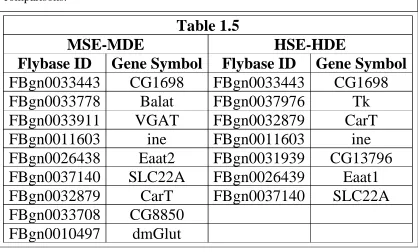
in the Neurotransmitter Transporter Activity pathway in response to
desiccation stress ... 38 Table 2.0 Amino acid sequences of Cabbage Leaf Curl Virus Rep and
Cabbage Leaf Curl Virus REn ... 98 Table 2.1 Amino acid sequence overlap of CbLCV, TGMV, TYLCV, and
vii LIST OF FIGURES
Figure 1.0 Flowchart of the general process for the RNA-Seq analysis. ... 39
Figure 1.1 Graph depicting loss of desiccation resistance after twenty generations ... 40
Figure 1.2 Venn diagram showing all the male Gene Ontology, Molecular Function up regulated genes in the Active Transmembrane Transporter pathway ... 41
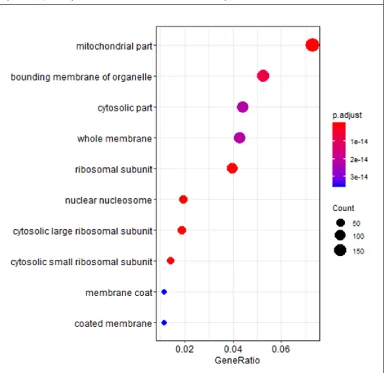
Figure 1.3 Figure illustrating the importance of Bar Plots in analyzing the pathway data ... 42
Figure 2.0 Depiction of geminivirus icosahedral capsid with ssDNA distributed inside the capsid. ... 101
Figure 2.1 Flowchart of the methodological approach to solving the Structures of Rep and REn where the process applies to each plasmid. ... 102
Figure 2.2 Artists representation of Rolling Circle Replication (RCR) ... 103
Figure 2.3 Graphic illustrating known Rep binding domains ... 104
Figure 2.4 LB-agar selection plate of pNSB195 transformed BL21-DE3 E. coli in LB infused Carbenicillin. ... 105
Figure 2.5 Immunoblot of pNSB1529 seven-hour induction using Rabbit-α-Rep primary antibodies and LiCor 800CW secondary antibodies ... 106
Figure 2.6 Aquastained PAGE of the overnight induction of pNSB1529 ... 107
Figure 2.7 NMR profile of purified pNSB1529 ... 108
Figure 2.8 Partially solved structures of Rep and their superimposition ... 109
Figure 2.9 The ab initio modelled structure of REn from Robetta ... 110
Figure 2.10 Phyre2 model of full-length Rep ... 111
1 CHAPTER 1: Transcriptomic Profile of Anastrepha ludens under desiccation conditions
To be submitted to the Journal of Molecular Ecology
James M. Schunke1, José Arredondo2, Mario A. Arteaga‐Vázquez2, Marco T. Tejeda2,José T. Ascencio-Ibáñez1, and Francisco Díaz-Fleischer3*.
1Department of Structural and Molecular Biochemistry, North Carolina State University.
2MOSCAFRUT, Subdirección de Desarrollo de Métodos, SADER-IICA, Metapa de Domínguez, Chiapas, México.
3INBIOTECA, Universidad Veracruzana, Av. De las Culturas Veracruzanas 101, CP 91090, Xalapa, Veracruz,
México.
*Corresponding authors: [email protected], [email protected] INTRODUCTION
Desiccation resistance is a phenomenon whereby certain organisms – especially insects – have the capability to tolerate extreme water deprivation (Hoffman & Parsons, 1989). While desiccation resistance at the transcriptomic level has been studied previously in various Drosophila species, it has not been characterized in the Mexican fruit fly, Anastrepha ludens (Matzkin & Markow, 2009; Sinclair et al., 2007). A. ludens is one of the three most invasive Tetphritidae whose distribution includes Central and South America into the southern United States (USDA 2019). They are unique from other members of Anastrepha as they are not only tropical, but subtropical as well (Stone, 1942). Their primary infestations include citrus and mango as well as dozens of other fruits through which they cause enormous financial damage each year (USDA, 2019). Therefore, as climate change intensifies and the southern United States becomes increasingly warmer there is an elevated threat of potentially disastrous infestations by both desiccation resistant A. ludens and other invasive Tetphritidae’s (Aluja et al., 2014; A. A.
2 A. ludens is quite different from D. melanogaster morphologically, physiologically, and reproductively. D. melanogaster has an approximate lifespan of 50 days at optimal growth conditions, the females are approximately 2.5 mm in length with the males being slightly
smaller, has four pairs of chromosomes, and females lay about 400 eggs in their lifetime (Linford et al., 2013). A. ludens can live up to one year in the wild, can lay up to 2000 eggs in their
lifespan, females are 7-11 mm long with the males being slightly smaller, and have 12
chromosomes (Carey et al., 2005). Assessing the gene level of regulation during desiccation in A. ludens may identify additional protein targets.
There are three essential mechanisms that flies employ in response to desiccation stress: 1) retaining water, 2) increasing water intake, or 3) increasing their resistance to water loss (Telonis-Scott et al., 2006). Of these, water retention is the most predominant and most often utilized mechanism of desiccation resistance. There exist three methods of water loss: through the epicuticle, through the gut epithelial cells, and through respiration involving the spiracles (Ferveur, 2005). It seems that the greatest mechanism of water retention is related to an increased volume of water in desiccation resistant flies contained in the hemolymph. Correlatively, it seems that desiccation resistant flies are larger bodied and contain a greater volume of water. This is especially true when making the comparison between male and female desiccation resistant flies.
3 previous research has identified cuticular hydrocarbon impingement, cAMP dependent signaling protein desi, and carbohydrate metabolism regulation involving increased trehalose deposition (H. Chung et al., 2014; Kawano et al., 2010; Stinziano et al., 2015; Thorat et al., 2012). Interestingly, an aquaporin family has been implicated in the desiccation resistance in D.
melanogaster larvae (Philip et al., 2008). Further, protein ubiquitination has been shown to play an important role in both cuticle regulation as well as the cytoskeleton of the fly (Kang et al., 2016).
Desiccation resistance has been shown in D. melanogaster to be highly heritable – up to 60% percent – and possesses the ability to rapidly evolve (Kellermann et al., 2009). However, this does not hold true when taking into consideration geographically constrained fly species. The rearing environment has also been shown to play an important role in the evolution and heritability of various Drosophila species. However, little is known concerning the heritability and evolution of the desiccation resistance in A. ludens.
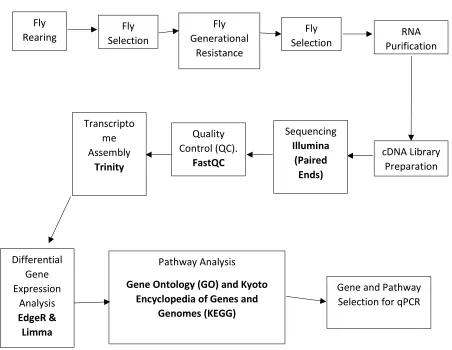
In this study we analyzed the whole tissue transcriptomic profiles of laboratory reared A. ludens (male and female) and compared them to biological replicates that were desiccation stressed using differential gene expression analysis and pathway analysis. A flowchart of the complete methodological approach is found in Figure 1.0. Known and suspected genes
4 molecular and physiological profile A. ludens is closely related to that of Drosophila and
5 EXPERIMENTAL PROCEDURES
Origin of the fly strains (Tejeda et al. 2016)
Anastrepha ludens flies were obtained as pupae from a mass reared strain produced at the MOSCAFRUT biofactory at Metapa de Domínguez, Chiapas, México. Approximately 300 million individuals of this fly strain are produced per week. This laboratory strain was reared for more than 100 generations in the biofactory. Thus, flies were well adapted to laboratory adult and larval crowding conditions. For example, females oviposit into an artificial medium and their larvae develop in an artificial diet made of corn cob fractions, corn flour, sodium benzoate, methylparaben, citric acid, guar gum, and purified water (Domínguez et al. 2010). From this original population, we derived 10 experimental populations of 400 flies each: five selected for desiccation resistance (D1–D5) and five unselected, control populations (C1–C5).
Selection
6 (ICN Biochemicals, Aurora, OH)) were provided ad libitum. Control populations (C1–C5) were handled in the same way but not subjected to desiccation stress and had access to water and food. At least 25 pairs of each of the 10 populations were used to reproduce the following generation. For selected populations (D), a second group was exposed if 25 pairs were not obtained in the first cohort (group of individuals that emerged on the same day). For control populations, pairs were sampled randomly.
Rearing Conditions
Selected and control populations were kept under the same rearing conditions. Adults were maintained in wooden framed mesh cages of 30 × 30 × 30 cm at 26 ± 2°C, 80 ± 10% relative humidity and a light: dark 12:12 (h/h) cycle. Eggs were collected with artificial water-filled oviposition devices made with a bottomless Petri dish covered with a black cloth whose surface was overlaid with a thin clear silicone layer (Sista, Henkel Mexicana S.A., Huixquilucan, Estado de México, México), and placed at the top of the wooden cage. Eggs were maintained wet in Petri dishes for four days until hatching. Larvae were transferred to plastic containers with the artificial diet (described above). After 13 days larvae were separated from the food and placed in moistened vermiculite (Strong-lite R, Products Corp. Seneca, Illinois, USA) to allow larvae to pupate. Once emerged and treated with the appropriate selection regime, adult flies were kept in groups of 65-80 pairs per cage with water and food. Total RNA was harvested from the flies by isolation of the alive resistant flies, crushed, and total RNA extracted.
Fly Generational Resistance
7 gel (Sigma-Aldrich, PubChem Substance ID: 24899758) and covered with a nylon mesh to avoid direct contact of the flies with silica (Tejeda et al. 2014). A data-logger was placed inside a cage selected at random. All cages were then individually sealed with a single layer of self-adhesive plastic film. Relative humidity inside the cage stabilized at between 20–30% within the first 12 h of exposure. Observations took place every 12 hours or less until approximately 25 % of the population remained alive. Survival flies were transferred to wooden-framed, mesh cages of 30 × 30 × 30cm where water and food (3:1 mixture of sugar-dry yeast (ICN Biochemicals, Aurora, OH)) were provided ad libitum. Control populations (C1–C5) and DNS (DNS1-DS5) were handled in the same way but not subjected to desiccation stress and had access to water and food. At least 75 pairs of each of the 15 populations were used to reproduce the following generation.
Following our experimental design, data were analyzed using population as the
fundamental unit of replication (n = 5). The time, in hours, at which 50% of flies had died during desiccation (mean survival time, ST50) ± standard deviation was calculated for every sex (our data has been analyzed considering sex, population, and generation combination. Both
parameters were estimated by the regression of probit-transformed percentage of surviving flies to exposure time. ST50 was averaged between cohorts of the same population and generation. RNA Purification and Library Preparation
8 Total RNA from each pool, was extracted with TRI Reagent (Thermo Fisher Scientific, 15596026) according to manufacturer’s protocol. Library construction (paired-end 2x100) and
sequencing of ~106 - 58 million paired-end 2x100 reads per sample was performed at the CINVESTAV-IPN (Irapuato, Gto. Mex.) using an Illumina HiSeq 4000 platform.
Differential Gene Expression Analysis
The total RNA was sequenced using Illumina paired-end sequencing with 100 bp length. Two runs were made in the HiSeq sequencing machine. The sequences from each run for each sample were then combined to generate the total fragments for each sample. The output was saved as a Fastq file.
The Fastq files were then analyzed using the program FastQC v0.11.3 to subject the data to quality control (QC) checks (Andrews, 2010). The data passed the QC check with a Phred score greater than 28 with normal decay at the final bases of the sequences. It was not necessary to eliminate and remove adapter sequences as commercially available adapter sequences were used and the low-quality sequences were removed during the assembly process. The fragments were then assembled using Trinity v2.0.6 using the “—trimmomatic” parameter to remove the
low-quality sequences (Grabherr et al., 2011). The output resulted in 16 fasta files. CD-HIT-EST was used to combine the sequences with more than 90% identity and more than 90% coverage.
The final transcriptome contains 261,536 sequences with a size average of 964.1 bp and a maximum sequence of 27,495 bp. With the assembled transcriptome, the table of counts
9 (Langmead et al., 2009). The program Express v1.5.1 was used to adjust the table of counts generated in Trinity (Forster et al., 2013).
To identify the differentially expressed genes (DEG) Bioconductor packages EdgeR and Limma were employed using R and RStudio (Allaire, 2015; Robinson et al., 2009; Smyth, 2005). Comparisons were made between each of the 16 samples using a fold-change of 2X and a False Discovery Rate (FDR) of 0.01. Tables were made for each comparison with the number of genes UP and DOWN regulated. The output was saved as .fasta files. The DEG were then annotated by comparing to the Drosophila melanogaster sequences using “org.Dm.eg.db” where the best hit was used for identification as well as later use in the GO analysis.
Gene Ontology analysis was conducted using the ClusterProfiler R package in
Bioconductor for each of the 12 generated comparisons (Gene & Consortium, 2000; Yu, 2018; Yu et al., 2012). FDR cutoffs of 0.05 were used after graphing FDR vs. Gene Name to find the inflection point that would glean the most data with the least amount of noise. Bonferroni corrected p-value cutoffs of 0.05 were used as is standard practice in transcriptomic data analysis. GO profiles for each comparison that were both UP and DOWN regulated were
10 Pathway Analysis
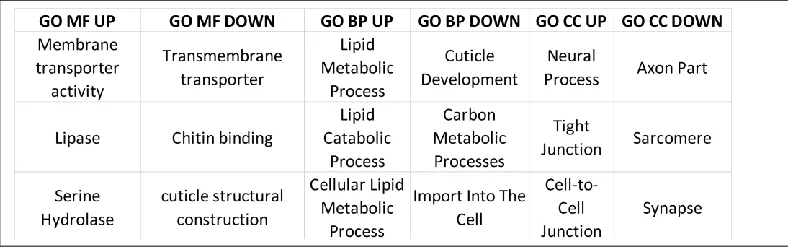
Of the three GO categories (Biological Process, Molecular Function, and Cellular Component) we choose the Molecular Function (MF) as it most directly relates to the functions of the proteins involved in the desiccation stress response. Three pathways upregulated in the GO term MF were identified as being the most significantly impinged upon by the desiccation response: serine hydrolase, lipase, and active transmembrane transporter. Three pathways were found to be downregulated in MF: chitin binding, cuticle structural construction, and actin binding. To find the gene overlap, gene lists from each sample that had a pathway of interest was compared using Venn diagrams using the program VennDiagram and the male vs female
11 RESULTS
The flies were successfully grown with no complications. Results indicated that A. ludens desiccation resistant stock lost their resistance after 20 generations. This loss of resistance
occurred in a nearly linear fashion as shown in Figure 1.1. The control line represents A. ludens stock that are susceptible to desiccation. The topline represents A. ludens stock that are resistant to desiccation. Both controls remained consistent throughout the entire analysis indicating that they presented a good baseline from which to compare the self-selecting line.
The differential expression analysis (DEG) was successful with 12 comparisons being made and numerous genes in each comparison differentially expressed. Table 1.1 has a complete list of the comparisons made and the number of differentially expressed transcripts UP or
DOWN regulated for each comparison and the ID key is found in Table 1.0. The GO pathway analysis yielded numerous pathways that were overrepresented in each of the three categories: Biological Process, Molecular Function, and Cellular Component. The KEGG analysis for each comparison yielded similar but far fewer pathways - with many of the comparisons having no KEGG enriched pathway. Likely this is due to the functionally different purpose of the KEGG software and the methodology by which it assigns genes to pathways by attempting to link the genes to protein products. Table 1.2 lists the three most overrepresented GO and KEGG pathways for each of the GO categories.
12 dot plots were examined and the most common pathways were then selected in the Molecular Function category as it contains the most useful data in understanding the molecular response to desiccation stress in A. ludens. Attempting to make Venn Diagrams with the full set of DEG genes both UP and DOWN regulated presented an analytical nightmare as there were simply thousands of genes of overlap. Thus, by selecting the pathways of interest and then generating Venn Diagrams between each of the comparisons showing the pathways as overrepresented the number of genes become simply a few dozen to a hundred. These genes in each of the areas of overlap were then analyzed for those that may be unique to A. ludens or ubiquitous with D. melanogaster.
The selected MF pathways shown to be differentially impinged and the genes found to be significantly differentially regulated in our analysis were consistent with previous data identified in Drosophila. Table 1.3 depicts ten genes identified previously as important in the desiccation response in Drosophila and those same genes we have identified in A. ludens as being
differentially expressed in the stressed samples. Table 1.4 contains a list of the most common pathways shown to be differentially expressed in the GO molecular function (MF) category.
Significant overlap was found between each of the Venn Diagrams made for males only, females only; stressed vs. non-stressed in both intrasex (e.g. Male vs. Male) and intersex (Female vs. Male) comparisons for each of the GO categories and their respective UP or DOWN
regulation. Of special interest to us are the Venn Diagrams of the Molecular Function. Figure 1.2 contains the Venn Diagram for the Male pathway ‘active transmembrane transporter’ from each of the male comparisons. This pathway is important as it plays an integral role in
13 between the stressed sensitive female and the stressed tolerant female and between the stressed sensitive male and the stressed tolerant male. No other comparison made yielded this pathway. This pathway is unique to A. ludens and not found in D. melanogaster and thus was selected as a potential source of desiccation resistance. For the remainder of the Venn Diagrams for each of the other pathways UP and DOWN for the males and for the female and intersex comparisons see code in GitHub at https://github.com/jdmsncsu20/Anastrepha-ludens. In some cases, identical terms were found to be UP and DOWN regulated though containing different genes. These disparities are further explored in the Discussion below.
Venn Diagrams were made to determine the gene overlap between each of the DEG comparisons. Comparisons were made between females only, males only, between non-stressed females and non-stressed males, and stressed females and stressed males. In addition, for the pathways of interest Venn Diagrams for each of the comparisons were generated. For example, Figure 1.2 depicts the Venn Diagram for the genes shown to be upregulated and downregulated in the GO MF male pathway – active transmembrane transporter. Venn Diagrams like this were generated for each of the pathways of interest: active transmembrane transporter, cytoskeletal protein binding, and neurotransmitter transporter activity. Significant gene overlap was found in each Venn Diagram. Genes involved in each overlap were identified via FlyBase using CG numbers from the genes. Genes of interest were then selected for additional analysis using qPCR in the future and are found in Table 1.3.
14 DISCUSSION
The purpose of this study was to identify the main players involved in desiccation resistance in the Mexican fly. To achieve this, we compared the Drosophila transcriptome to the A. ludens transcriptome with respect to desiccation resistance, to characterize the desiccation response in A. ludens at the transcriptome level, and to identify and validate, if applicable, novel genes differentially expressed via qPCR. Our results indicate that there is a high correlation of the A. ludens transcriptome to the Drosophila transcriptome – the first time this has been
performed. In addition, the pathways identified as important in Drosophila literature were shown to be enriched in our analysis as well. Further, many of the genes shown to be key in the
Drosophila desiccation response were shown to be present in A. ludens and a list is given in Table 1.3. These include Desi and Frost; two genes known to be involved specifically involved in the desiccation response in Drosophila. In addition, we have shown that A. ludens desiccation resistance is lost after 20 generations as shown in Figure 1.1; potential reasons are given below. Thus, our results provide a framework for understanding the desiccation stress response in the most invasive fruit fly in the world and an insight into further areas of research that could lead to mechanisms of control or eradication with species specificity.
15 KEGG and determined similar and overlapping results. This is true of both the EdgeR and
Limma determined DEG and DESeq2 and Limma identified DEG.
The Gene Ontology Category Molecular Function (MF) yielded the most explicitly useful information concerning the A. ludens desiccation response. Three MF UP regulated pathways of interest that are consistent with previous literature are: serine hydrolase, lipase, and active
transmembrane transporter. Three MF DOWN regulated pathways of interest are: chitin binding, cuticle structural construction, and actin binding. However, these data must be taken in context of other GO terms such as Biological Process (BP) and Cellular Component (CC). What we found interesting is that taken in sum these pathways provide a clearer insight into what is intuitive in the desiccation response and what is novel. For example, one would expect to see an upregulation in processes increasing access to stored reserves such as fat which we see in the MF pathways lipase and serine hydrolase, but we also see this theme reflected in the upregulated BP pathways: lipid metabolic process, cellular lipid metabolic process, and lipid catabolic process. Significantly, the most common MF downregulated pathways are related to the construction of fly structural features such as chitin binding and cuticle structural construction that are
metabolically expensive to maintain (e.g. requiring phosphorylated energy sources such as ATP and UDP). This theme is reflected in the UP regulated GO category Cellular Component (CC) where the membrane coat is found to be enriched. This may suggest that the fly’s metabolism is
16 Perhaps one of the more interesting outcomes of this analysis is that after 20 generations the desiccation resistant flies lost their resistance, a phenomenon not yet demonstrated in
Drosophila. There could be several reasons for this: desiccation resistance is polygenic and that self-selecting and inbreeding the flies could lead to a dilution of the gene pool, continual stress on the flies may actually inhibit their resistance capabilities, there may potentially be bias in selecting the flies that survive the desiccation resistance for further breeding, hormonal
regulation, and there may be an epigenetic component. While it could be a combination of many of these factors, epigenetics has been shown previously in Drosophila to play an important role in regulating the response to desiccation by the addition or removal of histone marks on
chromatin in regions thought to be important in modulating the desiccation response (Sharma et al., 2017). Further, enrichment of genes thought to be putative targets of the Polycomb Group proteins were not affected whereas genes that were thought to be putative targets of the Trithorax group proteins had an expected impact on transcript levels (Sharma et al., 2017). It is possible that enhancer regions and enhancer marks and inheritance of histone marks play a key role in the desiccation resistance response. Enhancer marks serve as a recruitment nexus for transcription factors that can modulate and attenuate gene expression at the transcriptional level (Ong & Corces, 2011).
17 ameliorate the effects of desiccation stress are attenuated and the longevity of the flies is
shortened. Our results from this analysis indicate that neuropeptide pathway involvement is indicated as shown in Table 1.5. The extent to which hormones play cannot be determined directly from this analysis, but it provides a framework for understanding the systems level involvement in regulating the desiccation response in A. ludens.
Our results from the DEG pathway analysis indicate that the ‘neurotransmitter transporter activity’ pathway was present only in the comparisons between the stressed sensitive female and the stressed tolerant female and between the stressed sensitive male and the stressed tolerant male. No other comparison made yielded this pathway. Further, Table 1.3 lists the genes found in each pathway and the significant overlap between comparisons. Interestingly, we found that both comparisons included the upregulation of gene SLC22A which codes for a Solute Carrier protein. SLC’s are integral membrane proteins that transport carnitine into the cell via function
as a symporter; this is borne out by the data which shows an upregulation of the CarT gene a protein that transports carcinine to photoreceptors and belongs to the SLC22A family of genes. Table 1.5also confirms that the gene that codes for tachykinin protein (Tk) are present and upregulated; Tk has been implicated previously in the regulation of intestinal lipid metabolism and when knocked out, mutants flies displayed increased susceptibility to desiccation conditions (Gai et al., 2016; Kahsai et al., 2010). The importance of the SLC22A family has not been fully elucidated in the desiccation response of Drosophila and certainly not A. ludens.
18 hormonal, and polygenic underpinnings of the desiccation resistance response. Our results
19 Future Work
Future research can explore a systems level understanding of the desiccation response in A. ludens, the epigenetic contributions to the desiccation response, the hormonal control of the desiccation response in A. ludens, and why the flies lose their resistance after several
generations. Understanding the mechanisms of desiccation resistance of invasive fly species can allow for the development of targeted treatments that have marginal impact on the surrounding ecosystem. These targeted treatments could include hormone analogues, protein inhibitors
specific to A. ludens, and a greater understanding of the influences of the behavior of A. ludens in response to desiccation stress that could be exploited.
A potential experimental approach could involve a time course experiment where total RNA is harvested from fly tissue for each of the selected lines: control desiccation resistant, control desiccation sensitive, and inbred line that loses its resistance after approximately 20 generations. Analysis could occur at both the gene regulation level and the epigenetic mark level. Specific genes that are known to be highly differentially expressed in response to desiccation stress such as those listed depicted in Table 1.3 can be monitored for attenuation of expression that might account for the loss of resistance in continually desiccation stressed populations. Further, epigenetic markers such as silencing and activating histone marks H3K27me3 and H3K4me3, respectively, which are known to be involved in the desiccation response can be monitored for changes throughout the time course experiment. These marks are selected as of potential interest as they have been shown to be impinged during desiccation events in
20 Anastrepha ludens Prospectus Outline for Future Work
The goal of this prospectus is to examine the extent to which epigenetic influences impact desiccation resistance in A. ludens and correlate this analysis with the genomic profile of
Drosophila melanogaster. As described in Chapter 1 there is a significant portion of the desiccation response in D. melanogaster that is regulated through mostly poorly understood epigenetic mechanisms. This project was initially undertaken in Dr. Hanley-Bowdoin’s class at NCSU – BCH 761. This prospectus was initially written in NSF format also including a budget. It has been slightly updated from its original form for clarity and relevant research annotations. While the research I have articulated in Chapter 1 fulfills many of the purposes of Aim 1 in the following prospectus, there remains additional validation to D. melanogaster that could solidify the results from Aim 2. To this end, I have been collaborating with Dr. Francisco Diaz-Fleischer in Mexico who is an expert in fly behavioral ecology and Dr. Jose Trino Ascencio-Ibanez, my PI, who is an expert in molecular biology and transcriptome analysis.
Limitations:
Limitations of this analysis include the fact that RNA was total RNA and not tissue or functionally specific. Further, because the RNA from each comparison was pooled and not individualized this could lead to a dilution of the desiccation effect on transcript levels. Author Contributions:
21 REFERENCES
Ach, R. A., Durfee, T., Miller, A. B., Taranto, P., Hanley-Bowdoin, L., Zambryski, P. C., & Gruissem, W. (1997). RRB1 and RRB2 encode maize retinoblastoma-related proteins that interact with a plant D-type cyclin and geminivirus replication protein. Molecular and Cellular Biology. https://doi.org/10.1128/mcb.17.9.5077
Allaire, J. J. (2015). RStudio: Integrated development environment for R. The Journal of Wildlife Management. https://doi.org/10.1002/jwmg.232
Aluja, M., Birke, A., Ceymann, M., Guillén, L., Arrigoni, E., Baumgartner, D., Pascacio-Villafán, C., & Samietz, J. (2014). Agroecosystem resilience to an invasive insect species that could expand its geographical range in response to global climate change. Agriculture, Ecosystems and Environment. https://doi.org/10.1016/j.agee.2014.01.017
Andrews, S. (2010). FastQC. Babraham Bioinformatics. https://doi.org/citeulike-article-id:11583827
Argüello-Astorga, G. R., Guevara-González, R. G., Herrera-Estrella, L. R., & Rivera-Bustamante, R. F. (1994). Geminivirus Replication Origins Have a Group-Specific Organization of Iterative Elements: A Model for Replication. Virology.
https://doi.org/10.1006/viro.1994.1458
Bazinet, A. L., Marshall, K. E., MacMillan, H. A., Williams, C. M., & Sinclair, B. J. (2010). Rapid changes in desiccation resistance in Drosophila melanogaster are facilitated by changes in cuticular permeability. Journal of Insect Physiology.
https://doi.org/10.1016/j.jinsphys.2010.09.002
Berg, J., Tymoczko, J., & Stryer, L. (2002). Biochemistry, 5th edition. In Biochemistry.
Bhagavan, N. V., & Ha, C.-E. (2015). DNA Replication, Repair, and Mutagenesis. In Essentials of Medical Biochemistry. https://doi.org/10.1016/b978-0-12-416687-5.00022-1
Bhattacharyya, D., & Chakraborty, S. (2018). Chloroplast: the Trojan horse in plant–virus interaction. In Molecular Plant Pathology. https://doi.org/10.1111/mpp.12533
Bhattacharyya, D., Gnanasekaran, P., Kumar, R. K., Kushwaha, N. K., Sharma, V. K., Yusuf, M. A., & Chakraborty, S. (2015). A geminivirus betasatellite damages the structural and
functional integrity of chloroplasts leading to symptom formation and inhibition of photosynthesis. Journal of Experimental Botany. https://doi.org/10.1093/jxb/erv299 Borah, B. K., Zarreen, F., Baruah, G., & Dasgupta, I. (2016). Insights into the control of
geminiviral promoters. In Virology. https://doi.org/10.1016/j.virol.2016.04.033
Bottcher, B., Unseld, S., Ceulemans, H., Russell, R. B., & Jeske, H. (2004). Geminate Structures of African Cassava Mosaic Virus. Journal of Virology.
https://doi.org/10.1128/jvi.78.13.6758-6765.2004
Boulton, M. I., Pallaghy, C. K., Chatani, M., MacFarlane, S., & Davies, J. W. (1993).
22 Briddon, R. W., Bedford, I. D., Tsai, J. H., & Markham, P. G. (1996). Analysis of the nucleotide
sequence of the treehopper-transmitted geminivirus, tomato pseudo-curly top virus, suggests a recombinant origin. Virology. https://doi.org/10.1006/viro.1996.0264
Briddon, R. W., Patil, B. L., Bagewadi, B., Nawaz-Ul-Rehman, M. S., & Fauquet, C. M. (2010). Distinct evolutionary histories of the DNA-A and DNA-B components of bipartite
begomoviruses. BMC Evolutionary Biology. https://doi.org/10.1186/1471-2148-10-97 Buchan, D. W. A., & Jones, D. T. (2019). The PSIPRED Protein Analysis Workbench: 20 years
on. Nucleic Acids Research. https://doi.org/10.1093/nar/gkz297
Cantú-Iris, M., Pastor-Palacios, G., Mauricio-Castillo, J. A., Bañuelos-Hernández, B., Avalos-Calleros, J. A., Juárez-Reyes, A., Rivera-Bustamante, R., & Argüello-Astorga, G. R. (2019). Analysis of a new begomovirus unveils a composite element conserved in the CP gene promoters of several Geminiviridae genera: Clues to comprehend the complex regulation of late genes. PLoS ONE. https://doi.org/10.1371/journal.pone.0210485 Carey, J. R., Liedo, P., Müller, H. G., Wang, J. L., Senturk, D., & Harshman, L. (2005).
Biodemography of a long-lived tephritid: Reproduction and longevity in a large cohort of female Mexican fruit flies, Anastrepha ludens. Experimental Gerontology.
https://doi.org/10.1016/j.exger.2005.07.013
Castellano, M. M., Sanz-Burgos, A. P., & Gutiérrez, C. (1999). Initiation of DNA replication in a eukaryotic rolling-circle replicon: Identification of multiple DNA-protein complexes at the geminivirus origin. Journal of Molecular Biology. https://doi.org/10.1006/jmbi.1999.2916 Castillo, A. G., Collinet, D., Deret, S., Kashoggi, A., & Bejarano, E. R. (2003). Dual interaction
of plant PCNA with geminivirus replication accessory protein (REn) and viral replication protein (Rep). Virology. https://doi.org/10.1016/S0042-6822(03)00234-4
Chen, H., & Boutros, P. C. (2011). VennDiagram: A package for the generation of highly-customizable Venn and Euler diagrams in R. BMC Bioinformatics.
https://doi.org/10.1186/1471-2105-12-35
Chen, L. F., & Gilbertson, R. L. (2009). Curtovirus-cucurbit interaction: Acquisition host plays a role in leafhopper transmission in a host-dependent manner. Phytopathology.
https://doi.org/10.1094/PHYTO-99-1-0101
Chowda-Reddy, R. V., Achenjang, F., Felton, C., Etarock, M. T., Anangfac, M. T., Nugent, P., & Fondong, V. N. (2008). Role of a geminivirus AV2 protein putative protein kinase C motif on subcellular localization and pathogenicity. Virus Research.
https://doi.org/10.1016/j.virusres.2008.02.014
Chung, H., Loehlin, D. W., Dufour, H. D., Vaccarro, K., Millar, J. G., & Carroll, S. B. (2014). A single gene affects both ecological divergence and mate choice in Drosophila. Science. https://doi.org/10.1126/science.1249998
Chung, H. Y., & Sunter, G. (2014). Interaction between the transcription factor AtTIFY4B and begomovirus AL2 protein impacts pathogenicity. Plant Molecular Biology.
https://doi.org/10.1007/s11103-014-0222-9
23 for desiccation stress in Drosophila. Comparative Biochemistry and Physiology Part - B: Biochemistry and Molecular Biology. https://doi.org/10.1016/j.cbpb.2017.11.003
Collin, S., Fernández-Lobato, M., Gooding, P. S., Mullineaux, P. M., & Fenoll, C. (1996). The two nonstructural proteins from wheat dwarf virus involved in viral gene expression and replication are retinoblastoma-binding proteins. Virology.
https://doi.org/10.1006/viro.1996.0256
Davies, J. W., Stanley, J., Donson, J., Mullineaux, P. M., & Boulton, M. I. (1987). Structure and replication of geminivirus genomes. Journal of Cell Science. Supplement.
https://doi.org/10.1242/jcs.1987.supplement_7.7
De Jager, S. M., & Murray, J. A. H. (1999). Retinoblastoma proteins in plants. Plant Molecular Biology. https://doi.org/10.1023/A:1006398232003
Desvoyes, B., De Mendoza, A., Ruiz-Trillo, I., & Gutierrez, C. (2014). Novel roles of plant RETINOBLASTOMA-RELATED (RBR) protein in cell proliferation and asymmetric cell division. In Journal of Experimental Botany. https://doi.org/10.1093/jxb/ert411
Dong, X., van Wezel, R., Stanley, J., & Hong, Y. (2003). Functional Characterization of the Nuclear Localization Signal for a Suppressor of Posttranscriptional Gene Silencing. Journal of Virology. https://doi.org/10.1128/jvi.77.12.7026-7033.2003
Donson, J., Morris-Krsinich, B. A., Mullineaux, P. M., Boulton, M. I., & Davies, J. W. (1984). A putative primer for second-strand DNA synthesis of maize streak virus is virion-associated. The EMBO Journal. https://doi.org/10.1002/j.1460-2075.1984.tb02260.x
Durmuş, S., & Ülgen, K. (2017). Comparative interactomics for virus–human protein–protein interactions: DNA viruses versus RNA viruses. FEBS Open Bio.
https://doi.org/10.1002/2211-5463.12167
Elmer, J. S., Brand, L., Sunter, G., Gardiner, W. E., Bisaro, D. M., & Rogers, S. G. (1988). Genetic analysis of the tomato golden mosaic virus II. The product of the AL1 coding sequence is required for replication. Nucleic Acids Research.
https://doi.org/10.1093/nar/16.14.7043
Fauquet, C. M., Briddon, R. W., Brown, J. K., Moriones, E., Stanley, J., Zerbini, M., & Zhou, X. (2008). Geminivirus strain demarcation and nomenclature. Archives of Virology.
https://doi.org/10.1007/s00705-008-0037-6
Ferveur, J. F. (2005). Cuticular hydrocarbons: Their evolution and roles in Drosophila pheromonal communication. In Behavior Genetics. https://doi.org/10.1007/s10519-005-3220-5
Folk, D. G., Han, C., & Bradley, T. J. (2001). Water acquisition and partitioning in Drosophila melanogaster: Effects of selection for desiccation-resistance. Journal of Experimental Biology.
Fondong, V. N., Reddy, R. V. C., Lu, C., Hankoua, B., Felton, C., Czymmek, K., & Achenjang, F. (2007). The consensus N-myristoylation motif of a geminivirus AC4 protein is required for membrane binding and pathogenicity. Molecular Plant-Microbe Interactions.
24 Fontes, E. P. B., Luckow, V. A., & Hanley-Bowdoin, L. (1992). A geminivirus replication
protein is a sequence-specific DNA binding protein. Plant Cell. https://doi.org/10.1105/tpc.4.5.597
Formosa, T., & Alberts, B. M. (1986). DNA synthesis dependent on genetic recombination: Characterization of a reaction catalyzed by purified bacteriophage T4 proteins. Cell. https://doi.org/10.1016/0092-8674(86)90522-2
Forster, S. C., Finkel, A. M., Gould, J. A., & Hertzog, P. J. (2013). RNA-eXpress annotates novel transcript features in RNA-seq data. Bioinformatics.
https://doi.org/10.1093/bioinformatics/btt034
FRUIT FLY EXCLUSION AND DETECTION STRATEGIC PLAN FY 2019-2023. (2019). https://www.aphis.usda.gov/plant_health/plant_pest_info/fruit_flies/downloads/feed-strategic-plan-en.pdf
Gai, Y., Liu, Z., Cervantes-Sandoval, I., & Davis, R. L. (2016). Drosophila SLC22A Transporter Is a Memory Suppressor Gene that Influences Cholinergic Neurotransmission to the
Mushroom Bodies. Neuron. https://doi.org/10.1016/j.neuron.2016.03.017
Ge, S. X., Son, E. W., & Yao, R. (2018). iDEP: An integrated web application for differential expression and pathway analysis of RNA-Seq data. BMC Bioinformatics.
https://doi.org/10.1186/s12859-018-2486-6
Gene, T., & Consortium, O. (2000). Gene Ontology : tool for the. Gene Expression. https://doi.org/10.1038/75556
Glick, E., Zrachya, A., Levy, Y., Mett, A., Gidoni, D., Belausov, E., Citovsky, V., & Gafni, Y. (2008). Interaction with host SGS3 is required for suppression of RNA silencing by tomato yellow leaf curl virus V2 protein. Proceedings of the National Academy of Sciences of the United States of America. https://doi.org/10.1073/pnas.0709036105
Gnanasekaran, P., Ponnusamy, K., & Chakraborty, S. (2019). A geminivirus betasatellite encoded βC1 protein interacts with PsbP and subverts PsbP-mediated antiviral defence in plants. Molecular Plant Pathology. https://doi.org/10.1111/mpp.12804
Grabherr, M. G., Haas, B. J., Yassour, M., Levin, J. Z., Thompson, D. A., Amit, I., Adiconis, X., Fan, L., Raychowdhury, R., Zeng, Q., Chen, Z., Mauceli, E., Hacohen, N., Gnirke, A., Rhind, N., Di Palma, F., Birren, B. W., Nusbaum, C., Lindblad-Toh, K., … Regev, A. (2011). Full-length transcriptome assembly from RNA-Seq data without a reference genome. Nature Biotechnology. https://doi.org/10.1038/nbt.1883
Gronenborn, B. (2004). Nanoviruses: Genome organisation and protein function. Veterinary Microbiology. https://doi.org/10.1016/j.vetmic.2003.10.015
Gutierrez, C. (1999). Geminivirus DNA replication. In Cellular and Molecular Life Sciences. https://doi.org/10.1007/s000180050433
25 Hallan, V., & Gafni, Y. (2001). Tomato yellow leaf curl virus (TYLCV) capsid protein (CP)
subunit interactions: Implications for viral assembly. Archives of Virology. https://doi.org/10.1007/s007050170062
Hanley-Bowdoin, L., Settlage, S. B., Orozco, B. M., Nagar, S., & Robertson, D. (2000).
Geminiviruses: Models for plant DNA replication, transcription, and cell cycle regulation. In Critical Reviews in Biochemistry and Molecular Biology.
https://doi.org/10.1080/07352689991309162
Hanley-Bowdoin, L., Settlage, S. B., & Robertson, D. (2004). Reprogramming plant gene expression: A prerequisite to geminivirus DNA replication. In Molecular Plant Pathology. https://doi.org/10.1111/j.1364-3703.2004.00214.x
Hartitz, M. D., Sunter, G., & Bisaro, D. M. (1999). The tomato golden mosaic virus
transactivator (TrAP) is a single- stranded DNA and zinc-binding phosphoprotein with an acidic activation domain. Virology. https://doi.org/10.1006/viro.1999.9925
Höfer, P., Bedford, I. D., Markham, P. G., Jeske, H., & Frischmuth, T. (1997). Coat protein gene replacement results in whitefly transmission of an insect nontransmissible geminivirus isolate. Virology. https://doi.org/10.1006/viro.1997.8751
Hoffmann, A. A. (2010). Physiological climatic limits in Drosophila: Patterns and implications. Journal of Experimental Biology. https://doi.org/10.1242/jeb.037630
HOFFMANN, A. A., & PARSONS, P. A. (1989). An integrated approach to environmental stress tolerance and life‐history variation: desiccation tolerance in Drosophila. Biological Journal of the Linnean Society. https://doi.org/10.1111/j.1095-8312.1989.tb02098.x Hoffmann, Ary A., & Harshman, L. G. (1999). Desiccation and starvation resistance in
Drosophila: Patterns of variation at the species, population and intrapopulation levels. In Heredity. https://doi.org/10.1046/j.1365-2540.1999.00649.x
Hu, T., Huang, C., He, Y., Castillo-Gonzalez, C., Gui, X., Wang, Y., Zhang, X., & Zhou, X. (2019). βc1 protein encoded in geminivirus satellite concertedly targets MKK2 and MPK4 to counter host defense. PLoS Pathogens. https://doi.org/10.1371/journal.ppat.1007728 Jeske, H., Lütgemeier, M., & Preiß, W. (2001). DNA forms indicate rolling circle and
recombination-dependent replication of Abutilon mosaic virus. EMBO Journal. https://doi.org/10.1093/emboj/20.21.6158
Joan L. Slonczewski, John W. Foster, K. M. (2017). Microbiology: An Evolving Science (2nd Edition). IEEE Transactions on Wireless Communications.
https://doi.org/10.1109/twc.2017.2771181
Jose, J., & Usha, R. (2003). Bhendi yellow vein mosaic disease in india is caused by association of a DNA β satellite with a begomovirus. Virology. https://doi.org/10.1006/viro.2002.1768 Jupin, I., De Kouchkovsky, F., Jouanneau, F., & Gronenborn, B. (1994). Movement of tomato
yellow leaf curl geminivirus (TYLCV): Involvement of the protein encoded by ORF C4. Virology. https://doi.org/10.1006/viro.1994.1512
26 responses in Drosophila are modulated by brain neurosecretory cells that produce multiple neuropeptides. PLoS ONE. https://doi.org/10.1371/journal.pone.0011480
Kang, L., Aggarwal, D. D., Rashkovetsky, E., Korol, A. B., & Michalak, P. (2016). Rapid genomic changes in Drosophila melanogaster adapting to desiccation stress in an
experimental evolution system. BMC Genomics. https://doi.org/10.1186/s12864-016-2556-y Kawano, T., Shimoda, M., Matsumoto, H., Ryuda, M., Tsuzuki, S., & Hayakawa, Y. (2010).
Identification of a gene, Desiccate, contributing to desiccation resistance in Drosophila melanogaster. Journal of Biological Chemistry. https://doi.org/10.1074/jbc.M110.168864 Kellermann, V., Van Heerwaarden, B., Sgrò, C. M., & Hoffmann, A. A. (2009). Fundamental
evolutionary limits in ecological traits drive drosophila species distributions. Science. https://doi.org/10.1126/science.1175443
Kelman, Z. (1997). PCNA: Structure, functions and interactions. In Oncogene. https://doi.org/10.1038/sj.onc.1200886
Kong, L.-J. (2000). A geminivirus replication protein interacts with the retinoblastoma protein through a novel domain to determine symptoms and tissue specificity of infection in plants. The EMBO Journal. https://doi.org/10.1093/emboj/19.13.3485
Kong, L. J., & Hanley-Bowdoin, L. (2002). A geminivirus replication protein interacts with a protein kinase and a motor protein that display different expression patterns during plant development and infection. Plant Cell. https://doi.org/10.1105/tpc.003681
Krupovic, M., Ravantti, J. J., & Bamford, D. H. (2009). Geminiviruses: A tale of a plasmid becoming a virus. BMC Evolutionary Biology. https://doi.org/10.1186/1471-2148-9-112 Kunik, T., Palanichelvam, K., Czosnek, H., Citovsky, V., & Gafni, Y. (1998). Nuclear import of
the capsid protein of tomato yellow leaf curl virus (TYLCV) in plant and insect cells. Plant Journal. https://doi.org/10.1046/j.1365-313X.1998.00037.x
Lacatus, G., & Sunter, G. (2009). The Arabidopsis PEAPOD2 transcription factor interacts with geminivirus AL2 protein and the coat protein promoter. Virology.
https://doi.org/10.1016/j.virol.2009.07.004
Langmead, B., Trapnell, C., Pop, M., & Salzberg, S. L. (2009). Ultrafast and memory-efficient alignment of short DNA sequences to the human genome. Genome Biology.
https://doi.org/10.1186/gb-2009-10-3-r25
Lazarowitz, S. G. (1992). Geminiviruses: Genome structure and gene function. Critical Reviews in Plant Sciences. https://doi.org/10.1080/07352689209382350
Legg, J. P., & Fauquet, C. M. (2004). Cassava mosaic geminiviruses in Africa. In Plant Molecular Biology. https://doi.org/10.1007/s11103-004-1651-7
Linford, N. J., Bilgir, C., Ro, J., & Pletcher, S. D. (2013). Measurement of lifespan in Drosophila melanogaster. Journal of Visualized Experiments. https://doi.org/10.3791/50068
27 mutations in the consensus binding motif. Virology. https://doi.org/10.1006/viro.1999.9616 Lozano-Durán, R., Rosas-Díaz, T., Gusmaroli, G., Luna, A. P., Taconnat, L., Deng, X. W., &
Bejarano, E. R. (2011). Geminiviruses subvert ubiquitination by altering CSN-mediated derubylation of SCF E3 ligase complexes and inhibit jasmonate signaling in Arabidopsis thaliana. Plant Cell. https://doi.org/10.1105/tpc.110.080267
Mansoor, S., Briddon, R. W., Zafar, Y., & Stanley, J. (2003). Geminivirus disease complexes: An emerging threat. In Trends in Plant Science.
https://doi.org/10.1016/S1360-1385(03)00007-4
Mansoor, S., Zafar, Y., & Briddon, R. W. (2006). Geminivirus disease complexes: the threat is spreading. In Trends in Plant Science. https://doi.org/10.1016/j.tplants.2006.03.003 Markham, P. G., Bedford, I. D., Liu, S., & Pinner, M. S. (1994). The transmission of
geminiviruses by Bemisia tabaci. Pesticide Science. https://doi.org/10.1002/ps.2780420209 Matzkin, L. M., & Markow, T. A. (2009). Transcriptional regulation of metabolism associated
with the increased desiccation resistance of the cactophilic Drosophila mojavensis. Genetics. https://doi.org/10.1534/genetics.109.104927
Milward, J. H. (2018). Geminivirus: Rep as a Target for Conferring Resistance, the Host’s Strigolactone Hormonal Response to Infection, and Host Resistance. Master’s Thesis. https://repository.lib.ncsu.edu/bitstream/handle/1840.20/35671/etd.pdf?sequence=1&isAllo wed=y
Nash, T. (2010). Further Characterization of the Rep Protein and Using Peptide Aptamers as a Broad-based Resistance Strategy to Combat Geminivirus Disease. [North Carolina State University].
https://repository.lib.ncsu.edu/bitstream/handle/1840.16/6423/etd.pdf?sequence=1&isAllow ed=y
Navas-Castillo, J., Fiallo-Olivé, E., & Sánchez-Campos, S. (2011). Emerging Virus Diseases Transmitted by Whiteflies. Annual Review of Phytopathology.
https://doi.org/10.1146/annurev-phyto-072910-095235
Núñez, E. D., & Aiello, A. (2013). Leafhoppers (Homoptera: Cicadellidae) that probe human skin: A review of the world literature and nineteen new records, from Panama. Terrestrial Arthropod Reviews. https://doi.org/10.1163/18749836-06001064
Ogata, H., Goto, S., Sato, K., Fujibuchi, W., Bono, H., & Kanehisa, M. (1999). KEGG: Kyoto encyclopedia of genes and genomes. In Nucleic Acids Research.
https://doi.org/10.1093/nar/27.1.29
Ong, C. T., & Corces, V. G. (2011). Enhancer function: New insights into the regulation of tissue-specific gene expression. In Nature Reviews Genetics.
https://doi.org/10.1038/nrg2957
28 Pasumarthy, K. K., Choudhury, N. R., & Mukherjee, S. K. (2010). Tomato leaf curl Kerala virus
(ToLCKeV) AC3 protein forms a higher order oligomer and enhances ATPase activity of replication initiator protein (Rep/AC1). Virology Journal. https://doi.org/10.1186/1743-422X-7-128
Pavlov, Y. I., Maki, S., Maki, H., & Kunkel, T. A. (2004). Evidence for interplay among yeast replicative DNA polymerases alpha, delta and epsilon from studies of exonuclease and polymerase active site mutations. BMC Biology. https://doi.org/10.1186/1741-7007-2-11 Pedersen, T. J., & Hanley-Bowdoin, L. (1994). Molecular Characterization of the AL3 Protein
Encoded by a Bipartite Geminivirus. Virology. https://doi.org/10.1006/viro.1994.1442 Petty, I. T. D., Carter, S. C., Morra, M. R., Jeffrey, J. L., & Olivey, H. E. (2000). Bipartite
geminivirus host adaptation determined cooperatively by coding and noncoding sequences of the genome. Virology. https://doi.org/10.1006/viro.2000.0620
Philip, B. N., Yi, S. X., Elnitsky, M. A., & Lee, R. E. (2008). Aquaporins play a role in desiccation and freeze tolerance in larvae of the goldenrod gall fly, Eurosta solidaginis. Journal of Experimental Biology. https://doi.org/10.1242/jeb.016758
Pradhan, B., Tien, V. Van, & Dey, N. (2017). Mol Biology of Virus Replication.
Qin, S., Ward, B. M., & Lazarowitz, S. G. (1998). The Bipartite Geminivirus Coat Protein Aids BR1 Function in Viral Movement by Affecting the Accumulation of Viral Single-Stranded DNA. Journal of Virology. https://doi.org/10.1128/jvi.72.11.9247-9256.1998
Rizvi, I., Choudhury, N. R., & Tuteja, N. (2014). Insights into the functional characteristics of geminivirus rolling-circle replication initiator protein and its interaction with host factors affecting viral DNA replication. In Archives of Virology. https://doi.org/10.1007/s00705-014-2297-7
Robinson, M. D., McCarthy, D. J., & Smyth, G. K. (2009). edgeR: A Bioconductor package for differential expression analysis of digital gene expression data. Bioinformatics.
https://doi.org/10.1093/bioinformatics/btp616
Rojas, M. R., Jiang, H., Salati, R., Xoconostle-Cázares, B., Sudarshana, M. R., Lucas, W. J., & Gilbertson, R. L. (2001). Functional analysis of proteins involved in movement of the monopartite begomovirus, Tomato yellow leaf curl virus. Virology.
https://doi.org/10.1006/viro.2001.1194
Roshan, P., Kulshreshtha, A., Kumar, S., Purohit, R., & Hallan, V. (2018). AV2 protein of tomato leaf curl Palampur virus promotes systemic necrosis in Nicotiana benthamiana and interacts with host Catalase2. Scientific Reports. https://doi.org/10.1038/s41598-018-19292-3
Ruhel, R., & Chakraborty, S. (2019). Multifunctional roles of geminivirus encoded replication initiator protein. VirusDisease. https://doi.org/10.1007/s13337-018-0458-0
Sanderfoot, A. A., Ingham, D. J., & Lazarowitz, S. C. (1992). A Viral Movement Protein as a Nuclear Shuttle. Plant Physiology.
29 nuclear shuttle: The geminivirus BR1 movement protein contains domains essential for interaction with BL1 and nuclear localization. Plant Physiology.
https://doi.org/10.1104/pp.110.1.23
Saunders, K., Lucy, A., & Stanley, J. (1991). DNA forms of the geminivirus African cassava mosaic virus consistent with a rolling circle mechanism of replication. Nucleic Acids Research. https://doi.org/10.1093/nar/19.9.2325
Saunders, K., Lucy, A., & Stanley, J. (1992). RNA-primed complementary-sense DNA synthesis of the geminivirus African cassava mosaic virus. Nucleic Acids Research.
https://doi.org/10.1093/nar/20.23.6311
Saunders, K., Norman, A., Gucciardo, S., & Stanley, J. (2004). The DNA β satellite component associated with ageratum yellow vein disease encodes an essential pathogenicity protein (βC1). Virology. https://doi.org/10.1016/j.virol.2004.03.018
Selth, L. A., Dogra, S. C., Rasheed, M. S., Healy, H., Randles, J. W., & Rezaian, M. A. (2005). A NAC domain protein interacts with Tomato leaf curl virus replication accessory protein and enhances viral replication. Plant Cell. https://doi.org/10.1105/tpc.104.027235
Settlage, S. B., See, R. G., & Hanley-Bowdoin, L. (2005). Geminivirus C3 Protein: Replication Enhancement and Protein Interactions. Journal of Virology.
https://doi.org/10.1128/jvi.79.15.9885-9895.2005
Settlage, Sharon B., Miller, A. B., Gruissem, W., & Hanley-Bowdoin, L. (2001). Dual
interaction of a geminivirus replication accessory factor with a viral replication protein and a plant cell cycle regulator. Virology. https://doi.org/10.1006/viro.2000.0719
Sharma, V., Kohli, S., & Brahmachari, V. (2017). Correlation between desiccation stress
response and epigenetic modifications of genes in Drosophila melanogaster: An example of environment-epigenome interaction. Biochimica et Biophysica Acta - Gene Regulatory Mechanisms. https://doi.org/10.1016/j.bbagrm.2017.08.001
Shen, W., Dallas, M. B., Goshe, M. B., & Hanley-Bowdoin, L. (2014). SnRK1 Phosphorylation of AL2 Delays Cabbage Leaf Curl Virus Infection in Arabidopsis. Journal of Virology. https://doi.org/10.1128/jvi.00761-14
Shen, Wei, & Hanley-Bowdoin, L. (2006). Geminivirus infection up-regulates the expression of two arabidopsis protein kinases related to yeast SNF1- and mammalian AMPK-activating kinases. Plant Physiology. https://doi.org/10.1104/pp.106.088476
Shepherd, D. N., Martin, D. P., Van Der Walt, E., Dent, K., Varsani, A., & Rybicki, E. P. (2010). Maize streak virus: An old and complex “emerging” pathogen. Molecular Plant Pathology. https://doi.org/10.1111/j.1364-3703.2009.00568.x
Sinclair, B. J., Gibbs, A. G., & Roberts, S. P. (2007). Gene transcription during exposure to, and recovery from, cold and desiccation stress in Drosophila melanogaster. Insect Molecular Biology. https://doi.org/10.1111/j.1365-2583.2007.00739.x
30 Acids Research. https://doi.org/10.1093/nar/gkl1088
Smyth, G. K. (2005). limma: Linear Models for Microarray Data. In Bioinformatics and
Computational Biology Solutions Using R and Bioconductor. https://doi.org/10.1007/0-387-29362-0_23
Stanley, J. (1991). The molecular determinants of geminivirus pathogenesis. Seminars in Virology.
Stanley, John. (1993). Geminiviruses: plant viral vectors. Current Opinion in Genetics and Development. https://doi.org/10.1016/S0959-437X(05)80347-8
Stenger, D. C., Revington, G. N., Stevenson, M. C., & Bisaro, D. M. (1991). Replicational release of geminivirus genomes from tandemly repeated copies: Evidence for rolling-circle replication of a plant viral DNA. Proceedings of the National Academy of Sciences of the United States of America. https://doi.org/10.1073/pnas.88.18.8029
Stinziano, J. R., Sové, R. J., Rundle, H. D., & Sinclair, B. J. (2015). Rapid desiccation hardening changes the cuticular hydrocarbon profile of drosophila melanogaster. Comparative
Biochemistry and Physiology -Part A : Molecular and Integrative Physiology. https://doi.org/10.1016/j.cbpa.2014.11.004
Stone, A. (1942). Fruitflies of the genus anastrepha. In Nature.
Sun, M., Jiang, K., Li, C., Du, J., Li, M., Ghanem, H., Wu, G., & Qing, L. (2020). Tobacco curly shoot virus C3 protein enhances viral replication and gene expression in Nicotiana
benthamiana plants. Virus Research. https://doi.org/10.1016/j.virusres.2020.197939 Sung, Y. K., & Coutts, R. H. A. (1995). Mutational analysis of potato yellow mosaic
geminivirus. Journal of General Virology. https://doi.org/10.1099/0022-1317-76-7-1773 Sunter, G., & Bisaro, D. M. (1991). Transactivation in a geminivirus: AL2 gene product is
needed for coat protein expression. Virology. https://doi.org/10.1016/0042-6822(91)90049-H
Sunter, G., & Bisaro, D. M. (1997). Regulation of a geminivirus coat protein promoter by AL2 protein (TrAP): Evidence for activation and derepression mechanisms. Virology.
https://doi.org/10.1006/viro.1997.8549
Sunter, G., & Bisaro, D. M. (2003). Identification of a minimal sequence required for activation of the tomato golden mosaic virus coat protein promoter in protoplasts. Virology.
https://doi.org/10.1006/viro.2002.1757
Sunter, G., Hartitz, M. D., Hormuzdi, S. G., Brough, C. L., & Bisaro, D. M. (1990). Genetic analysis of tomato golden mosaic virus: ORF AL2 is required for coat protein accumulation while ORF AL3 is necessary for efficient DNA replication. Virology.
https://doi.org/10.1016/0042-6822(90)90275-V
31 Swanson, M. M., & Harrison, B. D. (1993). Serological relationships and epitope profiles of
isolates of okra leaf curl geminivirus from Africa and the Middle East. Biochimie. https://doi.org/10.1016/0300-9084(93)90101-W
Telonis-Scott, M., Guthridge, K. M., & Hoffmann, A. A. (2006). A new set of laboratory-selected Drosophila melanogaster lines for the analysis of desiccation resistance: Response to selection, physiology and correlated responses. Journal of Experimental Biology.
https://doi.org/10.1242/jeb.02201
Terhzaz, S., Alford, L., Yeoh, J. G. C., Marley, R., Dornan, A. J., Dow, J. A. T., & Davies, S. A. (2018). Renal neuroendocrine control of desiccation and cold tolerance by Drosophila suzukii. Pest Management Science. https://doi.org/10.1002/ps.4663
Thorat, L. J., Gaikwad, S. M., & Nath, B. B. (2012). Trehalose as an indicator of desiccation stress in Drosophila melanogaster larvae: A potential marker of anhydrobiosis. Biochemical and Biophysical Research Communications. https://doi.org/10.1016/j.bbrc.2012.02.065 Unseld, S., Frischmuth, T., & Jeske, H. (2004). Short deletions in nuclear targeting sequences of
African cassava mosaic virus coat protein prevent geminivirus twinned particle formation. Virology. https://doi.org/10.1016/j.virol.2003.09.003
Vinoth Kumar, R., Singh, A. K., Singh, A. K., Yadav, T., Singh, A. K., Kushwaha, N.,
Chattopadhyay, B., & Chakraborty, S. (2015). Complexity of begomovirus and betasatellite populations associated with chilli leaf curl disease in India. Journal of General Virology. https://doi.org/10.1099/jgv.0.000254
Wang, B., Li, F., Huang, C., Yang, X., Qian, Y., Xie, Y., & Zhou, X. (2014). V2 of tomato yellow leaf curl virus can suppress methylation-mediated transcriptional gene silencing in plants. Journal of General Virology. https://doi.org/10.1099/vir.0.055798-0
Ward, B. M., & Lazarowitz, S. G. (1999). Nuclear export in plants: Use of geminivirus movement proteins for a cell-based export assay. Plant Cell.
https://doi.org/10.1105/tpc.11.7.1267
Yang, X., Baliji, S., Buchmann, R. C., Wang, H., Lindbo, J. A., Sunter, G., & Bisaro, D. M. (2007). Functional Modulation of the Geminivirus AL2 Transcription Factor and Silencing Suppressor by Self-Interaction. Journal of Virology. https://doi.org/10.1128/jvi.00617-07 Yu, G. (2018). clusterProfiler: universal enrichment tool for functional and comparative study.
BioRxiv. https://doi.org/10.1101/256784
Yu, G., Wang, L. G., Han, Y., & He, Q. Y. (2012). ClusterProfiler: An R package for comparing biological themes among gene clusters. OMICS A Journal of Integrative Biology.
https://doi.org/10.1089/omi.2011.0118
Zacksenhaus, E., Jiang, Z., Phillips, R. A., & Gallie, B. L. (1996). Dual mechanisms of repression of E2F1 activity by the retinoblastoma gene product. The EMBO Journal. https://doi.org/10.1002/j.1460-2075.1996.tb00978.x
32 Zhang, W., Olson, N. H., Baker, T. S., Faulkner, L., Agbandje-McKenna, M., Boulton, M. I.,
Davies, J. W., & McKenna, R. (2001). Structure of the maize streak virus geminate particle. Virology. https://doi.org/10.1006/viro.2000.0739
33 Tables
34 Table 1.1: List of all DEG for each comparison. DEG
35 Table 1.2: The three most differentially impinged pathways for each
36 Table 1.3: Table depicting the genes ubiquitously expressed in both
Anastrepha and Drosophila. The gene column contains the name of the genes found in Drosophila to be differentially regulated in
response to desiccation stress and that were also found in our analysis of A. ludens. Also included are the accession numbers for the Flybase. All genes listed were found to be upregulated in every stressed
37 Table 1.4: Most common pathways of the Gene
38
Table 1.5: Table 1.5 shows the DEG in the Neurotransmitter Transporter Activity pathway in the stress sensitive male vs stress tolerant male (MSE-MDE) and stress sensitive female vs stress tolerant female (HSE-HDE) comparisons, their respective Flybase ID, and the gene symbol for each gene. Overlap was found between the comparisons.
Table 1.5
MSE-MDE
HSE-HDE
Flybase ID
Gene Symbol
Flybase ID
Gene Symbol
FBgn0033443
CG1698
FBgn0033443
CG1698
FBgn0033778
Balat
FBgn0037976
Tk
FBgn0033911
VGAT
FBgn0032879
CarT
FBgn0011603
ine
FBgn0011603
ine
FBgn0026438
Eaat2
FBgn0031939
CG13796
FBgn0037140
SLC22A
FBgn0026439
Eaat1
FBgn0032879
CarT
FBgn0037140
SLC22A
FBgn0033708
CG8850
39 Figures
Fly
Rearing Selection Fly
Fly Generational
Resistance
Fly
Selection Purification RNA
cDNA Library Preparation Sequencing Illumina (Paired Ends) Quality Control (QC). FastQC Transcripto me Assembly Trinity Differential Gene Expression Analysis EdgeR & Limma Pathway Analysis
Gene Ontology (GO) and Kyoto Encyclopedia of Genes and
Genomes (KEGG)
Gene and Pathway Selection for qPCR
40 Figure 1.1: Graph showing a desiccation sensitive and desiccation resistant line compared to a self-selecting initially desiccation resistant line that lost its resistance after 20
generations. The blue control line represents the desiccation sensitive fly stock; the orange line represents the desiccation resistant flies; the gray line represents the inbred population of flies that lose resistance after 20 generations.
41 Figure 1.2: Depiction of all male GO MF UP regulated Active Transmembrane Transporter pathway on the left and the female GO MF UP regulated Active Transmembrane
42 Figure 1.3: Dot plot showing the stressed tolerant female vs. stressed