Scholarship@Western
Scholarship@Western
Electronic Thesis and Dissertation Repository
11-6-2017 1:00 PM
The Feasibility of Square-Stepping Exercise as a Universal
The Feasibility of Square-Stepping Exercise as a Universal
Intervention for Older Adults with Chronic Disease to Improve
Intervention for Older Adults with Chronic Disease to Improve
Cognitive and Physical Function
Cognitive and Physical Function
Erin M. Shellington
The University of Western Ontario
Supervisor Petrella, Robert J
The University of Western Ontario Graduate Program in Kinesiology
A thesis submitted in partial fulfillment of the requirements for the degree in Doctor of Philosophy
© Erin M. Shellington 2017
Follow this and additional works at: https://ir.lib.uwo.ca/etd
Part of the Endocrine System Diseases Commons, Motor Control Commons, Musculoskeletal
Diseases Commons, and the Other Kinesiology Commons
Recommended Citation Recommended Citation
Shellington, Erin M., "The Feasibility of Square-Stepping Exercise as a Universal Intervention for Older Adults with Chronic Disease to Improve Cognitive and Physical Function" (2017). Electronic Thesis and Dissertation Repository. 5074.
https://ir.lib.uwo.ca/etd/5074
This Dissertation/Thesis is brought to you for free and open access by Scholarship@Western. It has been accepted for inclusion in Electronic Thesis and Dissertation Repository by an authorized administrator of
i
The Feasibility of Square-stepping Exercise as a Universal Intervention for Older
Adults with Chronic Disease to Improve Cognitive and Physical Function
Abstract
Square-stepping exercise (SSE) is a cognitive training program with a physical
component. An instructor demonstrates a stepping pattern across a gridded mat and
participants are required to memorize and repeat the patterns on their own. In
community-dwelling older adults, SSE has demonstrated some benefits on global cognitive
functioning (GCF), balance, functional fitness, and social interaction.
Aims: to investigate the feasibility and efficacy of SSE in varied populations and settings
to improve mobility and cognition. Populations included older adults with: knee
osteoarthritis (OA), type 2 diabetes mellitus (T2DM) and self-reported cognitive
complaints (sCC), and those living in long-term care (LTC) and continuum care (CC)
homes.
Methods: We conducted 3 pilot randomized controlled trials ranging from 12- to
24-weeks of SSE. Feasibility was determined through recruitment and attendance.
Participants were assessed on a host of cognitive, functional, and gait outcomes before
and after SSE.
Results: We found that SSE was not feasible in older adults with knee OA and results
were inconclusive whether it effected mobility in this population. SSE demonstrated
improvements in the planning domain in older adults with T2DM and sCC. However,
attendance remained a challenge in this group due to high disease burden (i.e.
appointments and illness), and therefore it was not feasible. In LTC and CC homes, SSE
was not feasible because recruitment and attendance were low. However, we showed that
ii
Conclusions: Square-stepping exercise is not a feasible program as implemented in this
thesis and SSE showed limited benefit to cognitive and mobility outcomes. These pilot
studies demonstrated the challenges of feasibility in adults with diverse cognitive and
mobility impairments. Future studies should focus on addressing recruitment and
adherence strategies for chronic disease populations.
Keywords
Knee osteoarthritis
Type 2 diabetes mellitus
Cognitive decline
Self-reported cognitive complaints
dementia
Mobility
Long-term care
Retirement living
iii
Statement of Co-Authorship
This thesis was written in full by Erin M. Shellington, with review and edits from
Dr. Robert Petrella (primary supervisor). Dr. Dawn Gill (advisory committee member)
assisted with edits on Chapter 2-4b. Dr. Matthew Heath (advisory committee member)
assisted with review and edits of Chapters 3 and 4b. Dr. Sonja Reichert (advisory
committee member) assisted with review and edits of Chapter 3. The study design of
Chapter 4a was in collaboration with the Schlegel Villages and Schlegel-University of
Waterloo Research Institute for Aging, which is represented in authorship in addition to
Western University staff who assisted in study design and data collection – none of the
individuals were involved in the writing or editing of this document. Dr. Ryosuke
Shigematsu is the primary developer of the Square-stepping exercise program on which
this thesis is based and therefore provided support of this work and study designs;
iv
Acknowledgements
This thesis was completed with the help of many individuals, as such there are
many people I wish to acknowledge that supported me in many ways to complete this
document.
I would like to begin with my supervisor, Dr. Robert Petrella, and advisory
committee, Drs. Dawn Gill, Sonja Reichert and Matthew Heath. I would like to thank my
lab mates: Dr. Michael Gregory, Claire Riley, Sam Titheridge, John Bocti, Amanda
Deosaran, Ashleigh De Cruz, Narlon C Boa Sorte Silva, Tina Felfeli, and Brendan
Riggin. I wish to thank support staff and faculty: Bonita Stevenson, Katie Mairs, Maria
VanBurgsteden, Cristian Dihel, Julie Duncan, Dr. Cassandra Bartol, Karen Simmavong,
Wendy Blunt, and Roseanne Pulford. A special thank you to Beth Munro, Andrea
Petrella, and Ryosuke Shigematsu. The School of Kinesiology office staff to thank are:
Jenn Plaskett, Lindsay Stark, Dr. Jim Dickey, and Dr. Earl Noble.
Volunteers and supporters of this research at the YMCA and Western University
include: Steve Males, Megan Graat, Jessica Coenen, Thomas Petrella, Amy Towell,
Nicole Conzelmann, Brendan Dodd, Vicki Williton, Lindsay Whitaker, Andrea Nelson,
Melissa Norris, Geoffrey Vogt, Sylvia Smith, Louise Baer, Nancy Scott.
Volunteers and supporters of this research at the Schlegel Villages and Schlegel-
University of Waterloo Research Institute for Aging include: Ron Schlegel, Susan Brown,
Jaimie Killingbeck, Amy Harbin, Kaylen Pfisterer, Amy Matharu, Courtney Aubin,
Hillary Wood, Janelle Way, Kristin Frye, Angel Renaud, Tonya Bowles, Raymond
Bolton, Emma Bender, Pamela Helmes-Hayes, Brendan Wickham, Carrington Powe,
v
Lastly, I would like to acknowledge my parents, Brian and Sandra Shellington,
my sister, Lisa Shellington and friends, Dr. Kyle Rich, Taniya Nagpal, Stephanie Brown,
Emily Malig, Ali Dzikowski, Elyssa Jones, Kylie Wasser, Colin Moore, Matthew Carter,
Ryan Pinto, Codie Primeau, Neal McKinnon, and Bryn Zomar.
Funding sources to acknowledge include CIHR – Institute Community Support, in
partnership with the Institute of Aging (ISU-149671, ISU-152054), Ontario Graduate
Scholarship, Northwater Capital Management, Mitacs Accelerate in partnership with
Carbylan Therapeutics Inc., Schlegel – University of Waterloo Research Institute for
Aging, and Schulich Medicine and Dentistry Department of Family Medicine Faculty
vi
Table of Contents
Abstract i
Keywords ii
Statement of Co-Authorship iii
Acknowledgements iv
Table of Contents vi
List of Tables viii
List of Figures ix
List of Appendices xi
List of Abbreviations, Symbols, Nomenclature xii
Chapter 1
Introduction
Prevalence and Cost of Chronic Disease Diseases, mechanism, and interventions Osteoarthritis
Type 2 Diabetes Cognitive Impairment Scalability of interventions
A universal intervention – Square-stepping exercise (SSE) References Figure 1 2 4 4 6 8 11 13 16 30 Chapter 2
Square-stepping exercise as an innovative intervention for older adults with knee osteoarthritis: results from a pilot feasibility study
Abstract Background Methods Results Discussion References Tables Figures 32 32 33 36 40 41 46 52 55 Chapter 3
Square-stepping exercise improves executive function in older adults with type 2 diabetes mellitus and self-reported cognitive complaints.
vii
Chapter 4a
Results from a feasibility study of a Square-stepping exercise program in continuum care and long-term care homes in Ontario Canada: The Mind Fun Study. Abstract Background Methods Results Discussion References Tables Figures 91 92 93 95 104 110 118 126 133 Chapter 4b
A six-month study of antisaccade reaction time in elderly adults with cognitive impairment in a retirement living home: A Mind Fun Sub study.
Abstract Background Methods Results Discussion References Tables Figures 138 139 140 141 144 144 148 152 153 Chapter 5 Discussion Feasibility Adverse events
Efficacy of SSE on cognition and mobility SSE and social engagement
Scalability and future directions Limitations Conclusions References 155 155 156 157 159 159 160 161 163 Appendices Ethics approvals OA T2D Mind fun 167 168 169
viii
List of Tables
Chapter 2
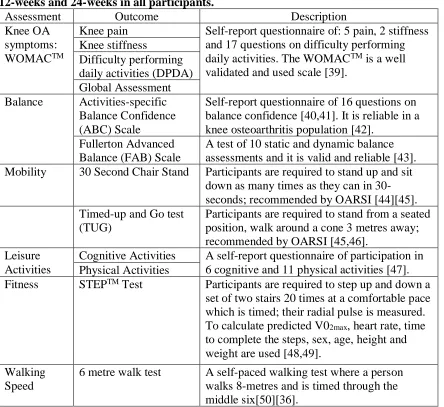
Table 1 Study assessment and outcome measures, which were assessed at baseline, 12-weeks and 24-weeks in all participants.
52
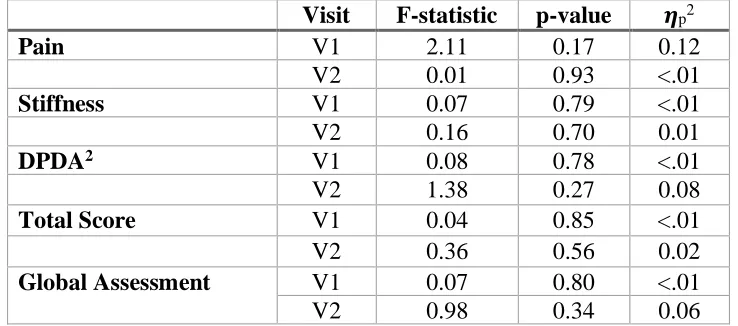
Table 2 Participant characteristics at baseline, by randomization group. 53 Table 3 WOMACTM results at 12 and 24-week assessments during a SSE
intervention
53
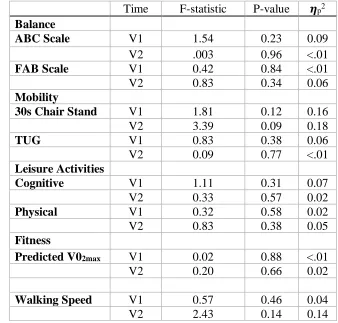
Table 4 Results for functional outcomes at 12-weeks (V1) and 24-weeks (V2) during a SSE intervention.
54
Chapter 3
Table 1 Cambridge Brain Sciences cognitive computer battery games 84
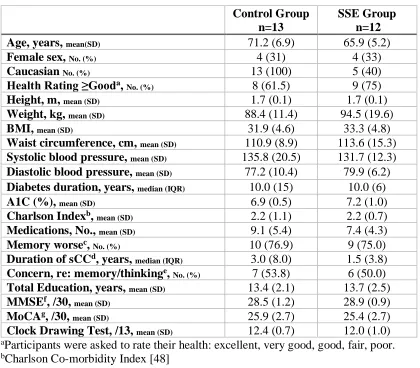
Table 2 Participant characteristics by randomization group 86 Table 3 Cambridge Brain Sciences online computer game scores at
baseline, separated by randomization group and population norms; mean and standard deviations presented.
87
Table 4 Participant baseline characteristics for eye-tracking assessments, separated by randomization group.
87
Chapter 4a
Table 1 Descriptions of Cambridge Brain Sciences cognitive battery 126 Table 2 Study site characteristics by cluster group. 127 Table 3a Participant characteristics by study site. 128 Table 3b Participant baseline characteristics, by randomization group. 129 Table 4 Attendance rates of Square-stepping exercise program at each
study site, and attendance rates of other offered exercise programs at each of the sites.
130
Table 5 The number of participants that completed each outcome assessment at baseline (V0) and post-intervention (V1).
131
Table 6 Randomization group mean scores of Cambridge Brain Sciences games at baseline and normative population values for older adults.
132
Chapter 4b
ix
List of Figures
Chapter 1
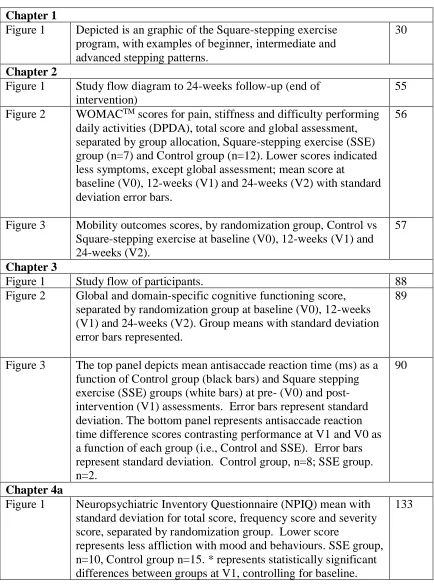
Figure 1 Depicted is an graphic of the Square-stepping exercise program, with examples of beginner, intermediate and advanced stepping patterns.
30
Chapter 2
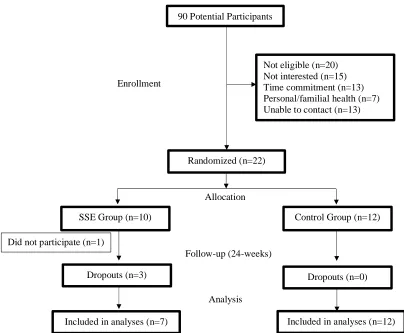
Figure 1 Study flow diagram to 24-weeks follow-up (end of intervention)
55
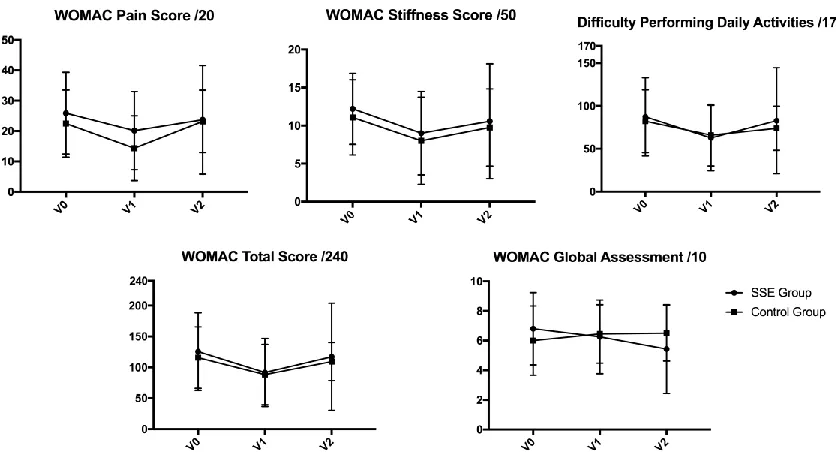
Figure 2 WOMACTM scores for pain, stiffness and difficulty performing daily activities (DPDA), total score and global assessment, separated by group allocation, Square-stepping exercise (SSE) group (n=7) and Control group (n=12). Lower scores indicated less symptoms, except global assessment; mean score at
baseline (V0), 12-weeks (V1) and 24-weeks (V2) with standard deviation error bars.
56
Figure 3 Mobility outcomes scores, by randomization group, Control vs Square-stepping exercise at baseline (V0), 12-weeks (V1) and 24-weeks (V2).
57
Chapter 3
Figure 1 Study flow of participants. 88
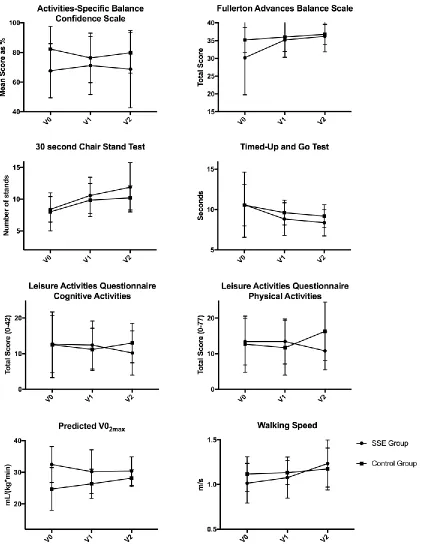
Figure 2 Global and domain-specific cognitive functioning score, separated by randomization group at baseline (V0), 12-weeks (V1) and 24-weeks (V2). Group means with standard deviation error bars represented.
89
Figure 3 The top panel depicts mean antisaccade reaction time (ms) as a function of Control group (black bars) and Square stepping exercise (SSE) groups (white bars) at pre- (V0) and post-intervention (V1) assessments. Error bars represent standard deviation. The bottom panel represents antisaccade reaction time difference scores contrasting performance at V1 and V0 as a function of each group (i.e., Control and SSE). Error bars represent standard deviation. Control group, n=8; SSE group. n=2.
90
Chapter 4a
Figure 1 Neuropsychiatric Inventory Questionnaire (NPIQ) mean with standard deviation for total score, frequency score and severity score, separated by randomization group. Lower score
represents less affliction with mood and behaviours. SSE group, n=10, Control group n=15. * represents statistically significant differences between groups at V1, controlling for baseline.
x
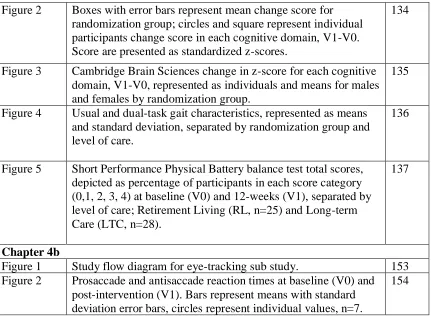
Figure 2 Boxes with error bars represent mean change score for randomization group; circles and square represent individual participants change score in each cognitive domain, V1-V0. Score are presented as standardized z-scores.
134
Figure 3 Cambridge Brain Sciences change in z-score for each cognitive domain, V1-V0, represented as individuals and means for males and females by randomization group.
135
Figure 4 Usual and dual-task gait characteristics, represented as means and standard deviation, separated by randomization group and level of care.
136
Figure 5 Short Performance Physical Battery balance test total scores, depicted as percentage of participants in each score category (0,1, 2, 3, 4) at baseline (V0) and 12-weeks (V1), separated by level of care; Retirement Living (RL, n=25) and Long-term Care (LTC, n=28).
137
Chapter 4b
Figure 1 Study flow diagram for eye-tracking sub study. 153 Figure 2 Prosaccade and antisaccade reaction times at baseline (V0) and
post-intervention (V1). Bars represent means with standard deviation error bars, circles represent individual values, n=7.
xi
List of Appendices
Western University Health Science Research Ethics Board – Full Board Initial Approvals
An innovative mind-motor exercise approach to osteoarthritis treatment
No. 106537 167
Mind-motor exercise in older adults with type 2 diabetes and self-reported cognitive complaints
No. 105883 168
The MIND-FUN Research Study: Mind-motor exercise to improve cognition and functional fitness
xii
List of Abbreviations, Symbols, Nomenclature < = less than
> = greater than
𝜂p2 = partial eta squared, effect size for analysis of variance test 6MWT = 6 metre walk test, m/s
A1C = glycated hemoglobin
ABC = Activities-specific Balance Confidence Score AD = Alzheimer’s disease
ANCOVA = Analysis of Co-variance ANOVA = analysis of variance
ApoE = Apolipoprotein E
BDNF = brain derived neurotrophic factor BMI = body mass index, kg/m2
CBS = Cambridge Brain Sciences CC = continuum care
CES-D = Centre for Studies in Epidemiology Depression Scale CI = confidence intervals
CIHR = Canadian Institutes for Health Research
cm = centimetre
cm/s = centimetre per second
DASH = dietary approaches to stop hypertension
DPDA = difficulty performing daily activities, from WOMACTM
F = F-statistics, ratio of variances from analysis of variances statistical test FAB = Fullerton Advanced Balance Scale
GCF = global cognitive functioning
GLA:D = GoodLife for osteoArthritis in Denmark Hz = hertz
IGF-1 = insulin like growth factor 1
IGR-1R = insulin like growth factor 1 receptor
kg/m2 = unit for Body Mass index, kilograms per meter squared km = kilometres
LTC = long-term care
MCI = mild cognitive impairment
min = minute
MMSE = Mini-Mental State Examination, scored out of 30
MoCA = Montreal Cognitive Assessment, scored out of 30
ms = milliseconds
N, n = sample size
No. = number
xiii OA = osteoarthritis
OARSI = OsteoArthritis Research Society International p = statistical probability value
PHAC = Public Health Agency of Canada
pV02max = predicted maximum volume of oxygen consumption, ml/kg/min
RCT = randomized controlled trial
RIA = Schlegel – University of Waterloo Research Institute for Aging RL = retirement living
RT = reaction time
sCC = Self-reported cognitive complaints SD = standard deviation
SEM = standard error of the mean
SPPB = Short Performance Physical Battery
SPSS = Statistical Package for the Social Sciences computer software
SSE = Square-stepping exercise
t = t-statistic, obtained from chi-square test
T2DM = type 2 diabetes mellitus TIA = transient ischemic attack TrkB = tyrosine receptor kinase B TUG = Timed up and go test, seconds
V0 = visit 0, baseline visit, pre-intervention assessment
V1 = visit 1, refer to methods in each paper for specific time point V2 = visit 2, refer to methods in each paper for specific time point
vs = versus
WHO = World Health Organization
WOMACTM = Western Ontario and McMaster Universities Osteoarthritis Index
X2 = chi-square value
Introduction
The Canadian population is aging, and with this comes increased incidence of
chronic disease and an increase in health care needs that the Canadian public funding
model will struggle to maintain. Adults with chronic diseases have varying levels of
impaired mobility and cognitive decline, which are risk factors for one another. As such,
there is a need for interventions, such as cognitive training, that are efficacious and
economical.
We sought to determine if a novel cognitive training program, called
Square-stepping exercise (SSE), was feasible and could improve mobility and/or cognition in
older adults with chronic disease as a universal intervention. We conducted three pilot
randomized controlled trials (RCTs) in older adults with: knee osteoarthritis (OA), type 2
diabetes mellitus (T2DM) with self-reported cognitive complaints (sCC), and adults in
long-term care (LTC) and continuum care (CC) homes as example populations.
The dictionary definition of feasibility is ‘the state or degree of being easily or
conveniently done’ [1]. The journal, Pilot and Feasibility Studies, acknowledges that
there remain discrepancies and no agreed upon definition for the term feasibility in
intervention studies. However, Bowen et al. have proposed the following definition for
feasibility: “the feasibility for intervention efficacy is: meeting intended behavioural
outcomes under ideal circumstances, whereas feasibility of intervention effectiveness is:
evaluating success in the real-world” [2]. In the context of this thesis we will use Bowen
et al.’s definition of feasibility for intervention efficacy, which we measured via
recruitment and attendance in accordance with Thabane et al.’s recommendations for pilot
Mobility defined by the International Classification of Functioning, Disability,
and Health (ICF) Framework is: “moving by changing body position or location or by
transferring from one place to another, by carrying, moving or manipulating objects, by
walking, running or climbing, and by using various forms of transportation” [4]. We
focused on a functional approach and therefore, mobility as defined for this thesis was the
ability to complete everyday functional movements, and tasks without considerable
external aids. Adults with chronic disease, including physical and cognitive impairments,
have reduced mobility. We measured mobility in several ways in this thesis including the
timed-up and go, 30 second chair stand, and walking speed.
Cognition refers to mental processes, including the ability to think and make
logical thoughts and conclusions, including several domains such as memory and
executive function (higher-ordered thinking). We discuss four cognitive domains in this
thesis that combine to create a global cognitive functioning (GCF) score, which are:
planning, memory, concentration, and reasoning, as defined by one of our outcomes,
Cambridge Brain Sciences [5].
The following literature review discusses the chronic disease pandemic, defines
the chronic diseases this thesis will cover, mechanisms for disease development,
mechanisms of cognitive training and exercise, and problems with current interventions.
It concludes with the current state of evidence for our proposed intervention, SSE.
Prevalence and Cost of Chronic Disease
The World Health Organization (WHO) attributed 88% of deaths in Canada to
non-communicable chronic disease, which included hypertension and obesity as the
leading risk factors [6]. The Public Health Agency of Canada (PHAC) calculated the
which was an increase of 13.8% over a three-year period [7]. Many chronic diseases are
associated with reduced function, including mobility and cognitive impairments.
Examples of chronic diseases that contribute to reduced mobility and cognitive decline
that will be discussed are knee OA, T2DM, and cognitive impairment. Within the scope
of chronic disease in Canada, 16% of Canadians are effected by all types of arthritis,
including 10% who are effected by OA [8,9]; by 2036, arthritis is expected to effect 20%
of Canadians [8]. Osteoarthritis alone contributes $6.4 billion annually to direct and
indirect health care costs [7,8]. Type 2 diabetes mellitus effects 9.3% of Canadians, with
an expected increase to 12.1% by 2025 [10]. Over a ten-year period, costs associated with
T2DM have nearly doubled, reaching $12.2 billion per year [11]. An estimated 45% of
people (over the age of 45 years) who live in LTC, have a diagnosis of dementia [12]. In
2016, dementia effected 564000 Canadians and costed Canadian health care $10.4 billion;
by 2031 the prevalence is expected to increase to 937000 and cost $16.6 billion [13].
People with chronic diseases have varying disease burden, measured by morbidity
and quality of life. Cerebrovascular and neurological conditions are associated with the
worst physical and mental health quality of life scores amongst the spectrum of chronic
diseases; OA and T2DM are associated with high disease burden [14,15]. Reduced
participation in social activities and depression are associated with reduced activities of
daily living and poor quality of life as well as cognitive decline [16–18]. Arthritis is the
leading cause of disability for women and second leading cause of disability for men
[8,19]. Quality of life decreases with increased complications associated with T2DM
[20,21]. With a public health care model in Canada, there is an urgent need to slow the
improve health and quality of life amidst the aging Canadian population in a feasible,
scalable, and pragmatic way.
Diseases, mechanisms, and interventions
Osteoarthritis
Osteoarthritis is defined as radiographic (X-ray) evidence of cartilage loss at a
joint, with or without joint symptoms, most commonly pain and functional limitations
[22]. Osteoarthritis is primarily a disease whereby the articular cartilage in a joint is worn
down from unequal joint pressure, resulting in joint space narrowing, and inflammation,
which leads to pain, disability, and reduced function and proprioception [22]. These
symptoms (pain, reduced function) are associated with increased falls risk and decreased
physical activity in adults with knee and hip OA [23,24]. An increased risk of falling is
associated with mobility and cognitive impairments [25,26]. Osteoarthritis is caused by
modifiable risk factors including obesity, physical inactivity, and acute injury and
non-modifiable risk factors including, age, sex, and joint malformation [22,27].
There is no cure for OA, and current treatments are primarily based on symptom
and pain relief, and improving mobility and function. Current treatments do not address
prevention of disease progression. For example, the gold standard treatment for knee OA
is total knee replacement surgery; other non-surgical treatment options are
pharmacological and non-pharmacological. Non-pharmacological treatments for OA are
based on guidelines created by the Osteoarthritis Research Society International
(OARSI), which include: land-based exercise, weight management, strength training,
water-based exercise, self-management, and education. Pharmacological treatments
include anti-inflammatory and pain management injections, drugs (e.g., non-steroidal
[28]. For the purposes of this thesis we focused on land-based exercises recommended by
OARSI.
T’ai Chi has strong favourable benefits for pain reduction and improvement of
physical function. Two meta-analyses found that T’ai Chi interventions reduced pain and
to some extent, improved physical function for adults with knee OA [28–30]. A
neuromuscular training program, which has been implemented into clinical practice in
Denmark and investigated in Canada, has demonstrated improvements in pain as well as
lower extremity functional fitness in prospective cohort studies [31,32]. However, in
randomized controlled trials, there was not a superior effect of the neuromuscular training
program compared to controls or other types of training [33–35]. It is likely that the lack
of evidence for improvements in physical function, such as balance, through the proposed
mechanisms of proprioception or neuromuscular function is due to the low number of
trials that appropriately assess these outcomes [24]. A recent systematic review of T’ai
Chi interventions found that 72% of trials did not measure balance using a test of
proprioception and/or neuromuscular function [36]. Nevertheless, in those studies that did
include these measurements, there was evidence for improved balance and proprioception
or neuromuscular function, which supports the hypothesis that T’ai Chi improves balance
by changes in proprioception [36].
The feasibility, as measured by attendance in programs, was >80% in most
studies, demonstrating that interventions appear to be feasible in adults with knee OA
[37–39]. In practice, these interventions (neuromuscular training and T’ai Chi) require
specialized training and certification to administer. As well, in further evaluation of the
neuromuscular training program, it was only adopted by 20% of municipalities,
for OA [39]. Thus, there still appears to be limited ability to scale interventions and
increase accessibility of programs to everyone effected by OA. Further development of
intervention studies is required to determine a program that will improve neuromuscular
function, and proprioception to improve falls risk and physical function in adults with
OA, that is feasible and scalable.
Type 2 diabetes mellitus
Type 2 diabetes mellitus is defined as primary systemic insulin resistance with
reduced beta cell function [40]. The two main risk factors for T2DM are physical
inactivity and obesity. Physical inactivity leads to insulin resistance through reduced
function of insulin receptor substrate 1, disruptions of phosphoinositide 3 kinase
activation, and glucose transporter 4 translocations, which causes a reduction of glucose
entering cells, and leads to hyperglycemia [40]. Obesity causes chronic general
inflammation via adipose tissue, which leads to insulin resistance through increased
intracellular fatty acids and disrupted glucose metabolism through competition between
fats and glucose, thereby decreasing glucose oxidation, resulting in hyperglycemia [40].
While obesity and physical inactivity are major risk factors for T2DM, other risk factors
include: increasing age, diet, family history, polycystic ovary syndrome, mental illness,
hypertension, hyperlipidemia, and cardiometabolic disturbances [41].
The support for exercise as an intervention for prevention, treatment and
management of T2DM is well established with demonstrated evidence and national
guidelines. Similar to OA, T2DM has no known cure and treatments are prescribed to
manage the disease, reduce symptoms, and reduce risk of co-morbidity. Diabetes Canada
(formerly the Canadian Diabetes Association) has published clinical practice guidelines,
diagnosis, specifically exercise [41]. Exercise improves glycated hemoglobin (A1C), and
controls blood glucose to prevent micro- and macro-vascular complications associated
with T2DM [40,41]. Vascular complications are arguably the most important clinical
outcomes for people with T2DM; however, one such vascular complication that has been
overlooked is dementia [42].
Few studies have examined the effect of exercise on the prevention of cognitive
decline in adults with T2DM. Those that have been conducted are generally of poor
quality, design, and have small sample sizes as well as limited adherence reporting. A
24-week lifestyle intervention elicited a decline in immediate and delayed recall in adults
with T2DM, n=17; however, there was no control group in this study [43]. A sub-study
compared adults with T2DM to adults without T2DM on a cycling or cyber-cycling
protocol, n=20; they found improvements in executive function in the T2DM group [44].
A third study found that adults with T2DM improved global cognitive functioning
compared to a control group; this improvement was not seen in adults without T2DM
(n=415 at baseline) [45]. These studies demonstrate that there is potential to improve
cognition in adults with T2DM and without cognitive deficits. However, more studies
with robust methodology are needed, in addition to investigating alternative interventions,
such as cognitive training, to specifically target cognitive function.
Attendance rates of feasibility studies reported between 50-100% attendance rates,
with most averages in the range of 60-80% [43–45]. Further, dropout rates are reported
between 10-43% [44,45]. It is likely that there are high dropout rates because adults with
T2DM have high disease burden, as demonstrated by higher vascular burden (i.e.,
cardiovascular risk) compared to non-diabetes controls [45]. Additionally, two of the
feasibility of cognitive training and exercise interventions for adults with T2DM need
better reporting.
Cognitive Impairment
Cognitive decline is on a spectrum with subjective cognitive decline (SCD) as the
earliest phase and dementia and Alzheimer’s disease (AD) at the end stages, and
therefore, there are several definitions. Subjective cognitive decline or a self-reported
cognitive complaint (sCC) is identified when a person or partner/family member reports a
decline in memory and/or thinking skills, which can occur with or without objective
impairment [46,47]. Evidence suggests SCD increases the likelihood of developing
dementia and those who are concerned or worried about their declining cognition further
increase their risk of dementia [48,49]. Mild cognitive impairment (MCI) includes
objective evidence of cognitive decline in memory or thinking domains, which is usually
assessed using standardized tests, such as the Mini-Mental State Examination (MMSE) or
Montreal Cognitive Assessment (MoCA) [48]. Dementia is the clinical diagnosis of overt
disease, which is defined as a decline in memory and/or thinking skills that impairs
function [50]. The underlying mechanism for dementia and AD are likely multifactorial
and thus the interactions of several mechanisms result in disease [51–54].
Proposed mechanisms and accepted risk factors of cognitive decline are
summarized in an updated review by Santos et al. 2017. In brief, cardiometabolic changes
(e.g., impaired heart function, hypertension, hypercholesterolemia, hyperglycemia) are
accepted risk factors [55]. The mechanism is related to reduced cerebral blood flow,
chronic microvascular injury, endothelial damage (stiffness, nitric oxide decrements),
changes to the blood brain barrier (leak of ion balance, glucose exchange), build-up of
Additionally, it is accepted that the Apolipoprotein E (ApoE) gene is related to AD risk
[55]. However, much of the cellular changes related to the development of dementia
remain to be elucidated. Midlife vascular risk factors, disease, and events, such as stroke,
transient ischemic attacks (TIA), heart disease, and T2DM are risk factors for dementia
[51,52]. Furthermore, a recent study evaluating meta-analyses on 76 environmental risk
factors for dementia found convincing evidence that depression (any age and late life),
benzodiazepine use, and low social contact increase the risk for all types of dementia
[56].
In adults with subjective cognitive decline, MCI, or dementia, the treatment
options available are aimed at slowing progression and reducing symptoms, rather than
stopping or reversing cognitive decline. Further, pharmaceuticals have failed to
demonstrate any cognitive benefit to dementia or AD [57,58]; however, exercise and
cognitive training intervention trials are showing promise.
Exercise improves cognition in adults primarily through increased cerebral blood
flow [59]. Aerobic exercise increases levels of brain derived neurotrophic factor (BDNF)
and it’s receptor, tyrosine receptor kinase B (TrkB), which in turn increases hippocampal
volume and synaptic plasticity [53,60], resulting in improvements in memory and
executive function. Resistance training appears to increase insulin-like growth factor 1
(IGF-1) and it’s receptor IGF-1R, which increases prefrontal cortex volume and improves
response inhibition and conflict resolution [52,53,61].
In 2003, a meta-analysis found aerobic exercise to have a positive effect on
cognitive function [62]. In healthy older adults, it was found that a six-month study of
aerobic exercise improved conflict resolution and attention (executive function) as well as
increase in hippocampal volume and improvements in memory, which is equivalent to
reducing one to two years of age-related volume loss [63]. In a nine-year longitudinal
study, it was found that walking 1.6 km (1 mile) per day was enough to maintain gray
matter in older adults [64]. In adults with subjective cognitive decline or MCI, a 24-week,
three times per week exercise intervention found improvements in global cognition and
memory; in comparison the control group declined in global cognition over that same
period [65]. A six-month study of four days per week of high intensity exercise in adults
with MCI, found improvements in executive function, and females demonstrated greater
improvements than males [66]. In adults with dementia, exercise interventions appear to
provide cognitive benefit; however, the results are less robust. It appears that the benefits
associated with exercise on cognition may only provide maintenance of cognitive
function rather than improvements, despite interventions lasting up to 12-months in adults
with dementia [67,68].
As an alternative to exercise interventions, cognitive training has been under
investigation in recent years to determine its efficacy on cognition, and thus,
meta-analyses have been conducted. Two recently published meta-meta-analyses found small, but
significant, benefits of cognitive training on cognition, specifically memory. Further, the
data suggest that cognitive training imparts a lasting effect; however, it should be noted
that these studies were conducted in healthy older adults and not in adults with cognitive
impairments [69–71].
The mechanism by which cognitive training improves cognition is still under
investigation. However, Chapman et al., have demonstrated it appears to be, at least in
part, related to increased activation of the frontal, temporal and parietal areas as a result
increases activation in specific brain regions. There is increased global and regional blood
flow at resting state due to overall increased metabolic demand from cognitive training
(i.e., increased periods of activation), and increased resting state activation (default mode
network, and executive-related areas), as well as greater connectivity in associated
regions, and increased white matter [72]. These changes: hemodynamic, neural activation,
connectivity, and structure, appear to be associated with functional improvements in
cognitive function. These changes were seen in healthy older adults. However, in adults
with cognitive impairments there is evidence for brain plasticity because compensatory
pathways are activated in response to cognitive training, rather than the ‘traditional’
neural pathways shown in healthy older adults [73,74]. Further study on the efficacy of
cognitive training is needed.
The feasibility, that is recruitment and attendance, of cognitive training studies to
improve cognition in older adults is poorly reported [72,75]. Additionally, some studies
exclude participants from analysis who did not adhere to the cognitive training program
[76]. Exercise intervention studies have somewhat better attendance reporting, for
reference, a range of 60-80% average attendance rates are reported in exercise trials to
improve cognition [77–79]. Interestingly, programs that are administered in retirement
and assisted living communities have higher attendance rates, averaging closer to 80%
[68,80]. However, in studies in assisted living homes in adults with dementia (i.e., higher
disease burden), recruitment rates (17%), and dropout rates (36%) are low, as well as high
incidence of adverse events [68]. Thus, there remains to be problems with the feasibility
of interventions in adults with cognitive impairments.
Scalability of interventions
Overall, disease burden is a barrier to participation in interventions [81–83], and
therefore limits feasibility and scalability of interventions. To date, there are very few
intervention trials that have demonstrated scalability. In order to combat the overarching
burden of chronic disease, it would be advantageous to have an intervention that is
efficacious for multiple chronic conditions, multi-morbidity and well tolerated for varying
levels of fitness. A robust example of successful scalability and implementation of an
intervention is the DASH diet (Dietary Approaches to Stop Hypertension) [84].
Originally designed to reduce hypertension through reduced sodium diet, randomized
controlled trials have also demonstrated it can prevent osteoporosis [85], colorectal cancer
[86], heart disease, stroke [87], and help prevent diabetes complications [88]. This
program has been endorsed by Diabetes Canada, Heart and Stroke Foundation,
Hypertension Canada, and Dietitians of Canada, and thus, has demonstrated its clinical
benefits, feasibility, and scalability. In contrast, the only scaled intervention for multiple
chronic conditions is aerobic exercise [89]. However, recommendations for aerobic
exercise vary amongst chronic diseases for primary, secondary, and tertiary prevention,
and the recommendations differ in frequency, intensity, time, and type (e.g., aerobic,
resistance and alternative forms, such as T’ai Chi) of exercise. Further, there are many
contraindications for each disease, making recommendations difficult to interpret for
disease populations [28,41]. Because of the varied guidelines, primary care clinicians do
not feel confident prescribing aerobic exercise despite its benefits and therefore, further
scaling of interventions is needed [90–92]. Additionally, aerobic exercise has not
translated into real world settings, as only 12% of Canadian adults over 60 years of age
disease imparts on an individual has a detrimental effect on adherence to interventions;
therefore, an intervention is needed that will improve adherence for adults with all types
of chronic diseases to promote secondary disease prevention, including mobility and
cognitive decline.
A universal intervention – Square-stepping exercise (SSE)
As a potential universal intervention for chronic disease populations, we chose to
investigate the use of a novel cognitive training program, Square-stepping exercise (SSE).
Square-stepping exercise was designed as a falls prevention program for
community-dwelling older adults by Shigematsu and Okura in Japan [94]. It is a cognitive training
program that is best described as a progressive, visuospatial working memory task with a
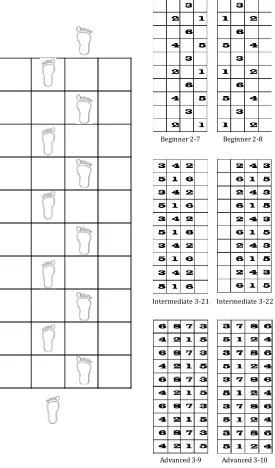
cued stepping response. An instructor demonstrates a stepping pattern across a gridded
mat and participants are required to memorize and repeat the patterns (see Figure 1). The
mat is 250 cm by 100 cm divided into 10 rows and four columns. The program includes
over 200 patterns that range from beginner to intermediate to advanced [94]. Steps can be
forward, backward, horizontal, or diagonal in direction. Square-stepping exercise has
been primarily investigated as a twice weekly program for approximately 45 minutes. It is
a low-cost activity that is group-based and designed to be a social program. Thus, SSE is
cognitively stimulating and socially engaging; further, because of its range of steps it can
also be considered a type of neuromuscular training.
Square-stepping exercise has shown improvements in mobility, in both
randomized (RCT) and non-randomized (non-RCT) study designs in community dwelling
older adults. SSE has shown improved lower limb functional fitness and strength over 3-
[95,96] , 4- [97], and 6-month [94] interventions in RCT and non-RCT study designs
shown to improve balance over 4 months, equivalent to an active control group [97]. SSE
has exhibited similar adherence to a walking program after four years (63% vs 65%
respectively; non-RCT) [98]. Square-stepping exercise has also shown cognitive benefit
in non-RCTs lasting 4- and 6- months, with improvements in global cognition,
specifically attention and flexibility as well as memory and executive function,
respectively [99,100]. Further, SSE has been studied in a 6-month randomized design in
combination with multi-modality exercise and dual-task training, and demonstrated
improvements in global cognition [78].
In previous studies, SSE has established good feasibility, with average attendance
rates of >80% over three to six month interventions [78,94–96,100,101]. It should be
noted that these studies were completed in healthy community-dwelling older adults and
therefore have low disease burden. To determine if SSE could provide any secondary
prevention for chronic diseases in older adults, we investigated it as a universal program
for adults with chronic disease based on its demonstrated benefits in community-dwelling
older adults.
The primary aims of this thesis were: to determine if SSE is feasible in adults: 1)
living with knee OA, 2) living with T2DM and sCC, and 3) living in LTC and CC homes,
as relevant examples of chronic diseases with a spectrum of mobility and cognitive
impairments. Secondary aims were to assess the potential efficacy of SSE on mobility
and/or cognitive outcomes in the proposed populations. Tertiary aims were to determine
if the intervention group improved in executive control in adults with T2DM and elderly
individuals in CC homes.
The remainder of the contents of this thesis are described here. Chapter two is a
its efficacy on mobility and OA symptoms. Chapter three is a 24-week pilot RCT in
adults with T2DM and sCC which assessed the feasibility of SSE and its efficacy on
cognition (including oculomotor function via antisaccade eye-tracking). Chapter four(a) is
a 12-week pilot cluster RCT in LTC and CC homes, where we assessed the feasibility of
implementing SSE and its efficacy on cognition, and mobility (via balance and gait) and
Chapter 4(b) is a sub-study of oculomotor function (via antisaccade eye-tracking) in
elderly adults with cognitive impairment. Chapter 5 is a discussion and conclusions of the
References for Chapter 1
[1] Oxford University Press, Feasibility, Last updated 2017, Accessed on 2017.
[2] Bowen DJ, Kreuter M, Spring B, Linnan L, Weiner D, Bakken S, Kaplan CP,
Squiers L, Fabrizio C (2010) How we design feasibility studies. Am. J. Prev. Med.
36, 452–457.
[3] Thabane L, Ma J, Chu R, Cheng J, Ismaila A, Rios LP, Robson R, Thabane M,
Giangregorio L, Goldsmith CH (2010) A tutorial on pilot studies: the what, why
and how. BMC Med. Res. Methodol.10, 1.
[4] WHO (2017) International Classification of Functioning, Disability and Health
(ICF).
[5] Hampshire A, Highfield RR, Parkin BL, Owen AM (2012) Article Fractionating
Human Intelligence. Neuron76, 1225–1237.
[6] World Health Organization (2013) Global action plan for the prevention and
control of noncommunicable diseases 2013-2020. World Heal. Organ. 102.
[7] Public Health Agency of Canada Health Economics Team (2014) Economic
burden of illness in Canada.
[8] Lagace C, Perrucio A, Degano C, Nichol M, Ansari H, Badley E, O’Donnell S,
Bartlett L, Diener A, Roberge H, Tanguay S, Canizares M, MacKay C, Tyas J
(2010) Life with Arthritis in Canada: A personal and public health challenge.
[9] The Arthritis Society, A Profile of Arthritis in Canada, Last updated 2015,
Accessed on 2015.
[10] Canadian Diabetes Cost Model, Diabetes Statistics in Canada, Last updated 2015,
Accessed on 2015.
in Canada: Facts and figures from a public health perspective.
[12] Wong SL, Gilmour H, Ramage-Morin PL (2016) Alzheimer’s disease and other
dementias in Canada. Heal. Rep27, 11–16.
[13] Chambers LW, Bancej C, Mcdowell I (2016) Prevalence and Monetary Costs of
Dementia in Canada.
[14] Sprangers M a. G, de Regt EB, Andries F, van Agt HME, Bijl R V., de Boer JB,
Foets M, Hoeymans N, Jacobs AE, Kempen GIJM, Miedema HS, Tijhuis M a. R,
de Haes HCJM (2000) Which chronic conditions are associated with better or
poorer quality of life? J. Clin. Epidemiol.53, 895–907.
[15] Alonso J, Ferrer M, Gandek B, Ware Jr JE, Aaronson NK, Mosconi P, Rasmussen
NK, Bullinger M, Fukuhara S, Kaasa S, Leplege A (2004) Health-related quality of
life associated with chronic conditions in eight countries: Results from the
International Quality of Life Assessment (IQOLA) Project. Qual. Life Res.13,
283–298.
[16] Lee SH, Kim YB (2014) Which type of social activities decrease depression in the
elderly? An analysis of a population-based study in South Korea. Iran. J. Public
Health43, 903–912.
[17] Hoe J, Hancock G, Livingstone G, Woos B, Challis D, Orrell M (2009) Changes in
the quality of life of people with dementia living in care homes. Alzheimer Dis
Assoc Disor23, 285–290.
[18] Beerens HC, Zwakhalen SMG, Verbeek H, Ruwaard D, Hamers JPH (2013)
Factors associated with quality of life of people with dementia in long-term care
facilities: A systematic review. Int. J. Nurs. Stud.50, 1259–1270.
S, Guillemin F, Hill CL, Laslett LL, Jones G, Cicuttini F, Osborne R, Vos T,
Buchbinder R, Woolf A, March L (2014) The global burden of hip and knee
osteoarthritis: estimates from the Global Burden of Disease 2010 study. Ann.
Rheum. Dis.73, 1323–1330.
[20] Wexler DJ, Grant RW, Wittenberg E, Bosch JL, Cagliero E, Delahanty L, Blais
MA, Meigs JB (2006) Correlates of health-related quality of life in type 2 diabetes.
Diabetologia49, 1489–1497.
[21] Redekop WK, Koopmanschap M a., Stolk RP, Rutten GEHM, Wolffenbuttel BHR,
Niessen LW (2002) Health-Related Quality of Life and Treatment Satisfaction in
Dutch Patients With Type 2 Diabetes . Diabetes Care25, 458–463.
[22] Arden N, Nevitt MC (2006) Osteoarthritis: Epidemiology. Best Pract. Res. Clin.
Rheumatol.20, 3–25.
[23] Pai YIC, Rymer WZ, Chang RW, Sharma L (1997) Effect of age and osteoarthritis
on knee proprioception. Arthritis Rheum.40, 2260–2265.
[24] Takacs J, Carpenter MG, Garland SJ, Hunt MA (2013) The role of neuromuscular
changes in aging and knee osteoarthritis on dynamic postural control. Aging Dis.4,
84–99.
[25] Sheridan PL, Hausdorff JM (2011) The role of higher-level cognitive function in
gait: executive dysfunction contributes to fall risk in Alzheimer’s disease. Dement.
Geriatr. Cogn. Disord.24, 125–137.
[26] Gothe NP, Fanning J, Awick E, Chung D, Wójcicki TR, Olson EA, Mullen SP,
Voss M, Erickson KI, Kramer AF, McAuley E (2014) Executive function
processes predict mobility outcomes in older adults. J. Am. Geriatr. Soc.62, 285–
[27] Plotnikoff R, Karunamuni N, Lytvyak E, Penfold C, Schopflocher D, Imayama I,
Johnson ST, Raine K (2015) Osteoarthritis prevalence and modifiable factors: a
population study. BMC Public Health15, 1195.
[28] McAlindon TE, Bannuru RR, Sullivan MC, Arden NK, Berenbaum F,
Bierma-Zeinstra SM, Hawker GA, Henrotin Y, Hunter DJ, Kawaguchi H, Kwoh K,
Lohmander S, Rannou F, Roos EM, Underwood M (2014) OARSI guidelines for
the non-surgical management of knee osteoarthritis. Osteoarthr. Cartil.22, 363–
388.
[29] Bannuru RR, Abariga S, Wang C (2012) How effective is tai chi mind-body
therapy for knee osteoarthritis (KOA)? A systematic review and meta-analysis.
Osteoarthr. Cartil.20, Supple, S281–S282.
[30] Wayne PM, Walsh JN, Taylor-Piliae RE, Wells RE, Papp K V, Donovan NJ, Yeh
GY (2014) The Impact of Tai Chi on Cognitive Performance in Older Adults: A
Systematic Review and Meta-Analysis. J. Am. Geriatr. Soc.62, 25–39.
[31] Ageberg E, Link A, Roos EM (2010) Feasibility of neuromuscular training in
patients with severe hip or knee OA : The individualized goal-based NEMEX-TJR
training program. BMC Musculoskelet. Disord.11, 1–7.
[32] Skou ST, Odgaard A, Rasmussen JO, Roos EM (2012) Group education and
exercise is feasible in knee and hip osteoarthritis. Dan. Med. J.59, 1–5.
[33] Bennell KL, Kyriakides M, Metcalf B, Egerton T, Wrigley T V, Hodges PW, Hunt
MA, Roos EM, Forbes A, Ageberg E, Hinman RS (2014) Neuromuscular Versus
Quadriceps Strengthening Exercise in Patients With Medial Knee Osteoarthritis
and Varus Malalignment A Randomized Controlled Trial. Arthritis Rheumatol.66,
[34] Villadsen A, Overgaard S, Holsgaard-larsen A, Christensen R, Roos M (2014)
Immediate Efficacy of Neuromuscular Exercise in Patients with Severe
Osteoarthritis of the Hip or Knee : A Secondary Analysis from a Randomized
Controlled Trial. J. Rheumatol.41, 1385–94.
[35] Huber EO, Roos EM, Meichtry A, Bie RA De, Bischoff-ferrari HA (2015) Effect
of preoperative neuromuscular training ( NEMEX-TJR ) on functional outcome
after total knee replacement : an assessor-blinded randomized controlled trial. BMC
Musculoskelet. Disord.16, 1–14.
[36] Lewis HK, Wu Y, Pescatella LS (2017) Mechanisms for Balance Improvement in
Tai Chi Intervention Trials: A systematic review. Med. Sci. Sport. Exerc.49,
S337-98.
[37] Wortley M, Zhang S, Paquette M, Byrd E, Baumgartner L, Klipple G, Krusenklaus
J, Brown L (2013) Effects of resistance and Tai Ji training on mobility and
symptoms in knee osteoarthritis patients. J. Sport Heal. Sci.2, 209–214.
[38] Wang C, Schmid CH, Hibberd PL, Kalish R, Roubenhoff R, Rones R, McAlindon
T (2011) Tai Chi is effective in treating knee osteoarthritis: A randomized
controlled trial. Arthritis Rheumatol.61, 1545–1553.
[39] Skou ST, Roos EM (2017) Good Life with osteoArthritis in Denmark (GLA:D TM):
evidence-based education and supervised neuromuscular exercise delivered by
certified physiotherapists nationwide. BMC Musculoskelet. Disord.18, 1–13.
[40] Holt R, Cockram C, Flyvbjerg A, Goldstein B, eds. (2010) Textbook of Diabetes,
Wiley-Blackwell.
[41] Cheng A, Woo V, Booth G, Clement M, Harper W, Knip A (2013) Clinical
[42] Ott, A. Stolk, R. P, van Harskamp. F, Pols. Hofman, A, Breteler M (1999) Diabetes
mellitus and the risk of dementia: The Rotterdam Study. Neurology59, 1937–
1942.
[43] Fiocco AJ, Scarcello S, Marzolini S, Chan A, Oh P, Proulx G, Greenwood C
(2013) The effects of an exercise and lifestyle intervention program on
cardiovascular, metabolic factors and cognitive performance in middle-aged adults
with type ii diabetes: A pilot study. Can. J. Diabetes37, 214–219.
[44] Anderson-Hanley C, Arciero PJ, Westen SC, Nimon J, Zimmerman E (2012)
Neuropsychological benefits of stationary bike exercise and a cybercycle exergame
for older adults with diabetes: an exploratory analysis. J. Diabetes Sci. Technol.6,
849–857.
[45] Espeland MA, Lipska K, Miller ME, Rushing J, Cohen RA, Verghese J,
McDermott MM, King AC, Strotmeyer ES, Blair SN, Pahor M, Reid K, Demons J,
Kritchevsky SB (2017) Effects of Physical Activity Intervention on Physical and
Cognitive Function in Sedentary Adults With and Without Diabetes. J. Gerontol.
A. Biol. Sci. Med. Sci.72, 861–866.
[46] Jessen F (2014) Subjective and objective cognitive decline at the pre-dementia
stage of Alzheimer’s disease. Eur. Arch. Psychiatry Clin. Neurosci.264, 3–7.
[47] Jessen F, Amariglio RE, Van Boxtel M, Breteler M, Ceccaldi M, Chételat G,
Dubois B, Dufouil C, Ellis KA, Van Der Flier WM, Glodzik L, Van Harten AC,
De Leon MJ, McHugh P, Mielke MM, Molinuevo JL, Mosconi L, Osorio RS,
Perrotin A, Petersen RC, Rabin LA, Rami L, Reisberg B, Rentz DM, Sachdev PS,
De La Sayette V, Saykin AJ, Scheltens P, Shulman MB, Slavin MJ, Sperling RA,
framework for research on subjective cognitive decline in preclinical Alzheimer’s
disease. Alzheimer’s Dement.10, 844–852.
[48] Jessen F, Wolfsgruber S, Wiese B, Bickel H, Mösch E, Kaduszkiewicz H, Pentzek
M, Riedel-Heller SG, Luck T, Fuchs A, Weyerer S, Werle J, Van Den Bussche H,
Scherer M, Maier W, Wagner M (2014) AD dementia risk in late MCI, in early
MCI, and in subjective memory impairment. Alzheimer’s Dement.10, 76–83.
[49] Jessen F, Wiese B, Bachmann C, Eifflaender-Gorfer S, Haller F, Kolsch H, Luck
T, Mosch E, Van Den Bussche H, Wagner M, Wollny A, Zimmerman T, Pentzek
M, Riedel-Heller SG, Romberg H-P, Weyerer S, Kaduszkiewicz H, Maier W,
Bickel H (2010) Prediction of Dementia by Subjective Memory Impairment. Arch
Gen Psychiatry67, 414–422.
[50] Knopman DS (2007) Alzheimer’s Disease and Other Dementias. Alzhiemer’s
Assoc.2, 2271–2274.
[51] Gottesman RF, Schneider ALC, Zhou Y, Coresh J, Green E, Gupta N, Knopman
DS, Mintz A, Rahmim A, Sharrett AR, Wagenknecht LE, Wong DF, Mosley TH
(2017) Association Between Midlife Vascular Risk Factors and Estimated Brain
Amyloid Deposition. Jama317, 1443.
[52] Voss MW, Nagamatsu LS, Liu-ambrose T, Kramer AF (2011) Physiology and
Pathophysiology of Physical Inactivity Exercise , brain , and cognition across the
life span. J. Appl. Physiol.111, 1505–1513.
[53] Cassilhas RC, Lee KS, Fernandes J, Oliveira MGM, Tufik S, Meeusen R, De
Mello MT (2012) Spatial memory is improved by aerobic and resistance exercise
through divergent molecular mechanisms. Neuroscience202, 309–317.
roles of growth factor cascades and inflammation. Trends Neurosci.30, 464–472.
[55] Santos CY, Snyder PJ, Wu W-C, Zhang M, Echeverria A, Alber J (2017)
Pathophysiologic relationship between Alzheimer’s disease, cerebrovascular
disease, and cardiovascular risk: A review and synthesis. Alzheimer’s Dement.
Diagnosis, Assess. Dis. Monit.7, 69–87.
[56] Bellou V, Belbasis L, Tzoulaki I, Middleton LT, Ioannidis JPA, Evangelou E
(2017) Systematic evaluation of the associations between environmental risk
factors and dementia: An umbrella review of systematic reviews and
meta-analyses. Alzheimer’s Dement.13, 406–418.
[57] Cummings JL, Morstorf T, Zhong K (2014) Alzheimer’s disease
drug-development pipeline: few candidates, frequent failures. Alzheimers. Res. Ther.6,
37.
[58] Franco KN, Messinger-Rapport B (2006) Pharmacological treatment of
neuropsychiatric symptoms of dementia: a review of the evidence. J Am Med Dir
Assoc7, 201–202.
[59] Colcombe SJ, Kramer AF, Erickson KI, Scalf P, McAuley E, Cohen NJ, Webb A,
Jerome GJ, Marquez DX, Elavsky S (2004) Cardiovascular fitness, cortical
plasticity, and aging. Proc. Natl. Acad. Sci.101, 3316–3321.
[60] Voss MW, Erickson KI, Prakash RS, Chaddock L, Kim J, Alves H, Szabo A,
White SM, Wójcicki TR, Mailey E, Olson EA, Gothe NP, Potter V V, Martin SA,
Pence BD, Cook MD, Woods JA, McAuley E, Kramer AF (2014) Neurobiological
markers of exercise-related brain plasticity in older adults. Brain Behav. Immun.
28, 90–99.
Resistance training promotes cognitive and functional brain plasticity in seniors
with probable mild cognitive impairment. Arch Intern Med172, 666–668.
[62] Colcombe S, Kramer AF (2003) Fitness effects on the cognitive function of older
adults: A Meta-Analytic Study. Psychol. Sci.14, 125–130.
[63] Erickson KI, Voss MW, Prakash RS, Basak C, Szabo A, Chaddock L, Kim JS, Heo
S, Alves H, White SM, Wojcicki TR, Mailey E, Vieira VJ, Martin SA, Pence BD,
Woods JA, McAuley E, Kramer AF (2011) Exercise training increases size of
hippocampus and improves memory. Proc. Natl. Acad. Sci. U. S. A.108, 3017–22.
[64] Erickson KI, Raji C., Lopez O., Becker J., Rosano C, Newman A., Gach H.,
Thompson P., Ho A., Kuller LH (2010) Physical activity predicts gray matter
volume in late adulthood: The Cardiovascular Health Study. Neurology75, 1415–
1422.
[65] Lautenschlager NT, Cox KL, Flicker L, Foster JK, Bockxmeer FM Van (2008)
Effect of Physical Activity on Cognitive Function in Older Adults at Risk for
Alzheimer Disease. J. Am. Med. Assoc.300, 1027–1037.
[66] Baker LD, Frank LL, Foster-Schubert K, Green PS, Wilkinson CW, McTiernan A,
Cholerton BA, Plymate SR, Fishel MA, Watson GS, Duncan GE, Mehta PD, Craft
S (2010) Aerobic exercise improves cognition for older adults with glucose
intolerance, a risk factor for Alzheimer’s disease. J. Alzheimers. Dis.22, 569–579.
[67] Heyn P, Abreu BC, Ottenbacher KJ (2004) The effects of exercise training on
elderly persons with cognitive impairment and dementia: A meta-analysis. Arch.
Phys. Med. Rehabil.85, 1694–1704.
[68] Graessel E, Stemmer R, Eichenseer B, Pickel S, Donath C, Kornhuber J,
patients with degenerative dementia: a 12-month randomized, controlled trial.
BMC Med.9, 129.
[69] Kelly ME, Loughrey D, Lawlor BA, Robertson IH, Walsh C, Brennan S (2014)
The impact of cognitive training and mental stimulation on cognitive and everyday
functioning of healthy older adults: A systematic review and meta-analysis. Ageing
Res. Rev.15, 28–43.
[70] Lampit A, Hallock H, Valenzuela M (2014) Computerized Cognitive Training in
Cognitively Healthy Older Adults: A Systematic Review and Meta-Analysis of
Effect Modifiers. PLoS Med.11, e10011756.
[71] Günther VK, Schäfer P, Holzner BJ, Kemmler GW (2003) Long-term
improvements in cognitive performance through computer-assisted cognitive
training: a pilot study in a residential home for older people. Aging Ment. Health7,
200–206.
[72] Chapman SB, Aslan S, Spence JS, Hart JJ, Bartz EK, Didehbani N, Keebler MW,
Gardner CM, Strain JF, Defina LF, Lu H (2015) Neural mechanisms of brain
plasticity with complex cognitive training in healthy seniors. Cereb. Cortex25,
396–405.
[73] Belleville S, Clément F, Mellah S, Gilbert B, Fontaine F, Gauthier S (2011)
Training-related brain plasticity in subjects at risk of developing Alzheimer’s
disease. Brain134, 1623–1634.
[74] Hosseini SMH, Kramer JH, Kesler SR (2014) Neural correlates of cognitive
intervention in persons at risk of developing Alzheimer’s disease. Front. Aging
Neurosci.6, 1–9.
Dimeo FC (2010) Complex Mental and Physical Activity in Older Women and
Cognitive Performance: A 6-month Randomized Controlled Trial. Journals
Gerontol. Ser. A Biol. Sci. Med. Sci.65A, 680–688.
[76] Walton C, Kavanagh A, Downey L, Lomas J, Camfield D, Stough C (2015) Online
cognitive training in healthy older adults : a preliminary study on the effects of
single versus multi-domain training. Transl. Neurosci.6, 13–19.
[77] Liu-Ambrose T, Nagamatsu LS, Graf P, Beattie BL, Ashe MC, Handy TC (2012)
Resistance Training and Executive Functions: A 12-Month Randomised Controlled
Trial. Arch Intern Med170, 170–178.
[78] Gill DP, Gregory MA, Zou G, Liu-Ambrose T, Shigematsu R, Hachinski V,
Fitzgerald C, Petrella RJ (2016) The healthy mind, healthy mobility trial: A novel
exercise program for older adults. Med. Sci. Sports Exerc.48, 297–306.
[79] Hsu CL, Best JR, Davis JC, Nagamatsu LS, Wang S, Boyd LA, Hsiung GR, Voss
MW, Eng JJ, Liu-Ambrose T (2017) Aerobic exercise promotes executive
functions and impacts functional neural activity among older adults with vascular
cognitive impairment. Br. J. Sports Med.
[80] Brown AK, Liu-Ambrose T, Tate R, Lord SR (2009) The effect of group-based
exercise on cognitive performance and mood in seniors residing in intermediate
care and self-care retirement facilities: a randomised controlled trial. Br. J. Sports
Med.43, 608–614.
[81] Wilcox S, Der Ananian C, Abbott J, Vrazel JE, Ramsey C, Sharpe PA, Brady T
(2006) Perceived exercise barriers, enablers, and benefits among exercising and
nonexercising adults with arthritis: Results from a qualitative study. Arthritis Care
[82] Tak E, van Uffelen J, Chin A Paw M, van Mechelen W, Hopman-Rock M (2012)
Adherence to exercise programs and determinants of maintenance in older adults
with mild cognitive impairment. J. Aging Phys. Act. 20, 32–46.
[83] Korkiakangas EE, Alahuhta MA, Laitinen JH (2009) Barriers to regular exercise
among adults at high risk or diagnosed with type 2 diabetes: A systematic review.
Health Promot. Int.24, 416–427.
[84] Sacks FM, Svetkey LP, Vollmer WM, Appel LJ, Bray GA, Harsha D, Obarzanek
E, Conlin PR, III ERM, Simons-Morton DG, Karanja N, Lin P-K (2001) Effects on
Blood Pressure of Reduced Dietary Sodium and the Dietary Approaches To Stop
Hypertension ( Dash ) Diet. N. Engl. J. Med.344, 3–10.
[85] Lin P-H, Ginty F, Appel LJ, Aickin M, Bohannon A, Garnero P, Barclay D,
Svetkey LP (2003) Human Nutrition and Metabolism The DASH Diet and Sodium
Reduction Improve Markers of Bone Turnover and Calcium Metabolism in Adults.
J. Nutr133, 3130–3136.
[86] Fung TT, Hu FB, Wu K, Chiuve SE, Fuchs CS, Giovannucci E (2010) The
Mediterranean and Dietary Approaches to Stop Hypertension ( DASH ) diets and
colorectal cancer 1 – 3. Am. J. Clin. Nutr.92, 1429–1435.
[87] Fung TT, Chiuve S, McCullough M, Rexrode K, Logroscino G, Hu F (2008)
Adherence to a DASH-Style Diet and Risk of Coronary Heart Disease and Stroke
in Women. Arch. Intern. Med.168, 713–720.
[88] de Paula TP, Steemburgo T, de Almeida JC, Dall’Alba V, Gross JL, de Azevedo
MJ (2012) The role of Dietary Approaches to Stop Hypertension (DASH) diet food
groups in blood pressure in type 2 diabetes. Br. J. Nutr.108, 155–162.
65 years & older.
[90] Petrella RJ, Lattanzio CN, Overend TJ (2007) Physical Activity Counseling and
Prescription Among Canadian Primary Care Physicians. Arch. Intern. Med.167,
1774–1781.
[91] Hoffmann TC, Maher CG, Briffa T, Sherrington C, Bennell K, Alison J, Singh MF,
Mbbs PPG (2016) Prescribing exercise interventions for patients with chronic
conditions. Cmaj188, 510–518.
[92] Thornton JS, Frémont P, Khan K, Poirier P, Fowles J, Wells GD, Frankovich RJ
(2016) Physical activity prescription: a critical opportunity to address a modifiable
risk factor for the prevention and management of chronic disease: a position
statement by the Canadian Academy of Sport and Exercise Medicine: Br. J. Sports
Med.50, 1–6.
[93] Canadian Health Measures Survey, Directly measured physical activity of adults,
2012 and 2013, Last updated 2015, Accessed on 2015.
[94] Shigematsu R, Okura T (2006) A novel exercise for improving lower-extremity
functional fitness in the elderly. Aging Clin. Exp. Res.18, 242–248.
[95] Shigematsu R, Okura T, Nakagaichi M, Tanaka K, Sakai T, Kitazumi S, Rantanen
T (2008) Square-Stepping Exercise and Fall Risk Factors in Older Adults: A
single-blind, Randomized Controlled Trial. J. Gerontol. Medcial Sci.63A, 76–82.
[96] Shigematsu R, Okura T, Sakai T, Rantanen T (2008) Square-stepping exercise
versus strength and balance training for fall risk factors. Aging Clin Exp Res20,
19–24.
[97] Teixeira VCL, Gobbi S, Pereira JR, Ueno DT, Shigematsu R, Gobbi LTB (2013)
adults. Geriatr Gerontol Int13, 842–848.
[98] Shigematsu R, Okura T, Nakagaichi M, Nakata Y (2013) Adherence to and effects
of multidirectional stepping exercise in the elderly : A long-term observational
study following a randomized controlled trial. Japanese Soc. Phys. Fit. Sport. Med.
2, 127–134.
[99] Teixeira CVL, Gobbi S, Pereira JR, Vital TM, Hernandéz SSS, Shigematsu R,
Gobbi LTB (2013) Effects of square-stepping exercise on cognitive functions of
older people. Psychogeriatrics13, 148–156.
[100] Shigematsu R, Okura T, Nakagaichi M, Nakata Y (2014) Effects of exercise
program requiring attention, memory and imitation on cognitive function in elderly
persons: a non-randomized pilot study. J. Gerontol. Geriatr. Res. 3, 1–6.
[101] Jindo T, Kitano N, Tsunoda K, Kusuda M, Hotta K, Okura T (2017) Daily Life
Physical Activity Modulates the Effects of an Exercise Program on
Lower-Extremity Physical Function in Japanese Older Adults. J. Geriatr. Phys. Ther.40,
Figure 1: Depicted is an graphic of the Square-stepping exercise program, with examples of beginner, intermediate and advanced stepping patterns.
Note: Original Publisher is Biomed Central. Reference: Gregory MA, Gill DP, Shellington EM, Liu-Ambrose T, Shigematsu R, Zou G, Shoemaker K, Owen AM, Hachinski V, Stuckey M, and Petrella RJ. Group-based exercise and cognitive- physical training in older adults with self-reported cognitive complaints: The Multiple-Modality, Mind-Motor (M4) study protocol. BMC Geriatrics; 2016 Jan 14:1–1
Intermediate 3-21
Beginner 2-7 Beginner 2-8