Western University Western University
Scholarship@Western
Scholarship@Western
Electronic Thesis and Dissertation Repository
8-15-2018 10:00 AM
An exploratory case study of a high-performing interprofessional
An exploratory case study of a high-performing interprofessional
primary Lung Health Team
primary Lung Health Team
Karen R. Schouten
The University of Western Ontario
Supervisor Sibbald, Shannon
The University of Western Ontario
Graduate Program in Health and Rehabilitation Sciences
A thesis submitted in partial fulfillment of the requirements for the degree in Master of Science © Karen R. Schouten 2018
Follow this and additional works at: https://ir.lib.uwo.ca/etd Part of the Health Services Administration Commons
Recommended Citation Recommended Citation
Schouten, Karen R., "An exploratory case study of a high-performing interprofessional primary Lung Health Team" (2018). Electronic Thesis and Dissertation Repository. 5707.
https://ir.lib.uwo.ca/etd/5707
This Dissertation/Thesis is brought to you for free and open access by Scholarship@Western. It has been accepted for inclusion in Electronic Thesis and Dissertation Repository by an authorized administrator of
Western University
Scholarship@Western
Electronic Thesis and Dissertation Repository
An exploratory case study of a high-performing
interprofessional primary Lung Health Team
Karen R. SchoutenGraduate Program in Health and Rehabilitation Sciences
A thesis submitted in partial fulfillment of the requirements for the degree in Master of Science
© Karen R. Schouten
Abstract
Interprofessional team-based care is essential to primary healthcare in Ontario, but care provided by teams is often disjointed. A Lung Health Team working within Family Health Teams (FHTs) in Ontario developed a successful team model and Lung Health Program that improved patients’ quality of life and reduces healthcare utilization.
A qualitative exploratory case study was conducted to explore components of the team and program that contribute to improved performance, facilitators and barriers to success, the perceived benefit to patients and providers, and the team’s and program’s sustainability and spread. Focus groups and interviews with the team and their patients, environmental scan, and document analysis were conducted. Iterative and inductive data analysis using content analysis took place.
The team’s success comes from a shared team identity, a strength-based approach to teaming, a team structure that drives the product, which is the Lung Health Program, and a strong product.
Keywords
ii
Acknowledgments
There are many people that I would like to acknowledge and thank for supporting me throughout this research. I would like to thank the participants involved in this study. It was a pleasure to work with you and hear your stories. Special thanks to Madonna, Tim, and Chris for allowing us access to your team. Your vision and passion for improving primary healthcare for people with chronic diseases is inspiring.
To my advisory committee, Dr. Carri Hand and Dr. Marita Kloseck, thank you for your feedback and assistance as I worked my way through my thesis. You challenged my thinking and helped me prepare for my defense and for that I am grateful.
Thank you to my supervisor Dr. Shannon Sibbald. Your support, pep talks, and positivity over the last two years has helped me remain level headed through this process. Thank you for believing in me and trusting me to carry out this research.
To my ‘Western’ friends, thank you for your support. Thank you, dear Rachelle, for the phone calls, texts, and late-night thesis and pizza sessions in the lab. You were always there to ask how I was doing and really wanted to hear the answer. You always lent a helpful hand and offered thoughtful feedback and advice. Thank you, Christine Penhale for your editing help. Thank you, Kimia and V for your help with looking through the data.
To my community of friends, I really could not have done this without you. Your prayers, thoughts, meals, check-ins, support, and encouraging comments have meant the world to me over the past two years. Thank you, Praying Sisters, Prayer Walkers, and Dinner Club Friends. I am truly blessed to have you in my life.
your Dad took you on so that I could get work done. I can’t wait to start joining you on all of your adventures. Special thanks to my husband, Jason. Thank you for seeing more in me than I could see in myself and for walking beside me as I worked to accomplish this goal.
iv
Table of Contents
Abstract ... i
Acknowledgments... ii
List of Tables ... vii
List of Figures ... viii
List of Appendices ... ix
Introduction ... 1
1.1 Team Based Primary Health Care in Ontario ... 1
1.2 COPD and the Need for a Strong Primary Healthcare Focus ... 2
1.3 Research Purpose and Questions ... 3
1.4 Significance of Research... 4
1.5 Structure of Thesis ... 4
Literature Review ... 6
2.1 Primary Healthcare ... 6
What is primary healthcare? ... 6
2.2 Family Health Teams ... 9
2.3 Interprofessional Primary Healthcare Teams... 11
2.4 Successful and High-Performing Interprofessional Teams ... 12
2.5 Chronic Obstructive Pulmonary Disease ... 18
Prevalence of COPD ... 19
Usual Care of COPD ... 19
Cost of COPD Care ... 20
2.6 Purpose ... 21
Methods and Methodology ... 23
3.1 Research Tools and Procedures ... 23
Qualitative Methodology ... 23
Case Study Design ... 24
Case Study Design and Case Selection ... 26
3.2 Participants ... 28
Recruitment ... 29
3.3 Data Collection ... 30
Focus Groups ... 30
Phone Interviews ... 31
Environmental Scan ... 32
3.4 Data Analysis ... 33
3.5 Ethics... 35
3.6 Quality... 35
Findings... 38
4.1 Participant Demographics ... 38
4.2 Case Description and Context ... 38
The Lung Health Program ... 39
The Family Health Teams ... 40
The Coordinating Team ... 40
The Advisory Team ... 41
4.3 Emerging Themes and Subthemes ... 42
4.4 Findings Summary ... 55
vi
5.1 Significance of Findings ... 61
5.2 Study Strength and Limitations ... 63
5.3 Implications for Future Work ... 65
5.4 Conclusion ... 66
References ... 68
Appendices ... 77
Appendix A - Ethics Approval Form ... 77
Appendix B - Letter of Information and Consent Provider - Focus Group ... 78
Appendix C - Letter of Information and Consent - Patient Focus Group ... 83
Appendix D - Letter of Information and Consent - Provider Phone Interview ... 89
Appendix E - Provider Focus Group Guide ... 94
Appendix E - Provider Focus Group Guide ... 94
Appendix F - Patient Focus Group Guide ... 95
Appendix G - Provider Phone Interview Guide ... 95
List of Tables
Table 2.1 A comparison of current primary healthcare models in Ontario, Canada.
Information compiled from Muldoon et al. (2006); (Ontario MOHLTC, 2017); (Health Force
Ontario, 2017). 1Ministry of Health and Long-Term Care. 2 Fee-For-Service ... 10
Table 2.2 Characteristics of high-performing interprofessional primary healthcare teams as outlined by the literature. ... 15
Table 3.1 Compares the characteristics of exploratory, descriptive, and explanatory case study as described by Yin. (Yin, 2014; Yin, 2017) ... 25
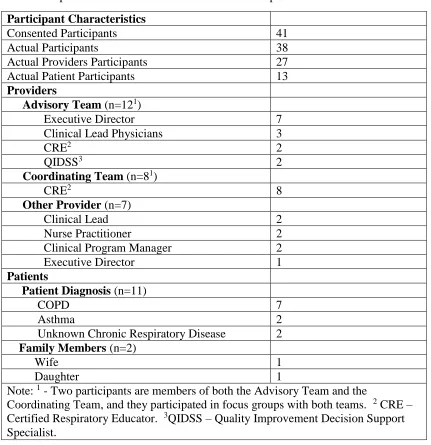
Table 3.2 Number and Type of Focus Group Participants ... 31
Table 3.3 The data sources and related research questions. ... 36
viii
List of Figures
Figure 2.1 Canadian Thoracic Society recommendations for a comprehensive approach to managing COPD. (O'Donnell et al., 2008). AECOPD Acute Exacerbation. Rx Prescription. MRC Medical Research Council. PRN As Needed. LABA Long-Acting Beta2 Agonist. 19 Figure 3.1 Basic Types of Designs for Case Studies Source: (Yin, 2014) 27
Figure 3.2 Types of participants recruited. 29
Figure 4.1 The context surrounding the Lung Health Team 41
Figure 4.2 Four themes that contribute to the success of this primary healthcare team and
List of Appendices
Appendix A - Ethics Approval Form ... 77
Appendix B - Letter of Information and Consent Provider - Focus Group ... 78
Appendix C - Letter of Information and Consent - Patient Focus Group ... 83
Appendix D - Letter of Information and Consent - Provider Phone Interview ... 89
Appendix E - Provider Focus Group Guide ... 94
Appendix F - Patient Focus Group Guide... 95
Appendix G - Provider Phone Interview Guide ... 95
1
Introduction
1.1
Team Based Primary Healthcare in Ontario
Primary healthcare is the gateway into the healthcare system (Dinh et al., 2014). It provides first point of contact services for patients, coordinates patient’s health as they move through the healthcare system (Government of Canada, 2012), and ensures continuity of care (Health Council of Canada, 2005). Interprofessional teams have become widely integrated in many healthcare systems, especially the primary healthcare system. Researchers have
demonstrated that interprofessional teams have the potential to enhance the quality of care (Supper et al., 2015), reduce the number of medical errors and increase patient safety (Morey et al., 2002; Baker et al., 2005), and improve patients’ satisfaction with their care (Virani, 2012).
Over the last 20 years, the Ministry of Health and Long-Term Care (MOHLTC) has sought to reform Ontario’s healthcare system from a system that is hospital-centric (Snowdon et al., 2011), to a system that provides “the right care, at the right place, at the right time”
(Government of Ontario, 2012). To aid in this shift, Ontario has expanded the delivery of primary healthcare, which was primarily made up of solo-practice physicians, to include group-based and team-group-based models (Ontario Medical Association, 2015). While, solo-practice delivery models are still used, group-based delivery models bring three or more physicians together to provide care, and team-based delivery models have physicians work as part of an interprofessional team with allied health professionals.
The key reform to Ontario’s primary healthcare system was the adoption of primary healthcare teams through the Family Health Team model. Team based care as defined by Naylor et al. (2010) is:
the provision of health services to individuals, families, and/or their communities by at least two health providers who work collaboratively with patients and their caregivers—to the extent preferred by each patient— to accomplish shared goals within and across settings to achieve coordinated, high-quality care.
providers. Teams that are made up of different types of healthcare providers are often called interprofessional teams. Interprofessional teams are “different health and/or social professions who share a team identity and work closely together in an integrated and interdependent manner to solve problems and deliver services” (Reeves et al., 2010, xiv).
When healthcare teams work well they improve patient outcomes (Tracy et al., 2013), patient empowerment (Grant & Finocchio, 1995), increase patient-centeredness and quality of life scores (Yohannes et al., 2010), and improve service coordination and integration (Bookey-Bassett et al.,2016; Casimiro et al., 2015). Interprofessional healthcare teams that work well have additional benefits: (1) less reliance on individual physicians to cover complex demands of patients; (2) a cost benefit of having lower paid allied health professional providing more care to patients; and (3) allied health professionals possess skills and knowledge in areas that physicians might not be as familiar with (Grumbach & Bodenheimer, 2004). However, healthcare team performance can be hindered by a lack of communication and information sharing (Weller & Cumin, 2012), heterogeneity of the team can cause tension between health professions and a hierarchical culture (Brindley et al., 2011), a lack of role clarity and underutilization of skills understanding of the roles, and compensation differences amongst the team (Grant & Finocchio, 1995).
1.2
COPD and the Need for a Strong Primary Healthcare Focus
It is widely recognized that the health challenges from an aging population, the increase in chronic diseases and co-morbidity requires a strong primary healthcare system (Barrett et al., 2007). Chronic disease has become one of the most significant health challenges facing society. Chronic obstructive pulmonary disease (COPD) is one of more common chronic diseases; however, it is still relatively unknown or ignored by the public, public health, and government officials (Vestbo et al., 2013).
3
mortality (Pauwels et al., 2001). COPD is a treatable chronic disease, but acute exacerbations, or ‘lung attacks,’ can progress the disease if symptoms are not managed. The treatment of COPD is complex and requires the care from multiple care providers working closely together (Agusti et al., 2017).
Most COPD management strategies focus on reactionary care for acute exacerbations (Fromer, 2011), which is insufficient and expensive for treating the progression of COPD. A redesign of the management of chronic long-term care for patients with COPD towards proactive maintenance, utilizing primary healthcare will help with prevention of exacerbations, slowing lung dysfunction and reduce the financial burden of COPD. Proactive, integrated COPD care initiatives include smoking cessation, vaccinations, self-management, and maintenance pharmacotherapy (Fromer, 2011, Agusti et al., 2017). Many COPD guidelines have been published for use in primary care settings, such as the Global Strategy for the Diagnosis, Management, and Prevention of Chronic Obstructive Pulmonary Diseases (GOLD) (Agusti et
al., 2017), to improve the uptake of best practices by primary care providers, yet the rates of hospitalization for acute exacerbation and 30-day readmission (almost one in five patients) have yet to decrease (CIHI, 2012).
1.3
Research Purpose and Questions
The implementation of interdisciplinary teams in primary healthcare and the lack of improved care for patients with COPD demands that lessons are learned from primary interdisciplinary teams that have proven results for their patients with COPD. A primary healthcare team, recognized for its success in patient outcomes from their Lung Health Program, provides maintenance and acute care to patients with chronic respiratory diseases (Licskai et al., 2016). The program focuses on collaborative self-management care provided by an
Because of this team’s demonstrated success, the study aimed to explore and learn lessons from this primary healthcare team and the Lung Health Program. The study sought to answer the following research questions:
(1) What are the components of the primary healthcare team and the Lung Health Program that contributes to improved performance?
(2) What are the facilitators and barriers that affect this team?
(3) What is the perceived benefit of this Lung Health Programs to patients and providers?
(4) What would support the sustainability and spread of this Lung Health model?
1.4
Significance of Research
Research that seeks to improve the care for patients with COPD will greatly work to reduce the financial burden and of COPD healthcare utilization rates. In 2011, COPD care cost the Ontario healthcare system $3.3 billion dollars (Smetanin et al., 2011) and was one of the most frequent causes for hospitalization and readmission after inpatient stay (CIHI, 2012). The lessons learned from the Lung Health Program and its positive outcomes can have policy implications around the design, implementation, and structuring of similar primary healthcare team design. This research also demonstrates the expanded scope of practice that certified respiratory educators can hold in primary healthcare teams. Their role in the care for patients with COPD validates the need for certified respiratory educators, working in a similar role to diabetes educators that is already prevalent in primary healthcare, in the care for all patients with COPD and other chronic respiratory diseases.
1.5
Structure of Thesis
This chapter provided a brief overview of the topic of which this thesis explores. The following chapter will explore these topics in more detail to provide a foundational
5
Literature Review
This literature review aims to find areas that have been thoroughly researched, uncover gaps where research is needed, and locate previous literature into which this research can be situated (Webster & Watson, 2002). To help in answering this study’s research questions it is important to understand the literature surrounding the characteristics of successful
interprofessional primary healthcare teams. This literature review sought to explore literature related to primary healthcare, interprofessional teams, and the management of COPD in primary care settings. The collection of literature will ensure an understanding of successful primary care, successful interprofessional teams, and successful management of COPD to help determine the lessons learned from the primary healthcare team and Lung Health Program under
examination.
2.1
Primary Healthcare
What is primary healthcare?
Canada provides a publicly funded healthcare system, referred to as Medicare. Medicare ensures that Canadian residents have access to hospital and physician care without paying upfront fees. Each provincial and territorial government is responsible for the management, organization, and delivery of healthcare services to their residents under the Canada Health Act, 1984 (Canada Health Act, 1984, c.6, s.1). Primary healthcare is located within Medicare and acts as a gateway into the larger healthcare system (Dinh et al., 2014).
Primary healthcare is essential to a person’s health. Starfield (2010) explained that “Good primary care is associated with better health outcomes (on average), lower costs (robustly and consistently), and greater equity in health” (PowerPoint Slide #2). Primary healthcare has four main features: provides first contact services for patients; is long-term person-focused care rather than disease-focused care; offers comprehensive care for most health needs; and
coordinates patients’ movement through the healthcare system (Starfield et al., 2005) ensuring continuity of care across the system (Health Council of Canada, 2005). Starfield et al. (2005) contended that primary healthcare improves health because it:
7
(2) Provides care equal in quality to care from specialists for common diseases;
(3) Offers more preventative care;
(4) Impacts the early management of health problems;
(5) Focuses on the overall health of the person, rather than disease-specific health; and
(6) Reduces the amount of specialist care, diagnostic testing, and therapeutic modalities
used.
The literature explains that “primary care practices that provide comprehensive and coordinated quality primary healthcare tend to confer the most benefit to their patients”
(McMurchy et al., 2009, p.1). These practices generally have knowledge about their patients and community, use clinical pathways and guidelines, provide collaborative team-based care, use electronic medical records, and have effective patient flow (McMurchy et al., 2009).
Reform to Ontario’s primary healthcare system was jumpstarted by the federal
government’s primary healthcare reform and funding initiative. The federal government wanted to: increase access to primary healthcare organizations; emphasize health promotion, disease and injury prevention, and chronic disease management; expand after hours access to services; establish interprofessional primary care teams; and facilitate coordination and integration with other health services (Hutchison & Glazer, 2013).
To begin reform in Ontario, the MOHLTC sought to implement changes to the service delivery models and compensation models for physicians, increase patient enrollment, and create more primary healthcare teams (Hutchison & Glazer, 2013). Currently, there are five main types of compensation models for physicians: fee-for-service (FFS), enhanced FFS, blended capitation, blended salary, and salary. FFS compensation occurs when physicians bill for the services that they provide. These physicians do not have a panel of patients and have no obligation of afterhours work or practicing as part of a group. Enhanced FFS compensation offers eligible physicians both FFS and extra compensation in the form of incentives and bonuses for providing a defined set of services. The blended capitation model enables physicians to receive the
majority of their compensation from capitation, with additional compensation for providing a defined basket of healthcare services, such as chronic disease management, vaccinations and cancer screening. Additionally, this compensation model offers FFS for services that are not included in the capitation. The blended salary compensation model is primarily based on salary and is reflective of the number of patients enrolled on the physician’s panel. And lastly, the salary compensation is purely based on salary.
9
there is an additional requirement for three or more physicians to work together, each with their own panel, and to offer extended hours. Family Health Organizations offer a blended capitation model to three or more physicians working together that offer extended hours for care. Family Health Networks are very similar to Family Health Organizations but offer different capitation rates for services. Family Health Organizations involve three or more physicians that work together, each with their own panel, and provides extended care hours. Family Health Teams (FHTs) are a team-based delivery model. Family Health Networks and Family Health
Organizations can apply for and receive extra funding for allied health professional staff to become an FHT. The additional funding FHTs receive is for allied health professionals and administrative staff, called executive directors, and does not provide compensation for
physicians (Wooder, 2011). The MOHLTC has currently limited the number of FHTs to 184, so not all Family Health Networks and Organizations are FHTs. Physicians working in FHTs are still working under contract as Family Health Organizations and Family Health Networks and therefore receive compensation as such. FHTs can have different governance structures and can be physician-led, community-led, or have a mixed governance from physicians and the
community. Physicians working in community-governed FHTs receive blended salary compensation. Lastly, Community Health Centers are a team-based delivery model that are community-governed, and physicians receive salary compensation. See Table 2.1 for more information regarding the different primary healthcare service delivery models, compensation models, and sources.
2.2
Family Health Teams
Table 2.1 A comparison of current primary healthcare models in Ontario, Canada. Information compiled from Muldoon et al. (2006); (Ontario MOHLTC, 2017); (Health Force Ontario, 2017). 1Ministry of Health and Long-Term Care. 2 Fee-For-Service
Service Delivery Solo Practice Comprehensive Care Model Family Health Group Family Health Network Family Health Organization Community Health Centre Family Health Team Year Introduced Long
Standing 2005 2003 2001 2006 1980s 2005
Number of
Sites Unknown Unknown 238 20 483 74 184
Number of
Physicians Solo/Group Solo 3+ 3+ 3+ Group 3+
Governance
Structure None None None
Provider Led & Contract with MOHLTC1 Provider Led & Contract with MOHLTC1 Community Board Community and/or Provider Led Billing
Model FFS
2 Enhanced FFS2
Model Enhanced FFS2 Model Blended Capitation Model Blended Capitation Model Salary Blended Salary Model or Blended Capitation Model Depending on Governance Structure Team
11
the healthcare system (Rosser et al., 2011). Approximately three million people in Ontario are registered on an FHT panel, which represents a quarter of the province’s population (The Conference Board of Canada, 2014).
Formal evaluations of the FHT’s success as an improved primary healthcare delivery system over previous delivery systems have been minimal and have conflicting results. A recent report on FHTs gave an account of several benefits for patients and physicians such as improving patient access to care, broadening the scope of available health management activities, increasing the professional relationships between practitioners, and changing the method of governance of FHTs to incorporate community perspectives (The Conference Board of Canada, 2014). Glazer et al. (2015), in a report that compared FHTs to other primary healthcare models, reported that FHTs generally do not outperform other primary healthcare models. Also, it was noted that patients from FHTs had the second highest rates of emergency department (ED) visits, after Community Health Centers, with 45.8 per 100 population (Glazer et al., 2015).
2.3
Interprofessional Primary Healthcare Teams
The use of interprofessional primary healthcare teams has increased dramatically around the world over the last few years (Lemieux-Charles & McGuire, 2006). Studies over the past several decades have found that utilizing interprofessional teams in primary care has the potential to enhance quality of care (Supper et al., 2015). Wagner (2000) defines healthcare teams as “a group of diverse clinicians who communicate with each other regularly about the care of a defined group of patients and participate in that care” (p.569). The transition towards teams in primary healthcare is occurring due to the complexity and multifaceted nature of patients’ needs (Reeves et al., 2017) and modern healthcare (Mitchell et al., 2012).
2.4
Successful and High-Performing Interprofessional Teams
Several literature reviews and studies have been conducted that examine primary
healthcare teams to determine the characteristics of successful and high-performing teams. This research has been conducted in various contexts and countries. The following is a short
presentation of research that has been conducted on the characteristics of high-performing interprofessional primary healthcare teams. The characteristics have been outlined in Table 2.2. The characteristics presented in Table 2.2 have been organized according to like characteristics. It is interesting to note that not all researchers list the same characteristics for high-performing teams.
A literature review by Gocan et al. (2014) examined FHT team functioning by reviewing literature on FHTs since 2005, when FHTs were first initiated in Ontario. The majority of the 11 studies included in the review were case study methodology that incorporated data from 87 FHT organizations in Ontario. Gocan et al. (2014) determined that there were three levels of
influence on team functioning in FHTs, including broader healthcare system determinants, the local context surrounding the FHT, and determinants present within the individual FHTs. The study also noted that the positive outcomes to FHT care included: enhanced access to primary care and extended health services, improved coordination, collaboration, patient-centredness, improved clinical outcomes, patient satisfaction, provider outcomes, increased healthcare access and efficiency, increased effectiveness, and reduced wait times.
Dinh (2012), for the Conference Board of Canada, conducted a broader literature search than Gocan et al. (2014) and reviewed literature on interprofessional collaboration in primary care that had been published since 2002 and included grey literature (Dinh, 2012). After conducting a literature review of relevant research, which included reports published by select Canadian organizations, barriers were identified at various levels of practice, similar to that of Gocan et al. (2014). Dinh (2012) noted that barriers could be categorized into individual-level barriers, practice-level barriers, and system-level barriers.
13
demonstrate. The interviews were conducted in the UK and involved 253 staff from 11 care teams. These characteristics, outlined in Table 2.2, cover various aspects of a team including leadership and how the team is structured, the team’s policies and procedures, and characteristics regarding the team members as individuals. Nancarrow et al. (2013) noted that the context of the literature reviewed lacked detail making it difficult to isolate characteristics of high-performing teams. The authors discussed the need for these ten characteristics to be empirically validated by interdisciplinary teams to determine their accuracy and transferability.
In a discussion paper released by the Institute of Medicine of the National Academes in 2012, Mitchell and her team described a set of core principles and values that when put into practice help achieve high-value healthcare teams. Using similar methods to Nancarrow et al. (2013), Mitchell et al. (2012) reviewed the literature to determine the principles and values outlined in the literature, and then took to the field to review and validate their findings with 11 teams across the United States. Five values found on highly effective team members were identified – honestly, discipline, creativity, humility, and curiosity – and five principles emerged that, when interwoven, ‘embodied teamness.’ These principles were shared goals, clear roles, mutual trust, effective communications, measurable processes and outcomes. Although not listed in the five principles, Mitchell et al. (2012) stated that the most important factor to performance is the leadership’s ability to support these principles.
Research by Sinsky et al. (2013) examined 23 urban, suburban, and rural
high-performing primary care practices in the United States and determined innovations conducted by the teams that improved team efficiency and reduced physician burnout. These innovations, although not characteristics of the team as described in the previous studies, help give shape to high-performing teams. Sinsky et al. (2013) determined that proactive planned care, with pre-visit planning and laboratory tests, shared clinical care among team, shared clerical tasks, improved communication, and improved team functioning through co-location, team meetings, and work flow mapping were all present in high-performing teams.
embedded in larger organizations” (Nelson et al., 2002, p. 474). The eight dimensions are: constancy of purpose, investment in improvement, alignment of role and training for efficiency and staff satisfaction, interdependence of the care team to meet patient needs, integration of information and technology into work flows, ongoing measurement of outcomes, supportiveness of the larger organization, and connection to the community to enhance care delivery and extend influence (Mohr & Donaldson, 2000).
Following Mohr and Donaldson’s (2000) work, Nelson et al. (2002) also studied 20 high-performing clinical microsystems to determine their successful characteristics. The researchers noted that these nine characteristics are not separate; rather, they interact with each other in a dynamic way. The nine characteristics are: leadership, culture, organizational support, patient focus, staff focus, interdependence of care team, information and information technology, process improvement and performance patterns.
Dinh et al. (2014), in a separate report for The Conference Board of Canada, reviewed the literature, on teams conducted a survey of stakeholders and held interviews with key informants. The researchers determined that the traits of a high-functioning interprofessional primary care team are: strong governance and leadership; appropriate funding, remuneration, and financial incentives; provision of and equitable access to appropriate health and social services;
recruitment and retention of highly skilled personnel who work to their full scopes of practice; existence of and adherence to practice policies and agreements; interprofessional education and training for service providers (formative and continuous); supportive infrastructure, including co-location, open design of physical space, opportunities for team communication, and appropriate use of information technology; appropriate, standardized, and consistent monitoring; and evaluation of individual and team performance and of patient outcomes.
McMurchy (2009) conducted a review of the literature and determined the attributes and benefits of high-quality primary healthcare organizations. This review was primarily focused on Canadian literature and documents from Canadian governmental and research agencies;
15
Table 2.2 Characteristics of high-performing interprofessional primary healthcare teams as outlined by the literature.
Themes Ragaz et al., 2010 McMurchy et al., 2009 Dinh et al., 2014 Gocan et al., 2014 Dinh, 2012See Note Communication • Good communication • Opportunities for team
communication
• Communication strategies
Roles
• Clearly defined and understood role(s)
• Patient education regarding provider roles
• Lack of role clarity
• Hierarchical roles and relationships
Leadership and Management
• Set achievable goals that addresses community need
• Achieve strategic balance
• Planning for the future
• Develop a model that sets your team up for success
• Effective human resource policies
• Define vision and goal
• A clear mission and vision
• Sustained leadership
• Patient-focused
• Effective management of physicians
• Stakeholders’ participation
• Change management
• Strong governance and leadership
• Existence of and adherence to practice policies and agreements
• Clarity of vision
• Flattened hierarchy and effective leadership
• Systems and processes to ensure the right patient is seen by the right professional
• Lack of strong governance and leadership
• Inappropriate team skill mix and size
Scope of Practice
• Providers work to the full scope of practice
• Patients treated at the most effective level along the continuum of care
• Recruitment and retention of highly skilled personnel who work to their full scopes of practice
• Scope of practice
Evaluation and Outcome Measurement
• Evaluate progress • Ongoing performance measurement and monitoring
• Appropriate standardization and consistent monitoring and evaluation of individual and team performance and of patient outcomes
• Inadequate monitoring and evaluation to inform change
Technology
• EMR • Effective information technology
• Appropriate use of information technology
• Appropriate standardized and consistent monitoring and evaluation of individual and team performance and of patient outcomes
• EMR integration • Suboptimal use of technology
Strategic Relationships
• Negotiate with the Ministry
• Strategic use of partnerships to achieve integration
• Provision of and equitable access to appropriate health and social services
• Adequate funding, remuneration, and financial incentives
• Community alliance
• Adequate funding remuneration and human resources
• Suboptimal funding models
Professional Development
• Physicians use the FHT model to its fullest
• Interprofessional education training for service providers (formative and continuous)
• Degree of professional preparation for collaborative practice
• Program facilitation partnerships
• Inadequate interprofessional education and training
Investments
• Investing in success
• Building the team’s individuals’ attitudes
• Adaptation
• Sharing
accomplishments
• Resources for change
Infrastructure
• Supportive infrastructure including co-location, open design of physical space
• Shared time and space • Lack of infrastructure
Organizational Culture
• Group culture • Lack of trust
Care
• Patient triage • Patient-centered approach to care
Themes Nancarrow et al., 2013 Nelson et al., 2002 Mitchell et al., 2012 Sinsky et al., 2013 Mohr & Donaldson, 2000 Communication
• Communication • Effective communication • Verbal and inbox messaging,
• team meetings Roles and
Collaboration
• Respecting and understanding roles
• Staff focus
• Interdependence of care team
• Clear roles • Interdependence of the care team to meet patient needs
• Alignment of role and training for efficiency and staff satisfaction
Leadership and Management
• Leadership and management
• Clarity of Vision
• Leadership • Leadership
• Shared Goals
• Constancy of purpose
Scope of Practice
• Appropriate skill mix Evaluation and
Outcome Measurement
• Quality of outcomes of care
• Process Improvement
• Performance Patterns
• Measurable processes and outcomes
17
Technology
• Information and information technology
• Integration of information and technology into work flows
Strategic Relationships
• Supportiveness of the larger organization
• Connection to the community to enhance care delivery and extend influence
Professional Development
• Appropriate resources and procedures Investments
• Investment in improvement
Infrastructure
• Space that allows for shared clinical tasks, co-locations, work-flow, and mapping Organizational
Culture
• Climate • Culture • Trust
Care
• Patient Focus • Shared Clinical Care
• Proactive planned care
Individual Characteristics
• Individual characteristics • Honesty
• Discipline
• Creativity
• Humility
• Curiosity
Lastly, Ragaz et al. (2010) conducted interviews with the executive directors, lead physicians, and other independent health professionals of five FHTs in Ontario. The five FHTs were a mixture of urban and rural setting and were identified as ‘succnew sessful’. Ragaz et al. (2010) identified four main lessons and 17 sub lessons that were identified as strategies for FHT leadership.
As can been seen, there is a significant amount of literature and attention spent on the characteristics of high performing teams, but still there are gaps that describe the processes and structures that high performing teams use.
2.5
Chronic Obstructive Pulmonary Disease
Patients with chronic diseases, like chronic obstructive pulmonary disease
(COPD), benefit from the care by interprofessional teams. COPD has become one of the significant health challenges facing society. COPD is the third leading cause of death worldwide (López & Campos et al., 2016) and was responsible for 5% of the deaths worldwide in 2015 (WHO, 2017). COPD is “characterized by persistent respiratory symptoms and airflow limitation that is due to airway and/or alveolar abnormalities” (Agustí et al., 2017, p. 1). The limited airflow that is characteristic of COPD is caused by a mixture of small airway disease (obstructive bronchiolitis) and parenchymal disfunction (emphysema) manifesting as dyspnea (shortness of breath), an unproductive chronic cough due to excessive sputum production, and an increased risk for respiratory infections and acute exacerbations (Agusti et al., 2017). Acute exacerbations, or lung attacks, are periods of acute worsening of symptoms that occur more frequently as disease severity progresses, further compromising patient’s lung function (Agusti et al., 2017). COPD is caused by chronic exposure to inhaled toxins, typically tobacco smoke, environmental exposure such as biomass fuel exposure, and exposure to outdoor
19
Prevalence of COPD
The prevalence rates of COPD are difficult to determine due to high rates of un-diagnosis and an inconsistent measure for un-diagnosis ((López & Campos et al., 2016); however, recent studies have predicted that 17-19% of Canadians aged 35-79 meet the diagnostic criteria for COPD (Evans et al., 2014; Tan et al., 2009). Similarly, Hill et al. (2010) determined using spirometry that prevalence rates were 20.7% in Ontario. This rate of 20.7% is compared to the self-reporting prevalence rates of 5.9% in Ontario by Smetanin et al. (2011). This discrepancy is due to the large percentage of people that display symptoms of mild COPD without proper treatment and diagnosis.
Usual Care of COPD
The care for COPD depends on the severity of the disease and the frequency of exacerbation (O’Donnell et al., 2008). See Figure 2.1. Early diagnosis and monitoring of the disease using spirometry is recommended to determine lung function, which can change dramatically without showing symptoms. The first step to managing COPD at any disease stage is smoking cessation to eliminate exposure, exercise to maintain and improve lung function, self-management to empower patients to manage their disease daily, and education to help patients understand the progressive nature of the disease and
ways to slow progression. Patients within all stages of COPD will be placed on inhalers ranging from short-acting emergency inhalers, to long-acting inhalers, to inhaled steroids. Once COPD has progressed from severe to very severe, patients will be placed on
oxygen, with surgery being an option for some.
Cost of COPD Care
Current primary healthcare interventions for COPD often focus on reactionary care after an acute exacerbation resulting in an ‘acute rescue’ care cycle requiring
repeated hospitalization (Fromer, 2011). Exacerbations place a large financial burden on the healthcare system and consume more that 50% of total COPD healthcare spending (Fromer, 2011). In 2007, the estimated total economic burden of direct and indirect costs of respiratory diseases in Canada totaled $154 billion (The National Lung Health
Framework, 2008). In 2011, the direct costs for COPD in Ontario, Canada was $3.3 billion dollars (Smetanin et al., 2011), and COPD severity has a direct relationship with healthcare spending. Waye and Jacobs (2016) reported that in 2014 in Alberta, Canada 49,000 patients with mild to moderate COPD accumulated healthcare costs of $27
million whereas 14,000 patients with severe COPD accumulated healthcare costs of $187 million dollars. Out of the total money spent on COPD that year, 51% of it was spent on hospital services for acute exacerbations (Waye & Jacobs, 2016). Therefore, due to its high prevalence and the clinical and economic burden associated with COPD, a focus on COPD’s ongoing management and prevention in primary healthcare is needed (Fromer, 2011).
Successful Management of COPD in Primary Care
Fromer (2011) discussed that planned visits should be scheduled where patients can work on and learn more about maintenance as an individual or with family members present. However, if acute care is needed, then same day appointments are critical. During maintenance appointments, patients should learn about medication management, patient education, spirometry and disease staging, pharmacotherapy initiation, inhaler training, influenza vaccination, smoking cessation, and physical exercise (Fromer, 2011). All of the above-mentioned maintenance items should be based on current COPD
21
medical records to ensure appropriate follow up, task assignment, and to assist in following guidelines in the daily workflow are helpful. Fromer (2011) also found that teamwork was achieved within allied health professional teams by “assigning tasks based on actual skill sets and ensure that every team member works at the highest skill level permitted by licensing” (p. 608). Lastly, a COPD coordinator, such as a respiratory care specialist, specially trained respiratory therapist or nurse, was suggested to assist patients (Fromer, 2011).
2.6
Purpose
This chapter provided background on the use of interprofessional healthcare teams in primary healthcare for the treatment of patients with COPD. A review of the literature has found that the state of research surrounding high-performing teams is robust, even for high-performing FHTs in Ontario. While there is significant literature examining the characteristics of high-performing interprofessional primary healthcare teams, there are some gaps in the literature regarding the processes and structures that these high-performing teams use. Although it is useful to identify characteristics that high-performing teams have in common, little information has been found that explains how to develop or evaluate these characteristics. Several studies did mention that the context in which the team is placed influences the characteristics that are important for each specific team, which makes generalization difficult. Additionally, only one study, Ragaz et al. (2010), specifically looked at the FHT context in Ontario; however, the authors focused primarily on the role of leadership. As such, there is a gap in the literature regarding the processes and structures used by high-performing
interprofessional primary healthcare teams generally, and in Ontario’s FHTs specifically. As a result, researching this gap is warranted.
23
Methods and Methodology
This chapter explains the methodology and methods selected to answer this study’s research questions and to outline the methods used in study to demonstrate rigor and adherence to the methodology that was chosen. The chapter begins with a brief reintroduction to the purpose of the study, followed by a description of the nature of the study and a justification of the methodology and methods used to complete this research. Finally, the quality criteria used in the study to promote rigor in the study will be offered.
3.1
Research Tools and Procedures
Qualitative Methodology
This study seeks to explore the success of a primary healthcare team that developed a Lung Health Program utilizing certified respiratory educators (CREs). A qualitative
methodology was chosen to aid in the exploration (Denzin & Lincoln, 2011). Creswell (2007) describes five approaches to qualitative research that occur most frequently in social,
behavioural, and health science literature: narrative, phenomenology, grounded theory,
ethnography, and case study. Narrative research tells the story of participants’ lived experiences. Phenomenology research describes a phenomenon’s essence by exploring participant’s
experiences with the phenomenon. Grounded theory research develops theories from people’s experiences to clarify less-understood problems, situations, or contexts. Ethnography research observes participants in a ‘real-life’ environment to explore how context and culture guides the human experience. Case study research investigates real-world cases and assumes that the investigation involves important contextual conditions in relation to the case (Yin, 2017). Case study methodology was used for this study.
methodology relies on multiple sources of evidence (Hyett et al., 2014; Yin, 2017), allowing for a convergence of data (Patton, 1999; Yin, 2014). These features of case study have resulted in a flexible methodology.
Case study methodology allows for teams to be studied in context, highlighting practical elements of the environment and the workplace culture (Wilkinson, 2011). Factors such as forms, routines, team values, structures, and leadership styles can also be highlighted (McCormack et al., 2011). As well, team effectiveness has been found to be influenced by organizational context (Lemieux-Charles & Mcguire, 2006). These factors contribute to the complexity of studying teams, which would otherwise be lost if the team was studied in isolation (Mantzoukas, 2008).
Seminal texts describing case study methodology have been written by Yin (2014), Merriam (2009), and Stake (1995). Each methodologist approaches case study according to their epistemological and ontological views: Stake (1995) and Merriam (2009) with constructivist views and Yin (2014) with a positivist/post-positivist view. The epistemological beliefs of these researchers permeate their methods of investigation, case selection, and methods of analysis; consequently, when designing a case study, consistency between methods and the researcher’s paradigmatic views is needed to achieve coherence and to improve study quality (Tracy, 2010). This case study was designed using Yinnian methods to align with a post-positive paradigm. A post-positive paradigm postulates that there is one reality that can objectively and imperfectly be described and understood by bracketing oneself from the research to remove prejudice or bias (Guba & Lincoln, 1994). This differs from the constructivist paradigm, which Stake (1995) and Merriam (2005) adopt, which maintains that reality is constructed, and more than one reality exists, so constructivist research involves co-creating findings with participants based on subjectivity (Guba & Lincoln, 1994).
Case Study Design
25
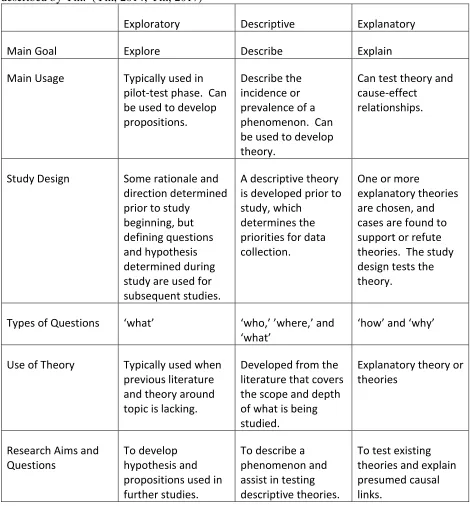
altogether (Yin, 2017). Although each case study type has distinct characteristics, the boundaries between types are not sharp, and as a result there are large overlaps (Yin, 2017). Table 3.1 outlines the differences between the types.
Table 3.1 Compares the characteristics of exploratory, descriptive, and explanatory case study as described by Yin. (Yin, 2014; Yin, 2017)
Exploratory Descriptive Explanatory
Main Goal Explore Describe Explain
Main Usage Typically used in pilot-test phase. Can be used to develop propositions.
Describe the incidence or prevalence of a phenomenon. Can be used to develop theory.
Can test theory and cause-effect
relationships.
Study Design Some rationale and direction determined prior to study
beginning, but defining questions and hypothesis determined during study are used for subsequent studies.
A descriptive theory is developed prior to study, which
determines the priorities for data collection.
One or more
explanatory theories are chosen, and cases are found to support or refute theories. The study design tests the theory.
Types of Questions ‘what’ ‘who,’ ’where,’ and ‘what’
‘how’ and ‘why’
Use of Theory Typically used when previous literature and theory around topic is lacking.
Developed from the literature that covers the scope and depth of what is being studied.
Explanatory theory or theories
Research Aims and Questions
To develop hypothesis and propositions used in further studies.
To describe a phenomenon and assist in testing descriptive theories.
To test existing theories and explain presumed causal links.
thereby acting as ‘pilot’ research methodology (Streb, 2010). This study utilized an exploratory case study methodology to develop prepositions and hypotheses that will guide future studies in developing a conceptual framework for testing and evaluating high-performing teams.
Exploratory case studies provide researchers with flexibility and adaptability to begin research without specific or well-defined propositions or research questions (Streb, 2010). This study was initiated by the Lung Health Program’s Cofounders and members of the Advisory Team. They approached the Principle Investigator (PI) to study the team because they identified themselves as high-performing, which fit into the PI’s current stream of research on high-performing primary healthcare teams. Moreover, the team was looking for advice about the spread and sustainability of the program. Little was known about the team, its structure, providers, and program when the research began, so detailed research questions and propositions were not generated in advance – a suitable situation for the use of an exploratory case study (Yin, 2017). Lastly, the general research questions used in this study are posed as “what” questions, which is consistent with exploratory research (Yin, 2017). Although the results of this case study contain a detailed description of the team and program, this research’s design and scope are more
consistent with an exploratory case study, a characteristic overlap that case study methodology allows for (Yin, 2017).
The methodological flexibility of the exploratory case study approach is seen by some as a weakness, allowing for inadequate or unscientific studies (Streb, 2010), but attention to validity and reliability can demonstrate the soundness of the research methodology (Streb, 2010; Yin, 2018). The methods used to achieve credibility and rigor, and improve quality, are explained in detail in Section 3.6.
Case Study Design and Case Selection
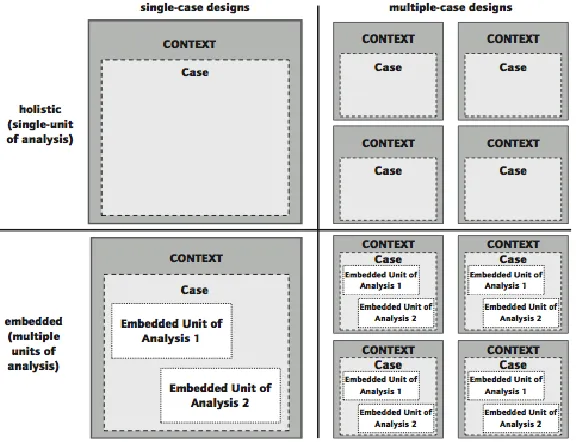
27
2014), allowing the researchers to focus on different parts of the case. Combinations of these four designations create Yin’s (2018) four case study designs: case holistic design, single-case embedded design, multiple-single-case holistic design, and multiple-single-case embedded design. This
study’s design was a single-case holistic case study. A single-case holistic case study binds the case to a single unit of analysis, and for this study the unit of analysis was the primary healthcare team that delivers the Lung Health Program across the collection of Family Health Teams
(FHTs) (which will be referred to as the Lung Health Team moving forward). Defining the boundary of this case study to the ‘Lung Health Team’ helps to focus the study (Baxter & Jack, 2008), which is important for this research as the Lung Health Program is large in scope and is offered in seven FHTs. Binding the case study to the Lung Health Team also helps to develop inclusion and exclusion criteria for participants (Baxter & Jack, 2008).
is to say, it is unusual. ... For case study analysis, it is the rareness of the value that makes a case valuable” (p. 301). Although this team utilizes a chronic care respiratory model that follows guidelines available to all FHTs and primary health providers across Ontario, the team has consistent patient outcomes that are unique across the province. The interest surrounding this team’s success, the uniqueness of the team’s structure, and the successful patient outcomes come together to make this case an extreme case.
3.2
Participants
To study the Lung Health Team, purposeful sampling was used to recruit participants for the study (Creswell, 2007). Various participant types were recruited to develop a well-rounded perspective of the Lung Health Team and program, and to answer the research questions. For identification purposes, participants employed as members of the healthcare team were referred to as providers, and all participants who received medical treatment or are family support members are referred to as patients. See Figure 3.2.
Three types of providers were recruited for this study: (1) providers that deliver the Lung Health Program (identified as the Coordinating Team); (2) providers that provide an advisory and administrative role to the running of the Lung Health Program (identified as the Advisory Team); and (3) providers that work in the FHTs and work alongside the Coordinating Team (identified as Other Providers).
29
Recruitment
Recruitment of providers and patients occurred with the help of the Lung Health Team’s cofounders, who contacted the PI to study their team and who acted as gatekeepers throughout the research (Lavrakas, 2008). Several recruitment methods were used depending on the level of access provided by the cofounders. The PI and research team were invited by the cofounders to attend team meetings of the Advisory Team and the Coordinating Team to gain access to the providers for recruitment. The meetings took place in March and April 2017, respectively. The PI presented study rationale and outlined the study procedures prior to obtaining informed
consent of providers at both team meetings. All providers associated with the Coordinating Team and the Advisory Team consented to participate in this study. Further detail about participant demographics are provided in Section 4.1.
The cofounders did not give access to patients for recruitment, so patient recruitment occurred through the Coordinating Team. The Coordinating Team were given recruitment flyers to give to patients and family members when they attended their scheduled appointments. The Coordinating Team was given instructions to recruit participants that met the inclusion criteria of
Participants
Providers
Providers from Lung Health
Team
Advisory Team
Coordinating
Team
Providers from
Family Health
Teams
Other Providers
Patients
the study. The cofounders allowed for approximately fifteen patient participants to be recruited for the study and scheduled the focus groups when recruitment had been completed.
The Other Providers were recruited for the study by a recruitment email sent to all executive directors of FHTs that offer the Lung Health Program. The executive directors then passed the recruitment email on to any providers that worked alongside the Coordinating Team. Email addresses for any Other Providers interested in participating in the study were passed to the researchers by the cofounders. Recruitment took place until no further providers were interested in participating in the study.
Consent to participate in the study by Patient participants and Other Providers participants was collected by the researcher at the beginning of the focus groups or phone interviews, respectively.
3.3
Data Collection
Data was collected from focus groups with the Coordinating Team, Advisory Team
providers, and Patient participants. Phone interviews took place with Other Providers. Lastly, an environmental scan was performed to understand the internal and external contextual factors affecting this team. The specifics of each data collection method are explained in more detail below.
Focus Groups
31
capture non-verbal details of the discussion. All transcripts were reviewed and ‘cleaned’ to remove any personal identifiers.
Focus groups with the Advisory and Coordinating Teams took place separately during their next team meetings in September and June 2017, respectively, and took 1 hour. The provider participants from each team were purposely divided to allow for homogeneity in group composition so that providers with more experience or leadership roles would be together in the same focus groups (Krueger, 2014). Patient focus groups were scheduled by the Coordinating Team providers. Patients were grouped according to the Coordinating Team provider they receive care from.
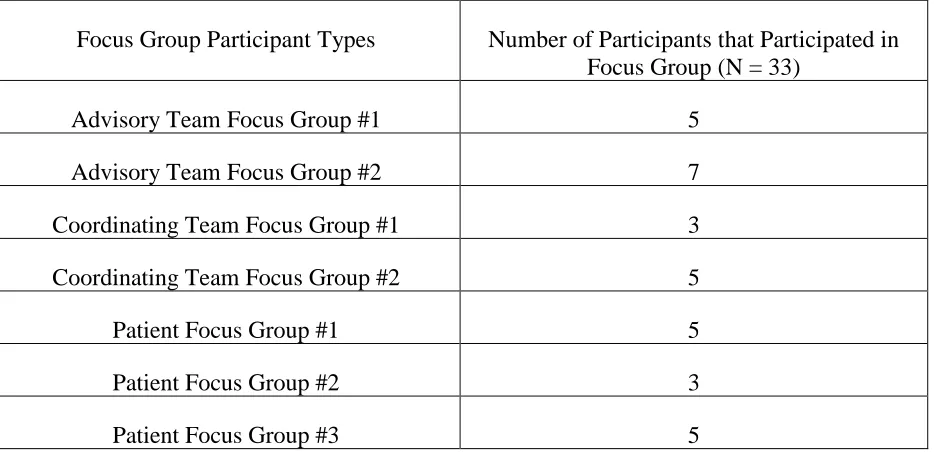
Table 3.2 Number and Type of Focus Group Participants
Phone Interviews
Phone interviews instead of focus groups were conducted with the Other Provider participants. Focus groups were appropriate for the Coordinating Team and Advisory Team because they took place during a previously scheduled team meeting and providers did not need to reschedule clinical work hours; however, focus groups were not appropriate for this
participant type as they are employed at different FHTs and attending a focus group would disrupt their clinical work hours. Seven phone interviews took place with Other Providers. A semi-structured interview guide was used for the interviews and focused on the perceived benefit
Focus Group Participant Types Number of Participants that Participated in Focus Group (N = 33)
Advisory Team Focus Group #1 5
Advisory Team Focus Group #2 7
Coordinating Team Focus Group #1 3
Coordinating Team Focus Group #2 5
Patient Focus Group #1 5
Patient Focus Group #2 3
of the Lung Health Team by the Other Providers. The interviews took place when the Other Providers were at work and lasted 5-20 minutes each. The shortest interviews took place with physicians. Interviews were audio-recorded and transcribed verbatim by the researcher. The
researcher conducting the interviews took field notes during and after the interviews. All transcripts were ‘cleaned’ to remove any personal identifiers that may reveal the identity of the participant. Phone interviews took place until data saturation had taken place and the researcher was not learning new information from subsequent interviews (Morse, 1995).
Environmental Scan
An environmental scan was used to investigate and identify internal and external factors that act as facilitators and barriers to the Lung Health Team and influence future decisions (Albright, 2004; Muralidharan, 2003). Environmental scans originated in the business field but have been used in health research to map quality improvement initiatives in the primary
healthcare sector (Sibbald et al., 2013), and to determine health literacy processes and initiatives (Scime, 2017). The environmental scan took place by conducting a document analysis of internal documents (Scime, 2017; Sibbald et al., 2013) provided by the Advisory and Coordinating Team, observations of team meetings (Choo, 2001), and a comprehensive internet search (Graham et al., 2008) of Lung Health Programs offered by primary healthcare organizations in the regional area of the Lung Health Team as defined by the current Local Health Integration Network (LHIN) boundary.
33
were entered into an Excel database. Data was collected according to: program type, services provided, organization offering services, and focus of program.
The second phase of the environmental scan took place by investigating the internal context of the Lung Health Team. This was done in two ways: observations and document review. Observations took place during a Coordinating Team meeting and an Advisory Team meeting. Field notes were taken during the team meetings collecting data regarding the non-verbal communication, noting which members of the team spoke the most and who team members deferred to, and the content of the team meetings. It was during these two team
meetings that recruitment for the study took place. A review of internal documents also occurred during this phase of the environmental scan. Providers from the Coordinating and Advisory Teams were asked to provide internal documents about the Lung Health Program they felt were pertinent to our understanding of their team, which totaled 20 internal documents. These documents included vision and mission statements (n = 3), meeting minutes (n = 12), proposals and funding requests (n = 4), and a memorandum of understanding (n = 1). Due to
confidentiality reasons, the details of the internal documents are not included in this report although they were used to triangulate findings and provide a deeper context to the data collected from the participants and the external documents.
3.4
Data Analysis
Yin (2017) describes that analysis during a case study can be deductive and rely on
theoretical propositions, inductive and analyze the data from the ‘ground up’, organized to create a case description, and examine plausible rival explanations. This analysis was inductive,
meaning that findings emerged from the data and are data-driven, rather than utilizing deductive coding methods, which refers to analysis being more theoretically driven. Common approaches to data analysis in qualitative studies are content and thematic analysis (Vaismoradi et al., 2013). Content analysis is the systematic coding of data into categories, whereas thematic analysis involves identifying pattern or themes in the data (Vaismoradi et al., 2013). Content analysis typically involves more descriptive analysis looking at categories and frequencies in categories, while thematic analysis often utilizes more interpretation and minimal description of the
organizing, describing, and reporting the themes that emerged from the data (Braun & Clarke, 2006).
The analysis occurred iteratively, meaning that it began when data collection began and was ongoing. The researcher had conversations about field notes and team meeting observations with fellow researchers to begin the analysis. Immersion into the data and into analysis also began when transcripts were cleaned and/or created. Each focus group transcript, interview transcript, field note, and document were read multiple times, with and without audio-recordings, to ensure immersion in the data (Morrow, 2005). All data was uploaded and analyzed using NVivo 11, a qualitative analysis software. The data was organized multiple times (Yin, 2017) in NVivo 11 to assist with the different phases of data analysis described below and to increase the reliability of the entire case study (Yin, 2017).
Coding is the process of identifying and reordering data as a means of reducing data and decontextualizing the data into chunks, but also for expanding and transforming the data (Braun & Clarke, 2006; Coffey & Atkinson, 1996). Several phases of coding took place during this analysis. During the first phase of coding, the researcher read the data section by section and wrote initial codes to describe the data. Codes were created by looking at both latent and manifest content, creating codes based on interpretation or based on content, respectively (Vaismoradi et al., 2013). This first phase of the coding process was also conducted by the PI and a fellow graduate student and open codes and thoughts of possible emerging themes were discussed. Any discrepancies were discussed until agreement was reached.
After the initial coding process, the data was reread by the researcher, and the codes created during open coding were examined. Codes were grouped together with other codes containing similar content. This phase was repeated several times to ensure the accuracy of the codes grouped together and that no other codes were emerging from the data. Potential themes and subthemes were created and data relevant to each theme was collected. The potential themes and subthemes were discussed during several research team meetings with the PI and a fellow
35
The analysis process began with data collected from the focus groups. Focus group transcripts were read and analyzed according to participant type (Providers – Advisory Team, Coordinating Team; Patients) first, and then all focus group data was integrated together and analyzed as a whole. All phone interviews were analyzed together. After the phone interviews were conducted, themes across all participant types began to emerge. An analysis of the themes across the participant types then took place. The data collected from the environmental scan was analyzed according to source.
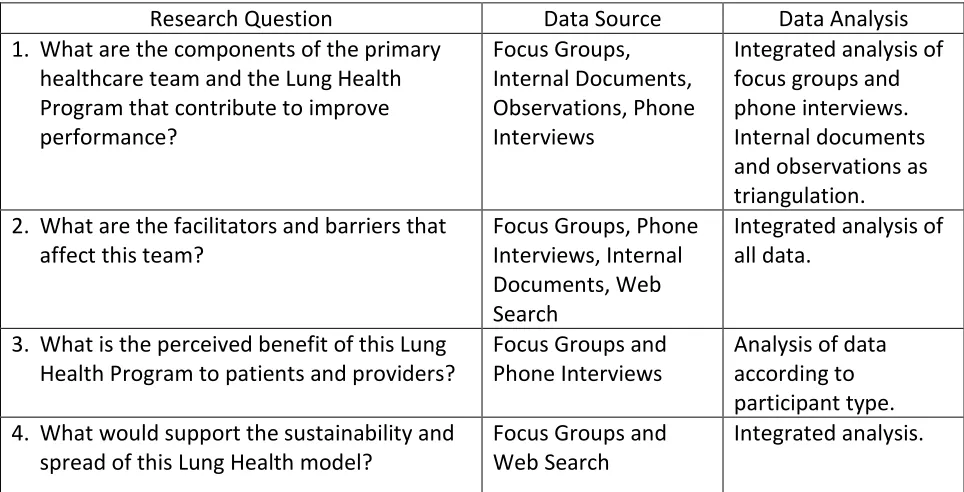
Each data source was collected to assist in answering the study’s research questions, which is outlined in Table 3.3 below.
3.5
Ethics
All methods and procedures for this study have been approved by the Western Research Ethics Board (REB Protocol# 108415). Written informed consent was collected from all participants prior to joining the study. Participants are aware that the description of the team described in this case study may lead to the identity of the team being revealed; however, all data was anonymized to maintain a level of confidentiality for individual members of the team.
3.6
Quality
In qualitative research generally, and in case study methodology specifically,
Table 3.3 The data sources and related research questions.
Yin (2017) describes four tests of quality in case study research. First, the test of
construct validity examines if appropriate operational definitions are being used for the concepts being studied (Yin, 2017). To ensure that construct validity is achieved, Yin (2017) suggests collecting multiple sources of data, having a chain of evidence, and performing member checks. Multiple forms of data were collected for this study, the chain of evidence was clearly laid out in the findings chapter of this thesis, and the preliminary results were sent to the provider
participants for review. Secondly, internal validity helps to identify if the causal relationships being studied are in fact related and not influenced by another ‘hidden’ variable that the research did not control for. Internal validity of a study can be improved by ensuring the correct data analysis methods are being used. This test of quality is only relevant for explanatory case studies, as descriptive and exploratory case studies do not test causal relationships. Thirdly, the test of external validity determines whether the case study results are generalizable beyond the study. The findings of case studies are often not suitable for generalizability due to the complex contextual nature of case study methodology; however, the findings can be generalized using theory, which is called analytic generalizability (Yin, 2017). To achieve analytic
generalizability, studies can be supported by descriptive theories or explanatory theories. In an
Research Question Data Source Data Analysis
1. What are the components of the primary healthcare team and the Lung Health Program that contribute to improve performance?
Focus Groups, Internal Documents, Observations, Phone Interviews
Integrated analysis of focus groups and phone interviews. Internal documents and observations as triangulation. 2. What are the facilitators and barriers that
affect this team?
Focus Groups, Phone Interviews, Internal Documents, Web Search
Integrated analysis of all data.
3. What is the perceived benefit of this Lung Health Program to patients and providers?
Focus Groups and Phone Interviews
Analysis of data according to participant type. 4. What would support the sustainability and
spread of this Lung Health model?
Focus Groups and Web Search
37