University of Windsor University of Windsor
Scholarship at UWindsor
Scholarship at UWindsor
Electronic Theses and Dissertations Theses, Dissertations, and Major Papers
2014
Young Children's Aggression: Links Between Emotion Regulation,
Young Children's Aggression: Links Between Emotion Regulation,
Mother-Child Shared Affect, Parenting Practices and Parenting
Mother-Child Shared Affect, Parenting Practices and Parenting
Support
Support
Erin L. Romanchych
University of Windsor
Follow this and additional works at: https://scholar.uwindsor.ca/etd
Recommended Citation Recommended Citation
Romanchych, Erin L., "Young Children's Aggression: Links Between Emotion Regulation, Mother-Child Shared Affect, Parenting Practices and Parenting Support" (2014). Electronic Theses and Dissertations. 5181.
https://scholar.uwindsor.ca/etd/5181
This online database contains the full-text of PhD dissertations and Masters’ theses of University of Windsor students from 1954 forward. These documents are made available for personal study and research purposes only, in accordance with the Canadian Copyright Act and the Creative Commons license—CC BY-NC-ND (Attribution, Non-Commercial, No Derivative Works). Under this license, works must always be attributed to the copyright holder (original author), cannot be used for any commercial purposes, and may not be altered. Any other use would require the permission of the copyright holder. Students may inquire about withdrawing their dissertation and/or thesis from this database. For additional inquiries, please contact the repository administrator via email
YOUNG CHILDREN’S AGGRESSION: LINKS BETWEEN EMOTION REGULATION, MOTHER-CHILD SHARED AFFECT, PARENTING
PRACTICES AND PARENTING SUPPORT
By
Erin L. Romanchych
A Thesis
Submitted to the Faculty of Graduate Studies through the Department of Psychology in Partial Fulfillment of the Requirements for
the Degree of Master of Arts at the University of Windsor
Windsor, Ontario, Canada
2014
Young Children’s Aggression: Links Between Emotion Regulation, Mother-Child Shared Affect, Parenting Practices, and Parenting Support
by
Erin Romanchych
APPROVED BY:
______________________________________________ R. Wright
School of Social Work
______________________________________________ K. Babb
Department of Psychology
______________________________________________ R. Menna, Advisor
Department of Psychology
iii
DECLARATION OF ORIGINALITY
I hereby certify that I am the sole author of this thesis and that no part of this
thesis has been published or submitted for publication.
I certify that, to the best of my knowledge, my thesis does not infringe upon
anyone’s copyright nor violate any proprietary rights and that any ideas, techniques,
quotations, or any other material from the work of other people included in my thesis,
published or otherwise, are fully acknowledged in accordance with the standard
referencing practices. Furthermore, to the extent that I have included copyrighted
material that surpasses the bounds of fair dealing within the meaning of the Canada
Copyright Act, I certify that I have obtained a written permission from the copyright
owner(s) to include such material(s) in my thesis and have included copies of such
copyright clearances to my appendix.
I declare that this is a true copy of my thesis, including any final revisions, as
approved by my thesis committee and the Graduate Studies office, and that this thesis has
iv
ABSTRACT
The present research examined links between children’s emotion regulation, mother-child
shared affect, mothers’ perceived parenting support, parenting practices (i.e., mothers’
involvement, limit setting, communication), and young children’s physical aggression.
Participants were 129 young children (3 to 6 years) and their mothers. Mothers completed
questionnaires assessing parenting practices, parenting support, and their children’s
emotion regulation and aggressive behaviour. Mother-child dyads participated in a free
play task and a structured block task. These mother-child interactive tasks were coded for
shared positive and negative affect between the dyads. Higher levels of mothers’ limit
setting and communication were each related to lower levels of children’s physical
aggression. Higher levels of mothers’ involvement, and limit setting were related to lower
levels of children’s physical aggression, partially because children were better at
regulating their emotions. These findings are discussed with regards to implications for
v
ACKNOWLEDGEMENTS
I would like to express my sincerest gratitude to my research supervisor, Dr.
Rosanne Menna, for her ideas in developing this project, her tireless encouragement for
me to develop my own ideas, and for her constant support and guidance. Beyond her
significant contributions to this project, Dr. Menna has inspired me to incorporate my
research and clinical work to become the best scientist-practitioner that I can be.
Thank you to Dr. Kimberley Babb and Dr. Robin Wright for their support and
feedback, which greatly contributed to the final product. I appreciate their warm
encouragement and help in making this a positive experience.
Thank you to Cassandra Pasiak and Kyle Lago for their endless hours of coding.
Without their commitment this project would not have been possible.
I am grateful for my friends and family for their unwavering emotional support,
patience, and encouragement. Thank you to Julian Franch, my best friend and partner, for
helping me stay grounded and balanced throughout this process. Most importantly, thank
you to my friends and family, especially my parents, for believing in me and pushing me
vi
TABLE OF CONTENTS
DECLARATION OF ORIGINALITY iii
ABSTRACT iv
ACKNOWLEDGEMENTS v
LIST OF TABLES viii
LIST OF FIGURES ix
CHAPTER I 1
Introduction 1
Statement of the Problem 1
Aggression in Preschool Children 6
Social Learning Theory 8
Relations between Parenting Practices and Aggression in Young Children 10
Parenting Practices 12
Emotion Regulation 21
Relations between Parenting Practices and Emotion Regulation 23 Relations between Emotion Regulation and Aggression in Young Children 25 Relations between Parenting Practices, Emotion Regulation, and Aggression
in Young Children 29
Shared Affect 31
Relations between Shared Affect and Aggression in Young Children 32
Present Study 36
Hypotheses 38
CHAPTER II 42
Method 42
Participants 42
Procedure 46
Measures 48
CHAPTER III 55
Results 55
Data Cleaning 55
Examination of the Assumptions of Univariate Analyses 56
vii
Preliminary Analyses 58
Correlations: Hypotheses 1 and 2 59
Correlations: Hypotheses 3 and 4 73
Hypothesis 5 81
CHAPTER IV 85
Discussion 85
Limitations and Future Research 92
Applied Implications 96
Conclusion 99
References 100
viii
LIST OF TABLES
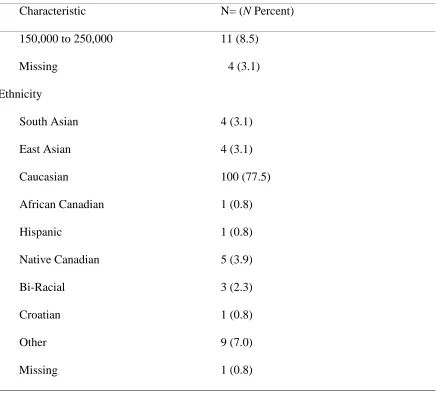
TABLE 1: Demographic Characteristics of the Mothers in the Total Sample 44
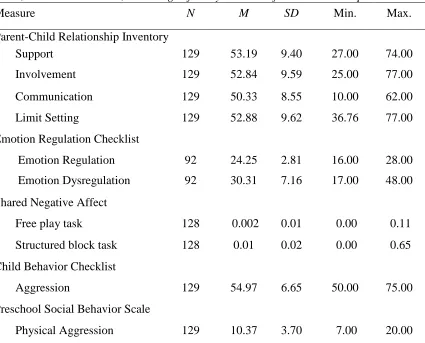
TABLE 2: Mean, Standard Deviation, and Range of Study Variables for the Total Sample
60
TABLE 3: Bivariate Correlations Between all Study Variables for Hypotheses 1 and 2
61
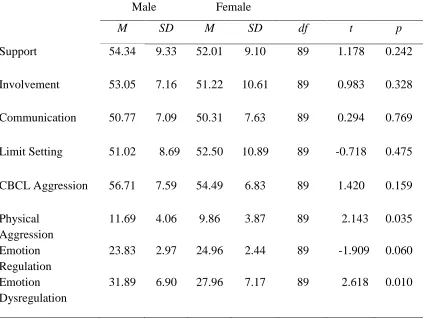
TABLE 4: Comparison of Child Gender in Maternal Parenting Practices, Children’s Physical Aggression, Emotion Regulation, and Emotion Dysregulation for Hypotheses 1 and 2
62
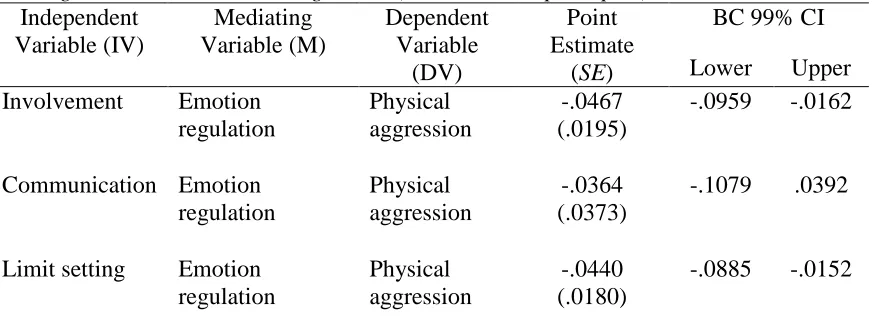
TABLE 5: Mediation of the Effect of Parenting Practices to Children’s Physical Aggression Through Children’s Emotion Regulation (5,000 Bootstrap Samples)
65
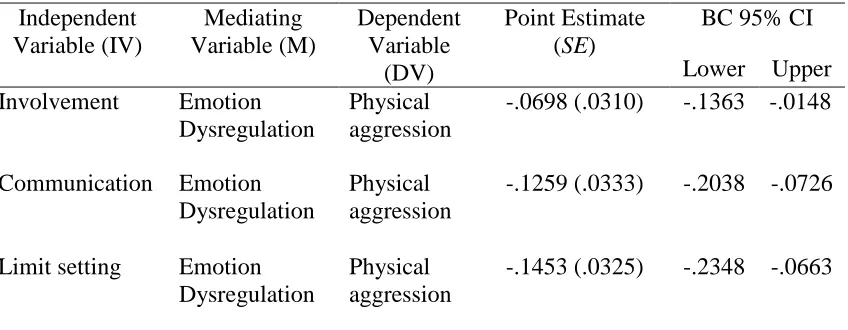
TABLE 6: Mediation of the Effect of Parenting Practices to Children’s Physical Aggression Through Children’s Emotion Dysregulation (5,000 Bootstrap Samples)
70
TABLE 7: Bivariate Correlations Between Study Variables Included in Hypotheses 3, 4, and 5
75
TABLE 8: Comparison of Child Gender in Maternal Parenting Practices, Children’s Physical Aggression and Shared Affect for Hypotheses 3, 4, and 5
77
TABLE 9: Summary of Regression Analyses for Predicting Children’s Physical Aggression with Parenting Practices and Mother-Child Shared Positive Affect in the Second Step (N = 129)
80
TABLE 10: Summary of Regression Analyses for Predicting Children’s Physical Aggression with Mother-Child Shared Positive Affect in the Second Step and Parenting Practices in the Third Step (N = 129)
82
TABLE 11: Comparison of Shared Positive Affect and Shared Negative Affect Between Tasks
ix
LIST OF FIGURES
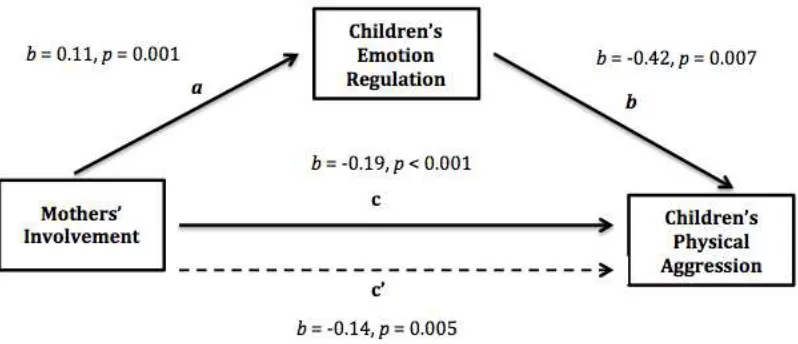
FIGURE 1: Associations between (a) mothers’ involvement and children’s emotion regulation, (b) children’s emotion regulation and children’s physical aggression, (c) mothers’ involvement and children’s physical aggression, and (c’) mothers’ involvement and children’s physical aggression with children’s emotion regulation as a mediator.
66
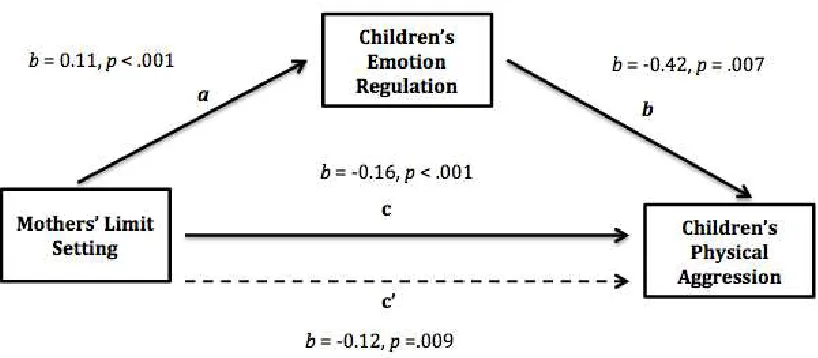
FIGURE 2: Associations between (a) mothers’ limit setting and children’s emotion regulation, (b) children’s emotion regulation and children’s physical aggression, (c) mothers’ limit setting and children’s physical aggression, and (c’) mothers’ limit setting and children’s physical aggression with children’s emotion regulation as a mediator.
67
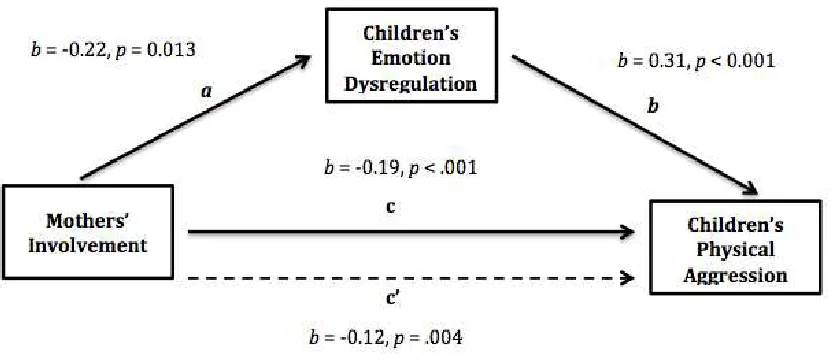
FIGURE 3: Associations between (a) mothers’ involvement and children’s emotion dysregulation, (b) children’s emotion dysregulation and children’s physical aggression, (c) mothers’ involvement and children’s physical aggression, and (c’) mothers’ involvement and children’s physical aggression with children’s emotion
dysregulation as a mediator.
71
FIGURE 4: Associations between (a) mothers’ limit setting and children’s emotion dysregulation, (b) children’s emotion dysregulation and children’s physical aggression, (c) mothers’ limit setting and children’s physical aggression, and (c’) mothers’ limit setting and children’s physical aggression with children’s emotion
dysregulation as a mediator.
72
FIGURE 5: Associations between (a) mothers’ communication and children’s emotion dysregulation, (b) children’s emotion dysregulation and children’s physical aggression, (c) mothers’ communication and children’s physical aggression, and (c’) mothers’ communication and children’s physical aggression with children’s emotion dysregulation as a mediator.
1
CHAPTER I
Introduction
Statement of the Problem
Recently, researchers and clinicians have been studying the socio-emotional
development of young children to better identify and address young children’s
behavioural and emotional problems. In young children, externalizing problems,
including aggression, are reported as one of the most common reasons for referral for
mental health services (Keren, Feldman, & Tyano, 2001; Landy & Menna, 2001; Luby &
Morgan, 1997; Renk, 2005). Aggression is reported as one of the most common types of
behaviour problems in young children, with prevalence rates in Canada of approximately
8% (Raos & Janus, 2011), and higher rates reported for boys (Cote, Vaillancourt,
LeBlanc, Nagin, & Tremblay, 2006; Nolan, Gadow, & Sprafkin, 2001; NICHD Early
Child Care Research Network, 2004; Raos & Janus, 2011). High rates of behaviour
problems in young children are consistent across Great Britain and the United States
(Campbell, 1995; Egger & Angold, 2006; NICHD ECCRN, 2004; Nolan et al., 2001),
and a number of studies have shown that behaviour problems can have detrimental
effects on the individual, family, and society. Outcomes for aggressive children can
include problems in school (e.g., Campbell, Spieker, Vandergrift, Belsky, & Burchinal,
2010; Moilanen, Shaw, & Maxwell, 2010; NICHD ECCRN, 2004; Tremblay, 2004),
drug and alcohol use (e.g., Moffitt, Caspi, Harrington, & Milne, 2002; Timmermans, van
Lier, & Koot, 2008; Tremblay, 2004), premature sexual encounters (e.g., Timmermans, et
al., 2008; Tremblay, 2004), mood disorders (e.g., Cleverley, Szatmari, Vaillancourt,
2
Little, 2008; Chen, McComas, Hartman, & Symons, 2011; Crick et al., 2006; Coie &
Dodge, 1983; McEachern & Snyder, 2012; Menna & Landy, 2001), symptoms of
oppositional defiant disorder and conduct disorder, continued violence, and nonviolent
forms of delinquency in adolescence (Broidy et al., 2003; Campbell, Spieker, Burchinal,
& Poe, 2006; Loeber, Green, Keenan, & Lahey, 1995; McEachern & Snyder, 2012;
Menna & Landy, 2001; NICHD ECCRN, 2004; Tremblay, 2004; van Lier & Crijnen,
2005). Almost all children with externalizing disorders experience impairments in global
functioning (Keenan, Shaw, Walsh, Delliquadri, & Giovannelli, 1997) and difficulties in
relationships with parents, teachers, and peers (NICHD ECCRN, 2004). In addition to
causing significant distress to the individual child, behavioural problems are associated
with problems in family functioning and increased family stress (Campbell, 1995; Egger
& Angold, 2006). A study in the United Kingdom indicated that the presence of
behavioural problems at age 10 at least tripled the cost of public services used by age 28,
compared to having no behavioural problems as a child (Scott, Knapp, Henderson, &
Maughan, 2001). Furthermore, problem behaviour reported in young children has been
found to increase children’s risk for greater detrimental outcomes, compared to problem
behaviour beginning when children are older (Patterson, DeBaryshe, & Ramsey, 1989).
Despite the vast research suggesting poor outcomes of childhood aggression on the
individual child, family, and society, the processes that influence the development of
aggression in young children are not well understood.
There have been a number of risk and protective factors identified in the
development of disruptive behaviour problems in young children. Risks are external
3
Campbell, 2000), whereas, protective factors manipulate an individual’s response to an
external danger (Rutter, 1985). Results from the National Longitudinal Survey of
Children and Youth indicated that the most influential risk factor for high levels of
physical aggression is gender, followed by low levels of maternal education, family
income, and poor parenting (Cote et al., 2006). Similarly, findings from the Ontario Child
Health Study (Rae-Grant, Thomas, Offord, & Boyle, 1989) and the NICHD ECCRN
(2004) suggested that the most important risk factor for young children developing
behavioural problems, including physical aggression, is difficulties in family functioning.
Additional risk factors that have been identified in previous research include negative
emotionality and ineffective emotion regulation in children, poor parenting practices
(Campbell, Shaw, & Gilliom, 2000; NICHD ECCRN, 2004), and difficult child
temperament (Campbell et al., 2000; Egger & Angold, 2006). Children who experience
risks in multiple domains are at an increased risk for experiencing behaviour problems
into adolescence (Campbell et al., 2000). Protective factors, which reduce the risk of
children developing behaviour problems, have been identified in samples of Canadian
children and include effective strategies to cope with stress, easy child temperament,
expressing one’s emotions freely (Grizenko & Pawliuk, 1994), having positive
relationships with others, being a good student, and being involved in two or more
activities (Rae-Grant et al., 1989). Although a number of risk and protective factors have
been identified, the processes, which explain the relation between risk and protective
factors and young children’s aggression, are not well understood.
During the preschool age, children’s communication improves, allowing them to
4
to interact in a more responsive manner with their children (Harrist & Waugh, 2002).
Young children are able to learn to comply and internalize their parents’ demands, but
also can intentionally refuse them (Kochanska & Aksan, 1995). Although the
parent-child relationship becomes more mutual in the preschool years, parents are still
responsible for adjusting their behaviours to their child’s level of development (Harrist &
Waugh, 2002). Because child development occurs in the context of the parent-child
relationship, studying the relationship between the parent and child is crucial to
understanding aggression in young children. In particular, investigating the emotional
exchange between parents and children may provide researchers with a better
understanding of the link between parenting practices and the development of aggressive
behaviour in young children.
The few studies that have examined parent-child interactions with young children
suggest that young children who engage in more problematic behaviour also demonstrate
more conflict in their parent-child relationship (see Campbell, 1995, for a review). Due to
the bi-directionality of the parent-child relationship, negative family interactions may not
provide children with the ability to learn how to understand and regulate their emotions
(Fonagy & Target, 1997). For instance, research examining the relation between
parent-child reciprocal affect and parent-childhood aggression suggests that reciprocal negative affect is
positively related to aggression in school age children (Carson & Parke, 1996).
The purpose of this study was to examine the role of children’s emotion regulation
and mother-child shared affect as mediators between mothers’ parenting support,
parenting practices, and aggression in young children. Shared affect is the emotional
5
acknowledging each other’s emotional signals (e.g., child cries and parent is sad and
upset, or child and parent are both enthusatic and excited). It also represents a
synchronous interaction between the parent and child (Kochanska & Aksan, 1995; Mize
& Pettit, 1997). Shared positive affect is when both the parent and child demonstrate
positive emotions, such as enthusiasm, joy, laughter, or neutral expressions that are
pleasant and comfortable, and no negative emotions are displayed. Shared negative affect
is when both the parent and child engage in negative emotions, which may include
crying, whining, anger, frustration, worry, or neutral expressions that demonstrate
boredom or lack of engagement, and no positive emotions are present (Kochanska &
Aksan, 1995).
In the present study, the specific parenting practices that were examined were
mothers’ communication, involvement, and limit setting. Mothers’ communication can be
defined as mothers’ effectiveness in talking with their children, including the ability to
direct an initiation toward the listener, engage in alternate turn-taking, contribute relevant
information, and respond accordingly (Black & Logan, 1995; Gerard, 1994). Mothers’
involvement is defined as mothers’ level of interest and engagement in their children’s
activities, the amount of time spent with their children, how well mothers know their
children (i.e., awareness of children’s interests and characteristics), and mothers’
monitoring of their children (Gerard, 1994; Kawabata, Alink, Tseng, van IJzendoorn, &
Crick, 2011). Mothers’ limit setting is defined as the disciplinary technique that mothers
use with their children to change or control their children’s behaviour (Gerard, 1994;
Houck & Le Cuyer-Maus, 2002).
6
considered. In this study, perceived parenting support can be defined as the instrumental
support (i.e., help with child care, advice), emotional support (i.e., explicit statements,
caring actions), and information regarding social expectations (i.e., what is appropriate
and inappropriate behaviour), which parents receive from other adults (Belsky, 1984).
In this study, aggression is defined as physically harming others or employing a
physical threat to harm others. Physical aggression in preschool children can involve a
variety of behaviours including hitting, punching, and kicking (Crick, Casas, & Mosher,
1997).
Because physical aggression can be identified in young children and is associated
with long-term detrimental effects, there is a need for researchers to understand the
factors and processes involved in the early development of aggression. Research suggests
that interventions targeted at young children may be more effective than if implemented
later in the school years because children’s behaviour control begins to develop during
this period and disruptive behaviour is not yet ingrained in young children (Keenan &
Wakschlag, 2000). Furthermore, Offord, Kraemer, Kazdin, Jensen, & Harrington (1998)
emphasize the need for research to examine causal risk factors involved in children’s
psychiatric disorders to create preventative interventions, which would help reduce the
burden of suffering in young children, families, and society.
Aggression in Preschool Children
A number of studies have shown that physical aggression is relatively stable over
time, and the frequency of aggressive behaviour declines with children’s age (Bennett et
al., 1999; Broidy et al., 2003; Campbell et al., 2000; Coie & Dodge, 1998; Cote et al.,
7
ECCRN, 2004; Olweus, 1979). For example, Cummings et al. (1989) observed 43
children’s play interactions with their mothers and measured children’s physically
aggressive behaviour at 2 and 5 years of age. Results indicated that physically aggressive
behaviour at age 2 predicted physically aggressive behaviour at age 5. The overall
frequency of aggressive behaviour declined from 2 to 5 years; however, aggressive
behaviour demonstrated at age 2 still predicted relatively more aggressive behaviour at
age 5.
In another study, Nagin and Tremblay (1999) assessed 1,037 boys using teacher
reports and self-reports of externalizing behaviour at several time points between ages 6
and 15 years. The authors identified four developmental trajectories: “lows” accounted
for about 15-25% of the sample and included boys who rarely engaged in problem
behaviour; “moderate-level desisters” accounted for about 50% of the sample and
included children who at age 6 displayed modest levels of problem behaviour, but by age
10 to 12 their problem behaviour had mostly desisted; “high-level near desisters” were
children who displayed high levels of problem behaviour at age 6, but showed a decline
in this behaviour by age 15, and this group accounted for about 20-30% of the sample;
finally, the “chronics” consisted of less than 5% of the sample who displayed high levels
of problem behaviour at age 6 and maintained high levels of problem behaviour
throughout the study. Thus, these findings suggest that there may be a developmental
trend for children who engage in moderate to high levels of physical aggression at a very
young age to show a decline in severity of aggressive behaviours as they become older.
These findings suggest that researchers should study physical aggression in young
8
children (Tremblay, 2004). In one study by Tremblay, Japel, Perusse, and McDuff
(1999), 511 mothers reported the onset of physical aggression in their infants and 80%
reported onset between 12 to 17 months. In a cross-sectional study of 20,000 Canadian
children between 2 to 11 years old, physical aggression was found to peak between ages
two and three (Tremblay et al., 1996). Based on these findings, physical aggression is
reported in children as young as 1 year old and may be the highest during the preschool
age. Children may be learning to inhibit aggressive behaviour with age, instead of
learning to behave aggressively (Tremblay, 2001). Therefore, further research into
understanding the factors and processes that contribute to the development of physical
aggression in young children is needed.
Social Learning Theory
Bandura’s (1973) social learning theory proposes that individuals learn behaviour
by imitating others (i.e., models) and experiencing reinforcement for their behaviour.
Bandura (1973) suggests that when an observer witnesses a model behave in a physically
aggressive manner, followed by a negative consequence for the model, the observer is
likely to inhibit that behaviour. However, when an observer witnesses a model who
behaves in a physically aggressive manner, but who does not receive a negative
consequence, the observer may be more likely to engage in the aggressive behaviour.
Bandura (1973) suggests that aggression can be modeled to young children through
behaviours demonstrated by family members, lack of consequences from society for
aggressive behaviour, and through symbolic modeling in the media. Furthermore, if
aggressive behaviour is modeled to be acceptable, observers will learn that aggression is
9
In a study conducted by Bandura, Ross, and Ross (1961), 72 young children were
exposed to a physically aggressive adult model, a nonaggressive adult model, or no
model. The children who were exposed to the aggressive model behaved more
aggressively compared to the children who observed a nonaggressive model and to the
children who did not observe a model. In addition, the children who imitated the
aggressive models also imitated the model’s verbally aggressive behaviour. This study
illustrates the effects of modeling on children’s development of physically aggressive
behaviour and provides support for Bandura’s (1973) social learning theory.
Patterson, Capaldi, & Bank (1991) propose an Early Starter Model for
Delinquency, in which it is hypothesized that aggression is reinforced by family
members, and then generalized to subsequent environments outside of the home. In this
model, the researchers used social learning theory (Bandura, 1973) to predict children’s
aggression and delinquency. Based on social learning theory, it is suggested that problem
behaviour is first learned in the home, before children are exposed to deviant peer groups,
suggesting that children’s interactions with their parents might be very influential in
children’s development of early problem behaviour. Building on social learning theory,
the coercion model (Patterson, 1982), suggests that coercive interactions between
children and parents may lead to children’s problem behaviours, through negative
reinforcement from parents. In Patterson et al. (1991), longitudinal data from 206 boys
and their parents in the Oregon Youth Study were obtained in Grades 4, 6, 7, and 8. In
Grades 4 and 6, participants completed assessments of children’s achievement and
intelligence, peer nominations, teacher ratings, videotaped interactions of parent-child
self-10
reports of delinquency were also obtained at the beginning of Grade 4. In Grade 7,
self-reports of delinquency were obtained from the boys, and in Grade 8, police records were
reported. The results indicated that antisocial behaviour in Grade 4 predicted delinquency
in Grades 7 and 8. It was also noted that boys who had higher levels of antisocial
behaviour in Grade 4 were more likely to come from families who experienced more
distress, than boys with moderate-low levels of antisocial behaviour. These findings
support social learning theory by suggesting that children might learn delinquent and
antisocial behaviours from coercive and distressing interactions with their parents. Much
of the findings in the literature support social learning theory in understanding the origins
of aggression in children (Tremblay, 2000).
Relations between Parenting Practices and Aggression in Young Children
Baumrind (1971) suggested that parenting style is an important component in
children’s development because it influences the emotional context of the parent-child
relationship. Parenting style guides parents’ attitudes expressed towards their children
and can be authoritative, authoritarian, or permissive. Research suggests that there is an
association between authoritarian parenting practices-- which include punitive, forceful,
and controlling behaviours -- with children’s aggressive behaviour (Baumrind, 1971;
Pettit, Harrist, Bates, & Dodge, 1991). Extending Baumrind’s (1971) research, Darling
and Steinberg (1993) proposed that parenting style indirectly influences child
development through parenting practices, the specific parenting behaviours that are
driven by parents’ socialization goals, and impact children’s behaviour and development
directly. Previous research has shown that parenting practices, such as communication,
11
children’s problem behaviours (Davenport & Bourgeois, 2008). Specifically, the absence
of any of these positive parenting practices may be associated with problem behaviour in
young children (Olson, Bates, Sandy, & Lanthier, 2000).
Olson et al. (2000) conducted a longitudinal study examining mothers’
responsiveness towards their children as a predictor of children’s problem behaviour. The
study initially included 168 mother-child pairs, but due to attrition subsequent analyses
included 90 to 136 mother-child pairs, based on the timing and specific procedure. On
three occasions, naturalistic observations in participants’ homes were rated for mother’s
responsiveness to her child. From preschool age to adolescence, mothers reported on their
toddler’s temperament, their perception of their toddler’s behaviour, their toddler’s
developmental level, their child’s behavioural adjustment, and finally, their adolescent’s
aggressive and hyperactive behaviour. The researchers reported that mothers who were
lacking in affectionate caregiving and maternal teaching, who had relatively high rates of
control, or who perceived their child as unresponsive, were more likely to have children
who engaged in problem behaviour later on. Thus, these findings suggest that the absence
of positive parenting practices might predict the likelihood of children engaging in
problem behaviour.
In addition, negative parenting practices shape children’s beliefs about themselves
and may encourage and reinforce the development of problem behaviour through cyclical
interactions (Bandura, 1973; Davenport & Bourgeois, 2008; Menna & Landy, 2001;
Patterson, 1982). Cyclical, coercive parent-child interactions are comprised of ineffective
parenting practices and negative arousal from the child. These coercive interactions may
12
2008) through negative reinforcement from parents (Patterson, 1982) or because when
parents have negative perceptions of their children, children may develop negative
self-perceptions and negative self-perceptions of others (Davenport & Bourgeois, 2008; Menna &
Landy, 2001). Based on the literature, it follows that negative parenting practices may be
associated with young children’s physical aggression.
The present study examined the relations between specific parenting practices (i.e.,
communication, involvement, limit-setting), parenting support, and physical aggression
in young children. Each parenting practice considered is discussed below.
Parenting Practices
Communication. Communication as a parenting practice is defined as mothers’
effectiveness in talking with their children, including the ability to direct an initiation
toward the listener, alternate turn-taking, contribute relevant information, and respond
accordingly (Black & Logan, 1995; Gerard, 1994). Successful communication patterns
require both the parent and the child to communicate in a cooperative manner that is
relevant to their interaction, and to share a mutually accepted goal to guide their
conversation (Grice, 1975). In a study of 49 children, ages 2 to 9 years old, and their
parents, parents were asked to complete measures of their children’s temperament; their
parent-child relationship, assessed by the Parent-Child Relationship Inventory (PCRI;
Gerard, 1994); and parents’ perceptions of their young children, assessed by the
Perceptions of Parents Scale-Parent Version (POP; Phares & Renk, 1998). Parents who
scored high on the communication subscale of the PCRI, held more positive perceptions
of their young children, compared to parents who did not score high on the
13
of communication within the parent-child dyad might be related to parents encouraging
positive behaviour from their children, which is consistent with the findings from Aring
and Renk (2010).
In addition, effective parent-child communication requires parents to be aware of
their children’s needs and to know how to accurately respond to these needs. In a study
conducted by Landry, Smith, and Swank (2006), 264 mother-infant dyads participated in
ten home visits when the infants were 6 to 10 months old. The intervention group
consisted of trained facilitators who taught mothers targeted behaviour to use with their
infants to increase mothers’ awareness of their infants’ behavioural cues. In the control
group, mother-infant dyads were provided feedback on their infants’ skill levels;
however, when mothers asked about how to enhance their infants’ development, the
facilitators directed the mothers to their health care provider. During the visits,
mother-child dyads participated in a free play task and then a toy play task, in which mothers
were asked to play with their infant using one or more toys. Both of the interaction tasks
were coded for infant behaviours that followed the mother’s direction. Then the infant
played alone with toys presented by the examiner and this segment was coded for infant’s
goal-directed play. Mothers in the intervention group, who had learned appropriate
problem solving strategies and how to be responsive to their infant’s needs, were more
responsive to their infant’s signals for contact and used rich language when
communicating with their infant. These infants’ skills were rated as more competent,
compared to ratings before their mothers participated in the educational program. Thus,
infants of mothers who had learned to recognize and appropriately respond to their needs,
14
In contrast, parents who are nonresponsive towards their children may have a
negative impact on children’s peer competency and communication. Black and Logan
(1995) examined 43 children, ages 2 to 5 years old, and their parents, on parent-child
communication and children’s peer sociometric status. Sociometric status was measured
by correlating children’s peer assessments and teachers’ nominations of three liked and
three disliked children for each child in their class. Then, parent-child interactions were
observed. Next, each child participant was observed playing with a familiar child in his or
her class; however, this child was not a child whom the teacher nominated as liked or
disliked by the child participant. Then, a third child was brought into the room, and the
interaction between all three children was observed. All interactions were coded for
communication patterns. The findings indicated that the pattern of communication that
children used with their parents was similar to the manner in which the children
communicated with their peers. This study also found that children were more likely to
be rejected by their peers when their parents did not respond appropriately, or at all, to
their needs. The findings suggest that it is important for parents to appropriately attend to
and respond to their children’s needs, as this communication pattern generalizes beyond
the parent-child relationship and influences children’s behaviour in other social contexts.
Involvement. Mothers’ involvement can be defined in a variety of ways including
mothers’ level of engagement in their children’s activities, the amount of time spent with
their children, how well mothers know their children (i.e., awareness of children’s
interests and characteristics), and mothers’ monitoring of their children (Gerard, 1994;
Kawabata et al., 2011). Parents who are uninvolved with their children are less aware of
15
parents may ignore their children in the form of neglecting their children’s needs
(Kawabata et al., 2011). Kawabata et al. (2011) hypothesized that uninvolved parents
may lack control or supervision over their children’s aggressive behaviour; thus, parents
who are uninvolved with their children may be less likely to intervene with their
children’s problem behaviour.
Previous studies have found that parents who are not as involved with their children
tend to have children with more problem behaviour than parents who are more involved
in their children’s lives (e.g., Amato & Rivera, 1999; Stormshak, Bierman, McMahon, &
Lengua, 2000). For example, Amato and Rivera (1999) analyzed data from 994 parents in
the National Survey of Families and Households (NSFH), investigating behaviour
problems in children aged 5 to 18 years old. The authors examined the influence of
maternal and paternal involvement, including the amount of time a parent spends, helps,
and communicates with their child, praises and hugs their child, and the closeness of the
parent-child relationship, in children’s behaviour problems. The researchers found that
higher levels of maternal involvement and paternal involvement were both related to
lower levels of behaviour problems in children. These findings suggest that parental
involvement is associated with fewer problem behaviours in children.
Consistent with previous findings (e.g., Amato & Rivera, 1999), Gryczkowski,
Jordan, & Mercer (2010) provided additional evidence that parental involvement is
important in children who show low levels of problem behaviours. Using a sample of 135
school age children and their parents, Gryczkowski et al. (2010) examined the relation
between children’s externalizing behaviour and the parent-related variables of parenting
16
and parental discipline. Higher levels of paternal involvement were related to lower
levels of externalizing behaviours in young boys. In addition, for both mothers and
fathers, poor monitoring of their children was related to higher levels of externalizing
behaviours in young girls. These findings suggest that the influence of mother and father
involvement on children’s externalizing behaviours may differ based on children’s
gender.
In another study, Stormshak et al. (2000) conducted interviews and administered
questionnaires to 631 parents of children, ages 4 to 6 years old, to measure parenting
practices (i.e., warmth and involvement, consistency, and punitive discipline tactics) and
child behaviour problems (e.g., oppositional defiant disorder, conduct disorder, and
attention-deficit/hyperactivity disorder). Low levels of parental involvement added a
unique contribution in predicting higher levels of child behaviour problems, beyond the
contribution of punitive and aggressive parenting styles; thus, parental involvement may
be more influential in children’s behaviour problems than negative parenting styles.
Limit setting. Limit setting can be defined as the style of disciplinary technique
that parents use with their children to change or control their children’s behaviour
(Gerard, 1994; Houck & LeCuyer-Maus, 2002). Limit setting has implications for
children’s behaviour, such that when parents are clear about their rules and children
understand what behaviour is appropriate compared to behaviour that is not appropriate,
children demonstrate fewer behaviour problems (Baumrind, 1971). In addition to parents
stating clear rules, it is important that the parent’s disciplinary style matches the
individual characteristics of the child, as this encourages children’s compliance to their
17
disciplinary style is not appropriate to children’s developmental level and incorporates
physical punishment, children are more likely to demonstrate aggressive behaviour and
experience peer rejection (Travillion & Snyder, 1993).
When mothers’ disciplinary patterns are inconsistent and punitive, children may be
more likely to engage in externalizing behaviours (Burke, Pardini, & Loeber, 2008;
Gryczkowski et al., 2010), such as aggressive behaviour (Stormshak et al., 2000). In
addition to the findings discussed above, Gryczkowski et al. (2010) found a significant
relation between mothers’ inconsistent disciplinary style and higher levels of children’s
externalizing behaviours, but this relation was not supported with fathers. This suggests
that mothers who are more inconsistent in their discipline tend to have young children
who demonstrate greater externalizing problems.
Stormshak et al. (2000) examined the relation between parenting practices and
various behaviour problems in 631 behaviourally disruptive children, ages 2 to 8 years,
and their parents. The results indicated that higher levels of parents’ inconsistent and
punitive discipline were related to higher levels of young children’s oppositional,
hyperactive, and aggressive behaviour. In a longitudinal study by Houck and
LeCuyer-Maus (2002), 126 mother-toddler dyads were observed and mothers who used more
inconsistent limit setting with their toddlers were found to have toddlers’ with less
well-developed self-concepts and lower social competence scores. Thus, based on the findings
discussed above, mothers who use an inconsistent pattern of limit setting may not provide
their children with opportunities to learn the distinction between appropriate and
inappropriate behaviour through testing their parents’ limits and may be associated with
18
Other studies have suggested that punitive parenting styles may serve as risk factors
for aggression in children. For example, in a study conducted by McNamara, Selig, and
Hawley (2010), children of mothers who used a controlling disciplinary style without
providing support for their children’s autonomy, were found to behave more
aggressively, display more negative personality traits, were less conscientious, less
extroverted, and were more often rejected by their peers. In addition, Deater-Deckard,
Dodge, Bates, and Pettit (1996), examined the relation between parental physical
discipline and child aggression in 466 European American and 100 African American
families. The researchers reported that European American parents who used harsh and
punitive disciplinary behaviour with their children had children who engaged in more
aggression. In another study, Travillion and Snyder (1993) examined whether poor
discipline in the family was related to children’s social aggression and peer rejection in
61 preschool children. Measures included observations of the quality of the home
environment and parent-child interactions, a questionnaire assessing children’s perceived
self-confidence and acceptance, teachers’ perceptions of the children’s problem
behaviour, observer ratings of the quality of the children’s social interactions, and finally,
peer nominations by each classmate were collected involving each child indicating which
classmates they liked, disliked, or neither liked nor disliked. Maternal discipline in the
home accounted for a sizeable portion of the variance in social aggression; as well, social
aggression accounted for a signiifcant amount of the variance in peer rejection.
Therefore, maternal discipline that was rated as poor quality was associated with
children’s social aggression and peer rejection. Thus, all of these findings discussed
19
developmental stage, supportive of children’s autonomy, and is not harsh or punitive may
be crucial for children to learn how to self-regulate their behaviour and inhibit aggressive
tendencies (Menna & Landy, 2001).
Relations between parenting practices and parenting support. Parenting
support can be defined as the instrumental support (i.e., help with child care, advice),
emotional support (i.e., explicit statements, caring actions), and information regarding
social expectations (i.e., what is appropriate and inappropriate behaviour), which parents
receive from other adults (Belsky, 1984). The importance of support has been well
documented in the literature, suggesting that support provides emotional and material
benefits to parents including help with child care, information about parenting and child
behaviour, and helps parents to feel a sense of belonging (Belsky, 1984; Koeske &
Koeske, 1990). Mothers’ support, involving their experiences and contact with other
adults, is associated with parenting style, quality of parenting, and parent-child
interactions (Anthony et al., 2005; Belsky, 1984; Colletta, 1979; Farmer & Lee, 2011;
Kopala-Sibley, Zuroff, & Koestner, 2012; McConnell, Breitkreuz, & Savage, 2010;
Szykula, Mas, Turner, Crowley, & Sayger, 1991).
To study the influence of parental support on parenting practices, Colletta (1979)
conducted interviews with 72 mothers of preschool children. The effects of total support
(i.e., from friends, spouse, and relatives) on maternal restrictiveness and punitiveness
were examined. It was found that mothers who received the least amount of support were
more authoritarian (i.e., more restrictive and punitive) in their disciplinary technique and
set more rules with their children. This suggests that maternal support may be associated
20
Koeske and Koeske (1990) provide support for the direct impact of social support
on parenting practices. In their study of 125 mothers, social support was related to
mothers feeling less stressed about their children’s functioning, reporting feeling greater
parental satisfaction and higher maternal self-esteem. In addition, social support was
found to buffer the relation between maternal stress and low parental satisfaction; thus,
mothers who felt stressed about their children, but received adequate social support, were
more likely to feel satisfied with parenting, than mothers who were stressed and who did
not receive adequate social support (Koeske & Koeske, 1990).
The relations between maternal social support, the mother-child interaction, and
children’s externalizing behaviours were assessed in a study conducted by Szykyla et al.
(1991). Results from home observations and questionnaire data from 32 mother-child
dyads indicated that higher levels of maternal social support were associated with more
frequent mother-child prosocial interactions, compared to lower levels of maternal social
support. Fewer mother-child prosocial interactions were observed on days when mothers
reported low levels of social support, in families who had children who were identified as
high in externalizing behaviour. Thus, if children engaged in externalizing behaviours
and mothers did not receive high levels of social support, the mother-child interactions
were less prosocial. These results suggest that social support influences the manner in
which mothers and children interact with each other, and this is especially true for
children who demonstrate externalizing behaviour.
Parental social support can influence parents’ behaviours and reactions to their
children. Additionally, because the parent-child relationship is cyclical parents’ perceived
21
Greenberg, Ragozin, Robinson, and Basham (1983) interviewed 105 mothers about life
stress and satisfaction with life, satisfaction with parenting, and social support. Then,
mother-infant dyads were observed during free play, structured, and imitation tasks. The
findings indicated that mothers who felt greater stress behaved less responsively and less
positively towards their infants. The infants would then become less responsive toward
their mothers, creating a cyclical interaction that further increased mothers’ feelings of
stress. However, findings also indicated that higher levels of social support were related
to mothers feeling more positive towards their infants and this encouraged positive
mother-child interaction and healthy infant development (Crnic et al., 1983). The studies
discussed above indicate that children’s problem behaviour may be related to parenting
support, and suggest that parenting support is an important factor to examine in
understanding parenting practices, parent-child interactions, and aggressive behaviour in
young children.
Emotion Regulation
To understand the expression of aggressive behaviour in young children, it is
necessary to examine the way in which children learn to regulate their emotions, which is
referred to as emotion regulation. Emotion regulation is defined as the external and
internal processes that individuals use to monitor, evaluate, and adapt their emotional
reactions to achieve a particular goal, and it either enhances or inhibits the emotional
experience (Thompson, 1994). Emotion regulation is an important skill for children to
develop in order to appropriately manage their emotion and it is associated with
preventing under-regulation problems, such as aggressive behaviour problems (e.g.,
22
adequate emotion regulation processes can often inhibit impulses to behave
inappropriately (Eisenberg & Fabes, 1998). Emotion regulation involves understanding
that emotional responses are flexible, situationally dependent, and that emotion can
change to adapt with the current conditions. Emotion is regulated by the self and by
external influences including parents (Thompson, 1994). Parents can teach their children
about their own emotions by mirroring children's emotions back to their children (Fonagy
& Target, 1997) or through emotion coaching (Gottman, Katz, & Hooven, 1996).
Emotion coaching is a component of meta-emotion, which is an individual’s
feelings and thoughts about emotion. Individuals might have a philosophy regarding his
or her awareness of emotions and how, or if, they differentiate different emotions
(Gottman et al., 1996). Emotion coaching involves parents’ awareness of low intensity
emotions in them and in their children and using children’s negative emotions as a chance
to teach children about emotion, rather than ignoring or dismissing children’s emotions. It
also includes validating children’s emotions, helping children to label their different
emotions, and problem solving with children to help them deal with the situation that
generated the negative emotion (Gottman et al., 1996).
Gottman et al. (1996) conducted a longitudinal study of 56 five-year-old children
and their parents. Parents participated in meta-emotion interviews, parent-child dyads
participated in interaction tasks, and then children’s physiological functioning was
assessed during a viewing of an emotion-eliciting film. Parents’ awareness of emotion,
self-regulation, emotion coaching, and engagement were coded from the parent-child
interaction tasks and interviews. Three years later, children’s behaviour problems, affect
23
of parents’ meta-emotion (i.e., emotional awareness and emotion coaching) were
indirectly related to higher levels of children’s behaviour problems through low levels of
emotion regulation; thus, the authors suggested that emotion coaching might contribute to
children’s regulation of negative emotion. This provides support for the belief that
parents’ emotion socialization plays an influential role in the development of children’s
emotion regulation.
Relations between Parenting Practices and Emotion Regulation
Parents may help regulate children’s negative emotion by managing children’s
exposure to negative, emotionally-arousing stimuli, and directly teaching children
strategies for regulating their emotions. For example, parents can redirect children’s
attention during a threatening event towards positive aspects and limit children’s
exposure to the upsetting information (Miller & Green, 1985). Previous research suggests
that by parents teaching children to regulate their emotions, children will learn to
self-regulate. For example, parents may instruct or model to children to cover their ears or
eyes when they feel scared (Thompson, 1994). The literature suggests that parenting
practices and parents’ perceptions of children’s emotionality are associated with
children’s emotion regulation.
In a study by Calkins, Smith, Gill, and Johnson (1998), 65 mothers and their
preschool children participated in various interaction tasks, which were coded for
maternal interactive style, maternal positive guidance, emotional reactivity of the mother
and the child, behavioural reactivity of the mother and the child, and the child’s emotion
regulation. The findings indicated that children of mothers who used a controlling
24
levels of maternal warmth and responsiveness were associated with higher levels of
children’s emotion regulation.
Furthermore, parents who are warm and responsive towards children’s emotional
behaviour may encourage children’s emotional self-regulation. In a study conducted with
102 mothers and their preschool-age children, mothers completed measures assessing
parenting practices (i.e., maternal warmth and maternal responsiveness to children’s
negative emotion), children’s internalization of rules of conduct, children’s temperament,
and children’s behaviour regulation. The researchers reported that maternal warmth
predicted high levels of behaviour regulation, and maternal responsiveness to children’s
negative emotion was related to high levels of children’s internalization of rules of
conduct (von Suchodoletz, Trommsdorff, & Heikamp, 2011). These findings suggest that
parents who use positive parenting practices that include maternal warmth and
responsiveness to children’s emotional behaviour may have children with better
emotional and behavioural regulation.
Parents who engage in parenting practices that communicate they are unsupportive
of children’s negative emotion also have been shown to have an effect on children’s
emotion regulation. Shaffer, Suveg, Thomassin, and Bradbury (2012) measured maternal
risk factors, children’s negative emotions, and maternal perceptions of children’s emotion
regulation strategies in 97 mother-child dyads, with children’s ages ranging from 7 to 12
years old. The authors reported that mothers who were less unsupportive of their
children’s negative emotion had children who had poorer emotion regulation and greater
25
responsive to their children’s emotions tend to have children with more difficulties
regulating their emotions.
In another study, Brophy-Herb, Stansbury, Bocknek, and Horodynski (2012),
asessed parent emotion-related socialization behaviours in 123 low-income parents and
their toddlers, ages 1 to 3 years old. Emotion-related socialization behaviours include
maternal positive emotional expressivity, support towards children’s self-regulation
attempts, and disclosure of emotion between the parent and child. In the study, mothers
and their children narrated a wordless book together, and then mothers were asked to
teach their children an age-specific task with which the children were not familiar. These
interactions were coded for maternal emotional supportiveness towards the child’s
attempts at learning the new task and children’s emotion regulation. Higher levels of
mothers’ emotion-related socialization behaviours were associated with higher levels of
toddlers’ self-regulation, suggesting that using emotion-related parenting practices may
be related to greater self-regulation for at-risk toddlers. Therefore, the studies discussed
suggest that parenting practices may directly influence children’s emotion regulation.
Relations between Emotion Regulation and Aggression in Young Children
It is well understood that parents can socialize children’s emotion regulation
strategies; however, coercive family interactions marked by hostility, anger, yelling, and
aggression do not provide children with an appropriate context to learn how to
self-regulate their emotion (Eisenberg & Fabes, 1998). Research suggests that children are
vulnerable to parental displays of negative affect (Carson & Parke, 1996); thus, when
parents do not demonstrate self-regulation it may interfere with children’s development
26
2001). This research provides support for Bandura’s (1973) social learning theory, in that
parent behaviours in parent-child interactions are especially important for modeling
prosocial behaviour to children (Patterson et al., 1991).
In a study conducted by Carson and Parke (1996) physical play interactions
between 41 father-child and mother-child dyads were analyzed to examine the relation
between reciprocal negative affective displays between parents and children (4 to 5 years
old), and children’s peer competence. Higher levels of both mothers’ and fathers’
displays of negative affect were associated with higher levels of children’s displays of
negative affect. Fathers who responded with negative affect to their children’s displays of
negative affect were more likely to have children who shared less, were more verbally
abusive, avoided peers, and behaved in a more physically aggressive way, compared with
children of fathers who did not respond with negative affect. In addition, children who
responded with negative affect to their father’s displays of negative affect were more
physically aggressive than children who did not respond to their fathers with negative
affect. Therefore, following social learning theory (Bandura, 1973), fathers who engaged
in reciprocal negative affect with their child may not have created a context for the child
to learn to appropriately regulate his or her emotions and thus predicted poor
socio-emotional outcomes for the child. Mother-child reciprocal negative affect displays did not
predict children’s peer competency. The authors suggested possible reasons for this
finding including that mothers may not frequently engage in physical play with their
children or that physically aggressive behaviour may be less frequent in mother-child
play compared to father-child play interactions (Carson & Parke, 1996). However, the
27
between parents and children may be associated with more aggressive behaviour in
young children.
To examine the hypothesis that by improving parents’ emotion regulation
strategies, children’s problem behaviour would decrease, Wilson, Havighurst, and Harley
(2012) randomly assigned 128 parents to a waitlist condition or an intervention program
called Tuning in to Kids (TIK) parenting program. TIK aims to improve parents’ emotion
socialization strategies by teaching parents about emotional awareness and regulation.
Parents completed measures of emotion socialization, parenting practices (i.e., positive
involvement, corporal punishment, and inconsistent discipline), and their preschool
children’s problem behaviour. Compared to pre-treatment, at follow-up the parents who
participated in the intervention condition were more positively involved with their
children, less emotionally dismissive in their beliefs about emotions, and were less
dismissive and used more coaching techniques in their parenting practices towards
children’s negative emotion. Parents who learned about their own emotional awareness
and emotion regulation strategies had children who demonstrated fewer behaviour
problems compared to behaviour problems at pre-treatment and to children in the waitlist
condition. These findings demonstrate that parents’ beliefs about emotions, emotion
socialization practices, and parents’ emotion regulation strategies may affect children’s
ability to regulate emotion and thus, influence children’s engagement in problematic
behaviour. This provides further support that the expression of emotion between the
parent and child may have consequences for children’s behaviour.
The expression of emotion between parent and child was examined in another study
28
participated in narrative emotional discourse tasks. The emotional discourse tasks
involved narrating a wordless storybook and engaging in a reminiscing task, in which
mothers were asked to elicit their child’s memory about a past positive emotional
experience and a past negative emotional event. Then, the children participated in an
affective perspective-taking task that assessed children’s socio-emotional development,
and finally, children completed a shortened version of the MacArthur Story-Stem Battery
(MSSB) to measure children’s representations of their relationships with their family
(Oppenheim, Nir, Warren, & Emde, 1997). Children in dyads high in shared positivity
were more likely to represent relationships in a prosocial manner. The results also
indicated that mothers with high levels of positive emotional tone (i.e., communication,
warmth, and intersubjectivity) during the discourse tasks predicted high levels of
children’s prosocial development. Therefore, the researchers suggested that open
emotional communication may allow for children to have their feelings validated by their
parents, and to learn how to accurately identify and label their feelings, which was
associated with more prosocial behaviour in children. These findings are consistent with
those of another study in which it was found that mothers who explained emotions to
their children tended to have children who behaved in a prosocial manner and were less
likely to engage in the hostile attribution bias and physical aggression with their peers
(Garner, Dunsmore, & Southam-Gerrow, 2008). Taken together, these studies provide
support that emotion regulation strategies transmitted through the parent-child
relationship may be associated with decreased levels of physical aggression and problem
29
Relations between Parenting Practices, Emotion Regulation, and Aggression in
Young Children
Research has suggested that parenting practices and childhood aggression are
indirectly related through children’s emotion regulation. For example, in a study by
Duncombe, Havighurst, Holland, and Frankling (2012) with 373 school-aged children,
mothers reported on their parenting practices (i.e., parental monitoring and supervision,
inconsistent discipline, corporal punishment, positive parenting, and involvement),
emotion coaching practices, dismissiveness of children’s emotion, mother’s emotional
expressiveness within the family, and mother’s mental health. Mothers were also asked to
report on children’s disruptive behaviour problems and emotion regulation management.
Inconsistent discipline, mother’s negative emotional expressiveness, and mother’s poor
mental health predicted higher levels of children’s disruptive behaviours and children’s
emotion dysregulation. Interestingly, children’s emotion regulation mediated the relation
between parenting practices and children’s disruptive behaviour problems. Thus, children
whose mothers did not provide positive parenting practices (i.e., inconsistent discipline
and corporal punishment) were more likely to engage in disruptive behaviour problems,
partly because they were less likely to engage in effective self-regulation. Similarly,
Baker and Hoerger (2012) found that self-regulation partially mediated the relation
between parental child-rearing practices and socio-emotional adjustment. Children of
parents who demonstrated higher levels of positive child-rearing practices were more
likely to have higher levels of socio-emotional adjustment because of their tendency to
30
may be an important variable in understanding the relation between parenting practices
and childhood aggression.
In a study by Eisenberg et al. (2001), parental warmth was indirectly related to
children’s externalizing problem behaviour, through children’s unregulated expressivity
and parents’ emotional expressivity. In this study, 169 school-aged children were
presented slides of images depicting pleasant, unpleasant, and neutral affect. Then,
parents were asked to join their children and briefly discuss each slide with their children.
These interactions were coded for children’s facial expressivity and parental warmth.
Parents’ discussions of the slides with their children were coded for parents’ ability to
link the slide to their children’s emotional experiences, which is called parental linking.
The discussions were also coded for parent’s labeling of his or her own emotion, and
parent’s attempt to encourage the child to report their own emotion. Findings suggested
that higher levels of parental warmth were related to higher levels of children’s
externalizing problem behaviour. In addition, higher levels of children’s unregulated
expression of emotion were related to higher levels of children’s externalizing problem
behaviour. Furthermore, the findings indicated an indirect relation between parental
warmth and children’s externalizing problem behaviour through children’s unregulated
expression of emotion and parental linking (i.e., warm parents were better able to link
emotional events to children’s experiences, have children who were low on unregulated
emotional expression and externalizing problems). This suggests that emotion regulation,
and parental acknowledgement and discussion of children’s emotional experiences, may
help to explain the relation between parental warmth and children’s externalizing
31
between emotional expression in the family to aggressive behaviour in young children.
The findings indicated that families who displayed higher levels of negative emotions
were associated with lower levels of children’s emotion regulation, and lower levels of
children’s emotion regulation were related to higher levels of children’s physical
aggression. Thus, these findings provide support for emotion regulation as a mediator
between parenting practices and children’s physical aggression.
Shared Affect
Although the methods parents use to influence children’s emotion regulation are
not clear, there is support that children are sensitive to parent displays of affect.
Parent-child shared affect is the emotional communication between parent and Parent-child involving
both the parent and child acknowledging each other’s emotional signals (e.g., child cries
and parent is sad and upset, or child and parent are both enthusatic and excited;
Kochanska & Aksan, 1995; Mize & Pettit, 1997). Shared affect can be positive or
negative, depending on the expression of emotion from both partners (Kochanska &
Aksan, 1995).
The literature suggests that when parents express negative affect, children
experience difficulty regulating their emotion. Dix (1991) suggests that parents’
expression of negative affect may not model emotion regulation for children.
Furthermore, if children respond to parents’ displays of negative affect with more
negative affect, this can escalate the negative arousal in the interaction (Carson & Parke,
1996). These negative emotional responses can create mutual reinforcement for negative
behaviour from children and parents, perpetuating the cycle of negative affect (Patterson,