INFLUENCE OF PROBIOTIC ORGANISMS ON
PROTEOLYTIC PATTERN, RELEASE OF
BIOACTIVE COMPOUNDS AND SENSORY
ATTRIBUTES OF CHEDDAR CHEESE
A thesis submitted for the degree of
DOCTOR OF PHILOSOPHY
by
Lydia Ong
B. Appl. Sc. (Hons) (Food Sci. Tech.)
2007
School of Molecular Sciences
Dedicated to the ‘Ong Family’
I.
Abstract
The overall objective was to study the influence of probiotic organisms on the proteolytic pattern, sensory evaluation and release of bioactive peptides in Cheddar cheeses. The study consists of three main parts. The first part of the study aimed at development of Cheddar cheeses with the addition of probiotic organisms. Three batches of Cheddar cheeses including a control cheese with starter lactococci only (Batch 1M) and two probiotic cheeses with starter lactococci and probiotic organisms including Bifidobacterium longum 1941, Lactobacillus casei 279 and Lb. acidophilus 4962 (Batch 2M) or B. animalis subsp. lactis LAFTI®B94, Lb. casei LAFTI®L26 and Lb. acidophilus LAFTI®L10 (Batch 3M) were made. In a separate experiment, seven batches of Cheddar cheeses including a control cheese with starter lactococci only (Batch 1) and six probiotic cheeses with starter lactococci and probiotic B. longum 1941 (Batch 2), B. animalis subsp. lactis LAFTI®B94 (Batch 3), Lb. casei 279 (Batch 4), Lb. casei LAFTI®L26 (Batch 5), Lb. acidophilus 4962 (Batch 6) or Lb. acidophilus LAFTI®L10 (Batch 7) were made. All cheeses were made in triplicate and ripened at 4°C for 24 wk to study the influence of the probiotic adjuncts on proteolytic patterns and organic acid profiles of the cheeses.
___________________________________________________________________Abstract Each probiotic organisms influenced the organic acid profiles and the proteolytic pattern of Cheddar cheese in different ways. Acetic acid concentration in probiotic cheeses with B. longum 1941, B. animalis subsp. lactis LAFTI®B94, Lb. casei 279 or Lb. casei LAFTI®L26 (Batches 2-5) was higher as compared to other cheeses. Cheeses made with the addition of Lb. casei 279 (Batch 4) and Lb. casei LAFTI®L26 (Batch 5) showed higher level of αs1-CN and β-CN hydrolysis when compared to other cheeses. Although Bifidobacterium sp. was found to be weakly proteolytic, cheeses with the addition of that species had the highest concentration of PTA-SN.
The sensory properties of the probiotic Cheddar cheeses were assessed after ripening for 9 months at 4oC. Probiotic cheeses except those with Lb. acidophilus 4962 (Batch 6) were found to be significantly different (P < 0.05) from the control cheeses made without any probiotic organism (Batch 1). The acceptability scores among the cheeses, however, were not significantly different except for that with Lb. casei 279 (Batch 4). Acceptability scores of cheese with Lb. casei 279 (Batch 4) was significantly lower (P < 0.05) than that of the control cheese with bitterness and sour-acid taste as the major defects. Although concentration of acetic acid in probiotic cheeses was higher than the control cheese, there was no significant correlation between the sensory scores of vinegary and the acetic acid concentration (P > 0.05). Scores of vinegary also did not influence the acceptability of the cheeses (P > 0.05). Increase proteolysis in probiotic cheeses did not influence the scores of Cheddary attribute (P > 0.05). There were positive correlations (P < 0.05) between the scores of bitterness and the level of water-soluble nitrogen. The sensory results showed that some of the probiotic microorganims used in this study can be applied successfully in Cheddar cheeses with acceptable sensory profiles.
ACE-inhibitory peptides corresponding to the αs1-casein [(f 1-6), (f 1-7), (f 1-9), (f 24-32) and (f 102-110)] and β-casein [(f 47-52) and (f 193-209)] were identified. Our results suggested that ACE inhibition in Cheddar cheeses was dependent on proteolysis to a certain extent. Probiotics Lb. casei 279 or Lb. casei LAFTI®L26 used in this study have the potential to improve the ACE-inhibitory activity of Cheddar cheeses.
The second part of the study investigated the influence of ripening temperatures at 4 and 8oC on the viability of probiotic organisms, composition of cheeses, production of organic acids, proteolytic pattern, sensory characteristics and ACE-inhibitory activity of Cheddar cheeses. Seven batches of Cheddar cheeses were made in triplicate as in part I (Batches 1-7). The cheeses were divided into two equal portions and assigned to ripening at 4 and 8oC for 24 wk. The moisture content and pH of cheeses decreased significantly after ripening for 24 wk, depending on the probiotic adjuncts and ripening temperature used (P < 0.05). Ripening at 8oC accelerated the loss of starter lactococci as compared to 4oC. The counts of starter lactococci in cheeses produced with B. animalis LAFTI®B94 subsp. lactis, Lb. casei LAFTI®L26 or Lb. acidophilus 4962 ripened at 8ºC were significantly lower than that ripened at 4ºC (P < 0.05) at 24 wk. Probiotic organisms remained viable at the end of 24 wk and their viability was not affected by the ripening temperatures (P > 0.05). There were significant effects of the type of probiotic organisms used, ripening time, ripening temperatures and their interactions on the concentration of lactic, and acetic acids in the cheeses (P < 0.05). Lactic acid concentration was the highest in cheeses with Lb. casei 279 or Lb. caseiLAFTI®L26 ripened at 8oC. The acetic acid concentration in cheeses made with Bifidobacterium sp. or Lb. casei sp. was significantly higher than that of the control cheese (P < 0.05). Citric, propionic and succinic acids contents of the cheeses were not significantly affected by the type of probiotic organisms or ripening temperatures used (P > 0.05).
___________________________________________________________________Abstract casei 279, Lb. casei LAFTI®L26 or Lb. acidophilus LAFTI®L10 had significantly higher (P < 0.05) ACE-inhibitory activity than those without any probiotic adjunct after 24 wk at 4 and 8oC. The IC50 of cheeses ripened at 4°C was not significantly different (P > 0.05) to that ripened at 8°C. The lowest value of the IC50 (0.13 mg mL-1) and therefore the highest ACE-inhibitory activity corresponded to the cheese made with the addition of Lb. acidophilus LAFTI®L10 ripened at 8°C. Several ACE-inhibitory peptides from WSE of cheeses with Lb. acidophilus LAFTI®L10 were isolated and identified as κ-CN (f 96-102), αs1-CN (f 1-9), αs1-CN (f 1-7), αs1-CN (f 1-6), αs1-CN (f 24-32) and β-CN (f 193-209). Most of the ACE-inhibitory peptides accumulated during ripening, and as proteolysis proceeded, some of the peptides were hydrolyzed into smaller peptides. The results of the second part of the study showed that both 4 and 8oC can be used for ripening of probiotic Cheddar cheeses. Cheeses made with Lb. acidophilus LAFTI®L10 also had good potential for the development of Cheddar cheeses with bioactive properties. Cheeses made with Lb. acidophilus LAFTI®L10, however, was not the cheeses with the highest level of proteolysis.
II.
Certificate
Dr. Nagendra P. Shah (M.Sc., Ph.D) Professor – Food Technology, School of Molecular Sciences, Victoria University,
Werribee Campus, Victoria, Australia
CERTIFICATE
This is to certify that the thesis entitled “Influence of Probiotic Organisms on Proteolytic Pattern, Release of Bioactive Compounds and Sensory Attributes of Cheddar Cheese” submitted by Lydia Ong in partial fulfillment of the requirement for the award of the Doctor of Philosophy in Food Technology at Victoria University is a record of bonafide research work carried out by her under my personal guidance and supervision and the thesis has not previously formed the basis for the award of any degree, diploma or other similar title.
Werribee, Australia Prof. N.P. Shah
________________________________________________________________Declaration
III.
Declaration
“I, Lydia Ong, declare that this thesis entitled “INFLUENCE OF PROBIOTIC
ORGANISMS ON PROTEOLYTIC PATTERN, RELEASE OF BIOACTIVE
COMPOUNDS AND SENSORY ATTRIBUTES OF CHEDDAR CHEESE” is no more than 100,000 words in length including quotes and exclusive of tables, figures, appendices, bibliography, references and footnotes. This thesis contains no material that has been submitted previously, in whole or in part, for the award of any other academic degree or diploma. Except where otherwise indicated, this thesis is my own work.”
Werribee, Australia
IV.
Acknowledgement
My sincere thanks and gratitude go to my Principal Supervisor, Professor Nagendra P. Shah, for his guidance, valuable discussions and suggestions throughout the course of study and in preparation of manuscripts. His dedication to this work and the manner in which he efficiently dealt with problems have certainly contributed greatly to the progress of this project.
I would like to thank Dr. Anders Henriksson (DSM Food Specialties, NSW) for his assistance in providing materials for the cheese production and Dr Todor Vasiljevic for the valuable discussions and his help in statistical analysis. Many thanks are due to Mr. Dale Tomlinson (Laboratory Manager) and all laboratory technicians, Ira, Michael, Stacey, Joe, Marianne, Min for their assistance in the use of equipments, ordering chemicals and for their friendship.
I thank my fellow research students who I have worked with over the past three years including Min Tze Liong, Wun Keat Ding, Anne Lise Tang, Sudinna Hewakapuge, Shruti Harnal, Michelle Vaughn, Paul Capela, Osaana Donkor and Daniel Otieno.
I would like to express my sincere gratitude, love and respect to my father, Mr. Bendy Andries Liany and my mother, Mrs. Liong Fong Eng for their never ending love over the past 26 years. My love and thanks go to my sister, Elisa and my brothers, Budiyanto and Jansen, for their encouragement and for making my three years journey very colourful. I appreciate the great support from my flat mates and friends, Fetricia Tan, Dr. Ronny Widjaja, Ulina Mulio and Melvany Tan for taking a good care of me during my stay in Australia.
__________________________________________________________List of Publications
V.
List of Publications
Refereed journal publications
Ong, L., Henriksson, A., & Shah, N.P. (2006). Development of probiotic Cheddar cheese containing Lactobacillus acidophilus, Lb. casei, Lb. paracasei, Bifidobacterium sp. and the influence of these bacteria on proteolytic patterns and production of organic acid. International Dairy Journal, 16, 446 – 456.
Ong, L., Henriksson, A., & Shah, N.P. (2007a). Proteolytic pattern and organic acid profiles of probiotic Cheddar cheese as influenced by probiotic strains of Lactobacillus acidophilus, Lb. paracasei, Lb. casei and Bifidobacterium sp. International Dairy Journal, 17, 67 - 78.
Ong, L., Henriksson, A., & Shah, N.P. (2007b). Chemical analysis and sensory evaluation of Cheddar cheeses produced with Lactobacillus acidophilus, Lb. casei, Lb. paracasei and Bifidobacterium sp. International Dairy Journal, 17, 937 - 945.
Ong, L., Henriksson, A., & Shah, N.P. (2007c). Angiotensin converting enzyme-inhibitory activity of Cheddar cheeses made with the addition of probiotic Lactobacillus casei sp. Lait, 87, 149-165.
Ong, L., Henriksson, A., & Shah, N.P. (2007d). Probiotic Cheddar cheese Part I. Influence of ripening temperatures on survival of probiotic microorganisms, cheese composition and organic acid profiles. International Dairy Journal (revised manuscript submitted in April 2007).
Ong, L., Henriksson, A., & Shah, N.P. (2007e). Probiotic Cheddar cheese Part II. Influence of ripening temperatures on proteolysis and sensory characteristic of Cheddar cheeses. International Dairy Journal (revised manuscript submitted in April 2007).
Ong, L. & Shah, N.P. (2008b). Influence of probiotic Lactobacillus acidophilus and Lb. helveticus on proteolysis, organic acid profiles and ACE-inhibitory activity of Cheddar cheeses ripened at 4, 8 and 12oC. Journal of Food Science, 73, M111-120.
Chaired poster presentation
Ong, L., Shah, N.P., & Henriksson, A. (2005). Influence of probiotic adjuncts Lactobacillus acidophilus, Lb. casei, Lb. paracasei, Bifidobacterium sp. on proteolytic patterns and organic acid profile of Cheddar cheese. A paper presented at Institute of Food Technologist annual meetings 17-20 July 2005, New Orleans, Louisiana, USA (Abstract No.71A-39).
Chaired oral presentations
Ong, L., Shah, N.P., & Henriksson, A. (2005). Development of probiotic Cheddar cheese containing Lactobacillus acidophilus, Lb. casei, Lb. paracasei, Bifidobacterium sp. and the influence of these bacteria on proteolytic patterns and production of organic acid. A paper presented at Australian Institute of Food Science and Technology 38th Annual Meeting 10 – 13 July 2005, Sydney, NSW, Australia (Abstract No. A83).
Ong, L., Shah, N.P., & Henriksson, A. (2005). Effects of incorporation of probiotic Lactobacillus acidophilus, Lb. casei, Lb. paracasei, Bifidobacterium spp. on proteolytic patterns and production of organic acid in Cheddar cheese. A paper presented at American Dairy Science Association Annual Meeting 24-28 July 2005, Cincinnati, Ohio, USA (Abstract No. 364). Journal of Dairy Science, 88, S1: 232.
Ong, L., Shah, N.P., & Henriksson, A. (2006). Antihypertensive activity of probiotic Cheddar cheeses produced with probiotic Lactobacillus casei or L. paracasei. Award winning paper, “Manfred Kroger Graduate Paper Competition” presented at the Institute of Food Technologist annual meetings 24-28 June 2006, Orlando, Florida, USA (Abstract No. 015-02).
__________________________________________________________List of Publications
Ong, L., Shah, N.P., & Henriksson, A. (2007). Influence of probiotic microorganisms and ripening conditions on proteolysis, sensory evaluation and the release of antihypertensive peptides in Cheddar cheese. A paper presented at the Australian Institute of Food Science and Technology 40th Annual Meeting 24-27 June 2007, Melbourne, Victoria, Australia (Abstract No. A53).
Ong, L., Shah, N.P., & Henriksson, A. (2007). Probiotic Cheddar cheeses delivering bioactive properties. A paper presented for the “Malcolm Bird Award” at the Australian Institute of Food Science and Technology 40th Annual Meeting 24-27 June 2007, Melbourne, Victoria, Australia (Abstract No. MB2).
Ong, L., Shah, N.P., & Henriksson, A. (2007). Addition of probiotic microorganisms to improve proteolysis, sensory evaluation and the release of antihypertensive peptides in Cheddar cheeses ripened at 4 and 8ºC. A paper presented at American Dairy Science Association Annual Meeting 8-12 July 2007, San Antonio, Texas, USA (Abstract No. 820).
Awards received
“Best Postgraduate Student Seminar Award 2005” in the category of advanced postgraduate students. Awarded by Victoria University, School of Molecular Sciences, 2005.
“Manfred Kroger Graduate Paper Competition Award 2006” (1st place) at the Institute of Food Technologist annual meeting, Orlando, Florida, USA, 24-28 June, 2006.
Secomb Conference and Travel Fund 2006. Monetary support awarded by Victoria University to cover a part of travel expenses to the 2006 IFT annual meetings, Orlando, Florida, USA, 24-28 June, 2006.
VI.
Table of Contents
Page
I. Abstract ... i
II. Certificate... v
III. Declaration ... vi
IV. Acknowledgement ... vii
V. List of Publications... viii
VI. Table of Contents... xi
VII. List of Tables... xviii
VIII. List of Figures ... xx
IX. List of Abbreviations... xxiv
1.0 Introduction to Thesis ... 1
2.0 Literature Review... 6
2.1. Probiotic organisms ... 6
2.1.1 Characteristics of genus Bifidobacterium... 6
2.1.2 Characteristics of genus Lactobacillus ... 8
2.1.3 Selection criteria for probiotic organisms... 9
2.1.4 Application of probiotic bacteria in foods ... 11
2.2. Cheese ... 12
2.2.5 Production and consumption of cheeses... 12
2.2.6 Manufacture of Cheddar cheese ... 15
2.2.6.1 Pre-treatment of milk... 15
2.2.6.2 Addition of starter and probiotic microorganism... 17
2.2.6.3 Milk coagulation... 18
2.2.6.4 Cooking and cheddaring of cheese curd ... 20
2.2.6.5 Milling, salting and pressing of cheese curd ... 21
2.3. Probiotic Cheddar cheese... 22
_____________________________________________________________Table of Contents
2.4.1.1 Sources and factors affecting the growth of NSLAB ... 28
2.4.1.2 NSLAB and cheese quality... 29
2.4.2 Enumeration of starter, NSLAB and probiotic bacteria in Cheddar cheese29 2.4.2.1 Enumeration of Lactobacillus casei... 33
2.4.2.2 Enumeration of Lactobacillus acidophilus ... 33
2.4.2.3 Enumeration of Bifidobacterium sp... 34
2.5. Biochemistry of cheese ripening ... 37
2.5.1 Glycolysis ... 37
2.5.2 Proteolysis ... 41
2.5.2.1 Role of indigenous enzyme in milk on proteolysis during ripening ... 42
2.5.2.2 Role of coagulant on proteolysis during ripening ... 43
2.5.2.3 Role of starter, NSLAB and probiotic microorganisms on proteolysis ... 43
2.5.2.4 Measurement of proteolysis... 45
2.6. Bioactive peptides ... 46
2.6.1 Antihypertensive peptides ... 47
2.6.2 Role of food processing in the liberation of bioactive peptides ... 48
2.6.3 Role of lactic acid bacteria in the liberation of bioactive peptides... 48
2.6.4 Bioactive peptides in cheeses ... 49
2.6.5 Identification of peptides ... 53
2.6.5.1 Edman degradation ... 53
2.6.5.2 Matrix assisted laser desorption ionization-time of flight ... 54
2.6.5.3 Chemical assisted fragmentation in combination with MALDI.. 54
2.7. Acceleration of cheese ripening ... 55
2.7.1 Elevated ripening temperature... 55
2.7.2 Exogenous enzymes and attenuated cultures in accelerated ripening ... 56
2.7.3 NSLAB in accelerated ripening... 57
2.7.3.1 Influence of Lactobacillus helveticus in cheese ripening ... 57
3.0 Development of probiotic Cheddar cheese containing Lactobacillus acidophilus, Lb. casei, Lb. paracasei, Bifidobacterium sp. ... 59
3.1. Introduction... 59
3.2. Materials and methods ... 61
3.2.2. Cheddar cheese manufacture ... 61
3.2.3. Cheese composition ... 62
3.2.4. Survival of bacteria in cheeses ... 62
3.2.5. Production of organic acids ... 63
3.2.6. Assessment of proteolysis ... 64
3.2.7. Statistical analysis... 65
3.3. Results and discussions... 65
3.3.1. Cheese composition ... 65
3.3.2. Survival of bacteria during manufacture of Cheddar cheese... 66
3.3.3. Survival of bacteria during ripening ... 67
3.3.4. Production of organic acids ... 68
3.3.5. Assessment of proteolysis ... 68
3.4. Conclusions... 71
4.0 Proteolytic pattern and organic acid profiles of probiotic Cheddar cheese as influenced by probiotic strains of Lactobacillus acidophilus, Lb. paracasei, Lb. casei and Bifidobacterium sp... 79
4.1. Introduction... 79
4.2. Materials and methods ... 81
4.2.1. Starter and probiotic organisms ... 81
4.2.2. Cheddar cheese manufacture ... 81
4.2.3. Cheese composition ... 81
4.2.4. Survival of bacteria in cheeses ... 81
4.2.5. Production of organic acids ... 82
4.2.6. Proteolytic activity of starter and probiotic organisms in reconstituted skim milk ... 82
4.2.7. Assessment of proteolysis ... 83
4.2.8. Statistical analysis... 83
4.3. Results and discussions... 84
4.3.1. Cheese composition ... 84
4.3.2. Survival of bacteria during manufacture of Cheddar cheeses ... 84
4.3.3. Survival of bacteria during ripening ... 85
_____________________________________________________________Table of Contents
4.3.6. Assessment of proteolysis in Cheddar cheeses... 87
4.4. Conclusions... 90
5.0 Sensory evaluation of Cheddar cheeses produced with Lactobacillus acidophilus, Lb. casei, Lb. paracasei and Bifidobacterium sp. ... 100
5.1. Introduction... 100
5.2. Materials and methods ... 102
5.2.1. Cheddar cheeses samples... 102
5.2.2. Sensory evaluation of cheeses ... 102
5.2.3. Cheese composition ... 104
5.2.4. Acetic acid concentration ... 104
5.2.5. Assessment of proteolysis ... 104
5.2.6. Statistical analysis (data treatment) ... 105
5.3. Results and discussions... 105
5.3.1. Relationship between compositional variables of Cheddar cheeses and their sensory characteristic ... 107
5.3.2. Relationship between acetic acid concentration and sensory attributes of Cheddar cheeses... 107
5.3.3. Relationship between proteolytic pattern of Cheddar cheeses and their sensory characteristics ... 108
6.0 Isolation and purification of angiotensin converting enzyme-inhibitory peptides from probiotic Cheddar cheeses ... 117
6.1. Introduction... 117
6.2. Materials and methods ... 119
6.2.1. Starter and probiotic organisms ... 119
6.2.2. Cheddar cheeses and preparation of water soluble extract (WSE)... 119
6.2.3. Reverse-phase HPLC of cheese WSE ... 120
6.2.4. ACE-inhibitory activity of cheese WSE... 120
6.2.5. Protein assays... 121
6.2.6. Isolation of ACE–inhibitory peptides ... 121
6.2.7. Identification of peptides ... 121
6.3. Results ... 122
6.3.1. ACE-inhibitory activity of cheese water-soluble extract... 122
6.3.2. Reverse-phase HPLC of cheese water-soluble extract ... 123
6.3.3. Isolation of ACE-inhibitory peptides ... 124
6.3.4. Identification of peptides ... 124
6.3.5. Formation of peptides during ripening ... 125
6.4. Discussion ... 126
6.5. Conclusion ... 129
7.0 Influence of ripening temperatures on proteolytic pattern, sensory evaluation and angiotensin converting enzyme- inhibitory activity of probiotic Cheddar cheeses... 138
7.1. Introduction... 138
7.2. Materials and methods ... 140
7.2.1. Starter and probiotic organisms ... 140
7.2.2. Cheddar cheese making ... 140
7.2.3. Cheese composition ... 141
7.2.4. Survival of bacteria in cheeses ... 141
7.2.5. Production of organic acids ... 141
7.2.6. Assessment of proteolysis ... 141
7.2.7. Sensory evaluation of cheeses ... 142
7.2.8. Determination of ACE-inhibitory activity... 142
7.2.9. Peptide profiles of cheese WSE... 143
7.2.10. Isolation and purification of ACE-inhibitory peptides ... 143
7.2.11. Identification of peptides ... 144
7.2.12. Statistical analysis... 144
7.3. Results and discussions... 145
7.3.1. Cheese composition during ripening ... 145
7.3.2. Survival of bacteria during manufacture of Cheddar cheese... 146
7.3.3. Survival of bacteria during ripening ... 147
7.3.4. Production of organic acid... 148
7.3.5. Assessment of proteolysis ... 150
_____________________________________________________________Table of Contents 7.3.8. Isolation of ACE-inhibitory peptides from cheese made with Lb.
acidophilus L10 adjunct ... 158
7.3.9. Identification of ACE-inhibitory peptides ... 158
7.3.10. Influence of probiotic organisms and ripening temperature on the formation of ACE-inhibitory peptides during ripening ... 159
7.3.11. Profiles of the isolated ACE-inhibitory peptides... 160
7.4. Conclusions... 163
8.0 Influence of probiotic Lactobacillus acidophilus and Lb. helveticus on proteolysis, organic acid profiles and ACE-inhibitory activity of Cheddar cheeses ripened at 4, 8 and 12oC ... 190
8.1. Introduction... 190
8.2. Materials and methods ... 192
8.2.1. Cheese starter culture, Lactobacillus adjunct and probiotic organism ... 192
8.2.2. Cheddar cheese making ... 192
8.2.3. Cheese composition ... 193
8.2.4. Viability of bacteria in cheeses... 193
8.2.5. Organic acid analysis ... 193
8.2.6. Proteolytic activity of adjunct bacteria in reconstituted skim milk ... 194
8.2.7. Assessment of proteolysis ... 194
8.2.8. Sensory evaluation of cheeses ... 194
8.2.9. Determination of ACE-inhibitory activity of cheeses WSE... 195
8.2.10. Statistical analysis... 195
8.3. Results and discussions... 196
8.3.1. Cheese composition ... 196
8.3.2. Viability of bacteria in cheeses... 197
8.3.3. Concentration of organic acids ... 198
8.3.4. Assessment of proteolysis ... 201
8.3.5. Sensory evaluation of cheeses with Lactobacillus sp. adjunct ... 203
8.3.6. ACE-inhibitory activity of cheeses WSE ... 205
8.4. Conclusions... 206
9.0 Summary of Results ... 219
11.0 List of References ... 222
12.0 Appendices ... 245
Appendix A - Sensory evaluation forms………. 245
A.1. Consent form for research project involving human subject………... 245
A.2. Form for duo-trio test for determination of flavour threshold………. 246
A.3. Form for intensity ranking test for products with various concentration of lactic acid, acetic acid and caffeine………... 246
A.4. Panelist questionnaire……….. 247
A.5. Form for acceptance rating test……… 247
A.6. Form for triangle test………248
A.7. Scoring for specific attributes form………. 249
_________________________________________________________________List of Tables
VII.
List of Tables
Tables Page
Table 2.1. List of species of the genera Bifidobacterium and Lactobacillus ... 8
Table 2.2. Australian export of cheeses. ... 13
Table 2.3. Australian cheese production by type of cheese . ... 14
Table 2.4. Examples of probiotic cheese developments. ... 23
Table 2.5. Culture media recommended for the enumeration of Lb. acidophilus, Lb. casei, total lactobacilli and cheese starter culture ... 31
Table 2.6. Culture media recommended for the enumeration of bifidobacteria in mixed cultures ... 32
Table 2.7. Identified bioactive peptides from various cheeses ... 51
Table 2.8. Commercial dairy products with health claims based on bioactive peptides ... 52
Table 3.1. Composition of control and probiotic Cheddar cheeses ... 72
Table 3.2. Survival (Log10 cfu g-1) of cheese starter culture and probiotic adjunct during manufacturing of Cheddar cheese... 73
Table 4.1. Production scheme of probiotic Cheddar cheeses... 91
Table 4.2. Composition of control and probiotic Cheddar cheeses ... 92
Table 4.3. Viability (Log10 cfu g-1) of cheese starter culture and probiotic adjunct during manufacturing of Cheddar cheese... 93
Table 5.1. Differences between control and probiotic cheeses as perceived by triangle test (n = 36) after 9 months of ripening at 4oC ... 111
Table 5.2. Mean overall acceptance of control and probiotic Cheddar cheeses after 9 months of ripening at 4oC ... 112
Table 5.3. Scores obtained from judging specific attributes of control and probiotic Cheddar cheeses after 9 months of ripening at 4oC ... 113
Table 5.4. Correlation between mean scores of sensory attributes and the mean scores of cheeses acceptability ... 114
Table 5.5. Influence of probiotic microorganisms on composition and proteolytic profiles of Cheddar cheeses after 9 months of ripening at 4oC... 115
Table 5.6. Correlation between results of chemical analysis and mean scores of sensory attributes... 116
Table 6.2. Identified peptides in the fractions obtained from water-soluble extract of Cheddar cheese produced with Lb. casei LAFTI®L26 ... 136 Table 7.1. Control and probiotic Cheddar cheeses ... 164 Table 7.2. Composition of control and probiotic Cheddar cheeses ripened at 4 and 8ºC
after 24 wk ... 165 Table 7.3. Viable counts (Log10 cfu g-1) of cheese starter lactococci and probiotic
microorganisms during manufacturing of Cheddar cheeses ... 167 Table 7.4. Viable counts (Log10 cfu g-1) of starter lactococci, probiotic microorganisms
and NSLAB during ripening period of 24 wk at 4and 8oC in Cheddar cheeses .. 168 Table 7.5. Effect of probiotic microorganisms, ripening temperatures, ripening time and
interaction between probiotic microoganisms, ripening time and temperatures on composition of cheeses, bacterial counts and organic acid concentrations during ripening... 173 Table 7.6. Effect of probiotic microorganisms, ripening temperatures, ripening time and
interaction between probiotic microoganisms, ripening time and temperatures on proteolysis of Cheddar cheeses ... 177 Table 7.7. Means overall acceptance of control and probiotic Cheddar cheeses during
ripening at 4 and 8°C for 24 wk... 178 Table 7.8. Correlation of results of chemical analysis and sensory attributes scores ... 181 Table 7.9. Effect of probiotic microorganisms, ripening temperatures, ripening time and
interaction between probiotic microoganisms, ripening time and temperatures on sensory scores of Cheddar cheeses ... 182 Table 7.10. Identification of ACE-inhibitory peptides collected from WSE of cheese
made with Lb. acidophilus LAFTI® L10 after ripening at 8oC for 24 wk ... 187 Table 7.11. Effect of probiotic microorganisms, ripening temperatures, ripening time and
their interaction on ACE-inhibitory activity of Cheddar cheeses and total area of ACE-inhibitory peptides during ripening at 4 and 8°C for 24 wk... 189 Table 8.1. Composition of Cheddar cheeses during ripening at 4, 8 and 12°C for 24 wk... 207 Table 8.2. Probabilities (P) of changes in means of composition variables (pH and
moisture), counts of microorganisms (probiotic, lactococci and NSLAB), concentration of organic acids (lactic, acetic, citric, propionic and butyric), proteolysis level (WSN, TCA-SN and PTA-SN) and ACE-inhibitory activity (percentage of ACE-inhibition and IC50) of control, L10 and H100 cheeses during ripening at 4, 8, and 12°C for 24 wk ... 208 Table 8.3. Means overall acceptance of control and probiotic Cheddar cheeses during
ripening at 4, 8 and 12°C for 24 wk... 215 Table 8.4. Probabilities (P) of changes in means of sensory evaluation scores in control,
________________________________________________________________List of Figures
VIII.
List of Figures
Figures Page
Figure 2.1. Micrograph of (a) Bifidobacterium brevis (bar 1 µm), (b) Lactobacillus casei (bar 1 µm) and (c) Lactobacillus acidophilus (bar 1 µm)………... 7 Figure 2.2. Australian total cheese production ………... 13 Figure 2.3. Australian per capita consumption of dairy products……… 14 Figure 2.4. Flow diagram for the manufacture of a probiotic Cheddar cheese……… 16 Figure 2.5. Steps involved in the enzymatic coagulation of milk……… 19 Figure 2.6. Summary of pathway in which lactose is metabolized during cheese during
ripening: (1) racemization by NSLAB, (2) oxidation of lactate to formate, ethanol and acetate, and (3) anaerobic metabolism of lactate to butyrate and H2 which leads to late gas blowing………... 38 Figure 2.7. Metabolic pathway of Bifidobacterium. 1 = hexokinase and
glucose-6-phosphate isomerase; 2 = fructose-6-glucose-6-phosphate phosphoketolase (F6PPK); 3 = transaldolase; 4 = transketolase; 5 = ribose-5-phosphate isomerase; 6 = ribulose-5-phosphate epimerase; 7 = xylulose-5-phosphate phosphoketolase; 8 = acetate kinase; 9 = homofermentative pathway enzymes; 10 = L(+) lactate dehydrogenase; 11 = phosphoroclastic enzyme; 12 = formate dehydrogenase; 13 = alcohol dehydrogenase... 40 Figure 2.8. Proteolysis in probiotic Cheddar cheese during ripening……….. 41 Figure 2.9. Proteolytic system of Lactococcus and other lactic acid bacteria………. 44 Figure 2.10.Regulation of blood pressure: role of angiontensin-I-converting enzyme in
rennin- angiotensin system and Kallikrein-Kinin system………... 47 Figure 3.1. Survival of starter lactococci, probiotic adjunct and NSLAB in (a) control
cheese with only starter culture (1.5% v/v) (Batch 1M), (b) probiotic cheese with starter culture (1.5% v/v), Lb. acidophilus 4962 (0.4%, v/v), Lb. casei 279 (0.4%, v/v) and B. longum 1941 (0.4%, v/v) (Batch 2M), and (c) probiotic cheese with cheese starter culture (1.5%, v/v) and Lb. acidophilus LAFTI®L10 (0.4% v/v), Lb. paracasei LAFTI®L26 (0.4%, v/v) and B. lactis LAFTI®B94 (0.4%, v/v) (Batch 3M) during ripening at 4oC for 24 wk………... 74 Figure 3.2. Concentration of (a) lactic acid and (b) acetic acid during ripening of Cheddar
cheeses ripened at 4oC for 24 wk………... 75 Figure 3.3. Concentration (expressed as percentage of total N) of (a) water-soluble
nitrogen (WSN), (b) trichloroacetic acid-soluble nitrogen (TCA-SN), and (c) phosphotungstic acid-soluble nitrogen (PTA-SN) during ripening of Cheddar
Figure. 3.4. Representative electrophoretic patterns of SDS-PAGE of Cheddar cheeses
during ripening period (wk 1, 4, 8, 12, 20, 24)……….. 77 Figure 3.5. Protein hydrolysis (a) αs1-CN and (b) β-CN during ripening of Cheddar cheeses 78 Figure 4.1. Survival of starter lactococci, probiotic adjuncts and NSLAB in Cheddar
cheeses during ripening period of 24 wk at 4oC.………. 94 Figure 4.2. Acetic acid concentration of Cheddar cheeses during ripening at 4oC for 24 wk. 95 Figure 4.3. Indication of proteolytic activity of probiotic bacteria B. longum 1941, B. lactis
LAFTI®B94, Lb. casei 279, Lb. paracasei LAFTI®L26, Lb. acidophilus 4962 and Lb. acidophilus LAFTI®L10 after incubation in reconstituted skim milk (RSM) for 18 h………... 96 Figure 4.4. Concentration (expressed as percentage of total N) of (a) water-soluble nitrogen
(WSN), (b) trichloroacetic acid-soluble nitrogen (TCA-SN), and (c) phosphotungstic acid-soluble nitrogen (PTA-SN) of Cheddar cheeses during ripening at 4oC for 24 wk………... 97 Figure 4.5. Electrophoretic patterns of SDS-PAGE of Cheddar cheeses during ripening
period (wk 1, 2, 4, 8, 12, 16, 20, 24, 24)………. 99 Figure 4.6. Protein hydrolysis (%) of (a) αs1-CN and (b) β-CN during ripening of Cheddar
cheeses……….. 99 Figure 6.1. ACE-inhibitory activity of water-soluble extract (WSE) of control and
probiotic Cheddar cheeses at wk 1, 12, 24 and 36………. 130 Figure 6.2. The ACE-inhibitory activity presented as IC50 of water-soluble extract (WSE)
of control and probiotic Cheddar cheeses at wk 1, 12, 24 and 36... 131 Figure 6.3. Peptide profiles of water-soluble extract (WSE) of (a) control Cheddar cheese
(Batch 1), (b) probiotic Cheddar cheeses with Lb. casei 279 (Batch 4), and (c) probiotic Cheddar cheese with Lb. casei LAFTI®L26 (Batch 5) at wk 1, 12, 24 and 36………. 132 Figure 6.4. (a) The ACE-inhibitory activity (%) of 40 fractions collected from
water-soluble extract (WSE) of control Cheddar cheese (Batch 1), probiotic Cheddar cheeses with Lb. casei 279 (Batch 4) or Lb. casei LAFTI®L26 (Batch 5). (b) RP-HPLC profiles of fractions with the highest ACE-inhibitory activity………. 134 Figure 6.5. (a) RP-HPLC profiles of fractions 28 of Cheddar cheeses produced with the
addition of probiotic Lb. casei LAFTI® L26. (b) Molecular weight of purified peptide from fraction 28 obtained with MALDI-TOF-MS. (c) Chemically assisted fragmentation (CAF) of purified peptide from fraction 28………. 135 Figure 6.6. Total area of ACE-inhibitory fractions obtained from water soluble extract of
________________________________________________________________List of Figures
Figure 7.1. pH of control and probiotic Cheddar cheeses after ripening at 4 and 8ºC for 24 wk……….. 166 Figure 7.2. Concentration of lactic acid (%) in control and probiotic Cheddar cheeses
during ripening at (a) 4oC and (b) 8ºC for 24 wk……….. 169 Figure 7.3. Concentration of acetic acid (%) in control and probiotic Cheddar cheeses
during ripening at (a) 4oC and (b) 8ºC for 24 wk……….. 170 Figure 7.4. Concentration of citric acid (%) in control and probiotic Cheddar cheeses
during ripening at (a) 4oC and (b) 8ºC for 24 wk……….. 171 Figure 7.5. Concentration of butyric acid (%) in control and probiotic Cheddar cheeses
during ripening at (a) 4oC and (b) 8ºC for 24 wk……….. 172 Figure 7.6. Concentration (expressed as percentage of total nitrogen) of (a) water-soluble
nitrogen (WSN) (Pooled standard error of mean, SEM = 2.94), (b) trichloroacetic acid-soluble nitrogen (TCA-SN) (SEM = 0.80), (c) phosphotungstic acid-soluble nitrogen (PTA-SN) (SEM = 0.20) during ripening of Cheddar cheeses at 4 and 8oC for 24 wk………... 174 Figure 7.7. Electrophoretic patterns of SDS-PAGE of Cheddar cheeses during ripening
(day 1, wk 6, 6, 12, 12, 24 and 24) at 4 and 8oC……… 175 Figure 7.8. Percentage hydrolysis of αs1-CN (a, b); β-CN (c, d) during ripening of Cheddar
cheeses at 4 and 8oC for 24 wk……….. 176 Figure 7.9. Mean of flavour scores (a) Cheddary, (b) Bitterness, (c) Sour-acid, (d)
Vinegary of control and probiotic Cheddar cheeses during ripening (wk 6, 12
and 24) at 4 and 8oC………... 179
Figure 7.10. Mean of texture scores (a) Hardness (0 = extremely soft, 10 = extremely hard), (b) Crumbliness (0 = firm, 10 = extremely crumbly) of control and probiotic Cheddar cheeses during ripening (wk 6, 12 and 24) at 4 and 8oC……. 180 Figure 7.11. Angiotensin converting enzyme (ACE)-inhibitory activity of control and
probiotic Cheddar cheeses presented as: (a) Percentage of ACE-inhibition of water-soluble extract (WSE) of cheeses during ripening at 4 and 8°C for 24 wk and (b) IC50 of WSE of cheeses after ripening at 4 and 8oC for 24 wk…………. 183 Figure 7.12. Peptide profiles of control and probiotic Cheddar cheeses after ripening at (a)
4oC and (b) 8oC for 24 wk. RP-HPLC conditions as described in section 7.2.9... 184 Figure 7.13. (a) Fractionation by RP-HPLC of WSE obtained from cheese made with Lb.
acidophilus LAFTI®L10 after ripening at 8oC for 24 wk (b) Angiotensin converting enzyme-inhibitory activity presented as percentage of ACE-inhibition and IC50 of the collected fractions from RP-HPLC system………….. 185 Figure 7.14. (a) Molecular weight of purified peptide from fraction 1 obtained using
Figure 7.15. Total area of fractions with ACE-inhibitory activity collected from WSE of control (Batch 1, —■—), and probiotic Cheddar cheeses (Batch 2, ―♦―; Batch 3, --◊--, Batch 4, —▲—; Batch 5, --∆--, Batch 6, —●—; Batch 7, --○--) during ripening at 4 and 8oC for 24 wk………. 188 Figure 8.1. Counts of starter lactococci, total lactobacilli, Lb. acidophilus L10 and Lb.
helveticus H100 in control Cheddar cheeses without probiotic (Control); probiotic cheeses with Lb. acidophilus L10 adjunct (L10); and probiotic cheeses with Lb. acidophilus L10 and Lb. helveticus H100 adjuncts (H100) during cheese making………... 209 Figure 8.2. Viability of (a) starter lactococci and (b) NSLAB (total lactobacilli) in control
Cheddar cheese without probiotic (─♦─ Control 4oC; ─◊─, Control 8oC; --◊--, Control 12oC); probiotic cheeses with Lb. acidophilus L10 adjunct (─▲─ L10 4oC; ─∆─ L10 8oC; --∆--, L10 12oC); and probiotic cheeses with Lb. acidophilus L10 and Lb. helveticus H100 adjuncts (■, H100 4oC; □, H100 8oC; --□--, H100 12oC) during ripening at 4, 8 and 12oC for 24 wk……... 210 Figure 8.3. Viability of (a) probiotic Lb. acidophilus in L10 cheeses and H100 cheeses; (b)
Lb. helveticus in H100 cheeses during ripening at 4, 8 and 12oC for 24 wk (─▲─ L10 4oC; ─∆─ L10 8oC; --∆--, L10 12oC; ■, H100 4oC; □, H100
8oC; --□--, H100 12oC)……….. 211
Figure 8.4. Concentration (%) of (a) lactic acid, (b) acetic acid, (c) citric acid, and (d) propionic acid in control Cheddar cheese without probiotic (Control); probiotic cheeses with Lb. acidophilus L10 adjunct (L10); and probiotic cheeses with Lb. acidophilus L10 and Lb. helveticus H100 adjuncts (H100) during ripening at 4, 8 and 12°C for 24 wk………. 212 Figure 8.5. Indication of proteolytic activity of Lb. helveticus sp. (H100, H1188, H474,
H1315) and probiotic bacteria B. longum 1941, B. animalis LAFTI®B94, Lb. casei 279, Lb. casei LAFTI®L26, Lb. acidophilus 4962 and Lb. acidophilus LAFTI®L10 after incubation in reconstituted skim milk (RSM) for 18 h………. 213 Figure 8.6. Concentration (expressed as percentage of total nitrogen) of (a) water-soluble
nitrogen (WSN), (b) trichloroacetic acid-soluble nitrogen (TCA-SN), and (c) phosphotungstic acid-soluble nitrogen (PTA-SN) in control Cheddar cheese without probiotic (Control); probiotic cheeses with Lb. acidophilus L10 adjunct (L10); and probiotic cheeses with Lb. acidophilus L10 and Lb. helveticus H100 adjuncts (H100) during ripening at 4, 8 and 12°C for 24 wk……… 214 Figure 8.7. Mean of sensory scores of control Cheddar cheeses without probiotic (Control);
probiotic cheeses with Lb. acidophilus L10 adjunct (L10); and probiotic cheeses with Lb. acidophilus L10 and Lb. helveticus H100 adjuncts (H100) during ripening at 4, 8 and 12°C for 24 wk………... 216 Figure 8.8. Angiotensin converting enzyme (ACE)-inhibitory activity presented as (a)
_________________________________________________________List of Abbreviations
IX.
List of Abbreviations
ACE = angiotensin-I-converting enzyme
AOAC = Association of Official Analytical Chemists ANOVA = analysis of variance
BSA = bovine serum albumin
CAF = chemically assisted fractionation CFU = colony forming unit
CN = casein Da = dalton
FAA = free amino acids FDM = fat in dry matter g = gram
h = hour
HHL = hippuryl-histidiyl-leucine
RP-HPLC = reverse phase-high performance liquid chromatography IC50 = 50% inhibitory concentration
L = litre
LAB = lactic acid bacteria
MALDI-TOF = matrix-assisted laser desorption/ionization time-of-flight MS = mass spectrophotometry
mg = milligram min = minute mL = milliliter mm = millimeter mo = month
MRS = DeMan Rogosa Sharpe MW = molecular weight
NSLAB = non starter lactic acid bacteria RSM = reconstituted skim milk
PAGE = polyacrylamide gel electrophoresis PTA = phosphotungstic acid
s
= secondSDS = sodium dodecyl sulphate SLAB = starter lactic acid bacteria SM = salt in moisture
SN = soluble nitrogen TCA = trichloroacetic acid TFA = trifluoroacetic acid TN = total nitrogen
WSE = water soluble extract WSN = water soluble nitrogen v/v = volume per volume v/w = volume per weight wk = week
α = alpha
β = beta
κ = kappa µg = microgram ºC = degree Celsius
Three and one letter abbreviations for amino acids
Arg R Arginine
Asp D Aspartic acid
Glu E Glutamic acid
Asn N Asparagine
Lys K Lysine
Gln Q Glutamine
His H Histidine
Ser S Serine
Thr T Threonine
Tyr Y Tyrosine
Gly G Glycine
Pro P Proline
Cys C Cystine
Ala A Alanine
Trp W Tryptophan
Met M Methionine
Phe F Phenylalanine
Val V Valine
Ile I Isoleucine
________________________________________________________Introduction to Thesis
1.0
Introduction to Thesis
Cheese consumption and production continue to increase over the past decades (Dairy Australia, 2006). The popularity of cheese is attributed to its great taste, the availability of new and different varieties, convenience and versatility of use, and its nutritional value. More than 300 varieties (e.g., American, Cheddar, Mozzarella, Colby) of cheese are available in various flavours and forms (e.g., chunks, slices, cubes, shredded, grated/crumbled, string/stick, spreads), and packages to meet consumers needs (Fox & McSweeney, 2004). Cheese contains a high concentration of essential nutrients, in particular high quality protein and calcium, as well as other nutrients such as phosphorus, zinc, vitamin A, riboflavin, and vitamin B12. In addition to its nutritional contribution to the diet, consumption of cheese has been demonstrated to reduce the risk of dental caries through various mechanisms (Kashket & DePaola, 2002). Ripened type cheeses, such as Cheddar, contain little or no lactose. For this reason, cheese can also be an important source of calcium and many other nutrients found in milk for lactose maldigesters or persons who have difficulty digesting lactose or milk sugar (Suarez et al., 1998).
Probiotic bacteria are defined as ‘living microorganisms, which upon ingestion in certain numbers exert health benefits beyond inherent basic nutrition’ (Ross et al., 2002). A number of health benefits for product containing live probiotic bacteria have been claimed including alleviation of symptoms of lactose intolerance, treatment of diarrhea, anticarcinogenic properties, reduction of blood cholesterol and improvement in immunity (Ballongue, 1993; Shah & Wu, 1999; Shah, 2000a,c). High levels of daily consumption of probiotic bacteria, however, are required to confer health benefits. For dietary cultures to be beneficial in food systems, they are expected to be viable in the food until the time of consumption and present at levels of at least 107 viable cells per gram or milliliter of a product (Ishibashi & Shimamura, 1993). For this reason, it is important to know changes in the numbers of viable bacteria during storage period.
yoghurt. There are, however, numerous challenges related to the instability of some probiotic strains in these products. The condition typical of many yoghurts and other fermented milk including the low pH and the aerobic conditions of production and packaging, the presence of H2O2 and inhibitory substances produce by the starter bacteria may result in decreases in the count of probiotic in the final product. A few studies have shown that many commercial products have failed to successfully deliver the required level of viable cells of probiotic bacteria (Shah & Lankaputhra, 1997; Dave & Shah, 1997).
Cheeses have a number of advantages over fresh fermented products such as yoghurt as a delivery system for viable probiotic to gastrointestinal (GI)-tract in that cheeses have a higher pH and a more solid consistency, where the matrix of the cheese and its relatively high fat content may offer protection to probiotic bacteria during passage through the gastrointestinal tract. Cheeses also have higher buffering capacity than yoghurt (Gardiner et al., 1999). Cheddar cheeses, however, have a long ripening time, hence development of probiotic Cheddar cheeses requires careful examination of the suitability of particular strain(s) to maintain viability throughout ripening and shelf life (Ross et al, 2002).
A number of studies have addressed development of probiotic cheeses using Canestrato Pugliese cheese (Corbo et al., 2001), Cheddar cheese (Dinakar & Mistry, 1994; Gardiner et al., 1998; Daigle et al., 1999; McBrearty et al., 2001; Phillips et al., 2006), cottage cheese (Blanchette et al., 1996), Crescenza cheese (Gobbetti et al., 1997), Fresco soft cheese (Vinderola et al., 2000), goat cheese (Gomes & Malcata, 1998), Gouda cheese (Gomes et al., 1995), Minas fresh cheese (Buriti et al., 2005a,b), semi-hard cheese (Bergamini et al., 2006) and white cheese (Kasimoglu et al., 2004). While some studies have shown adequate survival of probiotic bacteria, others have found low counts of probiotic bacteria in cheeses (Blanchette et al., 1996; McBrearty et al., 2001). These studies demonstrated that cheeses can be a potential carrier for probiotic bacteria to the consumer. The capability of probiotic organisms to survive and perform well in cheese, however, varies from strain to strain.
________________________________________________________Introduction to Thesis selected on the basis of their acid and bile tolerance, adhesion to intestinal cell line, anticarcinogenic properties, oxygen sensitivity, and their ability to modify gut microflora of human subjects (Lankaputhra & Shah, 1998; McIntosh, 1999; Crittenden et al., 2001; Pidcock et al., 2002; Liong & Shah, 2004). One of the broad aims of this study was to develop probiotic Cheddar cheeses using the selected probiotic organisms and to study the influence of these organisms on product quality, in particular the proteolytic pattern of the cheeses.
Proteolysis is one of the most complex biochemical events which occur during cheese ripening. Proteolysis in probiotic Cheddar cheeses is catalysed by proteinases and peptidases from several sources including indigenous enzyme from the milk, coagulant, starter lactic acid bacteria (SLAB), non-starter lactic acid bacteria (NSLAB) and probiotic adjuncts. The activities of these enzymes hydrolyze caseins (αs1-, αs2-, β- and κ-casein) to smaller peptides and amino acids, which contribute to flavour and texture of the cheeses (McSweeney & Sousa, 2000).
In addition to the role of these enzymes to overall proteolysis during cheese ripening, they may also contribute to a release of biologically-active peptides such as angiotensin converting enzyme (ACE)-inhibitory peptides. ACE (peptidyldipeptide hydrolase, EC 3.4.15.1) plays a crucial role in the regulation of blood pressure and cardiovascular function. ACE converts the inactive decapeptide angiotensin-I by cleaving dipeptide from the C-terminus into angiotensin-II, a potent vasoconstrictor. Angiotensin-II is also involved in the release of a sodium-retaining steroid, aldosterone, from the adrenal cortex, which has a tendency to increase blood pressure (Johnston, 1992). In the Kallikrein-Kinin system, ACE catalyses the degradation of bradykinin, a vasodilatory nonapeptide (Li et al., 2004). Inhibition of ACE is thus considered a useful therapeutic approach in treatment of hypertension.
Cheddar cheese ripening is a lengthy and costly process. Hence, any decrease in ripening time, without adversely affecting flavour and texture, would be of considerable economic benefit. The biochemical reaction which generates flavour compounds or flavour precursors in cheese is accelerated by increasing the ripening temperature. Thus, the use of elevated ripening temperature can provide a technologically simple method to achieve a significant acceleration of cheese ripening (Law, 2001). The growth of most NSLAB, however, increases with higher ripening temperature and fermentation of lactose by NSLAB produces organic acid by-products such as formic, acetic, butyric and propionic acids (Fox et al., 1993). Excess of these compounds impairs the flavour balance of Cheddar cheeses. An appropriate ripening temperature is thus required for the development of probiotic Cheddar cheeses with an optimum quality.
Addition of highly proteolytic strain of lactic acid bacteria (LAB) has also been reported to improve proteolysis of Cheddar cheeses. Lb. helveticus added as adjunct starter was previously shown to lyse during Cheddar cheese ripening releasing its intracellular enzymes, which led to an increase in proteolysis and improved cheese flavour (Kiernan et al., 2000). The proteolytic activity of Lb. helveticus has also been related to the release of biologically-active peptides present in certain fermented milk products (Nakamura et al., 1995; Yamamoto et al., 1999; Seppo et al., 2002; Fuglsang et al., 2003).
The specific aims of this project were:
1. to incorporate the selected probiotic organisms in Cheddar cheeses and examine the performance of these organisms in terms of their survival during cheese-making and ripening;
2. to investigate the influence of probiotic organisms on product quality as assessed by the composition of the cheeses, the proteolytic pattern, the organic acid profiles and the sensory evaluation of the cheeses;
3. to investigate the influence of probiotic organisms on the ACE-inhibitory activity of the cheeses and to isolate and identify ACE-inhibitory peptides derived from the probiotic cheeses;
4. to study the effect of ripening temperatures on the viability of probiotic organisms, the proteolytic pattern, organic acid profiles, sensory characteristics and the ACE-inhibitory activity of the cheeses;
2.0 Literature Review
2.1. Probiotic organisms
The concept of probiotic was first introduced by Elie Metchnikoff, who observed that the consumption of fermented milk could reverse putrefactive effects of the gut microflora (Metchnikoff, 1907). The term ‘probiotic’ was, however, first used by Lilly and Stillwell (1965) to describe “substances secreted by one microorganism which stimulated the growth of another”. Parker (1974) defined probiotic as “organisms and substances which contribute to intestinal microbial balance” and Fuller (1989) redefined probiotic as “a live microbial feed supplement which beneficially affects the host animal by improving its intestinal microbial balance”. Recently Ross et al. (2002) defined probiotic as “living microorganisms, which upon ingestion in certain numbers exert health benefits beyond inherent basic nutrition”. Section 2.1 briefly reviews the history and health benefit of probiotic bacteria including genus Bifidobacterium (section 2.1.1) and genus Lactobacillus (section 2.1.2), the selection criteria for probiotic organisms (section 2.1.3) and application of probiotic organisms in food (section 2.1.4).
2.1.1 Characteristics of genus Bifidobacterium
__________________________________________________________Literature Review Gibbons, 1974). Presently there are 30 species included in the genus Bifidobacterium, 10 of which are from human sources and 17 from intestinal tracts of animal or rumen (Table 2.1). Of these, six species from human origins, B. adolescentis, B. breve, B. bifidum, B. lactis, B. infantis and B. longum have been used in dairy products (Boylston et al., 2004).
Figure 2.1. Micrograph of (a) Bifidobacterium brevis (bar 1 µm), (b) Lactobacillus casei (bar 1 µm) and (c) Lactobacillus acidophilus (bar 1 µm). Images are from SciMAT Photo Researchers, Inc.
Due to metabolic capacities of bifidobacteria, they are often included in the lactic acid bacteria (LAB) family, even though they are phylogenetically distinct with a high G + C (42%-67%) content and belong to the family of Actinomycetaceae (Klein et al., 1998). To successfully develop food product containing bifidobacteria, it is important to understand the growth characteristics of the organisms so that processing conditions can be manipulated to optimize their survival. Bifidobacteria are obligate anaerobes with an optimum growth temperature of 37°C to 41°C. Certain strains of bifidobacteria including B. infantis, B. breve and B. longum may have a mechanism by which they can avoid the toxicity of oxygen, as shown by their limited metabolic activity and production of acid under aerobic conditions (Shimamura et al., 1992). Optimum growth of bifidobacteria occurs at pH 6.5 to 7.0. The growth of bifidobacteria is inhibited below 5.0 or above 8.0 and is species and strain specific. Lankaputhra and Shah (1995) reported that under condition of typical digestion (pH 1.5-3.0), B. longum 1941 and B. pseudolongum 20097 were more tolerant to the acid conditions than the other seven strains of bifidobacteria evaluated.
mechanisms including modulation of the host immune system (Saavedra & Tschernia, 2002), resistance to infectious diseases such as against rotavirus diarrhoea and enteropathogens (Shu et al., 2001), control of inflammatory bowel disease such as Crohn’s disease, ulcerative colitis and pouchitis (Marteau, 2002) and prevention of cancer (Yazakawa et al., 2001; Li et al., 2003).
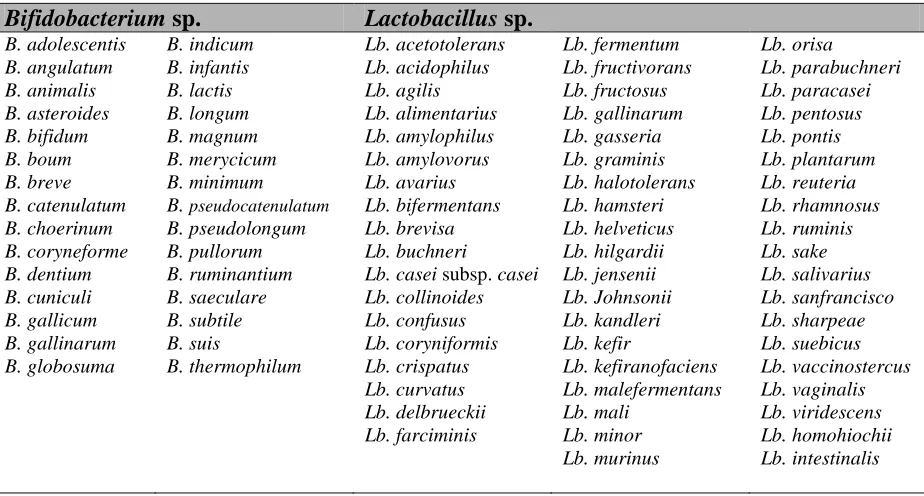
Table 2.1. List of species of the genera Bifidobacterium and Lactobacillus
Bifidobacterium sp. Lactobacillus sp.
B. adolescentis B. angulatum B. animalis B. asteroides B. bifidum B. boum B. breve B. catenulatum B. choerinum B. coryneforme B. dentium B. cuniculi B. gallicum B. gallinarum B. globosuma B. indicum B. infantis B. lactis B. longum B. magnum B. merycicum B. minimum B. pseudocatenulatum
B. pseudolongum B. pullorum B. ruminantium B. saeculare B. subtile B. suis B. thermophilum Lb. acetotolerans Lb. acidophilus Lb. agilis Lb. alimentarius Lb. amylophilus Lb. amylovorus Lb. avarius Lb. bifermentans Lb. brevisa Lb. buchneri
Lb. casei subsp. casei Lb. collinoides Lb. confusus Lb. coryniformis Lb. crispatus Lb. curvatus Lb. delbrueckii Lb. farciminis Lb. fermentum Lb. fructivorans Lb. fructosus Lb. gallinarum Lb. gasseria Lb. graminis Lb. halotolerans Lb. hamsteri Lb. helveticus Lb. hilgardii Lb. jensenii Lb. Johnsonii Lb. kandleri Lb. kefir Lb. kefiranofaciens Lb. malefermentans Lb. mali Lb. minor Lb. murinus Lb. orisa Lb. parabuchneri Lb. paracasei Lb. pentosus Lb. pontis Lb. plantarum Lb. reuteria Lb. rhamnosus Lb. ruminis Lb. sake Lb. salivarius Lb. sanfrancisco Lb. sharpeae Lb. suebicus Lb. vaccinostercus Lb. vaginalis Lb. viridescens Lb. homohiochii Lb. intestinalis
Adapted from Gomes and Malcata (1999)
2.1.2 Characteristics of genus Lactobacillus
__________________________________________________________Literature Review ethanol, acetic acid and carbon dioxide) and, (3) obligate heterofermentative species (which produces DL-lactic acid, acetic acid and carbon dioxide). At present, 56 species of the genus Lactobacillus have been recognized (Table 2.1).
Lactobacilli are widespread in nature and many species have found application in the food industry. The therapeutic roles of some Lactobacillus sp. have been demonstrated. The ability of lactobacilli to convert lactose to lactic acid is used in the successful treatment of lactose intolerance. Lactobacillus sp. also inhibits the growth of harmful putrefactive microorganisms by lowering the pH of the intestinal environment and through the ability of some strains to produce bacteriocins and other metabolic products such as hydrogen peroxide (H2O2), carbon dioxide (CO2) and diacetyl (Ouwehand & Vesterlund, 2004).
The bactericidal effect of H2O2 has been attributed to its strong oxidizing effect on the bacterial cell. Some of the H2O2- producing reactions scavenge oxygen, thereby creating anaerobic environment that is unfavourable for certain organisms. It has also been suggested that H2O2 production is particularly important for colonization of the urogenital tract by lactobacilli. Colonization of lactobacilli has been found to decrease the acquisition of human immune deficiency virus (HIV) infection, gonorrhoea and urinary tract infections (Fontaine et al., 1999). Formation of CO2 creates anaerobic environment and CO2 itself has an antimicrobial activity (Ouwehand & Vesterlund, 2004). Diacetyl on the other hand, is thought to react with the arginine-binding protein of Gram negative bacteria and thereby interfering with the utilization of this amino acid. Some strain of Lactobacillus such as Lb. acidophilus, Lb. casei, Lb. helveticus, Lb. delbrueckii, Lb. lactis, Lb. plantarum, Lb. johnsonii, Lb. sake and Lb. curvatus have been found to produce bacteriocins. These offer a more defined antimicrobial spectrum, ranging from only related strains to a wide variety of Gram positive and Gram negative bacteria (Ouwehand & Vesterlund, 2004).
2.1.3 Selection criteria for probiotic organisms
resistance (Collins et al., 1998). For a strain to be used as probiotic microorganism, it must deliver a measured physiological benefit, substantiated by studies conducted in the target host (species specificity does occur, and for strains to be beneficial to a particular host, they should be isolated from the same species). The probiotic organisms must be able to survive and grow in the in vivo conditions of the desired site of administration thus must be able to tolerate low pH and high concentration of both conjugated and deconjugated bile acids. The probiotic organisms must be tolerated by the immune system and should not provoke the formation of antibodies against the probiotic organisms (Collins et al., 1998).
A number of probiotic organisms have been selected for this study on the basis of their acid and bile tolerance, adhesion to intestinal cell line, anticarcinogenic properties, oxygen sensitivity, and their ability to modify gut microflora of human subjects (Lankaputhra & Shah, 1998; Liong & Shah, 2004). Some of the probiotic organisms used in this study including Bifidobacterium lactis LAFTI®B94 (now classified as Bifidobacterium animalis subsp. lactis LAFTI®B94), Lactobacillus paracasei LAFTI®L26 (now classified as Lactobacillus casei LAFTI®L26) and Lactobacillus acidophilus LAFTI®L10 were provided by DSM Food Specialties (Moorebank, NSW, Australia). LAFTI® probiotic was selected based on the proven health effects, superior stability and excellent survival through the GI tract (McIntosh, 1999; Crittenden et al., 2001; Pidcock et al., 2002; Mahoney & Henriksson, 2003). LAFTI® probiotic was used to reduce intestinal tumours in male Sprague-Dawley rats (McIntosh, 1999). LAFTI® probiotics were also used to increase the safety of Hungarian salami because these cultures gave strong inhibition to both Escherichia coli O111 and Listeria monocytogenes (Pidcock et al., 2002). Recently, LAFTI®L10 and LAFTI®L26 were proven to enhance specific gut and systemic immune responses in mice (Gunaranjan et al., 2007). Other desirable effects on human host were also reported (Su et al., 2005; Clancy et al., 2006).
__________________________________________________________Literature Review
2.1.4 Application of probiotic bacteria in foods
Growing public awareness of diet related health issues has fuelled the demand for probiotic foods. A number of food products including yoghurt (Kailasapathy & Rybka, 1997), frozen fermented dairy deserts (Ravula & Shah, 1998a), spray dried milk powder (Stanton et al., 2001), cheeses (Stanton et al., 2001), ice cream (Haynes & Playne, 2002), coleslaw (Rodgers & Odongo, 2002), freeze-dried yoghurt (Capela et al., 2006) and fruit juices (Saarela et al., 2006) have been employed as delivery vehicles for probiotic to consumer.
A number of health benefits for consuming food products containing live probiotic bacteria have been claimed including alleviation of symptoms of lactose intolerance, treatment of diarrhea, anticarcinogenic properties, reduction of blood cholesterol and improvement in immunity (Ballongue, 1993; Shah, 2000a,b; Shah & Wu, 1999). For the probiotic organisms to be of any value, they must be viable at the time of consumption. For this reason, changes in the numbers of viable bacteria during storage period should be known. It has been suggested that approximately 109 cfu per day of probiotic microorganisms is necessary to elicit health effects. Based on daily consumption of 100 g or mL of probiotic food, it has been suggested that a product should contain at least 107 cells per g or mL of a food (Ross et al., 2002), a level that was also recommended in Japan (Ishibashi & Shimamura, 1993).
Dairy foods provide ideal food system delivery of probiotic bacteria to the human gut given the suitable environment that dairy products provide to promote growth or support viability of these cultures. The most popular food delivery systems for probiotic have been fermented milk and yoghurt. There are, however, numerous challenges related to the instability of some probiotic strains in these products. The environment typical of many yoghurts and other fermented milk including the low pH and the aerobic conditions of production and packaging, the presence of H2O2 and inhibitory substances produced by the yoghurt bacteria may result in decreases in the count of probiotic in the final product. A few studies have shown that many commercial yoghurt have failed to successfully deliver the required level of viable cells of probiotic bacteria (Shah & Lankaputhra, 1997; Dave & Shah, 1997).