SOCIALLY MOTIVATED VOCAL LEARNING
A Dissertation
Presented to the Faculty of the Graduate School of Cornell University
In Partial Fulfillment of the Requirements for the Degree of Doctor of Philosophy
by Supriya Syal August 2011
SOCIALLY MOTIVATED VOCAL LEARNING
Supriya Syal, Ph. D. Cornell University 2011
Language is social because the motivation to communicate is contingent on the presence of social conspecifics. This thesis studies vocal learning in two social species, humans (Homo sapiens sapiens) and an oscine songbird, the zebra finch (Taeniopygia guttata). Using both behavioral and neuroanatomical data, Chapter 2 of this thesis argues that both the evolution and the development of vocal learning were triggered by the evolution of gated links between sub-cortical social motivation and sub-cortical learning devices. Chapters 3 and 4 study human vocal learning in the socially motivated contexts in which human infants typically learn language. Chapter 3 studies early phonological learning within a social reinforcement paradigm wherein specific features of the interaction between mothers and infants guide the learning and
production of new distributional information. Chapter 4 looks at the effects of changing maternal motivations on maternal behavior, and their subsequent facilitatory effects on infant vocal
learning. Chapter 5 suggests that motivation derived from early interactions with social conspecifics drives vocal development in young zebra finches. Overall, this thesis provides evidence that vocal learning is shaped by social interaction and argues for a consideration social motivation as a control parameter in vocal learning.
BIOGRAPHICAL SKETCH
Supriya was born in India. When she was 6, she was told that when she grows up, she must go to the US and become a doctor. This has been her attempt to do so.
ACKNOWLEDGEMENTS
Barb Finlay: You Rock.
David Field, David Pizarro, Elizabeth Adkins Regan, Morten Christiansen, Tom Gilovich, and Harry Segal: You Rock too, albeit a bit lesser than Barb. But then again, don’t we all?
Pam Cunningham, Julie Simmons-Lynch and Tim VanDeusen: You make it better.
Satyaki Prasad, Catalina Iricinschi, Mike Hove, Sarah Anderson, Lukas Kroc, Sudeep Mandal, Praveen Gowtham and Radha Desai: Thanks to you, I will never forget the importance of chicken curry, tarot reading, drums ‘n bass jam, cursing-on-statistics, off-road driving, ice-cream, metaphysical fencing, and how-to-be-someone’s-best-friend-on-Skype, in life, or in
science.
KFC: You have the same number of syllables as Ph.D. Thank you for introducing spicy chicken wings in my third year – it was when I needed them the most.
TABLE OF CONTENTS
Biographical Sketch iii
Acknowledgements iv
Table of Contents v
List of Figures vi
List of Tables viii
CHAPTER 1: INTRODUCTION 1
CHAPTER 2: THINKING OUTSIDE THE CORTEX: SOCIALLY MOTIVATED LEARNING IN THE EVOLUTION AND DEVELOPMENT OF LANGUAGE 14
CHAPTER 3: SOCIALLY GUIDED STATSTICAL LEARNING: HOW INFANTS LEARN TO TALK 59
CHAPTER 4: THE ROLE OF LOCOMOTION IN THE SOCIAL FACILITATION OF VOCAL DEVELOPMENT 73
CHAPTER 5: BEGGING FOR SONG: SOCIALLY MOTIVATED VOCAL LEARNING IN ZEBRA FINCHES 111
LIST OF FIGURES
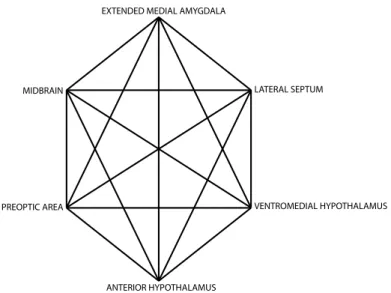
Figure 2.1 The social behavior network as originally described by Newman, 1999……..…... 22
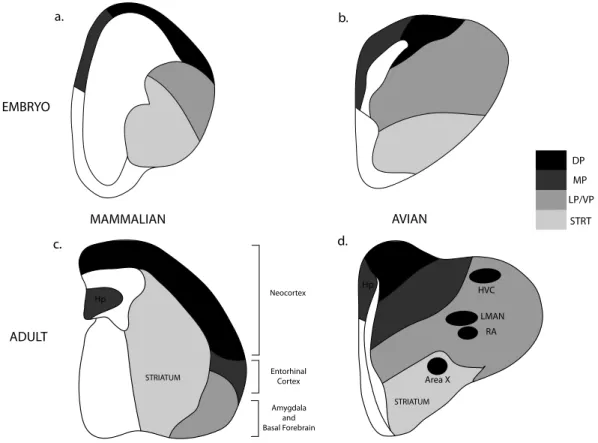
Figure 2.2 Schematic of transverse sections through mammalian and avian brains at two stages of development………...………..………….. 33
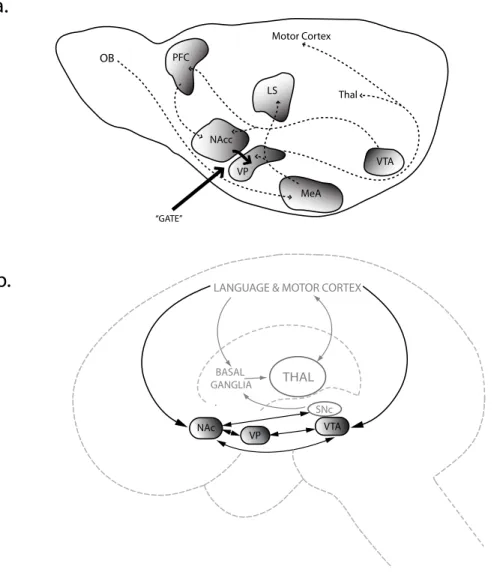
Figure 2.3 The social core of the language learning………..….……... 43
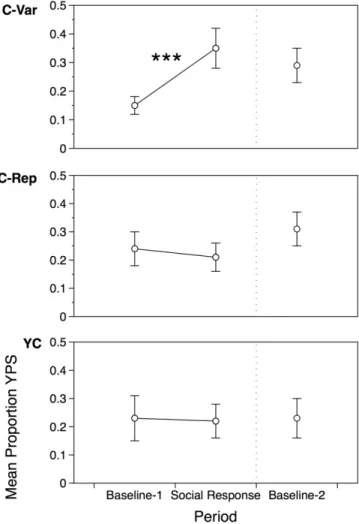
Figure 3.1 Mean proportion of syllables with Yoruban phonological structure (YPS) by condition……….……….…...……….. 66
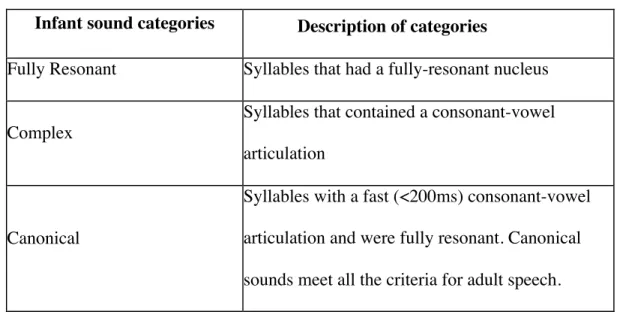
Figure 4.1 Locomoting infants produce significantly higher proportions (mean + 1 SE) of resonant and canonical utterances than age-matched non-locomoting counterparts...…… 83
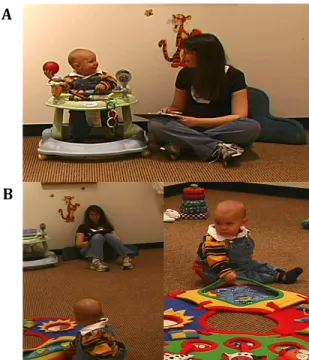
Figure 4.2 Experimental set-up, A) Immobile condition, B) Mobile condition……...………. 86
Figure 4.3 Specific changes in maternal behaviors (initiations and responses) across locomotion conditions………..……...…. 89
Figure 4.4 Changes in maternal behavior in response to infant locomotion….……….………. 92
Figure 4.5 Infants produced significantly higher proportions (Mean + 1 SE) of resonant and canonical utterances in the mobile period than in the immobile period………...…. 93
Figure 4.6 Changes in proportion of infant vocal behavior across locomotion periods…... 94
Figure 5.1 Changes in total amount of begging between the two ages………..………… 120
Figure 5.2 Proportion of total begging directed at individual parent………....……. 120
Figure 5.3 The observed proportion of begging that received a song response is greater than what would be expected by random chance on both days 25 and 30……….……… 122
Figure 5.4 The overall number of songs that the fathers sang did not differ across the two ages………...………...123
Figure 5.5 The difference in proportion of begging that received a song response between day 25
LIST OF TABLES
CHAPTER 1 INTRODUCTION
Language is strikingly social. While it is possible to have social behavior that is not linguistic, the converse is not true. Language is learned, perceived and produced within the fabric of social interaction. My work argues that language remains embedded in sociality because the motivation1 to communicate exists only within a social context. This thesis takes a comparative and developmental approach to argue that sub-cortical motivational systems form an integral part of the "language circuit" and that the presence or absence of such motivational reward systems, and their structural and functional linkages with conventional language and social networks, are the critical determinants of the evolution and development of language in a given species.
My primary research goal is to study the role of social motivation in language learning. I am interested in studying language within the rich social context of the human ecological niche to better understand the underlying functional architecture that supports both its learning and usage. To that end, this dissertation is focused on the role of socially derived motivation through infant-caregiver interactions in the development of vocal communication in humans, and a birdsong model of human language, zebra finches.
Social motivation in the evolution and development of language
Learned vocal behavior is a feature that is found in few and far between but always social/gregarious species. The central thesis of my work is that vocal learning is grounded in motivated social behavior, and such functions have implications for the evolution and
development of underlying neural mechanisms. In Chapter 2, we explore advances in the understanding of the social behavior network (Newman, 1999) and its evolutionary variations (Goodson, 2005) highlighting some key findings in vocal learning across species. In organisms that learn a complex language, social context seems to be necessary for this process (Fromkin et al., 1974; Lane, 1976; Marler, 1970; Thorpe, 1958; Kuhl, 2007). In organisms that don’t
specifically need to learn their species-typical vocalization (Owren et al., 1992; Seyfarth & Cheney, 1986; Winter et al., 1973), social context still modifies and modulates the nature and the content of such vocalizations (Roush & Snowdon, 1994, 1999; Seyfarth & Cheney, 1997). A central argument here is that organisms are motivated to communicate in a social setting that contains conspecifics.
In the cross species analysis of complex vocal learning, birdsong has often been used as a model for human language. While both song learning strategies and the final song repertoire vary greatly between different songbird species, they nonetheless provide an excellent system to study the evolution of communication systems (Beecher and Brenowitz, 2005). Perhaps the most striking parallel between human language and birdsong is the importance of vocal learning (production and perception) in the development and maintenance of species typical vocal behavior (Doupe & Kuhl, 1999; Goldstein et al., 2003). The parallels in comparative
neuroanatomy, critical periods, mechanisms of learning, lateralization and so on are also striking (Seidenberg & Zevin, 2006).
Recent work in comparative developmental neuroanatomy has pointed at homologies in the embryological origins of human amygdala/basal forebrain limbic regions and avian song centers (Medina, 2007; Striedter, 1997; Puelles et al., 2000; Puelles 2001; Martinez-Garcia, Martinez-Marcos, & Lanuza, 2002; Martinez-Garcia, Novejarque, & Lanuza, 2007). These data
suggest that instead of being assigned a neocortical fate, bird song nuclei are more soundly positioned in regions that typify socio-motivational learning and regulation in mammals.
While language has been reliably shown to be dependent on the cortex in adult humans, this is the crystallized product of a lifelong learning process; it is only in the development of vocal communication that one can study the essential changes in the evolution of the brain that produced language. We propose that the motivation to learn to communicate forms an integral part of the development of language in humans. We present behavioral data from humans that underscore the role of social motivation in language learning and make specific proposals about changes in neuroanatomical circuitry that might have been used, over evolutionary time, to link communication with motivation and reward in human infants. Further, we hypothesize the development of a neuroanatomical link that constitutes a socio-motivational “gate” necessary and sufficient for the evolution of socially motivated vocal learning.
Social motivation in human language learning
My work with humans attempts to situate the development of specific features of early vocal learning in the socially motivated settings in which these are species-typically learnt. The role of motivation or affect during communicative interactions between human mothers and infants has long been appreciated but puzzlingly remains rather under-studied. Factors such as the prosody of caregivers’ early speech to infants, along with facial movements, form non-linguistic affective behaviours that “attract and sustain the infants’ attention to what will become a linguistically important stream of cues” (Locke, 1993). Mothers provide infants with highly structured information that is made more salient through its intrinsic links with social motivation. For example, mothers commonly and reliably use predictable prosodic contours to modulate
infant attention (Fernald, 1992; Kuhl et al., 2005). They engage in contingent turn-taking vocal interactions with their infants that facilitate vocal development (Goldstein et al., 2003). Finally, caregivers are known to use variation sets – sentences with partially overlapping syntactical structure – to aid word learning (Onnis et al., 2008). All of these structural aids to language learning are presented to the infant in a characteristically social environment that is replete with positive feedback!
Chapter 3
Recent work has highlighted the role of contingent responsiveness from conspecifics in shaping adult-like vocal forms from the immature vocalizations of infant learners in both songbirds (West and King, 1988) and human babies (Goldstein et al., 2003). Female brown-headed cowbirds facilitate the transition to mature song (Molothrus ater) by selectively responding to more advanced plastic song vocalizations (West and King, 1988). Similarly, human caregivers drive the development of adult-like speech through both silent and vocal reinforcement that is contingent on infant vocalizations (Goldstein et al., 2003; Goldstein & Schwade, 2008). The latter of these studies found that specific forms of contingent vocal feedback from caregivers cause infants to produce specific and corresponding advances in their own vocalizations. Infants do not imitate the phonemic surface features of the sound itself but extract the underlying phonological pattern and generalize this learning to their own novel vocal productions (Goldstein & Schwade, 2008a)
In Chapter 3 (Goldstein, Syal, and Schwade)2 we tested infant ability to learn novel phonological forms from socially motivating contingent input that different in its variability. The rationale for assessing the ability to learn from variable input derives from studies of statistical
learning that show that infants are able to learn the regularities of speech from statistically distributed input in both artificial (Saffran, Aslinn and Newport, 1996) and natural languages (Pelucchi, Hay, and Saffran, 2009). Further, both infants and adults able to generalize this learning better if the training exemplars are more variable (Gomez, 2002) and in at least in adults, it has been suggested that higher level abstraction of embedded information is aided by greater variability (Onnis et al., 2004)
Within the domain of phonological learning, it is known that by 9 months of age, infants have learnt to use phonotactic regularities to parse fluent speech (Mattys and Jusczyk 2001) Additionally, infants’ judgment of phonetic categories is modulated by variability in the input (Maye, Werker and Gerken, 2002) and they use extract invariant underlying rules to discriminate phonetic information (Maye, Weiss, and Aslin, 2008)
If these mechanisms of learning from distributional input play a role in phonological development, infants who were presented with a large number of different exemplars in a contingent social interaction would be able to learn and generalize the rule and produce
novel/non-imitative vocalizations that are of the new phonological form. In a naturalistic social interaction, we cued caregivers to present infants with a variable number of exemplars of a novel phonological form. Additionally, we controlled the contingency of the interaction whereby one group of caregivers’ delivery of the exemplar(s) was contingent on infant vocalization, while the other’s was yoked to match stimulation but not contingency levels. We found that both
contingency and phonetic variability were necessary for infant learning of the new phonological form. Infants were also able to extract and abstract the underlying structure of contingently presented variable input produce new sound sequences that obeyed the regularities caregivers’ speech. Infants who received non-contingent or invariant input did not learn. Thus these findings
serve as evidence for the role of social motivation in infants’ learning of language-specific features of their ambient language.
Chapter 4
Within the ecological framework of vocal learning, the parent infant dyad constitutes a socially distributed system of learning (Goldstein & Schwade 2008b). Thus it stands to reason that changes in either parent or infant context will affect vocal learning, possibly through changes in their motivations. In Chapter 4, we looked at the effects of changing maternal motivations and their subsequent effects on infant vocal learning. A very pervasive change in infants’ ability to interface with the environment is brought on by the onset of independent locomotion during the first year of life. It has been argued that locomotion represents an activity dependent developmental process (Thelen & Smith, 1994; Adolph, 1997) that catalyses
developmental changes in multiple domains such as social communication, perception and affect (Piaget, 1954). The dynamic of parent-child interaction also changes, with both infants and parents undergoing behavioral changes after the onset of independent locomotion such as increased interactive play, increased social referencing (Campos, Kermoian, & Zumbahlen, 1992; Campos et al., 2000) and increased use of specific affective contours in verbal
communication (Campos, Kermoian, & Zumbahlen, 1992). Recent data has also indicated that newly locomoting infants use social referencing while making decisions about motor actions, especially when faced by uncertainty in terms of locomotor capacity (Tamis-LeMonda, 2008).
Do changes in the social environment, that result from direct changes in locomotor capacity, impact infant vocal learning in any way? One study found that infants who were able to locomote were different from infants who couldn't locomote in terms of their social behavior (Gustafson, 1984). Further, locomoting infants produced a higher number of vocalizations than
non-locomoting infants. In order to control for developmental effects, infants who were not able to locomote were placed in a walker such that they could move around on their own. It was observed that these infants quickly changed their behavior to resemble that of infants who could locomote on their own. These newly locomoting infants produced a higher number of
vocalizations and directed and greater looks and smiles at caregivers, indicating a change in their social motivation. However, while the total number of vocalizations was counted, the acoustic parameters of these vocalizations were not studied. Further, changes in caregiver behavior as the infant context changed from non-locomotor to locomotor, were not assessed. Previous
experiments in our lab have found that changes in social contingency can impact infants’ production of advanced vocalizations (Goldstein et al., 2003; Goldstein and Schwade, 2008a). Are caregivers motivated to change the manner in which they interact with their infants once they start locomoting?
We hypothesized that caregivers are sensitive to their infants’ ability to locomote and manipulations of infant locomotor status will change parental behavior. Parents of newly locomoting infants are motivated to be more vigilant and as a result engage in more contingent social interaction, providing their infants with greater vocal learning opportunities. This in turn should facilitate vocal development in locomoting infants.
We find that over developmental time, the ability to locomote is related to changes in the acoustic form of prelinguistic vocalizations. The vocal repertoires of infants who are able to locomote are characterized by increased proportions of more advanced sounds, such as canonical syllables. In a real time manipulation, infants increased the proportion of the most advanced sounds in their repertoire as their locomotor status was changed from immobile to mobile. This effect on infant vocal behavior was mediated by changes in the dynamics of mother-infant
interaction. Increased maternal vigilance led to increased social interaction between the mother and the infant. This change in caregiver behavior in turn creates more opportunities to learn which infants capitalized on, thus propelling themselves forward on the trajectory of vocal development.
Social motivation in birdsong learning
My work with zebra finches (Chapter 5) seeks to explore the role of reward-based motivation in vocal learning in a more targeted manner than is possible with human infants. As aforementioned, birdsong and human speech have long been considered parallel systems in the study of vocal learning (Doupe and Kuhl, 1999; Goldstein et al., 2003). A prediction of the work presented in Chapter 2 would be a specific association between species-typical vocal learning and activation of reward circuitry. Food reward is among the most reinforcing motivators that exist across species (Wise, 2006). In songbirds that learn the song of a specific tutor, is there an association between food and song?
Zebra finches are monogamous pair-bonding birds that display biparental care of young, with individual families ranging from 4-6 members. They live in large multi-family colonies (often over 100 birds). Despite this large proliferation of potential song tutors, juvenile males tend to learn the song of their fathers. While various factors affecting tutor choice such as morphology (Mann et al. 1991), song characteristics (Clayton, 1987) including female- directedness of song (Roper & Zann, 2006), proximity (Mann & Slater, 1995; Roper & Zann 2006) and relatedness (Roper & Zann 2006; Williams, 1990) have been investigated; the direct influence of motivation to learn from a given tutor has not been studied.
juvenile males and their fathers are likely to endow his song with motivational significance. To assay for these, we made high-resolution behavioral observations of father-infant interactions in the period immediately after fledging and before the end of the sensitive phase of song learning. We focused on specific vocal behaviors that the father engaged in as he fed the young
Our research shows that juveniles beg for food preferentially from the father. The father’s responses to begging include feeding and song. Between day 25 and day 30, the proportion of responses that include song increases dramatically. Co-occurrences between begging and song cannot be explained by chance associations or by increases in singing between the two ages. Thus the father associates feeding with adult male song over the course of early vocal
development in these birds. The proportion of begging bouts that receive song rises as juveniles grow older and enter the sensitive period of song learning. Further, the change in proportion paternal responses that were comprised of male song predicts future song outcome measures. This indicates that early social interactions with the father create opportunities for the song to gain motivational power. Thus young male zebra finches are motivated to learn the song of their fathers because the father is the one that feeds and maintains the greatest amount of social interactivity with them. These data provide evidence that socially situated motivation drives the learning of species-typical vocal forms in zebra finches.
Overall Significance
My theoretical and empirical work promotes an interactionist view of development wherein new motor, cognitive and social learning serve as precursors to the emergence of
language, within the framework of socially motivated vocal learning. I attempt to return attention to language in its ecological context, acquired in the early development of an obligatorily social,
gregarious, and altruistic species where the motivation to learn to communicate with conspecifics drives both its ontogeny and phylogeny.
REFERENCES
Beecher, M. D. & Brenowitz, E. A. (2005) Functional aspects of song learning in birds. Trends in Ecology & Evolution, 20, 143-149.
Campos, J. J., Kermoian, R., & Zumbahlen, M. R. (1992). Socioemotional transformations in the family system following infant crawling onset. In N. Eisenberg & R. A. Fabes (Eds.), Emotion and its regulation in early development (pp. 25-40). San Francisco: Jossey-Bass
Campos, Joseph, J., Anderson, D. I., Barbu-Roth, M. A., Hubbard, E. M., Hertenstein, M. J., Witherington, D. (2000). Travel Broadens the Mind. Infancy, Vol 1 (2), 149-219.
Clayton, N. S. (1987). Song tutor choice in zebra finches. Anim. Behav., 35, 714-721.
Doupe, A. J. and Kuhl, P. K. (1999). Birdsong and human speech: common themes and mechanisms. Ann. Rev. Neurosci., 22, 567-631.
Fernald, A. (1992a). Maternal vocalizations to infants as biologically relevant signals: An
evolutionary perspective. In J.H. Barkow, L. Cosmides, and J. Tooby (Eds.). The adapted mind: Evolutionary psychology and the generation of culture. Oxford: Oxford University Press.
Fromkin, V., Krashen, S., Curtis, S., Rigler, D., Rigler, M. (1974). The development of language in Genie: a case of language acquisition beyond the “critical period”. Brain Lang., 1, 81-107
Goldstein, M. H., King, A. P., and West, M. J. (2003). Social interaction shapes babbling: Testing parallels between birdsong and speech. Proc. Nat. Acad. Sci., 100(13), 8030-8035.
Goldstein, M. H., and Schwade, J. A. (2008a). Social feedback to infants' babbling facilitates rapid phonological learning. Psychol. Sci., 19(5), 515-523
Goldstein, M. H., & Schwade, J. A. (2008b) From birds to words: Perception of structure in social interactions guides vocal development and language learning. In M. S. Blumberg, J. H. Freeman, & S. R. Robinson (Eds.), The Oxford Handbook of Developmental and Comparative Neuroscience. Oxford University Press.
Goodson, J. L. (2005). The vertebrate social behavior network: evolutionary themes and variations. Hormones and Behavior, 48, 11-22.
Gustafson, G.E. (1984). Effects of the ability to locomote on infants’ social and exploratory behaviors: An experimental study. Developmental Psychology, 20(3), 397-405.
Kuhl, P. K., Coffey-Corina, S., Padden, D. and Dawson, G. (2005). Links between social and linguistic processing of speech in preschool children with autism: Behavioral and electrophysiological evidence. Dev. Sci., 8,1-12.
Kuhl PK. 2007. Is speech learning ‘gated’ by the social brain? Dev. Sci. 10: 110–20.
Lane, H. L. (1976). The Wild Boy of Aveyron. Harvard Univ. Press, Cambridge, MA.
Locke J. (1993). The Path to Spoken Language. Harvard Univ. Press, Cambridge, MA.
Mann, N. I., Slater, P. J. B., Eales, L. A., and Richards, C. (1991) The influence of visual stimuli on song tutor choice in the zebra finch, Taeniopygia guttata, Animal Behaviour, 42(2): 285-293
Mann, N. I., and Slater, P. J. B. (1995), Song tutor choice by zebra finches in aviaries, Animal Behaviour, Volume 49, Issue 3, March 1995, Pages 811-820
Martinez-Garcia, F., Martinez-Marcos, A., and Lanuza, E. (2002). "The pallial amygdala of amniote vertebrates: evolution of the concept, evolution of the structure." Brain Res Bull 57(3-4): 463-9.
Martinez-Garcia, F., Novejarque, A., and Lanuza, E. (2007). Evolution of the Amygdala in Vertebrates. In Jon H. Kaas ed. Evolution of Nervous Systems. Academic Press, New York. pp: 255-334.
Mattys, S.L. & Jusczyk, P.W. (2001). Phonotactic cues for segmentation of fluent speech by infants. Cognition, 78, 91-121.
Maye, J., Weiss D. J., and Aslin R. N. (2008) Statistical phonetic learning in infants: facilitation and feature generalization. Dev Sci. 11(1):122-34.
affect phonetic discrimination. Cognition, 82 (3), B101-B111.
Medina, L (2007). Do Birds and Reptiles Posess Homologues of Mammalian Visual,
Somatosensory and Motor Cortices? In Jon H. Kaas ed. Evolution of Nervous Systems. Academic Press, New York. Vol 2 pp: 163-194.
Newman, S. W. (1999). The medial extended amygdala in male reproductive behavior. A node in the mammalian social behavior network. Annals of the New York Academy of Sciences, 877, 242-257.
Onnis, L., Monaghan, P., Christiansen, M.H., & Chater, N. (2004). Variability is the spice of learning, and a crucial ingredient for detecting and generalising nonadjacent
dependencies. Proceedings of the 26th Annual Conference of the Cognitive Science Society.
Onnis, L., Waterfall, H., & Edelman S. (2008). Learn locally, act globally: Learning language with variation set cues. Cognition, 109, 423-430.
Owren M.J., Dieter J.A., Seyfarth R.M. and Cheney D.L. (1993). Vocalizations of rhesus (Macaca mulatta) and Japanese (M. fuscata) macaques cross-fostered between species show evidence of only limited modification. Dev. Psychobiol., 26:389-406.
Pelucchi, B., Hay, J. F., and Saffran, J. R. (2009) Statistical leaning in a natural language by 8-month-old infants. Child development, 80(3), 674-685.
Puelles, L. (2001). Thoughts on the development, structure and evolution of the mammalian and avian telencephalic pallium. Philosophical Transactions of the Royal Society of London Series B-Biological Sciences, 356(1414), 1583-1598.
Puelles, E. Kuwana, E. Puelles, A. Bulfone, K. Shimamura, J. Keleher, Smiga, S., and
Rubenstein, J.L.R. (2000) Pallial and subpallial derivatives in the embryonic chick and mouse telencephalon, traced by the expression of the genes Dlx-2, Emx-1, Nkx-2.1, Pax-6, and Tbr-1. J. Comp. Neurol. 424, pp. 409–438.
Roper, A. & Zann, R. 2006. The onset of song learning and song tutor selection in fledgling zebra finches. Ethology 112, 458-470
Roush, R. S. and Snowdon, C. T. (1999). The effects of social status on food associated calling behavior in captive cotton-top tamarins. Animal Behav, 58(6),1299-1305.
Saffran, J. R., Aslin, R. N., and Newport, E. L. (1996) Statistical Learning by 8-Month-Old Infants. Science 274 (5294), 1926
Seidenberg, M.S. & Zevin, J.D. (2006) Connectionist Models in Developmental Cognitive Neuroscience: Critical Periods and the Paradox of Success. In Y. Munakata & M. Johnson (Eds.), Attention & Performance XXI: Processes of Change in Brain and Cognitive Development. Oxford University Press. pp. 585-612.
Seyfarth, R.M. and Cheney, D. L. (1986). Vocal development in vervet monkeys. Animal Behav., 34, 1640–1658.
Seyfarth, R.M. and Cheney, D. L. (1997). Behavioral mechanisms underlying vocal communication in nonhuman primates. Anim. Learn. Behav., 25: 249-267.
Striedter, G. F. (1997). "The telencephalon of tetrapods in evolution." Brain Behav Evol 49(4): 179-213.
Tamis-LeMonda, C. S., Adolph, K. E., Lobo, S. A., Karasik, L. B., Dimitroupoulou, K. D., & Ishak, S. (2008). When infants take mothers’ advice: 18-month-olds integrate perceptual and social information for guiding motor action. Developmental Psychology, 44, 734-746.
West, M. J., and King, A. P. (1988). Female visual displays affect the development of male song in the cowbird. Nature, 334(6179):244-246.
Williams, H. (1990) Models for song learning in the zebra finch: fathers or others?, Animal Behaviour, Volume 39, Issue 4, April 1990, Pages 745-757
Winter, P., Handley, P., Ploog, D., and Schott, D. (1973). Ontogeny of squirrel monkey calls under normal conditions and under acoustic isolation. Behaviour, 47, 230-239.
Wise, R.A. (2006). Role of brain dopamine in food reward and reinforcement. Philos. Trans. R. Soc. Lond. B Biol. Sci. 361, 1149–1158.
CHAPTER 2
THINKING OUTSIDE THE CORTEX: SOCIAL MOTIVATION IN THE EVOLUTION AND DEVELOPMENT OF LANGUAGE
Abstract
Alteration of the organization of social and motivational neuroanatomical circuitry must have been an essential step in the evolution of human language. Development of vocal
communication across species, particularly bird song, and new research on the neural organization and evolution of social and motivational circuitry, together suggest that human language is the result of an obligatory link of a powerful cortico-striatal learning system, and subcortical socio-motivational circuitry.
Introduction
The essential modification in human evolution enabling language has been addressed for decades. In adults, language is demonstrably dependent on the cortex, so the essential
evolutionary modification for language has reasonably been sought in the quality or quantity of cortical computations found there. The crystallized product of a lifelong learning process may not be the best source of insight, however, about what initial alterations permitted it. Language plasticity after early damage raises the most perplexing questions about what in the cortex allows language. The right half of the cortex may be removed, or the left half, and language still
arguments, total cortical volume may be reduced wholesale by prenatal genetic accident, such as Down’s syndrome, or by postnatal accident, and yet language will often survive (Bates et al., 2001; Bates, 2004). An individual may be deaf, blind, or blind and deaf together, and with dedicated tutelage, will still learn language with what remains. What conceivable sensory specialization or cortical alteration could survive these assaults?
We will remain agnostic on the cognitive and cortical architecture of language. Instead, we will highlight the changes in human sociality and its motivational correlates, and explore motivation’s mechanistic links to language. Of course, unique aspects of human social structure have already been explored widely and at multiple levels. A general coupling between growth of the neocortex and increasing social complexity in primates has been observed (Dunbar &
Schultz, 2007). Demonstrations of how human cultures have solved the problem of stabilization of non-kin altruism, that is, how to stabilize social structures and eliminate cheating such that the manifest benefits of extended altruism to social groups can be had, have been exploded in
number (Wilson, Van Vugt, & O'Gorman, 2008; Bowles, 2006; Richerson & Boyd, 2005; Warneken & Tomasello, 2008, Pagel, 2009). In development, human children, contrasted with young chimpanzees, attend to social cues, share information, join games and generally cooperate, serving a form of social learning seen only in humans (Moll & Tomasello, 2007; see also
Preston & de Waal, 2001). What is new, and what we are now able to do is place human social behavior more accurately in a comparative and neuroanatomical context, as a transformation of our understanding of the neural circuitry of sociality and its evolutionary variation has occurred (Newman, 1999; Goodson, 2005) (Figure 1).
Making explicit this paper’s goals: why evolution and development of social
communication in non-human animals should directly inform language development and evolution in humans We will explore the recent advances in the understanding of the social behavior network and its evolutionary variations, highlighting some key findings for those interested in language learning and comparative cognition. We will make some specific
proposals about what kind of neuroanatomical circuitry might be changed to link communication with the most fundamental pleasure and reward in human infants. Further, we will hypothesize that such a link constitutes a socio-motivational “gate” necessary and sufficient for the evolution of song in a small brain, and perhaps language in a very large one.
The functional neuroanatomy of bird song will play a central role in this argument. While avian vocal nuclei have often been were first equated with striatal (Edinger, 1988-1903) and then cortical (Jarvis et al., 2005) mammalian domains, we highlight recent evidence that indicates that much of the avian forebrain is in fact limbic (Medina, 2007; Box 1; Figure 2) in nature and is thus better equated with mammalian brain regions associated with social motivation. We argue that this better placement of these structures highlights the intrinsic coupling of sight, hearing and vocalization with motivation highlights the possibility of similar components, largely unexplored, in the neural circuitry of human language learning (Figure 3).
We will be discussing far more empirical detail in evolutionary biology and comparative neuroanatomy than is typical for a developmental science audience. In order to win the reader’s patience for this enterprise we argue that new work in development and evolution, “evo-devo”, has changed our understanding of the relationship between the behaviors of existing animals profoundly (Kirschner & Gerhart, 2005). What evolutionary presuppositions do we bring to understanding roughly “homologous” behaviors in extant animals, in this case, song in birds
versus language in humans? Contrast two scenarios of behavioral evolution, which have at their base two different theories of brain structure and development. In the first, which we will call the “strict adaptation” model, we imagine an evolutionary random walk from the stem, lizard-like animal to a songbird on the one hand, and a speaking human being on the other. In this scenario, as every feature of the animal’s structure and function can be modified in the evolutionary process, the best characterization of any nervous system is of a collection of special-purpose devices (Cosmides & Tooby, 1992) progressively adapted and exapted over the course of evolutionary time. By the time we compare the nervous systems of the bird and the human, such similarities as we would see would indicate only some distant biases caused by the initially shared nervous system plus the functional similarities the similar problems of producing and decoding a primarily vocal signal might produce. The functional organization of bird song might be interesting, but not particularly directly instructive about human language learning.
On the other hand, consider a different scenario we will call “developmental
conservation”, which has arisen from the consistent observation of startling similarities in the basic body and brain plans across vertebrates (Kirschner and Gerhart, 2005). In this scenario, before divergence of birds and mammals, a basic, robust, and evolvable brain plan had stabilized. Certain kinds of variations, those associated with useful adaptations and niche exploration in the past, were facilitated, and embedded in epigenetic programs that produced stable function in commonly encountered environments. In this scenario, only certain locations in the nervous system can produce vocal behavior, only certain others can link vocal behavior to particular social settings, only certain specific regions can be the site of long-term associative learning. In the “developmental conservation” model, the functional similarities of song and language are amplified by a conserved basic brain plan and epigenetic operations stabilized over time to
facilitate only certain kinds of operations and adaptations. Much debate remains about just how much evolution resembles the first versus the second scenario, and we do not pretend the issue is settled! Here, however, we are making the strongest possible case for “developmental
conservation”. Not only because we are convinced by the increasing evidence for it, but also to model this relatively new argument for the developmental community who are neither
evolutionary biologists nor anatomists.
In the following, we will review evidence for motivational dependencies in learning of social communication. We will also review briefly the neuroanatomy thought to be important in essential motivation, including what has been discovered recently in evolutionary variation in motivational circuits. We will discuss some mechanisms for recognition and learning from caregivers and argue that small biases in early attention and motivation support the multimodal initial recognition of and eventual complex representation of conspecifics and caregivers. We will conclude with specific suggestions about where to look in the developing brain for the structural and physiological changes which seem likely. In sum, we attempt to return attention to language in its ecological context, acquired in the early development of an obligatorily social, gregarious, and often-altruistic species.
Situated, Social, Motivated Vocal Behaviour
Cheng and Durand [2004] have defined emotion as an “all inclusive state, mediated by endocrine, autonomic, and skeletomotor responses organized by pathways through the amygdala and the hypothalamus” and have argued that “if vocal behavior is recognized as an
interdependent skeletomotor component of emotional state, then its dependence upon internal stimuli (neuroendocrine and autonomic activity) for expression can be appreciated; singing is a
motivated behavior”.
Similarly, vertebrates who (independent of learning) vocalize to define territories, or announce
their species identity and distance, or readiness to mate, or express pain or alarm obviously do so
in an explicit motivational state. Interestingly, even in organisms that don’t need to learn their
species-typical vocalization (Owren Dieter, Seyfarth & Cheney, 1992; Seyfarth & Cheney, 1986;
Winter, Handley, Ploog, & Schott, 1973), social context typically modifies and modulates the
nature and the content of such vocalizations (Roush & Snowdon, 1994, 1999; Seyfarth &
Cheney, 1997). The vocal learning trajectory of species that do not explicitly require social
interaction in order to produce species typical vocal forms could also be seen to provide a way in
which claims of the centrality of social motivation in vocal learning can be falsified. For
instance, it is known that territorial songbirds, such as the white-crowned sparrow, Zonotrichia
leucophrys, are able to reproduce species typical adult song on the basis of exposure to taped tutor song during the sensitive phase for song learning (Marler, 1970) i.e. in the absence of social
interaction. However, immense power that social motivation exerts on learning is demonstrated
in the work of Baptista and Petrinovich (1984), who showed that a young white-crowned
sparrow will learn additional song elements from a either a conspecific or a heterospecific live
tutor even after the song learning period. Similarly, numerous additional examples underscore
the potency that social stimuli exert on vocal behavior. For instance, changes in social structure
will cause adults birds to modify their non-song vocalizations in a phenomenon known as vocal
sharing whereby individuals change their own vocalizations to resemble those of their
conspecifics. Such is the case with black-capped chickadees (Poecile atricapillus) that modify
the structure of their call at the time of formation of the winter flock, with all birds converging
(Sturnus vulgaris) are changed, they change their song type to match that of their companions
(Hausberger, Richard-Yris, Henry, Lepage, & Schmidt, 1995). Vocal sharing is used not only to
initiate and maintain social bonds within units, but also to signal alliance to compete against
other units, as in bottlenose dolphins (Tursiops truncatus) (Smolker & Pepper, 1999).
Vocal sharing in a changed social context has been seen in various non-human primates
as well. (Snowdon & Elowson, 1994) found that within 10 weeks of being housed together, all
the animals from two different groups of pygmy marmosets changed their call structure in the
same direction, regardless of reproductive status. Snowdon et al. (1997) also found that mate
pairs of pygmy marmosets (Cebuella pygmaea), who had stable trill-structure for months before
pairing, significantly changed their trill structure in the 6 weeks immediately after pairing and
then this changed structure was stable for at least 3 years after pairing. Female squirrel monkeys
produce vocalizations known as “chucks” with individualistic acoustic properties that constitute
a “vocal signature,” and are used to preferentially respond to familiar group members, but not to
acoustically similar chucks of unfamiliar conspecifics (Smith, Newman, Hoffman, & Fetterley,
1982a; Biben & Symmes, 1991). These examples illustrate the intrinsic role that the nature of the
social context plays in animal vocalizations.
More elaborate vocal learning, defined as “the ability to modify acoustic and/or syntactic
structure of sounds produced, including imitation and improvisation”(Jarvis, 2007), is a
phylogenetically more limited phenomenon. Vocal learning has been unequivocally attributed to
7 taxa in all, of which 3 are birds - songbirds, hummingbirds and parrots, and 4 are mammals -
cetaceans, elephants, bats and humans (Jarvis, 2007). In organisms that learn a complex vocal
communication system, social context is typically necessary for this process. Deprivation studies
Rigler, & Rigler, 1974; Lane, 1976) or songbirds (Marler, 1970; Thorpe, 1958) that were raised
in isolation showed that vocal learning from conspecifics is necessary for the development of
normal speech. It is noteworthy that both the rudimentary speech of children and the isolate song
of birds reared in non-social setting, while simplified, do show some species-specific features
(Marler & Sherman, 1985). While this is most often cited as evidence for either an innate model
for language (Chomsky, 1981; Fodor, 1983) or an innate human capacity for learning to segment
and group sensory stimuli (Elman et al., 1996), there is an interesting way to recast this finding.
Perhaps the underdeveloped vocal repertoires that characterize these infants and nestlings show
what is obtained when motivation is subtracted from the vocal learning equation, and thus
seriously misrepresent the structure and preferences which both bring to vocal communication.
.
The Social Circuit
Until the last ten years, the circuitry of the brain central to social behaviour was described
as a collection of subcortical centers and areas with specific labels, i.e. male aggression, female
parental care and so forth. Integrating across an enormous number of studies, Sarah Newman
(1999) proposed a new formulation of the “social network” in the mammalian brain comprised of
Figure 2.1 The social behaviour network as originally described by Newman, 1999
In this conception, any given social behaviour is an emergent property of the temporal and dynamic pattern of activity across this social network in the brain, replacing the notion that each node is a centre for some category of motivated behaviour. Rather, varying levels of activity across the nodes signify a given behaviour. The sensory stimuli important for these behaviours differ with species, sex, maturational state and context, as do the motor
manifestations vary with each animal’s competence. Ecological and social niches, such as gregarious versus territorial or diurnal versus nocturnal systems vary as well, and the rather astonishing observation is the phylogenetic stability of the location of this system in the face of such sensory, motor and niche variability (Newman, 1999 and references therein). Also stable, are the essential functions of the social circuit: mate choice and mating, parental behaviour, territoriality and aggression, affiliation and so forth, while the instantiation of each function in a particular body and ecology varies. This polysensory, distributed nature of the social network may offer a way over evolutionary time to modulate sensory preferences and dispositions with
EXTENDED MEDIAL AMYGDALA
LATERAL SEPTUM MIDBRAIN
PREOPTIC AREA VENTROMEDIAL HYPOTHALAMUS
Using this framework, a discussion can begin of how such a neural system evolves to
produce varied vertebrate social behaviours, how vital functions are paired with the sensory
systems each animal best employs, its motor abilities and motivations. There is already evidence
to indicate that the dynamic activation of this network can “code” for the (negative or positive)
valence associated with social encounters. Goodson et al. (2005) located a set of closely-related
finches which varied in their preferred social context, from solitary and territorial to flocking, but
had similar mating systems. They found species-specific differences in immediate early gene
(IEG) expression in the medial extended amygdala following exposure to a same sex conspecific.
Activity in this region was negatively correlated with species typical group size – greater
activation of the extended amygdala was associated with the response of a territorial species to
same-sex conspecifics – a negatively-valenced social encounter, while there was less activity if
the bird welcomed the “intruder”, as in the case of the gregarious species.
Both behavioural differences and brain activity differences can also be related to
neuropeptide receptor distributions. While the brain distributions of the actual neuropeptides
such as oxytocin and vasopressin are very highly conserved across species (Wang, Zhou,
Hulihan, & Insel, 1996) the location and density of the receptors for these peptides is not
conserved (Young, Nilsen, Waymire, MacGregor, & Insel, 1999). The evolutionary alteration of
receptor densities has been well described in the case of two closely-related voles. Some voles
are socially monogamous, sharing parental care; in these voles, copulation with a partner fixes an
enduring preference for the partner’s company, not shared by closely related promiscuous
species. In the monogamous species, expression of a receptor for vasopressin in reward areas of
the basal forebrain permits a link to be forged between the specific representation of an
presence of the vasopressin receptor, a gate is opened between the sensory representation of the individual mate and basic reward, stronger than the general links that can be made between any random cue and a positive outcome.
Specifically, in the monogamous prairie vole, vasopressin receptor (V1aR) binding (concentration) is very dense in the ventral forebrain, in particular in the ventral pallidum which is a region associated with reward and motivation (Lim, Murphy, & Young, 2004). Injection of vasopressin into the brain, paired with presentation of a female vole increases the tendency to affiliate with that female, while blocking vasopressin activity abolishes established partner preference (Lim & Young, 2002, 2004). On the other hand, non-monogamous montane and meadow voles naturally have very low densities of V1aR receptors in this region (Insel, Wang, & Ferris, 1994) but experimentally increasing the number of these receptors can lead to pair bond formation even in these promiscuous species (Lim, Hammock, & Young, 2004).
Differences in neuropeptide activity within the social network also underlie other kinds of social preferences in birds. Goodson & Evans (2004) studied the social network in a range of species of birds that differed in their coloniality. Different levels of colocalization of AVT (Arginine VasoTocin-the avian orthologue of mammalian vasopressin) and immediate early gene expression in the medial bed nucleus of the stria terminalis (BSTm) and lateral septum marked the varying evaluation of particular social situations by bird species with different levels of gregariousness. The design of these experiments did not permit overt social behaviour, thus highlighting evaluation and motivation rather than action. In essence these data indicate that presenting a bird with stimuli that are positively valenced within its ecological niche causes an increase in uptake of AVT, and immediate early gene activity, whereas the opposite is true for negatively valenced stimuli. So for instance, to a gregarious bird, both partners and same-sex
conspecifics present opportunities for rewarding social interaction and a corresponding increase in AVTir-IEG colocalization is seen in these birds upon presentation of either of those classes of stimuli. To a territorial bird on the other hand, a same sex conspecific signals a potential
antagonistic encounter – and this is associated with a decrease in AVTir-IEG colocalization whereas the presence of the subject birds partner – presumably a positive stimulus – causes an increase in colocalization.
Whether the effects of vasopressin occur directly through association with reward pathways in the ventral pallidum or through the neuroendocrine mechanisms associated with stress and social anxiety (Goodson & Evans, 2004), the activity of this neuropeptide seems to provide a robust system under which the evolution of sociality can be probed. In effect, one can think of the receptor distribution and concentration of vasopressin receptors as locks that can migrate and vary in number, with keys always standing ready. In experiments, changing the level of only one receptor appears able to produce a change in social preference enough to alter a species’ life history and species-level social structure. Vasopressin receptor levels alone, of course, probably are not the only distinctions between social species from non-social species over an evolutionary time-scale. The relative simplicity of the structural changes necessary to bring about large scale changes in the ecological niche of a given organism are, however, impressive, and candidate genes have already been described, in the case of the voles (Young, Nilsen, Waymire, MacGregor, & Insel, 1999; Hammock & Young, 2004, 2005)
Obscure objects of desire: representing an individual
Before proceeding, it is worthwhile to stand back and consider some comparative
ethology characterized interactions between animals as specially evolved stimulus-response linkages, such as herring gulls pecking at the red spot on the feeder’s beak (Alcock, 2009). These early examples of stimulus-response singularities do not characterize the representational complexity of most vertebrate social interactions particularly well. The research that arose from these first examples showed that a large range of mammals (and probably, most vertebrates) come to be endowed with a far more robust representation of a conspecific than a single sensory emblem. The corpus of work by Eric Keverne and colleagues on maternal imprinting on lambs is instructive (Broad, Curley, & Keverne 2006). Flocks of sheep give birth relatively
simultaneously in the spring, and the ewe has a specialized, time-limited postnatal learning period, hormone dependent, in which she will learn to recognize her own lamb. Allowing the lamb at first to suckle is dependent on olfaction, but the ewe must solve the greater problem of recognizing her own lamb amongst others within a day or so. While olfaction can be involved in this, it is not essential, and all relevant modalities are brought to bear, the bleat, the face and body appearance. The object of maternal desire is not a value in single sensory channel, but an individual lamb. Similarly in rodents, the various separable odorants associated with an
individual, encountered in different contexts, serve as tokens of the whole (Johnston, 2005). The social behavior network may be seen as the conserved neural structure that assembles on the one hand relevant sensory dimensions into a representation of an individual (either by innate bias or experience-expectant learning), and on the other attaches that representation to the motivations and actions appropriate to their social roles, parent, child, mate or rival. With situation, and maturation, these attachments also change as required.
Turning back to language evolution, we can use this framework to better understand how, even in closely-related species, the motivational significance of a particular conspecific role
could differ radically, depending on which gates are opened to reward and comfort, or to anxiety and aversion. These simple, but significant changes can immediately alter the entire social setting and preferences of an individual, who they attend to and stay close to. The increased social orientation of human infants to solicit other humans’ play and help, compared to
chimpanzees is exactly the type of change we are attempting to provide a mechanistic account for (Tomasello, 1999). The utility of such changes to motivate language learning seems reasonable, but social circuitry per se as we described it so far carries no explicit way to potentiate particular learned behaviours.
Links between the social circuit and motivation systems
It is worthwhile taking a moment to discuss “motivation” and it’s relationship to processes of social cognition and reward. Historically, Behaviorists have studied motivation in the context of stimulus-reward contingencies whereas Social Psychologists have studied the cognitive processes that underlie social behavior and reward. It is no surprise then, that role of motivation has found much more favor in non-human animal communicative behavior, which is considered more instinctual and less cognitive, and has formed an integral part of the attempt to understand the processes that govern such behavior. Part of this disparity stems from the
piecemeal leftovers of the doctrine of encephalization [Steklis and Raleigh, 1979]. As originally described by Hughling Jackson in 1887, the main tenet of this doctrine was that structural and functional evolution of the vertebrate nervous system proceeds from a a caudal to rostral
direction [Jackson, 1888]. Accordingly, phylogenetically more recent or “advanced” species are more reliant on neocortical (rostral) mechanisms for the execution of functions that are
more ancient or “lesser” species. Thus the common thought is that while motivations (encoded in
subcortical and limbic domains) form a central part of vocal behavior that is largely associated
with stereotypic and sometimes involuntary communication of affective states in other animals
(such as non-human primates) [Rowell and Hinde, 1962], the more highly developed “voluntary”
language mechanisms of humans must lie in the more recent and purportedly more advance
neocortex. The purpose of this paper is not to undermine the advancement of the cortex or its
functions in language associated processing - but an important point to consider here is that a
linkage of linguistic function to motivational or emotional states does not preclude it being
subject to either higher order voluntary control or being encoded (in part) in neocortical domains.
Recent studies have indicated that physiological properties such as opioid
neurotransmission of neural circuits that underlie motivation sub-serve social reward (Trezza et
al., 2011) and also that traditional motivation regions such as the striatum are activated in
response to both non-social and social reward (Izuma et al., 2008). Thus it appears that social
reward is the affective implication of social motives wherein affective states can serve as both a
source of motivation for behavior (Forgas and Laham, 2005) as well as provide feedback about
the status of motivated behaviors (Carver and Scheier, 1998). Within the social system of
motivation then, sociality becomes the motivating force behind executing a behavior – in this
case, vocal behavior, or language.
A mountain of evidence exists in support of the claim that limbic structures (and the
hypothalamus) code for motivational processes and the reader is referred to many excellent
reviews for further reading (Mogenson, Jones, & Yim, 1980; Cardinal, Parkinson, Hall &
expanse of the limbic forebrain, the extended amygdala forms a relay center for information crossover between the cortical and brainstem regions. While it acts in concert with other regions of the brain in encoding emotional processes, the amygdala, via its modulation of both
attentional and motivational arousal, is one very salient functional seat of motivation in the mammalian brain. The connections between the amygdala and the ventral tegmental area, via the nucleus accumbens - a structure located in the ventral striatum - form a large part of the
mesolimbic dopamine pathway that modulates behavioral responses to stimuli that activate feelings of reward or motivation. According to the Depue and Strupinsky (2005) model of affiliative bonding in humans, the convergence of dopaminergic, neuropeptide and opiate systems in the ventral striatum provides for the human capacity to feel rewarded by affiliative (social) stimuli.
While additional regions of the mammalian brain have been associated with motivation-related processes (hippocampal formation, the cingulate cortex, and limbic midbrain areas (Morgane, Galler, & Mokler, 2005) one that bears mention here is the prefrontal cortex (PFC). The pre-frontal cortex regulates complex memory, attention and cognitive processes and is also an integral part of the motivation circuit via its extensive bi-directional connectivity with the limbic forebrain (Damasio, Grabowski, Frank, Galaburda, & Damasio, 1994; Goldman-Rakic, 1999). In humans, increased gray matter density in the orbitofrontal cortex (PFC) and the ventral striatum (Lebreton, et al., 2009) and increased connectivity between the frontal cortex (including the orbitofrontal cortex) and striatum (Cohen, Schiene-Bake, Elger, & Weber, 2009) are
associated with increased responsiveness to socially defined reward and increased disposition to social relationships and attachments.
think of vocal learning as a specialized learning behavior that, like most (if not all) behavioral systems that incorporates any kind of learning, exists in a motivational context. The intimate linkages between the motivation and social circuits provide us with a system that can represent and attach motivational value to social conspecifics. All that is required, over evolutionary time, is the linkage of vocal centers to that social-motivation system - and together these will comprise the vocal learning system. (Figure 3A and 3B) And these links are found at both the anatomical level and at the behavioral level. For instance, projections of the ventral tegmental area to the avian vocal centers modulate early gene activity related to directed or undirected singing in zebra finches (Hara, Kubikova, Hessler, & Jarvis, 2007) The extensive work on birdsong, and the fairly recent re-understanding of the homologies between the neuroanatomical regions involved in vocal communication in birds and in humans will be our vehicle to a mechanistic
understanding of where brain changes may have occurred.
Birdsong and human language
Many parallels between birdsong and human speech have been explored; perhaps the most striking is the interplay between production and perception in the development and maintenance of vocal communication (Doupe & Kuhl, 1999). The parallels in comparative neuroanatomy, critical periods, mechanisms of learning, lateralization and so on are also striking. From this voluminous literature, we will concentrate on those studies that emphasize the natural ecology of learning, its neuroanatomical motivational substrates and their interaction.
Although a full discussions is beyond the scope of this review, the renaming of the structures of the bird telencephalon according to their proper site of origin, neuropharmacology and connectivity to allow proper homologies to other vertebrate telencephalon (including our
own) has brought many “bird song nuclei” into the basal forebrain motivational circuitry where formerly they had been given quasi-cortical status. Under this scheme (Medina, 2007; Box 1; Figure 2), a number of key nuclei in the song control system now fall in the region of brain homologous to basal forebrain and amygdala. In Figure 2, a-d, the divisions of the embryonic telencephalon which give rise to the hippocampus, dorsal pallium and isocortex; nidopallium, entorhinal cortex and amygdala; arcopallium and the striatum, as well as the thalamic-hypothalamic core are given. Looking at the location of birdsong nuclei in this light, it is clear that most fall into those regions associated with direct access to motivational and social circuitry, and not the neocortex. By the argument we made earlier about the essential conservation of fundamental operations in the vertebrate brain, if much of the circuitry of this learned, social, vocal behavior falls in the extended amygdala and associated limbic regions in birds, we should seek its homologue(s) in the other vertebrate vocal learner we commonly study, the human infant.
BOX 2.1: A note on developmental neuroanatomy: The vertebrate forebrain is divided into the telencephalon and the diencephalon. The diencephalon contains the regions described by the thalamus and the hypothalamus. The telencephalon is divided into a dorsal pallium and a ventral subpallium. The subpallium develops into the basal ganglia and related structures whereas the pallium forms the cortex and parts of the amygdala. The pallium can be further divided into medial, dorsal, lateral and ventral pallium (Puelles et al., 2000). In mammals, the lateral and ventral pallia (originally together referred to as lateral pallium) form the piriform cortex, claustrum and parts of the amygdala. Much of the limbic/motivational circuitry in mammals derives from the lateral and ventral pallia with the medial pallium giving rise to the
hippocampal formation. The mammalian isocortex derives from the dorsal pallium. Cross-species comparisons of these subdivisons based on only adult anatomical and functional data have led to the misplaced notion that the latero-ventral pallial regions of the avian brain are homologous to parts of the mammalian isocortex (Reiner 1993; Karten, 1997), when the only region of the adult birds brain that the dorsal pallium gives rise to seems to be the “Wulst” (Medina, 2007). Data derived from embryological origin suggests that most of the avian forebrain comes the latero-ventral pallium (also called the DVR or the dorsal ventricular ridge) which is homologous to the mammalian claustrum and pallial amygdala (Striedter, 1997; Puelles et al., 2000; Puelles 2001; Martinez-Garcia, Martinez-Marcos, & Lanuza, 2002; Martinez-Garcia, Novejarque, & Lanuza, 2007). This would indicate that the nidopallial vocal nuclei of avian species are more soundly positioned in regions homologous to the limbic forebrain of mammals – rather than regions akin to the mammalian neocortex.
The reason this is important is that location often determines function via the class of connections a region makes, the neurotransmitters it expresses etc. Mislocalizing” a lateral pallial derivative (a location which can project directly to hypothalamus and forebrain, “motivational” circuitry) as a dorsal pallial structure (which does not have this class of connections) could cause us to misconstrue its functional roles.
Figure 2.2 Schematic of transverse sections through mammalian and avian brains at two stages of development (Modified from Fig.2, Medina, 2007)
2a) Mammalian embryo, 2b) Avian embryo, 2c) Mammalian adult, 2d) Avian adult with the major vocal nuclei delineated according to embryonic tissue origin. Note that multiple sections along the anterior-posterior axis have been collapsed in order to allow visualization of all vocal nuclei within the same section. Abbreviations: DP – Dorsal Pallium, Hp – Hippocampus, MP – Middle Pallium, LP – Lateral Pallium, VP – Ventral Pallium, STRT – Striatum. Vocal Nuclei: HVC – High Vocal Center, LMAN – Lateral Magnocellular Nucleus of the Nidopallium, RA – Robust Nucleus of the Arcopallium. Only the dorsal pallium gives rise to neo-cortical tissue in mammals (shaded in black). The bird vocal nuclei are not described by this region but instead all lie within tissue derived from lateral and ventral pallia (along with the striatum) which give rise to much of the motivational/social circuitry i.e. the amygdala and the basal forebrain in mammals. Note that the prevailing view in the field of bird song still holds that pallial song nuclei are transcribed by mammalian cortical equivalents. We wish to turn attention to the growing body of embryological and topological data that provides emphatic evidence that song nuclei are
limbic/motivational in origin (Box 1).
d. b. Area X LMAN RA HVC Hp AVIAN DP MP STRT LP/VP EMBRYO a. ADULT c. MAMMALIAN Hp Amygdala and Basal Forebrain Neocortex Entorhinal Cortex STRIATUM STRIATUM
In 1969, Immelman conducted what is now held as a seminal experiment in the progression of the science of birdsong learning. He cross-fostered infant zebra finches in
Bengalese finch families and found that the zebra finches learned the song of their heterospecific fathers even when adult conspecific males could be heard nearby (Immelman, 1969). Since then, zebra finches have been also shown to need social interaction with a real-bird tutor (most often, the father) in order to learn a song from him and typically don’t learn well from tapes (Eales, 1989; Mann & Slater, 1995). If, however, the experimental setting is such that a subject bird is required to activate a tape by pressing a key to elicit the zebra finch song model, song is learnt. Yoked controls who can hear the same playback, however, do not learn the song (Adret, 1993). The commonality between a live tutor and the controllable playback is response contingency. While the results of this particular study are contentious because a subsequent study was not able to replicate these effects specific in zebra finches (Houx and ten Cate, 1999), there is now ample evidence from human studies to indicate that response contingency is crucial to infant learning of advanced vocal forms (Bloom, Russel & Wessenberg, 1987; Goldstein & Schwade, 2008). In addition, response contingency in the form of turn taking interactions is an early feature of parent-infant face-to-face interactions (Papousek, Papousek, & Bornstein, 1985) and human infants respond to social contingency from a very young age and show sensitivity to familiar contingency levels based on the responsiveness of their caregivers (Bigelow, 1998; Bigelow & Rochat, 2006). It has been suggested that social contingency aids learning by focussing infant attention on relevant features of stimulus information (Kulh, 2007). It is thus a property of the interaction itself, and not sensory signals or motor output that gates learning, an observation that is in fact fairly pervasive. Similarly, parrots who are trained to produce a variety of words and labels in human language, do not learn through watching videotapes or listening to audio tapes or
by watching non-interactive humans (Pepperberg, 1999).
In zebra finches, neural activity during singing is strongly modulated by the presence of a listener. Both the magnitude and the variability of activity in the LMAN (lateral magnocellular nucleus of the nidopallium, song nucleus) and Area X (basal ganglia, song nucleus) is dependent on the presence of a conspecific - the activity is lower and more uniform during directed singing (to a female) and higher and more variable during undirected singing (alone) (Hessler & Doupe, 1999). Dopamine levels in the Area X are significantly higher during directed singing as
compared to undirected singing - possibly because of higher dopamine release from the VTA-SNc (Ventral tegmental area – Substantia nigra pars caudalis – reward region) terminal that project to Area X (Sasaki, Sotnikova, Gainetdinov & Jarvis, 2006). Area X is necessary for song learning and is part of the AFP (anterior forebrain pathway pathway: cortex ! basal ganglia ! thalamus !cortex), which is involved in auditory feedback based evaluation and adaptive modification of the bird’s own song. High dopamine levels in the striatum of birds during
directed song parallel high dopamine levels in the striatum after drug administration in mammals (Sasaki, Sotnikova, Gainetdinov, & Jarvis, 2006) – pointing to the rewarding nature of the “feeling of being heard”. Increased glutamate activity in the VTA is also seen after intense social interaction (Huang & Hessler, 2008). The significance of social context in vocal behavior is further highlighted by the observation that new neuronal recruitment to the HVC (high vocal center, song nulceus), Area X and NC (nidopallium caudale, cortex) increases in the brains of adult males who are placed in a complex social context (large aviary setting) as compared to males who are placed in a simple social context (pair cages) (Lipkind, Nottebohm, Rado, & Barnea, 2002). This is true even though birds in the simple social environment sing much more than the birds in the complex environment, indicating that the neuronal recruitment is associated