Doctoral Dissertations University of Connecticut Graduate School
10-29-2015
The Influence of a Palliative Care Education
Intervention in Increasing Knowledge and
Self-Efficacy of Nurses Practicing in Long-Term Care
Yvonne L. JoyUniversity of Connecticut - Storrs, [email protected]
Follow this and additional works at:https://opencommons.uconn.edu/dissertations
Recommended Citation
Joy, Yvonne L., "The Influence of a Palliative Care Education Intervention in Increasing Knowledge and Self-Efficacy of Nurses Practicing in Long-Term Care" (2015).Doctoral Dissertations. 911.
The Influence of a Palliative Care Education Intervention in Increasing Knowledge and Self-Efficacy of Nurses Practicing in Long-Term Care
Yvonne L. Joy, DNP University of Connecticut, 2015
As of 2014, nearly 6,000,000 people in the United States need palliative care. Almost 2,000,000 people with chronic, serious illnesses currently reside in long-term care facilities. Palliative care aims to relieve suffering and provide the best possible quality of life. Thus, the primary aim of this study was to evaluate the influence of an education intervention to increase nurses’ knowledge and self-efficacy in palliative care practice in long-term care settings. A secondary aim of this study was to determine if there was a significant difference in palliative care self-efficacy between registered nurses (RNs) and licensed practical nurses (LPNs). A two-group quasi-experimental design was used to compare knowledge and self-efficacy scores of an attention-control group and the palliative care education intervention group at two distinct, large long-term care facilities. Bandura’s theory of self-efficacy was used as the theoretical
framework for this study. Statistical analysis using paired t test for pre- and post-intervention knowledge and self-efficacy scores was performed within groups. Independent t-tests were performed to compare scores between groups. Analysis of covariance was used to determine if there were differences in the self-efficacy mean scores between RNs and LPNs after controlling for site, age, and years of nursing practice.
The Influence of a Palliative Care Education Intervention in Increasing Knowledge and Self-Efficacy of Nurses Practicing in Long-Term Care
Yvonne Louise Lataille Joy B.S.N., Syracuse University, 1993 M.B.A., Webster University, 1999 M.S.N., Saint Louis University, 2007
A Dissertation
Submitted as Partial Fulfillment of the Requirements for the Degree of
Doctor of Nursing Practice at the
University of Connecticut
ii
APPROVAL PAGE
Doctor of Nursing Practice Dissertation
The Influence of a Palliative Care Education Intervention in Increasing Knowledge and Self-Efficacy of Nurses Practicing in Long-Term Care
Presented by
Yvonne Louise Lataille Joy, MSN, APRN
Major Advisor __________________________________________________ Colleen Delaney Associate Advisor: ____________________________________________________ Millicent Malcolm Associate Advisor ____________________________________________________ Cynthia Kociszewski University of Connecticut 2015
iii
Acknowledgements
My nursing career has spanned many settings and populations. Nonetheless, death was present in all of them, as death is a natural part of life. It is my belief that everyone deserves a peaceful death and it can be achieved through palliative care. This dissertation is part of my effort to educate more people, whether it is patients and families or members of the healthcare team, to become knowledgeable about palliative care. I am grateful to the following people, who, without their support, I would not have completed this dissertation:
• My major advisor, Dr. Colleen Delaney, PhD, RN, AHN-BC for her scholarly assistance
and research expertise.
• My associate advisors, Dr. Millicent Malcolm, DNP, GNP-BC, RN, APRN and Dr.
Cynthia Kociszewski, PhD, APRN for their encouragement and support. I am also appreciative to Dr. Kociszewski for serving as my preceptor for the majority of my clinical hours.
• My reader and preceptor, Dr. Roy Zagieboylo, MD for his clinical expertise. • My reader, Dr. Thomas Long, PhD, for his scholarly expertise.
• My husband Michael and my children Matthew, Timothy and Elizabeth for the
unconditional love, patience, and acceptance during this journey.
• My family, near and far, for their unwavering encouragement and support. • My fellow DNP students, for their constant presence and kind words.
• The nurses who agreed to participate in this study, for their cooperation and attention,
even when they were busy.
• The many patients and families who have shared their last moments of life with me. I am
iv
Table of Contents
Chapter 1: Introduction 1
Statement of the Problem 2
Background 3
Palliative Care 3
Palliative Care Need 5
Palliative Care Need in the Long-Term Care Setting 6
Palliative Care Education Necessity 7
Palliative Care Education Intervention 8
Palliative Care Knowledge 9
Palliative Care Self-Efficacy 9
Nursing Licensure 10
Significance to Nursing 12
The Role 12
Advocacy 13
Purpose of Practice Change 13
Theoretical Framework 15
Study Questions 18
Definitions of Key Terms and Variables 18
Variables of Interest 18
Summary 19
Chapter 2: Integrated Review of the Literature 21
v
Theoretical Literature 21
Theory of Self-Efficacy 21
Concepts of Self-Efficacy 22
Empiric Literature 25
Intervention: Palliative Care Education 25
PCQN 26 ELNEC 28 Nursing Licensure 30 Summary 33 Chapter 3: Methods 35 Introduction 35 Design 35
Specific Aims and Major Hypotheses 35
Setting 36
Recruitment 36
Sample 37
Sample Access 38
Inclusion and Exclusion Criteria 38
Protection of Human Subjects 38
Procedure 40
Recruitment 40
Palliative Care Education Intervention 40
vi
Instruments 43
Demographics 43
Palliative Care Quiz for Nursing 43
Palliative Care Self-Efficacy Scale 44
Treatment of Data 45
Planned Data Management Tools 45
Data Management 46 Planned Analysis 46 Summary 47 Chapter 4: Results 48 Introduction 48 Data Collection 48 Description of Sample 50 Results 52
Research Question Number One 52
Research Question Number Two 53
Summary 54 Chapter 5: Discussion 55 Introduction 55 Study Summary 55 Discussion of Findings 56 Sample 56
vii
Palliative Care Knowledge 57
Palliative Care Self-Efficacy 58
Palliative Care Education 58
Research Question Number Two 59
Evaluation of Theoretical Framework 60
Limitations 61
Utilization of Findings 62
Implications 62
Implications for Nursing Education 62
Implications for Nursing Practice 65
Implications for Nursing Administration and Policy 66
Implications for Nursing Research 67
Summary 67
Conclusion 67
References 69
Tables
Table 1. Demographic Characteristics of Study Participants 51 Table 2. Pre- and Post- Intervention Scores for PCQN and 53
PCSES in Intervention and Control Groups Figures
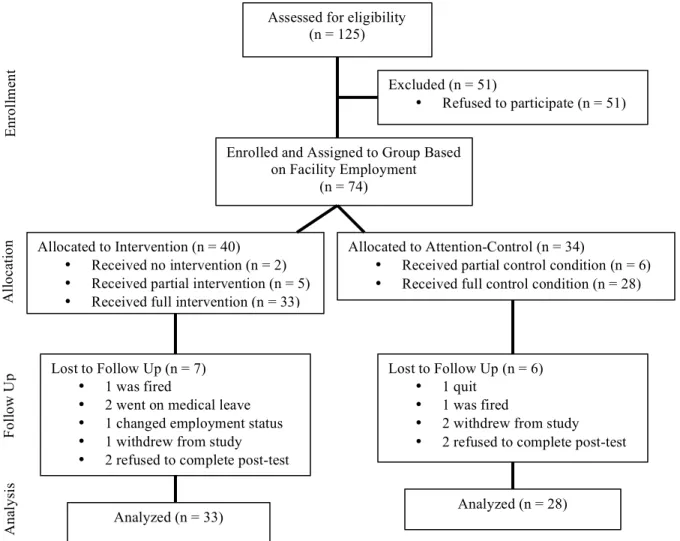
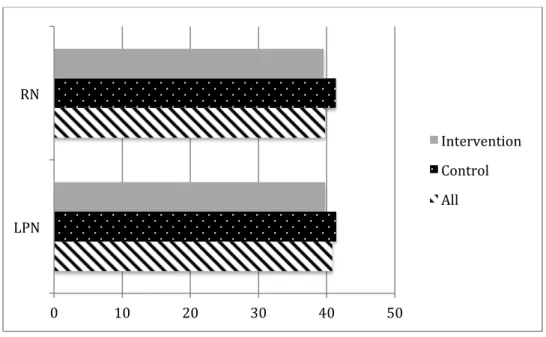
Figure 1. Study Participant Recruitment and Flow Chart 49 Figure 2. Self-Efficacy of RNs and LPNs 54
viii Appendices
Appendix A: Informed Consent for Intervention Group 83 Appendix B: Informed Consent for Control Group 89 Appendix C: Flyer to Recruit Study Participants 95 Appendix D: Demographic Collection Form 96 Appendix E: Palliative Care Self-Efficacy Scale (PCSES) 98 Appendix F: Palliative Care Quiz for Nursing (PCQN) 99 Appendix G: Letter of Approval for Intervention Facility 100 Appendix H: Letter of Approval for Control Facility 101
Appendix I: Permission to Use PSCSE 102
Appendix J: Permission to use PCQN 103
Appendix K: Handout #1 for Attention Control Group 104 Appendix L: Handout #2 for Attention Control Group 106 Appendix M: Palliative Care Education Session 1 Handout 108 Appendix N: Palliative Care Education Session 2 Handout 112 Appendix O: Palliative Care Education Session 3 Handout 121 Appendix P: Palliative Care Education Session 4 Handout 128
Chapter 1: Introduction
Palliative care is a form of health care designed to relieve distressing symptoms of
chronic and terminal illness and promote quality of life. The World Health Organization (WHO) (2004) defines palliative care as, “an approach that improves the quality of life of patients and their families facing the problem associated with life-threatening illness, through the prevention and relief of suffering by means of early identification and impeccable assessment and treatment of pain and other problems, physical, psychosocial and spiritual” (p. 14). Palliative care
incorporates a holistic, multidisciplinary approach of support to the patient and family, and is consistent with good nursing practice (Becker, 2009a). Palliative care nursing is an art and a science that emphasizes quality and normality of life by simply helping people live until they die (Becker, 2009a).
The need for palliative care is evident as our population ages. People are living longer due in large part to improvements in public health, and by 2020 1 in 6 people living in the United States will be over the age of 65 (WHO, 2004). As life expectancies increase, so too will chronic and degenerative diseases that will ultimately result in end-stage illness (Brajtman, Higuchi, & Murray, 2009). This growth in chronic and degenerative diseases will produce an increased demand for palliative care including symptom management.
According to the Center to Advance Palliative Care (2012), there are nearly 6,000,000 people in the United States who need palliative care, meaning they suffer from a serious illness and require relief from distressing symptoms. Over the past decade, there has been an effort to offer palliative care earlier in the disease process, to improve patients’ quality of life and the quality of end-of-life care. As a consequence the number of specialized palliative care programs
increased, with the goal of integrating these services earlier in the illness trajectory. (El-Jawahri, Greer, & Temel, 2011)
By 2030, over 3,000,000 people in the United States with chronic, serious illnesses will reside in long-term care facilities (CAPC, 2008). As more people live longer and contend with chronic illnesses, a shift in causes of death occurs and more people are dying from
manifestations of serious chronic illnesses than from acute illnesses (WHO, 2004). To date approximately 20% of all deaths in the United States occur while in long-term care and this percentage is expected to climb to approximately 40% by 2020 (Brazil, Brink, Kaasalainen, Kelly, & McAiney, 2012). With this increase, there is a clear need for palliative care in the long-term care setting to benefit those with chronic and long-terminal illnesses (Hall, Kolliakou, Petkova, Froggatt, & Higginson, 2011). During the often-protracted period of chronic and terminal illness, patients require compassionate nurses who practice evidence-based palliative care (Brajtman et al., 2009). Nurses, therefore, must be prepared to adeptly apply palliative care knowledge in efficacious manner in order to perform this important aspect of care.
Nurses play an instrumental role in providing palliative care. According to a 2010 Institute of Medicine (IOM) report on the future of nursing, nurses are “ideal providers” of palliative care. Prevost, Rushton, Chrastek, and Kirshling (2010) further state that “palliative care is a model that is consistent with basic nursing values, which include caring for patients and their families regardless of their age, culture, socioeconomic status, or diagnoses, and engaging in caring relationships that transcend time, location, and circumstances” (p. G23). Nurses working in long-term care settings are in an optimal position to provide palliative care and meet the growing needs of patients in long-term care facilities.
Statement of the Problem
Given the aging population and increasing demand for high quality palliative care, there is a critical need to provide long-term care nurses with education that increases their knowledge and self-efficacy related to palliative care. Previous research suggests many nurses identify lack knowledge of and self-efficacy in providing palliative care (Al Qadire, 2014; Autor, Storey, & Ziemba-Davis, 2013; Brazil et al., 2012; Iranmanesh, Razban, Tirgari & Zahra, 2013; Kassa, Murugan, Zewdu, Hailu & Woldeyohannes, 2014; Kim & Hwang, 2014; Pitman, 2013). In addition, long-term care nurses have few opportunities for continuing education (Brajtman et al., 2009; Hall et al., 2011; McIlfatrick, Mawhinney, & Gilmour, 2010; Wen et al., 2012). The deficit in knowledge, self-efficacy, and opportunities for continuing education underscore the need to promote knowledge and self-efficacy about evidence-based palliative care practice in long-term care.
Background
In this study, the setting of interest was long-term care where more patients are living longer with chronic illnesses (CAPC, 2008). Education of long-term care facility staff members, particularly nurses, should be designed to improve care for this population of chronically ill individuals. Measuring nurses’ palliative care knowledge and self-efficacy is a simple, yet effective quantification of a targeted education intervention.
Palliative Care
The history of palliative care began in 1973 in Canada, when Balfour Mount first introduced the term palliative care, stemming from the words to palliate, which means to improve the quality of something (Pastrana, Junger, Ostgathe, Eisner, & Radbruch, 2008). In
November 1978, the field of palliative care became a medical specialty in the United Kingdom and was called 'palliative medicine' (Pastrana et al., 2008).
The proliferation of palliative care organizations in the United States began with the earliest development of the National Hospice and Palliative Care Organization (NHPCO) in 1978. Through the 1980s, the Hospice and Palliative Nurses Association (HPNA), the American Academy of Hospice and Palliative Medicine (AAHPM), and the Center to Advance Palliative Care became instrumental forces in defining the scope of palliative care. The American Academy of Hospice and Palliative Medicine (AAHPM) emphasizes “palliative care expands traditional disease-model medical treatments to include the goals of enhancing quality of life for patient and family, optimizing function, helping with decision-making and providing
opportunities for personal growth” (Pastrana et al., 2008, p. 224). Then in 1990, the World Health Organization’s definition of palliative care was rooted in the philosophy that ‘palliative medicine affirms life and regards dying as a normal process’ (Pastrana et al., 2008). Before the proliferation of antimicrobials and during the early stages of medicine when cures were not possible, patientswere comforted and symptoms were treated (Pastrana et al., 2008). In this regard, palliative care was the standard of care.
Many patients with manifestations or exacerbations of chronic illnesses may require palliative care for an extended period of time. This is particularly true with patients in long-term care who may not qualify for hospice care, as hospice eligibility requires a prognosis of six months or less (CGS Administrators, 2014). These patients include those with Alzheimer’s disease or aggressive advanced disease; those who have a functional or cognitive decline despite receiving therapy rehabilitation; those who make repeated and frequent trips to the hospital; and those with acute, chronic, or uncontrolled pain (Dixon, 2007). Another important distinction
about palliative care, compared to hospice care, is that it can be delivered in conjunction with curative treatment.
Palliative Care Need
The need for palliative care is escalating due to increases in the aging population and rates of those living in long-term care and dying of a protracted illness related to chronic
diseases, (Desbiens & Fillion, 2011; Ferrell, Grant, & Virani, 1999; Heals, 2008). Palliative care meets the dual needs of this vulnerable population by helping patients live as actively as possible until they die and assists their families to cope with illness and bereavement (Hall et al., 2011). Long-term care facilities providing palliative care reduce burdensome transitions to and from acute care settings (Wittenberg-Lyles, Goldsmith, Richardson, Hallett, & Clark, 2012). It is well documented that transitions between care facilities contribute to distress particularly from the trauma of the physical transfer; the confusion of an unfamiliar setting and care providers; the inability to adequately address the patient’s special needs; and the lack of communication about the goals of care (Gozalo, 2011). In 2005, the Centers for Medicaid and Medicare Services (CMS) reported the cost of potentially avoidable hospitalizations was $3.1 billion (Ouslander & Berenson, 2011).
Palliative care meets the need of the individual patient with a focus on quality of life by reducing and eliminating distressing symptoms and side effects of treatment (Adriaansen et al., 2005; Johnston & Smith, 2006). Inadequacy in pain assessment for patients living in long-term care settings is well documented (Ersek, Grant, & Kraybill, 2005), and palliative care can address this shortfall. Palliative care prevents unwanted or inappropriate life-sustaining measures during the final months of life and addresses the concerns of families regarding symptom management and emotional support (Adriaansen, & van Achterberg, 2008; Brazil et
al., 2012; Ersek et al., 2005). For patients with incurable chronic progressive disease, palliative care is widely recognized as essential to their care (WHO, 2004). One of the greatest benefits for palliative care is the opportunity for patients and their families to have meaningful dialog about their health care with health care professionals (Adriaansen et al., 2005; Adriaansen & van Achterberg, 2008).
Palliative Care Need in the Long-Term Care Setting
Chronic disease takes a personal toll on the quality of life for a long-term care resident. The Center to Advance Palliative Care (CAPC) (2008) reported that untreated or under-treated pain in long-term care is well documented and half of the people living in this setting suffer from untreated pain. Additionally the 2008 CAPC Report indicated that 65% of residents are
functionally impaired and need help with three or more activities of daily living (ADLs). Other aspects of quality of life impacted by chronic diseases include impaired mobility, impaired performance of usual activities, anxiety, and depression (Rabin, Oemar, & Oppe, 2011).
Current barriers to palliative care in the long-term care setting are: lack of provider knowledge about the principles and practices of palliative care, provider attitudes and beliefs about death and dying, staffing levels and lack of available time for dying residents, lack of physician support, lack of privacy for residents and families, families' expectations regarding residents' care, and hospitalization of dying residents (CAPC, 2008; Wowchuk, McClement & Bond, 2007). Palliative care education is desperately needed for those working with residents in long-term care settings (Wowchuk et al., 2007); however, some of these barriers can be
overcome using approaches that embrace enhanced communication, continuity of care, advance care planning, staff training, and systematic changes in clinical care practice (Goebel, 2013;
Hanson & Ersek, 2006). Educating nurses about communicating palliative needs to patients and families is an important step in establishing achievable goals of care (Unroe & Meier, 2011).
Palliative Care Education Necessity
Providing palliative care begins with educating staff, particularly nurses, who are not prepared to provide optimal palliative care (COH & AACN, 2014). Major deficiencies in education include the paucity of palliative care content in nursing texts, the nominal content in nursing curricula, and the shortage of knowledgeable nursing faculty (COH & AACN, 2014; Desbiens et al., 2011; Lange, Shea, Grossman, Wallace, & Ferrell, 2009). Access to palliative care education by nurses is also a barrier to meet the needs of patients living in long-term care (Curry, Middleton, & Brown, 2009). Additionally, licensed nursing staff members working in long-term care have lower levels of educational attainment than in other clinical settings (Ersek et al., 2005). The majority of nurses working in long-term care are licensed practical nurses (LPNs) who are eligible for licensure after completion of a twelve to eighteen month program, whereas registered nurses (RNs) must complete a minimum of two years of intensive education to be eligible for licensure (HRSA, 2013; Nurse Practice Act, 2013). Coupled with the
educational barriers noted above, differences might exist between the levels of knowledge of LPNs and RNs in long-term care settings.
McIlfatrick et al. (2010) and Kim et al. (2011) identified major deficiencies in knowledge, skills, attitudes, and behaviors of staff who care for patients at the end of life. McIlfatrick et al. (2010) and Kim et al. (2011) also reported that a cultural shift in attitudes and behaviors among health care professionals through education initiatives is essential for
longstanding changes in patient outcomes. Health care professionals, including nurses, also acknowledge their own lack of competency for providing palliative care (Adriaansen et al., 2005,
Brazil et al., 2012; COH & AACN, 2014; Ferrell et al., 1999; Wittenberg et al., 2012). The paucity of competent health care professionals, including nurses, results in unintentionally inadequate quality of care for patients in long-term care (Brazil et al., 2012). Moreover, evidence indicates that family members of those receiving palliative care indicate misinformation,
inadequate communication, and poor collaboration with nursing staff that ultimately increases family burden (Wittenberg et al., 2012).
Palliative Care Education Intervention
Education is shown to improve skills in and increase knowledge of palliative care (Ersek et al., 2005), as well as overall levels of self-efficacy (Phillips, Salamonson, & Davidson, 2011). The content of the education intervention should reflect the needs of patients living in long-term care, including the chronic disease trajectory and the care culture that differs from the acute care setting (Brazil et al., 2012). The program can be brief and still effective if it focuses on specific aspects of palliative care (Adriaansen & van Achterberg, 2008). Interactive and integrated programs that mix didactical methods are known to have a positive impact on professional practice (Adriaansen & van Achterberg, 2008). When these programs are offered over a period of weeks, it allows nurses to practice what they are learning and then reflect on their experience. Programs that allow nurses to reflect on their professional practice encourage them to evaluate if their attitudes and actions meet the needs of their patients (Adriaansen et al., 2005; Curry et al., 2009). Nurses in prior studies reported increased confidence in assessment and symptom management skills after completing palliative care education programs in addition to feeling empowered to approach physicians about concerns for their patients (Dixon, 2007).
Palliative care knowledge is identified as the most important component of providing palliative care (Prem at al., 2012). Current research demonstrates inadequacies of palliative care knowledge, particularly related to pain management (Autor, Storey & Ziemba-Davis, 2013; Brazil et al., 2012; Goddard, 2013), opioid use and adverse drug events (Goddard, 2013; Prem et al., 2012); misconceptions about palliative care, including principles and utilization of palliative care (Autor, Storey, & Ziemba-Davis, 2013; Iranmanesh, Razban, Tirgari, & Zahra, 2013), and identifying patients most likely to benefit from palliative care (Autor, Storey, & Ziemba-Davis, 2013; Goddard, 2013; Iranmanesh, Razban, Tirgari, & Zahra, 2013). Increasing nurses’
knowledge about palliative care assessment and management will help them, and other members of the healthcare team, improve the quality of care provided (Prem et al., 2012). Evaluating palliative care knowledge is an effective measure for an education intervention.
Palliative Care Self-Efficacy
In addition to palliative care knowledge, self-efficacy is a relevant measure for a palliative care education intervention because it is an accurate predictor of professional and personal behavior change (Phillips et al., 2011). Self-efficacy is an individual’s belief in his or her ability to organize and carry out a course of action necessary to result in a desired behavior (Bandura, 1997; Resnick, 2003). Individual beliefs provide the foundation for human
motivation, well-being, and personal accomplishment (Bandura, 1997; Resnick, 2003). This corresponds well to the goal of an education intervention, which is not only to increase
declarative and procedural knowledge but also to affect competence and performance (Moore, Green, & Gallis, 2009). A nurse’s high level of self-efficacy corresponds to higher work
population health (Adriaansen et al., 2005; Bandura, 1997; Salanova, Lorente, Chambel, & Martinez, 2011; Zhu, Norman, & While, 2013).
Resnick (2003) describes the four information sources for determining self-efficacy. The first source of self-efficacy is enactive attainment; the belief that performing an activity
strengthens self-efficacy beliefs. Described as the most influential information source, enactive attainment greatly influences self-efficacy expectations. These expectations include the
preconceived abilities, the perceived task’s difficulty, and past successes or failures. The second source of self-efficacy is vicarious experience; seeing other similar people perform successfully the same activity. The third source of self-efficacy is verbal persuasion; verbally telling that he or she has the capabilities to master the particular behavior. The fourth source of self-efficacy is physiological feedback; a person’s awareness of their physiological state to judge their abilities.
Nursing Licensure
Education requirements and scope of practice are the two main differences between LPN and RN licensure. Nursing education requirements for LPNs are at least twelve months of vocational instruction at an accredited institution. Nursing educational requirements for RNs are the completion of a degree, diploma, or certificate from an accredited institution. RN programs vary from an intensive one-year type to a four-year undergraduate education (National Council of State Boards of Nursing [NCSBN], 2011). Nursing licensure provides a clear distinction between these two types of nurses, whereas education length is highly variable.
Scope of practice is loosely outlined by the National Council of State Boards of Nursing (2012), but is more specifically defined by each state’s Nurse Practice Act. Connecticut’s Nurse Practice Act (2013) is one of six nationally that is essentially silent when it comes to specifying LPN delegation and supervision, particularly of unlicensed personnel (Corazzini et al., 2011);
however Connecticut’s Nursing Practice Act (2013) does explicitly state that LPNs function under the supervision and direction of RNs or APRNs.
A mix of nursing licensure is unique to the long-term care setting. Approximately two-thirds of nurses employed in long-term care are LPNs that provide direct patient care (the U.S. Bureau of Labor Statistics, 2011). LPNs provide the majority of bedside care, whereas RNs serve in a supervisory role of LPNs and nursing aides. The RNs’ level of responsibility is higher than LPNs. The national average RN hours per patient per day is 49 minutes, whereas the average LPN hours per resident per day is 50 minutes (CMS, n. d.). In Connecticut, the average RN and LPN hours per patient per day averages are 53 minutes and 45 minutes respectively. At the current study’s intervention site, the RN and LPN hours per patient day averages are 59 minutes and 47 minutes respectively. On the contrary, the control site RN and LPN hours per patient per day averages are 26 minutes and 49 minutes respectively. There may be a larger disparity in actual direct patient care RN and LPN hours as all RNs working in the long-term care facility may not provide direct patient care. These RNs may include the director of nursing, assistant director of nursing, staff development RN, infection control nurse, and minimum data set coordinator, whose positions are more administrative and supervisory, yet included in the total RN hours per resident day.
Significance to Nursing
The aims of this study are significant to nursing in several ways. Nurses provide the majority of direct patient care, including palliative care. In the long-term care setting, nurses are the only profession with a 24-hour presence. Nurses act as patient advocates, identify the need for palliative care, and promote action to improve symptom management and quality of life. Additionally nurses bridge the gap between the healthcare system and patient’s support systems,
especially during palliative care when patient vulnerability is significant. There are many gaps in the literature related to the effectiveness of educational interventions in long-term care. This study contributed to the growingbody of knowledge related to the effectiveness of educational interventions to improve nurses’ knowledge and self-efficacy related to palliative care.
The Role
Nurses play a significant role in palliative care as the only 24-hour caregivers in the health care system (Ferrell et al., 1999). In long-term care, most of these nurses are licensed practical nurses (LPNs) who provide the majority of bedside care (Wittenberg et al., 2012). The care they deliver reflects the values and beliefs of the palliative approach, principles and
practices that equates to good nursing practice (Becker, 2009a). The therapeutic relationship that nurses develop with patients and their families help nurses plan a patient’s future care, give psychological support, and coordinate care with other members of the healthcare team – this is the core of palliative nursing (Becker, 2009a)
In long-term care settings, nurses have a unique opportunity to develop longstanding relationships with patients and families. Knowing these patients and families so well, provides the nurse with a good understanding of the patient’s preferences for care and leaves the nurse acutely aware of even the slightest clinical change in the patient (Brazil et al., 2012). Nurses in long-term care are a critical link for the communication of patients’ and families’ needs and concerns to other members of the health care team (Brajtman et al., 2009).
Advocacy
Nurses intrinsically advocate for the best care for their patients by using evidence-based science, interpersonal skills, and the therapeutic use of self – these are the foundation for
their patients, suffering from manifestations of the chronic illness (Becker, 2009b). Nurses also recognize that good palliative nursing care has a positive impact on patients’ quality of life (Becker, 2009c).
As patient advocates, nurses are more likely than any other healthcare professional to be present when someone dies (Becker, 2009c). They are also the ones who identify patients’ needs and institute comfort measures (Becker, 2009b) and bear the burden of care, having a pivotal impact on treatment regimens (Becker, 2009c). During palliative nursing care patients and families look to nurses for support, information, and continuity of care (Becker, 2009a). Without nurses to advocate for patients who receive palliative care, a patient’s quality of life may be disregarded (Gardner, 2012).
Purpose of Practice Change
The aims of this study were to evaluate the influence of a palliative care education intervention in increasing knowledge and self-efficacy of nurses practicing in long-term care settings, and to determine if there was a significant difference in palliative care self-efficacy between registered nurses (RNs) and licensed practical nurses (LPNs). This study is important considering LPNs provide the majority of bedside care to patients in long-term care including those receiving palliative care. A palliative care educational program, based on the End-of-Life Nursing Education Consortium (ELNEC) Geriatric Curriculum, specifically designed for nurses working in long-term care and skilled nursing facilities, was provided. Each nurse completed a palliative care knowledge quiz and a Palliative Care Self-Efficacy Scale before and after the education intervention to determine, as suggested by Ross, McDonald, and McGuinness (1996) and Phillips et al. (2011), whether or not education interventions are effective at increasing knowledge and self-efficacy. Palliative care aims to reduce suffering and provide the best
quality of life for those who may not qualify for hospice, but suffer manifestations of chronic illnesses. Education of nurses is the first step to meeting the needs of this vulnerable population. Measuring their knowledge and self-efficacy is an effective way to evaluate their learning and ultimately impact patient outcomes.
The first aim educated nurses practicing in long-term care facilities about palliative care and then determined if nurses’ knowledge and self-efficacy increased. Nurses attended four forty-five minute sessions about palliative care. The content for these sessions was derived from the End of Life Nursing Education Consortium (ELNEC) Geriatric Curriculum (COH & AACN, 2014), a nine module curriculum that includes the following topics: principles of palliative care, pain assessment and management, non-pain symptoms, goals of care and ethical considerations, cultural and spiritual considerations, communication; loss, grief, and bereavement, ensuring quality end of life care, and preparation and care at time of death. The planned educational program used four of the ELNEC components, specifically selected to meet the individual needs of the nurses at the intervention site. These four components included principles of palliative care, pain assessment and management, non-pain symptoms, and communication. The
intervention was delivered over a period of seven weeks, which allowed nurses the opportunity to reflect upon their palliative care practice as suggested by Adriaansen et al. (2005) and Curry et al. (2009).
A secondary aim of this study was to determine if there was a significant difference among RNs and LPNs in their palliative care self-efficacy. LPNs provide the majority of bedside care in long-term care; however, RNs generally have more education. One could hypothesize that since LPNs spend more time on direct patient care, develop relationships with patients and their families, and become their advocates, then they have greater self-efficacy than
supervising RNs. Conversely one could hypothesize that because RNs have more education and greater responsibilities, then they may exhibit greater self-efficacy.
Theoretical Framework
The Theory of Self-Efficacy provided the theoretical underpinning for this study. This theory was derived from Bandura’s social cognitive theory in the late 1970s (Resnick, 2003). Self-efficacy is a dynamic construct, affected by judgment of perceived capability to perform a specific task that changes over time as new information and experiences are acquired. Bandura (1997) asserted there are four sources of information that provide the basis for self-efficacy. These sources include enactive attainment, vicarious experience, verbal persuasion, and physiological feedback.
Enactive attainment is thought to be the most influential source of efficacy information (Resnick, 2003). Enactive attainment is the process of increasing the strength of self-efficacy through the expectation of a successful performance of a particular activity. When a person has repeated successful performances, this perpetuates the belief that the person will continue to have successful performances. This process of enactive attainment gives stability to self-efficacy, preventing occasional errors in performance from impacting self-efficacy or performance behaviors (Resnick, 2003).
Vicarious experience is a second source of self-efficacy. It is the observation and witnessing of others successfully performing a particular activity (Resnick, 2003). The greater the exposure a person has to a particular behavior, the greater the impact of the vicarious experience. The opposite is also true: with no or little experience, then vicarious experience is less affected. This translates to its impact on self-efficacy (Resnick, 2003).
Verbal persuasion is a third source of self-efficacy. It involves telling a person that he or she has the capability to perform and master a particular behavior (Resnick, 2003). This
influence is well known to guide those with a high sense of self-efficacy to intensify their efforts at a particular behavior. Furthermore the greatest impact of this source of self-efficacy is outside the setting in which it is initiated (Resnick, 2003).
Physiological feedback is the fourth source of self-efficacy. The physiological response that a person feels when anticipating or performing a particular behavior will impact the actual execution of the behavior (Resnick, 2003). This varies from avoidance to decreased
self-efficacy. Likewise recognition of this sensation coupled with coping mechanisms will allow the person to successfully perform the desired behavior (Resnick, 2003).
These four sources collectively impact self-efficacy. An important aspect of self-efficacy is that perception of a person’s belief of his or her own capabilities to organize and carry out a course of action determines his or her performance (Resnick, 2003). Bandura (1977) explained efficacy expectation as the “conviction that one can successfully execute the behavior required to produce the outcomes” (p. 193). The stronger the perceived self-efficacy by the individual, the greater his or her efforts will be to perform a desired task (Bandura, 1977). Therefore, self-efficacy is an appropriate measure of an education intervention in palliative care (Bandura, 2006; Phillips et al., 2011).
During this study, it was anticipated that nurses who attended all four educational sessions would experience these four sources of self-efficacy to some degree. Between
education sessions, nurses might have the opportunity to practice a particular skill and doing so with repeated success will contribute to enactive attainment. When colleagues witness this performance in action, this contributes to the vicarious experience of others. Another example of
vicarious experience is when nurses share their experiences with each other during the education sessions. Verbal persuasion occurs in two ways: the trainer provides encouragement of the participants in providing palliative care and as nurses share and respond to one another during the education sessions and potentially in practice. Physiological feedback is addressed by the trainer when validating those nurses willing to share their responses. These four sources contributed to the self-efficacy of the nurses who participated.
The education sessions focused on principles of palliative care, pain assessment and management, other symptom identification and management, as well as communication. By increasing their palliative care knowledge in these specific areas, the nurse has an opportunity apply their learning to practice, reflect on their experience, collaborate with others, and encourage one another.
Study Questions
The research questions in this study were:
1. What is the influence of a palliative care education intervention in increasing knowledge and self-efficacy of nurses practicing in long-term care?
2. Is there a significant difference in palliative care self-efficacy between RNs and LPNs practicing in long-term care?
Definition of Key Terms and Variables Variables of Interest
One independent variable in this study was palliative care education. The conceptual definition of palliative care education was “a curriculum that addresses the unique needs of geriatric nurses who work in long-term care and skilled nursing facilities” (COH & AACN, 2014).
Operational definition: For the purpose of this study, palliative care education was measured by participation in four forty-five minute education sessions.
A second independent variable in this study was nursing licensure. The conceptual definition of nursing licensure was the permission granted by the state where the nurse practices, based on predetermined educational requirements and examination, to perform according to the Nurse Practice Act of that state (NCSBN, 2011).
Operational definition: For the purpose of this study, nursing licensure was measured as either RN or LPN, and indicated on the demographic form.
One dependent variable in the study was palliative care knowledge. The conceptual definition was, “information, understanding, or skill that you get from experience or education” (“Knowledge,” 2014) about “an approach that improves the quality of life of patients and their families facing the problem associated with life-threatening illness, through the prevention and relief of suffering by means of early identification and impeccable assessment and treatment of pain and other problems, physical, psychosocial and spiritual” (WHO, 2004, p.14).
Operational definition: For the purpose of this study, palliative care knowledge was measured using the Palliative Care Quiz for Nursing (PCQN), a 20-item true, false and “I don't know” test of knowledge that is easily administered and has utility for assessing knowledge, stimulating discussion and identifying misconceptions about palliative care nursing (Ross et al., 1996).
A second dependent variable in this study was palliative care self-efficacy. The conceptual definition of palliative care self-efficacy was “a cognitive construct that refers to nurses’ judgment of their capabilities to provide quality care to patients and family experiencing a life-limiting illness or at end of life” (Desbiens & Fillion, 2011).
Operational definition: For the purpose of this study, self-efficacy was measured using the Palliative Care Self-Efficacy Scale (PCSES), a 12-item scale which focuses on perceived capabilities to manage common aspect of end-of-life care using a structured closed-ended question format (Phillips et al., 2011).
Summary
With a growing aging population, the need for palliative care cannot be
overstated. Palliative care aimed at reducing suffering and promoting quality of life will meet the needs for those with incurable, chronic illnesses. This process begins with educating nurses, the bedside care providers. Measuring palliative care knowledge and self-efficacy using the PCQN and PCSES were effective methods for evaluation of education sessions.
In summary, the primary aim of this study was to evaluate the influence of a palliative care education intervention in increasing knowledge and self-efficacy of nurses practicing in long-term care. Additionally the study examined whether differences exist in self-efficacy between nurses who hold LPN and RN licenses.
Chapter 2: Integrated Review of the Literature Introduction
The primary aim of this study was to evaluate the influence of a palliative care education intervention in increasing knowledge and self-efficacy of nurses practicing in long-term care. A second aim of this study was to determine if there was a significant difference in palliative care self-efficacy between RNs and LPNs practicing in long-term care. Over three million people in the United States will reside in long-term care settings by 2030, with an estimated 40% of them dying in long-term care facilities. Nurses need to be educated about palliative care, but it is important to measure the effectiveness of education. For the purpose of this study, the Palliative Care Quiz for Nursing (PCQN) and Palliative Care Self-Efficacy Scale (PCSES) were used to measure knowledge and self-efficacy, two effective measures of an education intervention.
This integrated review of the literature included theoretical and empirical literature related to the concepts of this study, including the theory of self-efficacy, palliative care education, palliative care knowledge, self-efficacy, and nursing licensure. Search criteria included the following key words: palliative care, nursing education, nursing licensure, long-term care, nursing home, knowledge and self-efficacy. This search excluded studies related to the pediatric population. The search was limited to English language, and research-only articles published between 2004 and 2015. Databases used were CINHAL Plus with Full Text,
SCOPUS, and PubMed.
Theoretical Literature Theory of Self-Efficacy
Bandura’s (1997) theory of self-efficacy is widely used in research pertaining to patient behavior (Resnick, 2003). Few articles, however, use the theory as a framework for research
concerning nurses’ behavior, performance, or self-efficacy. Four studies met search criteria and were retrieved for analysis.
These four studies all employed a cross sectional survey design. The sample sizes ranged from 68 (Agard & Maindal, 2009) to 186 (Hollingsworth & Ford-Gilboe, 2006). The settings for these studies included a community health center (Jimenez, Contreras, Shellman, Gonzalez, &Bernal, 2006; Vega, 2007), the intensive care unit (Agard & Maindal, 2009), general hospital (Jimenez et al., 2006; Vega, 2007), and the Emergency Department (Hollingsworth & Ford-Gilboe, 2006). The clinical conditions for these studies varied greatly and included nurse interaction with relatives (Agard & Maindal, 2009), culture (Jimenez et al., 2006), abuse of women (Hollingsworth & Ford-Gilboe, 2006), and working with HIV patients (Vega, 2007).
Findings from these studies that were relevant and significant to the current study included the belief that increased knowledge will positively affect self-efficacy (Vega, 2007), that nurses with a higher level of self-efficacy were more likely to persist at mastering a task until the new behavior is learned (Jimenez et al., 2006), and that outcome expectations of nurses corresponds with high levels of self-efficacy (Agard & Maindal, 2009; Hollingsworth & Ford-Gilboe, 2006). The theory of self-efficacy provided a sound framework for the current study due to its demonstrated versatility with nurses in multiple settings and its applicability to a variety of clinical situations.
Concept of Self-Efficacy
The concept of self-efficacy for clinicians is scarcely documented in the literature. Seven studies relating self-efficacy to an education intervention were retrieved for analysis. Sample sizes ranged from 22 (Engin & Cam, 2009) to 172 (Irvine et al., 2012) and four (Ammentorp & Kofoed, 2010; Doyle, Copeland, Bush, Stein & Thompson, 2011; Engin & Cam, 2009;
Kronborg, Væth, Olsen, & Harder, 2008) of these studies focused on nurses. The researchers of two studies (Irvine et al., 2012; Kronborg et al., 2008) employed a randomized controlled design, whereas the remainder utilized a single group pre-, post-test design. The education interventions varied in length from two detailed client visits (Irvine et al., 2012), to time designations of a minimum of 4 hours (Irvine et al., 2012) to 3 days (Kronberg, et al., 2008), and all were in-person training except one (Irvine et al., 2012) was computer-based training.
Self-efficacy was one measure evaluated in relation to an education intervention, on a variety of topics, including assessment of caring for parents of neonates (Ammentorp &Kofoed, 2010), how to handle difficult communication situations (Doyle et al., 2011), a self-awareness program for psychiatric nurses (Engin & Cam, 2009), an Internet mental illness training program (Irvine et al., 2012), and breastfeeding guidance (Kronborg et al., 2008). Across all studies, a statistically significant increase in self-efficacy was appreciated when measured after the intervention (Ammentorp &Kofoed, 2010; Doyle et al., 2011; Engin & Cam, 2009), and up to eight weeks later (Irvine et al., 2012; Kronborg et al., 2008). Ammentorp and Kofoed (2010) reported a significant (p < 0.01) increase in self-efficacy in their pilot study of twenty nurse neonatal nurses after a 3-day coaching training. Doyle et al. (2011) reported significantly (p < 0.001) higher self-efficacy scores among the intervention group of sixteen nurses who received a six-module communication course over seven hours versus the control group of seventeen
nurses. Engin and Cam (2009) reported a significant (p < 0.0001) increase in self-efficacy scores by the twenty-two psychiatric nurses that participated in a 72-hour education intervention over a period of twelve weeks. Irvine et al. (2012) reported a significant (p < .001) increase in self-efficacy scores at post-test and at two-week follow up in their randomized control trial of 172 licensed care staff who work in long-term care. Kronberg et al. (2008) reported a significant (p <
0.01) increase in self-efficacy scores among 52 nurses who participated in an 18-hour
breastfeeding educational intervention. These significant findings further substantiate the belief that self-efficacy is a good measure of an education intervention for clinicians, including nurses.
Four additional studies were also included for analysis because the researchers examined the self-efficacy of nurses using surveys. In these studies, the sample sizes ranged from 60 (Nash, 2011) to 206 (Chapin, Froats Jr. & Hudspeth, 2013) with the researchers from the latter study employing a controlled design. Self-efficacy was correlated to other variables including listening style profile score (Chapin et al., 2013); work stress, emotional exhaustion,
empowerment, and burnout (Smolen-Hetzel, 2010); years of nursing education and vicarious experience (Nash, 2011); and, years of experience in addressing patient concerns about potential pain medication addiction (Goebel et al., 2010).
Findings from these studies were relevant to the current study. Chapin et al (2013) found that the majority of nurses in their study were people-oriented listeners who had higher levels of self-efficacy to identify and assist victims of domestic abuse. Smolen-Hetzel (2010) discovered that nurses with greater self-efficacy were less likely to suffer burnout, emotional exhaustion, or report higher levels of work stress. Nash (2011) documented a positive correlation between years of nursing education and vicarious experience in relation to nurses’ self-efficacy to provide condom use training to women in Belize to reduce their HIV risk. Goebel et al. (2010) found that nurses with more experience and higher levels of self-efficacy, translated to more engagement in pain management addiction risk discussions. From these findings, one was able to glean that nurses with greater self-efficacy were able to cope with work-related stressors and were more likely to perform a desired clinical behavior. Also vicarious experience contributed positively to self-efficacy as well as level of education and years of experience.
Empiric Literature
In this section, empiric literature was evaluated for palliative care education as an intervention, specifically including ELNEC and PCQN, as well as for nursing licensure.
Intervention: Palliative Care Education
Five relevant studies pertaining to the evaluation of an educational intervention about palliative care were retrieved for analysis. One of the five studies was a qualitative study that used a focus group method (Curry et al., 2009). The remaining four studies were all quantitative studies of pre-test/post-test design, however Adriaansen et al. (2005) was the only controlled study. Sample sizes of the four quantitative studies ranged from 75 (Adriaansen et al., 2005) to 169 (Ersek et al., 2005). All four quantitative studies included licensed nurses and two included unlicensed personnel as well (Ersek et al., 2005; Wen et al., 2012). Adriaansen et al., (2005) were the only researchers to look at differences between RNs and LPNs.
The length of the education intervention also varied greatly, from three hours of training (Wen et al., 2012) to sixty hours (Curry et al., 2009), during as little as two sessions over two days (Kim et al., 2011) to the maximum of fifteen sessions over ten months (Curry et al., 2009). Other interventions were conducted in four sessions over two months (Adriaansen et al., 2005), four sessions over four months (Eresk, 2005), and six sessions over six months (Wen et al., 2012). Each session varied from thirty minutes (Wen et al., 2012) to eight hours (Adriaansen et al., 2005; Ersek et al., 2005; Kim et al., 2011) with the remaining lasting four hours (Curry et al., 2009). Adriaansen et al. (2005) provided four additional sessions lasting three hours for
reflection of practice, but did not identify a specific duration of time for these sessions. In the four quantitative studies, researchers confirmed that nurses increased their palliative care knowledge. Researchers also reported an increase in skills when evaluated by
participant self-evaluation, supervisor evaluation (Ersek et al., 2005), and a researcher-developed 8-item questionnaire (Wen et al., 2012).
Adriaansen et al. (2005) were the only researchers to evaluate self-efficacy using their own (Adriaansen & van Achterberg 2004) previously validated self-efficacy instrument for palliative care (SEP) that has a Cronbach’s alpha of 0.72 for RNs and 0.93 for LPNs. In their 2005 quasi-experimental study of the effect of a palliative care course, 38 RNs and 28 LPNs completed both pre and post-test measurements of self-efficacy. An important finding of their research, however, was that the SEP was not an effective instrument for showing differences between RNs and LPNs because both groups cared for palliative care patients and this was not statistically significant (p > 0.20) (Adriaansen et al., 2005).
There were many conclusions that can be drawn from these studies. One is that neither the length nor duration of the education sessions impacted outcomes. Nurses reported an increase in knowledge after attending just one 30-miunte session. A second conclusion is that knowledge by itself did not translate into behavior change – behavior change or a predictor of behavior change can be measured by self-efficacy. Third the SEP was not an effective
instrument for demonstrating a difference between RNs and LPNs. Last none of these studies were controlled to confirm the actual benefits of the education interventions, thus adding a control group would strengthen the results of this study.
PCQN. The Palliative Care Quiz for Nursing (PCQN) has been widely used in research since its inception in 1996, but few studies were performed in a long-term care or similar settings or included both RNs and LPNs. Four studies relevant to the current study were retrieved for analysis. Adriaansen, van Achterberg, and Borm (2005) were the only authors to use a quasi-experimental design with a control group, while Ronaldson, Hayes, Carey, and Aggar (2008) and
Brazil, Brink, Kaasalainen, Kelly, and McAiney, (2012) employed a cross-sectional design and Pitman (2013) used a one-group pre- and post-test design. Total sample sizes ranged from 33 (Pitman, 2013) to 97 (Ronaldson et al., 2008), but sample sizes of just nurses ranged from 4 (Pitman, 2013) to 69 (Brazil et al., 2012), as Ronaldson et al. (2008) included 61 unlicensed assistants in nursing and Pitman (2013) included 28 patient care assistants.
Adriaansen et al. (2005) evaluated the effects of an education intervention on palliative care knowledge and self-efficacy using a self-efficacy instrument for palliative care (SEP) developed by the authors and a comprehensive variant of the Palliative Care Quiz for Nursing (C-PCQN). The comprehensive variant of the PCQN is a modified version of the PCQN originally developed by Ross et al. (1996). They found that in the intervention group, the RNs, showed greater improvement on the SEP, but the LPNs tended to show greater improvement on the C-PCQN even though the difference between the first and second measurements was not statistically significant (p > 0.20) (Adriaansen et al., 2005).
Mean percentages correct scores on the PCQN were explicitly reported by the authors in two studies. Ronaldson et al. (2008) reported a mean PCQN score of 58.50%. Similarly Brazil et al. (2012) reported mean PCQN scores by each of four facilities: 62.96%, 61.67%, 63.41%, 52.50% with no significant difference found between the facilities (F=1.168, df=3, P=0.329). These scores paralleled the results of the PCQN validation study by Ross et al. (1996) where the authors calculated mean percentages correct scores of practical nurses (60%), post-RN students (65%), and RNs (75%).
In addition to measuring nurses' knowledge of palliative care, Ross et al. (1996)
developed the PCQN with the intent to also identify most frequently held misconceptions about palliative care. Ronaldson et al. (2008) and Brazil et al. (2012) reported the greatest
misconception in both their studies was Item 12: The philosophy of PC is compatible with that of aggressive treatment, meaning this was the statement most often answered incorrectly. Ross et al. (1996) reported the greatest misconception as Item 14: In high doses, codeine causes more nausea and vomiting than morphine among practical nurses, post-RN students, and RNs, however they found no statistically significant concordance among the groups. Ross et al. (1996) stressed the importance of identifying misconceptions within a group and targeting education towards that misconception, even if not statistically significant, as it demonstrates a meaningful difference.
ELNEC. The education intervention for the current study was based on the End-of-Life Nursing Education Curriculum (COH & AACN, 2014). This curriculum was developed by nationally recognized palliative care experts and is based on core areas outlined in the American Association of Colleges of Nursing 1998 publication Peaceful Death: Recommended
Competencies and Curricular Guidelines for End-of-Life Nursing Care. These competencies are in accordance with the International Council of Nurses’ 1997 mandate “that nurses have a unique and primary responsibility for ensuring thatindividuals at the end of life experience a peaceful death” (American Association of Colleges of Nursing, 1998, para. 1). The curriculum is revised on a regular basis with recent revisions reflecting the following landmark documents: the 2013 National Consensus Project’s (NCP) Clinical Practice Guidelines for Quality Palliative Care, and the 2013 Institute of Medicine (IOM) Report entitled Delivering High Quality Cancer Care: Charting a New Course for System in Crisis (AACN, 2014).
Four studies that used the ELNEC curriculum in its entirety were retrieved for analysis. Sample sizes ranged from 38 (Whitehead, 2010) to 239 (Kelley & Mazanec, 2013). Study designs included quasi-experimental (Whitehead, 2010), a survey (Malloy, Virani, Kelly &
Munevar, 2010), a one-group pretest and posttest (Kim et al., 2011), and a qualitative design (Kelley & Mazanec, 2013). The researchers from these four studies evaluated ELNEC’s impact on different factors including the nurses’ death anxiety, concerns about dying, and knowledge of the dying process (Whitehead, 2010); nurses’ identification of difficult areas of palliative care conversations (Malloy et al., 2010); nurses’ knowledge of hospice and palliative care (Kim et al., 2011); and aspects of end-of-life care that are done well, opportunities for end-of-life care
improvement, and what would you change about end-of-life care (Kelley & Mazanec, 2013). Results from these studies revealed decreased death anxiety and concerns about dying in the treatment group (p = 0.01) (Whitehead, 2010); the areas of difficult communications include talking to patients after they had received bad news, talking with patients and families from different cultures, and talking about religious/spiritual issues (Malloy et al., 2010); increased knowledge, particularly among nurses that were not hospice and palliative care certified (p = 0.055) (Kim et al., 2011); and opportunities for improvement in palliative care with
communication and staff education, but that access, comfort, and support are well done, and with the prevailing desire to initiate palliative care earlier in the process (Kelley & Mazanec, 2013).
Five studies utilizing components of the ELNEC curriculum, but not its entirety, were retrieved for analysis, as this was reflective of the current study. Samples sizes ranged from 20 (Robinson, 2012) to 112 (Lange, Mager, Greiner, & Saracino, 2011), none were controlled studies, but two were pre-test post-test design (Ersek et al., 2010; Mahler, 2010). Findings from these studies included reflection and experiential learning as essential for clinical practice effectiveness (Robinson, 2012); practicing assessment and communication skills were important in palliative care (Shawler, 2011); educating nurses aided them to address the needs of older
adults near the end-of-life (Lange et al., 2011); and training nurses to assess pain and distressing symptoms improved their performance (Mahler, 2010).
Collectively the researchers in these ten studies demonstrate the use of ELNEC either partially or completely with a wide range of sample sizes, in multiple methods of study designs, varying outcome measurements, and an array of results; however, none of the researchers in these studies employed the ELNEC Geriatric curriculum specifically and none measured self-efficacy. The current study also covered assessment and management of pain and other distressing symptoms as recommended by Mahler (2010); communication skills as recommended by Malloy et al. (2010), Kelley and Mazanec (2013), and Shawler (2011); provided staff education about palliative care as recommended by Kim et al. (2011) and Kelley and Mazanec (2013); in addition to allowing integration of content into practice, as
recommended by Lange et al. (2011) and Robinson (2012), by having multiple education
sessions over a period of weeks that permits reflecting on practice. Similar to that of Whitehead (2010), the current study used a quasi-experimental study design.
Nursing Licensure
The two main components determining nursing licensure are education level and scope of practice. Educational level of nurses is sparsely examined in the literature. Malmedal,
Ingebrigtsen, and Saveman (2009) investigated the educational level of 616 nurses, among other factors, affecting the likelihood of reporting inadequate care in nursing homes and found that as educational level increased so did reports of observed and committed acts of inadequate care. Al‑Hussami (2009) also investigated multiple factors, including the educational level of 60 nursing home nurses, to determine their influence on organizational commitment and discovered that higher educational level corresponded with a higher level of commitment. Similarly,
Nakahira, Moyle, Creedy, and Hitomi (2009) investigated the attitudes of 675 aged care staff of dementia patients with aggression and found staff that were older, had more clinical experience, and a higher level of education in these workers indicated more positive attitudes towards these patients. A fourth study by Dilles, Stichele, Van Rompaey, Van Bortel, and Elseviers (2010) investigated educational level as the only independent variable on the pharmacotherapeutic practices of 1,412 nurses across three settings, including the nursing home. In this cross-sectional correlation survey, nurses who held Bachelor’s degrees were more likely to have identified an adverse drug reaction. Interestingly Dilles et al. (2010) also reported that nursing home nurses were generally less educated and less involved in continuing education activities.
Despite the fact that the topics of these four studies were not directly related to the current study, these studies were conducted in the setting of interest and with the target population of interest and contributed supportive information to the current study. Although Dilles et al. (2010) reported that nurses working in long-term care were generally less educated than other clinical settings, it was also recognized that education level alone does not influence reporting activity, organizational commitment, or attitudes (Al‑Hussami, 2009; Malmedal et al., 2009; Nakahira et al., 2009).
The second component of nursinglicensure is scope of practice. LPN scope of practice variability by state nurse practice act was described by Corazzini et al. (2011) in their
observational, cross-sectional, mixed-methods designed study. They found that greater
permissiveness in LPN delegation and supervision resulted in poorer performance across eight Centers for Medicare and Medicaid Services (CMS) quality measures, whereas greater
restrictiveness had the opposite effect. In a related study Mueller, Anderson, McConnell, Corazzini (2012) found that the majority of 142 LPNs surveyed in their cross-sectional,
observational, descriptive survey study operated outside their scope of practice primarily due to the unavailability of RNs to help with direct care. Some of these same researchers (Corazzini et al., 2013) went a step further in a qualitative study to describe practice behaviors related to assessment, care planning, delegation, and supervision and found three factors affecting behavior, namely the quality of connections between RNs and LPNs, the degree of
interchangeability between RNs and LPNs, and RN-to-LPN staffing ratios. They concluded that failure to differentiate RNs from LPNs and optimize RN-LPN collaboration results in LPNs practicing beyond their scope.
Nursing licensure also affected staff mix in long-term care. In 2009, Park and Stearns investigated the impact of state minimum staffing standards on the level of staffing and quality of nursing home care and found sixteen states that increased their staffing above the federal minimum resulted in the reduction of restraint use and the number of total deficiencies. Kim, Harrington, and Greene (2009) similarly discovered a higher RN to LPN ratio translated into a decrease of total and serious deficiencies. However Bowblis (2011) concluded that minimum direct care staffing requirements has both positive and negative effects on care practices, but were generally associated with improved resident outcomes. Castle and Anderson (2011) then performed a large, longitudinal study to confirm their hypothesis that improving staffing
characteristics, specifically RN to LPN ratio, improved overall quality of care. Harrington et al. (2012) further substantiated this notion in their international study of six countries including the United States, noting that staffing standards results in higher quality nursing home care.
In specific relation to self-efficacy, nursing licensure was rarely a correlated factor for analysis. Adriaansen et al. (2005) reported improved self-efficacy scores, greater for RNs than for LPNs, in their quasi-experimental designed study analyzing the effects of a palliative care
education course, but these findings were not statistically significant (p > 0.20). Smolen-Hetzel (2010) evaluated three emotional labor strategies, including geriatric caregiving self-efficacy for RNs, LPNs, and human service care workers (HSCW) in a cross sectional study of work stress and emotional exhaustion, but did not find job type (RN, LPN, HSCW) to be a statistically significant and therefore did not include it in regression analysis. However, Sheffer, Barone, and Anders (2011) reported a statistically significant pre-post difference (p < 0.01) in self-efficacy in their study on the effect of a brief tobacco use and dependence education intervention for
Advanced Practice Nurses (APNs), RNs, and LPNs. These three studies demonstrated the lack of evidence to support or refute a connection between self-efficacy and licensure status. The current study contributed to this scant body of literature.
Summary
This integrated literature review covered the theoretical and empirical evidence to date about the theory of self-efficacy, the concept of self-efficacy, palliative care education as an intervention, the Palliative Care Quiz for Nursing, and nursing licensure. There were several important findings from this review. First the theory of self-efficacy is a sound, versatile theory that served as the theoretical framework for the current study. Second palliative care education as an intervention increases nurses knowledge, but the best predictor of behavior change is self-efficacy. Third ELNEC is a well-established, evidence-based curriculum used as the basis for the education intervention. Fourth nursing licensure is an important factor for analysis as it
encompasses educational level, scope of practice, and contributes to staff mix, an element that impacts quality of care. And last, controlled studies provide stronger evidence of scientific merit.
As a result of this literature review, the current study contributed to the existing body of literature, largely based on its design, content, and delivery. There were a few studies about nurses that employed the theory of self-efficacy as the framework, and none that utilized a controlled design. There were a small number of studies that focused on the concept of self-efficacy as a measure of an educational intervention, of which only two employed a controlled design. More specifically about palliative care education, there were no studies in the literature that utilized a controlled design, further demonstrating a need for the current study in this area. One study used a quasi-experimental design for the evaluation of the entire ELNEC curriculum, but when only components of the curriculum were incorporated, none used a controlled design.
This literature review also demonstrated that none of the studies incorporated the four specific components of the ELNEC Geriatric curriculum that were selected for the current study. The delivery of the current study was also unique, as no studies delivered the content every other week, over a seven-week period. Another unique characteristic of the current study were the selected measurements of palliative care knowledge (PCQN) and palliative care self-efficacy (PCSES). One study measured both these concepts, but did not employ these specific
instruments. The current study provided evidence to a growing area of research about the influence of a palliative care education intervention, specifically in increasing knowledge and self-efficacy of nurses practicing in long-term care.