CONTRASTING MULTIPLE MODELS OF BRAND EQUITY’S ROLE IN CONSUMER DECISION MAKING
by
HEATHER HILGENKAMP
B.A., Kansas State University, 2007 B.S., Kansas State University, 2007 M.S., Kansas State University, 2009
AN ABSTRACT OF A DISSERTATION
submitted in partial fulfillment of the requirements for the degree
DOCTOR OF PHILOSOPHY
Department of Psychological Sciences College of Arts and Sciences
KANSAS STATE UNIVERSITY Manhattan, Kansas
Abstract
Brand Equity is a common phrase in consumer research, but there is still a lot of ambiguity surrounding the measurement of this concept (Keller, 2008). Several methods of measurement have been proposed over the years, but no one method has been adopted as the ideal way to predict purchase intent and measure brand equity. The current research tested three theories—Social Exchange Theory (SET), Theory of Planned Behavior (TPB), and the Yoo and Donthu model—to see which is the best predictor of purchase intent and brand equity. SET assumes consumers weigh the costs and rewards of purchasing the product. TPB uses
consumers’ attitudes over purchasing the product, subjective norms of what others would do, and the perceived behavioral control consumers have in actually purchasing the product. The Yoo and Donthu model has been used most often of the three theories in measuring brand equity and includes measures of brand loyalty, perceived quality, brand awareness/associations, and overall brand equity.
Study 1 assessed consumer durable products (TV and athletic shoes) and Study 2 assessed consumer non-durable products (soap and toothpaste). Consumers evaluated these products online based on a picture of the product, the brand name, price, customer reviews, quality ratings, and an advertisement and then indicated their likelihood to purchase the product. Theory of Planned Behavior was the best predictor of purchase intent across all four products assessed indicating that consumers look at external factors such as what others would do as well as how much control they have over purchasing the product as much as they consider their own attitudes.
CONTRASTING MULTIPLE MODELS OF BRAND EQUITY’S ROLE IN CONSUMER DECISION MAKING
by
HEATHER HILGENKAMP
B.A., Kansas State University, 2007 B.S., Kansas State University, 2007 M.S., Kansas State University, 2009
A DISSERTATION
submitted in partial fulfillment of the requirements for the degree
DOCTOR OF PHILOSOPHY
Department of Psychological Sciences College of Arts and Sciences
KANSAS STATE UNIVERSITY Manhattan, Kansas
2014
Approved by: Major Professor Dr. Gary Brase
Copyright
HEATHER HILGENKAMPAbstract
Brand Equity is a common phrase in consumer research, but there is still a lot of ambiguity surrounding the measurement of this concept (Keller, 2008). Several methods of measurement have been proposed over the years, but no one method has been adopted as the ideal way to predict purchase intent and measure brand equity. The current research tested three theories—Social Exchange Theory (SET), Theory of Planned Behavior (TPB), and the Yoo and Donthu model—to see which is the best predictor of purchase intent and brand equity. SET assumes consumers weigh the costs and rewards of purchasing the product. TPB uses
consumers’ attitudes over purchasing the product, subjective norms of what others would do, and the perceived behavioral control consumers have in actually purchasing the product. The Yoo and Donthu model has been used most often of the three theories in measuring brand equity and includes measures of brand loyalty, perceived quality, brand awareness/associations, and overall brand equity.
Study 1 assessed consumer durable products (TV and athletic shoes) and Study 2 assessed consumer non-durable products (soap and toothpaste). Consumers evaluated these products online based on a picture of the product, the brand name, price, customer reviews, quality ratings, and an advertisement and then indicated their likelihood to purchase the product. Theory of Planned Behavior was the best predictor of purchase intent across all four products assessed indicating that consumers look at external factors such as what others would do as well as how much control they have over purchasing the product as much as they consider their own attitudes.
vi
Table of Contents
List of Figures ... ix List of Tables ... xi Acknowledgements ... xiv Chapter 1 - Introduction ... 1Social Exchange Theory Model of Brand Equity ... 3
Validity of Social Exchange Theory (SET) in Research ... 3
Theory of Planned Behavior Model of Brand Equity ... 4
Validity of Theory of Planned Behavior (TPB) in Research ... 6
Yoo & Donthu Model of Brand Equity ... 7
Validity of Yoo & Donthu in Research ... 8
Chapter 2 - Brand Equity Variables ... 8
Brand Name ... 9
Product Quality ... 10
Price ... 11
Word-of-Mouth ... 11
Advertising ... 12
Chapter 3 - Introduction/Purpose of Current Research ... 12
Purpose and Hypotheses ... 13
Social Exchange Theory ... 13
Theory of Planned Behavior ... 14
Yoo and Donthu Model ... 14
Consumer Susceptibility to Interpersonal Influence ... 15
Chapter 4 - Pilot Study ... 15
TV and Athletic Shoes Pilot Testing ... 16
Brand Names ... 16
Gender Neutrality of Athletic Shoes ... 17
Product Quality Ratings ... 17
vii
Advertisements ... 17
Soap and Toothpaste Pilot Testing ... 18
Brand Names ... 18
Product Quality Ratings ... 18
Word-of-Mouth Reviews ... 19 Advertisements ... 19 Chapter 5 - Study 1 ... 19 Participants ... 19 Materials ... 19 Brand Names ... 20 Prices ... 20
Product Quality Ratings ... 21
Word-of-Mouth Reviews ... 21
Advertisements ... 22
Measures and Procedure ... 23
Statistical Analyses ... 27
Results ... 29
TV ... 29
Social Exchange Theory ... 29
Theory of Planned Behavior ... 32
Yoo and Donthu Model ... 35
Athletic Shoes ... 39
Social Exchange Theory ... 39
Theory of Planned Behavior ... 42
Yoo and Donthu Model ... 46
Discussion ... 50 Chapter 6 - Study 2 ... 52 Participants ... 52 Materials ... 52 Brand Names ... 53 Prices ... 53
viii
Product Quality Ratings ... 53
Word-of-Mouth Reviews ... 54
Advertisements ... 55
Measures and Procedure ... 56
Statistical Analyses ... 57
Results ... 57
Soap ... 57
Social Exchange Theory ... 57
Theory of Planned Behavior ... 60
Yoo and Donthu Model ... 63
Toothpaste ... 67
Social Exchange Theory ... 67
Theory of Planned Behavior ... 70
Yoo and Donthu Model ... 74
Discussion ... 78
Chapter 7 - General Discussion ... 79
Reasons Why Theory of Planned Behavior is the Best Predictor ... 80
Reasons Why Social Exchange Theory is Not the Best Predictor ... 81
Reasons Why the Yoo and Donthu Model is Not the Best Predictor ... 82
Limitations and Directions for Future Research ... 82
Conclusion ... 84
References ... 85
Appendix A - Survey/Scale Questions ... 90
ix
List of Equations
x
List of Figures
Figure 1.1 Theory of Planned Behavior Model ... 5
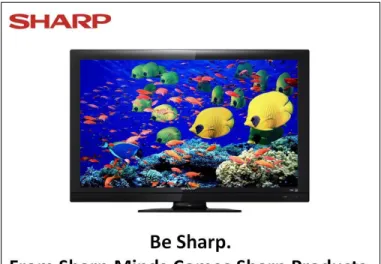
Figure 5.1 Picture of TV ... 20
Figure 5.2 Picture of Athletic Shoes ... 20
Figure 5.3 Print Advertisement for TV ... 23
Figure 5.4 Print Advertisement for Athletic Shoes ... 23
Figure 6.1 Picture of Soap ... 52
Figure 6.2 Picture of Toothpaste ... 53
Figure 6.3 Print Advertisement for Soap ... 55
xi
List of Tables
Table 4.1 Comparison of Differences Between Brand Value Rankings of TV Brands ... 16
Table 4.2 Comparison of Differences Between Brand Value Rankings of Shoe Brands ... 16
Table 4.3 Comparison of Differences Between Brand Value Rankings of Soap Brands ... 18
Table 4.4 Comparison of Differences Between Brand Value Rankings of Toothpaste Brands ... 18
Table 5.1 Product Quality Wording for TV and Athletic Shoes... 21
Table 5.2 Word-of-Mouth/Reviews for TV and Athletic Shoes... 22
Table 5.3 Consumer Susceptibility to Interpersonal Influence Example Items... 24
Table 5.4 Intention Example Items ... 25
Table 5.5 Social Exchange Theory Example Items ... 25
Table 5.6 Theory of Planned Behavior Example Items ... 26
Table 5.7 Yoo and Donthu Example Scale Items ... 27
Table 5.8 Steps Used by Theory in Hierarchical Multiple Regressions ... 27
Table 5.9 SET Averaged Descriptive Statistics and Correlations for TV ... 30
Table 5.10 SET Averaged Hierarchical Multiple Regression Table for TV ... 30
Table 5.11 SET Costs and Rewards Descriptive Statistics and Correlations for TV ... 31
Table 5.12 SET Costs and Rewards Hierarchical Multiple Regression Table for TV ... 31
Table 5.13 TPB Averaged Descriptive Statistics and Correlations for TV ... 33
Table 5.14 TPB Averaged Hierarchical Multiple Regression Table for TV ... 33
Table 5.15 TPB Attitudes, Subjective Norms (SN), and Perceived Behavioral Control (PBC) Descriptive Statistics and Correlations for TV ... 34
Table 5.16 TPB Attitudes, Subjective Norms (SN), and Perceived Behavioral Control (PBC) Hierarchical Multiple Regression Table for TV ... 35
Table 5.17 Yoo & Donthu Averaged Descriptive Statistics and Correlations for TV ... 36
Table 5.18 Yoo & Donthu Averaged Hierarchical Multiple Regression Table for TV ... 36
Table 5.19 Yoo and Donthu Brand Loyalty, Perceived Quality, Brand Awareness/Associations (AA), and Overall Brand Equity (OBE) Descriptive Statistics and Correlations for TV ... 37
Table 5.20 Yoo and Donthu Brand Loyalty, Perceived Quality, Brand Awareness/Associations (AA), and Overall Brand Equity (OBE) Hierarchical Multiple Regression Table for TV ... 38
xii
Table 5.22 SET Averaged Hierarchical Multiple Regression Table for Athletic Shoes ... 40
Table 5.23 SET Costs and Rewards Descriptive Statistics and Correlations for Athletic Shoes . 41 Table 5.24 SET Costs and Rewards Hierarchical Multiple Regression Table for Athletic Shoes 42 Table 5.25 TPB Averaged Descriptive Statistics and Correlations for Athletic Shoes ... 43
Table 5.26 TPB Averaged Hierarchical Multiple Regression Table for Athletic Shoes ... 43
Table 5.27 TPB Attitudes, Subjective Norms (SN), and Perceived Behavioral Control (PBC) Descriptive Statistics and Correlations for Athletic Shoes ... 44
Table 5.28 TPB Attitudes, Subjective Norms (SN), and Perceived Behavioral Control (PBC) Hierarchical Multiple Regression Table for Athletic Shoes ... 45
Table 5.29 Yoo & Donthu Averaged Descriptive Statistics and Correlations for Athletic Shoes 46 Table 5.30 Yoo & Donthu Averaged Hierarchical Multiple Regression Table for Athletic Shoes ... 47
Table 5.31 Yoo and Donthu Brand Loyalty, Perceived Quality, Brand Awareness/Associations (AA), and Overall Brand Equity (OBE) Descriptive Statistics and Correlations for Athletic Shoes ... 48
Table 5.32 Yoo and Donthu Brand Loyalty, Perceived Quality, Brand Awareness/Associations (AA), and Overall Brand Equity (OBE) Hierarchical Multiple Regression Table for Athletic Shoes ... 48
Table 5.33 Summary Table of R² Changes for TV and Athletic Shoes ... 49
Table 6.1 Product Quality Wording for Soap and Toothpaste... 54
Table 6.2 Word-of-Mouth/Reviews for Soap and Toothpaste ... 54
Table 6.3 SET Averaged Descriptive Statistics and Correlations for Soap ... 58
Table 6.4 SET Averaged Hierarchical Multiple Regression Table for Soap ... 58
Table 6.5 SET Costs and Rewards Descriptive Statistics and Correlations for Soap ... 59
Table 6.6 SET Costs and Rewards Hierarchical Multiple Regression Table for Soap... 59
Table 6.7 TPB Averaged Descriptive Statistics and Correlations for Soap ... 61
Table 6.8 TPB Averaged Hierarchical Multiple Regression Table for Soap ... 61
Table 6.9 TPB Attitudes, Subjective Norms (SN), and Perceived Behavioral Control (PBC) Descriptive Statistics and Correlations for Soap ... 62
Table 6.10 TPB Attitudes, Subjective Norms (SN), and Perceived Behavioral Control (PBC) Hierarchical Multiple Regression Table for Soap ... 63
xiii
Table 6.11 Yoo & Donthu Averaged Descriptive Statistics and Correlations for Soap ... 64
Table 6.12 Yoo & Donthu Averaged Hierarchical Multiple Regression Table for Soap ... 64
Table 6.13 Yoo and Donthu Brand Loyalty, Perceived Quality, Brand Awareness/Associations (AA), and Overall Brand Equity (OBE) Descriptive Statistics and Correlations for Soap .. 65
Table 6.14 Yoo and Donthu Brand Loyalty, Perceived Quality, Brand Awareness/Associations (AA), and Overall Brand Equity (OBE) Hierarchical Multiple Regression Table for Soap 66 Table 6.15 SET Averaged Descriptive Statistics and Correlations for Toothpaste ... 68
Table 6.16 SET Averaged Hierarchical Multiple Regression Table for Toothpaste ... 68
Table 6.17 SET Costs and Rewards Descriptive Statistics and Correlations for Toothpaste ... 69
Table 6.18 SET Costs and Rewards Hierarchical Multiple Regression Table for Toothpaste ... 69
Table 6.19 TPB Averaged Descriptive Statistics and Correlations for Toothpaste ... 71
Table 6.20 TPB Averaged Hierarchical Multiple Regression Table for Toothpaste ... 71
Table 6.21 TPB Attitudes, Subjective Norms (SN), and Perceived Behavioral Control (PBC) Descriptive Statistics and Correlations for Toothpaste ... 72
Table 6.22 TPB Attitudes, Subjective Norms (SN), and Perceived Behavioral Control (PBC) Hierarchical Multiple Regression Table for Toothpaste ... 73
Table 6.23 Yoo & Donthu Averaged Descriptive Statistics and Correlations for Toothpaste ... 74
Table 6.24 Yoo & Donthu Averaged Hierarchical Multiple Regression Table for Toothpaste ... 74
Table 6.25 Yoo and Donthu Brand Loyalty, Perceived Quality, Brand Awareness/Associations (AA), and Overall Brand Equity (OBE) Descriptive Statistics and Correlations for Toothpaste ... 75
Table 6.26 Yoo and Donthu Brand Loyalty, Perceived Quality, Brand Awareness/Associations (AA), and Overall Brand Equity (OBE) Hierarchical Multiple Regression Table for Toothpaste ... 76
xiv
Acknowledgements
I first want to thank my committee members (Dr. Richard Harris, Dr. Laura Brannon, Dr. Swinder Janda, and Dr. Kevin Roberts) for all of their help in making this the best research possible all the way through inception to this final dissertation. I especially want to thank my major professor, Dr. Gary Brase, for sharing all of his wisdom, pushing me to be a better researcher, and being patient with my progress. I could not have done this without his help and encouragement. I also want to thank Dr. James Shanteau for his instruction and help with completing my Masters.
Thanks needs to be given to my fellow graduate students for their undying support throughout this process, especially Jisook April Park, Manpreet Rai, Margo Woller-Carter, Russ Webster, Katrina Ellis, Christopher Vowels, and those in Dr. Brase’s research lab.
Without the help of iModerate Research Technologies, data collection with consumers nationwide would not have been possible. I appreciate them having faith in my research and all of their support.
Above all, I want to thank my family. They provided never-ending support and love through this process and I would not have been able to finish without them.
1
Chapter 1 - Introduction
Brand equity is generally defined as “the marketing and financial value associated with a brand’s strength in the market, including actual proprietary brand assets, brand name awareness, brand loyalty, perceived brand quality, and brand associations” (Pride & Ferrell, 2003, p. 299). Although brand equity has been extensively discussed in the literature (Ailawadi, Lehmann, & Neslin, 2003), “no common viewpoint has emerged about how to conceptualize and measure brand equity” (Keller, 2008, p. 37). Punj and Hillyer (2004) believe the reason for this is due to the fact that “brand equity is regarded as being largely attitudinal in nature, composed of beliefs, affect, and other subjective experiences related to the brand” (p. 124).
Another set of researchers argue that the reason no common viewpoint has been found is because of the debate around whether brand equity should be measured from the perspective of customers or firms (Ailawadi et al., 2003). Customer-based brand equity is defined as “the differential effect of brand knowledge on consumer response to the marketing of the brand” (Keller, 1993, p. 2). The main factors for the customer-based measure are “attitudes, awareness, image, and knowledge” (Ailawadi et al., 2003, p. 1).
Keller (2008) asserts that “a brand has positive customer-based brand equity when consumers react more favorably to a product and the way it is marketed when the brand is identified than when it is not” (p. 48). In order to measure this type of brand equity, indirect and direct approaches are used. While both focus on brand awareness, the indirect approach
identifies the specific parts that cause the differential response and the direct approach assesses the nature of that response (Keller, 1993).
On the flipside, brand equity focusing on the firm perspective is defined as “a set of assets and liabilities linked to a brand, its name and symbol, that adds to or subtracts from the value provided by a product or service to a firm and/or to that firm’s customers” (Aaker, 1991, p. 15). Price, market share, revenue, and cash flow are firm-level outcomes of brand equity
(Ailawadi et al., 2003). Firm-based brand equity isn’t measured in terms of indirect vs. direct approaches like customer-based brand equity since its measurement is primarily monetarily based.
Aaker (1996) proposed a set of brand equity measures that combines both customer-based variables and the financial measures used in firm-customer-based brand equity which can be used to
2
measure and track brand equity across products and markets. Aaker (1996) argues that a combination approach leads to a more valid instrument in the measurement of brand equity (p. 103). The Brand Equity Ten offers multiple ways to assess brand equity, in which there are five main categories: loyalty (price premium and satisfaction/loyalty), perceived quality/leadership (perceived quality and leadership), associations/differentiation (perceived value, brand
personality, and organizational associations), awareness (brand awareness), and market behavior measures (market share and price and distribution indices). The right mix of these measures will depend on the firm’s objectives, how many brands are being tracked, which constructs are most important for a firm and their consumers, etc.
The current research uses a similar combination of both customer-based and firm-based brand equity as Aaker (1996) proposed. The variables of brand name, price, perceived quality, advertisements, and word-of-mouth are used to find a strong predictor of brand equity and purchase intent. As Aaker (1996) alleged, the mix of Brand Equity Ten measures used depends on the purposes of each study. The current research covers all five of the Brand Equity Ten main categories, but only includes one measure per category to allow participants enough information to assess the products, but not be too overwhelming. The measures used for each of the main categories are as follows: 1) loyalty: satisfaction assessed through word-of-mouth since participants won’t have actually purchased the products; 2) perceived quality/leadership: perceived quality from a reputable source (i.e., Consumer Reports magazine); 3)
associations/differentiation: advertisements will show the brand’s personality; 4) awareness: brand name; and 5) market behavior measures: price (Aaker (1996) asserted that price is a good indication of the behavior of the market).
The variables for the current studies are used as decision-making criteria for participants’ purchase intent. Three models of brand equity are tested against one another to establish which is the best predictor of brand equity and purchase intent. Two theories that focus on how consumers interact with a brand are Social Exchange Theory (SET) and the Theory of Planned Behavior (TPB). Social Exchange Theory and the Theory of Planned Behavior have not been used much to explain consumer related phenomenon; however, the behaviors they have explained are not all that different from consumer related behaviors. Another model that has been shown to accurately predict brand equity is the Yoo and Donthu model. The three models will now be discussed, starting with Social Exchange Theory.
3
Social Exchange Theory Model of Brand Equity
Social Exchange Theory explains how people interact with one another in terms of maximizing benefits/rewards and minimizing costs (see Equation 1.1). SET really came to prominence in the 1960s (Blau, 1964; Emerson, 1962; Homans, 1961) and is defined by Homans as “the exchange of activity, tangible or intangible, and more or less rewarding or costly,
between at least two persons” (Cook & Rice, 2006, p. 54). The definition of cost in SET has two parts: “cost in the form of aversive stimuli encountered in a social transaction and ‘cost’ in the form of rewards foregone” (Emerson, 1976, p. 349); whereas benefits/rewards are “virtually synonymous with a positive reinforcement, but with the added connotation of being socially administered” (Emerson, 1976, p. 347).
Equation 1.1 Social Exchange Theory Formula
The basic premise of SET comes from economics (Blau, 1964; Emerson, 1976),
behavioral psychology (Homans, 1958; Emerson, 1976), and utilitarianism, which is the idea that “humans are motivated and act so as to maximize those outcomes they most value,” (White & Klein, 2008, p. 66). SET holds a set of assumptions about human nature: “humans seek rewards and avoid punishments, humans are rational beings, and the standards that humans use to evaluate costs and rewards vary over time and from person to person” (West & Turner, 2007, p. 188). The assumptions SET makes about the nature of relationships include: “relationships are interdependent and relational life is a process” (West & Turner, 2007, p. 188).
The current research focuses on how SET predicts consumers’ relationships with a brand, which will be discussed later in this paper. Over the years, SET has been used to explain
relationship behaviors across multiple disciplines and fields of study. These will now be discussed to show the validity of SET in predicting behaviors.
Validity of Social Exchange Theory (SET) in Research
Social Exchange Theory has been used throughout the business field (Gould-Williams & Davies, 2005; Parzefall & Salin, 2010; Shore et al., 2009), but primarily to understand the
4
employee-organization relationship [EOR] which has been very important for explaining organizational exchange relationships (Shore, Coyle-Shapiro, Chen, & Tetrick, 2009). Gould-Williams and Davies (2005) studied the relationship between managers and employees specifically and found SET to be a valid framework. In addition, Parzefall and Salin (2010) argue that SET can be applied to workplace bullying by understanding how justice, contract breach, and perceived organizational support relate to the employee-employment relationship. SET can explain online relationship behavior as well. Hall, Widén, and Paterson (2010) and Faraj and Johnson (2011) evaluated the reasons why people are motivated to participate in an online environment, in which SET was a significant predictor.
Participation motivations have also been used in healthcare in terms of medication programs. Hamrin, McCarthy, and Tyson (2010) used SET to understand why families don’t always adhere to children’s psychotropic medication plans. They found that although there are rewards of psychotropic medication adherence, the costs outweigh these.
As it has been shown, Social Exchange Theory has been used successfully in several different fields outside of traditional Social Psychology. In the current research, SET is extrapolated to consumers’ relationships with a brand. In other words, consumers use several factors to judge whether a brand stands up to their calculation of rewards and costs. If they feel they aren’t getting enough rewards or benefits from the brand, they will terminate that
relationship and therefore, purchase intent and brand equity decline for that consumer. However, if the consumer judges the brand to offer more rewards than costs based on this calculation, purchase intent and brand equity increase.
There are other models available (e.g., Theory of Planned Behavior) that could look at how consumers and brands interact with one another. Theory of Planned Behavior has a different take by focusing on consumers’ attitudes, what they perceive to be subjective norms, as well as their perceived behavioral control. This theory will be discussed further now.
Theory of Planned Behavior Model of Brand Equity
Theory of Planned Behavior by Ajzen (1985) is an extension of Fishbein and Ajzen’s (1975) Theory of Reasoned Action. The Theory of Planned Behavior aims to measure behavioral intention by focusing on a person’s attitude towards the behavior, subjective norms, and
5
In TPB, attitude toward the behavior is seen as the “degree to which a person has a favorable or unfavorable evaluation or appraisal of the behavior in question” (Ajzen, 1991, p. 188). The second factor is subjective norms, which is defined as “the perceived social pressure to perform or not to perform the behavior” (Ajzen, 1991, p. 188). Perceived behavior control
“refers to people’s perception of the ease or difficulty of performing the behavior of interest” and can depend on opportunities and resources (“e.g., time, money, skills, cooperation of others,” etc.) (Ajzen, 1991, p. 182). Perceived behavioral control is the main difference between the Theory of Planned Behavior and the Theory of Reasoned Action. It was added to the TPB model to account for limitations in the predictive power of the Theory of Reasoned Action when people have no control over their behaviors in a given situation.
Figure 1.1 Theory of Planned Behavior Model
Again, the current research uses this theory to better understand consumers’ purchase intent and perceived brand equity. Although Social Exchange Theory uses a consumer’s relationship with the brand in order to ascertain their purchase intent, Theory of Planned Behavior focuses on outside forces like the subjective norm. How the Theory of Planned Behavior is used in the current research will be discussed more in detail later, but first to show the validity of the Theory of Planned Behavior in real world situations, the next section will discuss some of the areas in which this theory has been utilized.
6
Validity of Theory of Planned Behavior (TPB) in Research
The Theory of Planned Behavior has fostered the validation and explanation of several behaviors across fields. TPB can be used to explain health-related issues such as quitting intentions of smokers when a smoking ban has been put in place (Macy, Middlestadt, Seo, Kolbe, & Jay, 2012) and adherence to fruit and vegetable consumption programs (Blanchard et al., 2009). In another area, Han, Hsu, and Sheu (2010) assessed green hotel stay intentions and found that the variables within TPB had a positive relationship with this behavior. Switching areas a bit, the addition of self-identity measures to the Theory of Planned Behavior has been shown to be significant in predicting intention (Rise, Sheeran, & Hukkelberg, 2010). A related field to self-identity is how others’ behaviors affect your own—consumer susceptibility to interpersonal influence (CSII) (Bearden, Netemeyer, &Teel, 1989). As McGuire argues, “susceptibility to interpersonal influence is a general trait that varies across persons and that a person’s relative influenceability in one situation tends to have a significant positive relationship to his or her influenceability in a range of other social situations” (as cited in Bearden et al., 1989, p. 473). For those that are higher in susceptibility to interpersonal influence, they will be more likely to care what others would do in a similar situation.
Another study that included self-identity in the assessment of the Theory of Planned Behavior is one by Pelling and White (2009) in order to understand behavioral intention to interact with social networking websites. While another consumer-specific study tying back to TPB is one about online purchasing (Pavlou & Fygenson, 2006). In most TPB applications, the variables of the theory come together to predict intentions, however in e-commerce, the intent to purchase a product comes before getting information and buying a product from a Web vendor (Pavlou & Fygenson, 2006). This happens because before a consumer will go to a website to seek information and possibly purchase, they first must realize they need that product. Since the current studies are completed online, the initial intent to purchase is provided to participants in the form of an instructional description before assessing the products. The exact wording of this instructional description will be presented in the Method section of this paper.
So often, TPB is used to predict behavioral intention, but that doesn’t necessarily lead to actual behavior. De Cannière, De Pelsmacker, and Geuens (2009) assessed the effectiveness of the Relationship Quality Model (RQ) versus the TPB model and found that TPB was better than the RQ model at predicting intentions as well as actual behaviors.
7
Theory of Planned Behavior is valid in predicting behavioral intentions across several topic areas, including purchase intent (De Cannière et al., 2009). The current studies further the TPB research on purchase intent by assessing attitude, subjective norm, and perceived behavioral control in the following way. Consumers’ attitudes about buying a product/brand are dependent on several factors, including advertisements and word-of-mouth, for example. The subjective norm is based on consumers’ perceptions of how others would behave (or what products others would buy). If this is a popular product, then the subjective norm has a higher value. The perceived behavioral control can be affected by factors outside of consumers’ control. For example, during the holiday season, the “hot” toy will be very difficult to purchase, which
consequently leads to a lower perceived behavioral control. Depending on the calculation of their behavioral intention/purchase intent, this leads to a higher or lower perceived brand equity.
The current studies extrapolate Social Exchange Theory and the Theory of Planned Behavior to brand equity. Since there is little previous research that ties these theories to
consumer research, a validated measure of brand equity will be tested against SET and TPB. The other model that will be used is one created by Yoo and Donthu (2001).
Yoo & Donthu Model of Brand Equity
Yoo and Donthu (2001) created a consumer-based measure that could be used cross-culturally as well as across several product categories. Their scale was the first to be developed based on Aaker’s (1991) theory of brand equity (Londono, 2012). Yoo and Donthu (2001) tested their measure, which focused on brand loyalty (3 scale items), brand awareness (3 items),
perceived quality of the brand (2 items), brand associations (3 items), and overall brand equity (4 items) (see Appendix A), on Americans, Korean Americans, and Koreans.
In the context of this model, brand loyalty “refers to the tendency to be loyal to a focal brand, which is demonstrated by the intention to buy the brand as a primary choice” (Oliver, 1997, as cited in Yoo & Donthu, 2001, p. 3). Brand awareness is “the ability for a buyer to recognize or recall that a brand is a member of a certain product category” (Aaker, 1991, p. 61). Perceived quality is “the consumer’s judgment about a product’s overall excellence or
superiority” (Zeithaml, 1988, p. 3). Brand associations are defined as “anything linked in memory to a brand” (Aaker, 1991, p. 109).
8
The products chosen for the testing of the Yoo and Donthu model were film for cameras (“a low-cost, fast-replacement cycle, short-term experience good”), athletic shoes (“a medium-cost, medium-replacement cycle, medium-term experience good”), and color TVs (“high-medium-cost, slow-replacement cycle, longer-term experience good”) (Yoo & Donthu, 2001, p. 3) because they “were different in price range, frequency of purchase, consumers’ product involvement, and consumption situation” (Yoo & Donthu, 2001, p. 3). The authors found their measure to be both valid and reliable in assessing brand equity.
Validity of Yoo & Donthu in Research
Yoo and Donthu’s model of brand equity has been used widely in measuring brand equity across multiple domains (Londono, 2012). As Christodoulides and De Chernatony (2010) assert, “amongst the indirect approaches to consumer-based brand equity measurement, the Yoo and Donthu (2001) study arguably has the most strengths and fewest weaknesses (p. 56). The authors argue this because Yoo and Donthu (2001) tested their model across multiple cultures and different product categories, it is easy to administer, gathers data at the individual consumer level, and a stringent validation process was completed.
Yoo and Donthu’s (2001) model has been used often in the retailer domain (Pappu & Quester, 2006; Li & Ellis, 2014; Kim, Jin-Sun & Kim, 2008). Pappu and Quester (2006) used a modified version of the Yoo and Donthu (2001) model to measure retailer brand equity, namely with department stores and specialty stores. Li and Ellis (2014) utilized Yoo and Donthu’s brand equity scale items in order to test consumers’ willingness to pay a price premium for branded apparel vs. non-branded apparel. Consumers were willing to pay around $2.50 more for apparel whose brand has higher brand equity. A study on hotel brand equity by Kim, Jin-Sun, and Kim (2008) found that when brand loyalty and brand awareness/association were higher, so was guests’ revisit intent. Yoo and Donthu’s perceived quality variables were not found to be a direct predictor of hotel revisit intent in this study.
The three models/theories will be tested by assessing specific elements of products that will be discussed further now.
Chapter 2 - Brand Equity Variables
Many different variables have been used to assess brand equity (Ailawadi, Lehmann, & Neslin, 2003; Punj & Hillyer, 2004; Keller, 2008); however, using a combination of both
9
customer-and firm-based brand equity measures is argued to be the most valid (Aaker, 1996). Five variables, which are utilized in the current research, that combine both forms of brand equity and have been found to be valid many times previously are brand name (Breneiser & Allen, 2001; Alamgir et al., 2010; Bojei & Hoo, 2011; Erdem, Swait, & Valenzuela, 2006; Kim & Drolet, 2009), product quality (Dougherty & Shanteau, 1999; Hilgenkamp & Shanteau, 2010), price (Erdem, Keane, & Sun, 2008; Rao, 2005; Shiv, Carmon, & Ariely, 2005), word-of-mouth (East, Hammond, & Lomax, 2008; Guo, 2011; Park & Kim, 2008), and advertisements (Erdem et al., 2008; Smith, Gradojevic, & Irwin, 2007).
Brand Name
One of the biggest determinants of brand equity is brand name. One way to show this is to look at generics versus name brands. Soda has been a popular product in which to test whether lower-cost generic brands can compare to higher-cost name brands. Breneiser and Allen (2011) tested this with Coca-Cola brand soda, Sam’s Choice store brand soda, and Publix store brand soda in a study with blind and non-blind conditions. Participants were asked to rank the three sodas in order of preference, in which the sodas were labeled as Cola 1, 2, and 3 in the blind condition and were told exactly which brand was which in the non-blind. Breneiser and Allen (2011) found that Coca-Cola was overwhelmingly preferred (50%) in the non-blind condition, however significantly less so in the blind condition (only 31%). Preference for the Publix brand doubled from the non-blind condition (15%) to the blind condition (33%); however there was no difference in preference between the non-blind and blind conditions for Sam’s Choice (35%). By preferring the brand name soda only when it is known, this shows that the three drinks are similar in quality, taste, etc. The main difference is the brand name, which shows that Coca-Cola has stronger brand equity than its generic counterparts.
Although Breneiser and Allen (2011) were testing consumer non-durable goods (i.e., products that are fairly inexpensive, are used relatively quickly, and don’t require lots of research before purchase), another study shows a similar effect with consumer durable goods (i.e.,
products that are bought infrequently, typically are purchased at a higher price, and are “items for which buyers are willing to expend considerable effort in planning making purchases” (Pride & Ferrell, 2003, p. 252)). As Alamgir, Nasir, Shamsuddoha, and Nedelea (2010) found, brand names matter a great deal in terms of the importance placed by consumers. When assessing
10
purchase intent of cars, consumers were reluctant to try car brands they were unfamiliar with. This finding is similar to many other product categories, however, this is especially the case for consumer durable goods, when more of an investment is needed and the product is expected to last a longer period of time.
Consumers’ preference for brand-name products is a marketing universal that has been shown several times throughout the years (Bojei & Hoo, 2011; Erdem, Swait, & Valenzuela, 2006). Kim and Drolet (2009) found Asian Americans are more likely to prefer brand-name products than European Americans which can be attributed to Asian Americans’ stronger sense of self-consciousness. Another study by Bojei and Hoo (2011) found that the higher the brand awareness, the more likely Malaysian consumers were to repurchase that brand of smartphone. Like the rest of the brand name examples, brand equity has been proven to be a cross-cultural occurrence.
Product Quality
Product quality is key in understanding brand equity because often, other variables (like brand name and price) lead consumers to infer good or bad product quality. In this case, when consumers perceive the product quality to be good, purchase intent (and as a result brand equity) increases.
It is difficult to determine product quality without signals for previously untried products. One signal is expert ratings such as Consumer Reports magazine for example. Dougherty and Shanteau (1999) showed how expert ratings can affect quality perceptions when participants test consumer products and rate them on overall quality. There were no product names given; only labels stating whether Consumer Reports magazine rated the product as high, medium, or low quality. The point of this experiment was to see whether people’s perceptions of quality were affected by the quality ratings of a credible source. They found that subjects were influenced by quality ratings and their “evaluations of consumer products are modified by their expectations” (Dougherty & Shanteau, 1999, p. 58). Following a similar method but using brand names instead of quality ratings, Hilgenkamp and Shanteau (2010) found that the brand name with the highest brand value was most likely to be purchased independent of product quality.
11
Price
Consumers often use price as an indicator of product quality. For products that have a higher perceived product quality due to price, they also are more likely to be purchased which leads to stronger brand equity. According to Erdem, Keane, and Sun (2008), higher prices are associated with the perception of higher quality products while frequent price cuts can imply lower product quality.
The phenomenon of price implying product quality has been around since 1949 when “Knauth documented a hosiery retailer’s ‘enormous’ positive sales response following a price increase from $1.00 to $1.14, apparently because the high price ‘suggested higher value’” (Rao, 2005, p. 401). However, there’s a major difference between this perceived vs. actual product quality as the correlation between price and actual product quality is typically low (Rao, 2005). Shiv, Carmon, and Ariely (2005) showed that when consumers expect a product to perform well due to its price, a placebo effect occurs; consumers perceive the actual efficacy of the product to be higher.
Word-of-Mouth
Word-of-mouth (WOM) is “informal advice passed between consumers. It is usually interactive, swift, and lacking in commercial bias. WOM is a powerful influence on consumer behavior” (East, Hammond, & Lomax, 2008, p. 215). If a consumer hears negative word-of-mouth reviews, they are less likely to buy that product, which in turn, decreases brand equity. However, the opposite is true, that positive WOM positively affects brand equity. Guo (2011) looked at Chinese consumers and how their collectivist culture affects their brand switching behavior. It was found that negative word-of-mouth information coming from an expert made Chinese consumers more likely to switch brands. The author attributes this to the collectivist culture which makes outside feedback more important to consumers than in individualistic cultures. As we saw with brand name, word-of-mouth seems to be a cross-cultural occurrence as well.
Word-of-mouth has been a key contributor to consumers’ perceptions of brands for years. However, the use of online consumer reviews is a newer concept. Park and Kim (2008) studied how online consumer reviews’ level of expertise, types of reviews, and numbers of reviews to determine how influential they are on readers’ purchase intent of that product. Experts look more
12
to the type of reviews when deciding whether to purchase a product, while novices focus more on the number of reviews.
East et al. (2008) found that when consumers are familiar with a brand, they consider positive recommendations for their purchase decision more than negative recommendations. However, when consumers feel very likely to choose a brand initially, it is harder to sway that opinion with contrary word-of-mouth information.
Advertising
“An important goal of advertising is designing effective campaigns that foster favorable attitudes toward a product” (Pyun & James, 2011, p. 33). These favorable attitudes then lead to stronger brand equity; hence the importance of an effective campaign as well as a getting several noticeable ads out into the marketplace. Advertising is also a way to showcase a brand’s
personality to consumers (Aaker & Biel, 1993).
Erdem et al. (2008) found that when it comes to advertising, the more ads presented, the higher the perceived product quality. Consumers infer that if a company has the resources to produce multiple ads, the product must be performing well.
More than just the pure number of advertisements, the amount of money a brand spends on ads also positively impacts brand equity (Smith, Gradojevic, & Irwin, 2007). All else equal, the more money the brand spends on ads, the more gross profit they make and the stronger the brand equity. However, this is truer for the long-term rather than the short-term.
Chapter 3 - Introduction/Purpose of Current Research
The current research includes two studies (one with consumer durable goods and the other with consumer non-durable goods) that measure brand equity and test which model/theory, Social Exchange Theory, Theory of Planned Behavior, or the Yoo and Donthu model of brand equity, best predicts purchase intent for consumers. This research uses purchase intent as the dependent variable because we cannot measure whether they’ll actually buy the product, but intentions “are assumed to capture the motivational factors that influence a behavior” (Ajzen, 1991, p. 181). The reason for using both consumer durable and non-durable goods in the current research is to assess if the findings generalize across a multitude of products. The main method for both studies is an online questionnaire with scale items for each of the three models (which13
will be discussed in more detail later). Items included for Social Exchange Theory include assessments of perceived rewards and costs. For the Theory of Planned Behavior items in the questionnaire, the instructions from Ajzen (2012) were used for item creation. The items from the Yoo and Donthu model were used in their entirety for the current research since they were found to be both valid and reliable scale items across multiple products and cultures (Yoo & Donthu, 2001). The Consumer Susceptibility to Interpersonal Influence Scale (Bearden et al., 1989) is also included to assess how much of an impact others’ opinions of a product or brand have on a consumers’ purchase intent. The products are assessed virtually on brand name, perceived product quality, price, word of mouth, and advertisements; these variables were chosen based on the previous research mentioned above. How these variables are assessed will be further explained in the procedure section for each study.
Purpose and Hypotheses
The purpose of this study is to determine which of the three models/theories (Social Exchange Theory, Theory of Planned Behavior, or the Yoo & Donthu model) is the best predictor of purchase intent for several consumer products. Since each of the three theories has an equal chance of best predicting purchase intent, one theory will not be hypothesized to outperform the others. Instead, the logic behind how each theory could best predict purchase intent will be presented. The implications of how Consumer Susceptibility to Interpersonal Influence (CSII) could impact purchase intent will also be discussed.
Social Exchange Theory
Social Exchange Theory could be the best predictive model if consumers weigh the rewards and costs of a product before they make a purchase. The behavior of intending to buy the product would need to be seen as “worth it” by the consumer after weighing the rewards and costs (i.e., rewards – costs = a positive assessment). SET most pertains to the field of Social Psychology in assessing social relationships. If SET were the best predictor of purchase intent, it could be argued that consumers see their relationship with a product as similar to that of a friendship. This is feasible given the strength of brand loyalty in the market. Brand loyalty is defined by Aaker (1991) as “the attachment that a customer has to a brand” (p. 39). It’s entirely possible that the “attachment” Aaker refers to could be similar to a social relationship
14
attachment. Therefore, if consumers feel their attachment to the brand offers more rewards or benefits than costs, SET will be the best predictor of purchase intent.
Theory of Planned Behavior
Theory of Planned Behavior could be the best predictive model, especially if consumers care a great deal about what others think or would do in the same situation. This is the only brand equity model being tested that takes others’ actions/opinions into account directly (subjective norm) as well as factors outside consumers’ control (perceived behavioral control). It’s not enough for a consumer to have a positive attitude or assessment toward a product in order to buy it, they have to have some sort of likelihood that they could actually do so, be that financial means, time, skills, cooperation of others, supply and demand, etc. Although attitudes, subjective norms, and perceived behavioral control are all assessed by the individual consumer, two-thirds of TPB is based on semi-external factors to the consumer. Subjective norm is “the perceived social pressure to perform or not perform the behavior” (Ajzen, 1991, p. 188) which is felt by the consumer, but what others’ would do, think, judge on others all play a role which is more
external. The same can be said about perceived behavioral control; again, it’s a perception the consumer has, but is based on external factors like availability of a product, for example. The other two theories being tested lack this external account in the purchase decision. Perceived behavioral control was added to the TPB model from the Theory of Reasoned Action because the original theory had limitations in the predictive power. Therefore, external factors could make more of a difference in purchase intent that SET and the Yoo and Donthu model do not account for, giving TPB more predictive strength.
Yoo and Donthu Model
Unlike the other two theories, the Yoo and Donthu Model has already been proven to accurately predict purchase intent for both consumer durable and non-durable goods with consumers (Yoo & Donthu, 2001). SET and TPB have rarely been used in the context of
purchase intent and brand equity before, so it’s possible that a tried and true model will win out. Like mentioned earlier, Yoo and Donthu’s scale was the first to be developed based on Aaker’s (1991) theory of brand equity, which conceptualized brand equity, but hadn’t been
15
2010). Their measure focuses mainly on the product itself and consumers’ awareness and perceptions of it (indirect approaches) rather than on consumers’ preferences (direct approach). Because the indirect approach “measures brand equity through its demonstrable manifestations” (Christodoulides & De Chernatony, 2010, p. 49) and direct approaches try to separate the value of the product from the value of the brand, indirect approaches have been used more often in measuring brand equity due to the complications related to separating a product from its brand. Given the strong history of indirect approaches (and this model in particular) in measuring brand equity, the Yoo and Donthu model could best predict purchase intent for both consumer durable and non-durable goods in the current research.
Consumer Susceptibility to Interpersonal Influence
Consumer Susceptibility to Interpersonal Influence varies by person but is a general trait. Stafford and Cocanougher (1977) argue that it’s important to consider “the effects of
interpersonal influence on development of attitudes, norms, values, aspirations, and purchase behavior” (as cited in Bearden et al., 1989, p. 473). Therefore, CSII should be a significant predictor of purchase intent or explain a significant amount of additional variance in the models. However, because Theory of Planned Behavior already includes subjective norms, which is the perceived social pressure to perform a behavior, it is expected that CSII will not add a significant amount of predictive power to the TPB model. Because no such social influence aspect is part of Social Exchange Theory or the Yoo and Donthu model, the expectation is that CSII will make these models stronger in their predictive power of purchase intent.
Chapter 4 - Pilot Study
A small pilot study was conducted prior to Studies 1 and 2 to test the effectiveness of the product materials. Eighteen participants completed the TV and athletic shoes pilot test and thirteen assessed the toothpaste and soap. Participants were General Psychology students at a large, Mid-Western university. Several aspects were tested including: brand name values, athletic shoes’ gender neutrality, and whether the product quality ratings, word-of-mouth customer reviews, and advertisements gave consumers enough information in order to make a purchase decision. Participants completed an online questionnaire which included both quantitative and qualitative measures. The quantitative portion of the questionnaire included the full measures
16
being used for Studies 1 and 2 along with questions pertaining to which brands have the highest and lowest brand value. Qualitative feedback was requested during pilot testing to understand how well the product quality ratings, word-of-mouth customer reviews, and the advertisements worked at providing enough information for participants to make their purchase decision. Qualitative feedback was solicited through survey open ends by asking why they would or wouldn’t buy the product and which factors played into that decision. Several changes were made from pilot testing to Studies 1 and 2; the exact changes made will be discussed during the Materials section of each respective study.
TV and Athletic Shoes Pilot Testing
Brand Names
Participants were asked to rank three brands for each product (TV: Samsung, Sharp, Viore; Shoes: Nike, Asics, Hi Tec) from best to worst. Samsung and Nike were ranked almost unanimously as the best, while Viore and Hi Tec were significantly chosen as the worst brand, therefore placing Sharp and Asics in the middle in terms of brand value (TV: χ²(2, N=18)=30.33, p=.000; Shoes: χ²(2, N=18)=24.11, p=.000) (see Tables 4.1 and 4.2).
Table 4.1 Comparison of Differences Between Brand Value Rankings of TV Brands Frequency percentages for each brand at each of the three values
Brands Top Ranking (1) Middle Ranking (2) Bottom Ranking (3)
Samsung 88.9% 11.1% 0%
Sharp 11.1% 83.3% 5.6%
Viore 0% 5.6% 94.4%
Table 4.2 Comparison of Differences Between Brand Value Rankings of Shoe Brands Frequency percentages for each brand at each of the three values
17
Brands Top Ranking (1) Middle Ranking (2) Bottom Ranking (3)
Nike 88.9% 11.1% 0%
Asics 11.1% 61.1% 27.8%
Hi Tec 0% 27.8% 72.2%
Gender Neutrality of Athletic Shoes
Since shoes are typically gender specific which would cause a bias if both males and females rated their purchase intent for the same shoe, a gender neutral athletic shoes was chosen. Pilot testing was completed to confirm the gender neutrality of the specific shoe being used for this study and showed there was not a significant difference in purchase intent of the shoe for men (M=1.67, SD=1.21) and women (M=2.08, SD=1.51); t(16)=-.587, p = .565.
Product Quality Ratings
During the qualitative open ends in the pilot study, it was brought up several times that a “medium” rating of 60 and 58 for the TV and shoes, respectively, was too low to ever consider purchasing these products. Therefore, slightly higher ratings were used in Study 1.
Word-of-Mouth Reviews
For the pilot study, one customer review was tested per product (TV and athletic shoes) and was found to be unrealistic. Many online sites include numerous customer reviews, so more were added for Study 1. Qualitative feedback from pilot testing also showed that the reviews were seen by many as too negative to even consider purchasing. More positive reviews were included for Study 1.
Advertisements
One ad per product was created and tested during pilot testing. During the same
qualitative open ends as described above, several participants mentioned that they viewed the ads positively (“The ad made it seem good for running.”), however a couple of suggestions were made to improve the athletic shoes ad, which were made for Study 1.
18
Soap and Toothpaste Pilot Testing
Brand Names
In pilot testing, participants were asked to rank three brands (Soap: Dove, Dial, Coast; Toothpaste: Colgate, Arm & Hammer, Ultrabrite) from best to worst. Dove and Colgate were ranked almost unanimously as the best, Coast and Ultrabrite were significantly chosen as the worst brand, and Dial and Arm & Hammer ratings were chosen most often as the middle brand (Soap: χ²(2, N=15)=22.93, p=.000; Toothpaste: χ²(2, N=15)=24.40, p=.000) (see Tables 4.3 and 4.4).
Table 4.3 Comparison of Differences Between Brand Value Rankings of Soap Brands Frequency percentages for each brand at each of the three values
Brands Top Ranking (1) Middle Ranking (2) Bottom Ranking (3)
Dove 93.3% 6.7% 0%
Dial 6.7% 73.3% 20.0%
Coast 0% 20.0% 80.0%
Table 4.4 Comparison of Differences Between Brand Value Rankings of Toothpaste Brands
Frequency percentages for each brand at each of the three values
Brands Top Ranking (1) Middle Ranking (2) Bottom Ranking (3)
Colgate 86.7% 13.3% 0%
Arm & Hammer
13.3% 80.0% 6.7%
Ultrabrite 0% 6.7% 93.3%
Product Quality Ratings
Just like for the TV and athletic shoes, “medium” ratings of 58 and 60 for the soap and toothpaste, respectively, were mentioned by several participants as being too low to ever consider purchasing these products. The numeric ratings were raised for Study 2.
19
Word-of-Mouth Reviews
One customer review was tested per product (soap and toothpaste) and the same results as the pilot testing for the TV and athletic shoes were found. More customer reviews and more positive ones were added for Study 2.
Advertisements
An ad for each product was created and tested during the pilot study. From qualitative feedback, participants said that although the advertising wasn’t the most important factor in their purchase intent (“I made my decision based on the brand name before I even read the ad.”), they viewed the ads positively. Participants gave suggestions for improvement for each of the ads which were incorporated into Study 2.
Chapter 5 - Study 1
Participants
The participants for this study were 150 consumers that belong to a sample company’s panel (Innovate MR, LLC). The number of participants was based on a power analysis that assumes an effect size of 0.15 (which is a medium effect size from Cohen, 1988) and a power level of 0.95. After the survey was programmed and tested, the sample company sent emails to their panel members inviting them to participate in the research. The following quotas
(maximums) were put in place so as to get an even mix of demographics of participants: gender (50% female, 50% male); age (50% 18-45, 50% 46 and older); region (quota based on census distribution: 23% West, 22% Midwest, 18% Northeast, 37% South); ethnicity (30% non-Caucasian); education (15% High school graduates or less—as online sample panelists skew more educated); and socioeconomic status (no more than 35 survey completes per household income bracket). Participants received the equivalent of $5 (in Innovate MR points) from the sample company for their involvement in this study.
Materials
Two different consumer durable goods (one television—Figure 5.1 and one pair of athletic shoes—Figure 5.2) were assessed in this study. These products were chosen based on
20
Yoo and Donthu’s (2001) explanation that these products differ in “price range, frequency of purchase, consumers’ product involvement, and consumption situation” (p. 3). These products were assessed through an online questionnaire (which is explained in the Measures and
Procedures section). The specific pair of athletic shoes was chosen because they are gender neutral which was confirmed during the pilot study.
Figure 5.1 Picture of TV
Figure 5.2 Picture of Athletic Shoes
Brand Names
The brand names used in this study are Sharp for the TV and Asics for the athletic shoes as they were the brands with medium brand value during pilot testing. The brand with medium brand value was preferred for this study because the brand with the highest brand value may create a positive purchase bias; whereas the lowest brand value brand may create the opposite bias in that consumers may not be willing to buy it because the brand is more of a “generic” and doesn’t even enter their consideration set.
Prices
The prices associated with the two products are as follows: TV = $289.99; Athletic Shoes = $150. The price for the TV was chosen because it is the listed price on Sharp’s website
21
(http://www.sharpusa.com) for a 32” Sharp LED flatscreen TV. The price of the athletic shoes was selected based on what is listed on Asics’ website (http://www.asicsamerica.com) for the same model of shoe shown during the pilot testing.
Product Quality Ratings
Product quality was given in terms of a reputable source’s ratings (i.e., Consumer Reports
Magazine). The use of Consumer Reports Magazine as the rating source was shown to be valid in the study by Dougherty and Shanteau (1999). The rating shown was one of medium product quality as to mimic an average product. The ratings used during pilot testing were seen as too low to consider purchasing the TV and athletic shoes. Therefore, the ratings for the proposed study were increased to 70 and 75 for the TV and shoes, respectively (see Table 5.1).
Table 5.1 Product Quality Wording for TV and Athletic Shoes TV
Consumer Reports Score: 70 out of 100 (Based on HD picture quality, sound quality, viewing angle, motion blur performance, ease of use, versatility, and power consumption)
Athletic Shoes
Consumer Reports Score: 75 out of 100 (Based on fit, arch support, stability, cushioning, and motion control)
Word-of-Mouth Reviews
Word-of-mouth was shown as customer reviews, which look like typical reviews one would see from other consumers on amazon.com, for example (see Table 5.2). The reviews include an overall star rating and both positive and negative remarks about the product. Since the reviews were seen as too negative during the pilot study and not being realistic having only one review, a slightly more positive tone was employed as well as more reviews were added for the purposes of Study 1.
22
Table 5.2 Word-of-Mouth/Reviews for TV and Athletic Shoes TV
Average: 4 stars out of 5
“Good TV for the money. The picture is good, but I have to turn the volume up a bit sometimes in order to hear it. But that could be my hearing for all I know.”
“Overall, I am very happy with this TV and would definitely recommend it, with the only reservation being the sound if you plan to use the built-in speakers.”
“Picture quality is very good.”
“Works great, great picture and sound isn’t too bad. Was easy to set up and we’ve had no problems out of it so far.”
Athletic Shoes
Average: 4 stars out of 5
“The shoe fits amazingly and don’t give me blisters when running! The only minor issue I have is that they aren’t the best looking shoes I’ve ever seen.”
“They are supportive, provide the needed stability, and are super cushioned.”
“It seems to run a bit smaller than normal, but overall a great pair of running shoes.” “So comfy. Perfect width. Price is a bit high but worth it for a solid pair of running shoes.”
Advertisements
Print advertisements were created that included a picture of the product, the brand logo, an additional picture of nature, and a slogan previously used by each respective brand (see Figures 5.3 and 5.4). The reason a real ad was not used for each product is that there are too many variables to control for. Based on results from the pilot study, the outline around the shoe and the font used in the athletic shoes ad were changed for the current study. No changes were suggested for the TV advertisement.
23 Figure 5.3 Print Advertisement for TV
Figure 5.4 Print Advertisement for Athletic Shoes
Measures and Procedure
In the current study, participants completed an online survey. The first screen of the survey explained to participants that they were voluntarily participating in this study (informed consent) and were informed of their incentive (see Appendix A). Demographics were asked next in order to maintain the quotas set up to get an even mix of participants. These demographics
24
included gender, age, state of residence, marital status, employment status, education, annual household income, and ethnicity (see Appendix A).
The next section of the survey was the Consumer Susceptibility to Interpersonal Influence Scale items (see Table 5.3 for an example and Appendix A for the full scale), which was at the beginning of the survey so the product descriptions didn’t bias consumers’ responses to this section.
Table 5.3 Consumer Susceptibility to Interpersonal Influence Example Items
To make sure I buy the right product or brand, I often observe what others are buying and using. Strongly disagree :___1__:___2__:___3__:___4__:___5__:___6__:___7___: Strongly agree
I rarely purchase the latest fashion styles until I am sure my friends approve of them.
Strongly disagree :___1__:___2__:___3__:___4__:___5__:___6__:___7___: Strongly agree
After completing the CSII scale items, participants were shown the product description of one of the two products (order was randomized). As mentioned earlier, in online purchases, the intent to purchase a product comes before obtaining information and buying a product from a Web vendor. The initial intent for this study was given in the form of instructions, which were the following: “Imagine you are considering buying a new <TV OR pair of athletic shoes> because your current <one OR pair> broke. You are doing research online to determine which one to buy. You come across the following <TV OR pair of athletic shoes>.” The product description page then included a picture of the product (see Figures 5.1 and 5.2 above), followed by a randomized order of the brand name, price, Consumer Reports score, customer reviews, and print advertisement.
After consumers saw the description for their first randomly chosen product, they were asked their purchase intent for the product as well as additional intention questions regarding how each variable (brand name, product quality, price, word-of-mouth, and advertisements) individually affected participants’ purchase decision (see Table 5.4 for an example and Appendix
25
A for the full scale). The intention items were presented before the rest of the scale items so as to get participants’ initial, gut intentions for the product and to make sure the rest of the scale items didn’t bias their true purchase intent.
Table 5.4 Intention Example Items I intend to purchase this <PRODUCT>.
Strongly disagree :___1__:___2__:___3__:___4__:___5__:___6__:___7___: Strongly agree I am likely to purchase this <PRODUCT> based on the BRAND NAME alone.
Strongly disagree :___1__:___2__:___3__:___4__:___5__:___6__:___7___: Strongly agree
Following this, the remaining scale items (SET: costs, rewards; TPB: attitude, perceived norm, perceived behavioral control; Yoo & Donthu scale items) were randomly presented for each participant. The Social Exchange Theory items assessed were perceived costs and rewards for each product. These were in two different forms; 1) 7-point agreement scales, and 2)
qualitative open end items (see Table 5.5 for an example and Appendix A for the full scale).
Table 5.5 Social Exchange Theory Example Items Cost Item Example
This <PRODUCT> is too expensive.
Strongly disagree :___1__:___2__:___3__:___4__:___5__:___6__:___7___: Strongly agree Cost Qualitative Open End Example
What are the negatives of this <PRODUCT>? Reward Item Example
26
I feel like this <PRODUCT> is “worth it” in terms of overall value.
Strongly disagree :___1__:___2__:___3__:___4__:___5__:___6__:___7___: Strongly agree Reward Qualitative Open End Example
What positives do you see this <PRODUCT> having?
The Theory of Planned Behavior items included were attitude, perceived norm, and perceived behavioral control (see Table 5.6 for an example and Appendix A for the full scale). All of these items were on a 7-point scale: semantic differential scale for attitude, Likert scale for perceived norm and perceived behavioral control.
Table 5.6 Theory of Planned Behavior Example Items Attitude Item Example
The <PRODUCT> I just saw is
a bad value :___1__:___2__:___3__:___4__:___5__:___6__:___7___: a good value Perceived Norm Item Example
Most people who are important to me would probably purchase this <PRODUCT>.
Strongly disagree :___1__:___2__:___3__:___4__:___5__:___6__:___7___: Strongly agree Perceived Behavioral Control Item Example
My buying this <PRODUCT> is up to me.
27
The Yoo and Donthu items were tested exactly as was laid out in the authors’ original paper (Yoo & Donthu, 2001) utilizing a 7-point Likert scale of strongly disagree to strongly agree (see Table 5.7 for an example and Appendix A for the full scale).
Table 5.7 Yoo and Donthu Example Scale Items I consider myself to be loyal to <BRAND>.
Strongly disagree :___1__:___2__:___3__:___4__:___5__:___6__:___7___: Strongly agree I am aware of <BRAND>.
Strongly disagree :___1__:___2__:___3__:___4__:___5__:___6__:___7___: Strongly agree
Once all of these items were completed for the first product, consumers were shown the description of the second product and repeated the intention and the rest of the scale items (SET, TPB, Yoo & Donthu) like they did for the first product.
The end of the survey included participants being thanked for their feedback and debriefed before being paid for their involvement in the study (see Appendix A).
Statistical Analyses
Hierarchical multiple regressions were performed to assess which theory is the best predictor of overall purchase intent. For each product (TV and athletic shoes), three hierarchical multiple regression analyses were performed (one each for SET, TPB, and Yoo & Donthu model). The dependent variable for each was the overall purchase intent for the product. The following table (Table 5.8) shows the steps used for each regression on each of the theories.
Table 5.8 Steps Used by Theory in Hierarchical Multiple Regressions Steps Used in Analysis of Each Theory for TV and Athletic Shoes
28
SET Demographics
(gender, age, HHI, ethnicity)
Cost and Rewards scale items were averaged for each participant.
CSII scale items were averaged for each participant. TPB Demographics (gender, age, HHI, ethnicity) Attitude, Subjective Norms, and Perceived Behavioral Control scale items were averaged for each participant.
CSII scale items were averaged for each participant. Yoo & Donthu Demographics (gender, age, HHI, ethnicity)
Yoo & Donthu Brand Equity scale items were averaged for each participant.
CSII scale items were averaged for each participant.
The demographics of gender, age, household income, and ethnicity were chosen instead of using all demographic variables because they were hypothesized to most affect purchase intent. Gender, age and ethnicity are the most standard demographics and also could impact intent. Household income is an important demographic in that how much money someone makes will impact their likelihood to buy consumer durable goods which are more expensive. The scale items for each theory were averaged together to create one theory metric to standardize the theories since each had a different number of scale items and Yoo and Donthu (2001) suggest this is a valid way to analyze the data.
Analyses for each product were conducted to ensure no violations of normality, linearity, and homoscedasticity. Correlations between the predictor variables (gender, age, HHI, ethnicity, SET/TPB/Yoo & Donthu, and CSII) were examined to test for multicollinearity. For both the TV (see Tables 5.9, 5.13, and 5.17) and athletic shoes (see Tables 5.21, 5.25, and 5.29), all