American University in Cairo American University in Cairo
AUC Knowledge Fountain
AUC Knowledge Fountain
Theses and Dissertations6-1-2014
Food Security: At what cost? Dietary and behavioural coping
Food Security: At what cost? Dietary and behavioural coping
strategies of low-income households in Cairo and implications on
strategies of low-income households in Cairo and implications on
children’s food security
children’s food security
Radwa SaadFollow this and additional works at: https://fount.aucegypt.edu/etds
Recommended Citation Recommended Citation
APA Citation
Saad, R. (2014).Food Security: At what cost? Dietary and behavioural coping strategies of low-income households in Cairo and implications on children’s food security [Master’s thesis, the American University in Cairo]. AUC Knowledge Fountain.
https://fount.aucegypt.edu/etds/1095
MLA Citation
Saad, Radwa. Food Security: At what cost? Dietary and behavioural coping strategies of low-income households in Cairo and implications on children’s food security. 2014. American University in Cairo, Master's thesis. AUC Knowledge Fountain.
https://fount.aucegypt.edu/etds/1095
This Thesis is brought to you for free and open access by AUC Knowledge Fountain. It has been accepted for inclusion in Theses and Dissertations by an authorized administrator of AUC Knowledge Fountain. For more
The American University in Cairo School of Global Affairs and Public Policy
Food Security: At what cost?
Dietary and behavioural coping strategies of low-income
households in Cairo
and implications on children’s
food
security
Thesis Submitted to the
Department of Public Policy and Administration
in partial fulfillment of the requirements for the degree of
Master of Public Administration
By
Radwa Saad
DEDICATION
This thesis is dedicated to my parents who instilled in me a love of giving and
continuously taught me to look first to the fulfillment of others’ needs prior to my own. To my father, although in a better place, who has continued to inspire me to learn, push my
limits and never abandon my pursuit of growth and my mother, who has supported me every step of the way in completing this study. And to my fiancé, to whom I owe endless thanks, whose love, support and encouragement during the ups and downs of my research
ACKNOWLDGEMENTS
First and foremost, I would like to express by deepest appreciation to my Supervisor Dr. Ghada Barsoum, whose continuous support, inspiration and confidence helped bring this study to life. A special thanks to Dr. Gihan Fouad, whose assistance and invaluable advice during the research process helped build the foundation of this work. I would like to also thank Dr. Aisha Saad, whose eye for detail and distinct perspective, added an essential component to the conceptualization of this study. Last but not least, I would like to thank Mrs. Soaad, Mrs. Sheffa and all the mothers I had the honor of working with in Manshiet Nasser. This research would not have been possible without your kindness, positivity and willingness to take part and make a difference in your communities.
ABSTRACT The American University in Cairo
Food Security: At what cost?
Dietary and behavioral coping strategies of low-income households in Cairo and
implications on children’s food security By: Radwa Mohamed Saad
Supervisor: Dr. Ghada Barsoum
This study explores the dietary and behavioural coping strategies employed by low-income households in urban poverty pockets of Greater Cairo in response to food price fluctuations. It investigates the impact of nutrition-related coping behaviours on the food security of households, focusing namely on children and youth. The study uses qualitative research in the form of in-depth interviews, focus group discussions and key informant interviews with mothers residing in one of the largest informal settlements of Cairo, to arrive at an in-depth analysis of the problem. The research reveals that low-income households employ poor coping strategies in response to high food prices that could potentially further their food insecurity and perpetuate the cycle of poverty within which they live. As will be discussed in this paper, replacing nutritious foods with cheaper alternatives, eliminating meals, rationing household consumption, and resorting to dangerous eating behaviours are among many of the detrimental coping strategies households were found to employ. The study concludes with policy recommendations and future courses of action to combat the progression of food insecurity among vulnerable households and prevent the further decline of nutritional statuses in response to
Table of Contents
LIST OF ACRONYMS ... ix
I. INTRODUCTION ... 1
Problem Statement ... 4
Background and Socioeconomic Context... 5
Food Prices and Food Security ... 13
Study Objectives ... 14 II. METHODOLOGY ... 16 Study Framework... 16 Research Methods ... 17 Analysis ... 19 Sampling ... 19
Limitations of the Study ... 20
Reflections on the Research Process ... 21
III. CONCEPTUAL FRAMEWORK ... 23
UNICEF Malnutrition Framework ... 23
WFP Coping Strategies Index (CSI) ... 24
World Bank Coping Mechanisms ... 25
IV. COPING STRATEGIES AMONG THE POOR: A REVIEW OF THE LITERATURE ... 27
Current Dietary Trends ... 27
Country-Specific Studies ... 34
Study Contribution to the Literature ... 39
V. COPING STRATEGIES AMONG THE POOR IN EGYPT: FOOD PRICES AND FOOD SECURITY ... 41
Food Prices ... 41
Urban Areas ... 43
The Relationship between Food Prices and Food Security ... 48
VI. QUALITATIVE RESEARCH FINDINGS ... 54
Perceptions of Nutrition, Food Prices, and Food Security ... 54
Knowledge vs. Action ... 54
Perceptions of Food Price Increases ... 55
Food Price Inflation and Incomes ... 61
Hardships, Worries, and the Future ... 62
Food Consumption ... 63
Seeking Alternatives ... 63
Balance, Rationing and Budgets ... 67
Reduced Consumption and Elimination of Fruit and Raw Vegetables ... 72
Food Purchasing ... 75
Very Short-Term Planning ... 75
Sacrificing Quality ... 77
Dangerous Eating Behaviours ... 79
Diversification of Income Sources and Livelihoods ... 82
Safety Nets and Social Cohesion... 85
Formal Means ... 85
Culture and Shame ... 90
Reduction of Non-Essential Expenses and Non-Food Consumption ... 90
Gender and Family Life ... 92
Children and Youth ... 94
VII. CONCLUSIONS AND RECOMMENDATIONS ... 98
VIII. BIBLIOGRAPHY ... 105
IX. APPENDICES ... 112
Arabic Interview Guide ... 112
English Interview Guide ... 115
Informed Consent Form ... 117
LIST OF FIGURES AND TABLES
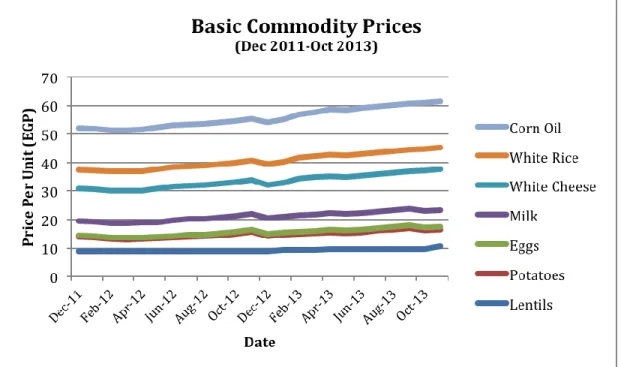
Figure 1. Basic Commodity Prices (Dec 2011 - Oct 2013) _______________________________ 8
Figure 2: Basic Commodity Prices on a Quarterly Basis (Jan 2011 - Oct 2013) _________ 8
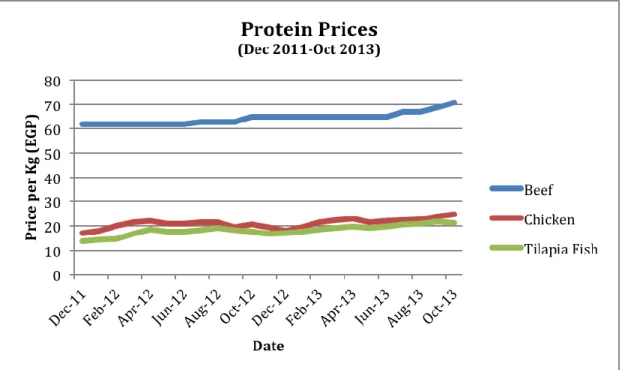
Figure 3: Protein Prices (Dec 2011 - Oct 2013) ___________________________________________ 9
Figure 4: Protein Prices on a Quarterly Basis (Jan 2011 - Oct 2013) _____________________ 9
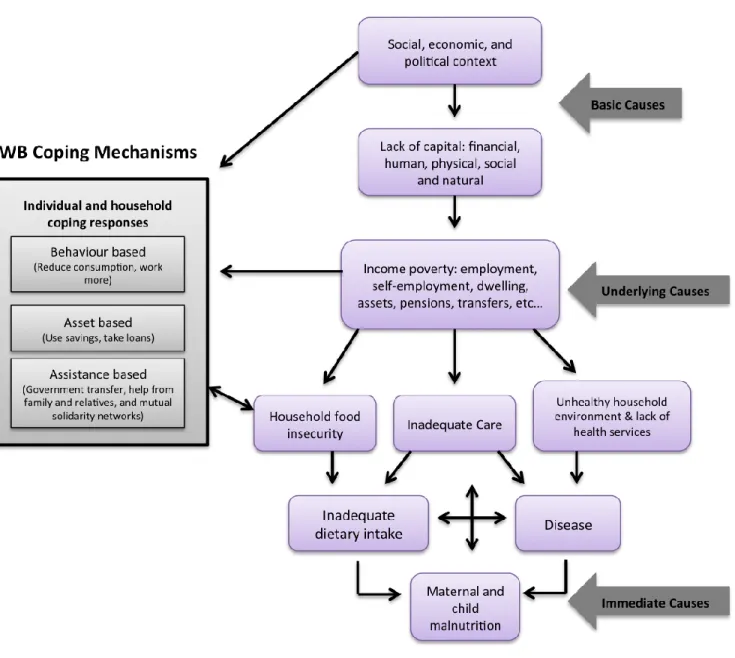
Figure 5: Adapted Conceptual Framework _______________________________________________ 26
LIST OF ACRONYMS
ARC Agricultural Research Center
CAMPAS Central Agency for Public Mobilization and Statistics EDHS Egypt Demographic and Health Survey
EU European Union
FAO Food and Agriculture Organization of the United Nations FBDG Food-Based Dietary Guidelines
GNP Gross National Product
HIECS Household Income, Expenditure, and Consumption Survey
HDI Human Development Index
ILO International Labor Organization
IFPRI International Food Policy Research Institute IRIN Integrated Regional Information Networks
MDG Millennium Development Goal
MoHP Ministry of Health and Population
NGO Non-governmental Organization
NNI National Nutrition Institute
UN United Nations
UNDP United Nations Development Programme UNICEF United Nations Children’s Fund
USD United States Dollar
WB World Bank
WFP United Nations World Food Programme
I.
INTRODUCTION
According to the WFP (2013), Egyptian households have been exhibiting higher rates of income poverty and food insecurity, problems that can no longer afford to go unnoticed. This study aimed to achieve a thorough understanding of the experience of food insecurity in response to food crises and consequent food price increases in Egyptian households. In order to paint the full picture, one must look to the history of food insecurity and the many remedial measures and promises that have been made in response to the worldwide phenomenon. More than fifteen years ago, world leaders at the World Food Summit declared,
We pledge our political will and our common and national commitment to achieving food security for all… We consider it intolerable that more than 800 million people throughout the world, and particularly in developing countries, do not have enough food to meet their basic nutritional needs. This situation is unacceptable.
- World Leaders at the World Food Summit, FAO 1996 As people in the developing world continue to suffer from extreme rates of disparate poverty, hunger and malnutrition, one can argue that the international community has so far failed in achieving what it set out to achieve several years ago. Seventeen years after the establishment of the Special Programme for Food Security – an initiative launched to combat hunger and malnutrition through comprehensive national and regional programmes – and fifteen years following the World Food Summit, hosted by the Food and Agriculture Organization (FAO) and attended by the European Union (EU) and several United Nations (UN) agencies, where world leaders declared full commitment to achieving food security for all and reducing the number of undernourished people by 50
percent by 2015, as of 2010, the number of undernourished people has increased to nearly 1 billion (FAO, 2011). Entire households are still being stripped of their basic human right to food as a result of rampant poverty, poor government policies, and ineffective mitigation of risks that accompany global crises. Only when governments and development practitioners can ensure that all human beings, regardless of socioeconomic status, are granted this accessibility, can economic, social and political development be pursued and deemed truly effective. Nations must engage in good “food security
governance”, which as defined by the FAO constitutes the network of formal and informal rules and processes through which decisions related to food security in a country are made, implemented and enforced, taking into account the interests of different societal actors (FAO, 2011).
The average Egyptian has been reported to spend more than 40 percent of his/her income on food and in 2011, 13.7 million Egyptians were still suffering from inaccessibility unaffordability or inadequacy of food (WFP, 2013). Scholars have found that households employ poor dietary coping strategies which have made way to a phenomenon Darnton-Hill & Cogill (2010) refer to as “the double burden of malnutrition”, whereby members of a population are increasingly at risk of obesity,
diabetes and other non-communicable diseases while others continue to suffer from undernourishment and malnutrition. Weak public health systems, urbanization and shifting diets, lead to the simultaneous occurrence of both over-nutrition, defined by Barrett et al. (2012) as “overconsumption of specific nutrients … [manifested] as
overweight or obesity” and under-nutrition – defined by the UNICEF as the outcome of insufficient food intake and onset of infectious diseases (Kennedy, Nantel & Shetty,
2006). According to Egypt’s 2012 Nutrition Landscape Report, the double burden of malnutrition has become increasingly apparent in Egypt as well. For these reasons, the issue of rising commodity prices is of critical importance to actors in the development arena.
As Mousseau (2009) asserts, food policies must begin to address “hunger at scale”
by coming up with novel ways to solve the problem of food price volatility while urging states to play a more active role in ensuring widespread food security. Given the social unrest and conflicts that often emerge as a result of food and nutrition insecurity, as the world witnessed during the food crisis riots of 2007 and 2008, standing idle is no longer an option (FAO, 2011). This study aims to gain a deeper understanding of changes to
children’s health and nutrition in the face of food price fluctuations by addressing the problem of food insecurity among lower-income households in urban poverty pockets of Greater Cairo. The first chapter of this work, which began with the above introduction to the topic, subsequently discusses the problem this research addresses, then moves on to the background and socioeconomic context surrounding the problem in Egypt and concludes with the study’s objectives. The second chapter covers food prices and food security, providing a brief overview of each variable and their relationship to each other. The third chapter outlines the methodology of the research and the fourth, discusses the conceptual framework – as informed by the UNICEF, the World Food Programme and the World Bank – used to analyze the collected data. Chapter five provides a review of the literature, identifying gaps in current scholarship and ways by which this study has attempted to at least address some of those gaps. Chapter six – findings and analysis – is divided into two sections, the first a desk review providing an overview of secondary data
on the topic and the second, a discussion of the results of the primary research, analyzing them in relation to previously discussed literature. The final chapter concludes and provides recommendations on future plans of action.
Problem Statement
Research carried out by the WFP in 2013 revealed that Egyptian households in the lowest income category were most vulnerable to food price shocks, given their high expenditure on basic food items, which accounted for more than 50 percent of their household spending. The 2012 Egypt Nutrition Landscape Analysis Report found that the major problems faced by youth and young adults are under- and over nutrition with 15 and 16 percent of young males and females, respectively, at risk of becoming overweight. Urban residence has exhibited a stronger association with higher rates of obesity (ibid.). The report found that households were food insecure as a result of low income, high food prices and poor dietary practices (Egypt Nutrition Landscape Report, 2012). The report also asserts that Egypt, like many other developing countries, suffers from the aforementioned double burden of malnutrition. Hawkes (2007) claims that over 10 percent of Egyptian households consist of both a stunted child and an overweight mother. Men and women living in urban areas were found to be at a higher risk of obesity than their rural counterparts (Egypt Nutrition Landscape Report, 2012). A joint report by the International Food Policy Research Institute (IFPRI) and the WFP asserts that child malnutrition has also grown in urban areas, with the 2011 Household Income, Expenditure and Consumption Survey (HIECS) reporting that 39 percent rate of stunted children reside in urban Upper Egypt (HIECS, 2013).
In order to gain a better understanding of the problem of growing food insecurity in Egyptian households, it is important to address the attitudes and behaviours that give rise to malnutrition and the reasons behind them. A special focus must be placed on households that have exhibited unprecedented rates of vulnerability in response to food price changes in the years after the global food crisis in order to come up with preventative measures to avoid further decline in food security. This study aimed to understand the coping strategies employed by Egyptian low-income households in response to food price fluctuations, making use of qualitative research techniques and focusing on Manshiet Nasser, one of Greater Cairo’s urban poverty pockets (WFP, 2013). The study focuses on the period of time following the 2008 global food crisis, namely after the January 25 Revolution, looking at subjective experiences of food price changes and their impact on household coping to gain an in-depth understanding of the problem at hand.
Background and Socioeconomic Context
Considered one of the most populous countries in the world, according to 2013 data from Central Agency for Public Mobilization and Statistics (CAMPAS), Egypt’s population is
now estimated at 83,667,047 people, with informal sources citing numbers well over 90 million (CAPMAS, 2013). Of those, 57 percent live in rural areas and 43 percent in urban areas, while an approximate 11 percent of Egyptians live in Cairo. Egyptians 19 years of age and younger comprise more than 40 percent of the country’s population (CAPMAS, 2013). Given the large number of youth in the country, problems that affect youth should be of prime importance to policy makers and development practitioners.
The political scene in Egypt became turbulent during and in the years following the January 25 Revolution. Starting in late January 2011, the country witnessed one of the largest popular movements known to Egypt’s history. In a span of two weeks, anti-government activists staged unprecedented demonstrations across almost all governorates. On February 2011, President Hosni Mubarak resigned and handed power over to the Supreme Council of the Armed Forces which would lead a transition government for almost four months before widespread demonstrations called for its suspension. The Muslim Brotherhood’s presidential candidate, Mohamed Morsi, was sworn into presidency in June 2012 and after issuing decrees to strip the judiciary of its powers, pushing for a constitution refuted by many and neglecting issues of public concern, he faced much public dissent. Government paralysis and inefficiency caused serious losses to the Egyptian currency and caused delays to a much-needed IMF loan (BBC, 2014).
As the world’s largest wheat importer, Egypt’s supply of imported food
commodities such as wheat, faces high risk in the face of global price fluctuations (WFP, 2013). The sudden increases in food prices can be best exemplified by the Food and
Agricultural Organization’s (FAO) commodity price indices, which rose inclusively by 9 percent in 2006, 24 percent in 2007 and then soared by 51 percent in 2008 (Darnton-Hill & Cogill, 2010). The world has faced higher food and fuel prices since 2005 with the FAO price index of cereal having more than tripled between 2000 and 2008 (Brinkman et al., 2010). Staples such as rice, corn, wheat, oil, and sugar increased by an average rate of 24 percent in 2007 with oil increasing by 87 percent, dairy by 58 percent, and rice by 46 percent (Christian, 2010), reaching five times its 2003 price. Additionally, beef and
poultry prices were reported to have doubled (Cohen & Garrett, 2010). Egypt is a net food importer for more than half of its wheat and more than 20 percent of all food consumed by its population (FAO, 2011) and this, in addition to factors such as currency devaluation and economic crisis, has led to extreme vulnerability to international price fluctuations, with the World Bank placing Egypt among the most vulnerable countries (Ghoneim, 2012). After the January 25 Revolution, namely between July 2012 and July 2013, in addition to a weak political system, the Egyptian economy reached record lows with the Egyptian pound having depreciated by 10 percent, leading to an increase in local market prices despite relative stability in global markets (FAO, 2013).
Figure 1. Basic Commodity Prices in Egypt (Dec 2011 - Oct 2013)
Source: Figure compiled by the author using CAPMAS data
Figure 2: Basic Commodity Prices on a Quarterly Basis in Egypt (Jan 2011 - Oct 2013)
Figure 3: Protein Prices in Egypt (Dec 2011 - Oct 2013)
Source: Figure compiled by the author using CAPMAS data
Source: Figure compiled by the author using CAPMAS data
According to the FAO Egypt Country Brief (2013), food prices in urban governorates increased more than in rural governorates. Coupled with an increase of almost 40 percent in poverty rates between 2009 and 2011, Egypt has witnessed a marked shift in the number of food-insecure people from rural to urban areas of Greater Cairo, with almost 3.5 million urban dwellers reported to be both poor and food insecure. In 2002, the number of people living in extreme poverty had decreased in relation to their 1993 values, yet the urban share of those within the extreme poverty category had increased from 19 to 25 percent with the number of urban poor increasing by an estimated 300 million (Cohen & Garrett, 2009). Consequently, as noted by the head of the World Food Programme, global food price increases represent a “silent tsunami of hunger” (Rodriguez-Takeuchi and Imai, 2013).
Egypt’s 2011 HIECS found that compared to 19.6 percent in 2005 and 21.6 percent in 2009, income poverty – defined by the World Bank as incomes below USD 1.25 per day – had risen to an unprecedented 25.2 percent in 2011. The 2013 HIECS reported a
rate of 26.3 percent. In Greater Cairo in particular, the poverty rate rose from 10 percent in 2011 to 18 percent in 2013. The rate of those who were both income poor and food insecure – a state which the World Health Organization (WHO) defines as either poor access to food, poorly use of it, or an inability to afford it – increased from 14 percent in 2009 to 17.2 percent in 2011 (IFPRI & WFP, 2013). Egyptians in low-income categories have been found to devote a larger portion of their household expenditure to food purchases and are thus inevitably more vulnerable to food price fluctuations (WFP, 2013). Households are now adopting Western-style diets, increasing their intake of refined carbohydrates, saturated fats, and sugars, which have all increased the risk of being overweight and developing chronic nutrition-related diseases (Egypt Nutrition Landscape Report, 2012). According to the WHO’s 2012 national STEPwise survey, implemented by the Ministry of Health and Population (MoHP) in collaboration with the Egypt WHO country office, an estimated two thirds of the Egyptian population (62 percent) are overweight and one third (31 percent) is obese (WHO, 2012). About 40 percent of the Egyptian population suffers from high blood pressure and 37 percent from high cholesterol (ibid.). In addition to widespread malnutrition and food insecurity, children are exhibiting increasingly substandard nutritional statuses (ibid.). Malnutrition in Egypt is on the rise with the rate of stunting in children under five found to be approximately 31 percent in 2008, up from 23 percent in 2005, which according to the WHO falls within the “high” range (Immenschuh, 2013). The 2008 Egyptian Demographic and Health Survey (EDHS) matched these findings, reporting that an estimated 29 percent of children under five were stunted and 14 percent were severely stunted. According to the WFP, “Stunting, reflecting chronic malnutrition is irreversible
and stops children [from] reaching their full physical and mental potential.” The
proportion of children found to be wasted and underweight was higher than in either of the two earlier EDHS surveys (2000 and 2005).
In a 2011 study conducted by the WHO across nine governorates, over 50 percent of children less than five years of age were found to suffer from anemia, classified as a
‘severe public health problem’ by the WHO. Five 5 percent of young males aged 10-19 and 6 percent of young females were classified as overweight while 15 percent and 19 percent, respectively, were considered at risk of becoming overweight (EDHS, 2008). The proportion of both males and females classified as overweight and at risk of being overweight were higher among urban residents relative to rural ones (ibid.).
There are a large number of public and non-profit initiatives whose work aims to reduce food insecurity and malnutrition in Egyptian communities. However, many of these initiatives are either short-sighted or poorly targeted. In 2008, the Egyptian government attempted to remedy the negative impacts of rising food prices on poor households by expanding the food subsidy programme – bringing the total number of beneficiaries to 63 million (80 percent of the population at the time) – but poor targeting has led to leakage and left services inaccessible to some of the most vulnerable households (FAO, 2009). According to a 2013 report by IFPRI, although an estimated 70 percent of the population receives food ration cards, 19 percent of the most vulnerable Egyptians are excluded. Sabry (2010) argues that the rations are meant only to ensure that the poor receive enough calories, with little regard to actual nutritional value. The United Nations Food and Agriculture Organization (FAO) recently initiated a $3 million project designed to improve food security and nutrition of Egyptian women and youth through
initiatives related to food production, education and capacity building. The initiative involves developing Junior Farmer Field and Life Schools and Community Model Gardens to grant women and youth the means to manage their own food production (UN News Service, 2012). The WFP has been operating in Egypt since 1968 and has thus far, provided well over 681 million USD in efforts to improve food security, nutritional status and grant opportunities to the population’s most vulnerable factions, with a specific focus
on assisting women and children.
Food Prices and Food Security
The Food Security Framework, as agreed upon by the Committee on World Food Security, defines food security as a state in which “all people, at all times, have physical,
social and economic access to sufficient, safe and nutritious food which meets their
dietary needs and food preferences for an active and healthy life” (WFP, 2013). Food
access is dependent upon two factors, food availability – either through market supply or self-production – and affordability (Bloem, Semba & Kraemer, 2010). However, it is important to note that as Darnton-Hill and Cogill (2010) argue, simply ensuring access to adequate amounts of food does not translate to optimal nutrition and sufficient intake of essential nutrients. Inadequate macronutrient intakes and unbalanced diets can be attributed to cultural malpractices and the higher costs of nutritious foods (Cavatorta and Pieroni, 2012). Darnton-Hill and Cogill (2010) claim that the international community’s
continued emphasis on increasing yields of staple foods is insufficient in solving the problems of food insecure nations. Nutrition is gaining importance as a key determinant of chronic disease and has serious implications on health throughout an individual’s life.
The global food crisis that began in 2006 and continued until 2008 shifted
policy-makers’ agendas and incited interest in food policy formulation and implementation that
would combat the negative consequences that ensued, in both developed and developing countries (Ghoneim, 2012). Those most powerfully hit by the crisis came from the most vulnerable households and as the United Nations Secretary General exclaimed in 2008,
“The threat of hunger and malnutrition is growing.” Dietary adjustments that occur as a result of changes to one’s external environment – such as in the case of rising staple food prices – can influence present health and also determine an individual’s chances of developing chronic illnesses later on in life (WHO & FAO, 2003). As Sabry (2010) asserts, lack of sufficient nutrition for children can impair their mental development and learning and hence further the inter-generational transmission of poverty.
Study Objectives
This study aims to investigate coping strategies employed by low-income households in Greater Cairo in response to rising food prices and their implications on children’s food
security, through a thorough investigation of the following:
1. The extent to which food prices in Egypt have changed over the past 5 years (2009-present),
2. How food prices influence the food choices, eating behaviours, and consumption patterns of households under review,
3. How these dietary coping strategies and modified eating behaviours affect the nutritional intake of children,
4. The changes in children’s nutritional intake and their effects on the overall food security of Egyptian children in urban low-income households.
The study argues that lower-income households exercise poor coping strategies vis à vis rising food prices which leaves children at a heightened risk of food insecurity and malnutrition and as a result, a higher likelihood of suffering from the double burden of poverty.
II.
METHODOLOGY
This study was guided by the frameworks and models used in a comprehensive research
project carried out by the World Bank (WB) titled, “Living through Crises: How the Food, Fuel, and Financial Shocks Affect the Poor” (2012), which will be discussed in subsequent sections. Many of the research methods employed have also been borrowed from the WB studies on coping strategies of vulnerable groups in times of crises, through the use of qualitative research designs.
Study Framework
In the WFP’s 2013 report on the Status of Food Insecurity in Egypt, pockets of poverty in urban areas of Greater Cairo were found to exhibit very high rates of food insecurity, with rates comparable to those found in Assiut, the Egyptian governorate thought for years to be the most vulnerable to food insecurity (WFP, 2011). The households included in this study were recruited from Manshiet Nasser, an urban poverty pocket in Greater
Cairo. Manshiet Nasser is considered to be one of Cairo’s largest informal settlements
and has a population of an estimated 1 million people (Bahrinipour et al., 2010). Urban poverty pockets of Greater Cairo have been found to suffer from an increasing number of income poor and food insecure people while all areas of Egypt have exhibited high rates of obesity and anemia, especially in children, with anemia in children found to increase with income poverty (WFP, 2013). All areas of Greater Cairo have also exhibited a gradual increase in food and other commodity prices since the 2011 revolution (CAPMAS, 2013).
Research Methods
A preliminary desk review of secondary research was carried out prior to any fieldwork, as will be discussed in Chapter Six of this paper. Once fieldwork commenced, participant observation was used to scan the neighborhoods in which the study was conducted and familiarize the researcher with the settings and local focal points through which the
communities were reached, the Dwei’a family healthcare center, Sheikh Zayed Hospital –
located in Manshiet Nasser – and Bedaya, a local NGO. Secondary research in the form of a desk review of previously conducted studies and surveys was carried out to map past and current trends in consumption patterns and dietary behaviours of Egyptian households. Secondary analysis is based mostly on data generated from the Household Income, Expenditure and Consumption Survey (HIECS), WFP Egyptian Food Observatory reports, and surveys carried out by the Egyptian National Nutrition Institute (NNI) and Agricultural Research Center (ARC).
The study aimed to gain a deeper understanding of food insecurity in urban areas of Greater Cairo through the use of qualitative research. Research consisted of 26 semi-structured open-ended interviews, two focus group discussions, all of which were carried out with mothers from low-income households residing either in Dwei’a or Manshiet
Nasser, and three key informant interviews. One focus group discussion consisted of twelve women and took place at the Sheikh Zayed hospital and the second consisted of six mothers and took place at the family healthcare center. Key informants interviewed included an employee in the Social Services Department at Sheikh Zayed Hospital, the
Cairo Governor’s Policy Advisor on Informal Areas, and a co-founder of ‘Bedaya’, an
audiotaped, upon receiving approval from the study participants, to facilitate subsequent transcription. The Consultant of Pediatrics at the Egyptian National Nutrition Institute (NNI) as well as the Head of the Social Services Unit at Sheikh Zayed hospital assisted in the recruitment of mothers at the hospital and family healthcare center. The co-founder of
the ‘Bedaya’ recruited women who were known to the NGO and made use of its services
on a regular basis.
Qualitative research was used to gain a case-specific understanding of behavioural-based coping to food crises. The interview guide was created with the assistance of the Consultant of Pediatrics at the NNI who has dealt with similar households and topics in the past and was able to provide advice and guidance, in order to ascertain the appropriateness of questions. The Consultant of Pediatrics actively contributed to the research process and took part in one of the focus group discussions and select interviews to provide guidance when needed. When conducting the interviews and discussions, follow-up questions were asked whenever additional information or explanation was required to ensure that the information was clear and complete. Field notes were taken while and after interviews took place to ensure that initial thoughts and analyses were accounted for and later revisited. The mothers were provided with a verbal explanation of the study by both the Principle Investigator as well as staff from the healthcare center, hospital and NGO, prior to commencement of the interview, at which time they were given the opportunity to ask questions or opt out of the study. Mothers who agreed to take part signed an informed consent form. Approval from the Institutional Review Board (IRB) was granted prior to any data collection.
Analysis
A combination of open, axial, and selective coding was used (Strauss, 1987). Coding was used to allow for critical thinking and analysis during the process. Data was coded based on common linguistic indicators (open), similar underlying meanings or implications, which formed larger concepts (axial), and finally, themes – through analysis of the connections between the different concepts (selective) (Strauss, 1987). Once the qualitative research was analyzed, comparisons and contrasts were drawn, where possible, between trends found in other studies and the results obtained from the primary qualitative research.
Sampling
The study sample consisted of mothers from low-income households in urban areas of Greater Cairo. Following the qualitative tradition, the study used a non-probability purposive sample and sampling continued until data saturation was reached, the point at which no new information materialized. Data collection and data analysis were carried out simultaneously. At some points, snowball sampling was used to allow study participants to refer to others who were willing to participate. Each participant was given a complementary gift package consisting of picture booklets, stickers, and coloring pencils for children, as a gesture of thanks for taking part in the study.
The research generated evidence on mothers’ perceptions and opinions of proper
nutrition and current food price fluctuations in Egypt. It pursued a deeper understanding of household coping strategies in response to food price increases such as decreasing meal sizes, eliminating meals, replacing food groups, adopting purchasing or cooking methods that would not have regularly been used, or resorting to alternative sources of
income. The interviews also asked questions related to food purchasing habits (i.e. considerations and priorities when purchasing food for children), cooking methods and proportion of foods eaten outside the home – reliance on junk food and street vendors.
Limitations of the Study
The initial plan for this study was to conduct interviews in Kerdasa and Al-Waraq, two areas in Greater Cairo identified as newly emerged pockets of poverty by the WFP (2013). However, due to security and safety concerns, the study was instead carried out in Manshiet Nasser, an area also considered to be low-income and of similar socioeconomic profile as the originally intended target areas. Also, due to the currently turbulent political situation in Egypt, the interviews and focus group discussions were
carried out in the Dwei’a Family Healthcare Center, Sheikh Zayed Hospital and Bedaya –
an NGO located in Manshiet Nasser – to avoid any security issues. This could be considered a deficiency since the research could ultimately be neglecting mothers who reside farther away from the center, hospital, or NGO and those who do not make use of their services. The Head of the Social Affairs Department in Sheikh Zayed hospital was present during the two focus group discussions and ten out of the twenty-one interviews carried out in the hospital and family healthcare center. Participants may not have felt comfortable sharing certain information and this could have led them to withhold information important to the present study.
Reflections on the Research Process
I am aware that as a researcher, I am an active part of the research and to the respondents, represented a social reality that was quite different than their own, and this in itself could have influenced the direction of the research (see for example Marshall and Rossman, 2011). The data collection process revealed a great deal about the inhibitions of study participants and their personal worries and distresses as well as complex cultural obstacles that present themselves when carrying out research in Egypt. Upon arriving at the Sheikh Zayed Hospital, it became automatically clear that patients and employees viewed me as an outsider, gazing over with inquiry and interest. The Head of the Social Services Department took me around her office, introducing me to hospital staff as “Dr. Radwa, from the Ministry of Health”. When I asked why I had to be introduced in this way, she claimed that if I had been introduced simply as “Radwa from the American University in Cairo,” staff would have been reluctant to speak to me and would have wondered why a student was coming to study them. Staff greeted me with smiles,
wide-eyed with fascination. I was met with very similar reactions at the Dwei’a Family
Healthcare Center, where staff were extremely welcoming. It was obvious that the social worker was acquainted with almost all hospital and center staff and had managed to maintain positive relationships with all of them.
As I conducted the interviews, it became progressively more apparent that most mothers were seeking a channel through which to express themselves and their everyday stresses. While women would seem reluctant disclosing certain information or admitting difficulties in providing the right food for their children at the start of interviews, many
were showing more comfort in discussing their vulnerabilities, as the interview
progressed. One mother began the interview asking, “This isn’t going to be on television or anything is it?” then later became fully engaged in the discussion, disclosing her worries about the inability to provide for her children. I connected with the mothers on a very personal level and found myself reacting not only mentally, but also emotionally to their responses. While some mothers cried, some laughed and others, more hesitant to explicitly express such emotions, conveyed their feelings non-verbally, through their eyes and facial expressions.
At the Dwei’a Family Healthcare Center, staff insisted on offering me tea and
juice, and one of the days even brought me breakfast – after I had respectfully declined more than four offers – and sat around me to eat. As we sat around each other eating foul
sandwiches, the staff discussed common eating behaviours and problems related to diet, with one of the social workers claiming that the main reason for poor diets was the lack of awareness in their community. At the Bedaya office, interested staff members asked questions about the study and suggested that nutrition awareness sessions be carried out with mothers who used their services, also arguing that lack of awareness was a major contributor to nutritional problems.
Despite difficulties that often accompany the research process, whether related to cultural tendencies, appearances, or general inhibitions, probing the lifestyles and day-to-day hardships of families living in alternate social realities presents a rich source of insight. This experience revealed that research goes beyond simply collecting data and presenting results in that it helps paint a clearer picture of reality and come up with viable
and culturally acceptable solutions to everyday hardships.
III.
CONCEPTUAL FRAMEWORK
The conceptual framework of this study is informed by the UNICEF Malnutrition Framework, the WFP Coping Strategies Index and the World Bank Coping Mechanisms
Framework used in the WB study on “Living through Crises”. The UNICEF Malnutrition Framework was developed in 1990 and is often used as a guide to assess and understand the causes of nutritional problems and identify remedial actions (UNICEF, 1998). The WFP Coping Strategies Index is built around a “behavioural approach” based on the
understanding that there are common behavioural responses to food insecurity that are used to manage household food and dietary habits (Carletto et al., 2013). Research by the World Bank set out to investigate the ways by which people lived through, were impacted by and coped with the global crises as they unfolded from 2008 to 2011 and categorized them into behaviour-based, asset-based and assistance-based responses (Heltberg et al., 2012). The following sections will discuss each of the models and frameworks in depth and will conclude with an illustrative representation of the frameworks, combined and adapted, as they will be used in the present study.
UNICEF Malnutrition Framework
The UNICEF conceptual framework on the causes of childhood malnutrition is centered on the social determinants of nutrition, at the societal and household level. The structure of society and the processes within it are what dictate the resources that are made available to households and the ways by which they can be allocated. Basic societal
causes can include anything from the political, social and economic situation in the country to its effects on income, employment or lack thereof, and availability, accessibility, and price of foods. Basic causes make way to underlying causes, which affect communities and households. The knowledge level and attitudes of household members affect their choice of foods, access to food, and childcare practices. Household-level coping in response to external shocks can then determine the adequacy of dietary intake and probability of disease at the individual-level. This study is concerned with the relationship between basic causes, namely income poverty and food prices, the underlying causes, specifically household food insecurity and the risks that heterogeneous household coping mechanisms pose to children’s nutrition.
WFP Coping Strategies Index (CSI)
In investigating the different coping strategies, this study will refer to the model used in the World Food Programme’s Coping Strategies Index (CSI), an indicator of household food insecurity. Although the CSI uses numeric scores and quantitative measures to assess the level of food insecurity in a household, this study will only draw on the qualitative aspects of the model (Maxwell and Caldwell, 2008). The model is based on the basic premise that when people do not have enough to eat, they employ various coping strategies or behavioural responses in order to limit the negative impacts of sudden shocks to their environments (ibid.). Maxwell and Caldwell (2008) report that previous assessments carried out using the CSI have presented four typical consumption coping strategies that households use when faced with food insecurity; Households may change their diets, resort to short-term income-enhancing strategies such as borrowing or purchasing on credit, reduce the number of people they have to feed, or ration food, by
either reducing portion size or number of meals or favoring certain household members over others (ibid.). The model assumes that the primary decision-maker in a household is usually a woman and claims that the more people have to “cope”, the less food secure they are considered (ibid.).
World Bank Coping Mechanisms
In order to classify and analyze the various coping mechanisms, this study will refer to
the conceptual framework used in the World Bank’s Living Through Crises publication. The framework, which follows a similar progression as the UNICEF model, makes the distinction between three major categories of coping: behaviour-based – changes related to consumption and employment, asset-based – use of savings or loans, and assistance-based – resorting to family, friends, community solidarity networks or government
Figure 5: Adapted Conceptual Framework
IV.
COPING STRATEGIES AMONG THE POOR: A REVIEW OF
THE LITERATURE
This chapter provides an overview of current literature on behavioural coping strategies – whether food or non-food related – in times of crises as they relate to food security. The first section provides a general understanding of current dietary trends that have emerged as a result of food price increases. Trends and themes such as the double burden of malnutrition, the urbanization of poverty and food insecurity, common coping mechanisms, dangerous eating behaviours, intra-household distribution and livelihood diversification will be discussed. The second section covers country-specific examples, namely households in developing countries, coping strategies employed during food crises and what authors have argued in terms of their affect on household food security. The third and final section identifies gaps in the current literature and ways by which this study intends to address some of them. The comparison was made between developing countries with Human Development Indices comparable to Egypt, which as of 2013 had a Human Development Index (HDI) of 0.662 (Malik et al., 2012). The HDI, used by the United Nations Development Programme (UNDP) combines three indices, life expectancy, education and income, to come up with a consolidated score for each country. Using the HDI allowed for parallel comparisons to be made in order to avoid misleading results.
Rising urbanization in the developing world has led to a conflicting relationship, one characterized by a shift toward high obesity rates and noncommunicable diseases in the midst of populations that still suffer from undernutrition and poverty-related diseases,
what the world has come to know as the “double burden of malnutrition” (Popkin, 2000). Recent findings have shown that urban residence is correlated with a heightened risk of obesity (Galal, 2002) where obesity was twice as prevalent in urban areas in relation to rural areas of China and Indonesia and six times as prevalent in urban areas of the Congo (Popkin, 2000). According to a 2006 study examining the double burden of nutrition in six countries, urban populations are shifting from primarily plant-based diets to diets with greater intake of meat, dairy, animal fats and vegetables oils (Kennedy, Nantel & Shetty, 2006). Hawkes (2007) claims that the second most important global nutritional trend apparent from the 1980’s through to the 2000’s is the rise in the proportion and absolute
number of people who are overweight or obese. Overweight and obesity are increasing in urban areas of many developing countries such as India, where one-fifth of all children in New Delhi have been reported to be either overweight or obese.
Households in lower-income countries are now able to afford a much larger proportion of energy from fat than they could in the past, even at a constant Gross National Product (GNP) (Popkin, 2003). In addition to rapid urbanization, dietary shifts were attributed to reduced prices, whereby authors have found that diets high in fat were much more affordable than they were 30 years before the study was conducted (Kennedy, Nantel & Shetty, 2006). As Drewnowski and Darmon (2005) found in a study of food price structure, sweet high-fat foods provide the most dietary energy at the lowest cost. Popkin (2003) argues that modern-day societies in developing countries have adopted
Western-style diets, characterized by high consumption of saturated fats, sugars, refined foods and low consumption of fiber. Rates of overweight in 2003 in developing countries such as Mexico, Egypt and South Africa were either equal to or greater than those in the United States.
Verpoorten et al.’s (2013) study on self-reported food insecurity of more than 50,000 people in 18 Sub-Saharan African countries between 2005 and 2008 revealed that although rural dwellers benefited from high food prices as a result of agricultural accessibility, urban dwellers were negatively impacted. This difference was especially strong for groups who were already severely food insecure, with a reported increase in food insecurity of 7.8 percent in urban areas in relation to a decrease of 9.2 percent in rural areas (ibid.). The findings were consistent with the majority of studies reporting that the food insecurity of urban households is more sensitive to food price fluctuations (ibid.). Brinkman et al. (2010) found that the larger the proportion of total expenditure spent on food, the greater the consequent effects of food price changes and in turn, the greater the importance of affordability on household consumption patterns and nutrition. The consequences of such changes are most felt by households in low-income, food-deficit countries where studies have found that a 50 percent rise in staple food prices translates to a 21 percent increase in total food expenditure (Darnton-Hill & Cogill, 2010). On the opposite side of the coin, data from the 2011 Gallup World Poll, a survey on self-reported food security in the developing world over the period 2005-2010, indicated that in spite of variation across countries, food insecurity decreased drastically from 2005 to 2008 (Verpoorten et al., 2013). However, according to Verpoorten et al.
figure for each country in the sample, disregarding the distinction between urban and rural areas, for example. Headey and Fan (2008) concluded that the relationship between rising food prices and welfare depends on the number of vulnerable within a population and whether these groups are net buyers or sellers of food.
Although there have been emerging epidemics of diabetes, hypertension and coronary problems – all diet-related chronic illnesses – (Popkin, 2000) malnutrition
among urban poor in developing countries dating back to the 1990’s has increased their
risk of infectious diseases such as diarrhoea and measles (Stephens, 2000). Past as well as recent studies are in agreement that problems such as hunger, malnutrition and poor nutritional status were further exacerbated in 2007 and 2008 as a result of high food prices (Brinkman et al., 2010).
Authors argue that when faced with financial difficulties, households already considered to be food insecure have been found to employ nutritionally detrimental and sometimes dangerous coping strategies. Employing regression analysis using food consumption scores, Brinkman et al. (2010) found that with rising food prices, dietary diversity, quality and quantity of food decline, most notably in the poorest and most vulnerable areas. Households have been found to respond to food price increases by adopting rationing strategies and changing dietary habits, namely, purchasing cheaper calorie-dense but nutritionally inadequate foods and decreasing intake of certain food groups (WFP, 2013). Previous research has found that dietary quality and diversity are the first line of defense when external shocks present themselves. Diets begin to exhibit reduced diversity, decreased nutrient intakes and inequities in food distribution at the household-level (Darnton-Hill & Cogill, 2010). The most common behavioural responses
to rising food prices, as shown in the World Bank’s study of seventeen countries, were
reducing food quality and reducing the number of meals (Heltberg et al., 2012).
Stamoulis et al. (2004) found that dietary changes included reduced intakes of complex carbohydrates and fibers – necessary for optimal digestion – and reduced fruit and vegetable intakes. Stamoulis et al. (2004) found that urban diets were higher in sugar and salt content and contained larger portions of meat products than rural diets. Vulnerable households often resorted to foods that would satisfy their hunger for longer periods of time with little or no regard to nutritional content, which can potentially increase their susceptibility to illness, exacerbate poor academic performance and lower productivity (Stamoulis et al., 2004). In Bangladesh and Zambia, two countries characterized by severe food insecurity, study respondents frequently complained of weakness, dizziness and lack of energy (Heltberg et al., 2012).
Darnton-Hill and Cogill (2010) found that although diets change drastically, staple food consumption often remains constant, with exceptional cases demonstrating greater consumption of staple foods. Groups most affected by decreased quality of diets were those with the highest nutritional requirements, including infants and children, pregnant and lactating women and chronically ill individuals (Brinkman et al., 2010). In a number of the countries surveyed in the WB study titled Living through the Crises, youth were reported to be most vulnerable to food price fluctuations (Heltberg et al., 2012). Additionally, female-headed households were found to be at greater risk in the face of food price increases since an even larger portion of their income is spent on food (Cohen & Garrett, 2010).
Although the façade of food security may exist at the household level, unequal distribution of food within the household can leave certain individuals severely malnourished (Cohen & Garrett, 2009). Authors have noted that mothers especially are at a greater risk of poor nutrition and food insecurity due to their tendency to often sacrifice food when it is scarce, with males – both young and old – consuming larger shares than females. In areas of East Asia, some adults reported skipping meals to allow for their children to eat (Heltberg et al., 2012). Although sometimes both parents
prioritized their children’s eating over their own, this prioritization was less common in
families where men worked in physically demanding environments (ibid.).
Coping strategies discussed by authors did not only involve food-related mechanisms but also asset-based and assistance-based methods of coping. “Livelihood diversification” was especially prevalent among women and often involved low-return alternatives in efforts to deal with economic crises – what the authors refer to as the
“gendered dimensions of crisis coping” (Heltberg et al., 2012). The authors found that economic hardship coupled with rising food prices forced women to shift form non-paid domestic labor to regular work, most often in the informal sector. This caused them a great deal of stress since they often worked long hours away from their homes and left children under the supervision of older siblings (ibid.). Women in Bangladesh, for instance, began to gather and sell spoiled or rejected vegetables, a line of work that emerged in response to a rising demand from lower-middle-class customers who bought such vegetables as cheap alternatives to fresh produce (ibid.).
In light of increasing food prices in 2010, the World Health Organization’s Director General of Health expressed her concern, exclaiming, “The world already faces an
estimated 3.5 million deaths from malnutrition each year. Many more will die as a result
of this crisis” (Christian, 2010). Economic crises are likely to decrease intakes of vitamin-A rich foods and thus increase the risk of vitamin A deficiency (ibid.), a problem already faced by many developing countries. Cohen and Garrett (2010) found that if income remains constant, a 50 percent increase in food prices leads to a reduction of 30 percent in iron intake, which poses serious threats to health and academic performance. A striking assertion by Bloem et al. (2010)– one that policy makers must seriously take into consideration – is that current food, fuel and financial crises have arguably and will most likely continue to undo a large share of the progress made in achieving the Millennium Development Goals (MDGs). In 2009, the WFP claimed that higher food prices would set back any progress made with the MDGs by at least seven years (Clapp & Cohen, 2009).
The World Bank study on Bangladesh revealed that social assistance was inadequate in comparison to people’s needs and was insufficient in meeting new demands
that arose as a result of the financial and food crises (Heltberg et al., 2012). Common to almost all of the countries were strategies such as reducing non-food consumption, working more, and seeking alternative sources of income. Loans represented a strong coping channel but the lenders were different depending on the country in question (ibid.). In their case study of Kazakhstan, Heltberg et al. (2012) found that in response to the economic and food crises that occurred in 2008, households coped by purchasing less food, buying products on credit or removing nonessential expenses such as new clothes. However, respondents claimed that the crises had strengthened social and community cohesion since households had to rely on each other (ibid.).
Helberg et al. (2012) argue that coping responses follow a trajectory, going first through an initial wave of coping – incurring debt or reducing the quality of food – and then through a second – selling assets or increased competition in the informal sector. So, if and when national economies start to recover, the poor are still in the second phase of coping, in response to the negative impacts incurred from the first (ibid.). Studying the
poor’s response to crises revealed two important things: 1) social protection schemes are
essential and 2) social assistance programs often suffer from low generosity, poor targeting, and in some instances, an inability to sustain pre-crisis initiatives (ibid.).
Country-Specific Studies
Country studies on the coping strategies of households show similar trends relating to the adoption of energy-dense foods and the elimination of nutritious foods and meat products accompanied by declines in nutritional status of vulnerable groups. In his study on the impact of food inflation on poverty across various areas of the Philippines, Fujii (2013) found that the “poorest of the poor” were hardest hit by food inflation. According
to Fujii (2013), when food prices rise, substitution between food items was most difficult for the poor than it was for any other group since they were already consuming low, if not the lowest, quality food and therefore, had limited alternative options. In Cambodia, in response to a 100 percent increase in rice prices between 2007 and 2008, poor urban households were most negatively affected, with 12 percent of Cambodian households reported to be food insecure in 2008, most of which were urban female-headed households (Cohen & Garrett, 2010).
This trend is quite clear from analysis of data collected in Bangladesh between 1992 and 2000, where Bloem et al. (2003) found that when rice prices rose, rice
consumption remained constant but rates of underweight children increased. This phenomenon was attributed to the fact that a larger share of household expenditure was devoted to rice purchases while a lower share to non-rice commodities. This led to a negative impact on diet quality and diversity and thus had serious health implications. Data collected between 2000 and 2005 showed that Bangladeshi households that devoted higher expenditures to rice purchases as opposed to non-rice foods faced an increased risk of child stunting—low height-to-age ratio—and long-term caloric deficiency in mothers (Klotz et al., 2010). In 2008, studies carried out in Dhaka, Bangladesh revealed that poor households eliminated one daily meal and almost completely eliminated the consumption of meat, fish and eggs in efforts to cope with higher food prices (Cohen & Garrett, 2010).
Similar to studies carried out in Bangladesh, Sari et al.’s analysis of data from
Indonesian households reaffirmed the relationship between high food prices, increased expenditure on rice in relation to non-rice commodities and consequent decreases in dietary diversity followed by increased odds of child stunting and malnutrition (Bloem et al., 2010). Alternate studies found that the economic crisis that occurred in Indonesia in
the late 1990’s was the cause of increased anemia in poor urban children and data
collected later between 1999 and 2003 revealed that the risk of child stunting increased during this period due to higher expenditure on non-grain, animal-source foods (Keiss et al., 2001) or as other studies have asserted, due to reduced consumption of “high quality foods” (Darnton-Hill & Cogill, 2010). Similarly, the currency devaluation in Congo in 1994 and the price hike in imported staple foods that ensued, led to increases in rates of
wasting – low weight-to-height ratio – among mothers and rates of low-birth weight infants and stunted children (Darnton-Hill & Cogill, 2010).
Studies have revealed that aside from seeking alternatives to higher priced foods, some households even resorted to eliminating certain foods or meals completely. Surveys carried out in parts of West Africa by Oxfam and Save the Children revealed that when food prices rose, 33 percent of respondents reduced the quantities of food they consumed and 22 percent reported eliminating full meals or removing high-priced foods, even if they happened to be more nutritious (Cohen & Garrett, 2009). In the World Bank’s study
on the effects of the economic crises on vulnerable workers in Cambodia, although all
households claimed they were actively trying to meet their children’s nutritional
requirements, many households had completely eliminated fruit from their diets and replaced meat with pork fat (Heltberg et al., 2012). A study conducted in Cambodia revealed that over 50 percent of respondents cut back on food consumption in response to food price increases (Cohen & Garrett, 2010).
The relationship between higher food prices – particularly of nutrient-dense foods –
and household expenditure on food has been shown to play a major role in the coping strategies adopted by households. Consumption data from Guatemala City in 2008 found that a balanced diet consisting of all micronutrient requirements cost almost twice as much as a diet predominantly made up of staple foods and missing essential nutrients (Cohen & Garrett, 2010). According to von Braun (2008), the price of a corn tortilla-based diet consisting of key micronutrients is almost double the price of a non-nutritious tortilla and vegetable oil-based diet. Domestic and global shocks that led to a doubling of the price of wheat flour and other staple foods were found to pose serious threats to the
welfare of low-income Afghani households who have been reported to spend a large share of their household budgets on food (D’Souza and Jolliffe, 2013). As a result, 30 percent of the Afghani population falls short of their daily dietary requirements and approximately 60 percent of children suffer from chronic malnutrition.
Survey results from India in 2001 confirm the increasing prevalence of malnourished and undernourished households in urban areas (Stamoulis et al., 2004). In
Alem and Söderbom’s (2011) study on the effects of the 2008 food price shock on urban
households in Ethiopia, the authors found that increasing food prices was the most commonly referred to shock in the period 2004 to 2008 (94 percent), with 89 percent of respondents considering it to be the most instrumental shock. The authors found that poor urban households spent a larger share of their food budgets on cereals, which exhibited high rates of inflation and that the most commonly used coping strategy in the face of food price shocks was decreasing meal quantities (36 percent). The evidence showed that households headed by a casual worker and households with low assets constituted the most vulnerable to food price shocks.
Education was found to play no role in the coping strategies employed by such households (Alem & Söderbom, 2011). However, a study carried out in Colombia revealed that education plays an important role in how families cope with rising food prices (Rodriguez-Takeuchi and Imai, 2013). Families with heads of households that had higher educational levels were found to be less affected by price increases (Rodriguez-Takeuchi and Imai, 2013).
Literature on the topic has also shown that households sometimes even resort to dangerous behavioural coping strategies to food price hikes and financial shocks. The