Graduate Theses and Dissertations Graduate School
10-31-2016
The Cross-National Generalizability of
Biographical Data: An Examination within a
Multinational Organization
Adam J. Ducey
University of South Florida, [email protected]
Follow this and additional works at:http://scholarcommons.usf.edu/etd
Part of theBusiness Administration, Management, and Operations Commons, and the Psychology Commons
This Dissertation is brought to you for free and open access by the Graduate School at Scholar Commons. It has been accepted for inclusion in Graduate Theses and Dissertations by an authorized administrator of Scholar Commons. For more information, please contact
Scholar Commons Citation
Ducey, Adam J., "The Cross-National Generalizability of Biographical Data: An Examination within a Multinational Organization" (2016).Graduate Theses and Dissertations.
The Cross-National Generalizability of Biographical Data: An Examination within a Multinational Organization
by
Adam J. Ducey
A dissertation submitted in partial fulfillment of the requirements for the degree of
Doctor of Philosophy Department of Psychology College of Arts and Sciences
University of South Florida
Major Professor: Michael D. Coovert, Ph.D. Michael T. Brannick, Ph.D. Judith B. Bryant, Ph.D. Chad Dubé, Ph.D. Stephen Stark, Ph.D. William H. Young, Ph.D. Date of Approval: October 28, 2016
Keywords: personnel selection, biographical data, biodata, cross-national, test validation Copyright © 2016, Adam J. Ducey
Table of Contents
List of Tables ... iii
List of Figures ... iv
Abstract ... v
Introduction ... 1
The Strategic Importance of Personnel Selection ... 4
Personnel Selection in Multinational Organizations... 9
Multinational personnel selection strategies and work analysis. ...9
The challenges of global selection systems. ...15
The importance of culture for multinational personnel selection. ...20
The benefits of global selection systems. ...24
The Cross-National Generalizability of Personnel Selection Instruments ... 26
Cognitive ability and personality. ...28
Person-organization fit. ...31
Situational judgment tests. ...32
Biographical data. ...33
A Review of Biographical Data ... 35
What is biodata? ...35
Benefits of biographical data. ...38
Theoretical foundation of biodata. ...40
Development approaches. ...41 Scoring approaches. ...43 Conclusion ... 48 Method - Study 1 ... 50 Participants ... 50 Measures ... 51 Job performance. ...51
Biographical data inventory. ...52
Procedure ... 54 Results - Study 1 ... 60 Descriptive Statistics ... 60 Hypothesis Testing... 66 Method - Study 2 ... 82 Participants ... 82
Measures ... 83
Job performance. ...83
Biographical data inventory. ...83
Procedure ... 85 Results - Study 2 ... 89 Descriptive Statistics ... 89 Hypothesis Testing... 90 Discussion ... 108 Limitations ... 112 Future Directions ... 115 Conclusion ... 116 References ... 118
List of Tables
Table 1 - Study 1 Demographic Information by Country Cluster ... 56
Table 2 - Study 1 Descriptive Statistics by Country Cluster ... 62
Table 3 - Study 1 Biographical Data Inventory Criterion-Related Validity by Country Cluster ... 75
Table 4 - Study 1 Homogeneity of Error Variance between U.S. and Each Country Cluster ... 76
Table 5 - Study 1 Differential Prediction between U.S. and Each Country Cluster ... 77
Table 6 - Study 2 Demographic Information by Country Cluster ... 87
Table 7 - Study 2 Descriptive Statistics by Country Cluster ... 91
Table 8 - Study 2 Biographical Data Inventory Criterion-Related Validity by Country Cluster ... 101
Table 9 - Study 2 Homogeneity of Error Variance between U.S. and Each Country Cluster ... 102
List of Figures
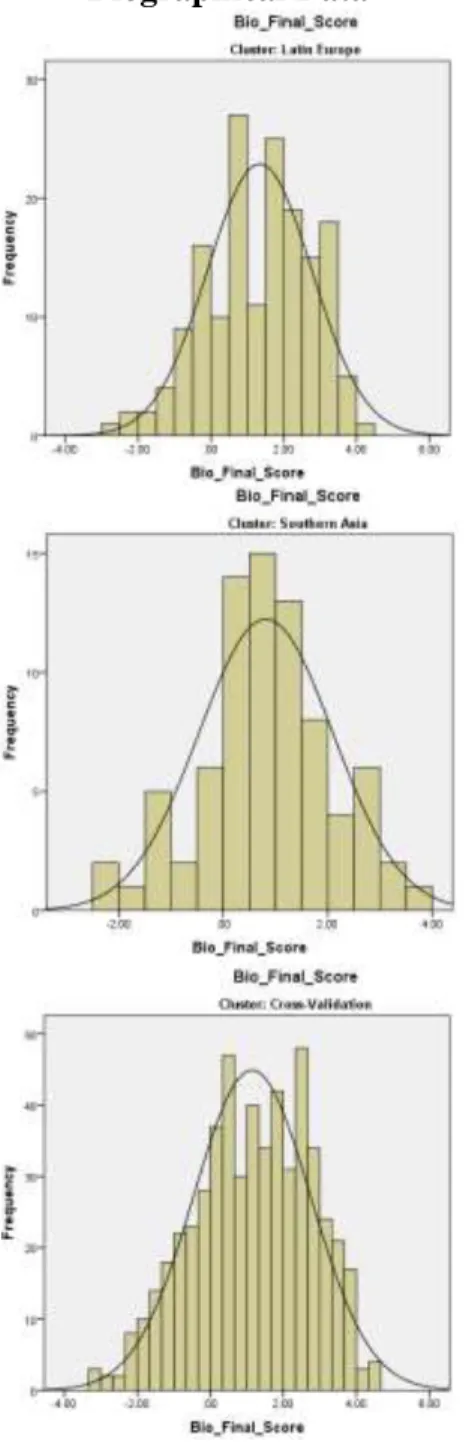
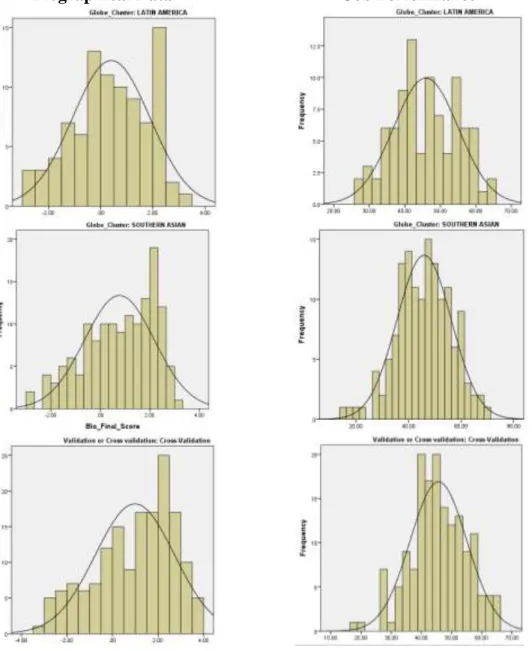
Figure 1 - Study 1 Distribution of Variables by Country Cluster ... 63
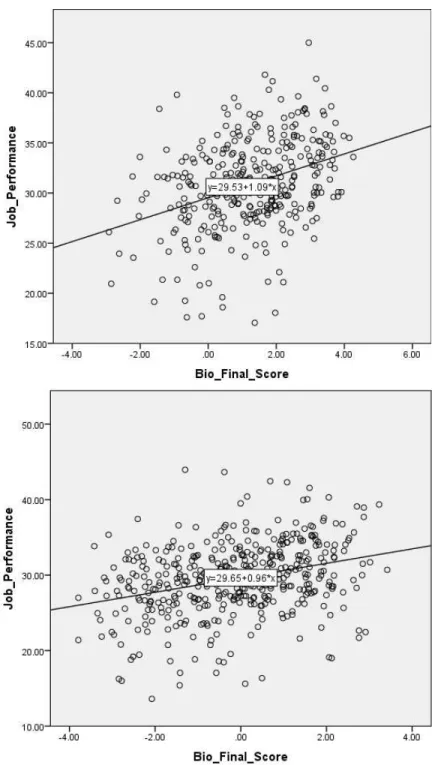
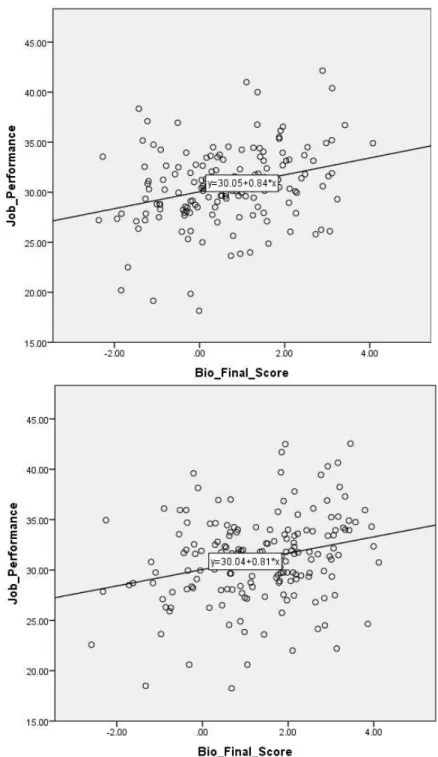
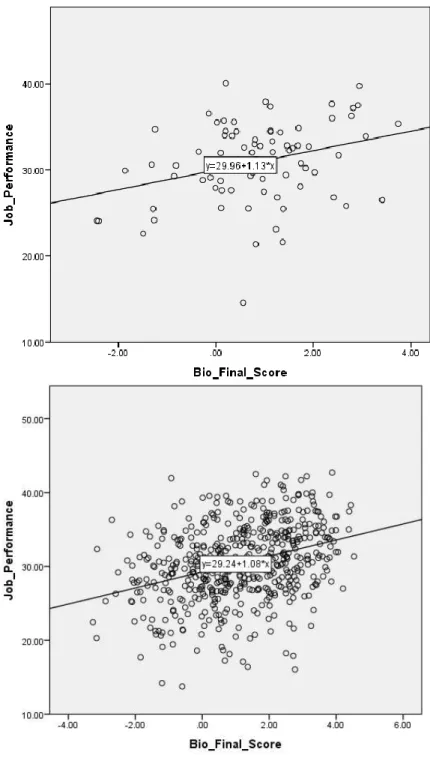
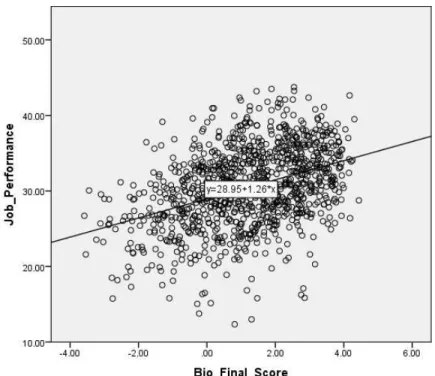
Figure 2 - Study 1 Scatterplot of Criterion-Related Validity by Country Cluster ... 78
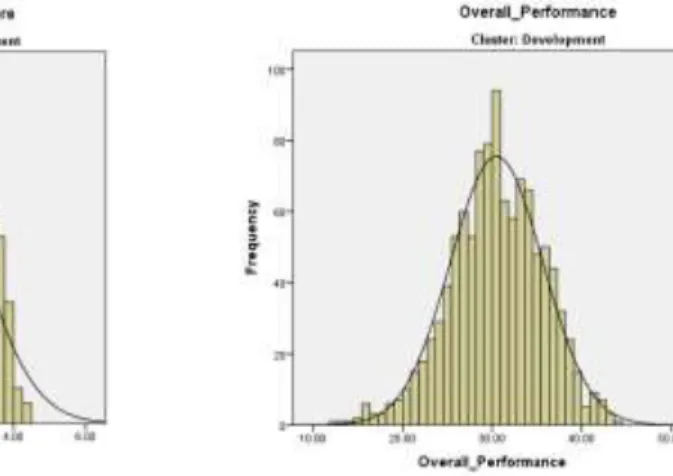
Figure 3 - Study 2 Distribution of Variables by Country Cluster ... 92
Abstract
In an increasingly interconnected economy, organizations are frequently operating beyond national borders. International partnerships, joint ventures, mergers, and acquisitions have expanded the labor market from a domestic to an international perspective. In this
environment, multinational organizations demand cost-effective personnel selection tools to help them identify top talent from different countries, geographical regions, and cultures.
The purpose of the current research was to evaluate the global utility of biographical data inventories, a standardized self-report selection method that asks job applicants questions about prior behaviors and experiences. Results from two studies involving participants from 7 country clusters, across four continents, and two different occupational groups, managers and
manufacturing technicians, provided evidence to support the hypothesis that the validity of biographical data inventories, empirically keyed in the United States, generalizes to all country clusters examined.
These results are important because they suggest that multinational organizations interested in deploying a single standardized selection system across geographical boundaries may want to consider including biographical data inventories, in addition to other commonly used instruments such as cognitive ability and personality assessments, to enhance the overall validity of their selection systems. This approach has the potential to reduce organizations’ costs related to developing, implementing, and maintaining selection processes while enabling them to manage their human capital efficiently by ensuring all new hires have the necessary knowledge, skills, and abilities to succeed on the job and contribute to their strategic objectives.
Introduction
Personnel selection is a core topic in the study of workplace behavior. It is concerned with identifying applicants who possess the necessary knowledge, skills, abilities, and other characteristics (KSAOs) to be effective in a specific job. Organizations commonly use a variety of tools, such interviews, general mental ability (GMA) tests, and personality inventories, to assess applicants on job-relevant individual differences and make inferences about who is likely to be the best fit for the position in question (Ryan, McFarland, Baron, & Page, 1999; Salgado, Viswesvaran, & Ones, 2001). In an increasingly global economy, the labor market has expanded from a domestic to an international perspective. In this environment, multinational organizations must consider how to implement efficient personnel selection systems on a worldwide scale so they can hire top talent from different geographical regions. When organizations deploy a selection system in an international context, an important question is the extent to which a selection tool is equally effective when implemented in other countries, regions, or cultures (Herriot & Anderson 1997; International Test Commission, 2005; Lievens, 2008; Ployhart & Weekly, 2015; Ryan & Tippins, 2009; Ryan, Wiechmann, & Hemingway, 2003).
The question of a selection tool’s effectiveness in a new context is focused on whether or not the instrument’s validity is situationally specific or generalizable to a new setting (Schmidt & Hunter, 1977). There is strong meta-analytic evidence to suggest that the validity of commonly used selection instruments generalizes across different jobs and organizations (Schmidt &
Hunter, 1998). Little research, however, has examined this question in countries outside of North America (Lievens, 2008; Shen, Kiger, Davies, Rasch, Simon, & Ones, 2011). Since national
social, cultural, and legislative differences influence employees’ values, beliefs, and behaviors (Erez, 2011; House, Hanges, Javidan, Dorfman, & Gupta, 2004), it is important to examine if selection instruments have generalized validity when transported to other countries or cultures. Given the increasingly globalized nature of work, there have been repeated calls in the employee selection research literature to evaluate this question (e.g., Bartram, 2004; Caligiuri & Paul, 2010; Carey, Herst, & Chan, 2010; Herriott & Anderson, 1997; Lievens, 2008; Ryan & Ployhart, 2014; Schmitt, Cortina, Ingerick, & Wiechmann, 2003).
In the context of evaluating the effectiveness of a global selection instrument, two competing hypotheses examine if a selection instrument is valid in one country but not other countries (i.e., situational specificity) or the criterion-related validity observed in one country generalizes to other countries (i.e., validity generalization) (Salgado & Anderson, 2002). At present, research has primarily examined and found support for the cross-national
generalizability of commonly used predictors such as cognitive ability (Salgado, Anderson, Moscoso, Bertua, & de Fruyt, 2003; Salgado, Anderson, Moscoso, Bertua, de Fruyt, & Rolland, 2003) and personality (Salgado, 1997; Salgado, 1998a) to the European Community. Since cognitive ability tests and personality assessments are two of the most commonly used selection instruments, outside of traditional hiring tools such as interviews and applications (Ryan et al., 1999), it is unsurprising that there is sufficient evidence to evaluate the cross-national
generalizability of these predictors. It is, however, remarkable that little research has examined this question in countries outside of Europe or with other potentially useful personnel selection instruments.
One such tool is biographical data. Biographical data is a standardized self-report selection method that asks applicants questions about prior behaviors and experiences (Mael,
1991). It has the potential to be broadly useful in organizations for a number of reasons. First, previous research has found that biographical data inventories predict a variety of organizational outcomes, including performance ratings, objective performance, tenure, creativity, and training success (Bliesener, 1996; Schmidt & Hunter, 1998). Second, they have the potential to add incremental validity over interviews (Dalessio & Silverhart, 1994), cognitive ability tests (Mael & Hirsch, 1993), and Big Five assessments (Mount, Witt, & Barrick, 2000; Oswald, Schmitt, Kim, Ramsay, & Gillespie, 2004). This is important because a selection system’s overall validity is a direct determinant of its practical value (Schmidt & Hunter, 1998). Lastly, biographical data inventories tend to have less adverse impact across racial and gender groups compared to other predictors such as GMA (Bobko & Roth, 2013; Bobko, Roth, & Potosky, 1999).
Presently, however, biographical data instruments are traditionally used less frequently by organizations because human resource (HR) professionals perceive these tools as less valid, practical, and legally defensible (Furnham, 2008; Ryan et al., 1999). This is unfortunate because research tends to suggest that these beliefs are unsubstantiated, at least within North America (Breaugh, 2009; Mumford, Barret, & Hester, 2012; Schmitt & Golubovich, 2013). Therefore, the purpose of the present research is to address this gap and extend existing knowledge by
evaluating the cross-national generalizability of biographical data inventories. Specifically, I comprehensively examine this question in two separate studies involving employees from 7 country clusters, across four continents and two different occupational groups (managers and manufacturing technicians), to determine if these instruments have utility in global high-stakes selection systems.
In the forthcoming sections, I discuss the strategic importance of personnel selection for multinational organizations and the unique challenges of designing and deploying global
selection systems. After, I examine available research on the cross-national specificity or generalizability of personnel selection instruments. Last, I provide a focused review of the biographical data literature and present evidence to support my hypothesis that carefully developed biographical data instruments will generalize to other countries. If supported, the findings would suggest that multinational organizations should consider including these instruments, along with other commonly used and validated predictors, when screening job applicants to improve the strategic value of their global selection systems.
The Strategic Importance of Personnel Selection
Personnel selection is a key function for human resources departments. It is concerned with identifying the individuals who will make up an organization’s workforce. One important characteristic of an organization’s personnel selection system is the extent to which it allows them to identify people who possess strategically important KSAOs. This is critical because the composition of KSAOs within an organization’s workforce contributes to its success and likely serves as a source of competitive advantage. In the forthcoming section, I expand on how
personnel selection influences an organization’s human capital and how, in turn, it may become a source of competitive advantage for a firm.
Human resources management (HRM) is concerned with the effective management of people within an organization to achieve both individual and organizational objectives (Cascio & Aguinis, 2011). HRM includes a variety of functions related to hiring, training and developing, appraising, and retaining employees. When an organization designs and implements effective policies, practices, and systems to manage these HR functions, they have the potential to transform its human capital, or talent pool, into a source of sustained competitive advantage (Ployhart & Weekley, 2010). A firm can consider its human capital a sustained competitive
advantage to the extent that it is valuable, rare, inimitable, and non-substitutable (Wright, Dunford, & Snell, 2001; Wright, McMahan, & Williams, 1994). That is, a firm’s human capital has strategic value to the extent that it is composed of employees who are valuable (i.e., help to achieve strategic organizational objectives) and have skills that are in limited supply and not easily duplicated or substituted.
An organization’s human capital is created from the aggregation or emergence of individual employees’ KSAOs to unit-level (e.g., firm, business unit, division, or group) competencies (Ployhart & Moliterno, 2011). Therefore, at the most fundamental level, a key determinant of whether or not a firm’s human capital will emerge as a source of sustained competitive advantage is the extent to which individual employees have the right KSAOs to perform effectively on the job. These KSAOs include a variety of cognitive (e.g., GMA, skills, experience, job knowledge) and non-cognitive (e.g., personality traits, interests, values,
motivation) constructs (Motowidlo, Borman, & Schmit, 1997). When employees’ KSAOs are aggregated to higher levels of an organization, it may create valuable unit-level competencies. For example, an organization could screen and select sales agents based on Conscientiousness and Extraversion. Although these personality traits predict individual sales performance (Vinchur, Schippmann, Switzer, & Roth, 1998), they do not necessarily create competitive advantage for a firm. When combined with other HR practices (e.g., training, performance-based compensation), a strong organizational culture, and supportive management, these individual characteristics may emerge as a unit-level competency such as “customer-orientation” that emphasizes a willingness for all salespeople to go above and beyond to meet customers’ needs (Ployhart & Weekley, 2010). Ultimately, the extent to which these unit-level competencies are valuable, rare, inimitable, and non-substitutable determines if an organization’s human capital is
a source of sustained competitive advantage (Ployhart & Moliterno, 2011; Ployhart & Weekley, 2010).
When discussing the strategic value of HRM, it is important to distinguish between an organization’s human capital and specific HR policies, practices, and systems because only the former are usually considered a potential source of competitive advantage (Wright et al., 1994; Ployhart & Weekley, 2010). HR practices are generally not sources of sustained competitive advantage because they are widely adopted, easily imitated, and substitutable. For example, if an organization decides to use a test of GMA to screen applicants, it is unlikely to be a long-term competitive advantage because GMA is widely known to be one of the single best predictors of job performance (Hunter & Hunter, 1984) and other organizations across the globe commonly use similar tests (Ryan et al., 1999). Despite this distinction, it is important to note that the overall validity of a selection system is one key determinant of its practical value to an
organization (Schmidt & Hunter, 1998). Therefore, organizations seek to maximize the validity of a test battery with a variety of strategies (e.g., including multiple unique predictors), which may create a short-term advantage over competitors. Additionally, although HR practices are not intrinsically sources of sustained competitive advantage, they are vital to developing and
maintaining an organization’s talent pool and a necessary condition for ultimately transforming an organization’s human capital into a high-performing workforce and an enduring competitive advantage (Combs, Liu, Hall, & Ketchen, 2006; Crook, Todd, Combs, Woehr, & Ketchen, 2011).
As previously mentioned, individuals’ KSAOs are the foundational element in
determining the strategic value of an organization’s talent pool (Ployhart & Moliterno, 2011). Consequently, an organization that is interested in making its human capital a source of sustained
competitive advantage should invest in HR practices that ensure all employees have the KSAOs necessary to succeed on-the-job. The policies, practices, and systems that accomplish this generally fall within the HR functions of personnel selection and training and development (Cascio & Aguinis, 2011).
Personnel selection is primarily concerned with ensuring that an organization brings in people who have the right KSAOs. Information about candidates’ standing on a variety of job-relevant KSAOs (e.g., GMA, interpersonal skills, Conscientiousness, psychomotor ability) is elicited via one or more selection methods (e.g., paper-and-pencil test, biographical data
inventory, assessment center, situational judgment test, and interview) (Arthur & Villado, 2008). As part of a selection system, an organization may include a variety of methods to obtain
information about candidates on multiple job-relevant constructs. Then, based on a candidate’s scores across the various methods, the organization will decide to reject or extend a job offer.
In contrast, training and development is focused on increasing the effectiveness of current employees by providing them opportunities to learn new job-relevant competencies (i.e., clusters of KSAOs) so they are equipped to handle the demands of current and future jobs (Cascio & Aguinis, 2011). Depending on the training objectives, an organization can use a variety of different programs tailored to the specific audience, such as new hires, supervisors, executives, teams, or international assignees (Salas, Tannenbaum, Kraiger, & Smith-Jentsch, 2012).
In either case, an organization first determines, via work analysis, what KSAOs are most important to succeed on-the-job. Then, they design an appropriate strategy to help ensure that all employees are able to contribute to the organization’s effectiveness. All else being equal (e.g., base rate, selection ratio, variability in job performance), there is a trade-off between these two HR functions. Specifically, organizations must decide how to allocate resources between
selection and training and what job-relevant KSAOs they want to select candidates on versus train new hires on to enable a high-performing workforce. For example, an organization could have a more stringent selection process and hire people who already possess the necessary KSAOs and invest fewer resources to training and development. Alternatively, an organization could focus on hiring people that only meet the minimum job qualifications and devote more resources to training them once they are onboard (i.e., build from within). If a hypothetical organization is given the choice between selection and training, Cascio and Aguinis (2011) note that “the best strategy is to choose selection” (p. 46). They argue that selecting individuals who are probabilistically more likely to succeed on the job from the beginning will also be able to learn new information quickly in future training compared to lower quality candidates1. Therefore, if an organization is interested in transforming their human capital into a source of sustained competitive advantage, it is important that they invest in a high-quality selection system, aligned with their strategic plan, so all new hires have the necessary KSAOs to execute the firm’s strategy. Based on this rationale, personnel selection is the focus of this study because it is the first opportunity for an organization to influence the composition of KSAOs among its employees.
The preceding discussion focused on the strategic importance of personnel selection in organizations. Specifically, an organization’s human capital is created by aggregating individual employees’ KSAOs to higher levels of the organization. While HR functions, policies, and practices are generally not considered sources of sustained competitive advantage, they influence the composition of KSAOs within an organization’s talent pool. The two functions with the largest impact on this are personnel selection and training. The present study is focused on
1 This is not meant to minimize the importance of training and development. Rather, both functions have a critical
personnel selection because it is an organization’s first opportunity to influence employees’ KSAOs. It is critical for an organization to invest in a high-quality system that allows them to hire employees with the KSAOs needed to realize their operational strategy. The process of developing and deploying such a system is challenging for all organizations but becomes more so when an organization operates across geographical boundaries (Caligiuri & Paul, 2010; Ryan & Tippins, 2009). There are a number of benefits, however, if an organization can deploy a global system. In the next section, I discuss global selection strategies in multinational organizations and associated challenges and benefits.
Personnel Selection in Multinational Organizations
Multinational organizations face unique challenges when developing and deploying global selection systems. Specifically, they differ from domestic firms in that they operate across geographical borders and their employees, clients, and vendors come from diverse cultural backgrounds. In the context of HR, this requires multinational organizations to balance the need for centralized operations and local responsiveness (Caligiuri & Paul, 2010). In this section, I discuss personnel selection strategies and work analysis approaches for multinational
organizations. Then, I discuss the unique challenges faced by multinational organizations when coordinating hiring activities across geographical and cultural boundaries, including relevant cross-cultural research. Lastly, I discuss the potential benefits multinational organizations may realize by taking a global or standardized approach to personnel selection.
Multinational personnel selection strategies and work analysis.
As noted by Caligiuri and Paul (2010), there are three general strategies a multinational organization can pursue when designing a global selection system. These strategies differ in how they balance centralization, or the extent to which a global team controls the selection system,
and decentralization, or the extent to which the system varies across different regions. First, an organization may elect to pursue a decentralized or multidomestic strategy, in which the
organization customizes solutions to each local market. Second, a centralized or global strategy focuses on integration and consistency across operating regions. Last, a transnational strategy balances these two competing demands. Relevant to the current research, the cross-national generalizability of a selection instrument is most relevant for an organization utilizing a strategy that includes or emphasizes centralization. In this section, I discuss these multinational selection strategies in more detail.
A multidomestic strategy emphasizes local responsiveness over integration. This is primarily due to the organization’s structure, which is decentralized. Specifically, regional offices tend to resemble a local firm and there is little input from global headquarters. The benefit of this approach is that a multinational organization is able to compete locally based on the unique demands of each country or region. In terms of the personnel selection system, an organization pursuing a multidomestic strategy is likely to use different selection tools and systems across countries based on unique local demands. That is, the subsidiary office, rather than global headquarters, is likely to make decisions regarding the constructs and methods used to hire employees. This approach is likely to be more expensive because organizations cannot achieve economies of scale with their selection tools and makes it difficult for a multinational organization to maintain consistency around the world (Caligiuri & Paul, 2010). Additionally, it makes it difficult to compare candidates across countries and select employees for international assignments within the firm.
Second, a global strategy emphasizes centralization and integration at the expense of decentralization and local responsiveness. Typically, an organization pursuing a global selection
strategy has a central headquarters that manages worldwide business units. The benefit of this approach, from an operational standpoint, is that it allows organizations to deliver products efficiently and consistently around the world. With this strategy, headquarters sets global standards, and country or regional branches adhere to these standards. This helps to ensure a consistent experience for clients or customers around the world, which ultimately serves as a competitive advantage for a global organization. For example, many people visit McDonald’s when traveling because they know they will get a similar experience regardless of location. For personnel selection, the emphasis on uniformity likely means that employees and new hires will need to possess a similar or the same profile of KSAOs across different operating regions. In practice, this means that a multinational organization may have a “centrally developed selection system” involving the same battery of selection tools to ensure that all candidates, globally, have the necessary KSAOs to contribute to the organization’s effectiveness (Caligiuri & Paul, 2010, p. 782).
Last, a transnational selection strategy attempts to balance global integration and local responsiveness by establishing an “interdependent global network of subsidiaries” that work closely with headquarters to make operational decisions that meet both global and local business needs (Caligiuri & Paul, 2010, p. 784) . Transnational personnel selection systems pursue
consistency for strategic reasons, while allowing local HR offices to make minor modifications to meet their specific needs. For example, an organization may deploy one standardized selection tool across all regions but permit each subsidiary to modify when (e.g., before or after
interviews) and how (e.g., unproctored or proctored) the tool is used based on unique cultural demands. This approach helps to ensure that globally mandated selection tools are useful and accepted in each region, while also realizing the benefits of standardization.
Regardless of the selection strategy a multinational organization pursues, the first step in designing a useful system is to determine the profile of KSAOs important for new hires to possess in a given job. Organizations use a variety of work analysis methods to answer this question. These techniques can be grouped into two broad categories—job analysis and competency modeling (Brannick, Levine, & Morgeson 2007).
Both approaches are similar in that they seek to understand the critical KSAOs needed to succeed in a job. One point of differentiation, however, is that the typical competency modeling approach identifies broad clusters of KSAOs (i.e., competencies) that are strategically important to achieve an organization’s goals. In contrast, job analysis identifies the KSAOs required to perform a specific job without reference to an organization’s strategy (Sanchez & Levine, 2009; Schippmann et al., 2000). That is, competency modeling focuses on identifying KSAOs aligned with the execution of an organization’s strategy and job analysis primarily focuses on describing job-specific KSAOs without reference to an organization’s strategic goals. In the context of transforming an organization’s human capital into a source of sustained competitive advantage, competency modeling is likely to be more beneficial because an organization screens and selects job applicants on KSAOs linked to its strategy.
A second difference between competency modeling and job analysis is that competency modeling assumes there are behavioral dimensions common across multiple jobs in an
organization and job analysis focuses on describing the KSAO required for one specific job (Sanchez & Levine, 2009). Using the language of personnel selection strategy, competency modeling typically results in one centralized KSAO profile across a large group of job families and job analysis produces decentralized KSAO profiles for each job or job family within an organization. The benefit of a standardized approach is that an organization can easily
communicate its employment brand and what behaviors it strategically values to all candidates, new hires, and current employees. As an example, FedEx has a competency called “discretionary effort”. This competency encourages employees to problem solve and generate novel ideas that delight customers. This is consistent with their business strategy to exceed customer expectations (Sanchez & Levine, 2009). Ultimately, the purpose of competency modeling is to communicate the organization’s culture and provide employees guidance on how they can contribute to the broader business goals with their daily behavior.
While these differences appear to suggest that organizations should favor competency modeling, it is important to point out that the typical competency modeling project is less rigorous from a research perspective (Schippmann et al., 2000). Therefore, if an organization elects to use competency modeling, the quality of the end product (i.e., the final competency model) is likely to be improved if researchers incorporate elements of job analysis such as obtaining feedback from subject matter experts (SMEs) and providing SMEs information about the tasks involved in each job (Lievens, Sanchez, & De Corte, 2004). Ultimately, whether an organization elects to use job analysis or competency modeling, the result is a list of KSAOs that are important for job performance. An organization then uses this information to develop a selection system, involving one or more methods, that reliably and accurately captures candidates’ standing on the identified KSAOs to predict who is likely to succeed on the job (Binning & Barrett, 1989; Cascio & Aguinis, 2011).
When an organization elects to use competency modeling as the foundation for its
selection system, they are saying that all new hires must possess a specific profile of strategically important competencies (in addition to job-specific technical dimensions). Therefore, when relating this discussion to the broader context of a multinational organization’s selection strategy,
competency modeling is aligned with either a global or a transnational approach since it is focused on centralization. In these situations, a critical consideration for multinational organizations is the extent to which a selection tool or system is equally effective across
operating regions. If an organization can design and deploy an instrument that generalizes across countries, they stand to benefit in a number of ways compared to a more decentralized
approach—points which will be expanded upon in the next section.
It is important to emphasize that it is uniquely challenging for multinational organizations to develop and deploy a centralized selection system compared to a domestic organization. When a company that operates in one country utilizes a standardized approach, it is reasonably easy to develop an effective selection system because there is strong evidence that the validity of similar assessments generalizes to other settings (e.g., Schmidt & Hunter, 1977; Schmidt & Hunter, 1998). However, this approach becomes more difficult for a multinational organization because the test(s) administered as part of the selection process may not be equally effective when administered in other regions due to country, culture, or language differences (Lievens, 2008; Ryan & Tippins, 2009; Ployhart & Weekly, 2010). Consequently, it is important for a
multinational organization to evaluate if their selection system is equally effective in other cultures or geographical regions. If they can design a system that has generalized validity across operating regions, they stand to benefit in a number of ways.
In sum, I discussed three strategies multinational organizations can pursue—
multidomestic, global, and transnational—when designing their selection systems. A critical element of this process is to determine what KSAOs are important for job performance. Job analysis and competency modeling are the two primary ways organizations answer this question. In contrast to job analysis, competency modeling focuses on identifying the strategically
important KSAOs common to many jobs throughout an organization. When integrating selection strategies and work analysis methods, I argued that global and transnational strategies are aligned with competency modeling and these approaches are more likely to aid an organization seeking to transform its human capital into a source of competitive advantage. In the next section, I expand on the aforementioned unique challenges and opportunities for multinational organizations when developing and deploying a centralized selection system.
The challenges of global selection systems.
There are many unique challenges when developing and implementing global selection systems. Rather than provide an exhaustive review of all possible methodological, measurement, and cultural issues, the purpose of this section is to highlight elements that are most relevant for organizations when deploying centralized selection instruments and evaluating their cross-national generalizability. For more detailed information, see Ryan and Tippins (2009), Schaffer and Riordan (2003), or Spector, Liu, and Sanchez (2015).
Foremost among the challenges, it is necessary to determine if there is a common job across countries or cultures (Ryan & Tippins, 2009). Specifically, an organization must
determine, via job analysis or competency modeling, if the tasks involved in a given job and the KSAOs required to perform those tasks are similar across locations. An organization can gather data to evaluate this question in a variety of ways including observations, focus groups, or questionnaires (Brannick et al., 2007). After, it is important to analyze the results across countries to ensure commonality. If a job is similar, then it is appropriate to use the same
selection system globally. However, if there are large differences in the KSAO requirements for the same job across regions, applying the same selection instrument would be less effective
(Lievens, 2008). In this situation, it would be more appropriate for an organization to design a separate selection system focused on the unique KSAO requirements of the job in each country.
A second challenge when deploying a global selection instrument concerns using an assessment method that is cross-culturally acceptable to candidates (Caligiuri & Paul, 2010). This is important because reactions to pre-employment assessments have been linked to
candidates’ intentions to accept job offers, recommend the organization to others, and file legal complaints (Hausknecht, Day, & Thomas, 2004). Fortunately, a recent meta-analysis suggests that applicants' reactions to selection instruments generalizes across countries (Anderson, Salgado, & Hülsheger, 2010). That is, candidates from different countries tend to have similar impressions of various selection instruments, with some instruments being most preferred (work samples, interviews), favorably evaluated (resumes, cognitive tests, references, biodata,
personality), and least preferred (integrity tests, personal contacts, graphology).
Third, when designing a global selection system, it is important to consider logistical constraints in some regions (Caligiuri & Paul, 2010). For example, when conducting proctored online testing, some locations may not have access to testing rooms with multiple computers connected to the internet. Alternatively, if using unproctored testing, participants may not have access to computers and may only be able to access the selection instrument on a mobile device. In these situations, it may be necessary to modify the assessment protocol to accommodate limitations in testing sites or make unproctored assessments mobile responsive. Another common logistical constraint when administering pre-employment assessments is differences in internet speed between countries. This may cause a test to lag, which could be problematic for adaptive and/or timed tests, and require additional investment in a web acceleration tool (Akamai, 2014).
After considering these issues related to test design and deployment, it is important to ensure that the constructs assessed by a selection instrument are equivalent, or invariant, across countries or cultures (Vandenberg & Lance, 2000). This step is focused on ensuring that each culture’s unique norms, values, attitudes, and experiences do not influence the measurement of the construct(s) of interest. At a general level, this involves two elements—semantic equivalence and measurement invariance (Schaffer & Riordan, 2003).
When applicable, semantic equivalence focuses on ensuring a measure is accurately translated into a new language. Best practices recommend the use of blind back-translation (Schaffer & Riordan, 2003). This involves translating a measure into the new language. Then, a second person, who has not seen the original version, translates the newly translated measure back into the original language. Last, the back-translated version of the measure is compared to the original and discrepancies among the versions are discussed and resolved. Before translating a measure into a new language, however, it is important to review items to ensure they are relevant across the countries in question and do not include idioms, phrases, or terms unique to one culture (Mumford, Costanza, Connelly, & Johnson, 1996).
Measure invariance expands on the concept of equivalence by examining the extent to which a test measures the same construct with the same precision across groups (Vandenberg & Lance, 2000). That is, it examines the equivalence of a measure to see if the construct(s) of interest and response options have a similar meaning across cultures. It is most commonly tested via multiple-group confirmatory factor analysis (MG-CFA) or item response theory (IRT). In psychology, MG-CFA is used more frequently (Spector et al., 2015). This procedure involves testing a series of nested models to examine the between-group equivalence of the variance-covariance matrices, factor structure (i.e., configural invariance), factor loadings (i.e., metric
invariance), intercepts (i.e., scalar invariance), and uniquenessess (Millsap & Everson, 1993; Vandenberg & Lance, 2000). It is important to note that the more stringent tests (e.g., equal uniquenesses) are very strict and it is often unrealistic for these types of invariance to hold in practice “except in highly contrived situations” (Chan, 2008, p. 68).
Relevant to the current research, in a typical biographical data inventory, questions and response options are multidimensional because they acknowledge that behavior is complex and determined by multiple constructs. Moreover, test items commonly use a variety of dichotomous, multiple-choice, and Likert-type response formats (Schmitt & Golubovich, 2013). From a
measurement perspective, this makes it problematic to formally test measurement invariance because items are likely to cross-load on multiple factors and the resulting mix of nominal, ordinal, and interval response options violates the assumption of multivariate normality. Given these constraints, development of a biographical data inventory for global use should be especially concerned with conceptual equivalence of constructs in terms of similar meanings across countries (Lievens et al., 2015). For example, in Japan, a construct like “customer service orientation” may emphasize the importance of anticipating the needs of customers. In contrast, in Italy, the same construct may emphasize providing candid feedback to customers because they expect a representative to share his or her expertise. However, in both countries, there is a common desire for a representative to work hard to meet the customer's needs and resolve a problem. Therefore, if a company wants to use a global biographical data instrument for this job, they should develop a measure around common ideas underlying the construct to ensure
conceptual equivalence (Caligiuri & Paul, 2010). Furthermore, since the purpose of the present research is to examine the equality in direction and magnitude of the relationship between scores on a biographical data inventory and job performance, rather than mean differences on the
predictor between countries or to identify between-country differences, an inability to evaluate measurement invariance is somewhat less problematic (Chan, 2008; Lievens et al., 2015).
The last challenge to deploying a global selection system is related to between-country differences in the laws that influence personnel selection practices and the storage of candidate data gathered during the hiring process. Managing this complexity and ensuring compliance is challenging for a variety of reasons. For example, while nearly all countries protect applicants from discrimination on the basis of race, color, religion, gender, national origin, age, and disability status, many countries have passed laws prohibiting discrimination against additional groups (e.g., HIV status in South Africa; caste in India; philosophical beliefs in Turkey) (Sackett et al., 2010). Therefore, it is important to ensure that selection instruments do not discriminate against any protected groups. As another example, countries differ in the evidence required to dispute a discrimination claim. In some countries (e.g., Chile, Italy), the evidentiary standard is unclear and it is generally not necessary to provide empirical evidence to support the use of a selection instrument. In contrast, in the United States (U.S.), there is clear guidance that an organization must demonstrate that a selection practice is job-related (e.g., exhibits criterion-related validity) and consistent with business necessity. Lastly, data privacy regulations and laws vary at the country level and may create challenges for global companies when storing candidate assessment data. For example, Russia requires personal data of Russian citizens to be stored on servers located in Russia. Ultimately, these examples underscore the complexity of personnel selection for multinational organizations and the importance of understanding the practical implications of differences between operating regions. Collectively, all of these issues highlight the importance of culture in the context of personnel selection and the need for multinational organizations to be aware of how cultural values may influence workplace behavior.
The importance of culture for multinational personnel selection.
Up to this point, I have referenced both country and culture when discussing the generalizability of a selection instrument. It is important, however, to clarify the distinction between these two terms. One common definition of culture is the “shared motives, values, beliefs, identities, and interpretations or meanings of significant events that result from common experiences of collectives that are transmitted across generations” (House et al., 2004, p. 15). In contrast, country emphasizes the geographical boundaries of a political entity.
Country is frequently used as a proxy for culture in cross-cultural research because there is an assumption that people prefer to interact with other individuals and governmental
institutions consistent with their own values and beliefs (Peterson & Smith, 1997; Schaffer & Riordan, 2003). While this practice is convenient and may be suitable for multinational
organizations, it is important to note that country and culture are not equivalent for a variety of reasons. Examples include national boundaries drawn by powerful outside parties without reference to shared culture (e.g., parts of Africa), multiple subcultures within one country (e.g., Canada, Switzerland), or political differences within a country (e.g., the U.S. before the Civil War) (Peterson & Smith, 1997). Despite this distinction, from a practical standpoint, most multinational organizations operate along country or regional boundaries. Therefore,
investigating the cross-national (rather than the cross-cultural) generalizability of a selection instrument is informative from an applied perspective but may make it difficult to explain observed differences when validity generalization is not supported. This, however, does not negate the importance of cultural values. Since most of this research is at the national-level, it is useful for organizations to understand how these cultural values influence differences in work behavior between countries. Accordingly, I briefly review the three main cultural frameworks.
Hofstede (1980, 2001) conducted research on differences in cultural values within subsidiaries of one multinational organization (IBM) across 72 countries. His research revealed five dimensions. Power Distance is the extent to which less powerful members of society accept that power is distributed unequally. Uncertainty Avoidance is the degree to which people in a society feel uncomfortable with ambiguity. Countries low in Uncertainty Avoidance have a relaxed attitude and countries high in Uncertainty Avoidance emphasize adherence to social norms and bureaucratic practices. Individualism-Collectivism is a continuum indicating the degree to which individuals in a country prefer to integrate into social groups. At the high end, people are only expected to take care of themselves and their immediate families. In contrast, countries high in collectivism tend to take care of other in-group members.
Masculinity-Femininity refers to a society’s preference for competition versus cooperation. Societies high in Masculinity emphasize achievement, assertiveness, and material rewards for success. In contrast, Femininity emphasizes cooperation, modesty, and quality of life. Last, Long- versus Short-Term Orientation refers to how a society maintains links with its past. Societies with a Short-Term Orientation maintain traditions and norms and those with a Long-Term Orientation encourage thrift and perseverance, and look toward the future.
Second, Schwartz (1992, 1994) conducted research on 41 cultural groups in 38 countries. His research uncovered five societal values. Conservatism or Embeddedness reflects the extent to which a country is primarily concerned with security, conformity, and tradition. Intellectual Autonomy refers to the extent that a society emphasizes the independent pursuit of ideas and intellectual goals. Affective Autonomy refers to the extent that a society has an affective emphasis on stimulation and hedonism. Hierarchy refers to the tendency for a country to accept an unequal distribution of power and resources; in contrast, Egalitarianism emphasizes voluntary
commitment to social justice. These dimensions are similar to the high and low poles,
respectively, of Power Distance. Last, Mastery focuses on getting ahead through self-assertion and Harmony emphasizes fitting into the environment. These dimensions are similar to In-Group Collectivism (House et al., 2004) and Individualism-Collectivism (Hoftsede, 1980, 2001).
Finally, the Global Leadership and Organizational Behavior Effectiveness (GLOBE) project developed the most comprehensive model of cultural values as part of a large
international study on culture and leadership (House et al., 2004). A team of 180 researchers gathered data from over 800 organizations in 62 countries to examine societal values. Results indicated nine cultural dimensions, with some similarities to Hoftsede’s (1980, 2001) framework.
Power Distance and Uncertainty Avoidance parallel Hoftsede’s definitions. While Hofstede identified one dimension of Individualism-Collectivism, House and colleagues (2004) identified two dimensions: Institutional Collectivism, which refers to the extent to which a society
emphasizes collective distribution of resources and collective action, and In-Group Collectivism, which is similar to Individualism-Collectivism. Gender Egalitarianism is similar to Hofstede’s
Masculinity-Femininity. In addition and separate from Gender Egalitarianism, Assertiveness
refers to the degree that individuals are assertive, aggressive, and confrontational when interacting with others. Future Orientation is similar to Hofstede’s Long- versus Short-Term
Orientation. Lastly, House and colleagues identified two unique cultural dimensions:
Performance Orientation, or the extent to which a society encourages innovation, achievement, and performance improvement, and Humane Orientation, which focuses on the extent to which a society encourages individuals to be fair, friendly, generous, and kind to others.
In addition to identifying these nine cultural dimensions, the researchers reported the mean score for each country on the nine cultural values and grouped culturally similar countries
together, using discriminant analysis, into 10 clusters: Anglo, Latin Europe, Nordic Europe, Germanic Europe, Eastern Europe, Latin America, Middle East, Sub-Saharan Africa, Southern Asia, and Confucian Asia. These country clusters are especially relevant to the present research, as they will be used to group culturally similar countries together when evaluating the cross-national generalizability of the two biographical data inventories.
It is important for multinational organizations to be aware of these cultural values because they have the potential to influence candidates’ behavior during the selection process. For example, candidates high in Individualism may be more likely to talk about their individual accomplishments during an interview and those high in Collectivism might focus on group accomplishments (Ryan & Tippins, 2009). Research has also found that these cultural values have practical importance. Meta-analytic work shows that they relate to a variety of individual-level (e.g., contextual performance, innovation, entrepreneurial behavior) and country-individual-level (e.g., wealth, innovation, economic growth) outcomes (Taras, Kirkman, & Steel, 2010). In addition, in the context of personnel selection, research suggests that cultures high in Uncertainty Avoidance tend to use tests and interviews more frequently (Ryan et al., 1999). Lastly, research shows that there are some differences in response styles between cultures. Specifically, individuals from East Asian cultures are more likely to use the mid-point of Likert-scales compared to individuals from North America (Chen, Lee, & Stevenson, 1995) and individuals from Hispanic countries are more likely to endorse the endpoints of a response scale (Hui & Triandis, 1989). Ultimately, the purpose in briefly reviewing these three cultural values frameworks is to highlight
meaningful cultural and national differences and the need for multinational organizations to be aware that these differences may influence the acceptability, utility, and adoption of various selection instruments.
This section highlights the complexity of global personnel selection. Multinational organizations must be aware of these methodological, logistic, and legal issues and the potential for cultural values to influence candidate and employee behavior throughout the selection
process. If organizations can address these challenges, however, they have the potential to realize a number of benefits by designing and deploying a global selection system.
The benefits of global selection systems.
While the aforementioned challenges may appear insurmountable, research suggests that it is possible for organizations to design and deploy centralized selection systems (Lievens, 2008). When multinational organizations achieve this objective, there are many strategic and practical benefits. The purpose of this section is to highlight a few of the ones most pertinent to the current research.
From a strategic perspective, global selection systems have the potential to help
multinational organizations transform their human capital into a sustained competitive advantage for a number of reasons. A standardized selection system helps to ensure that all new hires possess strategically important KSAOs. This allows organizations to provide standardized products and services to customers around the world. As previously mentioned, this is frequently a source of competitive advantage for global organizations. Second, a global selection system allows multinational organizations to identify new hires who are able to succeed in different geographical regions within the company (Carey, Herst, & Chan, 2010). This is important for organizations when evaluating the capabilities of their workforce and anticipating future hiring needs. It also makes it easier to identify internal candidates for international assignments or promotions. Third, a global selection system helps to provide a consistent image to candidates about the organization worldwide. This enables them to provide information about their
employment brand early in the hiring process so they can attract high-quality candidates that fit with their organization (Ryan & Tippins, 2009). Lastly, a global system ensures all candidates are treated equally, thereby increasing procedural justice perceptions, which are associated with increased organizational attractiveness and offer acceptance intentions (Hausknecht et al., 2004).
There are also a number of practical advantages to using a global selection system. First, it reduces development and administration costs (Ryan & Tippins, 2009). By using a
standardized assessment process, an organization saves money on the research and validation of new selection instruments in each region. In addition, administration costs decrease when there is a single selection system because online hosting costs tend to decrease as test volume increases. Ultimately, the implication of these cost savings is that it makes the hiring process more efficient by requiring fewer resources (e.g., one test platform, reduced administrator training, fewer integrations with the applicant tracking system) and helps reduce the time to hire a candidate—a key operational metric for recruiting professionals. Despite these benefits, it is important to acknowledge that a global selection strategy is not always appropriate for multinational organizations and they should pursue a strategy that fits with the realities of their operating environment (Caligiuri & Paul, 2010).
In summary, in this section I first discussed three personnel selection strategies for multinational organizations—multidomestic, global, and transnational—and how they differentially weight the competing demands of centralization and decentralization. After, I discussed the importance of identifying strategically important KSAOs, via either job analysis or competency modeling. Last, I reviewed a variety of methodological, logistic, and legal
challenges and the benefits of deploying a global selection system. One important open question is the extent to which it is practical to expect a selection system to be equally effective when
deployed in other countries. In the next section, I discuss this question at a conceptual level and review relevant research.
The Cross-National Generalizability of Personnel Selection Instruments
In an increasingly flatter world, organizations are frequently operating beyond national borders (Friedman, 2007). International partnerships, joint ventures, mergers, and acquisitions have expanded the labor market from a domestic perspective to an international one. In this environment, multinational organizations demand personnel selection tools that can be effective across different countries, geographical regions, and cultures (Lievens, 2008). In this section, I discuss the concept of validity generalization and review research on the cross-national
generalizability of selection tools.
At a conceptual level, a selection instrument will be practically useful (i.e., demonstrate criterion-related validity) to the extent that there is overlap between the predictor and criterion construct (Binning & Barrett, 1989). Said differently, validity is focused on matching predictor behaviors with the performance domain. For example, a personality instrument that assesses applicants’ standing on the Big Five personality trait of Conscientiousness will demonstrate validity to the extent that behaviors associated with being high on Conscientiousness (e.g., showing up on time, working hard, planning) are also associated with higher levels of job performance.
In an international context, it is important to consider if the constructs assessed by a predictor instrument are aligned with the definition of performance within each culture. As an example, Lievens, Harris, Van Keer, and Bisqueret (2003) examined the validity of two
assessment center exercises among a sample of European executives who were picked to work in Japan. Results indicated that a leaderless group discussion but not a presentation exercise
predicted subsequent job performance, even though both exercises assessed the same
dimensions. When explaining this finding, Lievens et al. (2003) noted that the leaderless group discussion was more characteristic of the team-based Japanese culture and the exercise provided numerous opportunities to evaluate how a candidate would contribute to a team in Japan. In contrast, the presentation provided fewer opportunities to evaluate candidates in an environment that matched the performance domain (as cited in Lievens, 2008). Ultimately, this highlights the importance of understanding the criterion when evaluating if a predictor instrument is likely to generalize to a new country. In addition, it is important that the behaviors assessed by the predictor instrument are relevant within each country. Ultimately, this highlights the importance of conducting cultural reviews to ensure items tap constructs and behaviors relevant across the countries in question (Mumford, Costanza, Connelly, & Johnson, 1996).
At a more theoretical level, using a selection instrument in a different culture is similar to using a selection instrument in any new context that is different from the one in which it was originally developed and validated. From the 1920s to the mid-1970s, there was a widely held belief that a test's validity did not generalize to new jobs, organizations, or occupations because of subtle differences between jobs. Counter to this assumption, Schmidt and Hunter (1977) proposed that the observed variability in the validity of selection instruments was primarily due to statistical and measurement artifacts (e.g., criterion unreliability, range restriction, sampling error), rather than meaningful differences in the predictor or criterion. More formally, in the context of evaluating the cross-national generalizability of a selection instrument, researchers have proposed two competing hypotheses. First, the situational specificity hypothesis states that there is variability in validity coefficients between countries and these differences persist after correcting for statistical artifacts. In practice, this could mean that a selection instrument exhibits
significant criterion-related validity in one country but not in another or the magnitude of the predictor-criterion relationship is significantly different between two or more countries. In contrast, the validity generalization hypothesis says that differences in observed validities between countries are due to statistical artifacts. Once coefficients are corrected for these artifacts, the validity of a selection instrument in one country will generalize to another country (Schmidt & Hunter, 1977).
Using psychometric meta-analysis, researchers have aggregated the findings of individual validation studies to evaluate these two competing hypotheses. Results indicate that, after
accounting for common statistical artifacts such as measurement error in the criterion, sampling error, and range restriction (when using incumbent samples), the variability in the validity of a given selection instrument tends to be small for the same job in different settings and across different jobs (Hunter & Hunter, 1984; Schmidt & Hunter, 1998). It is important to note, however, these findings have been “unreservedly cited by personnel psychologists in other countries and appear to have been unquestioningly accepted as being generalizable to different national contexts” (Herriot & Anderson, 1997, pp.27-28). This is problematic given the potential for cultural and legislative differences to influence the validity of selection instruments.
Therefore, I review research that has evaluated the cross-national generalizability of personnel selection instruments to identify knowledge gaps.
Cognitive ability and personality.
Globally, cognitive ability and personality are two of the most commonly used assessment tools (Ryan et al., 1999). It makes sense that most research on the cross-national generalizability of selection instruments focuses on these tools. The most comprehensive research on this topic has been fromSalgado and his colleagues. Regarding cognitive ability,
they examined the extent to which the validity of general mental ability measures generalized to the European community, including Belgium, France, Germany, Ireland, the Netherlands, Spain, and the United Kingdom (Salgado, Anderson, Moscoso, Bertua, & De Fruyt, 2003; Salgado, Anderson, Moscoso, Bertua, De Fruyt, & Rolland, 2003). The researchers found that GMA had generalized validity across a variety of occupational groups and European countries when predicting both training success and job performance. Compared to U.S. meta-analyses (e.g., Hunter & Hunter, 1984; Schmidt & Hunter, 1998), the corrected validity coefficients for Salgado and colleagues’ results were similar (.56 vs. .54) or slightly higher (.62 vs. .51) than findings in the United States when predicting training success and job performance, respectively. Salgado et al. (2003) also replicated the finding that job complexity moderates the GMA-job performance relationship such that the validity is higher for more complex jobs (Hunter & Hunter, 1984). More recently, Oh (2009) examined the cross-national generalizability of cognitive ability to a new region, East Asia, which spanned five countries: South Korea, Japan, China, Taiwan, and Singapore. He found that, consistent with previous research in the United States (e.g., Hunter & Hunter, 1984) and Europe (Salgado et al., 2003), the validity of cognitive ability measures generalized across East Asia, the magnitude of the relationship was fairly similar across countries, and the relationship was moderated by job complexity. Collectively, this evidence supports the validity generalization hypothesis for cognitive ability instruments to these regions.
Regarding personality, Salgado (1997) examined the cross-national generalizability of the Big Five personality dimensions to predict job performance in European samples. Using meta-analysis, he found that Conscientiousness and Emotional Stability were valid predictors across performance criteria (i.e., job performance rating, training proficiency, and personnel record) and occupational groups (i.e., professionals, police, managers, sales, and skilled labor). Additionally,
the Big Five traits of Openness to Experience and Agreeableness were significant predictors of training performance. Lastly, some Big Five traits were predictors of performance for specific occupations. For example, Extraversion was a valid predictor for managers and police, Openness to Experience was a valid predictor for police and skilled labor, and Agreeableness was a valid predictor for professionals, skilled labor, and managers. These results are generally consistent with North American meta-analyses of the Big Five (Barrick & Mount, 1991; Hough, Eaton, Dunnette, Kamp, & McCloy, 1990; Tett, Jackson, & Rothstein, 1991) and nearly identical to a second-order meta-analysis of the Big Five (Barrick, Mount, & Judge, 2001). In a subsequent international meta-analysis, Salgado (1998a) expanded on these findings and found, consistent with results in North America (e.g., Schmidt & Hunter, 1998), Conscientiousness and Emotional Stability explained incremental variance over general mental ability when predicting
performance in the European community. Similarly, Oh (2009) examined the validity
generalization of the Big Five to East Asia. He found that Extraversion and Conscientiousness, in that order, had the strongest validity. This is in contrast to Salgado (1997; 1998a), who found that similar to the United States (e.g., Barrick et al., 2001), Conscientiousness and Emotional Stability were most robust across criteria and occupations. When interpreting this difference, Oh (2009) noted that East Asian cultures have a stronger emphasis on interpersonal relationships in the workplace compared to North America and Europe. This discrepant finding emphasizes the importance of evaluating the validity of a selection instrument in each country or region in which it will be deployed. In combination, at present, there is evidence to support the cross-national generalizability of cognitive ability tests and some of the Big Five personality traits to a variety of European and East Asian countries.
Person-organization fit.
Person-organization fit refers to the compatibility between individuals and their work environments (Kristof, 1996). Oh and colleagues (2014) examined the validity of four types of person-organization fit in North American, Europe, and East Asia. They found that relationships between person-organization and person-job fit (i.e., rational fit) with a variety of outcomes (e.g., intent to quit) were relatively stronger in North American and Europe compared to East Asia. In addition, relationships between person-group and person-supervisor fit (i.e., relational fit) and a variety of outcomes were relatively stronger in East Asia compared to North America. The authors suggest that these differences may have occurred because relational (rational) fit is more important in collectivist (individualistic) and high power distance (low power distance) cultures.
When predicting job performance, the authors found that person-environment fit measures had modest but significant positive relationships in East Asia and North America. Unfortunately, due to a lack of primary studies, they were unable to examine the relationship between person-environment fit and job performance in Europe. Cross-regional comparisons indicated the magnitude of the relationship for rational fit measures was not significantly
different between East Asia and North America but person-job fit was not significantly related to job performance in North America. When comparing results for measures of relational fit, results indicated that the both types significantly predicted job performance in both region but the magnitude of the correlation was significantly stronger in East Asia for person-group fit.
Lastly, when examining the relative importance of each type of fit for predicting job performance, results indicated that relational fit was about 1.5 times more important in North America (Relative Weight = 74%) compared to East Asia (Relative Weight = 49%). When looking at specific types of person-environment fit, person-supervisor fit (Relative Weight =
59%) was most important in North America and person-job fit (Relative Weight = 42%) was most important in East Asia. Despite these differences, the total variance explained (R2 = .12) was the same for each region. This suggests that if one were to assess all four types of person-environment fit in a selection setting, the validity of the instrument would generalize across North America and East Asia. Collectively, these findings suggest there are some differences in P-O fit measures between North America and East Asia but the overall validity is similar for each region.
Situational judgment tests.
Up to this point, research on the cross-national generalizability of selection instruments has focused on predictors that capture signs of behavior rather than those that capture samples of behavior (Wernimont & Campbell, 1968). Sign-based predictors (e.g., cognitive ability test, personality inventory) capture candidates' standing on constructs that are expected to related to the criterion of interest and provide an indication of future performance. In contrast, sample-based predictors (e.g., biographical data, assessment center) present job-relevant scenarios to candidates and provide opportunities for candidates to demonstrate or indicate how they would respond. The key component of sample-based predictors is that they assess candidates on behaviors sampled from the criterion of interest. It is worthwhile to note that sample-based predictors fall along a continuum of how closely scenarios and response formats mirror actual situations on the job. This ranges from low-fidelity tools (e.g., situational judgment tests, biographical data) to high-fidelity tools (e.g., work sample, assessment centers) (Motowidlo, Dunnette, & Carter, 1990). When evaluating the cross-national generalizability of a selection instrument, the sign versus sample distinction is important because cultural factors may be more likely to influence the relevance of behaviors captured by a sample-based predictor or the