READINESS OF AN ENGINEERING SUPPORT SERVICES ORGANISATION FOR THE IMPLEMENTATION OF A PERFORMANCE MANAGEMENT SYSTEM
by
THAPEDI JERRY MOFOKENG
submitted in accordance with the requirements for the degree of
MASTER OF COMMERCE
in the subject
INDUSTRIAL AND ORGANISATIONAL PSYCHOLOGY at the
UNIVERSITY OF SOUTH AFRICA
SUPERVISOR: PROF FRANS MALOA
i FOR THE ATTENTION OF THE READER
SCOPE OF THE DISSERTATION
For this Master’s dissertation of limited scope (50% of the total Master’s degree), the Department of Industrial and Organisational Psychology recommends a boundary of approximately 60 to 80 pages. The department prescribes an article format that involves four chapters – an introductory and a literature chapter (Chapters 1 and 2), a research article (presented in Chapter 3) and a final chapter, containing the conclusion, limitations and recommendations of the study (Chapter 4).
TECHNICAL AND REFERENCE STYLE
The APA referencing style, 6th edition was followed in terms of the technical editing
ii DECLARATION
I, Thapedi Jerry Mofokeng (student number: 36643475) declare that this dissertation, entitled:
“Readiness of an engineering support services organisation for the implementation of a performance management system”
is my own work and that all the sources that I have used and/or have quoted from have been indicated and acknowledged by means of complete references.
I further declare that ethical clearance to conduct the research was obtained from the Department of Industrial and Organisational Psychology, University of South Africa, as well as from the participating organisation.
___________________________________________ Thapedi J. Mofokeng (Student number: 36643475) 2017
iii ABSTRACT
Readiness of an engineering support services organisation for the implementation of a performance management system
Implementing a performance management system is a change process that requires that readiness for change is established as a pre-requisite. This study reports on the relationship between readiness for change and the implementation of a performance management system; that is the extent to which readiness for change influences the implementation of a performance management system. The study was conducted in an engineering support services private sector organisation with a footprint across South Africa. A random sample was drawn from the target population. A multiple regression analysis was subsequently conducted.
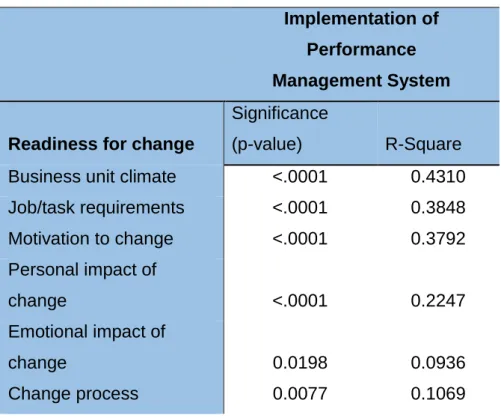
The findings of this study reflect that readiness for change influences the implementation of a performance management system. Also, reflected in the findings is that the factors of readiness for change influence the implementation of a performance management system, namely business unit climate; job/task requirements; motivation to change; the personal impact of change; the emotional impact of change and change processes. In addition, the findings reflect that there is a statistically significant difference in readiness for change by tenure and by business unit.
KEY WORDS
Organisational change; organisational readiness for change; change management; performance management; performance management system
iv ACKNOWLEDGEMENTS
First and foremost, I thank God Almighty for the opportunity He has given me to learn; without Him I would not be who I am and I could not do anything. Thank You Lord for answering this specific prayer about completing my dissertation. To my wife, Ndinae, my children, Tlholo and Lesedi, thank you for the
invaluable support, when I could have spent the time with you, I spent it on the books; you understood without me having to ask you; thank you very much, this is exactly why I call you “my people”.
In memory of Mapolo, as I used to call her, my late mom, I am grateful when I remember how she encouraged me to take education seriously, a dream she was forced to abandon. She sacrificed a lot to support me with my journey of learning, even when it was hard for her. I thank God to have had her for a mother.
Professor Maloa, my supervisor, thank you for believing in me and my study. I specifically remember, when I first approached you and the excitement you had about my topic and the entire approach. I admit, I was somewhat confused and delayed the process, but your patience and well-considered feedback and suggestions came in handy, thank you.
Mr Andries Masenge, the statistician, thank you for helping me understand those numbers and statistical terms; more so, the telephonic classes at night, thank you.
To the participating organisation, thank you for permitting me to use your most important asset, your employees to collect data for my study.
v TABLE OF CONTENTS
SCOPE OF DISSERTATION ... i
TECHNICAL AND REFERENCING STYLE ... i
DECLARATION ... ii
ABSTRACT ... iii
ACKNOWLEDGEMENTS ... iv
TABLE OF CONTENTS ... v
LISTS OF FIGURES AND TABLES ... x
CHAPTER 1: SCIENTIFIC ORIENTATION TO THE STUDY ... 1
1.1. BACKGROUND AND MOTIVATION OF THE RESEARCH ... 1
1.2. PROBLEM STATEMENT ... 9
1.2.1 Specific research questions: literature review ... 10
1.2.2 Specific research questions: empirical study ... 10
1.3. AIMS OF THE STUDY ... 11
1.3.1. General aim ... 11
1.3.2. Specific literature aims ... 11
1.3.3. Specific empirical aims ... 12
1.4. PARADIGM PERSPECTIVE OF THE RESEARCH ... 12
1.4.1. Intellectual climate: meta-theoretical perspective ... 13
1.4.2. Discipline ... 13 1.4.3. Meta-theoretical assumptions ... 14 1.4.4. Theoretical base ... 14 1.4.5. Hypotheses ... 15 1.5. RESEARCH DESIGN ... 16 1.5.1. Research approach ... 16 1.5.1.1 Research variables ... 17 1.5.2. Research procedure ... 18 1.5.3. Research participants ... 20 1.5.3.1 Ethical considerations ... 21
vi
1.5.4. Measuring instrument: Change Readiness Inventory ... 23
1.5.4.1 Psychometric properties of the CRI ... 24
a Reliability of the CRI ... 24
b Validity of the CRI ... 25
1.5.5. Statistical analysis... 25
1.5.6. Potential limitations... 26
1.6. CHAPTER LAYOUT... 27
1.7. CHAPTER SUMMARY ... 28
CHAPTER 2: LITERATURE REVIEW ... 29
2.1. ORGANISATIONAL CHANGE ... 29 2.1.1 Triggers of change ... 31 2.1.1.1 Technology ... 31 2.1.1.2 Economy ... 32 2.1.1.3 Competition ... 32 2.1.1.4 Political factors ... 32
2.1.2 The process of change ... 34
2.2. READINESS FOR CHANGE ... 37
2.2.1 Aspects of change readiness ... 39
2.2.1.1 Perception of change efforts ... 39
2.2.1.2 Vision for change ... 39
2.2.1.3 Mutual trust and respect ... 40
2.2.1.4 Change initiative ... 40
2.2.1.5 Management support ... 40
2.2.1.6 Acceptance ... 41
2.2.1.7 Managing change ... 41
2.3. PERFORMANCE MANAGEMENT SYSTEM ... 41
2.3.1. Introduction to performance management system ... 41
2.3.2. Theoretical model of a performance management system ... 43
2.3.2.1 Vision and mission ... 45
2.3.2.2 Key success factors ... 45
2.3.2.3 Organisational structures ... 45
vii
2.3.2.5 Key performance measures ... 46
2.3.2.6 Target setting ... 46
2.3.2.7 Performance evaluation ... 47
2.3.2.8 Reward systems ... 47
2.3.3. The objectives of a performance management system ... 48
2.3.3.1 Strategy ... 48
2.3.3.2 Decision-making ... 48
2.3.3.3 Training and development ... 49
2.4. READINESS FOR CHANGE AND THE IMPLEMENTATION OF A PERFORMANCE MANAGEMENT SYSTEM ... 49
2.5. CHAPTER SUMMARY ... 52
CHAPTER 3: RESEARCH ARTICLE ... 53
ABSTRACT ... 53
Introduction ... 54
Trends from literature ... 55
Organisational change ... 56
Organisational readiness for change ... 56
Performance management system ... 60
The relationship between readiness for change and the implementation of a performance management system ... 62
Statement of the problem and research objectives ... 64
Hypotheses ... 64
The potential value of the study ... 66
Research Design ... 66
Research approach ... 66
Research method ... 67
viii
Biographical information of the sample ... 68
Sample distribution by function ... 68
Sample distribution by business unit ... 69
Sample distribution by job grade ... 70
Sample distribution by gender ... 70
Sample distribution by tenure ... 71
Measuring Instrument ... 73 Research Procedure ... 74 Statistical Analysis ... 75 Results... 76 Descriptive statistics ... 76 Inferential statistics ... 80
Decisions regarding the research hypotheses ... 84
Discussion ... 88
Conclusion: Implications for practice... 92
Limitations of the study ... 92
Recommendations for future research ... 93
REFERENCES ... 94
CHAPTER 4: CONCLUSIONS, LIMITATIONS AND RECOMMENDATIONS ... 98
4.1. CONCLUSIONS ... 98
4.1.1 Conclusions regarding the literature review ... 98
4.1.1.1 Aim 1: Conceptualise organisational readiness for change from a theoretical perspective ... 99
4.1.1.2 Aim 2: Conceptualise performance management system from a theoretical perspective ... 100
4.1.1.3 Aim 3: Integrate organisational readiness for change and the implementation of a performance management system and conceptualise the theoretical relationship between the two variables ... 101
4.1.1.4 Aim 4: Formulate the study hypothesis to achieve the study objectives ... 103
4.1.2 Conclusions regarding the empirical study ... 105
ix 4.1.4 Conclusions regarding the contribution to the field of Industrial and
Organisational Psychology ... 107
4.2. LIMITATIONS ... 108
4.2.1 Literature review ... 109
4.2.2 Empirical study ... 109
4.3. RECOMMENDATIONS ... 110
4.4. INTEGRATION OF THE RESEARCH ... 111
4.5. CHAPTER SUMMARY ... 111
x LISTS OF FIGURES AND TABLES
LIST OF FIGURES
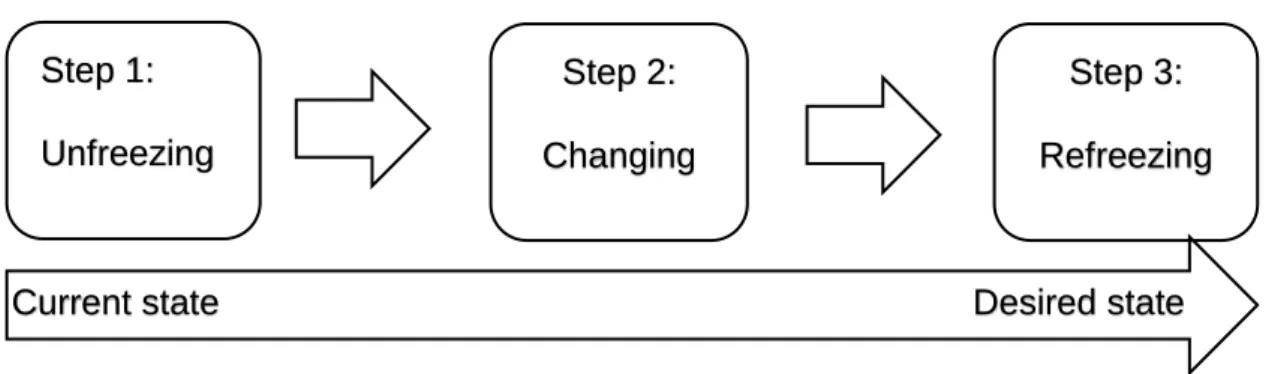
Figure 2.1 Lewin’s 3-step change model ... 34
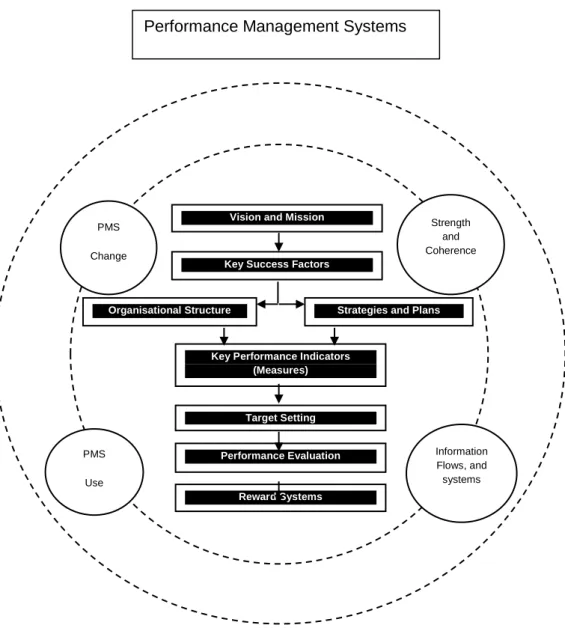
Figure 2.2 Performance management system framework ... 44
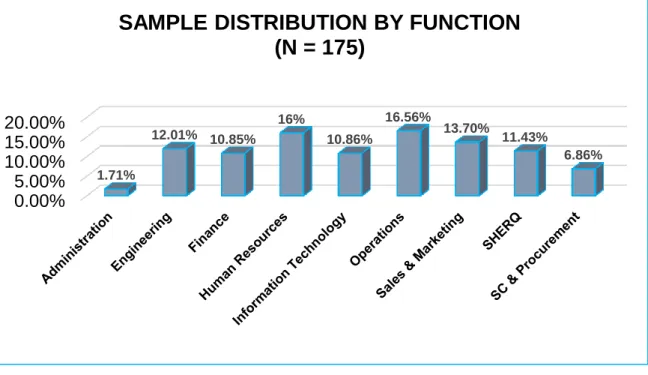
Figure 3.1 Sample distribution by function ... 68
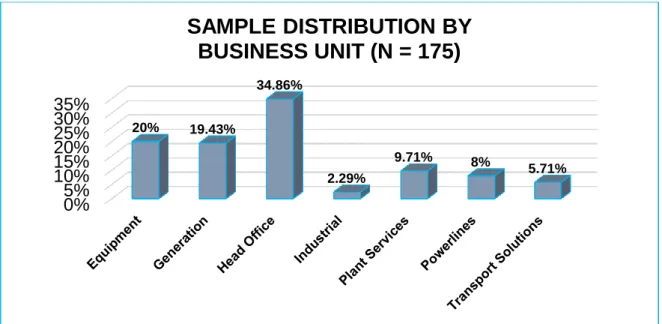
Figure 3.2 Sample distribution by business unit ... 69
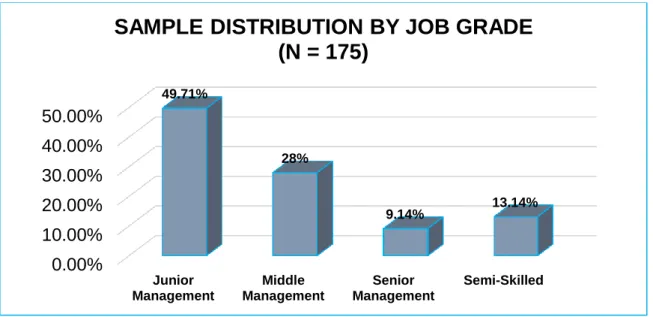
Figure 3.3 Sample distribution by job grade ... 70
Figure 3.4 Sample distribution by gender ... 70
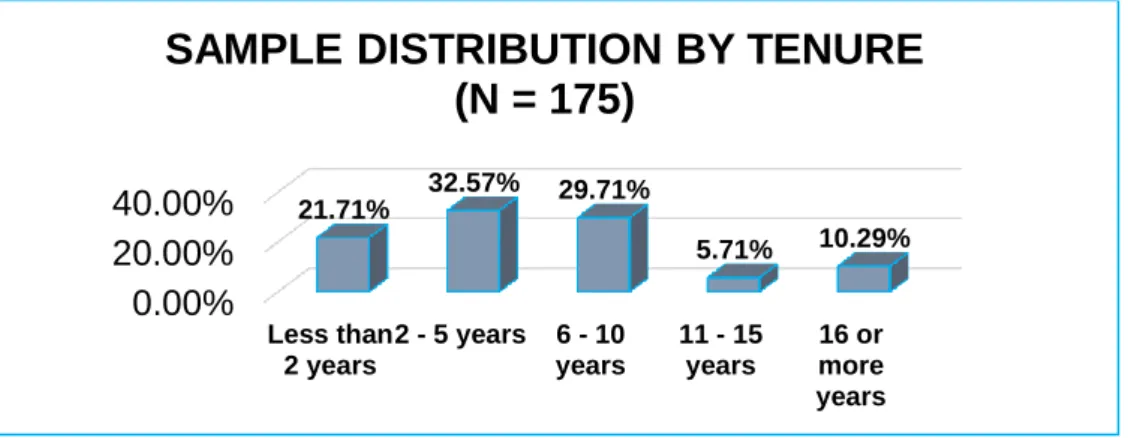
Figure 3.5 Sample distribution by tenure ... 71
LIST OF TABLES Table 2.1 Triggers of change ... 33
Table 2.2 The Kotter framework for change ... 36
Table 3.1 Biographical distribution of sample ... 72
Table 3.2 Descriptive statistics of all factors per variable ... 77
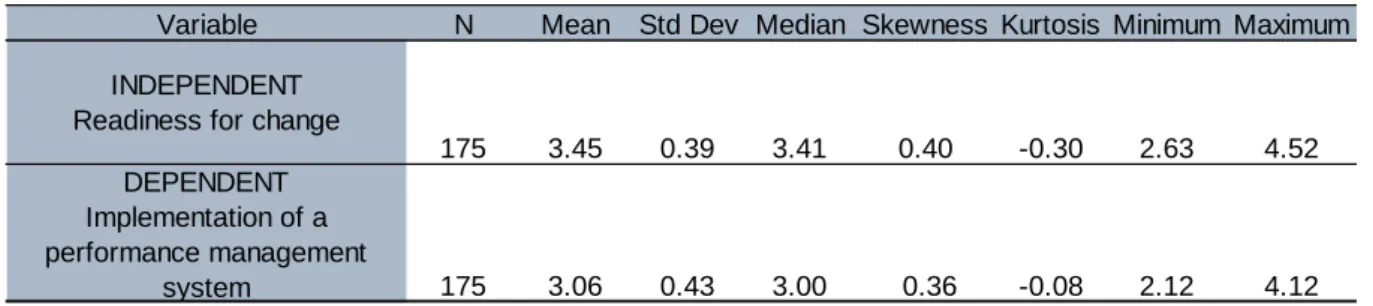
Table 3.3 Descriptive statistics of the variables ... 78
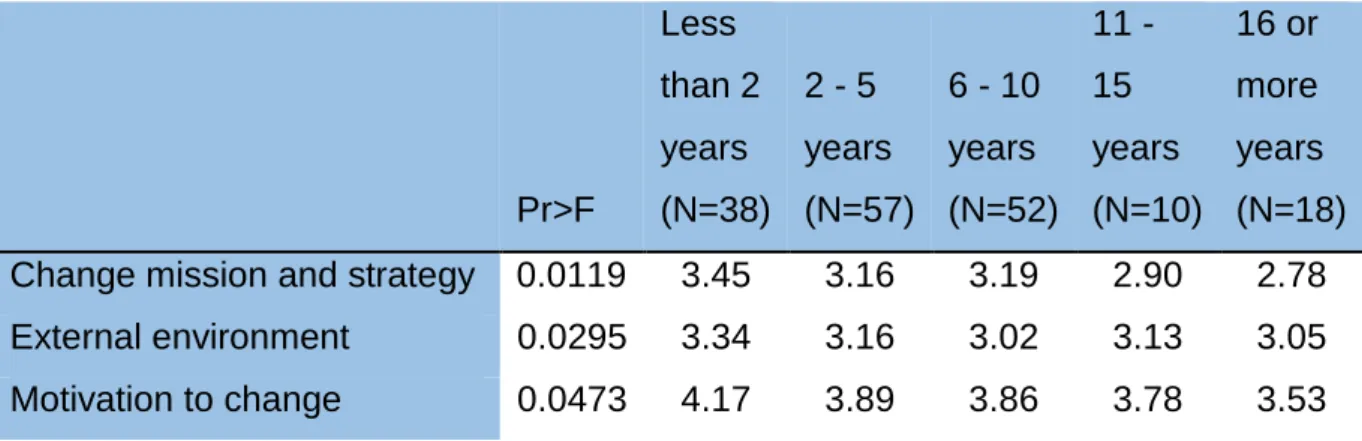
Table 3.4 Mean difference by tenure ... 79
Table 3.5 Mean difference by business unit ... 79
Table 3.6 Bivariate correlation between variables ... 81
Table 3.7 Regression model summary of readiness for change and the implementation of a performance management system ... 82
Table 3.8 ANOVA summary ... 82
1 CHAPTER 1: SCIENTIFIC ORIENTATION TO THE STUDY
This study investigates the relationship between organisational readiness for change and the implementation of a performance management system in an engineering support organisation. The first section of this chapter provides the background and motivation for this study. The second section of the chapter deals with the problem statement, specific literature questions, specific empirical questions and the potential value that this study may contribute to Industrial and Organisational Psychology. Section three discusses the general aim of the study, as well as the specific literature and empirical aims of the study. Section four of the chapter explains the paradigm perspective and includes the intellectual climate within which this study was conducted. The research design section provides details on the research approach, validity and reliability, variables and ethical considerations. Section five discusses the research method used in the study and includes a description of the sample, the psychometric instruments utilised, administration of the instrument, data capturing and data analysis. The last section provides an overview of the conclusions, recommendations and limitations of the study.
1.1. BACKGROUND AND MOTIVATION OF THE RESEARCH
In recent years, there has been an increase in the need for efficient and effective performance management systems (De Waal & Counet, 2009). The effective management of human resources is a vital requirement in all organisations for the achievement of the strategic objective of sustained and speedy growth (Bhattacharjee & Sengupta, 2011). The use of a performance management system has proven to improve the overall quality and performance of an organisation (de Waal & Counet, 2009). Efficient development of human capital enables an organisation to stay ahead of its competitors (Pradhan & Chaudhury, 2012). Performance management forms an essential element in this process, since it enables a culture of support and encouragement in turbulent business times (Ochurub, Bussin, & Goosen, 2012).
2 The introduction of a performance management system is a change initiative that is pivotal to the strategy of the organisation (Ochurub, et al., 2012). According to Rashidi (2015), a well implemented performance management system leads to favourable results and helps organisations address the changes optimally. Greenberg and Baron (1997) defined organisational change as a planned process of transformation in the organisational structure, processes, people and technology. However, organisational change and organisational development programmes are typically unsuccessful and only a few achieve increased productivity and sustained performance (Parumasur, 2012).
The management of change, as posited above, is an essential part in assisting the organisation in the effective implementation of a performance management system (Weiner, 2009). Change management experts and researchers recently highlighted the importance of ensuring organisational readiness for change (Weiner, 2009). Theoretical and scientific bases for change readiness, however, are limited (Weiner, 2009).
Readiness for change as a concept originates from the field of health psychology (McKay, Kuntz, & Naswall, 2013). Armenakis, Harris, & Mossholder (1993) suggested two necessary courses of action for creating readiness for change in an organisation, namely communicating a clear message about the gap between the current state and the desired state, as well as building the necessary confidence in employees that they have the skills and the knowledge needed to cope with the desired change.
Lutwama, Roos, and Dolamo (2013) identified numerous gaps in the implementation of a performance management system in Uganda. Employees were found to be dissatisfied about the non-transparency of the performance management system (Bhattacharjee & Sengupta, 2011).
3 In a South African context, Ochurub, et al (2012) found that the organisation they investigated was not ready to introduce a new performance management system and that employees held negative attitudes and feelings about the proposed performance management system. It appeared that limited South African research had investigated the implementation and practice of performance management in the public sector (Ochurub, et al., 2012).
Given the opportunity for further investigation in the field of performance management, the current study investigates the implementation of a performance management system in a private sector organisation within South Africa. The study will contribute to the fields of Industrial and Organisational Psychology and Human Resources in South Africa, in that performance evaluation is a sub-element of Personnel Psychology, which is a traditional field of Industrial Psychology, while organisational change is a sub-element of Organisational Psychology (Schreuder & Coetzee, 2010). Personnel Psychology is also considered as the bridge between the fields of Human Resources and Industrial Psychology (Schreuder & Coetzee, 2010). The outcome of this research will inform the ongoing research in the two fields. It is envisaged that the findings of the study will assist the participating organisation in determining its readiness for implementing change by means of a performance management system. The knowledge gained in this way, will also assist the organisation in implementing further changes.
Organisations face a highly competitive external environment and may have to change their processes more frequently to meet the demands of the market (Hall, 1999). Change may be required, when an organisation is dealing with new technology, mergers and acquisitions, restructuring and new business strategies (Kotter, 2002). Since organisational transformation in most instances involves a change management aspect, it can be concluded that the two processes of transformation and change management are related (Kotter, 2002). Change can occur at different levels in an organisation, namely at organisational, team, departmental and individual level. According to Kotter (2002), the most important part of change management initiatives lies in changing people’s behaviour and not the actual systems involved.
4 Johns and Saks (2005) defined organisational change as a sequence of organisational events or psychological processes that occur over time. The sequence of change involves three steps; namely, unfreezing, changing and refreezing. Unfreezing occurs, when there is a realisation that the organisational current is unsatisfactory (Luthans, 2008). Change is a process of implementing a programme of action to move the organisation from the current unsatisfactory state to the desired state (Johns & Saks, 2005). Refreezing occurs, when the newly developed behaviours and attitudes become embedded in the organisation (Cameron & Green, 2007).
Kotter (2002) suggested that there must be sufficient urgency, which creates a compelling motive for the change to be implemented before any change can be initiated. When sufficient urgency is lacking, large-scale changes are unlikely to succeed. Numerous types of behaviours often block change implementation, such as complacency; unwillingness to change; self-protection and a pessimistic attitude. Kotter (2002) argued that to address the change blocking behaviours, an organisation needs to create a vision. It also should encourage a learning culture to successfully implement and manage change.
According to the knowledge Corporate Leadership Council (2008), change management is also described as the formal process for organisational change, including a systematic approach and application of. Change management means defining and adopting corporate strategies, structures, procedures and technologies to deal with change stemming from internal and external conditions (CLC, 2008). Organisational readiness for change may facilitate the process of change management. Readiness for change is of central importance to organisations that are embarking on any kind of transformational change (Nissen, 2014).
Organisational readiness for change is a shared psychological state among the organisational members, which creates a feeling of commitment to implementing the organisational change with confidence in their collective capabilities to do so (Weiner, 2009, p. 1).
5 Organisational readiness for change is also described as the organisational ability to rapidly and effectively respond to change (Roodt & Kinnear, 2007). Organisational readiness for change therefore refers to ensuring that the organisational environment is conducive for the implementation of change. This type of change refers to the integration of new organisational processes into the primary functions and the intended outcomes of the organisation (Newman, 2012).
Organisational members are likely to initiate change, when change readiness is high (Weiner, 2009). When organisational readiness for change is low or non-existent, the members of the organisation will most probably resist initiating change and put less effort into implementing the change (Kwahk & Kim, 2008). Furthermore, when organisational readiness for change is low, organisational members will typically not be inclined to persevere in the face of the challenges that come with the implementation of change (Weiner, 2009). Organisational readiness for change focuses on the implementation of new practices and behaviours that are related to planned or unplanned changes to the environment or other aspects of organisational development (Nissen, 2014). Creating readiness for change has proven to reduce resistance to change (Kwahk & Kim, 2008). Organisational change literature suggests that attention to organisational readiness offers great potential for improving organisational development, underscored by an emerging implementation science literature that uses system-based analytics, including implementation drivers to more effectively achieve its aims (Nissen, 2014).
Weiner (2009) states that organisational readiness for change is a multi-level concept that can be present at the individual; team, department or the organisational level. Furthermore, it is a multifaceted construct that can be seen in organisational members’ changing commitment and changing efficacy to implement organisational change (Armenakis et al. 1993; Nissen, 2014). Change commitment is the organisational members’ shared determination to pursue the courses of action involved in the implementation of change (Weiner, 2009).
6 Organisational members may commit to the implementation of organisational change in the case of a top-down instruction because they have little say in it. They can also commit to the implementation of organisational change, when they are willing to change, suggesting that they want change because of the value they place on change. Finally, organisational members could commit to the institutionalisation of the organisational change because they feel obliged to do so (Weiner, 2009).
The concept of change efficacy also plays a role in organisational readiness to change. It refers to organisational members’ shared beliefs in their collective abilities to prepare for and implement the relevant actions for change implementation (Weiner, 2009, p. 2). All in all, organisational readiness for change is reflected in both psychological terms, referring to attitudes, behaviours and beliefs; and structural terms denoting financial, material and informational resources (Lerch, Viglione, Eley, James-Andrews, & Taxman, 2011; Weiner, 2009). The change readiness of an organisation is further seen as situational, which means that change could be necessitated by the situation that the organisation is faced with (Weiner, 2009).
Organisational members may change their attitudes, when they understand the need for change and are empowered to understand the implemented changes through education and awareness (Ochurub et al., 2012). Weiner (2009) further asserted that a culture that encourages learning and innovation enhances organisational readiness for change. Ochurub et al. (2012) argued that empowering and encouraging organisational members to share and provide new ideas, and ensuring constant communication of the reasons for change is the most successful approach to involve employees. Encouraging participation facilitates organisational members’ sense of ownership in the change process (Mckay et al., 2013). In any change process, organisational readiness for change are essential, combined with a set of practices that involves a mutually reinforcing sense of openness, opportunity, vision, efficacy and adequate resources, resulting in willingness and commitment to engage in an organisational transformation (Nissen, 2014).
7 Performance management, a critical activity for management in both profit-making and non-profit making organisations (Pongatichat & Johnston, 2008), is an on-going process of identifying, measuring and enhancing the performance of individuals or teams and aligning that performance to the organisational strategy (Aguinis, 2009). Performance management entails a process of integrating organisational goal setting, performance appraisal and employee development into a single consolidated system with the aim of ensuring that employees’ performance supports the organisational strategic intention (Bhattacharjee & Sengupta, 2011).
Performance management signifies more than just a practice aimed at measuring and adapting employee performance, since it integrates the setting of expectations; measuring and reviewing the results and rewarding performance with the view of impacting organisational success positively (Den Hartog, Boselie, & Paauwe, 2004). Therefore, performance management is a process that aligns organisational strategy to team and individual performance objectives with the aim of ensuring a consistent approach to implementing organisational strategy. The effective measurement and active management of organisational and employee performance is crucial in organisational development and survival (Den Hartog et al., 2004).
In the past, performance management research typically focused on the accuracy of performance appraisals, but in recent years, the focus shifted to also investigating the motivational aspects of employee performance (Den Hartog et al., 2004). Performance management is also a continuous process that involves performance reviews with a focus into the future improvement of performance as opposed to only reviewing the past performance (den Hartog et al., 2004). Performance management creates a framework that encourages, supports and guides, and helps to establish a performance-related culture (Ochurub et al., 2012). Although performance management is an essential tool for managing the most valuable asset in any organisation, the employees (Bhattacharjee & Sengupta, 2011), it has been found that not all employees in an organisation that has implemented a performance management system knew what performance management entailed (Lutwama et al., 2013).
8 Aguinis (2009) suggested that organisation-wide education on the performance management system should be prioritised in a performance management implementation plan. Previous researchers often investigated performance management, while overlooking the challenges inherent in introducing a performance management system as a new approach/strategy in a company (Ochurub et al., 2012). Aspects embedded in a performance management system such as performance measurement and performance reviews may be threatening to employees (Aguinis, 2009). The introduction of a performance management system could affect the levels of employee engagement and job security in that a performance management system incorporates high levels of open communication and trust (Luthans, 2008). Employees should understand what the organisation aims to achieve by introducing a performance management system (Ochurub et al., 2012).
The implementation of a performance management process incorporates four steps; namely, goal setting; monitoring and feedback; rewards and recognition and learning and development (Bhattacharjee & Sengupta, 2011). Goal setting is a process of creating organisational strategy from the top structures and cascading the strategy to the rest of the organisation through teams and ultimately to the individual level (Luthans, 2008). Monitoring and feedback involve conducting performance reviews and giving employees feedback in terms of how well they are meeting the organisational goals (Bhattacharjee & Sengupta, 2011). Reward and recognition includes a motivational aspect that is intended to encourage the employees through monetary and non-monetary incentives to meet and exceed the organisational goals. Learning and development is a process of identifying development needs and agreeing on the plan of action to create and provide the learning and developmental opportunities (Bhattacharjee & Sengupta, 2011).
9 The study investigated the relationship between organisational readiness for change and the implementation of a performance management system. In other words, determining whether organisational readiness for change had an impact on the implementation of a performance management system. It was also important to investigate how other biographical variables such as tenure, job levels and business unit influence readiness for change in the organisation.
The following hypothesis emanated from the literature review as outlined in the background and motivation to the study.
H1: There is a relationship between readiness for change and the implementation of a performance management system.
H2: Levels of readiness for change differ based on tenure in the organisation.
H3: There is a difference in the levels of readiness for change based on the business unit within the organisation.
H4: There is a relationship between the individual variables of readiness for change and the implementation of a performance management system.
1.2. PROBLEM STATEMENT
According to Canterucci (2008), change readiness is one of the six major components of successfully implementing change. It is evident from the literature that organisations need to establish levels of change readiness and manage employees’ experiences during a transition to a performance management system (Ochurub et al., 2012). Implementing a performance management system would be a completely new process in the participating organisation.
10 As far as could be determined, a formal performance management system had not yet been established in the participating organisation. It was envisaged that the introduction of a performance management system would impact on how employees perform their jobs. Therefore, the purpose of the study was to assess organisational readiness for implementing a performance management system. The study will contribute towards an understanding of the concept of organisational readiness for change by investigating employees’ attitudes about the implementation of a performance management system in the participating organisation.
Terre Blanche, Durrheim, and Painter (2006) defined a research question as the question that the study wants answered. The general research question of the study is as follows:
What is the relationship between organisational readiness for change and the implementation of a performance management system?
1.2.1. Specific research questions: literature review
(1) How is organisational readiness for change conceptualised in literature? (2) How is performance management system conceptualised in literature?
(3) What is the theoretical relationship between organisational readiness for change and the implementation of a performance management system?
(4) What are the implications of the theoretical relationships in relation to practice?
1.2.2. Specific research questions: empirical study
(1) What is the relationship between readiness for change and the implementation of a performance management system (H1)?
(2) Is there a difference in terms of levels of readiness for change based on tenure in the organisation (H2)?
11 (3) Is there a difference in terms of levels of readiness for change based on the
business unit within the organisation (H3)?
(4) Is there a significant relationship between the factors of readiness for change (i.e., business unit climate; job/task requirements; motivation to change; personal impact of change; emotional impact of change and change processes) and the implementation of a performance management system (H4)?
1.3. AIMS OF THE STUDY
The general aims of the study are formulated in alignment with the stated hypotheses and research questions.
1.3.1. General aim
The general aim of the study was to determine the relationship between readiness for change and the implementation of a performance management system.
1.3.2. Specific literature aims
The following research aims were formulated for the literature review. (1) To conceptualise organisational readiness for change from literature. (2) To conceptualise performance management system from literature.
(3) To discuss the theoretical relationship between organisational readiness for change and the implementation of a performance management system.
12 1.3.3. Specific empirical aims
The following research aims were formulated for the empirical study.
(1) Determine the relationship between organisational readiness for change and the implementation of a performance management system.
(2) Determine if there is a statistically significant difference by tenure with regards to readiness for change for the implementation of a performance management system.
(3) Determine, if there is a statistically significant difference by business unit in the participating organisation with regards to readiness for change for the implementation of a performance management system.
(4) Determine if there is a statistically significant difference between the sub-variables of readiness for change (i.e., business unit climate; job/task requirements; motivation to change; personal impact of change; emotional impact of change and change processes) and the implementation of a performance management system. (5) Formulate recommendations in terms of implementation and further research for
the field of Industrial and Organisational Psychology with regards to the role of organisational readiness for change in implementing performance management systems.
1.4. PARADIGM PERSPECTIVE OF THE RESEARCH
A paradigm is a model or pattern containing a set of legitimated assumptions and a design for collecting and interpreting data (De Vos, Strydom, Fouche & Delport, 2012). Colman (2009) further pointed out that a paradigm is a pattern, model or meta-theoretical conceptual framework within which theories in an area of research are constructed. Three dimensions of paradigms include ontology, which specifies the nature of reality to be studied and what can be known about it; epistemology, which specifies the nature of the relationship between the researcher and what can be known; and methodology, which specifies how the researcher may practically go about
13 studying what can be known (Terre Blanche, et al. 2006). The paradigm perspective in this study was a positivist methodology, in that the researcher adopted an experimental and quantitative testing of hypotheses (Terre Blanche, et al. 2006). The study was based on the belief that the individuals in the participating organisation had subjective perceptions of readiness for change (Terre Blanche, et al. 2006)
1.4.1. Intellectual climate: meta-theoretical perspective
Intellectual climate refers to the variety of meta-theoretical values or beliefs, which are held by the practitioners within a discipline at any given point in time (Mouton & Marais, 1996, p. 20). The intellectual climate of organisational readiness for change was within the field of industrial and organisational psychology, which refers to the scientific study of people within their work environment and includes the application of psychological principles; theory and research to the work setting (Landy & Conte, 2004; Riggio, 2009).
1.4.2. Discipline
This study was within the Industrial and Organisational Psychology domains of Personnel Psychology and Organisational Psychology. Personnel Psychology scientifically studies individual differences in work settings and includes activities such as job analysis and criterion development; employee selection and placement; psychological assessment; employee reward and remuneration; employee performance evaluation; training and development (Schreuder & Coetzee, 2010). Organisational psychology’s focus is on the impact that the organisations have on the behaviour and attitudes of employees, which includes the studying organisational change and commitment (Schreuder & Coetzee, 2010).
14 1.4.3. Meta-theoretical assumptions
No scientific finding can be conclusively proven based on empirical research data; the research must make assumptions justifying specific theories and meta-theoretical assumptions from the definitive context of the study (Mouton & Marais, 1996). The meta-theoretical assumptions in the study were from the theories of organisational readiness for change and performance management.
1.4.4. Theoretical base
The literature review of organisational readiness was presented from the conceptualisation of readiness for change as a description of employee belief in the benefits of a change in and to the organisation and work processes, and whether these changes have a high likelihood of being implemented successfully (Eby, Adams, Russel, & Gaby, 2000). The review of literature for performance management was presented from a definition that performance management is the range of activities that an organisation engages in to enhance the performance of a target person or group with the ultimate purpose of improving organisational effectiveness (DeNisi, 2000). From the literature, it can be deduced that the introduction of a performance management system in an organisation is an introduction of change. In implementing a performance management system, an organisation has to ensure readiness for the proposed change.
Ochurub et al. (2012) investigated the extent to which employees were ready for change as an indication of whether their organisation was ready to introduce a performance management system. Lutwama et al. (2013) investigated the role of change readiness in the implementation of performance management. These studies were conducted in the public and healthcare sectors, respectively.
15 The aim of this study was to investigate the relationship of organisational readiness for change and the introduction of a performance management system in a private sector organisation and in this case, an engineering support services organisation.
1.4.5. Hypotheses
The central hypothesis of this study was that organisational readiness for change influences the implementation of a performance management system within an organisation.
Due to the differences in tenure among the employees in the participating organisation, the secondary hypothesis of the study was that the longer the employees have been with the organisation, the less likely they would be ready for change and the implementation of a performance management system.
Also, due to the different business units with the different services and products offered; and the different sub-organisational cultures, the third hypothesis in the study was that there is a difference in the levels of readiness for organisational change for the implementation of a performance management system among the different business units in the participating organisation.
Lastly, since the independent variable, readiness for change, has sub-variables, the fourth hypothesis in the study is that there is a significant relationship between the individual variables of readiness for change and the implementation of a performance management system.
16 1.5. RESEARCH DESIGN
The section that follows outlines the research approach, which is inclusive of the research variables and the participants. The section also outlines the research procedure and the statistical analysis. The section ends with ethical consideration and potential limitations.
1.5.1. Research approach
Research approach is the arrangement of conditions for the collection and analysis of data in a manner that aims to combine relevance to the research purpose with economy in procedure (Mouton & Marais, 1996). Research approach also refers to the description of the way in which a theory is conceptualised and tested (Terre Blanche et al., 2006). There are two approaches to research; deductive reasoning and inductive reasoning (De Vos et al., 2012). Deductive reasoning emanates from the general to the specific by following a pattern from the belief that the pattern might be logically expected to observations that test the existence of the pattern (De Vos et al., 2012). Inductive reasoning moves from concrete observations to a general theoretical explanation (De Vos et al., 2012). The study was deductive in that from the literature review, the study conceptualised a relationship between readiness for change and the implementation of a performance management system, and subsequently presented testable hypotheses.
The study was conducted quantitatively through a non-experimental survey approach. According to Terre Blanche, et al. (2006), quantitative research collects data in the form of numbers and uses statistical data analysis. Quantitative research approach was appropriate for the study since it employed a survey to assess organisational readiness for the implementation of a performance management system.
17 The study was descriptive. Descriptive research presents a picture of the specific details of a situation (De Vos et al., 2012). It was envisaged that this study would provide an indication of whether there is a relationship between organisational readiness for change and the implementation of a performance management system in the participating organisation. Furthermore, it was envisaged that there would be differences in the levels of readiness for change and the implementation of a performance management system among the different business units and the tenure of groups of employees within the participating organisation.
1.5.1.1 Research variables
“A variable is defined as a concept that can take two or more values” (Terre Blanche et al., 2006, p. 42). It can either be independent or dependent. An independent variable is a cause variable that has an impact on another variable. The dependent variable is the result or outcome of another variable (Terre Blanche et al., 2006). The independent variable in this study was organisational readiness for change, and the dependent variable was the implementation of a performance management system. The study focused on determining, whether organisational readiness for change had influence on the implementation of a performance management system within the participating organisation.
18 1.5.2. Research procedure
The study consisted of two phases; namely, literature review and the empirical study.
Phase 1: Literature review
Literature review was conducted as follows:
Step 1: Conceptualised organisational readiness for change from a theoretical perspective.
Step 2: Conceptualised performance management systems from a theoretical perspective.
Step 3: Conceptualised the relationship between organisational readiness for change and the effective implementation of a performance management system in an organisation.
Step 4: Formulated the study hypotheses to achieve the study objectives.
Phase 2: Empirical study
The empirical study was conducted as follows:
Step 1: Choosing and motivating for the instrument
The Change Readiness Inventory (CRI) which was developed by Roodt and Kinear (2007) was chosen. The CRI measures organisational readiness for change and the implementation of change.
19 Step 2: Choosing and determining the sample
The target sample for the study consisted of 175 non-bargaining unit employees in the participating organisation.
Step 3: Administering the instrument
Due to the geographic spread of the sample, the CRI was administered electronically via e-mal. Permission was obtained from the participating organisation’s Group Human Resources Director to conduct the study. A list of non-bargaining employees was obtained from the Human Resources function of the participating organisation.
Step 4: Capturing data
The participants’ responses were capture in accordance with the CRI developers’ guidelines of anonymity in that no names were captured. The data was captured on Microsoft Excel.
Step 5: Formulation of research hypotheses and statistical analysis The hypotheses were formulated and statistical analysis performed.
Step 6: Reporting and discussing the results
The reporting and the discussion of the results were aligned to the literature review and the aims of the study.
20 Step 7: Formulation of research conclusions, limitations and recommendations The study aimed to determine the relationship between organisational readiness for change and the implementation of a performance management system. The study also aimed to determine if there were differences in readiness for change among the participants in terms of business unit and tenure. Lastly the study aimed to determine if there was a relationship between the individual factors of readiness for change and the implementation of a performance management system.
1.5.3. Research participants
The population of the participating engineering support services organisation comprised of 1 500 permanent employees, based in six business units operating in diverse geographical areas. Of the 1 500 permanent employees, only 700 were salaried employees and were legible for performance evaluation. The remaining 800 employees were bargaining unit employees, who would not be performance managed as their salary increases were determined by union negotiations at the Bargaining Council. The population was further divided into the relevant business functions (finance, engineering, operations, sales, marketing, human resources and information technology) and included five job bands. Stratified random sampling was used in selecting the sample to establish more representativeness, where populations consist of subgroups (Terre Blanche et al., 2006).
A research proposal was presented to the senior management of the targeted participating organisation with the aim of obtaining permission to conduct the research; the permission was granted. The sample included 210 employees in the organisation across its business units, business functions and job bands. According to Terre Blanche et al. (2006), a minimum of 300 is a scientifically appropriate sample, 30% of a population of approximately 1 000. In this study, a sample of 175, which represents 25% of the target population was obtained. The sample size of 25% is sufficient to draw inferences for the population of 700 (Terre Blanche et al., 2006).
21 Terre Blanche et al. (2006) emphasised the importance of clearly stating the purpose of the study, theoretical paradigms underpinning the study, taking into cognisance the context within which the research takes place and the research technique. The representativeness of the sample and the instrument used are also critical in ensuring validity of the study. To ensure external validity, a representative sample was drawn. Identification of plausible rivalry hypotheses and eliminating their impact was done to achieve design validity. Data were collected, stored and analysed electronically. To ensure protection and authenticity of data, only the researcher had access to the data.
In this study, validity was ensured through:
Using the models and theories relevant to the research topic, aim and problem statement as guidelines;
Selecting measuring instruments that are applicable to the models and theories informing the study and that they are presented in a standardised manner.
1.5.3.1 Ethical Considerations
The purpose of research ethics is to protect the welfare of research participants (Terre Blanche et al., 2006). The following ethical aspects were addressed in the study.
Avoidance of harm, which states that research should bring no harm to the participants, is a fundamental ethical rule of research (De Vos et al., 2012). Key consideration in this study was to ensure that the CRI was used according to the rules of its developers in terms of administration, scoring and use of results.
22 Beneficence, which obliges the researcher to endeavour to maximise the benefits that the research will afford the participants, is also an important ethical aspect in research (Terre Blanche et al., 2006). In this study, beneficence was ensured by sharing the findings with the organisation to assist in effectively implementing and managing change within its business units, functions and work teams.
Voluntary participation is a further ethical principle in research. Voluntary participation protects participants from being forced to participate in a project (De Vos et al., 2012). In this study, participants were informed that their participation in the study is voluntary on the preface to the questionnaire.
Another ethical requirement is that of respect and dignity of participants by ensuring the confidentiality of the participants (Terre Blanche et al., 2006). This study treated the research participants (both the organisation, wherein the study was conducted and the individual members of the organisation) with the strictest confidentiality. A fundamental requirement of the CRI was that it could be used to measure individual readiness for change (Roodt & Kinnear, 2007). In the study, the participants were not required to disclose their names. This requirement aligned with the Health Professions Council of South Africa’s ethical codes and the Constitution of the Republic of South Africa (Health Professions Council of South Africa, 2006).
The principle of informed consent requires that research participants be given an opportunity to choose what will and shall not happen to them (De Vos et al., 2012). In this study, participants received informed consent communication that explained the objectives of the study; the expected duration of the participant’s involvement; possible advantages and disadvantages that the participants could experience, as well as the credibility of the researcher (De Vos et al., 2012).
23 In addition to the ethical principles mentioned above, the researcher adhered to the University of South Africa’s ethical code of research, as per the ethical clearance that was issued and the Health Professions Council of South Africa’s code of ethics.
1.5.4. Measuring instrument: Change Readiness Inventory
The instrument that was used to measure organisational readiness for change and the implementation of a performance management system was the Change Readiness Inventory (CRI). The CRI was developed by Roodt and Kinnear (2007). The inventory had acceptable psychometric properties (Cronbach’s alpha of 0.98) for use in the study, and it measured organisational readiness for change (Roodt & Kinnear, 2007). The CRI was developed solely to assess the readiness of change of work teams, work units or organisational sub-divisions. The CRI is strictly intended for use in an organisational (corporate) setting for research as well as for diagnostic (consulting) purposes (Roodt & Kinnear, 2007). The CRI is based on the integrated theoretical model of inertia-related concepts that numerous authors have identified (Roodt & Kinnear, 2007). In a study that involved a group of 340 managers and 347 trainees in a state organisation in Australia, Cronbach alphas of .99 and .78 were found for the CRI (Van Rooyen, 2007).
The CRI incorporates the Burke-Litwin model to systematise and categorise the concepts and factors into an integrative theoretical model (Roodt & Kinnear, 2007). The CRI enables users to identify several specific organisational change facilitating or inhibiting factors, which can be grouped into two broad categories: transformational and transactional variables. Transformational variables refer to the external environment; change mission and strategy; a change supportive culture and change leadership (Roodt & Kinnear, 2007).
24 Transactional variables refer to the existing structure; work-unit climate; change management practices; change-related systems; change motivation; task requirements applicable to change; needs and values pertaining to change; individual experiences; and the emotional impact of change (Roodt & Kinnear, 2007). The 12 dimensions (transformational and transactional variables) were used as the behavioural anchors to develop the 109 behaviour-based items within each dimension of the CRI (Roodt & Kinnear, 2007).
The questionnaire was divided into the following sections:
Section A – biographical data in terms of business unit, department, job grade, tenure, gender and highest educational qualification.
Section B – Items from the CRI.
1.5.4.1. Psychometric properties of the CRI
a Reliability of the CRI
Reliability refers to the extent to which the measuring instrument gives the same results, when used repeatedly (Terre Blanche et al., 2006). Roodt and Kinnear (2007) reported a Cronbach’s alpha (internal consistency) of 0.98 on the inertia scale and 0.89 on the external change forces, change strategy and imposed personal demands scale of the CRI. These figures are based on an initial study that was conducted on 617 individuals from junior to senior management in different industries (Roodt & Kinnear, 2007). Other researchers reported similar reliability scores for this inventory. For example, researchers found a Cronbach’s alpha of 0.99 in a group of 340 managers in Australia; and a Cronbach’s alpha of 0.78 for a group of 347 trainees who worked for a state organisation in South Africa. The internal consistency reliabilities for the 12 dimensions varied between 0.677 and 0.896 with only two reliabilities below 0.80 (Roodt & Kinnear, 2007).
25
b Validity of the CRI
According to Terre Blanche et al. (2006), validity refers to the extent to which the research conclusions are sound. Internal and external validity are imperative for a good research design. Roodt and Kinnear (2007) argued that the process followed in constructing the questionnaire is consistent with the generally accepted test construction procedures that both Schepers (1992) and Foxcroft (2005) suggested. This ensured that the inventory would have content validity with a high degree of face validity.
The factor analytical procedures show that the instrument also has structural validity (factorial validity), based on the first robust factor extracted in the reported studies (Burger, Crous & Roodt, 2008). Roodt and Kinnear (2007) maintained that high item-total score correlations also indicate that the items measure the same larger/broader construct; namely, organisational change readiness, alternatively referred to as inertia.
1.5.5. Statistical analysis
Basic quantitative analysis was used for the study and the data were statistically processed and analysed by means of descriptive statistics (frequency distribution by demographics); measures of central tendency (mode, mean and median); measures of variability (range and variance) and inferential statistics (to test hypothesis by using
t-tests, F-statistic and correlation: r coefficient). The Statistical Analysis Software (SAS) was used to analyse the data. The SAS is a statistical mainframe package that is friendlier to use (Terre Blanche, et al 2006). Cronbach’s alpha coefficients were used to determine internal consistency reliability properties of the CRI. Bivariate correlation coefficients were calculated to describe the relationship between the variables (organisational readiness for change and the implementation of a performance management system).
26 Multiple regression analysis was used to determine the percentage variance explained by the independent variable (organisational readiness for change) and the dependent variable (implementation of a performance management system). The levels of statistical significance used in this study were F(p) < .05 as the cut-off for rejecting the null hypotheses. Gravetter and Wallnau (2013) posit that the p-value of <.05 indicates the statistically significant difference. Due to the small sample size (N = 175) the significance level was set at p =.10 for interpreting the results of the moderated hierarchical analysis.
1.5.6. Potential limitations
It was expected that an empirical relationship exists between organisational readiness for change and the implementation of a performance management system. The study aimed to highlight the potential challenges that the implementation of a performance management system might pose to the organisation.
The following limitations were envisaged:
(1) Not all participants in the sample would participate in the study, even if they were assured that their participation would be treated with strictest confidentiality. (2) Although the study took place in the private sector organisation, its results might
27 1.6. CHAPTER LAYOUT
The following framework indicates how the study is presented in the final write up of the dissertation:
Chapter 1: Scientific orientation to the study
This chapter provided a scientific overview of the study. The chapter introduced the research topic and further outlined the research design and research methodology that was used to collect and analyse the data.
Chapter 2: Literature review
The literature review conceptualised the research variables, namely; organisational change; organisational readiness and the introduction of a performance management system. The chapter also considered the implications that organisational readiness for change held for the introduction of a performance management system.
Chapter 3: Research article
A research article, which detailed the scientific outline of the study, was the basis of this chapter. This chapter also provided information on the measuring instruments and statistical analysis of the data. The hypotheses of the study were further discussed in this chapter.
Chapter 4: Conclusions, limitations and recommendations
The chapter integrated the discussion and the conclusion of the research findings. It also provided the practical implications and recommendations for the participating organisation. Any limitations that arose during the study were pointed out, and recommendations for future research and the field of Industrial and Organisational Psychology were made.
28 1.7. CHAPTER SUMMARY
The chapter began by providing the background and motivation for the study. The problem statement for the study was outlined and was followed by the aims of the research. Both the general aim and specific aims of the study were stated. The study aimed to investigate the relationship between organisational readiness for change and the implementation of a performance management system. Following the aims of the study, the paradigm that was adopted in the study was defined and explained. The chapter further outlined the research design, which comprised of research approach, research method and procedure, research participants, research instrument and statistical analysis. The chapter concluded with the potential limitations to the research.
29 CHAPTER 2: LITERATURE REVIEW
The preceding chapter dealt with the background to and motivation for the study. This chapter, as per the literature review aims, conceptualises organisational change in detail. The chapter proceeds to conceptualised readiness for change and performance management system. A theoretical model of a performance management system by Ferreira and Otley (2009) is presented and discussed. The chapter concludes with the integration of readiness for change and the implementation of a performance management system from a theoretical perspective.
2.1 ORGANISATIONAL CHANGE
Organisational change and change management have captured more attention than any other organisational problem (Wetzel & Van Gorp, 2014). Change, according to van Tonder (2006), is the most often referred to concept that plays a major role in many significant events. It is important to note that no change definition is beyond critique and it is anticipated that some change definitions may be viewed as lacking context or being selective (van Tonder, 2006).
Organisational change is defined as a planned or unplanned process of transformation in the organisation’s structure, people and technology (Greenberg & Baron, 1997). Change is also seen as the implementation of a plan to move the organisation from the unsatisfactory state to a more satisfactory state. Johns and Saks (2005) defined change as the process of rethinking and renewing the strategic direction of the organisation. According to Rajput and Novitskaya (2013), change has always been integral in the life cycle of the organisation, whether consciously or unconsciously, and at an individual or a group level.
30 Johns and Saks (2005) indicated that processes are one of the aspects that can be changed in an organisation. Change in processes includes the alteration or the improvement of the basic ways in which organisational mission is accomplished (Johns & Saks, 2005). Organisational change, rather than a destination, is an ongoing process that requires the capability to ensure that all the levels of the organisation are informed at all times during the planning, implementation and anchoring of change (LC, 2008). Van Tonder (2006) distinguishes change into developmental change; transitional change and transformational change. Developmental change is an improvement of the existing process, system or culture. Transitional change is the introduction of a defined new state and the management of the temporal transition over a given period. Transformational change is the emergence of the new unfamiliar state as a result of the ineffectiveness of the old state, where the new state penetrates the organisation to a point of taking shape.
However, Greenberg and Baron (1997) defined two kinds of change: first order change and second order change. First order change is a continuous change that does not involve major shifts in the operations of the organisation. Second order change is a radical change that often involves myriad levels of the organisation and several aspects of the business (Robbins & Judge, 2013).
Further, the Corporate Leadership Council (2013) provided another alternative view of the types of change: Anticipated change; emergent change and opportunity-based change.
(1) Anticipated change: Change that is planned for and occurs as per the intention. (2) Emergent change: Change that is spontaneous and that may be fuelled by
innovation.
(3) Opportunity-based change: Change that is not anticipated beforehand, but is intentionally introduced as a result of an unforeseen occurrence and opportunity.
31 In this study, the implementation of a performance management system can be classified as an anticipated change in that the participating organisation has tabled its intention to implement a performance management system.Changes in organisations do not just occur; changes come about as a result of inertia from within or outside the organisation (Robbins & Judge, 2013).
The following section provides an overview of the factors that influence organisational change; namely, the triggers of change.
2.1.1 Triggers of change
Socio-Cultural: Organisations operate in a global environment that requires intentional diversity management. The globalised environment also makes it essential for organisations to gear themselves up for the immigration and outsourcing (Robbins & Judge, 2013).
2.1.1.1 Technology
Technology is continually changing the nature of jobs and the processes that are used within organisations. The organisations constantly pursue faster and cheaper technology, while at the same time, they endeavour to raise the bar to the social media driven industry (Johns & Saks, 2005).
32
2.1.1.2 Economy
Economic instabilities such as rise and drop in the housing market, mergers and acquisitions and the global financial sector market downfall, cause the organisations to downsize and lay off some of their employees (Robbins & Judge, 2013).
2.1.1.3 Competition
Competition is rapidly changing, where businesses now have more competitors than ever before, including overseas competition (Johns & Saks, 2005). Organisations that survive the turbulent competitive environment are those that are fast on their feet and can develop the new products and penetrate the market sooner than their competitors (Robbins & Judge, 2013).
2.1.1.4 Political factors
Politicians often put laws in place to regulate the countries they govern. When such laws are implemented, they tend to influence how organisations operate within the system of the country, and as such coercing organisations to adapt (Rajput & Novitskaya, 2013).
33 Table 2.1: Triggers of change (Robbins & Judge, 2013)
Political Local laws
International laws
Economical Global markets
Financial meltdown Global recession
Socio-cultural Globalisation
The need for cultural diversity Aging workforce
Technological Faster and cheaper connectivity
Social networking Rapid innovation
Competition Mergers and acquisitions
Global competition Competition regulations
The triggers of change are an important consideration in this study in that the intention to implement a performance management by the participating organisation is influenced by several triggers of change, namely, competition; socio-cultural and economical factors. Firstly, the participating organisation consistently competes for the work it does within the industry. Secondly, the participating organisation has an average employee age of forty-three, suggesting the need to pass on the knowledge to younger employees. Lastly, the economy within which the participating organisation operates has presented several challenges, including the need to operate with lean budgets.
34 Therefore, according to Bhattacharjee and Sengupta (2011), the implementation of a performance management system will assist the participating organisation in the effective management of its employees towards achieving a competitive edge. Having identified the triggers of change as they relate to the participating organisation, change does not just happen, there is a process that the organisation should follow to implement any change. The following section looks at the process of change.
2.1.2 The process of change
Even if the need for change is high, change is not an automatic process (Greenberg & Baron, 1997). Kurt Lewin suggested that change occurs in three stages, namely: unfreezing; changing and refreezing (Robbins & Judge, 2013). Unfreezing occurs, when there is a realisation that the current state of affairs is unsatisfactory (Luthans, 2008). Change takes place, when the organisation implements a plan that is aimed at taking the organisation and/or its members to a better/improved desired state (Johns & Saks, 2005). Refreezing is referred to as occurring, when the changes are incorporated; created and maintained into the organisational system (Greenberg & Baron, 1997).
Figure 2.1 Lewin’s three-stage change model (Adapted from Greenberg & Baron, 1997). Step 1: Unfreezing Step 2: Changing Step 3: Refreezing