Neuropsychiatric Disease and Treatment
Dove
press
R e v i e w
open access to scientific and medical research
Open Access Full Text Article
Biomarkers for depression: recent insights, current
challenges and future prospects
Rebecca Strawbridge1
Allan H Young1,2
Anthony J Cleare1,2 1Centre for Affective Disorders, Department of Psychological Medicine, institute of Psychiatry, Psychology and Neuroscience, King’s College London, 2South London and Maudsley NHS Foundation Trust, London, UK
Abstract: A plethora of research has implicated hundreds of putative biomarkers for
depres-sion, but has not yet fully elucidated their roles in depressive illness or established what is abnormal in which patients and how biologic information can be used to enhance diagnosis, treatment and prognosis. This lack of progress is partially due to the nature and heterogeneity of depression, in conjunction with methodological heterogeneity within the research literature and the large array of biomarkers with potential, the expression of which often varies according to many factors. We review the available literature, which indicates that markers involved in inflammatory, neurotrophic and metabolic processes, as well as neurotransmitter and neuroen-docrine system components, represent highly promising candidates. These may be measured through genetic and epigenetic, transcriptomic and proteomic, metabolomic and neuroimaging assessments. The use of novel approaches and systematic research programs is now required to determine whether, and which, biomarkers can be used to predict response to treatment, stratify patients to specific treatments and develop targets for new interventions. We conclude that there is much promise for reducing the burden of depression through further developing and expanding these research avenues.
Keywords: mood disorder, major depressive disorder, inflammation, treatment response,
stratification, personalized medicine
Introduction
Challenges in mental health and mood disorders
Although psychiatry has a disease-related burden greater than any single other medical diagnostic category,1 a disparity of esteem is still apparent between physical and
mental health across many domains including research funding2 and publication.3
Among the difficulties that mental health faces is a lack of consensus surrounding classification, diagnosis and treatment that stems from an incomplete understanding of the processes underlying these disorders. This is highly apparent in mood disorders, the category which comprises the single largest burden in mental health.3 The most
prevalent mood disorder, major depressive disorder (MDD), is a complex, heteroge-neous illness in which up to 60% of patients may experience some degree of treatment resistance that prolongs and worsens episodes.4 For mood disorders, and in the
broader field of mental health, treatment outcomes would likely be improved by the discovery of robust, homogeneous subtypes within (and across) diagnostic categories, by which treatments could be stratified. In recognition of this, global initiatives to delineate functional subtypes are now in progress, such as the research domain criteria.5 It has been posited that biologic markers are priority candidates for subtyping
mental disorders.6
Correspondence: Rebecca Strawbridge Centre for Affective Disorders, Department of Psychological Medicine, institute of Psychiatry, Psychology and Neuroscience, King’s College London, 103 Denmark Hill, London Se5 8AZ, UK Tel +44 207 848 5305
Fax +44 207 848 0783
email [email protected]
Journal name: Neuropsychiatric Disease and Treatment Article Designation: Review
Year: 2017 Volume: 13
Running head verso: Strawbridge et al Running head recto: Biomarkers for depression DOI: http://dx.doi.org/10.2147/NDT.S114542
Neuropsychiatric Disease and Treatment downloaded from https://www.dovepress.com/ by 118.70.13.36 on 25-Aug-2020
For personal use only.
Number of times this article has been viewed
This article was published in the following Dove Press journal: Neuropsychiatric Disease and Treatment
Dovepress
Strawbridge et al
improving response to treatments for
depression
Despite an extensive range of treatment options for major depression, only approximately a third of patients with MDD achieve remission even when receiving optimal antidepressant treatment according to consensus guidelines and using measurement-based care, and rates of treatment response appear to fall with each new treatment.7
Further-more, treatment-resistant depression (TRD) is associated with increased functional impairment, mortality, morbidity and recurrent or chronic episodes in the long term.8,9 Thus,
obtaining improvements in treatment response at any clinical stage would afford wider benefits for overall outcomes in depression. Despite the substantial burden attributable to TRD, research in this area has been sparse. Definitions of TRD are not standardized, in spite of previous attempts:4
some criteria require only one treatment trial that fails to achieve a 50% symptom score reduction (from a validated measure of depression severity), while others require non-achievement of full remission or nonresponse to at least two adequately trialed antidepressants of different classes within an episode to be considered TRD.4,10 Furthermore,
the staging and prediction of treatment resistance is improved by adding the key clinical features of severity and chronicity to the number of failed treatments.9,11
Nevertheless, this inconsistency in definition renders interpreting the research literature on TRD an even more complex task.
In order to improve response to treatments, it is clearly helpful to identify predictive risk factors of nonresponse. Some general predictors of TRD have been characterized, including a lack of full remission after previous episodes, comorbid anxiety, suicidality and early onset of depression, as well as personality (particularly low extraversion, low reward dependence and high neuroticism) and genetic factors.12
These findings are corroborated by reviews synthesizing the evidence separately for pharmacologic13 and psychological14
treatment for depression. Antidepressants and cognitive-behavioral therapies show approximately comparable efficacy,15 but due to their differing mechanisms of action
might be expected to have different predictors of response. While early-life trauma has long been associated with poorer clinical outcomes and reduced responses to treatment,16 early
indications suggest that people with a history of childhood trauma might respond better to psychological than pharma-cologic therapies.17 Despite this, uncertainty prevails and
little personalization or stratification of treatment has reached clinical practice.18
This review focuses on the evidence supporting the utility of biomarkers as potentially useful clinical tools to enhance treatment response for depression.
Biomarkers: systems and sources
Biomarkers provide a potential target for identifying predic-tors of response to various interventions.19 The evidence to
date suggests that markers reflecting the activity of inflam-matory, neurotransmitter, neurotrophic, neuroendocrine and metabolic systems may be able to predict mental and physical health outcomes in currently depressed individuals, but there is much inconsistency between findings.20 In this review, we
focus on these five biologic systems.
To attain a full understanding of molecular pathways and their contribution in psychiatric disorders, it is now considered important to assess multiple biologic “levels”, in what is popularly referred to as an “omics” approach.21
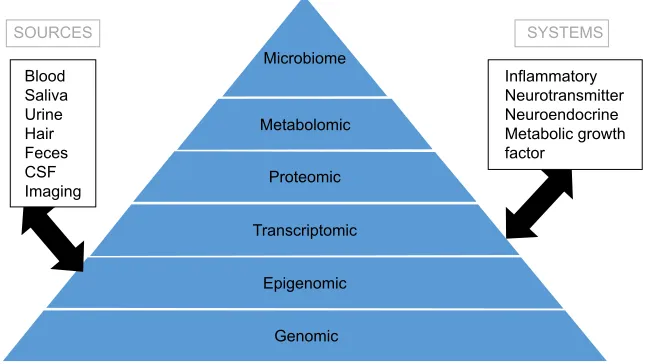
Figure 1 provides a depiction of the different biologic levels at which each of the five systems can be assessed, and the potential sources of markers on which these assessments can be undertaken. However, note that while each system can be inspected at each omics level, the optimal sources of measure-ment clearly vary at each level. For example, neuroimaging provides a platform for indirect assessment of brain structure or function, while protein examinations in blood directly assess markers. Transcriptomics22 and metabolomics23 are
increasingly popular, offering assessment of potentially huge numbers of markers, and the Human Microbiome Project is now attempting to identify all microorganisms and their genetic composition within humans.24 Novel technologies
are enhancing our ability to measure these, including through additional sources; for example, hormones such as cortisol can now be assayed in hair or fingernails (providing a chronic indication) or sweat (providing a continuous measurement),25
as well as in blood, cerebrospinal fluid, urine and saliva. Given the number of putative sources, levels and systems involved in depression, it is not surprising that the scale of biomarkers with translational potential is extensive. Particu-larly, when interactions between markers are considered, it is perhaps unlikely that examining single biomarkers in isolation will yield findings fruitful for improving clinical practice. Schmidt et al26 proposed the use of biomarker
panels and, subsequently, Brand et al27 outlined a draft panel
based on prior clinical and preclinical evidence for MDD, identifying 16 “strong” biomarker targets, each of which is rarely a single marker. They comprise reduced gray matter volume (in hippocampal, prefrontal cortex and basal ganglia regions), circadian cycle changes, hypercortisolism and other
Neuropsychiatric Disease and Treatment downloaded from https://www.dovepress.com/ by 118.70.13.36 on 25-Aug-2020
Dovepress Biomarkers for depression
representations of hypothalamic–pituitary–adrenal (HPA) axis hyperactivation, thyroid dysfunction, reduced dopamine, noradrenaline or 5-hydroxyindoleacetic acid, increased glu-tamate, increased superoxide dismutase and lipid peroxida-tion, attenuated cyclic adenosine 3′,5′-monophosphate and mitogen-activated protein kinase pathway activity, increased proinflammatory cytokines, alterations to tryptophan, kynurenine, insulin and specific genetic polymorphisms. These markers have not been agreed by consensus and could be measured in various ways; it is clear that focused and systematic work must address this enormous task in order to prove their clinical benefits.
Aims of this review
As a deliberately broad review, this article seeks to deter-mine the overall needs for biomarker research in depression and the extent to which biomarkers hold real translational potential for enhancing response to treatments. We begin by discussing the most important and exciting findings in this field and direct the reader to more specific reviews pertaining to relevant markers and comparisons. We outline the current challenges faced in light of the evidence, in combination with needs for reducing the burden of depression. Finally, we look ahead to the important research pathways for meeting current challenges and their implications for clinical practice.
Recent insights
The search for clinically useful biomarkers for people with depression has generated extensive investigation over the
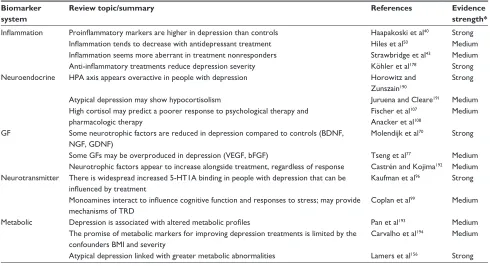
last half a century. The most commonly used treatments were conceived from the monoamine theory of depression; subsequently, neuroendocrine hypotheses gained much attention. In more recent years, the most prolific research has surrounded the inflammatory hypothesis of depression. However, a large number of relevant review articles have focused across all five systems; see Table 1 and below for a collection of recent insights across biomarker systems. While measured at many levels, blood-derived proteins have been examined most widely and provide a source of biomarker that is convenient, cost-effective and may be closer to transla-tional potential than other sources; thus, more detail is given to biomarkers circulating in blood.
In a recent systematic review, Jani et al20 examined
peripheral blood-based biomarkers for depression in associa-tion with treatment outcomes. Of only 14 studies included (searched up until early 2013), 36 biomarkers were studied of which 12 were significant predictors of mental or physical response indices in at least one investigation. Those identified as potentially representing risk factors for nonresponse included inflammatory proteins: low interleukin (IL)-12p70, ratio of lymphocyte to monocyte count; neuroendocrine markers (dexamethasone nonsuppression of cortisol, high circulating cortisol, reduced thyroid-stimulating hormone); neurotransmitter markers (low serotonin and noradrena-line); metabolic (low high-density lipoprotein cholesterol) and neurotrophic factors (reduced S100 calcium-binding protein B). Further to this, other reviews have reported on associations between additional biomarkers and treatment
Figure 1 Potential biomarkers for depression: biological levels, sources and systems.
Notes: See also the study by Suravajhala et al21 for further definitions and discussion around the genome (all genetic material in an organism), epigenome (all changes to
genetic material), transcriptome (all RNA transcripts from genetics), proteome (all proteins expressed in an organism), metabolome (all small-molecule chemicals in an organism) and microbiome (all genes of microbes in an organism).
Abbreviation: CSF, cerebrospinal fluid.
,QIODPPDWRU\ 1HXURWUDQVPLWWHU 1HXURHQGRFULQH 0HWDEROLFJURZWK IDFWRU
6<67(06
0LFURELRPH
0HWDERORPLF
3URWHRPLF
7UDQVFULSWRPLF
(SLJHQRPLF
*HQRPLF
6285&(6
%ORRG 6DOLYD 8ULQH +DLU )HFHV &6) ,PDJLQJ
Neuropsychiatric Disease and Treatment downloaded from https://www.dovepress.com/ by 118.70.13.36 on 25-Aug-2020
Dovepress
Strawbridge et al
outcomes.19,28–30 A brief description of putative markers in
each system is outlined in the subsequent sections and in Table 2.
Inflammatory findings in depression
Since Smith’s seminal paper outlining the macrophage hypothesis,31 this established literature has found increased
levels of various proinflammatory markers in depressed patients, which have been reviewed widely.32–37 Twelve
inflammatory proteins have been evaluated in meta-analyses comparing depressed and healthy control populations.38–43
IL-6 (P,0.001 in all meta-analyses; 31 studies included) and CRP (P,0.001; 20 studies) appear frequently and reliably elevated in depression.40 Elevated tumor necrosis
factor alpha (TNFα) was identified in early studies (P,0.001),38 but substantial heterogeneity rendered this
inconclusive when accounting for more recent investiga-tions (31 studies).40 IL-1β is even more inconclusively
associated with depression, with meta-analyses suggest-ing higher levels in depression (P=0.03),41 high levels
only in European studies42 or no differences from
con-trols.40 Despite this, a recent article suggested particular
translational implications for IL-1β,44 supported by an
extremely significant effect of elevated IL-1β ribonucleic
acid predicting a poor response to antidepressants;45 other
findings above pertain to circulating blood-derived cytok-ines. The chemokine monocyte chemoattractant protein-1 has shown elevations in depressed participants in one meta-analysis.39 Interleukins IL-2, IL-4, IL-8, IL-10 and
interferon gamma were not significantly different between depressed patients and controls at a meta-analytic level, but have nonetheless demonstrated potential in terms of altering with treatment: IL-8 has been reported as elevated in those with severe depression prospectively and cross-sectionally,46
different patterns of change in IL-10 and interferon gamma during treatment have occurred between early responders versus nonresponders,47 while IL-4 and IL-2 have decreased
in line with symptom remission.48 In meta-analyses, small
decreases alongside treatment have been demonstrated for IL-6, IL-1β, IL-10 and CRP.43,49,50 Additionally, TNFα may
only reduce with treatment in responders, and a composite marker index may indicate increased inflammation in patients who subsequently do not respond to treatment.43 It is notable,
however, that almost all of the research examining inflamma-tory proteins and treatment response utilize pharmacologic treatment trials. Thus, at least some inflammatory alterations during treatment are likely attributable to antidepressants. The precise inflammatory effects of different antidepressants
Table 1 Overview of recent insights into biomarkers for depression
Biomarker system
Review topic/summary References Evidence
strength*
Inflammation Proinflammatory markers are higher in depression than controls Haapakoski et al40 Strong
Inflammation tends to decrease with antidepressant treatment Hiles et al50 Medium
Inflammation seems more aberrant in treatment nonresponders Strawbridge et al43 Medium
Anti-inflammatory treatments reduce depression severity Köhler et al178 Strong
Neuroendocrine HPA axis appears overactive in people with depression Horowitz and
Zunszain190
Strong
Atypical depression may show hypocortisolism Juruena and Cleare191 Medium
High cortisol may predict a poorer response to psychological therapy and pharmacologic therapy
Fischer et al107 Anacker et al108
Medium
GF Some neurotrophic factors are reduced in depression compared to controls (BDNF, NGF, GDNF)
Molendijk et al70 Strong
Some GFs may be overproduced in depression (VEGF, bFGF) Tseng et al77 Medium
Neurotrophic factors appear to increase alongside treatment, regardless of response Castrén and Kojima192 Medium Neurotransmitter There is widespread increased 5-HT1A binding in people with depression that can be
influenced by treatment
Kaufman et al96 Strong
Monoamines interact to influence cognitive function and responses to stress; may provide mechanisms of TRD
Coplan et al99 Medium
Metabolic Depression is associated with altered metabolic profiles Pan et al193 Medium
The promise of metabolic markers for improving depression treatments is limited by the confounders BMi and severity
Carvalho et al194 Medium
Atypical depression linked with greater metabolic abnormalities Lamers et al156 Strong
Notes: *Strength of evidence coded as follows: weak, medium, strong, very strong, rated as per the extent of inconsistency between findings and indicated promise for the future of this topic. Neuroimaging (eg, Wise et al195) and genetic markers (Tamatam et al196) are reviewed extensively elsewhere.
Abbreviations: HPA, hypothalamic–pituitary–adrenal; GF, growth factor; BDNF, brain-derived neurotrophic factor; NGF, nerve growth factor; GDNF, glial cell line-derived neurotrophic factor; VEGF, vascular endothelial growth factor; bFGF, basic fibroblast growth factor; 5-HT1A, serotonin 1A receptor; TRD, treatment-resistant depression; BMi, body mass index.
Neuropsychiatric Disease and Treatment downloaded from https://www.dovepress.com/ by 118.70.13.36 on 25-Aug-2020
Dovepress Biomarkers for depression
have not yet been established, but evidence using CRP levels suggests individuals respond differently to specific treatments based on baseline inflammation: Harley et al51 reported
elevated pretreatment CRP predicting a poor response to psychological therapy (cognitive–behavioral or interpersonal psychotherapy), but a good response to nortriptyline or fluoxetine; Uher et al52 replicated this finding for nortriptyline
and identified the opposite effect for escitalopram. In contrast, Chang et al53 found higher CRP in early responders to
fluoxetine or venlafaxine than nonresponders. Furthermore, patients with TRD and high CRP have responded better to
the TNFα antagonist infliximab than those with levels in the normal range.54
Together, the evidence suggests that even when control-ling for factors such as body mass index (BMI) and age, inflammatory responses appear aberrant in approximately one-third of patients with depression.55,56 The inflammatory
system, however, is extremely complex, and there are numer-ous biomarkers representing different aspects of this system. Recently, additional novel cytokines and chemokines have yielded evidence of abnormalities in depression. These include: macrophage inhibitory protein 1a, IL-1a, IL-7,
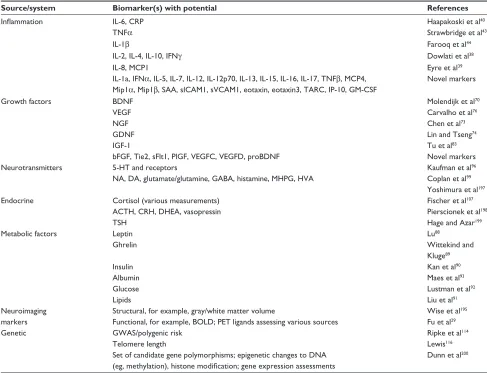
Table 2 Biomarkers with potential translational use for depression
Source/system Biomarker(s) with potential References
Inflammation IL-6, CRP Haapakoski et al40
TNFα Strawbridge et al43
IL-1β Farooq et al44
IL-2, IL-4, IL-10, IFNγ Dowlati et al38
IL-8, MCP1 eyre et al39
IL-1a, IFNα, IL-5, IL-7, IL-12, IL-12p70, IL-13, IL-15, IL-16, IL-17, TNFβ, MCP4, Mip1α, Mip1β, SAA, sICAM1, sVCAM1, eotaxin, eotaxin3, TARC, IP-10, GM-CSF
Novel markers
Growth factors BDNF Molendijk et al70
veGF Carvalho et al76
NGF Chen et al73
GDNF Lin and Tseng74
IGF-1 Tu et al83
bFGF, Tie2, sFlt1, PlGF, veGFC, veGFD, proBDNF Novel markers
Neurotransmitters 5-HT and receptors
NA, DA, glutamate/glutamine, GABA, histamine, MHPG, HvA
Kaufman et al96 Coplan et al99 Yoshimura et al197
endocrine Cortisol (various measurements) Fischer et al107
ACTH, CRH, DHeA, vasopressin Pierscionek et al198
TSH Hage and Azar199
Metabolic factors Leptin Lu88
Ghrelin wittekind and
Kluge89
insulin Kan et al90
Albumin Maes et al93
Glucose Lustman et al92
Lipids Liu et al91
Neuroimaging markers
Structural, for example, gray/white matter volume wise et al195
Functional, for example, BOLD; PET ligands assessing various sources Fu et al29
Genetic GwAS/polygenic risk Ripke et al114
Telomere length Lewis116
Set of candidate gene polymorphisms; epigenetic changes to DNA (eg, methylation), histone modification; gene expression assessments
Dunn et al200
Notes: Nonexhaustive collection of biomarkers; many markers across systems can be observed centrally or peripherally, and at multiple levels (eg, proteomic, transcriptomic as well as genetic); see also accelerometer-based measurements, such as of circadian rhythms.201
Abbreviations: IL-6, interleukin-6; CRP, C-reactive protein; TNFα, tumor necrosis factor alpha; IL-1β, interleukin-1beta; IL-2, interleukin-2; IL-4, interleukin-4; IL-10, interleukin-10; IFNγ, interferon gamma; IL-8, interleukin-8 (CXCL8); MCP1, monocyte chemoattractant protein; IL-1α, interleukin-1alpha; IFNα, interferon alpha; IL-5, interleukin-5; IL-7, interleukin-7; IL-12, interleukin-12; IL-12p70, interleukin-12p70; IL-13, interleukin-13; IL-15, interleukin-15; IL-16, interleukin-16; IL-17, interleukin-17; TNFβ, tumor necrosis factor beta; MCP4, monocyte chemoattractant protein 4; Mip1α, macrophage inflammatory protein-1alpha; Mip1β, macrophage inflammatory protein-1beta; SAA, serum amyloid A; sICAM1, soluble intercellular adhesion molecule 1; sVCAM1, soluble vascular cell adhesion molecule 1; TARC, thymus and activation-regulated chemokine; IP-10, interferon gamma-induced protein 10; GM-CSF, granulocyte macrophage colony-stimulating factor; BDNF, brain-derived neurotrophic factor; VEGF, vascular endothelial growth factor; NGF, nerve growth factor; GDNF, glial cell line-derived neurotrophic factor; IGF-1, insulin-like growth factor-1; bFGF, basic fibroblast growth factor; Tie2, tyrosine-kinase2; sFlt-1, soluble fms-like tyrosine kinase-1; PlGF, placental growth factor; 5-HT, 5-hydroxytryptamine; NA, noradrenaline; DA, dopamine; GABA, gamma-aminobutyric acid; MHPG, 3-methoxy-4-hydroxyphenylglycol; HVA, homovanillic acid; ACTH, adrenocorticotropin hormone; CRH, corticotrophin-releasing hormone; DHEA, dehydroepiandrosterone; TSH, thyroid-stimulating hormone; BOLD, blood oxygen level dependent; PET, positron emission tomography; GWAS, genome-wide association study.
Neuropsychiatric Disease and Treatment downloaded from https://www.dovepress.com/ by 118.70.13.36 on 25-Aug-2020
Dovepress
Strawbridge et al
IL-12p70, IL-13, IL-15, eotaxin, granulocyte macrophage colony-stimulating factor,57 IL-5,58 IL-16,59 IL-17,60
mono-cyte chemoattractant protein-4,61 thymus and
activation-regulated chemokine,62 eotaxin-3, TNFb,63 interferon
gamma-induced protein 10,64 serum amyloid A,65 soluble
intracellular adhesion molecule66 and soluble vascular cell
adhesion molecule 1.67
Growth factor findings in depression
In light of the potential importance of non-neurotrophic growth factors (such as those relating to angiogenesis), we refer to neurogenic biomarkers under the broader definition of growth factors.Brain-derived neurotrophic factor (BDNF) is the most fre-quently studied of these. Multiple meta-analyses demonstrate attenuations of the BDNF protein in serum, which appear to increase alongside antidepressant treatment.68–71 The most
recent of these analyses suggests that these BDNF aberrations are more pronounced in the most severely depressed patients, but that antidepressants appear to increase the levels of this protein even in the absence of clinical remission.70 proBDNF
has been less widely studied than the mature form of BDNF, but the two appear to differ functionally (in terms of their effects on tyrosine receptor kinase B receptors) and recent evidence suggests that while mature BDNF may be reduced in depression, proBDNF may be overproduced.72 Nerve
growth factor assessed peripherally has also been reported as lower in depression than in controls in a meta-analysis, but may not be altered by antidepressant treatment despite being most attenuated in patients with more severe depression.73
Similar findings have been reported in a meta-analysis for glial cell line-derived neurotrophic factor.74
Vascular endothelial growth factor (VEGF) has a role in promoting angiogenesis and neurogenesis along with other members of the VEGF family (eg, VEGF-C, VEGF-D) and has promise for depression.75 Despite inconsistent evidence,
two meta-analyses have recently indicated elevations of VEGF in blood of depressed patients compared to controls (across 16 studies; P,0.001).76,77 However, low VEGF has
been identified in TRD78 and higher levels have predicted
nonresponse to antidepressant treatment.79 It is not
under-stood why the levels of VEGF protein would be elevated, but it may partly be attributable to proinflammatory activity and/or increases in blood–brain barrier permeability in depressed states that causes reduced expression in cerebro-spinal fluid.80 The relationship between VEGF and treatment
response is unclear; a recent study found no relationship between either serum VEGF or BDNF with response or
depression severity, despite decreases alongside antidepres-sant treatment.81 Insulin-like growth factor-1 is an additional
factor with neurogenic functions that may be increased in depression, reflecting an imbalance in neurotrophic processes.82,83 Basic fibroblast growth factor (or FGF-2) is a
member of the fibroblast growth factor family and appears higher in depressed than control groups.84 However, reports
are not consistent; one found that this protein was lower in MDD than healthy controls, but reduced further alongside antidepressant treatment.85
Further growth factors that have not been sufficiently explored in depression include tyrosine kinase 2 and soluble fms-like tyrosine kinase-1 (also termed sVEGFR-1) which act in synergy with VEGF, and tyrosine kinase recep-tors (that bind BDNF) may be attenuated in depression.86
Placental growth factor is also part of the VEGF family, but has not been studied in systematically depressed samples to our knowledge.
Metabolic biomarker findings in depression
The main biomarkers associated with metabolic illness include leptin, adiponectin, ghrelin, triglycerides, high-density lipoprotein (HDL), glucose, insulin and albumin.87The associations between many of these and depression have been reviewed: leptin88 and ghrelin89 appear lower in
depression than controls in the periphery and may increase alongside antidepressant treatment or remission. Insulin resistance may be increased in depression, albeit by small amounts.90 Lipid profiles, including HDL-cholesterol, appear
altered in many patients with depression, including those without comorbid physical illness, though this relationship is complex and requires further elucidation.91 Additionally,
hyperglycemia92 and hypoalbuminemia93 in depression have
been reported in reviews.
Investigations of overall metabolic states are becoming more frequent using metabolomics panels of small molecules with the hope of finding a robust biochemical signature for psychiatric disorders. In a recent study using artificial intel-ligence modeling, a set of metabolites illustrating increased glucose–lipid signaling was highly predictive of an MDD diagnosis,94 supportive of previous studies.95
Neurotransmitter findings in depression
While the attention paid to monoamines in depression has yielded relatively successful treatments, no robust neurotransmitter markers have been identified to optimize treatment based on the selectivity of monoamine targets of antidepressants. Recent work points toward the serotoninNeuropsychiatric Disease and Treatment downloaded from https://www.dovepress.com/ by 118.70.13.36 on 25-Aug-2020
Dovepress Biomarkers for depression
(5-hydroxytryptamine) 1A receptor as potentially important for both diagnosis and prognosis of depression, pending new genetic and imaging techniques.96 There are new potential
treatments targeting 5-hydroxytryptamine; for example, using a slow-release administration of 5-hydroxytryptophan.97
Increased transmission of dopamine interacts with other neurotransmitters to improve cognitive outcomes such as decision making and motivation.98 Similarly, the
neurotrans-mitters glutamate, noradrenaline, histamine and serotonin may interact and activate as part of a depression-related stress response; this might decrease 5-hydroxytryptamine produc-tion through “flooding”. A recent review sets out this theory and suggests that in TRD, this could be reversed (and 5-HT restored) through multimodal treatment targeting multiple neurotransmitters.99 Interestingly, increases in serotonin do
not always occur conjunctively with therapeutic antidepres-sant benefits.100 Despite this, neurotransmitter metabolites
such as 3-methoxy-4-hydroxyphenylglycol, of noradrenaline, or homovanillic acid, of dopamine, have often been found to increase alongside reduction in depression with antidepres-sant treatment101,102 or that low levels of these metabolites
predict a better response to SSRI treatment.102,103
Neuroendocrine findings in depression
Cortisol is the most common HPA axis biomarker to have been studied in depression. Numerous reviews have focused on the various assessments of HPA activity; overall, these sug-gest that depression is associated with hypercortisolemia and that the cortisol awakening response is often attenuated.104,105This is supported by a recent review of chronic cortisol levels measured in hair, supporting the hypothesis of cor-tisol hyperactivity in depression but hypoactivity in other illnesses such as panic disorder.106 Furthermore, particularly,
elevated cortisol levels may predict a poorer response to psychological107 and antidepressant108 treatment. Historically,
the most promising neuroendocrine marker of prospective treatment response has been the dexamethasone suppression test, where cortisol nonsuppression following dexamethasone administration is associated with a lower likelihood of sub-sequent remission. However, this phenomenon has not been considered sufficiently robust for clinical application. Related markers corticotrophin-releasing hormone and adrenocorti-cotropin hormone as well as vasopressin are inconsistently found to be overproduced in depression and dehydroepi-androsterone is found to be attenuated; the ratio of cortisol to dehydroepiandrosterone may be elevated as a relatively stable marker in TRD, persisting after remission.109
Neuroen-docrine hormone dysfunctions have long been associated with
depression, and hypothyroidism may also play a causal role in depressed mood.110 Furthermore, thyroid responses can
normalize with successful treatment for depression.111
Within the above, it is important also to consider signal-ing pathways across systems, such as glycogen synthase kinase-3, mitogen-activated protein kinase and cyclic adenos-ine 3′,5′-monophosphate, involved in synaptic plasticity112
and modified by antidepressants.113 Further potential
bio-marker candidates that span biologic systems particularly are measured using neuroimaging or genetics. In response to the lack of robust and meaningful genomic differences between depressed and nondepressed populations,114 novel
genetic approaches such as polygenic scores115 or telomere
length116,117 could prove more useful. Additional biomarkers
gaining popularity are examining circadian cycles or chrono-biologic biomarkers utilizing different sources. Actigraphy can provide an objective assessment of sleep and wake activity and rest through an accelerometer, and actigraphic devices can increasingly measure additional factors such as light exposure. This may be more useful for detection than commonly used subjective reports of patients and could pro-vide novel predictors of treatment response.118 The question
of which biomarkers are the most promising for translational use is a challenging one, which is expanded upon below.
Current challenges
For each of these five neurobiological systems reviewed, the evidence follows a similar narrative: there are many biomarkers that exist that are associated in some respects with depression. These markers are frequently interrelated in a complex, difficult-to-model fashion. The evidence is inconsistent, and it is likely that some are epiphenomena of other factors and some are important in only a subset of patients. Biomarkers are likely to be useful through a variety of routes (eg, those that predict subsequent response to treat-ment, those indicating specific treatments as more likely to be effective or those that alter with interventions regardless of clinical improvements). Novel methods are required to maximize consistency and clinical applicability of biologic assessments in psychiatric populations.
Biomarker variability
Variation of biomarkers over time and across situations pertains more to some types (eg, proteomics) than others (genomics). Standardized norms for many do not exist or have not been widely accepted. Indeed, the influence of environmental factors on markers frequently depends on genetic composition and other physiologic differences between
Neuropsychiatric Disease and Treatment downloaded from https://www.dovepress.com/ by 118.70.13.36 on 25-Aug-2020
Dovepress
Strawbridge et al
people that cannot all be accounted for. This makes the assessment of biomarker activity, and identifying biologic abnormalities, difficult to interpret. Due to the number of potential biomarkers, many have not been measured widely or in a complete panel alongside other relevant markers.
Many factors have been reported to alter the protein levels across biologic systems in patients with affective dis-orders. Along with research-related factors such as duration and conditions of storage (which may cause degradation of some compounds), these include time of day measured, ethnicity, exercise,119 diet (eg, microbiome activity,
espe-cially provided that most blood biomarker studies do not require a fasting sample),120 smoking and substance use,121
as well as health factors (such as comorbid inflammatory, cardiovascular or other physical illnesses). For example, although heightened inflammation is observed in depressed but otherwise healthy individuals compared to nondepressed groups, depressed individuals who also have a comorbid immune-related condition frequently have even higher levels of cytokines than either those without depression or illness.122
Some prominent factors with probable involvement in the relationship between biomarkers, depression and treatment response are outlined below.
Stress
Both endocrine and immune responses have well-known roles in responding to stress (physiologic or psychological), and transient stress at the time of biologic specimen collection is rarely measured in research studies despite the variability of this factor between individuals that may be accentuated by current depressive symptoms. Both acute and chronic psy-chological stressors act as an immune challenge, accentuating inflammatory responses in the short and longer term.123,124 This
finding extends to the experience of early-life stress, which has been associated with adult inflammatory elevations that are independent of stress experienced as an adult.125,126 During
childhood traumatic experience, heightened inflammation has also been reported only in those children who were currently depressed.127 Conversely, people with depression and a history
of childhood trauma may have blunted cortisol responses to stress, compared to those with depression and no early-life trauma.128 Stress-induced HPA axis alterations appear
interre-lated with cognitive function,129 as well as depression subtype
or variation in HPA-related genes.130 Stress also has short-
and long-term impairing effects on neurogenesis131 and other
neural mechanisms.132 It is unclear precisely how childhood
trauma affects biologic markers in depressed adults, but it is possible that early-life stress predisposes some individuals
to enduring stress reactions in adulthood that are amplified psychologically and/or biologically.
Cognitive functioning
Neurocognitive dysfunctions occur frequently in people with affective disorders, even in unmedicated MDD.133
Cognitive deficits appear cumulative alongside treatment resistance.134 Neurobiologically, the HPA axis129 and
neu-rotrophic systems135 are likely to play a key role in this
relationship. Neurotransmitters noradrenaline and dopamine are likely important for cognitive processes such as learn-ing and memory.136 Elevated inflammatory responses have
been linked with cognitive decline, and likely affect cogni-tive functioning in depressive episodes,137 and in remission,
through a variety of mechanisms.138 Indeed, Krogh et al139
proposed that CRP is more closely related to cognitive per-formance than to the core symptoms of depression.
Age, gender and BMi
The absence or presence, and direction of biologic differences between men and women has been particularly variable in the evidence to date. Neuroendocrine hormone variation between men and women interacts with depression susceptibility.140
A review of inflammation studies reported that controlling for age and gender did not affect patient-control differences in inflammatory cytokines (although the association between IL-6 and depression reduced as age increased, which is consistent with theories that inflammation generally height-ens with age).41,141 VEGF differences between patients and
controls are larger in studies assessing younger samples, while gender, BMI and clinical factors did not affect these comparisons at a meta-analytic level.77 However, the lack of
adjustment for BMI in previous examinations of inflamma-tion and depression appears to confound highly significant differences reported between these groups.41 Enlarged
adi-pose tissue has been definitively demonstrated to stimulate cytokine production as well as being closely linked to meta-bolic markers.142 Because psychotropic medications may be
associated with weight gain and a higher BMI, and these have been associated with treatment resistance in depression, this is an important area to examine.
Medication
Many biomarker studies in depression (both cross-sectional and longitudinal) have collected baseline specimens in unmedicated participants to reduce heterogeneity. However, many of these assessments are taken after a wash-out period from medication, which leaves the potentially significant
Neuropsychiatric Disease and Treatment downloaded from https://www.dovepress.com/ by 118.70.13.36 on 25-Aug-2020
Dovepress Biomarkers for depression
confounding factor of residual changes in physiology, exac-erbated by the extensive range of treatments available that may have had differing effects on inflammation. Some studies have excluded psychotropic, but not other medication use: in particular, the oral contraceptive pill is frequently permitted in research participants and not controlled for in analyses, which has recently been indicated to increase hormone and cytokine levels.143,144 Several studies indicate that
antidepressant medications have effects on the inflammatory response,34,43,49,145–147 HPA-axis,108 neurotransmitter,148 and
neurotrophic149 activity. However, the numerous potential
treatments for depression have distinct and complex pharma-cologic properties, suggesting there may be discrete biologic effects of different treatment options, supported by current data. It has been theorized that in addition to monoamine effects, specific serotonin-targeting medications (ie, SSRIs) are likely to target Th2 shifts in inflammation, and noradren-ergic antidepressants (eg, SNRIs) effect a Th1 shift.150 It is not
yet possible to determine the effects of individual or combina-tion medicacombina-tions on biomarkers. These are likely mediated by other factors including the length of treatment (few trials assess long-term medication use), sample heterogeneity and not stratifying participants by response to treatment.
Heterogeneity
Methodological
As alluded to above, differences (between and within studies) in terms of which treatments (and combinations) the par-ticipants are taking and have taken previously are bound to introduce heterogeneity into research findings, particu-larly in biomarker research. In addition to this, many other design and sample characteristics vary across studies, thus augmenting the difficulty with interpreting and attributing findings. These include biomarker measurement parameters (eg, assay kits) and methods of collecting, storing, processing and analyzing markers in depression. Hiles et al141 examined
some sources of inconsistency in the literature on inflamma-tion and found that accuracy of depression diagnosis, BMI and comorbid illnesses were most important to account for in assessing peripheral inflammation between depressed and nondepressed groups.
Clinical
The extensive heterogeneity of depressed populations is well documented151 and is a critical contributor to contrasting
findings within the research literature. It is probable that even within diagnoses, abnormal biologic profiles are confined to subsets of individuals that may not be stable over time.
Cohesive subgroups of people suffering with depression may be identifiable through a combination of psychological and biologic factors. Below, we outline the potential for exploring subgroups in meeting the challenges that biomarker variability and heterogeneity pose.
Subtypes within depression
Thus far, no homogenous subgroups within depression episodes or disorders have been reliably able to distinguish between patients based on symptom presentations or treat-ment responsiveness.152 The existence of a subgroup in whom
biologic aberrations are more pronounced would help to explain the heterogeneity between previous studies and could catalyze the path toward stratified treatment. Kunugi et al153
have proposed a set of four potential subtypes based on the role of different neurobiological systems displaying clinically relevant subtypes in depression: those with hypercortisolism presenting with melancholic depression, or hypocortisolism reflecting an atypical subtype, a dopamine-related subset of patients who may present prominently with anhedonia (and could respond well to, eg, aripiprazole) and an inflam-matory subtype characterized by elevated inflammation. Many articles focusing on inflammation have specified the case for the existence of an “inflammatory subtype” within depression.55,56,154,155 Clinical correlates of elevated
inflam-mation are as yet undetermined and few direct attempts have been made to discover which participants may comprise this cohort. It has been proposed that people with atypical depression could have higher levels of inflammation than the melancholic subtype,156 which is perhaps not in line with
findings regarding the HPA axis in melancholic and atypical subtypes of depression. TRD37 or depression with prominent
somatic symptoms157 has also been posited as a potential
inflammatory subtype, but neurovegetative (sleep, appetite, libido loss), mood (including low mood, suicidality and irritability) and cognitive symptoms (including affective bias and guilt)158 all appear related to biologic profiles. Further
potential candidates for an inflammatory subtype involve the experience of sickness behavior-like symptoms159,160 or
a metabolic syndrome.158
The propensity toward (hypo) mania may distinguish biologically between patients suffering from depression. Evidence now suggests that bipolar illnesses are a multifaceted group of mood disorders, with bipolar subsyndromal disorder found more prevalently than was previously recognized.161
Inaccurate and/or delayed detection of bipolar disorder has recently been highlighted as a major problem in clinical psy-chiatry, with the average time to correct diagnosis frequently
Neuropsychiatric Disease and Treatment downloaded from https://www.dovepress.com/ by 118.70.13.36 on 25-Aug-2020
Dovepress
Strawbridge et al
exceeding a decade162 and this delay causing greater severity
and cost of overall illness.163 With the majority of patients
with bipolar disorder presenting initially with one or more depressive episodes and unipolar depression being the most frequent misdiagnosis, the identification of factors that might differentiate between unipolar and bipolar depression has substantial implications.164 Bipolar spectrum disorders likely
have been undetected in some previous MDD biomarker investigations, and smatterings of evidence have indicated differentiation of HPA axis activity109 or inflammation165,166
between bipolar and unipolar depression. However, these comparisons are scarce, possess small sample sizes, identified nonsignificant trend effects or recruited populations that were not well characterized by diagnosis. These investigations also do not examine the role of treatment responsiveness in these relationships.
Both bipolar disorders167 and treatment resistance168
are not dichotomous constructs and lie on continua, which increases the challenge of subtype identification. Apart from subtyping, it is worth noting that many biologic abnormalities observed in depression are similarly found in patients with other diagnoses. Thus, transdiagnostic examinations are also potentially important.
Biomarker measurement challenges
Biomarker selection
The large number of potentially useful biomarkers presents a challenge for psychobiology in determining which markers are implicated in which way and for whom. To increase the challenge, relatively few of these biomarkers have been subject to sufficient investigation in depression, and for most, their precise roles in healthy and clinical populations are not well understood. Despite this, a number of attempts have been made to propose promising biomarker panels. In addition to Brand et al’s 16 sets of markers with strong potential,27 Lopresti et al outline an additional extensive set
of oxidative stress markers with potential for improving treatment response.28 Papakostas et al defined a priori a set
of nine serum markers spanning biologic systems (BDNF, cortisol, soluble TNFα receptor type II, alpha1 antitrypsin, apolipoprotein CIII, epidermal growth factor, myeloper-oxidase, prolactin and resistin) in validation and replication samples with MDD. Once combined, a composite measure of these levels was able to distinguish between MDD and control groups with 80%–90% accuracy.169 We propose that
even these do not cover all potential candidates in this field; see Table 2 for a nonexhaustive delineation of biomarkers with potential for depression, containing both those with an evidence base and promising novel markers.
Technology
Due to technologic advances, it is now possible (indeed, convenient) to measure a large array of biomarkers simulta-neously at a lower cost and with higher sensitivity than has been the case previously. At present, this capability to measure numerous compounds is ahead of our ability to effectively analyze and interpret the data,170
some-thing that will continue with the rise in biomarker arrays and new markers such as with metabolomics. This is largely due to a lack of understanding about the precise roles of and the interrelationships between markers, and an insufficient grasp of how related markers associate across different biologic levels (eg, genetic, transcrip-tion, protein) within and between individuals. Big data using new analytical approaches and standards will assist with addressing this, and new methodologies are being proposed; one example is the development of a statistical approach grounded in flux-based analysis to discover new potential metabolic markers based on their reactions between networks and integrate gene expression with metabolite data.171 Machine learning techniques are already being
applied and will assist with models using biomarker data to predict treatment outcomes in studies with big data.172
Aggregating biomarkers
Examining an array of biomarkers simultaneously is an alternative to inspecting isolated markers that could provide a more accurate viewpoint into the complex web of biologic systems or networks.26 Also, to assist with disentangling
con-trasting evidence in this literature to date (particularly, where biomarker networks and interactions are well understood), biomarker data can then be aggregated or indexed. One chal-lenge is in identifying the optimum method of conducting this, and it may require enhancements in technology and/or novel analytical techniques (see the “Big data” section). Historically, ratios between two distinct biomarkers have yielded interesting findings.109,173 Few attempts have been
made to aggregate biomarker data on a larger scale, such as those using principal component analysis of proinflammatory cytokine networks.174 In a meta-analysis, proinflammatory
cytokines have been converted into a single-effect size score for each study, and overall showed significantly higher inflammation before antidepressant treatment, predicting subsequent nonresponse in outpatient studies. Composite biomarker panels are both a challenge and opportunity for future research to identify meaningful and reliable findings that can be applied to improve treatment outcomes.43 A study
by Papakostas et al took an alternative approach, selecting a panel of heterogeneous serum biomarkers (of inflammatory,
Neuropsychiatric Disease and Treatment downloaded from https://www.dovepress.com/ by 118.70.13.36 on 25-Aug-2020
Dovepress Biomarkers for depression
HPA axis and metabolic systems) that had been indicated to differ between depressed and control individuals in a previous study and composited these into a risk score which differed in two independent samples and a control group with .80% sensitivity and specificity.169
Big data
The use of big data is probably necessary for addressing the current challenges outlined surrounding heterogeneity, biomarker variability, identifying the optimal markers and bringing the field toward translational, applied research in depression. However, as outlined above, this brings technological and scientific challenges.175 The health sciences
have only recently begun using big data analytics, a decade or so later than in the business sector. However, studies such as iSPOT-D152 and consortia such as the Psychiatric Genetics
Consortium176 are progressing with our understanding of
biologic mechanisms in psychiatry. Machine-learning algo-rithms have, in very few studies, started to be applied to biomarkers for depression: a recent investigation pooled data from .5,000 participants of 250 biomarkers; after multiple imputation of data, a machine-learning boosted regression was conducted, indicating 21 potential biomarkers. Following further regression analyses, three biomarkers were selected as associating most strongly with depressive symptoms (highly variable red blood cell size, serum glucose and bilirubin levels). The authors conclude that big data can be used effectively for generating hypotheses.177 Larger biomarker
phenotyping projects are now underway and will help to advance our journey into the future of the neurobiology of depression.
Future prospects
Biomarker panel identification
The findings in the literature to date require replication in large-scale studies. This is particularly true for novel biomarkers, such as the chemokine thymus and activation-regulated chemokine and the growth factor tyrosine kinase 2 which, to our knowledge, have not been investigated in clinically depressed and healthy control samples. Big data studies must assay comprehensive biomarker panels and use sophisticated analysis techniques to fully ascertain the relationships between markers and those factors which modify them in clinical and nonclinical populations. Addi-tionally, large-scale replications of principal component analysis might establish highly correlated groups of bio-markers and could also inform the use of “composites” in biologic psychiatry, which may enhance the homogeneity of future findings.
Discovery of homogenous subtypes
Regarding biomarker selection, multiple panels may be required for different potential pathways that research could implicate. Taken together, the current evidence indicates that biomarker profiles are assuredly, but abstrusely altered in a subpopulation of individuals currently suffering from depres-sion. This may be established within or across diagnostic categories, which would account for some inconsistency of findings that can be observed in this literature. Quantifying a biologic subgroup (or subgroups) may most effectively be facilitated by a large cluster analysis of biomarker network panels in depression. This would illustrate within-population variability; latent class analyses could exhibit distinct clinical characteristics based on, for example, inflammation.
Specific treatment effects on inflammation
and response
All commonly prescribed treatments for depression should be comprehensively assessed for their specific biologic effects, also accounting for the effectiveness of treatment trials. This may enable constructs relating to biomarkers and symptom presentations to predict outcomes to a variety of antidepres-sant treatments in a more personalized fashion, and may be possible in the context of both unipolar and bipolar depres-sion. This is likely to be useful for new potential treatments as well as currently indicated treatments.
Prospective determination of treatment
response
Use of the above techniques is likely to result in an improved ability to forecast treatment resistance prospectively. More authentic and persistent (eg, long-term) measures of treatment response may contribute to this. Assessment of other valid measures of patient well-being (such as quality of life and everyday functioning) could provide a more holistic assess-ment of treatassess-ment outcome that may associate more closely with biomarkers. While biologic activity alone might not be able to distinguish treatment responders from nonresponders, concurrent measurement of biomarkers with psychosocial or demographic variables could be integrated with biomarker information in developing a predictive model of insufficient treatment response. If a reliable model is developed to predict response (either for the depressed population or a subpopula-tion) and is validated retrospectively, a translational design can establish its applicability in a large controlled trial.
Toward stratified treatments
At present, patients with depression are not systematically directed to receive an optimized intervention program.
Neuropsychiatric Disease and Treatment downloaded from https://www.dovepress.com/ by 118.70.13.36 on 25-Aug-2020
Dovepress
Strawbridge et al
If validated, a stratified trial design could be employed to test a model to predict nonresponse and/or to determine where a patient needs to be triaged in a stepped care model. This could be useful in both standardized and naturalistic treatment settings, across different types of intervention. Ultimately, a clinically viable model could be developed to provide individuals with the most appropriate treatment, to recognize those who are likely to develop refractory depression and sup-ply enhanced care and monitoring to these patients. Patients identified as being at risk for treatment resistance may be prescribed a concomitant psychological and pharmacologic therapy or combination pharmacotherapy. As a speculative example, participants with no proinflammatory cytokine elevations might be indicated to receive psychological rather than pharmacologic therapy, while a subset of patients with particularly high inflammation could receive an anti-inflammatory agent in augmentation to standard treatment. Similar to stratification, personalized treatment-selection strategies may be possible in the future. For example, a particular depressed individual might have markedly high TNFα levels, but no other biologic abnormalities, and could benefit from short-term treatment with a TNFα antagonist.54
Personalized treatment may also entail monitoring biomarker expression during treatment to inform possible intervention changes, the length of continuation therapy required or to detect early markers of relapse.
Novel treatment targets
There are a huge number of potential treatments that could be effective for depression, which have not been adequately examined, including novel or repurposed interventions from other medical disciplines. Some of the most popular targets have been in anti-inflammatory medications such as celecoxib (and other cyclooxygenase-2 inhibitors), TNFα antagonists etanercept and infliximab, minocycline or aspirin. These appear promising.178 Antiglucocorticoid compounds,
including ketoconazole179 and metyrapone,180 have been
inves-tigated for depression, but both have drawbacks with their side effect profile and the clinical potential of metyrapone is uncertain. Mifepristone181 and the corticosteroids
fludro-cortisone and spironolactone,182 and dexamethasone and
hydrocortisone183 may also be effective in treating depression
in the short term. Targeting glutamate N-methyl-d-aspartate receptor antagonists, including ketamine, might represent efficacious treatments in depression.184 Omega-3
polyun-saturated fatty acids influence inflammatory and metabolic activity and appear to demonstrate some effectiveness for depression.185 It is possible that statins may have
antidepres-sant effects186 through relevant neurobiological pathways.187
In this way, the biochemical effects of antidepressants (see the “Medication” section) have been utilized for clinical benefits in other disciplines: particularly gastroenterological, neurologic and nonspecific symptom illnesses.188
Anti-inflammatory effects of antidepressants may represent part of the mechanism for these benefits. Lithium has also been suggested to reduce inflammation, critically through glycogen synthase kinase-3 pathways.189 A focus on these
effects could prove informative for a depression biomarker signature and, in turn, biomarkers could represent surrogate markers for novel drug development.
Conclusion
The literature indicates that approximately two-thirds of patients with depression do not achieve remission to an initial treatment and that the likelihood of nonresponse increases with the number of treatments trialed. Providing ineffective therapies has substantial consequences for individual and societal cost, including persistent distress and poor well-being, risk of suicide, loss of productivity and wasted health care resources. The vast literature in depression indicates a huge number of biomarkers with the potential to improve treatment for people with depression. In addition to neu-rotransmitter and neuroendocrine markers which have been subject to widespread study for many decades, recent insights highlight the inflammatory response (and the immune system more generally), metabolic and growth factors as importantly involved in depression. However, excessive contrasting evi-dence illustrates that there are a number of challenges need-ing to be tackled before biomarker research can be applied in order to improve the management and care of people with depression. Due to the sheer complexity of biologic systems, simultaneous examinations of a comprehensive range of markers in large samples are of considerable benefit in discovering interactions between biologic and psychologi-cal states across individuals. Optimizing the measurement of both neurobiological parameters and clinical measures of depression is likely to facilitate greater understanding. This review also highlights the importance of examining potentially modifying factors (such as illness, age, cognition and medication) in gleaning a coherent understanding of the biology of depression and mechanisms of treatment resis-tance. It is likely that some markers will show most promise for predicting treatment response or resistance to specific treatments in a subgroup of patients, and the concurrent mea-surement of biologic and psychological data may enhance the ability to prospectively identify those at risk for poor treatment outcomes. Establishing a biomarker panel has implications for boosting diagnostic accuracy and prognosis,
Neuropsychiatric Disease and Treatment downloaded from https://www.dovepress.com/ by 118.70.13.36 on 25-Aug-2020
Dovepress Biomarkers for depression
as well as for individualizing treatments at the earliest prac-ticable stage of depressive illness and developing effective novel treatment targets. These implications may be confined to subgroups of depressed patients. The pathways toward these possibilities complement recent research strategies to link clinical syndromes more closely to underlying neuro-biological substrates.6 Apart from reducing heterogeneity,
this may facilitate a shift toward parity of esteem between physical and mental health. It is clear that although much work is needed, establishment of the relationship between relevant biomarkers and depressive disorders has substantial implications for reducing the burden of depression at an individual and societal level.
Acknowledgments
This report represents independent research funded by the National Institute for Health Research (NIHR) Biomedical Research Centre at South London and Maudsley NHS Foundation Trust and King’s College London. The views expressed are those of the authors and not necessarily those of the NHS, the NIHR or the Department of Health.
Disclosure
AHY has in the last 3 years received honoraria for speaking from Astra Zeneca (AZ), Lundbeck, Eli Lilly, Sunovion; honoraria for consulting from Allergan, Livanova and Lundbeck, Sunovion, Janssen; and research grant support from Janssen and UK funding agencies (NIHR, MRC, Wellcome Trust). AJC has in the last 3 years received honoraria for speaking from Astra Zeneca (AZ), honoraria for consulting from Allergan, Livanova and Lundbeck, and research grant support from Lundbeck and UK funding agencies (NIHR, MRC, Wellcome Trust).
The authors report no other conflicts of interest in this work.
References
1. Prince M, Patel V, Saxena S, et al. No health without mental health. Lancet. 2007;370(9590):859–877.
2. Kingdon D, Wykes T. Increased funding needed for mental health research. BMJ. 2013;346:f402.
3. Vivekanantham S, Strawbridge R, Rampuri R, Ragunathan T, Young AH. Parity of publication for psychiatry. Br J Psychiatry. 2016;209(3): 257–261.
4. Fava M. Diagnosis and definition of treatment-resistant depression. Biol Psychiatry. 2003;53(8):649–659.
5. Insel T, Cuthbert B, Garvey M, et al. Research domain criteria (RDoC): toward a new classification framework for research on mental disorders. Am J Psychiatry. 2010;167(7):748–751.
6. Kapur S, Phillips AG, Insel TR. Why has it taken so long for biological psychiatry to develop clinical tests and what to do about it. Mol Psychiatry. 2012;17(12):1174–1179.
7. Gaynes BN, Warden D, Trivedi MH, Wisniewski SR, Fava M, Rush JA. What did STAR*D teach us? Results from a large-scale, practical, clinical trial for patients with depression. Psychiatr Serv. 2009;60(11): 1439–1445.
8. Fekadu A, Rane LJ, Wooderson SC, Markopoulou K, Poon L, Cleare AJ. Prediction of longer-term outcome of treatment-resistant depression in tertiary care. Br J Psychiatry. 2012;201(5):369–375.
9. Fekadu A, Wooderson SC, Markopoulo K, Donaldson C, Papadopoulos A, Cleare AJ. What happens to patients with treatment-resistant depres-sion? A systematic review of medium to long term outcome studies. J Affect Disord. 2009;116(1–2):4–11.
10. Trivedi M. Treatment strategies to improve and sustain remission in major depressive disorder. Dialogues Clin Neurosci. 2008;10(4):377. 11. Fekadu A, Wooderson SC, Markopoulou K, Cleare AJ. The Maudsley
Staging Method for treatment-resistant depression: prediction of longer-term outcome and persistence of symptoms. J Clin Psychiatry. 2009; 70(7):952–957.
12. Bennabi D, Aouizerate B, El-Hage W, et al. Risk factors for treatment resistance in unipolar depression: a systematic review. J Affect Disord. 2015;171:137–141.
13. Serretti A, Olgiati P, Liebman MN, et al. Clinical prediction of anti-depressant response in mood disorders: linear multivariate vs. neural network models. Psychiatry Res. 2007;152(2–3):223–231.
14. Driessen E, Hollon SD. Cognitive behavioral therapy for mood disorders: efficacy, moderators and mediators. Psychiatr Clin North Am. 2010; 33(3):537–555.
15. Cleare A, Pariante C, Young A, et al; Members of the Consensus Meeting. Evidence-based guidelines for treating depressive disorders with anti-depressants: a revision of the 2008 british association for Psychophar-macology guidelines. J Psychopharmacol. 2015;29(5):459–525. 16. Tunnard C, Rane LJ, Wooderson SC, et al. The impact of childhood
adversity on suicidality and clinical course in treatment-resistant depres-sion. J Affect Disord. 2014;152–154:122–130.
17. Nemeroff CB, Heim CM, Thase ME, et al. Differential responses to psychotherapy versus pharmacotherapy in patients with chronic forms of major depression and childhood trauma. Proc Natl Acad Sci U S A. 2003; 100(24):14293–14296.
18. Nierenberg AA. Predictors of response to antidepressants general principles and clinical implications. Psychiatr Clin North Am. 2003; 26(2):345–352.
19. Thase ME. Using biomarkers to predict treatment response in major depressive disorder: evidence from past and present studies. Dialogues Clin Neurosci. 2014;16(4):539–544.
20. Jani BD, McLean G, Nicholl BI, et al. Risk assessment and predicting outcomes in patients with depressive symptoms: a review of potential role of peripheral blood based biomarkers. Front Hum Neurosci. 2015;9:18.
21. Suravajhala P, Kogelman LJ, Kadarmideen HN. Multi-omic data inte-gration and analysis using systems genomics approaches: methods and applications in animal production, health and welfare. Genet Sel Evol. 2016;48(1):1.
22. Menke A. Gene expression: Biomarker of antidepressant therapy? Int Rev Psychiatry. 2013;25(5):579–591.
23. Peng B, Li H, Peng X-X. Functional metabolomics: from biomarker discovery to metabolome reprogramming. Protein Cell. 2015;6(9): 628–637.
24. Aagaard K, Petrosino J, Keitel W, et al. The Human Microbiome Project strategy for comprehensive sampling of the human microbiome and why it matters. FASEB J. 2013;27(3):1012–1022.
25. Sonner Z, Wilder E, Heikenfeld J, et al. The microfluidics of the eccrine sweat gland, including biomarker partitioning, transport, and biosensing implications. Biomicrofluidics. 2015;9(3):031301.
26. Schmidt HD, Shelton RC, Duman RS. Functional biomarkers of depres-sion: diagnosis, treatment, and pathophysiology. Neuropsychopharm. 2011;36(12):2375–2394.
27. J Brand S, Moller M, H Harvey B. A review of biomarkers in mood and psychotic disorders: a dissection of clinical vs. preclinical correlates. Curr Neuropharmacol. 2015;13(3):324–368.
Neuropsychiatric Disease and Treatment downloaded from https://www.dovepress.com/ by 118.70.13.36 on 25-Aug-2020