
A Decision Aiding Framework for Concentrated Solar Thermal Power
Technologies Assessment in Developing Countries
Abdulrahman Ibrahim Kassem
A Thesis
In
The Concordia Institute
for
Information Systems Engineering
Presented in Partial Fulfillment of the Requirements
For the Degree of
Doctor of Philosophy (Information and Systems Engineering) at
Concordia University
Montreal, Quebec, Canada
November, 2017
CONCORDIA UNIVERSITY SCHOOL OF GRADUATE STUDIES
This is to certify that the thesis prepared
By: Abdulrahman Ibrahim Kassem
Entitled: A Decision Aiding Framework for Concentrated Solar Thermal Power Technologies Assessment in Developing Countries
and submitted in partial fulfillment of the requirements for the degree of
DOCTOR OF PHILOSOPHY (Information and Systems Engineering)
complies with the regulations of the University and meets the accepted standards with respect to originality and quality.
Signed by the final examining committee:
Chair
Dr. Luis Amador Jimenez
External Examiner Dr. René Wamkeue External to Program Dr. Govind Gopakumar Examiner Dr. Jamal Bentahar Examiner Dr. Nizar Bouguila Thesis Co-Supervisor Dr. Andrea Schiffauerova Thesis Co-Supervisor Dr. Kamal Al-Haddad Approved by
Dr. Chadi Assi, Graduate Program Director
28/November/2017
Dr. Amir Asif, Dean
iii
ABSTRACT
A Decision Aiding Framework for Concentrated Solar Thermal Power Technologies Assessment in Developing Countries
Abdulrahman Ibrahim Kassem, Ph.D. Concordia University, 2017
The diversification of electricity generation is necessary for sustainable development. The planning for renewable energy sources (RESs) integration is an essential goal set by many developing countries. Enormous investments are allocated accordingly to renewable energy projects, including solar power utilities. Concentrated solar thermal power (CSP) technologies are advancing and are expected to play a significant role in energy portfolios in the future. CSP planning is a complex process owing to the involvement of various contradicting factors and players. This thesis proposes a structured aiding framework to assess utility-scale CSP alternatives to support national grids in developing countries. It is common in many fast growing developing countries that the power plants are owned by the state, which enlarges the scope of electric power projects beyond the technical and economic drivers to include environmental, social, and political aspects, which accordingly increases the planning process complexity.
The developed methodology consists of three main phases. The first phase is concerned with formulating a value tree for CSP technologies evaluation. This phase is intended to explicitly capture a generic evaluation criteria through a rigorous process of expert deliberation and consensus-seeking. Expert elicitation is conducted through the Delphi method, with a total of 140 experts participating from multidisciplinary solar thermal power fields from 32 countries.
Based on participants’ judgments, as expressed during two rounds of Delphi questionnaires,
parameters with importance and consensus degrees > 50% are incorporated to construct the final
iv regional CSP utilities planning in developing countries.
The second phase considers analyzing, defining, and simulating alternative scenarios. Large-scale CSP deployment is in its infancy with a lack of sufficient data in many developing countries and various available technology combinations. Accordingly, this phase intends to focus the planning process toward practical alternatives given the regional requirements. A techno-economic analysis is conducted that considers the strengths, weaknesses, opportunities, and threats (SWOT) for each technology. As RESs are location dependent, Saudi Arabia defines the scope of this phase. The analysis outcomes are incorporated with the Saudi energy sector requirements and local weather conditions to define alternative scenarios. Six power plant scenarios are defined for performance and financial evaluation. A simulation is subsequently carried out through the System Advisor Model. The alternative scenarios are assessed by defining weather, technical, and financial parameters. Satellite observations and field measured data are integrated to synthesize a typical meteorological year weather profile. The outputs of this phase provide accurate results that represent a solid ground for the assessment of alternative CSP scenarios with consideration of all relevant parameters.
The third phase considers a comprehensive assessment of the scenario-based CSP alternatives. A multi-criteria decision-making (MCDM) model is developed in a fuzzy environment to tackle uncertainty, ambiguity, and imprecision. The evaluation is conducted based on extensive analysis of the performances of each alternative scenario in accordance with 4 main criteria and 29 sub-criteria. Quantitative and qualitative data as well as input from 44 local stakeholders are incorporated. The obtained results constitute an accurate basis to derive
recommendations for CSP integration to national grids and relate them to stakeholders’
v
ACKNOWLEDGMENT
“ اَو ىَلَعَو َّيَلَع َتْمَعْنَأ يِتَّلا َكَتَمْعِن َرُكْشَأ ْنَأ يِنْعِزْوَأ ِّبَر يِتَّيِّرُذ يِف يِل ْحِلْصَأَو ُهاَضْرَت اًحِلاَص َلَمْعَأ ْنَأَو َّيَدِل ”“My Lord, enable me to be grateful for Your favor which You have bestowed upon me and upon my parents and to
work righteousness of which You will approve and make righteous for me my offspring”
Foremost, all praise is due to almighty Allah for all his blessings. Thank God above all for providing me with the health, courage, and determination to complete this dissertation.
I would like to express special gratitude to my supervisors Dr. Kamal Al-Haddad and Dr. Andrea Schiffauerova for their precious help, support, and guidance throughout my study. Thank you for believing in my work and making it possible.
I wish also to thank the members of my dissertation advisory committee for their invaluable time and insightful comments. Special thanks go to Dr. Dragan Komljenovic from Hydro-Québec Research Institute for his brilliant collaboration.
I am grateful to the government of Saudi Arabia as well as the Islamic University of Medina for this significant opportunity to study in Canada and for the generous financial support though the scholarship program. I would like also to indicate my deep appreciation to the participants of the questionnaires in association with the research for their significant efforts. The thanks are extended to King Abdullah City for Atomic and Renewable Energy for providing the required data.
I would like to thank my friends in Montreal and abroad who added joy to the journey of learning. Sincere thanks to ‘Dr. Mishaal AlKabi’, ‘Dr. Abdullah Attar’, ‘Dr. Nawaf Almugati’, ‘Dr. Hassan Al
Garni’,’Dr. Sami Baroudi’, and many others.
Finally, great and warm thanks to each member of my beloved family. Your presence in my life makes it fruitful and worth the patience to achieve my goals. I am incredibly thankful to my mother
‘Nada” and my deceased father ‘Ibrahim, MD’ who represent the motivation and inspiration in my life. I
extend my deepest appreciation to my companion and wife ‘Sarah’ for her continues support, patience, and care of me and our adored kids ‘Jana’, ‘Ibrahim’, and ‘Yusuf’.
vi
Table of Contents
List of Figures ... ix
List of Tables ... xi
List of Nomenclatures and Abbreviations ... xiii
Chapter 1:Introduction ... 1
1.1. Background ... 1
1.2. CSP in developing countries ... 4
1.3. Problem statement ... 6
1.4. Motivations and applications ... 9
1.5. Research objectives and scope ... 11
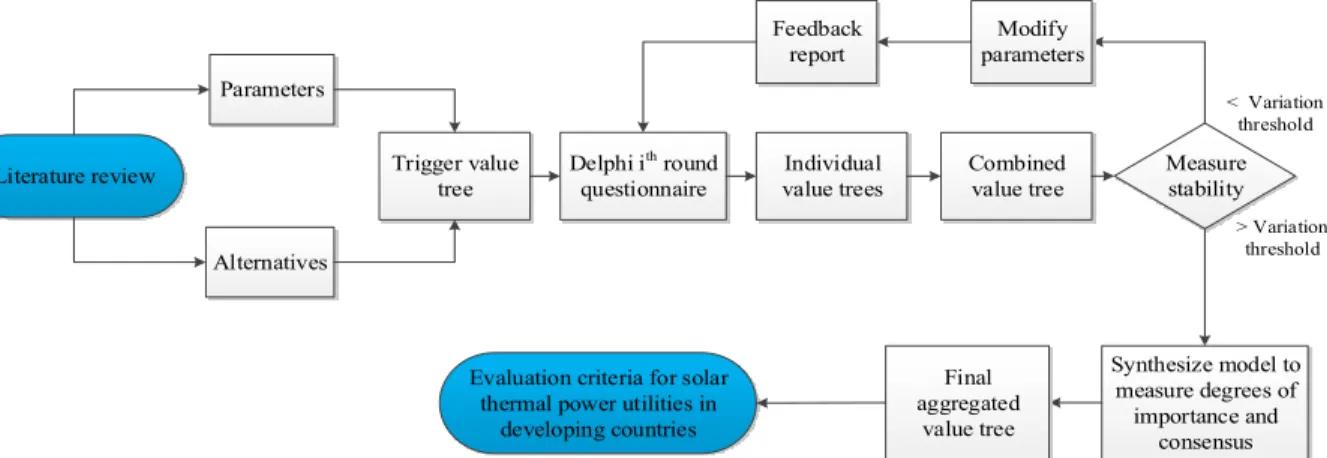
1.6. Methodology overview ... 13
1.6.1. Value tree construction ... 15
1.6.2. Alternative scenarios definition and analysis ... 16
1.6.3. Fuzzy multi-criteria decision-making (MCDM) model ... 17
1.7. Thesis organization ... 18
Chapter 2:Literature Review ... 19
2.1. Analytic deliberative process (ADP) ... 19
2.2. SWOT analysis in energy sector ... 22
2.3. Techno-economic analysis and SAM simulation of CSP ... 23
2.4. Multi-criteria decision-making (MCDM) in energy sector ... 24
2.4.1. MCDM in solar thermal power assessment ... 25
2.4.2. Analytic hierarchy process (AHP) in energy sector ... 26
2.4.3. Fuzzy analytic hierarchy process (FAHP) in energy sector ... 28
Chapter 3:A Value Tree for Identification of Evaluation Criteria for Solar Thermal Power Technologies in Developing Countries ... 29
3.1. Introduction ... 29
3.2. Deliberation ... 30
3.3. Concepts of CSP collecting technologies ... 31
3.3.1. Parabolic trough (PT) collectors ... 32
3.3.2. Solar tower (ST) ... 32
3.3.3. Parabolic dish (PD) collectors ... 33
vii
3.3.5. Heat storage systems ... 34
3.4. Methodology ... 35
3.4.1. Expert elicitation ... 36
3.4.2. Value Tree ... 39
3.4.3. Model application ... 40
3.5. Results and discussion ... 45
3.5.1. First round outcomes ... 46
3.5.2. Second round outcomes ... 52
3.6. Sensitivity analysis ... 57
3.6.1. Parameters adjacent to the consensus threshold ... 57
3.6.2. Indication of unnecessary parameters ... 58
3.7. Conclusions and implications ... 59
Chapter 4:Concentrated Solar Thermal Power in Saudi Arabia: Definition and Simulation of Alternative Scenarios ... 61
4.1. Introduction ... 61
4.2. Solar thermal energy potential in Saudi Arabia ... 63
4.3. Methodology ... 65
4.3.1. SWOT analysis ... 66
4.3.2. Alternative scenarios definitions and simulations ... 76
4.3.3. Design parameters ... 79
4.4. Application of System Advisor Model (SAM) ... 85
4.4.1. Parameters of scenarios adopting PT collectors ... 85
4.4.2. Parameters of scenarios adopting ST systems ... 88
4.4.3. Parameters of scenarios adopting LF collectors ... 90
4.5. Results and discussion ... 93
4.6. Conclusions and implications ... 101
Chapter 5:A Fuzzy Multi-Criteria Decision-Making Model for Assessing Concentrated Solar Thermal Power Alternatives in Developing Countries ... 105
5.1. Introduction ... 105
5.2. CSP assessment background ... 106
5.3. Methodology ... 108
5.3.1. Data collection ... 110
viii
5.3.3. Comparing degrees of possibility... 112
5.3.4. Obtaining the weight vector ... 113
5.4. Case Study ... 114
5.4.1. Criteria and sub-criteria priority weights ... 114
5.4.2. Alternatives priority weights with respect to sub-criteria ... 116
5.5. Results and Discussion... 138
5.6. Conclusion and Implications ... 150
Chapter 6:Conclusions and Implications ... 154
6.1. Summary ... 154
6.2. Contributions ... 156
6.3. Limitations and future work ... 157
6.4. List of publications ... 158
References ... 160
Appendix A: Pairwise Comparison Calculations of the Fuzzy Analytic Hierarchy Process (FAHP) Model ... 171
A.1. Criteria and sub-criteria priority weights ... 171
A.1.1. Decision criteria to the main goal ... 171
A.1.2. Sub-criteria to parent criteria ... 172
A.2. Alternatives priority weights with respect to sub-criteria ... 173
A.2.1. Alternatives to sub-criteria under technical ... 173
A.2.2. Alternatives to sub-criteria under economic ... 177
A.2.3. Alternatives to sub-criteria under environmental ... 180
A.2.4. Alternatives to sub-criteria under social ... 182
ix
List of Figures
Figure 1-1: Cumulative installed RESs capacities worldwide ... 2
Figure 1-2: World map for DNI (Up) and GHI (Down) ... 3
Figure 1-3: Learning curves and cost reductions of PV modules and wind turbines ... 4
Figure 1-4: Solar power technologies overview ... 8
Figure 1-5: Research methodology ... 14
Figure 3-1: Concentrating solar collection technologies ... 34
Figure 3-2: Methodology of identifying CSP evaluation parameters in developing countries ... 36
Figure 3-3: Distribution of participants across countries ... 41
Figure 3-4: Affiliation of experts ... 41
Figure 3-5: Preliminary value tree for CSP evaluation ... 42
Figure 3-6: Distribution of participants’ answers on the Likert scale for different impact categories ... 43
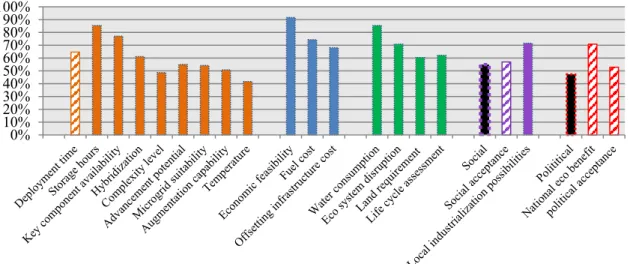
Figure 3-7: Importance degree indices for impact categories ... 46
Figure 3-8: Importance degree indices for performance measures ... 46
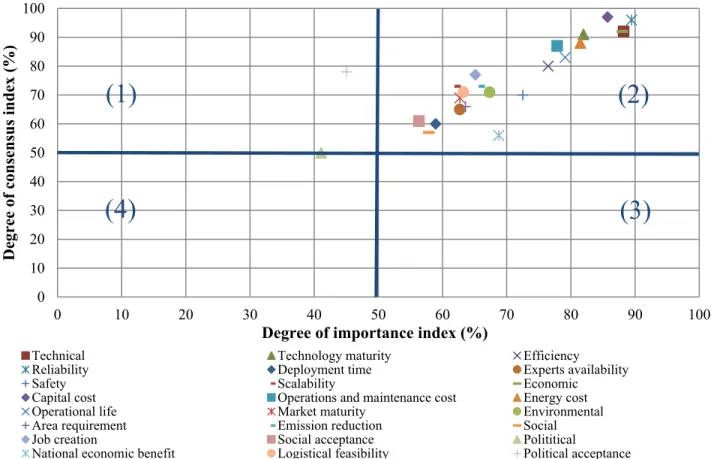
Figure 3-9: Degree of importance index vs. degree of consensus index after first round... 48
Figure 3-10: Aggregated value tree from round one of the questionnaire ... 52
Figure 3-11:Importance degree indices for parameters after second round ... 54
Figure 3-12: Degree of importance index vs. degree of consensus index after second round ... 55
Figure 3-13: Aggregated value tree ... 56
Figure 3-14: Distribution of unnecessary impact categories according to participants ... 59
Figure 4-1: High-level map of DNI in Saudi Arabia ... 64
Figure 4-2: Schematic of a PT-based concentrated solar thermal power plant ... 65
Figure 4-3: Methodology of analyzing, defining, and simulating CSP alternative scenarios ... 66
Figure 4-4: DNI of Riyadh ... 82
Figure 4-5: Impacts of SM and thermal storage on LCOE ... 83
Figure 4-6: Heliostat field layouts of scenario 4 (left), and scenario 5 (right) ... 90
Figure 4-7: Installed costs, gross capacities, and storage hours of major PT and ST projects ... 92
Figure 4-8: CSP project capacity factors and installed costs based on thermal storage ... 94
Figure 4-9: Capacity factors during the first year per dollar invested ... 95
Figure 4-10: Annual energy outputs per net capacity based on storage hours ... 96
Figure 4-11: Levelized costs of energy ... 98
Figure 4-12: Influences of financial parameter uncertainties on LCOEs ... 99
Figure 4-13: Monthly energy outputs in base model, DNI +17 % model, ... 100
Figure 5-1: CSP evaluation value tree in developing countries ... 108
Figure 5-2: Methodology of developing FAHP model for CSP assessment ... 109
Figure 5-3: The comparison of two fuzzy numbers M1 and M2 ... 113
Figure 5-4: Basic structure of the CSP value chain ... 119
Figure 5-5: Marginal capacity value by penetration of solar and wind technologies ... 127
Figure 5-6: Life cycle of a CSP plant ... 132
Figure 5-7: Innovative glasshouse scheme for CSP plant in Oman ... 133
Figure 5-8: Priority weights of sub-criteria with respect to parent nodes ... 139
Figure 5-9: Alternatives local priority weights with respect to technical decision criterion ... 141
x
Figure 5-11: Alternatives local priority weights with respect to environmental decision criterion ... 143
Figure 5-12: Alternatives local priority weights with respect to social decision criterion... 144
Figure 5-13: Alternatives global priority weights with respect to goal... 145
Figure 5-14: Alternatives evaluations through Expert Choice and MCE for validation ... 147
Figure 5-15: Alternatives priority weights for different scenarios ... 148
Figure 5-16: Priority weights of evaluation criteria based on regional stakeholders’ evaluation ... 150
xi
List of Tables
Table 3-1: Common impact categories and performance measures used in the evaluation of energy
sources, as derived from the literature ... 38
Table 3-2: Likert scale weights ... 43
Table 3-3:Consensus categories ... 44
Table 3-4: Technical vs. economic impact categories: distribution of responses on the Likert scale ... 47
Table 3-5: Further parameter actions based on parameter placement in Figure 3–9 ... 48
Table 3-6: Pearson correlation coefficients of impact categories ... 49
Table 3-7: Supplementary parameters added by experts ... 51
Table 3-8: Description of color codes and further action taken based on Figure 3–10 ... 53
Table 3-9: Coefficient of variation of all parameters after second round ... 56
Table 4-1: SWOT analysis of CSP technologies ... 67
Table 4-2: Existing CSP plant scenarios ... 77
Table 4-3: Defined alternative scenarios ... 79
Table 4-4: Stations categories under the Saudi RRMM program ... 81
Table 4-5: Technical and financial modeling parameters for PT scenarios ... 92
Table 4-6: Technical and financial modeling parameters for ST and LF scenarios ... 93
Table 4-7: Capacity factors and annual energy outputs for the first year for the simulated scenarios ... 94
Table 4-8: Levelized costs of energy of CSP technologies ... 98
Table 4-9: Influences of the DNI uncertainty on the capacity factors and LCOEs ... 100
Table 5-1: Triangular fuzzy conversion scale ... 109
Table 5-2: Individual pairwise comparison of decision criteria with respect to goal ... 115
Table 5-3: Aggregated pairwise comparison of decision criteria with respect to goal ... 115
Table 5-4:Pairwise comparison of alternatives with respect to maturity ... 117
Table 5-5: Jobs created throughout CSP value chain ... 134
Table 5-6: Measuring factors for alternatives evaluation with respect to sub-criteria ... 137
Table A-1: Pairwise comparison of decision criteria with respect to goal ... 171
Table A-2: Pairwise comparison of decision sub-criteria with respect to technical criterion ... 172
Table A-3: Pairwise comparison of decision sub-criteria with respect to economic criterion ... 172
Table A- 4: Pairwise comparison of decision sub-criteria with respect to environmental criterion ... 173
Table A-5: Pairwise comparison of decision sub-criteria with respect to social criterion ... 173
Table A-6: Pairwise comparison of alternatives with respect to maturity ... 173
xii
Table A- 8: Pairwise comparison of alternatives with respect to conversion efficiency ... 174
Table A-9: Pairwise comparison of alternatives with respect to reliability ... 175
Table A-10: Pairwise comparison of alternatives with respect to deployment time ... 175
Table A-11: Pairwise comparison of alternatives with respect to safety ... 175
Table A-12: Pairwise comparison of alternatives with respect to Scalability and modularity ... 176
Table A-13: Pairwise comparison of alternatives with respect to conversion storage hours ... 176
Table A-14: Pairwise comparison of alternatives with respect to hybridization ... 176
Table A-15: Pairwise comparison of alternatives with respect to technology advancement potential ... 177
Table A-16: Pairwise comparison of alternatives with respect to key components’ and experts’ availability ... 177
Table A-17: Pairwise comparison of alternatives with respect to capital cost ... 177
Table A-18: Pairwise comparison of alternatives with respect to O&M costs ... 178
Table A-19: Pairwise comparison of alternatives with respect to energy cost ... 178
Table A-20: Pairwise comparison of alternatives with respect to market maturity ... 178
Table A-21: Pairwise comparison of alternatives with respect to economic feasibility ... 179
Table A-22: Pairwise comparison of alternatives with respect to fuel cost ... 179
Table A-23: Pairwise comparison of alternatives with respect to offsetting infrastructure cost ... 179
Table A-24: Pairwise comparison of alternatives with respect to national economic benefit ... 180
Table A-25: Pairwise comparison of alternatives with respect to national required land ... 180
Table A-26: Pairwise comparison of alternatives with respect to GHG emission ... 180
Table A-27: Pairwise comparison of alternatives with respect to water consumption ... 181
Table A-28: Pairwise comparison of alternatives with respect to ecosystem disruption ... 181
Table A-29: Pairwise comparison of alternatives with respect to life cycle assessment ... 181
Table A-30: Pairwise comparison of alternatives with respect to environmental conditions impact ... 182
Table A-31: Pairwise comparison of alternatives with respect to jobs creation ... 182
Table A-32: Pairwise comparison of alternatives with respect to social and political acceptance ... 182
Table A-33: Pairwise comparison of alternatives with respect to Local industrialization possibilities .... 183
Table A-34: Pairwise comparison of alternatives with respect to Logistical feasibility ... 183
Table B-1: Weight factors of decision criteria with respect to goal... 184
xiii
List of Nomenclatures and Abbreviations
ADP Analytic deliberative processCAS Complex adaptive system
CBA Cost benefit analysis
CED Cumulative energy demand
CFI Capacity factor per initial cost index CSP Concentrated solar thermal power
CV Coefficient of variation
DHI Diffuse horizontal irradiance DNDO Domestic Nuclear Detection Office
DNI Direct normal irradiance
DOE Department of Energy
DSG Direct steam generation
ENSAD Energy-related severe accident database
EPBT Energy payback time
EPC Engineering, procurement, and construction FAHP Fuzzy analytic hierarchy process
FiT Feed-in Tariff
GCC Gulf Cooperation Council
GHG Greenhouse gas
GHI Global horizontal irradiance HCE Heat-collecting element
HTF Heat transfer fluid
IEA International Energy Agency
IRENA International Renewable Energy Agency ISCC Integrated solar combined cycle
xiv
K.A.CARE King Abdullah City for Atomic and Renewable Energy KACST King Abdulaziz City for Science and Technology
LCA Life cycle assessment
LCOE Levelized cost of energy
LF Linear Fresnel
MAUT Multi-attribute utility theory MCDM Multi-criteria decision-making MCE Multi-criteria evaluation MENA Middle East and North Africa
NASA National Aeronautics and Space Administration
NPV Net present value
NRC National Research Council
NREL National Renewable Energy Laboratory
OPEC Organization of the Petroleum Exporting Countries
PPA Power purchase agreement
PD Parabolic dish
PT Parabolic trough
QFD Quality function deployment
RES Renewable energy source
RNA Rank number of alternatives
RPS Renewable portfolio standard
ROI Return of investment
RRMM Renewable Resource Monitoring and Mapping RIDM Risk-informed decision-making
SAM System Advisor Model
xv SEGS Solar Energy Generating System
SM Solar multiple
SPV Solar photovoltaic
SWOT Strengths, weaknesses, opportunities, and threats
ST Solar tower
UAE United Arab Emirates
TES Thermal energy storage
TFN Triangular fuzzy number
1
Chapter 1:
Introduction
1.1.Background
Electricity generation is an essential driver for the advancement of modern life. Today, the electrical national grids face many challenges, including the growing world population, the need to provide electricity to more than one billion people who still have no proper access to it, and the electrification of many aspects of modern life. These factors add to the ever-increasing demand, while on the other hand there are pressures to reduce greenhouse emissions and integrate infinite energy sources into national grids. These challenges lead to a growing worldwide awareness of the importance of renewable energy sources (RESs) to support sustainability. The majority of electricity generated in the world today is based on finite sources of energy such as coal and natural gas [1]. Many countries around the globe are adopting energy plans that involve the integration of RESs with their grids to enhance environmental conditions and sustainability for the coming generations. Accordingly, the total installed RESs capacities have increased from nearly 60 GW in 2000 to over 885 GW in 2016, excluding hydropower.
Harnessing large portions of practically infinite energy reserves such as the sun effectively and profitably would provide a sustainable energy supply. For instance, the sun sends more energy to the earth in 45 min than humans consume in one year [3]. Solar power technologies have undergone remarkable developments during the past decade, and are expected to continue to grow. Looking closely at the breakdown of RESs capacities worldwide (Figure 1–1), the solar photovoltaic (SPV) represents the majority of solar technology developments compared to the concentrated solar thermal power (CSP) technology. While the PV technology utilizes solar global horizontal irradiance (GHI), which includes direct normal irradiance (DNI) and diffuse horizontal irradiance (DHI), the CSP only capitalizes on DNI.
2
Figure 1-1: Cumulative installed RESs capacities worldwide Source: IRENA Data and Statistics, 2017 [2]
Considering that the level of exposure is higher for GHI than for DNI (Figure 1–2), there were more opportunities for PV technology. This led to massive scale of residential and large-scale PV deployments that consequently facilitated the cost reduction of PV modules through economies of scale and research and development (R&D). There was an annual growth in cumulative installed capacity of PV modules of 30–40% between 2012 and 2015 [4]. The total installed capacity of PV exceeded 290 GW in 2016. CSP remains behind PV both in technology development and costs reduction. That said, CSP has witnessed a 27% increase of total capacity growth during the last decade exceeding 4.5 GW [5].
The CSP costs are declining, mainly in the global sunbelt, i.e., countries located within 35° of the Equator. A wide variety of CSP technologies are under development with special focus on TES [5]. CSP has key advantages, including efficient thermal energy storage (TES) and hybridization capabilities with conventional power plants and auxiliary burners, which reduce
3
intermittency and extend generation hours [6]. These benefits support potential CSP development, including the International Energy Agency (IEA) roadmap vision that predicts solar thermal technologies alongside PV will each cover 11% of the global electricity generation by 2050 [7]. The main difference between the two technologies in accordance with demand is that PV essentially helps covering demand during module production hours, while CSP can also facilitate covering base load after sunset. The performance of CSP, when coupled with thermal storage, is thus enhanced in terms of energy cost reduction.
Figure 1-2: World map for DNI (Up) and GHI (Down) Source: Solar GIS, 2016 [8]
4
The IEA vision predicts the continued growth of PV installation. This will lead to increasing the need to shift energy production, which is a crucial capability of CSP coupled with thermal storage. With more CSP projects coming online, the CSP industry can benefit from similar learning curves and economies of scale as those of PV modules and wind turbines. PV modules and wind turbines benefitted from learning curves of 24.3% and 19%, resulting in cost reductions of 80% and 50%, respectively, in less than a decade (Figure 1–3).
Figure 1-3: Learning curves and cost reductions of PV modules and wind turbines Source: Strid, 2016 [9]
1.2.CSP in developing countries
Past capital investments in fossil fuel based power plants make it hard to switch to new technologies unless legislators impose policy interventions to accelerate such technologies. This situation, known as the lock-in effect, is common in developed countries that have national grids covering the majority of inhabited areas due to long-lived capital [10]. The situation significantly changes in fast growing and developing countries, particularly with respect to their electrical grids, where substantial electric capacity increases are continuously demanded to accommodate
5
accelerated growth. These countries are required to make complex decisions regarding technology selections for electrical grid expansions.
The World Bank conducted a comprehensive study [11], focusing on the technical and financial regulations required to scale up CSP usage in developing countries. The study identified India, South Africa, and the Middle East and North Africa (MENA) region as potential large-scale CSP project sites [11]. Among those countries, India and South Africa are leading in terms of the CSP’s total installed capacities, coming only after the top two developed countries (i.e., Spain and the US). In the Arabic region, Morocco has the highest capacity of operational power plants, with more under construction and under development projects [2]. Energy exporting countries are aware of the importance of diversifying their economic resources. With a future perspective, some Arabian Gulf countries, which depend heavily upon revenues from oil and gas exports in their development, became concerned about taking advantage of other energy sources available in the region. The region is blessed with an abundance of alternative energy sources, such as solar power and wind. In fact, the Middle East is one of the wealthiest regions on earth in terms of solar radiation [12]. The United Arab Emirates (UAE) has taken initiative in the area by building a city called Masdar (meaning “source”) which depends solely on clean
alternative energy sources. In addition, R&D is being conducted on a large scale, and the International Renewable Energy Agency (IRENA) has its headquarters located in the UAE. The Shams 1 CSP plant is one of the world’s largest. It was completed in 2013 in the city of Masdar
and has a capacity of 100 MW [2]. Oman and Kuwait are planning to deploy CSP for enhanced oil recovery operations at heavy crude oilfields [13].
Saudi Arabia is among the world’s leaders in oil production. The country’s economy is heavily dependent on petroleum exports, which accounted for 85% of Saudi Arabia’s exports
6
revenue in 2013 according to the Organization of the Petroleum Exporting Countries (OPEC) [14], [15]. Saudi Arabia has expressed increasing concern regarding the sustainability of its economic development and prosperity. It was estimated that the power peak demand of Saudi Arabia will exceed 120 GW by 2032 [16]. Critical decisions thus had to be made for electricity infrastructure expansion. To address such challenges, the King Abdullah City for Atomic and Renewable Energy (K.A.CARE) was established in 2010 [17]. K.A.CARE aims at drawing
strategic portfolio plans for the sustainable development of Saudi Arabia’s energy sector to
support economic diversification. Plans of generating 54 GW of renewable energy by 2032 were announced. Enormous investments of 109 billion dollars were allocated to solar energy projects.
1.3.Problem statement
The ongoing development process and the rapid growth of population in many developing countries impose expansion of the national grid networks to meet the electricity demand growth. In addition, the Arabian Gulf is an arid area exposed to very hot summers. Electricity demand increases drove various leading energy exporting developing countries like Saudi Arabia to plan to direct strategic investments in alternative energy. K.A.CARE announced in 2012 an energy portfolio strategic plan for Saudi Arabia including conventional, renewable, and nuclear energy sources. Among RESs, the largest portion was allocated to solar technologies, with capacities of 25 GW for CSP and 16 GW for PV by 2032 [17], [18]. In 2015, the president of K.A.CARE announced that the alternative energy outlook was revised and the target year was postponed due to the need for additional assessment regarding technology selection [19]. In 2016, closer targets were announced to achieve 9.5 GW of RESs by 2023 as part of the 2030 vision of the country.
Power plant projects are of critical importance for sustainable development and societal prosperity. The enormous investments directed to power utility projects are essentially diverted
7
from other developing projects, which adds significant importance to gaining the most out of them in all possible aspects. Furthermore, for countries in the Arabian Gulf, the realization has been made that oil reserves and prices may have already peaked; as such, it is urgent that they diversify their sources of income while they still benefit from massive income from the exportation of fossil fuels. It is thus vital to carry out in depth studies regarding CSP technologies to ensure obtaining optimal options for sustainable development. The selection of generating technologies can be considered as one of the most essential aspects in the decision process for utility projects. Decisions during the early stages of planning dictate future performance. Many studies have been carried out to aid decision-making in the power generation field based on mathematical programming, stochastic approaches, and matrix operations. However, these approaches are driven by profit motives. While these approaches are mainly suitable for industrialized developed societies, in which utility projects are generally initiated by private sector companies, they are less appropriate for developing countries, where the commissioner and owner of utility projects is often the government [20]. In this case, the scope of project objectives extends far beyond cost benefit aspects.
Many of the developing countries that are exposed to high rates of solar radiation and considered to have high potential for harnessing solar energy lack sufficient experience in commissioning CSP projects. Adding to this is the infancy of large-scale CSP deployment, availability of various technologies and combinations that conceptually differ from one another, and insufficiency of data required to accurately assess feasibilities. Combining these obstacles
increases the associated uncertainties that influence investor’s willingness to commit to CSP
projects. Therefore, it is important to adopt frameworks that can conceptualize all available data and address intangible factors to support a structured decision-making process that covers all
8
involved trajectories, including technical, economic, environmental, social, and political. Figure 1–4 illustrates the solar power technologies including PV and several available solar thermal power concepts.
Figure 1-4: Solar power technologies overview Source: Konstantin and Kretschmann, 2010 [21]
The complexity of the energy planning problem involves multi-dimensional attributes, which leads to the potential problem that these attributes contradict with each other while considering alternative solutions. Moreover, it should be emphasized that energy systems consist of many actors, interacting through networks, leading to emergent properties and adaptive and learning processes, and are considered as complex systems [22]. This fact has to be taken into consideration in the overall decision-making process. It therefore becomes harder to grasp and contend with the complexity of the problems to obtain an optimized solution that performs best in all different aspects. Instead, tradeoffs are required in order to achieve the best solution that
satisfies the stakeholders’ requirements given local energy sectors and weather characteristics. In
9
environmental concerns are presently raised to reduce greenhouse gas (GHG) effects. This led many authors to incorporate environmental aspects in planning processes regarding energy generation. Cavallaro [23] indicates that the traditional decision-making tools focus on finding the one optimal decision for a given problem, whereas the nature of environmental management activity, such as in CSP technologies assessment, requires subjective judgment from different aspects. Moreover, social aspects are evolving with society representative groups bringing public concerns to the authorities. Politics strongly relate to energy independency for sustainable development of nations [24], [25].
The planning of renewable energy projects is inherently associated with huge uncertainties as well as various stakeholders and their interests. The uncertainty is even greater in developing countries that lack similar projects and accurate data. In addition, it is required to start from defining the assessment criteria considering quantitative and qualitative factors that are involved in the planning process to facilitate decisions in terms of selecting the best technologies to meet both short and long term needs of the people. This situation suggests the adoption of a modeling framework that can associate the perspectives of experts and stakeholders of energy projects with their different standpoints. The approach is required to include quantitative and qualitative attributes. Furthermore, quantitative data must be acquired through exhaustive data collection and simulations owing to the sparsity of needed data in developing countries, while qualitative data are required to be obtained through quantifying experts’ evaluations and stakeholders’
preferences.
1.4.Motivations and applications
The literature lacks comprehensive definitions of the evaluation criteria that need to be considered in selecting CSP technologies in developing countries from global and heterogeneous
10
perspectives. Involving data providers from different backgrounds enriches the results and ensures all perspectives are taken into account. A developing country like Saudi Arabia can generate electric power from RESs and export excess fossil fuels, which have been compensated by renewable energy for electricity generation and water desalination processes, to other countries. Moreover, Pazheri et al., [26] suggested that integrating RESs into the grid, and enhancing the grid by means of upgrading it to the next generation known as “smart grid”, can
help Saudi Arabia become an exporter of electricity.
It is important to note that the need for a single phase evaluation depending on cost benefit analysis (CBA) has evolved, and it became necessary to consider multiple attributes for decision-making [25]. Cavallaro [23] found that in many cases, traditional evaluation methods, such as CBA, and main financial indicators, such as net present value (NPV) and return of investment (ROI), are not adequate to handle all energy project components. As the complexity of energy portfolio planning increases, it becomes more difficult to identify an alternative that can maximize all decision criteria. In addition, it is necessary to consider both quantitative and qualitative attributes. It is assumed in CBA that everything has a value that can be determined in order to perform the analysis. Nevertheless, it becomes complicated for decisions that involve multi-dimensional attributes to convert all factors into monetary values. CBA thus works when only material loss and gain are involved [27]. In energy projects, the financial aspect is an extremely vital part; however, several other quantitative and qualitative aspects must also be reflected. Furthermore, there is an absence of required data to aid decision makers in prioritizing CSP technologies based on global perspectives and local requirements of adequate attributes and alternatives. All of the aforementioned factors constitute motivations to carry out a framework that aids the decision-making process for prioritizing CSP technologies.
11 1.5.Research objectives and scope
This research aims to facilitate decision makers in the early stages of CSP integration to focus on practical alternative scenarios. It provides a holistic strategic basis for the evaluation of different CSP technologies in developing countries. Accordingly, the primary goal is to provide a structure-oriented framework for CSP planning that brings together quantitative and qualitative data as well as judgments of international experts and local stakeholders. The significance of the framework lies in the aid it lends to support directing the enormous investments associated with CSP projects towards maximized benefit for sustainable development considering local conditions.
With respect to previous literature, this research proposes to contribute to the body of knowledge by means of developing a methodology to support the planning process associated with CSP assessment through integrating analytic deliberative process (ADP) and fuzzy analytic hierarchy process (FAHP). The ADP is often utilized in research involve uncertainty to compensate the lack of real data [28]. ADP is widely used through structured expert elicitation approaches that grasp subjective judgments from data providers, in research related to risk management and technology planning and roadmapping, to clearly define objectives, evaluation attributes, and alternatives for the assessment as well as set efficient and fair tradeoffs for the decision-making process [29]–[31]. Nevertheless, ADP does not serve as a strong calculation tool to overcome uncertainties. FAHP, on the other hand, offers an explicit and strong tool for modeling, including quantifying the qualitative factors attained through deliberation. Hence, the alternatives prioritization matrix can be calculated to obtain assessment outputs. Together, ADP and FAHP can represent a significant framework to minimize the impact of subjectivity and uncertainty resulting from data deficiency and occurring as an unavoidable by-product during the
12
assessment of data providers’ perspectives. The proposed ADP/FAHP framework provides a transparent tool to verify factors that are influencing the decision-making process rather than a black box process in which a decision is unveiled as the final solution. The proposed framework also provides the required instrument for clearly understanding the problem and monitoring the evolution of the decision-making process. To achieve the research goal, three objectives are defined as follow:
• Objective 1: To develop a value tree that explicitly identify parameters combination required for evaluation of CSP technologies through a rigorous process of expert elicitation and consensus-seeking.
• Objective 2: To analyze CSP plant configurations and technology combinations, define practical alternative scenarios, and carry out a techno-economic analysis based on local weather conditions and energy sector requirements.
• Objective 3: To assess CSP alternatives with respect to the defined evaluation criteria considering the uncertainties and tackling the quantitative date and qualitative inputs of local stakeholders.
The focus of this research is on large-scale CSP for electricity generation (i.e., Megawatt power plants). This research also focuses on developing countries with fast growing electricity demand, in which many aspects of life need essential enhancement to expedite modernization. Critical decisions must thus be made regarding energy planning by taking into account all relevant influencing factors. In developing a holistic decision framework, input data are collected from international heterogeneous experts from the CSP field as well as local stakeholders to bring together the experience and knowledge of the regional requirements.
13
A stakeholder is defined to be “an individual or organization that is materially affected by the
outcome of a decision or deliverable but is outside the organization doing the work or making the
decision” [30]. Stakeholders of the energy system in Saudi Arabia were comprehensively studied
by Alonso [32], who defined and measured the values and interactions of the stakeholders as those who 1) have direct or indirect influence on the energy consumption or production in Saudi Arabia; 2) Receive direct or indirect benefits from the energy consumption or production in Saudi Arabia; 3) Hold important legitimate interest in energy consumption or production in Saudi Arabia. On the other hand, an expert is defined by Amer and Daim [31] as a person possessing inherently important characteristics that are useful for the elicitation process. Such characteristics include, but are not limited to, having acquired extensive knowledge in the subject matter, having the ability to simplify complexity associated with the problem, and having the ability to clearly communicate expertise.
1.6.Methodology overview
The proposed methodology aimed to provide a supporting framework to help decision makers in evaluating alternatives of large-scale CSP projects by means of integrating ADP with FAHP. The research was conducted in three phases, as shown in Figure 1–5. This section introduces an overview on the proposed methodology, while extended discussions of each phase will be provided in Chapters 2, 3, and 4, respectively.
14 Literature review SWOT analysis in energy Analytic deliberative process Multi-criteria decision making Fuzzy analytic hierarchy process Techno-economic
analysis of CSP model simulationsSystem advisor
Trigger value tree Build analytic deliberative process
model
Expert elicitation through i rounds of deliberation using
Delphi method
Stability Measure Update parameters Feedback
report
> variation threshold
Measure importance and consensus parameters
Synthesize model and aggregate evaluation value tree
< variation threshold
SWOT analysis for CSP plant components
Solar collectors Heat transfer fluids
Storage mediums Power blocks
Incorporate with local energy requirements and weather conditions
Infer recommendations and define alternative scenarios
Simulation for performance and financial analysis
Combine Satellite and field data weather data
• DNI • Wind direction • Wind speed • Ambient temperature • Humidity • Pressure
Investigate alternatives performance with respect to sub-criteria quantitative and qualitative
Heterogeneous stakeholders panel elicitation Measure consistency Consistent Not consistent
Synthesize FAHP model
Final recommendations for CSP utility-scale alternative scenarios
• Obtain TFNs
• Determine priority weights
• Compare degrees of possibility
• Obtain weight vectors via fuzzy evaluation matrix
Sensitivity analysis
Installed & storage capacity Cooling tecniques
Phase I
Develop evaluation value tree
Phase II
Develop alternative scenarios & apply techno-economic analysis
Phase III
Develop fuzzy multi-criteria decision analysis model
Investigate operational plants configurations
15 1.6.1. Value tree construction
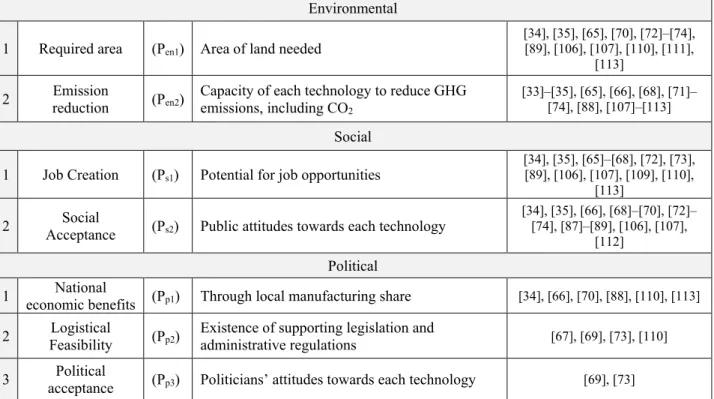
The first phase began with developing a value tree, as per the first step of ADP, to capture a comprehensive perspective of the adequate decision attribute combination for evaluating CSP technologies in developing countries. A Delphi method was utilized to conduct a comprehensive elicitation in order to select the required parameters based on the aggregated perspective of heterogeneous experts working in the CSP fields. Cavallaro [23] indicated that the selection of criteria is of prime importance for problem resolution while Phdungsilp and Wuttipornpun [33] emphasized that it is the most sensitive part of applying multi-criteria approaches as it shapes the path of all subsequent steps. Few studies have discussed the assessment of CSP technologies from multi-criteria standpoints. While there is plenty of research relating to the general assessment and selection of power energy sources and RESs specifically. However, the decision criteria that are considered for the assessment were vaguely derived in the literature. It was noticed that researchers commonly consider self-definition of the evaluation criteria through literature with no explicit explanation of how the decision criteria were determined. Accordingly, different combinations of evaluation criteria were adopted based on researchers’ perspectives.
With respect to previous literature, this phase aimed to explicitly identify parameters combination required for the evaluation of CSP technologies through a rigorous and structured process of experts’ judgments elicitation and consensus-seeking. The value tree was ultimately constructed based on the perspectives of a heterogeneous panel of data providers from solar thermal power field, with a utility-scale focus in developing countries serving as a potential market for solar projects. Different affiliations and backgrounds of participants facilitated the elimination of biases and ensured that a coherent family of attributes were defined for CSP technologies evaluation. The output of this phase was a generic value tree with parameters that
16
can be utilized locally by stakeholders and decision makers as a foundation for evaluating CSP project models at the planning stage, with possible slight modifications of parameters based on individual case requirements.
1.6.2. Alternative scenarios definition and analysis
In the second phase of the proposed methodology, various CSP scenario-oriented alternatives were identified with the alteration of power utilities components including solar thermal collectors, heat transfer fluids (HTFs), thermal energy storage (TES) mediums, plant capacities, and storage capacities. As renewable energy projects are location dependent, Saudi Arabia defined the scope of this phase considering local energy sector requirements and weather characteristics. CSP technologies combinations and configurations were analyzed by means of strengths, weaknesses, opportunities, and threats (SWOT). Alternative scenarios were subsequently defined given the SWOT analysis incorporated with local weather conditions and energy requirements.
For developing countries, the lack of available data from operating renewable energy projects urges the exploitation of data acquired from similar projects records in developed countries or international databases, which was done by numerous authors in renewable energy planning studies [34]–[37]. In an attempt to enhance the accuracy of research results, simulations were carried out in this phase for the defined scenarios through the System Advisor Model (SAM). SAM is a modeling tool developed by the National Renewable Energy Laboratory (NREL) to simulate the performance and cost of renewable energy systems. The simulations were held to obtain performance predictions including the estimation of energy yield over a lifetime, annual predictions, and the hourly performance of the power system output. The simulation also provided key financial model estimations including energy costs and NPVs.
17
1.6.3. Fuzzy multi-criteria decision-making (MCDM) model
The third phase aimed to assess the defined practical CSP options. An MCDM approach was considered in a fuzzy environment to tackle ambiguity and imprecision. The evaluation was conducted based on extensive analysis of the alternative scenarios performances in accordance with the defined evaluation parameters. An FAHP model was developed to incorporate quantitative and qualitative data as well as input from forty-four stakeholders from the potential developing countries for large-scale CSP deployment. A scaling method was adopted for
stakeholders’ solicitation, followed by the utilization of triangular fuzzy numbers (TFNs) for pairwise comparisons, to address the associated uncertainty, linguistic vagueness, and incomplete knowledge. The developed FAHP model provided the mathematical foundation to evaluate the alternative scenarios in a hierarchical manner with respect to the evaluating decision criteria and sub-criteria as well as the main goal of assessing CSP projects. It also facilitated the incorporation of the generic value tree defined in first phase and the simulation results obtained in the second phase into the third phase of the proposed methodology. The priority weights of alternatives were obtained through the final matrix of the FAHP model as follows:
[ 𝑃𝑟𝑖𝑜𝑟𝑖𝑡𝑦 𝑤𝑒𝑖𝑔ℎ𝑡𝑠𝑜𝑓 𝑎𝑙𝑡𝑒𝑟𝑛𝑎𝑡𝑖𝑣𝑒𝑠 𝑤𝑖𝑡ℎ 𝑟𝑒𝑠𝑝𝑒𝑐𝑡 𝑐𝑟𝑖𝑡𝑒𝑟𝑖𝑜𝑛 (1) 𝑃𝑟𝑖𝑜𝑟𝑖𝑡𝑦 𝑤𝑒𝑖𝑔ℎ𝑡𝑠𝑜𝑓 𝑎𝑙𝑡𝑒𝑟𝑛𝑎𝑡𝑖𝑣𝑒𝑠 𝑤𝑖𝑡ℎ 𝑟𝑒𝑠𝑝𝑒𝑐𝑡 𝑐𝑟𝑖𝑡𝑒𝑟𝑖𝑜𝑛 (2) 𝑚 (𝑥) 𝑛 . . 𝑃𝑟𝑖𝑜𝑟𝑖𝑡𝑦 𝑤𝑒𝑖𝑔ℎ𝑡𝑠𝑜𝑓 𝑎𝑙𝑡𝑒𝑟𝑛𝑎𝑡𝑖𝑣𝑒𝑠 𝑤𝑖𝑡ℎ 𝑟𝑒𝑠𝑝𝑒𝑐𝑡 𝑐𝑟𝑖𝑡𝑒𝑟𝑖𝑜𝑛 (𝑛) ] * [ 𝑃𝑟𝑖𝑜𝑟𝑖𝑡𝑦 𝑤𝑒𝑖𝑔ℎ𝑡𝑠𝑜𝑓 𝑑𝑒𝑐𝑖𝑠𝑖𝑜𝑛 𝑐𝑟𝑖𝑡𝑒𝑟𝑖𝑎 𝑤𝑖𝑡ℎ 𝑟𝑒𝑠𝑝𝑒𝑐𝑡 𝑡𝑜 𝑔𝑜𝑎𝑙 𝑛 (𝑥) 1 ] = [ 𝑃𝑟𝑖𝑜𝑟𝑖𝑡𝑦 𝑤𝑒𝑖𝑔ℎ𝑡𝑠𝑜𝑓 𝑎𝑙𝑡𝑒𝑟𝑛𝑎𝑡𝑖𝑣𝑒𝑠 𝑤𝑖𝑡ℎ 𝑟𝑒𝑠𝑝𝑒𝑐𝑡 𝑡𝑜 𝑔𝑜𝑎𝑙 𝑚 (𝑥) 1 ]
where m denotes the number of alternatives and n denotes the number of criteria.
The results of this phase illustrated the merits and weakness for each of the studied alternative scenarios in accordance with local energy sectors requirements. Moreover, the
18
obtained results constitute a foundation to make recommendations for early stages of CSP integration to national grids and relate them to stakeholder priorities.
1.7.Thesis organization
This thesis intends to promote strategies in the early stages of the planning of large-scale CSP integration in developing countries. In this outline, the rest of the thesis is organized as follows: Chapter 2 presents fundamental knowledge of the topics and tools related to the proposed methodology and presents a literature review. Chapter 3 focuses on the development of a value tree for the parameters required to evaluate large-scale CSP deployment in developing countries. The construction of the value tree was conducted through a structured expert elicitation, including the contribution of heterogenous expert panelists from the CSP field and the following data analysis. Chapter 4 introduces a SWOT analysis of the different technologies involved in a CSP plant. The main purpose of this chapter is to define potential and practical alternative scenarios of CSP given the local energy sectors requirements, weather characteristics, and available CSP combinations and capabilities, as well as to carry out a techno-economic analysis of the defined scenarios. Chapter 5 develops an MCDM model in a fuzzy environment for the evaluation of the defined alternative scenarios with respect to the identified parameters. The focus of the chapter is on tackling the assessment of different CSP combinations with
consideration of stakeholders’ interests and local needs. The integration of the MCDM with
fuzzy set theory is intended to address the quantitative and qualitative data as well as the subjectivity and uncertainty and then process them mathematically to make recommendations and reach results. Chapter 6 presents the summary, contributions, limitations, and future work directions.
19
Chapter 2:
Literature Review
This chapter introduces fundamental knowledge and review of the literature related to the research areas of the thesis, including the evaluation and planning of energy, RESs, and, in particular, CSP, for sustainable development. In addition, the development of the proposed methodology involves several tools, such as ADP, Delphi method, SWOT analysis, CSP modeling with SAM, performance analysis, and FAHP models. This section summarizes some important contributions in these areas.
2.1.Analytic deliberative process (ADP)
ADP is a systematic approach which focuses on the deliberation procedure for problem understanding. The provided format facilitates capturing the influences of subjectivity that impact decisions. ADP aims to enhance the decision-making process and to assign a fair share of responsibility. It provides stakeholders with insight to help reach consensus through the utilization of analytical tools and to make hard decisions as objective as possible.
The National Research Council (NRC) [38] proposed ADP for risk understanding, which consists of two major parts. The first part is the analysis in which an understanding of the problem is built through systematically applying methods that have been developed in the engineering communities and the decision science. The second part consists of the deliberation by means of any formal or informal communication process and the collective consideration of problems. ADP is commonly carried out in consecutive steps starting with capturing experts’
and/or stakeholders’ objectives by building value tree aggregating goals, impact categories, and performance measures. The next step involves formulating decision alternatives that are considered by stakeholders. The analyst then analyzes these decision options through quantitatively determining how they achieve each objective based on data providers’ priorities.
20
Subsequently, a deliberation is conducted in an attempt to reach a consensus. In this step, data providers are involved in reviewing the analytical results and considering subjective and objective factors that led to a final decision.
Shattan [39] adopted the ADP proposed by the NRC combined with AHP for decision-making in order to select radiation detection systems for shipping ports and border crossing as an alternative for CBA. The study concluded that ADP outperforms CBA in these types of decisions. According to Shattan, ADP uses analytical tools to help quantify objective and subjective influences which affect the decision. It is pointed out that the effectiveness of the deliberation that follows the completion of the analysis is considered to be the greatest strength of the ADP. Renn [28], [29] proposed and discussed a cooperative discourse model for the ADP in risk management related to urban planning, sustainable development, and waste management arenas. He indicated that the potential and needs for ADP are associated with resolving dilemmas, making tradeoffs, and answering hard questions encountered by managers and decision makers. Renn showed that value trees proved to be sufficient to identify and select concerns and evaluative criteria. Dezfuli et al., [30] introduced ADP to provide a guideline for implementing risk-informed decision-making (RIDM) as an integral part of systems engineering at NASA. Dezfuli et al., emphasized that the significant challenge of applying ADP was practically associated with the organizational complexities. Elliott [40] also utilized ADP in the context of RIDM. He indicated that early phases of advanced systems design witness information scarcity in terms of the involved components, technologies, and processes, nonetheless it is the time in which stakeholders are required to make critical decisions to guide the system development. Elliott studied the scales associated with the conversion of subjective expressions during expert elicitation to verify their efficiencies in capturing preferences. He applied ADP to a
21
study associated with the passive secondary auxiliary cooling system of nuclear fission reactor plants evaluating two ultimate heat sink systems.
Stagl [41] discussed the importance of deliberation for public involvement in long-term planning for energy policies in the UK. The study focused on social learning through deliberation related to planning or adjusting goals of policies considering past experience and new information. The scope of the study included opening public discussions, obtaining public perception, surveying public attitude towards energy scenarios, and explicitly defining associated terminologies. Stagl emphasized the need for the combination of analytical tools with deliberation methods. Similarly, Rogers et al., [42] conducted a study to explore a rural
community’s response regarding a proposed sustainable energy project. Deliberation was carried
out through surveys and semi-structured interviews to obtain comprehensive insight of local attitudes toward renewable energy. In addition, Canfield et al., [43] conducted deliberative
forums to solicit citizen participants to develop opinions informed by relevant facts, experts’
information, and multi-perspective understanding with regard to energy policies to mitigate climate change.
Proctor and Drechsler [44] combined multi-criteria assessment with formal deliberative process to support decisions associated with natural resources options selections related to recreation and tourism activities of catchments. Liu et al., [45] utilized deliberative multi-criteria assessment in conjunction with fuzzy sets to support decisions in invasive species management. Both studies focus on the social learning aspects through involving citizens’ juries in the
deliberation process.
22 2.2.SWOT analysis in energy sector
SWOT is a common systematic analysis method in strategic planning. It provides a framework that can be used to categorize a wide range of inputs, which facilitates the decision-making process. SWOT analysis has proven to be effective in strategic analysis and policy planning as a baseline to diagnose problems and outline future actions [46], [47]. Several studies in the fields of energy and RESs have involved SWOT analysis. With regard to solar energy, Williams et al., [48] utilized SWOT analysis to develop a strategic plan to ensure that the US industry can be a market leader in CSP technologies. Tsoutsos [49] identified the actions required to reduce the barriers to applying solar thermal technologies in Greece through SWOT analysis, including hot water production, space heating and cooling, power generation, and desalination. Makwana [50] conducted SWOT analysis to address the production and policy of solar power in India, while Liou [51] used SWOT analysis to investigate Taiwan’s legislations,
policy developments, and industrial strategies to promote the PV industry. Xiaohong et al., [52] analyzed the electric energy management and control of a PV system with the SWOT model.
Considering a larger scope that included energy and RESs, Jaber et al., [53], performed SWOT analysis to assess the current status and formulate policy advice for enhanced utilization of RESs in Jordan. They noted that the SWOT analysis resulted in a vision that can easily be translated to objectives and activities in Jordan as well as other neighboring countries, including Saudi Arabia, as a first step to promote RESs utilization. Iglinski et al., [54] employed SWOT analysis to assess the current state, energy potential, and future prospects for the development of RESs in Poland. They conducted SWOT analysis for each potential type of renewable energy technology and demonstrated the importance of using SWOT analysis to inform later planning steps to achieve the objectives. Li et al., [55] adopted the SWOT method to analyze the
23
development of energy and renewable energy in China. They noted the importance of using SWOT analysis to develop strengths, overcome weaknesses, grasp development opportunities, and avoid threats. Such analysis can facilitate the development of predictive and practical objectives and execution tactics. Subsequently, a general development strategy was concluded for the energy industry in Beijing. Shi [47] assessed the competing outlooks for energy mixing and undertook SWOT analysis to define and propose action plan strategies to promote a green energy mix in Southeast Asian nations. Terrados et al., [46] structured an energy system diagnostic in a Spanish region through SWOT analysis to assess the impact on renewable energy development. They concluded that it is advantageous to incorporate SWOT analysis with other techniques, such as the widely utilized MCDM method, to conduct comprehensive energy planning. Afterward, Terrados et al., [56] proposed a hybrid model combining SWOT with characteristics extracted from the MCDM and Delphi methods to design a regional renewable energy plan, set strategic actions, and fix strategic goals in Spain.
2.3.Techno-economic analysis and SAM simulation of CSP
Several studies involving techno-economic evaluations of CSP technologies have been conducted. Lemmer [57] investigated parabolic trough (PT) and parabolic dish (PD) technologies and compared their markets’ developments. He studied the economic feasibility of PT in Morocco. Lemmer used SAM to perform a simulation for techno-economic analysis of a PT project in Morocco based on local ambient solar data. SAM was also utilized by Hinkley et al., [58] for a solar tower (ST) simulation in Australia. The analysis was undertaken to illustrate the potential of ST collection technology to minimize the long-term costs in Australia. Guzman et al., [59] conducted solar radiation potential analysis in Colombia and used SAM to simulate a CSP plant adopting PT technology to calculate the energy cost. Sundaray and Kandpal [60]
24
investigated local DNI data to design a CSP plant in India. By using SAM, they identified the appropriate solar multiple (SM) and number of storage hours necessary to achieve the optimal energy cost through PT collectors. Purohit et al., [61] evaluated the CSP potential in north-west India. They utilized SAM to calculate the energy yield of CSP and pointed out that the special characteristics, designs, and conditions of CSP require cautious assessment when conducting deployment potential studies. Ibarra et al., [62] presented a model for sizing and performance simulations of PT plants in several locations in Saudi Arabia. The model was intended to create an interactive mapping tool to be integrated into the Renewable Resources Atlas of Saudi Arabia to indicate utility performance in addition to solar radiation.
2.4.Multi-criteria decision-making (MCDM) in energy sector
MCDM greatly contributed to theoretical and practical progress in different fields. MCDM methods have been widely adopted in the field of strategic planning and energy portfolios. They gained popularity in the energy planning field owing to the ability to deal with large amounts of conflicting data and information in a systematic structure as a result of increased complex energy management problems which cannot be resolved by traditional single-criteria approaches [63]. MCDM methods promote decision quality through more explicit, rational, and efficient quantification and problems analysis. Pohekar and Ramachandran [25] indicated that MCDM overcomes single-criteria methods through providing enhanced understanding of inherent features of decision problems, promoting the role of participants in the processes of decision-making, facilitating compromise and collective decisions, and providing a good platform to understand the different perceptions involved.
Among the better known and more utilized modeling approaches are multi-attribute utility theory (MAUT), AHP [34]–[37], analytic network process (ANP) [64], the technique for order of
![Figure 1-1: Cumulative installed RESs capacities worldwide Source: IRENA Data and Statistics, 2017 [2]](https://thumb-us.123doks.com/thumbv2/123dok_us/10919965.2980958/17.918.111.795.105.513/figure-cumulative-installed-capacities-worldwide-source-irena-statistics.webp)
![Figure 1-3: Learning curves and cost reductions of PV modules and wind turbines Source: Strid, 2016 [9]](https://thumb-us.123doks.com/thumbv2/123dok_us/10919965.2980958/19.918.114.802.361.689/figure-learning-curves-reductions-modules-turbines-source-strid.webp)
![Figure 1-4: Solar power technologies overview Source: Konstantin and Kretschmann, 2010 [21]](https://thumb-us.123doks.com/thumbv2/123dok_us/10919965.2980958/23.918.224.727.243.580/figure-solar-power-technologies-overview-source-konstantin-kretschmann.webp)


![Figure 4-1: High-level map of DNI in Saudi Arabia Source: Solar GIS, 2016 [8]](https://thumb-us.123doks.com/thumbv2/123dok_us/10919965.2980958/79.918.213.732.187.598/figure-high-level-dni-saudi-arabia-source-solar.webp)
