Multiple perspectives of Community Nurse Practitioner’s use of Medical Physical Assessment Skills in Primary Care: a qualitative study of current practice in the UK
by
Mary Raleigh
THESIS
Submitted for the degree of Doctor of Clinical Practice
PART ONE
School of Health Sciences Division of Health and Social Care
University of Surrey February 2015 ©Mary Raleigh 2015
Statement of Originality
This thesis and the work to which it refers are the results of my own efforts. Any ideas, data, images or text resulting from the work of others (whether published or unpublished) are fully identified as such within the work and attributed to their originator in the text, bibliography or in footnotes. This thesis has not been submitted in whole or in part for any other academic degree or professional qualification. I agree that the University has the right to submit my work to the plagiarism detection service TurnitinUK for originality checks. Whether or not drafts have been so-assessed, the University reserves the right to require an electronic version of the final document (as submitted) for assessment as above.
Name……… ………… Signature……… ………. Date:……… ………….
Acknowledgements
Writing this thesis has been a challenging but a rewarding personal journey.
I would like to thank all the participants of this study. It was an honour to represent your views and experiences and I owe you my deepest gratitude. My sincere thanks to Heather Baid for her assistance with recruitment.
I would like to thank my supervisors Wendy Knibb, Professor Helen Therese Allan and Professor Nora Kearney, whose supervision, encouragement and support has enabled me to complete this study. I would not have achieved this without you all, and for that I owe you my deepest gratitude.
I would like to thank Dr Nicola Ayers, my critical friend through this journey. You have been a real soul mate throughout those Saturdays, when we worked together at the University. I have a deeper understanding of cultural competence from the amazing work you do, and thank you for sharing your experiences.
I would like to thank Dr Nicola Carey, for your support and belief, and making it all so real, you have been a true and an amazing friend throughout.
Dr Bernadette Egan, your thoughtfulness, kindness and encouragement are memories I will cherish forever.
Most importantly, none of this would have been possible without the love, patience and support of my husband Gerry, daughter Fiodhna Mary Jane and my son Paul Gerard, and my lovely big Irish family.
Lastly, I wish to thank all my work colleagues and friends who names I have not mentioned, but have supported me in different ways throughout this research journey.
CONTENTS
Statement of Originality ... 2
Acknowledgements ... 3
Abstract... 9
Glossary of Terms and Abbreviations ... 10
Chapter 1: Physical Assessment Skills ... 13
1.1 Personal perspectives ...13
1.2 Definition of Physical Assessment ...13
1.3 Physical assessment skills in nursing ...14
1.4 Definition of nursing assessment - UK perspectives ...14
1.5 Definition of nursing diagnosis - UK perspectives ...15
1.6 Definition of medical diagnosis-UK perspectives ...15
1.7 Drivers for Change to include PAS in nursing assessment ...16
1. 8 Research problem ...19
1.9 Aim of study ...19
1.10 Design ...19
1.11 Structure of the thesis ...19
Chapter 2 - Review of the Literature ... 21
2.1 Overview ...21
2.2 Literature review method ...21
2.3 Literature Search Strategy ...21
2.5 Search Outcome ...23
2.6 Study location ...24
2.7 Study Design ...24
2.8 Levels of evidence ...24
2.9 Evaluation of the research methods and instruments ...25
2.10 Synthesis of themes from both quantitative and qualitative studies ...28
2.11 Results ...29
2.12 Literature Findings ...46
2.13 Theme two: Physical assessment – role of education- International perspective ....51
2.14 Theme three: Physical assessment – role of education- UK perspective ...54
2.15 Theme four: Barriers to PAS use in practice ...61
2.16 Overall Summary ...63
2.17 What is already known? ...64
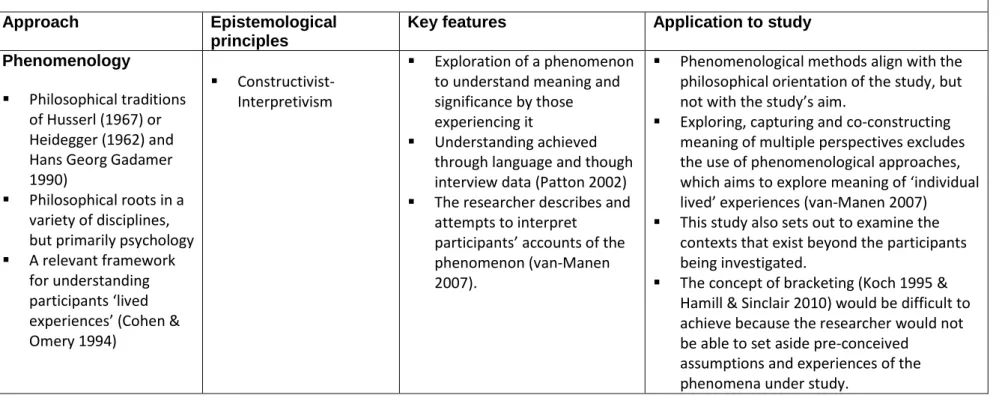
2.18 Gaps in Knowledge ...65 2.19 Gaps in research ...65 2.20 Conclusion ...65 Chapter 3: Methodology ... 67 3.1 Introduction ...67 3.2 Philosophical orientation ...67 3.3 Constructivism ...68 3.4 Methodology- Qualitative ...69
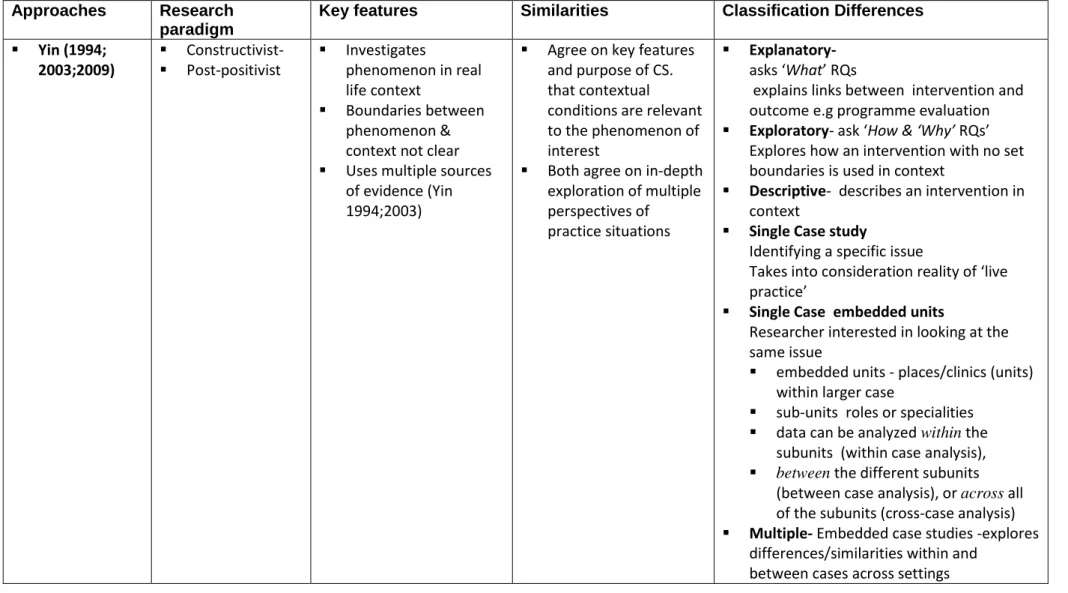
3.5 A case study approach ...74
3.5.2 When to use a case study approach ...75
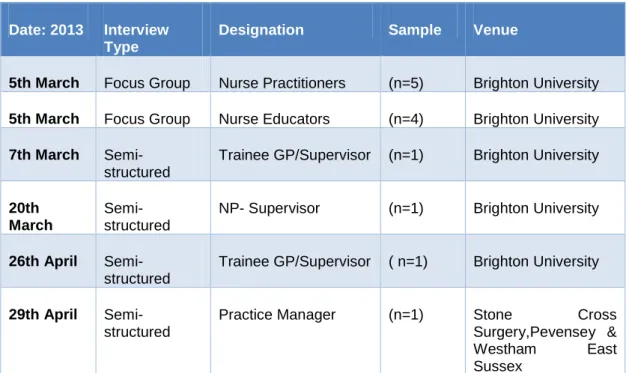
Chapter 4 Methods Data Collection Ethical Issues and Findings ... 84 4.1 Introduction ...84 4.2 Aim of study ...84 4.3 Study design ...84 4.4 Inclusion criteria ...85 4.5 Exclusion Criteria ...85 4.6 Sampling strategies ...85 4.7 Ethical principles ...86 4.8 Recruitment procedure ...88 4.9 Interviews ...95
4.10 Preparing to enter Interview environment ...98
4.11 The interview process ...99
4.12 Field Notes ...104
4.13 Recording and transcribing interview data. ...105
4.14 Validity and Reliability ...106
4.15 Credibility ...107 4.16 Applicability ...107 4.17 Consistency ...108 4.18 Neutrality ...108 4.19 Reflexivity...108 4.20 Summary...114 4.21 Overview ...115
4.22 Rationale for using FA in this study ...115
Chapter 5 Findings ... 123
5.1 Introduction ...123
5.2 Theme one: The drivers for medical PAS in primary care ...123
5.3 Theme 2 Negotiating the Boundaries ...147
5.4 Theme three: Facilitators and barriers to medical PAS use in practice ...164
5.5 Chapter summary ...185
Chapter 6: Discussion ... 188
6.1 Introduction ...188
6.2 Overview of study ...188
6.3 Policy context-rationale and use of medical PAS in a shifting healthcare configuration ...188
6.4 Negotiating boundaries in primary care ...197
6.5 Competence Assessment ...205 6.6 Summary...215 Chapter 7 ... 216 7.1 Discussion on Methodology ...216 7.2 Study Strengths ...216 7.3 Study Limitations ...217 7.4 Contribution to Methodology ...218
7.5 The contribution to knowledge ...218
7.6 Implications of the study ...221
7.7 Contribution to education ...221
7.8 Contribution to practice ...224
7.10 Conclusion ...226
References: ... 228
Research Log ... 299
Abstract
Multiple perspectives of Community Nurse Practitioner’s use of medical physical assessment skills in primary care; a qualitative study of current practice in the UK.
Aim To explore the use of medical physical assessment skills (PAS) by community nurse practitioners in primary care in the UK
Background: Physical assessment skills are commonly practiced by community nurse practitioners in primary care. These skills are used to support GPs to deliver a wide range of services in primary care. There is no evidence on how physical assessment skills are used by community nurse practitioners in primary care
Methods: A qualitative interpretative embedded case study design.
Results: Participants reported that community nurse practitioners used medical PAS in integrated ways, by bringing together their clinical expertise, leadership, education and liaison skills to work across professional boundaries, to deliver a range of services. Specialist nurses caring for patient with one or more chronic long-term condition use these skills within the constructs of a person-centred framework, which is relationship focussed, holistic and collaborative. Nurse practitioners use physical assessment skills to work as generalists and make independent diagnostic decisions. Competence, capability and performance are necessary to make complex decisions. Failure of community nurse practitioners to take responsibility for assessment decisions creates inter-professional tensions and conflict.
Conclusions: Medical physical assessment skills are successfully being used by community nurse practitioners to deliver a wide range of services in primary care. These skills improve competence, capability and performance for advanced nursing practice roles. Physical assessment skills education and training at universities needs to be validated by allied health professional bodies for advanced practice roles.
Relevance to clinical practice:
Physical assessment education and training prepares nurses with higher levels of theoretical assessment knowledge and skills that are fit for purpose. GPs believe that education and training of physical assessment skills are
vital for nurses to manage the burden of assessment work in primary care. Common sets of assessment practices between disciplines have better
outcomes for patients
Registered nurses require a standard of competence which allows them to perform physical assessment skills to the same level as doctors.
Competence and performance are best achieved when working with patients and experienced clinicians.
Key words: medical physical assessment skills, community nurse practitioners, cross boundary working, diagnostic skills.
Glossary of Terms and Abbreviations
Advanced Practitioner: is primary care provider who works in a generalist capacity with a range of patient groups, or in partnership with medical colleagues, and other members of the health and social care team. They are expected to have a broad foundation of advanced knowledge and skills, rather than having expertise in a specific field of care provision (Royal College of Nursing) (RCN) 2012.
Auscultation (A) requires the application of the stethoscope to listen to sounds produced by the body.
Inspection (I) requires visual coordination of a particular body system or the patient IPPA is the framework used by medical practitioners to collect assessment information through the physical examination.
Palpation (P) requires the application of touch to assess for texture, temperature, moisture, organ location and size, swelling, vibration, pulsation, rigidity/spasticity, crepitation, masses and pain.
PAS (Physical Assessment Skills) The physical assessment of each body system using the (IPPA) Framework of Inspection/Palpation /Percussion/Auscultation
Percussion (P) requires the tapping of the skin to assess sound of underlying structures
Primary Care: Patients seen primarily by General Practitioners (GPs), who are doctors based in community practices, and nurses (Audit Commission 2000)
RCN (Royal College of Nursing) Nurses Professional Regulatory Governing body in the United Kingdom.
Specialist Nurse Practitioner in the community is defined as; nurse who specialises in a defined area of practice in primary care (RCN 2013, factsheet February 2013.p1.)
List of Tables:
Table 1. Search Strategy 244
Table 2. Matrix Summaries of (32) articles reviewed 30
Table 3. Comparisons between different approaches to qualitative research 72 Table4. Commonalities and differences in case study (CS) approaches 82
Table 5. Summary of Recruitment Process: 94
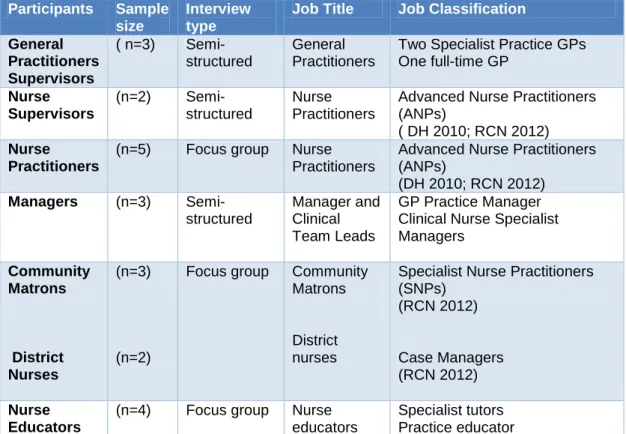
Table 6. Participants Job Roles and Activities 95
Table 7. Constructing Coding Framework 274
Table 8. Descriptive codes lists - Supervisors (doctors & nurses) {Sub-unit 2} {Example}.
279
Table 9. Descriptive and Interpretative Category Codes: Doctors and Nurse Supervisors {Sub-unit 2} {Example}
281
Table 10. Interpretative Category Codes and Sub-categories for cross referencing: (doctor & nurse supervisors) {Sub-unit 2} {Example}
284
Table 11. Final Interpretative Category Codes and Sub-categories of all sub-units
285
Table 12. Coding Framework for all sub-units of analysis 286
Table 13. Charting and Mapping {Example} 290
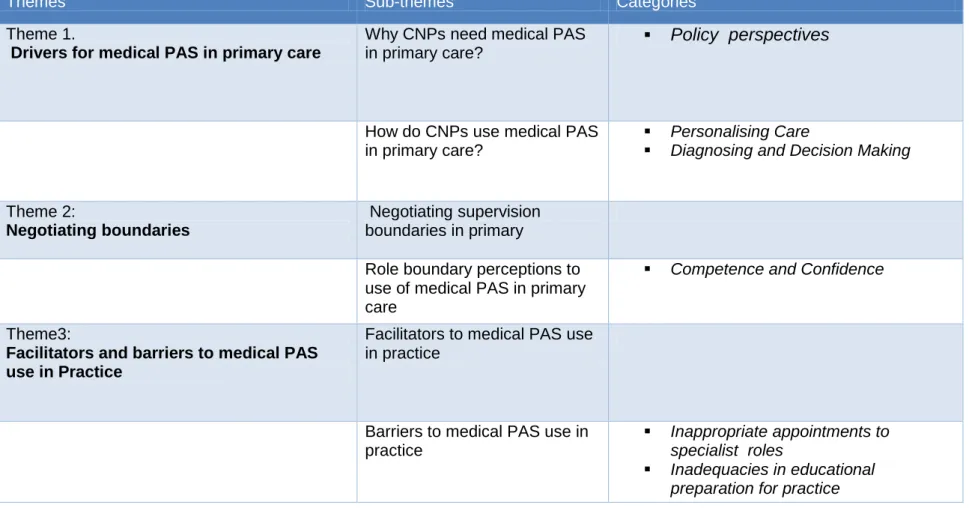
Table 14. Potential final themes, subthemes and categories 297
Appendices.
Appendix 1: Ethical Approval- Surrey 245
Appendix 2: Ethical approval- Brighton University 247
Appendix 3: Statement of Indemnity 248
Appendix 4: Invitation Letter- Focus Groups 249
Appendix 5: Information Sheets- Focus Groups 251
Appendix 6. Invitation Letter – Semi-Structured Interviews 256 Appendix 7: Information Sheets- Semi-Structured Interviews 258
Appendix 8: Consent Form 263
Appendix 9: Interview Schedule – Focus Group 265
Chapter 1: Physical Assessment Skills
1.1 Personal perspectives
I am an experienced practitioner and nurse educator who has worked across a range of domains in the NHS, prior to becoming a University tutor. I spent several years working as a sister in medicine, critical care and acute care environments. As a teacher and lecturer practitioner, I maintained an interest in the development of post-registration nurse education, particularly for acute and critical care education. As a full time tutor, I worked alongside a General Practitioner (GP) of 25 years, who initially led the development of physical assessment skills (PAS) education for registered nurses (RNs) at the University, where I now work. He inspired me to engage in this field of education, and became my mentor/supervisor in the personal development of these skills over a three year period. I have led and taught the Masters level module of advanced physical assessment skills education at the University of Surrey since 2009. During this time, I experienced both challenges and successes with this aspect of nurse education.
1.2 Definition of Physical Assessment
Physical Assessment means the use of a structured framework of assessment to examine different body systems, used by medical doctors, to formulate a diagnosis and a management plan. A typical patient consultation by a General Practitioner (GP) requires a structured approach to taking a health history, a physical examination and an interpretation of findings, to make a differential diagnosis. The diagnoses become the basis for the GP’s decision making (Baid 2006) regarding treatment of patients. For comparative purposes, a definition of nursing assessment will be outlined in the following section.
1.3 Physical assessment skills in nursing
The focus of this study concerns medical Physical Assessment Skills (PAS) and the factors that influenced its inclusion in registered nurse (RNs) education and practice in the United Kingdom (UK). Medical PAS have been taught in undergraduate preparation nursing programmes in the United States (US) and Australia (AUS) for 25-30 years. These skills were introduced to nursing continuous professional preparation education (CPE) programmes in the US and Australia in the early 1970s, to support the development of advanced nursing practice.
1.4 Definition of nursing assessment - UK perspectives
Assessment in nursing practice in the UK is guided by the framework of the nursing process that includes assessment, diagnosis, outcomes, interventions implementation and evaluation (Nursing and Midwifery Council) (NMC 2002). Nursing assessment is considered an aspect of nursing practice, and is an integral part of the daily work in caring for patients. It is conceptualised as a 'cognitive activity' (Latimer 1997.p1), which involves processing information to identify causes of patients’ problems (Crow et al. 1995). Emphasis on the cognitive aspects of assessment has been criticised as mechanistic and instrumental, and not aligned with the many theories of nursing. For example, Benner (1984) accepts that the cognitive component of nursing assessment is necessary to develop skills, but argues that interpretative aspects of nursing assessment are best learned through the experience of practice. This suggests that the interpretative paradigm of nursing assessment remains firmly grounded within the context of nursing expertise, which is practice situated. Crow et al. (1995) provides a clearer argument by stating that nurses use different assessment strategies depending on context of work, but that the purpose of assessment is to make clinical judgements.
In the UK, the physical aspects of nursing assessment have been limited to observational skills related to temperature, pulse, blood pressure and oxygen
saturations via pulse oximetry (Rushforth et al. 1998; Rushforth et al. 2006; Wheeldon 2005 & West 2006). The argument for the inclusion of medical PAS is to complement the basic observation framework in order to support nurses' clinical judgement, and for appraising patients' diagnoses (Price et al. 2000; West 2006 & Rushfoth et al. 2008). The following section 1.5 will examine the definition of a nursing diagnosis in the UK.
1.5 Definition of nursing diagnosis - UK perspectives
There are no classification systems for nursing diagnostic strategies within the nursing process. In the UK, nursing assessment activities relate to patients' medical diagnoses and monitoring patients’ responses to medical interventions (Carpenito-Moyet 2006). The taxonomy of nursing diagnosis within the nursing process has a minimal knowledge base, which makes it less transferable to other settings (Gordon 1990). From 2001 onwards, professional regulation required RNs' undertaking medical tasks to understand medical diagnoses, or to make medical diagnoses and plan interventions (Baid 2006). A definition of medical diagnosis will be outlined in section 1.6.
1.6 Definition of medical diagnosis-UK perspectives
A medical diagnosis is a statement expressing a diagnosis of a disease or illness for the purpose of medical treatment. Medical diagnoses draw on classification schemes, typical to certain diseases or illnesses (Hammond 1996b & Bowen 2006). For example, when patients present with particular signs or symptoms, the medical doctor determines the cause of illness by combining physical examination findings with patient's history, laboratory data and review of medical records (Goreng & Patel 1985). The findings from historical and clinical data are matched to signs and symptoms, to differentiate possible causes (Bowen 2006). The final clinical diagnosis is based on specific knowledge structures that organise patients' problems into broad groups or categories of illnesses or diseases (Bowen 2006).
The medical diagnosis is usually underpinned by diagnostic reasoning theories that explain how doctors make clinical judgements and decisions (Carnevali &Thomas 1993; Hogston 1997 & Higgs and Jones 2000). The following section 1.7 will discuss the main drivers for the inclusion of PAS to nursing assessment work in the UK.
1.7 Drivers for Change to include PAS in nursing assessment
A range of socio-economic and demographic factors influenced the inclusion of medical PAS in RN roles in the UK. The National Health Service (NHS) had concerns regarding the projected rise in the number of elderly people to 2.6 million by 2018, which had implications for health and social care service in the UK (Office for National Statistics 2012a). Associated with demographic changes is the projected rise in people living with long-term conditions with multi-morbidities and disabilities (DH 2012a).
1.7.1 Factors influencing PAS for RNs in UK hospitals
To manage impending problems, UK policy focussed on modernising health systems by encouraging healthcare staff to work differently (DH 2000 & 2000a). In hospitals, RNs' were required to expand and extend traditional roles to support reform of postgraduate medical training in the UK, and the reduction in junior doctors’ hours available for service delivery (NHMSE 1998 & United Kingdom Central Council for Nursing, Midwifery and Health Visiting (UKCC) (1992). Together with the drive for efficiency savings, there was increased pressure for RNs' to take on medical tasks (DH 1998; RCP 2001 & Mullally 2001), and where possible substitute non-medical staff for pre-registration house officers (Richardson & Maynard 1995). These approaches to service delivery required RNs' to develop specialist knowledge and skills to work independently with defined patient/carer groups, in the absence of doctors (NMC 2002).
1.7.2 Factors influencing PAS use for RNs in UK community care
The community modernisation agenda focussed on improving the quality of health and social care for older people in England with complex long-term conditions (LTCs) (National Service Frameworks Older People (NSFOP) (DH 2001 & RCN 2004c). Increasing emphasis was placed on patterns of care being delivered in patients’ homes (DH 2005 & DH 2005a), which meant that acute aspects of care traditionally provided in hospital or specialist settings had to be undertaken by district nursing teams in patients’ homes (Parkinson 2006). These changes required community nurses to develop skills beyond traditional roles, to take on medical tasks (NMC 2002 & RCN 2004), work independently in either a specialist or advanced generalist capacity, with defined patient groups (RCN 2003; DH 2006a & DH 2006b). Similar to hospitals, these structural changes to service delivery were influenced by a shortage of doctors and contractual changes to GP working hours (Royal College of General Practitioners (RCGP) 2004). Specific core competences were required by nursing professional regulatory bodies, for RNs' to work in a specialist or advanced nurse practitioner capacity (Ball 2005 & NMC 2005). Two core skills required to work in either capacity were medical PAS and diagnostic skills (Ball 2005; NMC 2005 & Baid 2006).
A review of the evidence regarding the effectiveness of modernisation agendas in the community, suggested that care was good, but did not deliver a patient-centred approach (The Kings Fund 2011), and was failing to work in integrated ways (Ham et al. 2012). Effectiveness in illness prevention was lacking, and services remained focussed on treating ill-health (The Kings Fund 2011). As a result there was a need for greater service integration within general practices (Thistlethwaite- the Kings Fund 2011 & Ham etal. 2012). The success of such a model would depend on GPs delegating further tasks to specialist and advanced nurse practitioners, so that they
could focus on diagnosis and urgent patient needs (Munton et al. 2011). Subsequently, nurses who had progressed to specialist or advanced roles were expected to practice nursing at a level beyond initial training. They were prepared via a discrete University-based programmes related to advanced nursing practice education.
In the community, nurses working in these roles were required to take on additional assessment tasks that were previously the domain of a GP. They were expected to develop medical physical assessment and diagnostic reasoning skills, to identify possible causes of patients’ problems and to act upon findings (Baid 2006). Acting upon the clinical problem was an expectation of specialist and nurse practitioner roles (NMC 2005; NMC 2007; RCN 2008; 2010 & Baid 2009). This meant they utilised medical PAS in consultations, which are not typically used by the majority of nurses. They undertook a focused history and physical examination to make a differential diagnosis where relevant, and prescribed on much the same basis as a medical doctor.
As outlined above, in sections 1.7, 1.7.1 and 1.7.2, the main influencing factors that led to the inclusion of PAS for RNs' in hospitals and in primary care, were policy drivers to modernise NHS health systems, and service development initiatives to support changes to professional roles. Additionally, RNs wanted to extend, expand and advance traditional nursing roles to specialist and advanced practitioner status, in order to work independently.
Simultaneously in the community, increased GP workloads in response to policy drivers to move care from hospitals to the community, and manage patients with complex LTCs in their own homes, required the delegation of medical PAS to appropriately trained community nurses.
These significant changes led to the researcher’s interest in exploring the use of PAS for specialist and advanced nurse practitioners in primary care, in a designated geographical area of the UK. In order to do this, a literature review was first undertaken to explore and highlight existing gaps in knowledge in this area, and to guide the development of more specific research questions.
For the purpose of this study, and when referring to specialist and advanced nursing roles together, the term community nurse practitioners (CNPs) will be used throughout the study, unless otherwise indicated.
1. 8 Research problem
In this thesis, the researcher argues that little is known about how CNPs use medical PAS in primary care. CNPs use these skills to support GPs in dealing with the volume of assessment work in primary care, especially with the management of LTCs patients, but there is limited evidence regarding how this is achieved, and if the use of medical PAS by CNPs benefits patients and the health service.
1.9 Aim of study
The overall aim of this study is to explore the use of medical PAS for registered nurses (RNs) in primary care.
1.10 Design
An interpretative qualitative approach was utilised, using case study method, to explore and capture multiple perspectives of CNPs use of medical PAS in primary care.
1.11 Structure of the thesis
This thesis is organised into seven chapters. Chapter one outlines the background to the introduction to the concept of medical PAS to registered nurses’ roles in the UK, and a personal perspective highlights the researcher’s interest in this concept.
Principal policy initiatives that influenced medical PAS to RNs' roles in the UK are described. The aim of the study is presented.
Chapter two presents a review of the literature on the use of medical PAS, why these skills are needed, and the factors that influence their use in nursing work. Gaps in the literature are identified that lead to the development of specific research questions and the research aim.
Chapter three explores the epistemological approach and the philosophical basis of the study, and different strategies of enquiry are briefly appraised. The researcher’s epistemological position and the most appropriate strategy of enquiry are justified.
Chapter four discusses the study design, sample strategies, research setting and the practicalities of the data collection methods, as well as ethical considerations, and an analysis of the data using a framework method.
Chapter five illustrates the study’s findings, while chapter six presents a discussion on the findings in relation to the extant literature.
Chapter seven presents a critical review of the methodology, study strengths and limitations, and discusses the contribution that the study makes to the body of knowledge in this domain.
Chapter 2 - Review of the Literature
2.1 Overview
The previous chapter has outlined the background and focus of the study and has provided an overview of the range of factors that have influenced the introduction of medical PAS for registered nurse roles in the UK.
This literature review provides the reader with a background to position this piece of work in the context of what is known about the topic from previous research, providing a rationale for the study and decisions made (Grant & Booth 2009). To address this comprehensively, this review therefore reports on existing literature on the use of medical PAS for registered nurses roles internationally. It identifies the current gaps in knowledge and methodology and suggests how these gaps can be explored in a way that permits a new perspective on the use of medical PAS for registered nurse roles in the UK.
2.2 Literature review method
A critical review enables the reader to identify, search for, and critically appraise existing literature (Grant & Booth 2009). In relation to this study, the critical review approach provided a narrative synthesis of the primary research studies. This approach was appropriate for this study because the designs were set in both the quantitative and qualitative paradigms. This was supported by a focussed search strategy and critiquing framework to develop the findings (National Institute of Clinical Excellence (NICE) 2006).
2.3 Literature Search Strategy
In developing the search strategy, preliminary electronic data bases, CINAHL and MEDLINE, PsycINFO, EMBASE, Science Direct and the Cochrane Library, were searched. Key words such as ‘physical assessment skills’ and ‘physical
assessment skills education and nursing/doctors’ and ‘physical assessment skills’ and ‘advanced practice’ and nursing and ‘assessment frameworks’ were used to identify primary research articles. Additional primary research articles were identified by examining the reference lists of journal articles. Hand searching identified publications not indexed in the databases, but conference proceedings did not yield any suitable studies. Grey literature was searched within independent organisations policy documents, and within national databases because of the low volume of published material on medical PAS in the UK. The search was conducted between September and December 2011, and re-searched for later studies at the end of the research findings (Table 1). Two new studies were identified (Birks et al. 2012 & Heeyoung et al. 2012).
2.4 Inclusion/exclusion criteria
Inclusion criteria for selecting papers were: that they addressed one or more of the following; physical assessment skills/education for registered nurses and doctors; the use of these skills, why they are needed and how these skills are used in practice. Studies that reviewed the concept of advanced practice in nursing were excluded. This decision was based on the fact that existing literature on the development of advanced nursing practice focussed on role effectiveness relating to doctor-nurse substitution, and policy initiatives for advanced practice roles to meet the needs of service. Subsequently, literature is limited on the educational preparation for advanced nursing practice, to deliver sophisticated levels of practice to appraise patients’ assessment findings, make correct clinical judgements and take sole responsibility for care decisions
No limitation was placed on the publication date because of the earlier introduction of PAS to the US and Australia. Primary research studies undertaken across the world, and published in English language were included. Difficulties were experienced with using the words ‘physical assessment’ as part of the search
strategy because it can be described and referred to within other disciplines, such as physical education, physiotherapy and occupational therapy Therefore, papers on medical PAS use within these occupational groups were excluded because they were not relevant to the focus of the study. Studies in language other than English were excluded on the basis that they were not accessible and the reader was only literate in English.
2.5 Search Outcome
An Initial search revealed 260 studies following removal of duplicates. The title and abstracts were screened for relevance and 227 articles were discarded as not being directly relevant to the review, because some studies were reported in more than one paper, leaving 80 for examination to determine whether they met the inclusion criteria discussed in 2.4. Studies that looked at the use of vital signs were excluded because they focussed on the provision of critical care outreach services for hospital wards, that explored the links between ward based nursing assessment and ICU patients’ admissions.
In addition, studies were excluded that focussed on assessment tools for ward nurses’ proactive management of deteriorating patients (McQuillan et al. 1998 & Goldhill etal. 1999), because they were not relevant to the aim of the study.
There were very few empirical studies that explored the general topic of medical PAS use by nurses. The majority of the published literature on this topic consisted of literature reviews or individual opinions articles, which attempted to provide the rationale regarding the benefits of medical PAS for nursing practice (Fennessay and Wittmann-Price 2011; Lesa and Dixon 2007 & West 2006). Thirty two (32) primary studies were identified (Table 2) and appraised. The initial searches and study selection were undertaken by the researcher.
2.6 Study location
The use of PAS by nurses were appraised in studies from Australia (n=4) Canada (n=2), Japan (n=1), Korea (n=1) New Zealand (n=2), United States (n=15) and UK (n=7). It is important to note that medical PAS education has been part of undergraduate professional preparation and in Continuous Professional Education (CPE) in the US for the longest duration. It was introduced to CPE professional programmes in the UK in the late 1990s, and only six published studies (2000-2010) examined medical PAS use for RNs’ in that duration, with more emphasis on education rather than practice. It has not been endorsed as an educational component within UK’s nursing undergraduate preparation programmes thus far.
2.7 Study Design
Of the studies included, 25 employed a quantitative research approach and 7 adopted qualitative methods. The quantitative US and Australian studies investigated the educational focus of medical PAS at undergraduate nursing levels mainly. The qualitative studies, mainly from the UK, explored the links between medical PAS educational and nursing practice experiences in the clinical setting. Other UK qualitative studies broadly explored nurses assessment practices, but were unclear which assessment skills were used. One UK study explored specific assessment skills used by RN’s, but did not include medical PAS use. One UK study used a non-experimental design to measure the use of medical PAS by RNs in a hospital setting. Patient experiences were explored in one pilot study from New Zealand. The majority of the quantitative studies used surveys and the qualitative ones used interviews and observational methods to gather data.
2.8 Levels of evidence
The quantitative studies, carried out by nurse educators, were primarily in the US and Australia. The primary aim of the quantitative studies was to evaluate the amount medical PAS used in practice, with the aim of informing undergraduate
nursing programme curriculum development. The levels of evidence presented in the studies ranged from level 1-4 (Sackett 2000). One pilot study included an experimental design, but the majority were descriptive non-experimental surveys, or pre-post-test survey designs, which are considered level 1V, and classed as weak for levels of evidence to underpin clinical practice guidelines (Owens etal. 2010).
Level one evidence is considered the gold standard, traditionally using meta-synthesis to evaluate standardised interventions, for the purpose of generalisability (Owens et al. 2010). This level of evidence is generally not applied to education processes and outcomes because interventions are not usually standardised (Attree 2006). The evidence base of educational practice is largely derived from small-scale single case studies, and most evaluation measuring tools in nurse education have unproven reliability, thus meta-synthesis is not appropriate (Attree 2006). This criticism comes from the fact that healthcare evaluations do not measure effectiveness of education in practice (Attree 2006).
In defence of studies undertaken since 2005, well-known methodological approaches have been used to underpin the research; however findings have made limited contribution to the body of knowledge on the use of medical PAS for nursing, since the first pilot study undertaken by Cowell in 1985.
2.9 Evaluation of the research methods and instruments
The earlier quantitative studies (Colwell & Smith 1985; Brown, Brown & Bayer 1987; Scharre et al. 1988 & Sony 1992) did not state if a particular survey design was used. The survey instruments were researcher developed tools, based on professional opinion in the 28/36 survey items developed from 1985-1990, but were not replicated in other studies. These earlier studies lacked consensus regarding which medical PAS should be included for measurement on surveys, consequently content and face validity of instruments were not established or acknowledged. For
example, Reaby’s (1990) survey instrument had yes/no responses to six barriers to PAS use in practice. These barriers were based on her professional opinion, as no explicit information was provided as to how barriers were identified. Neither were any of the instruments piloted to determine survey reliability. This raises questions regarding the validity and reliability of these studies.
Later studies used a range of survey design strategies, such as a correlation survey design (Yamurchi 2001), exploratory descriptive (Solomon 1990; Skillen et al. 2001; Seacrest et al. 2005: Giddens 2006; Giddens 2007 & Giddens 2009) and quasi-experimental survey designs (Reaby 1991 & O’Farrell et al. 2000). The first survey instrument tested for validity and reliability was Yamurchi’s (2001) 28 items survey questionnaire. All the US and Australian survey instruments used in studies from 2005-2012 were tested for validity and reliability. The exploratory descriptive survey instrument developed by Giddens (2007) was modified by Birks et al. (2012) to ensure demographic relevance to the Australian environment; this was the only survey instrument that was pre-tested by a panel of nursing lecturers. Only one Canadian study used Banduras self-efficacy theory to develop a survey instrument (O’Farrell 2000), but this survey instrument was not used in later studies.
An interesting finding was that the earlier surveys evaluated a maximum of 36 medical PAS (Reaby 1991) taught in undergraduate nursing programmes. Over a 14 year period the list of medical PAS evaluated in surveys increased to 122 (Secreast, Norwwood and du Mont. 2005). The survey questions were developed based on physical assessment skills listed in standard undergraduate nursing texts books, by Wilson & Giddens (2000) and Jarvis (2004). Researchers justified surveying this range of medical PAS as being related to the levels of competency demanded of students in practice, hence the need to measure relevance for curriculum purposes (Secrest, Norwood and du Mont. 2005 ;Giddens 2006 & Birks etal. 2012).
Sampling approaches were mostly purposive and convenience based, and data was collected via survey questions that employed likert scales. The scope of the questions asked in the earlier studies from 1985-2001 focussed on lists of core physical examination techniques used in relation to different body systems. Specific questions focussed on frequency of medical PAS use, never used, lack of familiarity, barriers to use and skills not considered a nursing responsibility. Reaby (1990) was the first survey questionnaire to ask for qualitative comments, which were reported.
None of the surveys asked questions as to how medical PAS were used in practice, the acceptability of these assessment skills, and perceived benefits to patients. The scope of questions asked by nurse educationalist survey approaches focussed on lists and range of medical PAS taught at universities, and the usability of these skills by hospital nurses only. Reaby (1991) was the only study that sampled community nurses. Additionally, all the earlier surveys (from 1985-2007) were paper based and self-administered, apart from Giddens (2007:9) and Birks et al. (2012). The sample sizes in these surveys were significantly larger with a view to sampling broadly from diverse geographical areas in a country, via on-line survey questionnaires. Therefore self-administration would be more time consuming and costly.
All of the quantitative studies undertook a statistical analysis of data, but only Yamuchi (2001), Secrest etal. (2005); Giddens (2007) and Birks (2012) results were displayed using matrices, graphs and charts. These descriptive statistical methods facilitated the comprehension of large amounts of textual information (Miles and Huberman 1994).
The qualitative UK studies collected data via interviews. Two studies used direct observation approaches, in conjunction with semi-structured interviews. Data was analysed via thematic approaches to generate themes and concepts.
None of the studies positioned a philosophical framework to underpin methodological approaches; hence the most appropriate strategies of enquiry to underpin philosophical orientations were not examined. Subsequently, the rationale for not adopting other strategies of enquiry for individual studies was not justified.
2.10 Synthesis of themes from both quantitative and qualitative studies A matrix of the key studies was devised to scrutinise the study’s origin, research focus, methodological approaches, sample sizes, key findings, limitations, and their relevance to this study. This matrix provides an overall picture of the studies’ strengths and weaknesses and knowledge in this field, to support choice of methods for the current studies (Table 2). However, the limitation of the matrix is that it does not enable the researcher to identify themes, hence the use of an alternative approach.
The analytical process used to generate themes for the review was qualitative, based on Braun and Clarke (2006) thematic inductive approaches. This involved reading each paper thoroughly to become familiar with the depth and breadth of the content, and noting down initial ideas. Patterns of interesting features information (codes) were highlighted in a systematic way across the data set, for example barriers and facilitators, use of medical PAS and frequency of use. These codes were collated into potential key themes and sub-themes, and different patterns of information were categorised according to theme or sub-theme, and collated into main themes. The themes developed for the analysis was checked against the coded extracts by reading each paper several times. Major themes were extracted and grouped together, generating a thematic map. Data synthesis was undertaken by constantly comparing findings from each theme and reporting similarities and differences. As each section of the review was written, the original papers were checked for accuracy to ensure that the details discussed were accurate accounts. These accounts were then related back to the research question.
2.11 Results
Following a critical review of the studies four major themes emerged.
The themes were:
1. The use of PAS in practice
2. Physical assessment- role of education- International perspective 3. Physical assessment- role of education- UK perspective
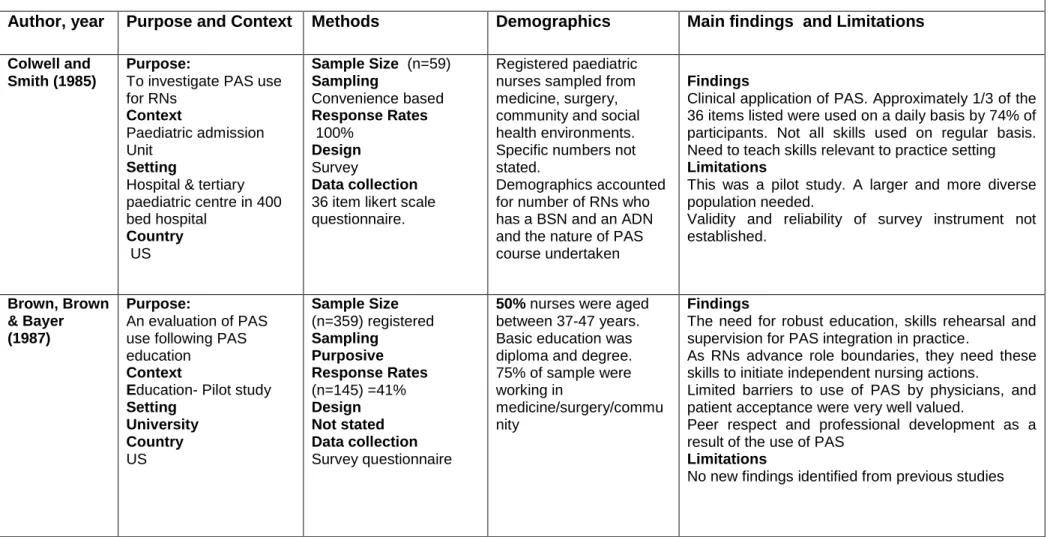
Table 2 Matrix Summaries of (32) articles reviewed
Quantitative Studies
Author, year Purpose and Context Methods Demographics Main findings and Limitations
Colwell and Smith (1985)
Purpose:
To investigate PAS use for RNs
Context
Paediatric admission Unit
Setting
Hospital & tertiary paediatric centre in 400 bed hospital Country US Sample Size (n=59) Sampling Convenience based Response Rates 100% Design Survey Data collection
36 item likert scale questionnaire.
Registered paediatric nurses sampled from medicine, surgery, community and social health environments. Specific numbers not stated.
Demographics accounted for number of RNs who has a BSN and an ADN and the nature of PAS course undertaken
Findings
Clinical application of PAS. Approximately 1/3 of the 36 items listed were used on a daily basis by 74% of participants. Not all skills used on regular basis. Need to teach skills relevant to practice setting
Limitations
This was a pilot study. A larger and more diverse population needed.
Validity and reliability of survey instrument not established. Brown, Brown & Bayer (1987) Purpose: An evaluation of PAS use following PAS education
Context
Education- Pilot study
Setting University Country US Sample Size (n=359) registered Sampling Purposive Response Rates (n=145) =41% Design Not stated Data collection Survey questionnaire
50% nurses were aged between 37-47 years. Basic education was diploma and degree. 75% of sample were working in
medicine/surgery/commu nity
Findings
The need for robust education, skills rehearsal and supervision for PAS integration in practice.
As RNs advance role boundaries, they need these skills to initiate independent nursing actions.
Limited barriers to use of PAS by physicians, and patient acceptance were very well valued.
Peer respect and professional development as a result of the use of PAS
Limitations
Scharre etal. (1988) Purpose. Context School of Nurse education Setting Hospital wards Country US Sample Size (n=92) Sampling Convenience sampling Response Rates (n=62) Design Survey Data collection Survey questionnaire
2nd year students only. Findings
Assessment skills used by student nurse in 2nd year were respiratory & cardiovascular systems
Limitations
Small sample size
Solomon (1990)
Purpose
A Survey of nurse educators view of what PAS should be taught in undergraduate nursing programmes Context 55 schools of nursing throughout the US Country US Sample Size (n=55) Sampling Purposive Response Rates (n=42) Design A descriptive survey questionnaire: open & closed questions to the perceived need for PAS in education
Sent to Deans and Chair Persons of Nursing Schools across the US.
Finding
Physical assessment skills were taught in nursing degree programmes by 98% of schools.
Nurse educators thought that a full range of PAS should be taught in undergraduate nursing programmes, as these assessment skills are necessary for practice.
These skills are integrated throughout the four year programme. Limitations Not stated Reaby (1991) Purpose To evaluate PAS education module as an intervention Context ICU/Surg/Med wards Community/ Nursing homes Setting Educational setting Country (Australia) Sample size (n= 22 nurses) Sampling Purposive Response rates (n=17) post intervention) Design Quasi-experimental pre-post-test design
Survey 36 item likert scale questionnaire 10 Medical/surgical ward nurses 4 ICU nurses 2 RNs from nursing homes 6 RN’s from community Findings
Post intervention analysis showed that at least 63% of the participants used more than half of the 36 PAS taught.
The findings identified that community health nurses use a broader repertoire of PAS in comparison to hospital nurses. The rationale being they are expected to make individual clinical judgements for patients in the community
Limitations
Small sample size. Findings not verified in data analysis. Validity and reliability of survey instrument not established.
Sony (1992) Purpose
To examine the perceived barriers to PAS use in practice
Context Different practice environments Setting Clinical practice Country US Sample Size (n=148) Sampling Purposive Response Rates (n=114) Design
Survey 42 item likert scale questionnaire. Registered nurses sampled from Medical wards/ ICU’s/A&E’s Community/Obstetric Community and in Psychiatry Registered years of nursing from 1-6 + Full time and part-time graduate students
Findings
50% of the PAS taught were used on a regular basis.
Nurses who completed PAS update used the skills more frequently. Barriers to use, time, support, lack of equipment and heavy nursing workload. PAS was not seen as a nursing responsibility.
Limitations
Pilot study only.
Content and face validity of survey not established Did not examine how use of PAS influenced patient outcomes
Lont (1992) Survey ( n=50 RN's, Purposive sampling
Survey questionnaire Barriers to PAS
consolidation by lack of trained staff and
appropriate supervision
Response rate not stated
Survey results were self-reported
Peterson et
al. (1992)
Purpose; To report on the relative contribution of history, physical examination and
laboratory investigations in making a medical diagnosis for new or previously undiagnosed problems using a standardised protocol Context Hospital Setting Medical outpatients Country: US Sample Purposive Sample Size (n=80) patients (n=4) doctors Response Rates Not stated Design
Prospective study design Standardised
questionnaire devised by (Hampton et al.1975)
(n=80) patients (51% men) with a mean age of 48 years. One was Asian, one was African and one was Hispanic origin. The rest were white.
Findings
The findings suggest that history taking is a powerful diagnostic tool for doctors. More emphasis should be placed on developing communication skills. Physical examination and laboratory tests led to fewer diagnoses, than history taking in this study.
Limitations
Methodological imitations of study not reported. Sampling and recruitment processes not reported No information reported on questionnaire validation
Lattimer et al. (1998)
Purpose
To determine the safety and effectiveness of nurse telephone consultations in OFH in primary care; related to adverse events and management of calls Context Primary care Setting One (n=55) GP co-operatives including 97,000 patients Country UK Sample Size Sampling Block RCT Response Rates 14,0492 calls were received during the specified time
Design
Block RCT over 1 year. 156 matched pairs of days and weekends in 26 blocks. One of each matched pair was randomised to receive intervention.
Findings
Nurse telephone consultations produced substantial changes in call
management, reducing overall workload of GPs by 50%, whilst allowing callers faster access to healthcare and advice.
Nurse telephone consultations were not associated with increased adverse events. This model of care is safe and effective.
Limitations
Methodological difficulties experienced with results. The trial data did not show when and which nurse referred patients to hospitals, following a telephone consultation.
Specialist software and nurse training was a requirement for trial. Different software and lack of appropriate training may yield different results. This questions the transferability of findings.
O'Farrell et al.
(2000)
A quasi-experimental pre and post-post course evaluation
Purposive sampling
Survey instrument based on Bandura's self -efficacy theory
A significant increase in PAS use post course, but used when only problem presented.
Rushforth et al.(2000) pilot study
Purpose
To assess the safety of nurse led clerking in paediatric day case
Context
Paediatric day Case Unit
Setting
Minor injury unit
Country UK Sample (n=60) Sampling RCT- random allocation Design A pilot RCT of medical versus nurse clerking for minor surgery.
All children were
independently assessed by an anaesthetic registrar to provide the ‘gold standard’ against which practitioner performance was measured
Children aged 3 months up to 15 years were randomised to an RN or an SHO.
Findings
Nurses were equally safe in clerking and pre-assessment of patients when compared to SHO's, but took longer to complete assessments.
Nurses identified more abnormalities in the sample, and were more superior in the history taking process.
Limitations
The results are not transferable and this was acknowledged. Larger sample sizes needed to generalise findings.
Yamauchi (2001)
Purpose
To evaluate the usability and frequency of PAS in practice Context University hospital Setting Regional setting Country Japan Sample Sample Convenience Sample Size (n=357), Response rates 94%. Homogeneity of sampling process verified. Design Descriptive -Correlation Survey design
28 item likert scale questionnaire developed by author. Content, face and construct validity established
98% = female 6% = male
Ages from 21-62 years. Mean ages 39 year Median age of 43 years 94% were Diploma graduates 6 % were ADG’s 39 in OPD 22 in general units 63 in medical units 99 in surgical units 34 in paediatric units 22 in psychiatric units 22 in obstetric units 24 worked in ICU 22 worked in theatres 1 worked in rehab unit
Examined usability and frequency of PAS. Respiratory and cardiovascular skills mainly used in hospital wards.
These skills were integrated to the use of vital signs assessment to enhance assessment findings. Abdominal examination skills were used but less frequently.
A range of barriers were identified: presence of physicians, lack of time and support to hone skill, inappropriate clinical setting to use skills:
Medical PAS was not considered a nursing responsibility. Lack of time due to heavy workload. Lack of support from colleagues.
Limitations
Nurse’s attitudes were not ascertained. No outcome measures were determine
Anderson & Skillen et al. (2001)
Purpose
To identify the perceived learning need of RNs for PAS and barriers to PAS use in care home settings
Context
Care Home facilities
Setting Community Country Alberta Canada Sampling Purposive Sample Size
(21 care home settings) (n=214)case managers (n-45 ) staff development officers Response Rates (n-15 case managers) (n=39 staff development officers) Design Exploratory descriptive survey
31 item likert scale for case managers
19 items likert scale for staff development officers.
Women =144 Men 6
Age range 20-60 years. Nursing education Registered Diploma Baccalaureate degree Certificate in gerontology Other post-basic nursing education
Findings
Case managers viewed PAS as necessary for their role as many of the patients had increased acuity of illness related to a long-term condition diagnosis. They needed these skills as first point of contact, to report changes, as physicians are not on site. They need medical PAS to report altered physiological state of residents, to co-ordinate, and evaluate care plans for maximising health and comfort.
Need specialist PAS for geriatric setting taught through a holistic nursing framework as opposed to the rigid body systems medical model
Limitations
Validity of reliability of survey instruments not reported.
Kinley et al. (2001)
Purpose To determine if pre-operative
assessment carried out by appropriately trained paediatric nurses is inferior to pre-registration house officers.
Specific pre-determined outcomes were set.
Context Hospital Setting Setting 4 NHS hospitals in 3 Trusts. Country UK Sampling Purposive: Sample Size (n=1907) patients randomised Response rates(n=1874) completed the study
Design RC equivalence/ non-inferiority study Intervention: Assessment by one of three appropriately trained nurses or by one or several pre-reg house officers.
All patients attending for assessment before general anaesthesia for general, vascular, urological or breast surgery between April 1998- March 1999
Findings
Nurses were judged to be non-inferiors to pre-registration house officers in pre-operative assessments, although there was a variation in history taking. House officers ordered more tests. This study pointed out that there will not be enough house officers in the future to undertake this role, because of a service shortfall. Therefore specialist trained nurses will undertake this role.
There is no reason to inhibit the development of nurse led POA units, provided RNs’ receive adequate training.
Reilly (2003) Purpose: A
retrospective review of hospital records to determine whether physical findings by attending physicians led to important changes in management
Context
Setting - 700 bed General medical in-patient setting Country US Sample Consecutive sampling process Sample size (n=100) Response rates N/A Design A retrospective review of patient records. Outcomes measures
Pivotal findings would be detected from physical examination of patients
All patients admitted to one general medical service team at Cooks County Hospital, during a consecutive 28 day period in January & February 2002.
Findings:
The results showed the superiority of medical PAS examination in excluding the need for diagnostic tests. The effectiveness of PAS is overshadowed by focus on the academic assessment of PAS skills
Limitations
Sampling limitations- one clinical setting, the timeframe, and bias assessment associated with a single physician review.
Giddens (2004) (Pilot study)
Purpose
To determine whether a difference exists in the frequency that PAS techniques are performed by associate and baccalaureate degree nurses. Context Hospital Setting General specialities Country US Sampling Sample Size (n= 196) RN’s surveyed. Response Rates Response rate (n=96). Design Cross-sectional exploratory descriptive study using a survey design (pilot)
124 item likert scale survey questionnaire. Non-parametric data analysis
50% of sample had BSN and 50% had an AND. 96% of participants were employed full time and worked in in-patient hospital setting
Medical/surgical and OPD (n=52)
Paediatric (n=24) Peri-operative (n=10) Maternal-infant (n=10)
Findings
No correlation between years of experience and education and frequency of skills used.
Not all medical PAS are needed for non-advanced roles in hospitals
Content/face and construct validity established.
Limitation
Pilot study and relatively small sample representing nurses from one healthcare facility recruited from one hospital only.
Secrest et al.(2005)
Purpose: to investigate the PAS taught in UG degree nursing programmes and the PAS used by practicing nurses Context School of Nursing Setting Practice Country US Sample Non-random sampling Sample Sizes (n=51) Design An exploratory descriptive survey: 122 item likert scale survey questionnaire Descriptive statistics used to analyse data
(n=51) practicing nurses i Nurse educators(n=12 ICU-5 Medical/Surgical (n=8) Paediatrics (n=12) Home health (n= 6) Mean age of nurses (n= 37) years
Women (n=39)
BSc trained (n=31) nurses
Findings
For practicing nurses 37% of the skills were never used and 29% were only used on a daily/weekly basis. Based on findings, the content of PAS courses needs to be re-evaluated with courses focussing on what nurse need to know to practice nursing. Main skills used were respiratory and cardiovascular on hospital wards
Limitations
Lacked homogeneity, more ICU nurses than any other area of practice. Small sample sizes
Schroyen (2005) (Pilot study)
Purpose
To investigate PAS use and levels of knowledge
Context Setting Community Country NZ Sampling: Purposive Sample Size (n=60 Response rates (n=33) Design
Survey tool adapted from validated likert scale questionnaire.
Demographic data not reported post analysis of survey; 32 females responded I male responded. Age groups 30-39 (40 %) Age group: 40-49 (36%) Age group > 50 (26%) 75% participants had nursing degree Findings
PAS structure very useful to ensure consistency of information sharing across healthcare teams. Greater range of PAS used by community nursing teams, depending on population group and context of nurses’ work. Nurse needed these skills because they worked in isolated areas without GP support. Lack of time, equipment, lack of support from clinical colleagues was the main barriers to PAS use.
Limitations
Pilot study and survey development not described. Small sample size.
Harris and Watson (2005) (Pilot study)
Purpose:
To evaluate the use of PAS in a nurse-led cardiology day unit.
Context
Pre-admission unit and patients admitted over 2 months period
Setting
Hospital
Context
Cardiology Day Unit
Country New Zealand Sampling Convenience sampling Sample Size (n=30) Response Rates (N-19 or 63%) Design Patient satisfaction questionnaire (15 questions)
Not reported. Findings
Patients were satisfied that RNs were competent to undertake physical assessment examinations. Nurse-led clinics staff educated with medical PAS improved nurse-patient relationships and continuity of care
Limitations: Development of survey questionnaire not reported on. Pre-admission by doctors was not compared with nurses to determine differences.
Rushforth (2006)
Purpose:
To determine if RNs PAS are equivalent to SHO’s
Context Preoperative assessment unit- paediatric Setting Hospital POA Units Country UK Outcomes were: Correct identification of abnormality of potential peri-operative
significance found during history taking and examination. Sample Randomisation Sample Size (n=595) Design
Single centre quasi-randomised trial in a paediatric day unit University hospital. An equivalence study
Children ages 3-15 years being prepared for minor surgery.
Each participant was seen by either a non-specialist doctor or nurse and then by an expert verifier who acted as a reference standard.
Difference is assessments were judged by panel of paediatric anaesthetists, investigator and verifying anaesthetists.
Findings
Reported outcomes focussed on accuracy of assessment and history taking.
Findings were similar to Kinley’s (2001) study which examined the same outcomes
There was no evidence available for RCT to allow assessment of whether nurse led POA lead to an increase or decrease in cancellations or per-operative complications, or in knowledge or satisfaction among surgical participants.
Limitations
It was not possible to blind staff or participants – so performance bias was a risk.
Selection bias due to random sequence generation Reporting bias
Detection bias due to non-blinding of outcome assessments.
Giddens (2006) ( Pilot study)
Purpose
To determine whether a difference exists in the frequency of PAS used by associate and baccalaureate nurses Context National Setting Country US Sample Purposive Sample Size (n=96) surveyed. Response rates Not stated. Design Cross-sectional exploratory using a descriptive approach 124 items survey questionnaire using a 6 point scale.
Survey content/face and construct validity
established
(n-52) RN’s from medicine, surgery, ICU and OPD
(n=24) from paediatric, ICU and OPDs) (n=10) Peri-operative Units
(n=10) maternal Infant. All participants worked >20 hours week. 27 % worked in ICU
Findings
Response rates justified
On line survey was easily distributed and is cheaper. Despite over 88% of 122 PAS taught in all assessment modules across the country, only a small set of these skills are routinely used in clinical practice.
Findings suggest a disconnection between theory and practice.
UG nursing programmes are over saturated and taught in too much depth, than is needed in hospital environments.
The depth of examination performed is not defined by the PAS performed.
The focus of nurse education should reflect nursing practice
Too much emphasis on teaching PAS skills at the deficit of other aspects of assessment.
Teach fewer medical PAS. Concentrate on developing clinical judgement skills reflective of chosen speciality of work
Limitations
Teaching practices from a relatively small sample so may not be representative of the teaching practices of all nursing programmes.
Giddens (2007)
Purpose: to identify the PAS performed by practicing nurses to identify main competencies required. Context General specialities Setting Hospital Country US Sample Random sample Sample size (n=250) Response rate (n=193) Design A descriptive survey RN providing direct patients care RN’s from medicine, surgery, community and social health
environments
Findings:
30/122 PAS taught was routinely used in practice. Nurse educators need to assess the amount of PAS taught, and consider what medical PAS are necessary for clinical practice.
The findings suggest a disconnection between theory and practice
Limitations
Reliability of survey instrument was not established, but acknowledged.