Marshall University
Marshall Digital Scholar
Theses, Dissertations and Capstones2017
Career Paths, Barriers, and Professional
Experiences: A Comparison Study of Physical
Therapy Program Directors in the United States
Tamara Nancy GravanoMarshall University, [email protected]
Follow this and additional works at:https://mds.marshall.edu/etd
Part of theEducational Leadership Commons,Higher Education Commons,Higher Education Administration Commons, and thePhysical Therapy Commons
This Dissertation is brought to you for free and open access by Marshall Digital Scholar. It has been accepted for inclusion in Theses, Dissertations and Capstones by an authorized administrator of Marshall Digital Scholar. For more information, please [email protected],
Recommended Citation
Gravano, Tamara Nancy, "Career Paths, Barriers, and Professional Experiences: A Comparison Study of Physical Therapy Program Directors in the United States" (2017).Theses, Dissertations and Capstones. 1132.
CAREER PATHS, BARRIERS, AND PROFESSIONAL EXPERIENCES:
A COMPARISON STUDY OF PHYSICAL THERAPY PROGRAM DIRECTORS IN THE UNITED STATES
Marshall University October 2017
A dissertation submitted to the Faculty of the Marshall University Graduate College
In partial fulfillment of the requirements for the degree of
Doctor of Education in
Leadership Studies by
Tamara Nancy Gravano, PT, DPT Approved by
Dr. Dennis M. Anderson, Committee Chairperson Dr. Louis Watts
iii © 2017
Tamara Nancy Gravano ALL RIGHTS RESERVED
iv
ACKNOWLEDGMENTS
The dissertation journey is a process of discovery about a specific topic, as well as a discovery about oneself. I want to thank all the people who helped me along this journey. First, I wish to thank my husband, Alan, whose support I relied upon to keep me focused and on task. I know how much he missed spending time with me while I was taking classes, completing
assignments, and writing this dissertation. Alan was a source of comfort and guidance for me and I appreciate the sacrifices he made over the years in order to allow me to further my education.
I also thank my dissertation committee, whose patience seemed unlimited, especially as I neared completion. I value each of their unique points of view as they advised me every step of the way. I also thank my family, friends, peers, and colleagues who never lost confidence in my ability to complete my journey. Of special note is the faculty from my entry-level physical therapy program, who predicted that I might one day seek an academic doctoral degree. The faculty at University of Miami Department of Physical Therapy planted the seed, and offered continuous support for my development as a scholar. It is with my deepest gratitude that I offer thanks to everyone who believed in me and helped me discover my passion for scholarship in higher education.
v
TABLE OF CONTENTS
List of Tables ... viii
List of Figures ... ix
Abstract ... x
Chapter 1 INTRODUCTION ... 1
Review ... 2
CAPTE Data on Demographics of PT Program Directors ... 3
CAPTE Data on Terminal Degrees of PT Program Directors………7
CAPTE Data on Masters Degrees and Specialist Credentials ... 11
Specialization of Current PT Program Directors ... 15
Statement of the Problem. ... 18
Research Question. ... 20
Purpose Statement. ... 20
Operational Definitions ... 21
Significance of the Study ... 24
Statement of Research Methods ... 24
Summary ... 25
Chapter 2 LITERATURE REVIEW ... 26
Motivational Factors Associated with Program Directors ... 26
Leadership Characteristics and Skills of Program Directors. ... 27
Leadership Training of Health Profession Program Directors ... 32
Leadership Styles and Development in Healthcare Professions ... 34
vi
Chapter 3 METHODS... 39
Research Questions ... 39
Research Design ... 42
Instrumentation ... 44
Pilot study/Validation Study ... 46
Participants/ Survey Population ... 47
Procedure ... 47
Data Analysis Plan ... 47
Summary………... 48
Chapter 4 RESULTS……….49
Overall Survey Results by Degree ... 49
Preparation for the role of Program Director……….51
Leadership Skills and Style Development of PT Program Directors. ... 59
Personal Satisfaction in the Role of PT PD ... 63
Future Career Aspirations of PT Program Directors by Degree ... 63
The Ideal PT Program Director ... .64
Advice for the PT Program Director ... .64
Chapter 5 DISCUSSION ... .68 Interpretation of Results ... .68 Study Limitations. ... 70 Discussion ... 74 Conclusion ... .78 References ... 95
vii
Appendix A: Office of Research Integrity Approval Letter ... 101
Appendix B: Survey Cover Letters ... 102
Appendix C: Survey Instrument ... 108
Appendix D: Free Response Answers to Item 17 “Describe the Ideal Program Director” ... 115
Appendix E: Free Response Answers to Item 20 "Do You Have Any Advice for the Future PT Program Director"? ... 123
viii
LIST OF TABLES
Table 1. Terminal Degrees Held by Physical Therapy Program Directors, 2012-2015 ... 9
Table 2. Program Directors with More than One Doctoral Degree ... 10
Table 3. Program Directors (PD) with Doctoral and Master’s Degrees ... 13
Table 4. Specialties Held by Program Directors ... 15
Table 5. Methods of Preparation for First Time Program Directors by Degree ... 54
Table 6. Method of Preparation and Reported Preparedness of All DPT Program Directors...58
Table 7. Information/Training PD Would Like to Have Prior to First Becoming PD... 59
Table 8. Leaderships Styles of PT Program Directors………...62
Table 9. Reported Changes in Leadership Style and Behavior of PT Program Directors ... 63
ix
LIST OF FIGURES
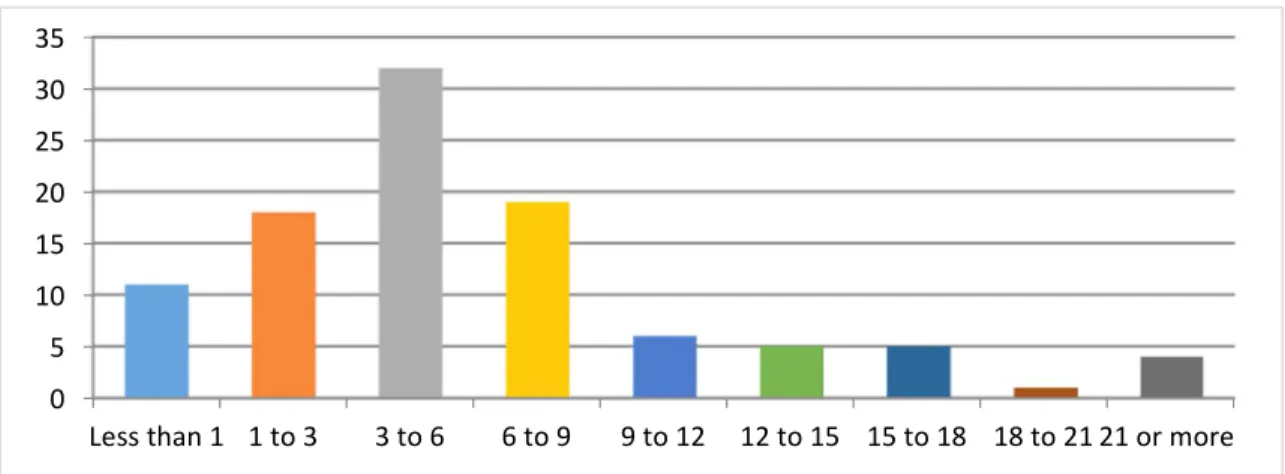
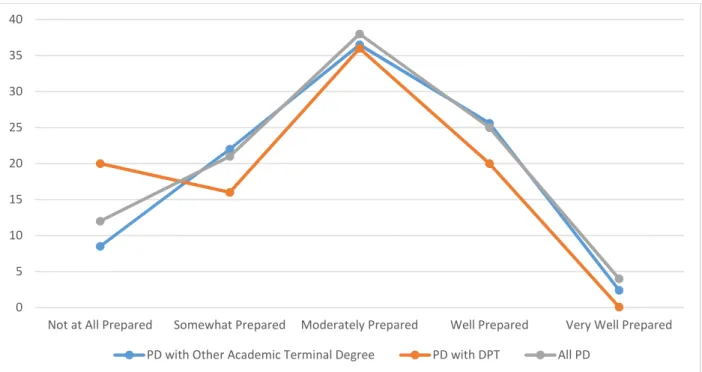
Figure 1. Program Directors’ Years of Experience as PD at Current Institution ... 49 Figure 2. PDs Feelings of Preparedness to Accept First PD Position by Percentage ... ... 51
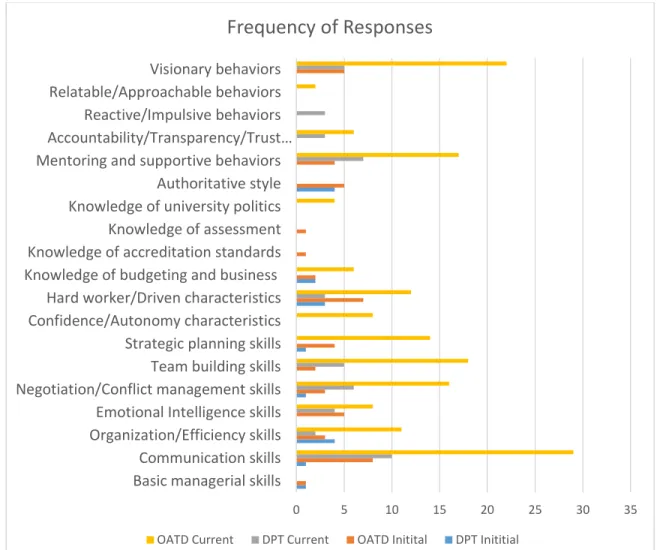
Figure 3.Initial and Current Leadership Skills, Knowledge, Behaviors or Styles of PT PDs by
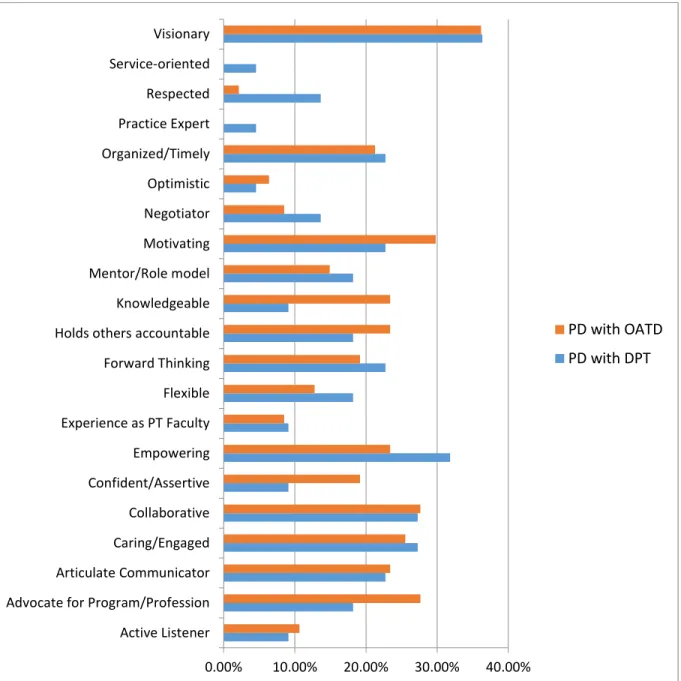
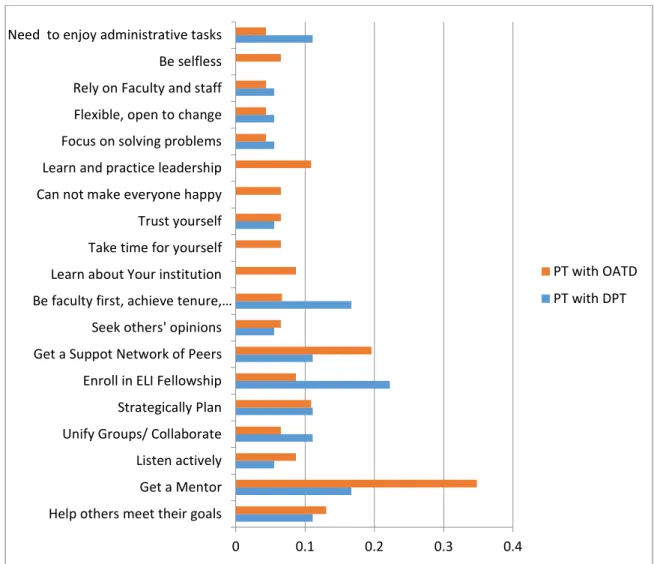
Frequency of Response. ... 61 Figure 4. The Characteristics of the Ideal Program Director. ... 66 Figure 5. Advice for the Future PT Program Director by Percentage ... 69
x
ABSTRACT
The entry-level degree for physical therapists today is a professional doctoral degree. It is similar to a medical degree program where the expected outcome of its graduates is clinical practice, and there is no formal training in academic teaching or administration. The purpose of this study was to determine the leadership characteristics, styles, and behaviors of accredited Doctor of Physical Therapy (DPT) program directors (PD) and to gain a better understanding of their preparation and path to program leadership. The survey instrument was sent electronically to all program directors of accredited DPT programs in the United States (N=233) and the response rate was 46%. The results of this study are presented as comparisons between PT Program Directors with DPT degrees and those with other academic terminal doctoral (OATD) degrees. Survey items included both qualitative and quantitative questions and analyzed for similarities, trends, and patterns between the two groups. The data were analyzed using descriptive statistics, t-tests, and chi square calculations. Significant differences were found between groups regarding leadership training, style, and characteristics. When asked about years of experience, overall, most DPT program directors were in their first DPT PD position and had between 3-9 years experience as a PD. Most subjects reported feeling moderately to well-prepared for their first role as PD, crediting the most useful primary means of preparation after
earning their entry-level PT degree as (1) on the job training (79%), (2) completing an advanced
degree (69%), (3) seeking a mentor (60%), and (4) leadership training from their institution
(41%). Both groups reported the same four primary methods in the same order. Similarly, the method of leadership preparation of current PDs with a DPT in their role as PD did not differ significantly at the specified .05 level (x2 = 1.54, df = 4, p = .672). The majority of PDs completed additional training beyond their entry-level PT degree in the topics of (1) conflict
xi
resolution, (2) communication, and (3) leadership in order to help prepare for their first role as PD. Most (84%) program directors reported that their preferred leadership styles were Servant leadership and/or Transformational leadership. A significant difference was found in the
preference for the transformational style for the DPT group at the .01 level (z = 3.2137, p =
.0013). Conversely, no significant difference was found for the OATD group’s preference of servant leadership (z = .5553, p = .5754). Leadership characteristics differed significantly between groups. The DPT group favored the characteristics of empowering and respect
significantly higher than the OATD group. The OATD group favored knowledge and confidence significantly higher than the DPT group. No significant differences were found between groups regarding self-reported personal satisfaction in the role of PD and future career aspirations. The chi-square analysis found no association between the independent variables of highest PT degree earned and future career aspirations of all PDs (x2 = 5.79, df = 3, p = .2152) Both groups had similar plans for the next five years, with a combined total of 67% of current PDs planning to leave their post as PD, indicating a significant number of vacancies in the near future. Leadership training programs are essential for physical therapy faculty and clinicians who are considering a shift from clinical practice or teaching into administration. The survey findings suggest that there is a growing need to train and develop current PT practitioners and faculty members to fill the role of PT program director. As the entry-level degree of physical therapy has evolved quickly in the last twenty-five years from master’s to doctoral degree, qualified leaders and faculty are needed more than ever. Similarly, new DPT programs are opening frequently, and the demand for capable program directors is increasing. The majority of current PT PDs agree that securing a mentor and building a strong support network are key components of leadership development and should be an integral part of a leadership-training program. The results of this study suggest
xii
that formal training programs such as the American Physical Therapy Association’s Educational Leadership Institute Fellowship program, as well as advanced master’s and academic doctoral degrees that emphasize higher education administration, are valuable resources for leadership training. A well-defined, ongoing, and specific training program for future leaders, which builds on and leads to effective leadership behaviors and characteristics may be a potential solution to an impending leadership crisis in PT education. The results of this survey clarify the leadership training and career paths of current DPT program directors, and they identify the leadership characteristics and behaviors needed to lead a professional educational program in a unique and dynamic environment. These findings add to the growing body of knowledge of how to best prepare leaders for the future of PT education.
Keywords: administrators, department head, director, higher education, leadership preparation, leadership qualities, leadership training, physical therapy program chair, physical therapy program director, PT program chair, PT program director
1
CHAPTER I INTRODUCTION
Physical Therapy (PT) education is a professional graduate program leading to a Doctor of Physical Therapy (DPT) degree and prepares individuals to be skilled physical therapy practitioners. After graduation, state licensure is required to practice physical therapy. Considerable evidence is available to support the curriculum for physical therapy education, which includes in-depth study of the foundational sciences, systems-based examination, evaluation, diagnosis and intervention, professional practice, research, and supervisory and management skills. The Commission on Accreditation in Physical Therapy Education (CAPTE) monitors educational programs for consistency and quality (CAPTE, 2015c). CAPTE’s mission is to ensure that professional entry-level PT education programs adequately and uniformly prepare students for successful clinical practice.
However, professional entry-level doctoral education does not provide adequate leadership skills and training for those students who wish to pursue an academic or higher education administrative PT career. Knowledge of pedagogy and academic life is often acquired with a second doctoral degree or through trial and error (Perry, 2002; Giuffre, 2007). Most academic doctoral degrees prepare learners for research, and few include teaching and leadership skills training. Physical therapy administrators hail from primarily clinical or research
backgrounds and move into program director roles as part of the promotion process, but little is known about how each is trained to lead (Giuffre, 2007). Higher education faces a current crisis in leadership preparation as a result of an aging population. As current PT program directors retire, there may be few individuals left who are adequately prepared to manage and lead entry- level PT programs.
2
Review
An entry-level PT degree must be followed by successfully earning a state license in
order topractice physical therapy.A licensed physical therapist may practice in their state
according to the rules and provisions of the state practice act, and most states require licenses to be renewed at least every two years (American Physical Therapy Association, 2015a). Most entry-level DPT curricula are three years long and are divided into didactic coursework (80%) and full-time clinical experiences (20%) designed to provide students with an education that promotes critical thinking skills and application of knowledge to provide evidence-based interventions to patients and clients of all ages. This education is standard in all accredited PT programs (CAPTE, 2015c).
Prior to passing a state board examination, a candidate must graduate from an accredited PT program in order to practice. Indeed, it is possible to earn a degree in physical therapy and not be permitted to practice because of lack of an active license. In physical therapy education, most clinicians and full-time core academic faculty are required to hold an active PT license, with exceptions for some guest speakers, and some visiting professors or non-PT faculty hired as instructors in foundational sciences such as anatomy or physiology. The available data published annually by CAPTE indicate that all PT program directors are licensed physical therapists (CAPTE, 2015c). Moreover, as with any health discipline, one expects the director of the PT program to have had sufficient depth and breadth of clinical experience to understand the full scope of the demands of the field. This experience may include practice in inpatient, outpatient, and home care settings, as well as specialty practice areas. It stands to reason that most, if not all, PT program directors have spent a significant amount of time in clinical practice before or during their roles as administrators.
3
According to earlier studies of physical therapy department chairs and program directors, most have more clinical experience than academic experience by the time they enter their new role as program directors (Perry, 2002; Giuffre, 2007). For the purposes of this investigation, the term “program director” will be synonymous with the term program “chair”, and may also include the duties of PT “department chair”, as some institutions prefer this term and use it in their materials. Because CAPTE data use the term “program director”, this study will follow suit for consistency and clarity.
In addition, maintaining a current PT license, even if not actively practicing, indicates that the director will meet the minimum requirements for continuing education in the respective state. Given the continuing education requirements for licensure, coupled with the desire for tenure and promotion in academia, a need exists to know more about how a program director divides his or her time between the omnipresent demands of administrative duties, scholarship, teaching, and clinical practice. To this end, CAPTE sends an annual survey to all program directors seeking data on demographics and professional duties of the program directors and all PT faculty. This information is published on the CAPTE website accessible freely to the public.
CAPTE Data on Demographics of PT Program Directors
The existing number of accredited programs is a moving target, having increased since 2014 from 212 to 233 DPT programs, with 13 more in various stages of candidacy (CAPTE, 2015b; CAPTE, 2016, December). Accreditation can be granted, denied, or suspended from year to year based on the review of annual reports from each program, therefore the data must be reanalyzed annually.
To learn more about the entry-level, subsequent, and terminal degrees that PT program directors hold, the aggregate program data existing in the Commission on Accreditation in
4
Physical Therapy Education (www.capteonline.org) and the American Physical Therapy Association (www.apta.org) websites were explored. Searching under “faculty” tabs, both websites offer direct links to each PT program’s webpage. A manual search of each of the 233 currently accredited PT Program websites was completed to access the credentials and
curriculum vitae of each program director (CAPTE, 2014; CAPTE 2016). At the time this research was initially conducted in 2014, there were 212 currently accredited PT programs. CAPTE meets quarterly to approve new programs, and by 2017, the number of currently accredited DPT programs had risen to 233.
The search method utilized was a manual exploration of the websites of each individual program to discern the baseline characteristics of each director individually and compared to the published annual Fact Sheet data from CAPTE. The CAPTE data published annually includes information from currently developing programs as well as currently accredited programs. For data published in 2015, CAPTE noted that information was taken from the 2014 annual accreditation report (submitted each December), and “unless otherwise indicated, the data reflects accredited and developing physical therapist education programs in the United States for the academic year 2014 – 15” (Fact Sheet 2014-2015). The figures for this background
information derive from careful investigation of both sources to avoid overlapping the data. It is expected that by the time this study is published most developing programs will have completed the accreditation process, and the individual program webpage data will also be available on the CAPTE Directory of Programs.
A basic description of current PT program directors according to the CAPTE database include general demographics, percentage and type of terminal academic degrees held, clinical specializations earned, and average time as a core faculty member. The length of time as a core
5
faculty member at his or her current institution varied slightly between 2012 and 2015 for
program directors, but overall remained steady. According to CAPTE records for 2012-2013, PT program directors had been core faculty members on average of 21.5 years, with 15.3 years at their current program (Fact Sheet 2012-2013). But for academic years 2013-2014, the time as core faculty member decreased slightly to 21 years, and the length of time at his or her current program decreased to 14 years (Fact Sheet 2013-2014). Data published in 2015 indicated that the time as core faculty member returned to 21.5 years and the length of time at his or her current program increased slightly to 14.5 years (Fact Sheet 2014-2015). The length of time as a core faculty member suggests familiarity with academia and recognition of roles and responsibilities of their peers and superiors. However, the fluctuating amount of time in both categories may indicate an increase in the promotion rate into administrative roles, perhaps designating a need to replace faculty.
Also of note, the average age of program directors in 2013 was 56.6 years but dropped to 54.3 years in 2014 (Fact Sheet 2013-2014; Fact Sheet 2014-2015). It is possible that the slight decline in age may have been due to the addition of 14 new accredited PT programs since 2013. Hinman reported (2014, p.42), that most (57%) of the PT program directors of current or
developing programs had ten or more years of academic experience prior to taking the position as program director, leaving the remaining 43% with 3-9 years of experience in higher education. The age ranges reported by Hinman (2014, p.42) were primarily grouped between 40-49 and 50-59, and although the authors did not specify ages of PT versus Physical Therapist Assistant (PTA) program directors, it was possible that new program directors were added or promoted at younger ages than in previous years. Still, according to the 2015 CAPTE Fact Sheet
(2014-6
2015), the number of accredited PT programs has been steadily increasing to a projected total of 258 accredited DPT programs to be offered in the US by 2018.
Both CAPTE and the American Physical Therapy Association (APTA) reported that 58.6% of program directors were female (Fact Sheet 2012-2013). That fact was not surprising since 68% of licensed PTs are female, and the profession has been historically female-dominated (APTA, 2011, p.4). It was consistent with the gender makeup of the profession since female enrollment in PT programs has held steady at 62-63% (Fact Sheet 2014-2015), even as more men have sought careers as physical therapists. Opportunities for leadership positions may still be awarded to more female applicants due to their age and experience in the field at least for the next few decades until enough males enter the profession to make a significant effect.
The rank of program directors was also shifting. For 2012-2014, the percentage of
program directors with an Assistant Professor rank was minimal and varied from 6.4% in 2011 to 4.6% in 2012, down to 2.2% in 2013, and back up to 4.9 % in 2014. For Associate Professor rank, the percentage of program directors has been steadily declining since 2012 from 53.2% to 50.6%, and full Professor rank has fluctuated from 39.8% in 2012 to 45% in 2013 and to 42.9% in 2014 (Fact Sheet 2014-2015). Most program directors were at the Associate Professor or higher rank; however, the fluctuation of rank between Assistant Professor and higher ranks over the last few years might be a reflection of the addition of newer, inexperienced faculty as interim or founding department heads. This observation might correlate with the ages of program
directors noted earlier.
Program directors and other core faculty are expected to show evidence of quality teaching, scholarship, service, administration, and, where appropriate, clinical practice. The faculty workload for program directors in 2015 showed a slight trend toward an increased
7
teaching load since 2012 moving from 24.3% to 26% in 2015, and a decrease in scholarship from 15.7% of allotted time to 14% (Fact Sheet 2012-2013, Fact Sheet 2014-2015). For program directors, administration time was reported to be at 45% for both 2012 and 2015, but clinical practice and service time show the greatest difference between 2012 and 2015, with the former moving from 2% to 10% and the latter changing from 10% to 2% (Fact Sheet 2012-2013, Fact Sheet 2014-2015). It is too soon to determine if a trend away from scholarship is underway, although it may indicate a decreased emphasis on publishable research by program directors struggling to juggle the demands of teaching in a new PT program. As a new PT program develops, the workload and pressure of hiring faculty, establishing curriculum, and submitting accreditation documents often takes priority over research interests. Since 2012, an additional 25 PT programs have been accredited, which might possibly explain some of the increased time counted towards teaching and administration in the aggregate data.
CAPTE Data on Terminal Degrees of PT Program Directors
Of the 215 accredited PT programs in 2015, all directors held a PT license, and some held additional degrees such as a Doctor of Medicine (MD) and Occupational Therapist (OT)
(CAPTE, 2015a). Between the years 2012-2015, the highest academic degree held by PT program directors was primarily a PhD, but some variation was found in the other professional doctoral degree categories including EdD, Doctor of Science (DSci), and other advanced degrees. CAPTE reported that in 2013, 47.8% of all core faculty including program directors held a PhD, and in 2014 only 47.2% did (Fact Sheet 2014-2015). The 2017 Fact Sheet reported that in the numbers of all core faculty with academic doctoral degrees further decreased to 45.9% in 2015 and 45.3% in 2016 despite an increase in the overall number of accredited PT programs (CAPTE, 2017). More specific data regarding earned academic degrees for each program
8
director were found by investigating each program director’s distinct credentials as posted on each PT program website linked to CAPTE’s Directory of Programs (CAPTE, 2015a). This information is required by CAPTE to be updated every time there is a change in leadership, or if the leader experiences a significant change in qualifications, such as the addition of a new degree or credential. The first table lists the number of various doctoral degrees for each program
director, as well as the overall percentage. The findings are summarized in Table 1.
More DPT program directors hold the PhD than any other academic terminal doctoral degree (OATD), followed by the EdD and DPT. Remarkably, in 2016 seven PT program directors claimed more than one doctoral degree, and 24 had both a doctoral and master’s degree (CAPTE 2015a; CAPTE, 2016). When two doctoral degrees were accomplished, the combination of DPT/PhD was the most common, with ten program directors listing both degrees in 2013, and 12 in 2014 (Fact Sheet 2014-2015). Because the PhD is an academic terminal degree and the DPT is a professional degree, the combination of the two complement each other with little chance for content overlap. Other degree combinations were also found: in 2013, of the 28 total program directors with a DPT, 11 also held either a PhD (10) or an EdD (1), leaving 17 program directors with DPT alone as the highest degree. The results shifted slightly higher in 2014 with three additional program directors listing a second doctoral degree to the DPT: the PhD (12) and the EdD (2). In 2015, the number of programs directors with a DPT and PhD decreased to nine, and the combination of DPT and EdD increased to three, although more program directors (28) in 2015 had the EdD alone as their highest terminal degree. See Table 2 for a full list of doctoral degree combinations.
9 Table 1
Terminal Degrees Held by Physical Therapy Program Directors, 2012-2015
Note.DBA=Doctor of Business Administration; DHS/DHSc =Doctor of Health Science; DScPT=Doctor of Science in Physical Therapy; EdD=Doctor of Education; PhD=Doctor of Philosophy; ScD/DSc=Doctor of Science. Considered Professional Academic Doctoral Degrees. DPT: Doctor of Physical Therapy; MD: Doctor of Medicine; OT: Occupational Therapist. These are professional doctoral degrees and are not considered academic doctoral degrees, but may represent terminal degrees in a field. The data on academic degrees were adapted from “CAPTE Accredited PT Education Programs” Commission on Accreditation in Physical Therapy
Education, 2014 (Retrieved from http://www.capteonline.org/apta/directories /accreditedschools.aspx?type=PT&navID=10737421958). Degree 2012-2013 % and number of degrees (N=212) 2014-2015 % and number of degrees (N=233) DBA 0.47% (1) 0.43% (1) DHS 0 2.15% (5) DHSc 5.66% (12) 0.86% (2) DScPT 0.94% (2) 0.86% (2) EdD 13.68% (29) 12.02% (28) PhD 59.43% (126) 59.23% (138) ScD 4.72% (10) 0.86% (2) DPT 13.23% (28) 12.88% (30) JD 0.94% (2) 0.86% (2) MD 0.47% (1) 0.43% (1) OT 0.47% (1) 0.43% (1)
10
CAPTE Data on Masters Degrees and Specialist Credentials
In 2013, of the 16 program directors with a DPT as their highest degree, seven also held American Board of Physical Therapy Specialties (ABPTS) board certification in a recognized specialty area of PT practice, which according to CAPTE is required criteria for establishing competency in core program faculty (CAPTE, 2015e). Later in 2014, of 11 program directors with a professional doctoral degree (DPT), seven also held ABPTS certification, and in 2015 four of the 13 program directors were board certified specialists (CAPTE, 2015a).
Table 2
Program Directors with More than One Doctoral Degree
Doctoral Degree Combinations 2012-2013 Number of Program Directors with a DPT and OATD 2012-2013 (n=28) Percentage of Program Directors with a DPT and OATD 2014-2015 Number of Program Directors with a DPT and OATD 2014-2015 (n=26) Percentage of Program Directors with a DPT and OATD PhD + DPT 10 4.70% 9 5.58% EdD + DPT 1 0.47% 2 0.93% DSc + DPT 1 0.47% 1 0.47% DHS + DPT 0 0 1 0.47%
Note. The data on program directors with more than one degree is adapted from “CAPTE Accredited PT Education Programs” Commission on Accreditation in Physical Therapy Education, 2014.
11
Therefore, less program directors listed their highest terminal degree as DPT in both 2014 and 2015 than in 2013, but of those who did, most (64% vs 44%) were also board-certified
specialists.
Of note was the increase of program directors without another academic terminal doctoral degree. Though many program directors with a PhD or EdD also included master’s degrees in their credentials, there was some evidence of a slight increase in PDs whose highest academic degree was a Master’s degree. In early 2015, only two program directors had an MS/MBA or MSPT as their highest degrees, while in 2016, eight held Masters degrees (CAPTE Accredited PT Program directory, 2016). The CAPTE Accredited PT Program directory (2016) listed several program director’s credentials as having one or more professional doctoral and/or Masters degrees: DPT/MBA (1), DPT/MEd (1), DPT/MS (7), DPT/MSEd (1), MS/MBA (1), DPT only (2), and MS only (7). The change might have been influenced by recent changes to accreditation standards regarding the minimal degree requirements for entry-level physical therapy education. As the degree progressed from an entry-level baccalaureate degree to a master’s degree and now the doctoral degree, the faculty and administration might have been pressured to reach higher levels of education in order to stay at least one step ahead of their students (CAPTE, 2015e).
In 2015, CAPTE published revised standards for core faculty and program directors effective January 1, 2016. These standards stated that “CAPTE will begin enforcing the requirement for doctoral preparation of all core faculty effective January 1, 2020, except for individuals who are enrolled in an academic doctoral degree program on that date, in which case the effective date will be extended to December 31, 2025” (CAPTE, 2015e). CAPTE defines doctoral preparation as inclusive of the DPT and allows extra time for those enrolled in an
12
academic doctoral degree such as the PhD (CAPTE, 2015e, p.10). An exemption exists, however, specifically for program directors regarding the requirement for an earned academic doctoral degree, allowing a program director to seek exemption from CAPTE if credentials are determined to meet the former 2006 evaluative criteria, which were in effect well before the DPT became the required entry-level degree (CAPTE, 2015e, p. 12).
An analysis of all the master’s degrees listed for program directors from 2012-2016, revealed that 40.4% earned a Master of Science degree. Given the historical evolution of the degree, the specific master’s degree offered for entry-level education was the MS, so it is probable that the other master’s degrees listed by PDs represented either a career change or, more likely, an advanced degree earned to help prepare a PT faculty member for a leadership role. Given the frequency of master’s degrees in business and public health found in the analysis, it stands to reason that these degrees were sought after earning a baccalaureate or certificate in PT. The full results are presented in Table 3.
CAPTE Data on Specialization of Current PT Program Directors
As noted, some program directors were board certified specialists in a particular area of practice, such as orthopedics or geriatrics, indicating that they passed a national specialty board examination. In order to qualify for the exam, learners must provide evidence of completion of a residency program accredited by the American Board of Physical Therapy Residency and Fellowship Education (ABPTRFE) or proof of a minimum of 2000 clinical practice hours in one specialty area (American Board of Physical Therapy Specialties, 2014). Initial certification lasts
ten yearsin order to maintain the credential the specialist must either retake the exam or show
proof of clinical proficiency over the course of ten years to maintain the title of clinical specialist (ABPTS, 2014). All board-certified specialists must meet the minimum required direct patient
13 Table 3
Program Directors (PDs) with Doctoral and Master’s Degrees
Master’s Degree in Addition to Doctoral Degree 2012-2013 Number of Degrees 2012-2013 Percentage of All PD (n=212) 2014-2015 Number of Degrees 2014-2015 Percentage of all PD (n=215) 2015-2016 Number of degrees 2015-2016 Percentage of all PD (n=233) MA 4 1.88% 3 1.40% 2 0.86% MBA 11 5.12% 11 5.12% 12 5.15% MBS 1 0.47% 0 0% 0 0% MEd 1 0.47% 1 0.47% 2 0.86% MHA 1 0.47% 1 0.47% 0 0% MHSA 1 0.47% 1 0.47% 2 0.86% MPA 3 1.42% 1 0.47% 0 0% MPH 4 1.88% 4 1.86% 5 2.15% MPT 1 0.47% 3 1.40% 4 1.72% MS 19 8.96% 18 8.37% 21 9.01% MSEd 1 0.47% 1 0.47% 1 0.43% MSPT 1 0.47% 2 0.93% 1 0.43%
Note. MA: Master of Arts; MBA: Master of Business Administration; MBA: Master of Business Science; MEd: Master of Education; MHA: Master of Health Administration, MHSA: Master of Health Services Administration; MPA: Master of Public Administration; MPH: Master of Public Health, MPT: Master of Physical Therapy; MS: Master of Science; MSEd: Master of Science in
Education; MSPT: Master of Science in Physical Therapy.Data Adapted from CAPTE
14
care hours including 200 hours in the last three years leading up to recertification (ABPTS, 2014). Therefore, the program directors, who indicated they were specialists, must also be spending a portion of their time treating patients in addition to their administrative duties.
With nearly one quarter of program directors being ABPTS board-certified specialists, it would be beneficial to know the average amount of clinical practice in which they are engaged. According to the CAPTE 2014-2015 Fact sheet (2015), between 2011 and 2014, an average of 10% of the workload time was spent in clinical practice (p.15), which was similar to other core faculty. This clinical practice time is vital to remain qualified to recertify in any ABPTS specialty. See Table 4 for a summary of specializations held by program directors.
In 2015, seven of the eight APTA-recognized clinical specializations (all but the
women’s health specialty) were held by program directors (ABPTS, 2014). Orthopedics was the most common specialty, which is not surprising since there are more orthopedic specialists than Table 4
Specialties Held by Program Directors 2012-2016
Area of ABPTS Specialization 2012-2013 Number 2012-2013 Percentage (n=212) 2014-2015 Number 2014-2015 Percentage (n=215) 2016 Number 2016 Percentage (n=233) CCS 1 0.47% 1 0.47% 1 0.43% ECS 1 0.47% 0 0% 0 0% GCS 7 3.30% 7 3.26% 6 2.58% NCS 3 1.42% 5 2.33% 7 3.00% OCS 25 11.79% 26 12.09% 30 12.88% PCS 9 4.25% 10 4.65% 11 4.72% SCS 9 4.25% 8 3.72% 11 4.72%
Note.Cardiovascular and Pulmonary (CCS), Clinical Electro-physiology (ECS), Geriatric
(GCS), Neurologic (NCS), Orthopedic (OCS), Pediatric (PCS), Sports (SCS). Data adapted from “CAPTE Accredited PT Education Programs” (CAPTE 2014; 2015).
15
any other specialty area (ABPTS, 2014). What was surprising was that four program directors (CAPTE, 2015a) had more than one specialty, which meant that their minimal clinical hour requirements were doubled if they planned to recertify, which would be reflected as even less time for administrative roles. Certainly, recertification is not required in order to practice, but in order to maintain the credential and recognition as a board-certified clinical specialist an
individual must attain recertification. It was apparent that clinical specialization was on the rise for core faculty as well as PT administrators. Nearly 40% of core faculty claimed specialization in 2015 as compared to 35% in 2011, which could be attributed to multiple reasons, including an attempt to meet changing CAPTE criteria for core faculty members (Fact sheet, 2015).
Because attainment of an academic doctoral degree often occurs later in the career of a physical therapist, and after significant time spent in clinical practice, the entry-level degrees held by each program director were investigated. For program directors in the 203 accredited programs in 2013, 54% entered PT practice with a baccalaureate degree, 24% with a master’s degree, 8.4% with a certificate, 12.3% earned a transitional DPT after their baccalaureate degree or certificate, and less than 1% of program directors began their PT career with a DPT (Fact Sheet, 2014). The transitional DPT is a bridge program of limited coursework offered to those who attended physical therapy educational programs that did not offer the DPT or attended prior to the existence of the DPT. For example, a student who graduated with an MSPT could take an additional 30 credits (approximately) of coursework, representing the difference between MSPT and DPT, to earn their DPT degree. For someone with a baccalaureate degree, the number of missing course credits would be much higher than the MSPT, as most DPT programs average 115 credits (CAPTE, 2015c). Entry-level degrees of current program directors were not
16
show a higher number of entry-level DPTs in administration, reflecting the phasing-in of the DPT degree as the new entry-level standard and changes in the experience of program directors.
This shift towards higher entry-level degrees can be explained by reviewing the history of physical therapy education. According to the APTA (2011), the first degree in physical therapy education was the certificate in 1928. Recognition of education in physical therapy remained as a certificate with an apprenticeship until the 1950s, when universities and colleges began offering PT as a baccalaureate degree program (APTA, 2011, p. 6). From then on, the baccalaureate degree was the entry-level degree until the 1970’s, although in the late 1960’s master’s degrees in physical therapy emerged, followed by the Doctor of Physical Therapy degree in 1995 (APTA 2011, p.8). As of 2002, all programs were master’s degrees or higher, and baccalaureate degrees in PT were no longer offered (CAPTE, 2015c). The entry-level degree is now the doctoral degree (DPT), and because most PT directors are between 40-60 years of age, the number of program directors (78%) with entry-level baccalaureate and master’s degrees aligns with the evolution of physical therapy entry-level degrees (Fact Sheet, 2014). As time passes and more DPT-trained individuals gain experience in academics, the number of program directors with entry-level DPT degrees will inevitably rise.
PTs inAdministration
While entry-level PT education does prepare clinicians for varying degrees of clinical administration (Shaefer, Lopopolo, & Luedtke-Hoffmann, 2007), few data exist to describe the preparation PT program directors receive to fulfill their unique responsibilities. Few studies are available that examine how the directors of the physical therapy programs are prepared to lead their departments and faculty. Certainly, this is one area of research that is needed as physical
17
therapists and administrators of higher education look towards the future and prepare for the increase in the numbers of retiring PT administrators and practitioners.
One study by Perry (2002) indicated that PT program directors did not plan to enter academia after earning their PT degree. Giuffre (2007) confirmed that the training for physical therapy department chairs was often informal and lacking in distinctive leadership skills
development and instead focused on the pure administrative responsibilities required to maintain daily operations. Other higher education, medical, and professional programs have faced a similar challenge in leadership development (Gmelch, 2002).
Leadership preparation in the Doctor of Nursing Practice (DNP) includes training on quality, service, process assessment, and improvement to generate strategies to enhance patient services (Sherrod & Goda, 2016). Similar to the DPT and PT/PhD education, DNP degree holders are trained to synthesize research to apply to clinical practice; however, the DNP includes additional training in health system leadership. Educational training in needs-
assessment, organizational accountability, and health services delivery administration are key components of DNP education, but are not emphasized in DPT preparation (Sherrod & Goda, 2016).
For medical students, leadership development begins early in a physician’s education and continues throughout their careers. According to Warren and Carnall, (2011), physicians are expected to develop leadership skills through mentoring, coaching, action learning, and
networking in order to “lead across professional boundaries.” Warren and Carnall (2011) credit the Medical Leadership Competency Framework (MCLF) jointly developed by the Academy of Royal Colleges and the HS Institute for Innovation and Improvement as laying the foundation for leadership content to be included in undergraduate and postgraduate medical education.
18
Moreover, Warren and Carnall (2011) reported that leadership training was found to be more valuable to the learner if leadership development occurred in “real-time experiential learning.” When leadership opportunities arise during clinical work, trainees must apply their knowledge in the moment. Medicine and physical therapy are both clinical fields, yet entry-level preparation of physicians differs from physical therapists due to the inclusion of a specific leadership piece.
Acquisition of technical skills is paramount to any clinical health practitioner training; however, the acquisition of non-technical skills (NTS) is more difficult to define and assess and is often less emphasized in health practitioner education. Non-technical skills can be defined as the “cognitive, social and personal resource skills that complement technical skills, and
contribute to safe and efficient task performance” (Flin, O’Connor, & Crichton, 2008). In physical therapy education, NTS were referred to as Professional Behaviors (May, Morgan, Lemke, Karst & Stone, 1995), which were the verbal and nonverbal communication skills needed to develop rapport and build trust between patient and client. Poor NTS skills could contribute to errors in patient management (Lloyd, 2015). Across all health professions, both professional behaviors and NTS are required to cultivate effective leadership skills both in the clinical and administrative environments.
Recognition and development of one’s own leadership philosophy involves
self-reflection and refinement. According to Inverso (1998), the “process of becoming an educational leader begins with becoming a faculty member [first] and is continuous thereafter.” When Inverso (1998) questioned his peers as to why they became a faculty member, the answer was always “to make a difference” and “to influence the next generation.” Inverso acknowledged that physical therapy educators “develop from a clinical tradition that is action-oriented.” PT’s
19
classroom. Yet, once faculty considered higher administration, a new skill set was now required that must be learned and applied. “Educational leaders select from a wide range of components to fit their personal needs and meet their self-identified professional goals” (Inverso, 1998). Later works by Perry (2002) and Giuffre (2007) further explored the leadership pathway of PT
program directors, stating that the decision to become educational leaders often happened much later than in other medical professions. When physical therapists became faculty, most moved from the clinic to the classroom to teach in the area of expertise; however, few were prepared for the full scope of responsibilities of an academician (Inverso, 1998; Jensen & Mostrom, 2013), and even less were prepared for higher education administrative matters (Perry, 2002; Giuffre, 2007).
Statement of the Problem
The purpose of this study was to determine the leadership characteristics, styles and behaviors of PT program directors and to identify how they prepare for their roles as department leaders and administrators. As part of the entry-level degree, physical therapists receive some training in administrative matters as they pertain to supervision of staff and physical therapist assistants, but the DPT is a professional doctoral degree and provides primarily clinical training and is not intended to prepare graduates as administrators (Perry, 2002; Shaefer, Lopopolo, & Luedtke-Hoffmann, 2007; Giuffre, 2007). A literature search revealed few studies that have specifically examined how the directors of physical therapy programs are prepared to lead departments and faculty. Thus, the question remains and a need exists to determine how current DPT program directors are prepared for their role as department leaders and administrators.
20
Purpose
The purpose of this study was to determine the leadership characteristics, styles and behaviors of accredited PT program directors and to gain a better understanding of their preparation and path to program leadership. The data gathered from this study might be of benefit to future program directors and universities in order to replace the expected wave of retiring program directors. Public dissemination of a path to leadership in the PT profession could help maintain the integrity and possibly improve the quality of PT programs in the United States.
Research Questions
In order to determine the characteristics, styles and behaviors of the current PT program directors and identify for analysis their career paths to leadership, the research questions were:
1. There will be no significant difference in leadership characteristics between PT
program directors who have earned academic or professional doctoral degrees.
2. There will be no significant relationship between program directors with
academic or professional doctoral degrees and their leadership styles.
3. There will be no significant differences in leadership training between PT
program directors who have earned academic or professional doctoral degrees.
4. There will be no significant differences in self-reported personal satisfaction in
the role of program director between those with an academic or professional doctoral degree.
5. There will be no significant differences in future career aspirations between PT
21
Operational Definitions
The following list includes the operational definitions common to the profession of physical therapy (APTA, 2015b).
American Physical Therapy Association (APTA): Professional organization for physical therapists and physical therapist assistants.
Commission on Accreditation in Physical Therapy Education (CAPTE): Nationally recognized accrediting agency for physical therapist and physical therapist assistant entry-level education programs.
Co-chair and co-program director: Synonymous.Titles given to those who perform administrative work that is divided between more than one leader in a physical therapy program.
Department Chair: Title of the administrative head of a department that may have more than one type of professional educational program.
Doctor of Physical Therapy (DPT): Post-baccalaureate degree earned by graduate of professional doctoral program in physical therapy.
Physical Therapist (PT): Licensed health professional who has completed an accredited physical therapist educational program and has passed a licensure examination. Professional entry-level degrees have evolved from certificate to professional doctoral degrees.
Physical Therapist Assistant (PTA): Health worker who is educated at the associate degree level and who is permitted to provide physical therapy services under the direction and supervision of a physical therapist. Depending on state law, may be
22
licensed, certified, registered, or unregulated. Must meet state requirements to work as a PTA.
Program Chair and Program Director: Synonymous. The administrative leader of the DPT program.
Specialist: Specialist certification is granted to PTs who demonstrate competence in both specialized knowledge and advanced clinical proficiency. The specialty areas are: CCS (Cardiovascular and Pulmonary Certified Specialist), ECS (Clinical
Electrophysiologic Certified Specialist), GCS (Geriatric Certified Specialist), NCS (Neurologic Certified Specialist), OCS (Orthopaedic Certified Specialist), PCS (Pediatric Certified Specialist), SCS (Sports Certified Specialist), and WCS Women’s Health Certified Specialist). PTs must meet the following minimum eligibility requirements to sit for the specialist certification examinations: 1) current licensure to practice physical therapy in the United States, Puerto Rico, or the Virgin Islands; and 2) evidence of a minimum of 2,000 hours of direct patient care in the specialty area, 25% of which must have occurred within the last three years. Additional specific requirements are required by each specialty area. PTs must pass the specialist certification examination and be recognized by the American Board of Physical Therapy Specialties to use the designator. The certification is effective for ten years, after which re-certification is required.
Significance of the Study
The profession of physical therapy is facing an impending leadership crisis with a large number of program directors and college administrators preparing for retirement in the future. Development of a career pathway for clinicians to become academic leaders would help fill
23
future program director positions. A study of the professional pathways of current PT program directors could identify patterns and determine which characteristics were shared among this group of leaders. These data will be valuable to answer the larger question of a potential preferred path to PT program leadership. Most DPT program directors have PhDs, but not in educational fields; instead, their degrees were focused on a specific area of physical therapy research or basic science, with little emphasis on leadership training. As PT program directors prepare for the future, it is important to identify a succession plan for retiring PT directors. Evidence is needed to support departmental practices to prepare faculty to become viable candidates for administrative roles such as program director.
Statement of Methods
The study population was comprised of current program directors in accredited physical therapist education programs. Only accredited PT programs were included based on the
assumption that the currently accredited programs are already deemed stable and the program directors qualified for their positions according to the accrediting body. CAPTE deems program directors to be qualified if they: (a) are licensed or regulated in any United States Jurisdiction as a PT, (b) have an earned academic doctoral degree or qualifies for an exemption according to 2006 published criteria, (c) hold the rank of associate professor or higher, and (d) have a minimum of six years of full time (35 hours per week) higher education experience, with a minimum of three years of full-time experience in an physical therapist education program (CAPTE, 2015e, p. 12). In the event the program director does not hold an associate professor rank or higher, the program is notified and cited by CAPTE to provide a plan to bring their director into compliance within 18 months (Price, E. 2016).
24
Exclusion criteria were applied to any program directors from a DPT program that is
listed in a Candidacy or Development phase. CAPTE clearly indicates on their webpage which stage a program is in, from development to candidacy to accreditation. Any new PT program seeking accreditation must first inform CAPTE of their intent to develop, and if granted
approval, must then submit a formal and lengthy written application for candidacy consideration (CAPTE, 2015e). PT Programs are free to matriculate students only after granted candidacy, and then students will proceed through the program during the candidacy period until accreditation is granted - usually just before the first cohort graduates. Because the accreditation process is so arduous and the accreditation decision is never guaranteed, some program directors may give up and leave a program if denied candidacy or accreditation; therefore, unaccredited programs were not included in the subject population. Having met minimum criteria for accreditation standards, the PT programs can be considered equivalent for the purposes of this study.
A survey of 21 items was sent electronically to all PT program directors, and the resultant
data were analyzed using descriptive statistics, chi-square analysis, and t-tests. Because nearly
every DPT program director has a working knowledge and some exposure to research design, at least in order to for their program to remain accredited, the author was confident that the survey would provide a high response rate and low attrition. Each program director’s contact
information was publicly available on the CAPTE website and was compiled by the author into an electronic mailing list for the online survey. To simplify the process even further, the online survey was designed to be completed in 15-20 minutes, and allowed multiple response modes.
Summary
This study of the leadership preparation of the PT program director was appropriately timed and potentially of explicit benefit to the academic PT community and possibly other
25
professional programs. Now more than ever, it is important to identify a succession plan for retiring PT program directors. Evidence is needed to support departmental decisions on
preparedness of faculty and how to groom possible internal candidates for future administrative roles. This study represents a potential pathway toward better understanding the best methods to prepare future program directors.
26
CHAPTER II
LITERATURE REVIEW
The role of a college or university academic program director is not well studied, and even less is known about a physical therapy program director. In general, development of department program directors and academic leaders is often an afterthought, as most faculty begin their academic careers in research and teaching (Gmelch, 2000; Perry 2002; Giuffre, 2007; Jensen & Mostrom, 2013). Entry into academia is often unintentional and the result of outside influences, rather than a clear, purposeful, and direct path to administration, forged by the individual from graduate school (Perry, 2002; Gmelch, 2002, Giuffre, 2007, Jensen & Mostrom, 2013). Identification of future leaders, and the subsequent development of their abilities, is one of the key components of establishing a leadership pipeline within a department.
Motivational Factors Associated with Program Directors
In recent decades, evidence exists to support the varying extrinsic and intrinsic motivational factors as reasons for serving in the role of program director (Seerdorf, 1990; Gmelch, Carroll, Seerdorf, & Wentz, 1990; Perry 2002; Giuffre, 2007, Jensen & Mostrom, 2013). Over 25 years ago, one of the first surveys of department chairs/program directors was undertaken, and respondents reported the intrinsic factor of “personal development” more often (321) than any other single extrinsic factor as motivation for accepting their leadership role. Extrinsic factors cited included being approached by higher administration (251) and “lack of alternative candidates” (196). More responses combined were given for extrinsic factors than those listed for intrinsic factors alone (Gmelch, et al, 1990). When asked if they would consider a second term, those program directors who cited primarily intrinsic reasons responded
27
positively three to one over the extrinsic group (Gmelch, et al, 1990). Despite the greater number of extrinsic reasons overall in the survey, maintaining a steady presence at the helm of a
department is a potential challenge and turnover is frequent.
According to Thomas and Shuh (2004), consistency in the role of department chair is a concern since approximately twenty percent turnover occurs every year. As recent as 2012, the turnover rate in physical therapy (PT) programs was reported to be nineteen percent (Hinmann, Peel, & Price, 2014). Gmelch (1990) indicated that there was less overall intrinsic motivation to lead reported by those currently in leadership roles, and it was possible that current leaders would not remain in their roles long-term. Lack of consistent leadership was a problem in that frequent turnover resulted in a disruption of previous or existing plans for change. According to Selingo (2016), when faculty are inexperienced in networking and the logistics of academia, many will not have the skills to be effective leaders and may leave their posts before any real growth can be actualized (Selingo, 2016). Though with specific leadership training and an internal drive to lead, many would-be leaders could learn the skills to be successful.
Leadership Characteristics and Skills of Program Directors
Similarities in leadership characteristics and styles were found in the common characteristics of successful leaders across health and academic professions. Using current information available about faculty professional growth, certain ideals were discovered, such as learning, agency, professional relationships, and commitments (O’Meara, Terosky, & Neumann, 2008). A study of Canadian academics and managers in physical therapy looked at leadership characteristics of each professional role and also found similar results regarding the shared traits of “learner” and “achiever” between both groups (Desveaux, Chan, & Brooks, 2015). In 2014, another Canadian study distinguished the strengths of Canadian physical therapy leaders from PT
28
non-leaders and found that leaders were “more likely to possess the strength of Achiever” (Chan, Bruxer, Lee, Sims, Wainwright, Brooks, & Desveaux, 2014). Both Canadian studies utilized the Clifton StrengthsFinder (2009) to evaluate 34 characteristics or themes to determine an
individual’s particular strengths (Clifton & Harter, 2003; Asplund, Lopez, Hodges, & Harter, 2009). The Clifton StrengthsFinder has been used in both academic and managerial settings to identify an individual’s potential to enhance and develop existing strengths in order to enhance leadership proficiency. Based on the responses to all 177 items, both Chan (2014), and Desveaux (2015), identified the Achiever characteristic, defined by Asplund (2009) as “People especially talented in the Achiever theme have a great deal of stamina and work hard. They took great satisfaction from being busy and productive” (Asplund et al, Appendix A., 2009).
For this survey, the author included items relative to achievement, productivity, and work stamina based on the literature findings relative to PT leadership characteristics. Another
characteristic of the Learner common to PT leaders was a desire to learn (O’ Meara et al., 2008; Desveaux et al., 2015). The Clifton StrengthsFinder noted “people especially talented in the Learner theme have a great desire to learn and want to continuously improve. In particular, the process of learning, rather than the outcome, excited them” (Asplund et al, Appendix A., 2009). Survey items related to identification of educational and training resources for program directors stemmed from this prior research.
Other leadership, administration, management, and professional (LAMP) skills have been identified in the PT profession as being required by new graduates, as a result of a Delphi study by Lopopolo, Schafer, and Nosse (2004). The authors organized the findings into those skills that should be learned in entry-level preparation and those skills that should be learned
29
were developed: continuing education, internal organizational development programs,
mentorship, formal post-professional education, prior experience, formal professional education, or learning by doing (Lopopolo, Schafer, & Nosse, 2004). The results were listed in order of greatest to least number of responses indicating continuing education as the most common means of developing LAMP skills. The LAMP study included both academic and clinical leaders.
When the concept of leadership was further explored from the physical therapist
perspective, the top three characteristics of communication, professionalism, and credibility were preferred, yet these traits differed from the top three reported in other health professions
(Desveaux, et al., 2012). Though many studies noted communication as imperative, it was often not in the top three essential skills. In physical therapy administration, the skills of emotional intelligence, vision, and business acumen were found to be best suited for dealing with a
dynamic health service delivery environment (Desveaux, et al., 2012) and were also listed as the top skills of surgery, nursing, and pharmacy leaders (Buchler et al., 2006). The skill of vision is one of the four core competencies in PT leadership (APTA, 2016d). Of the top ten skills of high performing health leaders (Madden, 2013), vision was listed first, which correlated with the work of Desveaux et al, (2012), and the APTA LAMP (APTA, 2016c), and ELI (APTA, 2016b) programs.
The APTA emphasizes four core leadership competencies—vision, self, function, and
people (APTA, 2016d). According to the APTA, (2016d), vision is the “ability to set a clear
direction and move the group forward,” self includes the “personal traits, characteristics, and
behaviors that facilitate best leadership practice,” people includes the “ability to effectively
mobilize a volunteer work force to achieve measurable outcomes,” and function is the ability to
30
These core competencies are taught throughout entry-level curriculum in accredited PT programs (CAPTE, 2015e). However, acquiring the individual competencies is only one component of leadership. Successful PT program leadership requires additional training and skills not found in the entry-level curriculum alone (Giuffre, 2007; Gordon 2014). For physical therapists to become successful leaders in higher education, additional leadership training is necessary above and beyond the entry-level education. Mentoring is a common leadership development tool, and Gordon (2014) recommended that new PT program directors seek both an internal and external mentor. In another study of physical therapists, vision and mentorship both surfaced as essential for effective leadership (Sanders, 1998). Hinman et al. (2014) also suggested that mentorship was key and PT programs should consider an internal development program to support faculty who wished to move into administrative roles.
In pharmacy, another doctoral level health degree, four concepts of leadership—
professionalism, advocacy, leadership, and management—were often used interchangeably yet still echoed the theme of professionalism (Traynor, Janke, & Sorensen, 2010). The four concepts have been emphasized in physical therapy leadership development programs and included in entry-level doctoral preparation (CAPTE, 2015e; APTA, 2016d). In nursing programs, “empowered caring”, also referred to as empowered leadership, was a skill desired in its educational leaders (Calpin-Davies, 2003). Physical therapists are also practitioners in a caring profession and use this skill to empower patients to help themselves during rehabilitation.
Development of professional behaviors begins in physical therapy school and continues to grow throughout the physical therapist’s lifetime. In a study of professional behavior
development of PT students, five methods stood out as most effective: (a) lead by example, (b) explicit teaching, (c) mentoring, (d) reflective imaging, and (e) wider context education
31
(MacDonald, Cox, Bartlett, & Houghton, 2002). The mentoring piece surfaced again in
leadership training of health profession program directors and is discussed later in this document. According to Desveaux (2016), “[l]eadership should be recognized as a critical component of development in entry-level programs. A recent study of leadership practices in first year PT students identified behaviors that could be facilitated to develop leadership skills (LoVasco, Maher, Thompson, & Stiller, 2016). According to LoVasco et al., the abilities to enable others to perform highly, to model leadership behaviors, and to encourage others to perform well can be introduced and reinforced in PT school. Instilling these practices early on could be a
foundational support for a future leader.
Leadership Training of Health Profession Program Directors
In health service delivery professions, multiple opportunities exist for leadership training. Physicians and surgeons interested in formal leadership training may choose from continuing education, formal programs, and association meetings sponsored by organizations including the (a) Association of American Medical Colleges, (b) Executive Leadership in Academic Medicine, (c) American College of Physician Executives, (d) Center for Creative Leadership, and (e) Robert Wood Johnson Foundation (Sonnino, 2013). The Cleveland Clinic has offered leadership training for nearly two decades in order to develop their own health professionals into competent leaders (Christensen & Stoller, 2016). The Educational Institute of the Cleveland Clinic has used an interdisciplinary approach to train physicians, nurses, and administrators in three themes: (a) organizational development, (b) business plan design, and (c) mission, vision, and values preparation (Christensen & Stoller, 2016). Though the Cleveland Clinic plan and other organizational leadership training programs have been focused on administrative and clinical leadership development, many participants in leadership training shifted into academia after
32
achieving success in the clinical role (Giuffre, 2007). A report by Lee (2010) highlighted the leadership pathway for physicians at Harvard Medical School with a distinct program in team-building. Team building was one of the preferred leadership characteristics across professions and emphasized in most leadership training programs (Christensen & Stoller, 2016; Lee, 2010). Ferrini noted that the leadership path for physicians to medical director was like a residency and included a lot of “learning on the job”, and required strong communication and listening skills (Ferrini, 2009).
According to Crawford, physical education program directors benefit from the resources available through their professional association [the Association for Health, Physical Education, Recreation, and Dance (AHPERD)] to assist in their preparation for administrative roles
(Crawford, as cited in Anonymous, 2013). Of note is the fact that APTA also sponsors programs for leadership development. Desveaux (2016) posited that “[a]s primary advocates for the physical therapy profession, professional associations are ideally positioned to foster leadership initiatives.” Physical therapists may choose to enroll in leadership development programs endorsed by the APTA such as the LAMP Institute for Leadership in Physical Therapy (APTA, 2016c) or in the Education Leadership Institute (ELI) Fellowship (APTA, 2016b). These leadership development programs are “intended for novice and aspiring PT and PTA program directors” (APTA, 2016b) and for those who want to “develop their leadership effectiveness” (APTA, 2016c). Seasoned managers and administrators benefitted from the leadership skills learned in LAMP, and for some PTs it was the only formal leadership training they received (Hayhurst, 2010). Other resources besides APTA programming included (a) corporate training, (b) formal academic program training (such as the PT administration programs associated with PT programs), and (c) internal mentorship (Perry, 2002; Giuffre, 2007). In addition, the APTA