All Theses And Dissertations Theses and Dissertations
1-1-2019
The Importance Of Coaching: A Program
Evaluation Of The Americorps College
Completion Coaches Program
LaToya E. Rolle
University of New England
Follow this and additional works at:https://dune.une.edu/theses Part of theEducational Leadership Commons
© 2019 LaToya E. Rolle
This Dissertation is brought to you for free and open access by the Theses and Dissertations at DUNE: DigitalUNE. It has been accepted for inclusion in All Theses And Dissertations by an authorized administrator of DUNE: DigitalUNE. For more information, please [email protected].
Preferred Citation
Rolle, LaToya E., "The Importance Of Coaching: A Program Evaluation Of The Americorps College Completion Coaches Program" (2019).All Theses And Dissertations. 197.
A PROGRAM EVALUATION OF THE AMERICORPS COLLEGE COMPLETION COACHES PROGRAM
By LaToya Rolle
BA (Oakwood University) 2009 M.Ed. (University of Dayton) 2012
A DISSERTATION
Presented to the Affiliated Faculty of The College of Graduate and Professional Studies
at the University of New England
In Partial Fulfillment of Requirements For the Degree of Doctor of Education
Portland & Biddeford, Maine
ii
iii
LaToya E. Rolle September 2018 Educational Leadership
THE IMPORTANCE OF COACHING: A PROGRAM EVALUATION OF THE
AMERICORPS COLLEGE COMPLETION COACHES PROGRAM ABSTRACT
As more students enroll than earn a post-secondary credential, persistence toward
completion and graduation have become issues in community colleges. This program evaluation highlights the AmeriCorps College Completion Coach program implemented across community colleges in Ohio during 2012–2017 under the leadership of the Ohio Association of Community Colleges (OACC). The program goal is to improve postsecondary credential obtainment by increasing course completion and credit hour accumulation. This outcome is achieved by providing coaching to at-risk students in community colleges across Ohio. This study sought to discover the AmeriCorps College Completion Coach program’s best practices for student support services and explored the program’s goal of increasing college completion rates.
In studying the facets of the AmeriCorps College Completion Coach program, two cycles of descriptive coding were used, as it allowed for a comprehensive view of the program. Using a descriptive coding process with a thematic analysis, three themes emerged from the desk review program evaluation. The first theme was Interventions, which described the AmeriCorps College Completion Coach program’s strategy to improve student performance and increase a student’s persistence to completion. The second theme was At-Risk Students, which alludes to the
program identifying students enrolled in one of the following courses: remedial English or math; first year experience; science, technology, engineering and math (STEM); or other college
iv
gateway courses.The third theme was AmeriCorps, which described the commitment of a service member. This program evaluation contends that coaching can provide a focal point for a community college’s efforts toward increasing completion rates.This study provides insight to build capacity and knowledge of coaches, aiming to increase the educational attainment of community college students. The study also provides recommendations for future action and future research, such as evaluating the long term effects of coaching.
Keywords: coaching model, community college, AmeriCorps, at-risk students,
v
University of New England Doctorate of Education Educational Leadership This dissertation was presented by
LaToya Rolle
It was presented on October 15, 2018 and approved by:
Dr. Brianna Parsons, Lead Advisor University of New England
Dr. Joel Lowsky, Secondary Advisor University of New England
Dr. Anika Anthony, Affiliate Member Ohio State University
vi
DEDICATION
To my husband, Isaiah, who has been a constant source of support and encouragement during the challenges of balancing graduate school, work, and family. Thank you for your love and wisdom.
To my daughters, Laila and Ilyssa, you have made me stronger and better than I could have ever imagined. I love you to the moon and back.
To my parents, Chester and Miriam Payne, who have always loved me unconditionally and have taught me to work hard for the things that I aspire to achieve. Thank you.
vii
ACKNOWLEDGMENTS
I would like to acknowledge and thank Dr. Brianna Parsons, lead advisor of my
dissertation committee, for her support, patience, and guidance. Dr. Parsons has always been a calm and steady presence, consistently cheering me on through this process. I would also like to thank Dr. Joel Lowsky for his careful attention to detail and enthusiasm for this project. I would like to also acknowledge Dr. Anika Anthony, my affiliate committee member for guiding me through the research process. I feel very appreciative to have a resource like you.
viii
TABLE OF CONTENTS
CHAPTER ONE: INTRODUCTION ... 1
Ohio Community Colleges ... 4
AmeriCorps College Completion Coaches ... 4
Statement of the Problem ... 9
Purpose of the Study ... 9
Research Questions ... 10
Conceptual Framework ... 11
Theoretical Frameworks ... 12
Scope ... 13
Assumptions, Limitations, and Delimitations ... 13
Assumptions ... 13 Limitations ... 14 Delimitations ... 14 Significance ... 15 Definitions ... 16 Conclusion ... 18
CHAPTER TWO: LITERATURE REVIEW ... 19
The Development of the Community Colleges ... 19
Understanding Community College Students ... 21
Low Persistence and Completion ... 23
Student Success and Engagement ... 24
Student Success Courses ... 25
ix
Student Success Practices ... 27
Mentoring vs. Coaching ... 28
Mentoring ... 28
Coaching ………29
Coaching Practices in Education ... 31
Coaching and Developmental Education ... 33
Theoretical Framework ... 35
Action Learning Theory ... 35
Theory of Student Involvement ... 37
Conclusion ... 39
CHAPTER THREE: METHODOLOGY ... 40
Research Questions ... 42
Setting ... 43
Participants/Sample ... 44
Data ... 45
Analysis ... 46
Integrity and Validity ... 49
Participants’ Rights ... 49
Limitations ... 50
Conclusion ... 51
CHAPTER FOUR: RESULTS ... 52
Background Profile the AmeriCorps College Completion Coach Program ... 53
Analysis Methods ... 54
x
Theme 1: Interventions for Student Success ... 58
Subtheme 1.a: Coaching model ... 64
Subtheme 1.b: Course-embedded model ... 66
Theme Two: At-Risk Students ... 68
Subtheme 2.a: Students in remedial courses ... 70
Subtheme 2.b: Underprepared students ... 71
Theme Three: AmeriCorps ... 73
Subtheme 3.a: Service commitment ... 75
Summary of Findings ... 77
CHAPTER FIVE: CONCLUSIONS ... 78
Review of the Study ... 78
Interpretation of Findings ... 79
Research Question 1 ... 80
Research Question 2 ... 82
Implications ... 83
Implication #1: Building Rapport and Personalizing Support ... 83
Implication #2: Completion Efforts in College Courses ... 84
Implication #3: Community Improvements and Development ... 85
Implication #4: A Sense of Purpose and a Chance to Give Back ... 86
Recommendations for Action ... 87
Recommendation 1: Evaluating the Quality of Advising Services ... 87
Recommendation 2: Recognize Culture Differences and Needs ... 88
Recommendation 3: Recognize Long Term Effects ... 89
xi
Recommendations for Further Study ... 90
Conclusion ... 92
REFERENCES ... 95
APPENDIX A. PERMISSION LETTER ... 111
xii
LIST OF TABLES
Table 1. Community College Growth, by Decade, Through the 20th Century ... 20
Table 2. AmeriCorps College Completion Coach Program’s Student Contact Breakdown ... 41
Table 3. Background Profile of Documents ... 54
Table 4. Summary of the Main Themes and Subthemes ... 57
Table 5. Overall Themes and Elements with the Documents and Reports (2012–2017) ... 58
Table 6. Definition of Service Hours ... 76
Table 7. Summary of the Main Themes and Subthemes ... 80
xiii
LIST OF FIGURES
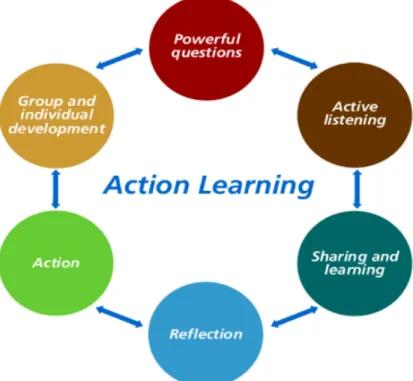
Figure 1. Action learning process ... 36
CHAPTER ONE INTRODUCTION
Community colleges are the most extensively growing sector of higher education (Aud et al., 2012). Community colleges continue to thrive in the 21st century with 1,155 institutions serving 41% of the nation’s undergraduate student enrollment (American Association of
Community Colleges, 2017). Student populations at two-year institutions make up over 41% of the total undergraduate student population in the United States, and total enrollment at
community colleges is higher than at four-year institutions (Aud et al., 2012). While most students enter community colleges with the intention of attaining a degree, 38% never complete or transfer to senior institutions (Attewell & Monaghan, 2016). In Ohio, less than 10% of those seeking a certificate or associate degree earn one in the designated time to complete with an average time to degree of 4.6 years (Complete College America, 2016). While the national rate may vary, of the 6.1 million residents of working age (25–64) in the state of Ohio, only 35.5% of the residents have an associate degree or bachelor’s degree (Lumina Foundation, 2013).
Increasing educational attainment in Ohio could enable its citizens to compete economically both nationally and globally.
Community colleges have the opportunity to increase the educated, trained, and skilled members of the communities in which they exist (Karp, 2011). Community colleges serve students from backgrounds often correlated with low rates of academic success, including minorities, individuals who are academically unprepared, students with a lower income, and students whose parents have low levels of education (Karp, 2011). Nationwide, community colleges continue their original mission of increasing educational attainment for students, regardless of their socioeconomic status, educational disadvantages, and non-traditional
attend school while managing working and family obligations (Lumina Foundation, 2013). While community colleges serve some of the nation's most vulnerable populations, fewer than half of those students earn a post-secondary credential (Lumina Foundation, 2013).
As more jobs require an academic degree, it has become increasingly difficult for workers with only a high school diploma to enter the middle class (Whitehouse, 2014). In response to the widespread college completion concern, former President Obama set two national goals: by 2020, the United States will have the peak proportion of college graduates in the world, and also by 2020, an additional five million students will graduate from community colleges (Whitehouse, 2014). However, community colleges nationwide have a harsh reality of unacceptably low success rates, dysfunctional practices, inadequate support services and disconnected employment preparation to meet workforce needs (AACC, 2012). The National Student Clearinghouse (NSC) released annual reports on higher education enrollment and
student outcomes. In 2016, the NSC found that more than 38% of all community college students earn a credential (Attewell & Monaghan, 2016).
It is important for educational leaders to note that access without support does not equal opportunity. Supportive relationships with a supportive adult who is knowledgeable about postsecondary education have been shown to be paramount in helping students in their
successful journey to higher education (Day, Edwards, Pickover, & Leever, 2013; Rios & Rocco, 2014). Further, it is imperative to create a culture of professionals and support people who instill the value of education and create a norm and expectation for education among youth (Wolanin, 2005). While in college, students should have opportunities to engage in programs that support their learning, such as tutoring, study tips, extracurricular activities, counseling, and social activities (Day, Riebschleger, Dworsky, Damashek, & Fogarty, 2012).
The decision to apply, enroll, attend, and graduate from college can be overwhelming for students. Studies show that students from both rural areas/small towns and poor students have the highest drawback regarding the opportunity to learn, and consistently evidence the lowest rates of college-going (Dunstan & Jaeger, 2015). While many factors impact college completion rates, fundamentally too few students are receiving the academic preparation necessary to be successful in college (Torres & Viterito, 2008). The expectations for youth to attend college has grown; as a result, professors have reported an increase of students being unprepared for
postsecondary education. These reports show an increase in students having learning disabilities and overall reading, writing, and study skills (Torres & Viterito, 2008). Educators have an obligation to all students, including those who are unprepared. If students are not supported, they have a higher risk of failing (Engstrom & Tinto, 2008).
Student success requires institutional investment in structured and carefully aligned activities (Engstrom & Tinto, 2008). According to Engstrom, & Tinto (2008), students are often not included fully as valued members of their institution by providing them with the support to result in successful student departure. The Community College Survey of Student Engagement (CCSSE, 2014) found that most students, although they are aware of college support services and consider them essential, do not access these services at level. 75% of students surveyed
nationally say that their colleges put quite a bit or very much emphasis on providing the support needed to succeed (Hill, 2016). However, 46% rarely or never use tutoring resources, 57% rarely or never use a skill lab, 32% rarely or never use academic advising, and 50% rarely or never use career counseling (CCSSE, 2014). It is essential for community colleges to supply sound support systems (i.e., health centers, counseling, career centers, community services, etc.) to reduce the likelihood of failure among students. College support services are aimed to encourage success among students or to intervene to prevent failure (Karp, 2011).
Ohio Community Colleges
Ohio's community colleges are relied upon to credential Ohioans with certificates,
continuing education opportunities, and associate degrees. These credentials are meant to prepare individuals for the changing workforce; however, current completion rates, 38%, need to
improve to support this demand for increased educational attainment (Attewell & Monaghan, 2016). To address the issues of support and low retention rates, in 2012 the Ohio Association of Community Colleges (OACC) placed 32 AmeriCorps members in 13 community college campuses throughout the state of Ohio. AmeriCorps is a national service program, in which volunteers support communities in ways that mesh with local efforts already underway through established community and educational organizations (Dwyer, Maki, & Snyder, 2015). While serving, members have the opportunity to gain valuable professional, educational, and life benefits, and the experience has a lasting impact on the members and the communities they serve. AmeriCorps member experiences are known to be transformative for themselves, and those they serve are given opportunities to learn skills during their service assignment (Dwyer et al., 2015). Furthermore, members are given opportunities to develop leadership qualities and to enhance skills such as time management and conflict resolution (Dwyer et al., 2015).
AmeriCorps College Completion Coaches
AmeriCorps members, known as AmeriCorps College Completion Coaches, pledge to serve and complete 1,700 hours of volunteer services over an 11-month timeframe. Coaches provide intensive support to students in reaching academic milestones (course completion) that are proven to increase their likelihood of success. Each semester coaches are assigned to
course delivery. The course-embedded model incorporates coaching into course delivery (faculty engagement, the language in the syllabus, and course incentives). Additionally, the course-embedded service model recognizes that community college students “don't do optional,” for instance, voluntarily accessing campus resources (Pascarella & Terenzini, 2005, p. 51). Research agrees that students are more likely to be successful when they are required to obtain additional support on campus and in the classroom (Padgett & Pascarella, 2013). The deliberate embedding, or attachment, of a coach to a particular class, is meant to ensure the direct contact of the coach with students.
As AmeriCorps members, coaches are provided valuable training and professional development, networking, and support with careers and “Life After the Corps” goals. AmeriCorps members gain skills and experiences as a result of their training and service. Engagement in collaborative service projects and networking events are encouraged by the OACC. Networking opportunities help broaden the member’s connections to the Corporation of National and Community Service and instill the value of lifelong citizenship and service.
Members also engage regularly with community leaders and employers in order to build relationships that can be useful in progressing toward their Life After the Corps. Finally, AmeriCorps members have the opportunity to take advantage of learning opportunities on their assigned campus both through professional development and training opportunities provided by various departments.
Individuals who serve as AmeriCorps College Completion Coaches work one-on-one with a cohort of students in a way that college staff are unable to do, by being flexible and accessible. When interacting with students, AmeriCorps College Completion Coaches can speak from their experience as a community college-goer themselves or as a recent college graduate. AmeriCorps College Completion Coaches serve as a valuable link between the community and
the community college. AmeriCorps College Completion Coaches add value to existing services by providing in-depth, personalized assistance that relates campus resources and services in a cohesive, accessible, and meaningful way to students whose success rates are low. AmeriCorps College Completion Coaches join relationships among the services, resources, and opportunities both on campus and off, to ultimately connect students with what they need to complete their college plan and transfer to a university or move into their career.
The OACC tracks and monitors the performance of the program at least three times a year. The key outputs that are tracked include the number of meetings with students, completion plans developed, workshops planned and implemented, and service projects designed and executed. Collectively, 13 community colleges along with the guidance of the OACC identified specific courses or course sections in which the coaches would be placed. These classes include developmental English, Math, and First-Year Experience (FYE). Also, in the course-embedded model, coaches partook in the following (OACC 2016):
• Provided hands-on guidance and support to students taking courses identified by the college.
• Provided personal consultations with students throughout the academic year, in addition to group workshops.
• Created and monitored on-time completion plans with students within their cohort, ensured completion of remedial coursework, enrollment in gateway courses and helped to build momentum for students in completing college-level courses. If barriers appear, intervened with students to provide encouragement.
• Assessed student needs and ensured they were connected to the resources—on-campus or off—to address barriers.
• Developed workshops to help orient students with resources and services on campus, covering topics like civic engagement, financial literacy, financial aid, time management, etc. Workshops were replicated or opened up to a broader audience as deemed
appropriate.
• Provided volunteer and community engagement opportunities to students and the community-at-large through the AmeriCorps days of service.
• Communicated regularly with students within the cohort through the various available methods: phone, e-mail, in-person while on-campus (OACC, 2016, p. 4).
In total, AmeriCorps College Completion Coaches were assigned to over 6,400 students for the duration of this program. Coaches were responsible for helping students achieve higher course completion and higher credit hour accumulation rates to progress toward attainment of a
postsecondary credential (OACC, 2016). The program’s goal of integrating AmeriCorps College Completion Coaches in courses was to provide an opportunity for community colleges and to help students capitalize on their strengths, address their weaknesses and be academically successful (OACC, 2016).
The Ohio Association of Community Colleges started this program with the belief that if students achieve certain milestones on a college-completion path, they will be more likely to finish their certificate or degree. The college completion path, as measured by the OACC, examined indicators of progress for college students in their first year, including successful completion of developmental coursework, corresponding college-level coursework, and general education courses with up to 24 college-level credit hours earned (OACC, 2016). The program also examined if the students received a career certificate or committed to return for the second year. Overall, the goal of the AmeriCorps College Completion Coach was to assist community
college students in persisting to completion by focusing on the needs of the student, their goals, and their capacity to be self-directed and agentic (OACC, 2016).
The AmeriCorps College Completion Coach program placed college graduates, preferably with community college experience, onto Ohio community college campuses to provide in-depth, hands-on guidance and assistance to students who need extra support on their college completion path. These coaches use a technique called "coaching," meaningful
interactions to increase awareness of success strategies, including community and campus resources (OACC, 2016). Coaching contacts were also intended to be significant interactions with students to foster success and completion. Coaching contacts were presented in multiple forms and avenues. For example, coaches could make contact with students via email, phone, classroom settings, small group settings, and one-on-one interactions. It was expected that students served by coaches (via coaching contacts) would demonstrate higher credit hour accumulation, persistence rates, and completion rates compared to those not provided with completion coaching (OACC, 2016).
The AmeriCorps Completion College Coach program was designed to make an impact on Ohio community college students. While academic advisors focus on explaining degree
requirements, counselors focus on mental health, and faculty focus on course content, coaches are the bridge that connects students to all available support services. Coaches also serve a unique role in connecting students with helpful community resources that help them overcome barriers outside of the classroom (OACC, 2016). Unlike existing faculty and staff, coaches may be perceived as less intimidating and neutral to students. In this capacity, coaches could build quick rapport with students and empower them to work with faculty and staff to troubleshoot and resolve issues before the student withdraws (OACC, 2016).
Statement of the Problem
The issues of college persistence and completion have moved to the forefront of conversation in higher education nationwide (Aylor & Claybrooks, 2016). Many community college students enroll in college but do not graduate. In Ohio, of the 6.1 million residents of working age (25–64), 35.5% hold at least a two-year or four-year degree (Lumina Foundation, 2013). By 2025, 44% of Ohioans are projected to have at least a two-year degree, according to a research study conducted by the Center of Workforce (Lumina Foundation, 2013). However, the state of Ohio needs 60% of its citizens to hold a degree to fill the projected number of jobs by 2025 (Lumina Foundation, 2013). With only approximately 35.5% of adults in Ohio having a postsecondary credential (Complete College America, 2016), an increase of college completion among Ohioans is needed. Given concerns surrounding college completion, if Ohio community colleges produce more graduates, the colleges may help brighten the economic future of the state and its citizens.
Purpose of the Study
Community colleges enroll the most diverse and complex range of students in all institutions of higher education (Bahr, 2010) serving approximately 46% of the college student population (Stalkis, 2010). In the U.S. only 12% of degree-seeking students who enrolled in community college following high school graduation completed their certificate or degree (Horn, 2010). In 2012, the American Association of Community Colleges (AACC) created The
Completion Agenda: A Call to Action, aimed at raising educational attainment goals by
challenging community colleges to increase the number of students obtaining a degree or other credential by 50% by the year 2020. The challenge is intended to address the dismally low
This process program evaluation intended to provide research-based evidence useful for practitioners of coaching with respect to intervention services designed to improve student retention. Process program evaluations determine if program strategies and activities were implemented as intended (Posavac, 2016). The results of a process evaluation can strengthen a researcher's findings on a program and can be used as information to improve the program's future operations (Posavac, 2016). By extension, this study proposes to fill a void in
understanding the most recent entrant to the menu of student services—coaching—and coaching’s ability to connect students to services that may assist with their persistence toward completion, such as tutoring services, counseling, or advising. The study intended to inform educational policy in its support of the national completion agenda to increase the attainment of postsecondary credentials for American citizens in order to address the country’s workforce demands (McPhail, 2011). Perhaps most important, the outcomes from this study to measure the coaching’s impact may contribute to the current emphasis of states to tie higher education funding to student performance. Community college leadership may benefit from this study’s outcomes in determining which student services have the most impact on student success for the benefit of the college and students alike.
Research Questions
To influence community colleges’ student success, the AmeriCorps College Completion Coach program placed AmeriCorps members (coaches) in thirteen Ohio community college campuses each year from 2012–2017, to provide coaching interventions for students. To further explore the mission and outcomes of the AmeriCorps College CompletionCoach program, this qualitative study addressed the following research questions:
1. How does the AmeriCorps College Completion Coach program promote best practices for student support services?
2. How does the AmeriCorps College Completion Coach program address the identified goal of increasing college completion rates?
Conceptual Framework
As more students enroll than earn a post-secondary credential, persistence toward completion and graduation have become priority issues for the nation's community colleges. Concerning completion rates, community colleges are positioned to turn crisis into opportunity through assessment of their effectiveness in championing student intervention services that remove student barriers to success (AACC, 2012). Given concerns surrounding college
completion among community college students, the OACC developed the AmeriCorps College Completion Coach program. The OACC's program is a statewide collaboration involving
community colleges to help vulnerable students persist to completion through academic coaching (OACC, 2013). To explore the practices of coaching the researcher conducted a program
evaluation.
Topical interest is a key element to a conceptual framework (Creswell, 2014) and this program evaluation continues to explore how coaching may be able to improve the college completion rates among community college students. Coaching in this context does not refer to anything related to athletics (Robinson, 2015). Research on coaching indicates that in higher education, coaches apply active listening and productive questioning techniques to empower students to explore, think critically, and solve problems (Barkley, 2010). The benefits for students working with coaches mirror the benefits students receive from working with mentors, tutors, advisors, and counselors concerning navigating college life, understanding campus culture, accessing campus resources, and becoming engaged with their communities (Brock, 2008).
Theoretical Frameworks
The theoretical framework for this study was guided by two theories used by the AmeriCorps College Completion Coach program: action learning and the theory of student involvement. Those theories guide this study in its aim to examine the coaching program and how and whether these factors contribute to community college student success as evidenced by credit completion. Action learning theory focuses on changing students' thinking to impact behavior. Activities center on identifying problems, engaging personal reflection, developing positive identities, and building resiliency (DuToit, 2014). For the community college student, coaches can provide contextualization—making direct and explicit connections to the relevancy of course content to future credit-bearing courses and their long term (DuToit, 2014). This approach is designed to highlight solutions to challenges students face. Action learning theory has also shown to increase problem-solving skills among students (Devine, Houssemand, & Meyers, 2012).
Action learning theory offers students a continuous process of learning from experience through reflection and action. McGill and Beaty (1993) suggested that an action learning circle is intended to “help people to take an active stance towards life and helps overcome the tendency to be passive towards the pressures of life and work” (p. 11). The Theory of Student Involvement refers to the quantity and quality of physical and psychological energy students invest in the college experience (Astin, 1984). These theories complement each other: action learning
examines the impact of learning by doing in regard to student success (Revans, 1998), while the theory of student involvement claims the more students are involved in college, the more the student will grow and learn (Astin, 1993). Blending action learning and the Theory of Student Involvement together supports students as they persist in the community college setting. Using
both theories enabled the researcher to consider the influence of the AmeriCorps College Completion Coach program in regard to degree completion for community college students.
Scope
The scope of a study refers to the factors under which the study will be operated (Bloomberg & Volpe, 2016). This study examined the obstacles and uncertainty many community college students face that extend beyond classroom and program concerns, and unfortunately, results in a large number of these students never reaching their academic goals (Bailey, 2015; Coley, 2000; Bremer, et al., 2013). To address these concerns, the AmeriCorps College Completion Coach program provides additional support (via coaching) to students to improve student outcomes. The scope of this program evaluation was to explore how the AmeriCorps College Completion Coach program utilized coaching to contribute to community college student persistence and completion. This program evaluation also analyzed the methods and results of the AmeriCorps College Completion Coach program.
Assumptions, Limitations, and Delimitations Assumptions
Assumptions are ideas relative to the study that are presumed to be true, and from which conclusions may be drawn (Bloomberg & Volpe, 2016). Given the matters of interest
surrounding college completion, this program evaluation examined the operation of the AmeriCorps College Completion Coach program and the techniques used to impact student outcomes. The primary assumption in this study was that Coaches can improve retention rates even when there are multiple barriers to student success and college completion. Research shows that among higher education institutions, community colleges serve a disproportionate number of students who are academically underprepared (Karp, 2011). While this study could not control external influences, it was assumed that college students served by the AmeriCorps College
Completion Coach program would ultimately demonstrate higher credit hour accumulation, persistence rates, and completion rates compared to those not provided with completion coaching.
Limitations
Limitations are probable weaknesses in a study that are out of the researcher’s control (Bloomberg & Volpe, 2016). Several limitations exist within this study. A limitation is having a small sample that does not represent all programs in the U.S. geared to improving student success. This particular study is an AmeriCorps program in Ohio. This limits the generalization of the findings, though similarly structured colleges may find similarities between the findings and outcomes. Also, the documentation (program self-assessments; pre- and post-assessments and summaries; direct service activity tracking data; program risk assessments; grant proposals; applicant feedback summaries; program performance measures; program plans; progress reports) provided by the OACC, which supports Ohio’s community colleges, has limitations. The
documentation does not represent a randomized or generalized representation of all student success programs in Ohio because the study is limited to the Ohio Association of Community Colleges’ AmeriCorps College Completion Coach program.
Delimitations
Delimitations define the researcher’s study and characterize the scope (Bloomberg & Volpe, 2016). This study examined data from one program that focuses on community colleges and their efforts to increase college completion rates. This study did not examine the role of other programs that support student success, such as TRIO programs or InsideTrack. This study did not consider the influence that national organizations have on students’ degree attainment. In addition, this study is delimitated to qualitative data to assess the AmeriCorps College
explore measurable variables produced by the AmeriCorps College Completion Coach program. This study focused on one program in Ohio that focuses on improving the retention rates of community colleges.
Significance
In Ohio, urgent action is needed to increase student completion rates (Ohio Board of Regents, 2011). Much like the nation, close to two-thirds of Ohio’s jobs (59%) will require a career certificate or a college degree by 2020 (Complete College America, 2016). This program evaluation was designed to provide an understanding of how the OACC has used AmeriCorps College Completion Coaches to increase community college students’ persistence to completion. This study is also intended to contribute to a gap in research by evaluating the AmeriCorps College Completion Coaches program, which is projected to improve student success within community colleges. This gap was explored further in the literature review in chapter 2. The goal of the program evaluation was to provide an underpinning (a theoretical lens) through which the coaching practice can be better understood and implemented in community college settings.
Underprepared for a college-level curriculum, many community college students need developmental courses (Lumina Foundation, 2013). To address this problem, the AmeriCorps Completion Coaches program has worked to make an impact in Ohio community colleges by serving a unique role on campuses. The AmeriCorps College Completion Coach program hopes coaches are perceived differently from faculty and staff and are less intimidating and neutral. As a result, coaches could build quick rapport with students and empower them to work with faculty and staff to troubleshot and resolve issues before they lead to dropout. In education, one of the definitions for coaching is one-to-one conversations focused on the enhancement of learning and development (Neuhauser & Weber, 2011). Academic coaching is a process that enables
would typically do on their own; help individuals focus more quickly on projects at hand to produce results, provide tools and support, and assist with organization to achieve more (Bennett, 2006).
Definitions
• Academic barriers—The circumstances or situations that prevent students from reaching educational success (Coley, 2000).
• AmeriCorps—A national program administered by the Corporation for National and Community Service, providing grants to public and nonprofit organizations to support community service.
• At-risk—Used to describe students in danger of not maintaining or attaining academic goals (Coley, 2000).
• Coaching—A process that enables learning and development to occur and thus performance to improve. “To be successful, a coach requires knowledge and understanding of the situations in which coaching happens. This context consists of having familiarity with a range of skills, techniques, and styles that are applicable for assisting students” (Neuhauser & Weber, 2011, p.14).
• Corporation for National and Community Service—A federal agency that helps improve the lives of millions of Americans by fellow citizens giving back through service ("About CNCS," 2017).
• Community college—A two-year, higher-education institution that offers associate degrees and certificates as well as courses for general interest and personal development (Cohen & Brawer, 2008).
• Developmental courses—Courses designed to prepare students for college-level courses. By passing these classes, students do not earn credits toward their degree or certification. These courses are also referred to as remedial courses.
• Grants—A sum of money given by an organization, especially a government, for a particular purpose.
• Ohio Association of Community Colleges—A robust organization that is thoroughly committed to ensuring the continued prosperity and success of Ohio's community colleges and their students.
• Program evaluation—A process of carefully collecting information about a program or some aspect of a program to make necessary decisions about the program.
• Postsecondary—Education beyond high school.
• Retention rate—The percentage of students who entered college in the same semester and were still enrolled at the start of a later given semester, an indicator of education
persistence.
• Social economic status (SES)—The level of financial, social, cultural, and human capital resources (Dobbin, Kalev, & Kelly, 2006).
• Student success—A holistic phenomenon that embraces the multiple dimensions of personal development and the various goals of higher education (Cohen & Brawer, 2008).
• Student support services—College services aimed at encouraging success or intervening to prevent failure (Karp, 2011).
• College readiness—The level of training a student needs to enroll and succeed without remediation (Karp, 2011).
Conclusion
As more students enroll in community colleges nationwide, persistence toward completion and graduation have become priority issues (Attewell & Witteveen, 2017). Furthering the concern, in coming years the number of jobs requiring at least an associate's degree is projected to double (Jones, 2016). To address this concern in the state of Ohio, the Ohio Association of Community Colleges (OACC) developed and implemented the AmeriCorps College Completion Coaches initiative to offer hands-on assistance to students who need in-depth guidance on their college completion path. To explore this further, chapter two provides a review of scholarly literature within the field of higher education to provide a summary of the findings significant to the components of the AmeriCorps College Completion Coach program. The findings within the scholarly literature explores the role of the AmeriCorps College
Completion Coaches and their possibilities for increasing a community college student’s completion rates. Chapter three describes the research method that was utilized in this study. Chapter four presents the study findings and recommendations for action based on the
conclusions. Chapter five offers an overview of the research and concludes with an interpretation of the results, implications of the study, recommendations for action, and recommendations for future research.
CHAPTER TWO LITERATURE REVIEW
The purpose of a literature review is to survey scholarly articles that are related to a particular researcher topic (Bloomberg & Volpe, 2016). This chapter, the literature review, presents the trends among student success services, developmental education, and coaching and mentorship. This chapter also identifies gaps within community colleges by scanning literature that addresses the opportunities and challenges facing students as they navigate college. In addition, the researcher explored the promising practices that increase persistence and
completion in community college students. Furthermore, the chapter examines the current high impact and promising practices to situate the role of coaching within the context of broader student support services that help community college students overcome and thrive in
community colleges. Specifically, this chapter examines the role of coaching and its possibilities for improving community college student persistence and completion. To begin, the researcher will present the history of community colleges, followed by a discussion of demographics within community colleges.
The Development of the Community Colleges
To fully understand community colleges requires a sense of the context of how the community college environment has developed. Community colleges, formerly known as two-year colleges or junior colleges, were created by the Morrill Act of 1862 (also known as the Land Grant Act). This Act extended access to public higher education. This development allowed for individuals who had been denied access to college an opportunity to have entree into higher education. In the current development of community colleges, the institutional concept is
Table 1 below, adapted from the American Association of Community Colleges (2010), provides a historical snapshot of community college growth in the first 100 years.
Table 1
Community College Growth, by Decade, Through the 20th Century
Year Number of Community Colleges 1901–1910 25 1910–1920 74 1921–1930 180 1931–1940 238 1941–1950 330 1951–1960 412 1961–1970 909 1971–1980 1,058 1981–1990 1,106 1991–2000 1,155
Many public community colleges began as two-year junior colleges or university
extensions (Brawer & Cohen, 1996). In this capacity, the junior colleges were considered grades 13–14 and were under the jurisdiction of the public school district or university branches whose primary purpose was to transfer enrollments into the four-year academic institutions (Cohen, 1995). The introduction of technical colleges required a different pattern of educational services. Developed primarily for vocation-oriented students, the focus was not on academics but
acquiring knowledge and skills that would be immediately useful and allow the student to enter a recognized occupation (Brawer & Cohen, 1996).
Community colleges are intended to bridge the gap between secondary schools and four-year colleges and universities (Drury & Mallory, 2000). When society began shifting from the industrial economy to the contemporary knowledge economy that we have today, a considerable
gap in education became apparent (Cohen, 1995). There are nearly 1,155 community colleges in America, enrolling more than 10 million students annually (American Association of
Community Colleges, 2017). Community colleges stepped in to create an opportunity for those wanting a career change. A community college’s mission is to offer access to postsecondary education programs and services that lead to stronger communities (Ayers, 2015). As community colleges work toward a mission that provides access, colleges may be able to improve their low persistence and completion rates.
Understanding Community College Students
Founded in 1920, the American Association of Community Colleges (AACC) is the primary advocacy organization for the nation’s community colleges. The AACC’s 2017 Fact Sheet is a comprehensive snapshot of community college student demographics and
characteristics. The AACC (2017) provided the following information on each of these characteristics:
• Enrollment—Nearly half (41%) of all U.S. undergraduate students attended a community college (AACC, 2017).
• Income—Regardless of enrollment status, most community college students are also employed. Even so, 35% of all community college students received a Pell Grant, a form of federal financial aid reserved for students from low-income households (AACC, 2017).
• Diversity in Gender, Race/Ethnicity, and Age—Women represent 56% of community college students. Although community college students are diverse in ethnicity, nearly half (48%) are white, 23% Hispanic, and 13% black. Most (49%) students are 22 and up with an average age of 28 (AACC, 2017).
That only a limited number of students who enter community colleges persist to
completion is primarily due to the fact that many more students enter college unprepared for the rigors of higher education (Aud et al., 2012). Community college students are often referred to as underprepared and underperforming because their academic skills are not fully developed when they enter college. Complete College America (2016) estimated that more than 50% of students who entered community college were placed in remedial classes. Furthermore, the longer it takes a student to progress through a development course sequence, the more likely the student will get lost along the way and drop out (Rath et al., 2013). This explains why community college
students are less likely to engage in their college experience by becoming involved with study groups, meeting with faculty outside of the classroom, or joining school clubs (Coley, 2000).
Community colleges serve a variety of students, such as those in dual enrollment programs, those attending college following high school graduation, and a wide range of nontraditional students (Bryant, 2001). Nontraditional students are considered those who are academically underprepared, first generation students, or prior college graduates seeking
specialized training (Provasnik & Planty, 2008). Students who may have been disqualified from postsecondary education for reasons such as financial restrictions or duties to work or family can find opportunity in a community college environment. Community colleges provide an
opportunity in which nontraditional, underrepresented, low-income, and first generation students can take advantage of postsecondary education.
In summary, exploring the reasons why community college students do not complete college is essential to understanding how we can re-engage and retain them in community colleges. Those reasons include inadequate academic preparation, remedial education, student financial aid, lack of nonacademic skills, and competing obligations (Rath et al., 2013). In
response, strategies have emerged geared toward improving the success rates of community college students. An examination of these strategies follows.
Low Persistence and Completion
As community colleges will soon serve 50% of all higher education students, community colleges must find ways to increase the number of students who graduate in a timely matter (American Association of Community Colleges, 2012). While many efforts, such as creating Student Success Centers in community colleges, have sought to improve the educational
experience and outcomes of community college students, barriers persist (Engle & Tinto, 2008). Barriers include a lack of academic preparation, unfamiliarity with the college culture, perceived value of education, and the inability to balance family, work, and school (Heisserer & Parette, 2002; Miller & Murray, 2005). While efforts to promote postsecondary education have been successful in past years, graduation rates have unfortunately not followed (Herman, Scanlan, & Carreon, 2017). America has already been slipping in terms of educational attainment;
nationally, a movement has begun to prompt state leaders to seriously consider the educational system and how it prepares people to enter a new knowledge workforce and work to make necessary changes (WestEd, 2012).
Critical junctures exist within the transition to community college completion where students tend to lose momentum ("Student Voices on the Higher Education Pathway: Preliminary Insights & Stakeholder Engagement Considerations," 2012). WestEd (2012) discovered five themes from analyzed focus groups of current and former community college students that confirmed what many claim happens too often on community college campuses. The themes included:
• Lack of career knowledge
• Unclear educational and career pathways • Poor advising
• Lack of explicit coordinated programs and services.
Although there are studies suggesting that degree attainment is associated with gender,
race/ethnicity, and or GPA, findings from WestEd (2012) suggest that critical connections need to be in place to help students be more successful: connections to information and support, connection to instructional services, and connection to career and/or career exploration. These themes represent institutional or external barriers that can prevent persistence to completion; originating student barriers exist as well.
Community colleges work to respond to students by aligning systems, process, and policies with the developmental needs of students (American Association of Community Colleges, 2012). An example of aligning with a student’s developmental need is providing courses that assist students with being prepared academically for college-level content. Unfortunately, the college culture can often exacerbate barriers to the implementation of programs and activities if students don’t receive support (Miller & Murray, 2005). The college experience is a substantial period and students who have not embraced this culture often suffer from cultural shock and the discomfort that comes from not fitting into cultural norms, even at the community college (Herman et al., 2017). This lack of engagement can have an impact on the student’s success.
Student Success and Engagement
Educational theories and promising practices regarding coaching show notable impacts on increasing retention, persistence, and completion. Allen et al. (2013) noted the high value of student engagement on the retention and academic success of students. A theory that looks further into this is engagement theory, which suggests that students must be implicitly engaged
in learning activities through collaboration with others and critical responsibilities (Kearsley, 1997). Research has linked student engagement in educational activities to outcomes such as grades and persistence (Astin, 1984; Kuh, 2008; Pascarella & Terenzini, 2005). Many studies (e.g., Padgett, Keup, & Pascarella, 2013) show that many students who left college prematurely were less engaged than their counterparts who persisted.
Student Success Courses
First-Year Experience (FYE) courses are designed to support relationship building among new students, faculty, and staff. Most FYE courses have emerged as part of a student-centered approach to orienting students to the college’s culture. These courses are designed to promote student development and success (Padgett, Keup, & Pascarella, 2013). Many schools structure their first-year seminars or other similar programs around using small groups. These groups consist of students and faculty brought together on a regular basis for discussions (Padgett et al., 2013). For community college students, First-Year Experience programs can serve as a platform and lay a foundation for expectations of collegiate life for students not often exposed to those before their matriculation.
Academic programs (for example FYE) that promote community college student success have dedicated faculty, emphasize access and excellence, have a unique culture that fosters cohesion, and provide academic advising (Nitecki, 2011). These courses highlight topics such as study and time-management skills and bringing awareness of campus facilities. In addition, courses explore matters that promote support services to help students develop essential skills that can lead to success in college (Nitecki, 2011). Acevedo-Gil and Zerquera (2016) suggest if First-Year Experience courses are required there may be a possibility for students to complete their courses, earn better grades, have higher overall GPAs, and obtain degrees.
Student Success Services
To help students navigate the physical environment of the campus as well as the services and supports available, new student orientation provides an overview of valuable information for new students. While this practice can vary in duration, program, and activities, typically
orientation is an experience that helps students become comfortable before classes begin. Research has shown that orientation services lead to higher student satisfaction, more excellent use of student support services, and improve retention rates among students (Finley & McNAir, 2013; Kuh, 2008). Student orientation has the potential of serving as a springboard for
community college students to build their social and academic capital to persist through college completion.
In terms of student success, support services can help students see the value of their education. According to Alemedia et al. (2017), it is essential to help students define their goals and understand how a college credential can help them reach their goals. Community college students, in particular, require assistance navigating the unfamiliar community college landscape (Savitz-Romer et al., 2009). If students receive aid, it may help students understand that a college degree is integral to gainful employment, along with workforce development programs. In a study of effective strategies for student service programs at community colleges, it was recommended that institutions offer more enhanced student services (Summers, 2003). Such programs would then be linked to other services, but also integrated into existing campus-wide reform strategies, thereby allowing student services to be offered, in a coordinated fashion and over an extended period of time (Summers, 2003).
Because many students encounter ongoing challenges throughout their academic career related to academic, social, and financial needs, it is imperative to offer students linked and sustained services in all areas of the college. Student success services is an educational program
that provides first‐generation students with opportunities that help them successfully complete their degrees/credentials, offering academic development, counseling, financial guidance, and career development opportunities (Summers, 2003). Research suggests that student support services play a role in promoting successful outcomes for community college students. The desired outcome for student success centers/departments is to improve student success outcomes (Pascarella & Terenzini, 2005).
Student Success Practices
Support programs and services could help students navigate the various resources
available to them, encourage them to ask for help, and increase their classroom participation. It is within the implementation of student support services where coaching may have a transformative role in community college student (McPherson & Schapiro, 2006). In Finley and McNair's (2013) study, research questions considered the impact of practices on underserved students and the cumulative effects of these practices. Findings showed that underrepresented students who engaged in multiple high impact practices (e.g., enrolling in FYE courses, utilizing tutoring) exhibited gains in learning.
Finley & McNair (2013) stated, "the effects of engagement in multiple high impact practices, both across and within different groups of students, provide strong evidence for the need to ensure that all students encounter several high-impact experiences during college” (p. 13). Educators are working to increase graduation and retention rates; increasing evidence shows what works to enhance students’ education and success (Finley & McNair, 2013).Studies have shown that students need support in familiarizing with the rigors of the college experience and managing the transition into the academic life (Astin, 1984; Bean, 1990; McPherson & Schapiro, 2006). Coaching practices in education may be used as a tool to improve college
completion rates. Exploring the impact coaching may have in academics requires further investigation into how coaching is practiced.
Mentoring vs. Coaching
In educational settings, the terms mentoring and coaching can intersect (Kennedy, 2009). However, mentoring is not coaching. Mentors are assumed to have superior knowledge and experience that will be passed on to mentees (Kennedy, 2009). Mentors typically exert control and define the relationship dynamics. On the other hand, coaches value a partnership approach, allowing students to contribute to the relationship equally (Kennedy, 2009). Coaching focuses on helping students prioritize studies, plan how they can be successful, and identify and overcome barriers to success whether inside or outside the classroom (Bettinger & Baker, 2014). The most prominent difference between coaching and mentoring is that coaching is formal (scheduled, structured, frequent) while mentoring is informal (flexible scheduling, less structured
conversation, less frequent) (Perez, 2014).
Mentoring
A mentor is defined as a loyal, caring, and trusted person who forms a one-on-one relationship with someone in need (Dondero, 1997). Perez (2014) explored the perceptions and experiences of students participating in either mentoring or coaching programs. Perez found differences between academic coaching and academic mentoring practices. Mentoring meetings offered more flexibility regarding structure, time, and place, and took place in settings such as over lunch or at worksites with contact via phone or text, whereas coaching meetings were more frequent, took place in classroom settings, and held in pre-set times. Students in Perez's study opined that mentoring and coaching sessions should happen consistently—every other week—to have the most influence on student success. Students perceived mentors as role models and coaches as task-oriented with a focus on academic goals.
According to Kennedy (2009), due to mentors being considered experts, mentors are assumed to have superior academic knowledge and experience that may be passed on to mentees. Mentors typically exert control and define the relationship dynamics. On the other hand, coaches value a partnership approach, allowing students to contribute to the relationship equally
(Kennedy, 2009). Fishman (2013) explored mentoring from the student’s point of view. The study confirmed that students perceived mentoring as beneficial and useful, especially in the areas of confidence building, caring encouragement, coaching for success, and role modeling. An ideal mentoring relationship is one that is reciprocal, whereby both mentor and mentee contribute to and benefit from the relationship (Beltman & Schaeben, 2012).
Mentoring is as an example of a nonacademic intervention strategy. Through mentoring, a more experienced person helps a less-experienced person succeed by providing guidance. Mentors are usually older, focus on political or networking skills, encourage self-development, and advise on career next steps (Perez, 2014). Mentoring, tutoring, advising, and counseling are by no means the only strategies used by community colleges to assist students toward academic persistence and completion, but their examination is useful given their similarities with academic coaching (Perez, 2014). The study found that students perceived coaches and mentors as role models who motivated and empowered them to become involved and engaged on campus and in their communities (Perez, 2014). An article in Management Mentors (2013) identified 25 ways
coaching differed from mentoring. Among the differences, coaches were task-oriented, short-term focused, and performance driven while mentors were relationship-oriented, long-short-term focused, and development driven (Palen, 2012).
Coaching
The term coaching has diverse meanings and interpretations and is used in a variety of contexts. Fundamentally, it is a relationship designed to support the achievement of specific
personal or professional goals (Berg & Karlsen, 2007). However, it is often interchanged with
mentoring. Feldman & Lankau (2005) explained that mentoring typically seeks to improve or facilitate overall development as opposed to the achievement of a particular outcome (for
example, passing a specific course). Definitions of coaching abound (Grant & Stober, 2006) and Anderson and Kampa-Kokesch (2001) explained that defining coaching is a challenge because coaches range in expertise and are influenced by a variety of disciplines. The definition of coaching continues to evolve, and some scholars and practitioners agree that although there has been an increase in research, there is still no agreement on the definition of coaching (Whybrow, 2008). According to Parsloe (1995), “coaching is defined as a process in which a student's performance improves due to coaches preparing students for learning and development” (p. 10). To be successful, a coach requires knowledge and understanding of the process (Parsloe, 1995).
Coaching and mentoring are distinct activities from one another (Ellinger, Ellinger, & Keller, 2003). Mentoring is an experience in which the mentor provides advice as a result of having experienced a similar trajectory as the student or having some shared interests or knowledge. Coaching does not require specific content knowledge, shared interests, or similar experiences to support students. Coaches must be skilled at facilitating learning and helping students reach their goals (Lubin, 2013). Coaching is not akin to counseling; the former focuses on uncovering and addressing problems, the latter focuses on solutions to the issues. The difference draws upon work in which coaching can help students—but also holds them accountable for reaching their pre-stated goals (Lubin, 2013).
In education, coaching is described as one-to-one conversations designed to enhance learning and development, and to increase self- awareness and personal responsibility through a process of questioning and active listening (Neuhauser & Weber, 2011). Coaches provide the linkage between the academic and student affairs of the campus and work together with faculty
and staff for the student's benefit (Neuhauser & Weber, 2011). Coaching enables students to set and reach goals, encourages students to accomplish more than they normally would on their own, helps students focus more quickly on projects to produce results, and provides the tools, support, and assistance from within the organization to achieve more (Bennett, 2006).
The concept of coaching was introduced to higher education at the turn of the 21st century when community colleges and community college stakeholders began to focus on
initiatives to increase student success (Gahagan & Robinson, 2010). In the context of community college student success, coaching may foster healthy relationships among students where the goals are to facilitate both academic achievements and enhance a student's ownership and dispositions to learning, improve performance and competence, and create lifelong learners as the long-term goal. Evidence suggests (Gahagan & Robinson, 2010) community college students face a number of academic and nonacademic (i.e., interpersonal competencies) issues as they transition into the college and academic environment. The benefits for students working with coaches mirror the benefits students receive from working with mentors, tutors, advisors, and counselors with respect to navigating college life, understanding campus culture, accessing campus resources and becoming engaged with their communities (Barkley 2010; Brock 2008; Kennedy, 2009). Practicing coaching in education may be used as a tool for improving college completion rates. This study will examine how coaching is practiced by understanding the difference between coaching and mentoring.
Coaching Practices in Education
The study of coaching in education has gained momentum and is used to assist various populations of students (Graham et al., 2008; Grant, 2001). According to Robinson (2015), Academic/Success Coach (or "Coach") is a term used to encompass "academic coach," "academic success coach," and "success coach" (p. 9). Coaches focus on academic and the
overall collegiate student experience. Coaching in this context does not refer to anything related to athletics (p. 11). According to Webberman (2011), academic coaching is the newest
subsection of life and business coaching, coming to fruition over the past decade. Coaches partner with students to facilitate life transformations by helping students deepen their learning, take responsibility for their actions, improve their effectiveness, and consciously create their outcomes in life (Webberman, 2011).
The concept of coaching in higher education gained popularity in the early 2000s. One literature review (Brock, 2008) traced the emergence of higher education coaching to the 1960s (Barkley, 2010; Kennedy 2009; Webberman, 2011). Research indicates that coaching is
emerging in higher education as a promising practice to help students navigate the college experience, to support adult learners, students with learning disabilities, and students with low SES, and to increase student success overall (Barkley, 2010; Bettinger & Baker, 2014).
According to Griffiths (2009), “coaching provides a natural fit for educators. Not only does it combine an array of learning theories within its process, but it also serves to deepen and accelerate learning" (p. 4). Coaching may contribute to the need for increasing student performance.
Definitions of coaching occasionally refer to more than learning. According to Patton (2017), “Coaching for learning integrates context, purpose, relationships, processes, and performance that lead to change, growth, and co-learning between coach and learner” (p. 178). Qing’s (2013) study on coaching for learning suggested that learners want a balance between the teaching elements and coaching elements, which makes this approach different from executive coaching and life coaching. Qing contributed to the understanding of learning relationships and development of learning power and suggested that understanding coaching from a learning perspective can influence positive learning outcomes for students (2013).
Coaching may be used as a tool to unlock students’ potential to maximize their
performance. Keiner (2010) suggested that “when educators work to provide more experiential learning, effective feedback, and collaboration, they are more closely employing a coaching model and making teaching and learning more public. All educators should constantly question and investigate their practice” (p. 73). Lubin (2013) sought to further delineate best practices in coaching, suggesting that coaches focus efforts assessing the student’s life outside of school. These extracurricular activities have become the leading influence on student persistence and completion. Topics such as personal time commitments (work scheduling), caregiving responsibilities, and financial obligations are typically discussed during a student-coach
interaction. These types of student success topics are presented in developmental courses (such as First-Year Experience courses). The researcher will explore the concept of developmental education in correlation with coaching.
Coaching and Developmental Education
For a variety of reasons, coaches are sought out for assistance in developing professional and personal goals (Scott-Clayton & Rodriguez, 2012). Fundamentally, coaching in the context of student support is a relationship designed to support the achievement of specific personal or professional goals of a student. Research suggests that coaching could be a powerful practice to help support learning and development for students, teachers, school leaders, and their
educational establishments (Devine, Houssemand, & Meyers, 2012). Scott-Clayton & Rodriguez (2012) argued that coaching is a multifaceted, holistic approach to learning and change.
Coaching may be a promising practice for students in developmental education; coaches can help motivate students, direct them to resources to quickly move through developmental courses, and provide tools to students to encourage them to preserve. In a study on the topic of developmental classes, Scott-Clayton and Rodriquez (2012) posited three permeating elements