Georgia State University Georgia State University
ScholarWorks @ Georgia State University
ScholarWorks @ Georgia State University
Business Administration Dissertations Programs in Business Administration
Fall 12-11-2014
The Impact of Inventory Leanness and Slack Resources on Supply
The Impact of Inventory Leanness and Slack Resources on Supply
Chain Resilience: An Empirical Study
Chain Resilience: An Empirical Study
David J. Lyons
Georgia State University
Follow this and additional works at: https://scholarworks.gsu.edu/bus_admin_diss
Recommended Citation Recommended Citation
Lyons, David J., "The Impact of Inventory Leanness and Slack Resources on Supply Chain Resilience: An Empirical Study." Dissertation, Georgia State University, 2014.
https://scholarworks.gsu.edu/bus_admin_diss/46
PERMISSION TO BORROW
In presenting this dissertation as a partial fulfillment of the requirements for an advanced degree from Georgia State University, I agree that the Library of the University shall make it available for inspection and circulation in accordance with its regulations governing materials of this type. I agree that permission to quote from, to copy from, or publish this dissertation may be granted by the author or, in his/her absence, the professor under whose direction it was written or, in his absence, by the Dean of the Robinson College of Business. Such quoting, copying, or publishing must be solely for the scholarly purposes and does not involve potential financial gain. It is understood that any copying from or publication of this dissertation which involves potential gain will not be allowed without written permission of the author.
NOTICE TO BORROWERS
All dissertations deposited in the Georgia State University Library must be used only in accordance with the stipulations prescribed by the author in the preceding statement.
The author of this dissertation is:
David J. Lyons
J. Mack Robinson College of Business Georgia State University
35 Broad Street, NW Atlanta, Georgia 30303
The director of this dissertation is:
Dr. Patricia G. Ketsche
Department of Health Administration J. Mack Robinson College of Business Georgia State University
The Impact of Inventory Leanness and Slack Resources on Supply Chain Resilience: An
Empirical Study
BY
David Jerome Lyons
A Dissertation Submitted in Partial Fulfillment of the Requirements for the Degree
Of
Executive Doctorate in Business
In the Robinson college of Business
Of
Georgia State University
GEORGIA STATE UNIVERSITY ROBINSON COLLEGE OF BUSINESS
Copyright by David Jerome Lyons
ACCEPTANCE
This dissertation was prepared under the direction of the David J. Lyons Dissertation Committee. It has been approved and accepted by all members of that committee, and it has been accepted in partial fulfillment of the requirements for the degree of Doctoral of Philosophy in Business Administration in the J. Mack Robinson College of Business of Georgia State University.
Richard D. Phillips, Dean
DISSERTATION COMMITTEE
v
TABLE OF CONTENTS
CHAPTER 1: INTRODUCTION ... 1
1.1 Research Domain ... 1
1.2 Background... 6
1.2.1 Motivation for the study ... 6
1.2.2 Significance of the study ... 7
1.2.3 Theoretical and conceptual framework ... 8
1.3 Research Questions ... 9
CHAPTER 2: LITERATURE REVIEW ... 11
2.1 Supply Chain Resilience ... 11
2.1.1 Disruptions ... 12
2.2 Supply Chain Performance ... 12
2.2.1 Leanness ... 13
2.2.2 Slack resources ... 14
CHAPTER 3: CONCEPTUAL MODEL AND HYPOTHESES ... 17
3.1 Conceptual Model ... 17
3.2 Hypotheses Development ... 19
3.2.1 Variables ... 20
3.2.2 Control Variables ... 23
3.3 Summary ... 30
CHAPTER 4: RESEARCH METHODOLOGY AND DATA COLLECTION ... 32
4.1 Research Design ... 32
4.2 Research Philosophy ... 32
4.3 Research Method ... 33
4.4 Data Collection ... 33
4.5 Data Preparation ... 34
CHAPTER 5: QUANTITATIVE ANALYSIS AND RESULTS ... 35
5.1 Results ... 35
5.1.1 Hypotheses 1a – 1d... 35
5.1.2 Hypotheses 2a and 3a ... 45
5.1.3 Hypotheses 2b and 3b ... 46
5.1.4 Hypothesis 4 ... 47
5.1.5 Hypothesis 5 ... 48
vi
CHAPTER 6: DISCUSSION AND IMPLICATIONS ... 52
6.1 Summary of Results and Discussion ... 52
6.2 Theoretical Contributions... 59
6.3 Contributions to Practice ... 60
6.4 Limitations of the Study ... 62
6.5 Future Research ... 65
vii
LIST OF TABLES
Table 1: Description of Variables ...21
Table 2: Summary of Hypotheses ...31
Table 3: Overview of Research Design ...32
Table 4: Means and Standard Deviations for all Variables ...36
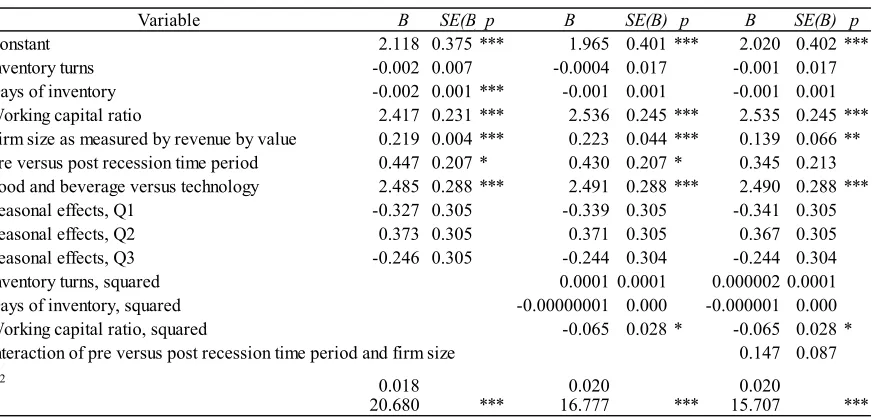
Table 5: Unstandardized OLS Regressions Coefficients Predicting Firm Performance As Measured by Return on Assets ...39
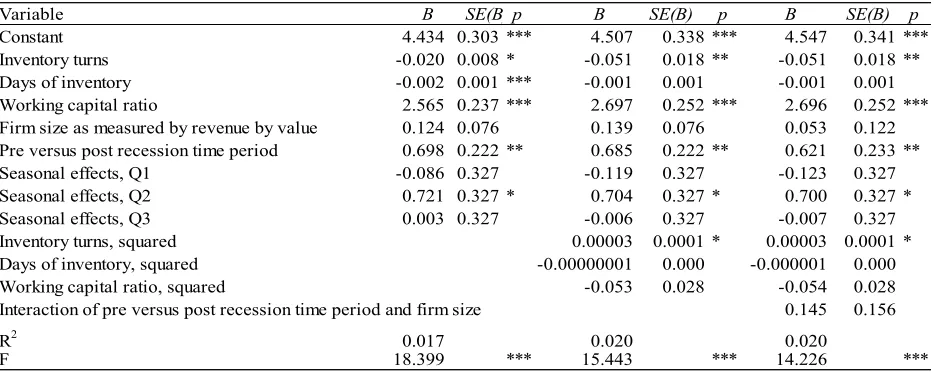
Table 6a: Unstandardized OLS Regression Coefficients Predicting Firm Performance As Measured by Return on Assets, Food and Beverage Industry Only ...43
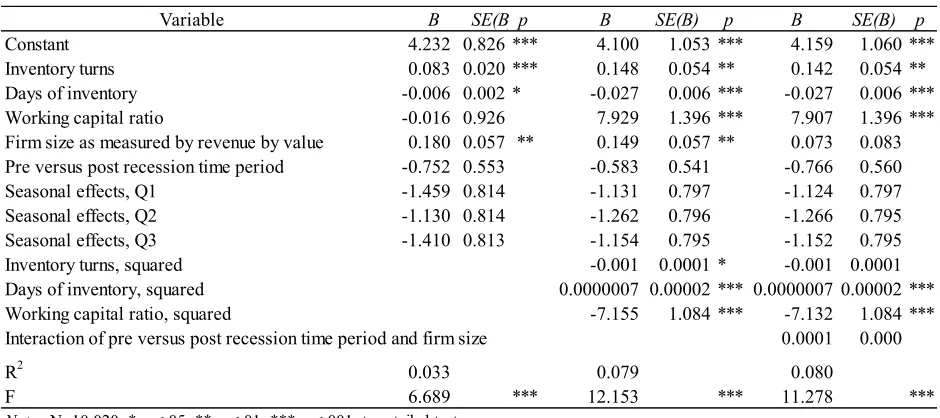
Table 6b: Unstandardized OLS Regression Coefficients Predicting Firm Performance As Measured by Return on Assets, Technology Industry Only ...44
Table 7: Unstandardized OLS Regression Coefficients Predicting Firm Performance As Measured by Return on Assets, Post-Recession...51
viii
LIST OF FIGURES
ix
ABBREVIATIONS
List of Abbreviations [in Alphabetical Order]
DOI ...Days of Inventory
DV ...Dependent Variable
F&B...Food and Beverage
OLS ...Ordinary Least Squares
Q ...Quarter (a fiscal period of 3 months)
ROA ...Return on Assets
SC ...Supply Chain
VIF ...Variance Inflation Factor
x ABSTRACT
The Impact of Inventory Leanness and Slack Resources on Supply Chain Resilience: An Empirical Study
BY
David Jerome Lyons
Committee Chair: Dr. Patricia G. Ketsche
Major Academic Unit: Department of Health Administration
When a major disruption occurs, an organization’s performance is usually negatively
affected. The great recession of 2008 – 2009 was such a disruption which had global
implications that had not been seen since the great depression that started in the 1930s. This
thesis is intended to contribute to the understanding of how leanness and slack resources affect
firm performance in the presence of disruptions that test supply chain resilience, or the ability to
restore the firm’s performance to its original condition after encountering stress or a large
disturbance. These disruptions may not only affect the firm’s financial performance during the
disruption but also well after the disruption has occurred. Two industries with differing supply
chains, food and beverage, and electronics and computer, were investigated. The study is based
on archival data (N=10,020 and 668 firms) with observations from just before and just after the
great recession, a disruption that affected the entire global economy.
Our results suggest (1) the effect of inventory leanness and slack resources on firm
performance is industry specific; and (2) variation in firm performance is less in the
xi
perspective to specify the level of inventory leanness and slack resources when determining their
1
1.0 INTRODUCTION
1.1 Research Domain
Toward the end of 2007, the global financial crisis rapidly moved from a housing bubble
in the United States to the worst recession the world has witnessed for over six decades. This
great recession created financial turbulence that was collectively not seen globally since The
Great Depression of the 1930’s. The crisis came as a surprise to many academics, managers,
policymakers, and investors (Verick & Islam, 2010). Galbraith (2009) provided an argument
that “the implicit and explicit intellectual collusion made it difficult for members of the
profession (primarily associated with American universities) to predict an alternative view, and
the severity of the global financial crisis was underestimated” (p. 87). This worldwide
economic crisis in 2008-2009 reduced the amount of money that was available to many firms.
Leveraged mistakes in working capital in supply chains became obvious and toxic; in fact, some
supply chain networks would have been on the verge of collapse if liquidity deficiencies among
suppliers had not been balanced by financially strong firms within the supply chain. This crisis
created a freezing of capital and an inability of organizations to expand and grow (Lux &
Westerhoff, 2009). Disruptions, especially supply chain disruptions, often are unpredictable,
occur quickly and have lasting effects. In the last few years, over 85 percent of firms worldwide
have experienced at least one major disruption ("Supply Chain Resilience," November, 2012).
These disruptions can come in many different forms; for example, an oil spill in the Gulf of
Mexico, political and social unrest in Africa and Middle East, and/or an earthquake and
subsequent tsunami in Japan. The great recession, which is an example of one such disruption,
triggered a global financial panic that was followed by reduced asset values and freezing of
2
The great recession began with a collapse in housing prices in the United States, which
triggered a financial panic because of the opaque nature of securitized mortgage instruments,
which quickly became "toxic assets." The financial panic was followed by the collapse of real
activity as the result of reduced asset values and the freezing up of credit flows. As the crisis
deepened in the advanced economies, projections for the world economy became more uncertain
(Verick, 2010). The increase in worldwide economic and political uncertainty acted like a
"tsunami effect" that sharply reduced productive asset values throughout the world. Stock
markets around the globe responded accordingly with significant corrections.
A lesson from the great recession is that firms need to prepare for not only unanticipated
financial disruptions, but also for any significant disruption. As a firm moves from a period of
normal activity through a disruption and then back to a more normal state, financial performance
is often negatively affected during and for a long period after the disruption. Resiliency within a
firm supports the recovery from a disruption (Lengnick-Hall, Beck, & Lengnick-Hall, 2011).
Building resiliency is an investment in a firm’s future (Reinmoeller & Van Baardwijk, 2005).
Like any other type of investment, investment in resiliency is often difficult and costly. A key
lesson from the recent past, however, is that while investments in resiliency can be too extreme
and costly, they should not be undervalued (Grusky, Western, & Wimer, 2011; Montiel, 2011).
The need for resiliency in a firm’s supply chain (SC) has been studied extensively by
researchers (Beamon, 1999; Chen & Miller-Hooks, 2012; Christopher & Holweg, 2011; Horne,
1997; Kleindorfer & Saad, 2005; Pettit, Fiksel, & Croxton, 2010). However, the research
performed on this topic is by no means complete, and process models studying the effect of lean
and slack resources on a firm’s resiliency prior to and after a significant disruption is of great
3
identify and implement SC resiliency, identify the components of SC resiliency, define SC
resiliency, and articulate how to design and simulate SC’s for resiliency (Blackhurst, Dunn, &
Craighead, 2011; Christopher & Peck, 2004; Ellis, Shockley, & Henry, 2011; Hendricks &
Singhal, 2005b; Pettit et al., 2010). Yet despite this significant amount of research on SC
resiliency, there is a paucity of research on the pre- versus post-disruption interaction of
resilience in the face of a significant disruption, especially with respect to global implications.
Also, the effect of leanness and slack has not been included in this interaction by prior
researchers.
Leanness, and specifically inventory leanness, is included in this study to aid in
understanding the role that a widely adopted inventory management practice plays in reducing
costs. When firms are faced with an economic environment that disrupts their ability to meet
expected profit levels and the expectations of their stakeholders, they often resort to emphasizing
lean practices to aid in the recovery efforts (Lewis, 2000; Pettersen, 2009). Lean practices in a
firm are expected to result in improved operational outcomes, such as a reduction in required
levels of inventory, which therefore should enhance firm performance (Eroglu & Hofer, 2011).
Lean practices, or more specifically lean production, is often described as a philosophy or a
strategy with a set of practices (e.g. total quality management, value stream mapping, etc.) which
seeks to minimize or eliminate waste (e.g. excess inventory, rework, delays, etc.) to improve firm
performance (Eroglu & Hofer, 2011). Leanness in a supply chain supports maximizing profit
through cost reduction (Agarwal, Shankar, & Tiwari, 2006). There is thus a linkage between the
larger concept of lean production principles and inventory leanness (Eroglu & Hofer, 2011).
Conversely, slack resources provide a cushion or pool of resources that are available to
4
respect to the external environment (Bourgeois, 1981). These excess resources can be viewed as
a buffer that is waste or the results of improper management of inventory. In a neoclassical
view, slack would only be present when a firm is not in an equilibrium state and should be
minimized for the sake of efficiency (Sharfman, Wolf, Chase, & Tansik, 1988). Thompson,
Scott, and Zald (2009) argue that slack should be used to provide protection to the firm from its
external environment. Slack is included in this study due to the constant tension that SC
managers face to have proper balance between operational efficiency and lean practices, while
simultaneously meeting the demand to have surplus resources available to prepare for
unexpected threats or disruptions.
Firm size may affect a firm’s capability to achieve increased competitiveness and
financial performance. Garmestani, Allen, Mittelstaedt, Stow, and Ward (2006) found that
periods of uncertainty have significantly greater effect on survivability of small firms than large
firms. Larger business units tend to have a larger market size and greater control over the
competitive environment, combined with access to resources that are not as available to a smaller
firm1 (Beck et al., 2005). Firms with fewer resources, such as small firms, may be unable to
afford strategies that include slack resources (Raisch & Birkinshaw, 2008). Additionally, small
firms may not have the power and influence to change the behavior of other supply chain
partners to help recover from the disruption as do large firms (Kuper, 2002). Therefore, I focus
exclusively on the category of large firms and control for firm size in this study.
Industries often have differing inventory patterns and product life cycles. These patterns
and life cycles are often due to fast changing consumer preferences, as well as the rate of
5
innovation. Different inventory levels are often due to seasonality, production capability, raw
material availability, storage capability, or product shelf life. The consumer electronics and
computer industries (i.e., technology industries) are prime examples of a short life cycle industry
with high inventory turns. In contrast, the food and beverage industries life cycles and inventory
turns are considered longer due to less innovation, capital intensity for manufacturing and
distribution, and slower fad effects (Kurawarwala & Matsuo, 1996), as is the case with soft
drinks or packaged foods. The food and beverage industries also have inventory dynamics that
often increase inventories due to raw materials that have a short shelf life and can be limited to
seasonal harvests. Including both the food and beverage and the electronics and computer
industries in this study provides a dichotomy of inventory management patterns that encompass
the wide diversity of inventory volumes and velocities due to demand characteristics,
complexity, volume of stock keeping units, and channels of distribution. This diversity between
the two industries will support generalizing the findings across the consumer goods segment of
which these industries are included.
An organization's pre disruption and post disruption performance is often determined in
part by the organization's resources and capabilities at the start of the disruption. Firm size,
profitability, and diversification can have an effect on short- and long- term performance.
“Short-termism” specifically emerges when managers are driven to invest current resources
during disrupted economic periods, thereby putting pressure on cost reduction initiatives. In
short, these responses to recessionary pressure indicate management's short-term objective to get
"lean and mean" (Latham & Braun, 2011). The short term economic period is often within a
fiscal year, and any business period beyond that time is considered long-term (Fama & French,
6
one fiscal year. In other words, this study will include time periods in the pre and post disruption
periods so as to provide a longer-term view. The pre-recessionary time period in this study will
include the first quarter of 2007 to the fourth quarter of 2008, as well as the post-recessionary
time periods of the first quarter of 2010 to the fourth quarter of 2011. Theses pre and post
disruption time periods will support the long-term view beyond short-term effects (Rothaermel &
Hill, 2005).
1.2 Background
1.2.1 Motivation for the study. As stated earlier, most firms have experienced a major
disruption in the recent past. It was a disruption that, in some way, significantly affected almost
every firm, whether they were global or not, or large or small (Grusky et al., 2011). Firms are
affected by a disruption in different ways, determined in part by the type of disruption (Rao &
Goldsby, 2009). Economic recessions are often the most transformative event that an
organization will face. Additionally, not all firms within an industry will have the capabilities to
survive or adapt to the new economic reality post hoc a recession. While the disruptive nature of
an economic recession is widely acknowledged by practitioners and academics alike, scant
research has addressed how supply chain managers can successfully maneuver through these
turbulent events (Latham & Braun, 2011).
1.2.2 Significance of the study. A majority of the supply chain management efforts in
the recent past have focused on increasing the efficiency (lowering costs, lean practices) of the
supply chain operations, and less on managing the risks of potential disruptions. The carrying
cost of inventory in the consumer goods industries often ranges between 8 percent to 15 percent
of sales (Dullaghan, Harcourt, McCarthy, & Raftery, 2001). This high level of cost becomes a
7
chain models also seems to be focused on managing costs. This focus could be partly because
improving efficiency is an ongoing activity at most firms. Managers have developed the
necessary skills to focus on cost reduction, and they know how to justify and manage resources
that improve efficiency (Cecere & Chase Jr., 2013). Rationale for retaining slack resources is
limited, especially when carrying costs for such resources are high. Major supply chain
disruptions are infrequent and they are hard to predict and manage. Thus, it is difficult to justify
consistently and proactively devoting resources to managing such risks (Hendricks & Singhal,
2005b).
Lean production philosophy sees inventory as a form of waste to be minimized (Jones,
Roos, & Womack, 1990). Leanness in inventory is often viewed by supply chain management as
a means to improve financial performance, especially when the stress of a disruption is placed on
an organization (Levy, 1997). While lower inventories may improve a firm’s cash position or
working capital (thereby creating financial slack resources), emphasis upon lowering inventory
stock may jeopardize the ability to support a supply-side disruption (Zsidisin & Wagner, 2010).
Nonetheless, lean practices are widely implemented, and under normal circumstances their
implementation results in improved financial performance (Fullerton & McWatters, 2001).
However, it is not clear whether such a focus enhances a firm’s resiliency.
One definition of resiliency is the ability to cope with externalities and restore normal
operations to its original state, or move to a new and more desirable state after being disrupted
(Chen & Miller-Hooks, 2012; Christopher & Peck, 2004; Sheffi, 2005). Based on the
foundations of life and social sciences, this perspective of resilience has been adapted to supply
chain management (Martin-Breen & Anderies, 2011). It is important that supply chain managers
8
resiliency when faced with a significant disruption. From a theoretical perspective, supply chain
and lean philosophy researchers would benefit from having a greater understanding of the
determinants of resilience and the approach of firms managing inventory leanness and slack
resources during episodes of turbulence.
1.2.3 Theoretical and conceptual framework. This thesis empirically examines the
effects of inventory leanness and slack resources on firm performance prior to and after a major
global disruption that tests the presence of supply chain resiliency in a firm.
Supply chain resilience has varying viewpoints, and it draws from multiple disciplines,
including psychology and ecology (Martin-Breen & Anderies, 2011). Although there have been
many definitions proposed for supply chain resilience, there is an underlying assumption that
resilient organizations prosper in dynamic environments (Cho, Mathiassen, & Robey, 2006).
Among scholars, there are two approaches when evaluating or describing organizational
resilience. Some see resilience as the ability of an organization to rebound from unanticipated
adverse disruptions to their pre-disrupted performance level, while others see organizational
resilience as having the dynamic capability to rapidly recover, adapt, and emerge from the
disrupted conditions with new capabilities strengthened and more resourceful (Ponis, 2012).
Resilience is applied in this thesis as a theoretical construct that subscribes to the former
description, whereby if a firm returns to its prior level of financial performance after the
disruption, then the firm would be determined to have resiliency.
Much of the ongoing supply chain management efforts at most firms over the last several
decades have been focused on lowering costs. This is where managers have honed their skills to
deliver performance, and upper level leaders have focused on allocating resources, including
9
2013). Placing greater emphasis on lean activities, Womack and Jones (2010) argue that an
organization should never relax until it reaches perfection, which is defined as the delivery of
pure value instantaneously with zero waste. In other words, the implementation of lean practices
should be relentlessly pursued because these practices will lead to improved operational
performance outcomes which will, in turn, continue to enhance firm performance. Lean
practices are an important multi-dimensional construct that have a positive influence as an
antecedent in firm performance (Fullerton & McWatters, 2001; Inman & Mehra, 1993).
Under normal conditions, the relentless pursuit of efficiency does in fact lead to improved
financial performance (Jones et al., 1990). However, as disruptions or threats to the supply side
occur, being lean in inventory can negatively affect a firm’s performance if the firm is unable to
competitively fulfill demand. There is some evidence that in the longer term, slack resources are
necessary for survival and effectiveness (profit optimization) of the firm (Sharfman et al., 1988).
Thus, the foundational basis for this study is that slack resources support firm performance as a
firm navigates the effects of a disruption, and firms will place an emphasis on inventory leanness
over slack resources due to the view that slack represents waste that should be eliminated while
lean practices are relentlessly pursued.
1.3 Research Questions
Because of the many disruptions, whether they are economic, environmental, or
geopolitical that have affected organizations, especially in the last two decades, there is abundant
research defining, assessing, modeling, and examining disruptions on supply chain resiliency and
firm performance (Kleindorfer & Saad, 2005). However, there is a paucity of research on
understanding the relationship between supply chain resiliency and firm performance through a
10
managers will often reflect to understand what changes in practice should occur to prepare for a
future perturbation (Ketchen, Rebarick, Hult, & Meyer, 2008). With the popularity and
widespread adoption of lean practices, the reduction of inventories is primary within those
practices (Eroglu & Hofer, 2011; Huson & Nanda, 1995).
Lean principles have been adopted at some level by most manufacturing firms (Womack
& Jones, 2010), while a lack of attention has been applied by most firms toward slack resources
(Daniel, Lohrke, Fornaciari, & Turner Jr, 2004). Often these principles of leanness and slack are
primarily applied to reduce cost and improve firm performance and often not in balance. A
nuanced understanding of these principles is likely to benefit SC managers and executives to
prepare for the next inevitable disruption. As a result, this study is intended to explore the
following questions:
1. Does a firm’s focus on inventory leanness and slack resources in the firm have an
effect on firm performance under conditions of an economic disruption?
2. Is a firm’s supply chain resiliency affected by its inventory leanness and slack
11
2.0 LITERATURE REVIEW
2.1 Supply Chain Resilience
Resilience is the theoretical perspective used in the design and implementation of this
research study. Historically, resilience has been a key concept in the fields of ecology and
psychology, and lately it has a strong presence in planning and organizational management
(Martin-Breen & Anderies, 2011). In the realm of enterprises, the concept of organizational
resilience emerges as a relatively new area in organizational theory that includes insights from
both coping and contingency theories (Gittell, 2008). Resilience in an organization can be a
single level or multiple level construct. When considering the ecological concept it favors the
science of engineering. Within the engineering material science, resilience is often viewed as
restoring to its original condition or returning to normal after encountering stress, a large shock,
strain or disturbance (Christopher & Peck, 2004; Horne, 1997; Mandal, 2012; Martin-Breen &
Anderies, 2011). The other stream of organizational resilience visualizes it beyond restoration to
include the development of new capabilities, creating new opportunities and emerging from the
disruption strengthened and more resourceful (Jüttner, 2005; Pettit et al., 2010; Ponomarov &
Holcomb, 2009). Although a robust, agile, and capable supply chain may be desirable, it is
important to note that a robust, agile, and capable does not always equate to a resilient supply
chain (Christopher & Holweg, 2011). These adaptive capabilities may not support the means to
respond and recover at the same or better state of performance (Jüttner & Maklan, 2009).
A focus on supply chain is highly regarded as one of the most effective ways for firms to
enhance their competitive advantage and firm performance. There is a highly positive
relationship between supply chain performance and firm performance (Ou, Liu, Hung, & Yen,
12
able to quickly emerge from a disruption to their performance level just prior to the disruption or
to a greater level of performance (Christopher & Peck, 2004; Mandal, 2012).
2.1.1 Disruptions. Disruptions manifest themselves in many different forms, and as
supply chains increase the distance of their network, become more global, and shorten the time
required between transactions or cycle time through strategies such as lowering their inventory
levels, disruptions seem to be more severe (Blackhurst , Craighead, Elkins, & Handfield, 2005;
Zsidisin & Wagner, 2010). Additionally, SC disruptions can negatively impact productivity and
utilizations of assets. For example, firms may end up with excess inventory for some products
and out of stock for others, a fact that can negatively affect customer service if customers cannot
receive the products they want when they want them. These symptoms of a disruption can also
negatively affect a firm’s reputation and credibility in the mind of investors, customers, and
suppliers (Hendricks & Singhal, 2003).
Christopher & Peck (2004) state “in today’s uncertain and turbulent markets, supply
chain vulnerability has become an issue of significance for many companies”, and that “as
supply chains become more complex as a result of global sourcing and the continued trend to
‘leaning down’, supply chain risks increase” (p. 4067). Moreover, as companies increasingly
compete with other supply chains “the challenge to business is to manage and mitigate that risk
through creating more resilient supply chains” (Christopher & Peck, 2004, p. 4067).
2.2 Supply Chain Performance
Hendricks and Shinghal (2005b) show that firm operating performance is eroded and that
capital markets penalize organizations that experience supply chain disruptions. Wagner and
Bode (2008)suggest that supply-side risks have a negative impact on supply chain performance.
13
chain and the overall efficiency of the supply chain under normal operations. Over the last two
decades, the importance of leanness has been emphasized in internal operations, as well as in the
extended enterprise (Hofer, Eroglu, & Rossiter Hofer, 2012). Much less attention has been given
to the tradeoff between leanness and supply chain robustness. Supply chain robustness in this
sense is defined as the time it takes to go from disruption to a return to 100% capacity (Womack
& Jones, 2010). Resilient supply chains are not detrimental or inimical to efficiency and lean
operations, but the dimensions of the supply chain must be explicitly considered in the design
process of the supply chain (Kleindorfer & Saad, 2005). Whereas resilient capabilities are not
excess or waste but complimentary and should be a part of the overall lean supply chain design.
Lean management practices are a key construct in supply chain management theory building
(Chen & Paulraj, 2004).
2.2.1 Leanness. Lean philosophy has become popular and has been evolving since the
1980’s (Jones et al., 1990). Toyota Motor Company was the company that many firms emulated
in the operational waste reduction efforts that defined leanness. Specifically, “waste is any
human activity which absorbs resources but creates no value” (Womack & Jones, 2010, p. 15).
Lean inventory has become synonymous with good inventory control (Cooper & Maskell, 2008).
Inventory leanness is an outcome of lean practices and has been shown to result in improved
operational performance, which in turn should enhance firm performance (Eroglu & Hofer,
2011; Fullerton, McWatters, & Fawson, 2003). However, there are other studies that have found
no significant effects of lean production practices on firm performance (Huson & Nanda, 1995;
Jayaram, Vickery, & Droge, 2008). One reason for this finding is that greater product variety
that can increase the burden rate on product cost that is greater than the savings from lean efforts.
14
contrast to the potential benefit of focusing on a few segments or subsystems, and integration of
business processes, not just functions. Inventory is generally created based upon anticipated
future demand and production capabilities (Jones et al., 1990). It is possible that certain
industries may be more responsive to lean inventory systems than others due to characteristics of
markets, technologies or other environmental factors (Eroglu & Hofer, 2011). Additionally, it is
possible that when inventory levels are high, focus on inventory leanness effectively enhances
firm performance, but at some point additional focus on leanness may have negative effects on
performance. The current research project will explore that potential relationship.
The application of inventory leanness in firms can provide valuable insight on how
organizations influence performance and withstand significant disruptions to their supply chain
and their overall business. Research has hinted that once a disruption (especially in the case of a
recession) concludes, some firms may continue with their lean strategies that may ultimately
compromise the organization (Hendricks & Singhal, 2005b). In other words, a firm’s continued
myopic focus on lean strategies and “belt tightening’ efforts after the disruption may stifle
exploratory efforts of innovation, market growth, and investment.
2.2.2 Slack resources. Slack resources are defined as “the difference between total
resources and total necessary payments” (Cyert & March, 1963a, p. 42). Oftenslack resources
are used for the purpose of smoothing or cushioning fluctuations. These resources are physical
properties such as inventory, cash, people, and so forth (Thompson et al., 2009). These types of
slack resources are often categorized into two groups. One group includes unabsorbed or high
discretion slack such as cash, cash equivalents, credit lines, raw materials, low skilled labor, and
highly flexible machine capacity. The other group includes absorbed or low discretion slack
15
flexibility machine capacity (Daniel et al., 2004; Hambrick & D'Aveni, 1988; Singh, 1986).
Working Capital Ratio (WCR; the ratio of total current assets to total current liabilities) was
chosen in this study as the proxy for measuring slack resources because it is a strong measure for
determining the slack-performance relationship. WCR measures unabsorbed slack. Unabsorbed
slack can immediately be employed to address opportunities, whereas absorbed slack has a
longer time frame. Additionally, the strong slack-performance relationship and the temporal
aspect of unabsorbed slack minimizes the need to control for industry effects due to differential
slack-performance relationships in absorbed slack (Daniel et al., 2004). My study does not
distinguish between types of slack and uses WCR as the proxy for measuring slack resource.
Strategically positioning slack resources to adapt to internal or external pressures should
be performed throughout the life of an organization. Reacting to placement of slack once a
disruption has occurred becomes much less effective and is often viewed by management as
wasted resources (Marino & Lange, 1983). Some research suggests that slack resources often
only appear when a firm is not in a normal or equilibrium state, and that slack should be
eliminated for the sake of efficiency (Jensen, 1986; Sharfman et al., 1988). Other researchers
find that slack improves firm performance but is detrimental beyond a given range (Bourgeois,
1981; Tan & Peng, 2003). Bourgeois (1981) added that slack is a resource excess that can be
used in a discretionary manner, both to exploit opportunities and counter threats or disruptions.
Ideally, firms should have surplus resources sufficient to address unforeseen disruptions but
limited enough to curtail excess waste and irresponsible behavior by managers (Cheng & Kesner,
1997). Slack remains a somewhat nebulous construct, and the effect depends on how the
researcher hypothesizes how supply chain managers will apply these resources (Daniel et al.,
16
efficiency (lean), as well as resources (slack) to provide a margin of safety to respond to
unforeseen disruptions (Daniel et al., 2004). Within this dialectic, there is a contradiction with
colliding forces that often compete with each other for control (Cho et al., 2006). As
organizations strive to gain and maintain resilience, understanding these contradictions between
inventory leanness and slack resources will help SC managers ready an organization for the next
17
3.0 CONCEPTUAL MODEL AND HYPOTHESES
This chapter presents the conceptual model and hypotheses. The conceptual model
incorporates all of the constructs, and the formal hypotheses specify the expected relationships.
3.1 Conceptual Model
In this section, the theoretical model and associated hypotheses are introduced. The
research model for this study is a broader conceptualization of the relationships between
inventory leanness and slack resources and their effect on firm performance as firms withstand a
global disruption. Resilience of the firm’s supply chain provides the theoretical foundation.
This study will be focused on investigating the tension and complimentary influence on firm
performance between leanness and slack resources as firms navigate a significant disruption over
the long run (see figure 1). As firms emerge from a disruption often their performance suffers,
but firms that have resilience will emerge over the long run from this punctuated period at or
greater in firm performance as compared to when the disruption began (Blackhurst et al., 2011;
Latham & Braun, 2011; Mandal, 2012).
There has been significant research in defining, identification, implementation, and
assessment of resiliency within a firm’s supply chain. This study is not about those areas of
research, but is instead focused on understanding the effect of a primary lean production practice
(e.g. inventory leanness) and slack resources on firm performance. Additionally, I argue that
slack resources and inventory leanness will positively influence firm performance as the firm
maneuvers through an economic disruption, thus supporting the notion of firm supply chain
18
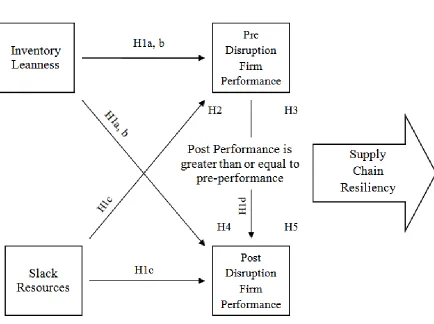
Figure 1: Conceptual Model
The framing of the research questions is whether inventory leanness and slack resources
have an effect on firm performance under conditions of an economic disruption, and do these SC
processes affect supply chain resiliency? The leanness, slack, and resilience literatures provide
perspectives on these areas. Figure 1 illustrates the framework of this study that is explicated by
these literatures but extended by the interaction of an economic disruption.
The construct of inventory leanness is determined by the variables: days of inventory and
inventory turns and their direct effect on firm performance, which is extensively researched in
the literature (Demeter & Matyusz, 2011; Eroglu & Hofer, 2011; Jones et al., 1990; Wagner,
Grosse-Ruyken, & Erhun, 2012). As is often stated, firms that adopt lean practices may have a
19
respect to not only financial performance but other SC performance measures as well (e.g.,
service levels, postponement strategies, and operating costs) (Eroglu & Hofer, 2011; Wagner et
al., 2012), especially in disrupted times. Secondly, the construct of slack resources is included in
this study and empirically operationalized by measuring working capital. The literature is mixed
on the effect that slack resources have on firm performance (Daniel et al., 2004). Slack and
inventory leanness capabilities are often applied by supply chain managers to address a firm’s
performance (Gill, Biger, & Mathur, 2010). As identified with inventory leanness, slack must
also be pursued from an optimal perspective. Too much slack can put pressure on the ability of a
firm to meet its current liabilities and leads to underutilized assets or bad investments (Hambrick
& D'Aveni, 1988). Without clearly defined strategic goals, these SC practices often result in
trade-off debates and can be paradoxical in practice, especially when paired with performance
incentives (Beamon, 1999). Conceptually, I posit that inventory leanness and slack resources
both contribute to SC resiliency, especially in the face of a disruption.
The time frames during the pre-recession period (quarter 1, 2007 to quarter 3, 2008) and
the post-recession period (quarter 1, 2010 to quarter 4, 2011) are considered to be long-term, i.e.,
greater than one year. This longer time frame minimizes the effect of short-term gains on firm
performance that accrues by focusing on lowering inventories, often at a higher cost to suppliers.
Such strategies do not normally lead to long term success (Ketchen et al., 2008; Wagner &
Neshat, 2010). Business financial cycles are often described as short-term when they are no
greater than one year, and long-term when they are greater than one year (Fama & French, 1989;
Gertler & Gilchrist, 1994)
3.2 Hypotheses Development
20
formulated five primary hypotheses, all of which were inspired by resilience theory and the
supporting literature.
A pre and post disruption design was selected in order to provide answers to the
previously mentioned research questions that require a temporal aspect to explore the hypotheses
of this thesis. Further, the notion of introducing the element of leanness into the predictive
model was decided due to the nearly ubiquitous adoption of lean practices, especially within
manufacturing firms, as supply chain managers often apply lean practices to overcome the cost
pressures of a financial disruption while neglecting the importance or slack resources
(Christopher & Holweg, 2011; Sharfman et al., 1988). Critical to this research is the proposition
that firm resilience can be affected by inventory leanness and slack resources while supporting
firm performance as a firm enters into and exits an economic disruption.
In terms of contributions, examining the tension that exists between leanness and slack,
as well as their effect on firm performance across two industries that are diametrical in managing
their inventories and supply chains due to differences in inventory cycles across a significant
global recession, should provide SC managers with insight that goes beyond prior research.
Research on the impact of external disruptions on individual firm’s performance has been
primarily limited to contingency planning, mitigation strategies, and supply disruptions (Altay &
Ramirez, 2010).
3.2.1 Variables. The dependent variable (DV) selected for this study, firm performance,
was derived from the literature on firm financial performance. Firm performance is a
multidimensional construct (Rothaermel & Alexandre, 2008), but in this research it was applied
along only one dimension: financial performance. Firm financial performance was proxied by a
21
financial performance because it assesses how efficiently a firm uses its resources, and it is very
useful for comparing competing companies in the same industry (Daniel et al., 2004; Wu & Ho,
1997). Moreover, using ROA as the DV has the added benefit of negating the need to explicitly
control for firm size, because ROA is a size adjusted ratio (Rothaermel & Alexandre, 2008) .
Critical to this study is how firms perform prior to an exogenous economic disruption and how
they perform after the disruption. Therefore, if supply chain managers are evaluating, in the
aggregate what the determinants of firm performance pre and post disruption were will aid firms
to position themselves to be resilient in case such a disruption occurs. If their firm has resilience,
then SC managers can look further to identify their capabilities and vulnerabilities then
determine how to pursue maintaining and increasing supply chain resilience. If resilience is not
present then, a deeper strategic investigation should be conducted to assess the firm’s ability to
survive (Pettit et al., 2010).
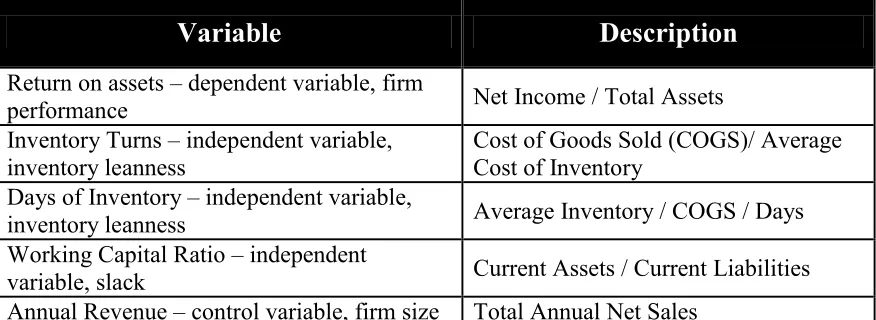
[image:34.612.83.521.467.627.2]Table 1 is a description of the variables used in the current investigation.
Table 1: Description of Variables
Variable
Description
Return on assets – dependent variable, firm
performance Net Income / Total Assets
Inventory Turns – independent variable, inventory leanness
Cost of Goods Sold (COGS)/ Average Cost of Inventory
Days of Inventory – independent variable,
inventory leanness Average Inventory / COGS / Days
Working Capital Ratio – independent
variable, slack Current Assets / Current Liabilities
Annual Revenue – control variable, firm size Total Annual Net Sales
The independent variables of days of inventory, inventory turns, and working capital ratio
22
practices, and organizational slack. The two inventory variables are commonly used by both
researchers and practitioners (Demeter & Matyusz, 2011). Days of inventory provide a forward
look into how many days of forecasted demand can be supported, and inventory turns provides a
backward view on historically how often a firm has sold their entire inventory within a year.
These variables represent a firm’s inventory leanness. The proposition that these inventory
practices will result in improved firm performance (as measured by ROA) are presented in the
following hypotheses:
H1a.Inventory leanness (as measured by greater inventory turns) increases resilience
and therefore improves firm performance.
Visually I see hypothesis 1a as follows:
H1b. Inventory leanness (as measured by lower days of inventory) increases resilience
and therefore improves firm performance.
Visually I see hypothesis 1b as follows:
Although slack is often viewed by SC managers as an excess or waste, there is empirical
evidence that, especially in a disrupted period, slack will have a positive effect on firm
performance (Bourgeois, 1981). Based on the premise that slack will have a positive effect on
firm performance, the following hypothesis is presented:
Firm Performance
Days of Inventory
-
Firm Performance
23
H1c.An increase in working capital ratio increases resilience and therefore would lead
to improved firm performance.
Visually I see hypothesis 1c as follows:
Since all firms included in this research meet the operational definition of being a large
firm (i.e., greater than $US 100 million in annual revenue), and because large firms generally
have greater control over their competitive environment and less impact on their survivability
from disruptions (Kuper, 2002), it is anticipated that firm size will pre- versus post- recession
will have no differential effect on firm performance (Raisch & Birkinshaw, 2008). Hypothesis
1d states that firm size (as measured by annual revenue) does not differentially affect firm
performance between the pre-recession and the post-recession period. In order to estimate this
relationship, firm size (as measured by annual revenue) is entered directly into the equation and
interacted with the dummy variable that marks the pre versus post-recession time period.
H1d. Firm size in the pre- versus the post-recession has no effect on firm performance
between the pre-recession and the post-recession period.
Visually I see Hypothesis 1d as follows:
3.2.2 Control variables. As described earlier, two industry sectors were chosen. The
possibility that firm performance will vary as a function of whether or not a company is part of Firm Performance
Interaction Term: Firm size and dummy variable for pre-recession period.
0
Firm Performance Working Capital
24
the food and beverage sector versus the technology sector was accounted for in the predictive
model used to empirically investigate Hypotheses 1a, 1b, 1c and 1d.
The issue of seasonality was also raised as a potential confound in the model used to
estimate Hypothesis set 1. Many economic phenomena have seasonal cycles due to factors such
as agricultural production or consumer demand. Often it is necessary to adjust for this
component in order to understand underlying effects or trends in the marketplace. Seasonal
components usually happen in a similar pattern during the same time each year. By controlling
for seasonality, it is easier to focus on the contribution effect of other variables (Småros,
Lehtonen, Appelqvist, & Holmström, 2003). In order to account for seasonality within the
statistical model that was used to investigate Hypothesis set 1, three variables were constructed.
The first variable, entitled Q1, was coded as a dummy to indicate if the data came from the first,
fifth, thirteenth or seventeenth quarter under investigation. The second variable, entitled Q2, was
coded as a dummy to indicate if the data came from the second, sixth, fourteenth, or eighteenth
quarter under investigation. The third and final variable, entitled Q3, was coded as a dummy to
indicate if the data came from the third, seventh, fifteenth or nineteenth quarter under
investigation. A measure that tracks the pre-recessionary period versus the post recessionary
period was also added as a control for the possibility that firm performance might be greater in
the post-recessionary time period than in the pre-recessionary period.
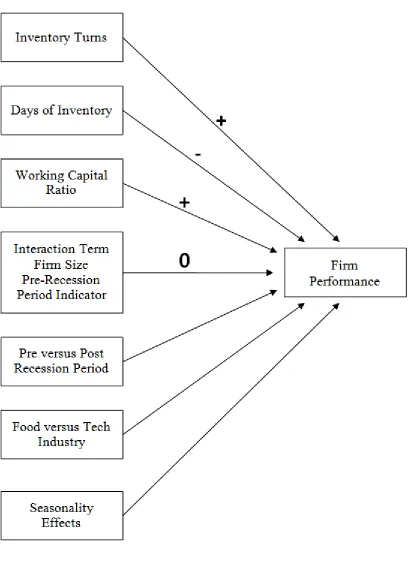
When each of the four subcomponents of hypotheses H1a - d are combined into a single
graphic, I see the following, as shown in Figure 2, below.
Prior literature estimated the effects of inventory leanness on firm performance using
linear models. These findings implied that greater inventory leanness often leads to better firm
25
26
inventory leanness (Eroglu & Hofer, 2011; Hofmann & Kotzab, 2010). Just-in-time theory,
when combined with a linear perspective of inventory leanness, frequently leads SC managers to
exploit these practices as managers lead their organization through a disruption to maintain firm
performance expectations (Goldsby, Griffis, & Roath, 2006; Huson & Nanda, 1995). Similarly,
earlier financial research presented evidence that suggests the greater the working capital, the
better the firm’s performance (Bierman, 1960), yet further research suggests that an optimal
range exists for working capital ratio (Emery & Cogger, 1982). Working capital requires
balance between a firm meeting current liabilities and greater asset utilization. In order to better
understand this differentiation, several new hypotheses stated below will attempt to tease out a
greater understanding of the relationship of leanness and slack resources while anticipating that
management will realize their favorable results during normal conditions and apply them to a
greater extent to drive performance due to the negative force from the economic disruption. As
stated earlier, this disruption created an inability for firms to expand and grow, corrections in
stock markets and the freezing of credit flows were some of the factors working against firms to
perform as they had during the prior economic growth period. The effects of this type of
disruption often forces firms to apply pressure across its supply chain to reduce costs and exploit
processes that can support “bottom line” financial improvement (Hendricks & Singhal, 2003).
Based on that premise, and with respect to the discussion above, the following hypotheses are
presented:
H2a. Days of inventory in the post-recession period should be lower than days of
inventory in the pre-recession period.
H2b.Inventory turns in the post-recession period should be higher than inventory turns
27
H3a.The variance of days of inventory in the pre-recession period will be greater than
the variance of days of inventory in the post-recession period.
H3b.The variance of inventory turns in the pre-recession period will be greater than the
variance of inventory turns in the post-recession period.
Hypothesis 2a states that days of inventory in the post-recession period should be lower
relative to the pre-recession period. Hypothesis 3a proposes that the variance of days of
inventory in the pre-recession period will be greater than the variance of days of inventory in the
post-recession period. The two hypotheses are similar insofar as both hypothesize greater
average days of inventory and greater days of inventory variance in the pre-recessionary period
relative to the post-recessionary period. Visually I see Hypothesis 2a and 3a as follows:
Hypothesis 2b statesthat inventory turns in the post-recession period should be higher relative to
the recession period. Hypothesis 3b proposes that the variance of inventory turns in the
pre-recession period will be greater than the variance of inventory turns in the post-pre-recession period.
The two hypotheses are similar insofar as both hypothesize greater average inventory turns and
greater inventory turns variance in the pre-recessionary period relative to the post-recessionary
period. Visually I see Hypothesis 2b and 3b as follows:
Thompson et al. (2009), Purdy (1967), and Galbraith (1973) see slack as a means to
provide inventories at the input (to absorb supplier delivery schedules) and output end (to absorb Post-Recession
Days of Inventory Pre-Recession
Days of Inventory
<
Post-Recession Days of Inventory Pre-Recession
28
fluctuations in demand). They posit that slack allows the supply to be less prone to interruption
and providing economic benefits to the firm in the long run. Yet, much of management and
administrative theory is preoccupied with eliminating slack through efficiency improvement and
optimization principles (Cyert & March, 1963b). Staw, Sandelands, and Dutton (1981) agree
with Cyert and March (1963) by demonstrating in their research that depleting slack can cause
rigidity and tightening of control tends to also diminish a firms financial performance and move
it closer to failure.
I argue that in a more prosperous economic period, e.g. a pre-recession period, slack
resources will be considered and implemented when firms have greater financial resources to
support slack in their strategic efforts. Conversely, in a declining economic period, e.g. a
post-recession period, firms will be eliminating slack resources to reduce costs or convert them into
performance enhancing activities due to pressure from the economic disruption (Daniel et al.,
2004). Therefore, the following hypothesis is proposed:
H4:The variance in working capital ratio in the pre-recession period will be greater
than the variance in working capital ratio in the post-recession period.
Visually I see hypothesis H4 as follows:
As mentioned earlier, prior research (Kuper, 2002) has proposed that larger firms
generally have access to resources (i.e., financing, inventory) which are not as available to
smaller firms and greater control over their competitive environment. Additionally, larger firms
may be able to afford slack resources, especially during normal periods (Garmestani et al., 2006).
>
Working Capital Post-Recession Ratio Variance Pre-RecessionWorking Capital Ratio Variance
29
Based on the definition of resilience as posited in this study, if smaller firms have less access to
resources and their survival becomes vulnerable, it is likely that their resilience will be affected
due to their size. This bias of smaller firms was eliminated by focusing only on firms with
annual revenue greater than $100 million. I follow Lev (1969) by identifying small firms as
having annual revenue less than $100 million. As firms become larger with greater control over
their competitive environment, their access to resources becomes greater (Garmestani et al.,
2006). Based on this premise, the largest firms within the large firm group should have greater
capability of managing their resources to withstand a disruption. Therefore, the following
hypothesis is proposed:
H5.The variance in firm performance in the pre-recessionary period will be less than the
variance in firm performance in the post-recessionary period.
I visually see hypothesis 5 as follows:
Regardless of firm size, the industry, degree of inventory leanness in a firm, or slack
resources I expect there to be significant variation among firm performance between the
pre-recession period and the post-pre-recession period. Different firms have different resources and
capabilities, and this should lead to a high degree of heterogeneity in the ability of firms to adapt
and survive in response to a significant economic disruption (Rothaermel & Hill, 2005). I also
anticipate a wide degree of resilience among the firms. The range should be from non-existent to
a high degree of resilience within firms. If all firms were resilient, then they would not
experience a decline in firm performance in the post-recession period as compared to the
pre-recession period. This condition is highly unlikely since research demonstrates that, globally, Post-Recession
Firm Performance Pre-Recession
30
supply chain resilience is lacking across many industries and organizations (Hendricks &
Singhal, 2005b); therefore, I anticipate less variance in firm performance in the pre-recession
period than in the post-recession period.
3.3 Summary
This chapter has established the research context for the study with a discussion of the
relationships between inventory leanness, slack resources, firm size, and firm performance
against a significant global economic disruption. A conceptual model was presented for the
31
Table 2:Summary of Hypotheses
Hypotheses
Number
Hypotheses
H1a Inventory leanness (as measured by greater inventory turns) increases resilience and therefore improves firm performance.
H1b Inventory leanness (as measured by lower days of inventory) increases resilience and therefore improves firm performance.
H1c An increase in working capital ratio increases resilience and therefore would lead to improved firm performance.
H1d Firm size in the pre-versus the post-recession has no effect on firm performance between the pre-recession and the post-recession period.
H2a Days of inventory in the post-recession period should be lower than days of inventory in pre-recession period.
H2b Inventory turns in the post-recession period should be higher than inventory turns in the pre-recession period.
H3a
The variance of days of inventory in the pre-recession period will be greater than the variance of days of inventory in the post-recession period.
H3b The variance of inventory turns in the pre-recession period will be greater than the variance of inventory turns in the post-recession period.
H4 The variance in working capital ratio in the pre-recession period will be greater than the variance in working capital ratio in the post-recession period.
H5
32
4.0 RESEARCH METHODOLOGY AND DATA COLLECTION
This chapter describes the methods used for data collection and discussion of the research
design.
4.1 Research Design
Secondary data was collected from a data collection organization that included many
firms across two industries located across the globe to address the stated research questions. A
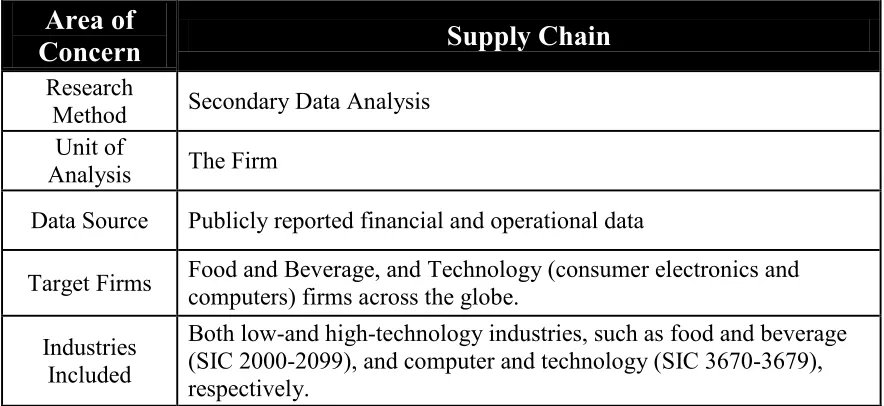
[image:45.612.80.522.306.509.2]summary of the research design is provided in Table 3.
Table 3:Overview of Research Design
Area of
Concern
Supply Chain
Research
Method Secondary Data Analysis Unit of
Analysis The Firm
Data Source Publicly reported financial and operational data
Target Firms Food and Beverage, and Technology (consumer electronics and computers) firms across the globe.
Industries Included
Both low-and high-technology industries, such as food and beverage (SIC 2000-2099), and computer and technology (SIC 3670-3679), respectively.
4.2 Research Philosophy
The research method provides a foundation for advancing knowledge in any given
domain (Stone, 1978). Therefore, careful consideration is given in this study not only to
theoretical constructs, but also to the methodological approach. It should be noted that this
project follows the positivist research approach as the epistemological position (Myers, 2013).
To explore this particular area of research, secondary data are gathered to evaluate the
33
resources on the dependent variable of firm performance. Specifically, a quantitative approach
was applied to investigate the hypothesized relationships in the theoretical framework of
resilience.
4.3 Research Method
Ordinary Least Squares (OLS) regression, which is also known as multiple linear
regression, will be used to test hypotheses H1a through H1d. Multiple linear regression is used
when the dependent variable is continuous in nature and there are multiple independent variables
(Miles & Shevlin, 2001). Hypotheses 2a, 2b, 3a, 3b, 4 and 5 will be analyzed via an independent
samples t-test for differences in means. The use of an independent samples t-test is appropriate
when the dependent variable is continuous in nature and the independent variable is a
dichotomous nominal-level discrete variable (Ritchey, 2000). In addition, Levene’s test for
equality of variances will be used as a supplement to the independent samples t-test results.
4.4 Data Collection
Secondary data that is publically available was obtained from OneSource, Inc. through
Supply Chain Insights, LLC for the purpose ofanalysis of the aforementioned hypotheses.
Secondary data is well suited for studies designed to understand the present, investigate change,
and to examine phenomena comparatively (Jarvenpaa, 1991). The data collected for this project
will support the temporal aspect and provide the robustness to examine two industries and
hundreds of firms simultaneously. The research setting for this study is the manufacturing sector
of the global economy, as many of the firms in the dataset are multinational in scope. The data
are categorized by quarter (Q). The period of Q1, 2007 to Q3, 2008 represents the pre-recession
period, and the period Q1, 2010 to Q4, 2011 represents the post-recession period. Since the great
34
begun in Q4, 2008 and then end in Q4, 2009 (Verick, 2010), these quarters have been eliminated
from the current analyses.
4.5 Data Preparation
Prior to all statistical analyses it was determined that said analyses should only be
conducted on companies that contained robust data. In other words, only companies that had
valid data points for all pre-recession and post-recession quarters under investigation were
included in the final dataset. In all there were 688 companies which had valid data for the seven
quarters of the pre-recession time period (Q1 of 2007 to Q3 of 2008) and the eight quarters of the
post-recession time period (Q1 of 2010 to Q4 of 2011). A total of 10,320 unique data points for
688 different companies are contained within the base dataset for these quarters.
As part of the procedure to ensure that only companies with robust data were used, a few
outlier observations (and the related observations from the same firm) were removed from the
data. For example, companies reporting return on assets greater than 100 percent (+/-) were
deleted from the dataset. It would be very rare for a company to have ROA greater than 100
percent, and it is more likely that the reporting of a ROA outside of this parameter was reported
in error. The removal of this faulty data resulted in the deletion of 19 companies (285
observations) from the base dataset. One of the companies in the dataset reported revenue of
-9.821 million for Q4 of 2007. It was decided that all observations for this company should be
removed from the dataset, since it is very rare for a company to have negative revenue. Thus the
final sample used for purposes of all data analyses was 10,020 unique data points for 668
35
5.0 QUANTITATIVE ANALYSIS AND RESULTS
The chapter presents the analysis of the quantitative data obtained from the secondary
source. Section 5.1 presents the results for each of the hypotheses as they relate to each of the
constructs. The control variables were also included in the analysis to evaluate seasonality and
industry type. I used the SPSS Version 21 statistical application package to perform all data
analysis.
5.1 Results
In this section, I test each of the hypothesis associated with the conceptual model (see
Figure 1).
5.1.1 Hypotheses 1a - 1d. I argue that leanness and slack resources have an effect on
firm performance between the pre-recession and post-recession period when controlling for firm
size.
Hypotheses 1a through 1d are stated below:
H1a: Inventory leanness (as measured by greater inventory turns) increases resilience
and therefore improves firm performance.
H1b: Inventory leanness (as measured by lower days of inventory) increases resilience
and therefore improves firm performance.
H1c: An increase in working capital ratio increases resilience and therefore would lead
to improved firm performance.
H1d: Firm size in the pre-versus the post-recession has no effect on firm performance
between the pre-recession and the post-recession period.
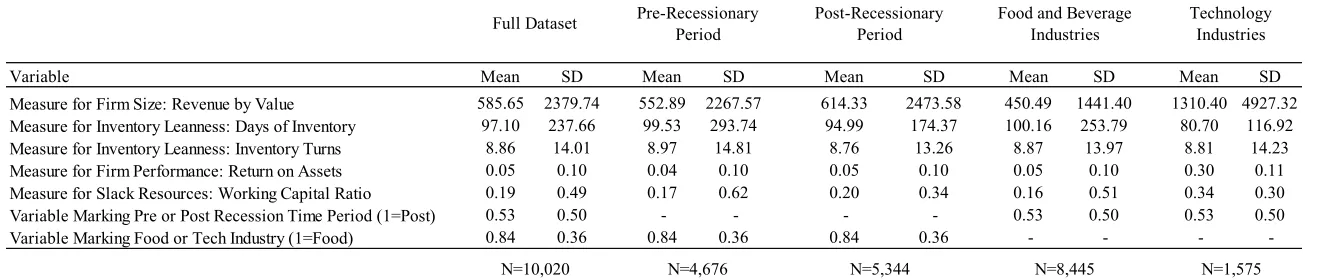
Table 4 presents the means and standard deviations for all variables used in this
36
Table 4: Means and Standard Deviation for All Variables Used in Analysis
Variable Mean SD Mean SD Mean SD Mean SD Mean SD
Measure for Firm Size: Revenue by Value 585.65 2379.74 552.89 2267.57 614.33 2473.58 450.49 1441.40 1310.40 4927.32
Measure for Inventory Leanness: Days of Inventory 97.10 237.66 99.53 293.74 94.99 174.37 100.16 253.79 80.70 116.92
Measure for Inventory Leanness: Inventory Turns 8.86 14.01 8.97 14.81 8.76 13.26 8.87 13.97 8.81 14.23
Measure for Firm Performance: Return on Assets 0.05 0.10 0.04 0.10 0.05 0.10 0.05 0.10 0.30 0.11
Measure for Slack Resources: Working Capital Ratio 0.19 0.49 0.17 0.62 0.20 0.34 0.16 0.51 0.34 0.30
Variable Marking Pre or Post Recession Time Period (1=Post) 0.53 0.50 - - - - 0.53 0.50 0.53 0.50
Variable Marking Food or Tech Industry (1=Food) 0.84 0.36 0.84 0.36 0.84 0.36 - - -
-N=5,344 N=4,676
N=10,020 N=8,445 N=1,575
Food and Beverage Industries
Technology Industries Full Dataset Pre-Recessionary
Period