VOLUME 4 ISSUE 6 MAY 2016 ISSN 2050-4381
Bristol Girls Dance Project: a cluster randomised
controlled trial of an after-school dance
programme to increase physical activity among
11- to 12-year-old girls
Russell Jago, Mark J Edwards, Simon J Sebire, Emma L Bird,
randomised controlled trial of an
after-school dance programme to
increase physical activity among 11- to
12-year-old girls
Russell Jago,
1
* Mark J Edwards,
1
Simon J Sebire,
1
Emma L Bird,
2
Keeley Tomkinson,
3,4
Joanna M Kesten,
1,3
Kathryn Banfield,
1
Thomas May,
1
Ashley R Cooper,
1
Peter S Blair
3,4
and Jane E Powell
2
1
Centre for Exercise, Nutrition and Health Sciences, School for Policy Studies,
University of Bristol, Bristol, UK
2
Health and Social Sciences, University of the West of England, Bristol, UK
3School of Social and Community Medicine, University of Bristol, Bristol, UK
4Bristol Randomised Trials Collaboration, University of Bristol, Bristol, UK
*Corresponding author
Declared competing interests of authors:Professor Jago has been a member of the Research Funding Board for the National Institute for Health Research (NIHR) Public Health Research (PHR) board since October 2014. Professor Powell was a member of the NIHR PHR Funding Board from June 2011 to September 2015.
Published May 2016
DOI: 10.3310/phr04060
ISSN 2050-4381 (Print) ISSN 2050-439X (Online)
This journal is a member of and subscribes to the principles of the Committee on Publication Ethics (COPE) (www.publicationethics.org/). Editorial contact: [email protected]
The full PHR archive is freely available to view online at www.journalslibrary.nihr.ac.uk/phr. Print-on-demand copies can be purchased from the report pages of the NIHR Journals Library website: www.journalslibrary.nihr.ac.uk
Criteria for inclusion in thePublic Health Researchjournal
Reports are published inPublic Health Research(PHR) if (1) they have resulted from work for the PHR programme, and (2) they are of a sufficiently high scientific quality as assessed by the reviewers and editors.
Reviews inPublic Health Researchare termed‘systematic’when the account of the search appraisal and synthesis methods (to minimise biases and random errors) would, in theory, permit the replication of the review by others.
PHR programme
The Public Health Research (PHR) programme, part of the National Institute for Health Research (NIHR), evaluates public health interventions, providing new knowledge on the benefits, costs, acceptability and wider impacts of non-NHS interventions intended to improve the health of the public and reduce inequalities in health. The scope of the programme is multi-disciplinary and broad, covering a range of interventions that improve public health. The Public Health Research programme also complements the NIHR Health Technology Assessment programme which has a growing portfolio evaluating NHS public health interventions.
For more information about the PHR programme please visit the website: http://www.nets.nihr.ac.uk/programmes/phr This report
The research reported in this issue of the journal was funded by the PHR programme as project number 11/3050/01. The contractual start date was in April 2013. The final report began editorial review in July 2015 and was accepted for publication in December 2015. The authors have been wholly responsible for all data collection, analysis and interpretation, and for writing up their work. The PHR editors and production house have tried to ensure the accuracy of the authors’report and would like to thank the reviewers for their constructive comments on the final report document. However, they do not accept liability for damages or losses arising from material published in this report.
This report presents independent research funded by the National Institute for Health Research (NIHR). The views and opinions expressed by authors in this publication are those of the authors and do not necessarily reflect those of the NHS, the NIHR, NETSCC, the PHR programme or the Department of Health. If there are verbatim quotations included in this publication the views and opinions expressed by the interviewees are those of the interviewees and do not necessarily reflect those of the authors, those of the NHS, the NIHR, NETSCC, the PHR programme or the Department of Health.
Public Health Research
Editor-in-Chief
Professor Martin White Director of Research and Programme Leader, UKCRC Centre for Diet and Activity
NIHR Journals Library Editor-in-Chief
Professor Tom Walley Director, NIHR Evaluation, Trials and Studies and Director of the EME Programme, UK
NIHR Journals Library Editors
Professor Ken Stein Chair of HTA Editorial Board and Professor of Public Health, University of Exeter Medical School, UK
Professor Andree Le May Chair of NIHR Journals Library Editorial Group (EME, HS&DR, PGfAR, PHR journals)
Dr Martin Ashton-Key Consultant in Public Health Medicine/Consultant Advisor, NETSCC, UK
Professor Matthias Beck Chair in Public Sector Management and Subject Leader (Management Group), Queen’s University Management School, Queen’s University Belfast, UK
Professor Aileen Clarke Professor of Public Health and Health Services Research, Warwick Medical School, University of Warwick, UK
Dr Tessa Crilly Director, Crystal Blue Consulting Ltd, UK
Dr Peter Davidson Director of NETSCC, HTA, UK
Ms Tara Lamont Scientific Advisor, NETSCC, UK
Professor Elaine McColl Director, Newcastle Clinical Trials Unit, Institute of Health and Society, Newcastle University, UK
Professor William McGuire Professor of Child Health, Hull York Medical School, University of York, UK
Professor Geoffrey Meads Professor of Health Sciences Research, Health and Wellbeing Research and
Professor John Norrie Health Services Research Unit, University of Aberdeen, UK
Professor John Powell Consultant Clinical Adviser, National Institute for Health and Care Excellence (NICE), UK
Professor James Raftery Professor of Health Technology Assessment, Wessex Institute, Faculty of Medicine, University of Southampton, UK
Dr Rob Riemsma Reviews Manager, Kleijnen Systematic Reviews Ltd, UK
Professor Helen Roberts Professor of Child Health Research, UCL Institute of Child Health, UK
Professor Helen Snooks Professor of Health Services Research, Institute of Life Science, College of Medicine,
Swansea University, UK
Professor Jim Thornton Professor of Obstetrics and Gynaecology, Faculty of Medicine and Health Sciences, University of Nottingham, UK
Please visit the website for a list of members of the NIHR Journals Library Board: www.journalslibrary.nihr.ac.uk/about/editors
Editorial contact: [email protected] Development Group, University of Winchester, UK
Research (CEDAR), MRC Epidemiology Unit, Institute of Metabolic Science, School of Clinical Medicine, University of Cambridge; Visiting Professor, Newcastle University; and Director, NIHR Public Health Research Programme
Professor Jonathan Ross Professor of Sexual Health and HIV, University Hospital Birmingham, UK
Abstract
Bristol Girls Dance Project: a cluster randomised controlled
trial of an after-school dance programme to
increase physical activity among 11- to 12-year-old girls
Russell Jago,
1* Mark J Edwards,
1Simon J Sebire,
1Emma L Bird,
2Keeley Tomkinson,
3,4Joanna M Kesten,
1,3Kathryn Banfield,
1Thomas May,
1Ashley R Cooper,
1Peter S Blair
3,4and Jane E Powell
21Centre for Exercise, Nutrition and Health Sciences, School for Policy Studies, University of Bristol,
Bristol, UK
2Health and Social Sciences, University of the West of England, Bristol, UK 3School of Social and Community Medicine, University of Bristol, Bristol, UK 4Bristol Randomised Trials Collaboration, University of Bristol, Bristol, UK
*Corresponding author [email protected]
Background:Many children do not meet UK physical activity (PA) guidelines. Girls are less active than boys, and the age-related decline in activity is steeper for girls. Dance is the favourite form of PA among adolescent girls in the UK. Participation in after-school dance classes could significantly contribute to girls’ PA. Therefore, after-school dance may be effective for increasing PA levels.
Objectives:To determine the effectiveness and cost-effectiveness of a dance-based intervention to increase the objectively assessed mean weekday minutes of moderate- to vigorous-intensity physical activity (MVPA) of Year 7 girls (11- and 12-year olds) 1 year after baseline measurement.
Design:Two-arm cluster randomised controlled trial and economic evaluation. Year 7 girls in participant schools received a‘taster’session and were invited to participate. Up to 33 girls per school were able to participate. Schools were randomly assigned (equal numbers) to intervention or control arms.
Setting:A total of 18 mainstream secondary schools across greater Bristol.
Participants:Year 7 girls in participating schools who could participate in physical education. Intervention:Nine intervention schools received an after-school dance intervention (40 × 75-minute sessions) underpinned by self-determination theory, which attempts to improve intrinsic motivation for being active, and delivered by external dance instructors. Control schools continued as normal.
Results:Baseline MVPA levels were high. A total of 508 girls were included in the primary analysis, which found no difference in weekday MVPA between trial arms. There was no effect on secondary accelerometer outcomes. Data were subjected to a per-protocol analysis and no effect was found. However, at T1, girls who attended dance classes had 4.61 minutes more of MVPA and 14.27 minutes more of light-intensity activity between 15.00 and 17.00 on the days on which they attended intervention sessions. The intervention was inexpensive at £73 per participant (£63 when excluding dance instructor travel) but was not cost-effective owing to the ineffectiveness of the intervention. The European Quality of Life-5 Dimensions Youth survey data were unresponsive to changes in the sample. The process evaluation reported that girls in attendance enjoyed the sessions, that exertion levels were low during sessions and that attendance was low and declined. Fidelity to the session-plan manual was low but theoretical fidelity (to self-determination theory) was good. Qualitative information provides information for improving future interventions.
Conclusions:The intervention was enjoyed by participants. However, there was no difference in the MVPA levels (which were high at baseline) of girls allocated to receive dance compared with girls receiving the control. High baseline MVPA levels indicate that the study appealed to an already active cohort and, therefore, may not have targeted those most in need of an intervention. Dance is an enjoyable activity for adolescent girls and could be further trialled as a means by which to increase PA. Research might consider the impact of dividing the intervention period into smaller blocks.
Trial Registration:Current Controlled Trials ISRCTN52882523.
Funding:The National Institute for Health Research Public Health Research programme. The work was also undertaken with the support of the Centre for the Development and Evaluation of Complex Interventions for Public Health Improvement (DECIPHer), a UK Clinical Research Collaboration (UKCRC) PHR Centre of Excellence. Joint funding (MR/KO232331/1) from the British Heart Foundation, Cancer Research UK, Economic and Social Research Council, Medical Research Council, the Welsh Government and the Wellcome Trust, under the auspices of the UKCRC, is gratefully acknowledged. This study was designed and delivered in collaboration with the Bristol Randomised Trials Collaboration, a UKCRC Registered Clinical Trials Unit in receipt of NIHR Clinical Trials Unit support funding. All intervention costs were funded by the respective councils to which the participant schools were affiliated, namely North Somerset Council, Bristol City Council, and Bath and North East Somerset Council.
ABSTRACT
NIHR Journals Library www.journalslibrary.nihr.ac.uk
Contents
List of tables xi
List of figures xv
List of boxes xvii
List of abbreviations xix
Plain English summary xxi
Scientific summary xxiii
Chapter 1Introduction/background 1
Benefits of physical activity 1
Girls’physical activity 1
Interventions to increase girls’physical activity 1
Dance as a method to improve girls’physical activity levels 2
Dance interventions 2
After-school interventions 3
Theories of behaviour change: self-determination theory in physical activity research 5
Formative work 6
Summary and rationale for the Bristol Girls Dance Project trial 6
Chapter 2Trial design and methods 7
Aims and objectives 7
Primary aim 7
Secondary aim 7
Research design 7
Study population and recruitment 8
Public and patient involvement 9
Baseline data 9
Randomisation 11
Intervention group 11
Development of dance instructor training and manual 11
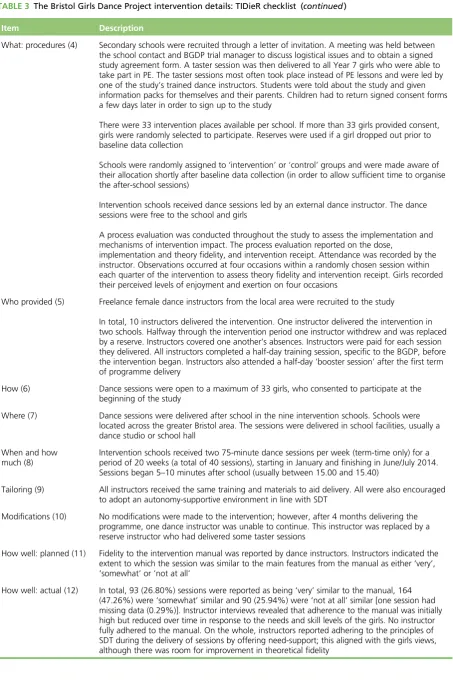
Template for Intervention Description and Replication checklist 13
Control group 15
Measurements 15
Accelerometer-determined physical activity 15
Psychosocial questionnaire 16
Height and weight 17
European Quality of Life-5 Dimensions Youth survey 17
Sample size 17
Blinding 17
Process evaluation methods 17
Overview 17
Dose 18
Implementation fidelity 18
Theory-based fidelity 18
Intervention receipt 19
Qualitative process evaluation design 19
Qualitative analysis 20
Statistical analysis 20
Economic evaluation 21
Chapter 3Trial results 23
Recruitment 23
Dance instructor recruitment 23
School recruitment 23
Child recruitment 23
Issues encountered during recruitment 25
Results 25
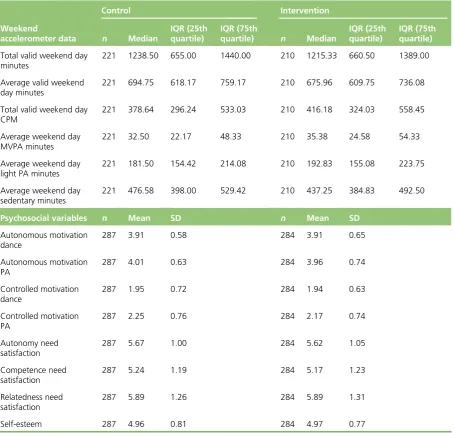
Descriptive statistics 25
Baseline data 27
Primary analysis 29
Secondary analysis 30
Other secondary results 30
Compliance adherence 33
Index of Multiple Deprivation score 35
Additional exploratory analyses 35
Psychosocial data 39
Summary of quantitative results 45
Chapter 4Economic evaluation 47
Aims and perspective 47
Methods 47
Costing methods 47
Sensitivity analysis 47
Cost-effectiveness methods 48
Cost–utility methods 48
Results 48
Costs 48
Cost-effectiveness 49
Cost–utility 51
Summary 53
Chapter 5Process evaluation overview 55
Qualitative sample characteristics 55
Process evaluation findings 55
Chapter 6Process evaluation: main findings 57
Implementation 57
Dose 57
Reaching those who needed the intervention most 64
Dance instructor training 65
Fidelity to the session-plan manual 66
CONTENTS
NIHR Journals Library www.journalslibrary.nihr.ac.uk
Receipt of the intervention 69
Enjoyment 69
Exertion 71
Health, well-being and psychological benefits 71
Plans to continue dancing 73
Summary 74
Conclusion 75
Chapter 7Theory-based process evaluation 77
Dance instructor training and acceptance of the intervention theory
(self-determination theory) 77
Observed dance instructor teaching practices 78
Need support and satisfaction 81
Autonomy support and perceptions of autonomy need satisfaction 81
Competence support and perceptions of competence need satisfaction 84
Relatedness support and perceptions of relatedness need satisfaction 86
Challenges of delivering a self-determination theory-based physical activity intervention
for girls 89
Motivation 91
Theory-based process evaluation summary 93
Conclusion 95
Chapter 8Lessons learnt from the delivery of Active7 97
Project design 97
Recruitment 97
Timetabling 99
Session quantity and duration 99
Project duration 100
Session content 100
Variety in session content 100
Repetition 101
Group work 101
Dance diaries 102
Behavioural difficulties and management techniques 103
Project organisation 104
Open enrolment 104
Parental involvement 105
Cost 105
Facilities 106
Communication and management issues 106
Summary 107
Conclusion 109
Chapter 9Discussion 111
Summary of findings 111
Interpretation 112
Implications for future research 114
Strengths and limitations 115
Acknowledgements 119
References 121
Appendix 1Excerpts from the‘Guide for dance instructors’ 129
Appendix 2Excerpts from the‘dance diary’ 139
Appendix 3Child focus group guide 143
Appendix 4Dance instructor interview guide 147
Appendix 5School contact interview guide 153
Appendix 6Convergence coding matrix 157
Appendix 7Trustworthiness of qualitative data 161
Appendix 8Summary of qualitative assessment of fidelity to self-determination
theory and improvements 163
Appendix 9Dissemination letter for intervention schools 165
Appendix 10Dissemination letter for control schools 167
Appendix 11Dissemination postcard for Active7 girls 169
Appendix 12Dissemination letter for parents 173
Appendix 13Dissemination poster for schools 175
CONTENTS
NIHR Journals Library www.journalslibrary.nihr.ac.uk
List of tables
TABLE 1 Revisions to protocol 8
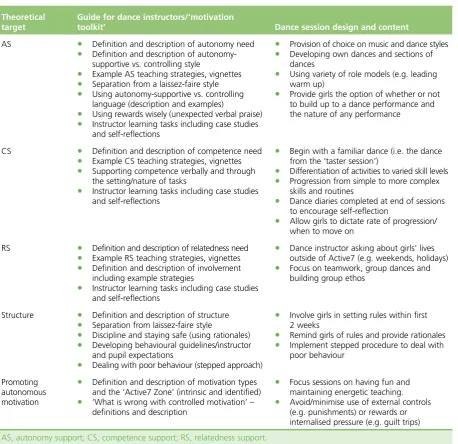
TABLE 2 Mapping the‘Guide for dance instructors’and dance session content to
SDT-based intervention targets 12
TABLE 3 The Bristol Girls Dance Project intervention details: TIDieR checklist 13
TABLE 4 Accelerometer variables derived for the BGDP 15
TABLE 5 Psychological questionnaire items 16
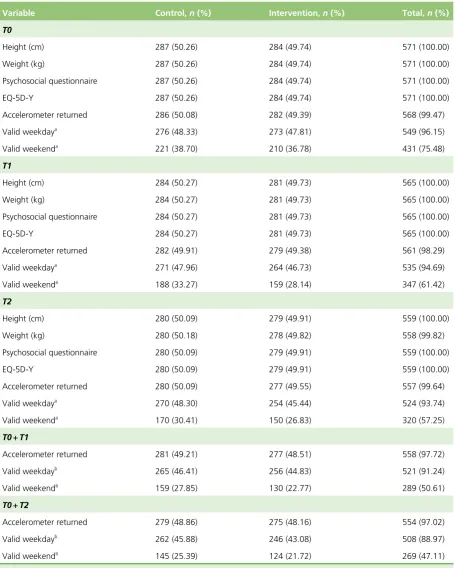
TABLE 6 Data provision for girls at each time point by trial arm 26
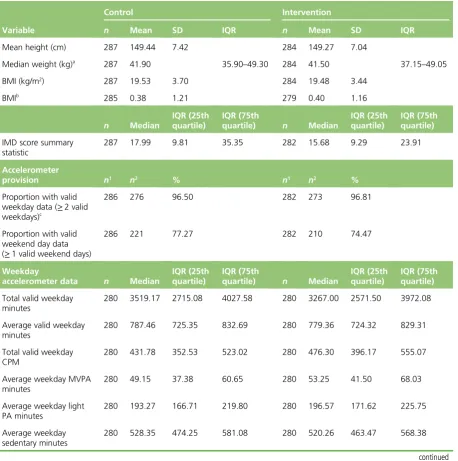
TABLE 7 Baseline data descriptive statistics 27
TABLE 8 T0 and T1 valid data discrepancies 28
TABLE 9 Means and SDs by trial arm and linear mixed model adjusted for
imbalance at baseline for weekday MVPA at T1 and T2 29
TABLE 10 Means and SDs by trial arm and linear mixed model adjusted for
imbalance at baseline for accelerometer assessed secondary outcomes at T1 and T2 31
TABLE 11 Proportion of girls with≥60 minutes of MVPA per valid weekday or
weekend at T0 and T2 32
TABLE 12 Proportion of girls with≥60 minutes of MVPA per valid weekday or
weekend at T0 and T1 33
TABLE 13 Number of total sessions per school 33
TABLE 14 Adherence data for the intervention group 33
TABLE 15 Adherence data by school showing school-level deprivation 34
TABLE 16 Adherence analysis 34
TABLE 17 Index of Multiple Deprivation score summary statistics by trial arm 35
TABLE 18 Primary and secondary outcomes (mean weekday minutes of MVPA at
T2 and T1) regression output with and without IMD score in the model 35
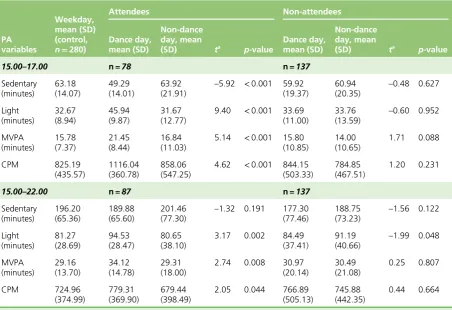
TABLE 19 Mean (SD) for PA variables for intervention girls attending and not attending dance classes during measurement period between 15.00 and 17.00
and 15.00 and 22.00 36
TABLE 21 Engagement in dance activities at T1 and T2 37
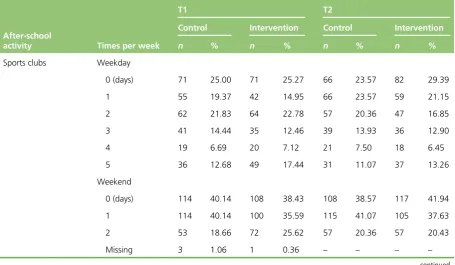
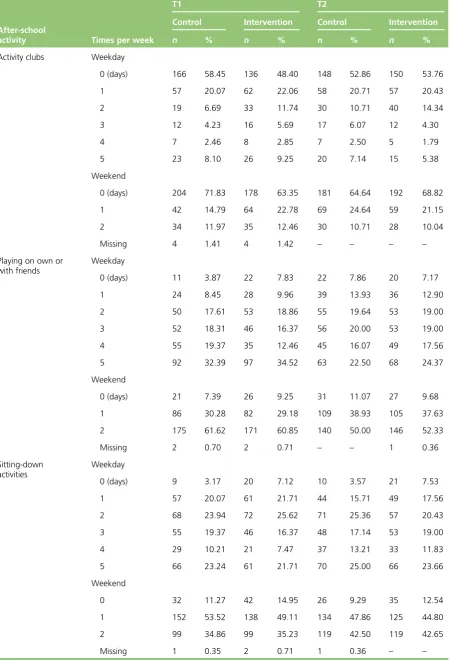
TABLE 22 After-school (15.00–bedtime) activity engagement during the past week 37
TABLE 23 Cronbach’s alpha at each time point 39
TABLE 24 Correlation matrix for psychosocial variables at T0 40
TABLE 25 Correlation matrix for psychosocial variables at T1 41
TABLE 26 Correlation matrix for psychosocial variables at T2 42
TABLE 27 Psychosocial regression results for T1 and T2 43
TABLE 28 Psychosocial regression results T2, CACE analysis 44
TABLE 29 Psychosocial regression results T1, CACE analysis 44
TABLE 30 Bristol Girls Dance Project resources and costs (2013–14) 49
TABLE 31 Cost per minute of MVPA at T2 50
TABLE 32 Cost per minute of MVPA at T1 50
TABLE 33 Cost per girl meeting the 60-minute per day MVPA recommendation
at T2 50
TABLE 34 Cost per girl meeting the 60-minute per day MVPA recommendation
at T1 50
TABLE 35 Frequency (%) of reported problems by dimension and intervention
arm at baseline 51
TABLE 36 Health outcomes measured in BGDP: responses to the EQ-5D-Y
descriptive system 52
TABLE 37 Health outcomes measured in BGDP: responses to the EQ-5D-Y VAS 52
TABLE 38 Focus group sample size 55
TABLE 39 Additional attendance data 59
TABLE 40 Withdrawal rates in intervention schools 63
TABLE 41 Fidelity to the session-plan manual per school 66
TABLE 42 Dance instructor adherence to SDT observation 78
TABLE 43 Agreement between observers (six sessions double coded) 80
TABLE 44 Weighted Kappa matrix 80
LIST OF TABLES
NIHR Journals Library www.journalslibrary.nihr.ac.uk
TABLE 45 Intraclass correlations for psychosocial observation 80
TABLE 46 Pupil-rated autonomy support 81
TABLE 47 Recommendations for the future dissemination of the trial 108
TABLE 48 Lessons learnt and recommendations for similar interventions 115
TABLE 49 Child focus group guide 143
TABLE 50 Dance instructor interview 147
TABLE 51 School contact interview guide 153
TABLE 52 Convergence coding matrix 157
TABLE 53 Description of how the research addressed each feature of the
trustworthiness criteria 161
List of figures
FIGURE 1 Hypothesised mediation model 16
FIGURE 2 Trial profile for the BGDP (CONSORT flow diagram) 24
FIGURE 3 Residual plots for the main model 30
FIGURE 4 Residual plots for the key secondary outcome model 32
FIGURE 5 Attendance per dance session across all schools 58
FIGURE 6 Self-reported reasons for not attending Active7 sessions 61
FIGURE 7 Dance instructor self-reported adherence to manual 67
FIGURE 8 Mean perceived enjoyment per school on four occasions during the
20-week intervention 70
FIGURE 9 Mean perceived exertion by school on four occasions during the
List of boxes
List of abbreviations
AUC area under the curve BGDP Bristol Girls Dance Project BMI body mass index
CACE complier average causal effect CI confidence interval
CONSORT Consolidated Standards of Reporting Trials
CPM counts per minute
EQ-5D-Y European Quality of Life-5 Dimensions Youth survey ICC intraclass correlation
ICER incremental cost-effectiveness ratio ID identification
IMD Index of Multiple Deprivation IQR interquartile range
LAG Local Advisory Group LEA local education authority MVPA moderate- to vigorous-intensity
physical activity PA physical activity PE physical education QALY quality-adjusted life-year SD standard deviation SDT self-determination theory T0 time 0 (baseline)
T1 time 1 (end of intervention) T2 time 2 (baseline plus 52 weeks) TIDieR Template for Intervention
Plain English summary
A
s children get older they tend to do less physical activity (PA). This is more the case for girls than for boys. It is important to increase PA in adolescent girls because participation in regular PA is linked to a lower risk of heart problems, diabetes and obesity in adulthood.Girls find dance enjoyable, so providing dance classes could be a way to increase PA. In this study we used a randomised controlled trial to test this idea. A total of 571 Year 7 girls from 18 schools took part. Nine schools received up to 40 after-school dance sessions (two sessions per week for 20 weeks). We collected data from the girls three times to test whether or not the sessions affected their PA or attitudes towards being active.
Scientific summary
Background
Many children and adolescents do not do sufficient physical activity (PA); in particular, girls are less active than boys through to adulthood. Encouraging girls who do not meet the daily recommendations of PA to become more active would improve a number of physical and mental health outcomes. There are few studies that focus on ways in which to help girls become physically active. Dance is an activity that appeals to many girls and that could engage those with low activity levels in higher levels of PA. The Bristol Girls Dance Project (BGDP) (known locally as Active7) aimed to examine whether or not participating in an after-school dance programme positively affects the PA levels of Year 7 girls and whether or not such an approach is a cost-effective way by which to increase PA.
Objectives
The primary aim of the study was to determine the effectiveness of the BGDP intervention to improve the objectively assessed (accelerometer) mean weekday minutes of moderate- to vigorous-intensity physical activity (MVPA) per day among Year 7 girls 1 year after baseline (T2=T0+52 weeks).
The secondary aims of the project were to:
1. determine the effectiveness of the intervention to improve the following outcomes among Year 7 girls at baseline (T0)+52 weeks (T2):
¢ mean weekend minutes of MVPA
¢ mean weekday accelerometer counts per minute (CPM)
¢ mean weekend accelerometer CPM
¢ the proportion of girls meeting the recommended 60 minutes of MVPA per day
¢ mean accelerometer-derived minutes of weekday sedentary time
¢ mean European Quality of Life-5 Dimensions Youth survey (EQ-5D-Y) scores (a standardised instrument for measuring health outcomes)
¢ programme costs (school-level) and mean participant costs
2. determine the effectiveness of the intervention during the intervention period (T1) on all primary and secondary outcome variables
3. determine the extent to which any effects on primary and secondary outcomes were mediated by autonomous and controlled motivation towards PA and perceptions of autonomy, competence and relatedness in PA. These mediators are informed by self-determination theory, the psychological theory of behaviour change on which our intervention is based
Methods
Inclusion criteria
Mainstream state secondary schools from Bristol, North Somerset, and Bath and North East Somerset councils were invited to participate. Schools were required to have at least 30 Year 7 girls and be able and willing to facilitate two after-school dance sessions per week for 20 weeks (January to June/July 2014).
Exclusion criteria
Special educational needs schools and schools designated as specialist dance academies were excluded. If we were unable to recruit≥25 girls in a school, a replacement school was sought.
All relevant schools were invited to participate in the study. Visits were made to schools that expressed an interest to gain study consent. All Year 7 girls were offered a‘taster’dance session. Girls were provided with parent and child information sheets and participation was dependent upon return of a completed parental consent form.
If>33 girls signed up in a school, girls were randomly ranked (via computer algorithm), with the first 33 being selected to participate. If girls withdrew from the study prior to baseline data collection they were replaced by the next child (in rank order). No replacements were allowed after baseline data collection.
We conducted three stages of measurements with all participant girls at the following times:
1. Time 0 [T0 (baseline)]: between September and November 2013. 2. Time 1 [T1 (weeks 17–20 of the intervention)]: June 2014. 3. Time 2 [T2 (T0+52 weeks)]: September to November 2014.
At each time point girls were asked to wear an Actigraph GT3x+(Actigraph LLC, Pensacola, FL, USA) accelerometer for 7 days and to complete a psychosocial questionnaire and the EQ-5D-Y questionnaire. Girls’heights and weights were also measured.
After baseline measurements were taken, nine schools were randomly assigned to the intervention arm and nine were randomly assigned to the control arm. Balance between trial arms was achieved with respect to a school’s local authority membership, mean minutes of participant MVPA at baseline per school, number of pupils in the school and level of deprivation (assessed as the percentage of pupils in the school eligible for the Department of Education’s Pupil Premium).
Schools randomised to the intervention arm received a 20-week dance intervention, consisting of two 75-minute after-school sessions per week (up to 40 sessions overall). Dance sessions were led by external dance instructors who delivered a standardised programme in each school. Instructors attended a 1-day training programme before the intervention began and a half-day‘booster session’mid-way through the intervention period. The dance programme focused on building girls’perceived autonomy to be active and perceived dance competence in a social, mutually supportive environment. The programme provided exposure to a range of dance styles. Intervention girls each received a‘dance diary’to complete between sessions (the diaries were not analysed as part of the study).
Results
A total of 18 schools took part in the study, and 571 girls provided baseline data. Schools were
randomised to intervention (schools,n=9; girls,n=284) and control (schools,n=9; girls,n=287) arms after baseline measures. Of the 571 girls who took part in baseline measures, 98.95% (n=565) provided data at T1 and 97.90% (n=559) provided data at T2.
SCIENTIFIC SUMMARY
NIHR Journals Library www.journalslibrary.nihr.ac.uk
An average of 31 girls signed up in each school. The nine intervention schools delivered between 37 and 40 of the planned sessions. Average attendance across the schools was 12 girls per session.
The primary intention-to-treat analysis found no evidence of a difference in the accelerometer-recorded MVPA of the two intervention arms at T2. There was no evidence of a difference in any other
accelerometer-derived measure of PA, either while the intervention was running (T1) or at T2.
A per-protocol analysis was conducted using a complier average causal effect analysis. This analysis included all control school students and intervention girls who attended two-thirds of the total sessions in their school (i.e. 20/30 sessions). A total of 81 girls from the intervention arm were included in this analysis. There was no difference between trial arms at T1 or T2.
Conclusions
There was no evidence that the BGDP had an effect on the primary or secondary PA outcomes. The intervention sessions were delivered in the nine intervention schools, with all schools receiving at least 37 of the planned 40 sessions. Attendance levels declined over the course of the intervention period. The girls who attended the sessions stated that they enjoyed them; however, perceived levels of exertion were low. There are lessons that were learnt from the process evaluation, which can be incorporated into future interventions to improve their effectiveness.
Trial registration
This study is registered as ISRCTN52882523.
Funding
Funding for this study was provided by the Public Health Research (PHR) programme of the National Institute for Health Research (NIHR). The work was also undertaken with the support of the Centre for the Development and Evaluation of Complex Interventions for Public Health Improvement (DECIPHer), a UK Clinical Research Collaboration (UKCRC) PHR Centre of Excellence. Joint funding (MR/KO232331/1) from the British Heart Foundation, Cancer Research UK, Economic and Social Research Council, Medical Research Council, the Welsh Government and the Wellcome Trust, under the auspices of the UKCRC, is gratefully acknowledged. This study was designed and delivered in collaboration with the Bristol
Randomised Trials Collaboration, a UKCRC Registered Clinical Trials Unit in receipt of NIHR Clinical Trials Unit support funding. All intervention costs were funded by the respective councils to which the
Chapter 1
Introduction/background
Benefits of physical activity
Regular physical activity (PA) can improve a number of risk factors for chronic disease, including body composition, lipoprotein profiles, insulin sensitivity, glucose levels and blood pressure in children and adults.1,2PA is also associated with positive emotional well-being and self-esteem among young people.3
Despite these benefits, a large number of young people in the UK do not meet the PA recommendations of 60 minutes on most days of the week.2The number of young people meeting this guideline fell
between 2008 and 2012.4There is an age-related decline in PA levels during childhood and adolescence,
with the start of secondary school being a key period of downwards transition.5,6
Girls
’
physical activity
The percentage of girls who meet government recommendations of 60 minutes of PA per day is low.4,7,8
Throughout childhood and adolescence, girls spend less time in moderate- to vigorous-intensity physical activity (MVPA) than boys, with reports of>60% of girls’time being spent on sedentary behaviours.7
Therefore, there is a need for effective strategies to attenuate this decline in PA among girls and to reduce the amount of time spent being sedentary.
A number of reasons have been proposed as possible explanations for the age-related decline in girls’PA. Research conducted by the Women’s Sport and Fitness Foundation9found that girls’attitudes towards PA
are positive and that 76% of 15-year-old girls want to do more PA. Girls perceived more barriers to being active than boys, ranging from disinterest and boredom to a lack of opportunity for the desired sport in school.10Self-presentation issues also affect participation, with 76% of girls agreeing that they are
conscious of their body image.9
Sport competence has emerged as a common theme relating to the PA levels of girls. Sports competence declines with age in boys and girls, but is consistently lower for girls and falls faster between 17 and 18 years of age.11Physical education (PE) in school can expose anxieties and make girls feel embarrassed
about their perceived lack of skill, further deterring them from participation. Focus groups based on girls’ attitudes towards PA have reported that girls are often disinclined towards PA because they do not like to appear tired or‘sweaty’in front of peers, especially males.10,12Girls also worry about not looking‘cool’and
being teased by boys and girls about not being feminine,9,10leading to an increased likelihood of giving
up sport. During adolescence, girls begin to form their own self-perception of sporting ability, which contributes to the decision-making process about whether or not to participate.11Therefore, the factors
that contribute to the decline in PA must be handled delicately and be considered when designing interventions to increase girls’PA.
Interventions to increase girls
’
physical activity
A recent meta-analysis concluded that interventions designed to increase girls’PA levels have a minimal, yet significant, effect (g=0.314;p<0.001).13On average, girls in intervention groups accrued 12.17%
more PA than girls in control groups. The authors suggested that the results led to the belief that behaviour change in this population is challenging but possible. A subgroup analysis found that
than girls in control troops, with 7.4% of girls meeting MVPA daily targets versus 1.6%, respectively (χ2=18.4;p<0.001).14
A number of approaches have attempted to help girls overcome their anxieties around PA. Intervention approaches have included allowing schools to develop bespoke action plans to prevent the decline in girls’ MVPA.7The Nutrition and Enjoyable Activity for Teen Girls intervention15provided enhanced school
sports sessions for 12- to 14-year-old girls, held seminars and workshops, and used various tools to help self-monitor activity. The choice of music and appealing activities during the sports sessions were incorporated to engage girls. The results suggest that these elements may have contributed to the favourability of sessions (41.7% of participants reporting it as the most enjoyable component of
the intervention). However, it was found that MVPA did not significantly differ between the intervention and control groups [adjusted difference in change–4.28 minutes/day, 95% confidence interval (CI)–13.82 to 5.25 minutes/day;p>0.05].15It is important to note that the authors did not reflect on elements of the
intervention that were successful or unsuccessful.
Taymoori and Lubans16used theoretical constructs to aid the development of educational and counselling
sessions for girls in order to identify potential mediators of PA behaviour change. Both interventions showed an intervention effect on self-reported PA. However, PA was not measured objectively. The authors concluded that certain behavioural strategies, such as goal setting and activity monitoring, were mediators for behaviour change. This suggests that interventions that focus on these components could be effective in increasing PA. Few studies have focused on increasing girls’PA as well as on attempting to overcome barriers such as low levels of competence and providing choice. Therefore, there is need for an intervention to be tailored to address these issues.
In summary, research suggests that adolescent girls are less active and experience greater declines in PA than boys because they have disengaged from and/or lack confidence in the types of PA that are traditionally offered. Increasing girls’perceived competence, strength of identity and interest in activities may help to sustain girls’participation in PA throughout adolescence.
Dance as a method to improve girls
’
physical activity levels
Dance is popular among UK and US adolescent girls.12,17,18Dance also provides an opportunity to
socialise.19The proportion of girls who dance remains high throughout adolescence, with 31.9% engaging
at 12–13 years of age and 33.1% at 18 to 19 years of age.20This interest in dance indicates that it could
be a useful medium through which to help improve girls’participation in PA.
In order to promote dance as a medium for increasing girls’PA, it is important to understand what attracts girls to dance. It appears that the style of dance is important. In particular, modern, high-energy dances are seen as more fun.19Girls particularly enjoy the opportunity to input into the dance moves that they
learn and perform.19The type of music (contemporary and upbeat) is a key factor that appeals to girls.19
Opportunities to socialise and support from peers contribute to whether or not girls participate.19,21Dance
provides an opportunity for all of the above and can be used as a tool to help overcome barriers to girls’ participation in PA. Dance is usually group-based (and is thus less likely to lead to individuals being on public display), non-competitive and takes place indoors where weather is not particularly important.10,12,22
Dance interventions
Numerous studies have examined the effects of dance interventions on physical and psychological factors in females. A dance intervention focusing on the‘joy of movement’successfully improved self-rated health scores among girls (aged 13–18 years) with internalising problems at 8-, 12- and 20-month follow-up (8-month difference in mean change 0.30, 95% CI−0.01 to 0.61; 12-month difference in mean change 0.62, 95% CI 0.25 to 0.99; 20-month difference in mean change 0.40, 95% CI 0.04 to 0.77).23Aerobic
capacity (p=0.001) and upper body strength (p=0.002) has also been found to significantly increase for
INTRODUCTION/BACKGROUND
NIHR Journals Library www.journalslibrary.nihr.ac.uk
girls attending contemporary dance classes.24These studies were limited by the absence of a control
group, the small sample size and the fact that, although recruitment took place within a school setting, two of the interventions were carried out in the community.
The‘Dance 4 your life’intervention improved self-esteem (p=0.01) from pre to post intervention among females aged 14 years.24Burgesset al.25found improvements in factors that contribute to self-esteem,
which supports the findings from‘Dance 4 your life’. A total of 6 weeks of aerobic dance classes reduced body image dissatisfaction and enhanced physical self-perception. However, girls were recruited selectively based on their scores for these variables.25Zanderet al.26found that participants in a dance intervention
were likely to form mutual affective and collaborative ties with peers, indicating that dance can be used as a socialising medium. Limitations to this trial include the lack of evaluation of the project and the non-random assignment to control or intervention arms. These studies provide evidence for many health-related benefits of dance; however, few studies have focused on the effect of dance on PA levels. There is a need, therefore, to test the applicability of a large, robust, UK dance-based intervention to increase PA levels among girls.
Dance has been established as a valid alternative to traditional sport and exercise, as it has been proven to elicit physical and psychological health benefits. It has also been found to contribute up to 29% (95% CI 25.9% to 31.6%) of girls’total MVPA and to reduce the amount of time that girls spent on sedentary behaviour (p<0.001).27Moreover, girls enrolled in dance classes accumulated more MVPA on days on
which they danced (28.7±1.4 minutes) than on non-dance days (16.4±1.5 minutes) (p<0.001). However, the cross-sectional design of this study limits the ability to attribute increasing MVPA solely to dance.
Girls who may drop out of other activities during secondary school are more likely to engage in dance.28
Dance has the potential to increase the intrinsic motivation for PA and to improve perceived autonomy, competence and relatedness.21,28Recent media coverage that demonstrates the benefits of dance has
increased its popularity with the public and heightened awareness of dance as a form of exercise.24
Therefore, dance interventions may be more appealing to girls and may function as an effective means by which to increase girls’MVPA.
There is little current dance provision within UK schools. Over 50% of primary schools in the UK do not provide dance as an extracurricular activity29(equivalent data are not available for secondary schools).
In secondary schools in England, there is no requirement for the arts to be taken as part of the English Baccalaureate, meaning that access to the arts (including dance) in schools is limited. In addition, only 4% of PE teachers hold a post-Advanced-level qualification in dance,30restricting the quality of dance offered
as part of PE.
After-school interventions
The extended schools policy,31in which all UK secondary schools are encouraged to stay open for
additional activities, provides an opportunity to alleviate some of the problems associated with dance provision in schools. A benefit of interventions being held after school is that they take place in a safe environment in which children can be active and spend time with peers and adults, who may act as role models.32The majority of after-school programmes have been well received by parents and children,
meaning that the hours after school provide a good opportunity for children to have fun and be active.32,33
Atkinet al.34found that the most effective after-school interventions were located on school sites, where
Organised after-school PA programmes that focus on increasing PA opportunities for a wide group of adolescents could be an effective means by which to engage inactive adolescents in PA.35Previous systematic
reviews report that the evidence for interventions to increase PA in young people is weak. This is, in part, a result of poor design, weak methodology and insufficient statistical power. There is a need for additional well-controlled studies that incorporate a theoretical rationale to produce trustworthy results.32–34,36,37A recent
literature search revealed that since these reviews, there have been five randomised controlled trials38–42that
employed objective measures of PA in evaluating the effectiveness of a school-based intervention to increase PA levels. Of these, two were feasibility trials38,39and one was a cross-sectional study.40
Looking at the five studies, withdrawal and drop-out rates were low (<20%); however, attendance varied widely, thus compromising intervention integrity. Two studies38,39reported on the long-term impact of
the intervention on PA once the programme had finished. Only one study41monitored intervention
consistency, making it difficult to establish whether or not the other interventions were delivered as intended. The use of psychological theory was found to contribute to the success of behaviour-change theories.43All but one42of the five studies used either social cognitive theory or self-determination theory
(SDT) to aid the development of their interventions, thereby allowing the appropriate mediators of PA to be targeted.
The five studies suggest that there is some evidence that school-based interventions were successful in increasing objectively assessed MVPA among certain subsets. Our own feasibility work [Bristol Girls Dance Project (BGDP) feasibility trial], in which girls in intervention schools received a 9-week programme consisting of two 90-minute dance sessions per week increased MVPA among intervention participants at 3 months after the completion of the dance sessions (8.7 minutes per weekday, 95% CI 5.5 minutes per weekday to 11.9 minutes per weekday) compared with a control group.38The Action 3 : 30 trial trained
teaching assistants to deliver after-school PA sessions to 9- to 11-year-old children; weekday MVPA for boys increased by 8.6 minutes per day (95% CI 2.8 minutes to 14.5 minutes).39Both Madsenet al.42
and Dzewaltowskiet al.40found a significant increase in MVPA in an overweight subsample of children.
The SCORES programme used soccer to support the development of skills and competencies among 9- and 10-year-old students and resulted in an increase in MVPA of 3.4 minutes per weekday (95% CI 0.3 minutes per weekday to 6.5 minutes per weekday;p-value not reported) among students with a body mass index (BMI) at or above the 85th percentile.42The HOP’N trial aimed to develop the skills and efficacy
of adults and children (aged 9–10 years) to build a healthy after-school environment. Overweight/obese children in the HOP’N trial obtained 5.92 minutes more MVPA per day (95% CI–13.00 minutes to 1.17 minutes;p=0.10) than overweight children in the control group.40Finally, Wilsonet al.41conducted the
Active by Choice Today trial among adolescents from low-income and ethnic minority backgrounds, which consisted of a 17-week programme delivered three times a week for 2 hours. The programme entailed a homework and snack element, MVPA activities chosen by students and a behavioural skills/motivational component. MVPA declined less among students in the Active by Choice Today trial intervention group than in the control, resulting in 4.87 minutes (95% CI 1.18 minutes to 8.57 minutes) more MVPA per day than those in the control group.41
It is important to recognise that, although these five studies indicate that after-school programmes hold promise for increasing children’s PA levels, they have limitations. The Active by Choice Today trial found that fidelity and dose were not adequate during the first year of the trial, potentially weakening the overall effect.41The other studies did not monitor fidelity38–40,42and at least one39emphasised this as a limitation.
The need for new strategies to keep attendance levels high to improve intervention integrity also emerged from the studies.
INTRODUCTION/BACKGROUND
NIHR Journals Library www.journalslibrary.nihr.ac.uk
Theories of behaviour change: self-determination theory in
physical activity research
Interventions based on psychological theory have proved more successful than those not based on psychological theories.43,44SDT45is particularly illuminating in examining adolescents’motivation for PA46
(e.g. how self-determined their reasons for PA are). The underlying principles of SDT are that
self-determined (autonomous) motivation is behaviourally and psychologically adaptive and that it develops to the extent that individuals perceive a sense of ownership or autonomy over their PA, feel able and competent and are supported in their PA by meaningful social relationships.45,47This hypothesis is
supported by empirical research in the PA/exercise domain among children,48adolescents49and dancers.50
Six motivation types are proposed in SDT, varying in their degree of self-determination or autonomy. Each is hypothesised to be differently associated with individuals’engagement in a given behaviour (e.g. being active), cognitive processes and affective outcomes.51The more self-determined motivational types
(intrinsic, integrated and identified behaviours) are grouped as autonomous. Intrinsic motivation sees an individual engage in an activity for inherent satisfaction or enjoyment. Other forms of motivation involve doing the behaviour for a reason(s) distinctive from inherent satisfaction. Integrated regulation is when engaging in a behaviour is in line with an individual’s broader self (e.g. being active as part of a person’s identity). Identified motivation is driven by an outcome, such as health benefits or friendship. The less self-determined motivational forms (introjected and external) are broadly grouped as controlled motivation. Introjected regulation refers to motivation based around internalised pressures, like avoiding feelings of guilt. External regulation is characterised by prods and pushes that are external to the individual, such as avoiding punishment.
Previous research suggests that autonomous motivation for PA is positively associated with an increase in young people’s PA behaviour.48,52In addition, autonomous motivation is seen to positively affect
psychological outcomes such as quality of life and physical self-concept.53Girls with autonomous
motivation for exercise have been found to exhibit a greater sense of competence and achievement, and tend to remain involved in PA, whereas those without this form of motivation lose interest and look elsewhere for investment of their efforts.54Evidence suggests that social aspects motivate girls to engage
in PA, with>50% of girls being active because of peers.9Peer support is an important factor in the
participation and retention of after-school dance programmes.19It has been shown that children cluster in
groups with similar activity levels,55suggesting that friendship is important for PA participation. As such,
an intervention that addresses these factors may be successful in engaging girls in PA and encouraging lifelong attitudes towards being active.
Self-determination theory is particularly amenable to inclusion in behavioural interventions because it specifies the psychological and socioenvironmental conditions that underpin autonomous forms of motivation.56In SDT, it is important to note that for interventions delivered by practitioners (e.g. dance
instructors), people’s psychological needs can be supported or undermined by the motivational climate that an authority figure creates through their interpersonal or teaching style.57,58Needs-supportive motivating
styles are underpinned by the provision of autonomy support (i.e. providing a meaningful rationale, offering choice and avoiding the use of controlling language), structure (i.e. setting out clear expectations and providing guidance) and involvement (i.e. being empathic and showing genuine interest for
others).58,59A controlling motivating style is characterised by strategies such as tangible rewards, feedback
aimed to manipulate rather than to inform and the use of controlling language.60Among children, PE
Formative work
Extensive formative work was conducted to inform the design of the current study. This included:
(1) qualitative work with Year 7 girls and their parents on how to design an after-school dance programme and recruit children;19(2) interviews with teachers and dance specialists to identify key elements to
incorporate into the intervention;61and (3) a feasibility trial38and economic evaluation.62
Focus groups (including 65 girls) and telephone interviews (with 16 parents) were conducted in four secondary schools across Bristol.19Some issues were suggested to affect recruitment. The intervention
needed to be marketed as fun and enjoyable (as well as something that provides an opportunity to socialise). To encourage participation, taster sessions were considered useful. Parents suggested that attracting groups of friends and stressing the health benefits of dance may also increase interest. Views on sustaining participation differed for girls and parents. Girls highlighted the importance of dance styles and music (and being allowed to input on both) for keeping them motivated, and parents suggested that setting achievable goals throughout the programme would help retention. Parents also cited enjoyment and teaching style as important.
Interviews were conducted with 11 PE teachers from secondary schools in the local area and 11 dance instructors.61PE teacher interviews covered logistical issues of a dance intervention within a school setting
and structure, content and recruitment concerns for an after-school dance programme. Dance instructor interviews explored barriers to participation, strategies to aid progression, content of dance sessions and how to retain participants. PE teachers pointed to a lack of dance in school and suggested that they were not confident to deliver dance. All dance instructors concurred that dance sessions should cover a number of dance genres and be structured in a way that helps foster friendships, enjoyment, ownership and a rapport between instructor and pupils.
The BGDP feasibility study63was a three-arm, parallel-group, cluster randomised controlled study and
economic evaluation, with schools as the unit of allocation. The intervention content was informed by the focus groups and interviews discussed above. Seven secondary schools were recruited and all Year 7 girls who were physically able to participate in PE were invited to participate. For practical reasons the sample was limited to 30 girls per school. Three intervention schools received two 90-minute after-school dance classes per week, for 9 weeks. The feasibility trial demonstrated that it is possible to recruit Year 7 girls and record the cost of the programme. The study also showed that girls would attend dance sessions and that it was feasible to collect PA data from the girls at three time points. The feasibility work suggested that it is possible to achieve a mean increase of 10 minutes of MVPA per weekday if the session intensity was increased and inactive creative time reduced. An embryonic resource use checklist was developed for use in the main trial economic evaluation.62
Summary and rationale for the Bristol Girls Dance Project trial
Physical activity is important for the prevention of a number of diseases and also enhances mental well-being. PA declines during youth, with the start of secondary school being a crucial period of change. Girls are less active than boys at all ages and there is an absence of effective interventions to encourage PA in girls. Dance provides an opportunity for high levels of PA; it is also social and enjoyed by girls. As such, dance has the potential to function as a source of PA across the life-course. After-school dance programmes may be an effective means by which to increase the PA levels of girls. However, dance provision in schools is limited, and in the current economic climate schools have reduced funds to support after-school programmes. The goal of this study was to test whether or not after-school dance
programmes can be effectively delivered in UK secondary schools.
INTRODUCTION/BACKGROUND
NIHR Journals Library www.journalslibrary.nihr.ac.uk
Chapter 2
Trial design and methods
Aims and objectives
The specific research aims of the BGDP (locally known as Active7) trial were as follows.
Primary aim
1. To determine the effectiveness of the BGDP intervention to improve the objectively assessed
(accelerometer) mean weekday minutes of MVPA accumulated by Year 7 girls 1 year after the baseline measurement (T2=T0+52 weeks).
Secondary aims
2. To determine the effectiveness of the BGDP intervention to improve the following secondary outcomes among Year 7 girls at T2:
¢ mean weekend day minutes of MVPA
¢ mean weekday accelerometer counts per minute (CPM) (providing an objective measure of the volume of overall PA in which girls engage)
¢ mean weekend accelerometer CPM
¢ the proportion of girls meeting the recommendation of 60 minutes of MVPA per day
¢ mean accelerometer-derived minutes of weekday sedentary time
¢ mean European Quality of Life-5 Dimensions Youth survey (EQ-5D-Y) scores
¢ programme costs (school-level).
3. To determine the effectiveness of the BGDP intervention during the intervention period (T1) on all primary and secondary outcome variables.
4. To determine the extent to which any effect on the primary outcome was mediated by autonomous and controlled motivation towards PA and perceptions of autonomy, competence and relatedness in PA.45
5. To determine the cost-effectiveness/utility of the intervention from a public-sector perspective over the time frame of the study.
Research design
The trial was a two-armed, cluster randomised controlled trial conducted in 18 secondary schools across the greater Bristol area. The trial included process, economic, quantitative and qualitative evaluations.
The study was granted ethical approval from the School for Policy Studies, University of Bristol, and was sponsored by the University of Bristol. The trial was registered with International Standard Randomised Controlled Trial Register under the reference number ISRCTN 52882523. The original study protocol was sent to the National Institute for Health Research (NIHR) on 26 April 2013 and published as a journal article.64A small number of revisions were made to the protocol during the study. A summary of changes
Study population and recruitment
The study sought to recruit 18 mainstream secondary schools (excluding special educational needs providers, dance academies and privately/independently funded schools) operating within three local authorities (Bristol City Council, North Somerset Council and Bath and North East Somerset Council). To participate, schools needed to have at least 30 Year 7 girls and be able and willing to allocate space for two after-school sessions per week for 20 weeks between January and June/July 2014. All schools fulfilling the inclusion criteria were invited to participate and the first 18 schools that agreed to participate were enrolled. Additional schools were placed in a reserve pool. We aimed to recruit between 25 and 33 Year 7 girls from each school (450–594 girls). To participate schools had to recruit at least 25 girls to the study. In the case of five schools, it was not possible to recruit the minimum number of girls, so reserve schools acted as replacements. This extended the recruitment period into November 2013.
Following school recruitment, a participant recruitment campaign was initiated in all 18 schools. A taster session was provided for all Year 7 girls who were able to engage in PE classes. Taster sessions were delivered by external dance instructors within school time (usually in a PE session). At the end of the taster session pupils were told about the study (including details of the randomisation and data collection commitments). The only exclusion criterion applied at pupil recruitment was that girls were able to participate in standard PE lessons.
TABLE 1 Revisions to protocol
Change to protocol Date
The recruitment target was increased from 30 to 33 girls in each school 17 July 2013 Girls in intervention schools were be given a‘dance diary’. They were encouraged to complete this
between sessions. Diaries required girls to reflect on their learning and set personal goals The questionnaires that girls answered include a section that measures self-esteem
The process evaluation incorporates audio-recording of dance instructors. Observers rated the degree to which the instructors delivered the core components of the session. The audio-recordings were rated, using a validated tool, to measure the extent to which dance teachers’teaching styles were autonomy-supportive
20 September 2013
A recommendation from the March Trial Steering Committee meeting was to reconsider the inclusion criteria for the secondary analyses. The protocol was subsequently amended to reflect these changes:
(a) The wording of the inclusion criteria for the primary outcome was edited to be more specific:
‘Participants will be included in the analysis of mean weekday minutes of MVPA if they provide at least 2 days of valid weekday data. A valid day will be defined as at least 500 minutes of data between 5am and 11.59pm’
(b) The wording of the secondary outcome was edited to be more specific:‘The following accelerometer-derived variables will be considered secondary outcomes: a) mean weekday minutes of MVPA (T1) b) mean weekend day minutes of MVPA (T1 and T2)’
(c) Inclusion criteria for secondary outcome was changed to be more specific:‘To be included in weekday analyses participants must provide at least 2 valid weekdays of data. For weekend day analyses girls need to provide at least 1 valid day of weekend data. To assess the proportion of girls meeting PA guidelines, participants will need to provide at least 2 valid weekdays and 1 valid weekend day of data’
1 May 2014
TRIAL DESIGN AND METHODS
NIHR Journals Library www.journalslibrary.nihr.ac.uk
Where more than 33 consent forms were returned, pupils were randomly ranked, with the first 33 pupils being selected at random using a computer-generated algorithm. Any girl dropping out of the study prior to baseline data collection was replaced by the subsequent pupil in rank order. This process was repeated as necessary. No replacements were made after baseline data collection.
School contacts signed a‘school study agreement’, which stated that the school contact was happy for their school to take part in the study and for data to be anonymously stored in data sets and be used for publication. The form also collected contact details and basic demographic information of Year 7 girls. Written informed parental consent was obtained for all girls, and school contacts and dance instructors (taking part in the end of study qualitative work) also provided written informed consent. Following each taster session, all girls were given information packs for themselves and their parents/guardians. Girls wishing to participate had to return a completed parental informed consent form to school.
Our pilot work63indicated that small reimbursements enhance data provision. As such, all girls received a
£10 gift voucher on completion of each data collection phase (£30 in total). Control schools were each given a £500 donation to offset any costs incurred in facilitating data provision, which was received after the third stage of data collection.
Public and patient involvement
A Local Advisory Group (LAG) was formed to improve the relevance and delivery of the intervention for the schools and girls taking part. The LAG consisted of a variety of individuals in order to address the views of as many stakeholders as possible. The group met on three occasions during the study and played an important part in informing the intervention materials (dance diaries), behaviour management and
attendance. The LAG also provided extensive input into the dissemination materials, which were developed in consultation with them. The group consisted of local council staff, school teaching staff, dance
instructors, creative directors, school sport development managers and parents.
Baseline data
BOX 1 Description of data collected at baseline
Data collected at baseline
School level
The local authority to which each school belonged.
Percentage deprivation (based on the Department of Education’s Pupil Premium, a measure of the number of girls receiving free school meals in each school).
Total number of pupils in school.
Total number of Year 7 girls in school.
Baseline mean MVPA per school (for randomisation purposes).
Details on after school activity provision available to Year 7 girls in school.
Participant level
Parent reported
Home postcode.
Age of child (years and months).
Number of siblings.
Highest level of education in household.
Child reported
Objectively assessed:
l Accelerometer data for 7 days (seeTable 4for PA measures derived from accelerometer data). l Height (cm) and weight (kg) to calculate standardised BMI z-score (kg/m2).
Self-reported:
l EQ-5D-Y score.
l Psychosocial questionnaire (tablet device).
l Dance classes attended outside school (child questionnaire).
TRIAL DESIGN AND METHODS
NIHR Journals Library www.journalslibrary.nihr.ac.uk
Randomisation
Schools were randomised to control (n=9) or intervention (n=9) in a 1 : 1 ratio after baseline data had been collected using Stata version 12.1 (StataCorp LP, College Station, TX, USA) code specifically designed to balance the two arms by minimisation, which took account of four school-level factors, namely local authority, school size, baseline mean MVPA (%) and deprivation (based on the percentage of children with free school meals). Deprivation was assessed as the percentage of pupils in the school eligible for the Department of Education’s Pupil Premium (additional funding given to schools to support disadvantaged pupils and bridge the attainment gap between them and their peers). Randomisation was conducted by Keeley Tomkinson. Mark J Edwards made schools aware of their allocation soon after randomisation was conducted.
Intervention group
The nine schools that were randomised to the intervention arm received a 20-week dance intervention, consisting of two 75-minute after-school sessions per week (maximum 40 sessions), which were provided between January and June/July 2014. Dance sessions were led by 10 professional self-employed dance instructors who delivered a standardised programme which was developed in the feasibility trial. Instructors attended an induction session before the intervention began (December 2013) and a‘booster session’ after the first term of intervention delivery (April 2014).
The dance programme focused on building girls’autonomous motivation to be active and perceived dance autonomy, competence and relatedness through an autonomy-supportive environment. The programme provided exposure to a wide range of dance styles (instructors were given flexibility in what they delivered) (seeAppendix 1). Girls in intervention schools were each given a‘dance diary’(seeAppendix 2) which they were encouraged to complete between sessions. The diaries were intended to help children reflect on their learning and to encourage them to set their own goals.
Development of dance instructor training and manual
The BGDP aimed to increase girls’autonomous (mainly identified and intrinsic) motivation for both dance and PA more broadly by providing them with fun and need-satisfying dance sessions led by an autonomy-supportive instructor. This was targeted through the‘Guide for dance instructors’(‘session-plan manual’) (seeAppendix 1for excerpts), the session design and content, and dance instructor intervention training. The ways in which the dance instructor manual and session content mapped on to the theoretical targets of the intervention are presented inTable 2. Dance instructors received a 1-day training session prior to the start of the intervention. The training was developed collaboratively between a dance
TABLE 2 Mapping the‘Guide for dance instructors’and dance session content to SDT-based intervention targets
Theoretical target
Guide for dance instructors/‘motivation
toolkit’ Dance session design and content
AS l Definition and description of autonomy need
l Definition and description of autonomy-supportive vs. controlling style
l Example AS teaching strategies, vignettes
l Separation from a laissez-faire style
l Using autonomy-supportive vs. controlling language (description and examples)
l Using rewards wisely (unexpected verbal praise)
l Instructor learning tasks including case studies and self-reflections
l Provision of choice on music and dance styles
l Developing own dances and sections of dances
l Using variety of role models (e.g. leading warm up)
l Provide girls the option of whether or not to build up to a dance performance and the nature of any performance
CS l Definition and description of competence need
l Example CS teaching strategies, vignettes
l Supporting competence verbally and through the setting/nature of tasks
l Instructor learning tasks including case studies and self-reflections
l Begin with a familiar dance (i.e. the dance from the‘taster session’)
l Differentiation of activities to varied skill levels
l Progression from simple to more complex skills and routines
l Dance diaries completed at end of sessions to encourage self-reflection
l Allow girls to dictate rate of progression/ when to move on
RS l Definition and description of relatedness need
l Example RS teaching strategies, vignettes
l Definition and description of involvement including example strategies
l Instructor learning tasks including case studies and self-reflections
l Dance instructor asking about girls’lives outside of Active7 (e.g. weekends, holidays)
l Focus on teamwork, group dances and building group ethos
Structure l Definition and description of structure
l Separation from laissez-faire style
l Discipline and staying safe (using rationales)
l Developing behavioural guidelines/instructor and pupil expectations
l Dealing with poor behaviour (stepped approach)
l Involve girls in setting rules within first 2 weeks
l Remind girls of rules and provide rationales
l Implement stepped procedure to deal with poor behaviour
Promoting autonomous motivation
l Definition and description of motivation types and the‘Active7 Zone’(intrinsic and identified)
l ‘What is wrong with controlled motivation’ – definitions and description
l Focus sessions on having fun and maintaining energetic teaching.
l Avoid/minimise use of external controls (e.g. punishments) or rewards or internalised pressu