UNDERSTANDING THE REPRODUCTIVE HEALTH AND RELATIONSHIP CHANGES OF WOMEN WHO SURVIVED EBOLA IN LIBERIA
Christine Leigh Godwin
A dissertation submitted to the faculty at the University of North Carolina at Chapel Hill in partial fulfillment of the requirements for the degree of Doctor of Philosophy in the Department
of Maternal and Child Health in the Gillings School of Global Public Health.
Chapel Hill 2018
Approved by:
Kavita Singh David Wohl Margaret Bentley Sandra Martin Ilene Speizer
© 2018
Christine Leigh Godwin ALL RIGHTS RESERVED
ABSTRACT
Christine Leigh Godwin: Understanding the Reproductive Health and Relationship Changes of Women Who Survived Ebola in Liberia
(Under the direction of Kavita Singh)
The goal of this dissertation is to understand the experiences of women who have survived infection with Ebola virus disease in Liberia with regards to reproductive health sequelae and changes in intimate relationships.
Chapter 2 estimates the frequency of failed pregnancy (miscarriage or stillbirth among pregnancies conceived after Ebola) and menstrual irregularities among female Ebola survivors.
Findings show that adverse pregnancy outcomes and irregular menstruation were common in this sample of women following acute Ebola virus disease (EVD) infection. No statistically
significant associations were found between these outcomes and other demographic or Ebola- related factors of interest.
Chapter 3 describes the experiences of women who have survived Ebola and endured relationship dissolution due to Ebola-related death or abandonment of an intimate partner. The paper also compares the experiences of female survivors whose partner died of Ebola to female survivors who were abandoned by their partner due to Ebola-related stigma. Findings show that women who survive Ebola and endured relationship dissolution due to Ebola experienced many social and economic hardships after their recovery from Ebola, including stigma and rejection by community members, loss of income due to Ebola sequelae, and financial stress in providing for children. Women who had been widowed were disproportionately affected by stigma and
discrimination in their communities as well as internalized stigma compared to women who were
abandoned. A large portion of women in this sample started a new relationship following Ebola, although several reported the new relationship ending due to Ebola-related stigma.
Together, these studies provide a more comprehensive picture of the reproductive health and intimate relationship experiences of women who have survived Ebola. These findings can be used to inform clinical, psychosocial, and social support services for women who have survived Ebola.
This dissertation is dedicated to the Overcomers…
“How I feel about surviving Ebola… I feel that I’m a hero, I feel that I’m an overcomer. For somebody to go into a fight with a deadly virus like Ebola and survive—that means you are a hero, you are a champion and nothing can defeat you easily. So I feel that I’m very strong. I’m a
hero. I’m an overcomer.” – Ebola survivor and study participant
ACKNOWLEDGEMENTS
This research would not have been possible without the encouragement and support of so many people…
Pearce, who never doubted me.
Mom, who taught me to question everything.
Dad, who instilled in me a deep desire to learn and understand.
Elizabeth, who always reminded me to eat that elephant one bite at a time.
Amanda, who taught me to never take no for an answer.
Dakota, Maddie, and Hamlet, who reminded me that there is more to life than work and who provided frequent (and necessary) therapeutic snuggles.
Kavita, who responded to every frantic email, call, and request with patience and calm.
Peggy, who saw my potential and pushed me on.
Sandy and Ilene, who provided both technical advice and enthusiasm.
David and Billy, who took me under their wing, gave me a chance, and supported me every step of the way.
Bev Kauffeldt, who inspired me with her passion and introduced me to the world of Ebola survivors.
Mosoka Fallah, whose generosity and compassion know no bounds.
Betsy Tolley and Emily Namey, who supported me in every way they could, reviewed study tools and manuscripts, and reminded me to just get across the finish line.
Darrell, Keren, and Seth, who poured their time and energy into these studies.
To the 69 women who opened their hearts and lives to the world by participating in interviews. I hope I have done justice in sharing your experiences and stories.
TABLE OF CONTENTS
LIST OF TABLES ... x
LIST OF FIGURES ... xi
LIST OF ABBREVIATIONS ... xii
CHAPTER 1. EBOLA SURVIVORSHIP ... 1
Introduction ... 1
Background and Significance ... 2
West Africa Ebola Outbreak ... 2
Ebola Survivorship... 4
Significance... 8
Setting ... 9
Specific Aims ... 11
Theoretical and Conceptual Frameworks ... 12
Socioecological Framework ... 12
Conceptual Model ... 14
REFERENCES ... 18
CHAPTER 2. REPRODUCTIVE HEALTH SEQUELAE IN WOMEN WHO SURVIVED EBOLA VIRUS DISEASE IN LIBERIA ... 22
Background ... 22
Adverse Pregnancy Outcomes Among Survivors... 24
Menstrual Irregularities Among Survivors ... 25
Methods... 27
Ethics Statement... 27
Study Setting ... 27
Study Design ... 27
Definitions/Measures ... 28
Statistical Analysis ... 32
Results ... 33
Adverse Pregnancy Outcomes ... 33
Menstrual Irregularities ... 34
Discussion ... 35
Limitations ... 37
Conclusion ... 38
REFERENCES ... 44
CHAPTER 3. EXPERIENCES OF RELATIONSHIP DISSOLUTION AMONG WOMEN WHO SURVIVED EBOLA IN LIBERIA ... 48
Background and Context... 48
Methods... 54
Study Design and Data Collection ... 54
Ethical Considerations ... 56
Inclusion and Exclusion Criteria from Formative Qualitative Study (Godwin 2018) ... 56
Analysis... 57
Results ... 59
Sample Characteristics ... 59
Experience of Partner Loss and Relationship Dissolution ... 60
Stigma and Migration ... 69
Perceived Hardship ... 73
Formation of New Relationships and Remarriage ... 76
Discussion ... 80
Experiences of Relationship Loss ... 81
Interplay Between Levels of Factors in Women Who Experienced Relationship Loss ... 82
Limitations ... 85
Conclusion ... 86
REFERENCES ... 89
CHAPTER 4. CONCLUSIONS ... 92
Limitations ... 93
Program Implications ... 95
Research Implications ... 96
REFERENCES ... 97
APPENDIX 1: SURVEY ON REPRODUCTIVE HEALTH ... 105
APPENDIX 2: IN-DEPTH INTERVIEW GUIDE... 108
APPENDIX 3: PHONE SCRIPT AND DISTRESS SCREENING TOOL... 112
APPENDIX 4: INTERVIEW DISTRESS PROTOCOL ... 113
LIST OF TABLES
Table 2.1. Characteristics of Study Sample (n=111) ...39 Table 2.2. Reproductive Health Outcomes After Ebola ...40 Table 2.3. Association of Demographic and Ebola-Related Factors with
Pregnancy Outcomes ...41 Table 2.4. Association of Demographic and Ebola-Related Factors with
Menstrual Changes Among Women Who Reported Having Regular
Menstruation Prior to Ebola ...42 Table 3.1. Relationship Outcomes of Women Who Survived Ebola and
Were in a Relationship at the Time of Ebola, from Content Analysis ...87 Table 3.2. Characteristics of Study Sample ...87 Table 3.3. Outcomes of Women Who Survived Ebola, After Ebola ...88
LIST OF FIGURES
Figure 1.1. Map of West African Ebola outbreak (WHO). ...2
Figure 1.2. Map of study sites (BBC). ...9
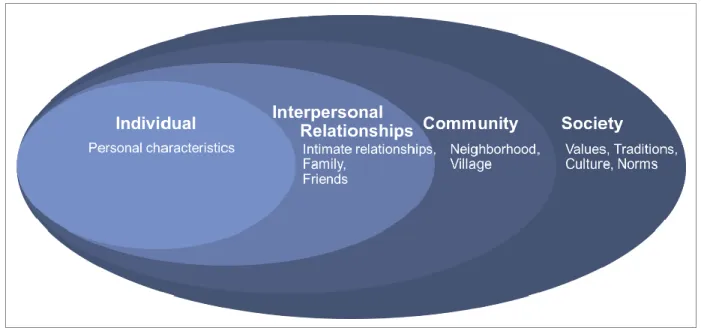
Figure 1.3. Adapted socioecological framework. ...13
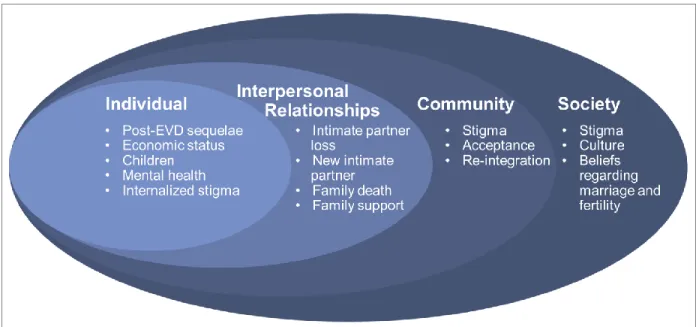
Figure 1.4. Conceptual model. ...14
Figure 2.1. Menstrual irregularities among women who reported having regular menstruation prior to Ebola (n=27). ...43
Figure 3.1. Adapted socioecological framework with levels of influence affecting women who have survived Ebola and experienced relationship dissolution. ...51
Figure 3.2. Socioecological framework factors affecting women who survived Ebola and experienced relationship dissolution. ...82
LIST OF ABBREVIATIONS CI Confidence interval
DHS Demographic Health Survey DRC Democratic Republic of Congo ELWA Eternal Love Winning Africa ETU Ebola treatment unit
EVD Ebola virus disease
OR Odds ratio
PPE Personal protective equipment SD Standard deviation
WHO World Health Organization
CHAPTER 1. EBOLA SURVIVORSHIP Introduction
The unprecedented scale of the 2014–2016 West Africa Ebola outbreak has resulted in over 10,000 survivors of the virus [1]. However, to date, no studies have explored the
implications of Ebola survivorship on intimate relationships and sexual behaviors or fertility and pregnancy outcomes among female survivors. Studies from past Ebola outbreaks have shown that survivors frequently experience rejection from their families, spouses, and communities [2, 3]. Articles in the press and Ebola survivors’ groups have reported that female survivors can experience disrupted menstruation and difficulty maintaining pregnancies [4]. Despite early studies suggesting strong stigma against female survivors, no research exists on the impact of intimate relationships on survivors or the association between Ebola survivorship and female reproductive health issues. This represents a critical gap in public health knowledge, as this information is necessary for the development and implementation of programs that can provide clinical and psychosocial services tailored to support this unique population of female Ebola survivors [5].
This dissertation research fills this gap by establishing a foundation of knowledge regarding the stigma, social rejection, sexual behavior, and reproductive experiences of women who survived Ebola in Liberia. To accomplish this, two studies were undertaken. The study in Chapter 2 employed in-depth interviews with women survivors across three counties in Liberia on topics related to stigma, social rejection, intimate relationships, sexual behavior, and changes in reproductive health. The study discussed in Chapter 3 then used survey data from women
survivors in Monrovia, Liberia, on changes in menstruation that have occurred since Ebola as well as the outcomes of any pregnancies conceived after Ebola. These findings provide us with an in-depth understanding of the perceived experiences of women who have survived Ebola as well as how these experiences might differ between survivors in rural and urban settings. This research draws from a large body of knowledge on how perceived stigma among persons living with HIV can affect their social acceptance, sexual relationships, and sexual behavior (e.g., frequency of sexual encounters and condom use) [6, 7], in addition to how stigma can affect those living in urban and rural settings differently [8-10].
Background and Significance West Africa Ebola Outbreak
December 2013 marked the start of the West African Ebola epidemic when a one-year- old boy in Guinea fell ill with the virus. Given that Ebola virus disease (EVD) can be spread through casual contact, family
members, neighbors, and
healthcare workers who came into contact with the boy also became sick and unknowingly passed the virus on to others. By March 2014, the virus had spread across the Liberian border, with cases emerging in Lofa and Nimba counties. The epidemic lasted for nearly two years, with small, isolated outbreaks of EVD
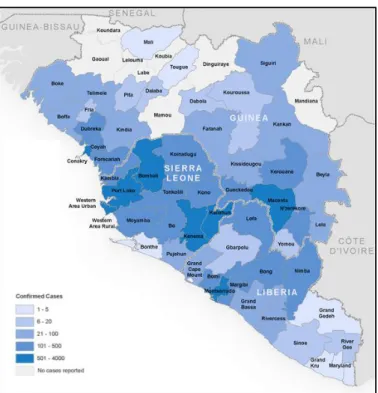
Figure 1.1. Map of West African Ebola outbreak (WHO).
occurring after the primary outbreak had ended. Over 28,600 cases of EVD and 11,300 deaths were recorded; a map with the distribution of EVD cases across Guinea, Sierra Leone, and Liberia is presented in Figure 1. The WHO has suggested that these figures represent a gross underestimate of the epidemic. Although the difference between these two figures could be interpreted to mean that there are 17,000 EVD survivors, the WHO has offered a lower estimate, stating that they believe there to be 10,000 survivors of Ebola currently living in West Africa [11].
The epidemic was largely fueled by lack of knowledge of the virus at different levels and poor preparedness that quickly overwhelmed the underdeveloped health systems of the three countries. Patients with EVD typically experienced fever, vomiting, and diarrhea—symptoms that are also associated with malaria and other common tropical illnesses [12]. As such, early cases of EVD were often misdiagnosed and healthcare workers often did not take care to avoid exposure to potentially infectious bodily fluids. Moreover, even once healthcare workers became aware of the spread of Ebola, most did not have access to the personal protective equipment (PPE), including aprons, masks, goggles, and boots, that are necessary when working with Ebola patients [12]. As a result, the virus quickly ravaged many hospitals with infected healthcare workers unknowingly spreading the virus to their colleagues and patients. Many health centers and hospitals throughout the three countries were forced to shut down to be disinfected or due to a scarcity of healthy staff who were willing to come to work, given the lack of protective
equipment and procedures to prevent Ebola’s spread [13].
Traditional funeral practices that involve washing, dressing, and kissing of the deceased also accelerated the spread of Ebola throughout villages in West Africa. Interventions to halt unsafe funeral practices helped curb transmission of EVD in some areas but was met with
resistance by many communities that did not believe or understand that the disease was being spread by a virus [12]. Instruction by the government and healthcare workers to allow trained burial teams to safely remove the bodies of dead loved ones was in direct conflict with the strong spiritual beliefs of many who believed that the spirit of the deceased could not be at peace
without a proper funeral. Thus, many communities continued to hide their sick and dead family members, thereby thwarting attempts to track and end the spread of EVD [14].
The EVD epidemic was eventually slowed and halted through persistent community education, efforts to increase trust in the healthcare system, and extensive contact tracing of suspect Ebola patients [15]. Despite this, small outbreaks of Ebola have continued to emerge as the virus can be sexually transmitted from male EVD survivors to their partners through residual virus that persists in semen.
Ebola Survivorship
Existing research has shown that women tend to disproportionately experience many of the social and economic consequences of Ebola survivorship [2, 3]. Studies from past outbreaks in the Democratic Republic of Congo (DRC) [2] and Uganda [3] have shown that survivors frequently experience rejection from their communities and even surviving family members and spouses. Many survivors return home to find that much of their family perished from the virus and that their personal belongings had been burned to prevent spread of transmission [3].
Survivors also report loss of livelihood due to the lingering effects of post-EVD sequelae (e.g., chronic fatigue, joint pain, short-term memory loss, and vision and hearing issues) [16-20] as well as stigma from employers and colleagues [5]. Recent studies have demonstrated that potential for sexual transmission of Ebola from male survivors to their partners due to a persistence of the virus in semen for up to nine months after acute Ebola infection [21, 22].
Although no evidence currently exists regarding sexual transmission of Ebola from female
survivors, the rapidly changing guidelines regarding condom use for survivors [23] combined with preexisting stigma and fear create an atmosphere where rejection of female survivors by their sexual partners is likely. The uncertainty regarding the persistence of the Ebola virus in survivors and potential for sexual transmission contribute to the stigmatization of survivors [24].
Anecdotes from female Ebola survivors, as reported in the media, suggest that there are cases of female survivors being abandoned by their spouses [25]. Studies of previous Ebola outbreaks have found that female survivors are more likely than their male counterparts to experience social rejection and stigma due to Ebola [3].
Not only are female survivors more likely to face adversity than their male counterparts [3], but some of the health and social ramifications that female survivors experience can be unique from those experienced by males, especially as they relate to sexual and reproductive health. Articles in the press have commented on how very few female survivors are able to get pregnant and those who do often experience miscarriage [4]. These reports, combined with the fact that female survivors are more likely to be stigmatized than males [3] suggest that women are likely to experience at least temporary suppressed fertility, due to both having fewer sexual encounters and experiencing biological complications from Ebola. A large body of knowledge exists regarding the psychological and social implications for women who are unable to produce children [26, 27]. West African culture highly prizes fertility and much of a woman’s identity and value is dictated by her ability to reproduce. Women who are unable to bear children often experience abandonment by spouses, stigma, and economic loss [26, 28-30]. Thus, women who survive Ebola and experience infertility would be forced to bear the compounded stigma of both of these conditions.
Given the relatively small scale of all previous Ebola outbreaks, very little research has been published regarding the long-term sequelae and complications that many EVD survivors face. Based on the limited research from outbreaks in Uganda and DRC, experts knew that EVD survivors might experience some issues with joint pain and inflammation but no one anticipated the wide variety of complications of Ebola convalescents that would face, known as post-EVD sequelae [5, 16, 18, 20, 31]. Moreover, no one foresaw the ongoing clinical and psychosocial support that Ebola survivors would require after leaving the Ebola treatment unit (ETU). In April 2016, the World Health Organization (WHO) published a document called Interim Guidance for Clinical Care for Survivors of Ebola Virus Disease [32]. The guidelines were mostly based on in-depth assessment of a handful of survivors in the United States and Europe as well as
observations of survivors in West Africa. The document delineated the many common sequelae associated with Ebola survivorship, including musculoskeletal pain, eye pain, vision issues, tinnitus, hearing loss, abdominal pain, headache, poor memory, seizures, and mental health issues (e.g., depression, trauma, and stress) [32]. Following the Ebola outbreak, a handful of larger health facilities in Liberia have begun offering “Ebola survivor clinics” to allow for assessment and management of health issues in Ebola survivors.
With regards to women, the document mentions that “menorrhagia/metrorrhagia, and amenorrhea are all frequently reported, although the causal link of these conditions with EVD remains to be determined” [32]. In addition, the guidelines describe that “numerous anecdotal reports exist of stillbirths in women who have conceived after recovering from EVD but it is still uncertain whether the rate of stillbirth in EVD survivors is higher than that of the general
population. Until more evidence is available, pregnancy in EVD survivors should be considered
at-risk for fetal complications and providers should consider performing intermittent assessments of fetal wellbeing via exam or ultrasound when available” [32, 33].
Since the release of these guidelines in 2016, a handful of studies have been published on the topic of reproductive health sequelae among survivors. Later that year, Fallah and colleagues published findings on a medical record review of 70 female Ebola survivors in Liberia who had become pregnant since recovering from acute EVD infection [34]. The study found that 27.9% of pregnancies ended in adverse outcomes (miscarriage or stillbirth) [34]. A total of 22.1%
pregnancies ended in miscarriage, which is higher than figures for the general population in developed countries (10–15%) or West Africa (11–13%) [34]. In addition, two studies, focused broadly on frequency and range of post-EVD sequelae, reported finding amenorrhea among female Ebola survivors. The 2016 study by Tiffany found that 10% of female survivors seen between one and three months after release from ETU reported experiencing amenorrhea [35].
Another study, released in the same year, found that 2% of female Ebola survivors from Kenema District in Sierra Leone reported amenorrhea [36].
Conversely, the recrudescence of Ebola due to sexual transmission of the virus from male survivors to their female partners in 2015 has resulted in a surge in research on the reproductive health of men who have survived Ebola [21, 22, 37-43]. The WHO Interim Guidance for Clinical Care for Survivors of Ebola Virus Disease describes that male survivors should remain abstinent or use condoms until their semen tests negative for Ebola virus twice. If the survivor does not have access to a laboratory where he can have his semen tested, then he should remain abstinent or use condoms until at least 12 months after he has recovered from EVD [22, 32]. In contrast, the guidelines describe that testing of vaginal fluids for Ebola virus is not recommended and do not offer any special counseling instructions for female survivors [32]. Other documents,
such as the WHO’s Interim Advice on the Sexual Transmission of the Ebola Virus Disease fail to distinguish between male and female survivors when they state that “Ebola survivors and their sexual partners should either (a) abstain from all types of sex or (b) observe safer sex through correct and consistent condom use” [23]. In addition, the same document describes specific cases of sexual transmission of EVD from male survivors to their sexual partners and adds, “Less probable, but theoretically possible, is female to male transmission,” [23]. As such, it is clear that male survivors are at risk of transmitting the virus and should practice abstinence or safe sex but guidance for female survivors is decidedly more ambiguous. As part of the counseling they received when being discharged from the ETU, women survivors were told to remain abstinent or use condoms for at least three months.
Significance
This dissertation is unique in its exclusive focus on the experiences and outcomes of women who survived Ebola. To date, current knowledge of pregnancy outcomes for women who survive Ebola and conceive after recovery is limited to one study [34]. Research on menstrual change among women survivors has consisted of a cursory mention of these issues, in the context of describing other post-EVD sequelae [35, 36]. No other study has examined both pregnancy and menstrual outcomes among women who have survived Ebola. In addition, no study has documented or explored the experiences of women who have survived Ebola but experienced relationship dissolution through death or abandonment of partner from Ebola.
Together, these studies provide a more comprehensive picture of the experiences of women who have survived Ebola. Both the ability to bear children and to be in intimate
relationships are critical aspects of life for women in West Africa. The insights provided by this dissertation will be used to inform the development of clinical and psychosocial services for these women that are responsive to their reproductive and relationship needs.
Setting
The country of Liberia was first
founded in 1820 by the American Colonization Society in an attempt to repatriate freed
African American slaves to their native Africa [44, 45]. As such, Liberia represents the United States’ first and only attempt at colonization.
The country became an independent state in 1847 and boasts a population of approximately 4.4 million people [46]. Liberia is located on
the west coast of Africa, where it borders the Atlantic Ocean, Sierra Leone, Guinea, and Cote d’Ivoire. Between the years of 1980 and 2003, the country experienced multiple civil wars as different groups fought to gain control of the government and country [45]. These conflicts resulted in a large portion of the country’s population being displaced, as well as the destruction of much of the country’s economy and infrastructure [45]. In 2013, an estimated 56% of
Liberia’s population lived below the poverty line of $1.25 per day and less than 10% of households had access to electricity [47]. In terms of development, Liberia ranks as one of the least-developed countries in the world. Based on the United Nations Development Program’s estimation of each country’s Human Development Index, Liberia ranked 174 out of 187 countries.
As reported in the 2013 Demographic Health Survey (before the Ebola outbreak),
Liberians have a life expectancy of 52 years, with women giving birth to 4.7 children, on average [47]. Despite great reductions in child and infant mortality over the past 15 years, an estimated 1 in 11 children still dies before reaching their fifth birthday [47]. As is the case in many
Figure 1.2. Map of study sites (BBC).
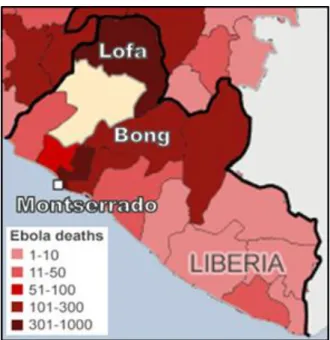
developing settings, outcomes on key health and sociodemographic indicators vary greatly by region as well as by urban and rural setting. The qualitative portion of this study, described in Chapter 3, took place in the urban county of Montserrado as well as the rural counties of Lofa and Bong. As can be seen in Figure 2 [48], Montserrado County lies on the coast and was hardest hit by Ebola, given it is home to Liberia’s capital city of Monrovia. Lofa County shares borders with both Sierra Leone and Guinea and was the location of the first known Ebola cases in Liberia. Bong County shares a border with Guinea and was also hard-hit by Ebola.
Based on data from 2013, the three counties had noticeable differences in
sociodemographic and health measures, although the two rural counties of Lofa and Bong tended to be more similar than the urban Montserrado County. In terms of wealth, over 70% of each of Lofa and Bong’s populations lie within the bottom two quintiles of wealth, a stark contrast to the 5% of Montserrado’s population with this distinction. With regards to women, 71% of women in Montserrado are literate, compared to 26% in Lofa and 20% in Bong. Women in Montserrado also tend to marry later, with a mean age at first marriage of 20.5 years. In contrast, women in Lofa enter into their first marriage at an average of 17.0 years while women in Bong marry at an average of 17.5 years. Lofa County has the highest levels of polygyny in the country, with 11.4%
of married men reporting that they have more than one wife. Much of Liberia suffers from chronic food insecurity, as is reflected in the 27% and 29% of children who suffer from stunting in Montserrado and Lofa Counties, respectively. Over one-third (35%) of children in Bong County suffer from stunting.
The West African Ebola outbreak had a devastating impact on Liberia, as well as Sierra Leone and Guinea, in terms of economic impact. Estimates suggest that the three countries lost a combined $2.2 billion in GDP in 2015; the outbreak forced the closure of most businesses and
markets [49]. The agricultural sector, on which large portions of West African depend, also suffered because fear or sickness from Ebola prevented the harvesting of crops [49]. The shut- down of country borders as well as migration between communities also limited trade during the outbreak [45].
The outbreak also decimated the fragile healthcare systems of Liberia, Guinea, and Sierra Leone—many health facilities were closed or converted to ETUs during the outbreak. As a result, access to care for routine and/or preventable health issues was limited [49]. Researchers estimate that over 10,000 people died of preventable causes related to HIV, malaria, and tuberculosis during the Ebola outbreak [50]. In addition, over 500 healthcare providers died of Ebola across the three countries, with Liberia losing 8% of its health workforce to Ebola [49].
Specific Aims
This dissertation is divided into two chapters, with the following specific aims:
Aim 1: Describe changes in reproductive health among female Ebola survivors.
Aim 1.1. To measure the incidence of irregular or inconsistent menstruation among Ebola survivors.
Aim 1.2. To determine what factors are associated with irregular menstruation among Ebola survivors.
Aim 1.3. To examine the perceived impact of menstruation changes on survivors.
Aim 1.4. To measure the incidence of stillbirth and miscarriage among female survivors who have become pregnant since recovering from Ebola.
Aim 2: Understanding the effects of Ebola survivorship on social relationships, partnerships, and sexual behavior.
Aim 2.1. To assess the types and sources of stigma that Ebola survivors experience.
Aim 2.2. To assess changes in sexual and romantic partners among survivors since recovering from Ebola.
Aim 2.3. To understand the experience of Ebola survivors in developing new romantic and/or sexual relationships since recovering from Ebola.
Aim 2.4. To assess the sexual behavior, including frequency and condom use, of Ebola survivors.
Aim 2.5. To assess perceptions regarding possible sexual transmission of Ebola and risk reduction.
Theoretical and Conceptual Frameworks Socioecological Framework
This study uses a socioecological framework for understanding the many, multi-tiered levels of factors that can impact the experiences and well-being of a woman who survives Ebola.
The socioecological model was first developed by Bronfenbrenner in the 1970s as a way of understanding how an individual’s ecological setting, comprised of different levels of social systems, can influence a person’s health and decision-making [51]. In this framework, the
individual, along with his personal characteristics, history, knowledge, attitudes, beliefs, etc., sits at the center and is surrounded by increasingly distant levels of social systems, such as the person’s interpersonal relationships, community, institutions or organizations, society, and structural or policy environment [51]. In addition, the factors within any individual tier of the framework may have the ability to influence factors contained within other tiers [51].
Figure 1.3. Adapted socioecological framework.
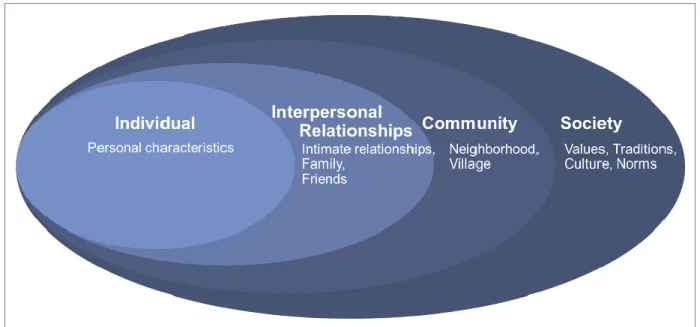
The socioecological framework has been adapted for use in a number of areas of socio- behavioral and public health research. As seen in Figure 1.3, the framework has been adapted for the purposes of this study to include levels representing the individual, interpersonal,
community-level, and societal systems of influence that can affect an Ebola survivor’s
experiences, especially with regards to her intimate relationships. This adapted framework gives particular focus to the social, rather than the structural, built, or policy, environment that impacts this population. In the context of Ebola survivorship, individual-level factors of influence might include a woman’s relationship status before and after Ebola, whether or not she has children, her age, her health (especially with regards to post-EVD sequelae), her perceived self-efficacy in recovery from Ebola, and her view of herself as a survivor (e.g., internalized stigma or feelings of pride). Interpersonal factors could include how her family, friends, and intimate partner engaged with her after her recovery from Ebola. This level would also include any experiences of stigma or rejection in interpersonal relationships, which is a large focus of this study.
Similarly, community-level factors would capture interactions between a woman and her village or neighborhood, including experiences of acceptance, stigma, and/or rejection. Societal-level factors might include the impact of traditional values or norms, such as society’s views of widows or divorcees.
Conceptual Model
The conceptual model in Figure 4 demonstrates how various factors related to an Ebola survivor are hypothesized to relate to and affect each other. This model includes factors from all levels of the socioecological framework, including individual-level attributes such as post-EVD sequelae and pregnancy outcomes. Many of the factors and relationships included in the model, such as stigma, rejection, disclosure, and intimate relationships are based on research from the field of HIV [52].
Figure 1.4. Conceptual model.
Stigma. A number of studies have found that EVD survivors face stigma upon their release from the ETU [52-54]. One study of Ebola survivors in Uganda found that 49% percent of community members said that they would feel comfortable touching an EVD survivor one month after his or her release from the ETU [3]. The study also observed that survivors who experienced post-EVD sequelae (e.g., vision problems, fatigue, and joint paint), and so appeared to be ill, were more likely to be stigmatized for a long period of time and that one survivor eventually committed suicide as a result of intense stigmatization [3]. Female survivors reported greater levels of stigmatization than men [3]. Another study among EVD survivors of an Ebola outbreak in DRC found that survivors were frequently abandoned by family members and friends upon their release from the ETU [2].
Changes in relationships. The 2013 Liberia DHS reported that 59% of women and 54%
of men were either married or living with a partner [47]. These figures are expected to be lower among EVD survivors because many of them will have had a spouse or partner die from Ebola, given the fact that the virus often spread quickly within households. In addition, many
newspapers and online news sources have reported stories of women who have survived Ebola and returned home to find that their husbands have abandoned them [55]. As such, it is likely that many female survivors will have lost partners, either from Ebola-related death or stigma.
Disclosure. Given the evidence of stigma against EVD survivors and often lack of outward visual cues that a person is an EVD survivor, it is plausible that some survivors decide whether or not to disclose their status as an Ebola survivor to new acquaintances and potential romantic partners. Research into the lives of women with HIV have shown that these women are often reluctant to disclose their HIV status to sexual partners for fear of rejection and violence [56]. Given the similarities in the fear surrounding both HIV and Ebola, it is likely that female
EVD survivors face similar concerns when considering whether or not to disclose their status to a partner.
Setting (rural/urban). The survivor’s location in either an urban (e.g., Monrovia) or rural (Bong or Lofa counties) could have a large impact on her experiences with stigma and rejection.
A survivor who lives in a rural area is more likely to experience involuntary disclosure as a survivor, whereby everyone in her small community knew that she was sick with Ebola.
Conversely, an EVD survivor in Monrovia might be released from the ETU to find that her immediate neighbors know that she had Ebola but she might also have more opportunities to relocate within the city to gain anonymity. Research into the urban/rural differences of stigma among people living with HIV have found that individuals in the two settings have different experiences with stigma, although one setting does not necessarily have more stigma than the other [9, 10].
Perceptions regarding sexual transmission. No research has been done into what male or female EVD survivors believe regarding sexual transmission of EVD. The WHO has suggested that male EVD survivors should remain abstinent or use condoms for up to a year after infection to prevent transmission of the virus that might persist in semen [21, 23]. The guidance for female survivors is significantly less clear, although no cases of sexual transmission of EVD from a female survivor to her partner have been recorded. It is unclear what counseling female survivors have been given regarding sexual transmission of EVD and what they believe. If female EVD survivors believe that sexual transmission is possible, then they might be more likely to abstain from sex or use condoms when engaging in sexual activity.
Post-EVD sequelae. A survivor’s experiences with post-EVD sequelae have the potential to affect their relationships and sexual behavior. The symptoms of fatigue, aching, and pains that
are often associated with post-EVD sequelae might reduce interest in sex [32]. If the evidence of sequelae, such as sore joints or extreme fatigue, is externally visible, this might also limit a person’s ability to avoid disclosing her status as an EVD survivor. In addition, psychosocial issues such as depression, trauma, or stress from Ebola might reduce both interest in sex and ability to maintain a romantic relationship.
REFERENCES
1. World Health Organization, Ebola situation reports—archive. 2015, WHO: Geneva.
2. De Roo, A., et al., Survey among survivors of the 1995 Ebola epidemic in Kikwit, Democratic Republic of Congo: their feelings and experiences. Tropical Medicine &
International Health, 1998. 3(11): p. 883-885.
3. Hewlett, B.S. and R.P. Amola, Cultural contexts of Ebola in northern Uganda. Emerging Infectious Diseases, 2003. 9(10): p. 1242-1248.
4. Gbenga-Mustapha, O. and W. Adepoju From Ebola survivor to motherhood. The Nation, 2015.
5. Wendo, C., Caring for the survivors of Uganda's Ebola epidemic one year on. 2001, Elsevier.
6. Earnshaw, V.A. and S.R. Chaudoir, From conceptualizing to measuring HIV stigma: a review of HIV stigma mechanism measures. AIDS and Behavior, 2009. 13(6): p. 1160.
7. Deacon, H., Towards a sustainable theory of health‐related stigma: lessons from the HIV/AIDS literature. Journal of community & applied social psychology, 2006. 16(6): p.
418-425.
8. Heckman, T.G., et al., Barriers to care among persons living with HIV/AIDS in urban and rural areas. AIDS care, 1998. 10(3): p. 365-375.
9. Naidoo, J.R., et al., Urban and rural differences in HIV/AIDS stigma in five African countries. African journal of AIDS research, 2007. 6(1): p. 17-23.
10. Yebei, V.N., J. Fortenberry, and D.O. Ayuku, Felt stigma among people living with HIV/AIDS in rural and urban Kenya. African health sciences, 2008. 8(2).
11. World Health Organization, Clinical care for survivors of Ebola virus disease. 2016, World Health Organization: Geneva, Switzerland.
12. Organization, W.H., Barriers to rapid containment of the Ebola outbreak. 2014.
13. Beaubien, J. Ebola Shuts Down The Oldest Hospital in Liberia. NPR, 2014.
14. Allen, D.R., et al., Understanding Why Ebola Deaths Occur at Home in Urban Montserrado County, Liberia.
15. Organization, W.H., Contact tracing during an outbreak of Ebola virus disease. 2014:
World Health Organization.
16. Bwaka, M.A., et al., Ebola hemorrhagic fever in Kikwit, Democratic Republic of the Congo: clinical observations in 103 patients. Journal of Infectious Diseases, 1999.
179(Supplement 1): p. S1-S7.
17. Carod-Artal, F.J., Post-Ebolavirus disease syndrome: what do we know? 2015, Taylor &
Francis.
18. Clark, D.V., et al., Long-term sequelae after Ebola virus disease in Bundibugyo, Uganda:
a retrospective cohort study. The Lancet Infectious Diseases, 2015. 15(8): p. 905-912.
19. Qureshi, A.I., et al., Study of Ebola virus disease survivors in Guinea. Clinical Infectious Diseases, 2015. 61(7): p. 1035-1042.
20. Rowe, A.K., et al., Clinical, virologic, and immunologic follow-up of convalescent Ebola hemorrhagic fever patients and their household contacts, Kikwit, Democratic Republic of the Congo. Journal of Infectious Diseases, 1999. 179(Supplement 1): p. S28-S35.
21. Mate, S.E., et al., Molecular evidence of sexual transmission of Ebola virus. New England Journal of Medicine, 2015. 373(25): p. 2448-2454.
22. Deen, G.F., et al., Ebola RNA persistence in semen of Ebola virus disease survivors—
preliminary report. 2015, Mass Medical Soc.
23. World Health Organization, Interim advice on the sexual transmission of the Ebola virus disease. WHO, Geneva, 2015.
24. Centers for Disease Control and Prevention. Ebola Survivors Questions and Answers.
2014-2016 West Africa Outbreak 2016 June 10, 2016 [cited 2016 June 1, 2016];
Available from: https://www.cdc.gov/vhf/ebola/outbreaks/2014-west- africa/survivors.html.
25. Harding, A. Ebola survivor 'hiding' from community. BBC News, 2015.
26. Van Balen, F. and H.M. Bos, The social and cultural consequences of being childless in poor-resource areas. Facts, views & vision in ObGyn, 2009. 1(2): p. 106.
27. Hollos, M. and B. Whitehouse, Women in limbo: Life course consequences of infertility in a Nigerian community. Human Fertility, 2014. 17(3): p. 188-191.
28. Cousineau, T.M. and A.D. Domar, Psychological impact of infertility. Best Practice &
Research Clinical Obstetrics & Gynaecology, 2007. 21(2): p. 293-308.
29. Donkor, E.S. and J. Sandall, The impact of perceived stigma and mediating social factors on infertility-related stress among women seeking infertility treatment in Southern
Ghana. Social science & medicine, 2007. 65(8): p. 1683-1694.
30. Dyer, S.J. and M. Patel, The economic impact of infertility on women in developing countries–a systematic review. Facts Views Vis. OBGYN Monogr, 2012: p. 38-45.
31. Kibadi, K., et al., Late ophthalmologic manifestations in survivors of the 1995 Ebola virus epidemic in Kikwit, Democratic Republic of the Congo. Journal of Infectious Diseases, 1999. 179(Supplement 1): p. S13-S14.
32. World Health Organization, Interim guidance: Clinical care for survivors of Ebola Virus Disease, WHO, Editor. 2016, WHO: Geneva.
33. World Health Organization, Ebola virus disease in pregnancy: Screening and
management of Ebola cases, contacts and survivors: Interim guidance, WHO, Editor.
2015, WHO: Geneva.
34. Fallah, M.P., et al., Pregnancy outcomes in Liberian women who conceived after
recovery from Ebola virus disease. The Lancet Global Health, 2016. 4(10): p. e678-e679.
35. Tiffany, A., et al., Ebola virus disease complications as experienced by survivors in Sierra Leone. Clinical Infectious Diseases, 2016. 62(11): p. 1360-1366.
36. Nanyonga, M., et al., Sequelae of ebola virus disease, kenema district, Sierra Leone.
Clinical Infectious Diseases, 2015. 62(1): p. 125-126.
37. Christie, A., et al., Possible sexual transmission of Ebola virus-Liberia, 2015. MMWR.
Morbidity and mortality weekly report, 2015. 64(17): p. 479-481.
38. Fischer, W.A., et al. Ebola Virus Ribonucleic Acid Detection in Semen More Than Two Years After Resolution of Acute Ebola Virus Infection. in Open Forum Infectious Diseases. 2017. Oxford University Press.
39. Lee, H. and H. Nishiura, Recrudescence of Ebola virus disease outbreak in West Africa, 2014–2016. International journal of infectious diseases, 2017. 64: p. 90-92.
40. Thorson, A., et al., Systematic review of the literature on viral persistence and sexual transmission from recovered Ebola survivors: evidence and recommendations. BMJ open, 2016. 6(1): p. e008859.
41. Adalja, A.A., Sanctuary Sites: What Lies Behind Ebola Eye Infections, Sexual Transmission, and Relapses. Health security, 2015. 13(6): p. 396-398.
42. Brainard, J., et al., Presence and persistence of Ebola or Marburg virus in patients and survivors: a rapid systematic review. PLoS Negl Trop Dis, 2016. 10(2): p. e0004475.
43. Green, E., et al., Viraemia and Ebola virus secretion in survivors of Ebola virus disease in Sierra Leone: a cross-sectional cohort study. The Lancet Infectious Diseases, 2016.
16(9): p. 1052-1056.
44. Olukoju, A., Culture and customs of Liberia. Vol. 1530. 2006: Greenwood Publishing Group.
45. Organization, W.H., Culture and mental health in Liberia: a primer. 2017.
46. The World Bank. The World Bank in Liberia. 2015 October 25, 2017 [cited 2016 June 1, 2016]; Available from: http://www.worldbank.org/en/country/liberia/overview.
47. Liberia Institute of Statistical and Geo-Information Services (LISGIS), et al., Liberia Demographic and Health Survey 2013. 2014: Monrovia, Liberia.
48. BBC Ebola: Mapping the Outbreak. BBC News, 2016.
49. Centers for Disease Control and Prevention. Cost of the Ebola Epidemic. 2014-2016 West Africa Outbreak 2016 August 8, 2016 [cited 2018 March 1, 2018]; Available from:
https://www.cdc.gov/vhf/ebola/outbreaks/2014-west-africa/cost-of-ebola.html.
50. Parpia, A.S., et al., Effects of response to 2014–2015 Ebola outbreak on deaths from Malaria, HIV/AIDS, and tuberculosis, West Africa. Emerging infectious diseases, 2016.
22(3): p. 433.
51. Bronfenbrenner, U., Toward an experimental ecology of human development. American psychologist, 1977. 32(7): p. 513.
52. Davtyan, M., B. Brown, and M. Folayan, Addressing Ebola-related stigma: lessons learned from HIV/AIDS. Global health action, 2014. 7.
53. Karamouzian, M. and C. Hategekimana, Ebola treatment and prevention are not the only battles: understanding Ebola-related fear and stigma. 2015.
54. Karafillakis, E., et al., ‘Once there is life, there is hope’Ebola survivors' experiences, behaviours and attitudes in Sierra Leone, 2015. BMJ Global Health, 2016. 1(3): p.
e000108.
55. Dearden, L. Ebola survivor beat disease only to be left by husband and ostracised because of stigma. Independent, 2015.
56. Gielen, A.C., et al., Women's disclosure of HIV status: experiences of mistreatment and violence in an urban setting. Women & health, 1997. 25(3): p. 19-31.
CHAPTER 2. REPRODUCTIVE HEALTH SEQUELAE IN WOMEN WHO SURVIVED EBOLA VIRUS DISEASE IN LIBERIA
Background
The Ebola outbreak that ravaged West Africa from 2014 through 2016 was
unprecedented in many ways. The outbreak, which primarily affected Liberia, Guinea, and Sierra Leone, resulted in over 28,600 documented cases of Ebola virus disease (EVD)—several-fold greater than the total number of all previous known cases combined [11]. Although the case- fatality rate of EVD is high (50–70%) the magnitude of this outbreak has resulted in over 10,000 survivors of EVD living in these three nations [11]. Such a population of Ebola survivors has never existed before, leaving the international medical, research, and public health communities scrambling to rapidly gain information and develop standards of care for how to best meet the unique health needs of this population, many of whom suffer from clinical sequelae for months to years after recovering from Ebola. Due to concerns regarding sexual transmission of EVD from male survivors to their partners, great strides have been made in describing and
understanding the mechanisms through which Ebola survivorship can affect the reproductive health of men. However, relatively little is understood regarding the reproductive health implications for women who survive the virus.
After recovering from acute infection with Ebola and being released from an Ebola Treatment Unit (ETU), many survivors have gone on to develop clinical sequelae, believed to be related to Ebola. The emergence of post-EVD sequelae was first documented in survivors from the 1995 outbreak of Ebola in the Democratic Republic of Congo [16, 20, 31, 57]. Presentation of post-EVD sequelae in survivors has varied, both in the type and severity, but may include:
arthralgia, ocular complications (pain, uveitis, and loss of visual acuity), hearing loss, abdominal pain, weight loss, and insomnia [11, 35, 58].
Although many of the causes and mechanisms through which these symptoms arise are still poorly understood, studies have found the severity of acute illness with Ebola to be
associated with sequelae after recovery [18]. One study found Ebola viral load during illness, a measure of the severity of the infection, to be directly associated with uveitis and other eye issues specifically [59].
The pathogenesis of post-EVD sequelae has been at the center of recent Ebola research.
In describing the many possible mechanisms through which EVD can lead to symptoms in survivors, Vetter and colleagues stated that sequelae “could be the result of residual dysfunction from direct viral cytopathic effect during acute EVD, sustained immune activation, delayed hypersensitivity reaction, molecular mimicry, autoimmune disease, or immune complex deposition, individually or in combination” [58].
In addition, the Ebola virus has been found to persist and continue replicating in certain relatively immunologically protected parts of the body, including the semen, interior
compartments of the eye, and central nervous system [22, 38, 42, 43, 60-62]. These parts of the body, called “immune privileged” or “sanctuary sites,” are parts of the body where the immune system has only limited access. Therefore, it is believed that the Ebola virus can continue to persist in these areas, even after it is cleared from the blood [41, 58].
Evidence of Ebola RNA has been found in the semen of Ebola survivors more than two years after recovery [38]. In addition, sexual transmission of the virus from male survivors to their female sexual partners has been identified as the cause of at least three cases of Ebola recrudescence in West Africa [11, 21, 37, 39, 40].
In contrast to the many studies examining the impact of Ebola on male reproduction, most studies on female reproduction have been limited to women who were pregnant at the time of Ebola. It is generally accepted that, for women who were pregnant at the time they developed EVD, fetal death is almost certain, usually through miscarriage or stillbirth [63-65]. Although a few cases of pregnant women with acute EVD infection delivering live births exist, nearly all neonates have died within the first month of life [66]. For women who were pregnant at the time they became sick with Ebola, the virus is believed to persist in the fetus, placenta, amniotic sac, and mammary glands after the woman’s recovery [58]. In cases where the woman had a
spontaneous abortion, the mother’s blood has tested negative for Ebola but products of
conception (the fetus, placenta, and amniotic sac) have also had evidence of Ebola virus RNA, suggesting that the virus may persist in the uterus of the woman [58]. In addition, low levels of Ebola RNA have been found in the breastmilk of lactating survivors for up to 16 months after initial onset of Ebola symptoms [11]. For women who were not pregnant when they contracted Ebola, studies have found evidence of viral RNA in vaginal fluid for up to a month after onset of Ebola symptoms. However, no live virus has been detected in these samples [60].
Adverse Pregnancy Outcomes Among Survivors
Very few studies have examined the ongoing reproductive health of female Ebola survivors after their recovery from acute EVD infection. Despite this dearth of data, anecdotal reports have suggested that female survivors who become pregnant after Ebola suffer from increased risk of failed pregnancies, relative to the general population. The World Health Organization’s (WHO) Interim Guidance on Clinical Care for Survivors of Ebola Disease, released in April 2016, corroborated this perception, stating that:
“Numerous anecdotal reports exist of stillbirths in women who have conceived after recovering from EVD but it is still uncertain whether the rate of stillbirth in EVD
survivors is higher than that of the general population. Until more evidence is available, pregnancy in EVD survivors should be considered at-risk for fetal complications and providers should consider performing intermittent assessments of fetal wellbeing via exam or ultrasound when available” [11].
This statement has since been supported by research examining 70 female Ebola
survivors in Liberia who became pregnant after recovering from acute EVD infection [34]. The study found that 27.9% of pregnancies ended in adverse outcomes (miscarriage or stillbirth). A total of 22.1% pregnancies ended in miscarriage, which is higher than figures for the general population in developed countries (10–15%) or West Africa (11–13%) [34]. Interestingly, the authors found that half (3/6) of the pregnancies conceived within two months of discharge from the ETU resulted in stillbirth. Also, all 15 of the reported miscarriages occurred in pregnancies that were conceived four or more months after ETU discharge [34]. The authors did not find any significant association between pregnancy outcome and maternal age or frequency of antenatal care.
A qualitative study of 69 female Ebola survivors across three study sites in Liberia found that, of 13 pregnancies conceived after Ebola and carried to terminus, 3 ended in miscarriage or stillbirth [67]. In addition, female survivors reported a wide range of opinions on the impact of Ebola on pregnancies conceived after ETU discharge. Most women reported hearing accounts that these pregnancies were at greater risk of loss but many were also familiar with survivors who had had successful live births after Ebola [67].
Menstrual Irregularities Among Survivors
With regards to other female reproductive health outcomes, a limited number of studies have reported on menstrual irregularities or dysfunction among Ebola survivors. The WHO’s guidance on clinical care for survivors described that many survivors had reported experiencing
menorrhagia, metrorrhagia, and/or amenorrhea [11]. The document did not reference any studies or other data in support of this statement.
Two studies, focused broadly on frequency and range of post-EVD sequelae, reported finding amenorrhea among female Ebola survivors. The 2016 study by Tiffany found that 10%
of female survivors seen between one and three months after release from ETU reported experiencing amenorrhea [35]. Another study, released in the same year, found that 2% of female Ebola survivors from Kenema District in Sierra Leone reported amenorrhea [36].
The previously mentioned qualitative study of female Ebola survivors in Liberia found that many women reported changes in menstruation from pre- and post-EVD [67]. These reports covered a wide variety of menstrual irregularities, including amenorrhea, black menses,
abdominal or back pain during menstruation, and/or infrequent menstruation [67]. In addition, some women described having experienced infections of the reproductive tract post-EVD that were treated with antibiotics [67]. Data for the study were limited to self-reports of menstrual changes through in-depth interviews with the women [67].
This study analyzes the reproductive health outcomes of women who survived Ebola and accessed health services at the Eternal Love Winning Africa (ELWA) Hospital near Monrovia, Liberia. The objectives of this study were to (1) estimate the frequency of failed pregnancy (miscarriage or stillbirth) among female EVD survivors who conceived after discharge from ETU, (2) estimate the frequency of menstrual irregularities for unknown reasons among female EVD survivors since discharge from ETU, (3) identify demographic or Ebola-related factors associated with adverse pregnancy outcomes among female EVD survivors, and (4) identify demographic or Ebola-related factors associated with menstrual irregularities among female EVD survivors.
Methods Ethics Statement
All participants provided written informed consent prior to participating in the study. The research protocol, data collection tools, and consent forms were approved by the Institutional Review Boards at the University of North Carolina at Chapel Hill and the Ethics Review Board of the Pacific Institute for Research and Evaluation based at the University of Liberia.
Study Setting
The ongoing Longitudinal Liberian Ebola Survivor Study is based at ELWA Hospital, located outside Monrovia, Liberia. The hospital was the site of two ETUs during the Ebola outbreak. After the outbreak ended, ELWA Hospital established an Ebola Survivor Clinic where survivors can come for evaluation and treatment of issues related to post-EVD sequelae.
Study Design
Recruitment for this study began in June 2015 and was completed in June 2016. The portion of the study survey that included female reproductive health outcomes was first implemented in August 2016. All study participants were recruited from the ELWA Ebola Survivor Clinic and the local communities via word of mouth. Individuals were eligible for inclusion in the study if they: had a history of prior EVD as evidenced by a discharge certificate from an ETU, provided photo identification as means of verifying identity, were at least 18 years but younger than 46 years of age, were female, and were willing and able to consent to
participation in the Longitudinal Liberian Ebola Survivor Study.
Although participants in the Longitudinal Liberian Ebola Survivor Study made visits to the study site every three months, the data used for the analysis described in this manuscript were cross-sectional and were collected between August 2016 and February 2017. The dataset for this analysis is limited to survey data collected at the first study visit that a participant had at which
the reproductive health items were administered. During each study visit, a Liberian research assistant would verbally administer the study survey, which included questions on both physical and psychosocial health. Prior to implementation, Liberian study staff reviewed all items on the survey to ensure that questions were appropriate for the population and could easily be
understood by participants. All surveys were conducted in Liberian English in a private room at the hospital.
Survey responses were recorded on paper and then digitally scanned. The electronic copies of the completed surveys were sent to the University of Chapel Hill for entry into an Access database. Study staff reviewed all data for completeness and consistency. Any questions regarding specific survey responses or incomplete data were sent to study staff at ELWA Hospital for review and comment. All revisions to the data were made directly in the Access database, with study staff documenting all queries and revisions.
Definitions/Measures
Assessment of pregnancy outcome
All data were self-reported by the study participants. With regards to pregnancy, each woman was asked if she had become pregnant since her release from the ETU. If the woman responded in the affirmative, she was then asked how many times she had become pregnant and what the outcome of each pregnancy was. Based on the participant’s response, study staff recorded the pregnancy as having an outcome of: vaginal delivery, cesarean section, induced abortion, miscarriage, or other. They also recorded the birth outcome as: delivery of a healthy baby, stillbirth, or other.
The WHO defines miscarriage as fetal loss occurring prior to 28 weeks of gestation. In contrast, stillbirth is defined as fetal death occurring at or after 28 weeks of gestation, including neonates born with no signs of life [68]. However, for the purposes of this study, both the terms
“miscarriage” and “stillbirth” were self-defined by each woman, rather than by estimated
gestational age. For analysis, the term “failed pregnancy” was used to include both stillbirths and miscarriages. Date of conception was self-reported by the study participant.
This analysis will focus on the 79% (23/29) of pregnancies that were carried to terminus and for which data on the outcome of the pregnancy was reported.
Assessment of menstrual outcome
Each woman was asked to select a statement that best described her menstrual cycle prior to acute EVD infection. Then, the question was repeated to ask about her menstrual cycle after acute EVD infection. For each question, a list of possible response statements was read to the participant. The statements included: “I have regular periods,” “I have irregular periods,” and “I do not have periods since I became infected with Ebola.” If a woman indicated that she had regular periods, she was asked if the periods occurred more frequently than once a month, occurred once a month, or occurred less frequently than once a month. If a woman reported that she did not have periods since becoming infected with Ebola, she was asked to indicate a reason, including: “I am/was pregnant,” “I am/was breastfeeding,” “My periods stopped on their own and I don’t know why,” “my periods ended because I had reached menopause,” “I take medicines that stop my periods,” and “other.”
Finally, each woman was asked to describe, in her own words, how her periods had changed from before acute EVD infection to the present time. Study staff recorded the woman’s responses verbatim. The qualitative responses to this question were used to validate the data entered for the previous questions on menstruation and to categorize the type of menstrual irregularity, if any, that the woman had experienced.
Women were categorized as experiencing “regular menstruation” if they reported having regular menstruation both before and after Ebola infection. Women were categorized as
experiencing “irregular menstruation, for known reasons” if they were experiencing regular menstruation prior to Ebola but had irregular or no menstruation since Ebola due to pregnancy, breastfeeding, use of hormonal contraceptives, and/or were 45 years old and experiencing menopause. These women were excluded from the analysis. Women were categorized as experiencing “irregular menstruation, for unknown reasons” if they reported having regular menstruation prior to Ebola, along with irregular menstruation, menstruation more or less
frequently than once a month, or no menstruation post-EVD and did not identify a reason for this change (i.e., pregnancy, breastfeeding, hormonal contraceptive use, and/or 45 years of age and experiencing menopause). Women who reported having anything other than regular
menstruation, occurring once a month, prior to Ebola were excluded from the analysis.
Women who reported irregular menstruation for unknown reasons were further categorized based on their qualitative description of their menstrual change. Categories of menstrual irregularities included: current amenorrhea lasting less than three months (as in, amenorrhea beginning within two months of the study survey), amenorrhea lasting for three or more months, oligomenorrhea, menorrhagia, dysmenorrhea, or unspecified “irregular
menstruation.” Amenorrhea was defined as having no menstruation. Oligomenorrhea was defined as having menstrual cycles of 35–90 days, “infrequent periods,” “light flow,” “reduced duration of flow,” and/or “scanty flow.” Dysmenorrhea was defined as having pain, backaches, abdominal pain, or cramps with menstruation. Menorrhagia was defined as having “heavy flow”
and/or “longer duration of flow.”
Women were recorded as experiencing irregular menstruation if they reported
experiencing any of the aforementioned issues at any point in time between ETU discharge and the time of the survey. Categories of menstrual irregularities were not mutually exclusive.
This analysis will focus on the 29% (27/93) of women who would have reasonably expected to have regular menstruation (i.e., had regular menstruation pre-EVD, were under the age of 45, not pregnant or breastfeeding, and not on hormonal contraceptive), but had irregular menstruation for unknown reason post-EVD.
Assessment of other factors
Variables were considered for inclusion in the analysis based on existing literature of factors related to clinical sequelae in Ebola survivors. Amount of time a person was sick with acute Ebola infection (in days) was included in the analysis due to the demonstrated association between severity of acute EVD infection and incidence of post-EVD sequelae [18, 59]. This was calculated by taking the difference between the self-reported date of first EVD symptom and date of discharge from an ETU.
The number of post-EVD sequelae was calculated by counting the number of specific symptoms (i.e., vision issues, auditory issues, joint pain, etc.) that a woman reported as newly occurring after EVD-infection. The mean number of post-EVD sequelae reported was included in the analysis because some sequelae have been shown to be common comorbidities, suggesting that some survivors might experience a higher number of symptoms than others [69].
Maternal age was calculated based on self-reported date of birth and date of study data collection. This variable was included in this analysis because a large body of evidence exists regarding the relationship between maternal age and adverse pregnancy outcomes [70]. In
addition, age is also associated with Ebola mortality [71], although some studies have found no significant association between age and number of reported post-EVD sequelae [72].
The length of time between ETU release and conception of pregnancy was calculated as the difference between these two self-reported variables. It was included in analysis of pregnancy outcomes because this factor has been shown to be associated with the type of failed pregnancy (miscarriage or stillbirth). This finding was reported by Fallah and colleagues, who found that failed pregnancies that were conceived closer to the time of ETU release were more likely to be stillbirths; failed pregnancies conceived more than four months after ETU discharge were more likely to miscarriages [34].
Statistical Analysis
For pregnancy and menstruation, we calculated the percentage of women reporting the outcomes of interest (failed pregnancy and irregular menstruation for unknown reason).
Bivariate and multivariable logistic regression models were used to explore potential factors related to the adverse reproductive health outcomes of failed pregnancy and irregular menstruation for unknown reasons. We estimated the odds ratios (ORs) and 95% confidence intervals (CIs) for the comparison of these variables by pregnancy and menstruation outcomes.
Adjusted ORs, controlling for variables of interest, were also used in comparing women by pregnancy and menstruation outcome. Variables were considered for inclusion in the analysis based on existing literature of factors related to clinical sequelae in Ebola survivors and included:
duration of EVD, number of post-EVD sequelae reported (i.e., vision issues, auditory issues, joint pain, etc.), maternal age at time of study, and time between ETU release and conception of pregnancy.
Results
A total of 111 women who survived Ebola were included in this study. Characteristics of the study participants can be found in Table 2.1. The mean age at time of EVD infection was 29.4 years. The mean age at time of the study survey was 31.6 years, thus most data were collected approximately two years after the woman fell ill with Ebola. Participants were sick with acute EVD infection (from date of first Ebola symptom to date of ETU discharge) for a mean of 28.2 days. An estimated 16% of women had no formal schooling; 23% had attended primary school. Most (51%) women had attended secondary school. Only 20% of women had received any post-secondary school education. At the time the of the study, 10% of women were not in a relationship. An estimated 70% of women reported being in a relationship but unmarried and 20% reported being married. Over three-quarters of women (78%) reported living with a partner or family. Less than a quarter of women (22%) reported living alone.
Adverse Pregnancy Outcomes
A summary of reproductive health outcomes is presented in Table 2.2. Between the time of ETU discharge and the study survey, 26% (29/111) of the women reported becoming pregnant at least once. Four of these 29 women had become pregnant twice since ETU discharge, however we limited analyses to the outcomes of first post-EVD pregnancy for each woman. A reported 21% (6/29) of the first pregnancies were dropped from the analysis because they ended in elective termination (3), were ongoing at the time of the study (2), or had incomplete data (1).
Of the 23 pregnancies carried to terminus with outcome data, 43% (10/23) resulted in live birth, 48% (11/23) resulted in miscarriage, and 9% (2/23) resulted in stillbirth. The mean
reported gestational age at time of miscarriage was 2.5 months. Of the two stillbirths reported, both were reported to have lasted for 9 months, suggesting that these were “fresh stillbirths,”
with fetal death occurring around the time of labor and delivery.