Copyright by Ji Yoon Han
The Dissertation Committee for Ji Yoon Han Certifies that this is the approved version of the following dissertation:
Native Advertising Acceptance or Avoidance: The Effects of
Personalization and Trust
Committee:
Minette Drumwright, Supervisor Ronald Anderson
Vincent Cicchirillo Maxwell McCombs Michael Mackert Sung-Un Yang
Native Advertising Acceptance or Avoidance: The Effects of
Personalization and Trust
by
Ji Yoon Han, B.A.; B.Eco.; M.S.
Dissertation
Presented to the Faculty of the Graduate School of The University of Texas at Austin
in Partial Fulfillment of the Requirements
for the Degree of
Doctor of Philosophy
The University of Texas at Austin
May 2016
Dedication
I dedicate this dissertation to my parents, Il-Seok Han and Keumhee Park, who have always believed in me and whose best examples have taught me to work hard for the things that I aspire to achieve. Mom and dad, none of this would have been possible without your tremendous love and support. This work is also dedicated to my beloved husband, Wongun Goo, who always listened to me and discussed all the details of my challenging graduate school life. Won, I am blessed to have you in my life.
Acknowledgements
First and foremost, it is impossible to express my appreciation to my advisor, Dr. Minette Drumwright. I have been amazingly fortunate to learn from the best mentor who always put students as a priority and trusted them. I would not finish this dissertation without her tremendous guidance, encouragement, generosity, and patience. Dr. Drumwright, thank you for believing in me and making my doctoral student life much more memorable. I hope that one day I would become as good an advisor to my students as you have been to me.
My sincere appreciation should be extended to my committee, Dr. Ronald Anderson, Dr. Vincent Cicchirillo, Dr. Michael Mackert, Dr. Maxwell McCombs, and Dr. Sung-Un Yang. I cannot thank each of them enough for their valuable guidance at every stage of my graduate life. Thank you for your continued support and encouragement through the years and with my dissertation.
Native Advertising Acceptance or Avoidance: The Effects of
Personalization and Trust
Ji Yoon Han, Doctor of Philosophy The University of Texas at Austin, 2016
Supervisor: Minette Drumwright
The growth of native advertising seems to be increasing as rapidly as the concerns about it. Growing ethical concerns may hinder advertisers from employing native
advertising freely regardless of its effectiveness. Likewise, despite the many industry studies and findings on native advertising, to date, limited academic research has explored the interplay between perceived ethical concerns and consumer response to native advertising. The purpose of this study was to investigate antecedents and consequences of native advertising avoidance and examine the effects of (1) perceived deceptiveness, (2) media trust, (3) brand trust, and (4) perceived personalization on perceived privacy concerns, ad skepticism, attitude toward the brand, ad avoidance, and purchase intention. Findings from the first study revealed significant three-way
interaction effects among perceived deceptiveness, media trust, and brand trust on ad skepticism and attitude toward the brand. These findings are notable because consumers’ low perceived deceptiveness appears to be able to offset either low brand trust or low media trust. As such, identifying that native advertising is indeed advertising can enhance the effectiveness of the advertising message by lowering skepticism. Experiment 2
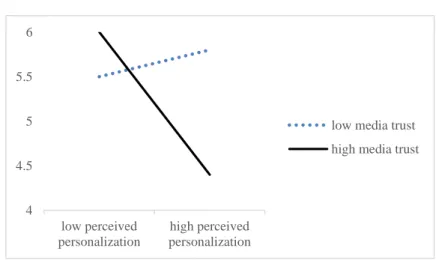
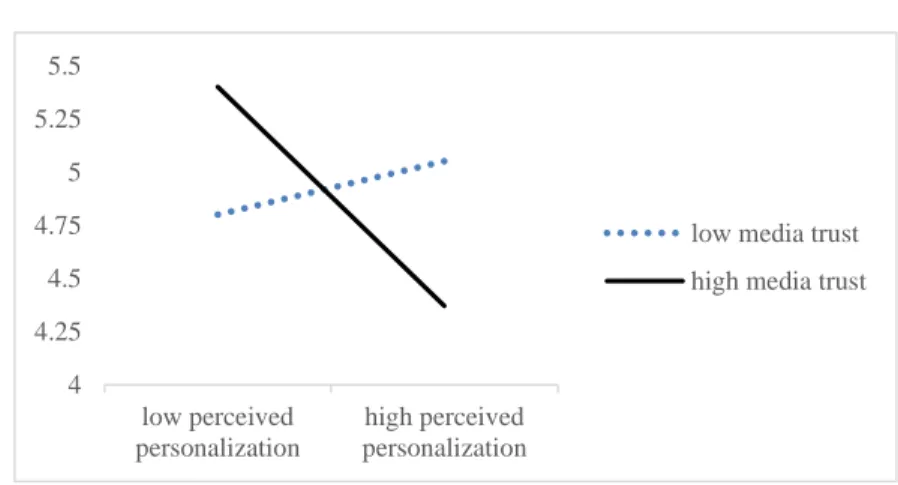
demonstrated significant two-way interaction effects between perceived personalization and media trust on privacy concerns, ad avoidance, and purchase intention. Specifically, consumers who had high trust in the social media in which the native ad appeared generated lower levels of perceived privacy concerns and lower levels of ad avoidance when they felt that the native advertising was highly personalized. In contrast, consumers who had low trust in the social media in which the native ad appeared reacted oppositely in that they had higher privacy concerns and higher ad avoidance when they perceived the ad as highly customized to their needs and interests. The findings contribute
theoretically to our understanding of Psychological Reactance Theory and ad avoidance by demonstrating the moderating role of perceived personalization in responding to native advertising. Additionally, findings from this study provide managerial implications in that personalized advertising can offset weaknesses stemming from low media trust or low brand trust.
Table of Contents
List of Tables ...x
List of Figures ... xi
CHAPTER 1: Introduction ...1
CHAPTER 2: Background and Hypotheses Development ...6
Types of Native Advertising ...6
Ethical Issues in Native Advertising ...9
Deceptiveness in Native Advertising ...9
Personalization and Privacy Concerns ...12
Theoretical Framework of Ad Avoidance ...14
Psychological Reactance Theory ...14
Web Advertising Model ...17
Persuasion Knowldege Model ...19
Trust and Online Advertising ...21
Ad Skepticism ...21
Trust and Distrust ...22
Brand Trust and Risk Taking Behavior ...24
Media Trust in an Online Environment ...27
Research Question and Hypotheses Development ...29
CHAPTER 3: Study 1 and study 2 ...36
Overview ...36 Experimental 1 Methods ...36 Study Design ...36 Pretests ...37 Pretest 1 ...37 Pretest 2 ...38 Experimental Stimuli ...42 Participants ...44 Procedure ...44
Measures ...45
Independent Variable Measures ...45
Dependent Variable Measures ...46
Results ...48 Discussion ...52 Experimental 2 Methods ...56 Overview ...56 Study Design ...57 Experimental Stimuli ...57 Pretest ...59 Participants ...59 Procedure ...60 Measures ...60
Independent Variable Measures ...60
Dependent Variable Measures ...61
Covariate Measure ...62
Results ...63
Discussion ...71
Chapter 4: General Discussion ...74
Managerial Implications ...77
Limitations and Future Research ...79
Appedix A: Manipulation Stimuli (Study 1) ...82
Appedix B: Manipulation Stimuli (Study 2) ...86
List of Tables
Table 2.1: Type and Examples of Native Advertising ...…….9
Table 3.1: Pretest 1 Mean for Brand Trust ...39
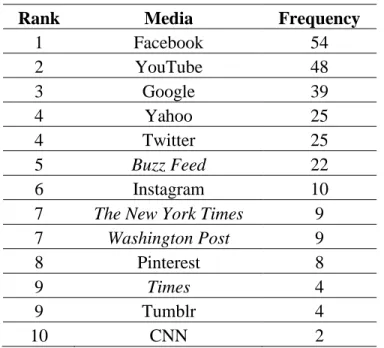
Table 3.2: Frequency of Media Consumers Read Native Ad the Most ...40
Table 3.3: Pretest 2 Mean for Media Trust ...41
Table 3.4: Pretest 2 Mean for Brand Trust ...42
Table 3.5: Descriptive Statistics and Internal Consistency of the Full Scale.…47 Table 3.6: MANOVA Results for Attitude toward the Brand and Ad Skepticim ...48
Table 3.7: ANOVA Results for Attitude toward the Brand ...49
Table 3.8: Descriptive Statistics for Attitude toward the Brand ...49
Table 3.9: ANOVA Results for Ad Skepticism ...51
Table 3.10: Descriptive Statistics for Ad Skepticism ...51
Table 3.11: Descriptive Statistics and Internal Consistency of the Full Scale...63
Table 3.12: MANCOVA Results for Perceived Privacy Concern, Ad Avoidance, and Purchase Intention ...65
Table 3.13: ANCOVA Results for Perceived Privacy Concerns ...65
Table 3.14: Descriptive Statistics for Perceived Privacy Concerns ...66
Table 3.15: ANCOVA Results for Advertising Avoidance ...67
Table 3.16: Descriptive Statistics for Advertising Avoidance ...68
Table 3.17: ANCOVA Results for Purchase Intention ...69
Table 3.18: Descriptive Statistics for Purchase Intention ...70
List of Figures
Figure 2.1: Sponsored Contents ...…….7
Figure 2.2: In-Feed Promotion ...7
Figure 2.3: Paid Search Unit ...8
Figure 2.4: Recommendation Widgets ...8
Figure 2.5: Promoted Listings ...9
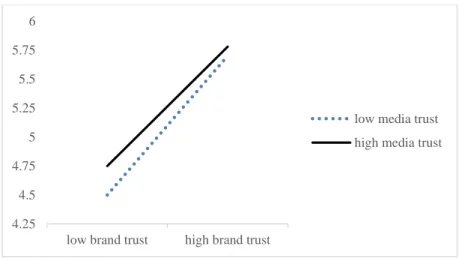
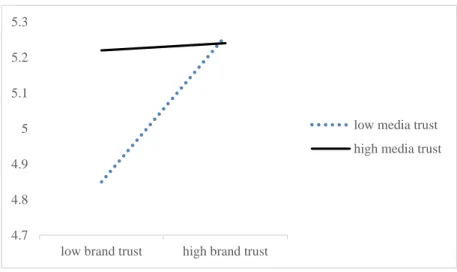
Figure 3.1: Attitude toward the Brand (Low Perceived Deceptiveness) ………50
Figure 3.2: Attitude toward the Brand (High Perceived Deceptiveness) ...50
Figure 3.3: Skepticism toward the Ad (High Perceived Deceptiveness) ...52
Figure 3.4: Skepticism toward the Ad (High Perceived Deceptiveness) ...52
Figure 3.5: Perceived Privacy Concern as a Function of Media Trust and Perceived Personalization ...66
Figure 3.6: Advertising Avoidance as a Function of Media Trust and Perceived Personalization ...68
Figure 3.7: Purchase Intention as a Function of Media Trust and Perceived Personalization ...70
CHAPTER 1: Introduction
The New York Times website featured an article entitled, “Women Inmates: Why the Male Model Doesn’t Work.” The article reported on a little known issue experienced by women incarcerated in prisons; their amenities, treatment options, job-training
programs, and the prison culture are all designed for men (Deziel, 2014). On the surface, this article looked normal. However, if readers looked at it more carefully, they might have noticed the familiar Netflix brand logo in red with another colorful logo saying “Orange is the New Black,” positioned underneath the words, “paid post.” The article was actually promoting season two of Netflix’s own show, “Orange is the New Black.” This is an example of native advertising, an emerging form of online advertising that looks like content from online publishers, but it actually comes from and is controlled by advertisers (Beene, 2014).
While native advertising is frequently discussed in online marketing, the
definition is not fully developed. Native advertising refers to “a form of converged media that combines paid and owned media into a form of commercial messaging that is fully integrated into, and often unique to, a specific delivery platform” (Lieb, Szymanski, & Etlinger, 2013, p. 3). “Paid media” simply means a media buy, and “owned media” refers to the content that can be controlled by a brand or advertiser. Native advertising is also defined as “a form of paid media where the ad experience follows the natural form and function of the user experience in which it is placed” (Sharethrough, 2014). Native ads match the visual design of the platform in which they appear, and they look and feel like non-advertising content.
Native advertising has been used in the industry very actively. A recent industry study by Sharethrough and the IPG Media Lab showed that native advertising is viewed 53% more frequently than traditional banner ads (Bercovici, 2013). Moreover, viewers take subsequent action (e.g. purchase intention) 18% more frequently after being exposed to native ads than traditional ads. Native advertising (32%) is also shared with friends and family more frequently than banner ads (19%). Nielson’s recent data also showed that almost 50 times more clicks were generated from Facebook’s native advertising
(sponsored posts) at a 45% lower cost (Lieb et al., 2013). Among the 70% of consumers who read native advertising, 45% of consumers considered it a form of advertising that could be relevant to them. Additionally, 30% considered it helpful to them in learning more about the brand’s industry, and 20% thought that it helped build trust for a brand and encouraged people to provide more personal information (Moses, 2013). Even though 60% could not remember a specific native ad that they had seen (Moses, 2013), brand recall in native advertising (38%) outperforms banners (25%). These data indicate that marketers consider native advertising to be a promising advertising tool to use to reach their target audiences. However, little scholarly attention has been paid to the underlying factors that influence whether consumers accept or avoid native adverting.
Native advertising is considered an effective form of advertising because it seamlessly places advertising on consumers’ timelines in social media or blends it in as articles on a publisher’s website. However, native advertising raises ethical questions in terms of perceived deceptiveness. According to FTC guidelines, native advertising should be clearly identified as advertising by a sponsored mark (e.g., sponsored tweet) or a brand
logo that clearly disclose a sponsorship. However, the FTC acknowledges that there are many practices that make disclosure difficult or ineffective. For example, some
advertisers do not use marks such as “sponsored content” or use them in small, inconspicuous type, and even consumers who see a sponsored content notice may be misled. One research study found that 50% of consumers do not know what the word "sponsor" means (Ponkivar, 2014-2015). This can be problematic from an ethical perspective in that one of the primary defenses of advertising has long been that people know that it is advertising and thus can raise counterarguments (Drumwright & Murphy, 2009). In contrast, some argue that consumers do not care about whether they are
deceived, and that a sponsored mark does not prevent native advertisements from enticing consumers to purchase the advertised products or services, so disclosure would have no significant value (Ponkivar, 2014-2015). Thus, whether perceived deceptiveness among consumers influences native ad outcomes is an important and unanswered
question. To fill this gap, this study investigated whether perceived deceptiveness of native advertising influences ad skepticism and attitude toward native advertising.
Native advertising in a social network such as Facebook is based on cookies or other browsing information. Thus, its targeting ability and personalization are benefits for advertisers; however, privacy issues have been of concern because they could prompt skepticism and ad avoidance. Past research on personalized advertising through different mediums such as email, telecommunication, and text messages has argued that ad skepticism partially mediates the relationship between personalization and ad avoidance (Baek & Morimoto, 2012). Personalization has been discussed positively in online
settings since it provides information consumers are looking for; however, if it is related to privacy concerns, online users may react to it negatively. This study postulates that native ad avoidance may decrease if consumers perceive that the native ad is targeted and personalized.
The importance of trust has increased in online advertising (Gavilan, Avello, & Abril, 2014) since trust in online advertising is significantly lower than in other types of ads (Soh, Reid, & King, 2007). In the online media environment, trust can influence the degree to which consumers are willing to depend on native advertising and make decisions based on it (Gavilan et al., 2014). Trust also incorporates consumers’ assessments of the integrity of the advertising (Soh et al., 2007), so trust may be intertwined with the ethical issues raised by native advertising. For example, the camouflaged nature of native advertising could undermine consumers’ trust if they perceive that advertisers are trying to deceive them about sponsorship. Sociologists view trust as having institutional based characteristics, which are defined as “an individual’s perceptions of the institutional environment” (McKnight, Choudhury, & Kacmar, 2002, p. 336). A criticism of native advertising is that the advertisers rely on the publisher’s credibility to make consumers believe the advertisement is as credible as the publisher’s content (Garfield, 2003). Native advertisers hope that consumers will attribute false credibility to the advertisement because it appears on publishers’ websites and is
camouflaged as publisher content. Studies have shown that consumers are more likely to trust sponsored business and entertainment content than advertisements. Thus, native advertising seems particularly keenly related to media trust. As such, the institution-based
trust that consumers place in the media in which the native ad appears and in the
advertised brand could affect whether or not consumers trust the native ad. Brand trust is a delicate concept and often regarded as vulnerable since consumers rely on new
information about products and services mainly through media (Yannopoulou et al., 2011). Brand trust has been discussed in risk related situations such as a crisis (Dawar & Pillutla, 2000) or e-commerce context (McKnight & Chevany, 2001). Research on web-based trust investigates how brand trust has an influence on consumers’ decision making process in the Internet era. Since this study expects that privacy concerns may increase the risk to process the messages of native advertising, brand trust can be important antecedent to respond to the native advertising. Thus, this study investigated the effectiveness of media and brand trust on viewers’ reactions to native advertising.
Chapter 2 will present the relevant literature, and Chapter 3 will present the research methodology, results, and discussion for two experimental studies. Chapter 4 will present the general discussion and conclusions.
CHAPTER 2: Background and Hypotheses Development
Chapter 2 reviews a variety of literature on online users’ motivation for
responding in native advertising. Several ethical issues such as perceived deceptiveness and privacy concerns are discussed. Theoretical frameworks such as psychological reactance theory and the web advertising model are discussed to understand factors influencing advertising avoidance. The effects of institutional-based trust in media and in brands are discussed in general and with respect to consumers’ responses to native advertising. Also, four hypotheses are developed based on the literature.
TYPES OF NATIVE ADVERTISIG
Native advertising is a type of direct response marketing, which is designed to evoke an immediate response and compel consumers to take some specific action (Kern, 2001). These actions include opting in an email list, requesting more information, placing an order, or being directed to a web page (Kern, 2001). In-feed promotion focuses on eliciting direct response and linking off of the sites to content or the brand’s landing page (IAB, 2013). The form of native advertising varies by the type of publisher, as shown in Table 2.1. It may take the form of editorial copy in an online newspaper, suggested posts or sponsored ads on Facebook, promoted tweets on Twitter, or promoted posts on Tumblr (Lieb et al., 2013). Native advertising has been classified into four types (IAB, 2013): 1) in-feed units, 2) paid search units, 3) recommended widgets, and 4) promoted listings. As the industry evolves, new native ad categories have been emerging, but those formats do not neatly fit into one of the above categories. Those formats are often too platform-specific and are customized to a platform-specific site.
In-feed units are the most commonly used type of native advertising, and they have two forms: 1) sponsored content, and 2) in-feed promotions. Sponsored content consists of content that reflects the format and functions of other content in a feed (Figure 2.1). Examples include BuzzFeed, Forbes, and Mashable. The second type of in-feed unit is in-feed promotions, which naturally appear in the user’s social media time line (Figure 2.2). Examples are YouTube, Facebook, Twitter, Yahoo, and LinkedIn.
Figure 2.1: Sponsored Content Figure 2.2: In-Feed Promotion
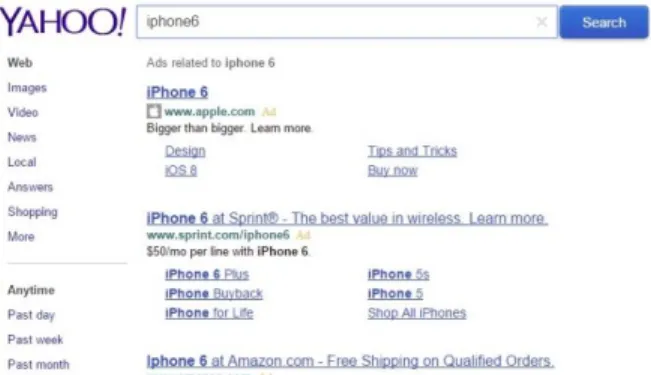
Paid search ads appear along with search results (Figure 2.3). These ads appear in a layout similar to organic results even though they are labeled as sponsored. Thus, they look exactly the same as other content in the surrounding search results. Paid search ad units are among the original native ad formats to achieve massive scale (IAB, 2013). Recommendation widgets are another avenue for native advertising (Figure 2.4). The sites monetize their traffic by recommending content via a widget. While other native advertising mimics organic characteristics by making its content look like the
surrounding content, recommendation widgets do not use this technique, but rather integrate with the page itself. Examples are Outbrain, Taboola, Disqus and Gravity Figure 2.3: Paid Search Unit
Figure 2.4: Recommendation Widgets
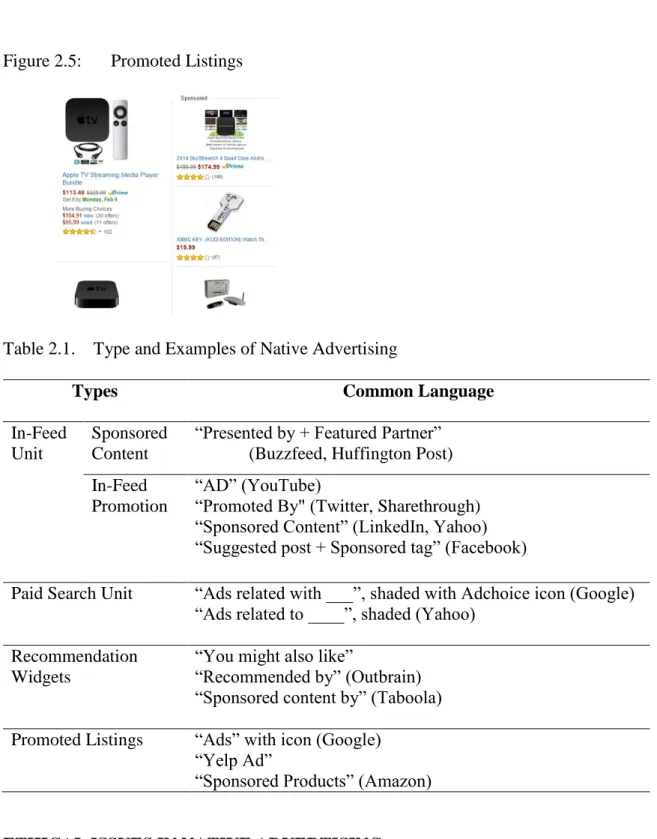
Promoted listings are designed to fit smoothly into consumers’ browsing experiences (Figure 2.5). These ads are highly contextually targeted, and the contents look like other products or services the sites are offering. Shopping sites such as Etsy and Amazon are examples, and promoted listings are a type of direct response ad that
Figure 2.5: Promoted Listings
Table 2.1. Type and Examples of Native Advertising
Types Common Language
In-Feed Unit
Sponsored Content
“Presented by + Featured Partner” (Buzzfeed, Huffington Post) In-Feed
Promotion
“AD” (YouTube)
“Promoted By" (Twitter, Sharethrough) “Sponsored Content” (LinkedIn, Yahoo) “Suggested post + Sponsored tag” (Facebook)
Paid Search Unit “Ads related with ___”, shaded with Adchoice icon (Google) “Ads related to ____”, shaded (Yahoo)
Recommendation Widgets
“You might also like”
“Recommended by” (Outbrain) “Sponsored content by” (Taboola) Promoted Listings “Ads” with icon (Google)
“Yelp Ad”
“Sponsored Products” (Amazon)
ETHICAL ISSUES IN NATIVE ADVERTISING Deceptiveness in Native Advertising
Advertising ethics refers to “what is right or good in the conduct of the
advertising function. It is concerned with questions of what ought to be done, not just with what legally must be done” (Cunningham, 1999, p. 500). Industry leaders are concerned about ethical issues such as transparency and privacy in the new media environment (Drumwright & Murphy, 2009). Advertising industry leaders have asserted that transparency is required in new media environments with respect to techniques such as paid viral marketing (Drumwright & Murphy, 2009). They consider it more difficult to convey trustworthy messages in new media compared to traditional media since the messages are not always controlled by them, and there is less agreement about ethical behavior with respect to issues such as how obvious ad sponsorship should be
(Drumwright & Murphy, 2009). Thus, the necessity for appropriate regulations and ethics in the online media environment in general and with respect to native advertising in particular is an important issue.
The biggest ethical concern with regards to native advertising is whether it is disguised or camouflaged as something other than advertising since native advertising aims to look like a seamless part of the website or the content that is being consumed (Wasserman, 2012). A prominent case of native advertising that misled consumers was
The Atlantic’s “David Miscavige Leads Scientology to Milestone Year.” Even though a
small label was included indicating that the article was sponsored, The Atlantic
acknowledged that it misled some of its audience because the article appeared to be editorial content, but it was an advertisement for the Church of Scientology (Ives, 2013).
and consumers recognize sponsored marks (Dumenco, 2014), which may be related to deceptiveness. Also, as discussed above, there is still the possibility that consumers are misled whether they recognize it or not. In a workshop on native advertising entitled “Blurred Lines: Advertising or Content,” a panel of Federal Trade Commission staff and advertising, journalism, and law professionals agreed that standards were required for native advertising involving disclosing the advertiser’s identity via text or logos (Steigrad, 2013). Although the FTC has not created regulations regarding native advertising, it has issued guidelines. The FTC guidelines recommend that disclosure should use: (1) use explicit language that the content is sponsored; (2) be large and visible enough for consumers to notice it; and (3) be located near the search result where the consumers will see it (Fair, 2013). The FTC suggests search engines use different shading and borders around sponsored results to meet these disclosure requirements (Fair, 2013). Additionally, the FTC recommends putting the disclosure in the upper left-hand corner of the window or immediately in front of a sponsored result in order to increase the likelihood that consumers will see it. For example, paid search unit are placed on the top of the search results often in a different color than other search results. Also,
recommendation widgets can appear on the bottom of the page.
The recent discussion surrounding native advertising relies more on self-regulation than the FTC’s involvement (Ponkivar, 2014-2015). Self-self-regulation has not been very effective, and the distinction between native advertising, and editorial content is often blurry (Ponkivar, 2014-2015). Even though there are not yet regulations by the FTC, a three-pronged general test set out by the FTC can be applied to determine when
an advertisement is deceptive: (1) whether a claim was made by an advertiser; (2) whether that claim was likely to mislead consumers; and (3) whether that claim was important to consumers’ decision-making process (Ponkivar, 2014-2015). Thus, deceptiveness is the biggest concern in native advertising, and transparency is often needed in online advertising (Steigrad, 2013).
In addition, the advertiser deceptively uses the publisher's credibility to make consumers believe the advertisement is as credible as the publisher's own editorial content (Garfield, 2003). A recent study revealed that a news publisher increased the perceived credibility of native advertising by 33% (IAB, 2014a). Moreover, publishers agreed that trust in them influences the consumer’s perception of the content (Steigrad, 2013). The Interactive Advertising Bureau (IAB) indicates a basic principle of native advertising is that “regardless of context, a reasonable consumer should be able to
distinguish between what is paid advertising and what is published editorial” (IAB, 2013, p. 14).
Personalization and Privacy Concerns
Privacy concerns and personalization are both characteristics of native
advertising, and there often is a tension between them. Taylor (2009) argued that the six principles of digital advertising that can help marketers engage with consumers. The first principle is that marketers should be sensitive to consumers’ concerns regarding scams and privacy issues. For example, consumers consider mobile as a personal space and are sensitive to private information (Hart, 2008). Thus, consumers who opt-in to receive Short Message Service (SMS) think only three messages from advertisers is about right
(Barwise & Strong, 2002). This shows that consumers are sensitive to having their personal information go through private channels such as email, text, and social media. Ironically, the third principle of digital advertising is that that consumers are more likely to respond when the information is relevant to them (Carroll, Barnes, Scornavacca, & Fletcher, 2007; Nasco & Bruner, 2008), and messages are more likely to be relevant when advertisers have consumers’ personal information. Past studies assert that relevancy of messages especially matters when consumers have high privacy concerns (Taylor, 2009).
Personalization is defined as providing customized information as a format of recommendation (Mulvenna, Anand, & Büchner, 2000). It also refers to “the right content to the right person in the right format at the right time” (Tam & Ho, 2005, p. 96). Personalization aims to satisfy the needs and preferences of online users by providing relevant objects (i.e. product, services) (Mulvenna et al., 2000). Personalization and privacy concerns have been a significant research area in online environments, ranging from commerce to online advertising. Development of information technology and e-commerce allows companies to provide personalized offers for individual consumers (Lee, Ahn, & Bang, 2011). However, consumers’ privacy concerns have influenced their messages acceptance.
Native advertising employs a personalization method in different social networks and e-commerce pages. For example, personalized and relevant articles and advertising appear on users’ social media such as Facebook and Instagram. Also, native advertising in Etsy, EBay, and Amazon (promoted listings type) are highly contextually targeted and
personalized. Since advertisers who use native advertising place ads based on consumers’ cookies and past browsing experiences, native advertising is highly relevant, but presents privacy issues. For this form of personalized advertising, user data must be collected, usually by installing “cookies.” Cookies are small text files that are put on users’ devices, such as notebooks or smart phones, to collect profile information for targeted advertising (third-party or tracking cookies) (Sablemna, Shoenberger, & Thorson, 2013). While advertisers stress the utility of personalized advertising in terms of providing relevant advertising, the use of cookies is heavily debated by policy makers in the U.S. and Europe because of the potential violation of the privacy of Internet users (Bennet, 2011). The European Union strictly regulates website tracking using an ePrivacy directive for data protection from consumers’ activity. In the U.S., there is still a debate whether tight consumer privacy law is necessary (Sablemna et al., 2013). The following discussion explains the theoretical underpinnings of accepting or rejecting native advertising.
THEORETICAL FRAMEWORK OF AD AVOIDANCE Psychological Reactance Theory
Consumers often respond negatively to advertising that is intrusive or that threatens their freedom of choice. Psychological reactance theory explains this process. Intrusiveness refers to the interruption of editorial content (Ha, 1996). A consumer’s goal is to understand content on Web pages. Ads such as pop-ups interrupt consumers trying to achieve their goals, which is often called intrusive advertising, and consumers feel that their freedom of choice is threatened (Edwards, Li, & Lee, 2002). Native advertising also has intrusive elements since it is personalized and appears in individuals’ social media
sites or in search engines as discussed above. Thus, consumers may negatively respond to native advertising and avoid it. Ad avoidance has often been considered to have three components: cognition, affect, and behavior (Cho & Cheon, 2004). The cognitive response is related to consumers’ beliefs about the object, and the affective response refers to consumers’ feelings about the object. Lastly, behavior response refers to consumers’ avoidance behavior toward the object (Cho & Cheon, 2004). And,
psychological reactance theory explains these three components of consumers’ reactions in terms of ad avoidance.
When consumers receive intrusive ads, the common negative emotional response toward them is ad irritation (Krugman, 1983). Some studies argue that consumers often feel annoyed and irritated not from the advertising itself, but from the advertising tactics, such as pop-up ads (Ducoffe, 1996; Edwards et al., 2002). Thus, developing and utilizing appropriate advertising tactics is important in online advertisements. And, the common negative behavior response is ad avoidance (Krugman, 1983). Ad avoidance is defined as “all actions by media users that differentially reduce their exposure to ad content” (Speck & Elliott, 1997, p. 61). In the online advertising environment, perceived goal restriction, perceived ad clutter, and prior negative experiences are considered important factors for avoiding advertising (Cho & Cheon, 2004). Past literature has demonstrated that
considering advertisements as intrusive is more related to cognitive evaluations than emotional or behavioral elements (Edwards et al., 2002). Specifically, consumers feel that intrusive advertising interferes with their personal goals for processing content (Edwards et al., 2002). Reactance theory is a social psychology theory that explains
people’s response to the perceived loss of freedom (Brehm, 1966; Brehm & Brehm, 1981). And, reactance depends on the degree to which a consumer’s behavior is
threatened, and the severity of the threat (Brehm, 1966). Reactance theory explains that when people are restricted in their behavior in particular situations or environments, they will attempt to avoid the expected behavior and reestablish their freedom and autonomy (Brehm & Brehm, 1981). In the online environment, reactance theory explains
consumers’ tendency to ignore unwanted advertising such as pop-up ads (Edwards et al., 2002). Literature explains that consumers recognize the advertisers’ intent from this hard-sell tactic (intrusive ad) and have a higher resistance toward the messages (Brehm & Brehm, 1981). Since native advertising is related to concerns about privacy and deception, the reactance may be higher than other types of advertising.
Personalized advertising is defined as a customized promotional message based on personal information such as purchasing behavior, preferences, demographics, and location (Baek & Morimoto, 2012; Vesanen, 2007). Personalized advertising is effective in providing commercial information that the consumers are searching for, which enables one-to-one advertising more easily (Srinivasan, Anderson, & Ponnavolu, 2002).
However, consumers use various ad blocking tools to avoid unwanted advertising (Baek & Morimoto, 2012) because consumers genuinely have fears about being too identified or recognizable by brands and companies (White, Zahay, Thorbjørnsen, & Shavitt, 2007). Thus, when consumers perceive that advertisers have used too much of their personal information, they avoid advertising (White et al., 2007).
Baek & Morimoto (2012) investigates potential antecedents of personalized advertising avoidance in the context of personalized media such as email, text messages, postal direct mail, and telephone calls. This study suggested the theoretical model to understand different motivations for personalized advertising avoidance in terms of affective (perceived privacy concerns, ad irritation, perceived personalization) and cognitive (skepticism toward personalized advertising) domains. The findings supported the mediating role of ad skepticism in influencing the causal relationships between ad avoidance and its affective antecedents (perceived personalization, privacy concerns, and ad irritation). The findings also indicated that personalized advertising tends to diminish the negative effects of skepticism, which is consistent with previous findings (Aaker, Brumbaugh, and Grier, 2000). Baek and Morimoto (2012) speculated that consumers may feel that they have had a previous personal contact when they receive personalized advertising, which serves to reduce skepticism. Moreover, marketers’ personalized efforts are seen as influencing the increased credibility of the ad claim (Baek & Morimoto, 2012). Previous research also argues that consumers’ previous purchases or
correspondence experience with a particular business influences reduced negative attitudes toward advertising (Morimoto and Chang, 2006).
Web Advertising Model
Ducoff’s Web Advertising Model explains cognitive and affective responses to online advertising. The model discusses consumers’ underlying process of responding to online advertising (Ducoffe & Curlo, 2000; Kim & Han, 2014). This model is derived from Uses and Gratifications Theory (UGT). UGT views individuals' media usage
behaviors as guided by specific needs and motivations (Rubin, 2009) and evaluates the effectiveness of advertising from a consumer’s perspectives (Ducoffe, 1996). Ducoff’s Web Advertising Model focused more on advertising values rather than attitude toward the advertisement (Ducoffe, 1995). The value of advertising is defined as ‘‘a subjective evaluation of the relative worth or utility of advertising to consumers’’(Ducoffe, 1995, p. 1).
This model has been used to evaluate not only advertising in traditional media but also advertising in the Internet environment (Choi & Rifon, 2002; Ducoffe, 1996).
Ducoffe (1995) understands that advertising messages can be processed by consumers when exchanges are performed, or they would otherwise avoid or ignore the message. Ducoffe assumes that it is communication exchanges between advertisers and consumers that results in a two-way process resulting in an equality or commonality among sender and receiver (Kim & Han, 2014). This model includes cognitive and affective factors to understand the underlying process of consumers’ responses. For cognitive factors, the perceptions of informativeness and credibility in advertisements were considered
(Ducoffe & Curlo, 2000). Advertising credibility refers to ‘‘consumers’ perception of the truthfulness and believability of advertising in general’’ (MacKenzie & Lutz, 1989, p. 51). Advertising credibility is related to the company’s credibility or consumers’
evaluations of how the company delivers satisfying products and services (Choi & Rifon, 2002). Thus, it influences consumers’ response toward the advertising positively (Choi & Rifon, 2002; Choi, Hwang, & McMillan, 2008). The affective factor includes perceptions of entertainment and irritation (Ducoffe, 1996). Entertainment indicates the ability to
fulfill consumers’ needs for enjoyment or emotional release (McQuail, 2005). Ad irritation can cause displeasure and momentary impatience (Aaker & Bruzzone, 1985). Persuasion Knowledge Model
Advertising has been conceptualized and explained using different
communication models, which often use either a rational or a cultural model (Schudson, 1984). Trust is not an important construct to the cultural model because this model emphasizes shared perceptions and attitudes rather than individuals’ conscious decision making; however, the rational model views trust as meaningful since it assumes that advertising’s primary role is to affect consumers’ value perceptions and their decision making process (Nelson, 1974). As such, based on the rational model, advertising functions most effectively when consumers have trust in the information the ad delivers (Soh et al., 2007).
The Persuasion Knowledge Model (PKM) addresses trust and deception as it explains consumers’ responses to the persuasion attempts of marketers and advertisers (Friestad & Wright, 1994). PKM assumes that consumers actively evaluate marketers’ tactics and determine their attitudes and behaviors based on this persuasion coping process. Individuals exposed to a persuasive message tend to elaborate on three
knowledge structures: Topic Knowledge (TK), Persuasion Knowledge (PK) and Agent Knowledge (AK) (Friestad & Wright, 1994). Each structure can be differentiated by whether consumers’ beliefs focus on the message (TK), marketers’ motivation (PK), or agents’ goals and competencies (AK). In particular, PK is related to this study since it pertains to whether consumers perceive that advertisers intend to deceive them (perceived
deception). PK functions as a schema that leads consumers to focus on advertisers’ tactics. When consumers view the message as a marketer’s tactic, their psychological reactance prevents them from experiencing persuasion, which presumably decreases the message effectiveness. Empirical research has investigated some of the factors
influencing the PKM model. For example, forced exposure to pop-up ads caused
perceived intrusiveness, leading to irritation and ad avoidance (Edwards et al., 2002). The accessibility of persuasion motives and the cognitive capacity of consumers also affect perceptions of the message agent (Campbell & Kirmani, 2000).
When advertisers try to persuade consumers, ad skepticism plays a role in
prompting consumers to avoid the advertising tactics (Obermiller & Spangenberg, 1998). Ad skepticism is defined as a tendency not to believe advertising (Obermiller &
Spangenberg, 1998). Much previous literature uses the PKM model to argue that ad skepticism influences ad avoidance as consumers exhibit reactance to online promotion messages (Obermiller & Spangenberg, 1998; Simonson, 2005). As PKM indicates, consumers may perceive the personalized and customized commercial information as manipulative attempts by advertisers (Simonson, 2005).
TRUST AND ONLINE ADVERTISING Ad Skepticism
Skepticism toward advertising refers to people’s disbelief of the claims in an advertising message (Obermiller & Spangenberg, 1998). Simple disbelief is a way that consumers cope with the persuasiveness attempt from advertisers, particularly consumers
Jaworski, 1991). Past research indicated that ad skepticism is a moderator that influences consumers’ responses to advertising. Ad skepticism influences beliefs toward advertising (Moore, Harris, and Chen, 1995), brand related variables such as belief toward the brand (Mittal, 1990), and perceived untruth in the ad and perceived influence of the ad
(Obermiller, Spangenberg, & MacLachlan, 2005). Consumers with high ad skepticism tend to have weaker brand beliefs and show weaker attitudes toward the ad, and lower behavioral intention toward making a purchase (Obermiller et al., 2005). This is considered to be the same process through which consumers who have prior negative attitudes and beliefs tend to generate a less positive attitude toward the ad (Obermiller et al., 2005). Ad skepticism also influences ad avoidance (Obermiller & Spangenberg, 1998) because the general distrust of persuasive stimuli generates resistance (Knowles & Linn, 2004). In online circumstances, consumers evaluate the persuasive intention of marketers as discussed in the PKM; thus, they tend to be skeptical and rely less on the ad, and as a result, avoid the advertising (Obermiller et al., 2005). Ad skepticism has also been discussed in the context of green advertising (Matthes & Wonneberger, 2014). The research on ad skepticism in green advertising indicates that consumers who practice higher green consumerism, which means higher informational utility of green ads in decision making, may have decreased skepticism toward the ads. In other words, the utility of information is important in decreasing ad skepticism and prompts consumers to engage with the advertisement (Knobloch-Westerwick and Kleinman, 2012). Thus, a strong need for the information in native advertising may influence the extent of critical assessment of the advertising.
Ad skepticism is related to some demographic variables such as education and age. Consumers who are more educated and older tend to be less positive toward an ad because they are more skeptical about it (Obermiller et al., 2005). Consumers tend to be skeptical when the advertising claim seems self-serving or exaggerated (Obermiller et al., 2005). Past research argues that an individual’s willingness to believe an information claim in advertising is another antecedent of skepticism (Obermiller and Spangenberg, 1998). However, a more recent study does not support the moderating effect of perceived informativeness on the relationship between ad skepticism and responses to the
advertising (Obermiller et al., 2005). In other words, for highly skeptical consumers, even highly informative advertising does not prompt positive responses (Obermiller et al., 2005).
Trust and Distrust
Trust and mistrust (sometimes called distrust) are related but separate concepts that co-exist (McKnight, Kacmar, & Choudhury, 2004b). Trust is defined as reliance on the trustee's integrity (Worchel, 1979) and "belief in a person's competence to perform a specific task (Sitkin & Roth, 1993, p. 374).” Mistrust refers to a "sense of readiness for danger and an anticipation of discomfort" (McKnight & Chervany, 2001). Distrust is defined as "confident negative expectations regarding another's conduct (Lewicki, McAllister, & Bies, 1998)." Distrust also means an expectation of punishment from others rather than rewards (Scanzoni, 1979) or a choice to avoid a risky, ambiguous path (Deutsh, 1973). Trust and mistrust are considered as two extremes of the same dimension (Rotter, 1980); however, mistrust is more related to emotion (McKnight, Kacmar, &
Choudhury, 2004a). While trust tends to be calm and collected, distrust embodies fear and insecurity (McKnight et al., 2004b).
Trust and mistrust appear to be particularly relevant to the provision of
e-commerce services (McKnight & Chervany, 2001). Many consumers have fear about the privacy of their personal information or a vendor’s irresponsible behavior such as
disappearing into cyberspace or making recourse impossible (Schmitt, 2001). Thus, trust is considered a critical success factor in e-commerce (Jarvenpaa and Tractinsky, 1999). Trust can be seen as an effective mechanism to reduce the complexity of human conduct in situations where people have to cope with uncertainty (Luhmann, 1988). Under such a trust mechanism, a consumer may need less information to make a decision (Luhmann, 1989). Past research has demonstrated that trusting beliefs are related to the intention to continue using online social networking (OSN) websites based on the Theory of Reasoned Action (Lankton, McKnight, & Thatcher, 2012). Since OSN websites often prompt concerns about security and privacy, trusting beliefs can reduce the uncertainty and the perceived risk of using the websites. (Lankton et al., 2012). Trust makes consumers consider a product or service and do business with a vendor (McKnight & Chervany, 2001). Dunn (1988, p. 74) quoted Hobbes as saying that while trust is a passion proceeding from the belief of one from whom we hope for something good, distrust is "diffidence or doubt that makes one try to find other means." Thus, having trust is important to proceed with a business transaction, and in terms of advertising, to intend to purchase.
Trust enables consumers to avoid risky situations and engage with the e-vendors, while distrust brings suspicion and doubt that may lower the chance of participating in the e-commerce (McKnight & Chervany, 2001; McKnight, Choudhury, & Kacmar, 2002). McKnight, Choudhury, and Kacmar (2002) developed the integrative model of trust in the framework of the Theory of Reasoned Action (TRA) (Fishbein and Ajzen, 1975). TRA assumes that belief influences attitude, and attitude lead to behavior intention. And, the integrative trust model posits that trusting beliefs about the web vendor (institutional trust) influence trusting intention and related behavior eventually (i.e. behavior intention to engage with the specific Web vendor) (McKnight, Choudhury, & Kacmar, 2002).
Brand Trust and Risk Taking Behavior
Research on brand trust has not received attention commiserate with its
importance (Yannopoulou, Koronis, & Elliott, 2011), and trust is often interchangeably used with confidence, benefits, or value (Han et al., 2008). Even though it is not fully established conceptually, trust is considered to be one of the most important antecedents of brand loyalty (Chaudhuri & Holbrook, 2001) and is a major element in the bonding between the consumer and the brand (Hiscock, 2001). Consumers trust brands when they feel secure and believe that brands act in consumers’ best interests (Delgado-Ballester et al., 2003). Trust is understood as the dependability of another party based on positive predictability of the future (Han et al., 2008). Trust also influences the psychological intention to accept vulnerability of the other party (Yannopoulou et al., 2011).
Brand trust is a delicate concept and often considered as fragile and vulnerable since consumers rely on new information about products mainly through media, which is difficult for marketers to control (Yannopoulou et al., 2011). The role of brand trust has been discussed in risk related situations such as a crisis context (Dawar & Pillutla, 2000) or e-commerce context (McKnight & Chervany, 2001). And, research on trust
investigates how brand trust has an influence on consumers’ decision making process. In terms of crisis situations, brand trust is a desirable means for transmitting information and influencing the attitude and behavior of the receiver (Yannopoulou et al., 2011).
Luhmann’s (1979) Sociological Theory of Trust demonstrates that familiarity is required as a pre-condition for developing brand trust. Consumers can build trust through
interactions with the brand and existing brand knowledge, and familiarity is adequate to influence behavior intention in a low perceived risk condition (Elliott & Yannopoulou, 2007). On the other hand, confidence is required to keep purchasing the brand in a high perceived risk condition since competence generates secure expectations (Luhmann, 1979). Trust decreases perceived risk and helps enable the eventual return to a better confidence status (Elliott & Yannopoulou, 2007). Elliott and Yannopoulou (2007)’s Psychological Model of Trust indicates that authentic brand trust can only be developed in conditions of high perceived risk. In other words, research on trust emphasizes that trusting parties’ risk-taking behavior can be seen when they are vulnerable (Rousseau et al., 1998, Canning & Hanmer-Lloyd, 2007). And, strong brands influence a reduction in consumers’ perceived risk (Ring, Schriber, & Horton, 1980) since branding guarantees
security (Aaker, 1991). Thus, brands help to build long-term relationships with consumers (Elliott & Yannopoulou, 2007).
Many studies in the area of information seeking support the importance of the role of brand trust on the Web. Many research studies have been conducted on trust in the context of e-commerce (McKnight et al., 2001). Studies on the role of trust in the
information seeking process have reported mixed results. Some scholars indicate that the influence of the wide availability of brand information and search capabilities of the Internet will gradually decrease the role of brands (Sinha, 2000; Ward & Lee, 2000). On the other hand, some literature argues that trust can help the decision making process because the consumer would be faced with less information (Metzger & Flanagin, 2013) since trust and external searches for information are alternative mechanisms that decrease uncertainty (Luhmann, 1979). Consumers search for information when the cost of the search does not outweigh the benefit of the search (Metzger & Flanagin, 2013). Trust can reduce the time it takes to consider possible outcomes from the decision, and it can reduce the complex process where people have to cope with uncertainty (Luhmann, 1979). In sum, trust simplify the decision making process by reducing the amount of information required to process (Metzger & Flanagin, 2013).
Web-trust based regarding the safety and security of the Internet leads to trusting behavior and intention toward the e-vendor (Keen et al., 1999). Hence, the role of brand and brand-related factors (e.g. brand familiarity, brand trust) and how they influence the external information-seeking behavior are still considered important in the Internet era (Chaudhuri & Holbrook, 2001). However, the relationship between brand-related factors
such as existing knowledge and attitudes toward brands and branded product information searching has rarely been investigated. In a native advertising context, brand trust can be an important antecedent to process and respond to the advertising since this study expects that ethical concerns such as perceived deceptiveness and privacy concerns may increase the risk to process the messages and possibly influence ad skepticism and ad avoidance. Media Trust in an Online Environment
Trust can be defined differently in different domains. Understanding media trust based on the structural view of trust appears to be crucial because consumers may have difficulty differentiating between more and less trustworthy information in the Internet environment (Okazaki, Akihiro, & Manoru, 2007). Literature on information systems indicates two different types of trust in the technology construct: 1) human-like trust constructs (e.g. benevolence, integrity, and ability) and 2) system-like trust constructs such as reliability, functionality, and helpfulness (Lankton, McKnight, & Tripp, 2015). Trust is also defined as a) dispositional constructs that reflect the trait psychology view of trust; b) institutional constructs that reflect the sociological/structural view of trust; and c) interpersonal constructs that reflect social psychological and sociological views of trust between people (Lankton et al., 2015). Among the different types of trust, this study focuses on institutional trust, which involves on situational normality that investigates where the environment is appropriate and preferable (Baier, 1986). Institutional trust has not identified specific measures that capture its situational normality (McKnight,
Choudhury, & Kacmar, 2002); however, constructs adapted from the field of
use. Organizational trust has been measured by integrity, ability (or competence), and benevolence to measure trustworthiness (Mayer, Davis, and Schoorman, 1995). Later, Kim et al. (2004) identified trust as competence, benevolence, and integrity. Competence refers to the organizations’ ability to keep a promise based on its expertise, skills, and knowledge (Xie & Peng, 2009). Benevolence is used to determine whether consumers perceive that organizations’ motivations positively, believing that they do have sincere concern for customers’ interests (Xie & Peng, 2009). Integrity is defined as the adherence to a set of sound principles (Xie & Peng, 2009).
Scholars have investigated media trust and source credibility based on their fields of interests. Media psychologists focus on how individuals perceive the credibility of information while sociologists view trust as institutional-based characteristics, which are defined as “an individuals’ perceptions of the institutional environment” (McKnight, Choudhury, & Kacmar, 2002, p. 336). Trust and credibility are often used similarly, but little attention has been paid to differentiating the two concepts. Credibility is about how one assesses the persuasiveness or credibility of an object (Johnson & Kaye, 2004). Source credibility is defined as “a communicator’s positive characteristics that affect the receiver’s acceptance of a message” (Ohanian, 1990, p. 41). Past studies indicate the role of source credibility in advertising effectiveness, and recent research has focused on investigating how consumers assess source credibility online (Lee, Strong, Kahn, & Wang, 2002). Since the online platform does not provide solid verification systems (Flanagin & Metzger, 2000), source credibility is used to differentiate between quality information and misleading information (Lee et al., 2002). Past studies have indicated
that consumers perceive new online publishers (newyorktimes.com) that have traditional media counterparts as more trustworthy because they believe that these media outlets have more formal gate-keeping systems (Flanagin & Metzger, 2000). And, studies have demonstrated how users perceive the credibility of information influences their choice of websites. For example, online users perceive news information as more credible than entertainment or commercial information (Metzger et al., 2003). Research on the
relationship between a user’s perception of the credibility of information and media trust shows that a user's perception of the credibility of any given information source can be considered an outcome in a process of the attribution (Metzger & Flanagin, 2013). In other words, credibility provides a reason to build up trust (Kohring & Matthes, 2007). Thus, past research supports a strong correlation between information credibility and trust among news publishers (Metzger & Flanagin, 2013). The relationship between media use and trust has come into sharper focus (Tsfati & Ariely, 2014; Tsfati & Cappella, 2005) since marketers have more opportunities to use earned media in the online environment. And, recent reports that brands on credible media sites have advantages such that readers respond 20% more positively toward content from credible sites than non-credible sites (IAB, 2014b). This study also supports that consumers favor native advertising if the brand is trusted, relevant, and has good content (IAB, 2014b). However, media sites do not have additional benefits by conveying native advertising, and even worry about losing their credibility and trust (IAB, 2014b).
Previous research suggests that perceived deceptiveness, perceived personalization, brand trust, and media trust would influence ad skepticism, ad avoidance, attitude toward the ad, and attitude toward the brand. The most distinctive characteristic of native advertising is that it has a sponsorship mark (e.g., sponsored post), yet the distinction between native advertising and editorial content is often blurry
(Ponkivar, 2014-2015). Native advertisers may rely on the publisher’s credibility to prompt consumers to believe that an advertisement is as credible as the publisher’s content (Garfield, 2003). As such, the main criticism of native advertising lies is that it may mislead consumers to view it as editorial or non-sponsored content. According to the Web Advertising Model (Ducoffe & Curlo, 2000, Kim & Han, 2014), consumers’
underlying process of accepting online advertising focuses on advertising values, which includes both cognitive and affective processes. Cognitive factors include the perceived informativeness and credibility of advertisements; while entertainment and irritation from advertisements are among the affective factors (Ducoffe & Curlo, 2000). This study particularly focuses on both the affective (perceived deceptiveness) and cognitive (trust toward brand and media) aspects of processing native advertising. Past research
articulates that ad credibility is related to consumers’ evaluations of products or services (Choi & Rifon, 2002). This study assumes that the credibility of an advertisement is related to evaluations of the media that native advertising appears in and brand being advertised. Thus, this study expects that perceived deceptiveness moderates other trust-related variables (i.e., media trust and brand trust) and advertising outcomes (i.e., advertising skepticism and attitudes toward the brand and ad). While previous research
focused on how ad skepticism influenced responses to advertising, this study focuses more on how perceived deceptiveness influences ad skepticism and attitude toward the brand.
Trust is a crucial construct that determines consumers’ choices during risky situations. When consumers trust brands, they are not just exhibiting familiarity with the brand or a feeling of competence about it, but also they are willing to embrace the risks from the situations that the brand is placed in. According to the Psychological Model of Trust (Elliott & Yannopoulou, 2007), when consumers are vulnerable, authentic brand trust can be developed. Specifically, branding influences consumers to reduce their perceived risk since they believe a strong brand guarantees quality and security (Aaker, 1991; Ring, Schriber, & Horton, 1980). Many research studies on trust argue that trust reduces the complex decision making process and helps consumers cope with uncertainty (Lankton, McKnight, & Tatcher, 2012). Native advertising raises ethical concerns in terms of deceptiveness and privacy; thus, consumers who are sensitive to these issues may process native ads as risky. In other words, consumers may feel vulnerable depending on their perceived risk in responding to native advertising. Thus, this study assumes that brand trust may be one of the antecedents in responding to native
advertising. Based on PKM, consumers evaluate an advertising message or product (TK), a marketer’s motivation (PK), and a marketer’s goals and competences (AK), and all these evaluations may depend on consumers’ brand trust. Past research argues that consumers regard their previous business experience or purchase experience as personal contact (Baek & Morimoto, 2012), and brand trust, which includes familiarity with and
competence of the brand, may perform this role in native advertising. Consumers may accept native advertising if they have higher trust in the brand since they believe that the brand is predictable and provides security even in a high risk situation. Also, brand trust may lower the negative effects of perceived deceptiveness even though the advertising content is personalized. On the other hand, if consumers’ brand trust is low, they may have a negative attitude toward the brand and high ad skepticism. Thus, this study investigates how brand trust influences responses to native advertising.
Consumers rely on new information about products mainly through media,
making it difficult for marketers to control (Yannopoulou et al., 2011). Native advertising creates content as much as, or the same as third party sites’ content; hence an advertiser may depend on the publisher’s credibility (Garfield, 2003). And, a recent study
demonstrated that a news publisher increased the perceived credibility of an ad’s content by 33% (IAB, 2014a). Research on online information seeking indicates that institutional trust, which reflects a sociological or structural view of trust, can be another construct in understanding trust (Lankton et al., 2015). In other words, institutional trust means situational normality where the environment is proper (Baier, 1986), and in a native advertising context, it can be interpreted as whether the advertising is placed in
appropriate and credible media. The difference between trust and credibility has not been fully examined; however, those two concepts are keenly related. While credibility
focuses on the credibility of information, trust is closer to institutional-based characteristics (Maknight et al., 2002). This study expects that broader levels of
source credibility. Specifically, this study postulates that when consumers have high media trust, they may have lower ad skepticism and a higher attitude toward the brand.
This study assumes that brand trust and/or media trust influence consumers’ evaluations of advertising content since the trustworthiness of native advertising is derived from those two factors. Also, this study expects that perceived deceptiveness will moderate the relationship between the trust-related variables and ad outcomes (ad
skepticism and attitude toward the brand). Based on these assumptions, this study investigated a research question regarding an interaction effect among perceived deceptiveness, brand trust, and media trust on ad skepticism and attitude toward the brand:
RQ1: Will there be an interaction effect among brand trust, media trust, and perceived deceptiveness on ad outcomes such as attitude toward the brand and ad skepticism?
Native advertising provides customized and highly contextually targeted
information as a format of recommendation (Mulvenna et al., 2000). Even though native advertising is designed to not disrupt users’ experience so as not to interfere with user’s normal behavior in the particular media (i.e. in-stream) (Pulizzi, 2015), consumers’ concerns for privacy still remain. Personalization of advertising is defined as a customized promotional message based on personal information such as purchasing behavior, preferences, demographics, and location (Baek & Morimoto, 2012). Native advertising also can be categorized as personalized advertising since the contents are mainly from users’ information that is gathered from cookies. Many native advertising
content creators log users’ pages and collect information for the purpose of delivering relevant advertisements. Many online networks such as Google Adwords, Outbrain, and AdRoll provide services for creating ads that are targeted to users by utilizing behavior algorithms (Labrien, 2016). Thus, native advertising also cannot be free from privacy concerns since content is created based on high relevancy. And, perceived
personalization may be related to perceived media trust. Consumers may have lower privacy concerns when the native advertising placed in high trust media since consumers believe that an advertisement is as credible as the publisher’s content (Garfield, 2003). This study assumes that individuals who perceive high personalization will have higher privacy concerns because they may feel that their freedom of choice is threatened (Edwards et al., 2002). Previous literature has argued that consumers feel their freedom of choices are threatened when they receive intrusive advertising; thus, they respond negatively to the advertising based on Psychological Reactance Theory (Edwards et al., 2002). Even though consumers fear that they will lose their privacy (White et al., 2007), much previous research has found that personalized advertising reduces negative attitudes toward the ads since consumers believe personalized efforts are a part of trust building (Morimoto, 2012; Morimoto & Chang, 2006; Aaker, Brumbaugh, and Grier, 2000; Baek & Morimoto, 2012). Thus, this study expects that the level of perceived personalization may moderate the relationship between media trust and advertising responses such as perceived privacy concerns, ad avoidance, and purchase intention. An understanding of what drives native advertising avoidance can not only help advertising scholars develop a comprehensive theoretical framework of ad avoidance, but also help practitioners
develop native advertising strategies that reduce ad avoidance. Based on that, following additional hypotheses are proposed:
H1: There will be a two-way interaction effect between media trust and perceived personalization on perceived privacy concerns, ad avoidance, attitude toward the ad, and purchase intention. Specifically, individuals who are in the high media trust condition will have (a) higher perceived privacy concerns, (b) higher ad avoidance, and (c) lower purchase intention toward the product in the low perceived personalization condition, while controlling for the attitude toward the brand.
H2: Individuals who are in the low media trust condition will have (a) higher perceived privacy concerns, (b) higher ad avoidance, and (c) lower purchase intention toward the product in the high perceived personalization condition, while controlling for the attitude toward the brand.
CHAPTER 3: Study 1 and Study 2 OVERVIEW
This dissertation consists of two studies. The purpose of study 1 is to examine how perceived deceptiveness can influence native advertising avoidance. Study 1 also aims to investigate how such underlying processes may be different across different media and brand types. The second study will add an examination of the moderating effects of perceived personalization of the ad on privacy concerns, ad avoidance, and purchase intention. An understanding of what drives native advertising avoidance can not only help advertising scholars develop a comprehensive theoretical framework of ad avoidance that goes beyond traditional advertising, but also help practitioners develop their direct marketing tactics in a way that will decrease consumer avoidance of native advertising. Chapter 3 presents research methodologies and findings in detail.
EXPERIMENT 1 METHODS Study Design
The objective of study 1 was to explore the implications of the relationships among perceived deceptiveness, brand trust, and media trust for native advertising persuasiveness. For this purpose, the effect of a match between these three variables was examined in experimental conditions. A 2 (brand trust: high vs. low) X 2 (media trust: high vs. low) X 2 (perceived deceptiveness: high vs. low) between-subjects factorial design was employed. The two independent variables manipulated were brand trust and media trust when faced with an example of native advertising. Four conditions were created by placing a native ad for a product with high or low brand trust on a publisher
website with high or low media trust. Types of brands were selected through pre-tests. Perceived deceptiveness was an independent variable.
Pre-Tests Pretest 1
A series of pretests were needed to decide the actual brands and media to use to investigate the effectiveness of native advertising. Participants (n = 61) were recruited from Amazon’s Mechanical Turk (MTurk), and they were paid 50 cents each. After consenting, the participants were asked to rate the brand trust of the top thirty brands that were listed in “The World’s Most Valuable Brands in 2015” by Forbes (2015). The brands were randomly presented to the participants to decrease the possibility of order effects. Four items were adapted from Mayer and Davis (1999) and used to assess the perceived integrity of the brand, “I believe the brand is honest,” “I believe the brand has a great deal of integrity,” “I believe sound principles guide the brand’s behavior,” and “I believe the brand has a good company value.” The items were measured with seven-point Likert scales from strongly disagree (1) to strongly agree (7).
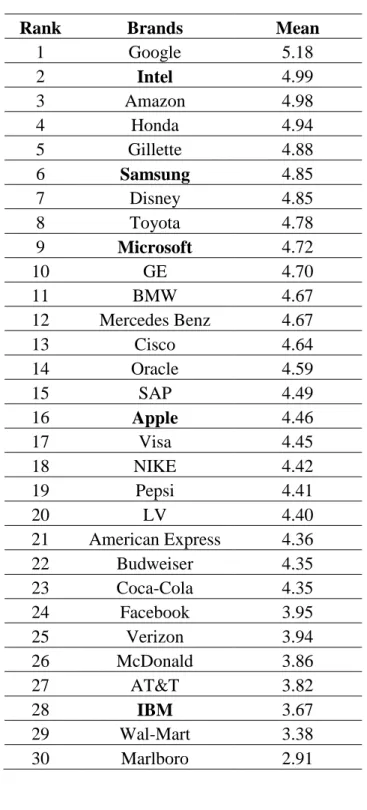
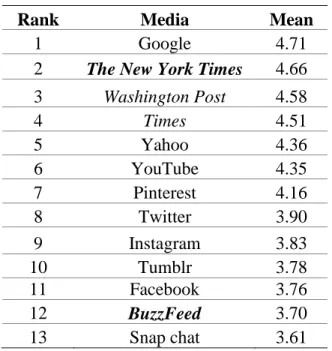
The pre-test results showed that Google ranked the highest in perceived integrity, followed by Intel, Amazon, and Honda, which is shown in Table 3.1. Various
industry/product categories were included in this ranking such as media, technology, car, and beverages. Among those categories, the technology category (especially popular for laptop products) seemed adequate to be used as a product category since five brands (Intel, Samsung, Microsoft, Apple, and IBM) showed different levels of perceived integrity. According to Pew Research data (Zickuhr, 2011), a laptop is one of the most