San Jose State University
SJSU ScholarWorks
Doctoral Projects Master's Theses and Graduate Research
Spring 5-2016
Development and Evaluation of a Chronic Care
Management Toolkit
Heidi Hongxin He
California State University, Northern California Consortium Doctor of Nursing Practice
Follow this and additional works at:https://scholarworks.sjsu.edu/etd_doctoral Part of theFamily Practice Nursing Commons
This Doctoral Project is brought to you for free and open access by the Master's Theses and Graduate Research at SJSU ScholarWorks. It has been accepted for inclusion in Doctoral Projects by an authorized administrator of SJSU ScholarWorks. For more information, please contact
Recommended Citation
He, Heidi Hongxin, "Development and Evaluation of a Chronic Care Management Toolkit" (2016).Doctoral Projects. 43. DOI: https://doi.org/10.31979/etd.vkzs-s5fh
DEVELOPMENT AND EVALUATION OF A CHRONIC CARE MANAGEMENT TOOLKIT
Currently, little research is available on the topic of Chronic Care Management (CCM) service and its impact on patient health outcomes, largely because the service was recently introduced by Medicare in January 2015. The purpose of this Doctor in Nursing Practice (DNP) project is to create a Chronic Care Management (CCM) Toolkit specific to an established pulmonology practice based in a Central California community. This quality improvement pilot project also included an evaluation of the newly developed CCM Toolkit designed for this project. The evaluation was accomplished by surveying CCM care team members in this pulmonary practice (an internal group), and providers who have experience in providing care in patients with chronic conditions (an external group). Both internal and external groups agreed that the toolkit could be successfully implemented in the practice and could be easily adapted to a wide variety of practice settings. In addition, both groups provided valuable recommendations for improving the toolkit. This project is the first known study on the topic of implementing the CCM service in a small independent practice. The newly developed CCM Toolkit offers a framework, and can serve as a roadmap, for practices seeking to provide CCM service to their patients with multiple chronic conditions. Future research is needed in a number of areas. Studies exploring patient satisfaction with the care received, assessing the
efficiency of the care coordination, and evaluating the impact of the CCM service on patient care outcomes, such as increased quality of life, decreased exacerbation, decreased hospitalization and reduced health care cost, will generate much needed evidence on the topic of the CCM model.
Heidi Hongxin He May, 2016
MANAGEMENT TOOLKIT
By
Heidi Hongxin He
A project submitted in partial
fulfillment of the requirements for the degree of Doctor of Nursing Practice
California State University, Northern Consortium Doctor of Nursing Practice
OF DOCTORAL PROJECT
I grant permission for the reproduction of this project in part or in its entirety without further authorization from me, on the condition that the person or agency requesting reproduction absorbs the cost and provides proper acknowledgment of authorship.
x Permission to reproduce this project in part or in its entirety must be obtained from me.
I would like to express my heartfelt gratitude to all the people who have made the completion of this project possible.
Special thanks to my project committee chair, Dr. Danette Dutra, my project committee members Dr. Phyllis Heintz and Dr. Alpha Anders, my program advisor Dr. Chris Ortiz, and my special mentor Avital Anders, RN. Without their support,
encouragement, and guidance, this project would not have been possible.
I am thankful to my colleagues at Comprehensive Pulmonary and Critical Care (CPCC) Associates, and my fellow DNP classmates who took time from their busy schedules to review the toolkit, complete the survey, and offer valuable suggestions for improvement. Most of all, I am thankful for their encouragement.
Many thanks to the scholarship sponsors for believing in my potential as a DNP student: Trinity Health-St. Agnes Medical Center; Sigma Theta Tau International Nursing Honor Society, Xi Epsilon Chapter, Dr. Peggy Leapley Doctoral Scholarship; and Associations of California Nurse Leaders, Kern County Chapter.
No words can express my gratitude to my parents and my children. Their
unconditional love gives me strength and inspiration. I am most grateful to my husband, my special advisor, who has been with me in this incredible journey every step of the way. Thank you for reading every paper I have ever written for the last twenty plus years. This degree is as much yours as mine.
Page LIST OF TABLES ... VII LIST OF FIGURES ... VIII
CHAPTER 1: INTRODUCTION ... 1
Purpose ... 2
Theoretical Framework ... 3
Summary ... 6
CHAPTER 2: LITERATURE REVIEW ... 7
The Transitional Care Model (TCM) ... 7
An Integrated Program ... 9
The Patient Centered Medical Homes (PCMHs) ... 10
Chronic Care Management and Its Potential ... 12
Summary ... 14 CHAPTER 3: METHODOLOGY ... 15 Setting .. ... 15 Methodology ... 16 Subjects ... 20 Data Collection/Implementation ... 21 Ethical Considerations ... 22 Summary ... 24 CHAPTER 4: RESULTS ... 25 Overview ... 25 Demographics ... 26 Survey Results ... 28
Page vi Summary ... 43 CHAPTER 5:CONCLUSION ... 44 Discussion ... 44 Limitations ... 49
Implications for Nursing Practice ... 49
Further Research ... 52
Conclusion ... 53
REFERENCES ... 55
APPENDICES ... 62
APPENDIX A: CHRONIC CARE MANAGEMENT TOOLKIT ... 63
APPENDIX B: COVER LETTER... 116
APPENDIX C: SURVEY ... 118
Page
Table 1. Demographic Information ... 27
Table 2. Quantitative Survey Data: Entire Toolkit ... 29
Table 3. Quantitative Survey Data: Each Individual Component ... 31
Table 4. Qualitative Survey Data: Entire Toolkit ... 34
Table 5. Qualitative Survey Data: Each Individual Component... 38
Table 6. External Group Qualitative Data Analysis ... 40
Table 7. CCM Toolkit Evaluation Overview ... 44
Table 8. Personnel Gap Analysis ... 51
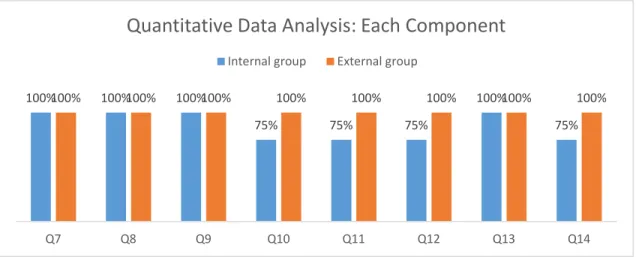
Page Figure 1. Years of experience ... 45 Figure 2. Quantitative data analysis: Entire toolkit ... 46 Figure 3. Quantitative data analysis: Each component ... 47
CHAPTER 1: INTRODUCTION
Chronic conditions are physical, mental, or cognitive illnesses lasting a year or more, requiring ongoing medical attention, limiting activities of daily living (U. S. Department of Health and Human Services, HHS, 2014). Approximately one in three Americans of all ages, and three out of four Americans aged 65 years or older, have two or more chronic conditions (HHS, 2010). Patients with multiple chronic conditions (MCC) are facing increased challenges physically, psychologically, and financially (Institute of Medicine, IOM, 2012). Chronic illnesses account for 70% of deaths, and 75% of the $2 trillion in annual U.S. health care spending (IOM, 2012), and 95% of all Medicare spending (Benjamin, 2010). Despite the astronomical spending on chronic care management, the quality of health care related to chronic care is suboptimal (Improving Chronic Illness Care, ICIC, n.d.). Improving the care of chronic illnesses has become a major public health priority (IOM, 2012).
The focus of health care is shifting from reactive acute and specialty care, to proactive patient centered primary care (IOM, 2012). This shift is becoming increasingly evident with the passage and implementation of the Affordable Care Act (ACA). The ACA includes many quality related provisions, and is expected to have great impact in quality improvement efforts (Bielaszka-DuVernay, 2011). To improve health care quality, health outcomes and reduce health care cost, the HHS recognized care
coordination as one of the top National Quality Strategies (2011). Identifying evidence supported models of care coordination for persons with multiple chronic conditions is one of the objectives in HHS’s goal of changing the health system to improve the health of patients with multiple chronic conditions (HHS, 2010).
Several care coordination models, including Patient Centered Medical Homes (PCMHs) and the Transitional Care Model, have been introduced to improve patient
2
centered care, care coordination, and health outcomes (Boyle, 2012). These innovative care management models have demonstrated clinical effectiveness and cost savings. A meta-analysis of 36 randomized clinical trials concluded that care coordination reduced hospital admissions, and reduced emergency department visits, among older patients with chronic conditions (Tricco et al., 2014). In addition, care coordination interventions improved many aspects of quality of care for patients with chronic illnesses, including patient activation, goal setting, and problem solving (Tuchman et al., 2015a).
In January 2015, a new care coordination model, Chronic Care Management (CCM) service was introduced by Medicare (U. S. Department of Health and Human Services, Centers for Medicare and Medicaid Services, CMS, 2015). This non face to face care coordination service is only available for high risk patients with multiple chronic conditions (CMS, 2015). Each month, 20 minutes of clinical staff time is eligible for Medicare reimbursement. Electronic care plans containing actionable instructions are required for CCM service. Other required elements include: periodic review and revision of the care plans, medication management, communication with the patient and other treating health professionals for care coordination, and management of care transitions. The goal for CCM service is to proactively manage patient’s health, rather than to only treat disease and illness (CMS, 2015).
Purpose
Chronic care management service is complex and extensive. To provide effective CCM service with all required elements, a systematic approach is imperative for efficient and successful implementation. Establishing an implementation toolkit to guide the CCM service is the logical first step. The purpose of this project is to develop a CCM Toolkit specific to an established pulmonology practice based in a Central California community. Ultimately, the toolkit will be expanded to include benchmarks that allow
3
evaluation of the efficacy and efficiency of the model. However, for this project, the focus was the development of the toolkit. The project also included a pilot evaluation of the newly developed CCM Toolkit. This evaluation was accomplished by surveying CCM care team members in this pulmonary practice, and nurse practitioners in a Doctor in Nursing Practice program who have experience in providing care to patients with chronic conditions.
Theoretical Framework
The Chronic Care Model was used to guide the design of the CCM Toolkit. The Chronic Care Model was developed to overcome the deficiencies that existed in the management of chronic illnesses (Wagner, 1998). The effectiveness of the Chronic Care Model in improving clinical outcomes and patient care satisfaction was well established. Practice redesign based on the Chronic Care Model improved the quality of care and the patients’ health outcome, particularly when practice changes occur across multiple elements of the Chronic Care Model (Coleman, Austin, Brach, & Wagner, 2009). More recently, The Chronic Care Model was used as a framework in defining the model elements for several new care models, such as Patient Centered Medical Home and Accountable Care Organizations (IOM, 2012).
The main assumption of the model is that high quality care of chronic illnesses requires productive interactions between informed, activated patients and prepared practice teams (Improving Chronic Illness Care, n. d.). The Chronic Care Model consists of six interrelated concepts: the health system, delivery system design, decision support, clinical information systems, self-management support, and the community. To achieve the transformation for health care delivery system, and to improve health care outcome, all six concepts need to be integrated to create a synergistic effect (ICIC, n. d.).
4
The Chronic Care Model provides a conceptual framework for the CCM Toolkit. The CCM Toolkit includes four components: staff workflow, CCM enrollment,
comprehensive enrollment visit, and monthly non face to face encounters. These components incorporate several elements of the Chronic Care Model, specifically, delivery system design, clinical information systems and decision support, self-management support, and the community.
Delivery System Design
An important component in delivery system design is care coordination. Care coordination is only possible by clearly defining the composition of the health care team and describing the function of each team member. The goal of delivery system design is to assure effective, efficient clinical care through planned patient interactions, active regular follow up and case management (ICIC, n. d.). The CCM Toolkit provides a staff workflow sheet specifying the task assignments for each care team member ensuring planned patient interactions, regular follow up and case management. The CCM Toolkit also provides protocols for coordination of patient care including collaboration among all care team members within the practice; collaboration and coordination among all
providers outside the practice, including community and social services; and, on-going communications with patients and caregivers.
Care Coordination
Care coordination can further be enhanced by a comprehensive clinical information system that allows the sharing of information with patients and providers efficiently while maintaining patient confidentiality. Electronic care plan sharing with patients and providers is a required element for CCM (CMS, 2015). The Electronic Medical Record (EMR) system will allow patients to access their care plans, and the associated educational materials, electronically via a patient’s portal. The staff workflow
5
chart includes the collaboration with Information Technology (IT) support to customize workflow for the CCM service encounters, including initial face to face evaluation, creation and revision of care plans, subsequent monthly non face to face encounters, and other care coordination activities. The retrievable data from EMR can be beneficial in monitoring performance and quality improvement efforts. They are not the focus of the current project, but can be used in future studies.
The CCM Toolkit includes patient centered comprehensive care plan based on the in-depth assessment of the patient’s physical, social and environmental factors. It
provides detailed actionable self-management guide to the patients. The care coordination includes ongoing communication with patient and their care providers, and provides ongoing self-management support for patients with multiple chronic conditions and their families.
Self-Management Support
Self-management support is another critical component of the Chronic Care Management model. The goal of self-management support is to empower and prepare patients to manage their health and healthcare (ICIC, n. d.). The management of chronic illness will not be effective without patients’ active participation in their
self-management. Self-management support aims to acknowledge the patients’ central role in their care and foster a sense of responsibility for their own health. Patients’
self-management skills and confidence need to be assessed along with patients’ clinical status. Patients need to be educated on basic information regarding their diagnosis and strategies for living with chronic illness, and be offered emotional and psychological support. Self-management support does not begin and end with a class, but is an ongoing process (ICIC, n. d.).
6
Self-management support can be more effective by mobilizing of community resources to meet the needs of patients. Often community programs can fill gaps in needed services and resources (ICIC, 2014). The CCM toolkit includes the assessment of community resources and the coordination of referrals when needed.
Summary
There is an emerging body of literature supporting the need for better
management of multiple chronic conditions, and indicating the requirement of ongoing medical management and support for patients with multiple chronic conditions. To best care for patients with multiple chronic conditions, Boyd (2014) suggested providers think beyond disease, recognize heterogeneity, and incorporate patient preferences and values regarding burdens, risks and benefits. In other words, find out what matters the most to the patients. Using a planned monthly, twenty minute non face to face interaction with patients with multiple chronic conditions, the Chronic Care Management service is an innovative model to provide sustained patient centered care, and patient self-management support.
The Chronic Care Management service holds great promise as an evidenced based example of care coordination HHS seeks to implement for the care of persons with
multiple chronic conditions. The CCM Toolkit is essential for the successful implementation of the chronic care management service in this central California pulmonary practice. This project will contribute to Institute of Healthcare Improvement (IHI)’s Triple Aim (n.d.): improving the patient experience of care including quality and satisfaction, improving the health of populations, and reducing the per capita cost of health care at the point of care.
CHAPTER 2: LITERATURE REVIEW
Currently, little research is available on the topic of Chronic Care Management (CCM) service and its impact on patient health outcomes because the service was just introduced in January 2015 (The Center for Medicare and Medicaid Services, CMS, 2015). However, other care coordination models, such as Patient Centered Medical Homes (PCMHs) (Beadles et al., 2015) and the Transitional Care Model (TCM) (Bradway et al., 2012), contain several elements of CCM service, such as medication management, care coordination, patient centered care, and providing patient self-management support. These care coordination models have demonstrated the
effectiveness in improving care outcome and decreasing care costs (Tricco et al., 2014; Tuchman et al., 2015). The literature that supports the effectiveness of these care coordination models in managing chronic conditions will be reviewed, and analyzed in this chapter.
The Transitional Care Model (TCM)
The Transitional Care Model (TCM) encompasses a broad range of services focusing on safe transition from acute hospital settings to community settings (Bradway et al., 2012). To evaluate the effect of the TCM, Naylor et al. (2013) conducted a
prospective, quasi-experimental research study. Eligible subjects were: Aetna’s Medicare Advantage members, 65 years of age or older, able to be reached by telephone, and having two or more specific risk factors. Those risk factors included functional deficits, history of mental/ emotional illness, four or more active coexisting health conditions, and six or more prescribed medications. Other risk factors included were: two or more
hospitalizations within the past 6 months, hospitalization within the past 30 days, inadequate support system, poor self-rating of health, and documented history of non-adherence to the therapeutic regimen (Naylor et al., 2013).
One hundred seventy two Aetna Medicare Advantage members in the Mid-Atlantic region who received the TCM were included in the study. Several instruments were used for data collection. Medical Outcome Study Short Form SF-12, Geriatric Depression Scale, Symptom Bother Scale and Global Health Rating were used to assess subjects’ physical and functional health, emotional status, symptom status, and quality of life respectively. Wilcoxon sum tests were used to compare ordinal data, and t-test was used for interval or ratio data. For each subject in the TCM group, a control member was elected. Propensity modelling was used to ensure the homogeneity between
interventional and control groups. Risk of re-admission or death was calculated using a proportional hazards (Cox) regression model for all matched pairs. Post intervention, all health status and quality of life measures were improved. A significant decrease in the number of re-hospitalizations, total hospital days, and a decrease in total health care costs were observed at 3 months (Naylor et al., 2013).
A clearly explained sampling strategy with detailed inclusion criteria and use of multiple instruments for data collection are the strengths for this study. In addition, the authors recognized that Advanced Practice Nurses (APNs) played an essential role in the TCM success by establishing trusting relationships with patients, family and clinicians, collaborating with clinicians in developing a rational and streamlined plan of care
(Naylor et al., 2013). However, the inclusion criteria of enrollment in a specific insurance coverage, and the convenience sampling method, made it difficult to generalize the research findings.
Implementing a care coordination program can face many challenges. An
exploratory qualitative study by Bradway et al. (2012) described barriers associated with providing transitional care to cognitively impaired elders and their caregivers. As part of a larger study done at the University of Pennsylvania Health System (UPHS) hospitals, this article examined the clinical notes generated from the implementation of TCM.
Fifteen narrative case summaries and field notes were randomly selected. Major themes were identified using a directed content analysis. Among the barriers identified in patients and their caregivers were: lack of baseline knowledge about post hospital care, inability to acknowledge the severity of patients’ illnesses or the implications of their symptoms, and not consistently following mutually developed plans of care, or ongoing suggestions from the APNs. Challenges for care coordination identified were: patients and care givers having difficulty arranging follow ups, not accepting assistance from APNs, and lack of coordination among multiple care givers. In addition, the caregiver burden was identified as a barrier as well (Bradway et al., 2012). The findings
highlighted the difficulties the health care providers faced when providing transitional care to the patients, and underscored the challenges the patients and care givers
encountered when coping with and managing patients’ chronic illnesses (Bradway et al., 2012).
The triangulation of data is the strength of this article. Individual care summaries written by Advanced Practice Nurses (APNs) served as the primary data source. The field notes written by two of the study co- investigators during the case conferences were used as a secondary source. The article mentioned the inclusion criteria for the parent study, but failed to mention the method used in selecting the fifteen case summaries. Lack of detailed description of sampling strategy can compromise the credibility of the study results.
An Integrated Program
Jain et al. (2014) evaluated the effectiveness of an integrated program, a pulmonologist led Chronic Lung Disease Program (CLDP), in reducing recurrent exacerbations and hospitalization in patients with asthma and chronic obstructive lung disease (COPD). The study was conducted in a 600 bed community-based academic
hospital affiliated with a medical school. Purposive sampling of 106 patients, above 18 years of age with physician diagnosed asthma or COPD, who had more than two asthma or COPD exacerbations requiring emergency room visits or hospitalizations within the prior year were recruited into the CLDP. CLDP included clinical evaluation, on site pulmonary function testing, health education, and a self- management action plan. Paired samples t-test was used to compare means of annual emergency room visits or respiratory related hospitalizations pre and post CLDP. Jain et al. (2014) found that there was a significant reduction in the mean ER visits and hospitalizations for both respiratory related and all cause events. The mean 30 day respiratory related re-hospitalizations were significantly reduced as well. The large sample size, and well described interventions, are the strength of this article (Jain et al. (2014). Nevertheless, the fact the study was
conducted in one single site decreases the external validity of the findings.
Although this research only focused on the effect of interventions on one chronic condition, asthma or COPD, it demonstrated that an integrated management program, including self-management support, health education and clinical evaluation can be effective in reducing hospitalization rates. Furthermore, patients with severe asthma and COPD are often reported to have multiple comorbidities (Jain et al., 2014). The findings can be applicable to patients with multiple chronic conditions.
The Patient Centered Medical Homes (PCMHs)
The Patient Centered Medical Homes (PCMHs), aim to provide comprehensive, person centered and coordinated primary care (Beadles et al., 2015), and have shown promise in improving care management also. Medication adherence is of utmost importance in management of chronic illness. Beadles et al. (2015) conducted a
retrospective cohort study to compare medication adherence among Community Care of North Carolina (CCNC) medical home enrollees with non-enrollees. CCNC is a statewide
medical home program for the North Carolina Medicaid population. Medicaid patients receiving new medications for major depressive disorder (N=9303), hypertension (N=12,595), diabetes mellitus (N=6409) and hyperlipidemia (N=9263) were included. Patients with Asthma, COPD and schizophrenia were excluded. Adherence to medication was assessed during a rolling 12 month follow up period. A person-level fixed effects regression was used to examine adherences between patients enrolled and not enrolled in the CCNC medical home. Propensity score and person-level random-effect models were used in sensitivity analyses. The results showed increased medication adherence among the medical home enrollees compared with non- enrollees (Beadles et al., 2015). This study evaluated the effectiveness of a statewide program. The fact, that measure of medication adherence was derived from claims data, rather than observing actual mediation use, can affect the reliability and validity of the data. Still, the use of robust statistical analyses and the large sample size strengthen the external validity (Melnyk & Fineout-Overholt, 2005).
Vanderboom, Thackeray, and Rhudy (2015) conducted a qualitative descriptive design to identify the characteristics of patients who benefited from care coordination, and to describe the most effective interventions in caring for patients with complex chronic care needs. As part of a larger practice improvement project, 13 experienced nurse care coordinators (NCCs) were interviewed. These NCCs were from 13 clinical sites affiliated with an academic medical center. These clinical sites included a various clinic practices including primary care, family medicine and specialty clinics, in both urban and rural settings. All participants were females with at least 2 years’ experience as a NCC. The interview data was analyzed using a qualitative content analysis. Five major themes emerged to describe the patient characteristics: multiple complex problems, limited family support, limited financial resources, language and cultural attributes and early in their disease trajectory. Three themes were identified to describe the most
effective interventions used by NCCs: providing holistic care, providing relationship-base care, and finding and using community resources. These findings highlight that
contextual factors, such as condition specific factors, physical and social environment, and individual and family characteristics, all influence self-management processes and outcomes (Vanderboom et al., 2015). The study finding’s external validity was
strengthened by the fact that the participants were from multiple clinical locations with an array of sizes and practices types. However, data reliability may be affected because participants’ retrospective recall of their experience might not be accurate.
As a group, the articles reviewed demonstrated that integrating care coordination into patient care management can decrease hospital readmission, increase medication adherence, and decrease health care cost. Patient centered care, including
self-management support as part of the integrated program, has also shown effectiveness in increasing medication adherence and decreasing hospitalization. These articles also highlighted the challenges patients faced in coping with chronic illnesses, and providers faced in implementing care coordination. In addition, patients with multiple chronic conditions (MCC) were identified as the most likely to benefit from the care coordination service.
Chronic Care Management and Its Potential
The newly introduced Chronic Care Management service includes many similar evidence based elements, such as medication management, care coordination, providing patient self-management support including actionable care plan and relevant information, and care transition management. However, much of the research reviewed on similar care coordination services, such as Patient Centered Medical Model (Beadles et al., 2015) and Transitional Care Model (Bradway et al., 2012) has been conducted in large medical facilities associate with academic institutions, insurance companies, or state sponsored
programs. These programs involve substantial resources, including a team of researchers and a team of providers, medical assistances, pharmacists, social workers, psychologists, dietitians, and specialists. Although the research concerning these services has shown a reduction in hospital readmissions among older adults (Stranges, Marshall, Walker, Hall, Griffith, & Remington, 2015; Jackson, Shahsahebi, Wedlake, & Dubard, 2015), the findings may be difficult to replicate in small private practices with limited human and financial resources. Implementing CCM service in a small private practice will address the benefits of this newly available service in a real world setting, generate evidence that can be replicated in similar small practices with limited resources, and support the evidence based practice.
In addition, unlike other care coordination services, CCM is a non face to face service. This milestone care coordination policy demonstrated CMS’s recognition of the importance of care that occurs outside of a face-to-face visit (CMS, 2013). Evidence generated from the implementation of CCM will also contribute to the literature supporting the effectiveness of planned non face to face interactions with patients with MCC.
Many patients with multiple chronic conditions are elderly and extremely frail. Traveling to the clinic, and waiting in the clinic, can be a hardship all by itself. This non face to face service can function as telephonic monitoring, the most basic type of
telehealth. Telephonic monitoring is described as scheduled encounters between patients and providers occurring via the telephone (McGonigle & Mastrian, 2015). The benefits of telehealth include: early detection of deterioration in chronic conditions by frequent monitoring of patients’ report of symptoms, facilitation of rapid titration of medical therapies, and increased chances of symptom improvement and resolution (Atkin & Barrett, 2012).
Summary
There is an emerging body of evidence supporting the effectiveness of care coordination models in chronic illnesses management, as discussed in this chapter. Chronic Care Management service holds great promise in improving patients’ care coordination, improving patient safety and improving self-care management support in patients with multiple chronic illnesses. The tested CCM Toolkit can be useful to other small practices seeking to provide CCM service to their patients, and further contribute to improving population health.
CHAPTER 3: METHODOLOGY
The focus of this quality improvement project was to create a Chronic Care Management (CCM) Toolkit specific to an established pulmonology practice based in a Central California community. The project also included an evaluation of the newly developed CCM Toolkit. This evaluation was accomplished by surveying CCM care team members in this pulmonary practice, and other providers who had experience in providing care to patients with chronic conditions. In this chapter, the design of the study, the instrument used, the sample selection, and the method of data collection will be described in detail.
Setting
The practice, for which the CCM Toolkit was designed, was a small private pulmonology practice in central California. There were only two providers, the physician and a nurse practitioner, four clinical supporting staff, and one administrator in the practice. A high percentage of the patients in this pulmonology practice were high acuity patients with multiple chronic conditions, and were at risk for functional decline or exacerbations requiring hospitalization. These patients were the intended population for the CCM by Centers for Medicare & Medicare Services (CMS) (2015). The providers followed the patients in the hospitals, if the patients were to be hospitalized. This unique characteristic of the practice facilitated the patient’s care coordination from the hospital discharge to the outpatient follow up, and allowed the tracking of the patients’
hospitalization admissions. Although the outcome evaluation of the CCM was not the focus of this project, hospitalization admissions can be outcome criteria for future studies.
The setting for this project was significantly different from the settings used in other research on similar subjects. Much of the available research on the topic of multiple chronic conditions management has been done in large facilities, such as academic
centers affiliated with medical schools, large insurance groups, or state sponsored programs, with multidisciplinary involvement and a plethora of resources.
Methodology
Project Design
This quality improvement project was designed to evaluate a toolkit that was created to guide the implementation of the CCM in a small private practice. The focus of this project was to develop the CCM toolkit and evaluate the feasibility of implementing the toolkit, using two study groups. The ultimate long term outcome measurements for the CCM were patient satisfaction, decreased episodes of exacerbations of their chronic conditions, and decreased hospital admissions, although they were not the focus of this project. There were two steps in this project design.
First Step: Develop the Chronic Care Management Toolkit
The first step was the development of the toolkit. The toolkit was based on the CCM requirements set forth by CMS. This CCM toolkit served as a road map for the implementation of the CCM, which would ultimately improve the practice of chronic care management in the pulmonary practice. It included specific guidelines for the implementation of the CCM model, with a focus on patients with chronic lung disease (chronic obstructive lung disease or asthma) and one other chronic condition.
The following is a brief description of the CCM toolkit. The original CCM toolkit in its entirety is presented in Appendix A. There are four components in this CCM
1. Chronic Care Management Staff Workflow
This workflow chart specifies the task assignments for each member of the care team during planning, implementation and evaluation phase.
2. Chronic Care Management Enrollment
a. The goal for this phase is to offer CCM service to all eligible patients. b. Included materials
i. CCM enrollment script
The purpose of this script is to ensure consistency when information is presented to eligible patients by members of the care team.
ii. CCM program patient consent form
This is a required element for CCM by CMS (2015) iii. CCM patient information
The purpose of this document is to provide patient friendly information and easy to follow instructions for CCM patients. iv. Template for CCM ID Card
1. Managing care transitions between and among health care providers and settings is an important part of the CCM service (CMS, 2015)
2. This CCM ID card serves as a tool to facilitate this care coordination
1. This form provides an opportunity for the patient to share their concerns, and their learning needs with the providers.
2. This form allows patients an opportunity to self-assess and providers an opportunity to assess patients’
perception of their physical, functional and psychosocial states.
3. The patient’s ability to complete the form gives the providers an overall picture of patients’ health literacy level.
4. The provider will review the intake form, and assist the patient in completing the form during the
Comprehensive Enrollment Visit. 3. Comprehensive Enrollment Visit
a. The goal for this phase is to create a patient centered, comprehensive care plan based on a comprehensive patient assessment
b. Included materials
i. Comprehensive Assessment and Patient Centered Care Plan Template
This template functions as a checklist to ensure all CMS required elements are completed in the Electronic Medical Record (EMR) for the comprehensive assessment and the patient centered care plan.
ii. Action Plan Templates
These templates provide actionable instructions for the patients’ symptom management and can be tailored to the individual needs of each patient.
1. My Chronic Obstructive Pulmonary Disease Action Plan
2. My Asthma Action Plan
3. My Congestive Heart Failure Action Plan iii. Short Term and Long Term Goals Templates
These templates provide measurable, achievable goals for patients, and can be tailored to the individual needs of each patient.
iv. My Achievement Record
1. This record will be given to the patient during the Comprehensive Enrollment Visit.
2. It provides a validation of patients’ progress in their ongoing efforts of improving their health.
4. Monthly Non Face to Face Encounters
a. The goal for this phase is to provide ongoing self-management support, including medication management, and facilitate care coordination. These encounters may be accomplished by phone calls or electronical communications.
i. Chronic Care Management Care Coordination Protocol This protocol provides detailed instructions in the following areas:
1. Ongoing self-care support 2. Medication adherence 3. Life Style Modification 4. Preventative care 5. Care Coordination ii. Clinical Flow Charts
The purpose of these Clinical Flow Charts is to provide
ongoing assessment for implementation of evidence based care. iii. Resources Library
This section provides various resources to staff and patients.
Second Step: A Pilot Project to Evaluate the Toolkit
Subjects
Once the CCM Toolkit development was completed, the pilot project to evaluate the toolkit was implemented. Purposive sampling method was used in this project. Two groups of health care providers, one internal group and one external group, with
experience in providing chronic disease management were invited to review and evaluate the toolkit. The internal group consisted of all members of the CCM care team in this central California established pulmonary practice, including a receptionist, a Registered Nurse, and Certified Medical Assistants (total of 6 participants). The external group consisted of nurse practitioners with experience in providing chronic care management.
These nurse practitioners (total of 9 participants) were identified from a class of Doctor in Nursing Practice (DNP) students. Providers with no experience in providing chronic care management were excluded. An informed consent detailing the purpose and the potential risks of the project was included at the beginning of the survey.
Participants were asked to review and evaluate each component in the CCM toolkit using a survey specifically designed for the evaluation of the toolkit. The survey allowed both quantitative and qualitative feedback from the participants. The results of the survey were important in evaluating the feasibility, and identifying the weaknesses of the CCM toolkit, and allowing an improvement in the protocol prior to implementation.
Data Collection/Implementation
The data were collected over a period of 3 months. The data collection method varied slightly between the internal and external group. To the internal group, the completed CCM Toolkit was presented in person during a practice staff meeting. The hard copies of CCM Toolkit were distributed to each of the participants. The link to the survey monkey was provided after the presentation. The participants were asked to complete the survey after they have reviewed the CCM Toolkit in detail, at a time and location of their choosing.
The nurse practitioners from a class of Doctor in Nursing Practice (DNP) students were contacted in person by this author during a class meeting. Nine nurse practitioners with experience managing chronic disease were identified, and invited to review and evaluate the CCM Toolkit. After confirming their interest, the CCM Toolkit (Appendix A) and a cover letter (Appendix B) were sent to the selected participants electronically. An electronic survey link from Survey Monkey was sent to the participants at the same time.
The survey was created specifically for the evaluation of the newly created Chronic Care Management Toolkit (Appendix C) by this author. The survey has not been tested or validated. This survey included an introduction detailing the purpose of the project, a consent disclosure, a demographic survey, and an evaluation of each
component of the CCM Toolkit. The survey, using Survey Monkey, may be completed at the location and the time of participants’ choosing. The review of the toolkit should take approximately 30 minutes. The completion of the survey should take approximately 15 minutes. The responses from Survey Monkey were anonymous, therefore, confidentiality was maintained.
Demographic information such as age, gender, credential, years of education, years of experience, and prior experience with managing patients with chronic illnesses, were collected. The evaluation of each component of the CCM toolkit was categorized. The initial plan for analysis of the quantitative data from the survey was to use the SSPS software in consultation with an experienced statistician. However, because the small sample size, the descriptive statistic was simply calculated using the Microsoft Excel program. The qualitative data were reviewed and categorized to identify the recurring themes and patterns (Melnyk & Fineout-Overholt, 2005) by this author.
Ethical Considerations
The study was approved by the Institutional Review Board (IRB) at California State University, Fresno. The project proposal was reviewed and approved by the administrator at Comprehensive Pulmonary and Critical Care Associates. A
Memorandum of Understanding (MOU) from Comprehensive Pulmonary and Critical Care Associate (Appendix D) was obtained in June 2015.
Potential Benefits
The completed and evaluated CCM toolkit will address several of the six national quality aims advocated by the Institute of Medicine (2001); that patient care should be safe, effective, patient-centered, timely, efficient, and equitable. Specifically, medication reconciliation addresses the aim for patient safety. The individualized care plan and action plan focus on the aim of patient centered care. Care coordination, one of the top health care quality improvement strategies (HHS, 2011), is implemented by providing the chronic care management service. The tested CCM toolkit will be readily adaptable to the care of a variety of chronic conditions, and can be useful to other small practices seeking to provide CCM service to their patients, and further contributing to improving
population health.
Participants of this capstone project had the opportunity to evaluate a new
implementation toolkit for the Chronic Care Management model. These participants may gain new knowledge concerning this newly introduced Medicare service, and may implement similar projects in their place of employment. In addition, by offering their professional opinions, these health care professionals contribute to the generation of new knowledge in improving health care quality and improving population health at the point of care.
Potential Risks
The participation of this project was associated with no or very minimal potential psychological, social, physical, or legal risks, because this phase of the project had no patient care involvement. Reviewing and providing feedback on the Chronic Care Management Toolkit might be time consuming, which might cause inconvenience in participants’ busy lives.
The precautions taken to minimize risks. The participation of this pilot project was entirely voluntary. Participants were free to refuse to respond to any of the questions, or terminate the participation of the project at any time. The responses in the Survey Monkey were anonymous. There was no adverse effect associated with the refusal to participate in the project.
Compensation of Subjects
Participants were not compensated for participating in the survey.
Summary
Implementing an innovative care model, such as CCM service, at the point of care will provide direct benefits to the patients, have direct impact on patient health outcomes, and generate practice based evidence to facilitate care quality improvement. The result of this pilot study will contribute to the current literature by generating evidence from “real world” practice based research on the topic of implementing Chronic Care Management service.
CHAPTER 4: RESULTS
This quality improvement project consisted of two steps. The first step was the development of a CCM Toolkit for a small, but well established, private pulmonary practice in the Central Valley of California. The goal for this CCM Toolkit was to facilitate the implementation of effective CCM service for patients with multiple chronic conditions. A brief description of the complete CCM Toolkit developed by this author is included in Chapter 3: Methodology. The complete CCM Toolkit is included in
Appendix A, due to the length of the document. The second step was to implement a pilot evaluation of the CCM toolkit. The evaluation of the CCM toolkit sought valuable
feedback from providers who were experienced in managing patients with multiple chronic conditions.
In this chapter, the survey results from two health care provider groups, one internal group and one external group, will be discussed in detail. The internal group consisted of the staff in this established pulmonary practice in the Central California. The external group consisted of nurse practitioners from a class of Doctor in Nursing Practice (DNP) students who were experienced in providing chronic care management.
Overview
The survey created by this author for evaluation of the CCM Toolkit was
distributed electronically to both the internal and external groups using Survey Monkey. The participants completed the survey at a time and a place of their choosing. The data were collected over a period of 3 months.
All five staff members who participated the staff meeting completed the survey, with a response rate of 100% for the internal group. However, further evaluation of the survey data revealed that one of the participants responded with strongly disagree to all questions without any comments. Logically, if a participant strongly disagrees with all
items, that person would have made some comments or suggestions for improvement. Without any comments or suggestions, it is entirely possible that the participant was intended to mark strongly agree instead. The data from this participant was not included in the analysis for the internal group. As a result, the internal group consists of four participants for the purpose of the data analysis. The response rate for the external group was similarly favorable. Seven out of nine nurse practitioners who were invited
completed the survey, resulting a response rate of 77.7%. One of the participants only provided demographic information without completing the survey. Consequently, the data from this participant was not included in the data analysis, reducing the number of participants in the external group to six. It is an acceptable practice to eliminate data from the data analysis when more than 30% of the data is missing (Melnyk &
Fineout-Overholt, 2005).
Demographics
The survey began with questions to collect demographic information, such as credential, years of education, years of experience, and prior experience with managing patients with chronic illnesses, age and gender.
The Internal Group
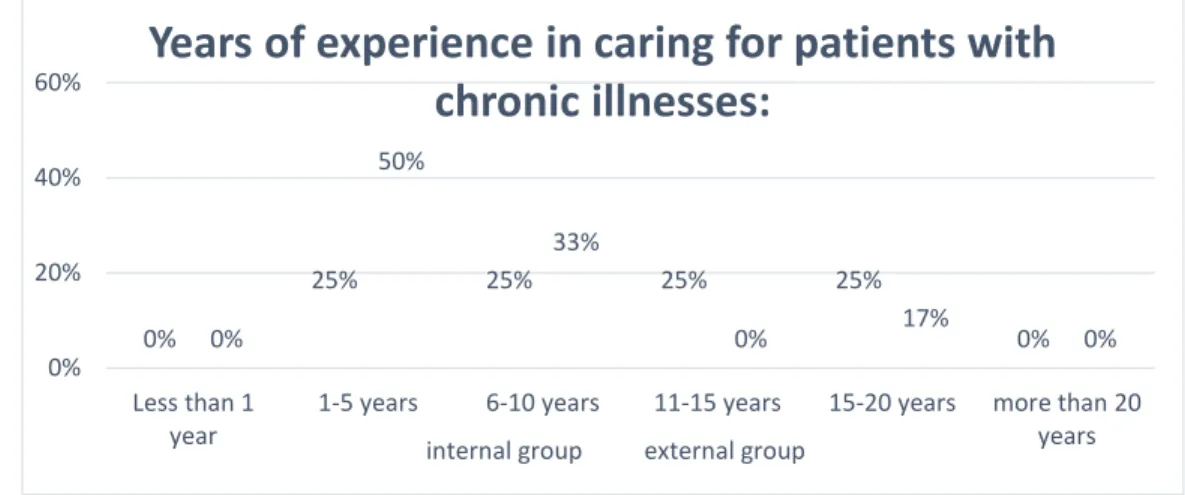
The internal group (n=4) consisted entirely of office staff in the pulmonary practice, three MAs and one receptionist. For seventy five percent of the participants the highest educational level completed was high school, and twenty five percent had an Associate’s degree. Their years of experience in caring for patients with chronic illnesses were varied, ranging from 1-5 years to 15- 20 years, as shown in Table 1. All the
participants were female. Seventy five percent of them were 31-40 years old, and twenty five percent are 50-60 years old.
The External Group (NPs)
The external group (n=6) consists entirely of nurse practitioners with a Master’s Degree (100%). Fifty percent of these participants practice in primary care settings, but the rest of the participants also practice in areas involving chronically ill populations, such as ambulatory care and geriatrics. As demonstrated in Table 1, 50% of the
participants had 1-5 years of experience caring for patients with chronic illness, 33% with 6-10 years of experience, and 17% with 15-20 years of experience. All nurse practitioners participated in the survey were females. The age distributions were as follows: 33% 31-40 years old, 17% 41-50 years old, and 50% 51-60 years old.
Table 1. Demographic Information
Internal Group (n=4) External Group (n=6) Frequency Percentage Frequency Percentage What is your credential?
MD 0 0% 0 0%
NP 0 0% 6 100%
CNS 0 0% 0 0%
CMA, MA 3 75% 0 0%
Other (please specify)* 1 25% 0 0%
*Receptionist
Highest educational level
High School 3 75% 0 0%
Associates 1 25% 0 0%
Bachelors 0 0% 0 0%
Masters 0 0% 6 100%
Doctorate 0 0% 0 0%
What is your area of practice?
Primary care practice 0 0% 3 50%
Pulmonary practice 4 100% 0 0%
Other (please specify) ** 0 0% 3 50%
** Ambulatory care with chronically ill population, Geriatrics, Compensation and pension and mental health (original response data, no further information available)
Years of experience in caring for patients with chronic illnesses:
Less than 1 year 0 0% 0 0%
1-5 years 1 25% 3 50%
6-10 years 1 25% 2 33%
11-15 years 1 25% 0 0%
15-20 years 1 25% 1 17%
More than 20 years 0 0% 0 0%
Your gender: Male 0 0% 0 0% Female 4 100% 6 100% Your age: 20-30 0 0% 0 0% 31-40 3 75% 2 33% 41-50 0 0% 1 17% 51-60 1 25% 3 50% 61+ 0 0% 0 0% Survey Results
Questions about the CCM Toolkit as a whole, and questions about each
component of the CCM Toolkit, were included in the survey. The participants were asked to respond using a Likert scale ranging from strongly disagree to strongly agree. In addition, the participants had the opportunity to make comments when responding to each question. This survey design allowed both quantitative data and qualitative data collection.
Quantitative Data: Entire Toolkit
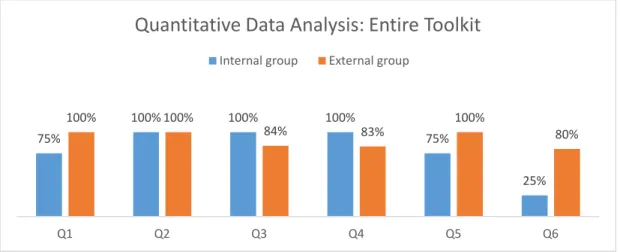
The internal group. Seventy five percent of participants agreed or strongly agreed that the instruction provided was easy to follow (50% and 25%). One hundred percent of the internal group agreed that the instruction was adequate; the assignments for each member of the care team were appropriate; and all important areas were included. Seventy five percent agreed that there were no redundant items, and 25% responded with neither agree nor disagree. However, only 25% agreed that time and effort required to complete the tasks were reasonable while 75% responded to neither agree nor disagree.
The external group. One hundred percent of participants from the external group agreed or strongly agreed that the instruction provided was easy to follow (67% and 33%) and the instruction was adequate (17% and 83%). Eighty four percent agreed or strongly agreed (67% and 17%) that the assignments for each member of the care team were appropriate. Eighty three percent (50% and 33%) agreed or strongly agreed that all important areas were included. All participants agreed or strongly agreed that there were no redundant items. One of the participants skipped the question 6, time and effort required to complete the tasks were reasonable. Eighty percent of the participants who answered the question agree that the time and effort required to complete the tasks were reasonable. In general, the external group responded the questions regarding the entire toolkit more favorably compared to the responses from the internal group.
Table 2. Quantitative Survey Data: Entire Toolkit
Internal Group (n=4) External Group (n=6)
Frequency Percentage Frequency Percentage
Q1. The instruction provided is easy to follow.
Strongly disagree 0 0% 0 0%
Disagree 0 0% 0 0%
Neither agree nor
disagree 1 25% 0 0%
Agree 2 50% 4 67%
Strongly agree 1 25% 2 33%
Q2. The instruction provided is adequate.
Strongly disagree 0 0% 0 0%
Disagree 0 0% 0 0%
Neither agree nor
disagree 0 0% 0 0%
Agree 4 100% 1 17%
Q3. The assignments for each member of the care team are appropriate.
Strongly disagree 0 0% 0 0%
Disagree 0 0% 0 0%
Neither agree nor
disagree 0 0% 1 17%
Agree 4 100% 4 67%
Strongly agree 0 0% 1 17%
Q4. All important areas are included.
Strongly disagree 0 0% 0 0%
Disagree 0 0% 0 0%
Neither agree nor
disagree 0 0% 1 17%
Agree 4 100% 3 50%
Strongly agree 0 0% 2 33%
Q5. There are no redundant items.
Strongly disagree 0 0% 0 0%
Disagree 0 0% 0 0%
Neither agree nor
disagree 1 25% 0 0%
Agree 3 75% 2 33%
Strongly agree 0 0% 4 67%
Q6. Time and effort required to complete the tasks are reasonable.
Strongly disagree 0 0% 0 0%
Disagree 0 0% 0 0%
Neither agree nor
disagree 3 75% 1 20%*
Agree 1 25% 4 80%*
Strongly agree 0 0% 0 0%
*one of the participant skipped this question
Quantitative Data: Each Individual Component
The internal group. One hundredpercent of the internal group participants agreed or strongly agreed (75% and 25%) that component one, the workflow chart, can be successfully used in the practice and it can be applied to a wide variety of practice settings. Seventy five percent agreed or strongly agreed (50% and 25%) that component two, CCM Enrollment, can be successfully used in the practice, and seventy five percent agreed it can be applied to a wide variety of practice settings. Seventy five percent agreed
that component three, Comprehensive Enrollment Visit, can be can be successfully used in the practice and can be applied to a wide variety of practice settings. Component four, Monthly Non Face to Face Encounters, received the most favorable response, with 100% agree that it can be used in the practice, and 75% agreed or strongly agreed (50% and 25%) that it can be easily adapted to a wide variety of practice settings.
The external group. As detailed in Table 3, the participants from the external group offered very favorable feedback on each component of the toolkit. All the participants agreed or strongly agreed that each component, including the workflow chart, CCM enrollment, comprehensive Enrollment Visit and Monthly Non Face to Face Encounters, can be successfully used in the practice, and can be easily adapted to a wide variety of practice settings.
Table 3. Quantitative Survey Data: Each Individual Component
Internal Group (n=4) External Group (n=6)
Frequency Percentage Frequency Percentage Q7. This workflow chart can be successfully used in the practice.
Strongly disagree 0 0% 0 0%
Disagree 0 0% 0 0%
Neither agree nor disagree 0 0% 0 0%
Agree 3 75% 4 67%
Strongly agree 1 25% 2 33%
Q8. This workflow chart can be applied to a wide variety of practice settings.
Strongly disagree 0 0% 0 0%
Disagree 0 0% 0 0%
Neither agree nor disagree 0 0% 0 0%
Agree 3 75% 2 33%
Strongly agree 1 25% 4 67%
Q9. This guide for CCM Enrollment can be successfully used in the practice.
Strongly disagree 0 0% 0 0%
Disagree 0 0% 0 0%
Neither agree nor disagree 1 25% 0 0%
Agree 2 50% 3 60%
Q10. This guide for CCM Enrollment can be easily adapted to a wide variety of practice settings.
Strongly disagree 0 0% 0 0%
Disagree 0 0% 0 0%
Neither agree nor disagree 1 25% 0 0%
Agree 3 75% 3 50%
Strongly agree 0 0% 3 50%
Q11. This guide for Comprehensive Enrollment Visit can be successfully used in the practice.
Strongly disagree 0 0% 0 0%
Disagree 0 0% 0 0%
Neither agree nor disagree 1 25% 0 0%
Agree 3 75% 4 67%
Strongly agree 0 0% 2 33%
Q12. This guide for Comprehensive Enrollment Visit can be easily adapted to a wide variety of practice settings.
Strongly disagree 0 0% 0 0%
Disagree 0 0% 0 0%
Neither agree nor disagree 1 25% 0 0%
Agree 3 75% 4 67%
Strongly agree 0 0% 2 33%
Q13. This guide for Monthly Non Face to Face Encounters can be successfully used in the practice.
Strongly disagree 0 0% 0 0%
Disagree 0 0% 0 0%
Neither agree nor disagree 0 0% 0 0%
Agree 4 100% 3 50%
Strongly agree 0 0% 3 50%
Q14. This guide for Monthly Non Face to Face Encounters can be easily adapted to a wide variety of practice settings.
Strongly disagree 0 0% 0 0%
Disagree 0 0% 0 0%
Neither agree nor disagree 1 25% 0 0%
Agree 2 50% 3 50%
Qualitative Data: Entire Toolkit
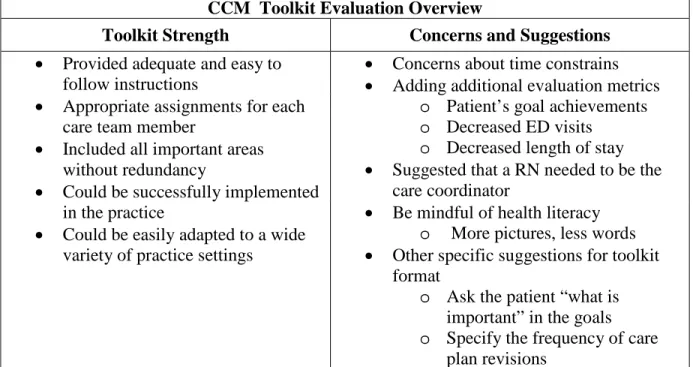
The internal group. Only one of the participants from the internal group offered additional comments in the survey. For the entire toolkit, the questions she made
comments are Q3 “The assignments for each member of the care team are appropriate”; Q5 “There are no redundant items”; and Q6 “Time and effort required to complete the tasks are reasonable.” She agreed that the assignment for each member of the care team are appropriate. However, she concerned about “finding time to follow through with phone calling, working on time allotment”. She commented on Q3 with “so far have not seen any repeat issues”. She again mentioned “still working on the time allotment” when responding to Q6. When asked “any other comments or suggestions for this CCM Toolkit”, she remarked: “Although finding time to follow through with phone calling, working on time allotment (can be challenging).”
The external group. As shown in Table 4, the external group remarked on almost all the questions about the entire toolkit. When responding to Q1 “The instruction
provided is easy to follow”, one of the participants stated: “Easy to follow for the provider. However, the patient instruction and education sheets require a high level of literacy.” Another participant suggested formatting changes: “I would not use Roman numerals. I would just use numbers with a combination of letters to distinguish the subsets.” For Q2 “The instruction provided is adequate”, participants responded with “yes, with same comments as about” and “very comprehensive”. When answering Q3 “The assignments for each member of the care term are appropriate”, one of the
participants questioned: “Who is the care coordinator, an RN? I do think an RN should probably be the care coordinator to do the teaching.” One participant recommended: “I would add under patient's goals ‘what is important to them’. This can guide your interactions and assist with compliance” when replying Q4 “all important areas are included”. Another participant commented “I am wondering how communication will
occur with primary care providers and cardiologists, especially if they still use paper charts.” The external group offered several suggestions regarding Q6 “Time and effort required to complete the tacks are reasonable”. These suggestions included: “Revise care plan every 6-9 months”; “I question the time frames and was a bit overwhelmed when considering completing these tasks and ongoing management and monitoring”; and “I think this will take a lot of time, but I am sure the effort will pay off.”
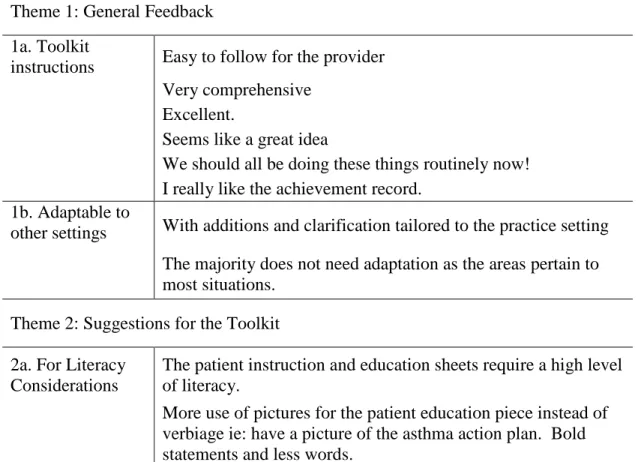
Additional comments were offered by the external group when ask “Any other comments or suggestions for this CCM Toolkit”. One participant suggested: “Please change words physician and doctor to ‘provider or health care provider’”. Another stated: “More use of pictures for the patient education piece instead of verbiage ie: have a
picture of the asthma action plan. Bold statements and less words”. The third participants advised: “The medication list should have more lines and should include a column for pill description and columns for morning, afternoon and night, so the patient can check when they take it. I would write out what POLST stands for so patients understand. I would put a column for last appointment next to current provider. I really like the achievement record.”
Table 4. Qualitative Survey Data: Entire Toolkit
Internal Group (n=4) External Group (n=6)
Q1. The instruction provided is easy to follow.
Easy to follow for the provider. However the patient instruction and education sheets require a high level of literacy.
I would not use Roman numerals. I would just use numbers with a combination of letters to distinguish the subsets
Q2. The instruction provided is adequate.
Yes, with same comment as above. Very comprehensive
Q3. The assignments for each member of the care team are appropriate. Although finding time to follow
through with phone calling, working on time allotment
Who is the care coordinator, a RN? I do think an RN should probably be the care coordinator to do the teaching.
Q4. All important areas are included.
I would add under patient's goals "what is important to them". This can guide your interactions and assist with compliance I am wondering how communication will occur with primary care providers and cardiologists, especially if they still use paper charts.
Q5. There are no redundant items. So far have not seen any repeat issues
Q6. Time and effort required to complete the tasks are reasonable.
Still working on the time allotment Revise care plan every 6-9 months I question the time frames and was bit overwhelmed when considering completing these tasks and ongoing management and monitoring
I think this will take a lot of time, but I am sure the effort will pay off.
Any other comments or suggestions for this CCM Toolkit: Although finding time to follow
through with phone calling, working on time allotment
Please change words physician and doctor to "provider or health care provider" More use of pictures for the patient education piece instead of verbiage ie: have a picture of the asthma action plan. Bold statements and less words.
The medication list should have more lines and should include a column for pill description and columns for morning, afternoon and night, so the patient can check when they take it. I would write out what POLST stands for so patients
understand. I would put a column for last appointment next to current provider. I really like the achievement record.
Qualitative Data: Each Individual Component
The internal group. For each individual component of the toolkit, the internal group offered a few remarks. When responding to Q8 “this workflow chart can be applied to a wide variety of practice settings”, one participant answered: “Yes, it can be implemented in many areas.” In regards to Q9 “this guide for CCM Enrollment can be successfully used in the practice”, the participant stated: “so far patients are agreeable.” When asked Q13 “this guide for Monthly Non Face to Face Encounters can be
successfully used in the practice”, the participant responded: “Just finding time at present to implement it.”
The external group. The participants from the external group offered suggestions and comments to all but two questions: Q7 “this workflow chart can be successfully used in the practice”; and Q9 “this guide for CCM Enrollment can be successfully used in the practice.” These questions were practice specific. Therefore it is understandable that the external group has no additional comments. When Q8 seeking the
opinions about “this workflow chart can be applied to a wide variety of practice settings”, participants remarked “again, define who care coordinator is”; and “as above for clarity for provider and other health care team members as well as for patient.” The external group advised to “add the patient’s goal success at evaluation; look at other metrics such as decreased ER visit or decreased LOS (length of stay)”, when asked for additional suggestions for Component 1: Staff Workflow Chart. Regarding Q10, “this guide for CCM Enrollment can be easily adapted to a wide variety of practice settings”, one participant agreed but “with additions and clarification tailored to the practice setting”. Another participant suggested to “take all Roman numerals out”.
One participant from the external group stated: “We should all be doing these things routinely now” when Q11 asking if the guide for Comprehensive Enrollment Visit could be easily adapted to a wide variety of practice settings. However, another
participant expressed concern: “It does seem like a lot to go through in a 30 minute visit.” Q12 asked for the participants’ viewpoints if the guide for Comprehensive Enrollment Visit could be easily adapted to a wide variety of practice settings. One participant responded: “The majority does not need adaptation as the areas pertain to most situations.” Additionally, the external group made several recommendations for Component 3: Comprehensive Enrollment Visit. They suggested to include: “care plan revision every 6-9 months”; and “Be more specific how often to revise the care plan, what does periodically mean. I would suggest a range and then as needed on top of that”. One participant also commented: “It seems like each provider would need their own care coordinator or it would be difficult to make sure he or she is not double-booked.”
The comment for Q13 “This guide for Monthly Non Face to Face Encounters can be successfully used in the practice” was favorable. One participant stated: “Excellent. Again I would suggest changing physician to ‘provider’”. The only comment for Q14 “this guide for Monthly Non Face to Face Encounters can be easily adapted to a wide
variety of practice settings” was “as above for clarity for provider and other health care team members as well as for patient.” One participant commented “(it) seems like a great idea” when asked if there was any other suggestions for Component 4: Monthly Non Face to Face Encounters. A summary of qualitative data is provided in Table 5. Table 5. Qualitative Survey Data: Each Individual Component
Internal Group (n=4) External Group (n=6)
Q7. This workflow chart can be successfully used in the practice. Neither group offered comments
Q8. This workflow chart can be applied to a wide variety of practice settings. Yes, it can be implemented in many
areas Again, define who care coordinator is.
As above for clarity for provider and other health care team members as well as for patient.
Any other suggestions for Component 1: Staff Workflow Chart
Maybe add the patient’s goal success at evaluation. look at other metrics such as decreased ER visit or decreased LOS Good use of bullets, bold first line. Q9. This guide for CCM Enrollment can be successfully used in the practice. so far patients are agreeable
Q10. This guide for CCM Enrollment can be easily adapted to a wide variety of practice settings.
with additions and clarification tailored to the practice setting
Any other suggestions for Component 2: Chronic Care Management Enrollment Take all Roman numerals out!
Q11. This guide for Comprehensive Enrollment Visit can be successfully used in the practice.
We should all be doing these things routinely now!
It does seem like a lot to go through in a 30 minute visit.
Q12. This guide for Comprehensive Enrollment Visit can be easily adapted to a wide variety of practice settings.
The majority does not need adaptation as the areas pertain to most situations. Any other suggestions for Component 3: Comprehensive Enrollment Visit
care plan revision every 6-9 months Be more specific how often to revise the care plan, what does periodically mean. I would suggest a range and then as needed on top of that.
It seems like each provider would need their own care coordinator or it would be difficult to make sure he or she is not double-booked.
Q13. This guide for Monthly Non Face to Face Encounters can be successfully used in the practice.
Just finding time at present to implement it
Excellent. Again I would suggest changing physician to "provider
Q14. This guide for Monthly Non Face to Face Encounters can be easily adapted to a wide variety of practice settings.
As above for clarity for provider and other health care team members as well as for patient.
Any other suggestions for Component 4: Monthly Non Face to Face Encounters Seems like a great idea
Qualitative Data Analysis
Qualitative survey data from both the internal group and external group were reviewed, categorized, and searched for recurring themes and patterns.
The Internal Group
The internal group offered limited qualitative feedback. Only one participant provided several comments throughout the survey. One common theme emerged from
those comments: finding time to follow through with phone calling a