A I R Q U A L I T Y & C L I M A T E C H A N G E
M A N A G E M E N T P L A N
P L A N D E G E S T I O N
D E L A Q U A L I T É D E L ’ A I R E T
L E S C H A N G E M E N T S C L I M A T I Q U E S
For the City of Ottawa
Air & Energy Initiatives
Environmental Management Division Planning and Growth Management Department
November 2004
Air Quality and Climate Change Management Plan
Plan de gestion de la qualité de l’air et les changements climatiques
Acknowledgement
The Air and Energy Initiatives group would like to acknowledge the following reviewers, which contributed to the improvement of this document:
Internal Reviewers (City of Ottawa)
Bolivar, Roddy, Program Manager, Transportation and Infrastructure Planning Cerveny, Louise, Planner, Environmental Management
Chahine, Mona, Modeling Engineer, Transportation and Infrastructure Planning Charron, James G., Maintenance Planner, Maintenance Management
Christensen, Carol, Manager, Environmental Management
Edey, Scott, Program Manager, Street Lighting and Community Lighting, Traffic Operations
Gaanderse, Onno, Planner, Environmental Management Holowka, John, Program Manager, Design and Construction
Hoskin, Bruce, Program Manager, District/Campus Real Property Management, Program Properties Management
Huff, Craig, Program Manager, Forestry Policy and Programming, Parks and Forestry City Wide
Irwin, Deb, Planner, Environmental Management
Kourouma, Cathy, Modeling Engineer, Transportation and Infrastructure Planning Leclair, Dave, Planner, Community Planning and Design
Levesque, Cynthia, Program Manager, Environmental Management Miner, Max, District Manager, Roads Parks and Trees, Urban Core Roads
McIntyre, Sally, Program Manager, Environmental Programs, Environment Programs and Technical Support
Marineau, Luc, Operations Engineer, Technical Sevices Vanclief, Leslie, Planner, Environmental Management
External Reviewers
Chiotti, Quentin, Air Program Director and Senior Scientist, Pollution Probe
Furmanczyk, Tom, Statistical Analyst, Information Strategies and Outreach, Environment Canada
Price, Iola, and other members of the City of Ottawa Forests and Greenspace Advisory Committee
Pugsley, Bill, and other members of the City of Ottawa Environmental Advisory Committee
Silk, Dana, General Manager, EnviroCentre
Speary, Pat, acting Chairman, City of Ottawa Transit and Pedestrian Advisory Committee Strong, Mary Ann, Municipal Program Manager, Office of Energy Efficiency, Natural
Table of Contents
Table of Figures ... 5
Table of Tables ... 5
Executive Summary ... 5
Strategic Directions... 5
1. The Air Quality and Climate Change Challenge ... 5
Introduction ... 5
Overview ... 5
Outline... 5
2. The Ottawa Valley Airshed in Context... 5
2.1 Meteorology and Landscapes ... 5
2.2 Measuring Air Pollution and Greenhouse Gases ... 5
2.2.1 Air Quality Index ... 5
3. Air Quality and Health... 5
4. Emission Sources ... 5
Summary of significance ... 5
5. GHG Issues, Links and Trends ... 5
5.1 Links Between Air Quality and Climate Change ... 5
5.2 Links Between Energy and both Air Quality and Climate Change ... 5
5.3 Impacts of Climate Change on Ecosystem Health... 5
5.4 Former City of Ottawa GHG Management Plans... 5
5.5 Former Regional Municipality of Ottawa-Carleton... 5
5.6 New amalgamated City of Ottawa ... 5
5.7 Summary ... 5
6. Strategic Directions... 5
GHG and Air Quality Reduction Targets ... 5
Strategic Overview... 5
Aligning Regulations with Sustainable Practices ... 5
Providing Incentives ... 5
Educating and Encouraging Behavioural Change ... 5
6.1 Monitoring and Baseline Study ... 5
6.2 Actions and Initiatives to Meet Targets ... 5
6.2.1 Transportation ... 5
6.2.2 Building Sector ... 5
Better Buildings Partnership (BBP) ... 5
Promotion of Green Buildings... 5
Aligning Regulatory Requirements to promote Green Buildings ... 5
Residential Sector... 5
6.2.3 Waste... 5
6.2.4 Alternative Energy and Conservation Programs... 5
District Energy ... 5
Wind Energy... 5
Landfill Gas Co-generation ... 5
Streetlighting ... 5
Employee Energy Efficiency Program... 5
Provincial Initiatives... 5
6.2.5 Sustainable Land Use Planning and Community Greening... 5
Community Greening and Forest Cover... 5
Agricultural practices and land Management... 5
6.2.6 Towards controlling smog ... 5
6.2.6.1 Fleet Emission Reduction Strategy ... 5
6.2.6.2 Use of Road Salt... 5
6.2.7 Towards Controlling Non-Point Source Emissions... 5
6.2.7.1 Wood Combustion... 5
6.2.7.2 Road Dust and Street Spring Cleaning... 5
6.2.7.3 Pesticide Reduction Strategy... 5
6.2.7.4 Measures to Control Odours... 5
6.2.7.5 Measures to Control Noise ... 5
6.2.7.6 Measures to Control Light Pollution ... 5
6.2.7.7 Measures to Control Pollen ... 5
6.2.8 Air Quality Modelling... 5
6.3 Adaptation Measures ... 5
6.3.1 Heat Island Controlling Measures ... 5
6.3.2 Heat Alert... 5
6.3.3 Emergency Preparedness ... 5
6.4 Air Quality and Climate Change Implementation Strategy... 5
7. Final Recommendations... 5
Annexes... 5
Annex 1. Health, environmental impacts and trends of air contaminants ... 5
Criteria Air Contaminants... 5
Sulphur dioxides (SO2) ... 5
Nitrogen Oxides (NOx) ... 5
Carbon monoxide (CO)... 5
Volatile organic compounds (VOC) ... 5
Priority Air Pollutant Issues... 5
Particulate Matter (PM) ... 5
Ground-level Ozone (O3)... 5
Greenhouse Gases (GHGs) ... 5
Wood Smoke... 5
Other Air Quality Issues ... 5
Hazardous air pollutants ... 5
Odours... 5
Noise ... 5
Light Pollution ... 5
Annex 2. Air quality and climate change emission sources ... 5
Transportation ... 5
Road dust ... 5
Residential Heating/Cooling of Buildings ... 5
Forestry and Natural Areas ... 5
Aquatic Environments ... 5
Wetlands ... 5
Industrial sources ... 5
Waste disposal ... 5
Agriculture ... 5
Annex 3. GHG reduction achievements ... 5
Annex 4. GHG reduction recommendations... 5
Glossary ... 5
Table of Figures
Figure 1. Meteorological conditions associated with high levels of pollution. ... 5Figure 2. Asthma rate of increase among Canadian children ... 5
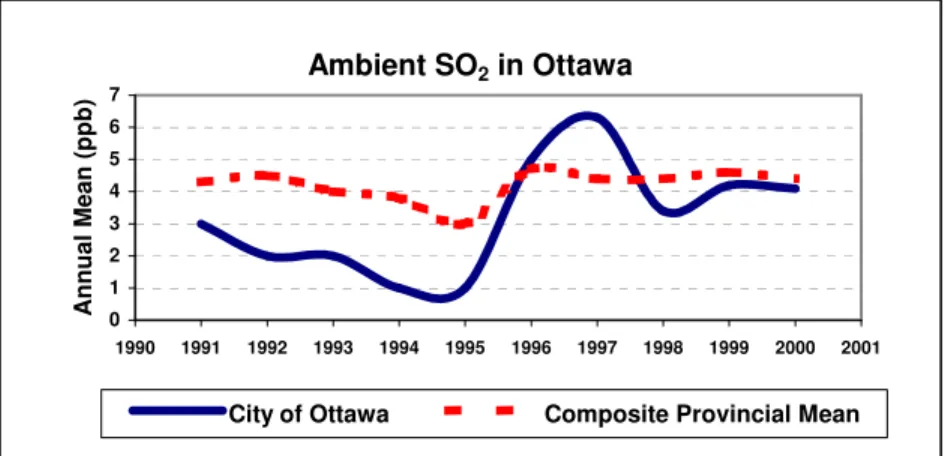
Figure 3. Ambient levels of SO2 in Ottawa, Air quality... 5
Figure 4. Average NO2 for Ontario... 5
Figure 5. Ambient NOx levels in Ottawa ... 5
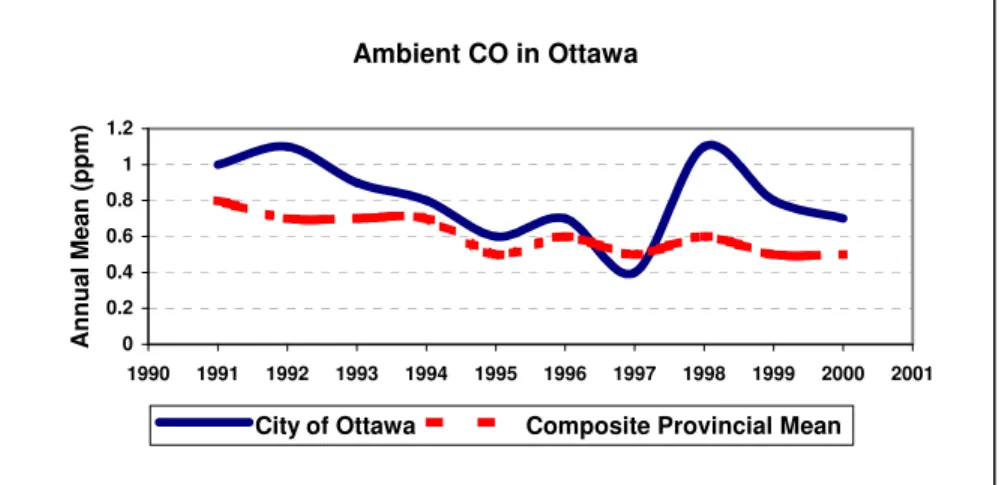
Figure 6. Ambient CO levels in Ottawa... 5
Figure 7. Average CO levels in Ontario ... 5
Figure 8. Average PM2.5 concentrations and seasonal variability in Ottawa... 5
Figure 9. Hospital admissions due to respiratory problems... 5
Figure 10. Occurrence of smog episodes in Ottawa ... 5
Figure 11. Rural areas affected by O3, precursors of which originated in urban areas ... 5
Figure 12. CO2 concentration by sector in Ontario... 5
Figure 13. Pre-industrial concentration of CO2... 5
Figure 14. Pre-industrial and present CH4 concentrations... 5
Table of Tables
Table 1.Air Quality Index for Ontario ... 5
Table 2. Key air pollutant emissions (in tonnes) for Ottawa-Gatineau airshed, 1995... 5
Table 3. Top 10 sources of pollution in Ottawa-Gatineau (in tonnes)... 5
Table 4: Summary of CO2 emissions for the City of Ottawa ... 5
Table 5. Community CO2 emissions for 1990, 1998 and 2007 ... 5
Table 6. Zoning/Site Plan Implementation of Environmental Objectives... 5
Table 7. Air Quality and Climate Change Management Strategy ... 5
Table 8. SO2 and NOx emissions from the transportation sector in Ottawa ... 5
Table 9. Sulphur levels (ppm) in on-road diesel, by refinery or importer, 2001 ... 5
Table 10. Sulphur levels (ppm) in off-road diesel, by refinery or importer, 2001 ... 5
Table 11. Sulphur levels (ppm) in gasoline, by refinery, 2001 and 2004... 5
Table 12. Emissions from Residential Sector (in tonnes)... 5
Table 13. Old City of Ottawa community CO2 emissions for 1990 to 1998 ... 5
Table 14. Recommended initiatives on energy use by Atmosphere Action Plan,1995... 5
Table 15. City of Ottawa corporate CO2 emissions for 1990, 1996, and 1998 ... 5
Table 16. RMOC corporate CO2 emissions for 1990 and 1997 ... 5
Table 17. RMOC community CO2 emissions for 1990 and 1998 ... 5
Table 18. Summary of RMOC corporate action plan ... 5
Executive Summary
This Air Quality and Climate Change Management Plan is a supporting document to the Environmental Strategy that was approved by City Council in October 2003. This Plan provides a context for climate change and air quality issues within the City, proposes both a Corporate and Community target for greenhouse gas emission reduction and outlines the measures the City should undertake to reach this target. The proposed City target maintains the commitments of former municipalities for a 20% reduction in greenhouse gas (GHG) emissions, relative to 1990 levels. Achievement of this target is proposed by 2007 for Corporate business activities and by 2012 for Community
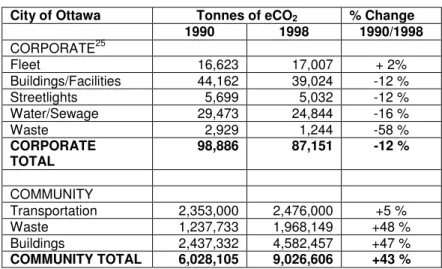
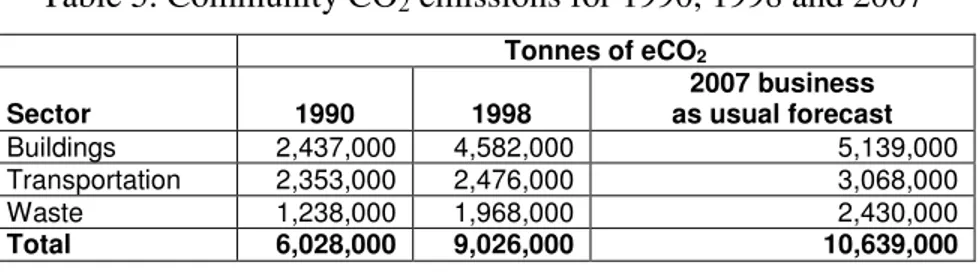
emissions. The community emissions are the greatest challenge, mainly because of both our increased population and increased per capita energy consumption since 1990. For example, between 1990 and 1998, our community emissions increased by 43%, for a total of 9 million tonnes of equivalent carbon dioxide (eCO2). This reality requires a
comprehensive set of measures, from land use planning to reduced consumption to re-use of resources. So far, the City has been leading the way. During this same period, City operations have reduced their emissions by 12%. Implementation of the measures within this Plan will see us continue on this successful track of doing our part.
Air pollution is closely linked with the burning of fossil fuels which cause the
accumulation of greenhouse gases. Our fossil fuel use is also responsible for 82% of carbon monoxide (CO) emissions, 57% of sulphur dioxide (SO2) emissions, 90% of nitric oxides (NOx) emissions, and 62% of volatile organic compound (VOC) emissions. These emissions can have a considerable impact on human health. Reduced lung capacity in children, asthma for residents of all ages, cardiovascular diseases (heart attacks and strokes), cancer, immunodeficiency and low birth weights are among the consequences of air pollution. The most vulnerable populations are children, the elderly, and those with underlying illnesses. The Ontario Medical Association estimates that air pollution in Ottawa causes hundreds of premature deaths, thousands of hospital admissions and millions of dollars in health costs.
The impact of climate change is also of concern. A temperature change has already been observed in Ottawa with a departure from the normal temperature by +1oC (30-year average), an increase that is twice the global change for the same period (0.5oC). Modelled climate variability that is expected in Ottawa suggests more frequent freezing rain events, increased amounts of precipitation and an increase in the number of heat waves. These climatic variations will in turn cause ecosystem shifts such as habitat loss, habitat fragmentation, invasion and threats from non-native species, as well as species extinction. This Plan focuses on mitigation of climate change with some
recommendations for adaptive measures, however, adaptation will be addressed more comprehensively as one of this Plan’s workplan items.
The measures proposed in this plan to reduce GHG’s and our community’s contribution to climate change will also reduce our emission of other air contaminants. Within our air, the emission of particulates and gases, such as carbon dioxide, nitrogen oxides and
methane, trap long wave energy that is reflected and radiated from the earth. This trapped heat energy increases our atmospheric temperature and serves as a catalyst for chemical reactions amongst the gases, such as the formation of ground level ozone (O3). Through a loop of human activities and natural processes our energy use impacts our air quality and stimulates climate change that affects both ecosystem and human health. This Plan identifies the health effects of various air contaminants, notes their main sources within Ottawa and proposes measures for reduced air emissions and GHG’s. In Ottawa, transportation and the energy use of building each account for 40% of our community’s greenhouse gases. The remaining 20% is generated from the waste sector. The transportation sector is also responsible for other air contaminant emissions,
including over 85% of total NOx emissions, 90% of CO, 60% of SO2, and smaller amounts of various carcinogenic substances. Within areas with unpaved roads, up to 60% of particulate matter less than 10 microns (PM10) and 46% of particulate matter less than 2.5 microns (PM2.5) can be generated by wind erosion and road travel. In the winter, emissions from year-round fuel consumption activities, such as transportation, combined with on-site fuel consumption for heating (oil, natural gas and wood) and increased vehicle idling can result in poor air quality events when regional air masses stagnate. The main pollutant in this situation is fine particulate matter. Within winter, residential fuelwood combustion contributes approximately 19% of PM2.5 within Ontario. When poor air quality or smog events occur in either summer or winter, there can be serious consequences to our health. Sulphur dioxide decreases pulmonary capacity. Nitrogen oxides are lung irritants and are associated with heart disease. Carbon
monoxide is responsible for congestive heart failure and respiratory infections in children and the elderly. Unlike other air pollutants, no safe level exists for particulate matter (PM). Health effects include respiratory infections, cardiovascular diseases, and cancer. Increased levels of ground level ozone that occur during smog events can impact both animal and plant health through such effects as decreasing lung and immune function, causing asthma as well as lowering agricultural productivity and tree health.
Other sources of air pollution include residential cooling, organic matter decomposition, industrial sources (emit 150% more total particulate matter than transportation), waste disposal (responsible for 1200 tonnes of GHG), agricultural processes and road dust. Other air emission contaminants that also impact upon ecosystem and human health include pollen and mould, odours, noise and light. The impacts of all of these on health range from annoyance to serious respiratory and nerve and immunological disorders.
Strategic Directions
This plan proposes a suite of strategic actions to reduce air emissions of concern. Energy and emission reductions from community and City activities will be achieved through programs ranging from land use planning, transportation demand management to use of
alternate energy sources. Particular emphasis is placed on reducing GHGs because of their link to air quality.
In 2002, Canada ratified its commitment to greenhouse gas reductions that would meet the Kyoto Accord requirement of 6% below 1990 levels, to be achieved by 2012. The former City of Ottawa and Regional Municipality of Ottawa-Carleton committed to a reduction of 20% below 1990 levels, by 2005 and 2007, respectively. This Plan
maintains these former reduction commitments of 20% but extends the deadline to 2012. This will allow for sufficient time to implement measures that can address our increased population and per capita energy use, where the 20% reduction, relative to 1990 levels, now represents 63% of the 1990 GHG emission level. This challenge will require an updated inventory and an aggressive plan that builds on the following existing initiatives:
• Transportation Master Plan;
• Draft Transportation Demand Management Strategy; • Draft Integrated Waste Management Master Plan; • Smog and Heat Action Plan;
• Fleet Emissions Reduction Strategy; and • Water Efficiency Strategy.
To meet the goal of a 20% GHG reduction along with the expected improvement in air quality, four categories of activities are proposed:
1. Public outreach and involvement to ensure that City activities involve the community and that sound environmental choices are easily accessible to the community;
2. Monitoring of our progress in meeting GHG reduction commitments and air quality improvement, including the measurement of key air quality
parameters;
3. Specified actions and initiatives to meet the targets; and
4. Identification and adoption of adaptive measures to ensure that, while efforts are being made to reduce emissions and mitigate impacts, the City is also able to adapt to impacts from global warming.
The recommended actions and initiatives include:
1. Promotion and facilitation of alternative energy and conservation programs such as district energy, landfill gas co-generation, water conservation, heat recovery systems, street lighting and employee energy efficiency programs;
2. Implementation of smog control measures that discourage such activities as the use of single occupancy vehicles and high energy- consumption vehicles and appliances, and that promotes walking, cycling and the use public transit, transportation demand management and use of alternative fuels and alternative fuel vehicles (hybrids, biodiesel, ethanol, etc);
4. Promotion of energy efficiency in the residential sector through Local Improvement Charges;
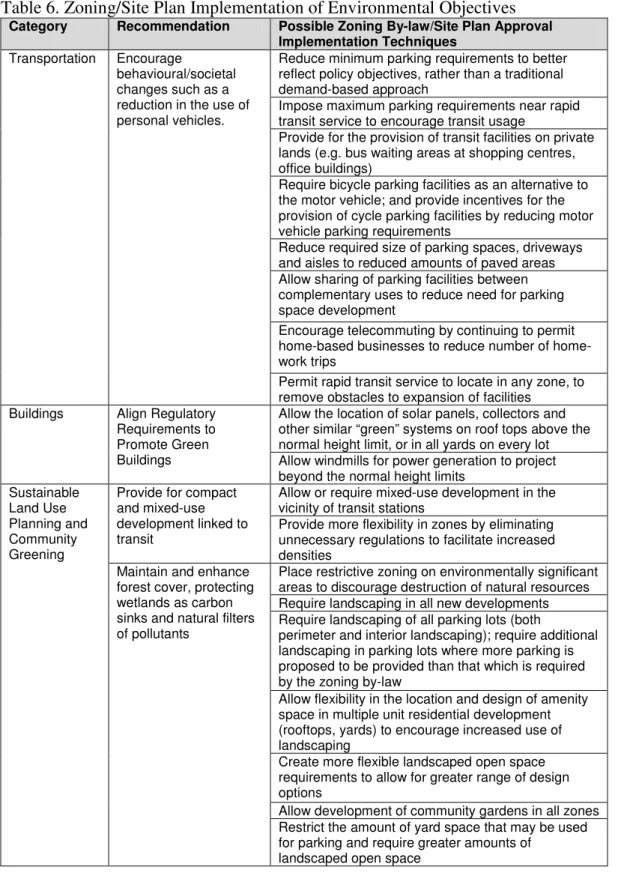
5. Promotion of Green Buildings and alignment of associated regulatory and design considerations. This will include development of an internal policy to achieve LEED status for municipal buildings, then extension and promotion of this standard to the community, in concert with other levels of government; 6. Creation of a Better Buildings Partnership to promote and provide financial
incentives for industrial, commercial and institutional bodies to reduce their building energy use;
7. Implementation of sustainable land use planning and community greening by encouraging mixed use development, community energy planning, maintenance of forest cover and use of best management practices for natural areas,
greenspaces and agricultural lands;
8. On-going review of municipal regulations and their role in creating a sustainable community, including advocacy for the incorporation of sustainability principles into the Ontario and the National Building Codes; and
9. Implementation of measures to control odours; noise; light pollution and pollen, as significant issues arise.
Many scientists agree that the climate is changing and that global warming will very likely have long term impacts. In Ontario, annual temperatures are predicted to increase between 2-5oC by the latter part of the 21st century. Although this plan focuses mainly on mitigation strategies, there are a few adaptation measures proposed:
• Heat island controlling measures within the urban area, such as promotion of white, reflective pavement and roof surfaces, green roofs and enhanced use of green vegetative covers;
• Coordination of City response to smog and heat alerts; and • Emergency preparedness.
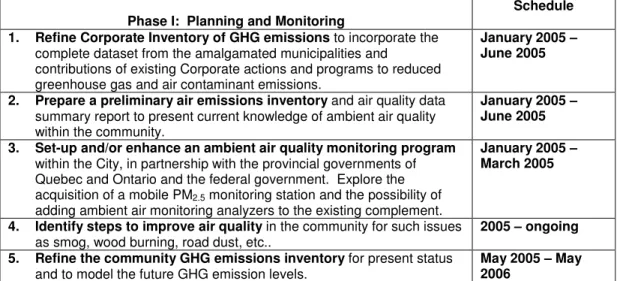
Implementation of this plan falls within three main phases over the next 8-10 years. These phases align with well-known stages of planning, however, several activities within the phases will occur simultaneously. For example, many initiatives have been initiated at some point over the last 10 years with several activities from Phases I and II currently underway. The categories of work within this Plan include:
• Phase I planning and monitoring of priority actions (already underway); • Phase II implementation of management strategy and refinement of plan
(already underway); and
1. The Air Quality and Climate Change Challenge
Introduction
This is the first comprehensive Air Quality and Climate Change Management Plan for the City of Ottawa. The premise for this plan is a need to improve our air quality and reduce our greenhouse gas (GHG) emissions, largely by reducing energy consumption and the use of non-renewable energy sources.
The reasons to act on this are compelling. The air we breathe, that flows through our bodies at a volume of 65 cubic metres per minute1, is becoming increasingly dirty. Within Ottawa, in addition to our own emission of air pollutants, we are captive to the long-range transport of materials in a northwesterly direction along the Windsor to Quebec City corridor. And our dirty air is making us sicklier with increased incidence of chronic bronchitis, asthma and premature deaths. The Ontario Medical Association estimates that health costs to Ontario due to poor air quality are in the order of $1 billion per year. That is approximately $82 per person, and over $65 million for the City of Ottawa alone.
Regarding energy use, Canadians’ emissions of greenhouse gases are amongst the highest in the world. This is due to the consumer choices that comprise our standard of living, commonly quantified through an indicator known as the ecological footprint. The average Canadian footprint is five times the equivalent of resources available on earth should every person in the world consume at our level. A 2004 report from the
Federation of Canadian Municipalities documented the average ecological footprint in major cities as 7.25 hectares per person, ranging from 6.9 to 10.3. Ottawa’s consumption habits tended towards the higher end with an average footprint of 8.9 hectares per person. The largest proportion of this land area needed to support each resident is for energy that meets our transportation and household needs and the energy use associated with the commercial and industrial services. Almost all of this energy use is in the form of fossil fuels, which contribute to the accumulation of GHG emissions in the atmosphere. In turn, these gases trap heat energy close to the earth’s surface, a potential imbalance that is being observed to cause weather disruptions, ecosystem changes and global warming. On a positive note, the City of Ottawa has made significant progress in reducing greenhouse gas emissions within its own corporate operations by such measures as improving fleet and building energy efficiency and by using process by-products. For example, the Robert O. Pickard Environmental Centre, our wastewater treatment plant, built a cogeneration facility to use methane produced from the digestion of solids settled from sewage to generate electricity. The electricity is used within the buildings at the wastewater treatment plant, cutting overall GHG emissions through both the use of methane and reduced demand on the Province’s current coal-fired electricity sources and saving about $600,000 per year on their electricity bill. More corporate energy efficiency
1
plans are underway. These accomplishments were the result of commitments from the former municipalities of the City of Ottawa and Region of Ottawa-Carleton during the mid-1990’s to reduce their GHG emissions by 20%, relative to 1990 emission levels. The next good news item is that the City does not have to tackle this large effort on its own. Climate change awareness and momentum are lining up all levels of government. The federal government is dedicating a broad range of experts to focus on the
development of tools, technology and knowledge, development of supporting policy and legislation and transfer of evolving knowledge. Financial support to implement changes in practice, behaviour and the marketplace is also forthcoming to those sectors that engage in greenhouse gas reduction efforts. The Province of Ontario is also taking a lead role by committing to the closure of their coal-fired electrical power plants and
encouraging the development of more renewable energy electrical power generation. The City of Ottawa as a community has an important role to play. Poor air quality and the level of GHGs within our atmosphere are the contributions from our actions and habits. A small reduction by each individual, business and organization in energy use and air emissions will contribute hugely to our overall quality of air. Hence, our quality of life will also improve.
Part of the momentum that will contribute the City’s success in air quality improvement is the strong community commitment and awareness. Public consultation through various environmentally focussed surveys and public meetings, particularly during the development of the Ottawa 20/20 plans, often placed air quality as the top environmental concern. City response to this and more focused public input has led to a range of supporting policies in the City’s Official Plan and Transportation Master Plan. Compact mixed development and a firm urban boundary will contribute to reduced travel needs. Delivery of a responsive transit system along with other measures to encourage ridership will also contribute to significantly lower per capita energy use. This plan completes the suite of existing and proposed measures that the City can employ to achieve a
comprehensive approach to encouraging overall reduced energy consumption and emission of air pollutants.
This plan responds to the environmental goals and commitments for air quality and climate change from the City’s Official Plan and Environmental Strategy. Council approved both of these strategic plans in 2003, as part of the City’s overall Ottawa 20/20 Growth Management Strategy. Specifically, adoption of this plan and implementation of its measures contributes to all of the Environmental Strategy’s commitments. They are to:
• manage our GHG emissions as a partner for climate change;
• manage our human, material and financial resources as efficiently and effectively as possible;
• incorporate environmental factors and costs into City decision-making on its policies, programs and initiatives;
• take an ecosystem management approach to development and in the protection of the City’s natural resource features; and
• measure, assess and report on the City’s progress towards these commitments. The Air Quality and Climate Change Management Plan details the issues and trends of air quality and climate change, proposes projects and activities to reduce air pollutants and GHG emissions, and outlines an implementation strategy to deliver on these actions. It also re-establishes the commitments of two of its former municipalities to reduce GHG emissions by 20%, relative to 1990, within the City as a Corporation and as a
Community. The Plan’s overall purpose is to improve our local air quality and realize a fair contribution from our community to mitigate global climate change. We want to be the cleanest and smartest city in Canada in tending to our air and in managing our energy use habits. Ultimately, this should be the City’s reputation amongst all capital cities.
Overview
Air movement is influenced by terrain and atmospheric circulation patterns. Both the City of Ottawa and the City of Gatineau contribute pollutants to and are affected by the effects of a shared airshed2. Statistics Canada reports that the population growth in the National Capital Region is 6.9% (greater than the national average of 4%)3. Assuming a continuing upward growth in population and vehicle emissions, we are sure to see increasing levels of smog, comprised mainly of ground-level ozone and fine particulate matter4.
Some air pollutants have global as well as local effects. The most notable of these
emissions accumulate in the atmosphere and accelerate global climate change by trapping much of the heat energy radiated by the earth. This retained heat energy has created temperature and precipitation variations beyond normal recorded weather patterns. The Intergovernmental Panel on Climate Change (IPCC) with over 1500 scientist worldwide concur that the greatest warming from GHGs will occur in the northern regions of the globe and in the winter. This impact is already noticeable in Ottawa where the normal temperature has increased by 1oC (30-year average). This is twice the average global increase for the same period (0.5oC). Climate variability expected in Ottawa may cause more frequent freezing rain events, excessive precipitation and an increase in the number of heat waves. The most notable global change observed so far is retreat of glaciers, of the polar ice cap in the arctic and increased severe weather events.
2
A geographical region with natural physical boundaries and which demonstrates common production and exchange of air pollutants. The Ottawa-Gatineau airshed is within the Windsor-Quebec Corridor,
downwind from the industrialized Ohio Valley.
3
These numbers were based on the last five years from 1999 – 2003.
4
Particulate matter (PM) and ozone are the main components of smog but it also includes carbon monoxide and various oxides responsible for acid rain such as sulphur dioxide (SO2), sulphates (SO4), nitric oxide
The disruption to temperature and weather patterns from climate change will also result in human and environmental health effects. Impacts upon human health can include increased mortality and morbidity due to heat stress, severe weather events, vector-borne diseases, water and food-related diseases, and increased exposure to elevated levels of UV-radiation.
Climate change can be managed by both reducing human activities that contribute to retaining heat energy close to the earth’s surface, referred to as mitigation and by planning our activities and built environments to withstand climate change effects, or adaptation. This plan focuses on mitigation, techniques that avoid, reduce or delay global warming by reducing those emissions of atmospheric gases that are of human origin or within human control. The main benefit of implementing mitigation measures is two-fold: reducing the effects of global warming and improving air quality. There are, however, many other co-benefits such as economic spin offs from both retrofits and new technologies; and reduced health costs. In general, having greener buildings improves indoor air quality, and having greater vegetation will contribute to our quality of life. Adaptation measures, those adjustments humans would need to make in the face of inevitable, irreversible climate changes, are not addressed in this plan. These adjustments would be made primarily at the local level. For example, an increase in precipitation would lead to changes in snow removal as well as requiring sewer system adaptations. Even if all GHG emissions were ceased today, the climate would still keep on changing due to the already accumulated pollutants. Thus, adaptation will be a necessity. An adaptation to climate change plan will follow this plan in the near future.
Concrete mitigation measures to improve and/or maintain our air quality are needed. While climate change will exacerbate the frequency of smog episodes and associated health effects, air pollution is already a serious health concern in the Ottawa-Gatineau region and around the world. The local and global effects of mitigation measures will be beneficial to our City as well as the world. It is our responsibility as global citizens to our children, each other and future generations to reduce our emissions of GHGs and improve our air quality.
Outline
This Air Quality and Climate Change Management Plan reviews the concept of air quality, presents it in an Ottawa context, illustrates measurement techniques, describes Ottawa’s former climate change plans, and reviews the City’s GHG emissions over the past decade. The document provides a comprehensive overview of the toxic compounds that affect air quality (sulphur dioxide (SO2), oxides of nitrogen (NOx), carbon monoxide (CO), volatile organic compounds (VOC), particulate matter smaller than 10 microns (PM10), and ozone (O3)) as well as those that affect climate change (carbon dioxide (CO2), methane (CH4), nitrous oxide (N2O)). It also explores the sources of emissions (transportation, heating and cooling, wood smoke, forestry, aquatic environments, industrial sources, waste disposal, and agriculture). The relationship between climate
change and air quality and between the latter and health are explored. Links between climate change and health, as well as the impacts of climate change on the ecosystem are also included.
The connection between energy use, air quality, and climate change is examined.
Additional air quality issues such as hazardous air pollutants particularly related to diesel fuel, pollen and mould, odours and noise are described in less detail. Lastly, the strategic direction is described, presenting targets necessary to improve air quality as well as slow down the rate of climate change, the potential obstacles that would be encountered and projects/activities necessary to meet the targets. Actions cover a wide range of initiatives from removing regulatory obstacles to ‘green buildings’ to pollution prevention
initiatives. An implementation strategy completes the Plan, outlining a comprehensive approach to deliver on identified measures for air quality improvement and climate change mitigation.
2. The Ottawa Valley Airshed in Context
While physical factors influence the persistence and movement of air borne pollutants, the social and economic profile of the City influences their presence through emissions from various human activities. Within the Ottawa Region, current economic
development is focussed in four areas: Public Administration (21%), High Technology (15%), Health Care and Social Services (10%) and Retail (10%). Ottawa is expected to experience significant population growth over the next two decades. Projections completed for the new Official Plan predict an increase in population from 817,000 (2002) to 1,192,000 (2021).
A notable feature of the local economic profile is a proportionate low manufacturing sector. Within Canada’s economic profile, the manufacturing sector comprises 15% of the total. Within Ottawa it is 6%, with the majority of the City’s manufacturing related to high technology. As a result, our local air quality and climate protection action plan will target transportation, energy and waste rather than industrial emissions.
Another major defining City feature that will advise our priorities for air quality and climate protection measures is our land use and population distribution. The City of Ottawa has a large rural area with a thriving agricultural sector and a more densely populated urban centre. Approximately 90% of the City’s land area is rural supporting 10% of our population, with 90% of the population located on the remaining 10% of Ottawa’s land area.
Meteorology as well as topography determines the air circulation in the Ottawa valley. A description of the meteorology and landscapes in the Ottawa valley will help understand the air circulation and ‘hot-spots’ of air pollution. This is followed by a description of how air quality and greenhouse gases are monitored.
2.1 Meteorology and Landscapes
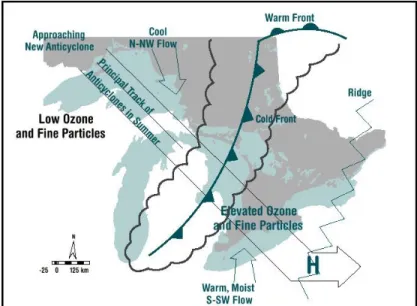
Air quality within the Ottawa Valley is due to both its local emissions from human activities and its location on the North American continent. Geographically, the City of Ottawa is located within the Windsor-Quebec Corridor, considered one of the most polluted areas in Canada. The direction of prevailing winds for the period from November to May is from the northwest while from June to October they are from the southwest (Figure 1). High concentrations of ozone and particulate matter are typically associated with hot sunny days in summer and with slow-moving or stagnant high-pressure systems located south of the Great lakes. These warm winds carry contaminant concentrations in the summer from the more populated areas in the south. Within Ottawa, it is estimated that more than 50 percent of ozone and ozone precursors can be attributed to trans-boundary air pollution from the United States. The long-range transport of ground level ozone arrives in Ottawa after 8 pm.
During the winter season, emissions from transportation, vehicle idling and wood burning combined with a thermal inversion traps contaminants locally and results in poor air quality. The main pollutant is fine particulate matter.
Figure 1. Meteorological conditions associated with high levels of pollution.
Source: MOE, 1999.
Local topographic factors also influence the air quality. The City of Ottawa is located within the Ottawa-St. Lawrence Lowland. To the north of the City are the Gatineau Hills, which rise 250 metres above Ottawa. Overall, with the exception of the Carp Hills, the City is relatively flat. Our highest point is located in Alta Vista, and the lowest points are located in both valleys of the Ottawa and Rideau River Basins.
Both topography and climate play an important role in air quality at both a local and regional scale. For example, pollutants become diluted and dispersed by strong winds and natural ventilation. The Gatineau Hills can block air movement, thus trapping pollutants by reducing the dispersion and ventilation that would normally occur. When this happens, smog events and other air quality issues arise within both Gatineau and Ottawa. The Ottawa River Valley often has surface winds of less than 3 m/s, which can allow airborne pollutants to accumulate.
The micro-climate is also not uniform across an area as large as the City of Ottawa. At a local scale, urban or developed areas are on average a little warmer and less windy than the rural environment. This is known as the Urban Heat Island effect. The local topography in the City of Ottawa intensifies this effect. The temperature difference due to the heat island effect is 2 to 3oC between the downtown core and the surroundings. This difference is larger on clear, cold, and windless nights. The Urban Heat Island effect has implications for local air quality and energy use for cooling in summer. When afternoon temperatures are lowered 2 to 3oC, ozone levels fall by 7 to 10 parts-per-billion, a 6 to 8% drop5.
On the other side of the spectrum, the wind tunnel effect caused by funnelling of the wind between large buildings, causes air quality problems by lifting up road dust and causing pollutant dispersion in street canyons and across roads.
2.2 Measuring Air Pollution and Greenhouse Gases
Air pollution is measured in two ways: through direct monitoring and through emission inventories. Monitoring, among other uses, serves to determine the Air Quality Index (AQI), a composite indicator of outdoor air quality. This
information, or AQI, is communicated to the public through the media (television, radio, newspapers) along with recommendations for protection from the effects of poor air quality. Emissions inventories are communicated through emissions inventory reports. Air quality is both a Federal and Provincial responsibility, however not exclusively. Some municipalities such as the Greater Vancouver Region and the City of Montreal monitor their own air quality to address local air quality concerns. Both also contribute to the national air quality database.
Among the greenhouse gases that are more prominent in Ottawa are CO2, CH4, N2O and in less proportion, chlorofluorocarbons (CFCs). These gases are only measured directly in a few instances. For the most part, they are calculated from fuel
consumption amounts and from mathematical models. Greenhouse Gases from burning fossil fuels are closely linked with many pollutants, thus reducing their emissions will result in a significant reduction of a good number but not all air pollutants.
5
Bowman, Chris. 2000. Changes in urban landscape can cut smog. http://www.fraqmd.org/Heat%20Island.htm
Harmful air pollutants emitted in large amounts are known as criteria pollutants, or Criteria Air Contaminants (CAC). The three primary CAC are hydrocarbons (HC) or VOC, CO, SO2, and NOx. Also of interest are three other criteria pollutants, PM, O3 and peroxyacetyl nitrate (PAN). Ozone, PAN and in part PM are formed within the atmosphere from the chemical interaction of nitrogen and sulphur oxides, hydrocarbons and oxygen. They are known as secondary pollutants.
The Canadian Ambient Air Quality Objectives sets the “maximum desirable,” “maximum acceptable” and “maximum tolerable” levels of various air
contaminants. These objectives are set to protect human health and the
environment. In addition, the Federal government has recently adopted “ Canada-Wide Standards” for priority air contaminants, including fine particulate and ground level ozone.
The regulatory aspect of air quality is a Federal and Provincial responsibility, thus both levels of government have monitoring stations in the Ottawa area.
Environment Canada operates and maintains two stations in Ottawa. The two stations measure the following parameters:
• Hourly: SO2, CO, O3, nitrogen dioxide (NO2) (at 88 Slater, near the Hydro substation, west of Elgin Street); and
• Hourly: SO2, CO, O3, and NO2, on a 24-hour average PM10, on an hourly and 24-hour average PM <2.5 microns (PM2.5) (at MacDonald Gardens, corner of Rideau St. and Wurtemburg, west of the Rideau River). Located just outside the City in Gatineau is another monitoring station, operated and maintained by the Quebec Ministry of the Environment on 255 St-Redempteur in Quebec.
The monitoring stations provide a general indication of outdoor air quality, but pollutant levels throughout the greater geographic area may vary somewhat from the conditions measured at each station due to variable local emission sources and weather conditions. The current monitoring stations may not be well positioned to protect human health or to provide a comprehensive picture of pollutant
concentrations.
2.2.1 Air Quality Index
In addition to the federal network, the Ministry of Environment (MOE) monitors ambient air quality, using a composite index that considers the concentrations of each criteria pollutant. The air quality index (AQI) provides the public with a qualitative indication of outdoor air quality. For Ottawa, the ambient air quality has typically fallen within the “very good” to “good” category of the AQI most of the time. This however, is not a guarantee that the levels of pollution are not affecting human health. Relative low levels of pollution when the AQI falls in ‘good’
category have been linked with health problems6. According to Toronto Public Health, more than 90 per cent of all health effects occur during non-smog episodes. Furthermore, there are no known thresholds for ground level ozone or fine
particulate matter, suggesting that human health is at risk at even relatively low levels of air pollution. In recent years there has been growing recognition that the present AQI does not properly reflect the health risks associated with the air pollution levels that many regions across Canada experience. Notably a national stakeholder group, led by Environment Canada and Health Canada, is in the process of developing a new national health based air quality index.
The AQI in Ontario (Table 1) has five categories: very good (1-15) and good (16-31) for measured concentrations of any air contaminant up to the “maximum desirable” objective; as moderate (32-49) for concentrations up to the “maximum acceptable” level, and as poor (50-99) for concentrations of up to the maximum tolerable levels. The very poor category (100+) refers to concentrations exceeding the maximum tolerable levels7. This approach is “standards-based” since it refers to the effects on human health and ecosystems. As provinces move towards a “health-based” approach, the categories and criteria for the AQI are expected to change.
6
Pengelly, D. et al. 2000. Air Pollution Burden of Illness in Toronto. City of Toronto.
Delfino, R.J. et al. 1998. Emergency room visits for respiratory illness among the elderly in Montreal: Association with low level ozone exposure. Environmental Research, Section A, Vol. 76: 67-77.
7
Table 1.Air Quality Index for Ontario8
Index &
Category Ozone Fine PM NO2 CO SO2 Total reduced
Sulphur 1-15
Very Good No Known harmful effects
Sensitive populations may want to exercise caution No known harmful effects No known harmful effects No known harmful effects No known harmful effects 16-31
Good No known harmful effects
Sensitive populations may want to exercise caution Slight odour No known harmful effects Damage some vegetation in combinatio n with ozone Slight odour 32-49
Moderate Respiratory irritation in
sensitive people during vigorous exercise; people with heart/lung disorders at some risk; damages very sensitive plants People with respiratory disorders at some risk Odour Blood chemistry changes, but not noticeable impairment Damages some vegetation Odour 50-99
Poor Sensitive people may
experience irritation when breathing and possible lung damage when physically active; people with heart/lung disorders at greater risk; damages some plants People with respiratory disease should limit prolonged exercise; general population at some risk Air smells and looks brown. Some increase in bronchial reactivity in people with asthma Increase symptoms in smokers with heart disease Odorous; increasing vegetation damage Strong odour 100-over
Very Poor Serious respiratory
effects, even during light physical activity; people with heart/lung disorders at high risk; more vegetation damage Serious respiratory effects, even during light physical activity; people with heart disease, the elderly and children at high risk; increased risk for general population Increasin g sensitivity for people with asthma and bronchitis Increasing symptoms in non-smokers with heart diseases; blurred vision; some clumsiness Increasing sensitivity for people with asthma and bronchitis Severe odour; some people may experience nausea and headaches 8
Ministry of the Environment. Air Quality in Ontario, 2002 Report. http://www.ene.gov.on.ca/envision/techdocs/4521e01.pdf
Currently, the City relies on federal and provincial monitoring systems and does not monitor either point source emissions or ambient air quality. The City’s traffic demand model can be used in conjunction with emission models to estimate base year and forecast emissions from vehicles on major roadways. The Province of Ontario is in the process of introducing new legislation to force large industries to monitor and report on the Criteria Air Contaminants. This requirement will yield valuable data that the City can use in its monitoring and modelling emissions from point/stationary sources.
3. Air Quality and Health
Air pollutants derived from energy-related activities, primarily the combustion of fossil fuels (heating oil, coal, natural gas, gasoline, diesel fuel), are responsible for 82% of carbon monoxide emissions, 57% of SO2 emissions, 90% of NOx emissions, and 62% of VOC emissions9. What follows is a description of the relationship between air pollutants and health.
The link between air quality and health has long been established. In times past, when woodstoves and fireplaces provided indoor heating, the resulting respiratory illness required people to sleep propped-up by pillows. In 1952, a single smog event in London, England, characterized by very high concentrations of sulphur aerosols from the burning of coal as residential and commercial heating fuel, caused over 4000 deaths. This event and others in major cities across the world have led to the implementation of various measures to reduce the air pollution and therefore decrease the number of deaths. These measures however, have not eliminated mortality due to air pollution. In Canada, at least 5000 deaths are attributed to air pollution annually with over 2000 deaths in Ontario alone.
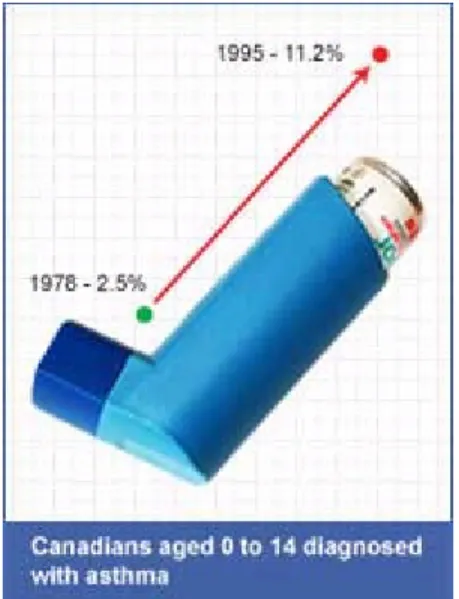
In urban areas respiratory allergic diseases such as rhinitis and bronchial asthma appear to be on the increase worldwide. In Canada, the rate of asthma among children went from 2.5% in 1978 to 11.2% in 199510
(Figure 2). In Ottawa, it is estimated that air pollution is responsible for over 100 premature deaths/year, around 700 hospital admissions, over 900 emergency room visits, and around 65 million dollars are spent annually in respiratory and cardiovascular problems11. In Toronto, approximately 35% of excess summer-time respiratory hospital admissions occur in children under 2 years of age12. Unfortunately, there are not comparative figures for Ottawa13. It is believed that
9
Environment Canada, forthcoming. National Emissions Inventory of Criteria Air Contaminants. Ottawa. National Indicators and Reporting Office, Environment Canada from the 2000 data
10
Suzuki Foundation http://www.davidsuzuki.org/WOL/Challenge/Newsletter/sept2004_sprawl/page2.asp
11
pro-rated from the report “Illness costs of air pollution.” Ontario Medical Association. http://www.oma.org/phealth/smogmain.htm.
12
Stieb, D.M et al. 2002. Air pollution and disability days in Toronto: Results from the National Pollution Health Survey.
air pollution causes sensitization of the airway14 resulting in high incidence of respiratory illnesses.
Figure 2. Asthma rate of increase among Canadian children
The most vulnerable populations are children, the elderly, and those with underlying illnesses, particularly heart and lung diseases, such as asthma. Between 5 and 8% of Canadians are asthmatics and this number is growing15 particularly among children. Children are physiologically and anatomically at greater risk to air pollution than adults because of their growth rate. Children’s lungs grow from 3 square metres at birth to 75 square metres by adulthood. Most of the pulmonary alveolar development continues into late childhood. The growing tissue is the most vulnerable to pollution. Children breathe in and out more rapidly than adults: every minute they exchange more air per kilogram of body weight than most adults. Hospital admissions due to respiratory problems for children have increased by 28% between1980 and 199015. Adults over 45 years old are also vulnerable. These two groups currently represent 55% of Ottawa’s total population. The vulnerability of our senior populations is also of concern given that their number will double by 2020. Consequently, the impact of air pollution to human health will be much greater in decades to come.
Of all the air contaminants, diesel fuel particulate matter may be responsible for 70%-89% of total cancer risk caused by air pollution16. It is estimated that diesel particulate matter may cause 13,600 cases of cancer in Canada. Air pollution has also been linked with reduced weight in newborns and to immunodeficiency. Some researchers note that 13
A sample of the impact of air quality in Ottawa from the 10 km road of the Alta Vista Corridor is the estimated one premature death, one more hospitalization and 35,000 to 45,000 minor illnesses.
14
D’Amato, G. 2002. Environmental urban factors (air pollution and allergens) and the rising trends in allergic respiratory diseases. Allergy, Vol. 57(72): 30-33.
15
Last, J. K. Trouton, and D. Pengelly. 1998. Taking our breath away – The health effects of air pollution and climate change. David Suzuki Foundation. 51 pg.
16
Sharp, J. 2003. The public health impact of diesel particulate matter. Sierra Club of Canada – Eastern Canadian Chapter.
there is a likelihood of other impacts that still need to be discovered. Recent research in California has shown evidence that air pollution not only triggers asthma attacks, but may in fact be a causal source of the illness17. Depending upon the contaminant or its
synergistic effects with other compounds, air pollution causes a range of other illnesses including decreased breathing capacity, eye irritation, decreased immune function, chronic respiratory, and chronic diseases and death.
Previously, Canada had stood as a leader in air quality, particularly in its role in the 1987 Montreal Protocol on Substances that Deplete the Ozone Layer. Canada acted swiftly to implement, enforce and update regulations to stop the use of most chlorofluorcarbons and other substances that destroy the upper atmosphere ozone layer that prevents excessive ultraviolet radiation. Due to continuous budget reductions at the federal level, Canada has become a country with the worst air emission records among the thirty members developed countries. Its air quality objectives have not changed since the 1970’s. A 2004 report from the Organization of Economic Cooperative Development cited Canada as having one of the worst records for air emissions, specifically particulate matter and ground level ozone.
On most days, the air quality in Ottawa is good to very good, but during the increasing number of summer smog episodes, it is poor to very poor. As the City’s population increases, we will see a rise in the number of cars and trucks on our roads, currently above 0.5 million18, both for personal transport and to supply goods and services to a larger population. Although improvements to vehicle efficiency and emissions will continue, more vehicles will still result in increased levels of air contaminants. The air quality challenges we face today will be aggravated by climate change with a likely two-fold increase in intensity of impact by 2020.
A detailed description of our key air quality indicators, their trends in our environment and impacts on human and environmental health are presented in Annex 1. A brief description follows:
• Sulphur oxides: SO2 - decreases pulmonary capacity; and SO4- causes acid rain. Transportation and electricity generation are the greatest contributors.
• Nitrogen oxides: NO2 - a lung irritant can produce pulmonary edema and is associated with heart disease; NO3, NO; and peroxyacetyl nitrate (PAN) all contribute to ground level ozone. Transportation is responsible for 85% of NOx. • Carbon monoxide reduces the ability of the blood to carry oxygen and
contributes to ground level ozone. Transportation is responsible for 73%.
17 McConnell, R.; Berhane, K.; Gilliland, F.D.; London, S.J.; Islam, T.; Gauderman, W.J.; Avol, E.; Margolis H.G.and Peters, P.M. 2002. Asthma in Exercising Children Exposed to Ozone, The Lancet, Vol. 359, No. 9304, Feb. 2.
18
Ottawa Road Safety by the numbers.
• Volatile organic compounds are organic and elemental carbon that are in contact with NOx produce ground level ozone. Some VOCs, such as benzene, are
suspected carcinogenic and neurotoxic. Living organisms or biological processes contribute 83% of VOC emissions.
• Particulate matter smaller than 10 microns (PM10) and smaller than 2.5 microns (PM2.5) were declared toxic under the Canadian Environmental Protection Act. There is no lower safe threshold. They cause respiratory infections, cancer and death. They corrode, soil and damage vegetation as well as reduce visibility. Transportation is responsible for 46% of PM2.5 and residential fuelwood combustion for 19% of PM10.
• Ground level ozone, a highly irritant gas, has a role in chronic lung disease, eye irritation and hospital admissions, reduces both agricultural productivity and the growth rate in trees; causes lung hemorrhages in birds. Ground level ozone also acts as a greenhouse gas. Smog episodes in Ottawa are steadily increasing. Transportation is the greatest contributor of smog precursors.
• Greenhouse gases are considered priority air pollutants. The transportation and residential/commercial sectors each contribute 40%, the remainder 20% coming out of the waste sector.
• Hazardous air pollutants: are all of the above plus benzene, 1,3 Butadiene, formaldehyde, acetaldehyde, polycyclic aromatic hydrocarbons (PAHs) most of them the result of transportation.
• The impacts ofmould, pollen, noise, odour and light pollution on human and
ecosystem health range from annoyance, allergic rhinitis to neurological and immunological effects. These are also described in further detail in Annex 1.
4. Emission Sources
Emissions in the Ottawa-Gatineau air basin come from six basic sectors; industrial, non-industrial fuel combustion, transportation, incineration, miscellaneous, and open sources (Table 2). It is the latter that is responsible for the largest particulate matter emissions and also the greatest amount of ammonia (Table 3). Among the open sources, unpaved roads account for 55% of all particulate emissions from all sources, and agriculture is responsible for 42% of the total ammonia (NH3) emitted in Ottawa. Transportation causes the highest levels of SOx, NOx, VOC, and CO. Open sources are the highest contributors of TPM, PM10, PM2.5, and NH3.
Table 2. Key air pollutant emissions (in tonnes) for Ottawa-Gatineau airshed, 1995
Source
Category Total PM PM10 PM2.5 SOx NOx VOC CO NH3
Industrial 3,581 1,188 602 3,407 2,016 633 2,738 1,218 Non Industrial Fuel Combustion 3,770 3,690 3,607 1,031 3,653 12,440 26,248 128 Transportation 2,366 2,282 1,928 3,935 34,943 22,540 206,466 718 Incineration 23 11 8 23 36 49 392 5 Miscellaneous 296 270 237 0 1 18,573 479 834 Open Sources19 331,450 88,167 12,628 0 0 106 0 2,115 Totals 341,486 95,608 19,010 8,396 40,649 54,341 236,232 5,109 Source: NPRI (1995)
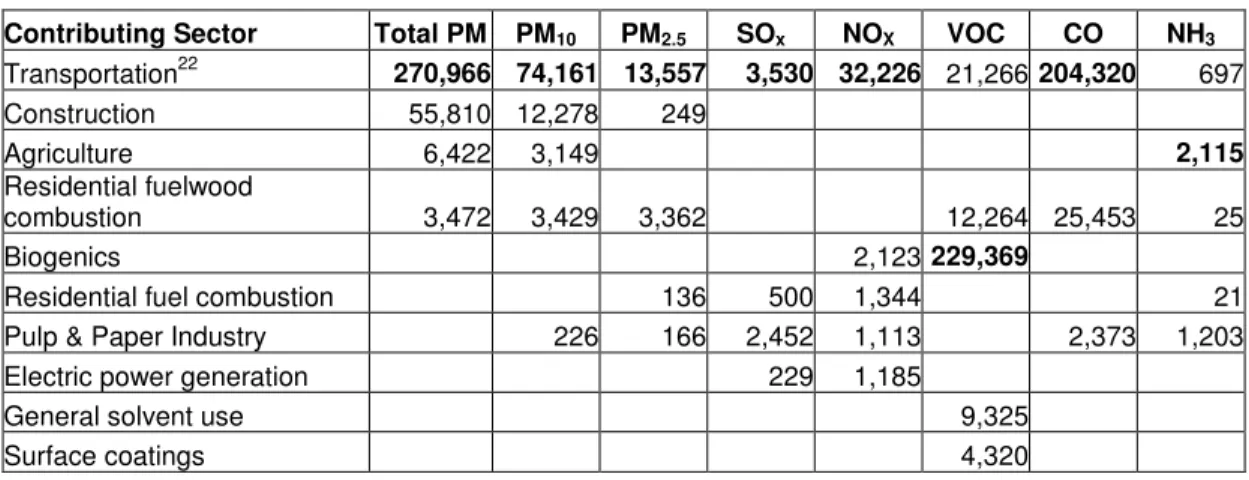
The non-industrial fuel combustion sector accounts for a large amount of PM emissions. PM2.5 emissions from fuelwood (the most damaging to human health) amount to 25% of those from the transportation sector. A summary of the top 10 sources of criteria air contaminants points toward the transportation sector being the source of greatest pollution (Table 3). Transportation is responsible for a combination of pollutants that include carcinogenic substances, acid rain forming substances, and is responsible for 30% of the GHG emissions in the Ottawa-Gatineau airshed basin20.
Table 3. Top 10 sources of pollution in Ottawa-Gatineau (in tonnes)21
Contributing Sector Total PM PM10 PM2.5 SOx NOX VOC CO NH3
Transportation22 270,966 74,161 13,557 3,530 32,226 21,266204,320 697 Construction 55,810 12,278 249 Agriculture 6,422 3,149 2,115 Residential fuelwood combustion 3,472 3,429 3,362 12,264 25,453 25 Biogenics 2,123229,369
Residential fuel combustion 136 500 1,344 21
Pulp & Paper Industry 226 166 2,452 1,113 2,373 1,203
Electric power generation 229 1,185
General solvent use 9,325
Surface coatings 4,320
19
Open sources constitute agriculture, construction, landfill sites, mine tailings, paved roads and un-paved roads. It is the latter the greatest contributor to TPM (97%), PM10 (92%) and PM2.5 (66%).
20
McKibbon, Scott. 2004. Pers. Comm. Program Engineer. GHG Inventory Development, Environment Canada.
21
Ratte, Dominique. 2003. Direction des données sur la pollution, CAC program, Environment Canada
22
Include unpaved and paved roads, heavy-duty diesel & gasoline trucks, light-duty gasoline vehicles & diesel trucks, off-road use of diesel, asphalt paving industry, off-road use of gasoline, marine & air transportation
Summary of significance
A detailed report on the sources of emissions in Ottawa can be found in Annex 2. Transportation is responsible for hazardous air pollutants as well as over 50% of ground level ozone, for 90% of carbon monoxide, over 85% of oxides of nitrogen, 60% of sulphur oxides, 46% of PM2.5, and over 30% of emissions from volatile organic
compounds. These pollutants come from burning gasoline as well as from on-road and off-road diesel. The latter has the largest amount of sulphur content (2500 ppm) compared with on-road diesel that contains less than 500 ppm. Federal regulations are being established to reduce sulphur from gasoline and diesel as well as on a energy efficiency system for non-road engines. These regulations are essential to the air quality of our City since the rate of car ownership is greater than the birth rate.
The pollutants from transportation are not limited to the burning of fossil fuels, but are also produced from the wear and tear on cars and on roads, all of which are found in road dust. Approximately 40 to 60% of PM10 and 5 to 20% of PM2.5 are attributed to urban transportation. The 700 km of unpaved roads in Ottawa are a great source of PM10 requiring stabilizers such as calcium chloride. Other sources of PM arise from the 140,000 tonnes of salt per year used here in road maintenance. The greatest gains in emissions reduction would come from the transportation sector.
Residential heating, particularly from wood burning, contributes large amounts of PM as well as other toxic compounds such as benzene, formaldehyde, benzo[a]pyrene, dioxins and furans, and polycyclic aromatic hydrocarbons (PAHs). This sector is also
responsible for large quantities of CO and NOx. Even natural gas emits NOx, SO2, and traces of toxic compounds. Heating and cooling in residential, commercial, and
institutional buildings contribute over 4.5 million tonnes of GHG.
Construction, agriculture and industry also give off large amounts of PM. Agriculture’s contribution to ammonia is the highest and is significant for CH4. Both forestry and natural areas add large amounts of VOCs. The industrial sector, though small, rivals the transportation sector in SOx emissions. Landfills are a large source of methane.
5. GHG Issues, Links and Trends
It is important to recognize the links between GHG and climate change, and in turn between these and air pollution, human and ecosystem health. These links are briefly explored in an attempt to establish the importance of reducing GHG.
5.1 Links Between Air Quality and Climate Change
The burning of fossil fuels for energy is the main source of air pollutants and of greenhouse gases. Carbon particulates and gases such as ozone, trap long wave energy reflected and radiated from the earth, increasing atmospheric temperature, and serving as catalysts for chemical reactions and the greater formation of ground level ozone. Warmer temperatures favour the emission of volatile organic
compounds that in combination with nitrogen oxides and in presence of sunlight turn into ozone. High temperatures also cause the evaporation of toxic substances such as mercury, polycyclic aromatic hydrocarbons (PAHs), polychlorinated biphenyls (PCBs), from sediments or areas where they were trapped.
The direct link between climate change and air quality is reinforced with new scientific discoveries. Carbon dioxide increases the production of vegetative matter including weeds and favours higher pollen production. Furthermore, warmer temperatures extend pollen and mould seasons and the resulting increased humidity stimulates spore production.
Climate variability may be associated with climate change, as well as an increased number of stagnant air masses over the region, causing the build up of noxious pollutants. Stagnant air masses are the result of high-pressure systems that bring high temperatures, humid conditions and high amounts of particulate matter on their approach to the Ottawa Valley. In parts of southern Ontario, the frequency of “offensive” or “oppressive” air masses could increase 5 – 8 times current levels with climate change. The number of hot days could increase substantially in southern Ontario, leading to a double health threat of heat stress and air pollution. The synergistic effects of climate change on air pollutants are continuously being explored.
Although many particles or gases known as aerosols cause warming, those containing sulphurand black carbon, act as cooling agents in the atmosphere
because they reflect sunlight and indirectly modify the thermal properties of the atmosphere. Aerosols counteract the warming effect of carbon dioxide emissions by about 25 percent23. This adds another level of complexity to the air quality and climate change problems. Long-lived CO2 accumulates in the atmosphere;
continued balancing requires a greater and greater aerosol load. Detrimental effects of these aerosols, i.e., acid rain and health impacts, will limit the aerosol amount, and thus further enhance greenhouse warming.
Of greater concern are the indirect effects that climate change could have on air quality in Ottawa by affecting our energy usage. Warmer summer temperatures could lead to greater use of air conditioning, and depending upon the fuel or electricity energy mix, there would be an associated increase in emissions causing
23
Hansen, J., Mki. Sato, R. Ruedy, A. Lacis, and V. Oinas. 2000. Global warming in the twenty-first century: An alternative scenario. Proc. Natl. Acad. Sci. 97, 9875-9880, doi:10.1073/pnas.170278997.
air pollution. The use of air conditioners would increase the ‘heat island effect’ accelerating smog formation.
5.2 Links Between Energy and both Air Quality and Climate Change
Burning fossil fuels produces energy, essential for various needs such as
transportation, heating and/or cooling of home and office, as well as the creation of goods/services, which in turn is the main source of pollutants and of greenhouse gases. The mitigating factor is in both the efficiency and the type of resource used to produce energy. Alternative energy sources that are renewable exist. Examples include wind, geothermal, and solar. They produce no pollution and/or greenhouse gases, though the creation of their infrastructure does.
5.3 Impacts of Climate Change on Ecosystem Health
Climate change will affect the health of ecosystems. It will cause ecosystems to shift resulting in habitat loss, habitat fragmentation, create threats from new species and pests as well as cause species extinctions. As climate conditions change, some areas become inhospitable for certain species because there are changes to the amount of water present, higher or lower temperatures, or their food source is affected. Other areas may become more inviting to new species invading native species’ habitat. While some species will adapt their behaviour to new conditions, others will remain trapped in lifecycles that no longer work in the new climatic regime. Rapid temperature changes will also affect the seasons, including shorter winters and variations in season length, which affects biodiversity. This can lead to changes in the growing season, earlier breeding times, earlier spring migrant arrival and later autumn departure dates along with changes in migratory patterns. All these effects are currently being experienced throughout the world.
Analysis of 143 studies showed a consistent temperature-related shift in territories for species ranging from mollusks to mammals and from grasses to trees. A similar study of 1700 species also confirmed climate change predictions, with average range shifts of 6.1 km/decade towards the poles. For example the ranges of North American butterflies and birds are shifting northwards and upwards. The
Intergovernmental Panel for Climate Change also reported that the most consistent explanation from studies that show alterations in range or behaviour of animals and plants is climate change24.
24
Santer, B D, T M L Wigley, T P Barnett, and E Anyamba (1996); Detection of climate change and attribution of causes, in Climate Change 1995: The Science of Climate Change. Contribution of Working Group I to the Second Assessment Report of the Intergovernmental Panel on Climate Change [edited by] J T Houghton, L G Meira Filho, B A Callander, N Harris, A Kattenberg, and K Maskell, Cambridge University Press, Cambridge, UK and New York: 407-33
5.4 Former City of Ottawa GHG Management Plans
Although this is the first Air Quality Management Plan for the City of Ottawa, there have been GHG management plans before amalgamation. Indirectly by reducing GHGs the air quality would improve particularly when these emissions are the result of fossil fuels. The former City of Ottawa in 1991 and the Regional
Municipality of Ottawa-Carleton (RMOC) in 1997, each committed to the Partners for Climate Protection to reduce their corporate and community CO2 emissions by 20% below 1990 levels in 10 years. In order to measure the changes in CO2 emissions, each municipality established 1990 baseline measurements.
The former City of Ottawa’s commitment to reducing GHG won them an award from Canada’s Climate Change Voluntary Challenge and Registry Inc. (VCR Inc.). In 1990, the old City of Ottawa’s community released 2,951.8 Kt of CO2 emissions into the atmosphere. This amounted to 9.3 tonnes per capita, which is lower than the provincial average of 10.4 tonnes per capita. This difference may be attributed to the concentrated development of the old City of Ottawa. Annex 3 Table 13 shows GHG emissions for old City of Ottawa for 1990, 1993, 1996, and 1998. The efforts to decrease emissions resulted in a reduction of 5% below 1990 levels despite a population increase of almost 6% since 1990. Eleven reduction initiatives were put forth by a task force and were implemented (Annex 3, Table 14) to
achieve greenhouse gas reductions as mentioned above.
The progress of reaching the 20% corporate CO2 emissions reduction for the old City of Ottawa is shown in Annex 3 Table 15 for 1990, 1996 and 1998. In 1998 the overall corporate energy use was 12% below 1990 levels and CO2 levels were 19% below 1990 levels. Overall, corporate CO2 emission declined reaching a plateau due to changes in the electrical fuel mix.
5.5 Former Regional Municipality of Ottawa-Carleton
In 1990, the RMOC corporate emissions totalled 66 Kt of e CO2. Table 16 in Appendix I illustrates RMOC corporate CO2 emissions for 1990 and 1997. In the same period corporate energy use increased by 7%, however, emissions decreased by 9%. Part of the emission reduction in 1997 was likely due to lower emissions per unit of electricity produced in 1997 compared to 1990. Also positive changes within the corporation had helped reach this reduction (waste diversion methods within the corporation and at OC Transpo transit stations). Water and sewage treatment and pumping continued to comprise the largest corporate energy use (43%) and the largest proportion of CO2 emissions (41%). Since 1990, energy use and CO2 emissions from the vehicle fleet increased by 15% making it the section with the largest growth in emissions.