UKnowledge
UKnowledge
Theses and Dissertations--Educational, School,and Counseling Psychology Educational, School, and Counseling Psychology 2016
An Examination of a Yoga Intervention and Elementary Students’
An Examination of a Yoga Intervention and Elementary Students’
Selective Attention and Executive Function in the School Setting
Selective Attention and Executive Function in the School Setting
M. Jill RogersUniversity of Kentucky, [email protected]
Digital Object Identifier: http://dx.doi.org/10.13023/ETD.2016.243
Right click to open a feedback form in a new tab to let us know how this document benefits you. Right click to open a feedback form in a new tab to let us know how this document benefits you.
Recommended Citation Recommended Citation
Rogers, M. Jill, "An Examination of a Yoga Intervention and Elementary Students’ Selective Attention and Executive Function in the School Setting" (2016). Theses and Dissertations--Educational, School, and Counseling Psychology. 49.
https://uknowledge.uky.edu/edp_etds/49
This Doctoral Dissertation is brought to you for free and open access by the Educational, School, and Counseling Psychology at UKnowledge. It has been accepted for inclusion in Theses and Dissertations--Educational, School, and Counseling Psychology by an authorized administrator of UKnowledge. For more information, please contact [email protected].
I represent that my thesis or dissertation and abstract are my original work. Proper attribution has been given to all outside sources. I understand that I am solely responsible for obtaining any needed copyright permissions. I have obtained needed written permission statement(s) from the owner(s) of each third-party copyrighted matter to be included in my work, allowing electronic distribution (if such use is not permitted by the fair use doctrine) which will be submitted to UKnowledge as Additional File.
I hereby grant to The University of Kentucky and its agents the irrevocable, non-exclusive, and royalty-free license to archive and make accessible my work in whole or in part in all forms of media, now or hereafter known. I agree that the document mentioned above may be made available immediately for worldwide access unless an embargo applies.
I retain all other ownership rights to the copyright of my work. I also retain the right to use in future works (such as articles or books) all or part of my work. I understand that I am free to register the copyright to my work.
REVIEW, APPROVAL AND ACCEPTANCE REVIEW, APPROVAL AND ACCEPTANCE
The document mentioned above has been reviewed and accepted by the student’s advisor, on behalf of the advisory committee, and by the Director of Graduate Studies (DGS), on behalf of the program; we verify that this is the final, approved version of the student’s thesis including all changes required by the advisory committee. The undersigned agree to abide by the statements above.
M. Jill Rogers, Student Dr. Alicia Fedewa, Major Professor Dr. Kenneth Tyler, Director of Graduate Studies
AN EXAMINATION OF A YOGA INTERVENTION AND
ELEMENTARY STUDENTS’ SELECTIVE ATTENTION AND EXECUTIVE FUNCTION IN THE SCHOOL SETTING
__________________________________________________ DISSERTATION
__________________________________________________ A dissertation submitted in partial fulfillment of the requirements for the degree of Doctor of Philosophy in the
College of Education at the University of Kentucky
By M. Jill Rogers Lexington, Kentucky
Director: Dr. Alicia Fedewa, Associate Professor and Program Chair, College of Education, Department of Educational, School, and Counseling Psychology
Lexington, Kentucky 2016
ABSTRACT OF DISSERTATION
AN EXAMINATION OF A YOGA INTERVENTION AND
ELEMENTARY STUDENTS’ SELECTIVE ATTENTION AND EXECUTIVE FUNCTION IN THE SCHOOL SETTING
The purpose of this study was to examine the effect of yoga on children’s executive function and selective attention. There were three primary aims of this study. The first aim was to examine whether yoga would have a positive effect on children’s selective attention in a school setting. Another aim was to explore if teachers will report an improved change in children’s executive function in the classroom. The final aim was to determine if yoga would be a socially acceptable intervention to teachers and students. Participants included three fifth grade students and two teachers. Mixed methods were used to visually analyze selective attention data using a Multiple Probe Across
Participants Multiple Baseline design, as well quantitative analysis of executive
functioning data and qualitative analysis of social validity data. Results indicated that no functional relations were found between selective attention and yoga and no significant differences were found on pre-post measures of executive functioning. Improvements were seen when descriptive data was analyzed for dependent variables and the
intervention was determined to be socially acceptable to teachers and students.
Implications from the findings and recommendations for future research are presented. KEYWORDS: children, executive function, attention, yoga, school
___________________________________ Student’s Signature ___________________________________ Date M. Jill Rogers June 7, 2016
AN EXAMINATION OF A YOGA INTERVENTION AND
ELEMENTARY STUDENTS’ SELECTIVE ATTENTION AND EXECUTIVE FUNCTION IN THE SCHOOL SETTING
By M. Jill Rogers
Alicia Fedewa_______________ Director of Dissertation
Kenneth Tyler_______________ Director of Graduate Studies June 7, 2016
DEDICATION
I would never have attempted to pursue this path in life without the
encouragement of my husband, Trip Rogers. He helped me see how capable I was of pursuing my doctorate, increasing my confidence to aim for the top and to take the path less traveled. His unconditional love and support inspires me to be the best version of myself, and here I am, full of gratitude and awe at the successes I have had so far in life. My son, Chance, has also been an unwavering support. I cannot express how fortunate I am to have such a fine young man in my life who has been understanding of the
sacrifices I have had to make in pursuing my doctorate. I can gladly say that I completed my education before he graduates with his first college degree! My mother and sister, Pam Denny and Tesha McCarty, have always been my first teachers, caregivers, and exemplars of how to become a strong and intelligent woman myself. My extra parents that I gained through marriage, Carl and Lynne Rogers, have been selfless in supporting my family and me through the ups and downs of bettering myself through my education. In addition, I have to acknowledge all of my dearest friends for sticking with me through this journey. The companionship I have received from my family and friends is vast compared to this dedication that I humbly make to each and every one of them; I love you all. Thank you for riding these waves with me.
iii
ACKNOWLEDGMENTS
I would like to express my gratitude for the many people that helped me be successful through this process. I am grateful to my original advisor and Chair, H. Thompson Prout, for encouraging me to choose a topic I am so passionate about, and my current advisor and Chair, Alicia Fedewa, for supporting me through the ups and down of the creative process of designing an intervention, all the way through to the eventual defense. I am also grateful for the rest of my committee, Victoria Knight, Lisa Ruble, and Diane Follingstad, who provided me with vital feedback and support over the years. I would also like to express my thanks to my outside reviewer, Susan Barron, for her unique feedback and interest in research on yoga. I am grateful for the undergraduate students, yoga instructors, and school staff that worked as team to overcome the challenges that faced us to help children through yoga. Doug Cage, Tess Morton,
Meredith Swim, Valerie Zinser, Wendy Avila, and most importantly Irene Perry; I could not have done this without you and am purely appreciative of your many hours of
guidance, work, and dedication to our cause. I have to thank the children that participated in my study for being brave enough to try something new and for sharing the benefits they received from yoga with me. I would also like to thank my friends, Adriana Dearey Soltau and Heather Glaros and their daughters for being my pilot participants and helping me work out the kinks. Finally, I would not have made this journey successful without the selfless mentoring and support of Bobbie Burcham and other countless professors and co-workers who steered me to stay the course and persevere through this part of my life journey. The light in me honors the light in all of you. Thank you.
iv
TABLE OF CONTENTS
Acknowledgments... iii
List of Tables ... vi
List of Figures ... vii
Chapter 1: Introduction ...1
Defining Executive Function and Selective Attention ...2
Development of Executive Function and Selective Attention ...3
Selective Attention and Children At-Risk ...7
Selective Attention and Learning...10
Selective Attention and Attention Deficits ...12
Executive Function and Selective Attention Interventions ...16
Introduction to Yoga ...19
Conceptual Model of How Yoga Affects Attention ...21
Yoga and Children ...26
Problem Statement ...50 Chapter 2: Methodology ...52 Research Design...53 Participants ...55 Setting ...59 Instrumentation ...62 Procedures ...70 Data Analysis ...73 Chapter 3: Results ...77 Inter-observer Reliability ...77 Procedural Fidelity ...78 Hypothesis 1...78 Hypothesis 2...93 Hypothesis 3...95 Chapter 4: Discussion ...100
Yoga and Selective Attention ...100
Yoga and Executive Functioning ...105
Social Acceptability of Yoga ...108
Limitations ...111
Future Recommendations ...117
Summary ...120
Appendices ...121
v
Appendix B: Child Acceptability of Yoga Scale ...122
Appendix C: Child and Adolescent Mindfulness Scale ...123
Appendix D: Time-on-task Math Worksheet Sample ...124
Appendix E: Time-on-task Data Collection Form ...125
Appendix F: Stroop Task Data Collection Form ...126
Appendix G: Yoga Procedural Fidelity Checklist Sample ...127
Appendix H: Elementary Principal Letter of Support ...128
Appendix I: School District Letter of Research Approval...129
Appendix J: Parent Consent, Teacher Consent and Student Assent ...130
References ...141
vi
LIST OF TABLES
Table 1, Examples of Congruent and Incongruent Stroop Color Word Tasks ...68
Table 2, Stroop Time Difference Task Within-conditions Analysis ...81
Table 3, Stroop Time Difference Task Between-conditions Analysis ...83
Table 4, Stroop Error Difference Task Within-conditions Analysis ...87
Table 5, Stroop Error Difference Task Between-conditions Analysis ...88
Table 6, Time-on-task Within-conditions Analysis ...91
Table 7, Time-on-task Between-conditions Analysis ...92
Table 8, Wilcoxon Signed-Rank Test for BRIEF-TF and CAMM ...94
Table 9, Teacher Responses Regarding Social Acceptability of Intervention ...97
vii
LIST OF FIGURES
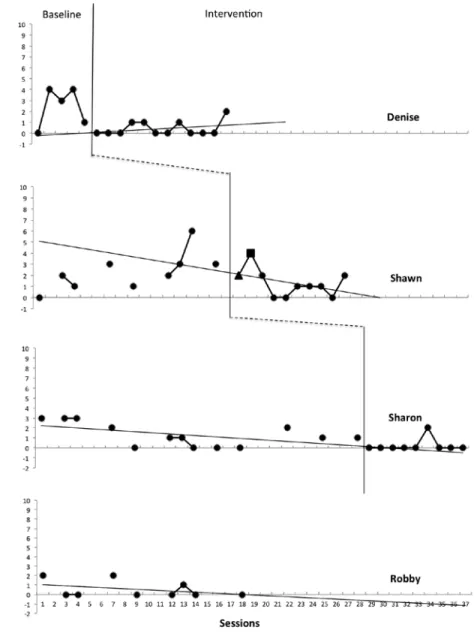
Figure 1, Stroop Time Difference Task Graphs...80 Figure 2, Stroop Error Difference Task Graphs...85 Figure 3, Time-on-Task Graphs ...90
1
Chapter 1: Introduction
Executive function allows individuals to self-regulate behavior through mental processes that control planning and decision-making (Berger, 2011). Selective attention is one of many aspects of executive functioning and influences how individuals process information in order to make decisions about dividing up mental resources when
presented with multiple demands from the environment (Plude, Enns, & Brodeur, 1994). These skills are important in child development and academic learning (Norman & Breznitz, 1992; Plude et al., 1994; Ridderinkhof & van der Stelt, 2000). Children that are diagnosed with Attention Deficit Hyperactivity Disorder (ADHD) as well as children from disadvantaged backgrounds are at-risk for executive function and selective attention deficits (Biederman et al., 2007; Carter, Krener, Chaderjian, & Northcutt, 1995). Both populations may benefit from interventions that develop executive function and selective attention skills (Berger, 2011; Diamond & Lee, 2011). One such intervention that is growing in popularity is yoga (Jensen & Kenny, 2004; Klatt, Harpster, Browne, White, & Case-Smith, 2013; Peck, Kehle, Bray, & Theodore, 2005). Chapter one will explain the relationship between yoga and the development of executive function and attention in children.
The chapter will begin with a definition of constructs and how executive function and selective attention develops in children. An in-depth look at the research on these constructs in at-risk children and how these skills affect kids’ learning will be explored. Last, a comprehensive review of evidence-based research that build children’s executive functioning and selective attention skills will be provided.
2
Upon reviewing the literature on children’s executive functioning and selective attention, yoga will then be explored as a potential treatment in remediating these two deficits. In particular, the background of yoga as a practice will be introduced before laying out a conceptual model for potential mechanisms of how yoga may affect children’s selective attention. Last, the research on the relationship between yoga and children’s executive function and attention will be presented.
Defining Executive Function and Selective Attention
Executive function consists of mental processes involved in self-regulation such as adapting behavior and emotions to a situation, integrating information from past and present, using selective and sustained attention on demand, planning future tasks and goals, organizing information, and problem solving (Berger, 2011; Gioia, Isquith, Guy, & Kenworthy, 2012; Holler & Green, 2010). Being able to filter overwhelming amounts of incoming stimuli (i.e., stresses from outside of school, distractions from peers and
technology, limited attention span) and select the most important information (i.e., class content, appropriate responses to external stimuli) is a skill that children need to be successful academically and behaviorally.
To better understand selective attention, Plude et al. (1994)created an overview of attention across the lifespan. The researchers define selective attention as comprised of arousal, capacity, and selectivity or “the specificity with which resources are allocated to task demands" that are finite (Plude et al., 1994, p. 230). Plude et al., categorizes selective attention into four types of attention: orienting, filtering, searching, and expecting. Orienting is described as the physical changes of the body and organs when encountering a stimulus, such as turning the head towards a sound (reflexive) or
3
increased heart rate when aroused (covert). Filtering is being able to ignore certain characteristics of a stimulus while processing others. Searching is a combination of filtering and orienting, while expecting involves using previously or newly acquired information to predict when and where events may occur. It is important to understand how executive function and selective attention are defined so that development of these mental processes can be examined over the lifetime.
Development of Executive Function and Selective Attention
Several researchers agree that executive function develops throughout childhood and into adulthood (Białecka-Pikul & Kantaruk, 2004; Hagen & Hale, 1973; Hale & Alderman, 1978; Plude et al., 1994; Posner & Rothbart, 1998; Ridderinkhof & van der Stelt, 2000; Williams, Ponesse, Schachar, Logan, & Tannock, 1999). Research indicates that executive function continues to develop throughout the lifespan (Passler, Isaac, & Hynd, 1985; Welsh & Pennington, 1988). Without adequate development of some executive function skills in the early years, the foundation for later executive function development for children may fail to fully mature (Berger, 2011; Biederman et al., 2004; 2007; Levine, 2002).
The concept of early development affecting maturation is exemplified by the research of Holler and Green (2010) in examining executive function during a child’s neurocognitive development. Holler and Green state that as a child enters school in the Piagetian preoperational stage (age 2 - 7), a phase of synaptic pruning in the brain has stopped while one of myelination begins, which can be seen in certain executive function skills such as sustained attention and emotion and behavior regulation. The researchers state that during the concrete operations stage (age 6 - 10), a child can sustain attention
4
for up to thirty minutes and behavior becomes goal directed. Then, myelination is occurring in the corpus callosum, which connects the brain hemispheres, while the areas of the brain that are developing are those that connect to other neurocognitive systems. This can be seen in the pre-adolescent child's ability to better organize and multi-task when overwhelming amounts of information are being integrated across subcortical brain structures (Holler and Green, 2010).
Holler and Green’s model of neurocognitive and executive function development aligns with Levine's (2002) neurodevelopment stages. Levine states that children of ages nine and ten (Piagets’ concrete operation stage) are more distracted due to an increased social awareness, need more attention skills when expected to engage in low-interest subjects, and are expected to put forth more mental effort, planning, and self-regulation skills. Levine also states that when children adequately develop selective attention as an executive function, they are able to direct, shift, and maintain attention while children with poor development of selective attention have a hard time attending to necessary stimuli for task completion.
Plude et al. (1994) explain the development of the four types of selective attention. The researchers state that orienting is the most stable aspect of selective attention, which is present at birth and lasts across the life span. The researchers also state that searching and expectancy tend to improve throughout childhood, while filtering is the most difficult for children who are less able to ignore interference from involuntary intrusions and less able to activate response mechanisms. The agenda of the current study is supported by the belief that children often have the most difficulty with filtering
5
selective attention although it is found to improve throughout childhood (Plude et al., 1994).
The existence of filter-interference in childhood aligns with Ridderinkhof and van der Stelts’ (2000)literature review on age-related neurological changes in the executive function of selective attention. The researchers explain that selective attention
deficiencies impair the ability to select, analyze, and react to relevant information and can be seen in the interference paradigm of filter tasks, which requires participants to
discriminate between the target and competing non-target. One type of interference task is a conflict task, such as the Stroop task (Golden, 1978; MacLeod, 1991; Stroop, 1935), and is challenging because the competing stimulus may signal a reaction similar to the response that the target stimulus elicits. This type of task is important because it allows examination of how targets are processed when interrupted or aided by incongruent or congruent targets. Interference conflict tasks such as the Stroop task present a target and non-target stimulus that are very similar, thus prompting correct and incorrect responses that create competition for cognitive resources, causing the correct response to be delayed.
Research has shown that children tend to inefficiently filter and suppress responding to irrelevant stimuli, which creates response competition between the target and non-target stimuli (Ridderinkhof & van der Molan, 1995; Ridderinkhof et al., 1997; Tipper, Bourque, Anderson, & Brehaut,et al., 1989). Under optimal conditions, young children are able to efficiently filter information, but they are more sensitive to
distractions created by response competition than older children and adults (Ridderinkhof & van der Stelt, 2000). This is supported by results of two Stroop-based tasks and one
6
central-incidental learning task that shows that younger children (age 7 - 8) are more easily distracted by irrelevant stimuli because the inhibition mechanism is not as fully developed as it is in older children (Tipper et al., 1989). Less than optimal conditions increase the response competition, as was found in a study by Pick and Frankle (1973) when second grade participants performed more poorly than seventh grade participants in a selective attention task when alternative, interfering stimuli (i.e., more shapes, colors, sizes in an incidental-learning task) were introduced. Complex, less-than-optimal
conditions are more common in society than optimal conditions and warrants researching children's abilities to selectively attend to relevant information in stressful conditions.
Overall, Ridderinkhof and van der Stelt (2000) and others (e.g. Białecka-Pikul & Kantaruk, 2004) have found support for the lifespan pattern of development of selective attention, with selection of stimulus being the most difficult in young children, making them more sensitive to adverse events that compete for attention in a complex
environment. It is possible that children who encounter regular interfering events in the environment may have more difficulty in developing executive functions such as
selective attention. Plude et al., (1994) addressed the issue of adverse effects on selective attention, stating that attention development is not linear and must be considered in context of biological (i.e., neurocognitive myelination) and environmental (i.e., parental attachment, home environment) influence. So far, the research reviewed on executive function and selective attention development infers that executive function development begins at an early age as building blocks for later executive function skills. If much neurocognitive and environmental interference occurs in childhood, executive function deficits may persist throughout the life span unless intervention occurs.
7 Selective Attention and Children At-Risk
A special interest population for the current study is children considered to be at risk for executive function and selective attention deficits, or children with multiple-risk factors. Multiple-risk may include interference factors such as “low socioeconomic status (SES); single-parent family status; ethnic minority status; family history of psychological, substance use, and legal problems; marital discord; and lack of social support” (Lengua, 2002, p. 144). McDermott, Westerlund, Zeanah, Nelson, and Fox, (2012) conducted a study that included participants that meet many of the at-risk descriptors. The researchers examined the executive function of abandoned,
institutionalized children with adverse backgrounds and a lack of parental care who were in a care-as-usual group or a foster care program group, as well as a control group of non-institutionalized children. The results showed that non-institutionalized children made more errors and showed a different neural pattern when responding to a go/no-go task of executive function. The neural pattern of the institutionalized care-as-usual children showed that when processing information, only one frontal lobe site was activated, while children that were never institutionalized or that were in the foster care program had a pattern of three frontal lobes sites being activated. McDermott et al., (2012) indicated that the difference in information processing could lead to missed information in a school setting, lessening the at-risk child’s opportunities to develop and function normally. The findings support the theory presented by Plude et al., (2004) which implies that executive function in children must be considered alongside risk-factors, such as lack of parental care and a stable environment as in the case of the participants in McDermott et al.’s study. Other researchers have focused on how other risk-factors affect executive function
8
and selective attention in children with the at-risk descriptors of population density and SES.
Some researchers have focused on how children in different settings based on population density selectively attend to competing stimuli. Sinha, Alka, Rishi, Parul, & Vibha (1998) examined how selective attention is affected by high social density and processing demands. Results showed that participants that preferred less dense spaces performed more poorly in a recall task when in the high density situation, no matter the level of processing demand required, while the participants that preferred more dense spaces performed more poorly when in the high density/high processing demands condition alone. The findings from this study imply that a child’s ability to selectively attend to target information may be hindered if placed in a social situation that her or she is not comfortable with when expected to process complex information. Wagner (1974) also examined changes in development of memory and concentration based on
geographic setting and education. He found that rural and less educated participants used less complex attention and memory strategies at any age when compared to urban,
educated participants. The implication of Wagner’s study is that more complex attention strategies are related to the environment and that education may determine whether complex attention strategies develop beyond cognitive maturation. Combined, the
studies on population density and selective attention inform researchers that rural and less educated children tend to use inadequate selective attention strategies if placed in a more dense population setting, such as an urban school setting or large group testing situation. Some densely populated urban schools have large populations of students from lower SES backgrounds.
9
Other researchers have focused on how SES plays a role in at-risk children’s selective attention. A study by Stevens, Lauinger, and Neville (2009) focused on at-risk children by exploring the neurobiological bases of selective auditory attention in youth of various SES backgrounds. Selective auditory attention was measured by comprehension questions about two competing stories being presented to the participant simultaneously from the left or right audio speaker. Results indicated that participants from lower SES backgrounds were not able to filter irrelevant information during the selective auditory attention task as well as the higher SES background participants. The findings from this study support the need to further examine at-risk children’s ability to selectively attend in the school setting where multiple distractions may occur, especially if education plays a critical role in development of selective attention strategies beyond cognitive maturation as Wagner suggests (1974).
Additional studies have also examined executive function, selective attention, and academic-related outcomes of children from different SES backgrounds. One study found that students' from low-income urban schools with poorer executive functioning have been found to be less able to perform well on standardized tests, which is an important finding because this is the criteria used to measure progress for most students, teachers, schools, and districts (Waber, Gerber, Turcios, Wagner, & Forbes, 2006). Another study by Norman and Breznitz (1992) examined differences in high and low SES first grade students’ concentration and academic achievement. Academic
achievement was measured by reading and math tests while concentration was measured by coding, digit span, and math subtests, teacher evaluations, reading comprehension test with distractors embedded (unrelated pictures), and recognition of distractors. Results
10
showed that the low SES participants were not able to selectively attend to relevant stimuli as well as high SES participants, effecting reading comprehension scores due to paying more attention to irrelevant distractors. It was concluded that low SES
participants have an even greater disadvantage than middle or higher SES children: children from low SES backgrounds were not able to concentrate as well to the reading task due to distractors, which inhibited reading comprehension, and possibly general learning (Norman & Breznitz, 1992). This notion is supported by longitudinal findings of delay-of gratification studies reviewed by Mischel et al., (2011) who describes the strategy as a combination of the ability to control attention and cognitively evaluate situations. One of the studies by Ayduk (2000) found that participants high in rejection sensitivity (which could be considered as a multiple-risk factor) with low levels of gratification delay attained lower education levels than participants with high levels of the strategy 20 years later.
Overall, the research on executive function and selective attention in at-risk children suggests that development should be considered in conjunction with risk-factors such as parental care, home environment, geographical setting, population density, level of education, and SES. The research examined implies that children with these risk-factors have negatively affected executive function and selective attention strategy use as well as filtering ability, which influences learning such as reading comprehension, and can impact future development.
Selective Attention and Learning
At-risk children are not the only population that may have deficits in executive function and selective attention that are related to academic outcomes. Some researchers
11
have found that struggling readers’ attention is compromised when distracted (Elkind, Larson, & Van Doorninck, 1965; Pelham & Ross; 1977; Staats, 1968). Findings such as these have led researchers to examine executive function and selective attention deficits in children with learning disabilities (LD).
Vrana and Pihl (1980) explored the effect of the spatial proximity of central and incidental learning tasks on selective attention as measured by information recall in children with LD and a control group. Two sets of central-incidental learning tasks were used to demonstrate spatial proximity: one with shapes close together on a card and one with shapes at each end of a card. Results showed that children with LD are more distracted when recalling central learning information that is presented alongside incidental learning when compared to children without LD. This indicates that children with LD are less able to filter irrelevant stimuli when it is presented in conjunction with relevant stimuli during recall tasks, such as processing which information to attend to on reading comprehension probes.
Another study by Richards, Samuels, Turnure, and Ysseldyke (1990) examined the selective and sustained attention and information processing rates of children with and without learning disabilities. The researchers found that students with LD had no significant differences in performance on the Continuous Performance Test of sustained attention but that they performed worse on the selective attention flanker tasks and is an indication that the LD group processes information at a lower rate than the non-LD group. The students with LD were also more distracted than students without LD on the flanker test of selective attention when the interfering stimuli was next to the target, supporting the findings from the Vrana and Pihl study (1980). The finding that students
12
with LD took longer to process and respond to flanker tasks alone indicates that information processing may be the core component of selective attention deficit in children with LD (Richards et al., 1990).
The research on selective attention and children with LD indicates that the participants who struggle with learning have difficulty filtering irrelevant stimuli, have a slower rate of processing information, and a slower response rate. One implication for these children in the classroom is the possibility of missing important content, especially when in a more densely populated, fast-paced classroom environment. Another
implication for struggling learners in this scenario is over-identification for disorders that may be alleviated by interventions that improve executive function. One other
implication for this scenario is a poor performance on high-stakes testing, which impacts not only students but teachers, schools, and districts. Another population known to have similar attention deficits as indicated by the research on children with LD is children with Attention Deficit Hyperactivity Disorder, which may also be susceptible to the
implications drawn from the research on attention and children with LD. Selective Attention and Attention Deficits
Attention Deficit Hyperactivity Disorder (ADHD) is an increasingly pervasive diagnosis for children in the United States. Visser et al., (2014) reviewed diagnostic trends of ADHD from 2003 to 2011 and report that 6.4 million or 11% of children ages four to 17 had a health-care provider diagnosis of ADHD. This is an increase of 2 million child ADHD diagnoses from 2003 to 2011 (Visser et al., 2014). Individuals with ADHD may have symptoms that interfere with some executive functions such as missing important details, a lack of planning, frequent shifts in attention that hinder processing,
13
failure to complete tasks or goals, difficulty organizing, and avoidance of tasks that require sustained attention or close concentration (Diagnostic and Statistical Manual, Fourth Edition, Text Revision, 2000). This apparent relationship between ADHD diagnoses and impaired executive function has resulted in a multitude of research.
An early study by Weiner and Berzonsky (1975) explored how impulsivity, one type of ADHD diagnosis, affects attention, and learning. The researchers examined how the selective attention of children who were categorized as reflective or impulsive performed on an incidental learning task. Results showed that impulsive participants in the sixth grade engaged in more incidental learning than reflective participants, indicating that impulsive children did not employ the same complex attention strategies that the reflective children employed. The authors determined that this might be because of a delay in selective attention development or ability to utilize selective attention strategies in impulsive children. Weiner and Berzonsky’s (1975) results indicate that impulsive children may have processing difficulties because the child may try to remember all the cues presented and be unable to distinguish relevant from irrelevant cues, which would lead to incidental learning of irrelevant material. The findings from Weiner and Berzonsky’s (1975) and Richards et al. (1995) supports the idea that information processing may play a critical role in being able to selectively attend.
Carter, Krener, Chaderjian, and Northcutt (1995) also examined abnormal processing and selective attention in children with ADHD. The researchers tested whether children with ADHD showed more interference from irrelevant stimuli during the Stroop task by having more delayed responses to incongruent trials than unrelated trials and found that participants with ADHD were more distracted by irrelevant stimuli
14
than controls. Carter et al. (1995) found that participants with ADHD had a longer response time for incongruent trials but a similar amount of errors as compared to controls, indicating that the issue may not be impulsivity but a specific deficit in
information processing. Additionally, the researchers’ findings support a specific deficit in information processing in ADHD populations due to having similar performance levels as controls and a lack of relationship existing between the Stroop task scores, a
Continuous Performance Task, and the Wisconsin Card Sorting Task (Carter et al., 1995). Other researchers have had similar results by examining attention in ADHD populations using multiple measures including the Stroop task, cancellation tasks, and
neuropsychological assessments, thus increasing the validity of the findings of ADHD populations’ poorer performance than controls on multiple measures (Kiliç, Şener, Koçkar, & Karakaş, 2007).
The research on executive function and selective attention in children with attention deficits has been even further validated with longitudinal studies. Brocki, Eninger, Thorell, and Bohlin (2010) explored the relationships of the executive function skills of selective attention, inhibition, and working memory along with the ADHD symptoms of inattention and hyperactivity/impulsivity across two years. Using the measures of a go/no-go task, an auditory attention subtest of a neuropsychology
assessment, a Stroop-like picture task, a sorting-recall task, and a block design task of a cognitive assessment, findings indicate that at age 5, selective attention and simple inhibition performance predicted working memory and complex inhibition performance a year later. The researchers also found that executive functioning predicted inattention symptoms of ADHD instead of hyperactivity/impulsivity symptoms and that complex
15
inhibition performance at age 6 appeared to mediate the relationships between executive function at age 5 and inattention at age 7. The results of the Brocki et al. (2010) study indicate that if multiple executive functions are not adequately developed during a critical period in early age, attention deficits may develop within the next couple of years.
Another study by Biederman and colleagues (2004) examined the relationship between ADHD diagnoses, executive function deficits, and psychosocial functioning. The researchers results showed that the participants with ADHD had lower academic achievement and school functioning scores, while those with executive functioning deficits scored significantly worse on all academic assessments than those without ADHD. The participants with ADHD and executive function deficits were twice as likely to experience grade retention, were three times more likely to have a learning disorder, and have lower IQ scores than children without executive function deficits.
Biederman et al., (2007) also conducted a longitudinal study to explore the stability of executive function deficits in young males with ADHD diagnoses from a previous study seven years later. Executive function skills that were examined included selective attention, visual scanning, sustained attention, planning and organizing,
memory, interference control, shifting and categorization, and verbal and visual learning and were measured by a battery of neuropsychological tests including cognitive
assessment tasks and the Stroop color-word task. The researchers’ results showed that the majority of executive functioning deficits were stable from youth to adulthood, emphasizing the importance of recognizing and intervening with this type of deficit early before it leads to educational and occupational short-comings.
16
The research on selective attention and attention deficits aligns with the
indications from the research on attention in children with LD because participants from both populations have difficulties filtering irrelevant stimuli and slower response rates, implying information processing deficits. The attention deficit research reviewed also indicates that some early executive function skills predict future executive function skills, are stable over the lifespan, and relate to poor academic performance. Specifically, executive functions in children with attention deficits seem to be related to inattention and information processing instead of the hyperactive symptoms of ADHD. It appears that learned inhibition accounts for the relationship between previously acquired
executive functions and later developed inattentiveness. Knowing that executive function skills appear to be stable, it is crucial to intervene with deficits at an early age so that academic achievement and further executive functions are not hindered.
Executive Function and Selective Attention Interventions
While interventions for ADHD often involve prescription medication (Visser et al., 2014), executive function interventions tend to focus on improving self-regulation of attention or other related skills through behavioral treatments (Berger, 2011). Moreover, there are emerging complementary and alternative treatments for intervening with executive function skills as well.
Over two-thirds of the 6.4 million children with ADHD diagnoses in the United States are on medication to treat symptoms (Visser et al., 2014). Although medications are helpful for controlling ADHD symptoms in many cases, issues remain such as not knowing the long-term affects of the medication, the controversy of whether ADHD medication use leads to later substance abuse, and the use of the medication as a
surface-17
level treatment for symptoms instead of the actual underlying deficit (Carter et al., 1995; Visser et al., 2014). Some of the research reviewed so far has implicated that information processing may be the core deficit in ADHD, not inattention or impulsivity (Carter et al., 1995; Kiliç et al., 2007; Weiner & Berzonsky, 1975). Brodeur and Pond (2001) found support for this idea when testing whether selective attention changes over time in children with ADHD and how distractors and methylphenidate affect this population’s selective attention performance. The researchers found that the participants in the ADHD group performed more poorly on a go/no-go task when off medication and implied that the findings were due to a deficit in selective attention because medication reduces impulsivity while increasing target selection and distractor inhibition. The Brodeur and Pond (2001) results indicate that medication improved on-task behavior, not information processing.
Other behavioral-based interventions may be more thorough and less aversive in treating the root of attention deficits for some cases. Complementary and alternative treatments have been recommended as adjunct treatments for ADHD symptoms due to providing mental and physical benefits for children in general without negative side effects that often occur with medication, herbal remedies, or dietary changes (Rojas & Chan, 2005).
Berger (2011) summarizes the benefits and disadvantages with different types of interventions that focus on executive function training, which focuses on self-regulation of attention and inhibition and range from computerized training to mind-body
integration practices. She states that computerized training, such as attention training programs and tasks that focus on visual or auditory object tracking are well-designed and
18
controlled for research purposes but may not be generalizable to everyday events. She also states that non-computerized training programs such as the Attention Processing Training program focus on improving neurocognitive processes, although promising results are hindered by a limited amount of studies. Berger (2011) also states that curriculum-based interventions such as the Promoting Alternate Thinking Strategies are seen as the best-fit practice for education settings due to being standardized programs with an ease of generalization of effects; however, these packages do not delineate what the exact intervention and outcome variables are or how mediators come into play.
In addition to these traditional interventions, Berger (2011) suggests that an alternative approach to improving children’s executive function has surfaced in integrated body-mind training (IBMT). Tang et al., (2010) found that IBMT, which is a meditation technique composed of body relaxation, mindfulness training, and mental imagery accompanied by music and instruction, increased the activity in the anterior cingulate cortex, which is associated with capacity to self-regulate. Because populations without ADHD diagnoses that are at-risk for executive function and selective attention deficits are often not treated with medication, it seems that a non-medication, behavioral-based intervention would be a better fit for an intervention for this group of children.
Therefore, intervening with children who may be at-risk for executive function or attention deficits due to not having an environment that nurtures the crucial
neurocognitive development that is important at an early age may be vital for future higher level executive function. A non-prescriptive, needs-based intervention would allow the child to build skills that empower him or her to improve executive function
19
that, once learned, can be implemented independently as needed without relying on adult-lead standardized interventions.
One emerging alternative treatment for executive function deficits that meets the individual need is yoga, which also aligns with some research recommendations for interventions. Diamond and Lee (2011) reviewed executive function training interventions to discover what aspects of the training are universally important for children at-risk for deficits. Some of the researchers findings include the following: a) physical activity with character development (i.e., yoga or martial arts) improves executive function more than exercise alone, b) schools are the best opportunity for applying executive function training to all children, with non-computer training being easily implemented (i.e., martial arts, yoga, mindfulness, exercise), and c) findings on computerized trainings ability to improve inhibition and selective attention are unclear. Other researchers support the exploration of mind body practices such as Holler and Green (2010) who recommend that educators can aid in a student’s development of executive function by providing supportive structure for executive function strategies such as deep breathing or progressive muscle relaxation to teach the child to internally regulate their behavior. All of these strategies are integral components in the practice of yoga. Therefore, the practice of yoga and research that examines the effects of it on children’s executive function and attention will be reviewed.
Introduction to Yoga
Yoga is a growing sensation in the U.S. as a complementary and alternative medicine (CAM) for physical health, mental health, and overall wellness (Survey, 2009; NCAAM, 2013). In a review by Kaley-Isley, Peterson, Fischer, & Peterson (2010) a
20
report of a 2008 market study by Yoga Journal, the leading popular yoga magazine, states that an estimated 15.8 million Americans practice yoga, 9.4 million indicated a desire to try it in the next year, and 14 million reported that a doctor or therapist recommended yoga as a practice to improve health. Today, the Yoga Journal reports that 36.7 million Americans practice yoga (2016). It has been a treatment for medical diseases such as chronic pain (Brands, Purperhart, & Deckens-Kocken, 2011), cancer (Geyer, Lyons, Amazeen, Alisihio, & Cooks, 2011; Thygeson, Hooke, Clapsaddle, & Mosquist, 2010), and asthma (Khanam, Sachdeva, Guleria, & Deepak, 1996; Nagarathna & Nagendra, 1985); as a mental health treatment for reducing anxiety, depression, and stress (Lavey et al., 2005; Telles, Naveen, & Dash, 2007); as a cognitive functioning intervention to increase focus, attention, and concentration (Hopkins & Hopkins, 1979; Sarang & Telles, 2007); as well as aiding with other varied deficits and issues such as improving motor skill functioning (Dash & Telles, 1999), decreasing undesirable behavior (Berger, Silver, & Stein, 2009), increasing self-awareness (Clance, Mitchell, & Engelman, 1980), and creating a general feeling of calm and well-being (Brown & Gerbarg, 2009; Zipkin, 1985). According to the reported uses of yoga, it appears to be an intervention that can positively impact the mind and body.
Yoga may be able to impact so many outcomes due to unifying multiple aspects of well-being in the human body and is reflected in the definition of yoga, which is to yoke together; to unite. Yoga as a process of unification has been verified by the National Institute of Health branch of National Center for Complementary and
Alternative Medicine, which categorizes yoga as a mind-body medicine that “…practices focus on the interactions among the brain, mind, body, and behavior, with the intent to
21
use the mind to affect physical functioning and promote health” (NCCAM, 2012). This concept of unification is also represented in the practice of yoga, which typically includes a combination of breathing techniques, physical postures, and relaxation meditation. Conceptual Model of How Yoga Affects Attention
Yoga’s combination of breathing, postures, and meditation appear to create a unique opportunity for physical and mental well-being. According to research, yoga may have the potential to improve various forms of quality of life through balancing the autonomic nervous system and other related systems in the body, strengthening the body, and calming the mind (Kaley-Isley, et al., 2010). Doctors Annellen and Alexander Simpkins (2011), psychologists who specialize in meditation and neuroscience, state “the yoga practices of voluntary focus and self-control build the capacity to take charge over behavior and cognition and guide it toward healthier adjustment” in order to break destructive patterns and form healthy ones (p. 25). It is suggested that this occurs through regular practice of breathing techniques, physical postures, relaxation, and meditative techniques that unify the mind and body (Simpkins & Simpkins, 2011).
Breathing techniques. Theoretically, the breath is the yoga component that allows for regulation of systems in the brain and body (Jensen, Stevens, & Kenny, 2012; Simpkins & Simpkins, 2011; White, 2009). It has been suggested that practicing yoga can calm the emotional centers of the brains limbic system, allowing for regulation of behaviors through strengthened executive control functions in the frontal lobe. This purportedly occurs when the breath affects the autonomic nervous system, the
parasympathetic nervous system, the lungs, and the hypothalamus (of the limbic system) when the vagus nerve communicates reaction information between these systems based
22
on the rate of the breath. Through this communication instigated by the breath, the nervous system may be sped up or slowed down and affects emotions, cognitions, and behaviors (Cooper, 2010; Simpkins & Simpkins, 2011).
For example, when a person cognitively perceives a negative experience, the limbic system can activate the emotion of anxiety, which may increase the rate of the breath, causing lower oxygen consumption, increased heart rate and blood pressure, and activation of the parasympathetic nervous system to rebalance the autonomic nervous system (Simpkins & Simpkins, 2011). Theoretically, practicing yogic breathing
techniques when exposed to stressors can create a conscious intervention to rebalance the autonomic nervous system, thus preventing a fight-or-flight behavior reaction. Some children who often face negative experiences (such as at-risk children) that invoke the flight-or-fight reaction may lose the ability to practice self-regulatory functions. Using yogic breathing techniques may buffer stressors that affect the ability to regulate oneself and practice executive function skills.
Physical postures. It is suggested that physical postures are the yoga component that can develop strength and flexibility in the body as well as self-awareness and
positive emotions (Simpkins & Simpkins, 2011). By practicing variations of standing, sitting, or lying poses, a person may become more aware of his or her physical abilities, which may affect emotions and traits that are linked to self-concepts like esteem and confidence (Simpkins & Simpkins, 2011). Improving self-concepts like esteem and confidence through yoga may generalize to other self-concepts such as the ability to regulate ones attention, impulsivity, thoughts, and behaviors. Generalizations may occur because of the interactions of physical, mental, and executive function systems of the
23
motor cortex, basal ganglia, cerebellum, brain stem, spinal cord, and musculoskeletal system in creating thoughts, feelings, and actions (Simpkins & Simpkins, 2011).
Not only can yoga possibly improve self-regulation of executive functions, it is also a physical activity that relieves tension and stress (Zipkin, 1985). As a form of energetic, stress-reducing physical activity, yoga may have an effect on outcomes related to executive functioning, such as learning. In a meta-analysis examining the relationships of physical activity, cognitive, and academic outcomes, Fedewa and Ahn (2011) report “…that physical activity has a significantly positive impact on children’s cognitive outcomes and academic achievement” (p. 530). The results from the meta-analyses demonstrated strong effects of physical activity on cognitive and academic outcomes when children engaged in physical activity three times a week in small groups (Fedewa & Ahn, 2011), and that programs that consisted of high intensity aerobic and strength
training/resistance exercises were most effective in improving children’s mental health (Ahn & Fedewa, 2010). The results from Ahn and Fedewa’s research did not show that yoga had this effect, as it was hypothesized the practice did not reach moderate to vigorous levels of physical activity. However, it is apparent that frequent and more intensive physical activity is beneficial to children’s physical and mental well-being.
Yoga postures can be as intense as aerobic and strength training exercises
depending on the level of rigorousness and challenge that the chosen poses present. Most forms of yoga begin with a warm-up period of breathing techniques that may be paired with gentle movements, which then flow into a series of more challenging physical postures, and ends with returning the focus to the breath with a meditative component while sitting or lying in a relaxed position on the floor. After practicing these
24
components, one may feel a sense of calmness in the mind and body in the form of tension reduction in the muscles and clarified mindfulness attention, resulting in improved relaxation, strength, flexibility, and belief in oneself (Simpkins & Simpkins, 2011). The unification of mind and body through the combination of breath, movement, and focus is suggested to be the added benefit of yoga that is missing from typical aerobic and strength training activities, and may also be associated with the positive benefits found in engaging in physical activity as found by the Ahn and Fedewa research team (2010; 2011).
Relaxation and meditation. Relaxation and meditation techniques are the yoga components that may calm the mind through focusing attention. Cognitive behavioral therapists have utilized the relaxation response as a helpful intervention in improving coping skills and self-regulation skills in children (Wisner, Jones, & Gwin, 2010). Relaxation techniques include a combination of breathing, guided imagery, and progressive muscle relaxation, which have been found to be effective in increasing attention and calming the mind (Jensen, Stevens, & Kenny, 2012; Peck, Kehle, Bray, & Theodore, 2005). The ability to induce relaxation during situations that prompt the autonomic nervous system response can help children improve executive functioning, as well as develop coping mechanisms, increase self-esteem, enter a cognitive state that aids learning, creates overall feelings of well-being, increase body awareness such as muscle tension, create a positive attitude change, and reduce impulsivity (Wisner, et al., 2010; Zipkin, 1985).
In improving concentration through relaxed meditation, three types of attention may be affected. One can concentrate on selective attention, which purportedly activates
25
parts of the parietal lobe, prefrontal cortex, and frontal eye fields (Simpkin & Simpkin, 2011). Selective attention, which is the focus of this study, has been found to be
necessary for filtering information to avoid distractions, to manage response conflict, and to regulate one’s behaviors (Stevens, Lauinger, & Neville, 2009). Yoga may also focus sustained attention, which activates the prefrontal cortex, the parietal lobe areas, and the thalamus, or the gateway to the senses (Simpkins & Simpkins, 2011). Sustained attention is important for children to develop so that large amounts of information can be
processed, understood, and integrated over long periods of time to aid in academic achievement (Betts, McKay, Maruff, & Anderson, 2006). Meta-attention, or noticing a drift in attention and the having ability to refocus, is another form of attention utilized in yoga meditation. Meta-attention is suggested to activate the dorsal lateral and dorsal anterior areas of the prefrontal cortex when error detection, decision-making, planning, organization, and thought regulation occur (Simpkins & Simpkins, 2011).
As meditation affects three types of attention, there are different ways to focus the attention through meditation. An introductory level meditator can start with open
meditation, an unfocused form of being aware of attention that is suggested to use the right frontal lobe which is related to avoiding distractions, monitoring, and being vigilant (Simpkins & Simpkins, 2011). In this practice, the attention is turned inward to
disengage from undesirable thoughts and feelings (Simpkins & Simpkins, 2011). The next level of meditation allows free-roam of thoughts that are focused on one object or concept and is a practice of narrowing attention while filtering distractions (Simpkins & Simpkins, 2011). This second level practice of meditation seems to be related to the desired behavior of a student focusing on content learning in a classroom while avoiding
26
distracting thoughts or actions. A third type of meditation focuses on the unification of thought, thinker, and object of focus through contemplation (Simpkins & Simpkins, 2011). An example is contemplating a concept learned in the classroom and making connections between the aspects of the concept, what they are, how they relate, and associating one thought to another. The practice of increased associations during yoga meditation is what may lead to a deeper understanding of the concept learned (Simpkins & Simpkins, 2011).
Yoga and learning. No studies have been found that examine the effects of yoga on specific academic achievement outcomes. Simpkins & Simpkins (2011) theoretically report that yoga aids in neuroplasticity (changes in synapse connections) and
neurogenesis (growth of new neurons) by providing a novel, enriching environment within the yoga practice itself, which allows improved memory and learning through declarative learning processes. Yoga and meditation are considered a non-declarative type of learning that is unconscious, performance based, and implicit, involving the actions and conditioned reflexes related to procedural knowing, such as how to complete a posture sequence or achieve a focused, meditative state (Simpkins & Simpkins, 2011). Because the body of research exploring the relationships of yoga and academic achievement is scant, outcomes related to executive function, which affect learning, is examined (Biederman, Monuteaux, Doyle, Seidman, Wilens, Ferrero, et al., 2004; Norman & Breznitz, 1992).
Yoga and Children
Minimal research has examined the effects of yoga on children’s executive functions, while slightly more research has explored attention as the specific outcome. A
27
special population of interest for the proposed research is children from disadvantaged backgrounds who are at-risk for attention deficits. Literature examining the outcomes of executive function and attention deficits after practicing yoga will be reviewed, as well as studies that have implemented a yoga intervention with at-risk populations.
Yoga and the outcome of executive function. Manjunath and Telles (2001; 2004) have conducted separate research studies that examined how yoga affects the specific executive functions of planning and memory. The purpose of the first study by Manjunath and Telles (2001) was to assess if yoga training affected twenty 10 to 13 year-old girls’ performance on the Tower of London Test. The design of the study was random assignment to treatment or comparison groups with a pretest-posttest measure. The participants were sampled from a residential home in India who participated in 75 minutes of yoga in the experimental group or physical training in the comparison group seven days a week for one month. Experimental group yoga included postures, breathing exercises, internal cleansing activities, meditation, singing, and relaxation exercises. Comparison group physical training included bending, standing and floor exercises, jogging, and weight lifting. The executive function outcome of planning was measured by three assessments of the Tower of London test, where beads are to be arranged in a certain way on a vertical rod using two, three, and five moves. Data was recorded on time to plan moves, time to execute them, and number of moves.
Manjunath and Telles (2001) results showed that the experimental yoga group took significantly less time in planning two and four moves, lower times in executing moves in four and five moves, and less number of moves in the four move assessment when compared to the control/physical activity group. The comparison physical training
28
group had no change. This indicates that a yoga practice that included postures, breathing exercises, internal cleansing activities, meditation, singing, and relaxation exercises improved the alertness of participants when planning and executing moves as a frontal lobe function. Despite the limitations of a small, homogenous sample, possible confounding variables that are unknown due to a lack of description of intensity of
comparison group activities, and the fact that the comparison group showed no difference and had no relaxation or meditation may indicate that these components are important in planning ability as a frontal lobe function. This indication should be included in future yoga interventions with similar populations when improving the performance of the executive function of planning.
The second study conducted by Manjunath and Telles (2004) had the purpose of examining the hypothesis that yoga and fine arts training improve memory as a right hemisphere function. The experiment design was a 10-day test-retest of comparison groups with a control group analyzing a between-subjects factor of groups and within-subjects factor of measures. Participants were 43 13 year-old girls at an Indian summer vacation program in one of three groups: yoga (n = 13), fine arts (n = 16), and control (n = 14). The fine arts camp included four hours of drama, one hour of games, two hours of creative activities, and a one-hour talent show. The yoga camp included one and a half hours of yoga poses, one hour of breathing, a half hour of internal cleansing, an hour and a half of meditation, a half hour of relaxation, two hours of games, and an hour of story telling that focused on responsibility. The dependent variable of interest was delayed recall of spatial and verbal memory.
29
Manjunath and Telles (2004) study included measures of memory tasks that required the participant to recall and write or draw a spatial or verbal memory task that was viewed briefly by the participants. The verbal memory task used two sets of ten three-letter nonsense syllables and the spatial task used two sets of ten simple line
drawings that combined geometric and other shapes. Each item was delayed by showing a mathematical problem after the stimulus and before the response. The results showed that the yoga group had a significantly higher spatial memory as compared to the fine arts and control group. Although this study is limited by the variance introduced by the many "other" activities besides yoga and drama, unexplored right hemisphere functions, the short duration of the interventions, and the homogeneity and small size of the sample, this study supports Manjunath and Telles’ (2001) findings that executive functions are
positively affected by practicing yoga.
It is helpful to know that the executive functions of planning and spatial memory have found to be improved after practicing yoga in certain populations. However, it cannot be assumed that interventions practiced in residential homes and summer vacation programs in Eastern cultures will generalize to similar aged girls in Western cultures, nor that because one or two executive functions are improved, that the effects of yoga will generalize to other executive functions, namely attention.
Yoga and the outcome of attention. Recent literature has shown an interest in yoga’s ability to improve children’s attention. Studies have been conducted in Eastern and Western cultures, and populations range from children without attention deficits to children diagnosed with Attention Deficit Hyperactivity Disorder (ADHD). While most
30
studies implemented a full yoga practice of breathing, postures, and meditation, some focus only on meditation.
Rani and Rao (1996) conducted a study with the purpose of testing the hypothesis that school children who practice Transcendental Meditation (TM) procedures would improve the cognitive exercise of controlling attention compared to students who do not meditate. The design used a group comparison post-test measure that included an experimental group of 19 nine to ten year-old boys and girls trained in TM as part of the school curriculum since year one of school. The control group consisted of 20
participants matched for age and SES but who attended a different school and did not meditate. The experimental group practiced TM for 15 minutes twice a day, focusing on an internalization of attention to seek the source of thoughts in order to expand the conscience. There was no mention of the control groups’ activity. The outcome of the function of attention regulation was measured by the Star Counting Test which measures the function of attention regulation by having the participant count a pattern of stars while attending to addition or subtractions signs in a designated amount of time. This
procedure is repeated twice, once forward and once backward, creating a total score for each participant. The results showed that the meditators scored significantly better on the Star Counting Test than the non-meditators, indicating that the meditators had greater attention regulation. The results of the study imply that practicing inward attention such as the introductory level of open meditation may improve outward attention such as the mid-level free-roaming meditation (Simpkins & Simpkins, 2011). Although this study is limited by a lack of information about control group activity and statistical analyses, it is
31
helpful to know that one component of yoga seems to be positively related to attention regulation.
Another study by Harrison, Manocha, and Rubia (2004) examined Sahaja Yoga Meditation as a family complementary and alternative medicine for children’s ADHD symptoms, self-esteem, school difficulties, and the parent-child relationship. The research design was a non-random assignment wait-list and quasi-control group’s pre-post measure. Two groups were formed of participants that included 48 boys and girls age four - 12 who were diagnosed with ADHD. The sample included parents or guardians from diverse education and marital status backgrounds and were 95% Caucasian. Meditation groups met twice a week for six weeks at a voluntary clinic in Australia. For the first three weeks, parents and children were in separate groups for 90 minutes, learning to meditate for two brief 15-minute intervals and reflecting on
meditative techniques. During the last three weeks, parents and children joined for one session per week. Families were encouraged to practice and record meditations at home.
The Harrison et al. (2004) outcome measures included ADHD behaviors, parent perceived outcomes of meditation for self and child, psycho-stimulant medication adjustment, self-esteem, school difficulties, acceptability of the intervention, and parent-child relationship. Measurements included the following: Conner's Parent Rating Form for ADHD behaviors; questionnaire on benefits of meditation for child’s ADHD
symptoms, school difficulties, and relationship with child; medication adjustment; Biobehavioural Indicators of Self-Esteem and Burnett Self Scale; Peabody Picture Vocabulary Test - III (academic performance); child interview for acceptability;
32
anger, and interaction with child; and the Child Parent Relationship Scale. Overall, the results showed that meditation reduced ADHD symptoms and that some medication doses were reduced during intervention indicating that children were better able to self-manage ADHD symptoms after meditation. Parent-child relationships also improved as well as child's self-esteem, school functioning, and sleep. These findings were further validated when controlling for cognitive ability, demographics, and medication. Although this study is limited by a small number of participants, not having a control group, attrition, and possible bias in self- and parent-reports, the findings support the yoga component of meditation as an adjunct treatment for children with ADHD
symptoms, as well as their families. Harrison et al.’s (2004) results regarding reductions in medications and improved self-management of ADHD symptoms further supports Rani and Rao’s (1996) findings that meditation improves attention regulation. However, neither of these studies examined how a complete yoga practice that includes breathing and postures may affect attention.
Two studies examined all components of yoga as an intervention with children that were not diagnosed with ADHD. In a seminal study, Hopkins and Hopkins (1979) evaluated the effects of yoga and general psychomotor activities on attention and
concentration levels of elementary students with educational problems. The design was a 2x2x2 ANOVA of order effects, treatments plus control, and treatments versus control. The participants were 34 children with a mean age of 8.9 years, who were placed in an educational center for displaying severe educational problems that required a resource teacher for academic progress. In groups, the participants practiced 15 minutes of yoga or general psychomotor exercise in phases with the control being fine-motor activities