THE ROLE OF PSYCHOSOCIAL FACTORS IN HEALTHCARE TRANSITION FOR ADOLESCENTS AND YOUNG ADULTS WITH CHRONIC KIDNEY DISEASE
Sarah E. Cohen
A thesis submitted to the faculty at the University of North Carolina at Chapel Hill in partial fulfillment of the requirements for the degree of Master of Science in the Rehabilitation
Counseling and Psychology program in the School of Medicine.
Chapel Hill 2015
ABSTRACT
Sarah E. Cohen: The Role of Psychosocial Factors in Healthcare Transition for Adolescents and Young Adults with Chronic Kidney Disease
(Under the direction of Eileen Burker)
The number of children and adolescents with chronic health conditions surviving into adulthood has dramatically increased over the last half-century. Individuals with Chronic Kidney Disease (CKD) are one population that has seen some of the biggest increases in children
ACKNOWLEDGEMENTS
TABLE OF CONTENTS
LIST OF TABLES………..vi
LIST OF FIGURES………...vii
LIST OF ABBREVIATIONS………..viii
CHAPTER 1: INTRODUCTION……….………...1
CHAPTER 2: METHODS……….…………...15
CHAPTER 3: RESULTS……….………...23
CHAPTER 4: DISCUSSION……….………...28
CHAPTER 5: CONCLUSIONS……….………...38
APPENDIX 1: DEMOGRAPHICS QUESTIONNAIRE………..48
APPENDIX 2: ONLINE DEMOGRAPHICS QUESTIONS………49
APPENDIX 3: THE NEWEST VITAL SIGN………..50
APPENDIX 4: THE UNC TRxANSITION SCALE……….52
APPENDIX 5: THE STARx QUESTIONNAIRE……….57
APPENDIX 6: CENTER FOR EPIDEMIOLOGIC STUDIES DEPRESSION SCALE………..61
APPENDIX 7: FAMILY RELATIONSHIP INDEX………62
APPENDIX 8: SOCIAL SUPPORT QUESTIONNAIRE SHORT FORM REVISED…………63
APPENDIX 9: PEDSQL………...65
APPENDIX 10: IRB APPLICATION………...67
LIST OF TABLES
Table
1. Participant Characteristics……….39
2. Frequencies and Descriptive Statistics of Psychosocial Factors and Outcomes………...40
3. Correlations Among Variables………..41
4. Hierarchical Multiple Regression Analysis of Provider-Assessed Transition
Readiness/Self-Management……….42 5. Hierarchical Multiple Regression Analysis of Self-Reported Transition
LIST OF FIGURES
Figure 1 – A model depicting the structure, content, and process of psychosocial
adaptation to CID………..……….44 Figure 2 – Conceptual model of the relationship between psychosocial factors
and provider-assessed transition readiness/self-management………...…….45 Figure 3 – Conceptual model of the relationship between psychosocial factors
LIST OF ABBREVIATIONS
CES-D Center for Epidemiologic Studies Depression CF Cystic Fibrosis
CKD Chronic Kidney Disease DKA Diabetic Ketoacidosis ESRD End-Stage Renal Disease FRI Family Relationship Index GFR Glomerular Filtration Rate IBD Inflammatory Bowel Disease NVS Newest Vital Sign
CHAPTER 1: INTRODUCTION
Fifty years ago youth with chronic health conditions did not survive into adulthood. Through research and technology developments, children with chronic health conditions now not only survive, but also thrive in society (DeBaun & Telfair, 2012; McDonald & Craig, 2004). One health condition that has seen some of the most dramatic improvements in childhood survival rates is Chronic Kidney Disease (CKD). This creates large numbers of pediatric nephrology patients transferring to adult services. This transfer to adult services usually occurs at a crucial period of time for the patient. For the first time they may be self-managing their disease, living independently, or starting a job. Conditions such as cystic fibrosis (CF) (Capelli, MacDonald, & McGrath, 1989; Conway, 1998; Hink & Schellhase, 2006; Nasr, Campbell, & Howatt, 1992) and congenital heart disease (Sommerville, 1997) have been the focus of transition research for many years, but the same national attention is still lacking for nephrology patients. Previous research identifies patient, provider, and institutional barriers for transitioning youth with chronic health conditions to adult services (Viner, 2003). However, one important factor less frequently examined is the psychosocial barriers to transitioning to the adult world. Specifically, the
psychosocial factors related to transition for patients with CKD has yet to be explored. Thus, this thesis aims to examine the role of psychosocial factors in the healthcare transition process for adolescents and young adults with CKD.
Chronic Kidney Disease
the kidneys and prevent them from functioning at a normal level (National Kidney Foundation, 2013). CKD is classified from stage 1 to 5, depending on the severity of the condition, with stage 5 being the most severe (Warady & Chadha, 2007). Each stage is determined by an individual’s Glomerular Filtration Rate (GFR), which estimates how the kidneys filter blood (Warady & Chadha, 2007). Normal levels of GFR are dependent on an individual’s age, gender, and body size (Warady & Chadha, 2007). The lower an individual’s GFR, the more severe their stage of CKD (Warady & Chadha, 2007). A GFR above 90 signifies normal kidney functioning. If the disease progresses, the kidneys gradually lose their function over time, which may eventually lead to kidney failure (National Kidney Foundation, 2013). Individuals experiencing kidney failure must undergo dialysis or a transplant to maintain life (National Kidney Foundation, 2013).
Prevalence estimates vary, but in North America it is estimated that 11% of the population (19 million) have CKD (Warady & Chadha, 2007). At the end of 2009 it was
estimated that over 871,000 people were diagnosed with the most severe stage (CKD 5), or End-Stage Renal Disease (ESRD) (National Kidney and Urologic Diseases Information
Clearinghouse, 2012). Prevalence estimates for the pediatric population are much lower overall, only accounting for 2% of those diagnosed with ESRD in North America (Warady & Chadha, 2007).
The etiology of CKD is different for childhood and adult diagnoses. The main causes for developing CKD as an adult are diabetes and hypertension (Warady & Chadha, 2007). For children, congenital causes account for the greatest percentage of cases (Warady & Chadha, 2007). Other possible risk factors for developing CKD as a child include family history or genetics, small birth weight, diabetes mellitus, and developing other kidney conditions such as renal dysplasia or acute kidney failure (Hogg et al., 2003).
Transition from Pediatric to Adult Care
Transitioning from pediatric to adult care is one of many transitions that adolescents and young adults experience. Adolescents transitioning to adulthood may also be living
independently for the first time, entering post-secondary education or the workforce, and
developing adult relationships. Individuals with chronic health conditions face a unique situation, in that they must also learn to care for their condition (Barlow, Wright, Sheasby, Turner, & Hainsworth, 2002). A successful and coordinated transition is crucial to maintain positive health outcomes (Watson, 2005).
It is important to distinguish the difference between a medical transition and a medical transfer. A medical transition is “the purposeful, planned movement of adolescents and young adults with chronic physical and medical conditions from child-centered to adult-oriented healthcare systems” (Blum et al., 1993, p. 570). Ideally, this transition should be comprehensive and provide developmentally appropriate healthcare in a coordinated and uninterrupted manner (Callahan, Todd, Winitzer, & Keenan, 2001). A medical transfer is the movement to a new healthcare setting, provider, or both (Callahan et al., 2001). Transfer is only a part of the medical transition (Ansell & Chamberlain, 1998; Conway, 1998). The medical transition may encompass several domains of an individual’s life including vocational and psychosocial (Watson, 2005).
What Impacts the Transition Process?
Barriers to Transition. Barriers to transition can originate from the patient and family,
the health providers and clinic itself, and from structural and administrative obstacles (Viner, 2003). It is important to understand these barriers so that interventions can be tailored to address these needs.
Patients may feel intimidated by the environment of adult clinics (Viner, 2003). While pediatric healthcare providers may seem more caring and compassionate, adult providers take more of an individual approach to their patients and use less of a family-centered model (Viner, 2003). Typical adult clinics do not expect patients to bring their family, which can intimidate young patients who may have always attended their appointments with their parents or other family members (Viner, 2003).
Parents of children with chronic health conditions may be overprotective because they have helped their child manage their illness from a young age. This prevents children from learning how to self-manage their condition and creates a dependency on their parents, which is not as accepted in adult-focused clinics (Bell, 2007). Youth with chronic health conditions must learn how to manage their illness on their own so that they are prepared to enter the adult world and be successful. Proper self-management and transition preparation provides patients with the necessary skills to interact with adult providers.
providers have the expertise and training to care for a patient with a condition that is purely childhood-onset and adult providers may not have sufficient training. Adult providers may be reluctant to take on patients with pediatric conditions (Bronheim et al., 1988). Adult providers may also view adolescents and young adults as immature, and not ready to handle an adult clinic (Bell, 2007). Furthermore, coordination between pediatric and adult services is uncommon in institutions throughout the United States and the world (Blum, 2002; Harris, Freeman, & Duke, 2011). Without institutional support, developing effective transition services will be difficult.
Unfortunately, there is little to no funding available for transition programs at the majority of hospitals or university-affiliated medical centers (Scal, Evans, Blozis, Okinow, & Blum, 1999). At many medical institutions there is also a shortage of adult healthcare specialists who are familiar with uncommon pediatric-onset conditions (Scal, 2002; Scal et al., 1999). Other institutional barriers to transition include lack of support, insurance coverage, and lack of time to provide transition preparation services (Scal, 2002). These administrative barriers further
complicate the healthcare transition process.
All of these barriers, including those related to the patient and family, the health providers and clinics, and structural and administrative may prevent successful transition of adolescents and young adults with chronic health conditions. These factors are only part of the picture for understanding the healthcare transition process. Research on other chronic conditions provides insight into important factors for the transition process.
Transition for Other Chronic Conditions. Knowing less about their health condition
patients with physical disabilities found that many adolescents are not able to describe their disability or explain why they are taking their medications (Whitehouse & Paone, 1998). These factors are crucial for success in the adult clinic world.
Transition programs for patients with CF (Nasr et al., 1992) and diabetes (Holmes-Walker, Llewellyn, & Farrell, 2007) have resulted in better health outcomes and quality of life. Patients with CF found the transition to adult care much less intimidating and there was
increased follow-up in adult clinic visits after involvement in a transition program including guidance by a social worker and coordination between the pediatric and adult clinics (Nasr et al., 1992). In a transition program for youth with diabetes, a transition coordinator and diabetes educator helped coordinate appointments and provided after-hours phone support for sick day management (Holmes-Walker et al., 2007). Participants in the program showed increased attendance in appointments, improvement in diabetes control, and reduced hospital admission rates due to diabetic ketoacidosis (DKA) (Holmes-Walker et al., 2007).
Interestingly, transition programs for renal patients have not yielded the same results. A study by Remorino and Taylor (2006) found no improvements in medication adherence for kidney transplant recipients participating in transition services. These services involved
appointments in the pediatric clinic without parents present, a joint transition clinic with the adult and pediatric medical and nursing staff, and information about expectations during the transition (Remorino & Taylor, 2006). Bell (2007) also found that after surveying a variety of centers with transition programs, renal patients’ sense of independence did not increase when they
minimally studied in individuals with CKD is the impact of psychosocial factors on transition. This may provide new insight into a more comprehensive model for transition.
Psychosocial Factors
Psychosocial factors can significantly impact the outcomes of an individual with a chronic illness or disability (Falvo, 2014). Both psychological factors, such as co-occurring mental health conditions, and social factors, such as family and friend support, need to be taken into consideration. Numerous research studies highlight the impact of psychosocial factors for all different types of chronic health conditions (Schneiderman, 2004).
For youth with CF, parent-youth strains, physical strains, and activity limitations can have significant effects on pulmonary functioning (Patterson, Wall, Berge, & Milla, 2009). Individuals with congenital heart disease need constant medical monitoring and may experience repeated hospitalizations, which results in excessive absences from school (Sable et al., 2011). This can affect self-image, lower self-esteem, and delay completion of normal developmental tasks (Sable et al., 2011). Youth with chronic health conditions are also at risk for depression, increased dependency, and poor emotional and social adjustment (Sable et al., 2011). Qualitative research reveals that many feel “different” and set apart from their healthy peers (Sable et al., 2011, p. 1457). Health-related quality of life is one domain that is significantly impacted for adolescents and young adults with chronic health conditions (Sable et al., 2011). They are at risk for an overall lower perceived quality of life, including physical, psychosocial, and school functioning (Sable et al., 2011). Overall, these negative psychosocial outcomes for adolescents and young adults are fairly consistent across a number of health conditions.
including intellectual, psychomotor, emotional, and social development, helps children keep their transplants longer. A well-adjusted and supportive family may serve as a buffer for children with CKD (Ferris & Mahan, 2009). Lower internalizing symptoms are seen in children with families that are cohesive and expressive, and also families that are better adjusted to having a child with CKD (Ferris & Mahan, 2009). On the other hand, factors such as altered physical appearance, sexuality issues, stress, anxiety, and guilt complicate life after receiving a transplant, and put the youth at risk for poorer health outcomes (Muehrer & Becker, 2005). These and many other psychosocial factors can impact the experience of youth with CKD. However, these factors have yet to be critically examined for adolescents and young adults with CKD in relation to healthcare transition.
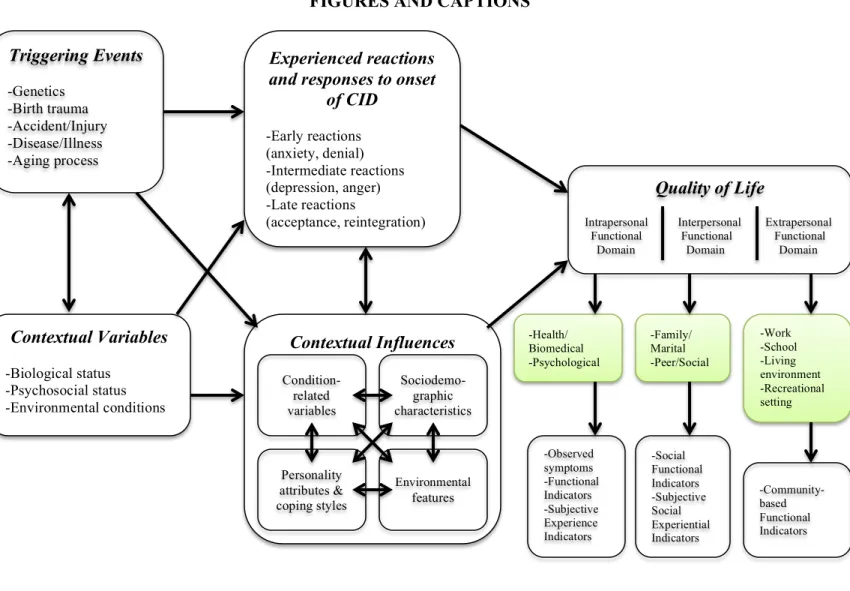
Livneh and Antonak’s Conceptual Framework
holistic view of the experience of someone with a chronic illness or disability (Parker &
Patterson, 2012). With this model in mind, interventions should be comprehensive and target the intrapersonal, interpersonal, and extrapersonal domains for a person with a chronic illness or disability.
This framework may help explain the experience of an adolescent or young adult with CKD, and help provide for effective interventions for transition readiness and self-management. This model has yet to be applied to the field of healthcare transition. If these factors are all pertinent to a successful healthcare transition, then future interventions can target these specific domains. In order to fully understand what is needed for a patient to complete a successful healthcare transition, Livneh and Antonak’s model needs to be investigated. Examining this model will provide insight into the psychosocial domains that affect healthcare transition and provide a guiding model for future healthcare transition interventions for adolescents and young adults with CKD.
Aims of the Study
This study examined how psychosocial adaption affects healthcare transition readiness and self-management for adolescents and young adults with CKD. The overall hypothesis was, the more psychosocially adapted adolescents or young adults are, the more prepared they will be for healthcare transition and to self-manage their condition. That is, the higher an individual’s intrapersonal, interpersonal, and extrapersonal functioning, the higher their transition readiness and self-management skills. Utilizing Livneh and Antonak’s framework the following
hypotheses were investigated: 1) Intrapersonal Functional Domain
i. Because adolescents with IBD with greater perceived regimen complexity, and objective reports of regimen complexity have been found to be less adherent to their disease regimen (Hommel, Greenley, Maddux, Gray, & Mackner, 2013) it is hypothesized that individuals with greater disease severity (higher CKD stage) will have lower transition readiness/self-management (higher scores on the UNC TRxANSITION scale and STARx Questionnaire).
b. Psychological Area
i. Because depression has been identified as a risk factor for nonadherence and poor self-management in a variety of chronic health conditions across all ages (DiMatteo, Lepper, & Croghan, 2000), and more depressive symptoms were correlated with nonadherence in youth with IBD (Gray, Denson, Baldassano, & Hommel, 2012) it is hypothesized that individuals with more depressive symptoms (higher scores on the CES-D) will have lower transition
readiness/self-management (lower scores on the UNC TRxANSITION scale and STARx Questionnaire).
2) Interpersonal Functional Domain a. Family and Marital Area
i. Because family cohesiveness is positively correlated with adherence to treatment regimen in individuals of all ages with medical conditions
family functioning (higher scores on the Family Relationship Index) will have higher transition readiness/self-management (higher scores on the UNC TRxANSITION scale and STARx Questionnaire).
b. Peer and Social Relations Area
i. Because various kinds of social support are associated with adherence to treatment regimens and self-management in individuals with chronic illnesses (DiMatteo, 2004), and in kidney disease, social support has been linked to increased survival (Cohen et al., 2007), it is hypothesized that individuals with more social support (higher scores on the Social Support Questionnaire) will have higher transition readiness/self-management (higher scores on the UNC TRxANSITION scale and STARx questionnaire).
3) Extrapersonal Functional Domain a. School Area
i. Because adolescents and young adults with CKD are at risk for poor academic functioning (Duquette, Hooper, Wetherington, Icard, & Gipson, 2007) and it has been noted that knowledge and organizational skills are related to self-management in pediatric patients with IBD (Hommel et al., 2013), it is hypothesized that individuals with higher academic quality of life (higher scores on the PedsQL school functioning scale) will have higher transition readiness/self-management (higher scores on the UNC TRxANSITION scale and STARx questionnaire).
i. Because a significant impact of physical functioning on self-management abilities has been found in patients with cardiovascular diseases, chronic obstructive pulmonary disease, and diabetes (Cramm & Nieboer, 2014) and disease interference with activities can also create a barrier to adherence in adolescents with IBD (Hommel & Baldassano, 2010; Ingerski, Baldassano, Denson, & Hommel, 2010), it is hypothesized that individuals who are able to participate in more leisure activities (higher scores on the PedsQL physical functioning scale) will have higher transition readiness/self-management (higher scores on the UNC TRxANSITION scale and STARx questionnaire). 4) Overall Model
a. Based on the literature on psychosocial factors, adolescents and young adults with CKD, and self-management, the following hypothesis was determined for an overall model:
i. Because of the literature supporting a strong relationship between both social support (Patel, Peterson, & Kimmel, 2005) and family functioning (Wamboldt & Wamboldt, 2000) with health outcomes and survival in individuals with chronic illness it is hypothesized that more social support (higher scores on the Social Support Questionnaire) and better family functioning (higher scores on the Family Relationship Index) will have the greatest impact on transition readiness/self-management (higher scores on the UNC TRxANSITION scale and STARx questionnaire), after controlling for demographic factors. Social support and family functioning were selected based on their strong
CHAPTER 2: METHODS
This IRB-approved study utilized data collected at the UNC Kidney Center from 2012-2013. As a research assistant, the author of this thesis helped recruit participants and enter the data into the database. The author was also responsible for obtaining and entering information from the patients’ medical records. The author completed all data analysis. The study and subsequent data analysis were funded by grants from the Renal Research Institute from 2012-2015.
Participants
To be eligible for recruitment, patients needed to be of transition-age, ranging from 12 to 29 years old. They must also have been diagnosed with CKD stage 2 and above. CKD stage was determined through a calculation of the estimated Glomerular Filtration Rate (eGFR), using the clinically common Schwartz formula (Schwartz & Work, 2009). Patients with a GFR of 89 and below were eligible for recruitment. Participants must have also had their diagnosis for three or more months. The measures deployed were administered in English, so all participants needed to be able to speak and read English. Patients with intellectual disabilities were not eligible for recruitment.
Measures
Demographics Questionnaire. This questionnaire included the participant’s date of
birth, sex, and race (See Appendix 1). The participant’s phone number and e-mail were recorded in case there was a need for additional contact. Their address was recorded for the purpose of sending the thank-you gift card. To save time in clinic, additional demographic questions were part of an online Qualtrics survey (See Appendix 2). The online survey included the following questions: age at time of diagnosis, and type of insurance. If the patient did not know what type of health insurance he or she had, this information was collected from the electronic medical record.
Health Literacy. Health literacy was measured through the Newest Vital Sign (NVS)
(Weiss et al., 2005) (See Appendix 3). The NVS scale measures both health literacy and numeracy via a food label with questions that are administered orally and scored as “yes” or “no.” Scores on the measure range from 0 to 6, with higher scores indicating better health literacy. The average time to administer the scale is approximately 3 minutes. The NVS displays both good internal consistency and criterion validity (Weiss et al., 2005).
Transition Readiness and Self-Management. Two validated scales were used to assess
transition readiness and self-management. The UNC TRxANSITION Scale (Ferris et al., 2012) is a disease non-specific provider-administered scale that assesses the following ten domains: Type of Condition, Medications, Adherence, Nutrition, Self-Management, Issues of Reproduction, Trade/School, Insurance, Ongoing Support, and New Providers (See Appendix 4). These
overall transition readiness or self-management score. Participants still in pediatric care received the adolescent and young adult version, which measures transition readiness, while participants in adult clinics received the adult version, which measures self-management. The inter-rater reliability of the scale has a weighted kappa statistic of 0.71 (Ferris et al., 2012). The measure also has good internal consistency, with all of the items on the scale correlating with their subscale in a moderate to strong fashion (r > 0.42) (Ferris et al., 2012). The total score of the TRxANSITION scale increases with age, which indicates good test-retest reliability (Ferris et al. 2012). For this study, an abbreviated version of the TRxANSITION scale was used to include only domains that were rated by the provider, as some of the items are more self-report in nature, such as those in the adherence and ongoing support domains.
The STARx questionnaire is a self-report transition readiness and self-management measure (See Appendix 5). The questionnaire is a total of 18 items that assesses six domains of transition including medication management, provider communication, engagement during appointments, disease knowledge, adult health responsibilities, and resource utilization. All of the domains are totaled to determine an overall reported transition readiness or self-management score.
Disease Severity. Disease severity was determined by an individual’s CKD stage. CKD
stage was determined through a calculation of estimated GFR using the Schwartz formula (Schwartz & Work, 2009). For participants that did not have available labs to calculate GFR, a trained research assistant reviewed the participant’s electronic medical record to determine their CKD stage through clinic and inpatient notes.
Depressive Symptoms. Depressive symptoms were assessed using the Center for
CES-D is an 11-item self-report scale that measures depressive symptomatology in the general population (Radloff, 1977). Internal consistency is high for the scale, with correlations between items at .85 for the general population, and .90 for patient populations (Radloff, 1977). The correlations for test-retest reliability range from .45 to .70 (Radloff, 1977). The CES-D scale also correlates with clinical scales for depression (Radloff, 1977). The scale shows discriminant validity, by strongly correlating with other depression scales such as the Bradburn Negative Affect and Bradburn Balance measures (Radloff, 1977). A factor analysis of the CES-D scale reveals four domains that the scale can determine including, depressed affect, positive affect, somatic and retarded activity, and interpersonal (Radloff, 1977). A cut-off score of 11 is indicative of significant or mild depressive symptomatology (Radloff, 1977).
Family Functioning. Family functioning was measured using the Family Relationship
Index (FRI) (Holahan & Moos, 1983) (See Appendix 7). This index measures the quality of family relationships by assessing cohesiveness, expressiveness, and conflict (Holahan & Moos, 1983). The FRI displays high reliability and good concurrent and construct validity (Holahan & Moos, 1983). The FRI is negatively related to physical and psychological symptoms, and has a moderate positive relationship with traditional measures of social support (Holahan & Moos, 1983). Scores on the scale range from 0 to 9, with higher scores indicating better family functioning.
Social Support. Social support was measured using the Social Support Questionnaire
1987). The test-rest reliability and correlations with other personality scales are acceptable (Sarason et al., 1987).
School Functioning. School functioning was measured using the PedsQL scale (Varni,
Seid, & Rode, 1999) (See Appendix 9). This measure is a five-point Likert Scale that asks questions about school behavior, with answers ranging from 0 (never) to 4 (almost always). The scores are then transformed to 0 to 100 as follows: 0=100, 1=75, 2=50, 3=25, and 4=0. The total score is computed by taking an average of scores on each item in the scale. Higher scores on the scale indicate better quality of life. The scale assesses how hard it if for participants to pay attention in class, how easily they forget things, how much trouble they have keeping up with schoolwork, how much school they miss because of not feeling well, and how much school they miss to go to the doctor or hospital. Item-internal consistency is adequate for the PedsQL scale, with correlations above the .40 standard (Varni et al., 1999). Internal consistency reliability is high, as 92% of correlations meet the .40 standard (Varni et al., 1999). The PedsQL shows clinical validity, as it is able to discriminate between patients that are on and off treatment (Varni et al., 1999).
Leisure Activities. Participants’ ability to participate in leisure activities was assessed
using another portion of the PedsQL scale (Varni et al., 1999) (See Appendix 9). The items from this part of the scale assess questions such as how hard it is for participants to do sport activities or exercise, how hard it is to run, and whether they have low energy. The physical functioning scale has the same psychometric properties and scoring as the school functioning scale (Varni et al., 1999). The physical functioning scale shows construct validity by correlated with school days missed in the past six months, and does not correlate with emotional distress, perceived
Procedure
Participants were recruited both over the phone and in pediatric and adult nephrology clinics at UNC Hospitals.
Clinic Recruitment. Patient eligibility was determined by a review of electronic medical
records via UNC Webcis. Each week a research assistant reviewed the adult and pediatric nephrology clinic schedules and created a password-protected list of eligible patients for recruitment. Research assistants approached eligible patients in the waiting room at their clinic appointment. The research assistant provided an overview of the study’s IRB-approved protocol to the patient. If the patient agreed, he or she first signed the IRB consent forms (See Appendix 10). Participants older than 18 consented to the IRB form and a HIPPA form. Participants under 18 signed an IRB assent form and their parent signed an IRB parental permission form and a HIPPA form as their personal representative. After the participant and the research assistant signed the consent forms, the demographics questionnaire was administered orally. The research assistant then administered the TRxANSITION Scale. If the participant had time in clinic he or she completed the rest of the questionnaires via the online Qualtrics survey. A laptop was provided to each participant to complete the survey. If a participant had difficulty reading the questions, then the research assistant read the questions out-loud to the participant. If the participant did not have time to complete the survey in clinic, they were e-mailed the survey to complete at home. After the participant completed both the orally administered scales and online survey they were mailed a $20 gift card as a thank you.
Phone Recruitment. The procedure for phone recruitment followed the same protocol as
phone.” All participants recruited over the phone had the link to the online survey e-mailed to them.
Data Analysis
Data were analyzed using the statistics program SPSS (Statistical Packages for the Social Sciences, PASW Statistics 18, 2009). Participant demographics were calculated using
frequencies and descriptive statistics. The relationship between each demographic factor, psychosocial factor, and the outcome variables (UNC TRxANSITION scale scores and STARx Questionnaire scores) was determined. Pearson correlations were used to evaluate the
relationship between continuous variables, and t-tests were used to evaluate the relationship between the dichotomous variables (e.g. gender) and outcomes. ANOVAs were used to evaluate the relationship between categorical variables (e.g. race) and the outcomes. Chi-square tests were used to evaluate the relationship between dichotomous and categorical variables (e.g. gender and race). The regression model was built using variables that had a significant relationship with the outcome variable. To examine the overall relationship between psychosocial factors and
transition readiness/self-management, the variables that had significant relationships with the outcome variables were entered into a hierarchical multiple regression. Additional demographic factors were added to the model if they were supported by previous literature as control
variables, even if no significant relationship was found with the outcome variable. Two
hierarchical multiple regressions were conducted, one with the UNC TRxANSITION scale as the outcome measuring provider-assessed transition readiness/self-management and one with the STARx Questionnaire as the outcome measuring self-reported transition
CHAPTER 3: RESULTS
Participant Characteristics
After removing all participants that did not have complete data from the sample, 143 participants were included in the final sample (Table 1). There were 57 males (39.9%) and 86 females (60.1%); 42.7% of the sample was Caucasian, 41.3% was African American, and 11.9% was Hispanic. Insurance was used as a proxy for the socioeconomic status of the participants; 37.1% had private insurance and 47.6% had public insurance. Diagnoses of the participants included glomerular disease, non-glomerular disease, systemic lupus erythematous (SLE), kidney transplant, and dialysis. The most prevalent diagnoses in this sample were post-kidney transplant (34.3%), glomerular disease (30.1%), and SLE (15.4%). The mean age of the sample was 20.57 years (±5.46 years) and mean age at diagnosis was 11.05 years (±8.17 years). The age of participants ranged from 12 to 31 years and age at diagnosis ranged from 0 to 28 years. For CKD stage, 22.4% of participants were classified as stage 2, 20.3% stage 3, 9.8% stage 4, and 47.6% stage 5.
Frequencies and Descriptives of Psychosocial Factors and Outcomes
The frequencies and mean scores of the psychosocial predictors used in analysis are presented in Table 2. Scores on the CES-D ranged from 0 to 27, with a mean of 7.43 (±5.60). In the sample, 36 participants (25.2%) had scores above 11, indicating significant or mild
depressive symptomatology. The mean score on the Family Functioning Index was 7.62 (±1.57), with scores ranging from 2 to 9. Two scores were calculated from the Social Support
SSQ Number Scores ranged from 0 to 9, with a mean of 5.32 (±2.52). The SSQ Satisfaction Score represents the quality of an individual’s social support. SSQ Satisfaction Scores ranged from 1 to 7, with a mean of 6.09 (±1.53). For the PedsQL, the physical functioning scores ranged from 6.25 to 100, with a mean 73.47 (±21.28), and the school functioning scores ranged from 0 to 100, with a mean of 64.65 (±20.27).
Mean scores were also determined for the outcomes used in the analysis (Table 2). The mean score on the UNC TRxANSITION scale was 4.97 (±1.33), with a range of 1.63 to 6.88, indicating overall high rates of provider-assessed transition readiness. Scores on the STARx Questionnaire ranged from 24 to 73, with a mean of 57.15 (±10.11), which is typical of the mean score for 75th percentile on the scale for this age group, indicating that this sample had high rates of self-reported transition readiness (Cohen et al., under review). The correlations between psychosocial factors and outcomes can be found in Table 3.
Intrapersonal Functional Domain
Greater disease severity was not associated with lower transition
readiness/self-management. Thus, in the Health and Biomedical Area of the model, there was no relationship between CKD stage and transition readiness/self-management.
For the Psychological Area of this domain, a significant positive correlation was found between depressive symptoms and transition readiness/self-management assessed by the UNC TRxANSITION scale. Interestingly, it was found that more depressive symptoms correlated with higher transition readiness/self-management (r=.210, p=.012).
Interpersonal Functional Domain
Relationship Index correlated with higher scores on the STARx Questionnaire (r=.296, p=.000). Thus, better family functioning correlated with higher transition readiness/self-management.
Significant positive correlations were found in the Peer and Social Relations Area between social support and transition readiness/self-management. Higher SSQ Number scores correlated with higher scores on the UNC TRxANSITION scale (r=.234, p=.005). This indicates that higher quantities of social support correlate with better transition
readiness/self-management. SSQ Satisfaction scores correlated with the STARx Questionnaire, such that better quality social support correlated with higher transition readiness/self-management (r=.178, p=.034).
Extrapersonal Functional Domain
No significant relationships were found between the School Area and transition readiness/self-management. However, it is important to note there was a trend towards
significance for higher academic quality of life correlating with higher transition readiness/self-management, as measured by the STARx Questionnaire (r=.158, p=.061).
For the Recreational Area of this domain, no significant relationships were found; no significant correlations were found between participation in leisure activities and transition readiness/self-management.
Overall Model
Two regression models were evaluated based on the demographic variables and psychosocial variables that displayed significant relationships with each measure of transition readiness/self-management. The regression models were built using variables that had a
Provider-Assessed Transition Readiness/Self-Management. Significant relationships
between the total TRxANSITION scale score and demographic variables were found including age (r=.578, p=.000), age at diagnosis (r=.264, p=.001), and health literacy (r=.457, p=.000). Females (M = 4.60, SD = 1.42) also scored higher than males (M = 5.21, SD = 1.22), t(141)= -2.746, p=.007). Though insurance did not display a significant relationship with the UNC TRxANSITION scale, this variable was added to the model to serve as a control for
socioeconomic status. Previous studies indicate health and transition outcome disparities as a result of socioeconomic status or insurance in individuals with CKD (Andreoni et al., 2013; Javalkar, Fenton, Cohen, & Ferris, 2014). Thus, the aforementioned demographic variables, along with depressive symptoms and quantitative social support were included in the hierarchical multiple regression.
Results of the final model for provider-assessed transition readiness/self-management are presented in Table 4. In step 1, demographic variables accounted for 44.2% of the variance in TRxANSITION scores (p=.006). In step 2, social support accounted for an additional 0.8% of the variance (p=.012). In step 3, depressive symptoms accounted for an additional 0.8% of the variance (p=.002). All together, age, sex, age at diagnosis, health literacy, insurance, quantitative social support, and depressive symptoms explained 45.9% of the variance in UNC
TRxANSITION scale scores (p=.002). The conceptual model for this outcome can be found in Figure 2.
Self-Reported Transition Readiness/Self-Management. Age and health literacy
the same controls as the provider-assessed model. Thus, age, healthy literacy, sex, age at
diagnosis, insurance, along with qualitative social support and family functioning were included in the regression for self-reported transition readiness/self-management.
Results of the final model for self-reported transition readiness/self-management are reported in Table 5. In step 1, the demographic variables accounted for 11.1% of the variance (p=.000). In step 2, family functioning accounted for an additional 5.7% of the variance
CHAPTER 4: DISCUSSION
This study examined the role of psychosocial factors in healthcare transition for
adolescents and young adults with CKD. Overall, the results highlight the importance of family functioning and social support to transition readiness and self-management. When examining transition readiness/self-management as assessed by a provider, both more depressive symptoms and social support, along with the demographic characteristics of older age, being female, older age at diagnosis, and higher health literacy play a role in how prepared an adolescent or young adult with CKD is to transition to adult healthcare and self-manage their condition. For transition readiness/self-management that is self-reported, better family functioning, higher quality social support, older age, and higher health literacy play a role.
Intrapersonal Functional Domain
Though studies in other populations of youth with chronic illnesses suggest that disease severity plays a role in self-management, in the present study, disease severity was not associated with transition readiness/self-management. A similar study that specifically examined
increase in medications, diet restrictions, and complexity of the healthcare regimen. One explanation for the present study’s finding is that these measures of disease severity were objective rather than subjective. It has been noted in other youth with chronic illnesses that greater perceived regimen complexity decreases self-management and adherence (Schurman, Cushing, Carpenter, & Christenson, 2011). Thus, for adolescents and young adults with CKD it may be more important to have an understanding of their perception of their disease severity and healthcare regimen when assessing transition readiness and self-management. Even if patients are in CKD stage 5, if they do not perceive their treatment regimen as complex, then they may be able to better self-manage their disease and be more prepared for transition. This factor of
perception of disease severity should be collected and evaluated in future studies for adolescents and young adults with CKD.
adults with CKD, it may be that anger is the key psychological factor in creating a barrier to adherence and self-management, rather than depression. Patients who are angry may be more resistant to accepting their condition and learning to self-manage. No measures of anger were included in the present study, so in future research it would be important to include this construct to compare to measures of depression.
Nonetheless, investigation of the positive relationship between depression and self-management in this cohort is still warranted because very few studies on psychological
functioning in individuals with and without chronic health conditions correlate depression with positive outcomes. One possible explanation for this finding may be that individuals with depression may be able to cope with life difficulties in the long-term after recovery (Spijker, 2004). Findings from The Netherlands Mental Health Survey and Incidence Study (NEMESIS) suggest that after symptomatic recovery, there can be improvements in daily activities and work, especially as recovery time increases (Spijker, 2004). While this does not account for the
participants in this study that were still reporting a high number of depressive symptoms, this may suggest that the patients in this study with co-occurring depression were starting to
experience resiliency. Resiliency can strengthen adaptation to chronic illness (Kralik, Van Loon, & Visentin, 2006). Individuals who are able to reflect and interpret their experience with chronic illness are more likely to be resilient and develop a stronger sense of self-worth (Kralik, 2006). Thus, it is possible that participants in this study reporting higher amounts of depressive
symptoms had the opportunity to discuss this experience with a mental health professional if they were receiving treatment. In future studies it would be helpful to collect information on
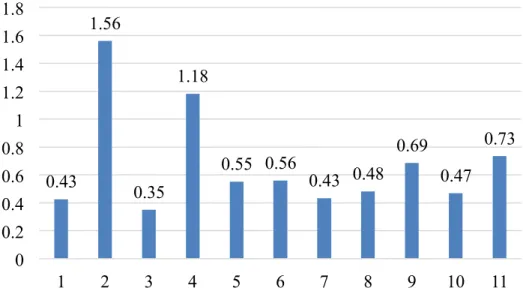
Further investigation into this study’s finding also revealed that the highest scoring items on the CES-D were those related to physical symptoms (Figure 4). On the CES-D scale
(Appendix 6), item 2, “I felt that everything I did was an effort,” item 4, “My sleep was restless,” and item 11 “I could not get “going”” had the highest average scores. These items tap into the physiological symptoms of depression that are also the symptoms associated with kidney disease. Thus, because these items are related to physical symptoms and patients with CKD typically experience many physical symptoms, it might be that participants were rating these items higher not because they were depressed, but because they have kidney disease. Patients that have better self-management skills might be more attuned to the physical symptoms of their disease, which may have caused them to rate these items higher, thus accounting for the overall trend that patients with more depressive symptoms have better transition
readiness/self-management skills. In future studies more objective measures of psychological functioning should be used, such as diagnoses given by a mental health provider, or measures that do not include physical symptoms, in order to further examine this finding.
Interpersonal Functional Domain
Overall it seems that the interpersonal domain of adaptation to chronic illness (Livneh, 2001) plays a critical role in how adolescents and young adults with CKD are prepared to transition to adult care or self-manage their disease. Both hypotheses in this domain were supported, such that individuals with better family functioning and higher quality social support had higher self-reported transition readiness/self-management, and those with higher quantities of social support had higher transition readiness/self-management as assessed by the provider.
measures the outcome by self-report. This finding adds to the existing literature on the
importance of family functioning and family environment on adaptation to chronic illness. More importantly, this strengthens the available literature on the role of family functioning in self-management. This is the first study to investigate the role of family functioning in preparation for transition readiness and self-management in youth with CKD. Healthcare professionals should take this factor into consideration when working with adolescents and young adults with CKD, as it may play a critical role in the health outcomes of their patients. If a patient is at risk for poor family functioning, it is important for the healthcare provider to make referrals to mental health professionals or provide interventions and additional support during the transition process to ensure these patients are prepared. If family functioning is not addressed and there is a poor transition to adult healthcare and lack of self-management skills, then patients are at risk for negative health outcomes, as documented by previous research (Watson, 2005).
It was also found that participants with more social support had higher transition
readiness as assessed by both the UNC TRxANSITION scale and STARx Questionnaire. Patients with higher levels of social support had higher provider-assessed transition
readiness/management. Similarly, patients with higher-rated quality of social support had higher self-reported transition readiness/self-management. DiMatteo (2004) highlights how different forms of social support play a role in adherence to medical treatment. Practical social support is
consideration a patient’s available practical support. Nonetheless, healthcare providers should also examine their patients’ social support network in order to provide appropriate interventions or extra support with patients who are at risk for poor transition readiness/self-management. Extrapersonal Functional Domain
Overall Model
Two models for the role of psychosocial factors in transition readiness/self-management were identified in this study. When providers are assessing transition readiness/self-management, older age, being a female, older age at diagnosis, more depressive symptoms, and more social support may all play a role in outcomes for adolescents and young adults with CKD.
Demographic factors played a much larger role in the model for provider assessed-transition readiness when compared to the readiness assessed by self-report. Older patients, females, patients with an older age at diagnosis, and patients with higher health literacy had higher provider-assessed transition readiness and self-management. These findings parallel those found in previous research on the role of socioecologic factors in transition readiness for youth with CKD (Javalkar et al., 2014). These demographic factors, along with more depressive symptoms and higher quantities of social support played a role in transition readiness/self-management assessed by the provider for this cohort. These results identify risk factors for poor transition readiness/self-management in youth with CKD and can help guide interventions to improve these outcomes.
When assessing transition readiness/self-management by self-report, older age, higher health literacy, better family functioning, and higher quality of social support played a role. Age was also an individual predictor of transition readiness in both models. This highlights a natural progression in skills that patients with CKD may experience, as they get older. However, in the future it would be important to understand factors that may impact or inhibit this natural
in self-management for youth with chronic conditions. Additionally, this is a novel finding for adolescents and young adults with CKD. Future transition readiness/self-management
interventions should target family functioning, as literature in other youth chronic illness populations suggests that optimal family functioning can improve self-management and quality of life (Whittemore, 2014).
It was interesting to note that though scores on both outcome scales were highly
Though social support was a significant predictor of transition readiness and
self-management for both scales, depressive symptoms and family functioning were correlated with only one of the scales. If a provider is assessing transition readiness and self-management, more depressive symptoms are correlated with better preparation and skills. It may be that the provider feels sympathy if the patient is experiencing depressive symptoms, and subsequently rates the patient higher in transition readiness and self-management skills. The provider may also be more motivated to work and improve skills for patients that are having more psychological difficulties associated with their condition. Psychological functioning should be taken into account when working with transition-age youth, but all patients should be supported and provided sufficient education in order to be prepared for transition and fully develop their self-management skills.
Another interesting difference between the two models was that the variables in the model for provider-assessed transition readiness/self-management accounted for a much greater percentage of variance in scores than those in the self-reported model. Demographic factors in the model examining provider-assessed transition readiness accounted for over 40% of the variance, while all of the variables in the self-reported model, both demographic and psychosocial, only added up to 17.3%. This further demonstrates a potential bias within providers when working with adolescents and young adults with CKD. Providers may tend to rate their patients higher if they are older in age, female, were diagnosed at an older age, or have better health literacy. This highlights a need for further examination and future studies to
understand the etiology of these discrepancies. Limitations
study. Aside from the UNC TRxANSITION scale, all measures were collected through self-report. While this could promote participants to be more honest with their answers, this could also bias the results because they are subjective. In the future, more objective measures could be utilized to solidify these findings. Furthermore, it is important to collect objective measures of health outcomes, such as lab results, in order to certify the effect poor transition readiness/self-management can have on the health outcomes in adolescents and young adults with CKD. The sample was also collected from one site, which reduces the generalizability of the study. However, the participant characteristics are representative of the population of adolescents and young adults with CKD throughout the United States. Furthermore, the participants resided across all parts of the state of North Carolina. In the future it would be important to collect data from different geographic regions of the country to increase the validity of these novel findings. Future Directions
CHAPTER 5: CONCLUSIONS
This study examined the role of psychosocial factors in healthcare transition for
adolescents and young adults with CKD. The model of adaptation to chronic illness proposed by Livneh and Antonak (2001) guided the proposed hypotheses. The results showed that social support and family functioning play a significant role in healthcare transition and
self-management for adolescents and young adults with CKD. These factors should be assessed with all youth with CKD in order to guide interventions to improve transition
TABLES
Table 1
Participant Characteristics
Variable N Range Mean ± SD
Age 143 12 – 31 20.50 ± 5.46
Age of Diagnosis 143 0 – 28 11.08 ± 8.14
Variable N Percentage
Sex Male
Female 57 86 39.9 60.1
Race Caucasian African American Hispanic Other Native American Asian 61 59 17 3 2 1 42.7 41.3 11.9 2.1 1.4 0.7 Insurance Public Private
Table 2
Frequencies and Descriptive Statistics of Psychosocial Factors and Outcomes
Variable N Range Mean ± SD
Depressive Symptoms 143 0 – 27 7.43 ± 5.60
Family Functioning 143 2 – 9 7.62 ± 1.57
Social Support Quantity 143 0 – 9 5.32 ± 2.52
Social Support Quality 143 1 – 7 6.09 ± 1.53
Academic Quality of Life 143 0 – 100 64.65 ± 20.27
Physical Quality of Life 143 6.25 – 100 73.47 ± 21.28
TRxANSITION Scale Total 143 1.63 – 6.88 4.97 ± 1.33
Table 3
Correlations Among Variables
Variable T-scale STARx Age Age
at Dx Depression Family SSQN SSQS Academic QOL Physical QOL
T-scale --
STARx .371*** --
Age .578*** .281** --
Age at Dx .264** .069 .283** --
Depression .210* -.133 .210* .133 --
Family .159 .296*** .165* .123 -.328*** --
SSQN .234** .111 .142 .115 -.115 .162 --
SSQS .037 .178* -.055 -.107 -.146 .323*** .183* -- Academic
QOL
.000 .158 .098 -.108 -.428*** .253** .027 .078 -- Physical
QOL
-.102 .119 -.230** -.083 -.422*** .090 .078 .071 .511*** -- Notes. T-scale, UNC TRxANSITION Scale; STARx, STARx Questionnaire; Age at Dx, Age at
Diagnosis; Depression, Depressive Symptoms; Family, Family Functioning; SSQN, Social Support Quantity; SSQS, Social Support Quality; QOL, Quality of Life.
Table 4
Hierarchical Multiple Regression Analysis of Provider-Assessed Transition Readiness/Self-Management
Variable β p Cumulative
R2
ΔR2
Step 1 .442 .442
Age .438 .000
Sex .106 .105
Age at Diagnosis .047 .485
Insurance -.044 .507
Health Literacy .262 .000
Step 2 .451 .008
Social Support .110 .102
Step 3 .459 .008
Depressive Symptoms .096 .153
Table 5
Hierarchical Multiple Regression Analysis of Self-Reported Transition Readiness/Self-Management
Variable β p Cumulative
R2
ΔR2
Step 1 .111 .111
Age .239 .006
Sex .073 .365
Age at Diagnosis -.032 .702
Insurance -.095 .245
Health Literacy .044 .613
Step 2 .167 .057
Family Functioning .215 .012
Step 3 .173 .006
Social Support .086 .323
FIGURES AND CAPTIONS
Antecedents
Process
Outcomes
Figure 1. A model depicting the structure, content, and process of psychosocial adaptation to CID (Livneh, 2001).
Triggering Events -Genetics -Birth trauma -Accident/Injury -Disease/Illness -Aging process Contextual Variables -Biological status -Psychosocial status -Environmental conditions Experienced reactions and responses to onset
of CID -Early reactions (anxiety, denial) -Intermediate reactions (depression, anger) -Late reactions (acceptance, reintegration) Contextual Influences Condition-related variables
Sociodemo-graphic characteristics
Personality attributes & coping styles
Environmental
features
Quality of Life
Intrapersonal Interpersonal Extrapersonal Functional Functional Functional Domain Domain Domain
-Health/ Biomedical -Psychological
-Family/ Marital -Peer/Social
Figure 2. Conceptual model of the relationship between psychosocial factors and provider-assessed transition readiness/self-management.
Independent
Variables Dependent Variable
Provider-Assessed Transition Readiness/
Self-Management Depressive
Symptoms
Quantitative Social Support
Age
Health Literacy Sex Age at Diagnosis
Figure 3. Conceptual model of the relationship between psychosocial factors and self-reported transition readiness/self-management.
Independent
Variables Dependent Variable
Family Functioning
Qualitative Social
Support Self-Reported
Transition Readiness/ Self-Management Age
Sex Age at Diagnosis
Insurance
Figure 4. Mean score by item on the CES-D scale. 0.43
1.56
0.35 1.18
0.55 0.56
0.43 0.48 0.69
0.47 0.73
0 0.2 0.4 0.6 0.8 1 1.2 1.4 1.6 1.8
APPENDIX 1: DEMOGRAPHICS QUESTIONNAIRE
Grant Info sheet Study ID: ________
Name: __________________________________________________________
DOB (mm/dd/yyy): ________________________________________________
Sex: ____________________________________________________________
Race: ___________________________________________________________
Address: _________________________________________________________
_________________________________________________________
_________________________________________________________
Phone: __________________________________________________________
Email: ___________________________________________________________
APPENDIX 10: IRB APPLICATION
University of North Carolina at Chapel Hill Assent to Participate in a Research Study Minor Subjects (7-14 yrs)
________________________________________________________________________
Consent Form Version Date: 1/28/2014
IRB Study # 07-0352
Title of Study: Successful Transition to Adulthood with Therapeutics (STARx)
Person in charge of study: Maria Ferris
Where they work at UNC-Chapel Hill: Unc Kidney Center
Other people working on this study: Kristi Bickford, Nicole Fenton, Sarah Cohen, Karina Javalkar,
Alex Phillips, Mia Lassiter, Ali Annaim
The people named above are doing a research study.
These are some things we want you to know about research studies:
Your parent needs to give permission for you to be in this study. You do not have to be in this study if you don’t want to, even if your parent has already given permission.
You may stop being in the study at any time. If you decide to stop, no one will be angry or upset with you.
Sometimes good things happen to people who take part in studies, and sometimes things happen that they may not like. We will tell you more about these things below.
Why are they doing this research study?
The reason for doing this research is to learn more about how young people who have health conditions grow up to become healthy adults. We want to find out what young people do and do not know about their health. We also want to find out how having a health condition has affected other parts of your life like your friends, family, and overall happiness. This will help doctors know how to better teach other kids about their health and taking care of themselves.
Why are you being asked to be in this research study?
You are being asked to be in this study because you are a young person who has a health condition and will grow up to be an adult with a health condition one day.
How many people will take part in this study?
If you decide to be in this study, you will be one of about 750 people in this research study.
What will happen during this study?
choice:
_____ OK to record me during the study
_____ Not OK to record me during the study
This study will take place at the UNC Children's Hospital or the Ambulatory Care Clinic (ACC) and will last until you or your parent withdraws consent.
Who will be told the things we learn about you in this study?
The only people who will be told the things we learn about you in this study are your parents, your doctor, and the people listed on the first page of this form.
What are the good things that might happen?
People may have good things happen to them because they are in research studies. These are called “benefits.” There is little chance you will benefit from being in this research study.
What are the bad things that might happen?
Sometimes things happen to people in research studies that may make them feel bad. These are called “risks.” We do not think any bad things will happen to you if you take part in this study. You should report any problems to the researcher
Will you get any money or gifts for being in this research study?
You will not get any money or gifts for being in this research study.
Who should you ask if you have any questions?
If you have questions you should ask the people listed on the first page of this form. If you have other questions, complaints or concerns about your rights while you are in this research study you may contact the Institutional Review Board at 919-966-3113 or by email to [email protected].
If you sign your name below, it means that you agree to take part in this research study.
______________________________________________________ Sign your name here if you want to be in the study
____________________ Date
______________________________________________________ Print your name here if you want to be in the study
______________________________________________________
Signature of Research Team Member Obtaining Assent ____________________ Date
______________________________________________________ Printed Name of Research Team Member Obtaining Assent
REFERENCES
Andreoni, K. A., Forbes, R., Andreoni, R. M., Phillips, G., Stewart, H., & Ferris, M. (2013). Age-related kidney transplant outcomes: Health disparities amplified in adolescence. JAMA Internal Medicine, 173(16), 1524-1532.
Ansell, B. M., & Chamberlain, M. A. (1998). Children with chronic arthritis: The management of transition to adulthood. Baillèire’s Clinical Rheumatology, 12(2), 363-373.
Barlow, J., Wright, C., Sheasby, J., Turner, A., & Hainsworth, J. (2002). Self-management approaches for people with chronic conditions: A review. Patient Education and Counseling, 48(2), 177-187.
Beery, T. A. (1995). Gender bias in the diagnosis and treatment of coronary artery disease. Heart & Lung: The Journal of Acute and Critical Care, 24(6), 427-435.
Bell, L. (2007). Adolescent dialysis patient transition to adult care: A cross-sectional survey. Pediatric Nephrology, 22(5), 720-726.
Bell, L. (2007). Adolescents with renal disease in adult world: Meeting the challenge of transition of care. Nephrology Dialysis Transplantation, 22(4), 988-991.
Blum, R.W. (2002). Introduction: Improving transition for adolescents with special healthcare needs from pediatric to adult-centered healthcare. Pediatrics, 110(3), 1301-1303.
Blum, R. W., Garell, D., Hodgman, C. H., Jorissen, T. W., Okinow, N. A., Orr, D. P., & Slap, G. B. (1993). Transition from child-centered to adult health-care systems for adolescents with chronic conditions. A position paper for the Society for Adolescent Medicine. Journal of Adolescent Health, 14(7), 570-576.
Bronheim, S., Fiel, S., Schidlow, D., MaGrab, P., Boczar, K., & Dillon, C. (1988). Crossings: a manual for transition of chronically ill youth to adult healthcare. Unpublished
manuscript, Child Development Center, Georgetown University, Washington, DC. Callahan, S., Todd, M. D., Winitzer, R. F., & Keenan, P. (2001). Transition from pediatric to
adult-oriented care: A challenge for patients with chronic disease. Current Opinion in Pediatrics, 13(4), 310-316.
Capelli, M., MacDonald, N. E., & McGrath, P. J. (1989). Assessment of readiness to transfer to adult care for adolescents with cystic fibrosis. Children’s healthcare: Journal of the Association for the Care of Children’s Health, 18(4), 218-224.