STUDIES TOWARDS THE CHEMOENZYMATIC SYNTHESES OF THIOPEPTIDES AND THIOMARINOL AND VISIBLE LIGHT CATALYZED O-GLYCOSYLATION OF
THIOGLYCOSIDES
Walter Jose Wever
A dissertation submitted to the faculty of the University of North Carolina at Chapel Hill in partial fulfillment of the requirements for the degree of Doctor of Philosophy in Pharmaceutical Sciences in the Doctoral Program of the UNC Eshelman School of Pharmacy
(Division of Chemical Biology and Medicinal Chemistry).
Chapel Hill 2016
Approved by: Albert Bowers Scott Singleton Tim Willson
ABSTRACT
Walter Jose Wever: Studies Towards The Chemoenzymatic Syntheses Of Thiopeptides And Thiomarinol And Visible Light Catalyzed O-Glycosylation Of Thioglycosides
(Under the direction of Albert A. Bowers)
Over 2 million people in the United States, and millions more worldwide, are affected by antibiotic resistant bacterial infections. The discovery of new antibiotics has been stalled by the lack of incentives from pharmaceutical companies and academia from both an economic and regulatory standpoint. The advent of next-generation DNA sequencing and gene annotation through homology models has provided a vast pool of biosynthetic clusters from which new and old bioactive molecules can be predicted. This research focuses on the characterization of the enzymes TclM, TmlU, and HolE and the visible light activated O-glycosylation of thioglycosides.
We have characterized the enzyme TclM in the thiocillin biosynthetic pathway from Bacillus cereus ATCC 14579 as a pyridine synthase by ligating a leader peptide recognition sequence to a semi-synthetic core substrate through native chemical ligation and subsequent conversion of cysteine side chains to dehydroalanines by elimination of a trialkylated tetrahydrothiophene.
were done on the dithiolopyrrolone holothin and found group promiscuity at the endocyclic and exocyclic amides but bioactivity was lost when the disulfide was oxidized to the thiosulfinate moiety. Further reactivity studies showed the ability of dioxoholomycin to oxidize small molecule thiols and redox-sensitive cysteines in the proteins YwlE and AtAPSK.
ACKNOWLEDGEMENTS
My journey through graduate school has not been a lonely one. There are many people who have had a strong influence on the path. First, I would like to thank God for giving me the strength to walk this path, and for guiding me through this stage in my life. Second, I want to thank my wife Jennifer; she is my everyday inspiration, and all that I do is for our future. Thank you for being there in both the good and the bad times. You are an amazing person, and I am very lucky to have you by my side.
I would like to thank my advisor, Dr. Albert Bowers, for his guidance throughout my doctoral studies. You have taught me with your dedication and perseverance how to be successful, and I am glad that I had the opportunity to learn from you. Your passion for science is undeniable, and I hope I can take that passion with me wherever I go.
Thank you to all who have been part of the Bowers laboratory: Mark Westbroek, Maris Cinelli, Scott Allen, Rachel Bleich, Paul Himes, Nicoleta Economou, Jonathan Bogart, Swapnil Ghodge, Kelly Bird, Steven Fleming, Sarah Jane Bassett, Sungwon Hwang, and Caitlin Lee. I learned a lot from each one and I hope that I can leave by having a positive impact in your scientific careers. A special thanks to Dr. Bo Li and her laboratory for allowing me to collaborate with them in the dithiolopyrrolone project and for providing with valuable information and input regarding my projects. Thank you to Dr. Karl Koshlap for his assistance with NMR experiments.
Finally, I would like to thank my family for their support. To my grandfather Roberto and my grandmother Lesvia, thank you for preparing me during my early formative years to be successful. To my mom, Ana Lucrecia, and my brothers, Christian and Fernando, I would like to thank you for your continual support. To my uncle Estuardo, my aunt Regina, and my cousins Maria Regina and Estuardo, thank you for always reminding me that love is a big part of family. Most of all, I would like to thank my uncle Roberto, my aunt Veronica, and my cousin Ximena for giving the opportunity to follow my dream and to pursue a career in the chemistry field. Without your help, I would not be where I am. Thank you for welcoming me to your immediate family and for believing in me.
TABLE OF CONTENTS
LIST OF TABLES ... xii
LIST OF FIGURES ... xiii
LIST OF SCHEMES ...xv
LIST OF ABBREVIATIONS ... xvi
CHAPTER 1: INTRODUCTION ...1
1.1 Antibiotic Resistance ...1
1.2 REFERENCES ...6
CHAPTER 2: CHEMOENZYMATIC SYNTHESES OF THIAZOLYL PEPTIDES ...8
2.1 Introduction ...8
2.2 Isolation of TclM ...14
2.3 Synthesis of Thiazolyl Peptide Analogue of Thiocillin ...15
2.3.1 Isolation of TclE-H’s Leader Peptide ...15
2.3.2 Synthesis of Thiazolyl Peptide Analogue Core ...16
2.3.3 Native Chemical Ligation and Dehydroalanine formation ...21
2.4 TclM Assay ...22
2.5 Mutagenesis Studies of TclM ...23
2.6 Probing The Leader Peptide Requirement of TclM ...26
2.7 Probing TclM and TbdD by Solid Phase Peptide Synthesis of Thiazol Peptides ...28
2.9 Summary ...33
2.10 Experimental ...34
2.10.1 General Methods ...34
2.10.2 Synthesis ...37
2.10.3 Solid Phase Peptide Synthesis ...59
2.10.4 Cloning of tclM and tbtD into Ligation Independent Cloning pMCSG9 vector ...62
2.10.5 Cloning of tclE-H’s Leader Peptide into Sequence and Ligase Independent Cloning pETXSH vector ...63
2.10.6 Protein Expression and Purification ...65
2.10.7 Native Chemical Ligations ...68
2.10.8 Desulhydrylation of Cysteine Side Chains to Dehydroalanines ...69
2.10.9 Cyclization Assays ...70
2.10.10 Leader Peptide Truncations ...70
2.10.11 Expression of Thiocillin ...71
2.10.12 Quickchange Mutagenesis of tclM-mutants in pHT01 or pMCSG9 and Transformation into B. cereus ATCC 14579 tclM-KO ...71
2.11 REFERENCES ...74
CHAPTER 3: CHEMOENZYMATIC SYNTHESIS OF THIOMARINOL AND STRUCTURE-ACTIVITY-RELATIONSHIP OF ITS DITHIOLOPYRROLONE CONSTITUENT ...78
3.1 Introduction ...78
3.4 Syntheses and Biological Activities of Dithiolopyrrolone Analogues ...85
3.5 Pull-down Assay with Stable Isotope Labeling by Amino Acids ...89
3.6 Oxidized Holomycin Reactivity ...92
3.7 In vivo Reduced Glutathione Analysis of Holomycin Treated in Escherichia coli ...95
3.8 Summary ...97
3.9 Experimental ...97
3.9.1 General Methods ...97
3.9.2 Synthesis ...98
3.9.3 Ywle Expression, Purification, and Assay ...109
3.9.4 AtAPSK Expression, Purification, and Assay ...110
3.9.5 Dioxoholymycin Reactivity with N-Acetylcysteine ...111
3.9.6 Measuring Glutathione Content in E. coli MG1655 ...111
3.10 REFERENCES ...114
CHAPTER 4: VISIBLE LIGHT O-GLYCOSYLATION OF THIOGLYCOSIDES ...116
4.1 Introduction ...116
4.2 Visible Light Activation of Thioglycosides ...120
4.3 Mechanistic Studies ...124
4.4 Proposed Mechanism ...128
4.5 Summary ...129
4.6 Experimental ...130
4.6.1 General Methods ...130
4.6.2 Experimental Procedures ...131
CHAPTER 5: CONCLUSION ...142
APPENDIX A: SPECTRA CHAPTER 2 ...144
APPENDIX B: SPECTRA CHAPTER 3 ...165
LIST OF TABLES
Table 2.1 – Leader Peptide Truncations of TclE-H ...27 Table 2.2 - Results of constructed cores by SPPS with TclM and TbtD ...31 Table 3.1 - Biological activities against HeLa cells and N. gonorrhoeae
LIST OF FIGURES
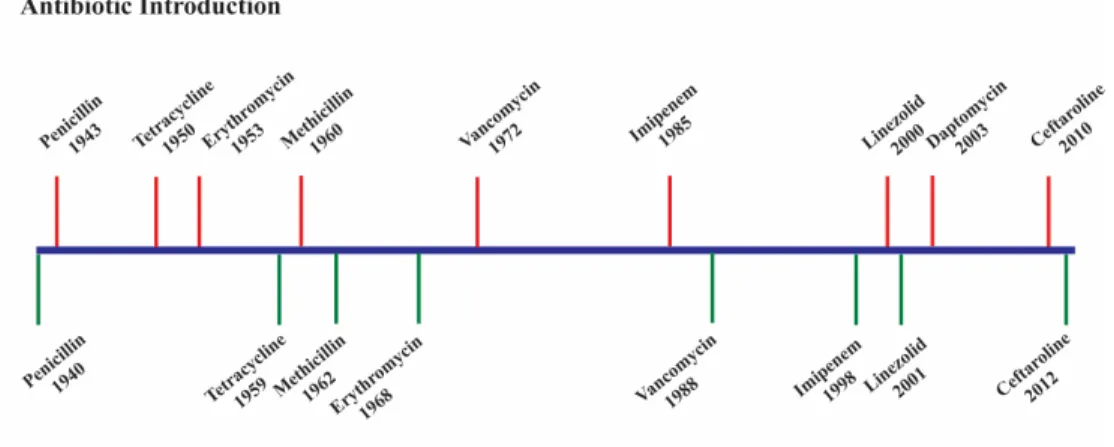
Figure 1.1 - Timeline depicting bacterial resistance ...1
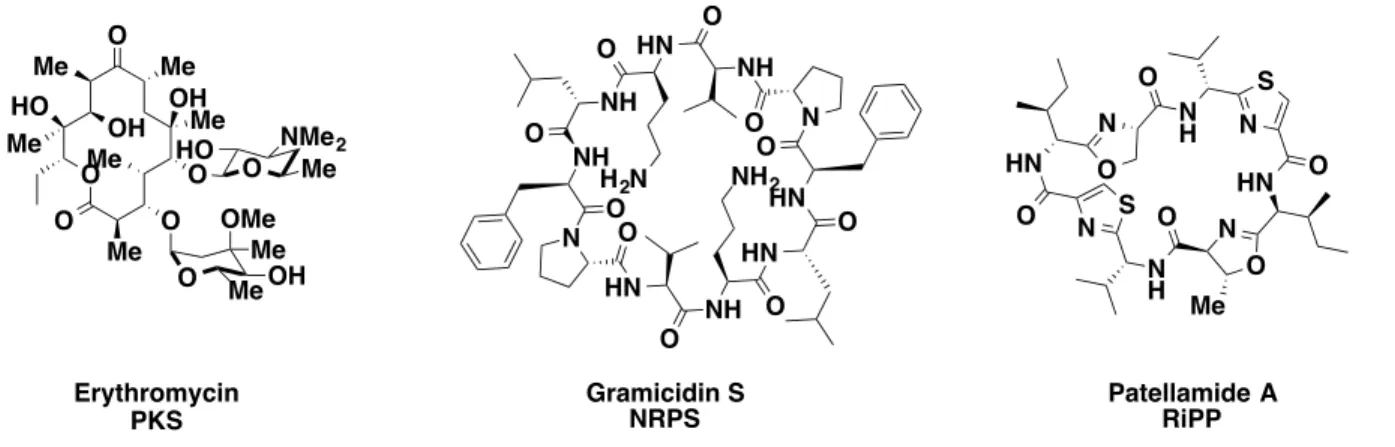
Figure 1.2 - Bioactive molecules from three biosynthetic machineries ...4
Figure 2.1 - Overview of ribosomally encoded and post-translationally modified peptides ...9
Figure 2.2 - Members of the thiazolyl peptide family ...11
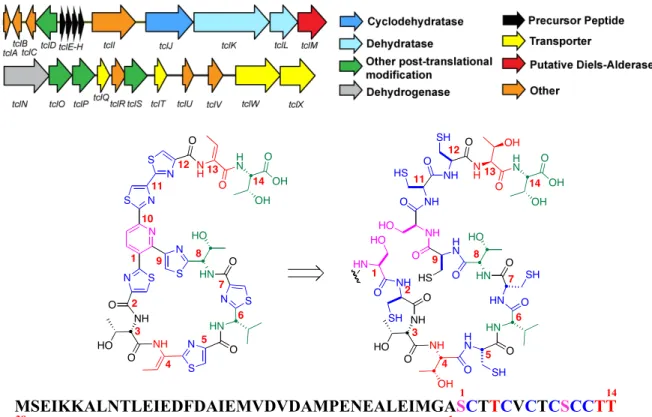
Figure 2.3 - Thiocillin biosynthetic pathway ...13
Figure 2.4 - Suggested mechanism for pyridine ring formation in thiocillins ...14
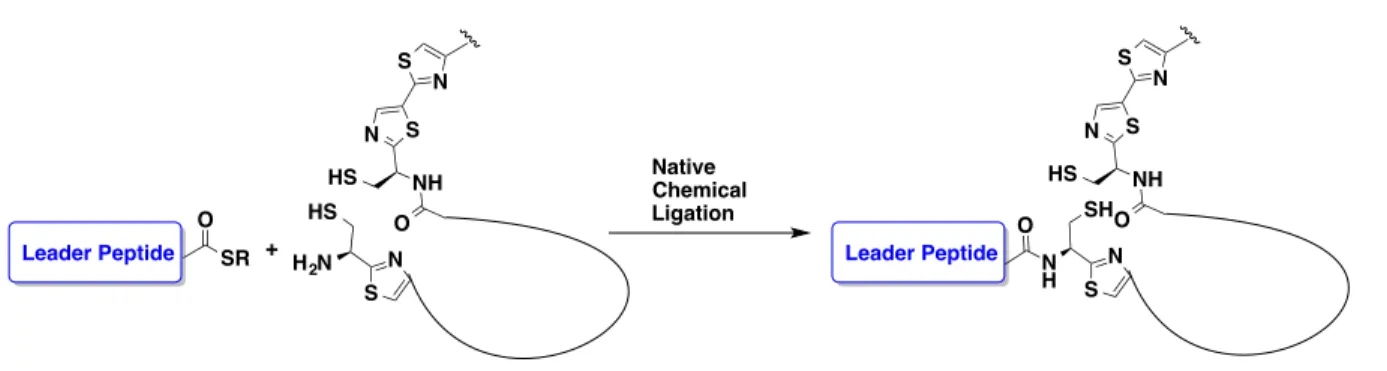
Figure 2.5 - Strategy for substrate preparation for TclM ...15
Figure 2.6 - Isolation of TclE-H’s leader peptide as a C-terminal thioester ...16
Figure 2.7 - Effects of substitutions in thiocillin ...17
Figure 2.8 - Formation of thiocillin analogue by TclM ...22
Figure 2.9 - Probing conserved residues in TclM and its homologues ...25
Figure 2.10 - In vitro production of thiocillins by TclM and TclM-mutants at 350 nm ...26
Figure 2.11 - Production of thiocillin analogue by truncated leader peptide sequences ...28
Figure 2.12 - Overall SPPS scheme for thiazolyl peptide analogues ...30
Figure 2.13 - Purified TclM and homologues as 6xHis-MBP-TEV-Fusions ...33
Figure 3.1 - Structures related to thiomarinol biosynthesis ...79
Figure 3.2 - Pseudomonic acid C and holothin ligation by TmlU and HolE ...83
Figure 3.3 - Representative members of the dithiolopyrrolone family of natural products ....84
Figure 3.4 - Rational design of dithiolopyrrolone analogs ...86
Figure 3.5 - Workflow for SILAC pull-down assay with dithiolopyrrolones ...90
Figure 3.6 - SILAC pull-down results ...91
Figure 3.8 - Dioxoholomycin oxidation of YwlE and AtAPSKΔ77 ...94
Figure 3.9 - Quantifying reduced and oxidized glutathione in treated E. coli MG1655 ...96
Figure 4.1 – O-linked sugar containing antibiotics ...117
Figure 4.2 - Commonly utilized visible light photoredox cycles ...118
Figure 4.3 - Commonly utilized visible light catalysts ...119
Figure 4.4 - Glycochemistry reactivity ...120
Figure 4.5 - Mechanistic studies probed by NMR ...126
Figure 4.6 - Loss of anomeric selectivity during reaction progress ...127
Figure 4.7 - Hydrogen detection during reaction ...128
LIST OF SCHEMES
Scheme 2.1 - Retrosynthetic analysis of thiocillin core analogue ...18
Scheme 2.2 - Synthesis of the core analogue of thiocillin ...20
Scheme 2.3 - Preparation of TclM substrate ...21
Scheme 3.1 - Synthesis of pseudomonic acid C from pseudomonic acid A ...81
Scheme 3.2 - Synthesis of holothin hydrochloride ...82
Scheme 3.3 - Synthesis of pseudomonyl C holothinamide ...83
LIST OF ABBREVIATIONS 1D NMR One dimensional nuclear magnetic resonance 2D NMR Two dimensional nuclear magnetic resonance ATP Adenosine 5’-triphosphate
Boc tert-butyloxycarbonyl
CHCl3 Chloroform
CoA Coenzyme A
DCM Dichloromethane
DHA Dehydroalanine
DHB Dehydrobutyrine
DIPEA N,N-Diisopropylethyl amine DMAP 4-Dimethylamino pyridine
DME 1,2-Dimethoxyethane
DMF N,N-Dimethylformamide
DMSO Dimethylsulfoxide
dqf-COSY Double quantum filtered correlation spectroscopy
DTP Dithiolopyrrolone
EBP Ethyl bromopyruvate
EDC*HCl N-(3-Dimethylaminopropyl)-N′-ethylcarbodiimide hydrochloride EF-G Elongation factor G
EF-Tu Elongation factor thermo unstable
EtOAc Ethyl acetate
Fmoc 9-Fluorenylmethoxycarbonyl
Gn Guanidine
GSH L-Glutathione, reduced GSSG L-Glutathione, oxidized
HATU N-[(Dimethylamino)-1H-1,2,3-triazolo-[4,5-b]pyridin-1-ylmethylene]-N-methylmethanaminium hexafluorophosphate N-oxide
HCl Hydrochloric acid
HEPES N-(2-Hydroxyethyl)piperazine-N′-(2-ethanesulfonic acid)
Hex Hexanes
HFIP 1,1,1,3,3,3-Hexafluoroisopropanol HMBC Heteronuclear Multiple Bond Correlation
HOBt 1-Hydroxybenzotriazole
HOSu N-Hydroxysuccinimide
HPLC High Performance Liquid Chromatography HSQC Heteronuclear Single Quantum Correlation IPTG Isopropyl β-D-1-thiogalactopyranoside LC/MS Liquid chromatography–mass spectrometry
LED Light-emitting diode
LIC Ligation independent cloning
LP Leader peptide
M-KO tclM knockout
mBBr Monobromobimane
MeCN Acetonitrile
MeOH Methanol
MESNa Sodium 2-mercaptoethanesulfonate MIC Minimum inhibitory concentration MLCT Metal to ligand charge transfer
MRSA Methicillin-resistant Staphylococcus aureus
MS/MS Tandem mass spectrometry
NaOH Sodium hydroxide
NaPi Sodium phosphate
NCL Native chemical ligation
NMM N-methylmorpholine
NMR Nuclear magnetic resonance
NRPS Non-ribosomal peptide synthesis ORF Origin of replication fork
PAA Pseudomonic acid A
PAB Pseudomonic acid B
PAC Pseudomonic acid C
PAC-holothin Pseudomonyl C holothinamide
PKS Polyketide synthase
PMBSH p-Methoxybenzylthiol
PMP p-Methoxyphenyl
RRE RiPPs recognition element
RS Recognition sequence
SET Single electron transfer
SILAC Stable isotope labeling by amino acids SLIC Sequence and ligase independent cloning SOMO Singly occupied molecular orbital
SPPS Solid phase peptide synthesis
TBTU O-(Benzotriazol-1-yl)-N,N,N′,N′-tetramethyluronium tetrafluoroborate TCEP Tris(2-carboxyethyl)phosphine
TEV Tobacco etch virus
TFA Trifluoroacetic acid
TFAA Trifluoroacetic anhydride
TFE 2,2,2-Trifluoroethanol
THF Tetrahydrofuran
THZ Thiazole
CHAPTER I INTRODUCTION
1.1 Antibiotic Resistance
With over 3.2 billion people worldwide at risk for common infectious diseases like malaria and pneumonia, the need for new antibiotics is imperative.1,2 Each year in the United States, at least 2 million people become infected with antibiotic resistance bacteria, and at least 23,000 of those infected die from the disease.3 The rapid emergence of resilient strains threatens the efficacies of current therapeutics that have saved millions of lives thus far.4 Since the discovery of penicillin by Sir Alex Fleming, Howard Florey, and Ernst Chain5,6, resistant strains have been identified not too far from the time they are introduced (Figure 1.1).
Natural products are at the forefront of drug discovery. Their privileged scaffolds have been extensively utilized as antibiotics or as antibiotic leads7,8 for the treatment of common pathogens such as Staphylococcus epidermidis, Streptococcus pyogenes, and Mycobacterium tuberculosis.9,10 The isolation of natural products is highly dependent on the ability of scientists to grow the specific bacterium in conditions in which it can produce the molecule of interest in sufficient quantities to be able to detect it and isolate in enough quantity for characterization. Furthermore, the constant fight for resources within microbial communities have selected for production of these natural products under the right environments and ecosystems.11 Thus, a method that would allow for the prediction of these compounds would greatly enhance the rate of discovery.
nature in order to replicate and/or enhance bioactivity. Among the most well characterized biosynthetic clusters are the polyketide synthases, the non-ribosomal peptide synthesis, and the ribosomally-encoded and post-translationally modified peptides. These biosynthetic machineries produce secondary metabolites with various degrees of complexity and bioactivities.
towards the inhibition of tumor cell growth.23 With this great arsenal of chemical modifications at their disposal, it is no surprise that bacteria are constantly evolving new means of defense against foreign molecules, and hence why antibiotic resistance presents a great challenge.
Figure 1.2. Bioactive molecules from three biosynthetic machineries.
New venues in drug discovery have focused on utilizing the nucleotide sequence of enzymes from the PKS, NRPS, and RiPPs pathways to predict new biosynthetic pathways from metagenomic sequencing of bacteria. This has facilitated the annotation of the clusters responsible for producing known antibiotics and reducing the rediscovery rate. In addition, scientists now have the ability to clone these new sets of genes and heterologously express them in more manageable bacterial systems or yeast,24 opening a new era of innovative drug discovery of these orphan clusters.
Moreover, the advent of new enzymology and drug delivery systems have the advantage of coupling moieties that can enhance targeted drug delivery. For instance, the attachment of a rhamnose cap in the delivery of doxorubicin greatly enhanced its efficacy in
N H N S HN O N O Me N H O N S HN O N O O O NH O N O HN O NH NH2 O HN O HN O N O NH O HN
H2N
O NH
Gramicidin S
NRPS Patellamide ARiPP
Erythromycin PKS O O Me OH HO Me Me Me O O O O O HO NMe2
binding proteins) in eukaryotic cell surfaces.25 The use of liposomes and other nanoparticles, often coated with sugars at the surface, have also been very successful,26 suggesting a strong role for carbohydrates in drug delivery.
A recent study by the PEW charitable trust reported the need for the discovery of antibiotics from natural products.27 There have been no new classes of antibiotics registered for therapeutic use since 1984; hence, the antimicrobial agents that have become commercially available tend to be just slight variants of previously established antibiotics. A main problem with this approach stems from the potential resistance to a family of antibiotics by individual resistance to one of the introduced variants. Moreover, natural product antibiotics have evolved for an extensive number of years to be enticing to the targeted microorganism. Thus, the discovery of new natural products classes is essential for antibiotic development.
1.2 REFERENCES
1. Malaria. World Health Organization. http://www.who.int/mediacentre/factsheets/fs094/en/ (accessed May 15, 2016).
2. Pneumonia. World Health Organization.
http://www.who.int/mediacentre/factsheets/fs331/en/ (accessed May 15, 2016).
3 . Antibiotic/Antimicrobial Resistance. Centers for Disease Control and Prevention. http://www.cdc.gov/drugresistance/ (Accessed May 15, 2016).
4. Ventola, C. Pharm. Therapeut. 2015, 40, 277-283.
5. Sengupta, S.; Chattopadhyay, M.; Grossart, H. Front. Microbiol. 2013, 4, 1-13. 6. Fleming, A. Br. J. Exp. Pathol. 1929, 10, 226-236.
7. Brown D.; Lister, T.; May-Dracka, T. Bioorg. Med. Chem. Lett. 2014, 24, 413-418. 8. Silver, L. Future Microbiol. 2015, 10, 1711-1718.
9. Comroe, J. Am. Rev. Respir. Dis. 1978, 117, 773-781.
10. Steenbergen, J.; Alder, J.; Thorne, G.; Tally, F. J. Antimicrob. Chemoter. 2005, 55, 283-288.
11. Forsberg, K.; Patel, S.; Gibson, M.; Lauber, C.; Knight, R.; Fierer, N.; Dantas, G. Nature. 2014, 509, 612-616.
12. Antibiotic Resistance Threats in the United States, 2013. Centers for Disease Control and Prevention. http://www.cdc.gov/drugresistance/threat-report-2013. (Accessed May 16, 2016).
13. Bartlett, J.; Gilbert, D.; Spellberg, B. Clin. Infect. Dis. 2013, 56, 1445-1450. 14. Koehn, F.; Carter, G. Nat. Rev. Drug Discov. 2005, 4, 206-220.
15. Gomez-Escribano, J.; Alt, S.; Bibb, M. Mar. Drugs. 2016, 14, 78-96.
16. Haste, N.; Thienphrapa, W.; Tran, D.; Loesgen, S.; Sun, P.; Nam, S.-P.; Jensen, P.; Fenical, W.; Sakoulas, G.; Nizet, V.; Hensler, M. J. Antiobiot. 2012, 65, 593-598.
18. Newman, D.; Cragg, G. J. Nat. Prod. 2012, 75, 311-335.
19. Fuller, A.; Mellows, G.; Woolford, M.; Banks, G.; Barrow, K.; Chain, E. Nature. 1971, 234, 416-417.
20. Weisblum, B. Antimicrob. Agents. Chemother. 1995, 39, 577-585.
21. Reimer, J.; Aloise, M.; Harrison, P.; Schmeing, T. Nature. 2016, 529, 239-242. 22. Link, A. Nat. Chem. Biol. 2015, 11, 551-552.
23. Ireland, C.; Durso, A.; Newman, R.; Hacker, D. J. Org. Chem. 1982, 47, 1807-1811. 24. Zobel, S.; Kumpfmuller, J.; Sussmuth, R.; Schweder, T. Appl. Microbiol. Biotechnol.
2015, 99, 681-691.
25. Robinson, M.; Charlton, S; Garnier, P.; Wang, X.-T.; Davis, S.; Perkins, A.; Frier, M.; Duncan, R.; Savage, T.; Wyatt, D.; Watson, S,.; David, B. Proc. Natl. Acad. Sci. 2004, 101, 14527-14532.
26. Hu, C.-M.; Fang, ; Wang, K.-C.; Luk, B.; Thamphiwatana, S.; Dehaini, D.; Nguyen, P.; Angsantikul, P.; Wen, C.; Kroll, A. V.; Carpenter, C.; Ramesh, M.; Qu, V.; Patel, S.; Zhu, J.; Shi, W.; Hofman, F.; Chen, T.; Gao, W.; Zhang, K.; Chien, S.; Zhang, L. Nature 2015, 526, 118–121.
CHAPTER II
CHEMOENZYMATIC SYNTHESES OF THIAZOLYL PEPTIDES
2.1 Introduction
Natural products have provided scientists a vast library of compounds for drug
discovery. Their isolation has not only led to their use as therapeutics, but also to
advancements in our understanding of the chemistry found in natural sources.1 , 2
Unfortunately, since the “golden era” of natural product discovery in the 1950s, high
frequencies of bacterial resistance and molecule rediscovery3 have dissuaded advancement in
this area. Moreover, the usually complex structures of these compounds make them difficult
to synthesize in quantities amenable for high-throughput screenings and biological testing.4,5
Historically, bacteria have been a rich source to discover bioactive compounds.6
Their competition for resources have caused them to evolve secondary metabolites in order
to gain a fitness advantage over their competitors, which has allowed scientists to grow
bacteria, extract these metabolites, and utilize them as lead compounds for drug discovery.7
This strategy has an important limitation: growing the bacteria under the right conditions to
produce the desired natural products. Advancements in genome sequencing during the 21st
century has allowed the identification of gene clusters that produce new compounds not been
previously seen in the laboratory setting,8,9
RiPPs are a class of natural products derived from a linear precursor peptide that is
precursor peptide consists of a primary sequence of amino acids subdivided into two
components: the leader peptide and the core peptide. It is the leader peptide that provides the
recognition sequence by which the modifying enzymes can act upon the core peptide;12 the
leader peptide is subsequently cleaved during a late stage modification, or by a protease
encoded in the gene cluster, and the mature compound is released. Common modifications
found in RiPPs include the dehydration of serine and/or threonine side chains to their
corresponding dehydroalanine (Dha) and dehydrobutyrine (Dhb) analogs,13 thioether
cross-linkages,14 oxazoles and/or thiazoles from serine, threonine and cysteine residues,15 and
sactionine thioether linkages16 among many others.10
Figure 2.1. Overview of ribosomally encoded and post-translationally modified peptides.
The pathways involved in RiPP biosynthesis have opened the door for bioengineering
from these clusters due to the direct correlation of gene to product.17 The modifying enzymes
in RiPPs tend to be promiscuous towards different cores if the leader peptide sequence
cloning techniques such as site-directed mutagenesis. In theory, one can envision mutating
the individual amino acid components of the core peptide with other proteinogenic ones to
create compound libraries from a single encoded gene. This elegant utilization of amino acids
has the evolutionary advantage of providing the producing species a reliable source of
building blocks with great structural variety. The complexity of RiPP products are diverse
and can vary from simple dehydrations and thioether linkages,20 to very complex thiazoles,
pyridine rings, and methyl-indole groups, such as the ones found in nosiheptide.21 Amongst
the most complex RiPP products are the ones belonging to the family of thiazolyl peptides.
Thiazolyl peptides feature a unique combination of functionalities that include
thiazoles, thiazolines, dehydroalanines, dehydrobutyrines, and a ring-closure, 6-membered N
-containing heterocycle, often dehydropiperidine or pyridine (Figure 2.2). They have potent activity against both Gram-positive and Gram-negative bacteria,22 and even against
methicillin resistant Staphylococcus aureus and vancomycin-resistant Enterococci. 23,24 There
are over 100 known members in the family of these structurally complex, and high molecular
weight compounds (typically >1000 Da). Their associated bacterial target is based on their
architecture. Thiocillin (2-1), a 26-member macrocycle when counted by the shortest atom travel inside the ring, targets a crevice in the 50S ribosomal subunit between the 23 sRNA
and protein L11, halting translation by inhibiting binding of elongation-factor G (EF-G) and
subsequent translocation of tRNA.25 Another member is thiostrepton (2-2); it has two macrocycles in its core structure and, while it also targets EF-G, it has been shown to be
involved in inhibition of the proteasome and the oncogenic transcription factor FoxM1.26
target the ribosomal co-chaperone EF-Tu by inhibiting its ability to deliver amino-acyl
tRNA.27
Figure 2.2. Members of the thiazolyl peptide family.
The thiazolyl peptides have great chemical characteristics that make them highly
desirable as potential leads. They are rigid and thus conformationally stable to degradation by
proteases; they are derived from canonical amino acids, which allows for the examination of
substitutions at various positions inside the ring to probe activity. However, members of the
thiazolyl peptides have traditionally shown poor pharmacological profiles due to poor
solubility and low bioavailability. Overcoming these limitations would require a modular
synthetic approach that allows for functional group interchange. While total syntheses of
thiazolyl peptides have been reported,28,29 the most successful semi-synthetic derivative has
come from a natural source. Functional group modifications in GE2270A (2-3) through removal of C-terminal groups, and subsequent introduction of the solubilizing urethane
moiety, yielded the compound LFF571. This compounds was until recently in phase II N S N N S N S NH O NH O HN O MeO S N O HN N S HO N S O N H O H N O OH N N S
N S S
N N S NH O Me S O MeHN HN O HN MeO H N O OH S N O N O N O N NH2 O H N N S N NH O S N S N O HN O HN O HO N S O H N S N H HO OH HN O O O N OH H NH H N N H O O NH O HO H H O HN NH2 O Thiocillin
B. cereus ATCC 14579 Target: EF-G
2-1
GE2270A
P. rosea
Target: EF-Tu
2-3 Thiostrepton
S. laurentii
Targets: EF-G, Proteasome, FoxM1
clinical trials for the treatment of Clostridium difficile infections in the upper gastrointestinal
tract.30
The thiocillin biosynthetic gene cluster from Bacillus cereus ATCC 14579 has been
shown to produce the mature compound from a cascade of fourteen post-translational
modifications from the precursor peptide (Figure 2.3),31 which is found in four copies on the
gene cluster (tclE-H). The precursor peptide consists of a 38 amino acid leader peptide linked
to a 14 amino acid core. Genetic manipulation experiments have demonstrated that the
pathway can be promiscuous to site-directed mutagenesis about the core peptide, allowing
for a biosynthetic library of thiocillin analogues with various degrees of antibiotic activity.32
Interestingly, all the gene products can be functionally annotated based on sequence
homology to other known enzyme functions, except for tclM. A tlcM knockout (M-KO) of
the producer strain Bacillus cereus ATCC 14579 was accomplished by homologous
recombination of a plasmid containing sequence homology to the areas adjacent to, but not
containing, tclM.33 After standard expression conditions of thiocillin, cell extractions, and
characterization by HPLC and LC/MS showed a post-translationally modified linear form of
the core peptide, where only a few amino acids from the leader peptide remained. This
suggests that the enzyme TclM is involved in the putative [4+2] cyclization of the central
pyridine core and that most other modifications precede the ring closure step. Moreover,
when tclM was reintroduced into the M-KO on a plasmid, reconstitution of the central
pyridine was accomplished. This function would categorize TclM as a new class of enzyme
catalyzing a formal heteroannulation between two dehydroalanines. Because initial attempts
to obtain a linear substrate for TclM in vivo proved to be unsuccessful due to leader peptide
peptide and subjected it to TclM in vitro, we could effect the cyclization to the mature
thiazolyl peptide analogue.
Figure 2.3. Thiocillin biosynthetic pathway.
While enzymes such as SpnF34 and VstJ35 are known as natural occurring
Alderases, they only enhance the rates of already spontaneous reactions. These
Diels-Alderases utilize the required 4π diene and a 2π dienophile in order to make two new
carbon-carbon bonds with the formation of a cyclohexene ring. TclM, however, would be the first
example of an enzyme catalyzing a formal [4+2] cycloaddition when the reaction is
non-spontaneous (Figure 2.4), as the starting Dha residue would have to tautomerize to its imidic
acid form to yield the 4π partner and make the tetrahydropyridine core. A previous report by
Moody and co-workers demonstrated that they needed to trap the imidic acid as the imidate
N S N N S NH NH O HN O HO S N O HN N S HO N S O N H O H N OH O OH 3 4 5 6 7 8 9 10 11 12 13 14 N S O 2 1 NH O H N NH O NH NH O HN O HO O H N O HN HN O HO NH O O N H O H N OH 3 4 5 6 7 8 9 11 12 13 14 O OH O NH O HN O 2 1 OH OH HO HO SH HS SH SH HS SH
MSEIKKALNTLEIEDFDAIEMVDVDAMPENEALEIMGAS1 CTTCVCTCSCCTT 14
ethyl ester and irradiate with microwave at 120 oC to effect the cyclization with a small
molecule Dha, and ensuing aromatization, in only 33% yield at an early stage during the total
synthesis of the thiazolyl peptide amythiamycin.36 This report emphasizes the harshness
needed for the pyridine formation, and the need for a mild, late stage catalytic system to
overcome this limitation.
Figure 2.4. Suggested mechanism for pyridine ring formation in thiocillins.
2.2 Isolation of TclM
Our initial efforts focused on obtaining pure TclM. Thus, the gene tclM was amplified
from genomic DNA of Bacillus cereus ATCC 14579 and cloned into the ligation
independent cloning (LIC)-vector pMCSG9, which encodes for an N-terminal 6xHis-maltose
binding protein (MBP) linked through a tobacco etch virus (TEV) cutting sequence to TclM
to improve solubility during the isolation process.37 The construct was transformed into E.
coli RIPL cells for heterologous expression. 6xHis-MBP-TEV-TclM was obtained after
Subtractive purification of our cleavage reaction yielded 300 µL of TclM as an 8.09 mg/mL
stock in over 90% purity.
2.3 Synthesis of Thiazolyl Peptide Analogue of Thiocillin
With our enzyme purified, we next focused on the rational design of a TclE-H
analogue that would allow us to test the in vitro function of TclM. Building the 52 amino
acid linear substrate by solid phase peptide synthesis (SPPS) would challenge the limits of
the method. Thus, our initial efforts took us to explore different avenues. We surveyed the
idea of linking the unmodified leader peptide sequence with the highly modified core peptide
through a ligation strategy such as native chemical ligation (NCL, Figure 2.5). NCL provides for a convergent synthesis of multiple cores that we can subsequently ligate to the leader
peptide.
Figure 2.5. Strategy for substrate preparation for TclM.
2.3.1 Isolation of TclE-H’s Leader Peptide
TclE’s leader peptide (LP) was amplified from genomic DNA of Bacillus cereus
ATCC 14579 and cloned into the sequence and ligase independent cloning (SLIC)-vector
pETXSH; this construct allowed expressing the short leader peptide with a C-terminal intein
Leader Peptide SR
O +
NH S N
N S
N S
O HS H2N
HS Native
Chemical Ligation
NH S N
N S
N S
O N H HS
O SH
from Mycobacterium xenopi that contains a 6xHis-tag at the C-terminus. In the presence of
excess thiol, this intein protein self-excises to yield C-terminal thioesters.38 The construct
was transformed into E. coli RIPL cells for heterologous expression. Upon isolation of the
LP-Intein-6xHis construct by nickel-affinity purification, our initial attempt at the formation
of the LP-thioester by addition of 2-mercaptoethanesulfonate sodium salt (MESNa) to a final
concentration of 0.5 M yielded a truncated version of the thioester, with removal of the
terminal two amino acids (Gly and Ala). Quickchange mutagenesis of the C-terminus
allowed us to add an extra Gly-Ala sequence, and now the desired thioester was obtained
upon MESNa treatment (Figure 2.6). Isolation of the LP-MESNa thioester was performed by removal of the excised intein through nickel-affinity purification.
Figure 2.6. Isolation of TclE-H’s leader peptide as a C-terminal thioester.
2.3.2 Synthesis of Thiazolyl Peptide Analogue Core
Having one of the coupling partners for native chemical ligation, we then focused on
the synthesis of an analogue of the highly modified core. Over 65 mutations through
site-directed mutagenesis of in vivo processing of TclE-H had shown that mutations inside the
macrocycle are well tolerated, but mutations of the residues around the pyridine ring are MSEIKKALNTLEIEDFDAIEMVDVDDAMPENEALEIMGA
O
S SO3Na
MSEIKKALNTLEIEDFDAIEMVDVDDAMPENEALEIMGA MSEIKKALNTLEIEDFDAIEMVDVDDAMPENEALEIMGA
O N H
SH Intein
HS SO3Na
Figure 2.7. Effects of substitutions in thiocillin.
We envisioned a modular synthetic approach to a simplified core through peptide
couplings of thiazole-containing amino acids (Scheme 2.1). Our simplified analogue would
substitute Thr4, Val6, and Thr8 with alanine side chains and truncate the C-terminus after
Cys12 to the ethyl ester; furthermore, it was crucial to keep the Dha moieties at positions 1
and 10 and the thiazoles at positions 2, 9, and 11 in order to keep a core that TclM would be
active towards. We also decided to keep Thr3 since it is an unmodified residue and it is
commercially available. Our analysis led us to synthesize the building blocks containing
thiazoles by utilizing a known method28c-d from tert-butyloxycarbonyl (Boc)-protected amino
acids. More specifically, from N-Boc- and N,S-dimethylthiazolidine protected cysteine
thiazole (2-5), N-Boc-alanine thiazole (2-7), and N-Boc- and N,S-dimethylthiazolidine protected cysteine bis-thiazole (2-8).
N S N N S N S NH O NH O HN O MeO S N O HN N S HO N S O N H O H N O OH 1 2 3 4 5 6 8 11 13 12 14
Amenable to substitutions while mantaining bioactivity
Not amenable to substitutions
Amenable to substitutions but bioactivity is lost 7
Scheme 2.1. Retrosynthetic analysis of thiocillin core analogue.
We began our synthesis by building from L-cysteine (2-9) the N,S
-dimethylthiazolidine, N-Bocthioamide (2-10) in 4 steps (Scheme 2.2). Cyclization of 2-10
with ethylbromopyruvate (EBP) and subsequent elimination with trifluoroacetic anhydride
(TFAA) in the presence of 2,6-lutidine yielded the building block 2-11. 2-11 was split and hydrolyzed to 2-5 with 0.4 M NaOH and utilized to build a second thiazole by amidation with ammonium hydroxide and thiolation with Lawesson’s reagent to afford 2-12 in 73%
HN N S O NH HO Me HN O S N O HN S N HN O N S O O R3 S N N S HN LP HN N S O NH HO Me HN O Me S N O HN S N HN O Me N S O O OEt S N N S HN Me R2 Me R1 S NBoc Me Me N S O OH S NBoc Me Me N S S N OH O BocHN N S Me O OH O BocHN Me HO OH
Hypothesized substrate Substrate Analogue
Building Blocks LP
LP
and thiolation of L-Boc-alanine succinimide ester (2-14) afforded the Boc-alanine thioamide
2-15, which was cyclized with EBP and TFAA to yield the Boc-alanine thiazole ethyl ester
2-16 in 47% yield. Having all the three main building blocks, 2-5 was coupled to L-threonine
methyl ester hydrochloride (2-17) with (Benzotriazol-1-yloxy)tripyrrolidinophosphonium hexafluorophosphate (PyBOP) to make the dipeptide 2-18 in 65% yield; separately, 2-16 was
hydrolyzed to the corresponding acid and coupled to the trifluoroacetate salt of Boc-alanine
ethyl ester 2-19 to yield the dipeptide 2-20. We next hydrolyzed the ester 2-18 and coupled it to the fully deprotected 2-21 with N-(3-Dimethylaminopropyl)-N′-ethylcarbodiimide
hydrochloride (EDC*HCl) to afford the trithiazole, tetrapeptide 2-22, which was hydrolyzed to its corresponding acid 2-23. The last coupling block was made by hydrolyzing 2-16 to 2-7
with 0.4 M NaOH and coupling it to the trifluoroacetate salt of L-cysteine-(S-trityl)-thiazole
ethyl ester with PyBOP to make dipeptide 2-24. Removal of the Boc-protecting group of 2-24 and coupling with EDC*HCl to 2-23, allowed us to synthesize the protected hexathiazole
Scheme 2.2. Synthesis of the core analogue of thiocillin. HOSu = N-hydroxysuccinimide. TFAA = trifluoroacetic anhydride. DME = 1,2-dimethoxyethane. PyBOP = ( Benzotriazol-1-yloxy)tripyrrolidinophosphonium hexafluorophosphate. EDC = N-(3-Dimethylaminopropyl)-N′-ethylcarbodiimide hydrochloride. DMAP = 4-dimethylaminopyridine. NMM = N -methylmorpholine. S NBoc Me Me N S S N OEt O S NBoc Me Me N S O
OEt i. NH4OH, MeOH, 16h ii. Lawesson's reagent
CH2Cl2, 36 h
S NBoc
Me Me N
S S
NH2 i. KHCO DME, 24 h, - 15 3, oC ii. 2,6-lutidine, TFAA DME, 2 h, - 20 oC
O
O OEt Br
73% (2 steps) 77% (2 steps)
i. NH4OH, EtOAc, 1 h, 0 oC ii. Lawesson's reagent
CH2Cl2, 36 h
i. KHCO3,
DME, 24 h, - 15 oC ii. 2,6-lutidine, TFAA DME, 2 h, - 20 oC
O O OEt Br N H Boc Me OSu O N H Boc Me NH2 S N H Boc Me S N OEt O
86% (2 steps) 47% (2 steps)
HS NH2
OH
O i. Acetone, reflux, 6 h
ii. (Boc)2O, Pyridine
iii. EDC, HOSu, THF then NH4OH iv. Lawesson's reagent
CH2Cl2, 36 h
S NBoc
Me Me NH2 S
82% (4 steps)
i. KHCO3,
DME, 24 h, - 15 oC ii. 2,6-lutidine, TFAA DME, 2 h, - 20 oC
O O OEt Br S NBoc Me Me N S O OEt
80% (2 steps) I. II. III. S N N S CO2R Me Me Boc S N S N Me Me Boc N S CO2Et NH S N S N NH NH O Me HN O Me S N O HN N S Me HO Me N S O OEt O N S O NH NH O O OR Me S N O HN N S Me HO Me O N S Me O OMe OH
HCl H2N +
PyBOP, DIPEA
CH2Cl2
N S BocHN OEt O Me N S CO2Et TFA H2N
Me i. 0.4 M NaOH
THF:MeOH ii. PyBOP, DIPEA CH2Cl2 S N N S Me Me Boc N H
OMe OH
OMe O 65% N S NH OEt O Me O N S Me NHR 47%
i. 0.4 M NaOH THF:MeOH
ii. EDCI-HCl, NMM DMAP (cat.) CHCl3 S N Me Me Boc 54% S N TrtS Me Me Boc NH S N S N Me NHBoc N S O OEt O TrtS i. 50% TFA in CH2Cl2 ii. 50% (aq.) EtOH
iii. Trityl Chloride, TFA iv. PyBOP, DIPEA, CH2Cl2
N
S CO2H BocHN
Me 65% (4 steps)
ii. compound 2-22 EDCI-HCl, NMM DMAP (cat.) CHCl3 i. 50% TFA in CH2Cl2 R = Boc
R = TFA
R = Et R = H R = Et
R = H
2.3.3 Native Chemical Ligation and Dehydroalanine formation
Final deprotections with trifluoroacetic acid (TFA) in the presence of triisopropyl
silane and removal of the N,S-dimethylthiazolidine moiety with 50% (aq.) ethanol of 2-25
allowed us to obtain the hexathiazole-ethyl ester coupling partner 2-26 for native chemical ligation. Buffer exchanging the LP-MESNa thioester 2-4 to a native chemical ligation buffer
consisting of 200 mM sodium phosphate (pH = 7.5), 6 M guanidinium, 20 mM tris
(2-carboxyethyl)phosphine, and 0.5% (v/v) thiophenol40 and reacting it with excess 2-26 for 3 days at room temperature showed full conversion to the ligated product 2-27 (Scheme 2.3).
Elimination of the cysteine side chains to their corresponding Dha was accomplished with
excess meso-2,5-dibromohexanediamide (2-28),41 and the final substrate for TclM was
produced 2-29 upon dialysis of excess 2-28.
Scheme 2.3. Preparation of TclM substrate. NaPi = sodium phosphate. Gn = guanidine.
TCEP = tris(2-carboxyethyl)phosphine.
NH S N S N NH NH O Me HN O Me S N O HN N S Me HO Me N S O OEt O N S O HS H2N
HS
Leader Peptide S O
SO3Na +
2-4
200 mM NaPi (pH = 7.5), 6 M Gn * HCl, 20 mM TCEP, 0.5% (v/v) thiophenol, 3 days
NH S N S N NH NH O Me HN O Me S N O HN N S Me HO Me N S O OEt O N S O HS N H HS Leader Peptide O H2N
2.4 TclM Assay
Having TclM and its putative linear substrate 2-29, we tested to see if we could effect the formal [4+2] cycloaddition in a 50 mM 4-(2-hydroxyethyl)-1-piperazineethanesulfonic
acid (HEPES) buffer with 150 mM sodium chloride (Figure 2.8). A characteristic
absorbance of the tri-substituted pyridine is observed at λ = 350 nm; hence, we monitored the
reaction over the course of 16 h at 4 h intervals and noticed an increase in the signal at this
wavelength (Figure 2.8a) over time. Additionally, analytical HPLC shows complete
consumption of starting material (rt = 7.8 min) after 20 h and the appearance of a new peak at
(rt = 9.0 min).
Figure 2.8. Formation of thiocillin analogue by TclM. a) UV-Vis absorbance from 250 nm to 450 nm. b) Analytical HPLC traces monitored at λ = 254 nm. c) 1H NMR showing pyridine protons. b) a) c) NH S N S N NH NH O Me HN O Me S N O HN N S Me HO Me N S O OEt O N S O HN Leader Peptide 2-29 O TclM 50 mM HEPES (pH =7.2)
150 mM NaCl
LC/MS analysis of the newly formed product showed a mass corresponding to an m/z
of 962.1171, which is within instrumental error of the expected [M+H]+ of 2-30 (m/z 962.1118). Further characterization by MS/MS showed the expected pattern of the cyclized
thiazolyl peptide; but in order to unequivocally assign the product as the pyridine core, we
scaled the assay to isolate milligram quantities of the product for NMR analysis. 1H NMR
showed the appearance of the expected two doublets from the aromatic protons of the
pyridine core (Figure 2.8c) along with the six singlets from the thiazole scaffolds. Additional 1D and 2D NMR analyses (13C, dqf-COSY, coupled-HSQC, and HMBC) confirmed the
structure of the thiocillin analogue 2-30. Intriguingly, the search for intermediates or the ultimate fate of the leader peptide in our LC/MS runs did not yield any intermediates or side
products. This suggests that the intermediates are either short-lived or TclM itself catalyzes
both the formal [4+2] cycloaddition and aromatization. The lack of presence of the leader
peptide from our worked-up assays intimates that it might be strongly held by TclM or that it
might aggregate with the surface of TclM.
2.5 Mutagenesis Studies of TclM
Identifying the key residues for TclM will be important to understand and propose
plausible mechanism for enzymatic transformation. Nonetheless, TclM is an enzyme with
very low homology to proteins of known function. Even within the family of thiazolyl
peptides, TclM homologues have low sequence similarity. We began our studies by
attempting to crystallize apo-TclM, TclM + leader peptide, and TclM with thiocillin.
Unfortunately, our efforts proved to be unsuccessful. Hence, we decided to focus on
biochemical information from their assays. A sequence alignment of TclM and its
homologues in other thiazolyl peptide biosynthetic pathways (Figure 2.9a) allowed us to identify eight conserved amino acids at the C-termini. Quickchange mutagenesis facilitated
mutating these resides to alanines, yielding the TclM mutants E128A, F155A, Y173A,
H242A, F261A, R265A, R285A, and E297A. These constructs and the native TclM sequence
were introduced to the M-KO strain of Bacillus cereus ATCC 14579, and the bacteria grown
with thiocillin producing conditions and 0.2 mM isopropyl β-D-1-thiogalactopyranoside
(IPTG) to induce expression from the plasmid utilized, pHT01. Pellet extraction with
methanol, followed by LC/MS analyses of the extracts showed that the mutants E128A,
F155A, Y173A, F261A, and E297A produced equal amounts of thiocillin when compared to
unmodified TclM. Interestingly, the mutants H242A and R285A had great reduction in
thiocillin production (<50% for H242A and <15% for R285A when compared to unmodified
TclM, Figure 2.9b), while the mutant R265A completely halted thiocillin production in vivo.
These results lead us to modify our TclM alignments to further explore other residues that
might be important for function. An alignment of only TclM-homologues that produce a
pyridine core were considered. Six more conserved residues were identified and mutated to
alanines and tested for thiocillin production as done for the previous mutants. The six new
mutants, S147A, S150A, H151A, S239A, Y272A, and C289A, did not have a substantial
Figure 2.9. Probing conserved residues in TclM and its homologues. a) Alignment of residues 231-310 from TclM with its homologues. b) In vivo production of thiocillins by TclM and TclM-mutants at 350 nm.
We next cloned the mutants H242A, R265A, and R285A into our TclM expression
vector pMCSG9 and heterologously expressed them in E. coli RIPL cells. Purifications
follow the same procedure as for wild type TclM. Subjecting substrate 2-29 to our standard TclM-assay conditions with our three mutants showed that conversion was poorer for all
three (Figure 2.10). The in vivo result from R265A can be correlated in vitro, but H242A and R285A cannot, although no production of cyclized product was observed for H242A. It
is noteworthy that the substrate utilized is not the native linear one, which might explain the
lack of correlation for the latter two mutants. We hoped that the decrease in efficiency would
allow us to visualize by LC/MS analyses potential intermediates, but we were again
unsuccessful at detecting new species.
Figure 2.10.In vitro production of thiocillins by TclM and TclM-mutants at 350 nm.
2.6 Probing The Leader Peptide Requirement of TclM
The LP requirement for TclM was probed by truncating the N-terminal peptide
sequence of our linear thiazolyl peptide until no cyclization could be observed by LC/MS
analysis. The LP sequences are described in Table 2.1 and show a gradual decline in the the
number of amino acid residues in the peptide chain. Substrate containing the ΔN18 truncate
was prepared according to our previously described method in Section 2.3. The ΔN18
truncate did not require the addition of an extra Gly-Ala for MESNa mediated intein
cleavage. Substrates with LP truncations ΔN28, ΔN30, ΔN31, and ΔN32 were prepared by
solid phase peptide synthesis (described in further detail in Section 2.7) utilizing H-Rink-Amide ChemMatrix®.
TclM
TclM-H242A
TclM-R265A
Table 2.1. Leader peptide truncations of TclE-H
Leader Peptide (amino acids)
Leader Peptide Sequence
ΔN18 (19-38) MIEMVDVDAMPENEALEIMGA
ΔN28 (29-38) ENEALEIMGA
ΔN29 (30-38) NEALEIMGA
ΔN30 (31-38) EALEIMGA
ΔN31 (32-38) ALEIMGA
ΔN32 (33-38) LEIMGA
Interestingly, when we subjected the truncated substrates with TclM, all tested
versions yielded the cyclized compound except for the ΔN32 truncate (Figure 2.11). The
ΔN31 and ΔN30-LPs yielded very low amounts of product, while the ΔN29 and ΔN28-LPs
were similar in yield to the ΔN18. It is noteworthy that the ΔN28-LP provided cleaner
conversion than the smaller constructs; the smaller ones tended to yield even further
truncated versions of the substrate, presumably due to low efficiency and background
hydrolysis of the Dha moieties. This result has the great advantage of allowing for a modular
combinatorial synthesis of thiopeptide cores that can be readily tested for cyclization by
attaching a more amenable 10-residue LP, in contrast to the native 38-residue LP, by
Figure 2.11. Production of thiocillin analogue by truncated leader peptide sequences.
2.7 Probing TclM and TbtD by Solid Phase Peptide Synthesis of Thiazolyl Peptides
We wanted to take advantage of the shorter 10-residue recognition sequence (RS) by
TclM to probe the substrate promiscuity of the enzyme in the residues adjacent to the Dhas
that will become the pyridine ring. To expedite the process, we wanted to take advantage of a
modular synthesis by fluorenylmethyloxycarbonyl (Fmoc) solid phase peptide synthesis
phase synthesis, cores would have an N-terminal cysteine thiazole to facilitate Native
Chemical Ligation. We explored the literature for NCL procedures on-bead and found a
method by Dawson et al. where they made use of a N-methylbenzimidazolidinone strategy as
thioester surrogates (step 2, Figure 2.12) to ligate two fragments.42 This provides the advantage of making the LP independently from the cores, and it would allow us to build
core libraries on-bead and ligate them to the LP in a single step. Subsequent cleavage of the
precursor peptides and desulfhydrylation of cysteine side chains to Dhas would provide
substrates for TclM (steps 3-4, Figure 2.12). Two key transformations during the synthesis
included the selective deprotection of the S-trityl groups without peptide cleavage from the
resin with 0.1 N HCl in hexafluoroisopropanol (HFIP)43 of the N-terminal cysteine thiazole
from the cores in order to liberate them for NCL, and the desulfhydrylation with methyl
2,5-dibromopentanoate (2-31) as the desulfhydrylation agent 44 to avoid intramolecular “stapling.” With a versatile synthesis in hand, we decided to extend our probes to synthesize
cores that would resemble the one for the thiopeptide thiomuracin. The pyridine synthase
from the thiomuracin biosynthetic pathway, TbtD, has recently been characterized;45 it will
allow us to test the formation of 29-atom macrocycles, complementing the 26-atom
macrocycle from thiocillin. Just like with TclM, we anticipated that a similar 10-residue LP
Figure 2.12. Overall SPPS scheme for thiazolyl peptide analogues.
By this strategy, a total of eleven cores and their sequences are summarized in Table 2.2. There are interesting trends that can be discerned from these results: a 10-LP from TbtA
is sufficient for TbtD to perform the cyclization (entries 6,8, and 10), albeit the conversion is
much poorer and most of the starting material remains (data not shown). We hypothesize that
there is a [4+2] recognition sequence near the C-terminus of thiazolyl peptides LPs, but
additional experiments are needed to confirm this trend. Additionally, the environment
surrounding the downstream 4π-system involved in the pyridine formation seems to be
important. TclM can tolerate expanding the macrocycle to a 29-atom macrocycle (entry 5),
vs. entry 7), but, surprisingly, it can also cyclize in the presence of both an endocyclic and
exocyclic bisthiazole moieties (entry 10). Finally, while TclM was able to expand the
macrocycle, TbtD could not tolerate ring compression when the tyrosine residue was
removed from the core (entry 11).
Table 2.2. Results of constructed cores by SPPS with TclM and TbtD
Dha = dehydroalanine. Thz = thiazole. Asn = N-methyl asparagine.
N S N N S N S NH O NH O HN O MeO S N O HN N S HO N S O N H O H N O OH N N S
N S S
N N S NH O S O H2N
HN O HN H N O S N O N O Thiocillin
2-1 Thiomuracin GZ2-32
2.8 TclM Homologues
Recently, Mitchell et al. described the presence of a RiPPs-recognition element
(RRE) found in many of the prokaryotic RiPP biosynthetic pathways;46 these domains have
homology to PqqD, an accessory protein needed for leader peptide binding of the precursor
PqqA in the pyrroloquinoline quinone biosynthesis. We queried the amino acid sequences of
TclM and TbtD for the presence of the RRE through the homology predictor HHpred, but did
not find one. Our studies suggest that there is a recognition sequence (RS) at the C-terminus
of the LPs in the precursor peptides. Thus, the putative RS can be a new RRE involved in the
recognition of the C-terminal sequence of LPs, along with the presence of the highly
modified core, by TclM and its homologues as a late stage effector of thiazolyl peptide
maturation and release.
We set up to clone, overexpress, and purify homologues from the family of
pyridine/tetrahydropyridine synthases from known thiazolyl peptides. As with TclM, all
enzymes were cloned into the LIC vector pMCSG9 and expressed as N-terminal
6xHis-MBP-TEV-constructs (Figure 2.13) to enhance solubility and to assist with purification.
Having all these enzymes would allows us to extend our knowledge of leader peptide
requirements and provide access to different sizes of macrocycles in thiopeptides with the
Figure 2.13. Purified TclM and homologues as 6xHis-MBP-TEV-Fusions.
2.9 Summary
We have characterized the function of TclM as a formal [4+2] heterocyclase from the
thiocillin biosynthetic pathway in B. cereus ATCC 14579. We obtained a linear, highly
modified substrate through ligation of the leader peptide thioester to a synthetic hexathiazole
core through native chemical ligation and subsequent conversion of cysteine side chains to
dehydroalanines. The thiocillin analogue was characterized by 1D and 2D NMR, LC/MS,
and MS/MS analyses. Residues H242, R265, and R285 in TclM are important for thiocillin
production in vivo and in vitro. Leader peptide truncation from the TclE precursor peptide
showed a minimal 7-residue sequence needed to effect cyclization of linear thiopeptides. A
75 kDa
50 kDa
37 kDa
modular solid phase peptide synthesis was established to probe for requirements around the
4π system in the downstream dehydroalanine involved in the formation of the central
pyridine core in thiocillin and thiomuracin GZ. Homologues of TclM were cloned and
purified for future studies.
2.10 Experimental 2.10.1 General Methods
All reactions were carried out in an oven-dried round-bottomed-flask under an inert
nitrogen atmosphere with stirring. Solvents, reagents, and chemicals were purchased through
Fisher Scientific and used as received unless otherwise noted. Amino acids and their
protected derivatives, 2-(7-Aza-1H-benzotriazole-1-yl)-1,1,3,3-tetramethyluronium
hexafluorophosphate (HATU), and 1-Ethyl-3-(3-dimethyllaminopropyl)carbodiimide
hydrochloride (EDC*HCl) were purchased from ChemPep. N,N-diisopropylethyl amine
(DIPEA), 2-(1H-Benzotriazole-1-yl)-1,1,3,3-tetramethyluronium tetrafluoroborate (TBTU),
and 1-Hydroxybenzotriazole hydrate (HOBt*H2O) were purchased from Sigma-Aldrich.
Spectra for 1H and 13C NMR were recorded at room temperature, unless otherwise noted,
with a Varian Inova 400 (400 MHz and 100 MHz, respectively) or Varian Inova 500 (500
MHz and 125 MHz, respectively) spectrometers. Chemical shifts are reported in δ (ppm)
relative units to residual solvent peaks CDCl3 (7.26 ppm for 1H and 77.0 ppm for 13C) and
DMSO-d6 (2.50 ppm for 1H and 39.5 ppm for 13C). Splitting patterns are assigned as s
(singlet), d (doublet), t (triplet), q (quartet), quint (quintet), multiplet (m), dd (doublet of
doublets), and td (triplet of doublets). LC/MS measurements were recorded using an Agilent
250 V fragmentor, with a 100 x 2.10 mm Kinetex® 2.6 m C8 100 Å column or a 50 x 2.1
mm Kinetex® 2.6 m C18 100 Å column; both were purchased from Phenomenex. MS-MS
was performed with a collision energy of 45 V or 60 V. Predicted masses were extracted to +
5 ppm. Two methods were utilized:
Method A:
Time % Solvent B
0 - 2 min 2%
2 - 5 min 2 - 45%
5 – 22 min 45 - 60%
22 - 23 min 60 – 95%
23 - 24 min 95%
24 – 25 min 95 - 2%
Method B:
Time % Solvent B
0 -2 min 2%
2- 13 min 2 - 98%
13– 15 min 98%
Microwave assisted peptide couplings were programmed and synthesized in a Biotage
utilized were freshly prepared just before synthesis. Couplings were monitored utilizing the
Kaiser test. Flash chromatography was performed on a Biotage IsoleraTM system with a
hexanes/ethyl acetate solvent system or a dichloromethane/methanol system.
Thin-layer-chromatography glass plates were purchased from Sorbent Technologies, Inc.® with a
fluorescent indicator at l = 254 nm. Preparatory HPLC was performed in a Shimadzu UFLC
CBM-20A with a dual channel wavelength detector at 220 nm and 254 nm with a LUNA 10
m C18(2) 100 Å, AXIA (Phenomenex) semi-preparatory column with a 15 mL/min flow
rate. Purifications were carried out with a two solvent system (solvent A = 0.1%
trifluoroacetic acid in water; solvent B = 0.1% trifluoroacetic acid in acetonitrile).
Method A:
Time % Solvent B
0 -2 min 5%
2- 8 min 5 - 35%
8 – 23 min 35-55%
23- 25 min 55 – 100%
25 – 28.5 min 100%
28.5 – 30 min 100 – 5%
30 – 32 min 5%
Method B:
Time % Solvent B
2- 25 min 5 - 95%
25 - 27 min 95%
27 - 28 min 95 – 5%
28 – 30 min 5%
2.10.2 Synthesis
Ethyl-(S)-2-(3-(tert-butoxycarbonyl)-2,2-dimethylthiazolidin-4-yl)thiazole-4-carboxylate (2-11). Compound 2-11 was prepared as a white solid according to a literature procedure from L-cysteine28c (4.54 g, 24% overall yield, 5 steps). 1H is in agreement with that
previously reported.11H NMR (400 MHz, DMSO-d6, 70 oC): δ 8.37 (s, 1H), 5.64 (d, J = 6.4
Hz, 1H), 4.31 (q, J = 7.2 Hz, 2H), 3.65 (dd, J = 6.8, 12.4 Hz, 1H), 3.09 (d, J = 12.4 Hz, 1H),
1.88 (s, 3H), 1.80 (s, 3H), 1.35 (s, 9H), 1.32 (t, J = 7.2 Hz, 3H). HR-MS (ESI): Calculated
C16H25N2O4S2+ [M + H]+ = 373.1250; found [M + H]+ = 373.1255. [a]D20.4 = -44.76o (c =
0.1, CHCl3).
tert-Butyl-(S)-4-(4-carbamothioylthiazol-2-yl)-2,2-dimethylthiazolidine-3-carboxylate
(2-12). Compound 2-11 (0.50 g, 1.34 mmol) is dissolved in MeOH (11.5 mL) and cooled to 0
oC. 30% NH
4OH (6.9 mL) is added dropwise and solution is allowed to warm to rt and stir
for 16 h under N2. Reaction is concentrated to dryness under reduced pressure. Crude mixture
is dissolved in DCM and Lawesson’s reagent (0.27 g, 0.671 mmol) is added. Reaction is
allowed to stir for 36 h at rt under N2. Mixture is evaporated to dryness and purified by flash
chromatography with silica gel (~60 mesh) with a hexanes (Hex) / ethyl acetate (EtOAc)