THE BENEFIT OF LITERACY COACHING FOR INITIAL RESISTANCE TO IMPLEMENTATION OF A LITERACY PROGRAM FOR STRUGGLING READERS
Elizabeth A. Cutrer
A dissertation submitted to the faculty of the University of North Carolina at Chapel Hill in partial fulfillment of the requirements for the degree of Doctor of Philosophy in the School of
Education (Early Childhood, Intervention, & Literacy).
Chapel Hill 2016
Approved by:
ii
iii ABSTRACT
Elizabeth A. Cutrer: The Benefit of Literacy Coaching for Initial Resistance to Implementation of a Literacy Program for Struggling Readers
(Under the direction of Lynne Vernon-Feagans)
Literacy coaching as part of professional development models has become a successful way to enhance the instructional abilities of classroom teachers. Literacy coaching has become a key component included in state and federal literacy reform initiatives (Mraz, Kissel, Algozzine, Babb, & Foxworth, 2011) and has spread to nearly every school district in the country as a strategy for increasing early elementary classroom teacher skills in helping struggling readers who may be poor, minority, or English language learning (ELL) students (Matsumura, Garnier, Correnti, Junker, & Bickel, 2010). Inquiries on this reform topic in education are timely because of promising findings in recent studies about the effectiveness of literacy coaching for classroom teachers in helping to prevent reading failure in young children (Amendum, Vernon-Feagans, & Ginsberg, 2011; Carlisle & Berebitsky, 2011; Neuman & Cunningham, 2009; Vernon-Feagans, Kainz, Amendum, Ginsberg, Wood, & Bock, 2012).
The purpose of this embedded multi-case study was to explore and describe the
interactive processes between coaches and teachers. Of particular interest was how kindergarten classroom teachers acted out initial resistance in the context of participating in a hard coaching model of literacy intervention called the TRI within rural low-wealth school settings.
iv
v
This dissertation is lovingly dedicated to Hannah Belle
Waverly Jade Lane Gregory
and
vi
ACKNOWLEDGMENTS
Though my name alone appears on this dissertation, I was never alone in this work. I owe a debt of gratitude to a great many who made completion possible.
My deepest gratitude is to my advisor, Dr. Lynne Vernon-Feagans. Lynne gave me freedom to explore and then taught me how to recover when I faltered. She taught me how to question and how to write as a scholar. She supported me through crisis situations to finish this dissertation. Above all else, Lynne gifted me by continually and convincingly conveying that I was “able.” Thank you, Lynne.
Dr. Linda Mason’s expertise with exceptional learners and scholarship provided ongoing insight as I sought to write about my findings in a rigorous way. Linda is truly a champion of the underserved. Linda was always there to listen and to give advice, even on a moment’s notice. Thank you, Linda.
Dr. Pam Winton’s insightful questions and constructive criticisms at different stages of this dissertation helped me consider different ideas and focus my work. I am grateful to her for finding me capable of doing rigorous research and holding me to a high standard. From one “F-L-O-R-I-D-A girl” to another—thank you, Pam.
Dr. Steven Knotek added technical knowledge and support. I am deeply grateful to him for leading discussions that helped me sort out the technical details of my work. Thank you, Steve.
vii
my writings. I am indebted to her for her editing “pep talks” and her careful reading and instructive comments on ever so many revisions of this manuscript. Thank you, Mary.
I am grateful to Dr. Ritsa Mallous for her generosity and practical advice—about almost everything. Ritsa tirelessly offered support and had the singular talent of being able to find just what I needed on short notice. And for making me laugh over and over and over again. Thank you, Ritsa.
I am grateful to Cheryl Varghese for endlessly providing friendship and encouragement— text after text, email after email, day after day, year after year. I am also thankful to her for reading my work, commenting on my views, and enriching my writing. She sets the standard on true collegiality. Thank you, Cheryl.
Thank you to Alice Flaym, Allyson Gibson, and Denise Ricks for helping me stay sane through these very difficult years. At different times, each has helped me overcome setbacks and stay focused on my graduate study. I am eternally grateful for their friendship and unwavering faith in me. You always knew I would be called Doctor. Thank you.
I am deeply indebted to President Steven and Cheryl Bodhaine, Bishop Dale and Julie Cowley, Dona Brasswell, Lisa and Tyler Bennett, Melinda Poulton, Jenny Martin, Danielle Heyes, Susan Youd, Tracy Sax, Josi Steele, Colette Neish, Beth Strange, Taylor Brady, and Wendy Kirwan. Without each of you I would not have made it over the finish line. I hope you all understand the blessing each of you have been to me. Thank you.
viii
sister, Katherine Denise Tillis: You have been a constant source of love, concern, support, and strength all these years. Thank you. And finally, to Cadence and our new adventure—you are the gift that found the best within me:
Hast thou not known? hast thou not heard, that the everlasting God, the LORD, the Creator of the ends of the earth,
fainteth not, neither is weary? There is no searching of his understanding.
He giveth power to the faint;
and to them that have no might he increaseth strength. They that wait upon the LORD
Shall renew their strength;
they shall mount up with wings as eagles; they shall run, and not be weary; and they shall walk, and not faint.
For I the LORD thy God will hold thy right hand,
ix
TABLE OF CONTENTS
LIST OF TABLES ... xvii
LIST OF FIGURES ... xix
LIST OF ABBREVIATIONS ...xx
CHAPTER 1: INTRODUCTION ...1
Literacy Coaching ...2
Resistance by the Classroom Teacher ...5
Justification and Significance of the Study ...7
Statement of Purpose ...8
Research Questions ...10
Summary ...10
CHAPTER 2: REVIEW OF THE LITERATURE Literacy Coaching ...12
Definition of Literacy Coaching ...12
Literacy coaching as an effective professional development model for teachers as adult learners ...13
Literacy coaching as part of an implementation science model ...15
Literacy in the Context of Rural Low-Wealth Schools ...16
Plight of struggling readers in rural school settings ...17
x
Barriers to literacy coaching in the rural setting ...19
Resistance to Literacy Coaching ...21
The lack of clarity on how literacy coaches spend their time can lead to teacher resistance ...22
Teachers’ confusion over literacy coaches as evaluators can lead to teacher resistance ...23
Teachers’ past negative experiences with professional development can lead to teacher resistance ...24
Lack of administrative support can lead to teacher resistance ...25
Incorporating hard coaching models can lead to teacher resistance ...27
The challenge of cross-cultural coaching can lead to teacher resistance ...30
Outdated norms of teaching practice can lead to teacher resistance ...30
Approaches That Reduce Teacher Resistance ...31
Results-focused coaching ...33
Before coaching ...33
During active coaching cycles ...34
When faced with teacher resistance ...34
After coaching ...34
Processes-focused coaching ...34
Before coaching ...35
During active coaching cycles ...35
When faced with teacher resistance ...35
After coaching ...35
Relationships-focused coaching ...36
xi
During active coaching cycles ...36
When faced with teacher resistance ...36
After coaching ...36
Summary ...38
CHAPTER 3: METHODS ...40
Research Design and Rationale ...40
Narrative ...42
Phenomenology ...42
Grounded theory ...42
Ethnography ...43
Case study ...43
Setting ...45
Within the context of the TRI-RCT2 ...48
Participants ...52
Teacher participants ...52
Coach participants ...56
Role of the Researcher Pertaining to Teacher Resistance and TRI-RCT2 Roles ...56
Researcher positionality on classroom teacher resistance ...58
Researcher positionality relative to the TRI ...61
Researcher in study as TRI coach and TRI implementation director ...61
Researcher as TRI literacy coach and TRI implementation director with the TRI coaches ...61
Researcher as TRI literacy coach with two TRI teachers ...62
xii
Researcher as TRI implementation director with four TRI teachers ...62
Data Collection ...65
Coach and teacher interviews. ...68
Coach session observations ...71
Teacher knowledge questionnaire ...72
Teacher fidelity tool ...72
TRI Newsletter ...73
Data Analysis ...73
The previous pilot study ...73
Data analysis for the current study in first-cycle coding ...77
Data analysis for the current study in second-cycle coding ...78
Trustworthiness ...78
Credibility ...79
Clarifying up-front biases ...79
Prolonged engagement ...79
Triangulation ...80
Member checking ...80
Discrepant findings ...80
Transferability ...81
Dependability. ...81
Confirmability ...81
Summary ...82
xiii
Review of Data Analysis ...87
Question One ...91
Data analysis for question one ...92
Intercoder reliability process ...95
Creation of subthemes ...97
Relationships-Focused Coaching ...97
Be consistent and present ...100
Enact relationship enhancers such as empathy, encouragement, and authentic praise to accelerate trust ...103
Leverage principal support in positive ways ...106
Processes-focused coaching ...107
Increase teacher confidence by using a step-by-step process that builds on what teachers already know ...108
Incorporate active coaching cycles that include modeling, observation, feedback, and reflection components ...110
Offer choice within parameters ...113
Results-focused coaching ...115
Recognize teacher and/or student growth ...116
Summary of question one ...120
Question Two ...121
Data analysis for question two ...121
Finding one ...122
Relationships-focused coaching ...129
xiv
Collaboration between high- and low-implementing/initially
resistant teachers ...131
Perceived principal support ...133
Processes-focused coaching ...133
Response to implementation processes ...134
Tolerance for new learning processes ...136
Results-focused coaching ...137
Finding two ...139
One domain of coaching focus strategies was not sufficient to support reluctant teachers who were initial resisters to implementing the TRI ...141
Single-domain coaching approach ineffective with low-implementing/initially resistant teachers ...142
Multi-domain coaching approach effective with low-implementing/initially resistant teachers ...144
Summary of question two ...146
Question Three ...147
Data analysis for question three ...148
Summary of question three ...156
Question Four ...157
Data analysis for question four ...157
Disruptions in technology ...163
Demands on classroom teachers ...165
Lack of choice ...166
Negative past experiences ...167
xv
CHAPTER 5: DISCUSSION ...170
Findings ...171
Finding one ...171
Finding two ...171
Finding three ...172
Finding four ...172
Discussion ...174
Cultural mismatch ...174
Principal support ...177
Collaboration between high- and low-implementing/initially resistant teachers ...180
Adult learners ...185
Low-implementing teacher awareness of results ...193
Limitations of the Study and Suggestions for Future Research ...195
Procedural limitations ...195
Participant limitations ...197
Summary ...198
APPENDIX A: TRI Diagnostic Map ...201
APPENDIX B: Sample TRI Email Feedback Form ...203
APPENDIX C: TRI-RCT2 Team Meeting ...204
APPENDIX D: Discussion Checklist ...205
APPENDIX E: Teacher Interview Guide ...206
APPENDIX F: Coach Interview Guide ...208
xvi
xvii
LIST OF TABLES
Table 1 – Hard and Soft Coaching Models ...28
Table 2 – School Demographics ...46
Table 3 – TRI-RCT2 Summer Teacher Institute Content ...49
Table 4 – Teacher and Coach Information ...55
Table 5 – Sources of Data ...67
Table 6 – Four Types of Questions With Examples From the Teacher Interview Guide ...69
Table 7 – Alignment of Interview Questions With Research Questions ...70
Table 8 – Beginning A Priori Codes for First-Cycle Provisional Coding ...77
Table 9 – Preparation for Data Analysis Participants and Types of Data Collected ...85
Table 10 – Summary of the Data Gathered ...86
Table 11 – Sample Codebook for A Priori Codes and First-Level Descriptive Codes ...87
Table 12 – Processes Domain Q1 ...94
Table 13 – Sample Form for Reliability Coding Processes Q1 – Final Coding for Reliability ...96
Table 14 – Sample Subtheme Evidence Matrix for Q1 ...98
Table 15 – Sample of Coding Matrix Subthemes High- and Low-Implementer Responses to Coaching Q2 ...125
Table 16 – Subtheme Evidence Matrix for Finding 1 Q2 ...127
Table 17 – Coding Matrix Subthemes Single Approach Seems Not to Work With Low Implementers ...140
Table 18 – Type of Coach Support During First Live Coaching Session With Teachers ...155
xviii
Table 20 – Sample of Coding Matrix Subtheme Lack of Choice in Hard
xix
LIST OF FIGURES
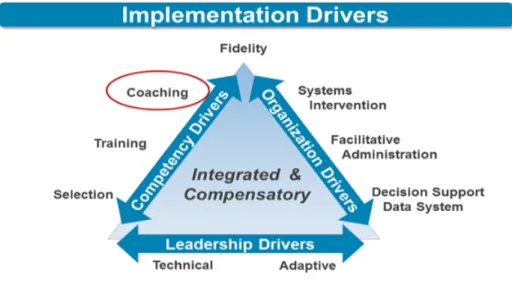
Figure 1 – Implementation drivers ...16
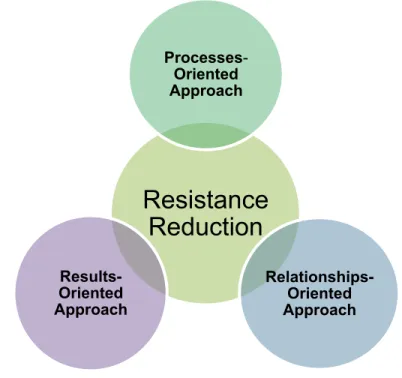
Figure 2 – Resistance reduction model ...37
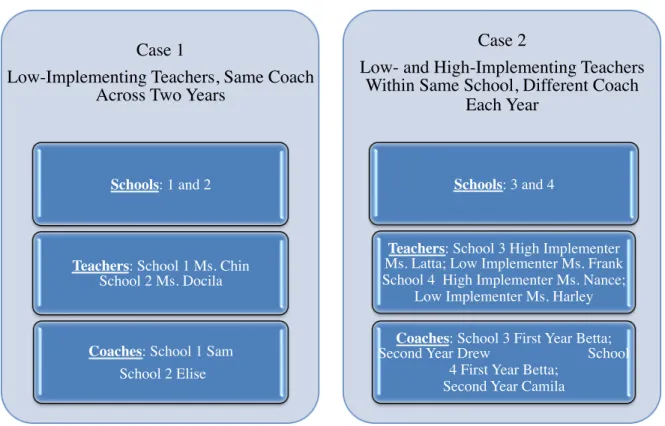
Figure 3 – Embedded multiple-case study design for resistance to implementation ...45
Figure 4 – TRI levels of word identification ...50
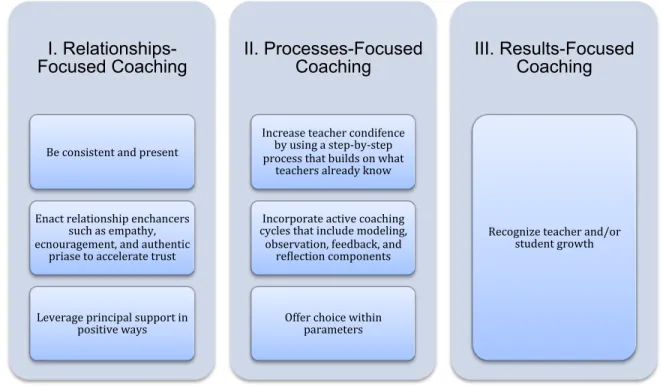
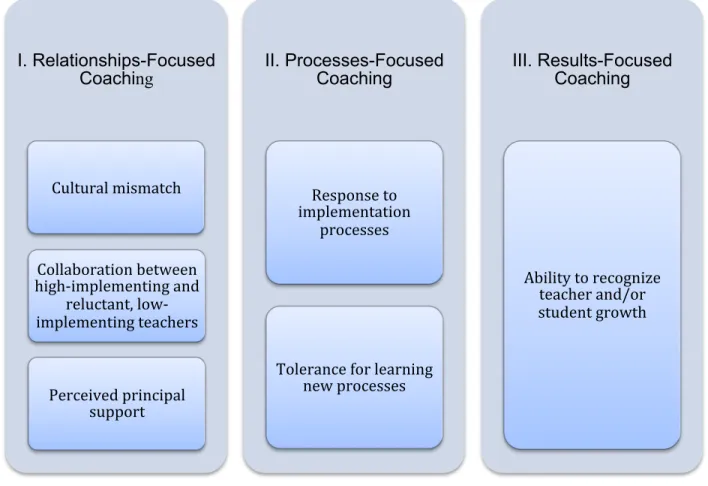
Figure 5 – Three coaching domains with subthemes ...92
Figure 6 – Processes-focused coaching domain in ATLAS.ti ...93
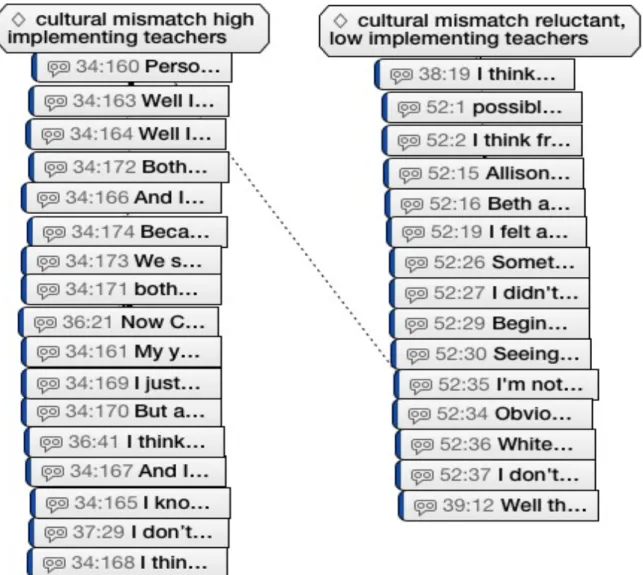
Figure 7 – High-implementing teacher and low-implementing teacher response to cultural mismatch ...123
Figure 8 – Three coaching domains with differences between high-implementing and reluctant, low-implementing teachers ...124
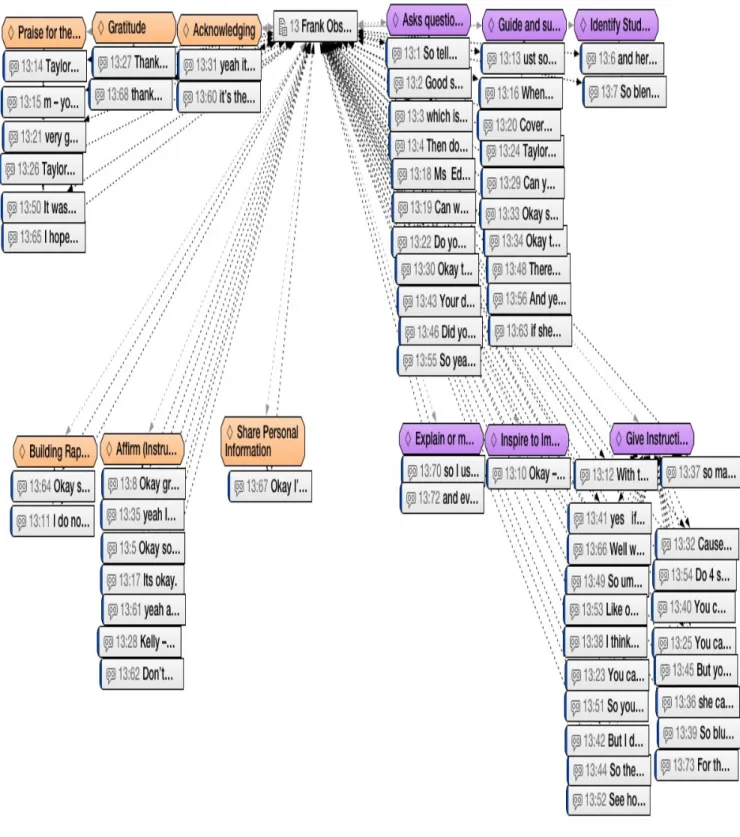
Figure 9 – Betta first session with Ms. Frank ...150
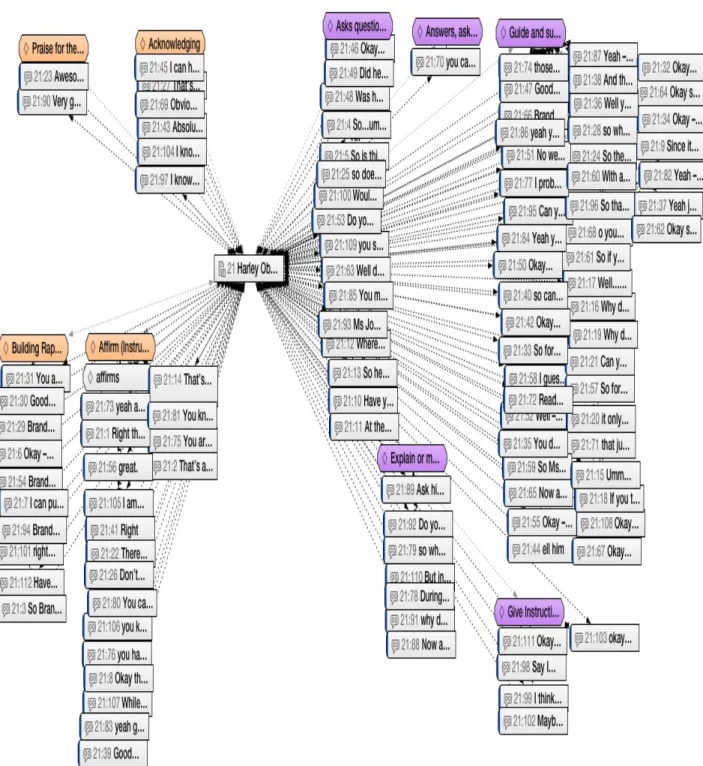
Figure 10 – Betta first session with Ms. Harley ...151
Figure 11– Betta first session with Ms. Nance ...153
xx
LIST OF ABBREVIATIONS
AYP Adequate yearly progress CCP Collaboration Centers Project CFC Content-focused coaching
DIBELS Dynamic indicators of basic early literacy skills EOG End-of-grade test
GOR Guided oral reading
IRA International Reading Association LC Literacy collaborative
MSC Multicultural school consultation PBC Practice-based coaching
PD Professional development QDA Qualitative data analysis
RCT2 Randomized control trial, second iteration RTI Response to intervention
1
CHAPTER 1: INTRODUCTION
Literacy coaching as part of professional development models has become a successful way to enhance the instructional abilities of classroom teachers. Indeed, literacy coaching has become a key component included in state and federal literacy reform initiatives (Mraz, Kissel, Algozzine, Babb, & Foxworth, 2011) and has spread to nearly every school district in the country as a strategy for increasing early elementary classroom teacher skills in helping struggling readers who may be poor, minority, or English language learning (ELL) students (Matsumura, Garnier, Correnti, Junker, & Bickel, 2010). Inquiries centered on this reform topic in education are timely because of the promising findings in recent studies of early elementary school about the effectiveness of literacy coaching for classroom teachers in helping to prevent reading failure in children (Amendum, Vernon-Feagans, & Ginsberg, 2011; Carlisle &
Berebitsky, 2011; Ippolito, 2011; Neuman & Cunningham, 2009; Vernon-Feagans, Kainz, Amendum, Ginsberg, Wood, & Bock, 2012).
The goal of the literacy coach is to deepen the classroom teacher’s understanding of how students learn and to bring about improvements in classroom instruction that lead to large gains in reading for struggling readers. However, teacher change in practice is challenging (Walpole & McKenna, 2013). Following a teacher-change effort, researchers Duffy et al. (1986)
2
This study sought to fill a gap in the research literature by examining how literacy coaches support classroom teachers who experience initial resistance to new ways of instructing struggling readers. By understanding the essential features of literacy coaching, and barriers to effective coaching, literacy coaches will be better able to support classroom teachers in learning effective instruction practices to help prevent reading failure in children. This chapter includes background information related to literacy coaching and initial teacher resistance. It also
includes a description of the justification and significance of the study as well as a description of the study’s purpose. This chapter concludes with an introduction to the primary and secondary research questions.
Literacy Coaching
Notwithstanding frequent use in the literature and gains in national attention, the term
literacy coaching is not clearly defined (Walpole & McKenna, 2013). Deussen, Coskie, Robinson, and Autio (2007) defined literacy coaching loosely as “a more knowledgeable professional working closely with another professional to increase productivity” (p. 5). Ill-defined applications for literacy coaching can be expected given the broad definitions which allow for significant variation in implementation models both within and between schools (Poglinco & Bach, 2004; Scott, Cortina, & Carlisle, 2012; Deussen et al., 2007).
For example, some consider literacy coaching to be any type of school-based professional development delivered by reading specialists who provide the support needed to implement the specific instructional needs of classroom teachers (Neufeld & Roper, 2003; Walpole &
3
using the teacher’s own students” (Sailors & Shanklin, 2010, p. 1). Some emphasize that it is invitational, nonevaluative, and individualized (Joyce & Showers, 2002; Knight, 2011), whereas others define literacy coaches not only as experts who work with teachers but also as those who mentor and support whole-school literacy initiatives (Walpole & Blamey, 2008).
Literacy coaches can be seasoned veteran reading specialists with advanced degrees and a wealth of coaching experiences (L’Allier, Elish-Piper, & Bean, 2010) or novice teachers who must learn the content of best literacy practices along with the job of coaching (Deussen et al., 2007; Gallucci, Van Lare, Yoon, & Boatright, 2010), work across grades or schools, (Carlisle & Berebitsky, 2011; Vernon-Feagans, Kainz, Hedrick, Ginsberg, & Amendum, 2013) or focus on one subject or grade (Garet et al., 2008). A literacy coach can be a teacher leader (Mangin, 2009; Dole, 2004) promoted from within who is influenced greatly by local school policies (Deussen et al., 2007; Matsumura, Sartoris, Bickel, & Garnier, 2009), or he or she can be assigned to the school by the state and be concerned more with district or state policies (Al Otaiba, Hosp, Smartt, & Dole, 2008). A literacy coach can be burdened with a heavy coaching load in addition to classroom teaching (Denton et al., 2003), or can have no teacher load at all (Neumerski, 2012). Not only do researchers describe the purpose of coaching differently, but coaches also vary in the ways they define themselves and their roles (Dole, 2004; Matsumura, Garnier, & Resnick, 2010).
Deussen et al. (2007) identified five types of literacy coaches: (a) data-oriented, (b) student-oriented, (c) managerial, (d) teacher-oriented group, and (e) teacher-oriented individual. Even though each type of literacy coach can have similar assignments, each has different
4
majority of their time providing direct reading services to students. Managerial coaches organize and plan meetings to provide resources that ensure the reading program at the school is running effectively. Teacher-oriented coaches, whether group or individual, scaffold teachers to improve instructional practices.
On the other hand, McKenna & Walpole (2013) based the definition of a literacy coach on the International Reading Association’s literacy coaching standards and describe a literacy coach as a reading specialist who enacts six different roles: (a) learner, (b) grant writer, (c) curriculum expert, (d) school-level planner, (e) researcher, and (d) teacher.
Some researchers suggest literacy coaches should collaboratively interact with teachers through reflective dialogue to improve professional practices (Knight, 2007). Another group of researchers call for a prescriptive process of the coach modeling, coteaching, observing, and providing formative feedback based on clearly established coaching goals (Matsumura et al., 2009).
5
teachers not feeling responsible for or successful with instructing children who struggle with reading (Mraz et al., 2011; Neumerski, 2012). Interventions that are delivered in the early elementary regular classroom by the classroom teacher to the struggling reader are few in number and call for a different model of literacy coaching (Amendum et al., 2011; Deussen et al., 2007; Vernon-Feagans et al., 2013). When teachers are overwhelmed by classrooms filled with students with increasingly diverse needs and feel unprepared to teach struggling readers, attempting to understand an unfamiliar coaching model can result in initial teacher resistance (Ganske, Monroe, & Strickland, 2003; Mraz et al., 2011). In other words, it may be natural for early elementary classroom teachers who are familiar with the student-oriented model of literacy coaching to feel a bit resistant about switching to a different model of literacy coaching to implement an intervention with struggling readers when their regular classroom instruction practices have already proven unsuccessful.
Resistance by the Classroom Teacher
6
(adapted from Gorges, Elliott, and Kettler, 2004). Kindergarten classroom teacher participants in this study who experienced initial resistance will be hereafter referred to as low implementers. Kindergarten classroom teacher participants who did not experience initial resistance will be hereafter referred to as high implementers. Descriptors of low- and high-implementing kindergarten classroom teacher participants will be discussed fully in Chapter 3.
Simply providing workshops for classroom teachers with up-to-date research about reading and reading instruction has been shown to be ineffective in changing teacher practice (Desimone, 2009). When teachers are pressured to change, they often respond negatively, claiming that administrators introduce interventions without understanding individual classroom or teacher needs (Fullan, 2007). Professional development for classroom teachers that is more likely to effect changes in instruction must be guided by adult theory and include essential intervention components with demonstrated effectiveness that are job-embedded, ongoing, differentiated, and linked to teachers’ daily experiences in content and context (Hill & Cohen, 2005; Kise, 2006). Literacy coaching becomes more likely to be supportive of teachers who experience initial resistance when professional development is delivered in highly engaged, small group initial training sessions and in the teacher’s context where the teacher practices instruction in schools and classrooms (Neuman & Cunningham, 2010; Collet, 2012). McKenna and Walpole (2013) argue that literacy coaches have a responsibility to study a new set of skills in order to master the nuances of effectively delivering professional development to teachers as adult learners.
Current literature highlights literacy coaching as an effective professional development tool for classroom teachers that meets the criteria of being job-embedded, ongoing,
7
Hall, Vandermolen, & Zigmond, 2010). However, given the evidence that the success of teacher change efforts that adopt a coaching model often hinge on the quality of the coach, many
researchers are now asking what the most essential qualities of a literacy coach are and what the most effective components of literacy coaching are for the professional development of
classroom teachers resulting in student achievement (Poglinco & Bach, 2004). Justification and Significance of the Study
Understanding teacher resistance to literacy coaching is consequential because researchers contend that resistance is an almost unavoidable presence in professional
development and that teachers particularly resist complex, collaborative, conceptual changes such as those advocated in many literacy coaching models (Musanti & Pence, 2010; Richardson, 1990). To maximize outcomes for children, professional development interventions must ensure teacher amenability and participation in implementing intervention components (Diamond & Powell, 2011). Experimental studies show clearly that effective research-based literacy
interventions have noeffect on child outcomes when the quality of implementation is low, such as when teachers are resisting (Downer et al., 2011).
The study of teacher resistance has not gained substantial attention from researchers, despite data that shows that teacher resistance to literacy coaching is the number one concern expressed by literacy coaches (Deussen et al., 2007; McKenna & Walpole, 2008; Toll, 2005). Literacy coaches often find themselves in awkward positions because at the same time they are working to support teachers’ learning, they are also responsible for getting the teachers to
8
Additionally, teachers who resist often experience professional isolation that may result in classroom teachers leaving their schools or profession (Achinstein & Ogawa, 2006). Teacher attrition can be particularly challenging in low-wealth rural schools that struggle with recruiting and retaining effective teachers because of fewer resources and geographic isolation (Burton & Johnson, 2010; Lee & Burkam, 2002; Provasnik et al., 2007). Thus, it is important to understand ways to support classroom teachers through initial resistance to new ways of instruction.
Statement of Purpose
The purpose of this dissertation was to explore effective ways literacy coaches support classroom teachers who experience initial resistance to implementing the Targeted Reading Intervention (TRI). The TRI was a literacy intervention that required classroom teachers in kindergarten and first grade to instruct struggling readers in daily 15-minute one-on-one sessions with weekly webcam coaching from a trained literacy coach. More specifically, the TRI was a Tier Two early literacy coaching intervention that focused on raising the capacity of teachers assigned to treatment classrooms in low-wealth rural schools to effectively instruct identified struggling readers in the regular classroom (Vernon-Feagans et al., 2013). The TRI project was initially funded when Dr. Lynne Vernon-Feagans and Dr. Tom Farmer received a combination goal-two development and goal-three efficacy grant (R305A100654) through collaboration with the National Research Center on Rural Education Support. Dr. Vernon-Feagans, with support from Dr. Marnie Ginsberg and Dr. Steve Amendum, used the funds to create the TRI. In the original TRI study, literacy coaches supported treatment teachers in working with students who were identified as struggling readers on a daily basis. TRI literacy coaches also provided
9
collaboratively engaged treatment teachers in regularly using diagnostic maps and intervention checklists to help classroom teachers set reading goals for their students in the study. The focus in this study was for literacy coaches to scaffold the teachers’ ability to match learned evidence-based practices to individual students’ specific needs so that the struggling reader would actually catch up to nonstruggling peers (Vernon-Feagans et al., 2013). Results from the original
iteration of the TRI were positive and included effect sizes ranging from .4 to .7 for struggling readers. A surprising finding from the original TRI study was that nonstruggling readers also made reading gains, with effect sizes of .3 to .4 over one year (Amendum et al., 2011). The findings from the original iteration of the TRI led to a goal-three efficacy grant that continued to support research on the TRI. This latest iteration of the TRI (hereafter referred to as TRI-RCT2) described a randomized control trial study involving rural kindergarten and first grade teachers in low-wealth schools implementing the TRI via webcam technology over the course of two years.
This dissertation study was grounded in the TRI-RCT2 study. It is important to
10
essential coach qualities as well as components of literacy coaching pedagogies that will prove useful in implementing literacy coaching effectively.
Research Questions
The primary research question was grounded in the context of low-wealth rural schools and was as follows:
• How do literacy coaches support kindergarten classroom teachers who are experiencing initial resistance to TRI implementation with their struggling readers?
The secondary research questions were:
• In a literacy coaching model, what are essential features of coaching (e.g., results-focused coaching, processes-focused coaching, relationships-focused coaching) that help literacy coaches support kindergarten teachers during TRI intervention implementation?
o How do these essential features of literacy coaching differ by high and low classroom teacher implementers?
• What are some other barriers to effective literacy coaching of classroom teachers found in further data analysis?
Summary
11
thorough definition of the term literacy coaching. The literature review also provides a
12
CHAPTER 2: REVIEW OF THE LITERATURE
Currently literacy coaching has been found to be an effective part of a professional development model with great capacity for providing meaningful professional development in the authentic, everyday contexts of classroom teachers (Mraz et al., 2011). Indeed, districts across the country have invested in literacy coaches in the hope of improving classroom teacher quality and student achievement. Investigating the phenomenon of coach-based professional development has become especially important given evidence that literacy coaching can be a
powerful lever for improved classroom teaching leading to student reading gains in comparison
to stand-alone school workshops, webinars, and other forms of classroom teacher professional
development (Biancarosa, Bryk, & Dexter, 2010; Matsumura, Garnier, Correnti, et al., 2010).
This review provides background information on literacy coaching as well as literacy
coaching’s often misunderstood companion, teacher resistance. First a definition of literacy
coaching will be offered. Then a discussion on the origins of literacy coaching and its
emergence as an effective adult professional development tool will follow. Finally, an overview
of how literacy coaching fits into implementation science will be presented.
Literacy Coaching
Definition of literacy coaching. Literacy coaching as a professional development model
13
what a literacy coach ought to be able to do with adult learners. According to the International Reading Association, a literacy coach is a reading specialist who focuses on providing
professional development for teachers by giving them the additional support needed to
implement various instructional programs and practices (IRA, 2004). Koh and Neuman (2006) summarized further what a literacy coach should be able to do. They posited that a literacy coach should create opportunities for adult learners to receive support and encouragement in order to fine-tune skills or strategies through technical feedback and assistance, analyze practices and decision making at a conscious level, adapt or generalize skills or strategies by considering what is needed to facilitate particular outcomes, and reflect on what they perceive or how they make decisions.
Literacy coaching as an effective professional development model for teachers as
adult learners. Literacy coaching as a professional development model emerged in the 1980s in response to federal and state pressures for school districts to bring about professional
development that would transform teachers’ knowledge and skill to improve student achievement (Knight, 2007; Matsumura et al., 2009; Showers & Joyce, 1996; Walpole & McKenna, 2013).
The popularity of literacy coaching has steadily increased since the 1980s. Literacy
coaching has now gained national attention as a tool to provide professional development to
adults that is job-embedded, ongoing, directly related to the challenges teachers face in the
classroom each day, and provided by people familiar with the context of the teachers’ work
(Deussen et al., 2007; Matsumura et al., 2009; Neumerski, 2012). Surprisingly, while experts and professional organizations in the field of reading have offered guidelines regarding who
14
coaching (Bean et al., 2010; IRA, 2004; Walpole & McKenna, 2013), there is very little
guidance regarding the structure and core features of the professional development activities that
involve literacy coaches. Documents that do offer guidance typically offer guidance at the most
general level (IRA, 2004; Scott et al., 2012). The literacy coaching literature, however, suggests that coaches who incorporate adult learning methods into professional development sessions are more effective and are more likely to have optimal positive results (Collet, 2012; L’Allier et al., 2010; Poglinco & Bach, 2004; Steckel, 2009; Trivette, Dunst, Hamby, & O’Herin, 2009). Regarding literacy coaching and adult learning, McKenna and Walpole (2008) explain that professional development with adults differs markedly from educating children. These differences suggest that coaching teachers requires strategies that differ from those used with children. Literacy coaches are first and foremost adult educators (L’Allier et al., 2010).
Understanding of the needs of classroom teachers as adult learners is vital for effective literacy coaching. Literacy coaches will not be able to maximize their roles without deliberate attention to understanding how to structure the work of coaching so that classroom teachers, and ultimately students, benefit from the potential of coaching as a tool for instructional reform (Biancarosa et al., 2010; Matsumura, Garnier, & Resnick, 2010).
Being an effective classroom teacher is no guarantee that one will also be an effective literacy coach (Poglinco & Bach, 2004). The problem seems to be that most literacy coaches are excellent classroom teachers who started their literacy coaching work by building expertise in content related to the literacy intervention instead of preparing for adult learner needs (Al Otaiba et al., 2008; Deussen, et al., 2007; Gallucci et al., 2010). Even veteran coach trainers Michael McKenna and Sharon Walpole (2008) admitted:
15
relatively little understanding of the needs of our audience, their backgrounds, or their own potential to contribute important ideas. No wonder implementation was slow and/or off base; we simply had not met the needs of our learners. (p. 17)
Literacy coaches may have a deep understanding of effective literacy intervention practices to accelerate struggling readers, but if they do not understand how to cogently train classroom teachers in those practices, their coaching efforts could become dissuasive. “No intervention practice, no matter what its evidence base, is likely to be learned and adopted if the methods and strategies used to teach or train students, practitioners, parents, or others are not themselves effective” (Dunst & Trivette, 2009, p. 164).
Literacy coaches must be able to separate the thing being coached from the skill it takes to coach it. In other words, to be successful, literacy coaches must have specialized knowledge that goes beyond just knowing how to teach reading well; they must also understand how to work effectively with adults (L’Allier et al., 2010).
16
decisions, providing guidance, and supporting organization functioning (Blasé et al., 2005; Fixsen et al., 2005). Coaching falls within the competency organizational driver (see Figure 1) and is defined as “regular, embedded professional development designed to help teachers and staff use the program or innovation as intended.”
Figure 1. Implementation drivers.
Collectively, these drivers are the key components of capacity and the infrastructure supports that enable implementation and intervention success.
Literacy in the Context of Rural Low-Wealth Schools
Perhaps the context that is most needful of literacy coaches who understand how to support classroom teachers to implement effective professional development for adult learners is in the low-wealth rural school setting. The aim of literacy coaching is to help teachers help struggling readers. The context of this study was situated in rural low-wealth schools. An
overview of the particular plight of struggling readers in rural school settings will be provided
17
specific barriers to literacy coaching in low-wealth rural schools will be explored.
Plight of struggling readers in rural school settings. High percentages of children
living in the United States cannot read. Alarmingly, more than one-third of students across the nation fail to achieve basic reading skills by the time they reach the fourth grade (Al Otaiba, Connor, Folsom, & Greulich, 2011). Connor et al. (2011) explain the consequences of children failing to learn to read:
Increasingly, research demonstrates that students who are unable to read are more likely to become frustrated, overwhelmed, or disinterested, with clear consequences for their engagement in learning and their future success in schools. . . . Moreover, reading difficulties have long-term implications for children’s well-being, including grade retention, referral to special education, dropping out of high school, and entering the juvenile criminal justice system. (p. 174)
Disturbingly, many children living in rural districts appear to be most at risk for reading difficulties (Snow, Burns, and Griffin, 1998; Vernon-Feagans et al., 2009). Reading failure is more prevalent for rural children from low-wealth communities who come to school with lower readiness skills than other children due in part to the disproportionately higher poverty levels in rural verses urban or other areas in the country (Lee & Burkham, 2002). In fact, upwards of 60% of minority children who live in poverty fail to learn to read (Connor et al., 2011). Vernon-Feagans et al. (2012) explain the importance of understanding the impact of poverty on children in rural schools this way:
Poverty is the most potent predictor of school success, even greater than mother education, two-parent families, and a host of other demographic variables. . . . It is important to understand the context of schooling in these low-wealth rural communities as well as develop and evaluate school programs that may be effective for children in the context of poverty. (p. 2)
Lack of teacher knowledge and efficacy in reading in rural school settings. To
mitigate the effects of poverty on student reading outcomes, it is particularly important for
18
Unfortunately, many low-wealth rural schools are characterized by high percentages of teachers
who are not well prepared to provide high-quality instruction (Darling-Hammond, 2004).
Classroom teachers in poor rural areas have limited access to enhanced professional development
that builds teacher capacity, resulting in less effective teaching practices (Amendum et al., 2011; Coburn, 2012).
Professional development for classroom teachers to improve teacher knowledge and
beliefs about teaching can be a controversial topic. Traditionally, professional development
programs that have aimed to improve classroom teacher knowledge have often failed to result in
changes in practices or lead to gains in child outcomes (Garet et al., 2008; Risko et al., 2008).
On the other hand, research suggests that classroom teachers who provide explicit, systematic instruction in phoneme awareness and orthographic principles are more effective in teaching
struggling readers (Foorman & Moats, 2004). As a result, literacy researchers are beginning to
clarify the knowledge classroom teachers need to know in order to teach reading effectively
(Brady et al., 2009).
Professional development opportunities that improve teacher knowledge are a salient
topic in rural settings. Rural principals report that opportunities for up-to-date professional
development for their teachers are often cited as a deciding factor in teacher retention in rural
schools (Haar, 2007; Malloy & Allen; 2007).
Also, teacher professional knowledge is acutely tied to teachers’ views of the extent to
which their instruction can make a difference for the students they teach (Ross & Bruce, 2007).
Researchers have found that teacher efficacy in reading is a predictor of teacher behaviors that
foster student achievement in reading (Woolfolk & Hoy, 1990). There appears to be a close
19
teachers who believe they will not be successful in teaching students to read have low
expectations for their students’ progress in reading (Carlisle & Berebitsky, 2011).
Barriers to literacy coaching in the rural setting. The effects of rural school poverty
on children and teachers can be particularly challenging for literacy coaches, considering that small, more insulated schools serving low-income children have a poorer tax base translating to fewer school resources, smaller numbers of teachers, lower pay for teachers, and less educated teachers (Burton & Johnson, 2010; Lee & Burkam, 2002; Vernon-Feagans et al., 2013).
When student scores are low, rural principals often rush to implement interventions without well thought out implementation plans (Mangin, 2009). Teachers can get caught in the crossfire and feel overwhelmed, as the following rural teacher alludes to when interviewed for a local
newspaper about her feelings toward an intervention using literacy coaching as professional development: “I’ll be honest. At first, I was against it. . . . I didn’t see how I was going to pack something else into the school day” (Shaw, 2013).
Other barriers to literacy coaching in high-poverty rural communities are the challenges of geographic isolation and low-population density, which can lead to less ready access to up-to-date teacher training (Amendum et al., 2011). When low-wealth rural schools with a limited tax base endeavor to provide onsite literacy coaches to their teachers, the financial barrier is many times too difficult to overcome (Powell, Diamond, & Koehler, 2010; Rock, Zigmond, Gregg, & Gable, 2011).
20
marked by teachers and placed in lower ability groups receiving less complex lessons than their higher grouped peers. Of more concern however, was the resulting sense of hopelessness felt from some of the children in the study. Vernon-Feagans (1996) wrote, “Even by the beginning of kindergarten our children were projecting failure for themselves in school. There appeared to be a hopelessness about their future school prospects, even though they wanted to do well” (p. 218). It is of little wonder that one of the older rural community boys summed up the schooling
experience to a young kindergartener in the project this way: “See, Melvin, you stop likin’ to go to school when you get there” (p. 205).
Fewer resources for teachers can also result in teachers feeling overwhelmed with teaching loads without supportive assistance in the classroom (Denton, Hasbrouck, and Sekaquaptewa, 2003). With declining populations, low-wealth rural schools tend to be
disproportionately affected by teacher shortages (Burton & Johnson, 2010). Fewer resources of support for rural teachers is a barrier for literacy coaches because this can cause teachers to feel conflict toward coaching initiatives and result in teacher resistance (Mraz et al., 2011).
This dissertation study was grounded in the context of low-wealth rural schools. The
challenges of struggling readers, lack of teacher knowledge and efficacy, and barriers to effective
professional development in rural low-wealth schools have been discussed. Resistance to
literacy coaching was introduced as one of the barriers to effective professional development in
rural school settings. The researcher will offer a definition of resistance and examine classroom
teacher resistance to literacy coaching more fully, followed by a discussion of the causes of
teacher resistance to literacy coaching. Finally, three approaches to lessen and eliminate
classroom teacher resistance will be discussed.
21
The issue of resistance to education change in schools is yet another barrier to successful literacy coaching. How to get teachers more involved in change efforts is often at the heart of discussions between teachers, teacher leaders, and teacher educators (Sannino, 2010).
For the clarity of this review, the term resistance will be used to define any overt or covert thought, belief, or action by the classroom teacher such that it interferes with the
transference of literacy knowledge by the literacy coach to the classroom teacher or interrupts the classroom teacher in implementation of literacy coaching components (adapted from Gorges et al., 2004). Resistance is manifested in two varieties: overt resistance and subtle resistance. Overt teacher resistance can be instantiated in many forms of overt antagonistic pushback consisting of statements such as “I can’t” or “I won’t,” while subtle resistance includes passive avoidance of the coach and often consists of statements that indicate hopelessness or defeatism (Gorges, et al., 2004). Among other evidences, resistance can be manifested in the amount of time a teacher makes available to the coach (Atteberry & Bryk, 2010) or resonated by the “yes, but” attitudes voiced by teachers threatened by change (McKenna & Walpole, 2008).
The study of teacher resistance to literacy coaching is important. Even though significant financial resources have been pooled to develop coaching positions (Neuman & Cunningham, 2009; Deussen et al., 2007; Neumerski, 2012), and the concept of literacy coaching as an effective model of change for adult learners has been heralded in districts and schools (Biancarosa et al., 2010; Matsumura, Garnier, & Resnick, 2010), some classroom teachers continue to resist this form of teacher professional development (Knight, 2009).
22
with, instructing children who struggled with reading. In a recent North Carolina study, Mraz et al. (2011) explored perceptions of principals, teachers, and coaches on effective literacy
coaching. Researchers found that teachers overwhelmingly felt coaches should serve as the pull-out instructor to students, whereas principals overwhelmingly shared the opposite view (Mraz et al., 2011). One of the reasons that teaching struggling readers in the regular classroom often meets with such resistance from teachers is that it calls for an additional shift in how teachers view their roles with low-achieving students. That is, asking teachers to work with struggling readers in the regular classroom communicates to teachers the need for improving their
classroom teaching for all students instead of sending underperforming students out to be “fixed” by a reading specialist (Dole, 2004; Mangin, 2009). This can be a particularly overwhelming problem for classroom teachers in rural districts who typically have fewer opportunities for professional development in how to teach underperforming students to read (Amendum et al., 2011).
Classroom teacher resistance to literacy coaching can have many causes. Seven causes of teacher resistance will be discussed in this section: (a) lack of clarity on how literacy coaches spend their time, (b) teachers’ confusion over literacy coaches as evaluators, (c) teachers’ past negative experiences with professional development, (d) lack of administrative support, (e) incorporating hard coaching models, (f) the challenge of cross-cultural coaching, and (g) outdated norms of teaching and practice.
The lack of clarity on how literacy coaches spend their time can lead to teacher
23
literacy coaching models, spending as little as 4% of their time in effective coaching work with teachers (Atteberry & Bryk, 2011; Biancarosa et al., 2010). Instead, literacy coaches get bogged down in a multitude of responsibilities, organizing materials, analyzing data, and managing activities (Bean et al., 2010; Deussen et al., 2007; Walpole & Blamey, 2008). In their study, Al Otaiba et al. (2008) shared that one of the challenges they faced was resistance from teachers who resented how the literacy coach spent her time. Teachers understand that their instructional workload intensifies by the implementation of a new intervention. Such intensification
perpetuates teacher resistance when teachers are unclear on how coaches spend their time (Dworkin, 1997). The impact of literacy coaches spending less time with teachers can be a particular barrier to rural teachers who often teach in schools that are chronically understaffed (Burton & Johnson, 2010).
Teachers’ confusion over literacy coaches as evaluators can lead to teacher
resistance. Some researchers submitted that the practices and policies as part of the accountability movement have resulted in a deficit model of professional development for teachers. They further suggested that this deficit model of professional development reinforces the idea that teachers are observed only to be evaluated and ultimately controlled (Musanti & Pence, 2010). With this deficit view of professional development in mind, it is easy to understand why teachers resist literacy coaching when they are uncertain if the literacy coach serves as an evaluator. Teachers have long been convenient scapegoats for reformers and administrators (Sarason, 1971).
24
different form of professional development such as literacy coaching could be affected by perceived threats to their expertiseand proven abilities, and their belief that they lack the knowledge or skills to implement the change successfully (Zimmerman, 2006).
This finding is similar to that in the Collaboration Centers Project (CCP) study in which teachers resisted public analysis of each other’s practice, perceiving it as threatening and evaluative (Musanti & Pence, 2010). Even though creators of the CCP sought to build a collaborative model of professional development where teachers felt empowered, researchers found teachers were resistant to share openly, based on the assumption that professional
development was provided to make up for what teachers lacked (Musanti & Pence, 2010). These studies show there is an increasing number of reading initiatives at the local state and federal level that specifically target reading instruction (Coburn & Woulfin, 2012; Matsumara, Garnier, Correnti, et al., 2010). One of the chief strategies employed by stakeholders to accomplish their reading goals is literacy coaching. However, teachers raise an important question: What is the role of literacy coaches in the relationship between the stakeholders’ reading policies and teachers’ classroom practice? When teachers view this role as that of evaluator, they resist (Coburn & Woulfin, 2012).
Teachers’ past negative experiences with professional development can lead to
25
understanding of implementation protocols in school reform efforts, cause interruptions in coherence and duration (Atteberry & Bryk, 2010; Deussen et al., 2007; Mangin, 2011; Fixsen et al., 2005). For example, a particularly destructive pattern that results in resistance is what Knight (2009) calls the “attempt, attack, abandon cycle of professional development.” During this cycle, a new professional development practice is introduced to the school with very little support to help teachers try the new practice. Many teachers never try it. A few teachers attempt
it but do so poorly. Because it is implemented poorly and before it has had enough time to be fully executed, individuals in the school begin to criticize or attack the new practice. This results in more teachers refusing to try the practice and impacts the will of those who are implementing to stick with it. Eventually, though, the new practice is never implemented well and is inevitably labeled as unsuccessful and eventually abandoned, only to have another new program or practice take its place to be pulled into the same cycle (Knight, 2009).
Lack of administrative support can lead to teacher resistance. Lack of
administrators’ support of teachers in implementing professional development such as literacy coaching has been shown to lead to teacher resistance (Matsumura, Garnier, Correnti, et al., 2010; Poglinco & Bach, 2004). Through ongoing resistance research, Kanpol (1988, 1989, 1991, 1993) found that when teachers do not trust administrators or perceive that school policies are unfair, unsubstantiated, or even a waste of time, they engage in resistant behaviors.
26
Further, researchers have found that asking teachers to implement new practices without supportive and effective professional development to do so can actually decrease
implementation, creating what is called an “ironic process.” An ironic process is a process that causes an outcome that is the exact opposite of what the original practice was meant to produce (Knight, 2009). For example, a study tested the potency of different sources of self-efficacy beliefs toward implementation of a new reading practice. Teachers were assigned to one of four treatments. Treatment one teachers received the information in a stand-alone one-time workshop lecture format. Treatment two teachers received treatment one, plus they observed the presenter modeling the new learning with a group of students. Treatment three teachers received
treatments one and two, plus they were allowed an additional time to practice the new learning in groups. Treatment four teachers received treatments one, two, and three, plus they were
27
Incorporating hard coaching models can lead to teacher resistance. Walpole and
McKenna (2013) compared the various models of coaching iterations to a geology scale used to measure hardness in rocks (see Table 1 below). At one end is what they labeled soft models of coaching. Soft coaching is defined as coaching that is based on unobtrusive coaching practices. In soft coaching, goal setting can be limited. In soft coaching, goals are typically focused on improving classroom instruction based on what the teacher feels is needed and may not be based on proven research (Walpole and McKenna, 2013). Soft models engage teachers in
nonthreatening and nonconfrontational ways wherein the literacy coach often refrains from giving feedback but facilitates the self-directed learning of teachers where teachers have the last word. Examples of soft coaching are (a) mentoring of new teachers, (b) cognitive coaching, and (c) peer coaching (McKenna & Walpole, 2008). Soft coaching models usually involve teacher choice to be involved in implementing an intervention.
28
coaching rarely allows classroom teachers to choose whether or not they will be part of the
program (Walpole & McKenna, 2013). Research reports that hard coaching models that use up-front goal setting are more likely to result in substantive achievement gains in students and teachers (Biancarosa et al., 2010; Carlisle & Berebitsky, 2011; Fox et al., 2011; Matsumura, Garnier, & Resnick, 2010; Neuman & Cunningham, 2009; Shidler, 2009, Vernon-Feagans et al., 2013). Even so, hard up-front coaching models can be intrusive, limit teacher choice, and often result in initial teacher resistance upon implementation (McKenna & Walpole, 2008).
Table 1
Hard and Soft Coaching Models
Descriptors Soft Coaching Model Hard Coaching Model
Characteristics: § Engages teachers in nonthreatening and nonconfrontational ways
§ Coach feedback is limited
§ Learning is self-directed by the teacher and facilitated by the coach
§ Goal setting is shared between the teacher and the coach and is often based on teacher instructional practices rather than outcomes
§ Coaching is invited by the teacher rather than mandated by administration
§ Teachers have final choice
§ Typically mandated at
underachieving school’s district or state policy
§ Limited initial teacher choice
§ Includes goals based on
diagnostic assessments linked to targeted outcomes
§ Incorporates cohesive multistep literacy cycles
§ Incorporates evidence-based practices
§ Incorporates formal processes for observations and coach feedback
Benefits: § Allows for teacher autonomy
§ Allows for teacher choice
§ Encourages collegiality and teacher buy-in
29 Challenges: § Limited link to student or
teacher achievement gains
§ May or may not include goal setting
§ Goals may not be linked to evidence-based practices
§ Can be intrusive
§ Limits initial teacher choice
§ Often results in initial teacher resistance
§ May not be appropriate for every school
Examples: § New teacher mentoring
§ Cognitive coaching
§ Peer coaching
§ Content-focused coaching
§ Literacy collaborative
§ Practice-based coaching
§ Targeted Reading Intervention
Note. Adapted from McKenna & Walpole, 2008.
Examples of hard coaching include the following: (a) content-focused coaching (CFC), (b) literacy collaborative (LC), (c) practice-based coaching (PBC), and (d) the Targeted Reading Intervention (TRI) (Biancarosa et al., 2010; Matsumura, Garnier, Correnti, et al., 2010; Snyder & Hemmeter, 2014; Vernon-Feagans et al., 2013).
30
model of coaching. However, these models can be intrusive, and implementation of these harder models often cause initial teacher resistance (Carlisle & Berebitsky, 2011; Walpole & McKenna, 2013).
The challenge of cross-cultural coaching can lead to teacher resistance. Based on the work of Ingraham (2003), cross-cultural coaching occurs when coaching takes place across cultures. Culture was defined by Ingraham as:
An organized set of thoughts, beliefs, and norms for interaction and communication, all of which may influence cognitions, behaviors, and culture. Culture may be influenced by a combination of race, ethnicity, language, SES, age, educational attainment, sexual orientation, spirituality, professional role, level of acculturation, and/or operational paradigm. (p. 325)
Ingraham (2000) suggested that consultants use a multicultural school consultation (MSC) framework as an overarching framework, encompassing all consultation or coaching models, to guide consultants and/or coaches in their interactions with consultees and/or teachers. The framework constructed by Ingraham (2000) is homogeneous with the recommendation of Cooper, Wilson-Stark, Peterson, O’Roark, & Pennington (2008) who found that race and culture were critical considerations during coaching, and that often issues of race, culture, gender, and ethnicity needed to be addressed directly and up front. They suggested that cross-cultural coaching may lead to teachers feeling additionally vulnerable and may require additional time for coaches to build trust and rapport (Cooper et al., 2008). These suggestions matched Hansman (2003), who argued that coach awareness of cross-cultural relationships promotes professional growth and minimizes resistance.
31
are supposed to learn it on their own is still prevalent in many classrooms today (Zimmerman, 2006). This belief positions teachers to view literacy coaching as punitive (Musanti & Pence, 2010).
In addition, literacy coaching as professional development constitutes a fundamental change in the way teachers view reading instruction. Long-standing traditions of teacher isolation within kingdoms of individual classrooms are deeply ingrained in school culture. Mangin (2009) explained:
Literacy coaching requires teachers to work collaboratively, to deprivatize their
instruction, learn from one another, and reflect critically on their teaching. Given these demands, which contradict traditional teaching norms of autonomy and individuality, the challenge of implementing literacy coach roles should not be underestimated (p. 782). These unfamiliar ways of being a teacher that contradict cultural norms of traditional teaching can cause educators to feel anxious, exposed, vulnerable, and stressed, resulting in resistance (Musanti & Pence, 2010; Galluci et al., 2010; Fullan, 2007).
Change elicits uncertainty. Teaching is a profession that is highly uncertain even during its most stable times (Cohen & Hill, 1998). The bottom line, however, is that when efforts to improve student achievement result in failure, reformers often disregard the uncertainties
inherent in the profession, and teachers are blamed (Cohen, 1998). Knight (2009) suggested that instead of continuing to ask, “Why do teachers resist?” researchers are now encouraged to ask, “What can we do to make it easier for teachers to implement new practices?” (Knight, 2009). Accordingly, the next section will shift to a discussion of three approaches that have been shown to help lessen, and in some cases eliminate, many forms of teacher resistance.
Approaches That Reduce Teacher Resistance
32
resistance through a more hopeful lens. Saninno (2009) wrote:
Although resistance is most often considered a sign of disengagement, it can in fact be a form, as well as a signal, of intense involvement and learning. In the simultaneity of negation and expression, it is an active dialogue between the contested past and the unwritten future, between practice and possibility. (p. 218)
Literacy coaching experts now agree that some amount of teacher resistance should be expected and suggest that coaches recognize that teachers, because of their profession, are naturally critical of those who would teach them (McKenna & Walpole, 2008). Ironically, a small number of experts go so far as to assert that some acts of teacher resistance are just good common sense. For example, in an analysis of how teachers reacted to an education initiative, the authors found three different responses to the reform. One group immediately embraced the new initiative. A second group included teachers who waited to see how the first group
implemented the reform. When the second group observed that the first group was successful, they implemented the reform. A third group presented with profound reluctance to implement the reform due to time constraints and the fear of public disapproval (Tye & Tye, 1993). In describing the reaction of the second group to the reform initiative, the authors concluded: “This group reminds us that we too easily label teachers who do not immediately accept proposed innovation as ‘resistant’ to change. Wanting to see how something works is not resistance, it is simply good common sense” (p. 60).
In fact, wanting to see how something works actually falls under one of the three approaches to reduce teacher resistance. The three resistance reduction approaches discussed here are: (a) results-focused coaching, (b) processes-focused coaching, and (c) relationships-focused coaching.
33
(Gusky, 1986). In other words, teachers need to feel that their efforts with the new professional development (PD) are paying off in the classroom in order to continue implementing new learning (Cohen & Ball, 1999).
Literacy coaching with an ordered processes focus is grounded on the idea that adhering to multiple components of PD is challenging for teachers. In order for teachers to implement an intervention at more than surface level, the components need to be viewed by teachers as
uncomplicated and easy to grasp and put into practice (Coburn, 2012; Domitrovich, Gest, Gill, Jones, & DeRousie, 2009). Furthermore, in order for PD to effect lasting teacher change,
teachers must view the new learning as coherent, consistent with district and state standards, and within their reach (Desimone, 2009; Diamond & Powell, 2011; Dickinson, Watson, & Farran, 2008).
Finally, relationships-focused coaching is based on the idea that PD resulting in teacher change is a dynamic process that is more likely to happen when literacy coaches form
supportive, cooperative partnerships with teachers that facilitate trust, open communication, and effective problem solving (McCormick & Brennan, 2001). All three of these approaches
integrate adult theory. These three approaches to teacher resistance will be discussed thoroughly in the next sections.
Results-focused coaching. Some researchers argue that resistance can be reduced
through a results-oriented frame, an approach similar to the Gusky (1986) notion that changes in teachers’ beliefs come about after—rather than before—changes in practice. As teachers gain mastery over new instructional strategies and see positive outcomes, teachers become
increasingly willing to implement interventions (Gusky, 1986; Steckel, 2009).
34
resistance prevention strategies such as choosing an established coaching model and setting goals up front (Blackman, 2010; Blachowicz, et al., 2010). They understand that adults need to
understand why they need to do something before commencing, so literacy coaches use data to select practices that address the most pressing needs of students and teachers (Knight, 2009; Knowles, 1989; Zimmerman, 2006). They seek active endorsement of the principal and work collaboratively to establish transparent literacy coaching roles up front (Matsumura et al., 2009).
During active literacy coaching cycles. During active coaching cycles, results-oriented coaches focus on a few critically important proven and powerful teaching practices to help ensure teacher buy-in and greater student outcomes (Stekel, 2009; Knight, 2009).
When faced with teacher resistance. When faced with resistance, results-oriented literacy coaches seek resistance-reducing strategies such as asking motivated teachers to spread the word that coaching is effective, celebrating achievement results by presenting evidence of effectiveness, and acknowledging alternative views but noting that the reform effort in the teachers’ school has taken a particular course (McKenna & Walpole, 2008). Results-oriented literacy coaches also invite resistant teachers to recount successful experiences during team meetings (Knight, 2011).
After coaching. After active coaching cycles, literacy coaches support adult learners to reflect on acquisition of their new learning, evaluate practices, debrief strengths and weaknesses related to effectiveness, and then set new goals (Dunst & Trivette, 2009).
Processes-focused coaching. Some researchers argue that resistance can be reduced
35
teachers (Desimone, 2009).
Before coaching. Literacy coaches with an ordered processes frame employ teacher resistance prevention strategies such as starting coaching processes early in the school year to allow time for teachers to become familiar with process steps. They use adult learning theory to plan active professional development with clearly designed intervention strategies with distinct steps to follow and allow for practice time (Al Otaiba et al., 2008; Desimone, 2009; Dunst & Trivette, 2009; L’Allier et al., 2010; Steckel, 2009).
During active coaching cycles. During active coaching cycles, literacy coaches
demonstrate a deep understanding of teaching practices by breaking down the new learning for teachers into manageable steps (Knight, 2009). Coaches using this frame use precise
explanations when modeling for teachers and employ progressive scaffolding for teachers by using intervention checklists for teachers to help guide learning (Collet, 2012; Vernon-Feagans et al., 2013; Zimmerman, 2006).
When faced with teacher resistance. When faced with teacher resistance, literacy coaches seek appropriate use of resistance-minimizing strategies such as checking in with resistant teachers regularly at least once per week to send the message that not participating is not an option (McKenna & Walpole, 2008). Literacy coaches also use proven strategies such as modeling a particular method or strategy while the resistant teacher watches and then following up with an observation during which the teacher has committed to implement the same method, thus encouraging ownership in the process of the professional development (Bean et al., 2010; L’Allier et al., 2010).