FACTORS INFLUENCING PARTICIPATION OUTCOMES OF YOUNG ADULTS WITH AUTISM SPECTRUM DISORDER
Anne Veronica Kirby
A dissertation submitted to the faculty at the University of North Carolina at Chapel Hill in partial fulfillment of the requirements for the degree of Doctor of Philosophy in the Department
of Allied Health Sciences (Occupational Science) in the School of Medicine.
Chapel Hill 2015
ii © 2015
ABSTRACT
Anne Veronica Kirby: Factors Influencing Participation Outcomes of Young Adults with Autism Spectrum Disorder
(Under the direction of Grace Baranek)
Individuals with autism spectrum disorder (ASD) are consistently described in extant literature to struggle with crucial aspects of adult participation—specifically, participation in employment, daily living independence, and social relationships. The purpose of this project was to enhance understanding of factors that influence these outcomes for young adults with ASD. Three specific aims were addressed, each with a distinct methodological approach. First, a systematic review of the literature was conducted to identify key longitudinal factors that predicted participation outcomes; twelve publications—reporting on eight unique studies—were included. Significant longitudinal predictors of outcomes resulting from the review included personal characteristics, individual functioning (e.g., cognition, language skills, independence), family context (e.g., household income, parent education, family support), services, peer
influence, and health status. Next, secondary data from a national, longitudinal sample of youth with ASD (the National Longitudinal Transition Study-2; NLTS2) were utilized to test a
structural equation model which revealed parent expectations as a significant mediator of the paths from family background and functional performance to young adult participation outcomes; significant indirect paths were identified from family background, functional
iv
their expectations for their sons’ futures. Three themes were identified which describe
influences on mothers’ expectations: (1) characteristics and experiences of youth; (2) maternal perceptions, beliefs, and emotions; and (3) stereotypes, stories, and society. The mothers also described the approaches they use to plan and prepare their sons for adulthood. These approaches were reflective of their expectations which helps explain why parent expectations predict to young adult outcomes. Findings across the three aims led to identification of key factors that influence the outcomes of young adults with ASD as well as understanding of complex
vi
ACKNOWLEDGEMENTS
I extend my immense gratitude to my advisor, Grace Baranek, who has been an
incredible guide for me through this journey. I am endlessly impressed by her accomplishments and am grateful to have been able to learn from her over the past four years. Without her clear guidance and unbelievable ability to help me understand my own wandering thoughts, I could not have completed this milestone.
So many people helped to make this project possible. Members of my committee (Grace, Nancy, Brian, Mark, Gael, & Wanqing) have been endless sources of inspiration, assistance and support throughout the process. I also could not have done the work without: Karen Scandariato who allowed me to become part of the iAspire family and assisted with recruitment; Leslie Fox and Melissa Sreckovic who assisted with review reliability; the Institute for Education Sciences which provided me access to the NLTS2 dataset; Frank Porter Graham Child Development Institute (especially John Garcia & Kiva Snyder) for providing a secure space for me to conduct my analyses; the seven families who welcomed me into their homes and into their lives through their stories; and John Sideris and Nick Wagner who were always willing to talk to me about Mplus and offer statistical advice.
Graduate Merit Assistantship); and the U.S. Office of Special Education Programs (Translational Research Training Grant, PI: Elizabeth Crais).
I would also like to extend my sincere thanks to everyone in the UNC Division of Occupational Science and Occupational Therapy including faculty (Ruth, Grace, Brian, Nancy, Linn, Sue, Jenny, Lauren, Antoine, Virginia, Malcolm); current doctoral students (Adrienne, Valerie, Caroline, Khalilah, Chetna, Ashley, Nikhil, Mei-Ling, Adam, Ryan, Feddah, Abbie, Katie); graduated doctoral students who showed me it was possible and provided invaluable guidance (Lauren, Ashley, Sumita, Mackenzie, Emily, Kendra); and all of the masters students I have had the honor to get to know and work with. For the past four years, this division has provided me with both the comforts of home and the challenges I needed to learn and grow; I could not have asked to be in a better pot of stew (transaction joke).
I have also had the fortune to work closely with faculty and students in Speech & Hearing and Education, and would like to acknowledge all those who contributed to my learning and offered friendship and support over the past four years, most especially Harriet, Linda, Betsy, Melissa, Mandy, Katie, Hillary, Ariel, Leslie, and Ashley.
Many have contributed to my—now, quite long—educational journey. From early childhood education to Noecker School, Villa Walsh Academy, the University of New
viii
TABLE OF CONTENTS
LIST OF TABLES ... xiii
LIST OF FIGURES ... xiv
LIST OF ABBREVIATIONS AND SYMBOLS ... xv
CHAPTER 1: BACKGROUND AND LITERATURE REVIEW ... 1
1.1 Introduction ... 1
1.2 Autism Spectrum Disorder ... 2
1.3 Participation of Youth and Adults with ASD ... 4
Emerging Adulthood ... 6
Outcomes in Adulthood ... 8
1.4 Gaps in the Literature... 11
CHAPTER 2: THEORETICAL AND PHILSOPHICAL PERSPECTIVES INFORMING THE PROJECT ... 13
2.1 Theoretical Perspectives ... 13
Transaction ... 13
Expectancy-Value Theory ... 14
Occupational Possibilities ... 16
2.2 Philosophical Position ... 17
CHAPTER 3: LONGITUDINAL FACTORS THAT PREDICT PARTICIPATION OUTCOMES OF ADULTS WITH AUTISM SPECTRUM DISORDER: A SYSTEMATIC REVIEW OF THE LITERATURE ... 19
x
3.2 Method ... 21
Search Procedure ... 21
Literature Analysis ... 25
3.3 Results ... 25
Study Details ... 25
Longitudinal Factors that Predict Participation Outcomes ... 28
3.4 Discussion ... 37
Influence of Study Methodologies on Interpretation ... 38
Application of Identified Predictive Factors to Transition Planning ... 42
Limitations and Recommendations for Future Research ... 46
3.5 Conclusions ... 48
CHAPTER 4: PARENT EXPECTATIONS MEDIATE OUTCOMES FOR YOUNG ADULTS WITH AUTISM SPECTRUM DISORDER ... 50
4.1 Introduction ... 50
Adult Outcomes ... 50
Factors that Predict Outcomes ... 53
Study Purpose ... 56
4.2 Methods... 57
NLTS2 Dataset... 57
Data Analysis ... 60
4.3 Results ... 62
4.4 Discussion ... 66
Limitations and Future Directions ... 70
CHAPTER 5: LIVING WITH UNCERTAINTY: HOW MOTHERS OF ADOLESCENTS WITH AUTISM SPECTRUM DISORDER FORM
EXPECTATIONS AND PLAN FOR ADULTHOOD ... 72
5.1 Introduction ... 72
Adult Outcomes for Individuals with ASD ... 72
Parent Expectations and Planning for the Future ... 74
5.2 Methods... 75
Recruitment ... 75
Participants ... 77
Procedures ... 77
Data Analysis ... 78
5.3 Findings... 80
Influences on Expectations and Planning ... 80
Approaches to Planning ... 89
5.4 Discussion ... 92
Integration of Findings with Existing Knowledge ... 93
Connections across Findings... 96
Study Limitations ... 98
5.5 Conclusion ... 99
CHAPTER 6: INTEGRATED DISCUSSION AND CONCLUSIONS ... 100
6.1 Introduction ... 100
6.2 Factors Influencing Participation Outcomes ... 101
Youth’s Level of Functioning ... 101
xii
Family Characteristics ... 107
Parent Expectations ... 108
Social Influences ... 110
Services ... 111
6.3 Interconnectedness and Relationships among Factors ... 112
Relationships among Outcome Variables ... 112
Bidirectional Effects within the Processes Leading to Outcomes ... 113
Toward a Comprehensive Model ... 113
6.4 Implications for Future Research and Practice ... 115
APPENDIX A: SEMI-STRUCTURED INTERVIEW GUIDE ... 119
APPENDIX B: CAREGIVER QUESTIONNIARE ... 120
LIST OF TABLES
Table 3.1: Search terms... 23 Table 3.2: Study characteristics ... 26 Table 3.3: Statistically significant predictors of participation outcomes
xiv
LIST OF FIGURES
Figure 3.1: Systematic search process flow chart ... 22
Figure 4.1: Model 1: Preliminary structural equation model without parent expectations ... 64
Figure 4.2: Model 2: Full structural equation model ... 65
Figure 5.1: Model of expectations of mothers of adolescents with ASD ... 97
LIST OF ABBREVIATIONS AND SYMBOLS
ADI Autism Diagnostic Interview
ADOS Autism Diagnostic Observation Schedule APA American Psychiatric Association
ASD Autism spectrum disorder β Standardized beta statistic B Unstandardized beta statistic CARS Childhood Autism Rating Scale CDC Centers for Disease Control CFI Comparative Fit Index CI Confidence interval
E-V Expectancy-Value (theory)
FB Family background
FP Functional performance
IACC Interagency Autism Coordinating Committee ID Intellectual disability
IDEA Individuals with Disabilities Education Act IES Institute for Education Sciences
IQ Intelligence quotient
M Mean
n Sample size
xvi
NLTS2 National Longitudinal Transition Study-2
nr Not reported
Out Young adult outcome
p p-value
PE Parent expectations
PIQ Performance intelligence quotient PPVT Peabody Picture Vocabulary Test
RMSEA Root Mean Square Error of Approximation SD Standard deviation
SE Standard error
SRS Social Responsiveness Scale TLI Tucker Lewis Index
VABS Vineland Adaptive Behavior Scales
WLSMV Weighted least squares estimator (diagonal weight matrix) χ2
CHAPTER 1: BACKGROUND AND LITERATURE REVIEW
1.1 Introduction
Young adults with autism spectrum disorder (ASD) are continually reported to struggle with regard to critical aspects of adult life—specifically, participation in employment, daily living independence, and social relationships. The current project explored factors that contribute to these participation outcomes by addressing three primary aims:
Aim 1. Identify—from existing literature—key longitudinal factors influencing participation outcomes within and across three domains (i.e., employment, daily living independence, and social relationships) for adults with ASD (See Chapter 3).
Aim 2. Determine the extent to which caregiver expectations mediate the relationship between factors related to youth (e.g., level of independence) and family background (e.g., socioeconomic status), and participation outcomes for young adults with ASD (See Chapter 4).
Aim 3. Investigate how caregivers develop expectations for the future adult participation of their adolescent children with ASD (See Chapter 5).
2 1.2 Autism Spectrum Disorder
ASD is a behavioral diagnosis given to individuals with marked impairments in social communication and social interaction paired with restricted and repetitive behaviors that impact daily functioning (APA, 2013). The diagnosis is more common among males than females— with a reported ratio of 4.5 to 1 (CDC, 2014)—but is identified across people of different backgrounds including race, ethnicity, and socioeconomic status (Blumberg et al., 2013; CDC, 2014; IACC, 2011). Though it has been historically thought of as a childhood disorder,
symptoms and functional impairments persist throughout the lifespan in the vast majority of cases (Howlin, Goode, Hutton, & Rutter, 2004; Farley et al., 2009; Levy & Perry, 2011; Seltzer et al., 2004; Taylor & Seltzer, 2010; see Fein et al., 2013 for an exception).
ASD first came to public awareness in the 1940s with Leo Kanner’s (1943) clinical case descriptions of 11 children with autism (Baker, 2013). Since then, there has been a consistent rise in the reported prevalence of ASD (Blumberg et al., 2013; CDC, 2014). The most current monitoring report indicates that an estimated 1 in 68 eight-year-old children in the United States (U.S.) have ASD, representing a 123% increase from 2002 to 2010 (CDC, 2014). Although most heavily monitored in the U.S., evidence suggests that the rising prevalence is consistent across nations and cultures (e.g., United Kingdom: Baron-Cohen et al., 2009; South Korea: Kim et al., 2011). It is debatable whether the worldwide increases are a reflection of improved awareness and access to services or a true increase in prevalence (Blumberg et al., 2013; CDC, 2012; Shattuck, 2006). However, based on the available evidence, it seems likely that a combination of factors contribute to the increases in reported numbers of individuals with ASD.
and severity of symptoms which can complicate how we understand causal factors (Betancur, 2011; Georgiades, Szatmari, & Boyle, 2013), associations with functional behavior (Levy & Perry, 2011), and trajectories (Seltzer et al., 2004). Furthering the challenges experienced in the lives of people with ASD, many individuals have co-occurring conditions (IACC, 2011)
including intellectual disability (CDC, 2014), language disorders (Bishop, 2010), learning and attentional disorders (Rommelse, Franke, Geurts, Hartman, & Buitelaar, 2010), medical
diagnoses (Bauman, 2010), and psychiatric diagnoses (e.g., anxiety and depression; Ghaziuddin Ghaziuddin, & Greden, 2002; Kim, Szatmari, Bryson, Streiner, & Wilson 2000; Simonoff et al., 2008). Additionally, it is clear that there is not a single cause of ASD; rather, it seems to be related to myriad combinations of genetic and environmental factors (Betancur, 2011; Daniels, 2006; DiCicco-Bloom et al., 2006). With such variation in the presentation of the disorder, research aimed at developing comprehensive knowledge about the life course of people with ASD is needed in order to develop interventions and supports to improve well-being.
The core features of the diagnosis present in varying patterns among individuals with ASD, thus creating diversity in the manner and extent of impact on activities in daily life. Social impairments can include failure to initiate or carry on conversation, atypical social behavior (e.g., inappropriate eye contact or body language), and difficulty maintaining and understanding relationships with others (APA, 2013). Restricted and repetitive behaviors seen in people with ASD can include repetitious motor movements, inflexible adherence to routines, ritualized behavior, or unusual interactions with sensory input (APA, 2013). In childhood, these behaviors can influence the extent to which an individual can form social relationships (Dawson, Hill, Spencer, Galpert, & Watson, 1990; Mazurek & Kanne, 2010), engage in social learning
4
and participate in school and play (Eaves & Ho, 1997; Rotheram-Fuller, Kasari, Chamberlain, & Locke, 2010; Williams, Reddy, & Costall, 2001). In adulthood, challenges can be seen in the extent to which an individual can participate in employment, daily living, and social activities (Levy & Perry, 2011; Mazurek, 2013; Seltzer et al., 2003; Shattuck et al., 2007). However, there is substantial variability in the daily functioning and quality of life of individuals and their families.
1.3 Participation of Youth and Adults with ASD
The term ‘participation’ is defined by the World Health Organization (WHO) in the International Classification of Functioning, Disability, and Health (ICF; WHO, 2001) as
the overall goal of discovering more about mutable factors and avenues that can be used to support successful participation and ultimately improved quality of life in adulthood.
Previous work within occupational science has identified ways in which families of children with ASD experience daily struggles related to participation. For example, Larson (2006) identified that family activities and routines are seen by families as necessary, but can be challenging due to diagnostic features such as sensory-related behaviors (Bagby, Dickie, & Baranek, 2012; Marquenie, Rodger, Mangohig, & Cronin, 2011; Schaaf, Toth-Cohen, Johnson, Outten, & Benevides, 2011). Larson (2006) also found that the families in her study felt their child was often a “wildcard,” making meaningful participation in family activities stressful. In fact, some families may feel that autism becomes their family identity (DeGrace, 2004), driving the way that families participate in activities (Marquenie et al., 2011). Interestingly, Bagatell, Cram, Alvarez, and Loehle (2014) found that although the frequency of routines did not differ between families of adolescents with ASD and those with typical development, that the quality was distinctly different. Most notably, occupational science research suggests that the positive meaning typically associated with participation in activities as a family is reduced in families of children with ASD (DeGrace, 2004; Marquenie et al., 2011).
Additional research from occupational science suggests that the ways in which
individuals with ASD participate in activities may contribute to how they view themselves (i.e., their identity; Bagatell, 2007; Haertl et al., 2013; Spitzer, 2003). The types of activities
6
management is challenging for individuals with ASD. This type of identity exploration and development is often considered to occur most substantially during adolescence and young adulthood (Repetti et al., 2011; Reyna et al., 2012). Therefore, the connection between participation and identity development provides additional support for the importance of exploring participation during the period of emerging adulthood, which is the focus of this dissertation.
Emerging adulthood. Adolescence and young adulthood span a period of immense
social, emotional, cognitive, neurological, and physical development (Repetti et al., 2011; Reyna et al., 2012). During this period, the groundwork for the rest of one’s life is often laid through the development of skills, habits, and knowledge that will inform future productivity and health (Reyna et al., 2012). New personal interests are often explored and identities are shaped as youth begin to make decisions about their future (Repetti et al., 2011). Contemporaneously, as changes are occurring within individuals, their contexts and situational demands are also changing. Subotnik (2009) described that, “Standards, rules, and stakes change during the transition from adolescence into adulthood” (p. 158).
“Emerging adulthood” was a term coined by Arnett (1994, 1997, 2000) to describe the time between when the transition to adulthood has begun and the time at which one considers him or herself to be an adult, with an implication that this period is individually and subjectively defined (Arnett, 1994). Literature suggests that the subjective experience of becoming an adult importantly involves making decisions about one’s own beliefs and values, accepting
marrying, and becoming a parent (Hogan & Astone, 1986; Repetti et al., 2011). The transition to adulthood in the literature on individuals with disabilities—including ASD—primarily focuses on more objective role-based and domain-specific aspects of adulthood as measures of success (Taylor, 2009).
Because the extant literature has emphasized their importance for young adults with ASD, the current project focused on three domains of participation outcomes in young
adulthood: employment, daily living independence, and social relationships. These three areas— often measured in terms of work status, residential situation, and number or quality of
friendships—have been considered by a number of studies as indicators of ‘overall’ or ‘social’ outcome (Farley et al., 2009; Howlin et al., 2004; Howlin, Moss, Savage, & Rutter, 2013); I refer to them throughout this dissertation as participation outcomes or, more generally, as outcomes. There is an emphasis on the importance of these three areas of participation in the available literature, thus allowing this dissertation to contribute directly to the extant literature. Similar classifications have also been suggested as primary domains of participation in the occupational therapy literature (e.g., Kielhofner, 2002).
8
One of the most heavily studied variables in this body of literature is employment outcome. The results are variable—and many studies used varying data collection methods— however, many of the studies point to poor participation in employment for adults with ASD (Hendricks & Wehman, 2009). Studies suggest that individuals with ASD have low rates of employment (e.g., Carter et al., 2012; Holwerda et al., 2012; Shattuck et al., 2012). They are also reported to work in segregated settings (Carter et al., 2012), at menial jobs (Taylor & Seltzer, 2011), switch jobs frequently (Hendricks & Wehman, 2009), and have low wages and hours (Taylor & Seltzer, 2011), even when compared to individuals with other disabilities (Cimera & Cowan, 2009). Shattuck et al. (2012) suggested that individuals with ASD may be at risk for a period of struggle in this domain after high school, especially in the first two years after transition. However, in a longer-term follow-up study, Howlin et al. (2013) suggested that struggles for adults with ASD may persist long-term.
Educational outcomes have also been explored for this population. Rates of graduation with a diploma are reported to be low, with many students in the U.S. merely “aging out” of the system (Hendricks & Wehman, 2009). Despite the wide range of IQ levels seen among
individuals with ASD, participation in postsecondary education is also relatively low (Eaves & Ho, 2008). Holwerda et al. (2012) identified that there is an ambiguous association between education and employment in that more education is not necessarily beneficial for work
outcomes for young people with ASD. Shogren & Plotner (2012) also determined that students with ASD rarely took an active role in the high school transition planning process and made less progress on transition goals than comparison groups.
10
individuals they studied were described to have no friendships (e.g., Billstedt et al., 2011; Liptak et al., 2011) and to be socially isolated (Liptak et al., 2011). Their participation in social
activities with peers is typically limited, especially regarding group activities (Shattuck et al., 2011). However, NLTS2 participants who did participate in group activities typically did so within groups of people with disabilities (Shattuck et al., 2011). Underscoring the importance of studying the social participation of youth with ASD, Billstedt et al. (2011) suggested that
participation in recreational activities was associated with increased quality of life for this population.
There are also impacts on the families of individuals with ASD beyond childhood. Many studies have determined that the majority of young adults with ASD live with their parents (e.g., Farley et al., 2009; Taylor & Seltzer, 2011). Caregivers report experiencing burden related to caring for their son or daughter with ASD as they transition to adulthood (Cadman et al., 2012). Primary contributors to caregiver burden included unmet needs and comorbid psychopathology of the individuals with ASD (Cadman et al., 2012). Orsmond et al. (2006) also identified the quality of the relationship between mother and youth as an important predictor of caregiver strain. Although there is suggested to be a pattern of increased maternal well-being as their sons and daughters continue to age, distress greater than that experienced by normative samples reportedly persists (Lounds et al., 2007).
In general, results of descriptive studies suggest that outcomes for adults with ASD are poor (Cimera & Cowan, 2009; Seltzer et al., 2004) and may even worsen as adulthood
(e.g., Eaves & Ho, 2008) and IQ level (e.g., Billstedt et al., 2011; Holwerda et al., 2012). Relatively better outcomes have been reported for individuals who have at least average
cognitive functioning as compared to those with co-morbid intellectual disability (ID) (Billstedt et al., 2011; Levy & Perry, 2011), although these outcomes are also variable and hard to predict (Holwerda et al., 2012). For example, even though those without ID have an increased
likelihood of having a job (Billstedt et al., 2011), they still have difficulty finding work
(Hendricks & Wehman, 2009), are likely to have no daytime activities (Taylor & Seltzer, 2011), and have caregivers who experience burden related to their care (Cadman et al., 2012).
Additionally, although core symptoms may improve during adulthood, (Levy & Perry, 2011; Seltzer et al., 2004), this improvement is seldom associated with meaningful increases in functioning (Seltzer et al., 2004).
Research on adult outcomes for individuals with ASD emphasizes the importance of treating ASD as a lifetime diagnosis (Farley et al., 2009) and the great need for improved adult services (Eaves & Ho, 2008; Howlin et al., 2013)—in particular, autism-focused services (Taylor & Seltzer, 2011). Although there have been drastic improvements in the amount and quality of services for children with ASD in the past two decades, services for adolescents and adults with ASD have not kept pace (Farley et al., 2009; Howlin et al., 2004; Taylor & Seltzer, 2010). This population has reported needs in areas such as social participation, employment, and family well-being. Taylor and colleagues have emphasized the importance of considering families when discussing the transition to adulthood, because family members have “linked lives” (Lounds et al., 2007) and influence each other in a bidirectional manner (Taylor, 2009).
1.4 Gaps in the Literature
12
adults with ASD and researchers have attempted to identify factors that contribute to outcomes, there remain substantial gaps in knowledge. First, there is some inconsistency with factors considered to influence outcomes which may be leading to confusion for families and
practitioners. Awareness of what aspects of an individual’s situation may contribute in the future to their adult participation outcomes is crucial information for practitioners, families, and
CHAPTER 2: THEORETICAL AND PHILOSOPHICAL PERSPECTIVES INFORMING THE PROJECT
2.1 Theoretical Perspectives
Theory plays an important role in the development of research questions and hypotheses, and in moving a field of research forward (Clark et al., 1991; Fawcett & Downs, 1986). It can help to propel empirical findings beyond an understanding of what is happening to
contemplating why. To date, there has been little incorporation of theory in the literature on outcomes for adults with ASD (Taylor, 2009). In the current project, I broadly used a transactional perspective from occupational science and considered specific aspects of the expectancy-value theory of achievement motivation from psychology. The occupational science concept of occupational possibilities also informed some of my thinking.
14
recognize that “social and situational influences are not the backdrop to development, but are essentially parts of a whole” (Humphry, 2005, p. 42). Being open to and exploring broader transactions can contribute to expansion of how the transition to adulthood for individuals with ASD is currently considered in the literature and holds potential to inform practical work aiming to improve participation outcomes.
Expectancy-value theory. The expectancy-value theory of achievement motivation (E-V theory), researched extensively by Eccles, Wigfield, and colleagues (e.g., Eccles et al., 1983; Eccles & Wigfield, 2002; Wigfield & Eccles, 2002; Wigfield & Eccles, 2000), was derived from Atkinson’s (1964) expectancy-value model of motivation. In this theory, “Expectancies refer to beliefs about how one will do on different tasks and activities” (Eccles & Wigfield, 2002, p. 110). E-V theory posits that what individuals expect to achieve and what they value have a direct influence on their effort, persistence, choices about achievement, and performance
(Wigfield & Eccles, 2000). These expectancies are also considered to be influenced by a number of personal and societal factors including family demographics, the beliefs and behaviors of others, gender role stereotypes, and self-concept of abilities (Wigfield & Eccles, 2002).
(e.g., grades, test scores) (Betz & Hackett, 1983; Hollinger, 1983). However, E-V theory has also demonstrated relevance in predicting career choices (Eccles, Barber, & Jozefowicz, 1999).
The majority of the literature on E-V theory has focused on individuals’ own
expectancies. Expanding upon this idea, in the current project I focused on the expectancies of caregivers of youth with ASD. Because transition planning for youth with disabilities is most often a family activity (Ankeny, Wilkins, & Spain, 2009), I hypothesized that the expectancies and values of caregivers play important role in choices made during the process, and thus in achievement of goals related to participation in young adulthood. This is likely particularly the case when the adolescent has a diagnosis such as ASD because of the increased role of the family during transition (Lounds et al., 2007). However, the manner by which caregiver expectancies contribute to transition outcomes is currently unexplored, though literature has suggested expectations can play a role in predicting outcomes (Carter et al., 2012; Chiang et al., 2012; Doren et al., 2012). Furthermore, an exploration of how the expectancies of caregivers of youth with ASD are shaped was warranted to further develop an understanding of this process with this population.
16
Therefore, an inductive approach allowed for unique insights to emerge and inform future development of a more specific model.
Occupational possibilities. Rudman’s (2010) concept of occupational possibilities has
been ground-breaking for the discipline of occupational science by introducing critical
perspectives of power into our developing understanding of human participation. Occupational possibilities refers to, “what people take for granted as what they can and should do, and the occupations that are supported and promoted by various aspects of the broader systems and structures in which their lives are lived” (Rudman, 2010, p. 55). Her work has focused on the way that power—rooted in the philosophy of Foucault—plays a role in the unfolding of how people participate in activities. Rudman developed this concept using research with older adults studying the impact of media portrayals of retirement on their behavior; her work suggests that what these adults feel they can and should do is subtly controlled by social ideals portrayed in the media. Rudman described that ideals such as consumerism and individualism are supported by society and shape what has come to be understood as ideal and possible for individuals based on categorical groupings. More recently, Pergolotti (2013) developed the Perceived
Occupational Possibilities scale to measure what older individuals with cancer perceive to be their occupational possibilities. Early research suggests that these perceived possibilities are more predictive of activity participation than observational measures of functional ability (Pergolotti, 2013).
will do). Further differentiating it from Rudman’s work, the current project did not take a critical perspective. Rather, the project as a whole used a pragmatist approach aiming to understand myriad factors contributing to expectations and outcomes. Accordingly, I did not approach this project intentionally seeking to understand power relationships or remote societal forces, though I remained open to the possibility that such notions could emerge from the qualitative interviews with families.
2.2 Philosophical Position
I hold a pragmatist philosophical position which guided the broad thinking behind the current project. Pragmatism is a “philosophy of action” (Joas, 1993, p. 18); the movement began in the late 19th Century with Charles Sanders Pierce and was elaborated on by others including William James, John Dewey, George Herbert Mead, & Arthur Bentley (Joas, 1993; Maxcy, 2003). Pragmatists rejected traditional assumptions of the nature of knowledge and truth, and they challenged beliefs that we could access the real world through one scientific method
(Maxcy, 2003). They posited that knowledge can be both constructed and real, and that different forms of knowledge result from different ways of engaging with the world (Biesta, 2010). Pragmatists believe in initiating inquiry with looking at ordinary experiences and developing research questions based on real-life problems. Accordingly, pragmatic research aims to make a difference in the world (Maxcy, 2003).
As a researcher, I acknowledge the existence of multiple truths, with a worldview— consistent with traditional pragmatists—that no single research project can arrive at an absolute truth (Maxcy, 2003). Rather, investigations provide evidence which build toward our
18
warranted assertions to ‘truth’ (Boisvert, 1998). In my research, I acknowledge that individuals and their families may hold warranted assertions based on their individual or communal beliefs and experiences (i.e., subjective). However, their assertions likely differ from more objectively-obtained assertions aiming to measure, summarize, and generalize findings across a broader population. Acknowledging the validity and gaining understanding of multiple truths can help to provide a more complete picture of the complexity of the transition process, which can
contribute meaningful research findings that can have a legitimate impact on real people in society. This is highly consistent with Dewey’s perspective on the purpose of research and aligns with a transactional perspective in occupational science (Shank, 2013).
In the current project, I maintained a pragmatist perspective in general by aiming for evidence building toward multiple kinds of truths. The three manuscripts that follow (Chapters 3-5) address different research questions, each rooted in the acceptance of different types of philosophical truths. Each methodological tradition was used in accordance with its relevant philosophical tradition. This allowed for full development of findings toward each respectively sought truth, without placing broad emphasis on any one. The integrated discussion and
CHAPTER 3: LONGITUDINAL FACTORS THAT PREDICT PARTICIPATION OUTCOMES OF ADULTS WITH AUTISM SPECTRUM DISORDER: A SYSTEMATIC
REVIEW OF THE LITERATURE
3.1 Introduction
The transition to adulthood comprises a period of drastic individual and situational changes (Repetti, Flook, & Sperling, 2011; Reyna, Chapman, Dougherty, & Confrey, 2012; Subotnik, 2009), made more complicated for individuals with a diagnosis affecting plans for the future (Kirk, Gallagher, Coleman, & Anastasiow, 2012; Lindstrom, Doren, Metheny, Johnson, & Zane, 2007; Turnbull, Turnbull, Wehmeyer, & Park, 2003). Successful transition is often
classified using certain participation outcomes, which include vocational, relational, and daily living benchmarks (Henninger & Taylor, 2013; Seltzer, Shattuck, Abbeduto, & Greenberg, 2004; Test, Smith, & Carter, 2014; Turnbull et al., 2003). For example, a prototypical success story is an adult with steady work and social connectedness, who lives independently (or with a spouse). Yet, literature consistently describes that youth with autism spectrum disorder (ASD) struggle in these areas during the transition to adulthood as individuals with this neurodevelopmental diagnosis experience challenges related to physical, mental, and emotional needs, and societal pressures (Hendricks & Wehman, 2009; Howlin & Moss, 2013; Levy & Perry, 2011; Seltzer et al., 2004).
20
Perry, 2011; Seltzer et al., 2004). Adolescents and adults with ASD may be particularly vulnerable because services and supports often decrease in adolescence and plummet into adulthood (Levy & Perry, 2011; Lounds, Seltzer, Greenberg, & Shattuck, 2007; Taylor & Seltzer, 2011). Yet their challenges with participation in daily activities persist and may even intensify with changing personal and situational factors upon exit from high school (Taylor & Seltzer, 2010).
Further complicating the situation, the prevalence of ASD continues to rise in the U.S. (CDC, 2014). Specifically, we can expect about 196,000 more adolescents with ASD—an increase of over 120%—by the end of this decade than there were at the start, intensifying the importance of research on this topic (CDC, 2014; U.S. Census Bureau, 2012). There is a great need for a comprehensive understanding of factors that predict the outcomes of adults with ASD in order to better support successful, evidence-based transitions to adulthood.
what factors may predict to participation outcomes (e.g., Magiati et al., 2014; Seltzer et al., 2004); however, this has not been the focus of the reviews, and thus predictors were not
examined at great length nor in great specificity. In previous reviews, intelligence quotient (IQ) was the most commonly identified predictor of adult outcome, with childhood language abilities also often mentioned (Howlin & Moss, 2012; Magiati et al., 2014; Seltzer et al., 2004).
Despite their importance to the transition planning process, there exist no systematic reviews to our knowledge that specifically or systematically examine factors that predict
participation outcomes of adults with ASD (see Holwerda, van der Klink, Groothoff, & Brouwer, 2012, for a review of predictors of employment outcomes alone). The current systematic review addresses the following research questions: (1) What pre-transition factors, identified in
publications of recent longitudinal studies, predict the participation outcomes of individuals with ASD after high school? (2) What implications for transition practice and future research can be drawn from the included studies?
3.2 Method
Search procedure. To compile a comprehensive list of manuscripts identifying longitudinal factors that predict participation outcomes of adults with ASD, we conducted a systematic search of the available literature. Both content (i.e., panel of autism researchers) and process (i.e., library science specialist and research methodologist) experts reviewed the search protocol, which followed many published recommendations for high quality reviews (IOM, 2011; Moher et al., 2009; Shea et al., 2007). The search process is detailed in Figure 3.1, and began with two trained researchers performing a comprehensive database search and
22
FIGURE 3.1: Systematic Search Process Flow Chart
469 records identified through database searching in ERIC, Academic Search Complete, PsychINFO, CINAHL, &
PubMed
309 abstract records reviewed
279 records excludeda
not participation outcomes (62%) not adult (49%)
not longitudinal (28%) experimental/intervention (26%)
not an autism sample (16%) not original research (10%) outcomes of family members (8%)
animal model studies (2.5%) qualitative studies (2%)
30 full-text records retrieved and assessed
Additional hand searches conducted of: (1) references of all pulled full-text articles; (2) references of previous reviewsb
Database search of 1st author of all included articles 19 articles excluded
not outcomes of interest (n=7) not longitudinal analyses (n=5)
not prospective (n=1) qualitative study (n=1) participants too old at baseline (n=1)
program evaluation (n=1) instrument development (n=1) minority of sample has autism & not
separated for analyses (n=1) diagnosed retrospectively (n=1)
160 duplicates removed
12 total publications included
TABLE 3.1: Search Terms
Diagnostic terms Age-related terms Outcome terms Study design terms Autis* Asperger* “Pervasive developmental disorder” Adult* Youth “Young adult” Transition* Outcome* Follow-up Participation Work* Job Employ* Vocation* Occupation* Social Recreation* Independen* “Living situation” longitudinal follow-up cohort prospective prognostic
Notes. *, terms exploded (e.g., Autis* identified autism, autism spectrum disorder, autistic)
required relevant results for at least one term in each column (i.e., diagnostic terms, age-related terms, outcome terms, and study design terms). We excluded studies testing a specific
intervention or other experimental manipulation. Additionally, although post-secondary education is relevant to transition planning, it is seen as an intermediary outcome (Holwerda et al., 2012) and thus is not of focus in the present review (though some included studies used post-secondary educational participation as an analog to employment and are reported here
accordingly).
24
research provides information more directly applicable to families and transition teams making decisions in the present day. The full list of inclusion criteria used is as follows:
(1) Publication years: 2000-2014
(2) Publication languages: English-language records
(3) Publication types: peer-reviewed research journals and official government documents
(4) Manuscript types: original research reports
(5) Study designs: longitudinal, cohort-based, prospective, and/or prognostic studies (6) Populations: primary population (or separated for analyses) of individuals diagnosed or classified by educational, psychological, or medical professionals with autism
spectrum disorder or its variants (e.g., Asperger syndrome, autistic disorder)
(7) Outcomes: data reported on predictors of participation outcomes (i.e., employment, social relationships/participation, independent living, or any combination thereof)
(a) Employment: report on current or former employment status (must be paid; may be full-time or less; may be supported)
(b) Social relationships/participation: report on status of romantic and/or
friendship relationships and/or participation in recreational/social groups/activities (c) Independent living: report on living situation and/or daily living skills (e.g., maintenance of personal hygiene, driving, financial management)
(10) Predictors: predictive factors measured at least 1 year prior to outcome
measurement and the relationship between early predictors and participation outcome variables was directly tested using quantitative, statistical methods
Literature analysis. Upon inclusion, the first author read and thoroughly reviewed each
manuscript multiple times, and extracted data relevant to the present review (see Table 3.2). Two trained reviewers rated the manuscripts on their methodological quality using Altman’s (2001) recommendations for quality prognostic studies as operationalized by Holwerda et al. (2012) (see cited article for scoring protocol). The reviewers reviewed any disagreements together to reach consensus (IOM, 2011). On their 16-point scale, Holwerda and colleagues (2012) assigned manuscripts achieving ≥11 points to be of “high” methodological quality; we altered this slightly to account for more variability in quality and considered scores <9 to indicate “low” quality, scores of 9-12 “moderate” quality, and manuscripts achieving scores exceeding 12 points to be of “high” methodological quality for the purposes of this review. To address our primary research question, we created a chart to display the longitudinal factors identified as statistically-significantly associated with or predictive of participation outcomes. Finally, using extracted data and information on methodological quality from the included studies, we
conducted a qualitative synthesis of the findings of the review (IOM, 2011), addressing our second research question.
3.3 Results
TABLE 3.2: Study Characteristics
Study† Article Data Source Sample Size (% male)
Sample Diagnoses Ages in years (range) Sampling Research Design Data Collection
Outcomes Method Quality
Baseline Follow-up Groups Waves E S I O
1 Billstedt et al. (2005)
Gothenburg, Sweden
n=108 (70%) 65% autistic disorder
35% “autistic-like”
M=nr (<10) M=25.5 (17-40)
Population 1 2 behavioral,
interview, records
O Mod.
2a Cederlund et al. (2008) Gothenburg, Sweden n=140 (100%) 50% autistic disorder
M=nr (<10) M=24.5 (16.1-36.1)
Clinical site 2 2 behavioral, interview, records
I O Mod.
50% Asperger syndrome M=11.3 (5.5-24.5) M=21.5 (16-33.9) 2b Hagberg et
al. (2013)
Gothenburg, Sweden
n=69 (100%) Asperger syndrome (IQ≥70)
M=12.4 (6.4-24.5)
M=22.2 (16-36.5)
3 2 behavioral,
interview, records
I Mod.
3 Eaves & Ho (2008)
Vancouver, Canada
n=48 (77%) 57% autism 43% “lesser variants” M=6.8 (3-12) M=24 (19-31)
Clinical site 1 3 behavioral, interview, records
O Mod.
4 Farley et al. (2009)
Utah, United States
n=41 (93%) autism (IQ ≥70) M=7.2 (3.1-25.9)
M=32.5 (22.3-46.4)
Population 1 2 behavioral,
interview, records
O Mod.
5 Gillespie-Lynch et al., (2012)
nr n=20 (100%) autism M=3.9 (nr) M=26.6 (nr) nr 3 4 behavioral,
interview
I O Mod.
6 Howlin et al. (2000)
United Kingdom
n=19 (100%) autism M=7.0 (nr) M=23.9 (21.3-26.6)
Multiple sites
2 3 behavioral,
interview
E S I O High
7a Howlin et al. (2004)
London, United Kingdom
n=68 (90%) autism (PIQ ≥50) M=7.2 (3.1-15.7)
M=29.3 (21.2-48.6)
Clinical site 1 2 behavioral, interview, records
E S I O High
7b Howlin et al. (2013)
London, United Kingdom
n=60 (82%) autism (IQ≥70) M=6.8 (2.8-13)
M=44.2 (29-64)
1 3 behavioral,
interview
O High
8a Chiang et al. (2013)
United States (NLTS-2: Waves 1-4)
n=830a at
baseline (nr) follow-up nr Educational classification: autism M=nr (13-16)
M=nr (nr) [waves every 2 years] Stratified random (public schools nationally)
1 4 interview,
records
E Mod.
8b Liptak et al. (2011)
United States (NLTS-2: Waves 1-3)
n=725 (82%b)
Educational classification: autism M=15.4 (13-17) M=19.2 (17-21)
1 3 interview,
records
E S I Mod.
8c Newman et al. (2011)
United States (NLTS-2: Waves 1-5)
n=4,810a
[total sample in 12 groups]
Educational classification: autism M=nr (13-16) M=nr (23-26)
12 5 interview,
records
E S I Mod.
Notes.†, studies using overlapping samples are grouped.nr, not reported. PIQ, performance IQ. NLTS2, National Longitudinal Transition Study-2. a, sample sizes rounded to the nearest 10. b, this article reported weighted percentages. Outcomes: E, employment; S, social relationships/participation; I, independent living; O, overall. Mod., moderate.
numbered as a single study to avoid over-generalization of results. Three samples had multiple publications associated with them; thus, eight unique studies are included. We identified relevant literature from four countries: Sweden, Canada, United Kingdom, and United States. Sample sizes ranged from 19 to over 700. As is typical in research on ASD, the majority of all samples were male (IACC, 2011); three studies exclusively included males, while the remainder had male samples representing 70 to 93 percent. Two studies (Billstedt, Gillberg, & Gillberg, 2005; Eaves & Ho, 2008) included participants with autism/autistic disorder as well as those with autism-like characteristics but not meeting for the diagnosis according to diagnostic
standards at the time of study admission. One study (Cederlund, Hagberg, Billstedt, Gillberg, & Gillberg, 2008; Hagberg, Nydén, Cederlund, & Gillberg, 2013) explicitly included individuals with Asperger syndrome. Three studies (Farley et al., 2009; Hagberg et al., 2013; Howlin, Goode, Hutton, & Rutter, 2004; Howlin, Moss, Savage, & Rutter, 2013) restricted their samples to those without intellectual disabilities. Mean ages at baseline ranged from about 4 to 12 years, and at follow-up from about 19 to 44 years. Sampling occurred using population-based, clinical and community sites, and stratified random sampling. Research designs included
group-comparison and single-group longitudinal (follow-up), prospective designs involving 2-5 waves of data collection. Data collection techniques primarily involved behavioral assessments, record (e.g., clinical, medical, educational) reviews, and structured caregiver interviews or surveys; most studies utilized all of these approaches, but some used only two of the three. At least one of the participation outcomes of interest in this study (i.e., employment, social
28
(7 unique studies), followed by independent living (5 unique studies), and employment and social relationships/participation outcomes (3 unique studies each).
Methodological quality. Refer to the right-most column of Table 3.2 for methodological quality ratings. The rated quality of the majority of the included publications fell in the moderate quality range, meaning that they meet 9-12 of the quality criteria (16 in total) assessing the internal validity of the studies. Only three exceeded 12 points, demonstrating high quality (two utilizing overlapping samples) and none of the included studies ranked as low quality. The criteria facilitated assessment of the sample, follow-up, outcome, prognostic variables, and analysis techniques. The most common quality limitations across studies included: (1) entrance of participants at various stages (rather than an early uniform point across participants, as is desirable); (2) high proportions (>20%) of attrition before follow-up; (3) insufficient information about lost participants, or significant differences between those lost and those included at follow-up; and (4) the lack of acknowledgement and adjustment for treatments received. Of additional concern, some studies failed to provide sufficient detail about their analysis procedures,
statistical parameters for their results, and/or explanation of their findings.
Longitudinal factors that predict participation outcomes. Upon analysis of the
factors tested as predictors for participation outcomes in the included literature, we grouped the factors into five conceptual categories to aid in summarizing the findings: (1) Personal
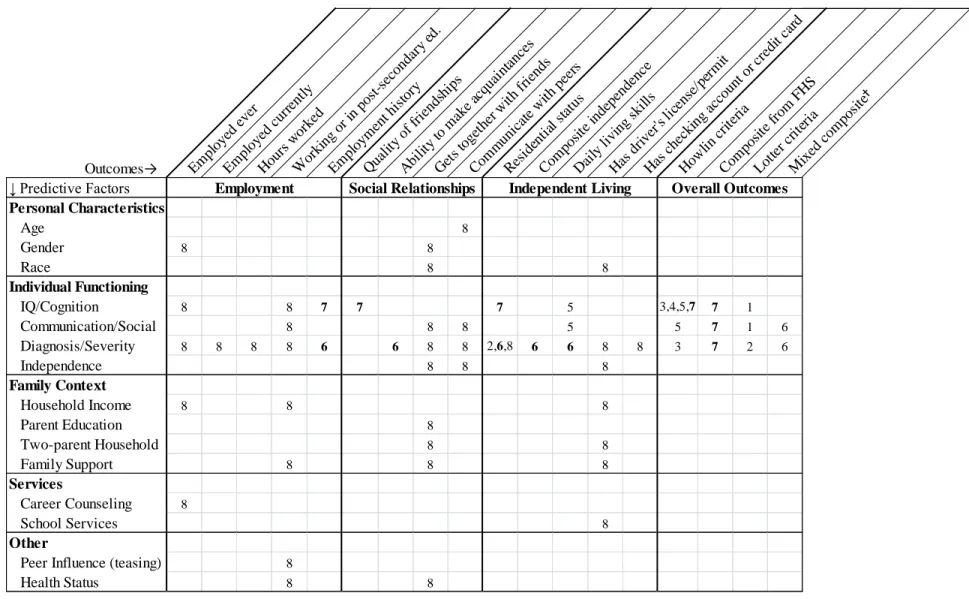
TABLE 3.3: Statistically Significant Predictors of Participation Outcomes Identified in Included Studies
Notes. Numbers refer to corresponding studies (see Table 3.2). Bolded numbers indicate high quality studies. FHS, family history schedule. †, mixed composite was based on domains of language, friendship, independence, and stereotyped behaviors.
Outcomes→ Em ployed e
ver
Em ployed c
urre ntly
Hour s wor
ked
Wor king o
r in po st-s
econd ary e
d.
Em ploym
ent hi stor
y
Qua lity of
frie nds
hips
Abi lity t
o m ake acquai ntanc es Get s toget
her w ith f
riends
Com muni
cate with pee
rs
Res ident
ial s tatus
Com pos
ite indepe ndenc
e
Dai ly livi
ng s kills
Has drive
r's li cens
e/pe rmit
Has che
cking ac coun
t or c redi
t car d How lin c riter ia Com pos
ite fr om F
HS
Lot ter c
riter ia
Mixe d com
pos ite†
Employment Social Relationships Independent Living Overall Outcomes ↓ Predictive Factors
Personal Characteristics
Age 8
Gender 8 8
Race 8 8
Individual Functioning
IQ/Cognition 8 8 7 7 7 5 3,4,5,7 7 1
Communication/Social 8 8 8 5 5 7 1 6
Diagnosis/Severity 8 8 8 8 6 6 8 8 2,6,8 6 6 8 8 3 7 2 6
Independence 8 8 8
Family Context
Household Income 8 8 8
Parent Education 8
Two-parent Household 8 8
Family Support 8 8 8
Services
Career Counseling 8
School Services 8
Other
Peer Influence (teasing) 8
Health Status 8 8
Employment Social Relationships Independent Living Overall Outcomes
30
participation outcomes in the included studies are displayed in Table 3.3 with the corresponding study number (refer to Table 3.2 for study numbers). Throughout this review, significance refers to statistical significance as determined and reported within each publication.
Personal characteristics. Personal characteristics (age, gender, and race) were only
found to be significant in study 8—publications from the National Longitudinal Transition Study-2 (NLTS2; IES, n.d.). Liptak, Kennedy, and Dosa (2011) identified age at baseline as a significant predictor of how often friends telephoned (social) at follow-up; the older participants were, the less likely they were to by telephoned by friends. Relevant in this situation is the rigid timing in the design of Study 8 (such that, age at wave 1 directly relates to age at wave 3), and it is likely that it is actually the age at follow-up that is predictive in this case. African American race was identified as a negative predictor of how often participants got together with friends, and white race as a positive predictor of having a driver’s license or permit (Liptak et al., 2011). Gender was identified in study 8 as a predictor of both whether participants were employed ever and how often they got together with friends. Chiang, Cheung, Li, and Tsai (2013) reported that males were less likely to be employed and Liptak et al. (2011) that males got together with friends less often. Of note, gender was found to be a non-significant predictor of overall
outcome by Billstedt et al. (2005). No other personal characteristics were reported as significant or non-significant predictors of participation outcomes in the manuscripts.
Individual functioning. Level of individual functioning (IQ/cognition,
significant predictor of overall outcome (Howlin et al., 2013). The individual functioning factors were often, but not always, measured using standardized behavioral assessments; however, most studies utilized a combination of multiple measures across participants for various reasons.
IQ/cognitive functioning. Intellectual functioning has been heavily studied as a predictor of outcomes for individuals with ASD. Higher IQ was identified to predict employment in two included studies. Howlin et al. (2004)—a high quality study—found that individuals with an IQ ≥70 (measured by various standardized assessments) had higher levels of work than individuals with IQs in the 50-69 range. From the NLTS2 (study 8), Liptak et al. (2011) identified that having an educational classification of intellectual disability negatively predicted engagement in employment or post-secondary education and Chiang et al. (2013) found parent-reported
intellectual disability to negatively predict whether participants were employed ever. Quality of friendships and residential status were also identified by Howlin et al. (2004) to be negatively predicted by lower IQ. Gillespie-Lynch et al. (2012) found that higher IQ predicted higher skills in activities of daily living as measured by the Vineland Adaptive Behavior Scales (VABS; Sparrow, Balla, & Cicchetti, 1984).
32
quotient score on its own to be a significant predictor (Gillespie-Lynch et al., 2012). Two additional studies (Billstedt et al., 2005; Eaves & Ho, 2008) reported an identified relationship between IQ and overall outcomes, but no parameter or significance estimates were reported.
Communication/social functioning. One included study identified a relationship between problems conversing and whether or not participants were employed or in post-secondary education at a later time point (Liptak et al., 2011). No other studies reported looking at
communication or social functioning as a longitudinal predictor of employment outcomes. The same study identified predictive ability of communication/social skills to social
relationships/participation outcomes, finding how well youth communicated to positively predict both how often friends telephoned and how often youth got together with friends over the course of a year (Liptak et al., 2011). Social assertion and clarity of speech were also identified as predictors of how often friends telephoned (Liptak et al., 2011), though the association with clarity of speech appears to be contrary to what would be expected (negative standardized beta coefficient reported though not explained in the manuscript).
One study identified a significant relationship between communication skills and independent living outcomes. Gillespie-Lynch et al. (2011) found language age equivalent at their first time point (M=3.9 years of age) to significantly predict the later daily living skills scores on the VABS (Sparrow et al., 1984). Of note, this study also examined the predictive potential of initiation of joint attention and response to joint attention at the same time point and found that these social-communication factors did not significantly predict daily living skills at follow-up.
joint attention and language age equivalent at time one as well as change in language age equivalent from childhood to adolescence to be significantly correlated with overall outcome. Howlin et al. (2013) found reciprocal social interaction score on the Autism Diagnostic Instrument (ADI; Le Couteur et al., 1989) to be the strongest predictor of overall outcome in mid-late adulthood; though it is important to note that although the participants were initially assessed in early childhood, the ADI was performed retrospectively at a later time point (when participants were 7 to 46 years old). These authors also identified that with reciprocal social interaction in a multivariate model, childhood language scores (ADI communication domain) were no longer significant in their analyses (Howlin et al., 2013). Howlin, Mawhood, and Rutter (2000) found that Peabody Picture Vocabulary Test (PPVT; Dunn, Dunn, Bulheller, & Häcker, 1965) score at time one (M=7 years of age) accounted for 32% of the variability in overall composite score at follow-up. Billstedt et al. (2005) also reported that communicative phrase speech at age 6 was correlated with better outcomes, though the manuscript does not report on the methods used or statistical parameters (including significance).
Diagnosis/severity. Multiple studies have compared longitudinal predictive factors of participation outcomes across individuals with ASD and those with various other diagnoses. Articles from the NLTS2 (study 8) compared outcomes across individuals with eleven other educational diagnostic classifications including learning disability, specific language impairment, sensory impairments, brain injury, multiple disabilities, and other health impairments.
Individuals with an educational classification of autism have been found to have less
34
communicates with peers online), and independent living outcomes (i.e., residential
independence, having a driver’s license or permit, and having a checking account or credit card) (Newman et al., 2011). They did not differ from many of the other classifications on number or duration of jobs, types of jobs held, or wages/benefits among those who had held at least one job (Newman et al., 2011).
Howlin et al. (2000) identified significant differences in employment history, ability to make acquaintances, independent living (i.e., living arrangements, VABS daily living skills scores, and composite independence), and overall (composite of friendships, independence, language, and stereotypies) outcomes between a group of men diagnosed with developmental receptive language disorder in childhood (7-8 years of age) and those with autism (M=7 years of age). However, in this study, the two groups did not differ in friendship levels alone at follow-up (Howlin et al., 2000). Cederlund et al. (2008) identified significant differences between
independent living and overall outcomes of individuals diagnosed with Asperger syndrome versus autistic disorder at baseline. When comparing outcomes of adults with Asperger syndrome and persistent non-verbal learning disorder (NLD), childhood NLD, and those who never had NLD, Hagberg et al. (2013) did not find significant differences in independent living outcome (VABS daily living skills score).
Schopler, Reichler, & Renner, 1988) score predicted overall outcome, though when combined with verbal IQ in a multivariate model, autism severity became statistically non-significant.
Independence. Liptak et al. (2011) explored the relationship between levels of
independent-living skills at wave one of the NLTS2 and social and independent living outcomes. Higher ratings on functional abilities positively predicted both how often friends telephoned and how often youth got together with friends in the past year (Liptak et al., 2011). Independence in activities of daily living also positively predicted whether or not individuals with ASD had a driver’s license or permit. No other included studies reported examining relationships between independence level and participation outcomes over time.
36
a paid job in the future were examined by Chiang et al. (2013) and found to independently differentiate those who later were employed, but this variable was not significant in a
multivariate model. No other included publications reported exploring relationships between family context variables and participation outcomes.
Services. Publications from the NLTS2 (study 8) reported significant relationships between services and participation outcomes. Specifically, Chiang et al. (2013) identified having received career counseling as positively predicting whether individuals had been employed ever and Liptak et al. (2011) identified the number of school services received to positively predict whether or not individuals had a driver’s license or permit. Howlin et al. (2013) examined whether there was a relationship between attending special autism schools (versus nonspecialist schools) and long-term overall outcomes, finding non-significant results. No other included studies reported examining relationships between services and participation outcomes.
3.4 Discussion
In this review, we present a summary of longitudinal studies published in the past 15 years which identify predictors of participation outcomes (i.e., employment, social
relationships/participation, independent living, or a combination thereof) for individuals with ASD. Special education policies in the U.S. (i.e., IDEA, 2004) mandate effective planning for post-high school life including education, employment, adult services, independent living, or community participation. To do this requires knowledge of what aspects of an individual’s life and experiences might contribute to expected outcomes in order to identify areas to focus on in the planning process and to develop promising support plans. We argue that this information, combined with priorities and goals identified by the transitioning youth and their family (Kim & Turnbull, 2004), is necessary for development of an effective transition plan.
Only eight unique studies met inclusion criteria for the present review, thus
demonstrating there is little current research (published in the past 15 years) about factors before high school exit that give us information about what we might expect for individuals with ASD after high school. This limits the transition planning process and may result in confusion and stress for families and individuals (Seltzer, Krauss, Orsmond, & Vestal, 2001). The knowledge generated in this review is critical for informing evidence-based transition practices (Mazzotti, Rowe, Cameto, Test, & Morningstar, 2013) and development of more effective service provision for this population both before and after transition (Test et al., 2014). In the following sections, we discuss the implications of the present review in terms of the influence of study
38
Influence of study methodologies on interpretation. Practical implications of individual research publications and research reviews hinge on the study design and quality of individual publications and the relative strengths and weaknesses observed across the included body of research (IOM, 2011). For the purposes of this review, we considered studies meeting fewer than nine of 16 quality criteria to be of low methodological quality. However, none of the included studies fell into the low quality category for this review. It appears that our inclusion criteria may have screened out the low quality studies, particularly in regard to publication date. It is likely that the rigor required for publication of these studies has increased in recent years in accordance with the dramatic rise in publications on ASD (IACC, 2012). The majority of the included studies met criteria for moderate methodological quality (i.e., meeting 9-12 criteria) and two studies—resulting in three included publications—met criteria for high quality. There are a number of aspects of the publications included in the present review that impact the manner in which interpretations can be drawn including sample characteristics and data collection and analysis techniques.
hypotheses (Banerjee, Chitnis, Jadhav, Bhawalkar, & Chaudhury, 2009); Taylor (2009) identified lack of theory as a concern in this body of research.
Additionally, sample size can affect the extent to which predictor variables meet
significance in individual analyses and how generalizable the findings are. Studies with smaller samples (e.g., Gillespie-Lynch et al., 2012; Howlin et al., 2000) may under-identify factors and also may be less-representative of broader populations. Alternately, larger sample sizes (e.g., Chiang et al., 2013; Liptak et al., 2011; Newman et al., 2011) may find significance in factors without taking into account the magnitude of the effect. Gender representation in the samples is another aspect that influences interpretation. ASD is consistently described to be more common among males than females; however, only three studies recruited a male to female proportion within a 10% of current population estimates (4.5 to 1, or 22%; CDC, 2014). Additionally, this practice limits the ability of researchers to examine predictors of adult participation outcomes that may be unique to females with ASD. The Interagency Autism Coordinating Committee (IACC, 2011, 2012, 2013) described a pressing need for more research on all aspects of ASD among females, which is yet unmet in this body of literature.
40
while others did not provide sufficient information (Cederlund et al., 2008; Chiang et al., 2013; Eaves & Ho, 2008; Hagberg et al., 2013; Liptak et al., 2011; Newman et al., 2011). However, even with comparable characteristics at baseline, there remains potential for attrition-related study bias (Young & Karr, 2011).
Finally, differences in diagnostic procedures and inclusion criteria related to diagnosis and functional level employed across studies may be relevant for our interpretations. The studies in the present review included participants who were diagnosed using different procedures and/or had varying diagnoses (e.g., autistic disorder, Asperger syndrome). Although this may have posed a challenge, we identified similar predictors across studies. This may imply that although outcomes may differ, predictors of outcomes have relevancy across the autism spectrum (i.e., despite marked heterogeneity in the diagnosis).
Data collection and analysis. Data collection and analysis techniques used in prognostic
studies can influence generalizability to broader populations and implications for practice