ABSTRACT
Introduction:
Among children aged 6-11 years old, obesity rates have increased from 6.6% to 19.6% between 1976-1980 and 2007-2008. Although childhood obesity has become a priority on a national, state, and local level, there is no simple solution to solving this issue. Decreasing the incidence of obesity among children requires targeting their diet and activity levels, and given that children spend most of their waking hours in the school system, school-based interventions serve as a potential outlet for prevention. SMART Food for Thought is a partnership with Healthy Carolinians of Orange County within the Orange County Health Department and the Chapel Hill-Carrboro City School District in North Carolina to create a SMART Board based nutrition curriculum to improve the nutrition and physical activity knowledge of children in the school district.
Literature Review:
A literature review was conducted in order to identify and evaluate existing curriculum-based programs that promote healthy eating and physical activity similar to SMART Food for Thought. The MEDLINE, ISI Web of Science, and the Education Resources information Center were searched for original research articles. The review demonstrated that most programs were successful interventions over the short term for improving nutrition knowledge; however, the long-term efficacy is questionable.
Program Plan:
The program plan provides a detailed description of the SMART Food for Thought
program. SMART Food for Thought is grounded in behavior change theory, and it focuses on the Health Belief Model, the Social Cognitive Theory, and the Diffusion of Innovations Theory. The main activities in the creation of the program include the development of SMART Board lessons for grades kindergarten through fifth grade, stakeholder presentations, a trial launch of the program during National Nutrition Month, the creation of a teacher training presentation, and full implementation of the curriculum this upcoming school year.
Evaluation Plan:
In order to ensure the sustainability and dissemination of SMART Food for Thought, an evaluation plan for the program is described. The program would likely benefit from an internal evaluator. Qualitative methods, such as, interviews and focus groups, and quantitative methods, such as surveys, will be used to obtain data. The implementation evaluation will be conducted with an observational study design while the outcomes evaluation will use a quasi-experimental design with a one group, pre-test/post-test method to assess changes in nutrition knowledge. The findings will be disseminated through a final report, conference presentations, and publications in relevant journals.
Discussion:
The future of SMART Food for Thought is promising based on its accessibility,
to find SMART Board resources for lower-income areas, the dissemination of the program across the state is possible. Overall, curriculum is only one piece of the puzzle, and to achieve a lasting effect, schools will likely need to adopt a holistic approach and change the school
TABLE OF CONTENTS
Introduction 1
Systematic Review 4
Program Plan 20
Program Overview 20
Program Context 22
Program Goals and Objectives 27
Theoretical Framework 28
Program Implementation 31
Program Sustainability 36
Evaluation Plan 38
Rationale for the Evaluation 38
Approach to the Evaluation 39
Evaluation Study Design 41
Evaluation Methods 43
Evaluation Planning Tables 45
Dissemination Plans 49
Discussion 51
Acknowledgements 53
References 54
Appendix 56
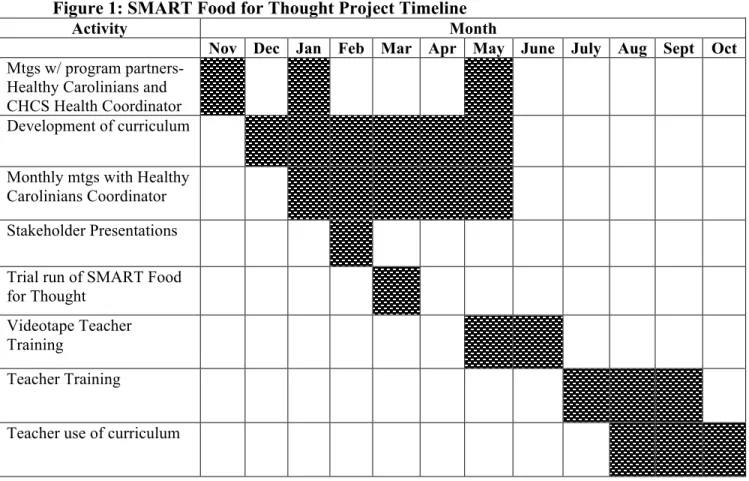
Table 1: Summary of Similar Programs 56 Figure 1: Implementation Timeline 57
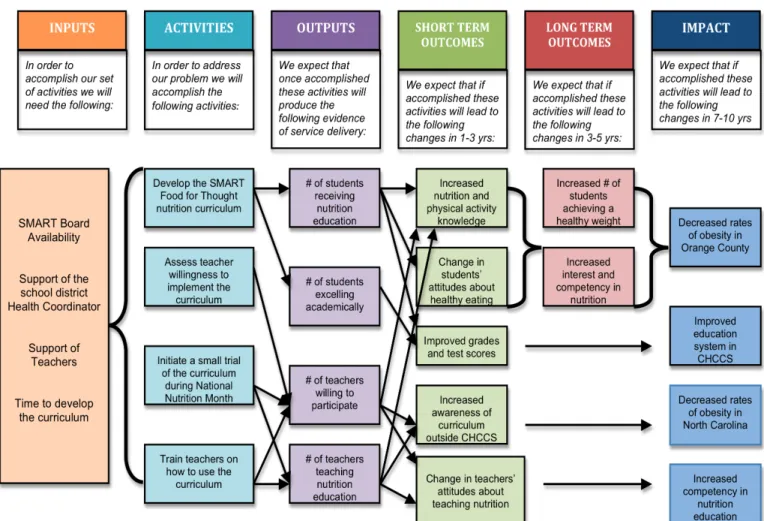
Figure 2: Logic Model 58
! "!
INTRODUCTION
Among children aged 6-11 years old, obesity rates in the United States have increased
from 6.5% to 19.6% between 1976-1980 and 2007-2008.1 Our society has become characterized
by an environment that promotes the consumption of less healthy food and sedentary behavior,
and thus, it can be difficult for children to make healthy choices and to get enough physical
activity.1 This increased prevalence of childhood obesity is accompanied with an increase in
hypertension, dyslipidemia, hyperinsulinemia, Type 2 diabetes, osteoarthritis, and asthma.2
Moreover, overweight youth are often depressed, rejected by their peers, and have lower
self-esteem.2
It is obvious that there is no simple solution to the childhood obesity epidemic; however,
the importance of prioritizing this health problem is apparent based on the national, state, and
local initiatives that public health officials and policy makers have created over the years. On a
national level, initiatives such as the Let’s Move campaign created by the First Lady, Michelle Obama, have attempted to help solve the childhood obesity crisis.3 Additionally, North Carolina
has attempted to tackle this issue with their Eat Smart and Move More movement that focuses on promoting increased opportunities for healthy eating and physical activity.4 Lastly, on a local
level, school based initiatives such as improving the Chapel Hill- Carrboro City Schools
Nutrition Policy, attempt to promote an environment supportive of healthy nutrition.5
Ultimately, decreasing the incidence of obesity among children requires targeting their
diet and activity levels.6 Thirty-five to forty percent of a children’s daily caloric intake occurs
during the school day, and ninety-five percent of all school-age children in the United States
attend school; thus, the school setting serves as a perfect opportunity to address childhood
! #! nation might employ to reduce four main chronic disease risks: tobacco use, unhealthy eating
patterns, inadequate physical activity, and obesity.7 Moreover, a systematic review of
school-based interventions by Brown and Summerbell demonstrated that school-school-based interventions
may help prevent children from becoming overweight in the long term.8
Seeing the potential for school-based nutrition interventions, SMART Food for Thought
was created with the intent of improving the nutrition and physical activity knowledge of
elementary school children so that they can make better food choices in the future. This project
is a partnership with Healthy Carolinians of Orange County within the Orange County Health
Department and the Chapel Hill-Carrboro School District in North Carolina, and it focuses on
the creation of a SMART Board based nutrition curriculum. The main activities for the
development of SMART Food for Thought include the creation of SMART Board lessons for grades kindergarten through fifth grade, which were adapted from the state developed Food for Thought nutrition curriculum, as well as stakeholder presentations and a trial version of the lessons during National Nutrition month, which were used to garner support for the program.
Although many nutrition curricula have been created to educate youth on healthy eating
and physical activity, there are no peer-reviewed articles describing the usage of SMART Board
Technology to create a curriculum for elementary school students. Thus, SMART Food for Thought served as a perfect opportunity to address this gap. Given that children are more technologically advanced than ever, utilizing this innovative approach will hopefully spur
students’ excitement for the material. Moreover, by providing teachers with ready-made, easily
accessible lessons, they will likely be motivated to teach nutrition in the classroom, which will
! $! The purpose of this paper is to provide a comprehensive overview of SMART Food for Thought. The first section of the paper consists of a review of the literature for other curriculum-based programs. By identifying and evaluating similar programs, more can be learned about
existing programs in order to improve the success of SMART Food for Thought.
The second section of the paper comprises the program plan. The purpose of this section
is to provide a detailed description of the program. It includes information regarding the
program context, relevant program theories, goals and objectives, an implementation plan, a
sustainability plan, and a logic model.
Following the program plan, the next section of the paper contains a plan for evaluation.
This aim of this section is to provide a framework for the implementation and outcome
evaluation of the program. Specifically, this section details the evaluation study design,
methods, and questions, as well as plans for dissemination.
The paper concludes with a discussion of the implications and future direction of
! %!
SYSTEMATIC REVIEW
Introduction
Schools serve an important role in reaching the country’s youth for health prevention. In
2004, the Institute of Medicine recommended, “schools should provide a consistent environment
that is conducive to healthful eating behavior and regular physical activity.”9 They also advised
that “coordinated changes in the classroom curriculum, the in-school advertising environment,
school health services, and after-school programs all offer the potential to advance obesity
prevention efforts.9” Several school-based intervention studies have demonstrated that changes
in the school environment can affect students’ dietary choices as well as improve the quality of
their diets while at school.9
SMART Food for Thought addresses this potential outlet for behavior change through a curriculum-based approach to educating elementary school students on the importance of healthy
eating and physical activity. A central element of this program is the utilization of a SMART
Board, which is an interactive whiteboard, in order to disseminate the lessons to students. By
creating multidisciplinary, ready-made lessons that teachers can easily access, we hope to
encourage nutrition education in the school setting.
Given the ability of schools to significantly influence child health, it is essential to
determine the effectiveness of these school-based interventions. The purpose of this literature
review is to identify and evaluate existing curriculum-based programs that promote healthy
! &!
Methods
Search Strategy
In order to identify potential programs, I searched the electronic databases Pubmed
(MEDLINE), ISI Web of Science, and the Education Resources Information Center (ERIC) from
February 4, 2011 to February 15, 2011. I used the search terms (“Intervention” OR “Prevention” OR “Health Program” OR “Health Promotion”) AND (“Obesity” OR
“Overweight”) AND “Elementary School AND (“Curriculum” OR “Education”). I identified 160 articles in Pubmed, 88 articles in ISI Web of Science, and 70 articles in ERIC. I then
reviewed the titles and abstracts of these articles in order to determine whether each article met
inclusion criteria. An additional search included the search terms Technology OR Smart Board
in order to target the most similar programs to SMART Food for Thought; however, given the lack of applicable articles, I included none of the articles from this search in this review.
Inclusion Criteria
Criteria for inclusion included:
1. The article is in English and the program took place in the United States.
2. The program takes place in an elementary school.
3. The program’s primary component is the use of a curriculum to educate students on
healthy eating and physical activity (excluded if they used other strategies in addition
to a curriculum)
4. The lessons take place during regular school hours (excluded after-school programs)
Given the large numbers of articles focused on preventing childhood obesity in the school
! '!
Results
Color My Pyramid
Moore, Pawloski, Goldberg, et al describe Color My Pyramid, which is a nutrition education program based on the revised USDA Food Guide Pyramid for fourth and fifth
graders.6 The intervention consisted of six classes taught over a period of 3 months, and it
included content based on “general nutrition concepts, moderation and variety, portion sizes,
exercise and activity, introduction to MyPyramid.gov for kids, and experiential learning with the
Blast Off Game.6
The Blast Off game is an entertaining way for students to increase their knowledge about
making healthy food choices and physical activity. Students are asked to choose food and
activities that will help them meet their daily food group and calorie requirements while avoiding
high fat and sugary foods.6 Once the selections are complete, students can attempt to “blast off”
to see whether they have an appropriate balance of food and activities to reach Planet Power.6
Similar to Smart Food for Thought, it focuses on an interactive approach to education.
The authors evaluated the effect of the Color My Pyramid nutrition education program on children’s nutrition knowledge, nutrition self-care practices, physical activity, and nutrition
status (blood pressure and percentiles for height, weight, and BMI). They compared one
hundred and twenty-six students from two schools. Although both schools received the same
education and activity content, the experiential learning implemented differed. School 1 students
received a more didactic presentation on playing the Blast-Off Game while the students in
School 2 used individual computers to evaluate their diets in small groups.6
Based on combined pre-test and post-test results from both schools, the authors found
! (! systolic blood pressure (p<0.001). Additionally, they discovered a significant difference in
nutrition knowledge between School 1 and School 2 from pre- to posttest with School 1 making
the greatest gains (p=0.029).
Despite the improvements that the program achieved, there are some limitations to this
study. One issue is the generalizability of the study given that the participants were primarily
African-American with low socioeconomic status. Given this demographic, these students may
experience barriers to obtaining fresh fruit and vegetables as well as access to safe areas for
physical activity. Moreover, the fact that the program only consisted of six lessons may have
affected the efficacy of this curriculum. Additionally, physical activity was a self-reported
outcome, thus, there could be issues of overreporting that occurred during the post-test given
increased awareness of physical activity. Lastly, the study does not report how the authors
monitored implementation of the curriculum by teachers, thus, if teachers did not use the
curriculum properly or used it differently between the two schools, it may have resulted in a
lower or possibly higher strength of effect.
One of the strengths of this curriculum is its focus on the self-care deficit nursing theory,
which is focused on students taking responsibility for their own food choices and physical
activity through the Blast Off Game rather than relying on parental decision making.6 However,
although it is essential to improve children’s self-efficacy, a parent component may prove
beneficial for future reproduction of this curriculum, as a child’s social environment plays a large
role in their decision to eat healthy. Additionally, the short training course for teachers not only
increased teacher “buy-in” to the project but also allowed for an increased familiarity with the
! )! advanced than in the past, approaching nutrition education through an interactive game seems to
be an approach that targets the current interests of children.
Improving Meals and Physical Activity in Children and Teens
The Improving Meals and Physical Activity in Children and Teens (IMPACT) is a school-based curriculum that uses a “train-the-trainer” model to improve healthy eating.10IMPACT
consisted of medical students training high school students as health educators, and then both
groups implementing the IMPACT diet and activity curriculum in a rural elementary school. The program was based around a 12 week school-based curriculum that consisted of approximately
twenty minutes of physical activity and forty minutes of a nutrition lesson developed to fit within
the North Carolina academic competency goals in math, science, reading, social studies,
language arts, and/or healthful living for the 4th grade.10 Similar to Smart Food for Thought, this curriculum was based around the concept of cross-content lessons to educate students.
In addition to the in-class lessons, students had weekly homework assignments that
required parent or guardian participation for each lesson. The curriculum content included
information on MyPyramid for kids, reading nutrition labels, food and activity from around the
world, identifying food advertising strategies, and the benefits of a healthy, active lifestyle. The
study authors were present at each of the lessons and participated in the lesson instruction.
Additionally, control classrooms received the usual health education materials, but none of the
IMPACT materials.
The authors’ evaluated the outcome of IMPACT by changes assessed in self-reported nutrition and physical activity knowledge, attitudes, and behaviors. This was assessed pre- and
! *! and Nutrition questionnaire.10 Thirty-eight fourth grade students from the intervention
classrooms and thirty-seven fourth grade students from the control classrooms participated.
Students who participated in the IMPACT curriculum reported a statistically significant increased intake of fruits and vegetables (p<0.05) as well as an increased intake of
calcium-containing foods and grains, which was not statistically significant.10 Although intervention
students increased their consumption of these foods, they experienced no changes regarding their
dietary attitudes and beliefs.10 Additionally, although one-third of the curriculum was devoted to
physical activity, the authors did not detect significant differences in physical activity.10
Despite some of the positive results obtained, there are some limitations for this study.
The small sample size may have limited the ability to detect differences in some outcomes.
Although the study was powered enough to detect a difference of one serving per day in the
outcome of daily fruit/vegetable and calcium servings, the sample size may have been
insufficient to detect smaller differences that may prove beneficial. Additionally, at baseline, the
intervention students had a higher BMI, which served as a source of selection bias. Thus, this
limits the comparability of the intervention and control groups, and may have contributed to the
inability to detect a difference in some of the outcome measures. Moreover, issues with
continuity of the instructors may have limited the efficacy of the curriculum in its use of peer
educators. Lastly, the generalizability of IMPACT is limited in light of the small sample size.
A strength of this curriculum is its focus on peer-led interventions. IMPACT, like
SMART Food for Thought, is based on the Social Cognitive Theory, which recognizes the influence of the school and home environment on dietary behavior. Since the curriculum
incorporates homework assignments as well as peer modeling, it considers these different aspects
! "+! the utility of the lessons as teachers have more incentives to incorporate the curriculum into their
standard course of study, which is an essential element of SMART Food for Thought.
It’s All About Kids
The Tulsa Health Department, Tulsa Public Schools, and community partners designed
It’s All About Kids in order to improve food choices and increase physical activity of students in first through fifth grade. The curriculum component consisted of six weekly 30-minute
classroom lessons. Topics included food labels, lower-fat food choices, portion sizes, and
decision-making related to food choice.2 Additionally, each lesson was based on a hands-on
activity in order for students to achieve the objectives of the lesson.2
The evaluation of the curriculum consisted of one hundred and forty fourth grade
students from five intervention schools (71 students) and five comparison schools (69 students).
The authors measured knowledge, attitudes, and behaviors related to nutrition using the
Knowledge, Attitudes, and Behaviors questionnaire during a pre-, post-, and three-week
follow-up test.
Intervention students demonstrated a significantly improved food choice intention score
(p=0.012) at post-test as compared to control students.2 Mean scores on the Which Food Has More Fat scale increased significantly (p=0.043) from pretest to posttest in the intervention group, however, this was not maintained at the three week follow-up test.2 There was no
significant difference between groups in the Food Self-Efficacy or Nutrition Knowledge scores at posttest or follow-up test.2
One of the limitations of this curriculum is the short time frame of the lessons. The
curriculum consisted of only six lessons that lasted thirty minutes, raising the question of
! ""! Additionally, the authors do not discuss the use of a teacher training to acclimate teachers to the
content of the lessons in order to improve their comfort with utilizing the curriculum or a method
of monitoring their use. Lastly, the participants in the intervention were students from Title 1
schools, which qualify for assistance due to poor student performance, poor parental
involvement, limited access to health care services, and 80% free and reduced cost lunch meals.
Thus, these barriers to healthy foods and physical activity may have weakened the effect of the
program in this population; however, any effect seen with a more challenging group
demonstrates the potential of the program on a larger scale with a more diverse population.
A strength of It’s All About Kids is its incorporation of healthful-eating food games, taste-tasting, whole-grain bread baking, and food demonstrations. By providing students with a
hands-on approach to learning, it encourages a fun learning environment that is important for
elementary school students. Additionally, the authors analyzed the harms associated with the
curriculum such as, increased worry about overweight or increased attempts to lose weight in
unhealthful ways. Especially among young children, it is essential that nutrition education
programs do not promote unhealthy eating habits or contribute to distorted body images.
Wellness, Academics & You
The Wellness, Academics & You (WAY) program “engages students in multidisciplinary activities in language arts, mathematics, science, and health content, building their academic
skills while developing their health attitudes and behavioral intent.”7 Through this curriculum,
students confront their own attitudes and beliefs, consider beliefs of others, and examine their
behaviors in relation to their attitudes and beliefs.”7 The program activities are organized into
discrete modules: Module 1 orients students to the program and the concept of wellness; Module
! "#! 3 focuses on physical activity and fitness; Module 4 addresses nutrition and the way one eats;
Module 5 teaches students more about their bodies; Module 6 provides an orientation to genetics
and family health history as a resource to examine personal health; and Module 7 encourages
students to bring home the information and skills they learn in class.7
In addition to the modules, intervention classes followed a ten-minute aerobic exercise
routine each day during class. Moreover, the WAY program included activities that required students to interview family members to learn about their family health history as well as discuss
meal and activity planning with their parents or guardians. The program also used a website
(www.wayplanet.com) that provided resources for teachers, students, and parents as well as
interactive DVD and DVD player, box of laboratory equipment, and student personal journals.7
Lastly, before the implementation of the program, a workshop was conducted for all intervention
teachers in order to educate them on the proper way to integrate the curriculum into their
courses.
Overall, the sample consisted of 1013 students in fourth and fifth grades from sixty-nine
classes in four states (Delaware, Florida, Kansas, and North Carolina). The intervention group
contained 479 students, while the control group contained 534 students. The author’s outcome
measures for the evaluation of the program included BMI shifts, increased fruits and vegetable
consumption, and increased physical activity levels.
The authors’ noted a significant shift (p=0.01) in BMI in the intervention group with a
2% reduction in overweight (BMI>85% for age and sex).7 Additionally, post study comparisons
demonstrated an increased consumption of fruits and vegetables in both groups with a higher
increase in the intervention group; however, this was not statistically significant. Despite the
! "$! levels.7 Lastly, physical activity levels in the intervention group increased in both school and
home settings with a reported baseline mean activity rate of 11.8 min/day during the school day
and 22.34 min/day outside of the school data and a post study reported mean activity rate of 20.5
min/day during the school day and 37.42 min/day outside of the school day; however, this was
not statistically significant.
Although the authors looked at the changes in fruits and vegetable consumption, they did
not measure nutrition knowledge pre- and post- intervention. Given that the program did not
demonstrate statistically significant increases in fruit and vegetable consumption, it is possible
that there was an increase in health knowledge that was not reflected in increased consumption,
as a child’s diet is partially dependent on the foods provided at home. Additionally, although the
authors noted increased physical activity levels in the intervention group, it is possible that
because this information was self-reported, the increase was a result of increased awareness of
physical activity since physical activity was incorporated into the lessons. Moreover the authors’
do not discuss methods for monitoring use of the curriculum in the classroom.
One of the strengths of this program is its multidisciplinary approach to teaching kids
about the benefits of healthy eating, which is similar to SMART Food for Thought. By
combining objectives from other core subjects, it encourages teacher “buy-in” to the curriculum.
Additionally, like SMART Food for Thought it uses technology to aid in the dissemination of information. Children use the internet more than ever, so by providing children and parents with
a website to be used at home and at school, the authors can target their intervention in multiple
settings. The use of a daily journal to record personal reflection and food choices is a way to
encourage students to understand their attitudes and intentions for their behavior so that they can
! "%! sampling techniques the authors diminished the chance of bias in the study. Lastly, since a
person’s environment influences behavior change, the use of a lesson that orients students to
genetics and family health history is an effective way to examine the social circles that influence
their attitudes.
FoodMASTER
The Food, Math, and Science Teaching Enhancement Resource Initiative
(FoodMASTER) curriculum focuses on using food as a tool to teach mathematics and science. The program consisted of 45 one-hour hands-on lessons comprised of ten topics that include,
measurement; food safety; vegetables; fruits; milk and cheese; meat, poultry, and fish; eggs; fats;
grains; and meal management.11
The teachers participated in a four-day training where they received educational material,
an overview of the curriculum, and practice in the test kitchen with the hands-on activities.
Overall, the study consisted of 204 third grade intervention students and 34 third grade control
students. In order to evaluate the FoodMASTER curriculum, the authors used The Bock Kids
Food Frequency Questionnaire 2004 (BKFFQ) to measure the dietary intake of students.12
Students completed the questionnaire prior to the intervention, as well as at the completion of the
study.
Results demonstrated the FoodMASTER curriculum contributed to no significant
differences in intake of macronutrients, specific nutrients, or food groups between the pretest and
posttest for the two groups of students.12 However, in an analysis comparing higher and lower
socioeconomic groups, which was determined based on the school-level proportion of students
receiving free or reduced-price lunch, significant differences were found for the intake of
! "&! Children from the higher socioeconomic group consumed a greater percentage of their
kilocalories from protein, and children in the lower socioeconomic group had a higher
percentage of kilocalories coming from sweets as well as a higher number of servings of fats,
oils, and sweets.
A possible cause for the failure to demonstrate a significant difference in dietary intake
could be that the overall dietary intake assed by the BKFFQ did not target all of the specific
dietary changes that the curriculum emphasized i.e. whole grain pasta.12 Another consideration is
that because the lessons are multidisciplinary and the authors did not monitor lesson
implementation, it is possible that the teachers stressed the mathematics and science objectives of
the curriculum over the nutrition content. Thus, when designing a cross-content nutrition
curriculum, it is essential to ensure an appropriate balance of subjects so that the nutrition
content is not overlooked. Another limitation of the study is that the authors did not include
nutrition knowledge as an outcome measure. Even though the study demonstrated no significant
difference in dietary intake, it is possible that the curriculum contributed to a change in
knowledge given the large number of lessons, even though it did not result in dietary intake
change. However, if this is the case, then the ability of the curriculum to address childhood
obesity is limited regardless. Additionally, the authors only included 34 students in the control
group, so it is questionable whether the study was adequately powered to detect a significant
difference. Lastly, the program consisted of a four-day teacher training to acclimate teachers to
the curriculum, which ideally may be beneficial; however, considering the hectic schedules of
teachers, it is likely that this approach is not realistic outside of the research setting.
One of the strengths of this program was the number of lessons that it included. Some of
! "'! incorporating more exposure to the nutrition content is a method to increase retention and
knowledge. Additionally, although this may also be viewed as a weakness, the use of a
multidisciplinary approach to creating the lessons is another strength of the program because it
does provide a cross-content approach to learning that teachers might appreciate.
Summary of Findings
See Table 1 (Appendix) for a summary of included programs.
Discussion
The curricula described in this literature view provide a picture of the existing programs
for elementary school children. Although more programs exist, those selected are similar to
SMART Food for Thought given their use of technology and their cross-content approach. The programs reviewed demonstrated various commonalities. For example, all but one
program2 consisted of a teacher training prior to implementation in order to familiarize teachers
with the content of the lessons. SMART Food for Thought capitalizes on this critical component that is necessary to develop a foundation for implementation. Additionally, the use of a teacher
training allows teachers to feel more comfortable utilizing the curriculum, which ultimately
improves the quality of the lessons taught.
Additionally, three of the programs described 7, 10, 12 incorporated a multidisciplinary
approach to developing the curriculum content. States require teachers to complete certain math,
science, and language arts requirements, and unless there is a specific health policy that is
enforced, nutrition education is often omitted. Therefore, the use of a lesson that incorporates all
of these different subjects provides motivation for teachers to make nutrition education a priority.
! "(! Two of the programs 6, 7 used technology, such as a website or online game, to aid the
curriculum. This is a vital aspect of SMART Food for Thought, and given the technological advances over the years, this may become a common trend in educating youth
The use of physical activity embedded into the lessons is another aspect that two of the
programs 7,10 had in common with SMART Food for Thought. Incorporating physical activity not only encourages students to exercise, but also, establishes a routine in which students are
more likely to follow on their own. Moreover, some research suggests that students who
participate in exercise regularly are less depressed, use drugs less frequently, have higher
attendance levels at school, and have higher grade point averages than students who do not have
regular physical activity.7
Another component of the various programs is the incorporation of a family component
into the curriculum.7, 10 However, overall, this was a less emphasized part of the programs in this
review. Although, SMART Food for Thought uses this approach in some of its lessons, this aspect is not an integral element. Since families serve as a fundamental part of a child’s life,
encouraging positive behavior changes in parents is a method to foster healthy eating habits in
children.
Most of the studies described took place in low socioeconomic or rural elementary
schools.2, 6, 10, 12 Although the Chapel Hill-Carrboro City School District has some pockets of low
socioeconomic and/or rural communities, overall, it is questionable whether the results obtained
from these studies are generalizable to this population in light of the better resources available in
this community.
Focusing on outcome measures, three of the studies evaluated nutrition and physical
! ")! evaluated anthropometric measures,6, 7 and three studies evaluated changes in physical activity.6,
7,10 Although all but one of the programs showed trends toward improvements in these factors,12
most of these differences were not statistically significant. Given the small sample sizes, it is
possible that these studies did not have enough power to detect a statistically significant
difference. However, in terms of health related outcomes, such as BMI, weight, blood pressure,
out of the two studies that reported these outcomes, only one study7 demonstrated a significant
positive shift in BMI in the intervention group. Lastly, only one study2 commented on harms
associated with the intervention. Future studies should look at the effects of nutrition curriculum
programs on body self-perception and as well as increased attempts to lose weight in unhealthy
ways.
Overall, this review provides insight into five curriculum-based programs that focus on
healthy eating and physical activity. Further questions remain on the effectiveness or
appropriateness of a nutrition curriculum for grades kindergarten through two as all the programs
discussed here used a sample of third, fourth, or fifth graders. Since SMART Food for Thought is a curriculum for grades kindergarten through fifth, these programs do not shed light on younger
age groups. Additionally, questions remain surrounding the number of lessons that should be
incorporated into a successful curriculum. In the five programs evaluated, the number of lessons
ranged from six to forty-five. However, despite these questions, important messages that can be
taken from this review are the use of teacher training and cross-content lessons to improve
teacher “buy-in,” employing technology to encourage greater participation from students and
families, integrating physical activity and family components, encouraging student reflection
! "*! outcomes and harms in evaluation outcomes. Incorporating these lessons learned will hopefully
! #+!
PROGRAM PLAN
Overview
SMART Food for Thought targets elementary school children in the Chapel Hill-Carrboro School District. The goal of this program is to promote child health through a school initiative
by converting the current Food for Thought nutrition curriculum into Smart Board lessons. The Nutrition Services Branch of the North Carolina Division of Public Health created the Food for
Thought curriculum in order to help educators teach the nutrition objectives of the healthful
Living Standard Course of Study.
A SMART Board is an interactive whiteboard that uses touch detection for user input.
Using a combination of a simple whiteboard and the power of a computer, teachers can create
dynamic lessons to improve lesson outcomes. Each elementary school in the Chapel-Hill
Carrboro City school district is equipped with Smart Board technology, and thus, this district
serves as an appropriate population for this pilot program given its resources. By providing
teachers with an interactive and easily accessible approach to teaching nutrition, we hope to
increase teacher utilization of these lessons.
Unhealthy eating and lack of physical activity are risk factors for obesity, and effective
nutrition education can motivate students to adopt healthier eating patterns and incorporate
physical activity into their daily routines, with the hope of reducing rates of childhood obesity.
Additionally, healthier eating and physical activity can improve academic performance in
students. After implementing this program in Chapel Hill and Carrboro, we hope to disseminate
these lessons to other school districts in the state with Smart Board operating systems.
! #"! network of agencies and citizens partnering to promote health and wellness in Orange County.
Their mission is to advocate, guide and assist Orange County in planning and implementing
health care strategies to promote healthy lifestyle and improve health status. Additionally, the
Chapel Hill-Carrboro City school district will serve in an advisory function to manage this
program. The Health Coordinator will maintain contact with school principals and teachers, and
she will facilitate market research by coordinating presentations with teachers in order to provide
! ##!
Program Context
National, State, and Local Priorities
Although the early and middle childhood years are typically healthy ages, these children
are at risk for certain conditions, such as asthma, dental caries, child maltreatment,
developmental and behavioral disorders, and obesity.13 Healthy People 2010 addressed the
earliest stages of childhood through goals for “Maternal, Infant, and Child Health,” however; the
early and middle childhood stages of development were not highlighted. Given this gap, the
“Early and Middle Childhood” area was included in Healthy People 2020 with the goal of
“documenting and tracking population-based measures of healthy and well-being for early and
middle childhood populations over time in the United States.13
In addition to a focus on early and middle childhood health, Healthy People 2020
continues to concentrate on reducing the proportion of children who are considered obese
(NWS-10) and preventing inappropriate weight gain in youth (NWS-11).14 Between 2005-2008, 17.4%
of children aged 6 to 11 years were considered obese, and Healthy People 2020 has set a target
goal of 15.7%.14
The Centers for Disease Control and Prevention (CDC) has also made childhood obesity
a pertinent issue through their Division of Adolescent and School Health (DASH). DASH
addresses the issue of childhood obesity by “supporting school-based strategies to promote
lifelong, healthy eating habits and physical activity among young people.15 This goal is achieved
through data collection and analysis (biennial Youth Risk Behavior Surveillance System),
science-based guidance, funding to state departments of education and health, evaluation, and
! #$! Lastly, the “Let’s Move!” campaign, initiated by First Lady Michelle Obama, has taken
on a national goal of solving the challenge of childhood obesity within a generation.3 This
campaign aims to combat the growing trend of childhood obesity through providing
communities, schools, and families with the resources they need to allow kids to live healthier
lives. With the launch of this initiative, President Barack Obama established the Task Force on
Childhood Obesity whose purpose is to develop and implement a coordinated strategy and action
plan to end childhood obesity.3
In North Carolina, childhood obesity is being addressed through a statewide movement
through the “Eat Smart, Move More North Carolina” campaign. This movement promotes
“increased healthy eating and physical activity wherever people live, learn, earn, play, and pray.”
In 2009, 17.1%16 of children in North Carolina aged 5-11 years old were overweight, and
25.8%16 of children aged 5-11 years old were obese, which was much greater than the national
average of 19.6%17 based on NHANES data from 2007-2008. In the school setting, the creation
of the Food for Thought nutrition curriculum for elementary school students continues to serve as a resource for educators across the state to integrate healthy eating and physical activity with
Math and Language Arts.
In 2004, the Chapel Hill-Carrboro City School District adopted a nutrition policy aimed
at promoting healthy eating habits and fitness in students through curriculum and healthy and
nutritious meals and snacks to students. This policy included a program of nutrition instruction
with objectives from the North Carolina Standard Course of Study, which serve to influence
student’s present knowledge and attitudes toward healthy lifestyles. Given that the childhood
obesity rate in this county is 19.2%18, which is greater than the Healthy People 2020 target goal,
! #%! The Political Environment
The political environment is ripe for initiating SMART Food for Thought. Given that childhood obesity is a priority at a national, state, and local level, the time is now to enact
programs that educate youth on the issues of healthy eating and physical activity.
Program Acceptability
Since teachers in kindergarten through fifth grade are familiar with the current Food for Thought curriculum, we are optimistic that both teachers and students in the school district will implement and adopt SMART Food for Thought. A major component of the curriculum is making the lessons easily accessible and customizable. By allowing teachers to take a
ready-made lesson and adjust it to suit their teaching style, we anticipate that it will promote greater use
of the SMART Food for Thought curriculum.
Additionally, we will create a lesson guide and provide a teacher training in order to
ensure that teachers understand how to use the lessons as well as to prevent technical problems.
Moreover, we plan to make the lessons interactive and fun so that students are engaged in the
learning process. All classrooms in the school district are equipped with SMART Board
Technology, so we believe that teachers will be responsive to the opportunity to use this
resource. However, if teachers are currently not using the Food for Thought curriculum or the technology in their classrooms, it may prove difficult to encourage utilization of the SMART
Board lessons even if they are easily accessible. This could be addressed by conducting
presentations where the benefits of the curriculum are conveyed to teachers.
Overall, achieving diversity is an essential goal, and this is achieved by having a diverse
group of individuals on the planning team as well as embracing other cultures within the
! #&! from different ethnic backgrounds in the lessons are a way to encourage cultural competence.
Moreover, the Healthy Carolinians Coordinator has expertise in the area of program planning,
the Health Coordinator has experience with program planning within schools, and I have an
undergraduate degree in Nutrition, we hope to play to each member’s abilities to ensure a
successful program.
We hope to include teachers throughout the planning process, because as stated before, a
big challenge will be encouraging teachers to use the new SMART Food for Thought curriculum if they never used the original lessons. Thus, we made presentations to teachers regarding the
curriculum in order to receive feedback about each lesson and to ensure that we are reaching
their needs. Moreover, we executed a trial launch of some of the lessons in order to get teachers
and students excited about the project, to encourage teacher buy-in, and to use teachers to market
the program to their colleagues.
Stakeholders
Healthy Carolinians of Orange County within the Orange County Health Department and
the Chapel Hill-Carrboro City School District are two key stakeholders in this project, in
addition to the students and teachers in the school district. The Coordinator of Healthy
Carolinians and the Health Coordinator of the School District are the main players in this
program. These key players originated the concept of developing a SMART Board approach to
nutrition education, and they serve an advisory role during the creation of the curriculum. The
biggest challenge that may arise from this partnership is a lack of communication of each
person’s objectives or priorities; thus, maintaining communication through email and meetings is
! #'! Other resources in the community include the Chartwells School Dining Services
Director and Registered Dietitian and the IT Customer Support Manager for the District. In
addition to maintaining open lines of communication with the main project partners, these
contacts may serve beneficial in the implementation of this project. Lastly, other stakeholders in
this program include principals, teachers, students and parents.
Financial Resources and Technical Feasibility
Financial resources to fund this project arise primarily from Healthy Carolinians;
however, the Chapel Hill-Carrboro City School district provided the SMART Board software
and license. It is estimated that these financial resources will most likely go towards printing, a
large flash drive, which will be used to back-up the lessons, and duplicating CDs for distribution.
Given that each classroom in the district is equipped with a SMART Board, we do not
have concerns about the SMART Board lessons reaching our target audience. However, a
challenge to consider in our planning is the unpredictable nature of technology. The lessons will
be created on a laptop and transferred to a computer that will be linked to a SMART Board in
each classroom. Thus, we may run into the issues of the lessons not converting properly or the
lessons not showing well on the actual SMART Board. Moreover, teachers may experience
some problems when using the curriculum, such as if the games or website links that are
embedded into the lessons start to malfunction.
In order to anticipate these challenges, we will schedule a time to work with an actual
SMART Board in order to ensure that the lessons convert properly from the laptop.
Additionally, we will include “Trouble-Shooting Tips” in the lesson guide that we will create
and we will develop a teacher training video in order to get teachers acclimated to the SMART
! #(!
Goals and Objectives
Goal: Improve the nutrition and physical activity knowledge of elementary school children in the Chapel Hill-Carrboro City School District.
• Short Term Objectives:
o By May 2012, at least 50% of the elementary school teachers in the Chapel Hill-Carrboro City School district will watch the SMART Food for Thought teacher training and use the SMART Food for Thought lessons appropriate for their grade level.
o By May 2012, at least 50% of the elementary school students in the Chapel Hill-Carrboro City School district will demonstrate better knowledge in regards to nutrition and physical activity.
o By August 2014, the SMART Food for Thought curriculum will be used in a school district other than Chapel Hill-Carrboro City.
o By August 2014, 50% of the elementary school students in the Chapel Hill-Carrboro City School district will demonstrate improved science grades a sign of academic improvement.
• Long Term Objectives
o By 2016, 90% of the elementary school teachers in the Chapel Hill–Carrboro school district will use the SMART Food for Thought lessons appropriate for their grade level.
o By 2017, at least 50% of the elementary school students in the Chapel
Hill-Carrboro school district will be taught all of the SMART Food for Thought lessons from kindergarten to fifth grade.
o By 2017, the obesity rate for children aged 5-11 years old in Orange County (19.2%) will decrease by 3%.
o By 2017, 75% of the elementary school students in the Chapel Hill-Carrboro City School district will demonstrate improved science grades as a sign of academic improvement.
! #)!
Theoretical Framework
It is clear that unhealthy eating and decreased physical activity are contributing factors to
the increased prevalence of childhood obesity. With the proliferation of fast-food restaurants and
super-sized portions, it has become more difficult for children to make healthy choices when it
comes to food. However, when armed with the necessary knowledge, skills, and confidence,
individuals are able to make positive changes in spite of their environment. We believe that the
success of SMART Food for Thought lies with the utilization of theory to guide activities for this project on an individual, population, and a community level.
Health Belief Model
The Health Belief Model addresses the individual’s perceptions of the threat posed by a
health problem, the benefits of avoiding the threat, and factors influencing the decision to act.19
In order for children to advocate for their health, they must be educated on the risks of unhealthy
eating as well as the benefits of living a healthy life. Thus, the basis of this program lies in the
curriculum that will be created to educate and promote discussions of these issues.
SMART Food for Thought addresses the concept of perceived susceptibility by providing students with risk factors for overweight and obesity. Additionally, the lessons include
information regarding the consequences of unhealthy eating in order to address perceived
severity, as well as the positive health effects of living a healthy lifestyle in order to target
perceived benefits.
Social Cognitive Theory
The Social Cognitive Theory holds that environmental, individual, and behavioral factors
! #*! mechanism through which they work, and the optimal ways of translating this knowledge into
effective health practices.20 These core determinants include knowledge of health risks and
benefits, perceived self-efficacy, outcome expectations, health goals, social support, and social
and structural impediments.20 By understanding that a child’s choice of eating is contingent on
the availability of healthy foods in his or her physical environment as well as the social and
cultural environment, we can lay the groundwork for successful health-related interventions.
SMART Food for Thought includes homework assignments and activities that students can work on with their parents as well as incorporates a pre-lesson workout that all students can
participate. Additionally, since teachers will be coordinating the dissemination of the
curriculum, it will provide them with an authority figure to model their behavior. By obtaining
social support from teachers and family members as well as increased self-efficacy to exercise
from the physical activity incorporated in the lessons, we are hopeful that we will enact positive
behavior change.
Diffusion of Innovation
Diffusion of Innovations Theory addresses how ideas, products, and social practices that
are perceived as “new” spread throughout a society or from one society to another.19 An
important concept in this theory is the idea of innovation, which in this program is the utilization
of a SMART Board to disseminate the lesson plans. The use of a SMART Board to develop an
entire nutrition curriculum is a new approach given the opportunity provided by this technology.
Attributes affecting the speed and extent of an innovation’s diffusion include
compatibility, complexity, and trialability.19 Given that each school in the district is equipped
with a SMART Board and a paper version of the curriculum currently exists, the compatibility of
! $+! will be limited by creating user-friendly materials for teachers. Lastly, by launching a trial
period of the lessons during National Nutrition Month, we hope to enhance the trialability of the
! $"!
Implementation
SMART Food for Thought will be implemented in elementary schools in conjunction with the Healthy Carolinians of Orange County within the Orange County Department and the current
Health Coordinator for the Chapel Hill-Carrboro City School district. The primary focus of the
program is the development of SMART Board based, multidisciplinary nutrition lessons for
grades kindergarten through fifth grade that teachers will use in the classroom during the
academic school year. The main activities of this program include stakeholder presentations to
increase teacher “buy-in”, a trial launch of the lessons during National Nutrition Month in March
2011, a formal teacher training, and the completed SMART Food for Thought curriculum. By implementing each of these activities, we will be able to achieve the necessary outputs to ensure
a successful project, which ultimately correlate with the achievement of the short- and long-term
goals of this program.
Stakeholder Presentations
In order to assess teacher willingness to use the Smart Food for Thought lessons, we made presentations to various teachers in the school district that were arranged by the Health
Coordinator for the Chapel Hill-Carrboro school district. Each presentation included a handout
with the purpose and description of the project, as well as a visual demonstration of an actual
lesson. After the presentation, feedback was gathered from the participants regarding strengths
of the curriculum and suggestions for improvement.
These presentations allowed teachers to feel as though they are an integral part of the
planning, and, consequently, allow them to feel more invested in the program. Additionally, we
! $#! stakeholders involved in this program such as principals, students, and parents, we targeted
teachers because ultimately, they will be the ones presenting the lessons to the students.
Trial Launch
In addition to presenting to teachers, an essential component of SMART Food for Thought
was the launch of a trial version of the curriculum during National Nutrition Month in March
2011. The Health Coordinator for the school district sent a letter to all elementary school
principals encouraging teachers to use a lesson during a specified time period during the month.
One lesson and lesson guide for each grade level was created for the trial. In addition to the
lessons, teachers were asked to fill out a survey providing comments about the
strengths/weaknesses of the curriculum, technological problems experienced, suggestions for
improvement, and whether they would use the SMART Food for Thought lessons in the future. Given that the curriculum is technologically based, it was crucial to execute a trial
version of SMART Food for Thought in order to ensure that the lessons were transferrable and
there were no major glitches with using the SMART Board. Additionally, like the stakeholder
presentations, a goal of this trial was to encourage teacher “buy-in” to the program. Since
teachers are an essential component of the program, gaining their support is vital to ensure
proper implementation of the curriculum.
Teacher Training
In order to ensure that teachers are comfortable utilizing the lessons, a component of the
program will be a teacher training. The literature review that was completed demonstrated that a
teacher training is a valuable part of familiarizing teachers with the curriculum and making sure
that the lessons are taught appropriately. Realizing the limited time that teachers have on a
! $$! and then disseminate the presentation to teachers within the district. Thus, teachers can access
the training at their own convenience, and they can go back and review it if necessary.
The training will provide a tutorial on using the lesson guides and accessing links within
the lesson. Additionally, it will cover how to fix problems with the lessons if they arise.
Moreover, it will provide a basic tutorial on using a SMART Board for teachers who are not as
skilled in SMART Board technology. Each teacher who uses the curriculum will be required to
view the training, and we will request that the training take place before the lessons are used for
the first time. By providing flexibility with the teacher training, we hope that more teachers will
be interested in using the SMART Food for Thought lessons given the minimal time commitment.
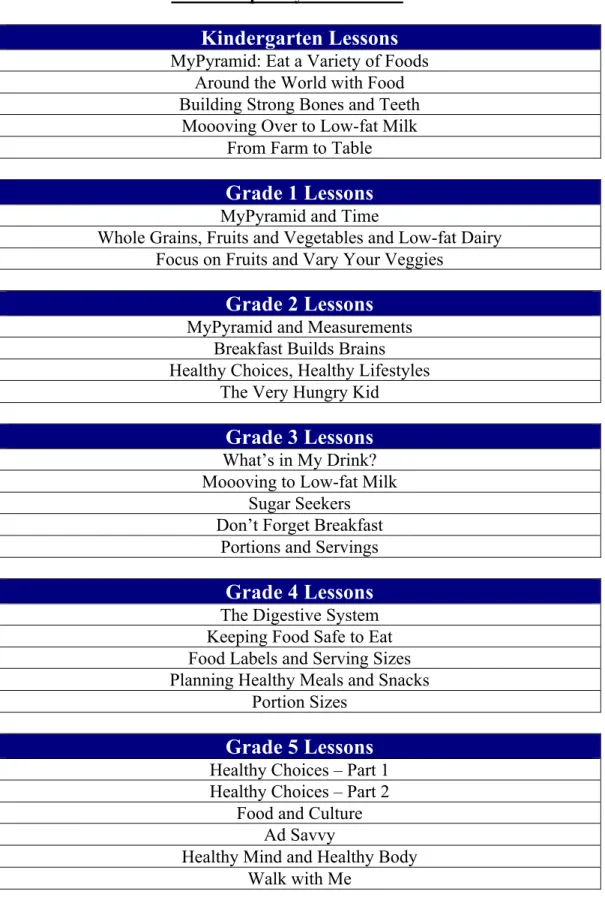
Curriculum (See Figure 3, Appendix, for SMART Food for Thought Curriculum).
The main component of SMART Food for Thought is the SMART Board nutrition lessons. The content for the lessons are derived from the Food for Thought nutrition curriculum that was developed by the Nutrition Services Branch of the North Carolina Division of Public
Health in order to help educators teach the nutrition objectives of the Healthful Living Standard
Course of Study. In addition to coordinating with the standard course of study for healthful
living, these lessons also integrate the Math and Language Arts Standard Course of Study
objectives, and thus, are a cross-content approach to teaching elementary school students about
nutrition.
Each lesson starts with a “Warm-Up” and students participate in different aerobic
activities in order to get comfortable with incorporating physical activity into their daily routines.
After the “Warm-Up” activity, the rest of the lesson consists of a lecture and a set of activities
! $%! kindergarten, three lessons for first grade, four lessons for second grade, five lessons for third
grade, five lessons for fourth grade, and six lessons for fifth grade
The teachers will be able to access the lessons through the school district’s online
website, and these files will be uploaded by the Health Coordinator. Each lesson file will include
a link to access the handouts and teacher resources from the Food for Thought curriculum and a lesson guide. The lesson guides are a PDF version of the SMART Board lesson, and they
include objectives and step-by-step instructions to complete the lesson.
Resources
In order to successfully implement SMART Food for Thought, the primary resources will come from human resources, such as teachers. The success of this program lies within the ability
to disseminate the information to students, so if we have the support of teachers in the school
district, it is likely that this project will be a success. Additionally, continued involvement will
be needed from the Healthy Carolinians Coordinator as well as the Health Coordinator for the
school district.
Physical resources needed for implementation include the SMART Board software to
create the lessons, as well as the SMART Board units in each classroom. Additionally, we will
need Powerpoint in order to create the SMART Food for Thought teacher training. Moreover, in order to provide teachers with an electronic version of all of the lesson guides, we will need CDs
in order to copy and burn the guides. From a financial aspect, this program can function on
limited monetary resources, and we will depend on funding from the School District and the
Orange County Health Department.
Timeline
! $&! Logic Model
! $'!
Sustainability
Given the national, state, and local priorities on nutrition and childhood obesity, it is
essential to ensure the sustainability of this program. In light of the limited financial and
physical resources this program requires, we expect to maintain a high level of sustainability.
However, in order to reach the goals of SMART Food for Thought, it will be necessary to keep teachers invested in this program, as they are the driving force for dissemination. Listed below
are the strategies that will be used to ensure the sustainability of SMART Food for Thought.
Vision
The vision of SMART Food for Thought is represented by the goal of improving the nutrition and physical activity knowledge of children in the Chapel Hill-Carrboro School District
in order to decrease rates of overweight/obesity and improve academic performance. By
maintaining focus on this goal, we hope to continue to spur excitement and garner support from
teachers and educators within the school district, as well as outside of the district.
Results Orientation
An evaluation component is a key part to ensuring the sustainability of SMART Food for Thought. By evaluating the results obtained in parallel with the goals and objectives of the program, we hope to make the necessary changes to continually improve the effectiveness of
SMART Food for Thought.
Strategic Financing
SMART Food for Thought is currently funded through the Orange County Health Department with support from the Chapel Hill-Carrboro City Schools. The program requires
limited financial resources, however, if the program is expanded to other districts outside of the
! $(! schools that do not currently have a SMART Board request implementation of the program,
grants or monetary resources from the school district, as well as the local, state, and national
government will be sought to ensure the expansion of the program. Possible sources include
childhood obesity grants from the Robert Wood Johnson Foundation as well as The Center for
Health and Health Care in Schools.
Broad-Based Community Support and Key Champions
Healthy Carolinians of Orange County, the Orange County Health Department, and the
Chapel Hill-Carrboro School district currently support SMART Food for Thought. The Healthy Carolinians Coordinator and the Health Coordinator for the school district are key players that
are vital to the sustainability of this program. Together we can continue to gain teacher support
for the program both locally and statewide, and we can network with the State Board of
Education and the NC Department of Health and Human Services in order to provide support for
the program on a larger scale.
Adaptability to Changing Conditions
As childhood obesity continues to come to the forefront of the nation’s agenda, it will be
essential to stay informed of changing practices and evidence-based approaches. Additionally,
given that the program is dependent on technology, program leaders will need to remain invested
in adjusting the curriculum based on changes to the SMART Board software. By staying
informed and invested in this program we hope to continually improve the nutrition knowledge,
! $)!
EVALUATION PLAN
Rationale for Evaluation
In order to ensure the continued support, sustainability, and dissemination of SMART Food for Thought, it is essential to create an evaluation component for this program. Given that childhood obesity is a priority at a national, state, and local level, it is important that
implementation is successful and that the program reaches its objectives and intended outcomes.
The primary reason for conducting this evaluation is to assure that SMART Food for Thought is making progress towards the program goal, which is improving the nutrition and physical activity knowledge of elementary school children in Chapel Hill and Carrboro. This
program has the potential to significantly influence child health in this school district; thus, it is
necessary to ensure that the activities of the program are aligned to achieve this final outcome.
Additionally, performing an evaluation will provide opportunities for continuous quality
improvement. Given that this program is technology-based, there is a potential for technical
errors to occur. Thus, it is necessary to stay abreast of any issues, and make changes where
necessary. Additionally, since teachers will be disseminating the lessons to students, it is
essential that the curriculum fits their needs and appeals to students.
Lastly, an evaluation is necessary in order to ensure that the program is effective so that
resources are not wasted on an ineffective program. In SMART Food for Thought, the biggest resources are time and people. Teachers have numerous demands placed on them with a limited
amount of time to complete them. Thus, it is essential to determine the effectiveness of this
program, in order to determine whether it is worth utilizing teachers and class time to undertake
! $*!
Approach to the Evaluation
At this point, SMART Food for Thought will benefit most from an internal evaluator who is familiar with the project and has access to organizational resources. Moreover, SMART Food for Thought is a new program with limited resources; thus, utilizing an evaluator who
understands the needs of the program will be an essential component to completing a successful
evaluation. Additionally, an internal evaluator often has more opportunities for informal
feedback with project stakeholders, and we hope that this will allow an opportunity for
incremental changes to occur.21 However, it is important to consider that an internal evaluator
often lacks the outside perspective and technical skills of an external evaluator.21 Thus, if SMART Food for Thought is disseminated to other school districts, at that point, it may be necessary to contract an external evaluator with a broader evaluation expertise.
One of the most important overall characteristics that an evaluator for SMART Food for Thought should possess is the ability to remain flexible and problem solve.21 Additionally, an
evaluator should have some degree of training in evaluation methodology as well as previous
evaluation experience. Given that this program is based in the school system, the evaluator
should have some contacts within the school district or have a means for obtaining those
contacts. Moreover, an evaluator should be personable with good communication skills in order
to engage stakeholders in all stages of the evaluation process. Lastly, he or she should be
organized, punctual, and professional in order to obtain results in the most efficient manner.
It will be necessary to include stakeholders at all levels during the evaluation process.
Stakeholders are much more likely to support the evaluation and act on the results and
recommendations if they are involved in the evaluation process. The primary stakeholders for