Prescription Opioid Overdose Prevention in North Carolina
A Program and Evaluation Plan
By
Emanuel Hignutt, Jr.
A Master’s Paper submitted to the faculty of the University of North Carolina at Chapel Hill
in partial fulfillment of the requirements for the degree of Master of Public Health in
the Public Health Leadership Program
Chapel Hill
Spring 2014
Date
Table of Contents
Abstract ... 3
Introduction ... 4
Systematic Review ... 6
Introduction ... 6
Methods ... 6
Summary of Programs ... 8
Analysis ... 25
Conclusion ... 27
Program Plan ... 28
Overview ... 28
Program Context ... 31
Program Theory ... 38
Goals and Objectives ... 40
Implementation ... 42
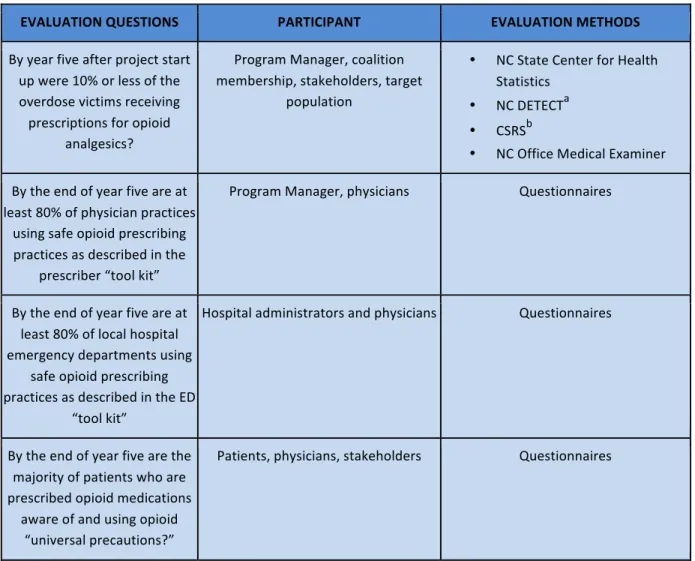
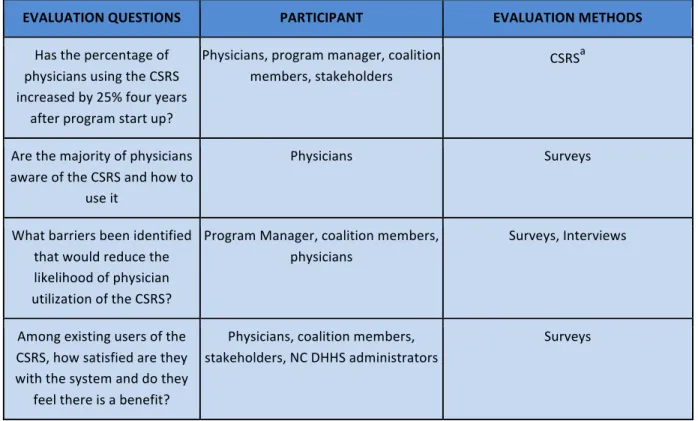
Evaluation Plan ... 47
Rationale and Approach to the Evaluation ... 47
Evaluation Study Design ... 50
Evaluation Methods ... 52
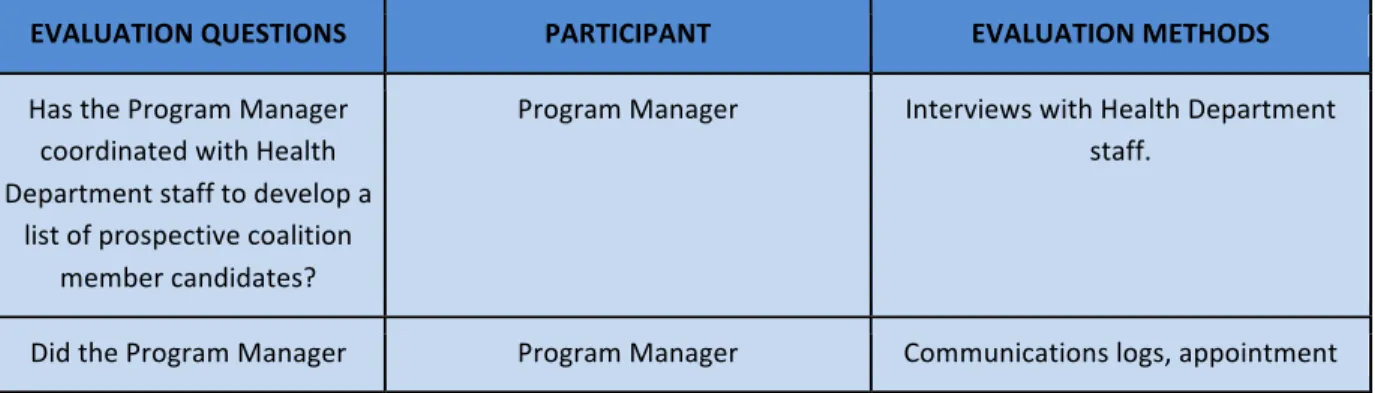
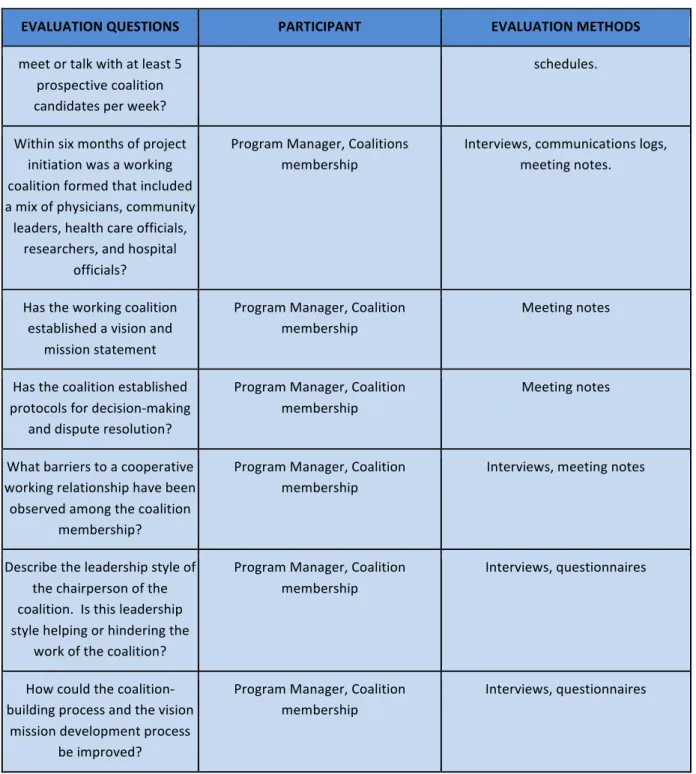
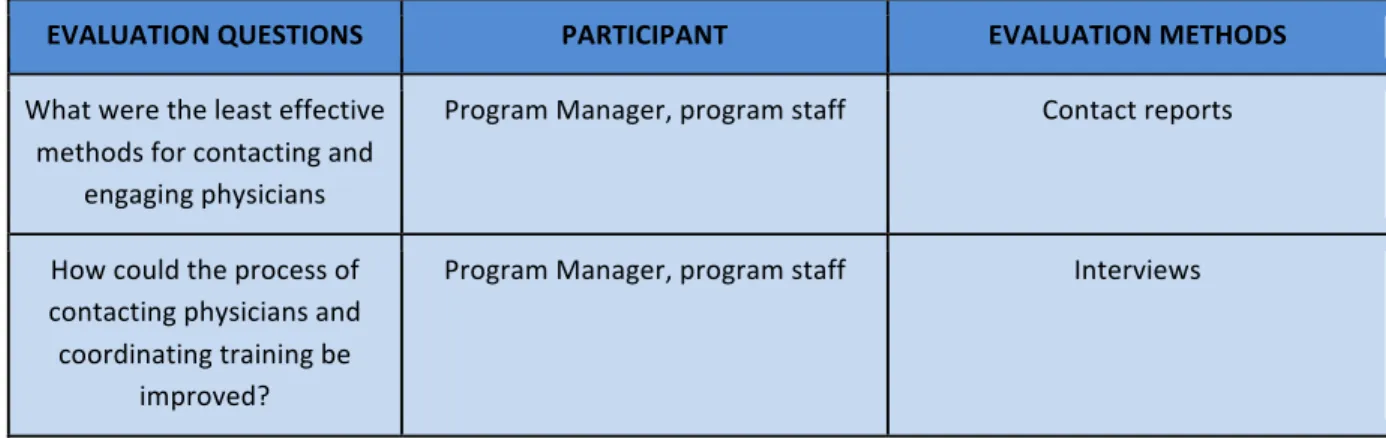
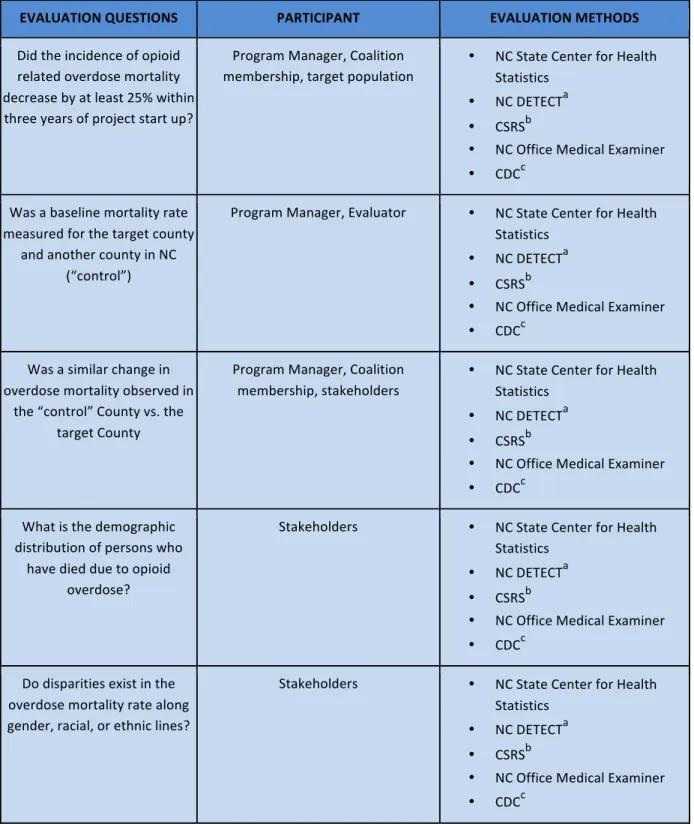
Evaluation Planning Tables ... 53
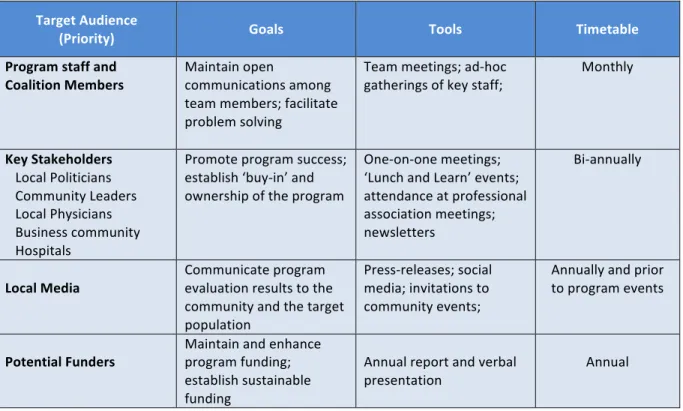
Dissemination Plan ... 61
IRB and Ethical Considerations ... 63
Discussion ... 64
Acknowledgments ... 67
References ... 68
Appendix ... 76
Table 1: Community Based Opioid Prevention Programs ... 76
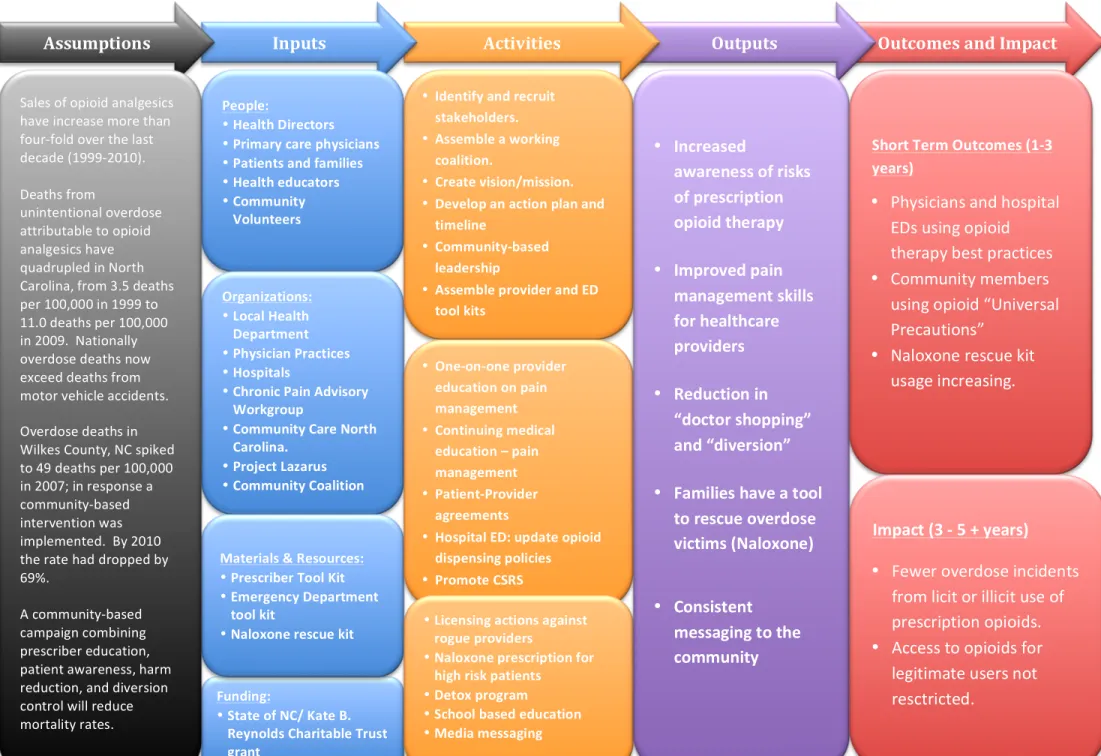
Figure 1: Overdose Prevention Program Logic Model ... 79
Table 2: Program Timeline ... 80
Figure 3: Program Annual Budget ... 82
Abstract
Prescription opioid analgesics have been implicated as a contributing factor in the precipitous rise in unintentional poisonings in North Carolina over the past decade1,2. Epidemiological data suggest that the recent rise in unintentional poisonings is associated with a corresponding increase in the sale of opioid analgesics3. A literature review was conducted to evaluate the status of intervention programs that address the factors thought to be associated with opioid overdose and inform elements of a program to reduce
mortality. In this paper I present an evidence-‐based program and evaluation plan that combines elements from the literature that were found to reduce overdose mortality. The plan emphasizes primary prevention through community involvement, physician
education, uniform opioid prescribing guidelines, and modification of emergency department prescribing policies. Secondary and tertiary prevention components of the plan include increased use of the Controlled Substance Reporting System, the use of universal safety precautions, and distribution of Naloxone “rescue kits” to high-‐risk
patients. Implementation of the plan requires the development of a community coalition at the county level, consisting of representatives from the local health department, physicians, hospitals, and other stakeholders. Strong leadership on the part of the coalition is crucial to achieving successful outcomes.
Introduction
Abuse and improper use of extended release and long acting prescription opioid analgesics have resulted in an epidemic of addiction, overdose and death4. Poisoning is the second leading cause of unintentional death in North Carolina, and the leading cause of injury death in the United States, exceeding death from motor vehicle accidents1,5,6. Opioid analgesics, such as methadone, fentanyl, hydrocodone, and oxycodone, are the most
common causes of unintentional poisoning, accounting for nearly 74% of cases7.
The rate of unintentional poisoning in North Carolina averaged 11.3 deaths (95% CI: 10.6 – 12.0) per 100,000 residents during 2012. However, the rate varied by nearly an order of magnitude among the 100 North Carolina counties: the lowest rate in the state was recorded in Union County (4.1, 95% CI 2.5-‐5.7), while the highest rate was observed in Cherokee County (36.8, 95% CI 23.6-‐49.9). Chowan and Jones Counties did not report any unintentional poisoning deaths in 2012. Demographically, the majority of overdose victims in North Carolina are male (63%), European American, and between the ages of 20-‐54 (86%)1. Additional host factors include low socioeconomic status and mental health problems3. These demographic characteristics are consistent with demographic studies of overdose victims in other states2. Agent and environmental factors include: (1) use of opioid analgesics and benzodiazepines; (2) high prescribed dosage for opioid analgesics; (3) multiple prescriptions; (4) multiple prescribers; (5) rural residence; and (6) high community prescribing rates3.
Numerous strategies have been developed to address mortality associated with opioid analgesics. Yet, physicians often receive little education on safe prescribing
of the risks and benefits of opioid pain therapy8. Responsible opioid prescribing practices can inform educational programs for providers that emphasize better patient evaluation, treatment plans, periodic reviews, and patient education. Diversion – the use of opioid medications for non-‐medical use – and “doctor shopping” – the practice whereby patients seek prescription medications from multiple providers – are a significant source of opioid abuse. Prescription drug monitoring programs, such as the North Carolina Controlled Substance Reporting System, enable providers to review their patients’ prescription history and intervene where appropriate. Recently enacted legislation mandating
participation in the CSRS beginning in 2014 raises the prospect for improved utilization of this tool9. Outpatient substance abuse treatment programs, and harm reduction
interventions are examples of secondary and tertiary preventions that offer the potential for reducing mortality.
Systematic Review
Introduction
I conducted a systematic review to identify programs similar to Project Lazarus that addressed opioid overdose prevention10. The programs targeted in the review contained the five basic components of the Lazarus program:
1. Community activation and coalition building; 2. Monitoring and surveillance data;
3. Prevention of overdoses;
4. Use of rescue medication for reversing overdoses by community members; 5. Evaluating project components.
The results of the review will inform development of a multi-‐level, evidence based intervention plan and evaluation strategy.
Methods
Research Question
I conducted a literature search and review to answer the primary research question: What other programs exist which employ some or all of the five basic components of the Project Lazarus model, and what can be learned from the outcomes to assist in the development of a program plan and evaluation plan for my proposed intervention? Search Strategy
I employed a multi-‐part search strategy of the scholarly literature in the sciences, social sciences, arts, and humanities. The terms used in the search were “opioid OR
Two databases were searched: the Web of Science and PubMed. Two databases were selected to ensure the widest possible breadth of articles is recovered. Using these search terms, 15 articles matching the search criteria were found in the Web of Science database and 29 articles were identified in the PubMed database. A Subject Matter Expert (SME) from Northern Piedmont Community Care, who is currently engaged in an opioid overdose intervention, was consulted to assist in identifying relevant journal articles. The primary article identified by the SME was retrieved, and was found to have been cited in 20 other articles. These articles were retrieved and evaluated for relevance using the inclusion and exclusion criteria described in the next section.
Inclusion and Exclusion Criteria
The literature review included programs that incorporated three or more of the five components described in the preceding section. I further narrowed the list of relevant programs for review by including these criteria:
1. The full article is available for review from a peer reviewed journal;
2. The program was implemented or is currently being implemented in the United States.
3. The program must have been implemented by a coalition of stakeholders, not simply by a stand-‐alone agency.
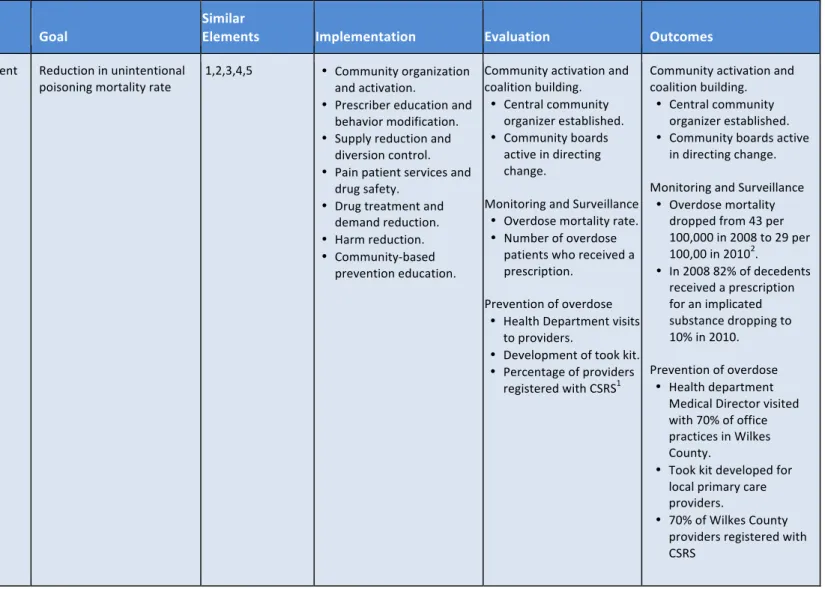
After applying the inclusion and exclusion criteria the search yielded a total of five programs for review. The programs that met the inclusion criteria for review are summarized in Table 1.
Summary of Programs
Project Lazarus Program
Project Lazarus10 is a community based overdose prevention program developed in response to a poisoning mortality rate in Wilkes County, NC more than four times higher than the average rate observed in North Carolina (46.6 vs. 11.0 deaths per 100,000 population in 2009). The components of the intervention included community-‐activation and coalition building; prescriber education and behavior change; supply reduction and diversion control; pain patient services and drug safety; addiction treatment and demand reduction; harm reduction; and community-‐based prevention education.
The developers of the program felt that a “bottom-‐up” approach to the design and implementation of the program could better leverage existing resources and raise
Prescriber education and behavior modification is aimed toward providing primary care providers the tools they need ensure safe and effective analgesia for their patients while minimizing the potential harm to those at risk for addiction and overdose. The project achieves these goals in part by providing primary care providers one-‐on-‐one prescriber education, offering guidelines for responsible opioid prescribing11, creating a physician’s tool kit for chronic pain management12, and offering continuing education sessions on pain management. The project also encourages behavioral change by physicians by sanctioning licensing action against prescribers who prescribe opioid analgesics without examination and evaluation of patient needs.
The North Carolina Controlled Substance Reporting System (CSRS) 13 offers enrolled clinicians the ability to identify patients who may be misusing and diverting prescribed medications by tracking the distribution of controlled substances. This statewide system, available only to providers, law enforcement, and the courts, enhances the ability of physicians to identify potential abuse and has the potential to reduce morbidity and mortality from overdose. At time the article was written enrollment in the CSRS was voluntary and was strongly encouraged by the project.
Modification of opioid dispensing policy by hospital emergency departments (ED) is an important component of supply reduction and diversion control. One element of supply reduction includes limiting the quantity of medication dispensed at once to a patient, thus necessitating follow up with their primary care provider. Another important policy
Mandatory use of Medicaid patient-‐prescriber agreements and a requirement for patients to use a single pharmacy are examples of policy changes that address pain patient and drug safety concerns. Medicaid patients may also be offered enrollment in pain
support groups and an ED case manager for beneficiaries with non-‐cancer chronic pain. Local pain clinics, euphemistically termed “Pill Mills”, must be vetted and physicians must facilitate referrals to these specialized clinics and ensure regular follow-‐ups to monitor for addiction.
Addiction treatment, demand reduction, and harm reduction constitute the tertiary prevention component of the program. Physician-‐supervised treatment with Suboxone (Buprenorphine), either in-‐home or in a local clinic, has proven to be safe and effective. For victims of overdose the opioid antagonist Naloxone (Narcan) is a proven antidote to treat for acute opioid overdose and the associated respiratory depression and shock. Physicians may prescribe naloxone concurrently with opioid analgesics to patients with risk factors associated with overdose. Free Naloxone “rescue kits”, consisting of two doses of the medication and an intranasal delivery device, are available to caregivers and family members of patients in the event of an overdose.
Community education is the most important component of the Project Lazarus intervention model. Education efforts are aimed at raising public awareness of the risks associated with opioid analgesics and modifying behaviors related to the use, storage, and disposal of these medications. School based education campaigns; billboard messages; public service announcements; presentations in community forums; and radio and newspaper spots are examples of community level education efforts.
Evaluation
Quantitative outcome evaluation data were obtained from several state government sources: (1) ED visits associated with substance abuse and accidental poisonings data from the North Carolina Disease Event Tracking and Epidemiological Collection Tool (NC
DETECT); (2) outpatient dispensed controlled substances from the Controlled Substance Reporting System; (3) fatal accidental poisonings from the North Carolina Office of the Chief Medical Examiner; and (4) vital statistics from the North Carolina State Center for Health Statistics. Unadjusted overdose mortality rate dropped from 43 deaths per 100,000 population in 2008 to 29 deaths per 100,000 in 2010, an overall 33% reduction. Mortality events where the decedent had received a prescription for an opioid analgesic decreased from 82% in 2008 to 10% in 2010, a reduction of 62%. Enrollment in the CSRS among opioid prescribing physicians increased to 70% by 2010; the comparable statewide rate is 20%.
An important strength of the program is that the health problem is addressed from multiple levels – the intrapersonal, interpersonal, organizational, community and public policy levels. Influences on behavior are known to interact across different levels, and multi-‐level interventions are more effective in creating change than are programs that address only a single level of the ecological model14. Community-‐activation is recognized as a model for change from within a community, and is key for generating community capacity, empowerment, participation, and relevance15.
A weakness of the program is the difficulty of establishing a direct causal link between the components of the intervention and the outcomes. Evaluation and measurement of potential confounders is necessary to determine if the reduction in mortality rate is statistically significant. A quasi-‐experimental design that incorporated a time series or other design element could prove helpful in evaluating threats to internal validity.
Provider Detailing Program
Provider Detailing16 is an intervention conducted in Utah during the period 2008-‐ 2009 in response to an increase in deaths related to prescription opioids. This program was part of a multi-‐level intervention on the part of the State of Utah to address the rising death rates from unintentional overdose. Prescriber education and behavior change is the basis of this component of the intervention. The State of Utah implemented several other interventions concurrently with the provider-‐detailing program: (1) development of
prescription narcotic mortality; and (3) multiple public education campaigns. Interestingly these other simultaneous interventions were not coordinated under a unified leadership structure.
The objective of the Provider Detailing program was to introduce the six practices of safe opioid prescribing to primary care providers. The six practices are:
1. Start low and go slow (refers to dosing)
2. Obtain sleep studies for all patients on moderate or high doses of any long-‐acting opioid
3. Obtain EKGs for methadone dose increases up to and above 50 mg/day (to address potential QT prolongation
4. Avoid sleep aids and benzodiazepines with opioids 5. Avoid long-‐acting opioids in acute pain
6. Educate patients and their families about risks
Health Insight, Utah’s Medicare Quality Improvement Organization, and members of the Prescription Pain Medication Program Steering Committee developed the six practices. After the State of Utah had developed guidelines for health care providers on safe
prescribing the program was expanded to include education on the six practices and the guidelines.
specific data); a detailed discussion of the “six practices for safe prescribing”; a continuous quality improvement dialog; and discussion of the Utah State guidelines for safe
prescribing. Pain specialists were included as facilitators when possible to provide an additional level of expertise to the discussion. Participants received a copy of the
presentation slides, templates for chart notes, treatment plan examples, patient education materials, and office posters describing the epidemic. During the presentation physicians were encouraged to access the Utah controlled prescriptions database to review their patient’s prescriptions.
Evaluation
At the conclusion of the presentation participants were surveyed to evaluate their baseline knowledge of prescribing practices. Participants were surveyed again at 1 month and 6 months to evaluate their prescribing practices and the degree to which they had adopted the six practices and guidelines. Continuing education credits were used to incentivize participants to complete the survey questionnaires.
Results for the process evaluation were mixed. A total of 46 presentations were given during 2008 with 581 physicians in attendance. Follow up surveys were received from 366 participants immediately following the presentations; surveys at one month and six months yielded 82 and 29 responses respectively. A large majority of participants (85%) reported feeling confident that they could describe and implement safe prescribing practices and guidelines for opioids. A majority (60% -‐ 80%) reported no longer
minority of physicians (30% -‐ 50%) reported increasing referrals to sleep studies for patients, using EKGs for methadone patients, using patient educational tools, or using Utah’s prescribing guidelines in their practices.
The impact evaluation showed a 14% reduction in unintentional overdose mortality in 2008 versus 2007 (301 deaths vs. 259). One year following the intervention (2009) deaths rose from 259 to 265.
A strength of the program was the high response rate for prescriber compliance with some elements of the “six practices”, particularly the reduction in prescription of opioids for acute pain, or in combination with sedatives. The program also showed a majority of participants utilizing the controlled substances database. The use of primary care physicians to facilitate the presentations was a good strategy to improve the
credibility of the message to the target audience.
A weakness of the program was the lack of unified leadership and coordination with other ongoing interventions. The study also suffered from a very low response rate for surveys taken at 1 month and 6 months post intervention. These factors, in combination with multiple confounders (i.e., concurrent interventions) and lack of experimental
controls or time series data, limit the study’s usefulness in evaluating causality or external validity.
Overdose Prevention and Reversal Program Program
users. During 2003 between 800 to 900 persons died from drug-‐induced overdose in NYC 200318; the overdose death rate exceeded the homicide rate during that period. This prevention initiative describes a program implemented in 2004 to prescribe urban injection drug users with Naloxone, an opioid antagonist, to reverse the effects of opioid overdose.
Volunteers for the program were recruited from clients of the Lower East Side Harm Reduction Center (LESHRC) needle exchange program. Individuals from the LESHRC were thought to have routine contact with other injection drug users and therefore be in a position to intervene in the case of overdoses. The program consisted of three major components: (1) overdose risk and response training; (2) physician approval of
participants and prescribing of Naloxone syringes; and (3) evaluation and follow up after 3 months. In the first phase of the program participants underwent a intensive one-‐hour training session to introduce the skills necessary to assess overdose victims: (1) activate Emergency Medical Services, (2) position the victim in the rescue breathing position, and (3) administer up to 2 doses of 0.4 mg Naloxone intramuscularly. Clinic medical staff conducted training in small groups or one-‐on-‐one.
Following the training session participants met individually with a clinic physician, who would review the training and assess the suitability of the participant for the program. If the participant was deemed willing and capable of performing the necessary actions the physician would issue a prescription for two 1 cc syringes pre-‐loaded with 0.4 mg naloxone for intramuscular injection. LESHRC staff would obtain the medication and subsequently provide the participant with the medication.
Evaluation
Clinic staff administered a baseline assessment to each participant to collect program information including demographics, drug use history, overdose history,
overdoses witnessed, and behaviors during witnessed overdoses. After a 3-‐month interval, or during the interim if the participant required a Naloxone refill, the participant was reassessed using a modified version of the baseline assessment. Participants were asked about their experiences since the baseline assessment, such as how many overdoses they witnessed, details about the overdose incidents, and what actions, if any, they personally undertook during the incidents. Participants were also assessed on their personal comfort level with administering Naloxone.
Twenty-‐five participants were recruited into the program. A majority of participants were male (92%), white (64%), had personally experienced an overdose (68%), and had witnessed another person overdose (83%). During the 6 months prior to volunteering for the program most participants had injected heroin (80%), had injected cocaine or crack (48%), and had been in a methadone maintenance program (68%). Most also reported alcohol use (50%) and sniffing or snorting cocaine and/or crack (40% and 29% respectively).
The sample size was insufficient to provide statistically significant results; however, the trends in the data showed measureable improvement in key process metrics at 3 months after baseline. Twenty-‐two participants (88%) were successfully followed up after 3-‐months. Activation of EMS improved from 58% at baseline to 82% at follow up.
5.3% to 18%; and initiation of CPR improved from 5.3% to 27%. Negative behaviors such as injecting the patient with cocaine, water or salt dropped from 16% to 0%, and “doing nothing” decreased from 21% to 0%.
Of the 22 participants followed up at 3 months, 11 reported witnessing one or more overdoses. A total of 17 overdoses were observed; of those incidents naloxone was
administered in 10 instances. All patients to whom naloxone was administered survived. Among those instances where naloxone was not administered, five survived, one died, and one outcome was unknown.
The use of volunteer participants who were existing injection drug users, and therefore very familiar with the community, was a strength of the program. These
participants’ personal history of illicit drug use and their ability to come in frequent contact with persons at risk placed them in an ideal position to provide help when needed. The 88% response rate after 3-‐month follow up indicates a high level of personal motivation and “buy-‐in” to the program, and to the welfare of the victims of overdose. In some sense this represents a sort of community activation, in that members of this community are working to reduce harm among their own members.
A weakness of the program is the lack of community involvement in the
development of the intervention. Other weaknesses cited by the program include the use of early volunteers who may be more motivated than more representative users (i.e., selection bias), small sample size, low statistical power, and the use of self-‐reported data (reporting bias).
Risk Evaluation and Mitigation Strategies (REMS) Program
Prescription opioid analgesics are an indispensable option for patients with long-‐ term chronic pain, particularly cancer patients suffering from intractable pain. However, the upsurge in overdose deaths coinciding with the 10-‐fold increase in the volume of opioid analgesics prescribed over the previous 20 years raised safety concerns with the US Food and Drug Administration19. Of particular concern to the agency are extended-‐release (ER)/long-‐acting (LA) opioids commonly used for severe chronic pain requiring around-‐ the-‐clock analgesia. In response to these safety concerns the US FDA developed a
comprehensive risk management program, or Risk Evaluation and Mitigation Strategies (REMS) 20, for medications with known or potential risks. The REMS provide guidance to prescribers to improve safe and appropriate prescribing by educating physicians and patients of the unique risks associated with the medication.
Under the authority of the Food and Drug Administration Amendments Act of 2007 designated medications are required to have a REMS to ensure the benefits of the
The Patient Medication Guide is provided to all patients prescribed ER/LA opioid analgesics and offers general information on the class of medication and product specific guidance for use. For example, the Guide offers information on proper dosing, safe storage, disposal recommendations, tampering risks, and risks associated with concurrent use of alcohol and other depressants.
The second element of the ER/LA opioids REMS is a blueprint for a comprehensive “Elements to Assure Safe Use” educational program for prescribers of opioids. The
elements of the education program include the following topics: • Patient selection for opioid therapy
• Initiation of opioid therapy, dose titration, and discontinuation of use • Patient management
• General ER/LA class-‐wide opioid information
• Ensuring opioid tolerance for fentanyl hydromorphone ER and for select doses of other ER opioids
• Product specific information
• Counseling for patients and caregivers.
The element of the ETASU are expected to be covered in a 2-‐3 hour continuing medical education course offered by an accredited provider. Educational materials to assist physicians during patient counseling sessions are incorporated included as part of the training.
Evaluation
risks. Assessments are in essence process and outcome evaluation studies, where the program components and the health outcomes are systematically examined. Assessments are normally required at intervals of 18 months, 3 years, and 7 years after approval of the REMS. More frequent assessment may be required depending on the size of the population using the drug, the seriousness of the risks, and knowledge of the effectiveness of the REMS in mitigating the risks associated with the medication. After the 3 year assessment the FDA may accept elimination of further assessments if the risks of the drug have been well
identified and effectively managed.
The REMS program is an example of a top down policy intervention implemented in response to potential risks associated with prescription drugs. A strength of this program is the flexibility that enables the program to be tailored to the characteristics and risks associated with each drug or drug class. The educational requirements for physicians are comprehensive and require a skills-‐based exam to ensure that the training material has been understood. Periodic assessments will help ensure that the “intervention” is working to mitigate potential risks and protect patient wellness.
Patients in need of long-‐term, around the clock analgesia may experience restricted access to ER/LA opioids. This is a serious concern, which has been raised to the US FDA. The FDA has explicitly stated that the intent of the program is not to restrict access to medications that are necessary for patient treatment, rather to desire is to ensure the risk/benefits balance is appropriate. However, as with any policy, close vigilance and continued assessment of the program as advisable.
Overdose Prevention and Response Training Program for Injection Drug Users Program
The Overdose Prevention and Response Training Program22 addresses the problem of opioid overdose among injection drug users (IDUs) in the “Skid Row” area of Los
Angeles, California. Drug overdose was identified as the fourth leading cause of death in this geographic region. The area is characterized by a high crime rate, a high concentration of homelessness, and a 30% rate of illicit drug use. Like the Overdose Prevention and Reversal Program discussed earlier, this intervention relies on developing the skills of IDUs to prevent, recognize, and respond to opioid overdose events in the community.
Participants who were recruited for the intervention learned critical intervention skills including understanding the mechanism of overdose; strategies for prevention; recognizing symptoms; and recommended response techniques.
The Homeless Health Care Los Angeles Center for Harm Reduction (HHCLA-‐HRC), a community-‐based non-‐profit organization, developed and implemented the intervention. Clients of the HHCLA-‐HRC were recruited via various outreach methods and provided with a 1-‐hour hands-‐on demonstration and practice session based on a curriculum developed by the Chicago Recovery Alliance (http://www.anypositivechange.org/menu.html). Calling for help, checking the airway, rescue breathing, evaluation, intramuscular administration of Naloxone, and support were the basic skills learned during the session. Training was conducted in small groups (two to six individuals) and was facilitated by one or two
dose syringes pre-‐filled with 4mg Naloxone. Participants also received a “kit” containing latex gloves, alcohol swabs, a rescue breathing mask, and a small card describing the response technique.
Evaluation
Study outcomes were evaluated using four broad metrics: Did (1) participants increase their knowledge of Naloxone and overdose risks/symptoms; (2) improve their attitudes to overdose response and summoning emergency services; (3) increase the frequency with which they engaged in recommended response techniques; and (4) decrease the frequency with which they engaged in non-‐recommended response techniques. Data collection was conducted at baseline and at 3 months following the training session. Trained interviewers collected demographics, housing status, drug use behavior, witnessed overdoses, techniques used to respond, and outcomes (e.g. survived, not survived, unknown). Qualitative data measures regarding attitudes towards
responding were assessed using a five-‐point Likert scale to facilitate quantitative analysis. Ninety-‐three IDUs were recruited for training between September 2006 and January 2008. Of this group, sixty-‐six agreed to enroll in the study and completed the initial
characteristics of the forty-‐seven remaining participants closely mirrored the initial retained group.
After the 3-‐month follow up period the study found a statistically significant increase in scores for overall baseline knowledge; scores increased from 77% to 92% (P<0.0001). No changes in attitudes were observed about overdose response, including the likelihood of administering Naloxone or contacting emergency services. A majority of participants (53%) reported that their drug use had decreased, and an increased
proportion enrolled in drug treatment (23% to 36%). During the follow up period twenty-‐ two participants responded to a total of 35 overdoses, most of whom were strangers (40%) or associates/acquaintances (31%). A statistically significant improvement in behavior in response to witnessed overdoses was shown; the mean number of recommended response techniques increased (P=0.01), while the number of non recommended responses
decreased, although not by a statistically significant amount. The proportion of victims who died at the scene remained unchanged during the study period (9% at baseline vs. 11% after 3 month follow up).
Weaknesses of the program included selection bias; selection of participants was not random and therefore the may not be representative of the IDU population. Other threats to validity include maturation, testing effects, and recall bias.
Analysis
All of the programs evaluated shared a common goal of reducing the incidence of overdose mortality associated with opioids. The programs differed markedly in the target populations they served and in the level of community involvement required to implement the interventions. In the case of the Project Lazarus program the target population was not explicitly stated, but the primary thrust of the program appeared to target overdose deaths from legitimate users of prescription opioid analgesics. A secondary goal of the program was to reduce diversion by encouraging better storage and disposal practices, thus reducing overdose deaths by illicit users. The Provider-‐Detailing physician education intervention in Utah shared a similar target population to Project Lazarus. However, this was a much more limited intervention in that it did not include other elements of the Lazarus intervention such as community-‐building, diversion control, demand reduction, harm reduction or community education. In fairness, some of the other elements of
Lazarus were included separately in the Utah intervention, although the study summarized only the physician education component. Not surprisingly the efficacy of the Utah
intervention study suffered from confounders that limited the ability of the study authors to attribute the reduction in opioid mortality to the intervention.
Two of the evaluated interventions targeted a narrow population group: injection drug users in a large urban metropolis. Homelessness, a high proportion of racial
population group. Intervention strategies employed by both of the programs were virtually identical; volunteer participants, consisting mostly of existing IDUs, were provided one hour of intensive training and then given Naloxone overdose antidote to administer to victims as needed. The foundational assumption of the intervention was that members of this narrow population were in the best position to identify and assist
overdose victims, many of whom were reluctant to assist or call for emergency services for fear of being arrested by police. Community based organizations developed and managed both of the interventions and they seemed to have success recruiting volunteers for their respective programs. Interestingly, the outcome goal of the New York intervention was stated as reducing overdose deaths, while the Los Angeles program’s goals were to improve the knowledge and skills of participants to intervene and provide assistance to victims. This appeared to be an acknowledgement by the Los Angeles organization that community empowerment was the principle goal.
The Risk Evaluation and Mitigation Strategies (REMS) intervention by the US Food and Drug Administration differs from the other evaluated interventions in that it is a top-‐ down policy program, as opposed to a local community level program. Some similarities exist with the Lazarus and Provider-‐Detailing programs; physician education and
Conclusion
The literature review shows evidence to support a community-‐based, multi-‐level intervention program to address the epidemic of prescription and illicit opioid overdose mortality. Multi-‐level interventions such as Project Lazarus and Provider-‐Detailing have been effective in reducing the opioid overdose mortality rate among users of prescription opioid analgesics. Single level interventions, such as the Naloxone programs implemented in New York City and Los Angeles, have demonstrated the effectiveness of harm reduction programs among a racially diverse population of injection drug users.
Building a coalition that includes stakeholders from various segments of the community is an important element of the program. Coalition partners are needed from local health departments, physicians groups, hospital organizations, emergency services, and faith-‐based groups. The organizations are critical to a successful program because the opioid overdose epidemic reaches into many population groups, not simply licit users of prescription medications. Diversion of medications exposes these potentially dangerous drugs to a much larger population than prescription users. A broad coalition ensures that the voices of the community are brought together to bring a wide range of expertise to bear on the problem.
A well-‐defined process and outcome evaluation program is crucial to ensure that stakeholders and program staff are well apprised of progress and to assist with
Program Plan
Overview
I propose a multi-‐part program to reduce the incidence of opioid overdose
morbidity and mortality by targeting the principle causes of overdose and incorporating primary, secondary, and tertiary prevention efforts at the community level. The program incorporates five major components: (1) community-‐action and coalition building; (2) education and training of prescribers of opioid analgesics and their patients (primary prevention); (3) supply reduction and diversion control; (4) harm reduction and treatment; and (5) evaluation. I will provide a detailed description of each of the five components and offer specific goals and objectives for each component.
Coalition building is the first and most important step to initiate the program. Success of the program is contingent upon the active participation and cooperation of the numerous organizations involved in the intervention. Chief among those is the local Health Department; the Health Department Director must provide the impetus and leadership to build the community coalition and offer the public health expertise necessary to administer a major intervention program. Leaders from local physicians groups, hospital emergency departments, pharmacies, state agencies, and clinics must be recruited for their clinical knowledge and ability to “spread the word” among the physician community. Community health organizations, such as Community Care North Carolina and North Carolina
Education for providers and patients is the most important element of primary prevention. Medical schools have historically placed limited emphasis on the topic of pain treatment or addiction prevention23. Awareness of the issue, followed by development of guidelines and training, is the first step in addressing the problem. The provider education component of this program includes training in the physiology of opioid addiction,
guidelines for responsible opioid prescribing11, treatment plans, and patient education. A toolkit published by the Community Care of North Carolina (CCNC) Chronic Pain Initiative is the basis of the training program and provides detailed guidance for primary care physicians on opioid prescribing and pain management24. Third parties, such as Project Lazarus and certified continuing education firms, will provide the bulk of the training for this phase of the program.
Hospital Emergency Departments (ED) must play an important role in management of opioid prescribing. Patients wishing to obtain opioids analgesics will often present to the ED hoping to quickly receive a prescription to continue abuse of the drug or for diversion. This program will encourage hospital administrators to modify policies and procedures to require ED physicians to: (1) consult the Controlled Substance Reporting System (CSRS) before prescribing opioids, (2) prescribe limited quantities, and (3) require follow up within a few days to obtain refills. A toolkit developed by CCNC Chronic Pain Initiative, specifically for ED physicians25, will form the basis of this advocacy campaign.
patients could be treated successfully using non-‐opioid analgesics26, or by using short acting opioids and requiring follow up within a short time frame. Increased use of the CSRS will enable physicians to intervene earlier in the addiction cycle and discourage “doctor shopping” behavior on the part of patients.
Overdose events are inevitable from licit and illicit usage of opioids. As I described in the literature review, the use of Naloxone has been shown to be an effective tool to prevent overdose death. Project Lazarus has developed a Naloxone “rescue kit” for use by family members in the event of an accidental overdose. The kit includes pre-‐loaded syringes of Naloxone, an intranasal atomization device for administration of the drug, and illustrated instructions for use. Physicians prescribe the rescue kit to patients concurrently with the opioid medication, and families must be able to recognize the symptoms and administer the medication.
Addiction treatment using Suboxone® (Buprenorphine) is a form of tertiary treatment for those patients who recognize their condition and wish to treat their
dependency. Suboxone® is a synthetic opioid used to treat opioid addiction by reducing the severity of withdrawal symptoms by patients suffering from addiction. Side effects such as euphoria and respiratory depression are much less pronounced than those
observed in users of heroine or methadone27. Suboxone® treatment may be conducted on an outpatient basis, thus reducing the stigma associated with traditional inpatient
substance abuse regiments.
Community-‐based prevention education will emphasize the four “universal precautions” associated with safe opioid handling:
• Store securely • Dispose properly • Never share
The coalition will develop appropriate promotional materials for display and distribution in physician practices, community events, public service announcements, and other venues.
Program Context
The explosive growth in the use of opioid analgesics over the past 20 years has coincided with epidemic levels of morbidity and mortality from unintentional poisoning3. Misuse (non-‐adherence with prescriber recommended dosage), abuse (i.e., non-‐medical, recreational use), and diversion of prescription opioids have contributed to this epidemic. Some areas of the state have been severely impacted; in Wilkes County, North Carolina the rate of overdose deaths was quadruple the statewide rate in 2007-‐200828. Nationwide, deaths from unintentional poisoning now exceed the number of deaths from motor vehicle accidents29.
The purpose of this program is to provide a balanced set of educational and
surveillance tools to empower physicians, patients and the community the ability to make informed decisions regarding pain management.
Political Environment
I conducted an informal Google search of “opioids” and “politics” and received “hits” for dozens of political and news stories detailing the dangers of opioid analgesics. Popular political news outlets such as Huffington Post, Reuters, CNN, Fox News, The Washington Post and others offer a flood of articles on the dangers of opioids. Interestingly the articles seem to cover a wide range of “expert” opinions; many tout the dangers of the epidemic while citing the thousands of deaths from overdose. Some “experts” advocate the need to find alternatives, while others lament the increased regulatory burden and restrictions on access by legitimate users. Other articles recommend “safety” measures such as the need for new labeling and advocate for access restriction by national chain pharmacies.
Prescriptions painkillers such as OxyContin® are now in the public lexicon and are associated with abuse.
The elections of 2010 and 2012 brought sweeping changes to the political landscape of North Carolina at the local and state levels. At the state level the elections of 2012 led to a veto proof Republican super majority in the North Carolina General Assembly. The election of Republican Governor McCrory in 2012 ensured that conservative politics would dominate legislative priorities. The power of the super majority to dictate policy was highlighted recently by the legislative override of Governor McCrory’s veto of two high profile bills. However, the state population is not uniformly united behind the Republican policy platform. The “Moral Monday” protests saw thousands of participants congregate to the state capital to object to the conservative agenda; hundreds were arrested.
At the state level Wilkes County is dominated by Republican control at all levels. State House Representatives Jeffrey Elmore (District 94), Mark Hollo (District 73), and Sarah Stevens (District 90) are Republicans; as is State Senator Shirley Randleman of District 30. At the local level, the five elected Wilkes County commissioners are Republicans.
In summary the political atmosphere is characterized by a deeply partisan divide between conservative and progressive political forces, with the conservative forces holding tight control over the policy agenda.
Consistency with Local, State, and National Priorities
provides national and state-‐level data on the use of tobacco, alcohol, illicit drugs and mental health in the U.S. In addition to the statistics provided in the NSDUH report, the white paper outlines the policy perspective of the current Administration and describes actions to be taken in four major areas to reduce prescription drug abuse and mortality:
1. Education
2. Tracking and Monitoring 3. Proper Medication Disposal 4. Enforcement
The education, tracking, monitoring, and medication disposal programs outlined in the strategy are closely aligned with the program outlined in this paper. Education of
providers and patients, increased use of the CSRS, and environmentally sound storage and disposal of medications are consistent with the guidance in the strategy paper.
At the state level prevention of unintentional poisonings is a priority under the North Carolina Statewide Plan for Preventing Injuries and Violence33. The state
Department of Health and Human Services (DHHS) created the Unintentional Poisoning Team with the mission of coordinating prevention efforts statewide. Partner organizations working with DHHS include Carolinas Poisoning Center; Community Care of North
Plan, such as coalition building, surveillance, prevention programs, and training are consistent with the interventions in this paper.
At the County level individual health departments in North Carolina are beginning the process of building coalitions to address the issue of prescription drug overdose. A major challenge at the local level is lack of resources and personnel to implement new programs in the face of declining budgets. The Project Lazarus program in Wilkes County is a good example of a locally developed intervention that used a multi-‐level approach to successfully reduce overdose mortality rates.
Acceptability to Providers and Recipients
The providers of the program are primary care and emergency department physicians, physician assistants, registered nurses, hospital staff, and other healthcare providers. This group of individuals will receive continuing education in opioid prescribing and will provide their patients with education and counseling in proper opioid use. My personal experience in many meetings with health care providers in various settings (hospitals, clinics, and during association meetings) has been very positive. Providers are well aware of the issue and they are anxious to hear solutions that could offer their patients with improved care. Many providers are not aware of the risk factors associated with opioid analgesics and they express a high level of interest in the topic. A common question I hear from providers at the conclusion of a meeting is “What can I do to help?”
more frequent follow-‐ups with their primary care physician. This may present a problem for those without a primary care physician and therefore it is conceivable that those patients may experience greater difficulty accessing medications. The provisions of the Patient Protection and Affordable Care Act that provide subsidized health insurance to low income individuals and families will increase access to primary care and help to ameliorate this situation. Undocumented immigrants – who are not covered by the Affordable Care Act or by Medicaid -‐ may encounter more difficult access to opioid therapy due to more restrictive hospital emergency department policies
Financial Resources and Sustainability
Financial requirements for implementation and management of the program are minimal; the principal resource is the need for a program manager and part-‐time administrative aid within the local health department. Many health departments may delegate an existing employee – rather than hire a new employee -‐ to manage the start up and management of the program. This means the program(s) the employee was
supporting must be reassigned elsewhere or deferred. This is both a financial and logistical challenge for many local health departments with limited budgets and personnel resources. In the current political climate in North Carolina the likelihood of increased state or local funding of new programs is very low.