5
© 2017 by the Serbian Biological Society INTRODUCTION
Growth regulation factors (GRFs), plant-specific pro-teins classified in the transcription factor (TF) family of proteins, have important roles in the control of leaf, floral organ and root development and plant longev-ity [1-4]. In addition, recent studies have established that GRFs play an important role in abiotic and biotic stress response mechanisms [5,6]. The first member of the GRFs was identified in rice (OsGRF1) 15 years ago [1]. To date, many genome-wide in silico studies have been performed to identify GRF members in eu-dicots, monocots and other plant species [2,5,7-13]. According to previous studies, all members of GRF family contain conserved QLQ (glutamine, leucine, glutamine) and WRC (tryptophan, arginine, cysteine) regions, which are found in the N-terminal of GRF members. QLQ motif-bearing proteins are found in all
eukaryotes, while WRC is a plant-specific protein mo-tif. TQL is an another motif that is a semi-conserved region among all GRF members [1].
AtGRF7, a member of the GRF family, acts as a repressor of stress defense genes under normal con-ditions, and its expression was decreased when Ara-bidopsis thaliana was subjected to osmotic stress [5]. AtGRF1 and AtGRF3 genes play an important role in the response to biotic stress caused by the Heterodera schachtii nematode [6]. However, whether specific functions of plant GRFs are associated with stress re-sponse is currently unknown for many plant species. To gain insight into the roles of GRF members in stress response, studies need to be performed in different plant species under different abiotic and bi-otic stress conditions. Several genome-wide
investiga-Genome-wide
in silico
identification, characterization and transcriptional analysis of the
family of growth-regulating factors in common bean (
Phaseolus vulgaris
l.) subjected to
polyethylene glycol-induced drought stress
İlker Büyük* and Sümer Aras
Ankara University, Faculty of Science, Department of Biology, Ankara, Turkey
Corresponding author: [email protected]
Received: February 4, 2016; Revised: March 21, 2016; Accepted: March 25, 2016; Published online: April 4, 2016
Abstract: According to most recent findings, growth regulating factors (GRFs) are plant-specific transcription factors (TFs) that play important roles in many processes, including abiotic and biotic stress response mechanisms. Completion
of the common bean (Phaseolus vulgaris) genome project has provided researchers with the opportunity to identify all GRF
genes in this species. With this aim, a genome-wide in silico study was performed and 10 GRF proteins (called PhvGRFs)
were identified in the common bean genome. Conserved and mandatory motifs (QLQ and WRC) were confirmed in all identified PhvGRFs and two segmental duplication events were determined. Most of the PhvGRFs were found to be more
similar to Arabidopsis thaliana GRFs than to Zea mays GRFs in a phylogenetic tree. According to the expression analysis
of 10 PhvGRFs, inversely related expression patterns were observed in the roots of Yakutiye and Zulbiye cultivars based on
their capacity to adopt to drought stress. After drought treatment of the Zulbiye cultivar, a drought-sensitive common bean
cultivar, PhvGRF1, PhvGRF2, PhvGRF3, PhvGRF5, PhvGRF6, PhvGRF9 and PhvGRF10 genes were upregulated 2- to 4-fold
in root tissues, as compared to the untreated control. The trend of PhvGRF1, PhvGRF2, PhvGRF3, PhvGRF5, PhvGRF6,
PhvGRF7, PhvGRF9 and PhvGRF10 genes showed a consistent decline of 2- to 6-fold in root tissues of the drought-tolerant
Yakutiye cultivar subjected to 24 h of drought stress. We demonstrated that the expression patterns of the identified PhvGRFs
correlated with the drought-stress response in a cultivar-specific manner in the common bean. We suggest that members
of the GRF family can also be used for genetic engineering applications in the common bean.
Key words: growth regulating factor; PhvGRF; drought stress; genome-wide in silico identification; common bean
tions of GRF family members have been performed for different plant species to date [2,4,7,14]. Herein we identified the GRF members in common bean (Phaseolus vulgaris) using a computational method for genome-wide assessment for the first time. The expression levels of the identified GRFs were analyzed using qRT-PCR in root and leaf tissues of two differ-ent common bean cultivars – drought-tolerant and a drought-sensitive plants – that were subjected to moderate polyethylene glycol (PEG) stress.
MATERIALS AND METHODS
Identification of the Phaseolus vulgaris GRF proteins
Sixty-seven GRF protein sequences belonging to
Arabidopsis thaliana, Carica papaya, Physcomitrella patens, Populus trichocarpa, Selaginella moellendorf-fii,Vitis vinifera and Zea mays were collected from the plant transcription factor database 3.0 (plntfdb. bio.uni-potsdam.de/) [15]. Subsequently, a BLASTP search was performed using these protein sequences inthe Phytozome v9.1 databaseto identify putative GRF proteins (www. phytozome.net/). All hits with an e-value less than E<e-10 were considered, and the redundant sequences were deleted using a tool avail-able on the web.expasy.org/decrease_redundancy site. Conserved QLQ and WRC domains were verified by SMART (http://smart.emblheidelberg. de/) and Pfam (http://pfam.sanger.ac.uk/) databases [16,17]. Later, the identified Phaseolus vulgaris GRFs were named PhvGRF1, PhvGRF2, PhvGRF3, PhvGRF4, PhvGRF5, PhvGRF6, PhvGRF7, PhvGRF8, PhvGRF9 and Ph-vGRF10.
Determination of conserved motifs and phylogenetic analysis
MEME software (http://meme-suite.org/, Multiple Em for Motif Elicitation) was used to identify conserved motifs among all confirmed PhvGRF proteins [18]. Subsequently, all protein sequences were aligned with ClustalW using MEGA-6 software [19]; phylogenetic analysis was performed with a neighbor-joining tree (used parameters: Poisson correction, bootstrap analy-sis with 1000 replicates and pairwise deletion) [11,20].
Zea mays and Arabidopsis thaliana GRF proteins were retrieved from the Phytozome database and aligned with ClustalW using MEGA-6 software. Compara-tive phylogenetic analysis between ZmGRFs (14 pro-tein sequences), AtGRFs (9 propro-tein sequences) and PhvGRFs (10 protein sequences) was performed by neighbor-joining tree (used parameters: Poisson cor-rection, bootstrap analysis with 1000 replicates and pairwise deletion).
Chromosomal distribution and gene structure of PhvGRFs
Gene duplications were checked according to previ-ously described criteria [21], and chromosomal distri-butions of PhvGRF genes based on their physical posi-tion (bp) obtained from the Phytozome database, were plotted using MapGene2Chrom web v2 (http://mg2c. iask.in/mg2c_v2.0/) [21]. The Gene Structure Display Server (http://gsds.cbi.pku.edu.cn) and NCBI ORF finder tool (http://www.ncbi.nlm.nih.gov/gorf/gorf. html) were used to perform structural analyses (exon intron numbers, locations and conserved domain lo-cations) and to determine the open reading frames (ORFs) of the PhvGRF genes, respectively. The Prot-Param tool (http://web.expasy.org/protparam/) was used to compute the physiochemical characteristics (amino acid number, molecular weight and theoreti-cal isoelectric point − pI) of identified PhvGRF genes.
Functional analysis of PhvGRF genes
Ten identified PhvGRF genes were assessed according to their molecular functions, biological process and cellular localizations using Blast2GO functional an-notation and Genomics software [22].
Growth of plants and PEG application
NH4Mo, ZnSO4∙7H2O) with final concentration of ions: 2 mM Ca2+, 1 μM Mn2+, 4 mM NO
3-, 0.2 μM Cu2+, 1 mM Mg2+, 0.01μM NH
4+, 2mM K+, 1 μM Zn2+, 0.2 mM PO43-, 100 μM Fe and 1 μM B3+. Common bean seedlings were incubated in a controlled envi-ronmental growth chamber (25°C day/20°C night, 16-h light/8-h dark photoperiod with 300 μmol m−2 s−1 light intensity) with relative humidity from 55 to 70%. Drought stress was applied using Hoagland’s solution containing 100 mM PEG (for moderate PEG-induced drought stress) for 24 h after the seedlings reached the first trifoliate stage in the growth chamber. Following stress application, the root and leaf tissues of the two different common bean cultivars were collected to be used in qRT-PCR analysis. Three biological replicates were used for the qRT-PCR reactions.
RNA extraction and cDNA synthesis
Total RNA extraction was performed using a Nu-cleoSpin RNA kit (Macherey-Nagel, Germany) ac-cording to the kit protocol. RNA quantity/quality was measured with a Nanodrop ND-Spectrophotometer Lite (Thermo Scientific, USA) and was also con-firmed by gel electrophoresis in 1.5% agarose. cDNA synthesis was performed with 2 μg of RNA, 2.5 μM anchored-oligo(dT)18, 1X Transcriptor High Fidelity Reverse Transcriptase Reaction Buffer, 20 U Protector RNase Inhibitor, 1 mM deoxynucleotide Mix, 5 mM DTT, and 10 U Transcriptor High Fidelity Reverse Transcriptase using the High Fidelity cDNA Synthesis Kit (Roche). The following incubation conditions were applied: 10 min at 65oC, 30 min at 55oC and 5 min at 85oC. cDNA quantity/quality was also measured with a Nanodrop ND- Spectrophotometer Lite.
Quantitative Real-Time PCR
Quantitative real-time PCR (qRT-PCR) was per-formed with a Light Cycler® Nano System (Roche) thermal cycler. The primer sequences of the target genes and the housekeeping gene, which is used for normalization, were designed with the Primer3 pro-gram based on the sequences of predicted PhvGRFs (Supplementary Table S1). All qRT-PCR reactions were performed in three independent biological and technical triplicates with a template-free control to
check for contaminations. Amplifications of PCR products were monitored using SYBR Green I dye. After predenaturation for 10 min at 95oC, 45 cycles of 15 s at 95oC, 20 s at 60oC and 20 s at 72oC were applied. Melting curve analysis was performed to confirm the presence of a single product and absence of primer-dimers. Data collection for quantification was done during the annealing period.
Statistical analysis
The abundance of target gene transcripts was normal-ized to the Actin gene (ACT) and set relative to the control plants according to the 2-∆∆CT method [23]. Changes in relative expression levels (REL) of the gene were checked for statistical significance according to one-way analysis of variance (ANOVA). Fisher’s least significant difference test (at 0.05 significant level) was performed.
RESULTS
GRF proteins of Arabidopsis thaliana, Carica papaya, Physcomitrella patens, Populus trichocarpa, Selaginella moellendorffii,Vitis vinifera and Zea mays were used as query sequences to identify the GRF genes in the
Phaseolus vulgaris genome. Ten identified predicted non-redundant GRF proteins were subjected to the Pfam and SMART domain searches, and the presence of the mandatory characteristic motifs (QLQ and WRC) of the GRF protein family was confirmed (Fig. 1). In addition, a zinc finger motif (1 His and 3 Cys resi-dues) was also identified in WRC of PhvGRFs (Fig. 1). Chromosomal distribution and the structure of
PhvGRF genes were analyzed. ORF lengths of PhvGRF
genes ranged from 381 bp (PhvGRF10) to 855 bp ( Ph-vGRF1) and molecular weights ranged from 35221.7 Da (PhvGRF4) to 66260.1 Da (PhvGRF1). The pI val-ues of PhvGRF genes ranged from 6.79 (PhvGRF5) to 8.71 (PhvGRF3) (Table 1). Chromosomes 1, 2 and 9 contained 2 PhvGRF genes each, whereas one PhvGRF
gene was observed in chromosomes 3, 7, 10 and 11 (Fig. 2). Two segmental duplications were estimated between PhvGRF6-PhvGRF7 and PhvGRF2-PhvGRF4
The average intron and exon numbers in PhvGRF
genes were 2.4 and 3.4, respectively, and all genes had 2 or more introns (Table 1, Fig. 3). Five common
mo-tifs were observed according to the motif distribution analysis (Table 2, Fig. 4). Motifs 1 and 2 contain WRC and QLQ domains, respectively. These domains are conserved and mandatory GRF protein domains. FFD and TQL domains, which were detected in motif 4 and 5, are other GRF domains. The most common motif types, motif 1, motif 2 and motif 3, were observed in PhvGRF1, PhvGRF2, PhvGRF4, PhvGRF5, PhvGRF6, PhvGRF7, PhvGRF8 and PhvGRF10, whereas Ph-vGRF9 had only motif 1 and motif 2 (Fig. 4).
A phylogenetic tree was constructed using MEGA6 software based on the neighbor-joining method and the evolutional relationship of 10 PhvGRF proteins was determined (Fig. 5). PhvGRF proteins were clas-sified into 2 main groups, named main group I and main group II, according to the phylogenetic tree. Main group I, which contained all genes except for PhvGRF9, was divided into two subgroups. PhvGRF6 and PhvGRF7 were found to be closest to each other, with a bootstrap value of 100%; PhvGRF8 was on a
Fig. 1. QLQ and WRC domains (with the Cys3His zinc finger motif) of Phaseolus vulgaris GRF proteins.
Table 1. Physiochemical, structural and sequence characteristics of GRF genes in Phaseolus vulgaris.
Gene Name Sequence ID Chr Start Stop ORF length (bp) Exon Intron Length (aa) MW (Da) pI
PhvGRF1 Phvul.001G031000.1 1 2848754 2853293 855 4 3 608 66260.1 8.12
PhvGRF2 Phvul.011G017700.1 11 1407127 1410908 501 3 2 322 36342.2 6.97
PhvGRF3 Phvul.002G131700.1 2 26271039 26274860 396 3 2 331 36477.6 8.71
PhvGRF4 Phvul.002G041800.1 2 3983255 3986921 414 3 2 317 35221.7 7.14
PhvGRF5 Phvul.001G187500.1 1 45365410 45368715 570 4 3 386 41854.4 6.79
PhvGRF6 Phvul.009G228000.1 9 33698851 33700993 483 3 2 357 40403.8 8.53
PhvGRF7 Phvul.003G131800.1 3 32178603 32181228 465 3 2 374 42142.7 8.34
PhvGRF8 Phvul.010G130000.1 10 40002471 40006118 624 3 2 339 38612.5 8.16
PhvGRF9 Phvul.009G047000.1 9 8943875 8947363 762 4 3 594 63726.0 8.55
PhvGRF10 Phvul.007G222300.1 7 46182086 46185190 381 4 3 325 36596.0 8.50
branch close to them, with a 100% bootstrap value. PhvGRF2 and PhvGRF4, as well as PhvGRF5 and Ph-vGRF10, revealed 100% bootstrap values. PhvGRF9 was revealed as main group II by itself (Fig. 5).
Construction of phylogeny is very important for the functional evaluation of gene/protein fami-lies. For this reason, 10 predicted Phaseolus vulgaris
GRFs (PhvGRF), 16 Zea mays GRFs (ZmGRF) and 9
Arabidopsis thaliana GRFs (AtGRF) were used for the construction of a phylogenetic tree with a bootstrap-neighbor joining method (Fig. 6). According to the phylogenetic tree, most of the PhvGRF proteins were
found closer to the Arabidopsis thaliana GRF proteins than to Zea mays GRF proteins (Fig. 6).
To understand the significance of the expression patterns of the PhvGRF genes during drought stress, the expression levels of 10 identified PhvGRF genes were determined in the root and leaf tissues of two different common bean varieties with different ad-aptation capacities against drought stress. According to the qRT-PCR results, changes in expression levels were observed in all common bean GRF genes except for PhvGRF4 and PhvGRF8 in response to drought stress (Fig. 7).
Table 2. The most conserved protein motifs in GRF protein sequences of Phaseolus vulgaris. Residues in bold show WRC, QLQ, FFD, and TQL domains, respectively.
Motifs Length (aa) Protein sequences
1 50 YGKKIDPEPGRCRRTDGKKWRCSKEAYPDQKYCERHMHRGRNRSRKPVEV 2 41 RMRFPFTPAQWQELEHQALIYKYMVAGIPVPPDLLIPIKKS
3 13 QHTLRHFFDEWPK
4 39 KDCRYVYGIKEEVDEHAFFTEPCGSMKSFSASYMEDSWQ 5 15 TTQLSISIPMSSHDF
Fig. 3. Gene structure of Phaseolus vulgarisGRF genes.
Fig. 5. Phylogenetic tree of Phaseolus vulgaris GRF proteins. The phylogenetic tree
was constructed with MEGA6 using the neighbor-joining method. Fig. 6 Zea maysPhylogenetic tree of and Arabidopsis thalianaPhaseolus vulgaris GRF pro-, teins.
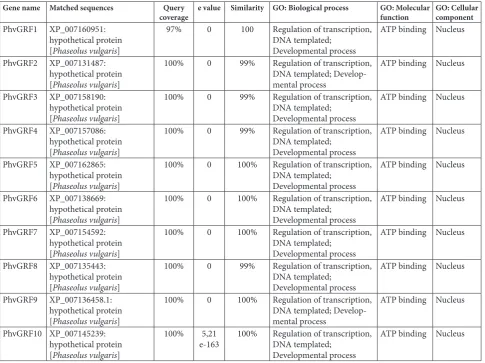
Table 3. Blast2GO annotation details of Phaseolus vulgaris GRF protein sequences.
Gene name Matched sequences Query
coverage e value Similarity GO: Biological process GO: Molecular function GO: Cellular component
PhvGRF1 XP_007160951: hypothetical protein [Phaseolus vulgaris]
97% 0 100 Regulation of transcription, DNA templated;
Developmental process
ATP binding Nucleus
PhvGRF2 XP_007131487: hypothetical protein [Phaseolus vulgaris]
100% 0 99% Regulation of transcription, DNA templated; Develop-mental process
ATP binding Nucleus
PhvGRF3 XP_007158190: hypothetical protein [Phaseolus vulgaris]
100% 0 99% Regulation of transcription, DNA templated;
Developmental process
ATP binding Nucleus
PhvGRF4 XP_007157086: hypothetical protein [Phaseolus vulgaris]
100% 0 99% Regulation of transcription, DNA templated;
Developmental process
ATP binding Nucleus
PhvGRF5 XP_007162865: hypothetical protein [Phaseolus vulgaris]
100% 0 100% Regulation of transcription, DNA templated;
Developmental process
ATP binding Nucleus
PhvGRF6 XP_007138669: hypothetical protein [Phaseolus vulgaris]
100% 0 100% Regulation of transcription, DNA templated;
Developmental process
ATP binding Nucleus
PhvGRF7 XP_007154592: hypothetical protein [Phaseolus vulgaris]
100% 0 100% Regulation of transcription, DNA templated;
Developmental process
ATP binding Nucleus
PhvGRF8 XP_007135443: hypothetical protein [Phaseolus vulgaris]
100% 0 99% Regulation of transcription, DNA templated;
Developmental process
ATP binding Nucleus
PhvGRF9 XP_007136458.1: hypothetical protein [Phaseolus vulgaris]
100% 0 100% Regulation of transcription, DNA templated; Develop-mental process
ATP binding Nucleus
PhvGRF10 XP_007145239: hypothetical protein [Phaseolus vulgaris]
100% 5,21
e-163 100% Regulation of transcription, DNA templated; Developmental process
Most of the PhvGRF genes displayed more con-sistent changes in expression in the root tissues of the Yakutiye and Zulbiye common bean cultivars than in leaf tissues. A decreasing trend in the expression of
PhvGRF1, PhvGRF2, PhvGRF3, PhvGRF5, PhvGRF6, PhvGRF7 and PhvGRF10 genes was observed in the root tissues of Yakutiye after a 24-h drought treat-ment. In contrast to Yakutiye, an increasing expression trend was observed in the root tissues of Zulbiye for
PhvGRF1, PhvGRF2, PhvGRF3, PhvGRF5, PhvGRF6, PhvGRF9 and PhvGRF10 genes. The expression pattern for the PhvGRF7 gene was only detected in the root and leaf tissues of the Yakutiye cultivar under drought stress, whereas there was no expression of the Ph-vGRF7 gene in the Zulbiye cultivar. At the same time, no significant expression was observed for PhvGRF4
and PhvGRF8 genes in either of the two cultivars. Hence the expression data of PhvGRF4 and PhvGRF8 genes were not included in Fig. 7.
DISCUSSION
In previous studies, GRF proteins of several plant spe-cies were investigated. A total of 24 GRF proteins were characterized in cucumber, melon and watermelon plant species [10]. In the current study, we identified and characterized 10 PhvGRF genes in the Phaseo-lus vulgaris genome. When comparing the highly conserved domains (WRC, QLQ, TQL and FFD) of
Phaseolus vulgaris with other previously studied plant species, we found similar domains in Brachypodium distachyon, Zea mays and the Cucurbitaceae family [7,10,11] (Table 2; Fig. 4).
It is well known from previous studies that GRF proteins are not well conserved because of the dif-ferent exon-intron organization in the genomes of
Brachypodium distachyon, Arabidopsis thaliana,Zea mays and Cucurbitaceaefamily[5,7,10,11]. Similarly, different numbers of introns and different exon-intron organizations were observed for Phaseolus vulgaris
GRFsin this study.
Gene duplications are important events that have significant roles in genomic and organismal evolution and that can originate from unequal crossing-over, retrotransposition or chromosomal duplication [24]. The plasticity of an organism for adaptation to different environmental conditions would be limited without the occurrence of gene duplication events [24]. Two seg-mental duplication events among PhvGRF6-PhvGRF7 and PhvGRF2-PhvGRF4 genes were observed in the current study. The schematic display of the conserved MEME motifs for the GRF proteins revealed that the PhvGRFs (PhvGRF6, PhvGRF7, PhvGRF2, PhvGRF4), which are encoded by these segmental duplicated genes, contain all the 5 motifs identified. At the same time, these genes were clustered together with the highest bootstrap value (100%) in subgroup I according to the phylogenetic analysis. In a previous study on the iden-tification of GRF proteins in Brachypodium, one seg-mental duplication event was observed, while tandem duplication events, as described in the current study, were not previously observed [11]. No segmental or tandem duplication events were observed in Cucurbita-ceae family members in contrast to our findings [10]. When we evaluated the phylogenetic tree of Phase-olus vulgaris, Arabidopsis thaliana and Zea mays GRFs,
it was observed that PhvGRFs are phylogenetically closer to AtGRFs with very high bootstrap values than to ZmGRFs. This could be due to the fact that Arabi-dopsis thaliana and Phaseolus vulgaris are dicot plant species, whereas Zea mays is a monocot species. This correlation was also found and explained in previous studies on the genome-wide identification of GRFs, which can be attributed to the orthology of GRF genes in monocot and dicot plant groups [10,11,14].
For the putative functional analysis of the PhvGRF proteins, 10 PhvGRFs were assigned the term “GO” using Blast2GO software. All PhvGRFs were anno-tated with the terms in the same GO groups as: regula-tion of transcripregula-tion-DNA templated, developmental process under the biological process category, ATP binding under the molecular function category and nucleus under the cellular component category (Table 3). All data showed that PhvGRF proteins have similar roles in biological processes and molecular functions, and the same localization in plant cells.
Previous studies of Arabidopsis thaliana have shown that some GRF genes play a role in the regula-tion of the stress response mechanism [5]. However, it is not known which common bean GRF proteins regulate abiotic stress responses such as drought stress. Hence, we analyzed the expression levels of 10 identi-fied PhvGRF genes in the drought-tolerant Yakutiye and drought-sensitive Zulbiye common bean culti-vars subjected to moderate drought stress for 24 h. Drought-tolerant and drought-sensitive cultivars were selected to make possible a comparative analysis of
PhvGRFs genes in response to drought stress condi-tions in common bean.
According to the expression analysis of 10 Ph-vGRFs, inversely related expression patterns were ob-served in the roots of Yakutiye and Zulbiye cultivars based on their adaptation capacity against drought stress. PhvGRF1, PhvGRF2, PhvGRF3, PhvGRF5, Ph-vGRF6, PhvGRF9 and PhvGRF10 genes were upregu-lated 2- to 4-fold compared to the untreated controls after drought treatment in the root tissues of Zulbiye, which is a drought-sensitive common bean cultivar. Interestingly, the trend of PhvGRF1, PhvGRF2, Ph-vGRF3, PhvGRF5, PhvGRF6, PhvGRF7 and PhvGRF10
genes showed a consistent decline of 2- to 6-fold in the root tissues of the drought-tolerant Yakutiye cultivar
subjected to 24 h drought stress. This significant cor-relation might be due to the involvement of PhvGRF
genes in the stress defense mechanism against moder-ate drought stress in common bean. Some members of AtGRF genes were shown to be upregulated under normal conditions to suppress and regulate the ex-pression of stress responsive genes, while some mem-bers were downregulated [4]. Recent studies showed that GRFs act as a link between plant growth and de-fense signaling and stress responses [2,25].
The expression trend of PhvGRF genes in two common bean cultivars in response to drought stress has revealed a higher correlation in root tissues than in leaves. This difference could be explained by the higher sensitivity to drought stress in root tips, which are an actively growing tissue in plants [26].
CONCLUSION
Genome-wide in silico identification, characterization and expression analyses of Phaseolus vulgaris GRF proteins and genes offer an insight into their poten-tial role in stress-related mechanisms. In addition, we have demonstrated that the expression of PhvGRFs was correlated with drought stress response in a cul-tivar-specific manner in common bean. The members of the GRF gene family may also be used for genetic engineering applications in common bean, which is an economically important legume crop.
Authors’ contributions: Both authors contributed equally to this work.
Conflict of interest disclosure: The authors declare that they have no conflicts of interest in the research.
REFERENCES
1. Van der Knaap E, Kim JH, Kende H. A novel gibberellin-induced gene from rice and its potential regulatory role in stem growth. Plant Physiol. 2000;122(3):695-704.
2. Liu H, Guo S, Xu Y, Li C, Zhang Z, Zhang D, Xu S, Zhang C, Chong K. OsmiR396d-regulated OsGRFs function in floral organogenesis in rice through binding to their targets OsJMJ706 and OsCR4. Plant Physiol. 2014;165(1):160-74. 3. Pajoro A, Madrigal P, Muino JM, Matus JT, Jin J, Mecchia
acces-sibility and gene regulation by MADS-domain transcription factors in flower development. Genome Biol. 2014;15(3):R41. 4. Omidbakhshfard MA, Proost S, Fujikura U, Mueller-Roeber
B. Growth-Regulating Factors (GRFs): A small transcription factor family with important functions in plant biology. Mol Plant. 2015;8(7):998-1010.
5. Kim JS, Mizoi J, Kidokoro S, Maruyama K, Nakajima J, Nakashima K, Mitsuda N, Takiguchi Y, Ohme-Takagi M, Kondou Y, Yoshizumi T, Matsui M, Shinozaki K, Yamaguchi-Shinozaki K. Arabidopsis growth-regulating factor7 functions as a transcriptional repressor of abscisic acid- and osmotic stress-responsive genes, including DREB2A. Plant Cell. 2012;24(8):3393-405.
6. Hewezi T, Maier TR, Nettleton D, Baum TJ. The Arabi-dopsis microRNA396-GRF1/GRF3 regulatory module acts as a developmental regulator in the reprogramming of root cells during cyst nematode infection. Plant Physiol. 2012;159(1):321-35.
7. Zhang DF, Li B, Jia GQ, Zhang TF, Dai JR, Li JS, Wang SC. Isolation and characterization of genes encoding GRF tran-scription factors and GIF trantran-scriptional coactivators in maize (Zea mays L.). Plant Sci. 2008;175(6):809-17.
8. Yang FX, Liang G, Liu DM, Yu DQ. Arabidopsis MiR396 Mediates the development of leaves and flowers in transgenic tobacco. J Plant Biol. 2009;52(5):475-81.
9. Osnato M, Stile MR, Wang Y, Meynard D, Curiale S, Guider-doni E, Liu Y, Horner DS, Ouwerkerk PB, Pozzi C, Müller KJ, Salamini F, Rossini L. Cross talk between the KNOX and ethylene pathways is mediated by intron-binding transcrip-tion factors in barley. Plant Physiol. 2010;154(4):1616-32. 10. Baloglu MC, Eldem V, Hajyzadeh M, Unver T. Genome-wide
analysis of the bZIP transcription factors in cucumber. PLoS One. 2014;9(4):e96014.
11. Filiz E, Koc I, Ozyigit, II. Comparative analysis and modeling of superoxide dismutases (SODs) in Brachypodium distachyon
L. Appl Biochem Biotechnol. 2014;173(5):1183-96.
12. Kuijt SJ, Greco R, Agalou A, Shao J, t Hoen CC, Overnas E, Osnato M, Curiale S, Meynard D, van Gulik R, de Faria Mara-schin S, Atallah M, de Kam RJ, Lamers GE, Guiderdoni E, Rossini L, Meijer AH, Ouwerkerk PB. Interaction between the growth-regulating factor and knotted1-like homeobox families of transcription factors. Plant Physiol. 2014;164(4):1952-66. 13. Wang F, Qiu N, Ding Q, Li J, Zhang Y, Li H, Gao J.
Genome-wide identification and analysis of the growth-regulating fac-tor family in Chinese cabbage (Brassica rapa L. ssp. pekinen-sis). BMC Genomics. 2014;15:807.
14. Choi D, Kim JH, Kende H. Whole genome analysis of the OsGRF gene family encoding plant-specific putative tran-scription activators in rice (Oryza sativa L.). Plant Cell Physiol. 2004;45(7):897-904.
15. Zhang H, Jin J, Tang L, Zhao Y, Gu X, Gao G, Luo J. PlantTFDB 2.0: update and improvement of the comprehen-sive plant transcription factor database. Nucleic Acids Res. 2011;39:D1114-7.
16. Letunic I, Doerks T, Bork P. SMART 7: recent updates to the protein domain annotation resource. Nucleic Acids Res. 2012;40:D302-5.
17. Punta M, Coggill PC, Eberhardt RY, Mistry J, Tate J, Boursnell C, Pang N, Forslund K, Ceric G, Clements J, Heger A, Holm L, Sonnhammer ELL, Eddy SR, Bateman A, Finn RD. The Pfam protein families database. Nucleic Acids Res. 2012;40:D290-301.
18. Bailey TL, Boden M, Buske FA, Frith M, Grant CE, Clementi L, Ren J, Li WW, Noble WS. MEME SUITE: tools for motif discovery and searching. Nucleic Acids Res. 2009;3:W202-8. 19. Thompson JD, Higgins DG, Gibson TJ. Clustal W: improv-ing the sensitivity of progressive multiple sequence align-ment through sequence weighting, position-specific gap penalties and weight matrix choice. Nucleic Acids Res. 1994;22(22):4673-80.
20. Tamura K, Peterson D, Peterson N, Stecher G, Nei M, Kumar S. MEGA5: molecular evolutionary genetics analysis using maximum likelihood, evolutionary distance, and maximum parsimony methods. Mol Biol Evol. 2011;28(10):2731-9. 21. Yang S, Zhang X, Yue JX, Tian D, Chen JQ. Recent
duplica-tions dominate NBS-encoding gene expansion in two woody species. Mol Genet Genomics. 2008;280(3):187-98.
22. Conesa A, Gotz S, Garcia-Gomez JM, Terol J, Talon M, Robles M. Blast2GO: a universal tool for annotation, visualization and analysis in functional genomics research. Bioinformatics. 2005;21(18):3674-6.
23. Livak KJ, Schmittgen TD. Analysis of relative gene expression data using real-time quantitative PCR and the 2(-Delta Delta C(T)) Method. Methods. 2001;25(4):402-8.
24. Zhang JZ. Evolution by gene duplication: an update. Trends in Ecology & Evolution. 2003;18(6):292-8.
25. Casati P. Analysis of UV-B regulated miRNAs and their tar-gets in maize leaves. Plant Signal Behav. 2013;8(10):e26758. 26. Pucholt P, Sjodin P, Weih M, Ronnberg-Wastljung AC, Berlin
Supplementary Table S1. List of PhvGRFs primers used in this study for qRT-PCR analyses
Gene Forward primer Reverse primer