R E P O R T
Present, Engaged, and Accounted For
The Critical Importance of Addressing
Chronic Absence in the Early Grades
The National Center for Children in Poverty (NCCP) is the nation’s leading public
policy center dedicated to promoting the economic security, health, and well-being
of America’s low-income families and children. Founded in 1989 as a division of
the Mailman School of Public Health at Columbia University, NCCP is a nonpartisan,
public interest research organization.
PrESENT, ENgAgEd ANd ACCoUNTEd For
The Critical Importance of Addressing Chronic Absence in the Early grades
Hedy N. Chang with Mariajosé Romero, PhD
Authors
Hedy Nai-Lin Chang, is a researcher, writer and facilitator dedi-cated to promoting two- generational approaches to ending poverty that help families achieve greater economic security and ensure their children succeed in school. She consults with the Annie E. Casey Foundation, along with a variety of other non-profits, foundations and government agencies.
Mariajosé Romero, PhD, is senior research associate at NCCP, where her research focuses on the educational consequences of child poverty and issues of respect for diversity and social inclu-sion in early education.
Acknowledgements
This report was funded by the Annie E. Casey Foundation. We thank them for their support but acknowledge that the findings and conclusions presented in this report are those of the authors alone, and do not necessarily reflect the opinions of the Foundation. We would also like to recognize the invaluable contributions of several individuals at the Annie E. Casey Foundation. A catalytic and inspirational force, Ralph Smith deserves credit for helping all of us recognize that chronic early absence is a potentially critical and overlooked issue deserving greater examination. Cindy Guy is deeply appreciated for her ongoing guidance and support, especially with conceptualizing and carrying out the local re-search, which also benefited from the superb data skills of Edwin Quiambao. This work was greatly enhanced by the hard work of AECF consultant, Jeanne Jehl who helped to refine early drafts and solicit feedback from colleagues.
Charlie Bruner and his staff at the Child and Family Policy Project have been outstanding partners and colleagues offering significant contributions to the report content, data analysis and literature review while also serving as a fiscal home for project operations.
The analysis of local data was made possible through the hard work and thoughtful participation of several research partners including the Urban Institute, the National Neighborhood Indica-tors Partnership, the National Center for School Engagement, and Metis Associates.
In February 2008, a consultative session was held to discuss a draft of this brief and the implications of our findings for research, policy and practice. We deeply appreciate the rich insights offered by the participants: Erika Beltran, Marty Blank, Cindy Brown, Charlie Bruner, Frank Farrow, Ayeola Fortune, Linda Grobman, Janice Gruendal, Janis Hagey, Lisa Kane, Maryclaire Knight, Linda Manning, Ruth Mayden, Vicky Marchand, Ruth Mayden, Quentina Miller-Fields, Andy Plasky, Valerie Salley, Nina Sazer O’Donnell, Ken Seeley, Fasaha Traylor, and Junious Williams. In addition, we would like to especially recognize the work of colleagues at Johns Hopkins, Robert Balfanz, Joyce Epstein and Steve Sheldon, whose research has substantially informed our work. Although we cannot list all of their names, we would like to express our sincere thanks to the many other researchers, practitioners, funders and advocates, who have in the course of this effort, shared a wealth of information about relevant research, promising practices and related educational policies.
The Annie E. Casey Foundation is a private charitable organiza-tion dedicated to helping build better futures for disadvantaged children in the United States. It was established in 1948 by Jim Casey, one of the founders of UPS, and his siblings, who named the Foundation in honor of their mother. The primary mission of the Foundation is to foster public policies, human-service reforms, and community supports that more effectively meet the needs of today’s vulnerable children and families. In pursuit of this goal, the Foundation makes grants that help states, cities, and neigh-borhoods fashion more innovative, cost-effective responses to these needs. For more information, visit the Foundation’s website at www.aecf.org.
National Center for Children in Poverty Present, Engaged, and Accounted For 3
Present, Engaged, and Accounted For
The Critical Importance of Addressing
Chronic Absence in the Early Grades
Hedy N. Chang | Mariajosé Romero September 2008What do we mean by chronic early absence?
chronic absence refers to students missing an extended period of school when both excused and unexcused absences are taken into account. given the critical importance of time devoted to learning, especially in the early years, we believe it is important to count
all absences. we intentionally use the term “chronic absence,” because the more frequently used term, “truancy,” only refers to unexcused absences and connotes inappropriate student behavior requiring a punitive response. rather than blaming children, we want to broaden awareness that missing extended periods of school could be an early sign of distress in school, community or home that could respond to appropriate early intervention. moreover, when children are 5, 6 or 7 years of age, they are not likely to be absent from school without their parents’ knowledge. we recommend defining chronic absence as missing 10 percent or more of the school year (equivalent to 18 days out of a 180 day school year) regardless of whether absences are excused or unexcused. If children miss this much school while in grades k-3, it is chronic early absence. Although local and state definitions can vary, we propose this common definition since research by the national center for children in Poverty found that this level of school absence in the first years of school was associated with lower academic performance in subsequent grades.
At the core of school improvement and education reform is an assumption so widely understood that it is rarely invoked: students have to be present and engaged in order to learn. That is why the discovery that thousands of our youngest students are
academically at-risk because of extended absences when they first embark upon their school careers is as remarkable as it is consequential. Schools and communities have a choice: we can work together early on to ensure families get their children to class consistently or we can pay later for failing to inter-vene before problems are more difficult and costly to ameliorate.
Schools have served our country well as gateways to more opportunity for children. What happens when children first enter school deeply affects whether this opportunity is realized. During the early elementary years, children are gaining basic social and academic skills critical to ongoing academic success. Unless students attain these essential skills by third grade, they require extra help to catch up and are at grave risk for eventually dropping out of school.
Common sense and research suggest that being in school consistently is important to ensuring children gain a strong foundation for subsequent learning. Research shows that children, regardless of gender, socioeconomic status or ethnicity, lose out when they are chronically absent (that is, they miss nearly a month of school or more over the course of a year). Children chronically absent in kindergarten show lower levels of achievement in math, reading and general knowledge during first grade. Going to school regularly in the early years is especially crit-ical for children from families living in poverty, who
are less likely to have the resources to help children make up for lost time in the classroom. Among poor children, chronic absence in kindergarten predicts the lowest levels of educational achievement at the end of fifth grade.
When chronic early absence occurs, everyone pays. The educational experiences of children who attend school regularly can be diminished when teachers must divert their attention to meet the learning and social needs of children who miss substantial
4
amounts of school. By working together to ensure all children attend school consistently, schools and communities make it more possible for teachers to teach and children to learn.
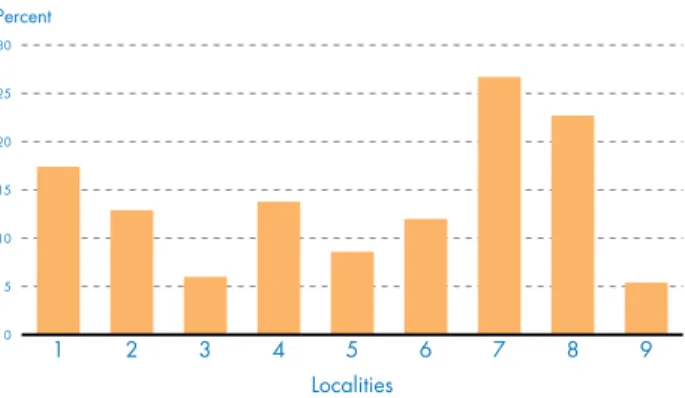
School attendance reflects the degree to which schools, communities and families adequately address the needs of young children. Attendance is higher when schools provide a rich, engaging learning experience, have stable, experienced and skilled teachers and actively engage parents in their children’s education. Chronic absence decreases when schools and communities actively communi-cate consistently to all students and their parents, and reach out to families when their children begin to show patterns of excessive absence. Attendance suffers when families are struggling to keep up with the routine of school despite the lack of reli-able transportation, long work hours in poorly paid jobs with little flexibility, unstable and unafford-able housing, inadequate health care and escalating community violence. At the same time, communities can help lower chronic absence by providing early childhood experiences that help prepare children and families for the entry into formal education. Variations in these school, neighborhood and family conditions are reflected in tremendous differ-ences in the prevalence of chronic early absence across communities. While national data show that chronic early absence affects an estimated one out of every 10 children during their first two years of school, data collected from nine urban localities (eight school districts and one region within a larger
school district) revealed significant variations. Across the districts, chronic early absence ranged from affecting only about one out of 20 children to nearly one out of four students in grades K-3. Ranges can be even greater within districts. For example, in one locality, prevalence at individual schools ranged from one to more than 50 percent of K through third graders.
Although chronic early absence can be a signifi-cant issue for particular schools and even entire school districts, it has largely been overlooked. The United States does not have a mechanism in place to ensure that schools across the country monitor and report on levels of chronic early absence. The Federal No Child Left Behind Act began requiring states to define and report data on truancy in 2006, but there is no provision regarding chronic early absence. Elementary schools often track average daily attendance or unexcused absences (truancy), but few monitor the combination of excused and unexcused absence for individual students. High overall school wide attendance rates can easily mask significant numbers of chronically absent students. While a growing interest in state data systems with universal student identifiers creates an opportunity to collect such data systematically, many districts have yet to develop the data capacity for tracking absences for individual students. As a result, many school districts do not know the extent to which chronic early absence is a problem in any or all of their schools.
This report seeks to raise awareness of the critical importance of chronic early absence, synthesize available data on the scope of the challenge, and share emerging insights about how schools and communities can use chronic early absence to identify and address challenges affecting the social, educational and physical well-being of children and their families before problems become intractable. While parents are responsible for getting their children to school every day, schools and commu-nities need to recognize and address the barriers and challenges that may inhibit them from doing so, especially when they are living in poverty. Large numbers of chronically absent students could indi-cate systemic problems that affect the quality of the educational experience and/or the healthy func-tioning of the entire community.
How Can Elementary School Daily Attendance Rates Mask Significant Levels of Chronic Absence?
chronic absence is easily masked by school attendance statistics, even when average daily attendance appears relatively high. suppose, for example, a school has 200 students and an average daily attendance rate of 95%. At this rate, 10 students are absent on any given day while 190 are present. the same 10 students, however, are not absent for all 180 days or they would be dis-enrolled. rather, it is quite possible that the 10 students missing each day occurs because the school is serving 60 students who are taking turns being absent but when their absences are added together, miss a month or more of school over the course of the school year. In summary, even in a school with 95% daily atten-dance, 30% of the student population could be chronically absent.
National Center for Children in Poverty Present, Engaged, and Accounted For 5
This report is based upon the findings of applied research carried out with support from the Annie E. Casey Foundation. Activities included secondary analyses of data from the Early Childhood Longi-tudinal Study, Kindergarten Cohort (ECLS-K) conducted by the National Center for Children in Poverty (NCCP), analysis of local data on student attendance patterns, a review of relevant litera-ture, and information offered by practitioners, researchers, and funders about promising practices and programs. After describing the key compo-nents of this applied research project, this report addresses what is known to date from this inquiry about the following key questions:
n What is the impact and prevalence of chronic
early absence? Chronic absence in kinder-garten has an immediate impact on academic performance for all children, especially Latino students. The long-term consequences are most significant for poor children. While not an issue in all communities, chronic early absence can reach high levels district-wide as well as within schools, even when levels are relatively low district-wide.
n What contributes to chronic early absence?
When chronic early absence occurs, we propose considering the extent to which schools, families and communities might play a contributing role. Often more than one factor is at play simultaneously. Since conditions can vary substantially, the particular factors
contributing to chronic early absence should be assessed for each school and community. Gaining clarity about the factors that lead to chronic absence is critical to developing effec-tive solutions. Open deliberation and explora-tion about the relevant risk factors can help lay a stronger foundation for the development of appropriate solutions.
n What are implications for action?School
dis-tricts throughout the United States need to be able to monitor whether and to what extent chronic early absence is a relevant problem in any or all schools based upon a common defi-nition. If levels are significant, schools should partner with community agencies and fami-lies to understand and address the factors con-tributing to early absence in particular schools or populations. Strong, ongoing partnerships among schools, families and community agen-cies to implement comprehensive approaches over time are critical to ensuring all children have the opportunity to attend school every day. We hope that a wide variety of readers working in related fields – including, for example, early childhood education, education reform, drop-out prevention, family support, and child and commu-nity health – will find this information meaningful and relevant. We invite policymakers, practitioners, researchers, and funders to consider integrating attention to chronic early absence into research, policy and practices related to their own agendas.
How did We Study Chronic Early Absence?
To deepen our understanding of the consequences, risk factors and potential strategies for addressing chronic early absence, this project, which started in the fall of 2006, has engaged in a mix of research activities. These included: (a) a new analysis of national data; (b) an examination of local attendance patterns in nine school districts; (c) a literature review; and (d) telephone interviews as well as electronic exchanges with practitioners and researchers with past experience addressing chronic early absence.
National Data Analysis
To paint a national picture of how this issue plays out across the country, the National Center for Children in Poverty (NCCP) examined data on chronic early absence from the Early Childhood Longitudinal Study, Kindergarten Cohort (ECLS-K). The ECLS-K, which is conducted by the National Center for Educational Statistics, U.S. Department of Educa-tion, includes data on children’s development, family characteristics and functioning, as well as their school environments, collected from a national sam-ple of 21,260 children from the time they entered kindergarten in 1998 until they reached fifth grade.1
6
ECLS-K data were collected in kindergarten, first, third, and fifth grade. Data on school attendance in the ECLS-K were gathered from school administra-tive records. For the purposes of this study, only children with complete absenteeism data (that is, number of days absent in all grades) were selected. Using this longitudinal data set, NCCP examined characteristics and academic performance for students with different levels of absences in a school year: 0-<3.3%; 3.3-<6.6%; 6.6-<10.0%; and ≥10.0%. In addition, this study explored the impact of chil-dren’s health on school absences. Data on chilchil-dren’s health status were collected from parents. Only children with complete health data were included in theses analyses.
The national data analysis was carried out by Mariajosé Romero, PhD, with technical support from Young Sun Lee, PhD. For more detail on these results, see A National Portrait of Chronic Absen-teeism in the Early Grades; The Influence of Maternal and Family Risk on Chronic Absenteeism in Early Schooling; How Maternal, Family and Cumulative Risk Affect Absenteeism in Early Schooling: Facts for Policymakers, andother publicationsavailable on the NCCP website (www.nccp.org).
Examination of Local Attendance Patterns
To further our understanding of how this issue plays out across communities, Casey staff and consultants worked with the Urban Institute, the National Neighborhood Indicators Partnership, the National Center for School Engagement, and Metis Associates to gather and analyze data from nine localities. All localities were school districts, except for one which was a geographic region within a large school district. The school districts, which varied in enrollment, were primarily located in urban settings and spanned pre-K through 12th grade. These sites were selected because district leadership allowed the researchers involved access to their data and all had data systems that tracked attendance for students even when they changed schools. (See Appendix A for demographic char-acteristics of the nine localities.) The names of particular communities and school districts are not included in this report; instead each locality has been labeled with a number.
Drawing upon the 20-day definition of extended absences (equivalent to 11% of an 180 day school year) used by the Maryland Department of Educa-tion, researchers involved in the local study agreed upon categories of absence to use for analysis: low (0-5.5%), moderate (5.5% -11%) and chronic (>11%) absence. Because the length of the school year differs across districts, it was necessary to use percentages (as opposed to number of days) to make comparisons across localities. If the NCCP definition (see above) had been applied to the local data, it is likely that local rates would be slightly higher than those calcu-lated through this analysis, since it uses a slightly lower threshold (10 versus 11 percent or 18 versus 20 days of an 180 day school year). We recommend use of the NCCP definition in any future studies. This research examined attendance patterns over time (when possible) for children in grades K-3 including differences in absence for children by grade, family income level, and special popula-tions (including ethnicity, gender, English Language Learners [ELLs] and students with disabilities). Since access to data varied across localities, some analyses could only be conducted for a subset of the total group. Initially, we also sought to compare differ-ences in patterns for children with excused versus unexcused absences, but the data were too unreli-able, especially for comparison across localities. In general, while the patterns found among these localities are useful for further understanding the national findings or suggesting further areas of research, we believe generalizing from patterns found only through the local data is premature since the localities were not selected as a representative sample of school districts throughout the country. Little is still known about the prevalence and nature of chronic absence in suburban and rural commu-nities, although one study does suggest chronic absence may be more problematic in urban areas.2
Literature Review
A search was conducted to identify relevant litera-ture from related fields. Through this search, we sought to identify: (a) literature documenting the impact of poor attendance in early elementary school on social and academic outcomes; (b) studies exploring the connection between chronic absence
National Center for Children in Poverty Present, Engaged, and Accounted For 7
and a host of possible risk factors (for instance, chronic health problems, early childhood experi-ences, involvement in child welfare, participation in public assistance, etc.); and (c) studies or program evaluations describing effective strategies for improving attendance or reducing chronic absence. In addition to seeking out evaluations of programs or practices explicitly designed to affect chronic absence, we also sought out research examining the impact on school attendance of other types of programs (early home visiting, preschool, after-school programs, asthma management, etc.).
Information Exchanges with Practitioners,
Researchers and Funders
In order to ensure that this work was informed by available research and grounded by the experiences
of existing programs, the project manager, Hedy Chang, contacted more than 100 practitioners, trainers, researchers and funders working in related fields (for instance, early care and education, K-12 education, children’s health, welfare reform, child welfare, substance abuse) to find out if they were familiar with the issue of chronic early absence, relevant research or promising programs and practices for improving attendance. Group e-mail inquiries were also sent out to Head Start Directors, Public Education Network members, grantmakers funding in Early Childhood and statewide family support organizations. In addition to supporting the literature review, these contacts led to the identifica-tion of relevant program models for which in-depth interviews were held. Descriptions of several prom-ising programs appear in Appendix B.
What is the impact and prevalence of chronic early absence?
Chronic early absence matters because regular school attendance is important for academic perfor-mance and extended absenteeism can affect signifi-cant numbers of young children during their earliest years of school.
Chronic early absence affects substantial numbers of children nationwide and is even more problem-atic in some districts and schools.According to the analysis by NCCP, over 11 percent of children in kindergarten and almost nine percent in first grade are chronically absent. Chronic absence fell to six percent among third graders.3 Researchers note, however, that these estimates are probably conser-vative, since attendance data are missing more often from schools serving low-income and minority students than from those serving more affluent students in the ECLS-K study, and low income students tend to have more absences.
Prevalence of chronic early absence varied mark-edly across the nine localities studied, ranging from affecting one out of 20 to almost one out of four students enrolled in grades K-3.4 Chronic early absence can be much higher in particular schools than district-wide. For example, the incidence of chronic early absence ranged from one percent
to 54.5 percent across schools in a district where prevalence was 13.8 percent overall.
Especially when chronic absence reaches high levels, it is also important to consider the likely detrimental impact caused by the constant disrup-tion to the learning environment for regularly attending peers, and the impact of unpredictable classroom dynamics on teachers’ working condi-tions. For several localities, high levels of chronic absence existed in one or a handful of schools despite generally low levels of chronic early absence district-wide.
0 5 10 15 20 25 30
9 8 7 6 5 4 3 2 1
Figure 1:Chronic early absence across localities
Percent
8
NCCP’s national data analysis found that chronic absence in kindergarten is associated with lower academic performance in first grade, especially for Latino children. This negative correlation held true for all children regardless of gender, ethnicity or socioeconomic status. Participation in full-day as opposed to half-day kindergarten seems to lessen the negative impact of chronic absence in kinder-garten among poor children.
The impact of early chronic absence appears to be most pronounced for Latino children. Reading scores for chronically absent Latino kindergartners were significantly lower than for their peers of other ethnicities even though they had missed similar amounts of school. This finding is especially notable given that Latinos, who are the largest and fastest growing minority group, now make up one out of four children under five.
Going to school regularly in the early years is especially critical for children from families living in poverty who are less likely to have the resources to help children make up for lost time in the classroom. Among poor children, chronic absence in kindergarten predicts the lowest levels of educa-tional achievement at the end of fifth grade. The following chart offers more specific guidance about how to calculate prevalence of chronic early absence. This guidance reflects insights gained by the researchers involved in conducting the analysis of national and local data for this report about how to best calculate prevalence and what type of data challenges are likely to emerge.
Figure 2:Chronic absentees in kindergarten have the lowest academic performance in first grade
Average academic performance
Absenteeism in kindergarten
General Knowledge Math Reading Average academic performance 40 42 44 46 48 50 52
54 General Knowledge
Math Reading
>=10.0% 6.6-10.0%
3.3 - 6.6% 0-3.3%
Absenteeism in kindergarten
General Knowledge Math Reading 40 42 44 46 48 50 52 54 ≥10.0% 6.6–10.0% 3.3–6.6% 0–3.3%
Figure 3:Chronic absence in kindergarten was especially detrimental to the reading performance of Latino children in first grade
Average reading performance
Absenteeism in kindergarten White Latino Black Average reading performance 40 42 44 46 48 50 52 54 White Latino Black >=10.0% 6.6-10.0% 3.3-6.6% 0-3.3% White Latino Black 40 42 44 46 48 50 52 54 ≥10.0% 6.6–10.0% 3.3–6.6% 0–3.3%
Figure 4:Poor children who were chronic absentees in kindergarten had the lowest performance in reading and math in fifth grade
Average academic performance
Absenteeism in kindergarten Math Reading Average academic performance 40 42 44 46 48 50 52 54 Math Reading >=10.0% 6.6-10.0% 3.3-6.6% 0-3.3%
Absenteeism in kindergarten Math Reading 40 42 44 46 48 50 52 54 ≥10.0% 6.6–10.0% 3.3–6.6% 0–3.3%
National Center for Children in Poverty Present, Engaged, and Accounted For 9
Question Method Potential Data Issues
1. what is the prevalence of chronic, moderate and excessive levels of early absence for the district as a whole?
calculate the percent of students who are: (a) chronically absent (defined as missing 10 percent or more of the school year; (b) moderately absence (defined as missing between five and less than 10 percent of the school year); and (c) excessive (defined as missing 20 percent or more of the school year). calculate the number of days absent over the school year divided by the number of days enrolled for the school year.
If your school system does not track the number of days enrolled for each student, you might consider using the length of the school year as a proxy. such an approach is not ideal, however, since it would undercount the level of absence among mobile children who leave the district before the end of the school year.
2. what is the prevalence of chronic, moderate and excessive absence by grade?
code students by grade level. For students at each grade level, calculate the percent who are moderately, chronically and excessively absent. Please note while the applied research study examined k through third grades; you may find it helpful to look at trends k through fifth grades.
It may be important, beforehand, to determine how to code the grade level of students who have been held back or skipped a grade. If possible, conduct a special run to analyze absence levels for the children who have been retained.
3. what is the prevalence of chronic, excessive, and moderate absence for each elementary school?
code students by their elementary school. For students attending each elementary school, calculate the percent who are moderately, chronically and excessively absent. once this has been completed, identify the range, median and mean incidence at each school. consider producing a list rank ordering schools by their level of absence and examining what percent of schools have more than 5 percent, 10 percent, and 20 percent of their students who are chronically or excessively absent.
4. what is the prevalence of chronic, excessive and moderate absence by ethnicity?
code students by the major ethnic groups in your school district, typically hispanic/latino, non-hispanic Black/ African American, non-hispanic white, Asian Pacific Islander, and other. If you have a large native American population, create a separate code from “other.” For each ethnic group, calculate the percent who are moder-ately, chronically, and excessively absent.
If the numbers of an ethnic population are very small, you might consider noting the small sample size but keep the data available on a disaggregated basis.
Calculating Prevalence of Chronic Early Absence
Steps for Analyzing the Prevalence of Chronic Absence During the Early Grades
A major implication of these findings is that school districts should invest resources in determining whether and to what extent chronic early absence is a relevant problem for any or all of their schools. to ensure comparisons can be made across schools and communities, schools should engage in the analysis using a common definition of chronic early absence (missing 10% or more of the school year regardless of whether an absence is excused or unex-cused). Below are suggested steps for such an analysis.
STEP 1 Find out if your school district has a universal identifier (u.s.I) and if so, whether it is used to track attendance data. If it is not, begin discussions about how to include attendance data in the information tracked using the u.s.I.
STEP 2 Find out if student attendance data are regularly and accurately reported every day for each student in every school and submitted to the school district. At the school level, care needs to be taken to ensure data are coded and stored in a consistent manner over time and across schools. Find out about agreements and policies regarding the treatment of suspensions, absences due to school transfers, disenrollment due to extended absence, etc. understanding these policies will be essential to understanding how to interpret the results of an analysis of chronic early absence levels.
STEP 3 Assuming a u.s.I is in place and data are regularly and consistently collected in schools, identify whether the district has capacity to engage in a thorough data analysis. If it does not, identify a data partner with the capacity to analyze the attendance data and work with the data partner to negotiate a release of attendance data (as well as other student characteristics) for analysis.
STEP 4 use district data to identify schools and populations with the highest prevalence of chronic early absence as well as levels of moderate and excessive absence. these additional levels are suggested because moderate absence offers insight into the number of children potentially at risk for chronic absence while excessive absence could help reveal whether the category of chronic early absence includes some children and families at even greater levels of risk.
10
Question Method Potential Data Issues
5. what is the prevalence of chronic, excessive and moderate absence by special education?
code students by whether they are identified special education or not. For each population (special education versus general education), calculate the percent who are moderately, chronically and excessively absent.
Agree beforehand around what types of categories should be coded special education for the purpose of this analysis.
6. what is the prevalence of chronic, excessive and moderate absence for english language learners versus english language speakers?
code students by whether they are identified english language learners (ell) or not. For each population (ell versus not ell), calculate the percent who are moderately and chronically absent.
If your population of ell students is highly mobile and spends part of the year in another community, this calculation may seriously undercount chronic absence since students may end up dis-enrolled by the district before they end up counted chronically absent. this issue can be examined by calculating what percent of the ell population leaves the school district before the end of a single school year and also reviewing district policies governing when a child is dis-enrolled.
7. what is the prevalence of chronic, excessive and moderate absence among poor and low income children as well as among those living in poor neighborhoods?
calculate chronic, moderate and excessive absence levels for children who are poor versus non-poor. depending upon available data, this calculation could be derived using different methods.
A comparison could be made between students receiving free and reduced price lunch data versus those who do not.5
If there is capacity to geo-code, student address infor-mation can be used to determine and code whether a student lives in a census tract where 30 percent or more of the residents live at or below the Federal Poverty line. A comparison can then be made between children living in high poverty census tracts versus all other census tracts.
several challenges exist with using Free & reduced lunch. reliability suffers given the challenges of getting students to apply every year for the free lunch program. In schools with high levels of low-income students, some districts have waivers in place to serve the entire student population and do not maintain data for individual students.
geocoding can be problematic if there are errors in the student addresses which prevent a portion of the students from being geo-coded. A manual (interactive) geocoding method might be needed to resolve problematic addresses and attain a 95 percent or higher match rate. It would also be important to deter-mine whether unmatched addresses represent a data bias. In addition, if the district is in an area in which there a number of new commu-nities/ subdivisions/ developments, geocoding may be hampered by the age of the data used to geocode.
8. what is the prevalence of chronic, excessive and moderate absence for children living in poverty by ethnicity, special education, and ell status?
For each sub-population (for instance, ethnic group, special education versus general education, ell versus non-ell), calculate prevalence of chronic and moderate absence for poor versus non poor students.
National Center for Children in Poverty Present, Engaged, and Accounted For 11
What Contributes to Chronic Early Absence?
An ecological perspective suggests that children’s development and educational outcomes take place in the context of multiple, ongoing influ-ences among children themselves, their immediate environments (family, school, peer group), and the larger environments (neighborhood, community, culture, society at large). Whether children attend school regularly reflects whether children’s envi-ronments – including family, schools, community, culture, and society – adequately address their needs. While parents are responsible for getting their children to school every day, schools and communities need to recognize and address the barriers and challenges that may inhibit them from doing so, especially when they are living in poverty. Large numbers of chronically absent students could indicate systemic problems that affect the quality of the educational experience and/or the healthy functioning of an entire community.
Identified through our applied research, these contributing factors are offered below as ques-tions to explore. Each would benefit from further research to ascertain the extent to which they hold true, especially in different localities. Gaining clarity about the factors that lead to chronic absence is critical to developing effective solutions.
School-Related Issues
Schools themselves can contribute to high levels of absence among young children.
Is chronic absence an indication that schools do not communicate the importance of regular attendance to parents in their home language and in culturally appropriate ways?Schools play an essential role in promoting attendance by helping parents understand that coming to school, espe-cially in the early years, is important to a child’s academic success. Effective and clear communica-tions to diverse families was found by Epstein and Sheldon6 to have a significant impact on improving attendance and reducing chronic absence. Because teachers are respected authority figures in many communities, their guidance can be very influential, especially for immigrant parents who are unfamiliar
with the norms of U.S. educational institutions and perhaps even lack experience with formal education in their home country. The lack of Spanish-speaking school personnel who can reach out and commu-nicate with a growing population of Latino families about educational matters, including attendance, appeared to be a major issue in the school district with the second highest level of chronic early absence in our local research.
Is chronic absence a sign that schools do not monitor absences or contact families when chil-dren miss extended periods of time to identify and, where feasible, address barriers to getting to school?Personal contact and outreach from schools can help families understand that attendance, even in the early grades, is important to children’s academic success. When schools take a supportive and personal approach to contacting families about absences, they demonstrate that staff are concerned about the well-being of their children, and encourage parents to send their young children to school. Epstein and Sheldon also found that the presence of a school contact person to discuss atten-dance and related issues, along with home visits, reduce chronic absence.7 Our local research appears to affirm this finding: a defining characteristic of locality #9, which had the lowest rates of chronic absence, is its ongoing and intentional approach to monitoring attendance and contacting parents as soon as troubling patterns of absences begin to appear.
The willingness of schools and districts to actively monitor absences may, in part, reflect the extent to which state school funding policies create incentives to invest in increased student attendance. Currently, only a handful of states base funding on average daily attendance (ADA). Most states allocate funding based upon student enrollment counted once or twice during the year, often in conjunction with a formula to provide extra funding for students with greater needs. At least one state has no consis-tent funding formula based on student enrollment; instead, allocations are determined through the political process. The locality in our study with the second highest level of chronic absence was located in this state.
12
Is chronic absence a sign that schools do not effectively engage parents in their children’s education? Schools create an important foundation
for parents to see themselves as active partners in their children’s education. Schools and teachers that build strong personal relationships to parents and offer a variety of opportunities for involvement can make a tremendous difference. Research shows that the more schools reach out and engage parents, the more they experience gains in attendance.8 Parents actively involved in their children’s education are more likely to ensure children attend school on a regular basis.
Schools’ efforts to involve families are frequently haphazard and uncoordinated with teachers’ indi-vidual outreach to families, with little support from the larger school community. Typically, limited or no training is available to help educators learn how to form strong school, family and community partnerships. Outreach is often based upon trial and error rather than upon a coherent strategy informed by an understanding of the most effective practices.9 Too often, schools focus parent involvement on activities (like fundraising or volunteering in the classroom) that fail to recognize and build upon the multitude of ways parents, especially from minority or less affluent backgrounds, can and do contribute to their children’s education. Research shows that schools are more likely to increase attendance if they are able to engage parents of all backgrounds, including those who speak languages other than English.10 Parents who are not involved in school have a much harder time seeing how their children are adversely affected when they miss school.
Is chronic absence a sign that schools do not offer a high quality, engaging and safe educational experience?Early attendance problems, especially if they occur at high rates throughout a school, could signify that children and their families are ambiva-lent about or even alienated from school. Repeated absences could be a response to ineffective teaching, high rates of staff turnover or teacher absenteeism, chaos in the classroom or bullying in school prem-ises. Although most of the existing research docu-menting the detrimental impact of poor quality education on attendance focuses on older students,11 it is likely this situation also applies to younger children, especially if their parents are aware of the problems in the classroom.
An issue worth further exploration is whether the high levels of chronic absence found among chil-dren in need of special education reflects, at least in part, the lack of a high quality, engaging educa-tional experience. Across all nine localities, higher levels of absence occurred among children with Individualized Educational Programs (IEPs).12
Family-Related Issues
While what happens in school matters, school atten-dance is deeply affected by family circumstances. Young children depend upon their primary care-givers to ensure they arrive at school every day.
Is chronic early absence an indication that fami-lies are unaware of the adverse impact of chronic early absence?Especially when children are entering kindergarten, families may not realize that attendance in kindergarten matters. Kindergarten has historically been viewed as a transition into formal education rather than the beginning of formal schooling. Many parents may not be aware of the changes that have occurred in schooling, especially with the onset of No Child Left Behind. This perception of kindergarten as optional is reflected by state compulsory education laws, which typically do not start until children are older, as well as the continued practice of only offering half-day kindergarten in many places. Nationally and across all of the localities studied, the incidence of chronic absence was consistently highest in kindergarten and then declined with each subsequent school year through third grade.
Is chronic early absence an indication that fami-lies are poor and lack the resources (transporta-tion, food, clothing, etc.) to ensure their children regularly attend school?When families are poor, they lack resources (often taken for granted by many middle class families) that make regular school attendance much easier. Poverty and the lack of stable, affordable housing are clearly associated with the mobility issue described above. Barriers also include the lack of reliable transportation, nutritious food and limited access to health care. Sometimes, parents are simply too exhausted to wake up in the morning in time to get their children dressed, fed and to school because they are working night shifts and even multiple jobs to pay bills. Programs addressing chronic absenteeism have also
National Center for Children in Poverty Present, Engaged, and Accounted For 13
found that children were too embarrassed to go to school because they lacked clean, suitable clothing or did not have appropriate shoes or coats to endure rain or snow.
The data analysis carried out by this project found a correlation between chronic early absence and poverty. According to NCCP, absence in kinder-garten and first grade increased when family income was lower. In kindergarten, children from families living in poverty were four times more likely to be chronically absent than were their peers from families earning at least 300 percent of the federal poverty level. In first grade, children from families in poverty were still 3.6 times more likely to be chronically absent than were their most affluent peers. While this disparity decreased slightly in third grade, it began to climb again in fifth grade.
Is chronic early absence an indication that fami-lies are highly mobile?According to the U.S. Government Accountability Office, one of six chil-dren has attended three or more schools by the time he/she completes third grade.13 Mobility is highly correlated with poor attendance.14 When children move, they miss school while they are in the process of finding a new home and a new school. Mobility can continue to affect attendance even after a child has been enrolled in a new school. Children who are subject to multiple moves may actively avoid going to school because of the challenges of constantly adjusting to a new school where they lack relation-ships to adults or peers and may need to adapt to a new curriculum and teaching methods. To reduce the impact of mobility, some districts have sought to standardize the curriculum used by their elemen-tary schools. While some families change schools because of educational concerns, the majority of changes are caused by shifts in the family’s resi-dence. Families who move frequently are often coping with serious life events including job loss, divorce, domestic abuse, foster care placement and poor housing.15
Especially in communities with large immigrant populations, mobility can occur when families move back temporarily to their country of origin for extended periods. Immigrant parents may not be aware of the detrimental impact of extended absences or that these can result in their child being
dis-enrolled from their school. Among families living in the United States without documenta-tion, frequent moves could also occur in an effort to avoid detection by the U.S. Citizenship and Immigration Services or if parents are detained in immigration enforcement operations.16 Frequent movement back and forth between communities is not, however, limited to immigrant populations, but, for example, also can occur among young Native American students, when they move on and off reservation lands. It is also important to recognize, however, that absenteeism among highly mobile children is not always reflected in a child’s school record especially if attendance is not tracked for individual students. In addition, when children move, they may be dis-enrolled before being identi-fied as chronically absent.
Is chronic early absence a sign that families have difficulty addressing and managing illness, espe-cially chronic disease among children?Especially when families are poor, they also may lack access to medical care that helps to ensure being sick does not result in missing school. If families, for example, lack access to health care, their children can miss school because they do not get immunized in time or because an ear infection only gets treated after a long night in the emergency room. The presence of a chronic disease, like asthma, can make the situation even more difficult. Coping with asthma can be a tall order for most parents; it is an even greater challenge for those who are struggling to make ends meet and may not have access to medi-cation or preventive health care that can help to avoid asthmatic attacks. Lower-income families are also more likely to live in communities affected by environmental toxins and air pollution, which lead to a greater prevalence of chronic disease and can trigger continued symptoms such as asthma attacks.17
NCCP’s research revealed that among children rated by their parents as being in poor health, absenteeism significantly increased at 200-300% of poverty for children in poor health.
One possible explanation is that, at this income level, families earn enough to lose public health benefits, but too little to pay for private health insurance or the uncovered costs of health care.
14
Once families are more affluent, they can afford more expensive high quality care but are also more likely to have the knowledge and skills that support prevention and help handle medical crises such as asthma attacks. In addition, for families at the very lowest income levels, it may be difficult to distin-guish whether absence is caused by a health issue or other challenges that make it more likely for chil-dren to miss school or some combination.
Is chronic early absence a sign that families have a history of negative experiences with education and may not feel welcome in schools?Although parents want their children to be successful, some parents may not have developed the skills, knowl-edge or beliefs that help them to support their children’s education, especially if they experienced school failure themselves. Parents may feel reluc-tant to send their children to school if their own personal experience with formal education was negative. They may find that schools evoke memo-ries of failure and alienation rather give rise to feelings of possibility and hope for a better future for their children. If a whole population of students demonstrates a consistent pattern of absenteeism, it may be important to explore whether this behavior reflects the existence of policies and prac-tices causing wide spread alienation from formal education.
Is chronic early absence an indication that fami-lies face multiple risks (for instance, living in poverty, teen motherhood, single motherhood, low maternal education, welfare, unemploy-ment, food insecurity, poor maternal health and multiple siblings)?NCCP found that chronic early absence was affected by a number of maternal and family risks, including living in poverty, teenage motherhood, single motherhood, low maternal education, welfare, maternal unemployment, food insecurity, poor maternal health and multiple siblings. While each one, by itself, had some impact on chronic absence, rates jumped significantly once families were confronted with three or more risks. As children continue in elementary school careers the impact of cumulative risk lessens briefly only to increase again in fifth grade.18 Multiple risks were most commonly found among children living in poverty, from a racial/ethnic minority group or in poor health.
Figure 5:Middle income children with poor health missed school more often than healthy children
Average days absent
0 2 4 6 8 10 12
300% or more FPL 200%–300%
FPL 100%–200%
FPL Below
100% FPL
Family income Good health Poor health
Does Race/Ethnicity Matter for Chronic Early Absence?
According to the nccP analysis, nonwhite kindergartners, except for Asian Americans, are on average, absent more days than whites. Absenteeism was markedly higher among native American children and somewhat lower among Asians. such national results, however, were not always consistent with what occurred in the nine localities studied. In the one site with a large enough population of native Americans (1.1% of the popu-lation) to include in the analysis, native American youngsters also had the highest incidence of chronic early absence. But in four of the remaining sites, whites had the worst attendance patterns. African American students had the highest levels in three districts; latino children in one. Although these local analyses also showed Asian American students were the least likely to be chronically absent in the early grades, it is important to recognize that this category, which encompasses a broad array of ethnic groups, can mask substantial differences between ethnicities.
this data suggest that while race/ethnicity does matter, how it matters may depend upon a number of variables. Poverty, for example, certainly is a key factor. local data suggest chronic absence was higher among both white and black children who lived in high poverty neighborhoods. differences in prevalence across racial/ethnic groups also reflect whether the current or historical treatment of the members of a particular ethnic group has an impact on the factors contributing to chronic absence. chronic absence may increase, for example, if schools do not have the cultural or linguistic competence to communicate with and build relationships to families of particular language or ethnic back-grounds or address the learning needs of their children. the local variations demonstrate the importance of avoiding assumptions about who will be chronically absent based upon their race/ethnicity and, instead, examine variations in attendance patterns and contributing factors by racial/ethnic groups.
National Center for Children in Poverty Present, Engaged, and Accounted For 15
Is chronic early absence a sign of serious prob-lems that make school attendance difficult because family life has been disrupted and public agencies and schools lack a coordinated response?
Among some families, chronic early absence could be a sign that they are grappling with serious prob-lems such as such as substance abuse, mental illness (including maternal depression), domestic violence, child abuse, and involvement in the criminal justice system. These challenges can deeply impair the healthy functioning of the family and inter-fere with the psychological and physical ability of parents to provide their children with the guidance, nurturing and skill building they need. Substance abuse seriously interferes with parents’ ability to meet their children’s basic needs, often creating high levels of chaos, neglect and isolation in the home.19 The impact of adults’ mental illness on parenting behavior, as well as the challenges of recovery and treatment, can seriously affect family func-tioning.20 Recent research suggests that maternal depression is much more common than previously suspected, and can seriously impair the parent-child relationship.21
When domestic violence or child abuse occurs, school attendance and academic performance frequently decline. Children not only suffer from resulting psychological, and in some cases, physical, trauma but also experience instability in their living situations as victims seek out safe places to stay. If children enter the child welfare system, they may be subject to multiple placements. Often, the foster care situations are not coordinated to ensure that they can remain in the same elementary school. If parents become incarcerated, maintaining a stable and nurturing living situation can be even more problematic.22 Violence in the home, substance abuse and parental incarceration often result in young children being placed in the care of relatives, typically grandparents, who may themselves be in precarious positions to assume parenting roles because they often are living on fixed incomes and coping with significant health issues.
Community-Related Issues
In addition to being affected by what happens in their own home, children’s regular school atten-dance can also reflect community conditions. A community rich in supports for children and families can help make up for limited resources and educational opportunities in the home. If an entire community is economically distressed and plagued by violence, the impact of these conditions and a lack of positive social norms can make it difficult for even the strongest of families to ensure their children stay on track for school success.
Does chronic absence occur when communities do not provide adequate supports to help chil-dren and families make a positive transition into elementary school? Children’s entry into kinder-garten can be a major shift for families as well as children. While children must adjust to being in a large group, often with only a single teacher, parents must develop a relationship with their child’s teacher and gain an understanding of the norms and expectations of elementary school. Both chil-dren and their families must also develop the daily routines that will support consistent attendance at school. Chronic early absenteeism could reflect the absence of needed supports in the community to help children and their families make this shift to a formal learning environment.
According to the NCCP study, children who spent the year prior to kindergarten in the care of family members were more often absent than peers who attended a center-based program or were under the care of non-relatives. This finding held true above and beyond differences in family income and race. One explanation is that children in the care of centers and non-family members may have an advantage because they have already developed the routine of getting to “school” on a regular basis. An additional advantage of spending time in a center or other non-relative care is providing children with prior experience in making the transition to being with someone who is not a member of the family. Children unaccustomed to this transition can become so anxious about attending school that they refuse to attend school, even complaining about physical symptoms. This situation is best resolved by ensuring the child attends regularly while also providing the child with reassurance to address his
16
or her fears. If not resolved quickly, these school refusal behaviors can result in more ongoing attendance challenges.23 When children are in early childhood settings, teachers typically are working with fewer children and can more easily work with parents to allay children’s anxieties about school and separation from their families.
Finally, chronic absence could reflect the lack of high quality early education experiences that help chil-dren gain the social and cognitive skills that make school a more positive experience. Given greater emphasis on formal instruction and skill acquisi-tion in kindergarten, children must increasingly enter school already able to pay attention, exercise self-control and sit still for longer periods of time.24 NCCP found that children had higher absen-teeism if they were less socio-emotionally mature, according to their teachers’ perceptions of the child’s approaches to learning, interpersonal relations, self control, as well as externalizing or internalizing problem behaviors.25 One argument for the expan-sion of preschool is that it helps children, especially the least advantaged children, gain these types of skills so they can be successful in school.26
Participation in more formal early care and educa-tion programs is heavily influenced by economic status as well as by ethnicity. Affluent children are much more likely to attend preschool and their families have the resources to cover the cost of high quality programs. Latino children are less likely than any other ethnic group to attend preschool.27 The lack of preschool participation among Latino children could help explain why chronic absence in kindergarten has an even greater effect on this population of children.
Is chronic early absence a sign that the commu-nity is severely distressed and suffers from a dearth of formal or informal supports to promote children’s positive development, including
regular school attendance? The number of chil-dren living in severely distressed neighborhoods has significantly increased between 1990 and 2000. A community is considered severely distressed when its population shares at least three of the four following characteristics: high poverty rate (24.5% or more), a large percent (>37.15) of single mothers, a high concentration of high school drop
outs (>23%) and a high percentage of unemployed working-age males (34% or more).28 In neighbor-hoods, just as within families, these characteristics interact with each other to create an even more challenging environment than would be predicted by the presence of only one measure. Such neigh-borhoods also often suffer from a dearth of strong community institutions that can help support children and their families. When children grow up in these types of neighborhoods, they may be less likely to see positive role models or have access to community programs (such as mentoring programs or afterschool programs) that could encourage their attendance at school.
Is chronic early absence an indication that a community is experiencing high levels of violence that adversely affect family functioning and getting children to school safely? Ongoing expo-sure to community violence can have extremely troubling and powerful effects on the behavior and perception of those who have experienced it, and early chronic absenteeism could reflect the impact of high levels of community violence on children and their parents. Among a range of impacts, victims can lose their ability to trust other people and institutions, and can also become less likely to take initiative because they no longer believe they can get what they want, have less ability to distin-guish between the impact of their own actions versus others and lack confidence in the validity of their own perception.29 In such a situation, parents may be unable to provide children with the positive support they need to attend school on regular basis and achieve in school. As a practical matter, high rates of violence and community crime could also affect the ability of families to get their children to school, especially if the route involves crossing over gang territories.
In locality #1, data were available to compare differences between selected indicators of commu-nity well-being for the 10 percent of census tracts with the highest rates of chronic absent K through third graders versus the city as whole. This study found that rates for infant mortality, child/adoles-cent deaths, and juvenile violent deaths were each approximately 140% higher in the areas with chronic absenteeism than the city as a whole. Child abuse rates were 93% higher.
National Center for Children in Poverty Present, Engaged, and Accounted For 17
Although community violence matters, chronic absence might be, at least partially, remedied by a high quality educational program. Drawing from data for locality #1, the chart suggests that when school quality was high, children were less likely to be chronically absent in the early grades despite living in a high risk neighborhood in which many of their peers are missing extended periods of school. One possibility is families are even more inclined to ensure their children regularly attend a well run school since it also serves as a safe haven from community violence.
In summary, the extent to which any of these contributing factors can vary depends upon the specific local context or particular circumstances surrounding a particular child or family. In addi-tion, it is likely that the array of major factors preventing children from going to school is associ-ated with the overall level of chronic absenteeism. When chronic early absenteeism is relatively low (for example, between 0-8 percent), it is more likely to be related to economic and social challenges affecting the ability of individual families to ensure their children attend school regularly. When a large percentage of children are affected by chronic early absence (more than 20% of the population), it is likely indicative of systemic issues related to schools or communities.
If chronic early absence is a significant issue, schools and communities would benefit from a deeper understanding of the extent to which any of the factors outlined in this brief are relevant. The box below describes how schools and communities can gather qualitative and quantitative information to identify key contributing factors. As communi-ties engage in this more comprehensive assessment, they can also combine research with action by piloting interventions targeting a group of children with high levels of absence. Below, Charlie Bruner describes how communities could use a technique adapted from health care to engage in such action research.
High Performance School
low risk community high risk community
high Performing schools high Performing schools
3.7% 6.7% 9.6% 12.4% 9.9% 12.4% 17.9% 16.1% 25.4% 21.9%
4.3% 8.6% 7.9% 11.7% 14.4% 13.5% 15.9% 23.8% 23.3% 25.7%
0.0% 7.6% 10.0% 12.3% 15.9% 14.8% 13.6% 20.8% 19.3% 21.7%
Low risk Community
6.5% 10.0% 13.0% 10.7% 15.3% 15.2% 22.1% 18.9% 21.9% 19.5% High risk
Community
5.3% 10.8% 11.1% 17.4% 16.5% 12.6% 19.1% 23.2% 11.5% 27.5%
2.0% 6.5% 13.0% 13.5% 16.5% 15.7% 21.3% 24.5% 21.6% 30.1%
12.5% 14.9% 19.6% 16.9% 13.0% 20.7% 21.1% 21.2% 29.8% 27.9%
0.0% 13.8% 40.6% 15.2% 29.9% 29.6% 34.9% 22.7% 29.5% 38.9%
low risk community high risk community
low Performing schools low Performing schools
Low Performance School each cell represents percent of students chronically absent
18
once you have been able to collect data on the prevalence of chronic early absence for your school (and ideally district-wide), it is important to unpack the factors that appear to lead to children missing school for extended periods of time. such factors can vary across schools, communities and different kinds of families. generating a more informed picture of the story behind the statistics on prevalence is critical to developing effective interventions. Below are suggested activities to help you identify what is occurring in your school and community.
1) Examine data on Chronic Early Absence.step back and reflect upon the results of your school and district data on chronic early absence. Below are some issues to discuss.
n does the level of chronic early absence affect a
significant proportion of the student population (10% or more)? Is it higher or lower than the rest of the school district? (High levels throughout a district suggest the existence of systemic chal-lenges related to school policy or practice and/or problematic community-wide social or economic issues.)
n does the level of chronic early absence differ by
different kinds of students and their families? By grade level? By race/ethnicity? language back-ground? neighborhood of residence?
n what percent of the population of children who
are chronically absent is excessively absent (missing 20% or more of the school year) and if data are available, persistently absent (consis-tently missing school for extended periods of times for several years in a row)?
2) obtain background information on basic school and community conditions. key sources of informa-tion include an interview with the principal, a review of any school or district or state attendance policies, school data (available on the Internet through the school district or such other websites as greatschools.net), and community data (census data on family economics, structure, educational levels, language and ethnic background, data on child care supply and demand, statistics on crime, child welfare data, health data, etc.).
3) Contact students and families when they are absent.
when children are absent, especially for an extended period of time, contact their families to show concern about their child’s well-being and begin obtaining infor-mation about the challenges faced to attending school.
4) Conduct Early School Success Focus groups.Focus groups should be conducted with a variety of stake-holders, including parents, students, school staff (both teachers, support personnel, social workers, and school nurses) and staff of community agencies to learn more about early school experiences. rather than limit the discussions to barriers to attendance, it may be more helpful to frame the discussions around early academic success in order to look at the overall situation and avoid feelings of stigma. Focus groups can explore barriers and challenges to academic achievement and school attendance, and can be used to learn what resources are available or missing to support students and their families. Ideally, focus groups should be orga-nized in homogenous groupings by type of stakeholder, as well as by ethnic or linguistic background, to create opportunities for participants to discuss their experi-ences and to learn about common concerns and hopes that emerge across the different perspectives.
5) develop Parent Surveys.to obtain input from a broader array of families, consider using the results of the focus groups to solicit input from an even broader array of parents about their early school experiences, including the regular school attendance. remember to translate surveys if your school serves large numbers of families who speak languages other than english. consider developing a team of parents of different backgrounds to help develop, disseminate and collect surveys as well as interpret the results