CONSUMER ACCESS TO IMMUNIZATION INFORMATION SYSTEMS: EVALUATION OF A 5-STATE PILOT PROJECT
Shannon Kimberly Stokley
A dissertation submitted to the faculty at the University of North Carolina at Chapel Hill in partial fulfillment of the requirements for the degree of Doctor of Public Health in the
Department of Health Policy and Management in the Gillings School of Public Health.
Chapel Hill 2016
© 2016
ABSTRACT
Shannon Kimberly Stokley: Consumer Access to Immunization Information Systems: Evaluation of a 5-State Pilot Project
(Under the direction of Chrisopher Shea)
Background: Maintaining documentation of a family member’s vaccination history is one way to ensure that individuals are accurately informed of their vaccination status. To help increase patients’ access to health information in order to enable action, a 5-state pilot project was implemented to allow consumers access to their immunization information stored in their state Immunization Information System (IIS) via a consumer access portal.
Purpose: To evaluate the implementation of the consumer access pilot project and identify the key factors for successful implementation.
Methods: A mixed methods study design, incorporating both quantitative and
qualitative methods, was used for this project. The study collected information from the three stakeholders engaged in the implementation of the consumer access portal: the state
immunization program (via key informant interviews), the healthcare provider (via key informant interviews and an online survey), and the consumer (via an online survey).
consumers forgetting to complete the final steps to activate their account. While the state immunization programs and providers saw the potential for the portal to empower consumers to make decisions about their health, many felt it was too early in the project to see real
benefits. However, among consumers who learned that a vaccine was needed, half took action by calling their healthcare provider to learn more or schedule a visit.
ACKNOWLEDGEMENTS
The completion of this work would not have been possible without the help and support from many individuals, for whom I will remain eternally grateful. First and foremost, my
husband, Clint. It is because of you I was able to complete the DrPH program. Thank you so much for believing in me and always supporting me!
I especially want to thank my chair, Dr. Christopher Shea, for providing guidance and support throughout the process. I really appreciate your thoughtful comments and taking the time to help me think through all aspects of my evaluation. I would also like to thank my dissertation committee: Dr. Asheley Skinner, Dr. Leah Devlin, Dr. Melinda Wharton, and Mr. James Daniel, for your enthusiastic support, expertise, and time.
To Jennifer Hui, I am so thankful to your persistence and assistance with coordinating all the different data collection activities. Your good humor and positive attitude made this a fun project to complete.
TABLE OF CONTENTS
LIST OF TABLES ... ix
LIST OF FIGURES ... x
LIST OF ABBREVIATIONS ... xi
CHAPTER I: INTRODUCTION ... 1
Statement of the Issue ... 1
Background ... 2
Significance of the Issue ... 6
Purpose and Specific Aims ... 8
CHAPTER II: REVIEW OF THE LITERATURE ... 9
Hand-held Immunization Records ... 9
Personal Health Records and Immunization ... 11
System-level Implementation Barriers ... 12
Adoption of Strategies to Increase Vaccination Coverage ... 12
Conclusion ... 13
CHAPTER III: RESEARCH DESIGN & METHODOLOGY ... 18
Conceptual Framework... 18
Study Overview ... 21
Study Aim 1: State Immunization Program Evaluation ... 21
Provider Survey ... 22
Provider Key Informant Interviews ... 23
Study Aim 3: Consumer Evaluation ... 24
Data Sources ... 24
Data Analysis ... 26
Human Subjects Protection and Confidentiality ... 26
CHAPTER IV: RESULTS ... 28
Overall Metrics for the MyIR Consumer Access Portal ... 28
State Immunization Program Key Informant Interview Results ... 30
Motivation for Implementing MyIR ... 30
Organizational Support ... 31
Provider Recruitment Strategies... 33
Promotion of MyIR to Consumers ... 35
Support from Pilot Funders ... 36
Perceived Benefits ... 37
Advice for New Programs ... 37
State Status ... 37
Healthcare Provider Evaluation ... 38
Survey Response Rates ... 38
Survey Respondent Characteristics ... 39
Key Informant Interview Participants ... 41
Training and use of Marketing Materials... 42
Process for Registering Consumers ... 44
Consumer Survey Results ... 50
CHAPTER V: IMPLEMENTATION PLAN ... 56
Alternative Registration Process ... 59
Promotion Strategy ... 67
Evaluation and Feedback ... 70
Monthly Dashboard ... 70
Evaluation of Alternate Registration ... 71
Feedback to State Immunization Programs ... 72
Sustainability Plan and Expansion to Other States ... 72
CHAPTER VI: DISCUSSION ... 76
Limitations ... 78
Conclusion ... 79
APPENDIX A: STATE KEY INFORMANT INTERVIEW ... 81
APPENDIX B: PROVIDER SURVEY... 84
APPENDIX C: PROVIDER KEY INFORMANT INTERVIEW ... 89
APPENDIX D: CONSUMER SURVEY (REGISTRANTS) ... 91
APPENDIX E: CONSUMER SURVEY (INCOMPLETE REGISTRANTS) ... 95
APPENDIX F: MYIR DASHBOARD – [MONTH] ... 98
LIST OF TABLES
Table 1. Association between hand-held immunization records and
vaccination coverage ... 15
Table 2. Utilization of personal health records and association with increased vaccination coverage ... 16
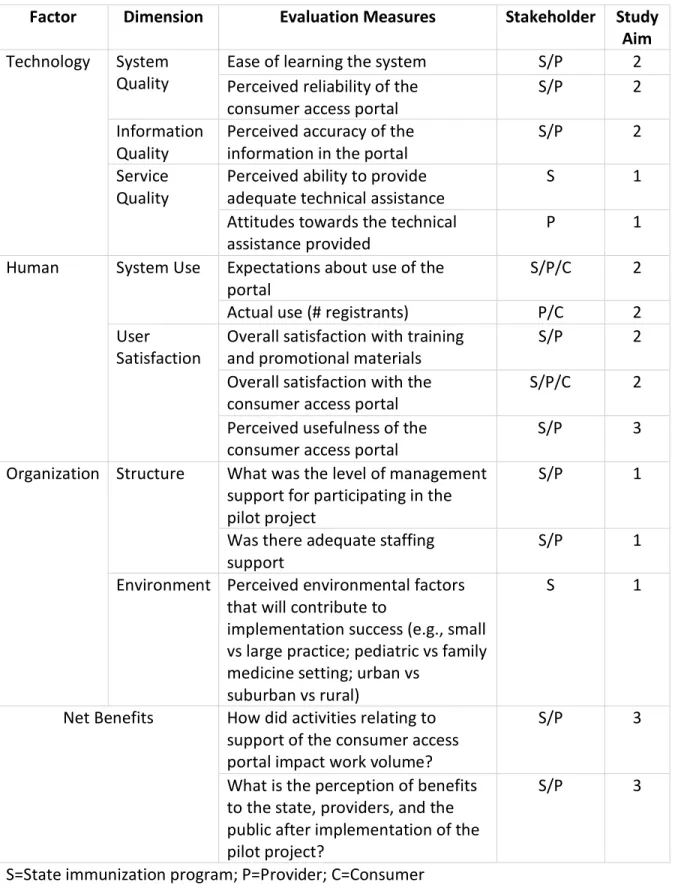
Table 3. Examples of evaluation measures of the proposed HOT-fit framework that will be explored ... 20
Table 4. Healthcare provider uptake by state, as of August 30, 2015 ... 28
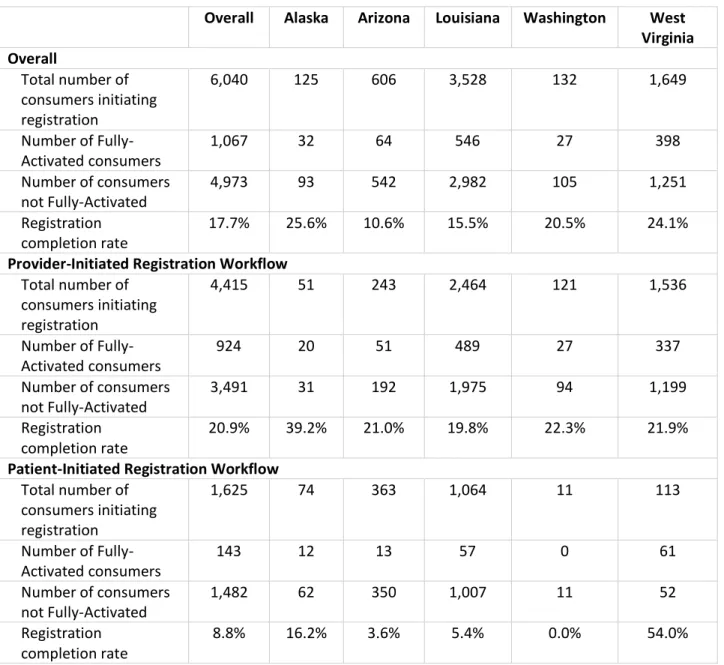
Table 5. Consumer uptake by state as of August 30, 2015 ... 29
Table 6. MyIR implementation by state immunization programs ... 30
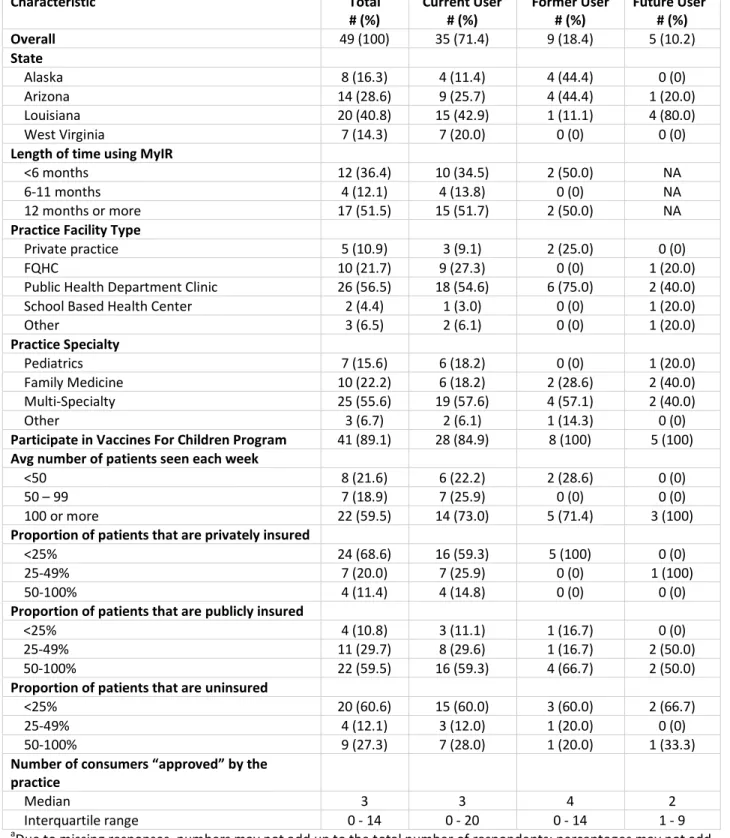
Table 7. Provider characteristics of MyIR users by user status ... 40
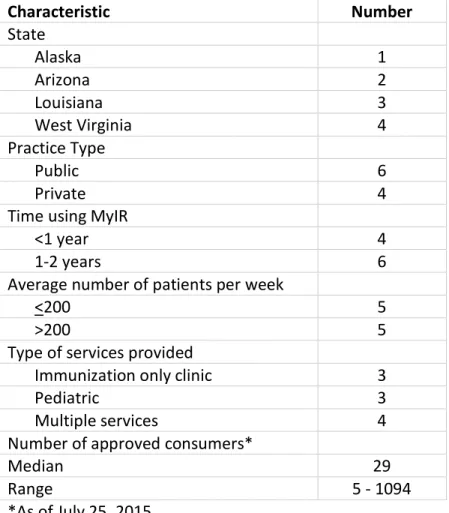
Table 8. Characteristics of key informant interview participants (N=10) ... 41
Table 9. MyIR consumer registration process among current and former MyIR users (n=44) ... 47
Table 10. Consumer survey results – how consumers learned about MyIR and their motivations for registering ... 52
Table 11. Use of MyIR by fully activated consumers (n=86) ... 54
Table 12. Reasons for not completing the registration process among not fully activated consumers (n=94)... 55
Table 13. Key findings organized by HOT-fit framework ... 58
Table 14. MyIR marketing strategy by key stakeholder ... 68
LIST OF FIGURES
Figure 1. Registration process for the consumer access portal ... 6
Figure 2. Human-Organization-Technology fit (HOT-fit) framework ... 19
Figure 3. Type of training received by MyIR user status, provider survey ... 43
Figure 4. Type of marketing materials used to promote MyIR to patients by MyIR user status ... 43
Figure 5. Provider attitudes toward the MyIR registration process ... 48
Figure 6. Provider attitudes towards benefits of MyIR ... 50
Figure 7. Fully activated consumers’ satisfaction with using MyIR ... 53
Figure 8. Alternate registration work-flow: initiation and matching algorithm ... 62
Figure 9. Alternate registration work-flow: matching algorithm outcomes ... 63
Figure 10. Alternate registration work-flow: consumer exact match ... 64
Figure 11. Alternate registration work-flow: ambiguous match ... 65
LIST OF ABBREVIATIONS
CDC Centers for Disease Control and Prevention EHR Electronic Health Records
HIS Health Information System
HOT-fit Human-Organization-Technology fit Framework IIS Immunization Information System
IT Information Technology KII Key Informant Interview
ONC Office of the National Coordinator for Health Information Technology PHR Personal Health Record
CHAPTER I: INTRODUCTION
Statement of the Issue
During a person’s lifetime, he or she is recommended to receive vaccines to protect against 17 diseases.1,2 The United States immunization schedule is very complex, specifying the recommended ages and intervals at which individuals should receive vaccines. For example, excluding annual influenza vaccines, infants receive up to 25 doses of vaccine by the age of 2 years, adolescents receive up to 6 doses of vaccine between the ages of 11 and 16 years, and adults receive tetanus boosters every 10 years and other vaccines depending on their age and health status.
Remembering which vaccines have been received and which vaccines are needed can be a daunting task for adults, parents and caregivers. When recalling vaccines infants and young children have received, parents have been shown to overestimate the number of doses
received for multi-dose vaccines,3,4 while having better accuracy for vaccines that only require a single dose.4 When recalling vaccines adolescents have received, parents are more likely to underestimate vaccines received for newly recommended vaccines compared to vaccines that have been recommended for many years.5 Accuracy of self-report of vaccines received among adults show varying levels of sensitivity and specificity depending on the vaccine.6,7 In several studies, recall accuracy varied by race/ethnicity, income level, and education level.3,7,8
Community Guide for Preventive Health Services state there is insufficient evidence to recommend client-held written immunization records as a strategy for increasing vaccination coverage,9 the reviewers recognized the importance of records to reduce missed vaccination opportunities and prevent over-vaccination. With the use of health information technology increasing, there may be a growing desire for individuals to obtain their information
electronically rather than maintain paper-based records. Implementing a program to allow individuals electronic access to their own or their family member’s immunization history whenever they need it could be an important step towards positioning individuals to take an active role in ensuring they are completely vaccinated. Before widescale introduction of such a program, it is important to understand the key factors associated with successful
implementation so that the stakeholders responsible for implementation and the end user achieve maximum benefits.
Background
Since the early 1990s, state health departments with support from federal, state, and private institutions have been developing and implementing Immunization Information Systems (IIS). IIS are confidential, computerized, population-based systems that collect and consolidate vaccination data from vaccination providers that can be used in designing and sustaining effective immunization strategies.10 At the point of clinical care, an IIS can provide a
comprehensive history of vaccinations and help the healthcare provider determine if additional vaccinations are needed. At the population level, an IIS provides data for assessment of
Immunization Information Systems.10 The Community Preventive Services Task Force has reported there is strong evidence indicating IIS are effective at increasing vaccination coverage levels.11 IIS are maintained by the state health department and currently the only people that have access to the information in the IIS are the state health department staff and the health care providers that have been granted access. With few exceptions, consumers do not have the ability to access the IIS to obtain their immunization information.
Recently, there have been several initiatives introduced to improve uptake of health information technology as well as improve access to health information by consumers. The first initiative is Meaningful Use, an incentive program for providers to implement electronic health records (EHR) and use the EHR to achieve specified improvements in care delivery.12 In order to obtain incentive payments, providers must demonstrate that they are engaging patients and family members in their health care, which includes giving patients paper or electronic access to clinical summaries of their office visits; enabling patients to access an electronic copy of their health information and hospital discharge instructions; using secure e-mail with patients; and providing patients with a way to view, download, and transmit their health information to a third party.12,13
Attitudes so that patients and providers think and act as partners in managing health and health care using health information technology.
To help increase patients’ access to health information in order to enable action, ONC, in collaboration with Centers for Disease Control and Prevention (CDC), has obtained the financial resources to implement a pilot project in 5 states (AK, AZ, LA, WA, and WV) to allow consumers access to their immunization information stored in their state IIS via a consumer access portal called MyIR.netTM. For each registered user, MyIR queries the state IIS to obtain the user’s immunization information. In addition to listing which vaccines have been received, the portal applies a forecasting algorithm based on the recommended immunization schedule and provides a notice if a vaccine is due. Additionally, the portal allows the user to print the official state immunization certificate that may be required, for example, for school or daycare enrollment. The project was initiated in October 2013 and is ongoing. The project is being conducted in four phases: Phase I consisted of selecting the pilot sites and project planning; Phase II consisted of designing the consumer access portal, developing training and marketing materials, and developing the promotional strategy; Phase III is the implementation phase; and, Phase IV is the evaluation of the project.
Implementation of MyIR involves recruitment of healthcare providers (specifically, providers who have been granted access to or are currently reporting immunizations to the state IIS) to register consumers. During formative research with consumers, privacy and
of records since they could verify the identity of the consumer and link them to the appropriate records in the IIS. Providers could choose their preferred method for identity proofing of
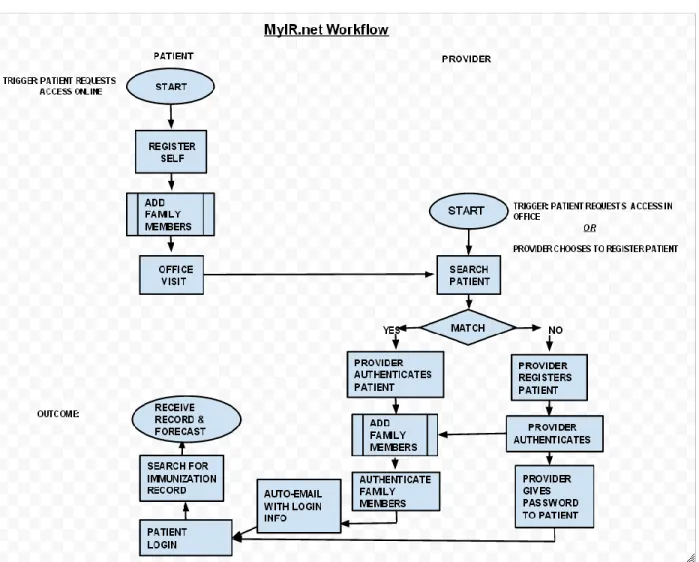
consumers including in-person during a healthcare encounter or through email, phone or fax (e.g., the patient submits a scanned copy of their driver’s license). The MyIR portal allows two methods for registering consumers (Figure 1):
1. Provider-initiated Registration: a provider registers a patient (and their family members) for the portal and generates a temporary Personal Identification Number (PIN) during a regular office visit. Additionally, an auto-email with the patient login information is generated and sent to the patient instructing them to complete the registration process. The patient then completes registration by accessing MyIR, entering the PIN to activate their account, and self-selecting a password.
2. Patient-initiated Registration: the patient pre-registers themselves and their dependents through the MyIR website (i.e., enters information for themselves and their family members and self-selects a password). The patient then informs their provider of their registration. Subsequently, the provider conducts identity-proofing (either in-person or using another method of their choosing) and approves and activates the account.
Figure 1. Registration process for the consumer access portal
Significance of the Issue
monitoring and improving their health and reduced time spent on administrative activities related to completing required state immunization forms. Finally, there could be considerable benefits to Public Health including maintaining high vaccination coverage within the community and improved assistance during times of natural disasters or emergency response. For
example, after Hurricane Katrina caused massive destruction, mechanisms were developed to allow health authorities in other states to obtain immunization information from the Louisiana IIS for displaced individuals.16 If individuals were able to access their immunization information directly, it could ease the demands on perhaps an already overburdened public health system which would be responding to the disaster in other ways.
Successful implementation of the portal depends on the activities of two key
stakeholders: state immunization program staff and healthcare providers (including primary care providers, schools, and local health departments). The state immunization program staff are responsible for: 1) recruiting vaccination providers, 2) training providers on how to access the portal and authenticate patients during the registration process, and 3) informing the public about the portal. Participating providers are responsible for 1) promoting the program to their patients, and 2) authenticating the users during the registration process. Inadequate
Purpose and Specific Aims
The purpose of the study is to evaluate the implementation of the consumer access pilot project and identify the key factors for successful implementation. The specific research aims are to:
1. Assess among the state immunization program, a) the level of staffing provided to support implementation, b) perceptions about effective strategies for provider recruitment and training, c) perceptions about effective strategies for marketing the portal to the public, d) overall satisfaction with the portal (including quality of the system, information, and service), and e) perceptions of benefits from using the portal.
2. Assess among providers, a) their overall satisfaction with the training and technical support provided for the portal, b) satisfaction with the performance of the portal (including quality of the system, information, and service), c) the impact of the portal on office work flow, and d) their perception of benefits from using the portal (to the practice and the patient).
3. Assess among consumers, their overall satisfaction with: a) the registration process, b) the usability of the portal, and c) the quality of the information provided by the portal.
CHAPTER II: REVIEW OF THE LITERATURE
A search of the peer-reviewed literature was conducted to help inform the evaluation of the implementation of the pilot consumer access portal. Because consumer access to an
immunization information system has never been performed before, the literature review focused on different aspects related to the pilot concept. The review was conducted to answer the following questions:
1. What is the association between access to an immunization record and receipt of vaccinations?
2. What is the likelihood that individuals would access their immunization information electronically?
3. Is there an association with utilization of the system and increased vaccination? 4. What are the system or organizational level factors associated with implementation of
an electronic system allowing individual access to health information?
5. What are the factors associated with health care providers adopting/implementing strategies to improve vaccination coverage?
Hand-held Immunization Records
records and receipt of recommended vaccines may help predict the usefulness of a consumer access portal allowing electronic access to personal immunization information.
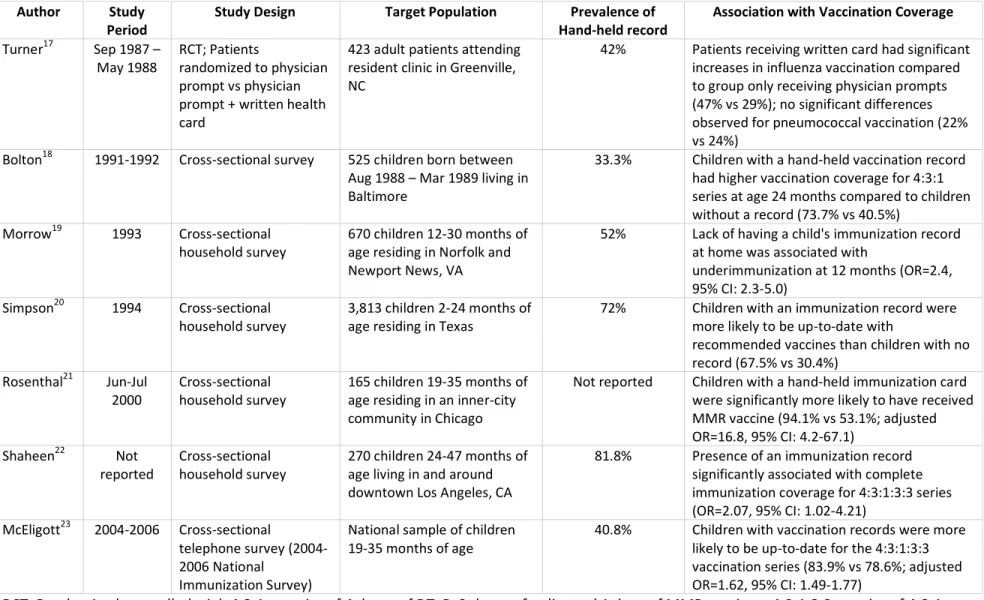
A total of 8 studies were identified that evaluated the prevalence of hand-held immunization records and/or the association between a hand-held record and vaccination coverage (Table 1).17-23 With the exception of one study, the studies were cross-sectional surveys evaluating vaccination coverage among young children. The prevalence of a hand-held immunization record ranged from 33.3% to 81.8% and all studies found a significant association between presence of a hand-held immunization record and higher vaccination coverage (Table 1). The one study that focused on adults was a randomized control trial testing an intervention that included physician prompts and a written health card that documented preventive
services.17 Adult patients receiving the written health card had significant increases in influenza vaccination but no differences were observed for pneumococcal vaccination.
The cross-sectional nature of the studies prevents us from inferring causality between having a hand-held immunization record and receiving a vaccination. It may be that having a hand-held immunization record is a proxy measure for some undefined characteristic that is associated with positive health seeking behaviors. For example, parents that maintain written immunization records for their children place a high value on immunizations and are more engaged with the health system.
is decreasing because of the emergence of eHealth tools, it will be critical that individuals can access their records electronically.
Personal Health Records and Immunization
The eHealth tool that best approximates the consumer access portal proposed in this study is a personal health record (PHR). A PHR is an electronic application used by patients to maintain and manage their health information in a private, secure, and confidential
environment. They can include information from a variety of sources, including healthcare providers and patients themselves, however they are separate from and do not replace the legal record of any health care provider. Some health systems have created PHRs that are linked to the electronic health record maintained by the healthcare provider.
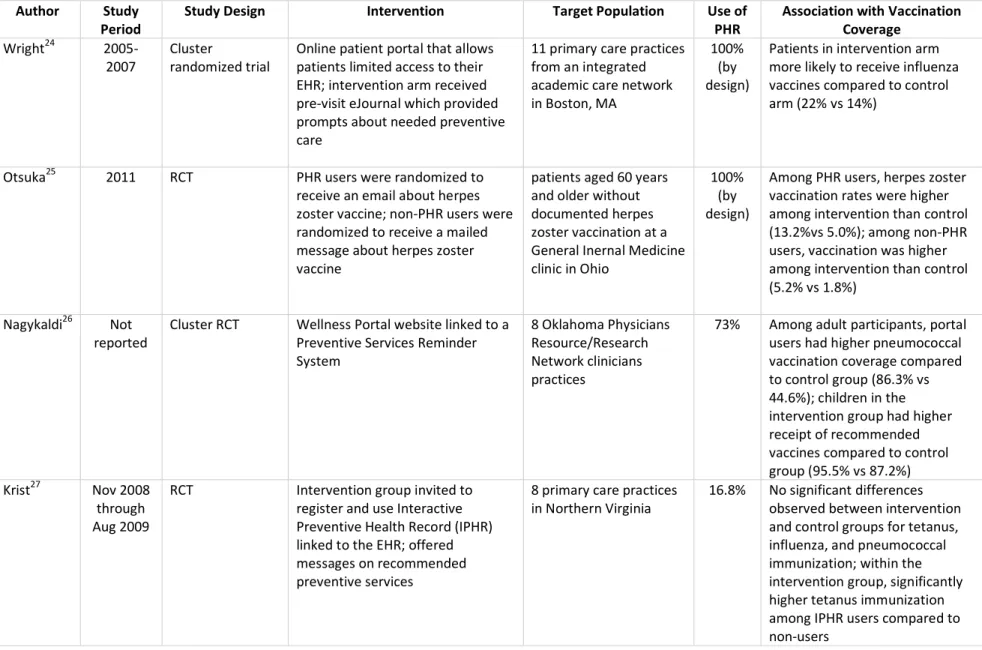
A search of the published literature identified 8 studies that specifically evaluated intention to or actual access of immunization information from electronic PHRs (Table 2).24-31 Six studies24-27,30,31 focused on adults accessing the PHR for their own information and 3
System-level Implementation Barriers
While many studies have evaluated the barriers to utilizing eHealth tools from the consumer perspective, I was only able to identify one study that focused on the perspective of the healthcare system or provider. Ancker and colleagues prospectively followed the
development and implementation of new consumer information technologies within three healthcare organizations.32 Key informant interviews were conducted with members from each organization throughout the development and implementation period. Due to technical barriers and cultural and legal issues surrounding data access, all organizations significantly scaled back their intended consumer technology. Major challenges included: achieving functionality that met the needs of both patients and providers; technical challenges; legal issues related to operationalizing access to data; cultural issues relating to inability to translate information into different languages spoken by patients; and inability to engage vendors for activities unrelated to the meaningful use initiative. The most frequently mentioned facilitators included organizational/managerial strengths and reallocation of resources to conduct
development work in-house rather than contracted out.
Adoption of Strategies to Increase Vaccination Coverage
The final focus of the literature review is on the adoption of strategies to increase vaccination coverage. Healthcare providers are a critical component to the registration process of the consumer access portal. Identifying the barriers to adoption of strategies recommended for improving vaccine delivery will inform the evaluation of the implementation of the
Two strategies for improving appropriate vaccination recommended by the Guide to Community Preventive Services are client reminder and recall interventions and provider reminders.33,34 Client reminder and recall interventions involve sending notices to patients/parents when a vaccine is due or overdue and have been shown to increase
vaccination coverage by 5.1 to 10 percentage points.33 Provider reminders involve notifying the physician when a patient is due/overdue for a vaccination while the patient is in the office. The notifications can be done manually (i.e., note on the chart) or electronically via a prompt displaying when the physician opens the EHR for the patient.
A systematic review of the barriers to using reminder/recall interventions was
performed by Pereira and colleagues.35 The review identified and summarized 10 articles. The primary barriers identified by the studies include: financial and human resources needed to implement the interventions (including support for programming algorithms to identify patients due/overdue for vaccines); perception of a lack of reliable vaccination data on which to base reminders and recalls; workflow barriers related to computerized clinical alerts and the
perception that pop-ups may be disruptive to the patient visit; and varying expectations of the utility of the interventions.
Conclusion
15
Table 1. Association between hand-held immunization records and vaccination coverage
Author Study Period
Study Design Target Population Prevalence of Hand-held record
Association with Vaccination Coverage
Turner17 Sep 1987 – May 1988
RCT; Patients
randomized to physician prompt vs physician prompt + written health card
423 adult patients attending resident clinic in Greenville, NC
42% Patients receiving written card had significant increases in influenza vaccination compared to group only receiving physician prompts (47% vs 29%); no significant differences observed for pneumococcal vaccination (22% vs 24%)
Bolton18 1991-1992 Cross-sectional survey 525 children born between Aug 1988 – Mar 1989 living in Baltimore
33.3% Children with a hand-held vaccination record had higher vaccination coverage for 4:3:1 series at age 24 months compared to children without a record (73.7% vs 40.5%)
Morrow19 1993 Cross-sectional
household survey
670 children 12-30 months of age residing in Norfolk and Newport News, VA
52% Lack of having a child's immunization record at home was associated with
underimmunization at 12 months (OR=2.4, 95% CI: 2.3-5.0)
Simpson20 1994 Cross-sectional
household survey
3,813 children 2-24 months of age residing in Texas
72% Children with an immunization record were more likely to be up-to-date with
recommended vaccines than children with no record (67.5% vs 30.4%)
Rosenthal21 Jun-Jul 2000
Cross-sectional household survey
165 children 19-35 months of age residing in an inner-city community in Chicago
Not reported Children with a hand-held immunization card were significantly more likely to have received MMR vaccine (94.1% vs 53.1%; adjusted OR=16.8, 95% CI: 4.2-67.1)
Shaheen22 Not
reported
Cross-sectional household survey
270 children 24-47 months of age living in and around downtown Los Angeles, CA
81.8% Presence of an immunization record significantly associated with complete immunization coverage for 4:3:1:3:3 series (OR=2.07, 95% CI: 1.02-4.21)
McEligott23 2004-2006 Cross-sectional
telephone survey (2004-2006 National
Immunization Survey)
National sample of children 19-35 months of age
16
Table 2. Utilization of personal health records and association with increased vaccination coverage
Author Study Period
Study Design Intervention Target Population Use of
PHR
Association with Vaccination Coverage
Wright24
2005-2007
Cluster
randomized trial
Online patient portal that allows patients limited access to their EHR; intervention arm received pre-visit eJournal which provided prompts about needed preventive care
11 primary care practices from an integrated academic care network in Boston, MA
100% (by design)
Patients in intervention arm more likely to receive influenza vaccines compared to control arm (22% vs 14%)
Otsuka25 2011 RCT PHR users were randomized to
receive an email about herpes zoster vaccine; non-PHR users were randomized to receive a mailed message about herpes zoster vaccine
patients aged 60 years and older without documented herpes zoster vaccination at a General Inernal Medicine clinic in Ohio
100% (by design)
Among PHR users, herpes zoster vaccination rates were higher among intervention than control (13.2%vs 5.0%); among non-PHR users, vaccination was higher among intervention than control (5.2% vs 1.8%)
Nagykaldi26 Not reported
Cluster RCT Wellness Portal website linked to a Preventive Services Reminder System
8 Oklahoma Physicians Resource/Research Network clinicians practices
73% Among adult participants, portal users had higher pneumococcal vaccination coverage compared to control group (86.3% vs 44.6%); children in the intervention group had higher receipt of recommended vaccines compared to control group (95.5% vs 87.2%)
Krist27 Nov 2008
through Aug 2009
RCT Intervention group invited to
register and use Interactive Preventive Health Record (IPHR) linked to the EHR; offered messages on recommended preventive services
8 primary care practices in Northern Virginia
17
Tom28 2011 Cross-sectional
mailed survey
No intervention; survey aimed to better understand how parents use PHRs
600 parents of children with chronic disease ≤5 years old and enrolled in an integrated health care system in Washington
65% Viewing child's immunizations was reported as most highly used PHR service (80% of users); main reasons for not using PHR include: too busy, forgot login/password, child does not have care needs
Tom29
2007-2011
Retrospective study; matched propensity score analysis
no intervention; compared parents who accessed the PHR for their child to parents that did not access the PHR
children enrolled in Kaiser Permanente Hawaii (KPH) and KP Northwest (KPNW) who were ≤31 days old at enrollment and
continuously enrolled for 2 years between Jan 2007 and Jul 2011
42% (KPH)
23% (KPNW)
64% of users in KPH and 51% of users in KPNW viewed
immunization history of child at least once; KPNW children whose parent used the PHR were more likely to be fully vaccinated by age 2 compared to children whose parents did not use the PHR; no differences in
vaccination coverage were seen for KPH
Patel30 Feb 2009 Cross-sectional RDD survey
no intervention; assessed consumers potential PHR use
200 adults residing in 8 counties of the greater Buffalo region of NY
70% would use PHR
89% would like their PHR to include immunization records; 2/3 thought the PHR would improve their sense of control over their own health
Patel31 Oct-Nov
2008
Cross-sectional in-person survey
no intervention; assessed consumers potential PHR use
Adults entering 3 ambulatory care sites and an emergency department participating in BHIX (Brooklyn HIE program)
78% would use PHR
CHAPTER III: RESEARCH DESIGN & METHODOLOGY
Conceptual Framework
While many evaluation studies of Health Information Systems (HIS) focus on technical issues or clinical processes, they do not explain why HIS perform well or poorly within a specific setting. Because the proposed evaluation will not focus on the technical performance of the consumer portal itself but rather how well the consumer portal was implemented at the state and healthcare provider levels, a conceptual framework that incorporates human and
organizational concepts in addition to technology concepts was selected.
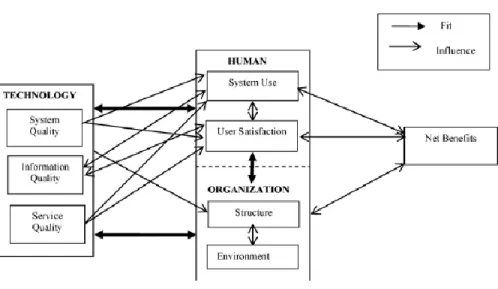
Development of the evaluation instruments is informed by the HOT-fit Framework (human-organization-technology fit) developed by Yusof et al.36 The HOT-fit framework (Figure 2) is an extension of the DeLone and McLean framework of Information System Success
Figure 2. Human-Organization-Technology fit (HOT-fit) framework
The HOT-fit framework is comprised of 3 factors (Technology, Human, and Organization) and 8 interrelated dimensions (System Quality, Information Quality, Service Quality, System Use, User Satisfaction, Organizational Structure, Organizational Environment, and Net Benefits). It suggests that the alignment of the different dimensions ultimately leads to a successful
Health Information System.
Table 3. Examples of evaluation measures of the proposed HOT-fit framework that will be explored
Factor Dimension Evaluation Measures Stakeholder Study
Aim
Technology System Quality
Ease of learning the system S/P 2
Perceived reliability of the consumer access portal
S/P 2
Information Quality
Perceived accuracy of the information in the portal
S/P 2
Service Quality
Perceived ability to provide adequate technical assistance
S 1
Attitudes towards the technical assistance provided
P 1
Human System Use Expectations about use of the portal
S/P/C 2
Actual use (# registrants) P/C 2
User
Satisfaction
Overall satisfaction with training and promotional materials
S/P 2
Overall satisfaction with the consumer access portal
S/P/C 2
Perceived usefulness of the consumer access portal
S/P 3
Organization Structure What was the level of management support for participating in the pilot project
S/P 1
Was there adequate staffing support
S/P 1
Environment Perceived environmental factors that will contribute to
implementation success (e.g., small vs large practice; pediatric vs family medicine setting; urban vs
suburban vs rural)
S 1
Net Benefits How did activities relating to support of the consumer access portal impact work volume?
S/P 3
What is the perception of benefits to the state, providers, and the public after implementation of the pilot project?
S/P 3
Study Overview
A mixed methods study design, incorporating both quantitative and qualitative methods, was used for this project. The study collected information from the three
stakeholders engaged in the implementation of the consumer access portal: the consumer, the healthcare provider, and the state immunization program. The data collection method for each component of the study was selected based on the following criteria: the purpose of the data collection, the population to be studied, and the amount of resources available to conduct the data collection. Quantitative surveys were used when the purpose was to obtain general information from a large number of respondents. Qualitative interviews were used when the purpose was to obtain in-depth, detailed descriptions of experiences using the consumer access portal from a small number of respondents.
Study Aim 1: State Immunization Program Evaluation
Key Informant Interviews were conducted with staff from each of the five participating states (S-KII). The purpose of the S-KII was to obtain in-depth information about: a) the level of staffing provided to support implementation, b) strategies deemed effective for provider recruitment and training, c) strategies deemed effective for marketing the portal to the public, d) overall satisfaction with the portal (including quality of the system, information, and service), and e) perceptions of benefits from using the portal.
The recruitment email indicated that we would like the staff members that played major roles with the project implementation to participate in the interview.
A 45 minute semi-structured interview guide was used to conduct the interview (Appendix A). Interviews were conducted via telephone and recorded upon consent.
Completed interview recordings were transcribed. Interviews took place between July through August 2015.
Study Aim 2: Provider Evaluation
Data Collection
The provider evaluation consisted of two data collection activities: a survey of all providers actively participating in the pilot project, and key informant interviews with a small sample of providers.
Provider Survey
The provider survey assessed the following dimensions of the HOT-fit framework: a) their overall satisfaction with the training and technical support provided (Service Quality), b) how they operationalized the registration process in their practice (System Use, Structure), and c) their overall satisfaction with the performance of the portal (System Quality, Information Quality, and Service Quality) (Appendix B). The provider survey was administered via the surveygizmo (http://www.surveygizmo.com/), an internet-based survey tool.
approved one or more consumer accounts were “Active” (i.e., actively using MyIR); users affiliated with a practice/clinic that had not approved any consumer accounts were assumed to be “Inactive”. A survey invitation was sent to all registered users regardless of their assumed active status to ensure that all individuals using MyIR had an opportunity to participate.
Data collection for the provider survey occurred from July 27, 2015 through August 31, 2015. Following the methods described for the consumer surveys, an introductory email with the survey link was sent to the registered user. Reminder emails were sent to non-responders every third day (days 4, 7, and 10). Users that did not complete the survey after the 4th and final attempt were assumed to have refused to participate.
Provider Key Informant Interviews
Drawing from the HOT-fit framework, the purpose of the Provider Key Informant
Interviews (P-KII) was to obtain in-depth information about: a) their overall satisfaction with the performance of the portal (including quality of the system, information, and service), b) the impact of the portal on office work flow, and c) their perception of benefits from using the portal (to the practice and the patient). A total of 10 interviews were conducted.
Although the qualitative P-KIIs were not expected to be generalizable to all participating practices, every attempt was made to recruit practices from different settings (public vs.
may vary by setting since public providers are more aligned with the State Immunization Program and may receive more support.
Recruitment for the P-KII began in July 2015 and interviews were conducted between July-September 2015. To capture the experiences of practices that were actively promoting and using MyIR (rather than practices that may have only tested the system), practices that approved a minimum of 5 consumer accounts were eligible for an interview. An introductory email describing the purpose of the P-KII with an invitation to participate was sent to the primary contact on file for all selected practices. The email also explained that we were interested in talking with the staff member responsible for registering patients in the portal. Based on informal feedback from the State Immunization Programs, participating practices have designated one staff member responsible for the implementation of the portal – this person was considered the primary contact. In most cases, the person is a nurse or office manager. Up to 4 attempts were made to schedule an interview.
A 30-45 minute semi-structured interview guide was used for conducting the interview (Appendix C). Interviews were conducted via telephone and were recorded upon consent. Completed interview recordings were transcribed.
Study Aim 3: Consumer Evaluation
Data Sources
The consumer evaluation consisted of secondary data analysis of two ongoing surveys. Both surveys addressed the dimensions of Information Quality, System Use, and User
(Fully-Activated consumers) (Appendix D). The survey included questions about the registration process (including which process was used: self-registration or provider initiated registration) and overall satisfaction with the portal.
The second survey was administered to individuals who started but did not complete all the steps of the registration process (not Fully-Activated consumers) (Appendix E). These individuals have all of their information, including email address, entered into the consumer access portal, but for whatever reason, did not complete the final step to activate their account. This survey included questions about the barriers to completing the registration process. The surveys were launched January 2015 and continued through August 31, 2015. The surveys were conducted by the Centers for Disease Control and Prevention (CDC) in
collaboration with ONC and their contractor (Audacious Inquiry). The Human Subjects Coordinator from the National Center for Immunization and Respiratory Diseases, CDC,
reviewed the protocol for survey implementation and determined the activity exempt from IRB review.
All surveys were administered via surveygizmo (http://www.surveygizmo.com/), an internet-based survey tool. Because the response rate was expected to be low (~5%), all individuals with complete or incomplete registration were invited to participate. Fully-Activated consumers were invited to complete the survey approximately 2 weeks after
registration completion; similarly, not Fully-Activated consumers were invited to complete the survey approximately 2 weeks after registration initiation. Individuals who completed
Survey procedures included a personalized email inviting the individual to participate in the survey, with a personalized link to the survey. Reminder emails also included a link to the survey and were sent to non-responders every third day up to 3 times (days 4, 7, and 10). If the individual did not complete the survey after the 4th and final attempt, then we assumed the individual refuses to participate.
Data Analysis
Quantitative data analysis was conducted of the consumer and physician surveys using SAS statistical software. Because the surveys were not designed to test specific hypotheses but to provide general information about experiences using the portal, descriptive statistics are presented but no associations were tested.
Qualitative data analysis was conducted with the completed P-KIIs and S-KIIs. Common exploratory techniques were used to discover common themes. An initial codebook based on the HOT-fit framework and stated purpose of the interview was developed. Revisions to the codebook were made through an iterative process with emergent codes. All transcripts were coded using NVivo 10.0. After final coding, summaries of each code were developed and themes identified.
Human Subjects Protection and Confidentiality
This dissertation proposal was reviewed by the University of North Carolina’s
Participants for the provider surveys, P-KII, and S-KII were recruited via electronic letter. In the invitational email, participants were given an overview of the study, the purpose of the data collection, and the length of time expected for their participation. For the provider survey, the act of accessing and submitting the completed survey was taken as consent to participate. For the P-KII and S-KII, verbal informed consent was obtained from each participant.
Participants could choose to disengage from the research at any time. Participants did not receive any incentives for their participation.
The identity of the participants has been kept confidential. Surveys of providers did not ask for personal identifiers or the location of the practice setting of the provider. For key informant interviews, participants were assigned a study number. All data and digital
recordings were stored on a password-protected network. Destruction of the data collected for this dissertation, including audio recordings, will be conducted in accordance of federal
CHAPTER IV: RESULTS
Overall Metrics for the MyIR Consumer Access Portal
Implementation of MyIR varied by state. As of August 30, 2015, 1,637 healthcare providers had access to MyIR but only 137 (8.4%) approved one or more consumer accounts (Table 4). Louisiana had the most healthcare providers with access to MyIR (n=845) and Alaska the least (n=9).
Table 4. Healthcare provider uptake by state, as of August 30, 2015
Total # (%) Alaska # (%) Arizona # (%) Louisiana # (%) Washington # (%) West Virginia # (%) Total number of providers with access to MyIR
1,637 9 662 845 13 108
Provider sites with 0 approved Consumers 1,500 (91.6) 5 (55.6) 645 (97.4) 750 (88.8) 10 (76.9) 88 (81.5) Provider sites with 1 or more approved consumers 137 (8.4) 4 (44.4) 17 (2.6) 95 (11.2) 3 (23.1) 20 (18.6)
Consumer uptake by state is shown in Table 5. Overall, 6,040 consumers initiated registration through the MyIR portal but only 1,067 (17.7%) completed registration. The majority of consumers initiated registration through the provider-initiated registration
higher for the provider-initiated registration workflow compared to the patient-initiated registration workflow.
Table 5. Consumer uptake by state as of August 30, 2015
Overall Alaska Arizona Louisiana Washington West Virginia Overall
Total number of consumers initiating registration
6,040 125 606 3,528 132 1,649
Number of Fully-Activated consumers
1,067 32 64 546 27 398
Number of consumers not Fully-Activated
4,973 93 542 2,982 105 1,251
Registration completion rate
17.7% 25.6% 10.6% 15.5% 20.5% 24.1%
Provider-Initiated Registration Workflow
Total number of consumers initiating registration
4,415 51 243 2,464 121 1,536
Number of Fully-Activated consumers
924 20 51 489 27 337
Number of consumers not Fully-Activated
3,491 31 192 1,975 94 1,199
Registration completion rate
20.9% 39.2% 21.0% 19.8% 22.3% 21.9%
Patient-Initiated Registration Workflow
Total number of consumers initiating registration
1,625 74 363 1,064 11 113
Number of Fully-Activated consumers
143 12 13 57 0 61
Number of consumers not Fully-Activated
1,482 62 350 1,007 11 52
Registration completion rate
State Immunization Program Key Informant Interview Results
Interviews were conducted with all five participating states. A summary of project implementation by state can be seen in Table 6.
Table 6. MyIR implementation by state immunization programs
Alaska Arizona Louisiana Washington West Virginia
Number of staff members
3 2 2 (state level)
9 (field staff)
2 7
Area of
implementation
1 City Statewide Statewide Not stated Regional
Strategy for selecting providers All providers within catchment area Tried different provider types but then allowed all providers access via IIS
Started with Champion then moved to Local Health
Department field staff responsible for recruiting providers in their jurisdiction
Tried Champion approach, then local health departments but could not generate interest
Nine counties targeting providers that report a high volume of immunizations in a timely manner to state IIS
Strategy for recruiting providers
Site visits Regional
immunization conferences; ‘MyIR’ button on state IIS
Regional staff discuss with providers during regular
communication
Not stated E-mails and
phone calls
Status at end of pilot year
Dropped out of the project due to limited staff
Agreed to continue if consumer registration could be improved Continuing with project Continuing with project but all registration conducted through the health department Continuing with project and piloting tablets in provider practices to assist with registration
Motivation for Implementing MyIR
Overall, the state immunization programs had similar reasons for participating in the pilot project, primarily, empowering consumers with information so they can make decisions about their healthcare and reducing the burden on healthcare providers and the public health department to provide immunization records to their patients.
to want to have a copy of their record hopefully it would motivate them enough to be up to date.
Two programs also reported that participation could lead to improved data quality in their IIS: ...the more folks that were having direct access to their information the more likely they would be to follow up with their provider’s office and say I’m missing this immunization, this isn’t on my record, those kinds of things, to improve the information that’s in the [IIS].
Finally, several programs indicated comfort with participating in the pilot since the vendor that developed MyIR was the same vendor that developed their state IIS.
I think a big push for us was because it was a product that our vendor had put together. We felt that it would be a pretty seamless something to put in place because the vendor was very familiar with our IIS and that creating that connection wouldn't be an issue. Organizational Support
All of the state programs relied on existing staff to implement MyIR, though the number of staff working on implementation varied by program ranging from 1 to 11 individuals (Table 6). All of the programs reported their staffing levels were not sufficient for implementation, specifically for recruiting and training healthcare providers, though they varied in estimating the level of dedicated staffing that is needed. All programs felt that dedicated staffing is essential at the beginning of implementation to on-board providers, but once the program is established, fewer staff members would be needed for program maintenance.
Despite the support provided by the funding agencies and their contractors,
With respect to the time commitment, several programs reported that the recruitment and training of providers took a lot more effort than they had expected. The lack of dedicated staff to the project was problematic, since the existing staff were trying to fit in these activities on top of their already full work load. Additionally, four of the five programs reported there were significant staffing changes to their program, primarily several positions becoming vacant so that the main individual managing the pilot project was having to perform multiple duties within the program.
…early on, we’ve made it work but I think we also, like I said, I’ve been in two different positions since it started and we’ve had a lot of transfers and [Staff Member] is in a new position and we’ve had a lot of change just going on in our office in general. So, I think if that hadn’t happened, then we probably would’ve had a little bit more focus on it but in the beginning, like the estimations of time that we had didn’t seem, looking back on it, didn’t seem really realistic at all.
I feel like we’ve always been at a little bit of a disadvantage because we just don’t have the staff and the time in this office to put forth as much as we really wanted to.
All the programs mentioned that since MyIR was not a core program requirement (i.e., a required activity for obtaining programmatic funding from CDC), it was moved to the bottom of their priority list.
We couldn't set aside other programmatic activities. Trying to make core grant requirements is obviously a priority. That was our issue.
There’s no less work to be done and fewer people to do it. It’s picking and choosing priorities, and MyIR has really kind of moved us down on the list, if you will.
There were some special situations that were mentioned by two programs that delayed implementation of the pilot project. In one state, their internal IT department (that is
realized they did not have the capacity to create the portal, they “begrudgingly” gave their support.
I think that that actually really impacted the way that we have been able to approach this project. I think if there had been a resounding excitement for this program within [the state health department] we would've been very different, but I think that at times we really felt like we had to fly under the radar about this and promote it, but not promote it too loudly to draw too much attention, and it's been a challenge.
In another state, there was a lengthy process with their legal department to establish the Memorandum of Understanding to work with the contractors selected by the funding agencies. The primary concern was over information security:
I think that part of what was really missing was a lot of the security details and I don't know how many other states expect that in a MOU but our state definitely expects to see details about how we're going to ensure that the data is secure as it's moving from one place to the next and we were fortunate in that they were okay with the questions being answered outside of the agreement.
Provider Recruitment Strategies
Programs used varying strategies for rolling out MyIR to the providers in their state (Table 6). For example, due to the geography and healthcare infrastructure of the state, the Alaska program chose to implement MyIR in an isolated community and recruit all providers and schools within that catchment area to make it a community effort. Arizona initially recruited diverse practice types (i.e., a Federally Qualified Health Center, health department clinic, and private provider). However, after the MyIR ‘button’ on their state IIS was
health departments and have the regional staff members try and recruit the private providers in their jurisdiction. Washington also tried to approach their known immunization champions but the interest was low. They also tried to approach their local health departments but was also not able to generate interest. Finally, West Virginia took a regional approach, working in nine counties and targeting providers that reported a high volume of immunizations in a timely manner to their state IIS.
During the recruitment process, all of the state programs indicated that providers were very receptive to the idea of MyIR. However, the challenges with maintaining providers in the project were the disruption to the practice workflow, remembering to promote MyIR to patients, and the complicated enrollment process.
…but the most that we heard from them was the work flow, it was just really difficult to get this in their work flow and to remember to do this.
But the practicality of it, it's involving more time for them. It's a little bit more time but it's still more time. They would like to see the flow to be less obtrusive to their work flow as possible.
I think the issue that we all struggled with was the complicated authentication process for consumers. When you look at traditional clinical providers they have limited appointment times, they have a work clinic flow they're trying to maintain… It was taking them significantly more time that they just didn't have staff again to devote to it. One program also mentioned the lack of buy-in from the practice administration as being a challenge to recruiting providers:
Promotion of MyIR to Consumers
Few programs actively promoted MyIR to consumers, rather, they relied on the enrolled providers to do that. While schools were seen as an important stakeholder that could promote MyIR to a large number of consumers, the majority of programs did not approach schools because there were not enough providers in the community utilizing MyIR. They were concerned that after receiving information from the schools, parents would be frustrated because their provider would not be aware of MyIR or have the ability to register them. Similar concerns were also raised about recruiting pharmacists to promote MyIR to their customers. Additionally, the uncertainty surrounding the length of the pilot coupled with limited funds prevented programs from engaging in a large promotional campaign.
…we didn't have media funds, and we weren't doing a state roll out at the time. We assumed that it initially was going to last a very short period so we didn't ... We were a little unsure how much to advertise. We were hesitant then because of the longevity. We didn't want to put a lot of media information out there and then suddenly have the project end and then try to notify people ‘I'm sorry we're no longer’ ...
Several materials were developed by the project contractor to promote MyIR, including posters, fact sheets, brochures, and web buttons. All of the programs disseminated the
materials to the participating providers and reported they were well received. The only
challenge noted with dissemination of the materials was the limited print budget. As a strategy to overcome the limited budget, one state provided all the materials online so participating providers could download and print the items they needed.
media to promote MyIR, again citing that they were concerned by the limited number of participating providers available to register consumers.
Support from Pilot Funders
All programs felt there was adequate support from the funding agencies (and their contract support). They reported that staff were very responsive and provided helpful resources.
I will touch on the level of support. It has been unbelievable…I think that it's really helped us because we haven't been able to give as much as I think we would've liked to this project, but because there's been really dedicated people on the other end of this it has absolutely kept it afloat for the state. I think that if we didn't get that kind of
support I don't know if we would still be in this project.
The only criticism raised by the programs was about the monthly project calls in which all states participated to provide their status updates and discuss various issues. Although two states found the calls to be helpful – they enjoyed hearing what other states were doing--the other states felt it was not the best use of their time. Problems identified were: low
participation among the states, feeling awkward about frequently reporting they had made no progress, and that activities in other states were not relevant to their situation.
Perceived Benefits
Many programs felt it was too early to see benefits from implementation of MyIR, though they acknowledged the potential for helping the community and providers.
I do see the potential benefit as a health unit. I don't really see it right now because it's an effort that is loaded on the front end. But I do see the potential.
Only one program felt the timing was not right for introducing MyIR:
Immunizations is just one small piece of the health care picture. It was a lot of work for a small return. I think maybe even it was an idea ahead of its time…the whole idea of a consumer portal for things. We're barely getting that at the doctor's office for health records in general, much less our immunization. Having to go to a separate place for something that you don't utilize very often I thought was a lot of work for small return. Advice for New Programs
The programs offered several pieces of advice for any new program that may be interested in implementing MyIR. All programs mentioned having dedicated staffing for implementation – at least one full-time person devoted to the program. Additionally, some programs recommended understanding the time investment that is needed and having a plan for roll-out. However, programs differed on the best way to roll-out MyIR, one program recommended to start statewide while several recommended to have a staged approach. State Status
The status for each state at the end of the pilot year is described in Table 6. Because of the lack of staffing to dedicate to the project, Alaska has stopped implementation of the
providers to conduct registration, all registration will be performed by the state health
department. They plan to include MyIR information in their routine immunization mailings to approximately 450,000 families in the state. State health department staff have been
instructed to register any individual who calls the program to obtain an immunization record for themselves or a family member. Louisiana will continue with the project with no expected changes. Finally, West Virginia will continue with the project with plans to expand to other counties within the state. They also plan to pilot the use of tablets in provider offices to allow patients to initiate the self-registration process while they are waiting to see their doctor so that the practice staff can complete the registration process before the patient completes their visit.
Healthcare Provider Evaluation
Survey Response Rates
A survey invitation was sent to 170 users affiliated with a practice that had enrolled at least 1 consumer as of July 20, 2015 (a total of 83 practices). Overall, 39 (22.9%) clicked on the survey link in the invitation; 34 (87.2%) completed the survey and were included in the analysis. These respondents represented 33 (39.8%) of the active practices. Additionally, a survey
invitation was sent to 1,431 users affiliated with a practice that had accessed MyIR but had not yet enrolled a consumer. A total of 157 (11.0%) clicked on the survey link in the invitation. Only 15 (9.6%) reported they were current or former MyIR users and completed the survey and were added to the analytic sample. These respondents represented an additional 13 practices. In summary, the analytic sample included 49 respondents representing 46 participating
Survey Respondent Characteristics
Table 7. Provider characteristics of MyIR users by user statusa Characteristic Total # (%) Current User # (%) Former User # (%)
Future Userb # (%)
Overall 49 (100) 35 (71.4) 9 (18.4) 5 (10.2)
State
Alaska 8 (16.3) 4 (11.4) 4 (44.4) 0 (0)
Arizona 14 (28.6) 9 (25.7) 4 (44.4) 1 (20.0)
Louisiana 20 (40.8) 15 (42.9) 1 (11.1) 4 (80.0)
West Virginia 7 (14.3) 7 (20.0) 0 (0) 0 (0)
Length of time using MyIR
<6 months 12 (36.4) 10 (34.5) 2 (50.0) NA
6-11 months 4 (12.1) 4 (13.8) 0 (0) NA
12 months or more 17 (51.5) 15 (51.7) 2 (50.0) NA
Practice Facility Type
Private practice 5 (10.9) 3 (9.1) 2 (25.0) 0 (0)
FQHC 10 (21.7) 9 (27.3) 0 (0) 1 (20.0)
Public Health Department Clinic 26 (56.5) 18 (54.6) 6 (75.0) 2 (40.0)
School Based Health Center 2 (4.4) 1 (3.0) 0 (0) 1 (20.0)
Other 3 (6.5) 2 (6.1) 0 (0) 1 (20.0)
Practice Specialty
Pediatrics 7 (15.6) 6 (18.2) 0 (0) 1 (20.0)
Family Medicine 10 (22.2) 6 (18.2) 2 (28.6) 2 (40.0)
Multi-Specialty 25 (55.6) 19 (57.6) 4 (57.1) 2 (40.0)
Other 3 (6.7) 2 (6.1) 1 (14.3) 0 (0)
Participate in Vaccines For Children Program 41 (89.1) 28 (84.9) 8 (100) 5 (100)
Avg number of patients seen each week
<50 8 (21.6) 6 (22.2) 2 (28.6) 0 (0)
50 – 99 7 (18.9) 7 (25.9) 0 (0) 0 (0)
100 or more 22 (59.5) 14 (73.0) 5 (71.4) 3 (100)
Proportion of patients that are privately insured
<25% 24 (68.6) 16 (59.3) 5 (100) 0 (0)
25-49% 7 (20.0) 7 (25.9) 0 (0) 1 (100)
50-100% 4 (11.4) 4 (14.8) 0 (0) 0 (0)
Proportion of patients that are publicly insured
<25% 4 (10.8) 3 (11.1) 1 (16.7) 0 (0)
25-49% 11 (29.7) 8 (29.6) 1 (16.7) 2 (50.0)
50-100% 22 (59.5) 16 (59.3) 4 (66.7) 2 (50.0)
Proportion of patients that are uninsured
<25% 20 (60.6) 15 (60.0) 3 (60.0) 2 (66.7)
25-49% 4 (12.1) 3 (12.0) 1 (20.0) 0 (0)
50-100% 9 (27.3) 7 (28.0) 1 (20.0) 1 (33.3)
Number of consumers “approved” by the practice
Median 3 3 4 2
Interquartile range 0 - 14 0 - 20 0 - 14 1 - 9
aDue to missing responses, numbers may not add up to the total number of respondents; percentages may not add
up to 100% due to rounding.
b
Key Informant Interview Participants
A total of 10 interviews were conducted with participating providers from 4 states. Because Washington had difficulty with sustained provider involvement, and we had previously spoken with the one provider who had utilized MyIR (and that provider had stopped
participating), there were no providers from Washington included in this analysis. Characteristics of the key informant interview (KII) participants can be seen in Table 8. Table 8. Characteristics of key informant interview participants (N=10)
Characteristic Number
State
Alaska 1
Arizona 2
Louisiana 3
West Virginia 4
Practice Type
Public 6
Private 4
Time using MyIR
<1 year 4
1-2 years 6
Average number of patients per week
<200 5
>200 5
Type of services provided
Immunization only clinic 3
Pediatric 3
Multiple services 4
Number of approved consumers*
Median 29
Range 5 - 1094
Training and use of Marketing Materials
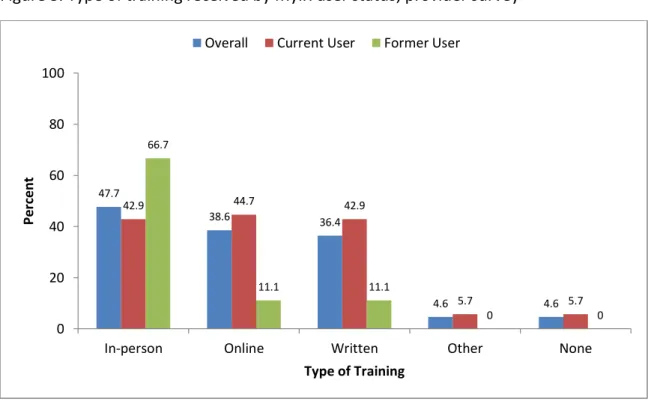
Among survey respondents, the type of training received by MyIR user status is shown in Figure 3. Overall, 47.7% received in-person training, 38.6% received training online via webinar or videos, 36.4% reviewed written materials, and 4.6% received training through another mechanism. Only 4.6% indicated they did not receive any training. Among those who received some type of training, 29.3% received training through more than one mode. The majority of respondents (85.7%) reported they were satisfied or very satisfied with the training they received.
Among the KII participants, the majority received training online via webinar or videos, only two received in-person training. In general, the majority reported the training was sufficient, but three providers felt the training was not sufficient, citing it didn’t cover all the steps of registration or the product itself wasn’t ready for implementation.
The training material I received didn't go through the whole step... I didn't feel like it gave enough information on the instructions for the parent.
Figure 3. Type of training received by MyIR user status, provider surveya
a
Respondents could select more than one option
The type of marketing materials used to promote MyIR to their patients varied across respondents (Figure 4). However, Former MyIR Users reported a higher frequency of not using any marketing materials. Among respondents that reported using marketing materials, 46.9% reported using more than 1 material. Respondents who reported using more than one
marketing material had a higher median number of approved consumers (median=7, IQR: 1-38) compared to respondents who reported using only one marketing material (median=1, IQR: 0-14).
KII participants also reported using brochures, but several reported developing their own materials because they did not receive any. None of the providers reported posting information on their website or through the practice’s social marketing accounts.
47.7
38.6 36.4
4.6 4.6
42.9 44.7 42.9
5.7 5.7
66.7
11.1 11.1
0 0
0 20 40 60 80 100
In-person Online Written Other None
P
e
rcent
Type of Training
a
Respondents could select more than one option
Process for Registering Consumers
The process that survey respondents use for registering consumers is shown in Table 9. Because the reported process was similar for Current and Former MyIR users, only the overall results are presented. The majority of respondents (68.4%) reported using only the Provider-Initiated registration work-flow to register patients, with a minority using only the Patient-Initiated work-flow (13.2%) or a combination of Provider- and Patient-Patient-Initiated work-flows (18.4%). A minority of respondents (22.0%) reported that only one person in the practice was responsible for informing and registering patients. Front office staff and nurses were the most frequently reported staff members responsible for informing and registering patients.
Similarly, among KII participants, all but one provider was using the provider-initiated registration process. While one provider utilized the patient-initiated registration process, the majority were not aware that the option was available. Among one provider that was aware of
38.6
61.4
13.6
27.3 42.9
62.9
17.1
22.9 22.2
55.6
0
44.4
0 20 40 60 80 100
Posters Brochures Social Media No materials used
P
e
rcent
Type of Marketing Material