CI: USVISIT-APMO-CONTHSSCHQ04D0096T006-PROP040010-F
Submitted by:
Submitted to:
Smart Border Alliance
Dept of Homeland Security
1616 N. Fort Myer Drive
US-VISIT Program Office
Rosslyn, VA 22209
1616 N. Fort Myer Drive
September 21, 2004
Task Order 006 Project Plan:
Increment 2C
Smart Border Alliance Task Order 006 Project Plan
Table of Contents
1.0 Task Order 006 Proposed Solution... 4
1.1 Introduction... 4
1.2 Purpose... 4
1.3 Scope of Work ... 5
1.4 Inputs... 5
1.5 Collaboration... 6
2.0 Detailed Task Order Project Plan ... 7
2.1 Task Order 006 Tasks ... 7
2.1.1 Task Order Project Management ... 7
2.1.2 Business Architecture ... 8
2.1.3 Organizational Change Management... 14
2.1.4 Deployment Management... 15
2.1.5 Systems Engineering... 17
3.0 Government Resources ... 25
3.1 Government Furnished Information and Systems ... 25
3.2 Government Personnel Participation ... 28
3.3 Government Facilities... 30
4.0 Work Breakdown Structure (WBS) and Schedule... 31
4.1 WBS... 31
4.2 Schedule... 32
5.0 Performance Measures... 33
6.0 Task Order Staffing... 34
6.1 Project Organization ... 34
6.1.1 Task Order Project Management Support Team ... 35
6.1.2 Teams... 35
6.2 Roles, Responsibilities, and Staffing Levels... 35
6.3 Staffing and Selection Approach ... 39
6.4 Security Clearance Process ... 40
7.0 Deliverables and Acceptance Criteria... 41
7.1 Acceptance Criteria... 45
8.0 Period of Performance and Work Location ... 46 Attachment A: Cost/Price Proposal ... A-1 Attachment B: Alternative Cost/Price Proposal ... B-1 Attachment C: Work Breakdown Structure (WBS) and Schedule ... C-1 Attachment D: Work Breakdown Structure (WBS) Dictionary ... D-1 Attachment E: Assumptions ...E-1 Attachment F: Resumes of Key Personnel ...F-1
Smart Border Alliance Task Order 006 Project Plan
List of Figures
Figure 3-1. Government information and systems ... 28
Figure 3-2. Government personnel participation... 30
Figure 3-3. Government facilities... 30
Figure 4-1. Work Breakdown Structure... 32
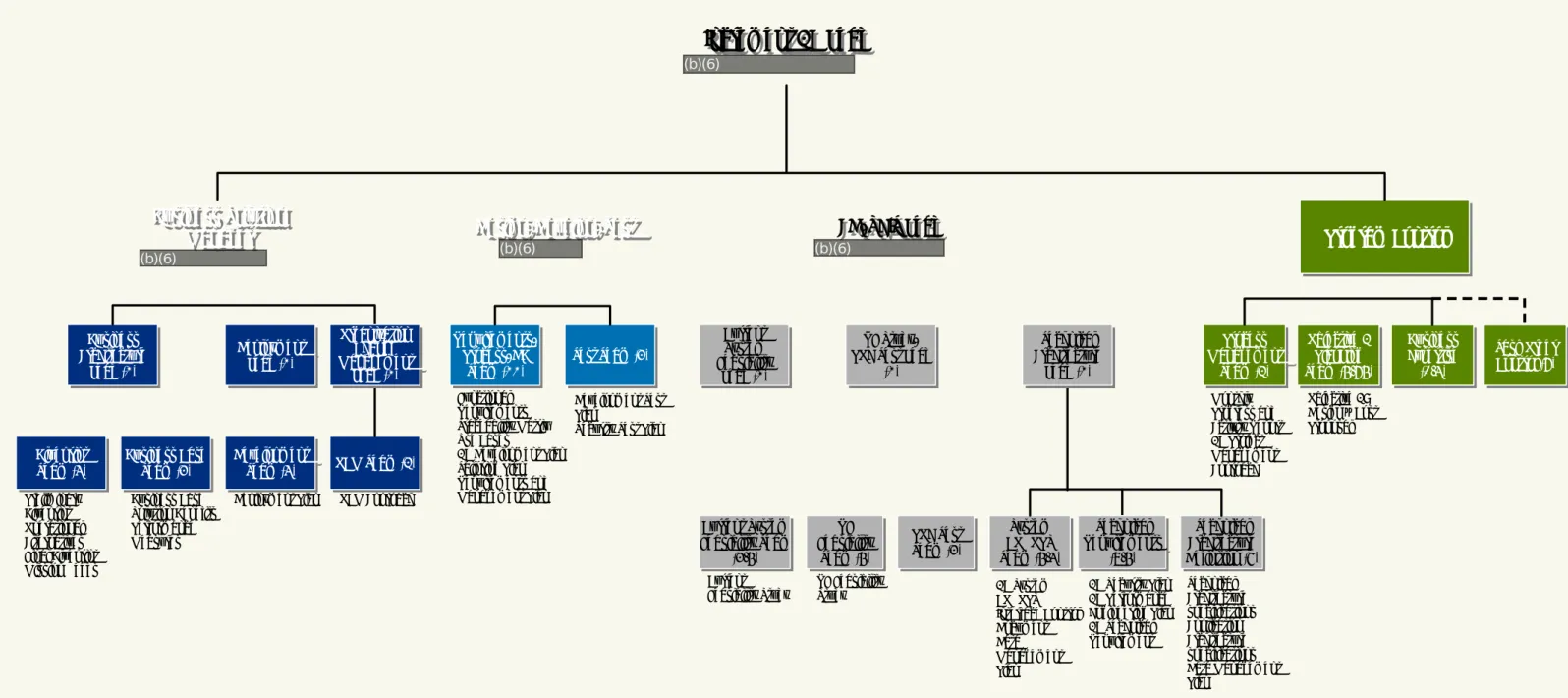
Figure 6-1. Organizational Structure ... 34
Figure 6-2. Teams ... 35
Figure 6-3. Roles and Responsibilities ... 39
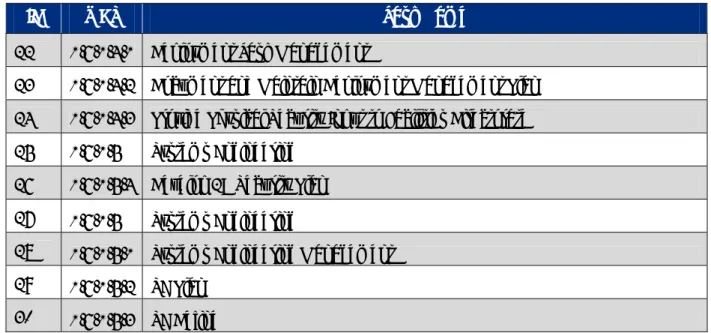
Figure 7-1. Deliverables and Dates for Task Order 006... 45
Figure 8-1. Period of Performance... 46 Figure B-1. Alternative Proposed Performance Measures Task Order 006 ... B-1
Smart Border Alliance Task Order 006 Project Plan
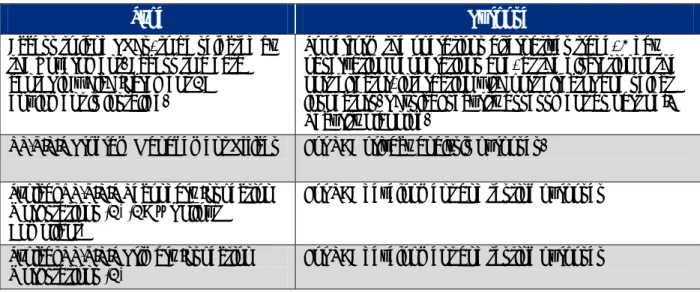
Compliance Matrix
Organization Structure and Management Approach Project Plan Task Order 006
Title and Requirement
Project Plan Response Section
Technical Proposal to Task Order 006 SOW
Proposed Solution 1.0
Detailed Project Plan 2.0
Task: Task Order Project Management 2.1.1
Task: Increment 2C Business Architecture 2.1.2
Task: Organizational Change Management 2.1.3
Task: Deployment Management 2.1.4
Task: Systems Engineering 2.1.5
Government Resources 3.0
Work Breakdown Structure (WBS) and Schedule 4.0
Performance Measures 5.0
Task Order Staffing 6.0
Deliverables and Acceptance Criteria 7.0
Smart Border Alliance Task Order 006 Project Plan
1.0
Task Order 006 Proposed Solution
1.1 Introduction
The United States Visitor and Immigration Status Indicator Technology (US-VISIT) Program was chartered within the Department of Homeland Security (DHS) to enhance the security of U.S. citizens and visitors by expediting legitimate travel and trade, ensuring the integrity of the immigration system, safeguarding visitors’ personal privacy, collecting, maintaining, and sharing information on foreign nationals, including biometric identifiers, through a dynamic,
interoperable program that determines:
Whether an individual should be prohibited from entering the U.S. Can receive, extend, change or adjust their immigrations status Has overstayed or otherwise violated the terms of their admission Should be apprehended or detained for law enforcement action Needs special protection/attention (e.g., refugees)
The first phase of US-VISIT launched on January 5, 2004, with the deployment of biometric entry capabilities at 115 airports and 14 seaports and the initiation of tests for a biometric departure confirmation system.
By December 31, 2004, US-VISIT will bring biometric entry capabilities to the 50 busiest land ports of entry (Increment 2B). By December 31, 2005, US-VISIT will bring biometric entry capabilities to the remaining land border ports. The initial capability is limited to the biometric validation of covered aliens upon issuance of Form I-94. To meet the legislative mandates to provide an integrated entry/exit system at the 50 busiest land ports and beyond, these capabilities must be enhanced to provide biometric verification for each entry and exit by covered aliens.
1.2 Purpose
The purpose of this Task Order response is to provide the following operational capabilities: 1. Enhancement of the initial operating capability provided at land ports of entry as
implemented, through the issuance of a unique identifier that is capable of being read automatically, passively, and remotely during subsequent exit and reentry by US-VISIT enrolled travelers.
2. Improved identification for US-VISIT eligible aliens, including commercial, pedestrian, and vehicular traffic, by providing the capability to read the unique identifier issued at enrollment in US-VISIT and displaying information to enable inspectors to make appropriate decisions concerning the admissibility of the applicant. The required
capability will be integrated with the vehicle watch list query currently being performed at land borders.
3. The solution will be integrated with currently deployed systems supporting the US-VISIT program including but not limited to TECS, IDENT, and ADIS.
4. The capabilities provided shall not constrain the future operating vision identified in the US-VISIT Strategic Plan.
Smart Border Alliance Task Order 006 Project Plan
1.3 Scope of Work
Increment 2C is composed of four high-level objectives: 1. Objective 1: Plan and Define the Increment 2C Solution 2. Objective 2: Design the Increment 2C Solution
3. Objective 3: Develop and Test the Increment 2C Solution
4. Objective 4: Deploy and Implement the Increment 2C Solution at the land border
The scope of Increment 2C is based upon the 2C Strategy developed as part of an Ad-Hoc task under Task Order 001. The scope includes:
In scope travelers, which are defined as non-immigrants requiring I-94 travel documentation Tracking of in scope travelers exits via Radio Frequency Identification (RFID) and
discretionary monitoring of those exits
Tracking of in scope travelers entry, with a final decision necessary to select one of:
– RFID Entry tracking at Primary
– Enrollment in frequent traveler program – Sending in-scope travelers to secondary
Deploying a pilot by June of 2005 for 1 to several POEs
Deploying the solution to the remaining POEs by December 31st 2006
This Task Order response addresses Objective 1 by outlining our methodology for the Planning and Defining phases of the Increment 2C solution. The Planning phase of the project lifecycle serves to document a DHS-approved approach for delivering the Increment 2C solution setting the scope as well as the timeline required to deliver it. The resulting documented plan is reviewed and committed to by key stakeholders. A milestone review is held to determine whether the project should proceed to the Definition phase. The Definition phase further refines the plan by solving key issues and solving current system deficiencies. During this phase, the functions/features that are critical in the delivered solution is documented.
1.4 Inputs
In providing the capabilities identified in Section 2.0, the Smart Border Alliance (SBA) utilizes the following inputs:
Elements from the US-VISIT Strategic Plan Elements from the US-VISIT IT Strategic Plan
Elements from the Interim US-VISIT Facilities Strategic Plan Elements from the Initial Land Border Solution (ILBS)
Increment 2C Mission Operations Process Concept Document Documents associated with Increment 1 and 2B implementation
Several of these inputs are being developed concurrently under other Task Orders. SBA coordinates ongoing efforts across Task Orders to coordinate the utilization of these inputs as they become available.
In addition to the above inputs, SBA establishes a collaborative process to support participation in Increment 2C from the US-VISIT Chief Strategist, Mission Operations, Information
Smart Border Alliance Task Order 006 Project Plan
Technology, Facilities, Administration and Training, and Implementation Management, as well as other parties.
1.5 Collaboration
In order to enable the successful implementation of the Increment 2C solution many
organizational groups including the US-VISIT Directorates, legacy contractors, and the SBA need to work collaboratively. Efforts described in this program plan involve identifying the overall scope of Increment 2C regardless of what organizational entity is ultimately responsible for the implementation of the various components of the 2C solution. By taking a holistic and integrated approach to defining the scope of 2C and developing an Integrated Master Plan, the US-VISIT program is positioned to identify potential gaps and/or overlaps in the implementation efforts being defined.
In addition, this approach creates an environment that provides opportunities for buy-in and consensus on key decisions, as well as an environment that encourages open and continuous communication.
As part of their lifecycle process, the SBA Increment 2C team works collaboratively with the US-VISIT Directorates and their teams to create work products and deliverables. Part of the proposed work environment involves regularly scheduled working sessions and meetings, as well as deliverable checkpoints. In addition, each deliverable has a brief review period enabling US-VISIT to conduct a final review and to provide input before its completion. Both formal and informal meetings is scheduled to take place throughout the ‘Plan and Define’ phase of 2C. This collaborative work environment begins at the Task Order kick-off session and continues
Smart Border Alliance Task Order 006 Project Plan
2.0
Detailed Task Order Project Plan
2.1 Task Order 006 Tasks
2.1.1 Task Order Project Management
Task Order Planning and Management
The SBA Increment 2C project utilizes the Integrated Product Team (IPT) structure. This enables visibility of the project status to the Program Office, promotes an integrated schedule, and
facilitates coordination with program-level Earned Value Management (EVMS). A dedicated SBA Increment 2C Project Manager is responsible for cost, schedule, technical and quality control for the project and is the central point of contact for both management and technical matters. The SBA Increment 2C Project Manager delivers periodic status and progress reports, while also facilitating weekly status meetings with the US-VISIT Increment 2C project lead. The progress reports provide a periodic review of activities accomplished during the period,
upcoming activities, and issues and risks. This process facilitates the project’s success by enabling SBA to report progress, keep the Government informed, provide direction, and promptly identify and resolve key issues without jeopardizing the delivery schedule. The US-VISIT Program Management Approach establishes the foundation for executing Increment 2C project management activities. The processes defined by this approach (such as risk management, issue management, quality management, EVMS, Configuration Management, Performance Reporting, etc.) facilitates the execution of the Increment 2C project management effort and forms the basis of the Increment 2C Project Management Approach. This document defines how the established processes, procedures and tools are applied in this increment and are maintained throughout the project life-cycle. For example, a risk management approach is defined for Increment 2C based on the program risk plan that identifies, categorizes, and
prioritizes potential project risks specific to the Increment 2C capability. Using the risk tracking tool and the methods defined by PMO, risks are assigned to an appropriate owner who creates a cost-effective risk reduction plan.
Increment 2C Objective 2 Planning
To support the US-VISIT Program Office in meeting the project deadlines, it is critical that a gap does not occur between Objective 1: Plan and Define and Objective 2: Design work efforts. Therefore, the effort associated with establishing the task order and response for the Design phase of work has been included in this Task Order. This includes assessing trade-offs and options. This activity involves assessing the cost impacts associated with the schedule alternatives for solution implementation, discussing the options and impacts with the
Government to determine the most appropriate solution and documenting the analysis. A cost proposal is prepared for the selected option. The Objective 2 Cost Proposal includes the Project Plan (Work Breakdown Structure (WBS), WBS Dictionary, activity descriptions, Government required resources and equipment, performance measures, staffing, deliverables and acceptance criteria, period of performance and work location), as well as the for the Cost Estimates
(resources, travel, and other direct costs) for the Design phase of work.
As part of the Objective 2 Planning effort, an Integrated Master Plan is jointly developed with the Government. The Integrated Master Plan is a workplan that outlines the scope and
responsibilities of subsequent objectives. Once the Integrated Master Plan is agreed upon, the Objective 2 estimates can be finalized and a proposal submitted.
Smart Border Alliance Task Order 006 Project Plan
2.1.2 Business Architecture Increment 2C Blueprint
The Increment 2C Blueprint subtask includes the activities associated with business strategy and mission operations for Increment 2C Objective 1 (Plan and Define Increment 2C). Specifically, these activities include:
Managing the Increment 2C Blueprint task
Documenting and Maintaining the Increment 2C Blueprint Defining and Assessing Recommended Operational Alternatives
Documenting and Maintaining Business Case and Performance Measures
Maintaining Business Requirements and Solution Concept of Operations (CONOPS) Providing Subject Matter Expertise
Each of these activities is described in further detail in the following sections. Increment 2C Blueprint Task Management
This task element manages and coordinates the activities within the Increment 2C Blueprint WBS elements and includes, Task Order Planning, Control and Process Management. In addition, this activity includes objective 2 planning.
The task management activities include communicating with US-VISIT organizations, providing guidance to the delivery team, and coordinating activities across the Smart Border Alliance (SBA) Integrated Project Teams (IPTs). In addition, the task management activities include coordinating with other task orders, such as the Strategic Plan, to provide insight that helps build an integrated and cohesive blueprint that includes current and future program impacts.
This task element also addresses the administrative tasks for monitoring and controlling the blueprint activities. We provide weekly communication on the status of the program and monthly status reports to the directorate leads. Activities performed include:
Manage Project Resources Monitor and Control Project
– Cost – Schedule – WBS
– EVMS
Communicate Project Status
Prepare for and conduct IBR and other program reviews
Also, included in this task element is planning for objective 2. This element reduces delays in moving forward with the next steps to develop a more detailed view of the 2C solution. Document and Maintain Increment 2C Blueprint
This activity produces the Increment 2C Blueprint. The Increment 2C Blueprint defines the overall 2C , scope and solution across functional areas (Business Process, Systems Engineering, Facilities, Organization and Change Management, Transition, and Performance Measurement). The 2C Strategy developed as part of an Ad-Hoc task under Task Order 001, is an initial input to the Blueprint development process. The scope and approach defined in this document may change based upon more detailed analyses conducted during the Blueprint definition phase.
Smart Border Alliance Task Order 006 Project Plan
Building on previous Increment 2C work this task activity focuses on refining, or investigating and developing, answers to the following questions:
Objective
Why is 2C being deployed?
What is the problem 2C will solve? How will 2C success be measured? Scope
What traveler types are in scope? What POEs are in scope?
Schedule
When will the solution be deployed to each POE?
When will the solution be deployed for each traveler type? Solution
How are capabilities across each functional area focused and coordinated into a holistic and cohesive solution?
The blueprint is developed iteratively by defining, assessing, and modifying the solution at successively lower levels of detail. Through this collaborative and iterative process, cross-functional issues are identified, alternatives considered, and recommendations provided to DHS. The recommendations typically provide options across functional areas, for example,
If vehicles do not slow to 40 MPH the exit tracking rate may be impacted. Potential cross-functional solutions may include:
– Systems Engineering: Perhaps there are other Radio Frequency Identification (RFID)
capabilities that would address this issue.
– Facilities: There are natural slow down points at many POEs
– Deployment: Initial phased implementation can focus on POEs with natural slow down
points
Does RFID on entry provide effective return on investment? Potential cross-functional answers may include:
– Strategy: We want to increase the number of foreign nationals within the scope of
US-VISIT, should we modify traveler scope?
– Business Case: If the number of travelers in scope for entry is low, will the benefits justify
the RFID deployment expenditures?, We need further analysis on the number of travelers in scope and the benefits of focusing on these numbers.
– Deployment: US-VISIT may be able to increase the scope of travelers with minimal
impacts to our deployment schedule. We can determine the schedule impacts of increasing traveler scope.
– Business Process: But, if we increase travelers in scope we may impact primary
processing time. So we need to further analyze this option.
These are high-level examples of the blueprint process. At each successive level of detail similar issues arise with potential alternatives. The cross-functional solution definition and analysis enables us to identify potential issues early and fully define the solution prior starting detailed design.
By creating the 2C solution collaboratively across functional areas, we align the solution with each functional area. For example, by including the business case team in the integrated efforts
Smart Border Alliance Task Order 006 Project Plan
we align our solution with the US-VISIT budget office and the Strategic Plan business case effort, while validating the cost benefit of 2C. In a similar way, our solution aligns each functional area and the corresponding US-VISIT directorate.
The Increment 2C Blueprint is developed incrementally over the two phases of Objective 1 identified in the SOO.
Objective 1 Planning Phase. During the planning phase, the SBA creates the preliminary Increment 2C Blueprint to a level of detail that defines an approach to deliver the Increment 2C solution. The blueprint team has two roles; the first is to define the business solution, including the business process flows for the five core Increment 2C processes: RFID registration, primary inspection for vehicle, primary inspection for pedestrian, vehicle exit, and pedestrian exit; the second is to coordinate cross-functional efforts to determine the impacts across functional areas.
The 2C CONOPS, developed during the week of August 30th 2004, is an input for the first
iteration of this process . The Blueprint team facilitates cross-functional analysis (as described above) to develop a preferred solution. As the solution evolves the 2C CONOPS and the corresponding business process flows also evolve.
The preliminary solution definition document, integrates the capabilities and key findings from each of the teams involved in the Increment 2C solution definition: the Increment 2C Blueprint team, System Engineering team, Deployment team, and the OCM team. The Preliminary Blueprint identifies the Increment 2C scope, strategy, and timeline. At the culmination of the planning phase, the SBA conducts a Increment 2C preliminary Blueprint milestone review. At this meeting, the SBA Increment 2C team presents to the Government and key stakeholders the Increment 2C Blueprint and works with the Government to determine the next solution definition steps. This preliminary 2C blueprint provides the 2C solution information (e.g. 2C Objective, Scope, Schedule, Solution defined across functional areas) to support cross-directorate discussions within the US-VISIT Program Management Office and to support cross-government 2C status communication.
Objective 1 Definition Phase. During the definition phase, the Increment 2C Blueprint is updated and enhanced based on feedback from the milestone review. The Increment 2C Blueprint is also detailed further, defining the approach and process flows for secondary (non-core) processes such as exception processing (e.g., lost RFID tokens). The final 2C blueprint provides the 2C solution information (e.g. 2C Objective, Scope, Schedule, Solution defined across functional areas) to support cross-directorate discussions within the US-VISIT program management office and to support cross-government 2C status communication. One of the major risks is that the US-VISIT strategic plan (Task Order 005) and the Increment 2C Blueprint are being developed concurrently, rather than sequentially. To mitigate this risk, SBA maintains a close relationship between the two teams. The leads of the Increment 2C
blueprint and the strategic plan teams maintain a close working relationship by reviewing interim work products, participating in interim reviews, and coordinating any updated information with their teams. Additionally, the 2C Blueprint addresses how it fits into the overall strategic plan and identifies areas that deviate from the strategic plan along with the rationale (e.g., a particular
Smart Border Alliance Task Order 006 Project Plan
Increment 2C business requirements). Furthermore, the Strategic Plan specifically reviews any ongoing or planned activities to assess its alignment with the overall strategy and make
recommendations to align other activities with the strategic plan. In this way, we reduce the integration risk between Increment 2C and the strategic plan.
Define and Assess Operational Alternatives
In this activity, the Increment 2C Blueprint team identifies, assesses, and recommends
operational alternatives for implementing the Increment 2C solution. The operational assessment focuses on how Increment 2C business processes impact the CBP officers, other port and support personnel and the traveler. The recommendation considers how Increment 2C can best maximize business objectives, maintain operational achievability, and serve as input to the Increment 2C Blueprint activity.
The first step of this activity is to, collaboratively with the Government, assess the as-is process for those areas most impacted by Increment 2C: the primary and secondary inspection processes; the I-94 issuance and re-admittance processes; and the entry/exit record association process. Starting with the process flows described in the Increment 2C Business CONOPS (developed in August of 2004), the Increment 2C Blueprint team adds an additional level of detail to those processes in the assessment.
The second step of this activity is to identify operational alternatives for each of the above processes, as well as the new business processes introduced in Increment 2C: RFID token issuance, RFID-assisted entry, and RFID-assisted exit processes. The Increment 2C Blueprint team assesses each alternative for its ability to meet and maximize Increment 2C business objectives while balancing operational achievability. The results and recommendations are presented to the Government for the final decision and documented in the Operational Alternatives Assessment.
In order to obtain an understanding of the current land POE environment, site visits are
requested. These visits shall allow the SBA to understand the business processes in more detail, as well as observe the constraints and issues at the land ports. SBA can also assess the potential operational alternatives in the context of actual POE operations.
Document and Maintain Business Case and Performance Measures
In this activity, the business case team, collaboratively with the US-VISIT budget office, constructs the Increment 2C business case and defines the Increment 2C benefit performance measures. Similar to our process for maintaining alignment between increment 2C and the strategic plan, the 2C business case and the strategic plan business case activities are coordinated to reduce the integration risk.. Through the SBA Business Architecture Integrated Project Team, the 2C and Strategic business case teams are managed centrally and have frequent meetings together to synchronize the two efforts. The Increment 2C business case provides the required investments and total returns and analyzes the financial and non-financial effects of the project over time.
Both the business case and solution performance measures described in the SOO cover many areas. The business case team integrates each individual component from the cross-functional teams, for example, systems engineering provides the systems development costs; and
Smart Border Alliance Task Order 006 Project Plan
OMB 300 process. The final business case is a cohesive document providing input to support the development of the OMB 300.
The cost benefit analysis components of the Increment 2C business case are developed in a 4-step process, described below.
Step 1: Business Case Design and Functionality
This activity supports the development of a financial model reflecting the economics of the preliminary solution, as well as a related set of benefit performance measures.
The business case team establishes an operational model that defines:
Cost variables, both capital and life cycle operations and maintenance (O&M), and the high-level design elements to which they are linked
Benefit variables, including security effects, facilitation effects and efficiency effects that pertain to the aims and outcomes of Increment 2C
Performance measures that relate benefits to costs so as to indicate value for money and that can be employed to populate OMB 300 reports
Specific variables to be tracked to measure the realization of performance in relation to stated targets
The model framework established under this task also facilitates the business case examination of detailed technical alternatives under Objective 2.
Step 2: Identify the Baseline
Task Order 006 requires the definition and assessment of technical alternatives to achieve the required capabilities of Increment 2C. Using the business case model developed under step 1 above and the specific procedures defined in the identification of the baseline part of the business case development process, SBA performs the following activities:
Establishes and quantifies the baseline (As-Is), including justified forecast of the baseline over the Increment 2C life cycle
Establishes a quantitative and risk adjusted life-cycle analysis of costs, benefits, financial outcomes and business case (value for money) outcomes relative to the baseline
For the baseline and each technical alternative, engages key client stakeholders in the due diligence of data elements, assumptions, risk assessments and outcomes of the business case analysis process
Facilitates the choice of a preferred alternative in relation to costs, environment,
environmental compliance, benefits, risks and final outcomes as defined by business case criteria
Facilitates the design and choice of tracking technologies and procedures for tracking and reporting business case performance (costs, benefits, value for money)
Step 3: Benefit and Cost Measurement
Task Order 6 requires a proof of concept evaluation plan. Accordingly, SBA performs the following activities:
(Re)estimates the business case model for the preferred alternative based on data from acceptance tests
Smart Border Alliance Task Order 006 Project Plan
Helps identify any architecture or business process design modifications or refinements warranted by business case outcomes above
Tests the measurement plan relating to benefit performance measures and executes any warranted modifications or refinements
Note: There are alternative and architectural decisions that may be made after the business case is complete. The business case addresses this scenario with quantitative measures and probability analysis to consider potential impacts to our assumptions. As those decisions are completed, the business case can be updated to reflect the new realities of those decisions. Step 4: Plan for Business Case Tracking
In relation to the business case and tracking process, SBA develops an approach and a plan to track and update the business case over the lifecycle of Increment 2C to measure the realization of the benefits. The plan describes the cost, benefit and business case measurement and tracking tools and procedures at land border ports of entry, at secondary areas, and at inbound and outbound traffic lanes. During Objective 1, efforts focus on defining the approach and plan for tracking the business case. Performing and reporting on the measures, per the plan, as Increment 2C is developed and deployed are covered by subsequent objectives.)
Each of the above four steps occur sequentially, with a work product provided that at the end of each step that describes the results. As a final deliverable, the SBA delivers an integrated business case and performance measurement definition document, with the contributions from each of the teams as identified in Table 2.1.2.5-1.
Maintain Business Requirements and Solution CONOPS
This activity supports updating the Increment 2C Business Requirements and Solution Concept of Operations. These documents are currently being drafted as part of an Ad-Hoc task under Task Order 001. Based on analysis and decisions made during the Increment 2C planning and definition phase, SBA expects that each of these documents are impacted, and must be updated, to reflect the Increment 2C solution definition.
Following the completion of the milestone review, the Increment 2C Blueprint team updates each of these documents accordingly. The revised documents are reviewed by the IPTs prior to submission to the Government.
Provide Business Expertise
This activity includes the effort of border management experts supporting activities in this task order. These individuals use their experience from prior border and customs leadership roles to provide insight and perspective to teams working on Increment 2C activities and to review work products being developed prior to their submission to the Government.
These border management experts provide complementary strategic and operational perspectives to the Increment 2C activities, thus reducing the impact to current Government resources. At a strategic level the subject matter experts provide the CIS, CBP, ICE, and DoS perspective throughout our solution development process. This provides general guidance to the solution development efforts and speeds the identification of alternatives and appropriate
recommendations for the Government to consider. Similarly, they provide general guidance on operational issues. This helps us understand the general operational environment, the limitations, constraints, obstacles, and opportunities. However, for current and detailed understanding of the
Smart Border Alliance Task Order 006 Project Plan
CBP, CIS, ICE, and DoS environment, the SBA seeks information from current DHS and Government resources. We anticipate minimal involvement from CIS, ICE, and DoS, however, due to the cross-Government nature of the US-VISIT program, insights on their operational involvement may be required.
While the input from border management subject matter experts reduces our solution definition time, they are not a substitute for Government resources. The Government is our primary source for the current operational environment and is available on an informal collaborative basis. Additionally they provide final decisions on key solution alternatives, and have final approval on the overall strategic and operational solution and approach.
Mission Needs Statement
The Increment 2C Mission Needs Statement (MNS) expresses in broad operational terms the objectives of Increment 2C and its contribution to the DHS mission.
It describes, at a high-level, the current operational deficiency that Increment 2C is addressing, and major decision factors leading to the Increment 2C solution strategy. The MNS discusses why non-material (e.g., policy changes) are not adequate to correct the deficiency, and identifies potential alternatives. The MNS provides boundaries to Increment 2C in terms of resources (costs, timeline, and priority among other DHS initiatives) and the operational environment. To the extent possible, the Increment 2C MNS demonstrates alignment with the goals and objectives identified in the DHS Enterprise Architecture strategic plan.
The SBA Increment 2C Blueprint team develops the Increment 2C Mission Needs Statement, working closely with the US-VISIT Chief Strategist office.
2.1.3 Organizational Change Management
In addition to technological change, Increment 2C impacts a number of different user and stakeholder groups. In addition, changes to entry and exit processes impact standard operating procedures and introduce new steps in activities being performed by both CBP officers and travelers. Understanding how the Increment 2C changes impacts the organization is critical in determining how to prepare the workforce and travelers to adopt these changes and allow for a smoother, less disruptive period of migration to the targeted state of operation. The Increment 2C solution achieves full benefits only if internal and external groups are prepared to accept the operational changes associated with the solution. The Increment 2C Organizational Change Management (OCM) team works collaboratively with the US-VISIT directorates including Mission Operations, Administration and Training, and Outreach Management, as well as other designated parties, to address many of these ’people oriented’ components of the Increment 2C solution.
During the Plan and Define phase, the Increment 2C OCM team works with the US-VISIT directorates to develop an OCM Approach that examines the proposed solution and its
organizational impacts. The approach outlines the OCM activities that are conducted and which groups conduct these activities during the remaining phases of this increment. Examples of OCM activities are a workforce analysis, gap analysis, training planning, and communication and outreach planning.
Smart Border Alliance Task Order 006 Project Plan
Review Increment 1 and 2B materials including training plans and materials, communication plans and materials, impacted operating procedures, and job descriptions, in order to identify opportunities to use existing standards, processes, and channels.
Work with the Outreach directorate and existing contractors to review existing stakeholder information and augment this information to customize this analysis and make it specific to the Increment 2C solution. The revised Increment 2C stakeholder analysis shoulddocument internal and external stakeholder groupissues, concerns, and anticipated benefits.
Stakeholder input collected during this analysis provides a basis for determining which OCM activities are appropriate for this increment.
Collaborate with US-VISIT to develop an OCM impact assessment framework and to gather preliminary impact information based on the preliminary solution. Preliminary impact information, coupled with stakeholder input, provides further guidance to identify appropriate OCM activities for Increment 2C and their timing. Preliminary impact information is validated during later phases of this incrementwhen solution designs are available.
After determining the preliminary impact, the SBA recommends an appropriate strategy or a variety of strategies for the different constituencies to address the identified impacts. Sample strategies and activities that are evaluated include organizational impact assessments, gap analysis, workforce analysis, additional communication planning, training, and end user involvement. The SBA works with US-VISIT to develop an increment specific plan. The plan augments existing plans with recommendations that are derived from this analysis.
Collaborate with US-VISIT and the Deployment team to integrate these OCM activities into the overall planning and logistics defined within the Increment 2C Deployment Management Plan.
The Increment 2C OCM effort identifies the coordinated activities to mobilize and align DHS leaders; prepare and equip the workforce; and engage stakeholders around new policies, processes, and tools. The Increment 2C OCM effort also helps the US-VISIT program to anticipate, plan, and manage change.
2.1.4 Deployment Management
Deployment
Upfront and collaborative planning is necessary to prepare for and execute a successful and efficient Increment 2C deployment. The deployment planning effort entails identifying and defining the approach for deploying the Increment 2C solution into operations at the land Ports of Entry (POE), as well as, identifying the core processes required to perform the
implementation. The planning effort defines an implementation approach that represents not just a technical hardware rollout, but a transition to a new business solution impacting people, processes, and technology. Deployment planning requires integration and coordination with the systems engineering components to validate and confirm that the technical solution can become operational and usable in the field. The deployment planning activities help to define and shape the solution design, development, and implementation.
Deployment is composed of the following activities: business transition, technical deployment, implementation and cross-program coordination, and facilities management. Planning for the entire transition process requires coordination across of these components, as well as
Smart Border Alliance Task Order 006 Project Plan
coordination across the Integrated Product Teams (IPTs). Deployment planning also includes integrating and working with the Increment 2C Business Architecture, OCM, DDT, and
AD/SEIT teams to shape the overall solution. Key deployment activities to be completed during the plan and define phase are listed below:
Materials review: Reviewing the Increment 1 and 2B materials to obtain a baseline
understanding of how deployment activities are being completed for previous and ongoing increments. Becoming familiar with prior approaches allows for the reuse of successful processes and for the improvement of others.
Business transition definition: identifying and defining the tasks required to manage the personnel side of a large scale transformation program. These tasks include supporting and working with the CBP Field Offices to inform and educate the CBP officers on the Increment 2C solution and schedule, obtaining buy-in at various management levels (national, Field Office, and POE), and identifying key resources that can support the field deployment efforts. Business Transition activities also include working with the Increment 2C Blueprint team to coordinate the rollout of the new business processes resulting from the Increment 2C solution definition.
Technical deployment definition and facilities requirements identification: identifying and defining the field activities for the technical deployment and installation of the Increment 2C solution. These activities include, but are not limited to:
– Asset/infrastructure management – Packaging and distribution – Installation
– Configuration
– Site verification testing – Data preparation/Conversion
Planning these activities helps to validate that the Increment 2C equipment and infrastructure components can be procured, warehoused, kitted, tested, shipped and installed to meet performance and schedule expectations.
Technical deployment planning activities also include supporting the US-VISIT and the SBA Facilities teams in coordinating the Increment 2C facilities activities. Facilities modifications typically involve long lead times and require coordination across multiple organizations. Changes must also comply with NEPA and other regulatory requirements. Significant facility changes can be costly and may have a high impact to daily operations.
To identify the changes, the technical deployment team drafts the facilities requirements used to build the Increment 2C Facilities Plan. Additionally, the technical deployment team supports the Increment 2C Business Architecture team develop an integrated solution that takes into account the requirements and constraints of the facilities changes.
Pilot planning and evaluation: preliminary planning for the solution pilot. This planning activity includes supporting the US-VISIT Office of Facilities and Engineering Management and the Increment 2C Business Architecture teams in identifying the pilot site selection criteria, as well as supporting the teams in identifying the criteria to measure the
Smart Border Alliance Task Order 006 Project Plan
Implementation coordination: Coordinating and integrating the transition and technical deployment activities into a working timeline or high-level schedule. Implementation coordination involves developing an understanding of the deployment lead times,
interdependencies of activities, and critical path items. It involves planning and designing a transition roadmap, which outlines the sequence and order of the major field and central support activities (e.g. Management, Preparation and Organization, and Readiness activities). Implementation coordination also encompasses the preliminary research and identification of programs that could impact and/or be impacted by US-VISIT. The deployment planning effort accounts for other DHS and agency initiatives being implemented during the same time as US-VISIT. Cross-program coordination activities involve identifying and documenting these other programs and their high-level schedules, assessing each program’s potential impact to US-VISIT, and assessing the probability of the identified impact occurring.
Finally, implementation coordination also includes security and privacy integration. The privacy activities focus on how and what personal information is stored in US-VISIT solution. The security activities are in place to validate that the POEs are conducting business operations according to secure guidelines, as well as to validate if the POEs are certified to be hazmat-free, physically secure, and in compliance with environmental regulations.
Deployment Management Plan
The output of the deployment planning period is the Increment 2C Deployment Management Plan (DMP). The DMP is an overarching plan that defines and integrates the deployment components into an integrated implementation approach. It defines the approach used for
deployment, identifying the high-level increment roll-out strategy that details the major transition activities, dependencies, high-level dates, assumptions, constraints and risks. This plan serves as the foundation for developing more detailed deployment-related plans, processes, and
procedures.
2.1.5 Systems Engineering
The Systems Engineering contains the necessary steps to complete planning (SE Plan) and requirements gathering (SE Define) for Increment 2C system capabilities. To complete these tasks we use SDLC-compliant deliverable templates. The templates are derived from those initially submitted with the Contractor’s proposal, along with deliverables made available by DHS from the Increment 2B system solution. Due to the competing timelines of Increment 2C (TO 006) and the Program Level System Engineering Task Order (TO 004), it may become necessary to “fast track” particular deliverables, work products, and tasks in this Task Order (TO 006) before they are scheduled for submission under TO 004. The elements within this task order are the specific activities necessary to complete the planning and definition of Increment 2C system capabilities.
2.1.5.1 Systems Engineering Management
The management of systems engineering activities is aligned with the tasks, processes, and resources that have been defined via Task Order 004 – Program Level Systems Engineering. This task encompasses the necessary resources to manage the Systems Engineering efforts for Increment 2C, including solution architecture development, process documentation, and requirements gathering.
Smart Border Alliance Task Order 006 Project Plan
2.1.5.2 System Engineering Plan
2.1.5.2.1 Critical Studies and Technology
This element provides resources to conduct critical studies and prototype technology in order to determine the feasibility of development approaches for Increment 2C. The following studies are proposed for this task order:
RF Feasibility Study
Current System Feasibility Study POE Test Lane Environment RF Feasibility Study
The SBA evaluates RF technologies and approaches to determine the feasibility of the use of RF at ports of entry (POEs) to track visitor entry and exit. This study includes the development of requirements for passive monitoring technology, evaluation of vendor offerings according to DHS-approved criteria, and the recommendation of a preferred vendor(s) for hardware and software to support Objectives 2 through 4. To facilitate the RF feasibility study, a POE test lane environment is constructed to evaluate multiple approaches and configurations. Through a vendor selection process, RF approaches are prototyped in the POE test lane environment. Given test environment constraints the SBA proposes the following options for completing the RF Feasibility Study:
Option A: Using an existing SBA facility authorized for speeds up to 40 mph, establish a test lane environment to evaluate RF technology in multiple configurations.
Option B: If during the business requirements definition phase it is determined that speeds in excess of 40 mph need to be supported, perform Option A and conduct the 60 mph test at a POE during the pilot phase (Objective 3).
Option C: If during the business requirements definition phase it is determined that speeds in excess of 40 mph need to be supported, perform Option A and establish an additional test environment including the procurement of additional hardware and RF software, additional site licenses and permits. Procurement and construction of the second test site would occur during Objective 1; however, the tests of speeds in excess of 40 mph would be completed during Objective 2 and Objective 3.
Current System Feasibility Study
A feasibility study of current systems is performed during this phase to assess the scalability, performance, and evaluation of the technical infrastructure to support Increment 2C requirements including, but not limited to: GES, IDENT, ADIS, TECS, and the associated US Arrival
components. Included in this study is an evaluation of data management requirements with the current systems and the review of existing RF initiatives and systems (i.e, NEXIS, SENTRI, and FAST). The results of this study define the Increment 2C architecture approach and application development strategy. The results also offer recommendations as to whether current systems are modified and what the necessary interfaces are to support new technical requirements.
POE Test Lane Environment
To facilitate the evaluation of RF technology and operational configuration approaches, a test lane environment is constructed to simulate a POE. This environment is used to evaluate the
Smart Border Alliance Task Order 006 Project Plan
feasibility of implementing RF to capture vehicle exit at land POEs while maintaining speeds up to 40 mph. The effort to build the test environment includes:
Site selection and procurement to obtain final approvals for usage of existing site location Securing appropriate licenses and construction permits; including a FCC Part 90 license due
to the anticipated RF frequency requirements
Procurement of RF hardware and software, including those necessary for installation (captured in Bill of Materials)
Weatherizing the RF equipment
Construction of a two vehicle lane environment
Assessing the scalability to four lanes is addressed via analysis of test results. It is assumed that the procurement of a site is not required if for the purposes of the RF Feasibility Study, exit speeds can be assessed at up to 40 miles per hour. Effort for this task is estimated based on Option A described in the “RF Feasibility Study” section.
In order to meet accelerated schedule for the development of a pilot for Increment 2C, an existing facility is being modified to support the needs of the POE Test Lane Environment. Adaptations are needed to support the installation of RF antennas and readers in a simulated multi-lane environment. At the conclusion of Increment 2C the location needs to be returned to its original state and intended use. The estimate in the BOM is a conservative estimate. As with other elements in the BOM (i.e, FCC Licensing costs) further refinement has resulted in
significant reduction in the projected cost. In addition, the SBA obtains an experimental use FCC Part 90 Site License. The approval cycle for the experimental license supports the schedule for Objective 1.
2.1.5.2.2 Develop Increment 2C Solution Architecture
Develop Increment 2C System Development Plan
The Increment 2C Solution Architecture provides the framework for designing, developing, testing, and deploying the Increment 2C solution. The processes and deliverables necessary for developing this increment is aligned with the ICE SDLC augmented with SBA best practices. The Increment 2C Project Plan is utilized as the draft Increment 2C System Development Plan. This plan provides the context for developing and delivering the Increment 2C Solution. Tasks and deliverables for the Increment 2C Solution Architecture complement the overall program level Solution Architecture outlined in Task Order 004.
Define Increment 2C System CONOPS
The Increment 2C System Concept of Operations (CONOPS) is provided in accordance with the ICE SDLC. The SBA development approach includes the definition of several Solution
Architecture Blueprints that are provided as the deliverable for the Increment 2C CONOPS. Components of the Solution Architecture Blueprint include the Technology, Application, and Data blueprints. A Technology Blueprint is created, specifying which tools are needed for developing and executing the solution. The Application Blueprint contains the solution
requirements, the methods, and processes for meeting the requirements. Finally, the Increment 2C Data Blueprint is created to specify the necessary capabilities of the Increment 2C Solution Architecture. Processes and products are specified so that Increment 2C Solution Architecture can successfully manage entry/exit data from inception to storage to analysis.
Smart Border Alliance Task Order 006 Project Plan
Use Cases are developed to define system processes and interactions to enable complete and correct testing of the Solution Architecture.
2.1.5.2.3 Define Acquisition/Procurement Plan
The Acquisition/Procurement Plan details the procurement strategy for Increment 2C activities. The Acquisition/Procurement Plan outlines the physical asset procurement process for the project. The Plan, which is applicable to both technical and non-technical areas of the project, contains a high-level overview of the procurement process and a description of each step. This document supports the project management team and tracks the procurement process for physical assets and validates that the correct physical assets are ordered, received, verified, and deployed. The Acquisition/Procurement Plan already exists; therefore, the 2C Systems Engineering and Integration Team (SEIT) enhances the plan and uses it to manage the procurement process and to track the hardware and software orders to make sure they are received and verified in a timely manner. This plan is given to the SEIT team that is supporting the Systems Engineering task order to be maintained and followed.
2.1.5.2.4 2C Process Development
The Increment 2C Design Develop Test (DDT) team begins the plan and define phase of work by outlining the processes necessary for developing and managing requirements, designs and configuring the tools necessary to complete these processes. This task is a “fast track” of the requirements, design, and technical architecture process development planned for in the Systems Engineering Task Order. The “fast-track” of this task is for elements specific to Increment 2C deliverables used as inputs to program level processes and allows us to allocate the appropriate resources, regardless of the schedule for TO 004.
The processes, procedures, tools, and templates that are required to support Increment 2C are developed to support the existing ICE SDLC. The expectation is that the output from this task supports the Systems Engineering effort. This task only focuses on the processes, procedures, tools, and templates for the requirements and design phases. The 2C DDT team works with the US-VISIT Systems Engineering team to tailor the ICE SDLC to define the appropriate
deliverables that are developed to support Increment 2C. We provide a risk analysis and
mitigation strategy that identify impacts of tailoring out specific deliverables from the SDLC and how we mitigate any risks. The 2C DDT team modify the existing ICE templates to support Increment 2C.
2.1.5.3 Systems Engineering Define 2.1.5.3.1 SE Requirements Definition
Once the processes and tools are ready, the functional and technical requirements are gathered for Increment 2C. In order to gather technical requirements, several assessments are performed to evaluate criteria related to human factors engineering, performance engineering, reliability, maintainability, availability, and security. Guidelines are established for each type of technical requirement, and along with the assessment, become the basis for documenting technical requirements.
Smart Border Alliance Task Order 006 Project Plan
Technical requirements are defined based on the application development strategy described in the Solution Architecture Blueprint, Increment 2C System CONOPS, and results of the RF Feasibility and Current System Feasibility Studies. The technical requirements also include:
Human Factors Engineering Performance Engineering
Reliability, Maintainability, and Availability Input for Continuity of Operations Planning Increment 2C Security Requirements Network Requirements
Application Requirements Definition
A Functional Requirements Document is developed that documents the functional as well as the technical requirements that are developed in the Technical Requirements Definition task. The Increment 2C DDT team uses the Increment 2C Business CONOPS, Increment 2C Business Requirements, Increment 2C Systems CONOPS, Current System Feasibility Study and vendor requirements defined during the RF Vendor Selection process as a starting point to drive out more detailed functional, data, content and quality requirements These requirements are
documented in a requirements management tool and exported into a Requirements Traceability Matrix (RTM). The RTM maps the functional and technical requirements back to the business requirements and Use Cases. The Functional Requirements Document is developed prior to the completion of the RF Feasibility Study. There is not expected to be any impact to the Functional Requirements because the vendor requirements are incorporated and used as a starting point for the development of the Functional Requirements Document. One of the outputs from the RF Feasibility Study is to validate the requirements defined during the RF Vendor Selection process. The Increment 2C DDT team also defines the user interface approach. The user interface
approach:
Confirms, expands and refines the application requirements
Determines the size and complexity of the user interface that needs to be developed Determines design approach, including how many iterations of user interface design and
evaluations are needed and what tools are used
Plans the number of users that are needed to participate in the design activity Provides key information needed to estimate the user interface design effort
2.1.5.3.2 Define Conceptual Model
A conceptual data model is developed to create a straw-man data architecture that translates and communicates application requirements into data-specific subject areas. The model provides a basis for estimating downstream data-related activities including data modeling, technology selection and configuration and data conversion efforts in the design and build application activities. The data requirements defined in the Application Requirements Definition task is an input into this task. Major data entities and relationships are identified and documented in the Conceptual Data Model Diagram. The Conceptual Data Model Diagram is a high-level model that is an input into the design phase logical database design.
Smart Border Alliance Task Order 006 Project Plan
The Increment 2C DDT team develops the Increment 2C Testing Strategy. This strategy determines the critical project paths, determines the points where the deliverable or outcome is verified, validated or tested, determines the objectives and exit criteria for each verification, validation and test, and determines the teams or people responsible for each verification, validation and test. The Testing Strategy also identifies and documents the testing approaches that are used to support Increment 2C.
2.1.5.3.4 Technical Architecture Definition
The Technical Architecture Definition identifies the technical environment specification for the Increment 2C solution. It includes requirement specifications for the technical and application architectures specific to the Increment 2C solution, taking into account the inclusion of new technologies such as RF, a Total Cost of Ownership (TCO) analysis, and a Technology Implementation Plan.
This TCO analysis provides the understanding of the current and proposed IT Infrastructure expenditure. This enables the program/project to control and make appropriate decisions regarding the required IT investments in infrastructure. A TCO Strategy (incorporates a TCO Model) provides a continuous process of measurement, simulation, and improvement of IT expenditure.
The Technology Implementation Plan is the roadmap for achieving the implementation
objectives and realizing benefits. The Technology Implementation Plan documents the approach to be taken to such aspects of the implementation as configuration management, contingency, financial management, vendor management, problem, issue and risk management, and quality management.
The SBA provides recommendations to the Government on how to support Operations and Maintenance for IT infrastructure including organizational responsibilities other than US-VISIT at a high level. Additional detail is determined in Objective 2 of this task order.
The additions to the related architectures and associated documentation are designed to
complement the overall program level architecture processes outlined in Task Order 004 and are made specifically for Increment 2C.
2.1.5.3.5 Functional Requirements Review
The Functional Requirements Review (FRR) provides US-VISIT with an understanding of the requirements for Increment 2C. These requirements are written to support detailed design of the proposed solution. The FRR is a transition point between the requirements and design phases. The following deliverables are reviewed during the FRR:
Functional Requirements Document (including Application, Technical, and Security Requirements)
Requirements Traceability Matrix System Workload Analysis Document Interface Control Document
Data Management Plan
Smart Border Alliance Task Order 006 Project Plan
The Performance Engineering team performs the following tasks to support Objective 1 of Increment 2C:
Performance Engineering – Includes performance management framework, key performance indicators, and performance measurement methods and tools to verify system performance before production and verify scalability once in production.
System Workload Analysis – Analysis of end-to-end transactional size and volume. Performance Requirements Assessment – Review legacy system performance, determine
impacts and constraints on the solution resulting in the solution business requirements. System Workload Analysis Specification – Characterizes transactional size and volume for
new technology components in the solution.
Performance Requirements Definition – The key performance requirements for major systems components and development of end to end system performance requirements. Identification of inputs for the POE simulation – Define and analyze input and output
parameters for systems performance from a POE point of view. Define key functional relationships and data sources.
2.1.5.3.7 Data Management
SBA produces the US-VISIT 2C Data Management blueprint which incorporates the following: Data ownership – Data within the domain belongs to the entire domain (i.e. not a person or
single department). Custodians of the data are identified and made responsible for maintaining data. This includes security and privacy concerns.
Interface Control – This consists of several elements.
– Consistent Business rules are applied uniformly across the domain to enable each entity to
interpret the outcome uniformly
– Data standards are identified and then enforced throughout the domain – Data Standards: like data elements have the same properties.
– Data Naming Conventions: Common terminology is uniformly applied and used in
development and communications with both internal and external stakeholders
– Data Lifecycle: The life and status of data when it enters the system, leaves the system
and endures in the system.
Implementation of US-VISIT Increment 2C Information Management is primarily based upon a set of common operating principles, common data standards, a collection of program-wide datasets, and a core set of data delivery applications. The primary work products from the US-VISIT Increment 2C Information Management Program cover the following general business and technical areas:
Define Conceptual Functional Data Management Requirements Identify Major System Entities
Identify Major System Relationships
Develop Conceptual Functional Data Management Project Plan Validate Conceptual Functional Data Management Project Plan
The Data Management blueprint created as part of this task order is different from the Data Management Strategic Plan being developed under the Strategic Plan task order (TO 005) in several respects. The plan in TO 005 is a high-level plan that addresses an overall data
Smart Border Alliance Task Order 006 Project Plan
VISIT. The blueprint created in this task order is specific to Increment 2C and provides more detail than the plan in TO 005, as necessary to continue on with other activities in this Objective and subsequent objectives in this task order.
2.1.5.3.8 Security
The purpose of the Security activities for Objective 1 of TO 006 is to lay the groundwork for the systems involved in supporting Increment 2C to achieve final security accreditation and operate at an acceptable level of risk when the capabilities developed under this TO are deployed and implemented. Security efforts in Increment 2C incorporate and build upon the security efforts implemented in Increment 2B: security efforts for Increment 2C are implemented around new devices and systems required as part of the Exit process, particularly the RFID implementation. In order to accomplish this purpose, it is necessary to obtain available up-to-date security certification and risk assessment documentation on ADIS, TECS, and IDENT. Together with information on the securability of the new capabilities planned for deployment in Increment 2B, SBA can use the aggregation of this security information to define a set of 2C Security
Requirements, to update the US-VISIT IT Security Plan, and to begin an Increment 2C Risk Assessment. These provide the basis for preparing Security Certification & Accreditation documentation for Increment 2C under Objective 2 of this Task Order.
Other important Security activities under Objective 1 include conducting a security engineering analysis of proposed RFID products and other technologies being considered for realizing the desired capabilities of Increment 2C, as well as evaluating the physical security of facilities in which Increment 2C functionality is deployed.
Furthermore, SBA defines a set of Continuity of Operations Requirements to provide the basis for the development of a comprehensive Continuity of Operations Program under Objective 2.
2.1.5.3.9 Privacy
SBA conducts an Increment 2C-specific privacy risk assessment during the planning and definition phase of this Increment consisting of identifying the legal requirements for such assessments, evaluating privacy risk during the planning/definition process, identifying
mitigation strategies, and assisting with the integration of selected mitigation strategies into the planning and definition documents. As part of the privacy planning activities, SBA provides input to the privacy impact assessment (PIA), which describes the risk assessment process and outcomes for this phase of Increment 2C. Finally, at the end of this phase of the increment, SBA reviews the Privacy Act system of record notices (SORNs) that govern US-VISIT and provides recommendations for updates. SBA also recommends timing for such updates in light of the increment’s deployment schedule. These results are made available for the Exhibit 300.
Smart Border Alliance Task Order 006 Project Plan
3.0
Government Resources
Figure 3-1 details the Government furnished information and systems required for this task order. The Government has indicated that some of the SBA requested information may not exist or be ready in time for the tasking. If and when the Government specifies that this is true for a particular SBA information request, the SBA works with the Government to identify alternative information sources, or recommends assumptions for Government approval in lieu of the information.
3.1 Government Furnished Information and Systems
Figure 3-1 details the Government furnished information and systems required for this task order. The list below contains examples of key documents that are necessary inputs for Objective 1. For those documents that are not available, equivalent or draft information is requested. If this information is not available or there are significant gaps in information, potential exists for misalignment with approaches used for 2B and 2C. The Government has indicated some of the SBA requested information may not exist or be ready in time for the tasking. If and when the Government specifies that this is true for a particular SBA information request, the SBA works with the Government to identify alternative information sources, or recommends assumptions for Government approval in lieu of the information.
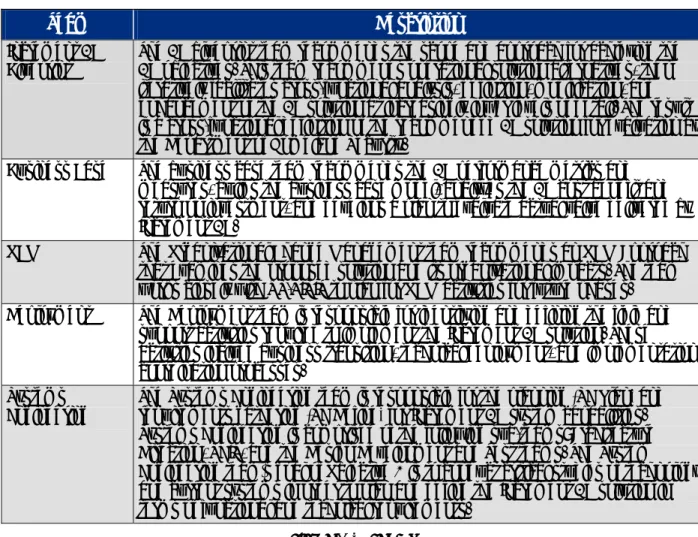
Type Purpose
Information
Training Standards To gain an understanding of current training
processes, procedures, and contacts US-VISIT Communications Plan (Internal,
External, and Visa Waiver Program) and Stakeholder Analysis
To gain an understanding of the current
stakeholders and how the plan can be augmented for the specific needs of the Increment 2C solution Information about impacted organizations
such as CBP, ICE, CIS (e.g. organization charts and role descriptions)
To gain an understanding of current organizational structures of impacted organizations
Increment 1 and 2B training and
communication material To gain an understanding of past training and communications efforts in order to learn from US-VISIT’s successes
Elements from the US-VISIT Strategic Plan To become familiar with current US-VISIT materials and future strategy
Elements from the US-VISIT IT Strategic Plan To become familiar with current US-VISIT materials and future strategy
Elements from the US-VISIT Interim
Facilities Strategic Plan To become familiar with current US-VISIT materials and future strategy Elements from the Initial Land Border
Solution (ILBS) To understand and confirm the mission and scope of Increment 2C Increment 2C Mission Operations Process
Concept Document To understand and confirm the mission and scope of Increment 2C All documents associated with the
Smart Border Alliance Task Order 006 Project Plan
Type Purpose
DHS or US-VISIT Policies relevant to privacy
analysis To inform privacy analysis process.
Current or draft Privacy Impact
Assessments (PIAs) and system-of-records notices (SORNs) applicable to US-VISIT
To inform privacy analysis and to serve as baseline for updated PIA/SORNs necessary for increment 2C Increment 2B system design and other
documents To inform privacy analysis
Security Documentation on existing Increment 2B Systems
Policies Plans
Interface control documents or SLAs for attached systems and general support systems
Functional Requirements Documents CONOPS
Privacy Impact Assessments System of Records Notice
System Certification and Accreditation Documents
Background for completion of Increment 2C security planning and risk assessment documents
Facilities Information The Government will supply access to facilities information from available sources, including:
Traffic, Operational, and Technical Models
Geographic Information System (GIS) Studies
Environmental Compliance Studies
Space Utilization, Legal Boundary and Utility Surveys
Costing Data
Scheduling Parameters
Increment 2B System Development Plan To leverage any relevant content and expertise Increment 2B System Concept of
Operations To leverage any relevant content and expertise
Increment 2B Use Case Models To leverage any relevant content and expertise Increment 2B Acquisition/Procurement Plan To leverage any relevant content and expertise Increment 2B Requirements Development
and Management Plan To leverage any relevant content and expertise
Increment 2B Human Factors Engineering
Guidelines To leverage any relevant content and expertise
Increment 2B Performance Engineering Plan To leverage any relevant content and expertise Increment 2B Reliability, Maintainability, and