SCIENCEDOMAIN international
www.sciencedomain.org
Determination of Amino Acid, Fatty Acid,
Mineral, Functional and Choking Properties of
Germinated and Fermented Popcorn
(Zea mays everta) Flour
Steve Oluwole Ijarotimi
1*and Olufunmilayo Oluremi Keshinro
21
Department of Food Science and Technology (Human Nutrition Division), Federal University of Technology, Akure, Nigeria. 2
Department of Human Nutrition, Faculty of Public Health, College of Medicine, University of Ibadan, Nigeria.
Received 12th May 2011 Accepted 14th June 2011 Online Ready 16th June 2011
ABSTRACT
Background: Popcorn is cereal grains originated from a wild grass (Zea mays everta).
Human consume popcorn as snacks. Popcorn provides a full complement of nutrition benefits, including dietary fibre, protein and essential micronutrient. Processing methods, such as, sprouting and fermentation improved the nutritional quality of cereals and legumes. In view of this, the present study, therefore, investigates the influence of germination and fermentation on nutrient composition, choking property and functional property of popcorn.
Methodology: The popcorn kernels were obtained from a local market in Akure, Nigeria.
The popcorn kernel was divided into three portions. Two portions were subjected into germination and fermentation respectively, while the third portion was processed as raw sample. Each of the samples was milled, sieved and analysed for proximate, minerals, amino acids and fatty acids using standard methods. Also, the functional and choking properties of the processed flour were determined using standard methods.
Results: The result showed that the protein content of popcorn flour samples ranged
between 12.13±0.56 - 14.37±0.52 g/100g; while the energy value was between 322.53±8.91 and 421.93±5.58 Kcal. The phosphorous, potassium, sodium, magnesium, iron and zinc content of germinated popcorn flour (GPF) were higher than fermented popcorn flour (FPF).
The total amino acids content of the sample range between 13.52 - 26.55 mg/100g for essential amino acids, 28.08 - 40.57 mg/100g for conditional essential amino acids; while 20.90 - 23.71 mg/100g for the non-essential amino acids. The nutritional quality results were as follows: protein efficiency ratio (PER) range between 0.88 and 1.55, essential amino acid indices (EAAIs) was between 13.62% and 44.18%; while the biological values (BV) was between 3.15% and 36.45%. The overall dominant fatty acid in each of the samples was oleic acid (67.05501 mg/100g) for the raw popcorn flour (RPF), palmitic acid (50.42259 mg/100g) for GPF and linoleic (68.72825 mg/100g) for FPF; while the dominant polyunsaturated fatty acids in RPF, GPF and FPF samples was linoleic. For the functional property, the results showed that swelling capacity range between 4.224±0.005 and 4.958±0.020. Bulk density was between 0.783±0.001 and 0.821±0.012; while that of water absorption capacity was between 1.964±0.014 and 2.111±0.044. The protein solubility of the samples increased in both above and below pH 2 for RPF and GPF sample and pH 3 for FPF sample, i.e., at the isoelectric points. For sensory attributes, the FPF was significantly rated higher in the overall acceptability than GPF, but rated lower than the ‘ogi’ (a sweet corn gel).
Conclusion: The present study evaluates the amino acid profiles, fatty acids composition,
choking property and functional property of RPF, GPF and FPF. The result showed that germination and fermentation processing techniques improved on the nutrient composition and also, eliminate the choking property of the processed popcorn flour. In view of this, the germinated or fermented popcorn flour may be used as traditional breakfast meal (ogi) or in the formulation of complementary foods.
Keywords: Germinated popcorn; fermented popcorn; amino acids; fatty acids; nutritional quality;
1. INTRODUCTION
The nutritional composition of popcorn showed that it contained 3.8–4.6% crude fat, 8.1– 10.5% crude protein, 0.07–0.23% reducing sugars and 61.0–67.9% starch, in which 27.0– 28.5% of the starch was amylase (Donkeun et al., 2000). Popcorn hybrids contained on an average approximately 12.6% palmitic, 2.0% stearic, 25.5% oleic, 58.4% linoleic and 1.5% linolenic acids, respectively (Donkeun et al., 2000). The major fatty acids in the popcorn hybrids were linoleic and oleic acids. The energy value (380kcal/100g) and other essential nutrients of the kernel were high when compared with other cereals like sweet corn and sorghum (Donkeun et al., 2000).
Processing methods, such as, sprouting and fermentation has been reported to improve the nutritional and functional properties of plant seeds (Jirapa et al., 2001; Yagoub and Abdalla, 2007). For instance, Sprouting or germination has been reported to improve digestibility, bioavailability of vitamins, minerals, amino acids, proteins and phytochemicals, and decrease anti-nutrients and starch of some cereals and legumes (Kylerand McCready, 1975; Asiedu et al., 1992; Camacho et al., 1992; Egli, 2001; Helland et al., 2002; Egli et al., 2004) and thereby improve protein and iron absorption and a-Amylase activity is also increased during germination of cereals, especially sorghum and millet. This enzyme hydrolyzes amylase and amylopectin to dextrins and maltose, thus reducing the viscosity of thick cereal porridges without dilution with water while simultaneously enhancing their energy and nutrient densities (Gibson et al., 1998). All over the world, fermented food provides an important part of human diet. It is evident that traditional food fermentation is capable of improving the nutrients of the food, preserve it by generating acidic condition, detoxify and reduce cooking time of the food (Zamora and Veum, 1979; Steinkraus, 1995). Also, it is evident that fermentation has the potential to enhance iron and zinc absorption (Teucher et al., 2004). In view of this, the present study therefore aimed at investigating the effects of germination and fermentation on the nutrient and antnutritional composition of popcorn.
2. MATERIALS AND METHODS
2.1 PROCESSING OF GERMINATED AND FERMENTED POPCORN
Raw: The popcorn seeds were obtained from a local market (Erekensan), Akure, Nigeria. The seeds were sorted and oven dried. It was milled in attrition mill and sieved through 0.4mm wire mesh. It was packed in plastic container sealed with aluminum foil and stored at room temperature prior to analyses. The flour was prepared according to the flow chart in figure 1.
Fermentation: The popcorn seeds were sorted and soaked in hot water and left for 7days to ferment. The fermented grains were washed, wet milled with attrition mill (locally fabricated grinding machine), sieved with muslin cloth, decanted and drained. The drained paste was oven dried in hot air oven at 60oc for 20 hours, re-milled, sieved and packed in plastic container sealed with aluminum foil and stored at room temperature prior to analyses.
Fig.1. Production of raw, germinated and fermented popcorn flour
Raw Popcorn Grains
Cleaning / Sorting
Sun Drying
Dry Milling
Sieving
Raw Popcorn Flour
Soaking (3 Days)
Wet Milling
Sieving
Oven drying (600C)
Dry milling
Sieving
Fermented Popcorn Flour Soaking (4 hours)
Germinating (4 days) Draining
Washing
Oven drying (600C)
Dry milling
Sieving
2.2 PROXIMATE ANALYSES
Proximate analyses for moisture, ash, fat and protein contents of the popcorn samples were carried out using Association of Official Analytical Chemists (AOAC) (2005) methods. Total carbohydrates content was determined by subtracting the ash, protein, and fat percentages from 100%. Estimation of energy value: The sample calorific value was estimated (in kcal/g) by multiplying the percentages of crude protein, crude lipid and carbohydrate with the recommended factors (2.44, 8.37 and 3.57, respectively) as proposed by Martin and Coolidge (1978).
2.3 MINERAL ANALYSES
The method described by Association of Official Analytical Chemists (AOAC) (2005) was used for mineral analysis. The samples were ashed at 550oC. The ash was boiled with 10ml of 20% hydrochloric acid in a beaker and then filtered into a 100ml standard flask. This was made up to the mark with deionized water. The minerals were determined from the resulting solution. Sodium (Na) and Potassium (K) were determined using the standard flame emission photometer. NaCl and KCl were used as the standards (AOAC 2005). Phosphorus was determined calorimetrically using the spectronic 20 (Gallenkamp, UK) Kirk and Sawyer (1991) with KH2PO4 as the standard. Calcium (Ca), Magnesium (Mg) and Iron (Fe) were
determined using Atomic Absorption Spectrophotometer (AAS Model SP9). All values were expressed in mg/100g.
2.4 AMINO ACID DETERMINATION
Amino acid composition of samples was measured on hydrolysates using amino acid analyzer (Sykam-S7130) based on high performance liquid chromatography technique. Sample hydrolysates were prepared following the method of Moore and Stein (1963). Two hundred milligrams of sample were taken in hydrolysis tube. Then 5 mL 6 N HCl were added to sample into the tube, tightly closed and incubated at 110°C for 24 hours. After incubation period, the solution was filtered and 200 mL of the filtrate were evaporated to dryness at 140°C for an hour. Each hydrolysate after dryness was diluted with one milliliter of 0.12 N, pH 2.2 citrate buffers, the same as the amino acid standards. Aliquot of 150 µL of sample hydrolysate was injected in a cation separation column at 130°C. Ninhydrine solution and an eluent buffer (The buffer system contained solvent A, pH 3.45 and solvent B, pH 10.85) were delivered simultaneously into a high temperature reactor coil (16 m length) at a flow rate of 0.7 ml/min. The buffer/ninhydrine mixture was heated in the reactor at 130°C for 2 minutes to accelerate chemical reaction of amino acids with ninhydrine. The products of the reaction mixture were detected at wavelengths of 570 nm and 440 nm on a dual channel photometer. The amino acid composition was calculated from the areas of standards obtained from the integrator and expressed as percentages of the total protein.
2.5 NUTRITIONAL QUALITY DETERMINATIONS
100a 100b … 100j av bv … jv
where:
n = number of essential amino acids, a, b …..j = represent the concentration of essential amino acids (lysine, tryptophan, isoleucine, valine, arginine, threonine, leucine, phenylalanine, histidine and the sum of methionine and cystine) in test sample and av, bv ….. jv = content of the same amino acids in standard protein (%) (egg or casein) respectively. Biological value was calculated according to Oser (1959) cited by Mune et al. (2011) using the following equation:
BV = 1.09 x Essential amino acid index (EAAI) - 11.7
The Protein Efficiency Ratio (PER) was estimated according to the regression equations developed by Alsmeyer et al. (1974) cited by Mune et al. (2011)) as given below:
PER = -0.468 + 0.454(LEU) - 0.105(TYR)
2.6 FATTY ACIDS DETERMINATION
Fatty acid compositions of the samples were analysed using gas-liquid chromatography (with omega-wax capillary column Supelco, USA). The lipid classes were separated by thin layer chromatography on silica gel G 60 (Merck, Darmstadt), using n-hexane/ethylether/acetic acid (73/25/2/v/v/v) as developing solvent. The fatty acids of phospholipids and triglycerides were transformed with sodium methylate into methylesters.
2.7 FUNCTIONAL PROPERTIES
2.7.1 Water absorption capacity
Water and oil absorption capacities of the flour samples were determined by Beuchat (1977) methods. One gram of the flour was mixed with 10 ml of water or oil in a centrifuge tube and allowed to stand at room temperature (30 ± 2oC) for 1 h. It was then centrifuged at 200 x g for 30 min. The volume of water or oil on the sediment water measured. Water and oil absorption capacities were calculated as ml of water or oil absorbed per gram of flour.
2.7.2 Bulk density
A 50 g flour sample was put into a 100 ml measuring cylinder. The cylinder was tapped
continuously until a constant volume was obtained. The bulk density (g cm-3) was calculated as weight of flour (g) divided by flour volume (cm3) (Okaka and Potter, 1979).
2.7.3 Swelling capacity
2.7.4. Protein solubility
The protein solubility of wheat flour was studied using the Biuret method. 0.5g each of the samples was suspended in 10ml different salts concentrations. The solubility at natural pH was first determined, that is no acid or alkali was added and so solubility in this case was based on the normal pH of the sample in solution. The suspension was centrifuged at room temperature for 30 minutes at 3500rpm. The suspended obtained was filtered and the protein of filterate was determined by biuret method with standard Bovine Serum Albumin (BSA). The Biuret method is a convenient assay for large numbers of samples of relatively soluble protein unlike the Kjeldahl method which is not a rapid and convenient assay though useful for the determination of the amount of protein in crude mixtures. For the quantitative determination of standard protein in Biuret method, 1g of (BSA) was dissolved in 100ml distilled water in a volumetric flask. Five tubes were set up containing fractions of the BSA solution in order:- 0.0ml, 0.5ml, 1.0ml, 1.5ml, 2.0ml , and they were made up to 2ml adding 2.0ml, 1.5ml 10ml 0.5 and 0.00ml of distilled water by the addition of 8ml of Biuret solution. The tubes were left to stand for 30 minutes. The solution from the tube containing 2.0 distilled water and 8.0ml Biuret solution was used as the blank to standardize the UV spectrophotometer at 450nm (Spectronic 20 Bausch and Lomb). The absorbance of each of the other tubes was equally taken. A standard curve was drawn for absorbance against concentration. The determination of protein of the filtered supernatant in each sample was carried out in this way, 1.0ml of the filtrate was pipette into a test tube and 8ml of Biuret solution was added. The tube was allowed to stand for 30 minutes after which the absorbance was taken. The corresponding protein concentration was obtained curve earlier obtained. The obtained protein concentrations for the various salts were plotted.
2.8 CHOKING PROPERTY DETERMINATION
Twenty male and female albino rats of the Wistar strain, weaned at 21 days, were obtained from the disease-free stock of the central animal house of College of Medicine, University of Ibadan, and reared on a balanced commercial stock diet (Pfizer Livestock Feed Ltd, Ikeja, Nigeria) until they were 30 days old, when they were weighed to the nearest 0.1 g and allocated on the basis of weight and litter origin to three groups of ten rats each. They were individually housed in perforated Perspex cages. The first two groups of animals were fed with pelleted germinated and fermented popcorn samples respectively while the third group (control) was fed with commercial stock diet for 60 days. The mean of survival periods were calculated for the groups of animals as follows:
Mean of survival period = Cumulative number of survival albino rats for 60 days
Number of albino rats per group (10)
2.9 SENSORY CHARACTERISTICS OF PROCESSED POPCORN
2.10 STATISTICAL ANALYSIS
The data were analysed using SPSS version 15.0. The mean and standard error of means (SEM) of the triplicate analyses were calculated. The analysis of variance (ANOVA) was performed to determine significant differences between the means, while the means were separated using the new Duncan multiple range test.
3. RESULTS AND DISCUSSION
3.1 MACRONUTRIENT COMPOSITION
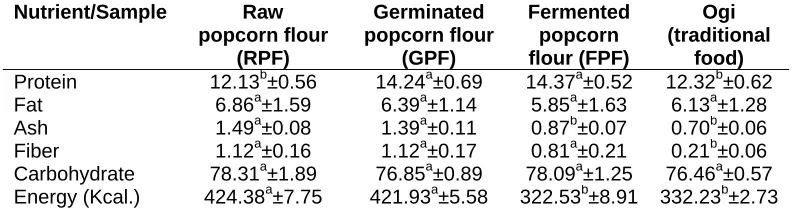
The mean values of macronutrient composition of raw, germinated and fermented popcorn were presented in Table 1. The protein content of the germinated popcorn flour, GPF, (14.24 ±0.69`g/100g) was the highest when compared with the fermented popcorn flour, FPF, (14.37±0.52 g/100g) and raw popcorn flour, RPF, (12.13±0.56 g/100g) respectively. Nutritionally, the protein content of both germinated and fermented popcorn flour was significantly higher than the protein content of the raw (12.13g/100g) and that of ogi (12.3±0.62 g/100g), that is, a traditional meal produced from fermented sweet corn flour. Similarly, the energy value of germinated popcorn flour (421.93±5.58 kcal.) was higher when compared with fermented popcorn flour (322.53±8.91 kcal.).
Table 1. Mean (± SEM) of macronutrient composition (g/100g Dry weight matter) of raw, germinated and fermented popcorn flour
Nutrient/Sample Raw popcorn flour
(RPF)
Germinated popcorn flour
(GPF)
Fermented popcorn flour (FPF)
Ogi (traditional
food)
Protein 12.13b±0.56 14.24a±0.69 14.37a±0.52 12.32b±0.62
Fat 6.86a±1.59 6.39a±1.14 5.85a±1.63 6.13a±1.28
Ash 1.49a±0.08 1.39a±0.11 0.87b±0.07 0.70b±0.06
Fiber 1.12a±0.16 1.12a±0.17 0.81a±0.21 0.21b±0.06
Carbohydrate 78.31a±1.89 76.85a±0.89 78.09a±1.25 76.46a±0.57
Energy (Kcal.) 424.38a±7.75 421.93a±5.58 322.53b±8.91 332.23b±2.73
Mean values with the same superscript in a row are not significantly different (P>0.05)
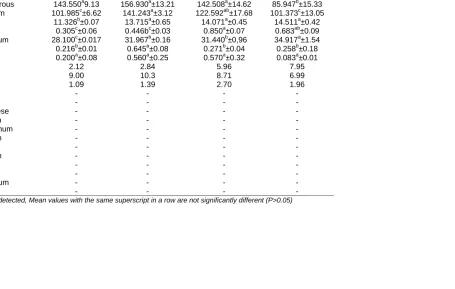
Table 2. Mean (± SEM) of mineral composition (mg/100g) of raw, germinated, fermented corn flour and ogi (sweet corn gel)
Nutrient/Sample Raw popcorn
flour (RPF)
Germinated popcorn flour
(GPF)
Fermented popcorn flour
(FPF)
Ogi (a corn gel, traditional food)
Phosphorous 143.550a9.13 156.930a±13.21 142.508a±14.62 85.947b±15.33 Potassium 101.985c±6.62 141.243a±3.12 122.592ab±17.68 101.373c±13.05 Sodium 11.326b±0.07 13.715a±0.65 14.071a±0.45 14.511a±0.42 Calcium 0.305c±0.06 0.446bc±0.03 0.850a±0.07 0.683ab±0.09 Magnesium 28.100c±0.017 31.967b±0.16 31.440b±0,96 34.917a±1.54 Iron 0.216b±0.01 0.645a±0.08 0.271b±0.04 0.258b±0.18 Zinc 0.200a±0.08 0.560a±0.25 0.570a±0.32 0.083a±0.01
Ca/P 2.12 2.84 5.96 7.95
K/Na 9.00 10.3 8.71 6.99
Ca/Mg 1.09 1.39 2.70 1.96
Nickel - - - -
Copper - - - -
Manganese - - - -
Rubidium - - - -
Molybdenum - - - -
Cadmium - - - -
Bromine - - - -
Strontium - - - -
Astatine - - - -
Lead - - - -
Alumininum - - - -
Iodine - - - -
In this present study, it was observed that popcorn has more nutritional advantage in terms of protein content and energy value over other cereals like sweet corn flour (ogi). Quite a number of studies have reported on the nutrient composition of popcorn (Donkeun et al., 2000); and also, on the advantages of germination and fermentation processing techniques on the nutrient composition of plant based materials such as cereals and legumes ((Jirapa et al., 2001; Yagoub and Abdalla, 2007). For instance, it is evident that germination and fermentation processing methods improved the digestibility and bioavailability of essential nutrients and also reduced the anti-nutrient composition of processed food samples, such as cereals and legumes (Kylerand McCready, 1975; Asiedu et al., 1992; Camacho et al., 1992; Egli, 2001; Helland et al., 2002; Egli et al., 2004).
3.2 MINERAL COMPOSITION
The mean values of mineral composition of raw, germinated and fermented popcorn flour are shown in Table 2. The mineral contents of the germinated and fermented popcorn flour were comparatively higher than the raw popcorn sample. For instance, phosphorous, potassium, sodium, magnesium, iron and zinc content of germinated popcorn flour were higher when compared with the fermented popcorn flour, however, both the germinated and fermented flour were significantly higher than the raw popcorn sample, but relatively comparable to fermented sweet corn flour (ogi) sample in virtually all the mineral composition. This finding showed that popcorn is a good source of these essential minerals, particularly for the iron and zinc which are of public health significant. For the heavy metals, like lead, aluminum, astatine, copper, nickel etc. these were not detected in the food samples; and this further enhanced the nutritional values of the popcorn products; hence, its utilization in the production of ogi (a traditional meal) or any other cereal-based meal products would not have any detrimental effects on the consumers. The Ca/P and Ca/Mg values ranged between 2.12 - 5.96 and 1.09 - 2.70 respectively. These values were very high when compared with the recommended values of 1.0 and 2.2 respectively (NRC, 1989). This observation showed that popcorn is a very good sources of calcium, magnesium and phosphorous, hence, its consumption would enhances teeth and bone formation in children and also, for the regulation of calcium in the blood (National Research Council, 1989). The K/Na value of the processed popcorn flour ranged between 8.71- 10.3. These values are greater than the recommended value of 1.0 (National Research Council, 1989), hence, popcorn consumption should be minimal particularly among the hypertensive patients.
3.3 AMINO ACID COMPOSITION
bioavailability of amino acid of plant based food products, particularly cereals and legumes (Camacho et al., 1992; Egli, 2002; Helland et al., 2002;Obasi et al., 2003;Egli et al., 2004; Gernah and Ingbian, 2011).
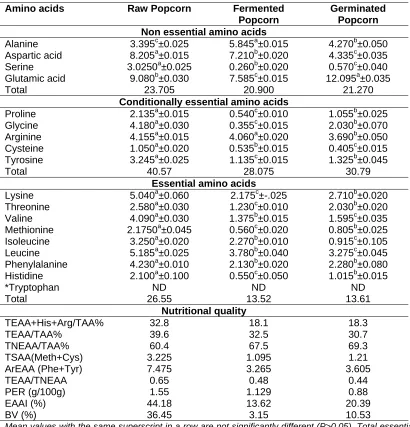
Table 3. Amino acid composition (mg/100g protein) of raw, germinated and fermented popcorn flour
Amino acids Raw Popcorn Fermented Popcorn
Germinated Popcorn Non essential amino acids
Alanine 3.395c±0.025 5.845a±0.015 4.270b±0.050
Aspartic acid 8.205a±0.015 7.210b±0.020 4.335c±0.035
Serine 3.0250a±0.025 0.260b±0.020 0.570c±0.040
Glutamic acid 9.080b±0.030 7.585c±0.015 12.095a±0.035
Total 23.705 20.900 21.270
Conditionally essential amino acids
Proline 2.135a±0.015 0.540c±0.010 1.055b±0.025
Glycine 4.180a±0.030 0.355c±0.015 2.030b±0.070
Arginine 4.155a±0.015 4.060a±0.020 3.690b±0.050
Cysteine 1.050a±0.020 0.535b±0.015 0.405c±0.015
Tyrosine 3.245a±0.025 1.135c±0.015 1.325b±0.045
Total 40.57 28.075 30.79
Essential amino acids
Lysine 5.040a±0.060 2.175c±-.025 2.710b±0.020
Threonine 2.580a±0.030 1.230c±0.010 2.030b±0.020
Valine 4.090a±0.030 1.375b±0.015 1.595c±0.035
Methionine 2.1750a±0.045 0.560c±0.020 0.805b±0.025
Isoleucine 3.250a±0.020 2.270b±0.010 0.915c±0.105
Leucine 5.185a±0.025 3.780b±0.040 3.275c±0.045
Phenylalanine 4.230a±0.010 2.130b±0.020 2.280b±0.080
Histidine 2.100a±0.100 0.550c±0.050 1.015b±0.015
*Tryptophan ND ND ND
Total 26.55 13.52 13.61
Nutritional quality
TEAA+His+Arg/TAA% 32.8 18.1 18.3
TEAA/TAA% 39.6 32.5 30.7
TNEAA/TAA% 60.4 67.5 69.3
TSAA(Meth+Cys) 3.225 1.095 1.21
ArEAA (Phe+Tyr) 7.475 3.265 3.605
TEAA/TNEAA 0.65 0.48 0.44
PER (g/100g) 1.55 1.129 0.88
EAAI (%) 44.18 13.62 20.39
BV (%) 36.45 3.15 10.53
Mean values with the same superscript in a row are not significantly different (P>0.05), Total essential amino acids (TEAA). Total amino acids (TAA), Total non-essential amino acids (TNEAA), Total sulphur amino acids (TSAA), Aromatic essential amino acids (ArEAA), Protein efficiency ratio (PER), Essential amino acid index (EAAI), Biological value (BV).
1.13 g/100g and 0.88 g/100g for the raw, fermented and germinated popcorn respectively. The essential amino acid indices (EAAIs) of the raw, fermented and germinated popcorn flour were 44.18%, 13.62% and 20.39% respectively; and while the biological values (BV) of the food samples were 36.45% for the raw popcorn, 3.15% fermented popcorn and 10.53% germinated popcorn.
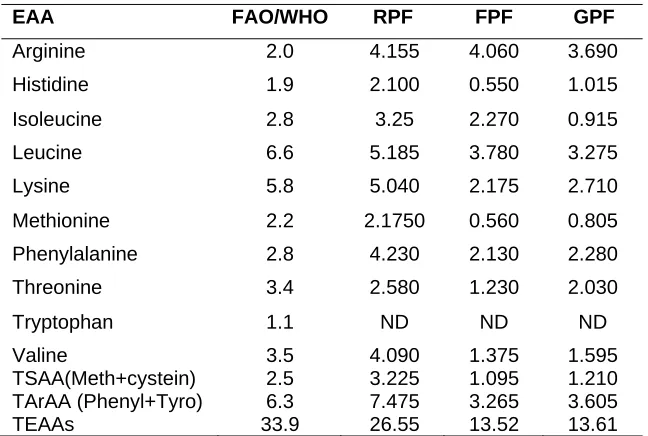
Table 4. Comparison of FAO/WHO amino acids recommendation and the germinated and fermented popcorn amino acids composition
EAA FAO/WHO RPF FPF GPF
Arginine 2.0 4.155 4.060 3.690
Histidine 1.9 2.100 0.550 1.015
Isoleucine 2.8 3.25 2.270 0.915
Leucine 6.6 5.185 3.780 3.275
Lysine 5.8 5.040 2.175 2.710
Methionine 2.2 2.1750 0.560 0.805
Phenylalanine 2.8 4.230 2.130 2.280
Threonine 3.4 2.580 1.230 2.030
Tryptophan 1.1 ND ND ND
Valine
TSAA(Meth+cystein) TArAA (Phenyl+Tyro) TEAAs
3.5 2.5 6.3 33.9
4.090 3.225 7.475 26.55
1.375 1.095 3.265 13.52
1.595 1.210 3.605 13.61
Source: FAO/WHO 1991. ND (Not Detected), Total sulfur amino acids (TSAAs), Total aromatic amino acids (TAAAs), total essential amino acids (TEAAs)
3.4 FATTY ACID COMPOSITION
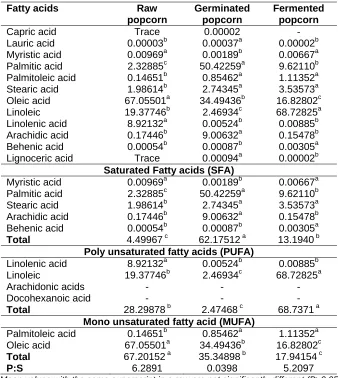
The fatty acid compositions of raw, germinated and fermented popcorn flour are presented in Tables 5. Results show the presence of saturated and unsaturated fatty acids. The overall dominant fatty acids in the processed popcorn kernel are oleic acid (67.05501 mg/100g for the raw, palmitic acid (50.42259 mg/100g) for germinated acid and linoleic (68.72825 mg/100g) for the fermented popcorn flour. The dominant monounsaturated fatty acid in both raw and processed popcorn were oleic acid with the following values 67.05591mg/100g) for the raw, 34.49436 mg/100g) germinated and 16.82802 mg/100g for fermented popcorn sample, while the dominant polyunsaturated fatty acids in raw, germinated and fermented popcorn samples was linoleic with the following values 19.37746 mg/100g, 2.46934 mg/100g and 68.72825 mg/100g respectively.
Table 5. Fatty acids composition (mg/100g protein) of raw, germinated and fermented popcorn flour
Fatty acids Raw popcorn
Germinated popcorn
Fermented popcorn
Capric acid Trace 0.00002 -
Lauric acid 0.00003b 0.00037a 0.00002b
Myristic acid 0.00969a 0.00189b 0.00667a
Palmitic acid 2.32885c 50.42259a 9.62110b
Palmitoleic acid 0.14651b 0.85462a 1.11352a
Stearic acid 1.98614b 2.74345a 3.53573a
Oleic acid 67.05501a 34.49436b 16.82802c
Linoleic 19.37746b 2.46934c 68.72825a
Linolenic acid 8.92132a 0.00524b 0.00885b
Arachidic acid 0.17446b 9.00632a 0.15478b
Behenic acid 0.00054b 0.00087b 0.00305a
Lignoceric acid Trace 0.00094a 0.00002b
Saturated Fatty acids (SFA)
Myristic acid 0.00969a 0.00189b 0.00667a
Palmitic acid 2.32885c 50.42259a 9.62110b
Stearic acid 1.98614b 2.74345a 3.53573a
Arachidic acid 0.17446b 9.00632a 0.15478b
Behenic acid 0.00054b 0.00087b 0.00305a
Total 4.49967c 62.17512a 13.1940 b
Poly unsaturated fatty acids (PUFA)
Linolenic acid 8.92132a 0.00524b 0.00885b
Linoleic 19.37746b 2.46934c 68.72825a
Arachidonic acids - - -
Docohexanoic acid - - -
Total 28.29878b 2.47468c 68.7371 a
Mono unsaturated fatty acid (MUFA)
Palmitoleic acid 0.14651b 0.85462a 1.11352a
Oleic acid 67.05501a 34.49436b 16.82802c
Total 67.20152a 35.34898b 17.94154 c
P:S 6.2891 0.0398 5.2097
In comparison, the total saturated fatty acid in germinated popcorn flour was significantly higher than raw and fermented samples; while the total polyunsaturated fatty acid of fermented sample (68.72825 mg/100g) was significantly higher when compared with the germinated and raw popcorn sample respectively (p<0.05).
In this present study, the finding showed that fermentation improved on the nutritional quality of fatty acid. Quite a number studies have reported that high polyunsaturated fatty acid levels in dietary intakes are desirable because of their potential health benefits (Bonvehi and Coll, 1993; Cunnane et al., 1993; Zwarts et al., 1999).With the current emphasis on lowering consumption of saturated fats, minimizing or eliminating trans fat, and increasing polyunsaturated and monounsaturated fats intake the consumption of popcorn would improve the integrity of cardiovascular system.
3.5 CHOKING PROPERTIES
The mean survival period of albino rats fed with germinated and fermented popcorn flour is shown in Fig. 2. The result showed that the mean survival of the albino rats fed with fermented popcorn flour was higher than the germinated popcorn flour, however, there was no significant difference between the proportion of albino rats fed with fermented and germinated popcorn flour (p>0.05).
Fig. 2. Mean survival of albino rats fed with processed popcorn flour
This observation showed that germination and fermentation processing methods eliminate the choking properties of popcorn, however, the two causalities recorded against the germinated popcorn sample might not have been as a result of the choking property. It is evident that germination and fermentation enhance the nutritional value of legumes and
0 2 4 6 8 10 12
D0 D7 D14 D21 D28 D35 D42 D49 D56
Day(s)
N
u
m
b
e
r
of
al
bi
n
o
r
a
ts
s
u
rv
iv
ed
cereals by causing significant changes in chemical composition and elimination of antinutritional factors (Bau et al., 1997; Nkama and Ikwelle, 1998; Traore et al., 2004; Abdelrahaman et al. 2005; Mohamed et al., 2007; Inyang and Zakari, 2008; Onwuka et al., 2009; Mugendi et al., 2010).
3.6 FUNCTIONAL PROPERTIES
The functional properties of raw, germinated and fermented popcorn flour are shown in Table 6. Results showed that the swelling capacity of the popcorn flour samples ranged between 4.224±0.005 and 4.958±0.020 for germinated and fermented sample respectively. Bulk density ranged between 0.783±0.001 and 0.821±0.012 for germinated and raw popcorn flour respectively; while the water absorption capacity ranged between 1.964±0.014 and 2.111±0.044 for germinated and fermented popcorn flour respectively. The functional properties of the popcorn flour samples were compared with ogi flour sample (a corn flour and traditional breakfast meal). It was observed that there was significant difference between the swelling capacity of ogi flour and the popcorn flour (p<0.05). However, for the bulk density and water absorption capacity the ogi flour was significantly lower when compared with the popcorn flour (p>0.05).
The functional properties of the food materials are very important for the appropriateness of the diet, particularly, for the growing children (Omueti et al., 2009). The consistency of energy density (energy per unit volume) of the food and the frequency of feeding are also important in determining the extent to which an individual will meet his or her energy and nutrient requirements (Omueti et al., 2009). The bulk density value is of importance in packaging (Snow, 1974). The lower loose bulk density implies that less quantity of the food samples would be packaged in constant volume thereby ensuring an economical packaging. However, the packed bulk densities would ensure more quantities of the food samples being packaged, but less economical. Nutritionally, loose bulk density promotes easy digestibility of food products, particularly among children with weak digestive system (Osundahunsi and Aworh, 2002; Gopaldas and John1991). The water absorption capacity is an index of the maximum amount of water that a food product would absorb and retain (Marero et al., 1988; Mosha and Lorri, 1987). With respect to water absorption capacity, Giami and Bekeham (1992) reported that the microbial activities of food products with low water absorption capacity would be reduced. Hence the shelf-life of such product would be extended. The swelling capacity is an important factor used in determining the amount of water that diets would absorb and the degree of swelling within a given time. The present study showed that the swelling capacities of the ogi sample were higher when compared with the popcorn flour samples. The high values of swelling capacity imply that more of the ogi sample would be needed for reconstitution when compared with the popcorn flour samples.
Table 6. Functional properties of raw, germinated and fermented popcorn flour
Functional attributes/Sample
Raw Popcorn
flour
Germinated popcorn
flour
Fermented popcorn
flour
Ogi
Swelling capacity 4.626c±0.002 4.224d±0.005 4.958b±0.020 6.475a±0.001 Bulk density 0.821a±0.012 0.783b±0.001 0.797ab±0.004 0.732c±0.011 Water absorption 2.061a±0.005 1.964b±0.014 2.111a±0.044 1.818c±0.008
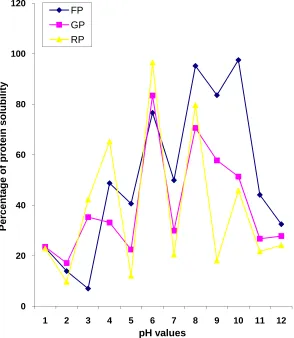
Figure 3 shows the protein solubility for the raw, germinated and fermented popcorn seed samples. For the three samples, lowest and highest solubility were recorded at pH 2 and pH 10, respectively. Cereal proteins are known to be soluble in dilute salt solutions, except at their isoelectric points. The present study shows increased in the solubility both above and below pH 2 for raw and germinated popcorn sample and pH 3 for the fermented popcorn sample, These pH values are the isoelectric points, that is, the point at which the net charge on protein is zero (positive and negative charges are equal) . The isoelectric point of a protein is an important property because it is at this point that the protein is least soluble, and therefore unstable. It should be noted that both below and above the isoelectric point (isoelectric pH) the protein will be soluble. This behaviour is similar to many other seed flours reported by Akobundu et al. (1982). Germination and fermentation brought about an increase in protein solubility both at acid and alkaline pH. In comparison, the protein solubility of germinated popcorn flour was highest at pH 6 (>80%) while that of fermented was at pH 10 (>90%). This observation showed that as the pH increases the protein solubility of germinated and fermented popcorn flour increases, hence, alkaline pH supports the greater extraction of soluble protein (Padilla et al., 1996). This observation shows that the functional quality of popcorn seed flour can be improved by germination and fermentation prior to processing.
Fig. 3. Protein solubility of raw, germinated and fermented popcorn 0
20 40 60 80 100 120
1 2 3 4 5 6 7 8 9 10 11 12
Percentage of
protein
solubility
pH values
3.7 SENSORY ATTRIBUTES
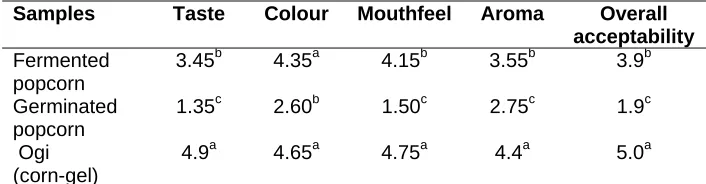
The comparison of sensory attributes of constituted germinated and fermented popcorn flour and ogi (traditional corn gel) is presented in Table 7. The result showed that the fermented popcorn was significantly rated higher in terms of taste, colour, mouthfeel, aroma and overall acceptability when compared with the germinated popcorn (p<0.05). However, the traditional ogi (a corn gel) was significantly rated higher when compared with the fermented and germinated popcorn in all the parameters respectively. This observation could be due to the fact that the panelists have been familiar with the ‘ogi’ (a traditional fermented sweet corn-gel); and this could have also been the reason why fermented popcorn was rated next to the traditional ogi sample.
Table 7. Comparison between sensory attributes of germinated and fermented popcorn and ‘ogi’ (fermented sweet corn gel, a traditional Nigerian meal)
Samples Taste Colour Mouthfeel Aroma Overall acceptability
Fermented popcorn
3.45b 4.35a 4.15b 3.55b 3.9b
Germinated popcorn
1.35c 2.60b 1.50c 2.75c 1.9c
Ogi (corn-gel)
4.9a 4.65a 4.75a 4.4a 5.0a
Mean values with the same superscript in a row are not significantly different (P>0.05)
4. CONCLUSION
The present study evaluates the amino acid profiles, fatty acids composition, choking property and functional property of germinated and fermented popcorn flour. The result established that processing techniques, such as, germination and fermentation, improved on the mineral, amino acid and fatty acid composition; and also, eliminate the choking property of the processed popcorn flour. In view of this, the germinated or fermented popcorn flour may be used as traditional breakfast meal (ogi) or in the formulation of complementary foods.
ACKNOWLEDGEMENTS
The authors are grateful to the following for their contributions: Dada Tolu, Adegbite, Animasaun Kehinde and Fatoyinbo Akindele.
REFERENCES
Abdelrahaman, S.M., ElMaki, H.B., Babiker, E.E., El Tinay, A.H. (2005). Effect of Malt Pretreatment Followed by Fermentation on Antinutritional Factors and HCl-Extractability of Minerals of Pearl Millet Cultivars. J. Food Tech., 3, 529-534.
Alika, J.E., Aken’ova, M.E., Anegbode, I., Okwechime, C.C. (1988). The Nigerian local maize (Zea mays L) cultivars. What prospects for improvement?. Abstracts. 24th Annual Conference, Agricultural Society of Nigeria. 4-8 September 1988, University of Benin. Alsmeyer, R.H., Cunningham, A.E., Happich, M.L. (1974). Equations predict PER from
amino acid analysis. Food Technol., 28, 34-40.
AOAC. (Association of Official Analytical Chemists) (2005). Official Methods of Analysis of the Association of Analytical Chemists International, 18th ed. Gathersburg, MD U.S.A Official methods, 2005.08.
Asiedu, M., Lied, E., Nilsen, R., Sandnes, K. (1993). Effect of Processing (sprouting and fermentation) on sorghum and maize II. Vitamins and amino acid composition. Biological utilization of maize protein. Food Chem., 48, 20 204.
Azevedo, R.A.; Arruda, P., Turner, W.L., Lea, P.J. (1997). The biosynthesis and metabolism of the aspartate derived amino acids in higher plants. Phytochem., 46, 395-419.
Badamosi, E.J, Ibrahim, L.M., Temple, V.J. (1995). Nutritional evaluation of a locally formulated weaning food. JUTH_PAP. West Afri. J. Biol. Sci., 3, 85-93.
Bau, H.M., Villanme, C., Nicolos, J.P., Mejean, L. (1997). Effect of germination on chemical composition, biochemical constitutes and antinutritional factors of soy bean (Glycine max) seeds. J. Sci. Food Agric., 73, 1–9.
Beuchat, L.R. (1977). Functional and electrophoretic characteristics of succinylated peanut flour protein. J. Agric. Food Chem., 25, 258 –261.
Bonvehi, J.S., Coll F.V. (1993). Oil content, stability and fatty acid composition of the main varieties of Catalonian hazelnuts (Corylus avellana L.). Food Chem., 48, 237–241. Camacho, L, Sierra, C., Campos, R.G., Marcus, D. (1992). Nutritional changes caused by
germination of legumes commonly eaten in Chile. Arch Latinoam. Nutr., 42, 283–90. Cunnane, S.C., Ganguli, S., Menard, C., Liede, A.C., Hamadeh, M.J., Chen, Z., Wolever,
T.M.S., Jerkins, D.J.A. (1993). High linolenic acid flaxseed (Linum usitatissimum): some nutritional properties in humans. Br. J. Nutr., 69, 433–453.
Dada, L.O., Muller, R.H.G (1983).The fate of aflatoxin B1 in the production of ‘ogi’, a Nigerian sorghum porridge. J. Cereal Sci., 1, 63.
Devlin, M.T. (1997). Textbook of biochemistry with Clincal Correlations. 4th ed. Wiley-Liss Inc. New York/Chichester/Toronto. 540-548.
Donkeun, P, Kenneth, G.D.A., Stermitz, F.R. Maga, J.A. (2000). Chemical composition and physical characteristics of unpopped popcorn hybrids. J.Food Composition Analy., 13(6), 921-934.
Egli, I. (2001). Traditional Food Processing Methods to Increase Mineral Bioavailability from Cereal and Legume Based Weaning Foods. Ph.D. dissertation. Swiss Federal Institute of Technology, Zurich.
Egli, I., Davidsson, L., Juillerat, M.A, Barclay, D., Hurrell, R. (2002). The influence of soaking and germination on the phytase activity and phytic acid content of grains and seeds potentially useful for complementary feeding. J. Food Sci., 67, 3484–8.
Egli, I., Davidsson, L., Zeder, C., Walczyk, T., Hurrell, R. (2004). Dephytinization of a complementary foods based on wheat and soy increases zinc, but not copper apparent absorption in adults. J. Nutr., 134, 1077–80.
Enujiugha, V.N., Badejo, A.A., Iyiola, S.O., Oluwamukomi, M.O. (2003). Effect of germination on the nutritional and functional properties of African oil bean(Pentaclethra macrophylla Benth) seed flour. Food, Agric. Environ., 1(3&4), 72-75.
Fasasi, O.S. (2009). Proximate antinutritional factors and functional properties of processed pearl millet (Pennisetum glaucum). J. Food Tech., 7(3), 92-97.
Gernah, D.I. Ariahu, C.C. Ingbian, E.K. (2011). Effect of malting and lactic fermentation on some chemical and functional properties of maize (Zea mays). Am. J. Food Techn., 6(5), 404-412
Giami, S.Y. Bekeham, D.A. (1992). Proximate composition and functional properties of raw and processed full fat fluted pumpkin (Telferia occidentalis) seed flour. J. Sci. Food Agric., 59, 32.
Gibson, R.S., Yeudall, F., Drost, N., Mitimuni, B., Cullinan T. (1998). Dietary interventions to prevent zinc deficiency. Am. J. Clin. Nutr., 68(2 Suppl), 484S–7S.
Gopaldas, T., John C. (1991). Evaluation of a controlled 6 months feeding trial on intake by infants and toddlers fed highenergy-low bulk gruel versus a high energy-high bulk gruel in addition to their habitual home diet. J. Trop Paediatr., 38, 278–83.
Helland, M.H., Wicklund, T., Narvhus, J.A. (2002). Effect of germination time on alpha-amylase production and viscosity of maize porridge. Food Res. Int., 35, 315-321. Iken, J. E. (1991). Popcorn production and utilization. In the proceedings of maize
improvement, production and utilization in Nigeria. Maize association of Nigeria. 161 – 165.
Iken, J.E., Amusa, N.A. (2010). Consumer acceptability of seventeen popcorn maize (Zea mays L.) varieties in Nigeria. Afr. J. Agric. Res., 5(5), 405-407.
Inyang, C.U., Zakari, U.M. (2008). Effect of Germination and fermentation of pearl millet on proximate, chemical and sensory properties of instant “Fura”- A Nigerian cereal food. Pak J. Nutr., 7(1), 9-12.
Jirapa, P., Normah, H., Zamaliah, M.M., Asmah, R., Mohamad, K. (2001). Nutritional quality of germinated cowpea flour (Vigna unguiculata) and its application in home prepared weaning foods. Plant foods Hum. Nutr., 56, 203-216.
Kirk, S.R., Sawyer, R. (1991). Pearson’s Composition and Analysis of foods, 9th edn., Longman Scientific and Technical, UK.
Kyler, A.M., McCready, R.M. (1975). Nutrient in seeds and sprouts of Alfalfa lentils, mung beans and soybeans. J. Food Sci., 40, 1008-1013.
Labuda, J., Kacerovský, O., Kováè, M., Štìrba, A. (1982). Výživa a krmenie hospodárských zvierat. Príroda, Bratislava. 164s.
Leach, H.W., McCowen, L.D., Schoch, T.J. (1959). Structure of the starch granules. In: Swelling and solubility patterns of various starches. Cereal Chem., 36, 534-544. Marero, L.M., Pajumo, E.M. Librando, E.C. (1988). Technology of weaning food formulation
prepared from germinated cereals and legumes. J. Food Sci., 53, 1391 – 1395.
Martin, E.A., Coolidge, A.A. (1978). Nutrition in Action, 4th ed. Holt, R and Wilson Co. New York, USA.
Mehta, S.L, Singh, S.P. (1989). Nutritional Quality of grain legumes-present status. National Symposium on New Frontiers in Grain Legumes Research and Development, Directorate of Pulses, Research Indian Society of Pulse Research and development (ISPRM, Kampur).
Mohamed, M.E., Amro, B.H., Mashier, A.S., Elfadil, E.B. (2007). Effect of processing followed by fermentation on antinutritional factors content of pearl millet (Pennisetum glaucum L.) cultivars. Pak. J. Nutr., 6(5), 463-467.
Moore, A.C., Akhter, S., Aboud, F.E. (2006). Responsive complementary feeding in rural Bangladesh. Soc. Sci. Med., 62, 1917–30.
Eastern and Southern Africa. Nairobi, New York, Stockholm: IDRC, UNICEF, SIDA, 288–99.
Mugendi, J.B., Njagi, E.N.M., Kuria, E.N., Mwasaru, M.A., Mureithi, J.G., Apostolides, Z. (2010). Effects of processing technique on the nutritional composition and anti-nutrient content of mucuna bean (Mucuna pruriens L.). Afr. J. Food Sci., 4(4), 156 – 166.
Mune-Mune, M.A., Minka, S.R, Mbome, I.L., Etoa, F.X. (2011). Nutritional Potential of Bambara Bean Protein Concentrate. Pak. J. Nutri. 10 (2), 112-119, 2011.
National Research Council (1989). Recommended Dietary Allowances, 10th Edition National Academy Press. Washington D C, USA.
Nkama, I., Ikwelle M.C. (1998). Assessment of food quality of millet grain. In: A.M. Emechese, M.C. Ikwelle, D. Ajayi, M Amina-kano and A.B. Anaso, (Eds.). Pearl millet in Nigerian agriculture: Production, utilization and research priorities. Proceedings of the preseason national coordination and planning meeting of the nationally coordinated research programme on pearl millet, Maiduguri, 21-24th April, 1997. Lake Chad Research Institute, Maiduguri, Nigeria, pp177-178.
Okaka, J.C., Potter, N.N. (1979). Physicochemical and functional properties of cowpea powders processed to reduce beany flavour. J. Food Sci. 44, 1235-1240.
Okoh P.N. (1998). Cereal grains. In: Osagie and O.U Eka (eds). Nutritional Quality of plant foods. Post harvest Research unit. University of Benin, Benin City, pp32-52.
Okoye Z.S.C (1992). Biochemical Aspects of Nutrition Prentice-Hall of India, New Delhi. 147-105.
Onwuka, C.F., Ikewuchi, C.C., Ikewuchi, C.J, Ayalogu, O.E. (2009). Investigation on the effect of germination on the Proximate Composition of African Yam Bean (Sphenostylis stenocarpa Hochst ex A Rich) and Fluted Pumpkin (Telferia occidentalis). J. Appl. Sci. Environ. Manage, 13(2), 59 – 61.
Oser, B.L. (1959). An integrated essential amino acid index for predicting the biological value of proteins. In A.A. Albanese (Ed.), Protein and amino acid nutrition. New York: Academic Press. 295-311.
Osundahunsi, O.F. Aworh, O.C. (2002). A preliminary study on the use of tempeh based formula as a weaning diets in Nigeria. Plant foods for Human Nutr., 57, 365 – 376. Omueti, O., Otegbayo, B., Jaiyeola, O. Afolabi O. (2009). Functional properties of
complementary diets developed from soybean (glycine max), groundnut (Arachis hypogea) and crayfish (Macrobrachium SPP). EJEAFChe, 8(8), 563-573.
Oyarekua, M.A. (2010). Sensory evaluation, nutritional quality and antinutritional factors of traditionally co-fermented cereals/cowpea mixtures as infant complementary food Agric. Biol. J. N. Am., 1(5), 950-956.
Oyarekua M.A., Adeyeye E.I. (2009). Comparative evaluation of the nutritional quality, functional properties and amino acid profile of co-fermented maize/cowpea and sorghum/cowpea ogi as infant complementary food. Asian J. Clin. Nutri., 1(1), 31-39. Padilla, F.C., Alvarez, M.T., Alfaro, M.J. (1996). Functional properties of barinas nut flour
(Caryodendron orinocense Karst., Euphorbiaceae) compared to those of soybean. Food Chem., 57(2), 191-196
Snow J.E. (1974). Flexible packaging and food products compatibility in: Chemistry of food packaging. Swalon (M. ed) American Chemical Society, Washington DC: 82, 84. Steinkraus, K.H. (1995). Handbook of Indigenous fermented Foods New York USA. Marcel
Dekker Inc. 776.
malting in small production units in Ouagadougou (Burkina Faso). Food Chem., 99(1), 105-114.
Teucher, B., Olivares, M., Cori, H. (2004). Enhancers of iron absorption: ascorbic acid and other organic acids. Int J Vitam Nutr Res. 74, 403–19.
Yagoub, A.A., Abdalla, A.A. (2007). Effect of domestic processing methods on chemical, in vitro digestibility of protein and starch and functional properties of bambara groundnut (Voandzeia subterranea) seed. Res. J. Agric. Biol. Sci., 3, 24-34.
Zamora, R.G., Veum, T.L. (1979). The nutritive value of dehulled soybean fermented with Aspergillus, Oligosporus or Rhizopus as evaluated by rats. J. Nutr., 109, 1333-1339. ________________________________________________________________________