R E V I E W
Open Access
Depression and sickness behavior are Janus-faced
responses to shared inflammatory pathways
Michael Maes
1*, Michael Berk
2,3,4,5, Lisa Goehler
6, Cai Song
7,8, George Anderson
9, Piotr Ga
ł
ecki
10and
Brian Leonard
11Abstract
It is of considerable translational importance whether depression is a form or a consequence of sickness behavior. Sickness behavior is a behavioral complex induced by infections and immune trauma and mediated by pro-inflammatory cytokines. It is an adaptive response that enhances recovery by conserving energy to combat acute inflammation. There are considerable phenomenological similarities between sickness behavior and depression, for example, behavioral inhibition, anorexia and weight loss, and melancholic (anhedonia), physio-somatic (fatigue, hyperalgesia, malaise), anxiety and neurocognitive symptoms. In clinical depression, however, a transition occurs to sensitization of immuno-inflammatory pathways, progressive damage by oxidative and nitrosative stress to lipids, proteins, and DNA, and autoimmune responses directed against self-epitopes. The latter mechanisms are the substrate of a neuroprogressive process, whereby multiple depressive episodes cause neural tissue damage and consequent functional and cognitive sequelae. Thus, shared immuno-inflammatory pathways underpin the physiology of sickness behavior and the pathophysiology of clinical depression explaining their partially overlapping phenomenology. Inflammation may provoke a Janus-faced response with a good, acute side, generating protective inflammation through sickness behavior and a bad, chronic side, for example, clinical
depression, a lifelong disorder with positive feedback loops between (neuro)inflammation and (neuro) degenerative processes following less well defined triggers.
Keywords:depression, sickness behavior, inflamma-tion, oxidative stress, cytokines
Introduction
The first inkling that there are phenomenological similari-ties between clinical depression and sickness behavior and that both conditions may share common pathways, that is, activation of the inflammatory responses system (IRS) was published in 1993 [1,2]. Sickness behavior is a behavioral complex that is typically induced by acute infections and tissue injury in many mammalian species. The characteris-tic behavioral pattern consists of malaise, hyperalgesia, pyrexia, listlessness and disinterest in social interactions with the environment, lethargy, behavioral inhibition, reduction of locomotor activity, exploration and grooming, reduction of reproductive performance, anhedonia, som-nolence and sleepiness, anorexia and weight loss, failure to concentrate, and anxiety. There is evidence that sickness behavior is mediated through the effects of pro-inflamma-tory cytokines (PICs), such as IL-1, TNFaand IL-6 [3-10]. In this context, there is abundant evidence that clinical depression is an immuno-inflammatory disorder charac-terized by among other things increased levels of PICs and acute phase proteins, including C-reactive protein and haptoglobin [11-20].
Characteristic symptoms of major depression include anorexia, weight loss, fatigue, lethargy, sleep disorders, hyperalgesia, reduction of locomotor activity, and failure to concentrate (American Psychiatric Association). Moreover,‘vegetative symptoms’of depression, such as anorexia, weight loss, and psychomotor retardation, are significantly associated with inflammatory markers in clinical depression, such as increased levels of plasma haptoglobin, an acute phase protein, synthesis of which is induced by the three abovementioned PICs [1,2].
Thus, it may be concluded that there are striking behavioral and inflammatory similarities between both sickness behavior and clinical depression [1,2,11]. * Correspondence: [email protected]
1
Maes Clinics @ TRIA, Piyavate Hospital, 998 Rimklongsamsen Road, Bangkok 10310, Thailand
Full list of author information is available at the end of the article
Therefore, some authors regard clinical depression as a form of sickness behavior and/or as a consequence of the sickness behavioral response [9]. Figure 1 shows the theory - principally derived from inflammatory transla-tional models - that inflammatory triggers cause IRS activation and induce the production of PICs, which in turn may provoke sickness behavior and depression, thus explaining the phenomenological overlap between these conditions.
The main aims of this paper are to delineate: a) the symptomatic and behavioral similarities and dissimilari-ties between both clinical depression and sickness beha-vior; b) the staging of depression versus the course of sickness behavior; c) the shared immuno-inflammatory pathways that both underpin clinical depression and sickness behavior and may discriminate them; and d) the etiologic factors in both conditions.
The nature of sickness behavior
Inflammatory inducers, for example acute viral and bac-terial infections and inflammatory trauma, are detected by sentinels (for example, receptors on the innate immune system) and activate inflammatory mediators, for example, PICs which target the immune cells in the inflamed tissues [21]. Adaptive inflammatory responses are terminated once the triggers are eliminated and damaged tissues are repaired, a phenomenon known as resolution of inflammation. As we will explain in this section PIC-induced sickness behavior plays an impor-tant role in the resolution of inflammation and increased energy demands during inflammation.
Sickness and energy consumption
Combating pathogen threats consumes large amounts of energy and, therefore, rations available energy [22]. PIC signals, for example, TNFa signals, modulate the bal-ance between this increased energy demand and energy
supply and control food intake, energy expenditure and substrate utilization [23,24]. PICs play a key role in this highly increased energy request characterized by a nega-tive energy balance (increased lipolysis, loss of tissue proteins and lowered muscle protein synthesis, gluco-neogenesis) and decreased voluntary energy utilization [22]. The central nervous system (CNS) receives neural and humoral signals about the peripheral inflammatory response through PIC-induced activation of afferent vagal signals, effects of TNFaat the sensory nuclei of the solitary tract, and all three PICs entering the brain though different pathways [22,25]. These PICs, in turn, will shut off energy-consuming processes, such as loco-motor, neurocognitive and reproductive activity. Thus, metabolic energy is withdrawn from the brain and some peripheral organs and redirected to counteract the adverse effects of the invading pathogens. The energy saved by this process contributes to pyrexia and to the enhancement of the inflammatory state of immune cells [22]. Many of the sickness behavior symptoms, such as anergia, malaise, somnolence, psychomotor retardation, cognitive deficits and loss of libido serve to limit motor, sexual and brain activity and thereby direct metabolic energy to combating the primary infection [4,7,22,26]. Immune responses are highly calorie dependent and increase resting energy expenditure, while sickness beha-vior responses, for example, motor inhibition, may con-serve critical energy [27].
Sickness behavior and pyrexia
Mild to moderate pyrexia (in contrast to high fever) is a positive adaptive response as it strengthens the host defenses and resistance to infection, for example, by enhancing the phagocytosis and mobility of polymorpho-nuclear leukocytes and killing of bacteria and preventing viral replication [28-30]. In addition, PICs and cytokines, such as IFNs are more active during fever [31]. The rela-tive balance of pyrogenic IL-1 and non-pyrogenic IL-18, and their endogenous inhibitory factors in different CNS sites, may contribute to the presence and degree of pyr-exia [32]. In the past, fevers were even induced in patients to combat infections.
Sickness behavior and anorexia and weight loss
Inflammation-induced anorexia is directly proportional to the magnitude of the insult and is also inversely related to body weight prior to the insult [33]. It is suggested that anorexia may limit the intake of iron, which otherwise would activate bacterial production [34]. Iron is one of the nutrients employed by bacteria for bacterial growth. This reasoning is, however, highly speculative as only less than 1% of dietary iron is absorbed and iron status changes slowly over time. A more plausible adaptive function is that anorexia through calorie restriction attenuates
Acute triggers
Acute infections Tissue injury
Sickness behaviour Depression
Inflammation PICs
Basic depressive Melancholic Physio-somatic
Anxiety and Neurocognitive
symptoms
different intracellular signaling pathways leading to inflam-mation and even sickness behavior [35,36]. Thus, a two-week calorie restriction period significantly reduces inflammatory pathways, including IL-6 [37]. Calorie-restriction results in a dose-dependent suppression of lipo-polysaccharide (LPS)-induced sickness behavior by indu-cing an anti-inflammatory state [36]. Motor inhibition and anorexia can lead to lean body mass loss, increased protein catabolism and loss of body protein and fat mass, which together may explain inflammation-induced weight loss and eventually cachexia. In the short-term, weight reduc-tion, but not the composition of the diet, attenuates the inflammatory response, for example, by lowering inflam-matory PICs, such as IL-6 and TNF [38-40] and increasing plasma levels of adiponectin, an adipose-derived anti-inflammatory protein [41].
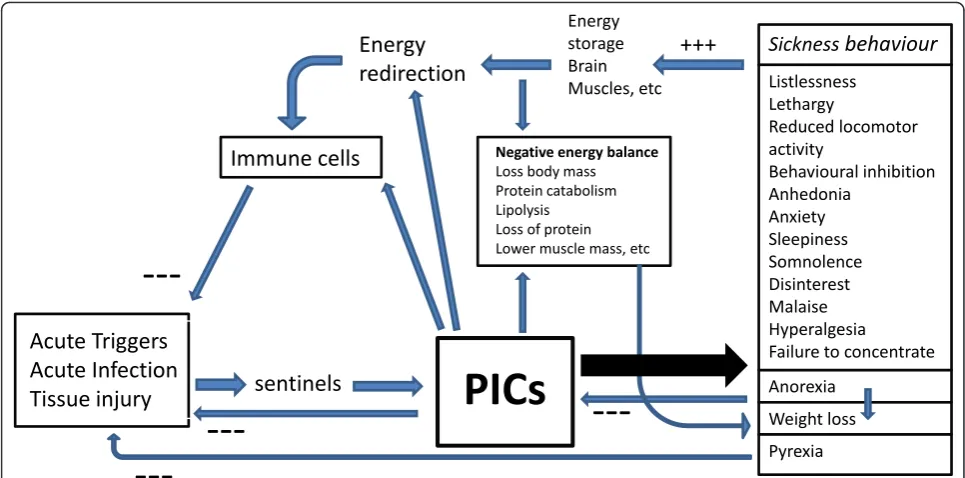
Figure 2 shows the different functions of acute inflam-mation-induced sickness behavior. Thus, sickness behavior is a short-term response to acute inflammatory triggers and is an adaptive motivational state induced to cope with these triggers and the consequent negative energy balance [4,7]. This homeostatic adaptive behavioral response is conserved across species through evolution and occurs in a predictable form cross-culturally [26].
Symptomatic/behavioral similarities and dissimilarities between depression and sickness behavior
The Diagnostic and Statistical Manual of Mental Disor-ders (DSM IV-TR, American Psychiatric Association),
one of the most commonly used diagnostic systems for psychiatric disorders, considers that the diagnosis of clinical depression can be made when at least five out of nine basic symptoms sare present for at least two weeks. Table 1 lists these nine basic symptoms and also three partially overlapping symptom dimensions that may superimpose on these basic symptoms, that is: 1) melan-cholic; 2) anxiety; and 3) physio-somatic dimensions [15]. It should be stressed that multivariate statistical analyses (pattern recognition methods) have confirmed and validated the basic symptoms of clinical depression and also the three symptom dimensions [42-44]. These three dimensions delineate specific depressive sub-groups, for example, depression with melancholic, anxi-ety or physio-somatic features, which were externally validated by biomarkers.
Table 1 compares the symptoms of clinical depression with the characteristics of sickness behavior. Basic symptoms/behaviors of clinical depression are also observed in sickness behavior, for example, anorexia, weight loss, reduction of locomotor activity and explora-tion, fatigue, sleepiness, and failure to concentrate. Moreover, symptoms belonging to the three dimensions, for example, melancholia (a failure to react to pleasur-able stimuli, and excessive psychomotor retardation and weight loss) anxiety, and physio-somatic symptoms (malaise and hyperalgesia) also occur during sickness behavior. An apparent difference between depression and sickness behavior is pyrexia. There are, however,
Acute Triggers
Acute Infection
Tissue injury
sentinels
PICs
Energy
redirection
Immune cells
Energy storage Brain
Muscles, etc Listlessness
Lethargy
Reduced locomotor activity
Behavioural inhibition Anhedonia
Anxiety Sleepiness Somnolence Disinterest Malaise Hyperalgesia
Failure to concentrate
Anorexia
Weight loss
Pyrexia Negative energy balance
Loss body mass Protein catabolism Lipolysis Loss of protein Lower muscle mass, etc
Sickness
behaviour
---+++
some reports that major depressed patients have increased body temperature as compared to normal volunteers, that is 98.38 ± 0.61 degrees F versus 98.13 ± 0.59 degrees F, respectively (mean ± SD) (that is, 36.88° C versus 36.74°C [45]. Increased body temperature in clinical depression is also shown by Szuba et al. [46]. However, there is by no means conclusive evidence of significant pyrexia in patients with clinical depression.
Obvious differences are suicidal ideation, feelings of guilt and worthlessness, symptoms indicating a
distinctive existential state of depression [26]. In this context, it is important to note that Charlton proposed the malaise theory of depression, that is, malaise, the key symptom of sickness behavior, should be considered the core ‘emotion’ of depression. Indeed, a flu-like malaise or the subjective feeling of infection together with other physio-somatic symptoms is an important symptom dimension in clinical depression [44]. The malaise theory regards lowered mood and the more dis-tinctive existential state of depression as a product of
Table 1 Characteristics of depression and sickness behavior.
Clinical depression Sickness behavior
Basic symptoms
Depressed mood most of the day
Decreased interest or pleasure in almost all activities Anorexia, and/or significant weight loss or weight gain Insomnia or hypersomnia
Psychomotor agitation or psychomotor retardation Fatigue or loss of energy
Decreased ability to think or concentrate
–
Disinterest in social interactions
Anorexia and weight loss; no weight gain Sleepiness
Reduced locomotor activity; no agitation Lethargy
Failure to concentrate
Existential symptoms
Feelings of worthlessness or guilt
Suicidal ideation or behavior ––
Melancholic dimension
A distinct quality of depressed mood (anhedonia) Non-reactivity
Diurnal variation Early morning awakening Psychomotor retardation Excessive weight loss
Reduced intake of sweetened milk (anhedonia) Behavioral inhibition
– –
Reduction of locomotor activity and exploration Important weight loss
Anxiety dimension
Tension; physiological behavior; respiratory symptoms; genito-urinary symptoms; autonomic symptoms; anxious behavior at interview (general)
Anxiety
Physio-somatic dimension
Flu-like malaise; aches and pain; muscle tension (in some of the patients)
Malaise and hyperalgesia (key symptoms of sickness)
Pyrexia Slightly increased body temperature Pyrexia
Onset Course
Insiduous
Waxing and waning or relapsing-remitting Chronic
Sensitization of episodes Seasonal variation (Hypo)manic episodes
Acute onset
Acute adaptive response, maximal 19 to 43 days May be prolonged, but then is maladaptive
– – –
Pathways (Sub)chronic inflammation with increased PICs CMI activation
Sensitization of inflammatory and CMI pathways Activation TRYCAT pathway
O&NS
Damage by O&NS Autoimmunity Neuroprogression
Acute inflammation with increased PICs Activated
–
Maybe activated TRYCAT pathway Unknown but probably yes
– – –
Triggers Multiple, not well defined
Psychosocial stressors, medical inflammatory illness, neuroinflammatory disorders, inflammatory conditions
Acute, highly defined
Acute pathogens and tissue injury
Episodes tend to become autonomous from trigger Is always a response to a defined trigger
General Inflammation-related chronic progressive disorder Inflammation-induced adaptive behavioral response that is conserved through evolution
PICs’ Janus-face
Bad‘chronic’side: a chronic disorder with positive feedback loops between (neuro)inflammation and (neuro)degenerative processes
Good‘acute’side: supports inflammation, redirects energy to immune cells, conserves energy and prevents negative energy balance, helps eradicating the trigger, and has anti-inflammatory effects
malaise. Thus, humans who suffer from sickness beha-vior and do not know they are ill, may interpret their lack of energy and neurocognitive disorders as a perso-nal failure, causing feelings of guilt and unworthiness [26]. By inference, this theory considers depression not primary as an affective disorder but as a somatic disor-der related to sickness behavior. Nevertheless, multivari-ate statistical analyses show that only some depressed patients suffer from physio-somatic symptoms, including malaise [44]. These findings contrast with the view that malaise is a core emotion of depression.
Staging of depression versus the course of sickness behavior
Although some patients may suffer from one depressive episode only, longitudinal studies performed within the last two decades have shown that clinical depression is typically an episodic or lifelong disease [47-49]. Although depression was classically considered to be a self-limiting disorder with a short duration (six to nine months), the course of depression varies considerably. It may take the form of prolonged episodes (chronic depression), and depressive episodes may frequently return (recurrent depression). Moreover, up to 15% of depressed patients may develop treatment resistance, defined as a failure to respond to at least two adequate antidepressant trials [50]. A subgroup of depressed patients additionally suffer from hypomanic or manic episodes (bipolar depression), including abnormally elevated mood, energy and cogni-tion; or from a mixed state with depressive and (hypo) manic symptoms occurring together. It should be under-scored that the brain is one of the most metabolically active tissues, and energy and mood are intertwined. Depression is linked to reductions in brain energy gen-eration and mania to increased energy expenditure [51], while sickness behavior is a behavioral response, which conserves energy.
Both unipolar and bipolar depression have characteris-tics of a progressive illness: they both follow stages, often commencing with mild or non-specific symptoms, pro-gressing to prodromal features of subthreshold symptoms, then an acute episode, recurrence or a chronic form of persistent, unremitting illness [16,17,48]. An earlier onset of depression and increased length and number of epi-sodes are associated with increased vulnerability to further relapses and a less favorable outcome [16,17,52]. This pro-gressive course is associated with a functional deteriora-tion, including neurocognitive decline [53,54]. This ‘waxing and waning’pattern is similarly characteristic of autoimmune, progressive or degenerative disorders that combine an insidious onset with recurrent episodes or a chronic course and increased risk for functional deficits [11]. Moreover, there is evidence that sensitization offers a model for episode recurrence [55]. Sensitization indicates
that repeated exposure to stressors, either psychological or organic, causes time-dependent, progressive increases in susceptibility to re-exposure to any of these stressors [56,57]. McEwen’s allostatic load model has similarly been adapted to describe this progressive pattern [58]. More-over, a seasonal variation is often found in unipolar and bipolar depression and depressive subgroups, including postpartum depression, with, for example, peak occur-rences in spring [59,60]. There is also a seasonal variation in severity of depression and depressive symptoms, includ-ing suicide [61].
In contrast, sickness behavior is an acute, short-term state most often with an acute onset that is biologically appropriate to combat acute infections/trauma and thus enhances recovery. Evidently, (hypo)manic symptoms, the progressive deterioration over time, and seasonal variation are not characteristics of sickness behavior. Sickness beha-vior may be prolonged or inappropriately activated. Such a prolonged sickness behavior complex is likely to be dys-functional [26] as is the case in more chronic infections and (auto)immune disorders. Motor and activity deficits are typically associated with sickness behavior [62,63] and form part of the fatigue - depression - sleep disorder clus-ter occurring during acute and chronic illnesses including heart disease, rheumatoid arthritis, and cancer [64]. In some individuals these symptoms can persist years after hospitalization, for example, post ICU and post-adminis-tration of radioactive substances. The question arises as to whether this condition should be regarded as sickness behavior given it is no longer beneficial? The following sections will address this question.
Pathways underpinning clinical depression and sickness behavior
Inflammation and cell-mediated immunity
bacterial wall of gram negative bacteria, causes neuroin-flammation and microglial activation, characterized by increased levels of TNFa, which may remain elevated for months and are associated with the onset of sickness behavior [8]. Moreover, the same pathways may activate brain regions, for example, the bed nucleus of the stria ter-minalis, that mediate threat-related information and infec-tion-induced anxiety [71,73-75]. Studies investigating the mechanisms of these behavioral deficits in acute illness models have shown that peripheral inflammation leads to activation of a‘danger pathway’that originates in the cau-dal brainstem and signals the presence of physiological stressors to regulatory brain regions including the hypothalamus. Activation of this danger pathway leads to the suppression of hypothalamic arousal systems, notably the tuberomammillary histaminergic system, associated with behavioral activity [68]. When activation of the dan-ger pathway is prevented, motor aspects of sickness beha-vior are absent following acute inflammatory challenge [69]. Thus, reduction in behavior associated with sickness is concomitant with an active inhibition of arousal systems [76]. The danger pathway also provides input to other brainstem areas involved in the regulation of arousal including the serotonergic dorsal raphe nucleus [68,69], and in this way may serve as a link between peripheral inflammation and brain functions regulating and/or influ-enced by alterations in arousal states.
As reviewed previously, clinical depression and sickness behavior share the involvement of key pathways, the pre-dominant one being the role of inflammation [15]. In clinical depression there is evidence of a chronic, low grade inflammatory process and cell-mediated immune (CMI) activation characterized by a T helper (Th1)-like response with activation of IFNg-related pathways [77,78]. Recent meta-analyses and recent publications have confirmed increased levels of PICs in human depression particularly IL-6, TNFa, and IL-1, and CMI activation, evidenced by higher levels of neopterin and soluble IL-2 receptors (sIL-2Rs) [18-20,79,80]. Increased neopterin is a marker of increased IFNgmediated macro-phage activation. In humans, IFNa-based immunother-apy induces physio-somatic and depressive symptoms in many patients with hepatitis C virus. The onset of depressive symptoms during IFNa-based immunotherapy is strongly associated with induction of the cytokine net-work, including elevations in monocytic cytokines, Th-1-like and Th-2-Th-1-like cytokines [18,81,82].
Elevated PICs and CMI cytokines are capable of produ-cing depressive symptoms and administration of cytokines provides a robust experimental model of the acute phase of depression. Studies in the rodent [15] provide strong evidence that PICs, for example IL-1, IL-6, and TNFa, and CMI cytokines, for example IL-2 and IFNg, all at around 50μg/kg, may induce: a) sickness behavior; b)
depressive-like symptoms (including loss of motivated behavior, reduction of social investigation, anorexia, weight loss, decreased spontaneous locomotor activity, increased loco-motion, memory impairment, impaired spatial memory, and enhancement of the amnesic effect of scopolamine); c) melancholic symptoms (including anhedonia as indi-cated by reduced preference for a solution of sucrose or chocolate milk in comparison to water, and changes in the circadian clock through effects at the suprachiasmatic nucleus); d) anxiety (including anxiogenic effects in the elevated plus maze and elevation of conditioned fear memory); and e) physio-somatic symptoms (including fati-gue, hyperalgesia, and autonomic symptoms). Administra-tion of LPS elicits not only sickness behavior but also depressive- (suppression of social interaction and activity in the open-field test, food consumption and body weight, memory dysfunction), anxiety-like and physio-somatic behaviors [15]. Cytokines such as IL-1 not only have potent primary signaling effects, but also modulate many neurotransmitters intimately involved in mood regulation such as serotonin and noradrenaline [83]. Recently, the inflammatory processes were linked with the neurocircui-try hypothesis of depression [84]. Thus, PICs modulate cortical-striatal-limbic circuits, which process reward-based and affective information and are responsible for core depressive symptoms [84].
Certainly, it is difficult to determine whether the depres-sogenic and anxiogenic effects of LPS and other inflamma-tory triggers are genuine or related to sickness behavior [85]. Since cytokine- and LPS-based models are accompa-nied by depressive-like and sickness behaviors it was often difficult to delineate which of these models are character-istic for acute depressive-like behaviors or for sickness behavior. Nevertheless, some groups have apparently sepa-rated initial sickness behavior from depressive-like beha-viors. Dissociation between LPS-induced depressive-like behaviors and sickness behavior could be established by testing mice at different time points following administra-tion of LPS [86]. Lacosta et al. (1999) [87] showed that sys-temic administration of IL-2 to mice induces reductions in exploration and impaired performance in the Morris water-maze that are not related to sickness behavior. Administration of intracerebroventricular (icv) IL-1b induces a sickness behavioral response (as indicated by reduced locomotor activity, lethargy, and reduced body weight) and a stress- or anxiety-like response [88].
are inflammation-induced increases in IL-10, a negative immunoregulatory cytokine, and transforming growth fac-tor (TGF)b, an antiproliferative factor [21]. PIC-induced changes in neural pathways also participate in inhibiting acute inflammation, for example, enhanced production of glucocorticoids and catecholamines, and activation of cho-linergic pathways [91]. For example, counter regulatory mechanisms are initiated to limit an infectious (sepsis) and non-infectious systemic inflammatory response syndrome [90,92,93]. This counter anti-inflammatory response syn-drome is an adaptive response of the immune status that dampens an overzealous inflammatory response caused by pathogens or immune trauma [90,92,93].
The existence of comparable counter regulatory pro-cesses, in particular reflex inhibition, has been described in clinical depression [11,78]: increased synthesis of the IL-1 receptor antagonist (IL-1RA), which inhibits the function of IL-1; PIC-induced activation of the cortisol-axis and the consequent immunosuppressive activities of glucocorti-coids; increased IL-6 production, which is protective by increasing the production of IL-10, IL-1RA and glucocorti-coids; increased IL-2R levels which induce a state of IL-2 starvation by binding their ligand and limiting the amount of IL-2 needed for immune cell proliferation; increased production of some acute phase proteins, for example, hap-toglobin, which act as immunosuppressive factors; increased prostaglandin production, which may suppress lymphoproliferative responses; and lowered plasma trypto-phan levels (see next section). These counter anti-inflam-matory response syndrome mechanisms may explain why the immune-inflammatory response in clinical depression is accompanied by signs of immunosuppression, such as decreasedex vivonatural killer cell activity and mitogen-induced lymphoproliferative disorders [11]. In analogy with the term counter anti-inflammatory response syndrome, which is typically coined as a counter-regulatory response to sepsis/systemic inflammatory response syndrome, we would propose to label this compensatory reflex system as ‘compensatory (anti)inflammatory reflex system’(CIRS).
Sickness behavior supports the protective inflamma-tory response (helps to eradicate the trigger and redir-ects energy to inflammatory cells), protredir-ects against possible detrimental effects of inflammation (for exam-ple, negative energy balance), while at the same time acting as an anti-inflammatory reflex (anti-inflammatory effects of calorie restriction and weight loss). Therefore, sickness behavior itself should be regarded as a CIRS response to acute inflammation. Thus, while clinical depression is accompanied by a CIRS that downregu-lates the immuno-inflammatory response, sickness beha-vior is part of a CIRS.
The TRYCAT (tryptophan catabolite) pathway
Recently, a new pathway associated with inflammation has been established in some individuals with
depression, that is, activation of the tryptophan catabo-lite (TRYCAT) pathway [94-97]. The first and rate-limit-ing enzyme of this pathway is indoleamine 2,3-dioxygenase (IDO; EC 1.13.11.52) [98]. IDO is activated by IFNgand by PICs, such as IL-1 and TNFa, thereby inducing the catabolism of tryptophan leading to trypto-phan depletion and increased synthesis of TRYCATs, for example, kynurenine, kynurenic acid, xanthurenic acid, and quinolinic acid. IDO is expressed in many organs, for example, kidney, lung, spleen, and duode-num, immune cells, and the brain, for example, astroglia and microglia [99,100]. Lowered plasma tryptophan fre-quently occurs in clinical depression and is strongly associated with biomarkers of inflammation (acute phase reactants, increased cytokine levels) and CMI acti-vation (increased serum neopterin and sIL-2Rs) [94-96]. During IFNa-based immunotherapy the onset of depres-sive symptoms is strongly associated with IDO activa-tion, as assessed by means of the kynurenine/tryptophan ratio [101]. Likewise, in the postnatal period lowered tryptophan and increased IDO activity are related to anxiety and depressive symptoms [102]. Acute trypto-phan depletion causes a robust increase in depressive symptoms in vulnerable individuals [103].
Recent studies have shown that IDO activation may separate sickness behavior and depressive-like behaviors in the rodent [104]. Thus, in Wild type (WT) mice, inoculation with bacille Calmette-Guérin (BCG), an atte-nuated form of Mycobacterium bovis, elicits IDO activa-tion and consequent elevaactiva-tions in PICs and CMI-cytokines, such as IFNg, IL-1band TNFa[104]. Inocula-tion with BCG caused an initial acute episode of sickness behavior that was followed by a chronic state of depres-sive-like symptoms starting one week after BCG adminis-tration. Sickness behavior was equally induced in WT and IFNgR(-/-) mice, whereas IFNgand TNFatogether are necessary to cause IDO activation in microglia and consequent depressive-like behaviors. Moreover, IDO-deficient mice are resistant to the depressogenic effects of BCG, while they show a normal inflammatory response following BCG administration [104].
acid ratio were observed in depression. This ratio might be important for the pathophysiology of depression as kynurenine and some of its catabolites, for example, qui-nolinic acid, are depressogenic, anxiogenic, excitotoxic and neurotoxic, whereas kynurenic acid is neuroprotec-tive [96]. One study shows increased TRYCATs in adolescents with melancholic depression [110] and another study increased quinolinic acid in microglia of depressed suicide victims [111]. Sublette et al. [112] detected increased plasma kynurenine levels in suicide attempters with major depression. Recent data shows that aberrations in the TRYCAT pathway, classically seen as a hallmark of depression, may be more germane to somatization, suggesting that the classically labeled psy-chosomatic symptoms of somatization may be more appropriately termed physio-somatic symptoms [113]. Thus, in a study comparing depression, comorbid depres-sion + somatization, somatization alone, and controls, plasma tryptophan was even lower in somatization than in depression, while the kynurenine/kynurenic acid ratio and the kynurenine/tryptophan ratio were significantly higher in patients with somatization than depression [113]. Plasma tryptophan was negatively, and both ratios were positively, correlated with severity of physio-somatic symptoms. In summary, although in acute inflammatory states (for example, during IFNa-based immunotherapy) IDO activation is strongly related to the onset of depres-sive-like behaviors, this appears not to be the case in clin-ical depression since only some of those individuals, that is, those with physio-somatic symptoms or suicidal beha-vior, show relative increases in TRYCAT levels.
IDO activation has protective CIRS functions: IDO-induced reductions in plasma tryptophan and increased TRYCAT formation may attenuate the primary immuno-inflammatory response, for example, by attenuating T cell activation and proliferation [11,15]. This reflex inhibition could, therefore, be involved in spontaneous remissions of clinical depression, consistent with the observation that depression is sometimes a self-limiting disorder [96]. This CIRS mechanisms may also explain the contradictory find-ings on the TRYCAT pathway in acute depressive states (for example, IFNa-induced depression where there is a strong association between TRYCAT aberrations and the onset of depression) and major depression (DSM-IV-TR criteria), where these associations are much weaker prob-ably because lowered tryptophan and increased TRYCATs have attenuated the initial immune-inflammatory response. Nevertheless, increased levels of TRYCATs, for example, quinolinic acid, in the anterior cingulate gyrus may be detrimental and play a role in clinical depression. Detrimental immuno-inflammatory pathways that discriminate depression from sickness behavior
Although there is some evidence that shared immuno-inflammatory pathways may underpin sickness behavior
and clinical depression, they have divergent effects in both conditions. Thus, the inflammatory response in sickness behavior has a beneficial CIRS effect on the organism, whereas inflammatory pathways and their sequelae have detrimental effects in depression and in particular in recurrent and chronic depression.
Transition to sensitization and autoimmunity
There is evidence that immuno-inflammatory responses are sensitized by recurrent depressive episodes. Thus, neopterin, a biomarker of CMI activation, is significantly increased in depressed patients who have experienced two or more depressive episodes than in patients who suffered only one depressive episode [18,114]. Likewise, plasma IL-1 and TNFa are significantly increased in depressed patients who suffered from three or more depressive episodes [18]. Women with a lifetime history of depression have increased inflammatory biomarkers, including IL-6 and sIL-1RA, in the early puerperium as compared to women who have never suffered from depression [115]. Increased C-reactive protein (CRP) levels in depressed men predict not only severity of the current depressive episode, but also recurrent depression [116]. It is known that PICs mediate central sensitiza-tion, for example, behavioral responses to maternal separation [117,118]. This suggests that recurrent depressive episodes amplify the pathophysiological responses of depressogenic cytokines, potentially enhan-cing inflammation-induced behavioral responses. Since it is known that increased numbers of episodes increase the risk of recurrence and treatment resistance [17], the findings suggest that sensitization of immuno-inflamma-tory pathways increases vulnerability to develop new depressive episodes.
Immuno-inflammatory mechanisms may also explain the high degree of 5-hydroxytryptamine (5-HT) anti-body activity in clinical depression (54.1%), and in mel-ancholia (82.9%) as compared to normal controls (5.7%) [119]. This autoimmune activity directed against 5-HT is significantly associated with biomarkers of inflammation (increased IL-1 and TNFa) and CMI activation (increased neopterin). In this respect, administration of pro-inflammatory and CMI-related stimuli, including LPS, IFNg, and TNFa, reduces the survival of 5-HT neu-rons in the dorsal raphe nucleus, an effect that is not related to IDO activation [120]. The autoimmune activity directed against 5-HT is additionally associated with the number of previous depressive episodes, suggesting that exposure to previous depressive episodes increases anti-5-HT antibody activity, which, in turn, could confer increased risk to develop new depressive episodes.
depression may confer increased risk towards treatment resistance [126]. There is also evidence that immuno-inflammatory processes underpin the pathophysiology not only of unipolar and bipolar depression, but also mania [127,128]. Acute mania is accompanied by increased sIL-6R and sIL-2R levels, and increases in acute phase reactants [127,128], increased sCD4, sCD8, and sIL-1R antagonist levels [129], and elevated total immunoglobulin (Ig) G1, complement proteins C3, C6 and factor B [130]. Recently, it was argued that immuno-inflammatory processes play a role in the progressive shortening of the inter-episode interval with each recur-rence when bipolar depression progresses [16,17]. All in all, the aforementioned findings suggest that sensitization (kindling) and progression of depression and bipolar dis-order are, in part, caused by progressive inflammatory, CMI and autoimmune responses.
Transition to damage by O&NS processes
As with many inflammatory conditions, clinical depres-sion is accompanied by activation of oxidative and nitro-sative stress (O&NS) pathways [131]. The latter are likely amplified by reduced antioxidant levels, for example, coenzyme Q10, zinc and glutathione, and by the immuno-inflammatory responses in depression, perpetu-ating a vicious cycle between reduced antioxidants, inflammation and activated O&NS pathways [131]. There are no reports whether O&NS pathways play a role in adaptive sickness behavior. Nevertheless, these pathways have detrimental effects in clinical depression and addi-tionally play a role in chronic depression. There is abun-dant evidence that depression is characterized not only by increased reactive oxygen and nitrogen species (ROS/ RNS), but also by O&NS damage to lipids, proteins, DNA, and mitochondria [131]. In these processes O&NS pathways may alter the chemical structure of membrane fatty acids and functional proteins. When these modified fatty acids and proteins become immunogenic, an auto-immune response may be mounted directed against these ‘neoepitopes’thereby further damaging the function or chemical structure of these epitopes [132,133]. Many depressed patients show increased IgM-mediated auto-immune responses directed against neoepitopes, such as the three anchorage molecules, palmitic and myristic acid and L-farnesyl S-cysteine, as well as acetylcholine, phos-phatidylinositol, oleic acid, and NO-adducts, including NO-tryptophan and NO-tyrosine [133]. These autoim-mune responses may interfere with cellular functions including intracellular signaling, apoptosis, and cellular differentiation. For example, the autoimmune reactions directed against the anchorage molecules may interfere with palmitoylation, myristoylation and farnesylation, and, therefore, with the binding and function of hundreds of proteins to the membrane [133]. Some of these IgM-mediated autoimmune responses are significantly higher
in chronically depressed patients than in non-chronically depressed patients, suggesting that this O&NS damage may increase risk to develop chronic depression for example by activating neuroprogressive pathways [16,17,52,133]. These O&NS-related processes together with the effects of inflammatory mediators at 5-HT neu-rons [120] may explain the transition from inflammation and CMI activation to damage by O&NS and autoim-mune reactions, which both may aggravate the preexist-ing inflammation and are involved in the process of chronic depression.
Transition to neuroprogression
regions that process viscerosensory and regulation of emo-tion in humans [145-147] and rodents [148]. These regions include parts of the medial prefrontal cortex (ante-rior cingulate) and basal forebrain (nucleus accumbens). Intriguingly, the CIRS seems to weaken with progression of the illness, and this failure to dampen inflammatory activation might play a role in the process of neuropro-gression seen with multiple episodes [149].
All in all, the abovementioned findings show that clinical depression is accompanied by chronic inflammatory and O&NS responses and/or its sequelae, including sensitiza-tion, autoimmunity, damage by O&NS and neuroprogres-sion. As a consequence, the inflammatory experiments described in the previous sections do not provide mechan-istic explanations as to how PICs and CMI cytokines cause progressive clinical depression, as defined by its pro-gressive course and propro-gressive immuno-inflammatory pathophysiology. These experiments nevertheless support the view that PICs and CMI cytokines are associated with the onset of depressive-like behaviors and the physio-somatic, melancholic, and anxiety symptomatic clusters. However, most of these LPS- and cytokine-induced mod-els did not separate sickness behavior from depression. In addition, these experiments are very limited because they select only one or two aspects of the symptom dimensions of depression, for example, reduced intake of sweetened milk as a model for anhedonia and thus melancholia [150]. More adequate animal models of clinical depression should be constructed to model not only the symptomatic dimensions, but also the typical course (self-limiting versus waxing and waning or progressive course) and the progressive pathophysiology (with sensitization and a tran-sition to oxidative damage, autoimmunity and neuropro-gression) of clinical depression.
Etiologic factors in depression and sickness behavior Etiologically, sickness behavior is conceptualized as an acute phase of adaptive CIRS behavior in response to acute infections and inflammatory trauma [4,7,26]. When the resolution phase, however, is not induced, for example, when the IRS was unable to eradicate the pathogen, inflammation may persist despite the CIRS thus causing a chronic inflammatory state [21]. Chronic inflammation may result from a failure to eradicate the acute inflamma-tory trigger (for example, pyogenic bacteria), innately chronic irritants (for example, fungi, sarcoidosis), or auto-immune responses [151]. Acute and chronic inflammation are distinguished in terms of immune response patterns and time course. The time point of transition of acute inflammation to chronic inflammation is also related to the time when the energy stores become empty and this is estimated to be around 19 to 43 days depending on the nature of the energy store [152]. This transition is related to a number of inflammatory sequelae, including cachexia, insulin resistance, anemia, osteopenia and hypertension
[152]. Sickness behavior thus plays a critical role in pre-venting the transition from acute to chronic inflammation following an acute trigger by compensating for the nega-tive energy balance, redirecting energy to the activated immune cells, and so on [152]. Clinical depression, on the other hand, is accompanied by chronic inflammatory pro-cesses and is associated with less well defined trigger fac-tors, as will be explained in this section.
In many chronic disorders, including degenerative (for example, diabetes, atherosclerosis) and neurodegenerative (for example, Parkinson’s disorder) disorders the initiating trigger is not well defined, while the chronic state appears to consist of positive feedback loops connecting chronic inflammation and its pathophysiological process [21]. For example, Parkinson’s disease (PD) is characterized by a vicious cycle between microglial activation and dopami-nergic neuron degeneration, caused by detrimental effects of PICs, O&NS, and so on [25]. A similar pattern is observed in clinical depression: a chronic inflammatory process appears to be associated with transition to pro-gressive autoimmune and neuropropro-gressive processes.
In contrast to sickness behavior, pathogens do not play a major role in clinical depression although some authors have attempted to make links between pathogens such as herpes simplex type 2 and toxoplasma gondii and psycho-pathology [153,154]. In a previous review, we concluded that there is no good quality evidence that acute infections and infections with Epstein-Barr Virus (EBV) may act as trigger factors associated with the onset of clinical depres-sion [155]. Only some types of chronic infection are fre-quently associated with clinical depression, for example, HIV infection [156] and increased translocation of gram negative bacteria [157]. Some chronic infections, such as Lyme’s disease can cause prominent neuropsychiatric sequelae [158,159]. Thus, while sickness behavior is an adaptive CIRS response to acute infections, only a few chronic pathogenic conditions appear to be associated with the onset of clinical depression. However, it cannot be excluded that reactivated dormant infected states and consequent infection-induced molecular pathways may be important in clinical depression. Viral infections of the brain, for example, cause neurologic and psychiatric dys-function more often than appreciated [160].
suggesting a role for social stress factors in the regulation of microglia responses [162]. Therefore, it may be con-cluded that psycho-traumatic and psychosocial stressors may cause depression and depressive-like behaviors through activation of immuno-inflammatory, O&NS and neuroprogressive pathways.
Many different medical disorders and conditions, which are associated with immuno-inflammatory and O&NS pathways, show a high comorbidity with depression: a) medical disorders, such as chronic obstructive pulmonary disease (COPD), cardiovascular disorder (CVD), chronic fatigue syndrome, obesity and the metabolic syndrome, rheumatoid arthritis (RA), systemic lupus erythematosus (SLE), inflammatory bowel disease (IBD), psoriasis, osteo-porosis, and diabetes type 1 and 2; b) neurodegenerative or neuroinflammatory disorders, such as Alzheimer’s (AD), PD and Huntington’s disease, multiple sclerosis (MS) and stroke; and c) conditions, such as hemodialysis, IFNa-based immunotherapy, and the postnatal period [25,163]. We have argued that these disorders/conditions are all accompanied by activation of immuno-inflamma-tory and O&NS pathways and therefore may cause the basic immune/inflammatory state which may lead to comorbid depression [25]. Likewise, the same pathways could induce sickness behavior, which is experienced as feeling unwell, aches and pains, fatigue, and so on. How-ever, while sickness behavior, per definition, is an adaptive response, comorbid depression worsens the aforemen-tioned medical conditions [25]. Concomitant depression lowers the quality of life and increases disability and mor-tality in individuals with COPD, CVD, RA, SLE, IBD, psor-iasis and diabetes type 1 and 2. Comorbid depression also contributes to lowered quality of life in individuals with MS, PD, AD, and stroke, negatively influences recovery from neurological defects, and predicts a higher morbidity and mortality in individuals with those neurological disor-ders. These negative effects of comorbid depression may be explained by increases in (neuro)inflammatory burden, including TRYCAT production, damage by O&NS, transi-tion to autoimmunity and neuroprogression, which all together may drive the (neuro)inflammatory progression of the abovementioned medical conditions. During IFNa -based immunotherapy the incidence of depression was highest on the 12thweek of treatment, when more than 20% of patients with Hepatitis C Virus had moderate/ severe depressive symptoms [164]. Physio-somatic symp-toms, including fatigue, increased in the first week of treat-ment, and predicted cognitive-depressive symptoms some weeks to months later [165]. Thus, IFNa-based immu-notherapy is probably one of the only trigger factors of depression that is characterized by transition from an acute inflammatory state (accompanied by sickness beha-vior) to a chronic inflammatory state (accompanied by depression).
Another factor that discriminates sickness behavior from depression is that the former is a response to a specific immune trigger, whereas the association between depres-sogenic triggers and depression is not always present. For example, as depressed people suffer from recurrent depressive episodes, it is less likely that stressful triggers are required to manifest depression. Following more than nine previous episodes, the trigger - depression association is muted and episodes appear autonomously, disconnected from triggers [166]. Also this effect may be explained by the knowledge that depression is a progressive disorder and that depressive episodes become sensitized [17].
The above suggests that chronic animal models such as the chronic mild stress and olfactory bulbectomized rat model are superior to the acute cytokine or LPS-induced models in that they: a) are less‘contaminated’ with sickness behavior; and b) more accurately represent the psychosocial etiology, and/or (neuro)inflammatory and (neuro)progressive pathophysiology of clinical depression. Thus, the chronic mild stress model in the rodent shows that psychosocial triggers may cause depression-like behaviors in association with systemic and central inflammation and neuroprogression includ-ing decreased neurogenesis and neuronal cell damage [65]. The chronic mild stress model also mediates some of its effects from the differential regulation of the TRY-CATs in different parts of the CNS [167]. A differential increase in quinolinic acid in the amygdala and striatum, with a trend increase in kynurenic acid in the frontal cortex following chronic mild stress would suggest an important role for variable TRYCAT pathway activation in mediating the changes associated with more psycho-social type stressors. Such differential TRYCAT pathway activation in different areas in the CNS may be relevant in differentiating sickness behaviors from clinical depression. Also, the olfactory bulbectomized rodent model of depression reflects the (neuro)inflammatory and neuroprogressive phenomena observed in clinical depression [66,67,168,169].
Is prolonged, exaggerated or maladaptive sickness behavior depression?
receptors [172]. Furthermore, the release of neurotrans-mitters, including acetylcholine, was significantly lower during memory retrieval. In hippocampal neurons, IL-1b administration significantly induced cell apoptosis, reduceda a-amino-3-hydroxy-5-methyl-4-isoxazolepropio-nic acid receptors, but increased N-methyl-D-aspartate receptor changes similar to those observed in AD [173]. It thus seems unlikely that depression is a maladaptive syn-drome that results from prolonged‘sickness behavior’but rather the consequence of a chronic underlying immuno-inflammatory and degenerative process. These findings also show that there was no resolution to acutely triggered inflammation and consequently that transition towards chronic inflammatory pathology had occurred. By infer-ence, this condition cannot be termed‘prolonged’sickness behavior, because the latter term indicates a short-term adaptive response to inflammatory trauma. Nevertheless, a valid conclusion is that shared pathways, for example, increased levels of PIC, explain the partially overlapping phenomenology of sickness behavior and clinical depression.
There is also a new hypothesis that associates depression as an evolutionary product of sickness behavior with pro-tection from infection. As such depression is regarded as an evolutionary behavioral response that helps the immune system to fight pathogens and to avoid new pathogen exposure [26,174,175]. These hypotheses, how-ever, did not take into account that clinical depression is not a simple behavioral response, but a progressive disor-der driven by a cascading neurobiology leading to a pro-gressive course and pathophysiology. Moreover, acute lethargy, hyperalgesia, loss of interest, anxiety, and anhe-donia are beneficial behaviors, but when chronic the same symptoms are typically not beneficial, but pathological and maladaptive: they may further isolate the depressed patient from social contacts creating a state of demotivation and demoralization and negative anticipation of the future [26]. Chronic illness, furthermore, requires a person to use coping and adaptive strategies to integrate the conse-quences of a disorder. There is a wide diversity of coping styles and beliefs on the nature of depression, some of which are adaptive while others are maladaptive [176]. Antidepressive treatments
Antidepressants have significant immunoregulatory and immunosuppressive effects in normal volunteers and ani-mal models. Tricyclic antidepressants (TCAs) and selective 5-HT reuptake inhibitors (SSRIs) attenuate the production of PICs, for example, IL-1b, TNFaand IL-6, and Th1-like cytokines, including IL-2 and IFNg[177]. Most antidepres-sants, that is, TCAs, SSRIs, reversible inhibitors of monoa-mine oxidase A, 5-HT and noradrenaline reuptake inhibitors, and atypical antidepressants (for example, tia-neptine) all increase the production of IL-10, a negative
immunoregulatory cytokine and/or lower the production of IFNg, resulting in a decreased IFNg/IL-10 production ratio [178]. There is also evidence that SSRIs and TCAs inhibit the production of IL-1b, TNF-a, and IL-6 in brain cell cultures [65]. Also, in animal models antidepressants have antiinflammatory effects [65]. Mice challenged with a lethal dose of LPS are protected by bupropion administra-tion, which significantly reduces the production of IFNg, TNFaand IL-1b[179]. There is also evidence that antide-pressants may attenuate inflammation-induced sickness behaviors. For example, tianeptine may reduce sickness behaviors induced by peripheral (but not central) adminis-tration of LPS and IL-1b[180]. Treatments that target inflammation, for example, etanercept that blocks TNFa functions, may attenuate IL-1b-induced sickness behaviors [181].
Conclusions
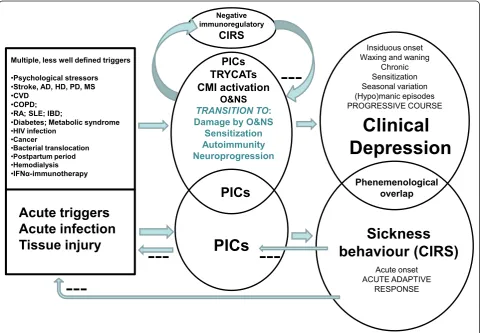
Figure 3 compares sickness behavior with clinical depression. Sickness behavior helps to eradicate the trig-ger, has anti-inflammatory effects and is energy saving. As such sickness behavior enhances recovery and should be considered as part of a CIRS, which limits an over-zealous immuno-inflammatory response to acute trig-gers. Cross-sectionally, there are phenomenological similarities between sickness behavior and the basic symptoms and melancholic, physio-somatic and anxiety symptom dimensions of clinical depression. Major dif-ferences, however, are that malaise, a core symptom of sickness behavior, occurs in some depressed patients only, whereas significant pyrexia is confined to sickness
behavior. Moreover, depression is often accompanied not by anorexia and weight loss but by hyperphagia and weight gain. In most individuals, depression is a lifelong disease with a tendency towards recurrent episodes (waxing and waning), a chronic course, seasonal varia-tion, and occasionally (hypo)manic symptoms. More-over, sensitization and a potentially progressive deteriorating pattern characterize the course of depres-sion. This contrasts with sickness behavior, which is defined as an acute, short lasting (19 to 43 days) beha-vioral pattern.
Translational studies show that inflammatory path-ways may account for sickness behavior as well as clini-cal depression and, therefore, may explain the partial
Multiple, less well defined triggers
•Psychological stressors
•Stroke, AD, HD, PD, MS
•CVD
•COPD;
•RA; SLE; IBD;
•Diabetes; Metabolic syndrome •HIV infection
•Cancer
•Bacterial translocation
•Postpartum period
•Hemodialysis
•IFNĮ-immunotherapy
Sickness
behaviour (CIRS)
Clinical
Depression
Acute triggers
Acute infection
Tissue injury
Phenemenological overlap
PICs
TRYCATs
CMI activation
O&NS
TRANSITION TO: Damage by O&NS
Sensitization Autoimmunity Neuroprogression
PICs
PICs
Insiduous onset Waxing and waning
Chronic Sensitization Seasonal variation (Hypo)manic episodes PROGRESSIVE COURSE
Acute onset ACUTE ADAPTIVE
RESPONSE
---Negative immunoregulatory
CIRS
---Figure 3This figure compares sickness behavior with clinical depression. Sickness behavior is energy saving, helps to eradicate the trigger, and has anti-inflammatory effects and as such enhances recovery and is part of a compensatory (anti)-inflammatory reflex system (CIRS). Increases in pro-inflammatory cytokines (PICs) underpin both sickness behavior and clinical depression and thus may explain the partial phenomenological overlap. Depression, however, is a chronic disorder with a specific course and pathophysiology and the presence of a CIRS that downregulates the primary inflammatory response. Disorders in tryptophan catabolites (TRYCATs), cell-mediated immune (CMI) activation, and oxidative and nitrosative stress (O&NS), and, in particular, their sequelae (O&NS damage, sensitization, autoimmunity and neuroprogression) are the specific organic substrates of depression. While sickness behavior is a behavioral response to acute triggers, the onset of depression is associated with multiple less-well defined trigger factors, for example, brain disorders, such as Alzheimer (AD), Huntington (HD), and Parkinson (PD) disorder, stroke and multiple sclerosis (MS); systemic disorders, such as cardio-vascular disorder (CVD), chronic obstructive pulmonary disorder (COPD), rheumatoid arthritis (RA), systemic lupus erythematosus (SLE), inflammatory bowel disorder (IBD), diabetes, metabolic syndrome, HIV infection, cancer, bacterial translocation; and conditions, such as postpartum period, hemodialysis, and interferon-(IFN)abased
phenomenological overlap between both conditions. Clinical depression is accompanied by a CIRS that downregulates the primary immuno-inflammatory response and by a transition from inflammation and ROS/RNS overproduction to sensitization in inflamma-tory and CMI responses, progressive O&NS damage and autoimmune responses. The latter pathways appear to be the substrate of a neuroprogressive process, whereby multiple depressive episodes cause neural tissue damage and its functional and cognitive sequelae. Sickness beha-vior is also induced by immuno-inflammatory pathways, but in contrast to clinical depression, the sickness beha-vioral complex has beneficial CIRS effects enhancing recovery from the primary trigger. When there is no resolution of the acute inflammatory phase within 19 to 43 days, chronic inflammation may ensue causing transi-tion to chronic inflammatory pathology. Sickness beha-vior plays a critical role in preventing this transition by compensating for the negative energy balance and redir-ecting energy to the activated immune cells.
Whereas acute infections typically elicit sickness beha-vior, there is not much evidence that acute pathogens play a major role in clinical depression. While traumatic life events can induce an inflammatory state often lead-ing to clinical depression, no association between psy-chosocial stressors and sickness behavior has been described. Comorbid depression increases morbidity and mortality in patients with (auto)immune and (neuro) inflammatory disorders, whereas sickness behavior, when present, would tend to dampen the inflammatory pathways.
All in all, while sickness behavior is a beneficial CIRS response, clinical depression is a disabling, progressive disorder. Inflammation thus provokes a Janus-faced response with a good ‘acute’ protective inflammatory side, involving CIRS responses, such as sickness beha-vior, and a bad ‘chronic’ side, that can lead to clinical depression, a chronic disorder with positive feedback loops between (neuro)inflammation and (neuro)degen-erative processes following less well-defined triggers. This Janus face also represents the transition of an inflammation-induced adaptive behavioral response that is conserved through evolution to an inflammation-related chronic progressive disorder, which is increasing in prevalence in industrialized societies [187].
List of abbreviations
AD: Alzheimer disease; BCG: bacille Calmette-Guérin; CMI: cell-mediated immune; COPD: chronic obstructive pulmonary disease; CRP: C-reactive protein; CVD: cardiovascular disorder; DSM IV TR: The Diagnostic and Statistical Manual of Mental Disorders, fourth edition, text revision; IBD: inflammatory bowel disease; IDO: indoleamine 2,3-dioxygenase; IFN: interferon; IL-1: interleukin-1; IL-1RA: IL-1 receptor antagonist; IRS: inflammatory responses system; LPS: lipopolysaccharide; mtDNA: mitochondrial DNA; O&NS: oxidative and nitrosative stress; PD: Parkinson
disease; PICs: pro-inflammatory cytokines; RA: rheumatoid arthritis; ROS/RNS: reactive oxygen and nitrogen species; sIL-2R: soluble IL-2 receptor; SLE: systemic lupus erythematosus; SSRIs: selective 5-HT reuptake inhibitors; TCAs: tricyclic antidepressants; TNF: tumor necrosis factor; TGF: transforming growth factor; Th: T helper; TRYCAT: tryptophan catabolite.
Acknowledgements
The authors would like to thank Bruce Charlton for extensive discussion of the text.
Author details
1Maes Clinics @ TRIA, Piyavate Hospital, 998 Rimklongsamsen Road, Bangkok
10310, Thailand.2School of Medicine, Deakin University, Kitchener House, Ryrie Street, Geelong, Victoria, 3220, Australia.3Orygen Youth Health Research Centre, Centre for Youth Mental Health, 35 Poplar Road, Parkville Victoria, 3052 Parkville, Australia.4The Mental Health Research Institute of Victoria, Australia Kenneth Myer Building, 30 Royal Parade, Parkville, Victoria, 3052, Australia.5Department of Psychiatry, Melbourne University, Level 1, North Block Main Building Royal Melbourne Hospital, Parkville Victoria, 3050, Australia.6Center for the Study of Complementary and Alternative Therapies, School of Nursing, University of Virginia, PO Box 800793, Charlottesville, VA 22908, USA.7Department of Psychology and Neurosciences, Dalhousie University, 1355 Oxford Streeet, Halifax B3H 4R2, Canada.8Department of Pharmacology, Chinese Academy Engineering Instit ute for the Development of Endangered Medicinal Resources in Southwest China 189 Changgang Road, Xing Ning District, Nanning, Guangxi Post Code 30023, P. R. China. 9
CRC, Rm 30, 57 Laurel street, Glasgow G11 7QT, Scotland, UK.10Department of Adult Psychiatry, Medical University ofŁóź, Aleksandrowska 159,Łóź, 91-229, Poland.11Department of Pharmacology, Galway University, University Road, Galway, Co.Galway, Ireland.
Authors’contributions
MM and MB participated in the design of this review, while all authors helped to draft the paper. All authors contributed equally to this paper. All authors read and approved the final manuscript.
Competing interests
There was no financial support for this specific research.
MBk has received Grant/Research Support from the NIH, Cooperative Research Centre, Simons Autism Foundation, Cancer Council of Victoria, Stanley Medical Research Foundation, MBF, NHMRC, Beyond Blue, Geelong Medical Research Foundation, Bristol Myers Squibb, Eli Lilly, Glaxo SmithKline, Organon, Novartis, Mayne Pharma and Servier, has been a speaker for Astra Zeneca, Bristol Myers Squibb, Eli Lilly, Glaxo SmithKline, Janssen Cilag, Lundbeck, Merck, Pfizer, Sanofi Synthelabo, Servier, Solvayand Wyeth, and served as a consultant to Astra Zeneca, Bristol Myers Squibb, Eli Lilly, Glaxo SmithKline, Janssen Cilag, Lundbeck and Servier. The other authors declare that they have no competing interests.
Received: 23 April 2012 Accepted: 29 June 2012 Published: 29 June 2012
References
1. Maes M:A review on the acute phase response in major depression.Rev Neurosci1993,4:407-416.
2. Maes M, Meltzer HY, Scharpe S, Cooreman W, Uyttenbroeck W, Suy E, Vandervorst C, Calabrese J, Raus J, Cosyns P:Psychomotor retardation, anorexia, weight loss, sleep disturbances, and loss of energy: psychopathological correlates of hyperhaptoglobinemia during major depression.Psychiatry Res1993,47:229-241.
3. Holmes JE, Miller NE:Effects of bacterial endotoxin on water intake, food intake, and body temperature in the albino rat.J Exp Med1963, 118:649-658.
4. Hart BL:Biological basis of the behavior of sick animals.Neurosci Biobehav Rev1988,12:123-137.
5. Maier SF, Wiertelak EP, Martin D, Watkins LR:Interleukin-1 mediates the behavioral hyperalgesia produced by lithium chloride and endotoxin.
Brain Res1993,623:321-324.
6. Yirmiya R:Endotoxin produces a depressive-like episode in rats.Brain Res
7. Johnson RW:The concept of sickness behavior: a brief chronological account of four key discoveries.Vet Immunol Immunopathol2002, 87:443-450.
8. Qin L, Wu X, Block ML, Liu Y, Breese GR, Hong JS, Knapp DJ, Crews FT: Systemic LPS causes chronic neuroinflammation and progressive neurodegeneration.Glia2007,55:453-462.
9. Dantzer R, O’Connor JC, Freund GG, Johnson RW, Kelley KW:From inflammation to sickness and depression: when the immune system subjugates the brain.Nat Rev Neurosci2008,9:46-56.
10. Burton MD, Sparkman NL, Johnson RW:Inhibition of interleukin-6 trans-signaling in the brain facilitates recovery from lipopolysaccharide-induced sickness behavior.J Neuroinflammation2011,8:54. 11. Maes M:Evidence for an immune response in major depression: a
review and hypothesis.Prog Neuropsychopharmacol Biol Psychiatry1995, 19:11-38.
12. Maes M, Bosmans E, Suy E, Vandervorst C, DeJonckheere C, Raus J: Depression-related disturbances in mitogen-induced lymphocyte responses and interleukin-1 beta and soluble interleukin-2 receptor production.Acta Psychiatr Scand1991,84:379-386.
13. Maes M, Scharpe S, Bosmans E, Vandewoude M, Suy E, Uyttenbroeck W, Cooreman W, Vandervorst C, Raus J:Disturbances in acute phase plasma proteins during melancholia: additional evidence for the presence of an inflammatory process during that illness.Prog Neuropsychopharmacol Biol Psychiatry1992,16:501-515.
14. Song C, Dinan T, Leonard BE:Changes in immunoglobulin, complement and acute phase protein levels in the depressed patients and normal controls.J Affect Disord1994,30:283-288.
15. Leonard B, Maes M:Mechanistic explanations how cell-mediated immune activation, inflammation and oxidative and nitrosative stress pathways and their sequels and concomitants play a role in the pathophysiology of unipolar depression.Neurosci Biobehav Rev2012,36:764-785. 16. Berk M, Brnabic A, Dodd S, Kelin K, Tohen M, Malhi GS, Berk L, Conus P,
McGorry PD:Does stage of illness impact treatment response in bipolar disorder? Empirical treatment data and their implication for the staging model and early intervention.Bipolar Disord2011,13:87-98.
17. Berk M, Kapczinski F, Andreazza AC, Dean OM, Giorlando F, Maes M, Yücel M, Gama CS, Dodd S, Dean B, Magalhaes PV, Amminger P, McGorry P, Malhi GS:Pathways underlying neuroprogression in bipolar disorder: focus on inflammation, oxidative stress and neurotrophic factors.
Neurosci Biobehav Rev2011,35:804-817.
18. Maes M, Mihaylova I, Kubera M, Ringel K:Activation of cell-mediated immunity in depression: association with inflammation, melancholia, clinical staging and the fatigue and somatic symptom cluster of depression.Prog Neuropsychopharmacol Biol Psychiatry2012,36:169-175. 19. Dowlati Y, Herrmann N, Swardfager W, Liu H, Sham L, Reim EK, Lanctôt KL:
A meta-analysis of cytokines in major depression.Biol Psychiatry2010, 67:446-457.
20. Liu Y, Ho RC, Mak A:Interleukin (IL)-6, tumour necrosis factor alpha
(TNF-αa) and soluble interleukin-2 receptors (sIL-2R) are elevated in patients with major depressive disorder: a meta-analysis and meta-regression.J Affect Disord2012,139:230-239.
21. Medzhitov R:Inflammation 2010: new adventures of an old flame.Cell
2010,140:771-776.
22. Peters A:The energy request of inflammation.Endocrinology2006, 147:4550-4552.
23. Steinberg GR, Watt MJ, Febbraio MA:Cytokine regulation of AMPK signalling.Front Biosci2009,14:1902-1916.
24. Roubenoff R, Roubenoff RA, Cannon JG, Kehayias JJ, Zhuang H, Dawson-Hughes B, Dinarello CA, Rosenberg IH:Rheumatoid cachexia: cytokine-driven hypermetabolism accompanying reduced body cell mass in chronic inflammation.J Clin Invest1994,93:2379-2386.
25. Maes M, Kubera M, Obuchowiczwa E, Goehler L, Brzeszcz J:Depression’s multiple comorbidities explained by (neuro)inflammatory and oxidative & nitrosative stress pathways.Neuro Endocrinol Lett2011,32:7-24. 26. Charlton BG:The malaise theory of depression: major depressive
disorder is sickness behavior and antidepressants are analgesic.Med Hypotheses2000,54:126-30.
27. Cunningham-Rundles S, McNeeley DF, Moon A:Mechanisms of nutrient modulation of the immune response.J Allergy Clin Immunol2005, 115:1119-1128.
28. Kluger MJ:Fever.Pediatrics1980,66:720-724.
29. Schaffner A:Fever–useful or noxious symptom that should be treated?
Ther Umsch2006,63:185-188.
30. Rantala S, Vuopio-Varkila J, Vuento R, Huhtala H, Syrjänen J:Predictors of mortality in beta-hemolytic streptococcal bacteremia: a population-based study.J Infect2009,58:266-272.
31. El-Radhi AS:The role of fever in the past and present.Med J Islamic World Acad Sci2011,19:9-14.
32. Harden LM, du Plessis I, Roth J, Loram LC, Poole S, Laburn HP:Differences in the relative involvement of peripherally released interleukin (IL)-6, brain IL-1βand prostanoids in mediating lipopolysaccharide-induced fever and sickness behavior.Psychoneuroendocrinology2011,36:608-622. 33. Lennie TA:Relationship of body energy status to inflammation-induced
anorexia and weight loss.Physiol Behav1998,64:475-481.
34. Kluger MJ, Rothenburg BA:Fever and reduced iron: their interaction as a host defense response to bacterial infection.Science1979,203:374-376. 35. Jung KJ, Lee EK, Kim JY, Zou Y, Sung B, Heo HS, Kim MK, Lee J, Kim ND,
Yu BP, Chung HY:Effect of short term calorie restriction on pro-inflammatory NF-kB and AP-1 in aged rat kidney.Inflamm Res2009, 58:143-150.
36. MacDonald L, Radler M, Paolini AG, Kent S:Calorie restriction attenuates LPS-induced sickness behavior and shifts hypothalamic signaling pathways to an anti-inflammatory bias.Am J Physiol Regul Integr Comp Physiol2011,301:R172-184.
37. Bosutti A, Malaponte G, Zanetti M, Castellino P, Heer M, Guarnieri G, Biolo G:Calorie restriction modulates inactivity-induced changes in the inflammatory markers C-reactive protein and pentraxin-3.J Clin Endocrinol Metab2008,93:3226-3229.
38. Kopp HP, Kopp CW, Festa A, Krzyzanowska K, Kriwanek S, Minar E, Roka R, Schernthaner G:Impact of weight loss on inflammatory proteins and their association with the insulin resistance syndrome in morbidly obese patients.Arterioscler Thromb Vasc Biol2003,23:1042-1047.
39. Jellema A, Plat J, Mensink RP:Weight reduction, but not a moderate intake of fish oil, lowers concentrations of inflammatory markers and PAI-1 antigen in obese men during the fasting and postprandial state.
Eur J Clin Invest2004,34:766-773.
40. Sharman MJ, Volek JS:Weight loss leads to reductions in inflammatory biomarkers after a very-low-carbohydrate diet and a low-fat diet in overweight men.Clin Sci (Lond)2004,107:365-369.
41. Yang WS, Lee WJ, Funahashi T, Tanaka S, Matsuzawa Y, Chao CL, Chen CL, Tai TY, Chuang LM:Weight reduction increases plasma levels of an adipose-derived anti-inflammatory protein, adiponectin.J Clin Endocrinol Metab2002,86:3815-3819.
42. Maes M, Maes L, Schotte C, Vandewoude M, Martin M, D’Hondt P, Blockx P, Scharpé S, Cosyns P:Clinical subtypes of unipolar depression: part III. quantitative differences in various biological markers between the cluster-analytically generated nonvital and vital depression classes.
Psychiatry Res1990,34:59-75.
43. Maes M, Meltzer HY, Cosyns P, Schotte C:Evidence for the existence of major depression with and without anxiety features.Psychopathology
1994,27:1-13.
44. Maes M:“Functional”or“psychosomatic”symptoms, for example a flu-like malaise, aches and pain and fatigue, are major features of major and in particular of melancholic depression.Neuro Endocrinol Lett2009, 30:564-573.
45. Rausch JL, Johnson ME, Corley KM, Hobby HM, Shendarkar N, Fei Y, Ganapathy V, Leibach FH:Depressed patients have higher body temperature: 5-HT transporter long promoter region effects.
Neuropsychobiology2003,47:120-127.
46. Szuba MP, Guze BH, Baxter LR Jr:Electroconvulsive therapy increases circadian amplitude and lowers core body temperature in depressed subjects.Biol Psychiatry1997,42:1130-1137.
47. Boland RJ, Keller MB:The course of depression.In
Neuropsychopharmacology, the 5th Generation of Progress.Edited by: Davis KL, Charney D, Coyle JT, Nemeroff C. New York: American College of Neuropsychopharmacology; 2002:1009-1015.
48. Berk M, Conus P, Lucas N, Hallam K, Malhi GS, Dodd S, Yatham LN, Yung A, McGorry P:Setting the stage: from prodrome to treatment resistance in bipolar disorder.Bipolar Disord2007,9:671-678.