ABSTRACT
CRAWFORD, PAULA HICKMAN. Exploring the Development of Teaching
Expertise: Novice and Expert Teachers’ Reflections upon Professional Development. (Under the direction of Saundra Wall Williams.)
The purpose of this study was to examine novice teachers’ (n=7) and expert teachers’ (n=7) learning experiences and how these experiences were integrated into the teachers’ practices. The participants reflected upon experiences from professional development and their classroom during a semi-structured audiotaped interview. Data were analyzed using concept maps and matrices to distill the multipage interview transcriptions into manageable and comparable elements. Theoretical constructs underlying the analysis drew from expertise and situated learning theories. Comparisons between novice and expert teachers found that the acquisition of the knowledge bases in developing teaching expertise is a nonlinear process and that there are many factors upon which this development is predicated. The knowledge bases that are constructed as a part of developing teaching expertise are not acquired in a certain sequence, after a designated amount of time, nor as a result of particular experiences in a teacher’s practice. While there are distinct differences between novice and expert teachers, the findings indicate that most teachers seek guidance from colleagues rather than from staff development opportunities. Novices and experts both expressed concern regarding lack of time and that student academic diversity demands impact the quality of their job. Novices’ concerns included
EXPLORING THE DEVELOPMENT OF TEACHING EXPERTISE: NOVICE AND EXPERT TEACHERS’ REFLECTIONS UPON PROFESSIONAL
DEVELOPMENT
by
PAULA HICKMAN CRAWFORD
A dissertation submitted to the Graduate Faculty of North Carolina State University
in partial fulfillment of the requirements for the Degree of
Doctorate of Education
ADULT AND COMMUNITY COLLEGE EDUCATION
Raleigh 2003 APPROVED BY:
________________________________ _______________________________ Chair of Advisory Committee Co-chair of Advisory Committee
Dr. Saundra Wall Williams Dr. John Pettitt
________________________________ _______________________________
BIOGRAPHICAL SKETCH
Paula Hickman Crawford graduated from Concord College with a Bachelor of Science Degree in Business Administration. She completed her Master of Education Degree as well as her Doctoral Degree in Adult Education at North Carolina State University.
Previous positions include public school teacher, county staff development instructor within the school system, Community College instructor in Adult Education, continuing education instructor, and educational publishing company consultant.
Her research interests consist of studies that examine and uncover the methods through which adults learn and apply their knowledge to practice.
ACKNOWLEDGEMENTS
I would like to acknowledge the individuals who have provided the encouragement, direction, and support that enabled me to complete this doctoral dissertation.
Dr. Saundra Wall Williams, the Chair of my committee, has been instrumental in providing insightful guidance, focused direction, and emotional support. She has contributed her time, thoughtful appraisal, and constructive feedback. Dr. John Pettitt, Co-Chair of my committee, served as a mentor early in this process and has been the source of many thoughts on significant learning in adults. Dr. Carol Kasworm, committee member, has served as my example and standard bearer in the pursuit of completing this qualitative research study. Dr. Ronald Shearon and Dr. Diane Chapman, committee members, provided the essential support and participation necessary to complete this process.
I want to thank my friends and partners in education Dr. Nancy Atkins, Bernard Guyard, and Dr. Duane Rupert for all the help and encouragement that they provided.
The choice to travel the path that led to the completion of this dissertation was made because of and supported whole-heartedly by my husband, Greg, and my three daughters, Leslie, Chelsi, and Allie. I am also forever indebted to my late mother for instilling within me the value of education and perserverence. May reaching this goal forever serve as a reminder to them of the value of their encouragement and faith in my ability to do so.
TABLE OF CONTENTS
LIST OF TABLES ...viii
LIST OF FIGURES...ix
CHAPTER ONE INTRODUCTION ...1
The Novice’s Predicament ...2
Background and Statement of the Problem ...3
Purpose of the Study and Research Questions ...9
Significance of the Study...11
Summary...14
CHAPTER TWO LITERATURE REVIEW...15
Expertise Development in Teachers...16
Berliner’s Five Stages of Development of Teaching Expertise ...16
Generally Identified Characteristics of Teaching Expertise...19
Turner-Bisset’s Knowledge Bases for Developing Teaching Expertise ...22
Situated Learning as it Relates to Teacher Expertise ...27
Barriers to Situated Learning...27
Incorporating Communities of Practice...28
Incorporating Authentic Practice...32
Critical Reflection ...35
The Link between Expertise Development and Situated Learning ...40
Summary...42
CHAPTER THREE METHODOLOGY...44
Overview ...44
Qualitative Research Perspective ...44
Methods and Procedures...47
Sampling Process and Population Description...47
Design and Information Gathering...49
Pilot Study ...50
Interviews ...51
Critical Reflection Narrative Writing...51
Data Analysis...52
Categorization and Coding ...54
Concept Maps...54
Matrices ...59
Matrix 1 ...60
Matrix 2 ...62
Matrix 3 ...63
Comparability and Translatability...65
Presentation of Findings ...67
Personal Bias Statement and Background of the Researcher...67
Summary...72
CHAPTER FOUR FINDINGS...74
Study Sample Demographics ...74
How Do Teaching Professionals Develop Expertise in Practice?...77
Knowledge Bases for Developing Teaching Expertise ...80
General Pedagogical Knowledge ...80
Content or Subject Matter Knowledge ...88
Knowledge of Self...92
Knowledge of Learners ...98
Knowledge of Models of Teaching ...102
Curriculum Knowledge ...105
Knowledge of Educational Contexts ...107
Knowledge of Educational Ends, Purposes, Values...109
Differences between Novice Teachers and Expert Teachers ...111
What Makes Learning Experiences Meaningful in the Context of Practice?112 What was Learned? ...118
Expert Teachers ...118
Relationships ...118
Evaluation...123
Adaptation ...126
Process...128
What was Learned? ...131
Novice Teachers ...131
Relationships ...132
Discipline...134
Evaluating What Works ...139
...How Do Teaching Professionals Connect Day to Day Experiences with Professional Development? ...146
Connecting Daily Experiences to Professional Development...150
Expert Teachers ...150
Collegial Discourse and Informal Learning Communities...150
Modeling...152
Mentoring ...154
Connecting Daily Experiences to Professional Development...156
Novice Teachers ...156
Collegial Support...157
Administration...160
Staff Development...164
CHAPTER FIVE CONCLUSIONS, IMPLICATIONS, RECOMMENDATIONS .168
Conclusions ...170
How Do Teaching Professionals Develop Expertise in Practice?...170
What Makes Learning Experiences Meaningful in the Context of Practice? ...174
How Do Teaching Professionals Connect Day to Day Experiences with Professional Development? ...178
Implications ...182
Recommendations ...185
Recommendations for Practice...185
Recommendations for Future Research...189
Summary...190
APPENDICES...191
Appendix A: Criteria for Use in Determining Teacher Expertise...192
Appendix B: Principal Survey Letter...193
Appendix C: Novice and Expert Teachers’ Learning Processes Research Project Introductory Letter ...194
Appendix D: Novice and Expert Teachers’ Learning Processes Research Project Informed Consent...195
Appendix E: Novice and Expert Teachers’ Learning Processes Research Project Consent Form ...196
Appendix F: Interview Guide ...197
Appendix G: Demographic Information ...201
Appendix H: Guidelines for Narrative ...202
Appendix I: Qualitative Data Analysis Audit...203
Appendix J: Institution Review Board - Narrative ...208
Appendix K: Codes Correlated to Research Questions ...214
Appendix L: Critique of Criteria Used in Determining Teacher Expertise...216
Appendix M: Concept Maps on Interviews ...221
Map 1...222
Map 2...223
Map 3...224
Map 4...225
Map 5...226
Map 6...227
Map 7...228
Map 8...229
Map 9...230
Map 10...231
Map 11...232
Map 12...233
Map 13...234
Appendix N: Matrices ...236
Matrix 1 Qualitative Data Analysis Documentation Form...237
Matrix 1 ...239
Matrix 2 Qualitative Data Analysis Documentation Form...263
Matrix 2 ...265
Matrix 3 Qualitative Data Analysis Documentation Form...276
Matrix 3 ...278
Appendix O: Knowledge Bases for Developing Teaching Expertise ...286
LIST OF TABLES
LIST OF FIGURES
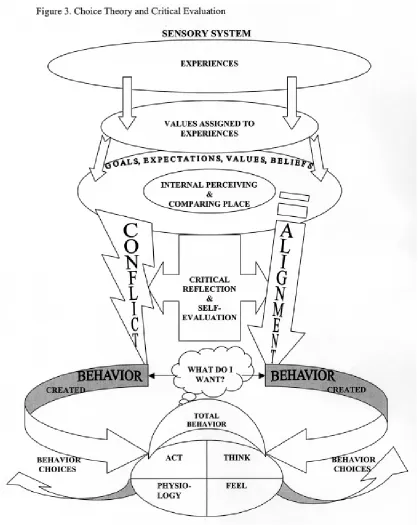
Figure 1: Knowledge Bases for Developing Teaching Expertise (adapted from Turner- Bisset, 1999) ...26 Figure 2: How do teaching professionals develop expertise in their practice? ...79 Figure 3: Critical Evaluation and Choice Theory...114 Figure 4: What makes learning experiences meaningful in the context of practice? 117 Figure 5: How do teaching professional connect day to day experiences with
professional development? ...149 Figure 6: Inversely proportional relationship between pedagogical content knowledge
CHAPTER ONE INTRODUCTION
“Teacher expertise is the single most important factor in determining student achievement and fully trained teachers are far more effective with students than those who are not prepared” (U. S. National Commission on Teaching and America’s Future, 1997, p. 3). How does one identify teacher expertise? What knowledge and skills do teachers possess who have expertise? Teaching has been described as a combination of an art, a craft, and a science. Knowing what to teach, how to teach it, and what methods to use with particular topics, particular kinds of students, and in particular settings all combine to form the knowledge and skills that define teaching expertise (Shulman, 1986). In the language of cognitive psychology, ‘experts’ are individuals who are extremely highly skilled within their field (Yates & Yates, 1990). In her review of several books on the topic of teacher education, Neisler (2000, p. 2) comments that:
the new mission of public education is to educate a cross-section of children, many of whom would previously have dropped out, and to bring them up to world-class standards using complex teaching strategies and curricula that are not only motivational, but that connect to the real lives and needs of all students.
amount equivalent to 75% of those just hired – left the occupation altogether (Ingersoll, 1999). In more recent nationwide data, according to the National Center for Education Statistics as reported by Lu in the News & Observer (2002), about 20% of new teachers left the profession within three years. This national data correlates closely with the data from the North Carolina Department of Public Instruction
(NCDPI) statistical information for the year 1999-2000. The NCDPI figures show that about 20% of teachers with no previous teaching experience left the classroom after one year or less. That figure was about 16% in 1995-1996. Only about half of those new to teaching or teaching in North Carolina remained on the job after five years.
As a result of these teachers leaving the field, a constant demand is created for the efficient and effective development of expertise in order for America’s students to perform up to their potential.
The Novice’s Predicament
Novice teachers are expected to perform the majority of duties required of experienced teachers from day one of their employment. They have little time to reflect on their practice and are virtually isolated from colleagues for most of their working hours. The assumption could be made that novice teachers, more so than those with more expertise, may be less effective in obtaining administrative support, dealing with student discipline, and contributing to decision-making.
Ingersoll (1999) sites high job dissatisfaction in addition to low salaries,
teacher turnover and new teachers exiting the field. So, how do novice teachers develop expertise? How do others support them in this development? What level of awareness do novice teachers have in this process of their acquisition of knowledge and resulting change in actual practice toward development of expertise?
The focus of this study is to describe teachers’ learning experiences and how these learning experiences are integrated into actual practice from the perspective of initially certified or novice teachers and expert or master teachers.
Background and Statement of the Problem
First, teacher expertise, measured by teacher experience and master’s degrees as well as teacher performance on statewide examinations, has been found to be the single most important measurable cause of increased student learning (Ferguson, 1991). Therefore, expertise theory as it relates to teaching, comprises the first
component of the conceptual framework of this study. Darling-Hammond (2000, p. 1) asserts that:
the weight of substantial evidence indicates that teachers who have had more preparation for teaching are more confident and successful with students than those who have had little or none. Recent evidence also indicates that reforms of teacher education creating more tightly integrated programs with extended clinical preparation interwoven with coursework on learning and teaching produce teachers who are both more effective and more likely to enter and stay in teaching.
there is a great deal of controversy concerning how much training and which kinds of preparation teachers ought to have to be considered adequately qualified (Haertel, 1991). Study of teachers whose students regularly perform highly on achievement criteria has helped researchers begin to identify characteristics of expertise in classroom teaching (Berliner, 1986). The study of expertise, defined as such, is a relatively new endeavor that Berliner (1986, 1988) has done much to describe. He identified five stages of skill development in teachers, distinguishing between the novice and expert teacher, and discussed ways to evaluate these teachers that are appropriate for their developmental level. In Berliner’s (1986) theories of skill development and expertise, which employ Dreyfus and Dreyfus (1986) thinking about the novice-to-expert continuum of “stage theory”, Berliner explained that each stage must be mastered before a practician can move to the next stage. He contended that these stages must be mastered sequentially and that these more advanced levels of expertise can only be attained after the first few years of full-time teaching. He also argued that a set of context free rules must be
acquired. There are no specific years assigned to these stages. However, the hallmark of the ‘expert pedagogue’ (Berliner, 1986) resides in being able to integrate subject matter knowledge with active knowledge concerning pupil characteristics, classroom dynamics, instructional methods and, specifically, how to adjust instruction in relation to student responses (Leindhart & Greeno, 1986; Roehler & Duffy, 1986).
p. 1). The literature suggests that fewer teachers are staying in the profession long enough to truly develop expertise - as it is defined by Shulman (1986) and Ingersoll (1999). Shulman (1986) identifies pedagogical content knowledge – knowing which method of teaching to use with particular topics, with particular kinds of students, and in particular kinds of settings –as being knowledge that the more experienced teacher has developed. Ingersoll (1999, p. 34) states, “Teaching requires a great deal of expertise and skill … entails a complex combination of art, craft, and science … requires knowing what to teach and how to teach it”. Teacher retirement and increased student enrollment have created a greater demand for teachers. However, the majority of newly hired teachers are replacements for those teachers who have left the occupation all together. As was previously cited, schools prior to the 1993-94 school year hired about 286,200 teachers; but in the following twelve months, about 213,000 teachers – an amount equivalent to 75% of those just hired – left the
occupation altogether (Ingersoll, 1999). In more recent nationwide data, according to the National Center for Education Statistics as reported by Lu in the News & Observer (2002), about 20% of new teachers left the profession within three years. This
the job after five years. These new teachers are leaving the field almost as fast as
they enter it, which allows for little time to be devoted to the development of expertise.
High rates of teacher turnover are attributable to two related causes: teachers seeking to better their careers and/or teachers dissatisfied with teaching as a career (Ingersoll, 1999). Although recruitment of individuals from other fields, lateral entry certification, and those interested in mid-career change has been on the rise; these efforts will matter little if large numbers continue to exit the field before developing expertise.
Considering the research reviewed (Ferguson, 1991; Darling-Hammond, 2000; Ingersoll, 1999; Shulman, 1986) there are clear indications that teacher expertise is ranked high as a major contributing factor to student performance. Two recent studies have shown that teacher expertise is the key to increased student learning. These studies focused on the impact that teacher preparation, experience, and qualifications had on the variance in student reading and mathematics scores and are reported in the Phi Delta Kappan (1998). One study, that focused on New York City schools with similar demographics by widely differing achievement levels, found that the
Eisenhart and Behm (1991), from information gained in a National Science Foundation sponsored study examining learning to teach and developing expertise, suggest that teachers need consistent sets of experiences, more in tune with their needs, to acquire expertise. They assert:
if novices can be exposed to a more explicit and consistent set of experiences, and one that is more sensitive with their needs as novices, we would expect them to leave the program with more confidence in the skills they have acquired and a clearer view of the identities they are striving for (p. 13).
Richard Miller, speaking on behalf of the United Federation of Teachers (UFT), states (www.uft.org/nyteacher/vps/98-99) that “the public understands that our students benefit when teachers are qualified by training and educational background, and the UFT has long maintained that professional development is key to making higher standards work.” A closer look at how novice and expert teachers integrate new learning into their everyday activities and practice within the authentic work
environment may contribute to the development of effective and supportive continuing education for all teachers.
The second component of the conceptual framework for this study is situated learning theory. This area is drawn from the need to develop organizational and continuing educational support, and possibly more effectively provide professional development, to teachers within their work environment. According to Wilson (1993), ‘authentic activity’ is best understood as ordinary cognitive practices that are
creation and use, not the simulations artificially constructed in schooling practices. Thus learning and knowing are a process of enculturation, not simply a matter of acquisition. Problem solving and human cognitive practices are carried out in conjunction with the setting, not simply as internalized mental processes.
Putnam and Borko (2000) recommend that since teachers’ transfer of learning from staff development experiences to the classroom sometimes fails to happen that most of the learning experiences should take place in the actual classroom. These authors consider that the situative approach has important implications for preservice and inservice teachers. They investigate where to situate teachers’ learning
experiences, the nature of discourse communities for teaching and learning, and the importance of tools in teachers’ work. Implications from their research on teachers (p.6) suggest that:
both experienced and novice teachers often complain that learning experiences outside the classroom are too removed from the day-to-day work of teaching to have meaningful impact … imply that most or all learning experiences for teachers should take place in actual
classrooms.
Additionally, consideration of teaching practices situated in the authentic teaching environment involves rumination and collegial interaction to support
effective change in practice. Much learning takes place and meaning is made through critical reflection. A critical examination of practice through group discourse and individual reflection, within the actual practicing environment of the teacher, can have a significant impact upon development of expertise. Yost and Senter (2000, p. 6) reveal that the end result of critical reflection for the individual is cognitive change. John Dewey (1916) supported this type reflective learning. He believed that the teacher quality most important in development of teachers empowered to improve upon conditions of schools was critical reflection. It is this author’s view that essential learning and movement toward developing expertise is a product of the social
participation in situated environments of a school’s community of practice and culture.
The areas of teacher expertise, situated learning, and, as a part of each of these, critical reflection are drawn upon to guide and inform this study.
Purpose of the Study and Research Questions
The purpose of this study is to examine and describe teachers’ learning
This study uses a qualitative or interpretivist framework to explore and
describe the learning processes. Merriam (1998, p. 7) describes this type of qualitative research as that which:
builds abstractions, concepts, hypotheses, or theories rather than tests existing theory. Often qualitative studies are undertaken because there is a lack of theory, or existing theory fails to adequately explain a phenomenon … Qualitative researchers build toward theory from observations and intuitive understandings gained in the field.
This qualitative method is appropriate because there is a deficiency in the area of the topic of teacher expertise. This method provides the opportunity to more thoroughly investigate the phenomena of teacher expertise and add to the existing body of information in this field based on, or grounded in what actually takes place from the teachers’ descriptions. This qualitative method is personal in nature to the involved participants; it looks at relationships, and focuses on understanding a given setting and not about making assumptions about that setting. Utilization of this method required the researcher to be present in the setting over time with as much time or more spent on the reiterative nature of the analysis of the information acquired. The research questions that undergird this study are:
1. How do teaching professionals develop expertise in their practice? 2. What makes learning experiences meaningful in the context of practice? 3. How do teaching professionals connect day to day experiences with
Significance of the Study
This study considers the role of expertise in the professional development of teachers. It is drawn from Barbara Daley’s research that explored the learning experiences of novice and expert nurses (1999). In her landmark study, Daley called for additional research to be conducted in the development of expertise across various contexts and different professions in order to build on the existing knowledge base. She also utilized concept maps as a tool to analyze the information collected, which this study replicates.
This study is significant because it will build a broader base of information about how teachers construct knowledge within the context of their practice. Building upon Daley’s work with nurses, this study will contribute to understanding the ways that teachers learn and develop expertise in their work environments. The information derived not only will add to the existing corpus, but will help to clarify the meaning and definition of teacher expertise – what it looks like, how it is developed, what knowledge and skills those labeled as expert teachers actually possess.
In a review of the current literature, the most often mentioned author on the topic of teacher expertise, David Berliner (1986, pg 8), outlines the values of studying expert teachers and comparing them with novice teachers for the following reasons:
To obtain fresh insights about the internal criteria that might be used for judging the enactment of a task itself (italics in original).
To glean information about the routines, scripts, and schema used by experts. To obtain evidence that will influence the design of training programs for
beginning teachers.
To be provided with exemplary performances – richly detailed descriptions of instructional events that should be a part of teacher education programs.
To promote thinking about expert teaching systems through research as has been done in the development of expert systems in the fields of medicine, chess, or physics.
To examine the cooperating or supervising teacher’s modeling,
mentoring, coaching, etc. influence on the novice through their tacit knowledge within their actions.
To examine the automaticity, routinization of procedures of experts. To influence current policy in states where teaching certificates are
provided to individuals with no teaching experience and to influence policy about master teachers.
To enhance and distinguish teaching expertise for the reason of professional pride.
Analysis of the information revealed through this study could have implications for program planning in continuing education, professional staff
Situating learning in authentic practice helps to develop confidence (Stasz, et al, 1993). Reflection enables teachers to compare their own problem-solving processes, through discourse or writing, with those of an expert in their environment. Ginsburg (1988) asserts that “critical reflection must involve practical experience as well as a knowledge base for thinking. Critical praxis is the process of combining critical thinking and critical practice” (p.5).
Summary
The adult education literature is deficient in studies examining how teachers learn as they develop expertise in the field of teaching. The term “expert” as it refers to teachers is a hotly debated issue. What does expertise in teaching look like? How is expertise developed? Does the learning process change as teachers develop from novice to expert? As teachers develop professionally, are exposed to new knowledge, and incorporate that knowledge into practice, it is difficult to evaluate how and when expertise is acquired. Most measurement or evaluation of continuing education and staff development programs is done at the end of the program delivery not in the context of authentic practice. Is this a true measure that learning has taken place?
serves as an introduction to the study. In Chapter Two, the literature review reveals the nature of existing theories of teacher expertise and examines situated learning.
Chapter Three delineates the methodology and procedures of the study along with the justification for the selection of this type of qualitative approach. The research questions and design, the population selection, the information collection procedure, the quality assurance process, and the data analysis method, including the development of concept map and matrices, are also discussed.
The findings of the study are depicted in Chapter Four. They are presented as the answers to the following research questions:
1. How do teaching professionals develop expertise in their practice? 2. What makes learning experiences meaningful in the context of practice? 3. How do teaching professionals connect day to day experiences with
professional development?
A table and discussion of the demographic data from the population studied are included.
CHAPTER TWO LITERATURE REVIEW
This study examined the meaning that novice and expert teachers make of their learning as it relates to the professional development of expertise and how these learning experiences are integrated into their actual practice. The posed research questions asked about how teachers develop expertise, what makes the learning meaningful, and how they integrate their new learning from professional development into their practice. The topics of literature that were examined guide and inform this study and make up the conceptual framework. The areas reviewed were comprised of the general theories of expertise and the area of situated learning theory. This review of the general theories of expertise consisted of the existing and relevant literature regarding the development of expertise across different domains. There is currently no consensus on a theory of expertise as it applies to teachers. The literature surrounding situated learning theory examined the works related to learning in the authentic environment through social interaction, communities of practice, and the use of tools pertinent within the environment of the teaching profession. The incorporation of critical reflection as a means of processing learning and transforming knowledge was innate to the methods used.
conceptual framework. The interconnectedness of the conceptual areas and how they help guide the study are explained. It is not the intent of this researcher to specify the detailed structure of each theory, but to associate and describe the relationships relevant to the research concepts under investigation.
Expertise Development in Teachers
It is quite obvious from the literature available that at this time there is not an established, single definition, or accepted theory of the phenomenon on expertise in teaching. Most of the research on expertise has centered on other professions (Ericsson and Smith, 1991): medicine (Patel and Groen, 1991); chess (Charness, 1991); physics (Anzai, 1991); music (Sloboda, 1991); nurses, lawyers, and social workers (Daley, 1993; Daley and Carlsson, 2000). There are, however, reappearing themes emerging that indicate some consistency in the opinions regarding characteristics of expertise that apply to teachers.
Berliner’s Five Stages of Development of Teaching Expertise
Probably the most often cited author on this topic is David Berliner. His paper, In Pursuit of the Expert Pedagogue (1986), presented as the Presidential Address at the 1986 annual meeting of the American Educational Research Association (AERA) outlines the values of studying expert teachers and comparing them with novices teachers. Among these reasons (pp. 5-8) are:
To obtain fresh insights about the internal criteria that might be used for judging the enactment of a task itself (italics in original).
To glean information about the routines, scripts, and schema used by experts. To obtain evidence that will influence the design of training programs for
beginning teachers.
To be provided with exemplary performances – richly detailed
descriptions of instructional events that should be a part of teacher education programs.
To promote thinking about expert teaching systems through research as has been done in the development of expert systems in the fields of medicine, chess, or physics.
To examine the cooperating or supervising teacher’s modeling,
mentoring, coaching, etc. influence on the novice through their tacit knowledge within their actions.
To examine the automaticity, routinization of procedures of experts. To influence current policy in states where teaching certificates are
provided to individuals with no teaching experience and to influence policy about master teachers.
To enhance and distinguish teaching expertise for the reason of professional pride.
Additionally, Berliner (1986) identifies problems inherent with studying the expertise of teachers as being numerous. Foremost among these are methodological problems associated with reading protocols and diagramming the propositional knowledge as is done in think-aloud and stimulated recall. Berliner calls to attention three other problems even more important than the methodological issues he mentions. First, there is the concern involved with finding criteria for defining expertise. Second, there is a confusing of terminology in experience and expertise (which he uses
interchangeably). Third, there is a problem having to do with which knowledge systems should be studied in examining this type of expertise (p. 8). He elaborates on the choices of criteria for identification of expert teachers and reveals that the studies (completed at the University of Arizona) utilized reputational measures, classroom observation by three independent observers, and performance in laboratory tasks. Berliner (1988) has gone on to develop a theory of skill learning with regard to the development of expertise in
and Benner and Tanner (1987) and their work with pilots and nurses. This is to say that these authors share the belief that there are five stages described beginning with novice, advanced beginner, competent, proficient, and expert across these various professions. Berliner explains the differences between the novice and expert teacher in matters of:
interpreting classroom phenomena; discerning the importance of events; using routines;
predicting classroom phenomena; judging typical and atypical events;
and evaluating performance: responsibility and emotions.
According to Berliner the stages are nonvariable and one must pass through them
Generally Identified Characteristics of Teaching Expertise
Research into the instructional skills of expert teachers is highly consistent with the data on expert problem solving tactics described in the literature of cognitive
psychology (Gagne, 1985; Berliner, 1986). Yates and Yates (1990, p. 226) suggest that as a skill is acquired, successful problem-solver abandons generalized
strategies in favor of efficient domain-specific ones that arise from a substantial knowledge base. In the context of classroom instruction, the expert teacher has learned to go beyond generalized humanistic
interpersonal skills and employs goal-oriented instructional procedures involving specific tactics such as task-focusing verbalization, monitoring of student comprehension, and the immediate remediation of difficulties in understanding (p. 226).
Brooks’ and Hawke’s (1985) research identified and confirmed several of the same indicators of teaching expertise that Berliner found. They summarize these as:
routine opening of class features visual scanning, a quick call to order using a business like tone of voice, a method of roll taking that is time efficient, an opening verbal sequence that includes behavioral and
it is likely, therefore, that studies of how expert teachers perform and think about their performance of routinized procedures will be helpful in
training cooperating teachers to articulate their knowledge in ways that might truly educate their apprentices (p. 7).
This would clearly suggest to teacher educators that there is a need for the use of critical reflection upon practice as a method for helping practitioners self evaluate to determine what particulars make up “knowing in action”.
Other research continues to add to the collection of knowledge regarding
expertise development in teaching. Varrella (2000) describes the Iowa Scope, Sequence, and Coordination (SS and C) Project, a National Science Foundation-funded science teacher enhancement project conducted from 1990 to 1997. About 120 teachers
participated in phase one (1990-1994), and about 175 teachers in phase two (1994-1997). The teachers taught in a range of school districts, from relatively large metropolitan districts to very small, rural ones. The expert teachers in the Iowa SS and C Project (an equal number of men and women) had several things in common. They all
• had seniority in education (at least ten years of experience for all but one individual);
• were active in local, state and national school enhancement and reform efforts;
• were committed to lifelong learning, having earned additional degrees and continuing education credits;
• showed noteworthy consistency between what they did in the classroom (as recorded by outside observers) and how they described their
philosophy and strategies for teaching;
• happened to be middle school teachers (over half of the teachers involved in the project itself were high school teachers); and
• stated that they were positively affected by their involvement in the project as a participant, and particularly as a leader (p. 43).
by the end of the project, some teachers had been identified in a sub-study as “experts”. (Officially, the project staff referred to them as “expert-like”, given the near impossibility of being truly expert in light of human nature as well as the many contemporary impediments to expert teaching— school violence, overcrowded classrooms, and the renewed emphasis on rote instruction). They were considered to be experts because they had developed a high level of expertise in constructivist teaching—a proficiency that was documented through teaching performance
observations, interviews, and personal written reflections on teaching and on the nature of the relationship. The expert teachers were most articulate in explaining their attitudes, values, and beliefs about teaching and
learning. They also demonstrated the ability and patience to help their peers explore student-centered instruction. They considered the textbook as a resource and consistently worked with their students and colleagues to arrive at materials and strategies for instruction and concept
development, while remaining sensitive to district and national performance expectations (p. 43).
Kohn (1996), in his consideration of what indicates expertise in teaching, suggests that
everything from furniture to the teacher’s voice to the climate around the school grounds as either “good signs” or “possible reasons for concern”. The most expert teachers, he notes, tend to establish a “working with” (as opposed to controlling) tone and climate in the classroom. In these classrooms an observer will see students addressing each other and asking questions of other students at least as often as they ask questions of the teacher. The atmosphere in these classrooms is more casual than traditional, and the students are active in experiential inquiries and problem-solving events. There is a de-emphasis on facts and right answers, and the majority of exchanges include thinking, listening, and problem solving and a very obvious mutual respect between students and teacher (p. 55).
important (1986, p. 5). He recommends that this information should influence the design of training programs for beginning teachers (p. 6). Berliner also suggests that
if we ever do establish genuine teacher education laboratories, the exemplary performance of expert pedagogues will provide extremely useful case material for analysis by novices. … It might also pay us to act as if we could develop expert systems in other areas of instruction (p. 6).
Along these same lines, Duda and Shortliffe (1983) propose that by engaging in research of the type that has led to the building of expert systems in medicine, chess, or physics we could codify, formalize, and systematize the knowledge of expert teachers.
Turner-Bisset’s Knowledge Bases for Developing Teaching Expertise The identification of what is meant by teacher expertise has also caused controversy in Great Britain. Government legislation has produced teaching
competencies, standards, and performance evaluation guidelines. Turner-Bisset (1999, p. 41) describes knowledge bases for the expert teacher in her presentation of a model for this purpose and identifies one of three trends that became apparent during the decade of the 1990s as:
Turner-Bisset (1999, p. 46) goes on to say that the standards can be used as criteria for judging the abilities and attainment of beginning teachers, but that the model of teaching this list outlines is impoverished. She criticizes the list as being too limited, partial, vague, and ambiguous. Additionally, she remarks that standards are judged as being either present or absent with no continuum or gradations of ability. In her model of knowledge bases for teaching, Turner-Bisset recommends that “it be used as a map, or focus for analysis and reflection upon teaching, both by beginning teachers, and by those wishing to consider themselves expert teachers” (1999, p. 56). She used Shulman’s ‘Categories of the Knowledge Base’ (Shulman, 1986a, 1986b, 1987b) in combination with Dunne and Harvard’s ‘Dimensions of Teaching’ (1990) as analysis tools for teacher interviews and observations with the end resulting in the development of a more
comprehensive model highlighted herein. Turner-Bisset developed this model from a two-year longitudinal study (1997). The areas she identified, explained, and related to teaching examples are described below.
• Subject Matter Knowledge which includes:
Substantive Knowledge; knowing the ‘that’, or the facts, and concepts of a discipline and the organizing frameworks to make sense of all the facts. Syntactic Knowledge; the ways that knowledge has been generated and established, the understanding of the facts
through inquiry, interpretation, evaluation, and analysis. Beliefs about the subject; what is important and why, conceptions of what is important to know.
drawing from knowledge and curriculum resources to teach creatively with appropriate materials.
• General Pedagogical Knowledge (teaching strategies and methods);
knowledge about teaching that is usually acquired from practice that includes principles and strategies of classroom management and organization that appear to transcend subject matter (Shulman, 1986b). This type of knowledge has proven difficult for teachers to describe (Gipps, 1992).
• Knowledge about Models/Theories of Teaching; knowledge or beliefs about
teaching from the teacher’s own school experience and developed through their practice. • Knowledge of Learners that includes the following elements: Empirical; or social
knowledge of the characteristics of children in a particular age range, how they behave, their interests, and the child-teacher relationship. Cognitive; knowledge of child
development and that children acquire skills unaided by adults through the structuring of the learning environment, and contextual; the knowledge of a particular group of learners and how to adapt activities to their needs in order to facilitate learning.
• Knowledge of Self; scholars have been identifying this area as important
over the past twenty years (e.g. Elbaz, 1983; Lampert, 1981; Kagan, 1992; Turner-Bisset, 1997).
Knowledge of self has some effect on student teachers’ ability to deliberate on their own practice. This ability to deliberate or reflect has in turn some impact on the student teachers’ development. Thus, if teaching is a profession in which the self is a crucial element, which demands a heavy investment of the self and in which the self in
• Knowledge of educational contexts incorporates a range of factors that affect
development and classroom performance including the organization and structure of schools, classrooms, and all settings where learning takes place.
• Knowledge of Educational Ends, Purposes and Values; knowledge and
awareness of how short term goals and objectives merge and lend themselves to the accomplishment of long term goals.
• Pedagogical Content Knowledge (expert performance, all the knowledge bases
presented as an amalgam). This is the set that contains all other sets of knowledge. See Figure 1. Please note that for the purposes of this document, all figures (models), concept maps, and matrices were scanned at 300 X 300 dots per inch (dpi).
As described above, Turner-Bissett’s (1999) model presents an alternative view or concept of pedagogical content knowledge that includes many aspects of teaching.
Situated Learning as it Relates to Teacher Expertise
Lave and Wenger (1991) argue that learning as it normally occurs is a function of the activity, context, and culture in which it occurs. Two principles of situated learning as a general theory of knowledge include:
1. Knowledge needs to be presented in an authentic context, i.e., settings and applications that would normally involve that knowledge and;
2. Learning requires social interaction and collaboration.
There is an increasing body of literature, research, and professional activity in the area of teacher induction. It is this author’s view that the effects of not having
sufficiently funded or effectively designed and supported teacher induction programs are impacting retention of teachers across the county, and as a result, impacting student performance. As has been previously stated, novice teachers get discouraged and abandon their teaching careers at a high rate. It is the opinion of this author that novice teachers often acquire undesirable coping strategies to help them endure in the classroom and many of these practices may be barriers to developing effective teaching. After a period of practice, these coping mechanisms may become part of their routine style in the same way Bloom referred to the positive mechanisms of teaching becoming automatic (Bloom, 1986) due to the repeated practice that these behaviors receive.
Barriers to Situated Learning
support, and learn from each other’s experiences. These activities are the key
ingredients and elements necessary to situated learning as described by Lave and Wenger (1991). Staff development or continuing professional development sessions are
ordinarily conducted outside of the authentic environment where teachers spend their time. They are often held in facilities where teachers from a number of locations come together for several hours of instruction on selected topics. Therefore, in lies the dilemma that is experienced in other professions as well, regarding the transfer of
knowledge from the training environment to the actual workplace otherwise known as the “training performance gap”.
Incorporating Communities of Practice
adapt their subject knowledge to that particular school’s scheme, how the school interprets the system’s or state’s standards, and even the instructional texts used.
Communities of practice are a significant component of situated learning theory. Etienne Wenger (1998, p. 2), the pioneer in the research of communities of practice, defines these communities by their characteristics along three dimensions:
• What it is about – its joint enterprise as understood and continually renegotiated by its members;
• How it functions – mutual engagement that binds members together into a social entity;
• What capability it has produced – the shared repertoire of communal resources (routines, sensibilities, artifacts, vocabulary, styles, etc.) that members have developed over time.
Wenger suggests that communities of practice develop around what matters to people and their practices reflect the members’ understanding of what is important. These are not a new type of organizational unit and exist in various settings (e.g. schools, businesses, home), but rather a different slice on the organization’s structure that
emphasizes learning that people do together. He goes on to describe the communities of practice as having more flexible boundaries than the boundaries of a formal
terms, much the way apprenticeships operate. Wenger observes that, “like any asset, these communities can become a liabilities if their own expertise becomes insular” (p. 6). Therefore, he recommends that:
it is important to pay as much attention to the boundaries of communities of practice as to their core, and to make sure that there is enough activity at these boundaries to renew learning. For while the core is the center of expertise, radically new insights often arise at the boundary between communities. Communities of practice truly become organizational assets when their core and their boundaries are active in complementary ways. Organizations must understand the processes by which these learning communities evolve and interact … and recognize, support, and leverage them.
A community of practice may take a while to come into being, does not conform to an organizational timetable, and may exist or not after the initial team has disbanded as its life cycle is determined by the value that it provides to its members. These
communities shape the identities of their members and as such are not just a set of
relationships. They exist because they produce a shared practice as members engage in a collective learning process.
Communities of practice are of value to the functioning of any organization and become critical in those that recognize that knowledge is a vital asset. Wenger (1998) asserts that “knowledge is created, shared, organized, revised, and passed on within and among these communities. In a deep sense, it is by these communities that knowledge is owned in practice” (p. 5).
induction programs for teachers is at a critical level. An awareness, system-wide, of the value that communities of practice can have in the induction process, mentoring, coaching, and bringing into the fold the novice teachers could have a huge impact on supporting and holding on to these newcomers in the field.
The issues faced by a beginning teacher have been listed as:
A. First year teachers are expected on their first day to do essentially the same job as the 20-year veteran.
B. Teachers are isolated from their peers for the majority of the workday, thus preventing the natural induction process.
C. The literature cites a double barrier to assistance – novice teachers are reluctant to ask for help for fear of appearing incompetent;
experienced teachers are reluctant to offer help for fear of appearing to interfere.
D. Novice teachers frequently get extremely difficult teaching assignments that would challenge even the best veteran teachers. Naturally, this creates psychological as well as instructional problems. In Schoenfield’s 1992 study of 255 newly appointed female teachers, those who worked in the most adverse school environments showed the most depressive symptoms even though there were no pre-employment differences on the depression scale. Women who obtained jobs in the best schools tended to show the fewest symptoms.
(www.ncpublicschools.org/mentoring_novice_teachers/downloads/m odule1.pdf 2/01)
Talbert, McLaughlin, and Rowan (1993) studied factors that affect how teachers teach. They discovered that educational reformers know very little about the
interdependent nature of the teaching environment, classroom practice, and student learning. They also suggest that:
teachers are insulated within their classrooms. That is not to say that teachers are totally isolated from their colleagues but rather that the sources of influence on them are less apparent than in other types of organizations. The diverse environmental or conditional effects
These “effects” or factors are the teachers’ and administrators’ values, beliefs, norms, policies, structures, resources, and processes (Anderson et al. 1994; Bandura, 1977; Robinson et al. 1997). Of critical importance here is that these factors, in turn, impact what the students’ educational results will be.
Incorporating Authentic Practice
What types of continuing education experiences could be offered that would align pre-service instruction and educational theory more closely with authentic (inservice) practice for teachers and meet the current administration’s requirement for “high-quality training that is grounded in scientific research”? A closer look at how novice and expert teachers integrate new learning into their everyday practice within the authentic work environment may contribute to the development of effective and supportive continuing education for all teachers. Suggestions have been made in existing research that teachers need consistent sets of experiences, more in tune with their needs, to acquire expertise. Eisenhart and Behm (1991), in a study sponsored by the National Science Foundation examined learning to teach and developing expertise, found that:
if novices can be exposed to a more explicit and consistent set of experiences, and one that is more sensitive with their needs as novices, we would expect them to leave the program with more confidence in the skills they have acquired and a clearer view of the identities they are striving for (p. 13).
schooling practices. Thus, learning and knowing are a process of enculturation, not simply a matter of acquisition. “Problem solving and human cognitive practices are carried out in conjunction with the setting, not simply as internalized mental processes” (p. 77).
Lanzilotti (1986) has noted an exception to the provision of professional continuing education by the university in the “practice integrated learning sequence” developed by Temple University Office of Continuing Medical Education. This is described as an office-based educational activity that incorporates the actual practice of medicine into a formal educational program, with primary focus on the quality of physicians’ practice behaviors. This description indicates that “practice integrated learning sequence” has strong elements of situated learning and the apprenticeship perspective. Pratt and Associates (1998) describe the key notions of this perspective as being based on the belief that expert knowledge is best learned in contexts of application and practice. They state that “to abstract the knowledge and wisdom from practice is to drain it of its most essential qualities” (p. 226).
Pratt and Associates (1998) go on to describe the focus on the dominant elements, within the general model, is on context, content, and teacher; knowledge, skill, and attitudes best learned using authentic tasks; impossible to separate content from the expert practitioner.
approach has important implications for preservice and inservice teachers. They look at where to situate teachers’ learning experiences, the nature of discourse communities for teaching and learning, and the importance of tools in teachers’ work. Implications from teacher research suggest that:
both experienced and novice teachers often complain that learning experiences outside the classroom are too removed from the day-to-day work of teaching to have meaningful impact … imply that most or all learning experiences for teachers should take place in actual classrooms (p.6).
This school of thought would coincide with the recommendations from the National Center for Research in Vocational Education (NCRVE, 1993) to situate learning in the context of authentic practice. Research and policy studies implicate that:
teacher training and staff development need change. Teachers are not currently trained to design and conduct classrooms based on a culture of authentic practice, which has been determined to enhance student learning and engagement (NCRVE at the University of California-Berkeley, 1993, p. xxii-xxiii).
Situated learning is a general theory of knowledge acquisition. It is a stance holding that inquiries into learning and cognition must take serious account of social interaction and physical activity (Brown, Collins, and Duguid, 1989). These authors also suggest that:
by ignoring the situated nature of cognition, education defeats its own goal of providing useable, robust knowledge. And conversely, we (they) argue that approaches such as cognitive apprenticeship that embed
learning in activity and make deliberate use of social and physical context are more in line with the understanding of learning and cognition that is emerging from research (p. 100).
According to Lave (1988), learning in everyday practice is spread over, not divided among, mind, body, activity and culturally organized settings … a nexus of relations between the mind at work and the world in which it works. Dewey held essentially the same belief. Roschelle (1995, p. 1) describes Dewey as critical of the concept that experience as personal, cognitive, and directed primarily from the world to the passive mind. He goes on to say that Dewey viewed experience as biological and social, as emerging through transactions between people and the physical and social world with which they engage. Dewey also broadly portrayed technology as any tool that serves the process of inquiry: hammers, symbols, languages, and ideas all possibly qualify as technologies (Hickman, 1990). For example, Friere, in his teaching of reading, used the language of the culture within which he was teaching as a tool to connect to the concepts. The learning that was accomplished was done in the authentic environment with genuine words the participants had previously experienced and were made their own through enculturated use.
Critical Reflection
of a broader entity – that of the profession. Critical reflection may be described as the type of thinking that serves to challenge notions of prior learning (van Halen-Faber, 1997). As teachers experience the daily routines and become more comfortable in their roles, using methods such as reflecting upon critical incidents, engaging in collegial discourse to dialogue about competing interpretations, examine evidence, discuss
alternative points of view they begin to validate themselves in their practice through what is being communicated.
Mezirow (1997, p.9) states:
that the goal for adult learners is to become autonomous, responsible thinkers. Autonomy here refers to the understanding, skills, and disposition necessary to become critically reflective of one’s own assumptions and to engage effectively in discourse to validate one’s beliefs through the experiences of others who share universal values.
In considering critical reflection as the type of thinking that serves to challenge notions of prior learning, one can see the relevance that this practice would play in teacher development. Considered an important element in exemplary teaching, critical reflection occurs when patterns of a person’s beliefs, goals, or expectations are put to the test by means of thoughtful questioning (van Halen-Faber, 1997). Reflective practice serves as a central link in the learning process. A critical examination of practice can have a significant impact upon development of expertise. Yost and Senter (2000) reveal that the end result of critical reflection for the individual is cognitive change.
inquiry that Dewey promoted. It assists adult learners in recognizing the connection between the nature of knowing and the nature of learning and that allows them to become researchers of their own learning. van Halen-Faber (1997) proposes that reflective experiences in the preservice level in teacher education are intended to bring about changes in the established beliefs held by student teachers. She suggests that
intentionally thoughtful teachers consider themselves lifelong learners for whom teaching experiences and learning experiences are so tightly interwoven as to be one.
As humans we are constantly comparing and, in effect, evaluating. We ask ourselves the question, “Do the purposes, values, and beliefs that we hold as the pictures dear to us in our personal internal quality worlds match the circumstances in our lives?” Teachers are regularly confronted with situations involving students, parents,
administration, and co-workers. When this happens, especially novice teachers, are somewhat shaken. When our habits of mind, as Mezirow (1981) refers to them, are confronted with opposing viewpoints, we experience disequilibration or a tipping of an internal sense of balance. This disequilibration is a signal that our frame of reference, or in some instances it may be a less closely held point of view, is being challenged. There is often more than one person involved and the intent is to come to an agreement or consensus for the meaning of an interpretation or the substantiation of a belief.
or novice teacher to have self-knowledge in order to cope effectively with these regular challenges to beliefs and values. By self-knowledge is meant: knowing one’s values and beliefs and being in tune with one’s feelings to the extent that this knowledge serves as the basic understanding for why certain choices are made in practice, especially when these choices are challenged in day to day practice. This is a critical type of knowledge to possess in order to survive the challenges by which the novices are confronted in the first few years of teaching.
William Glasser, in his book, Choice Theory (1998), and previously in his work Control Theory (1984), presented a model that gives understandable reasons for human behavior and also addresses a method for becoming aware of one’s beliefs and values. This model has been implemented in the Quality Schools movement across the United States and Canada. This researcher will incorporate this model into the conceptual framework to connect much of what the literature reviewed herein has described as being deficient or is not even addressed in teacher preparation programs and in the school reform efforts. This choice theory connection is interwoven through expertise theory, situated learning theory, critical reflection, and will be briefly introduced here, but addressed again in chapter 5 implications.
evaluation. Choice theory and Glasser’s teachings relate closely to the acquisition of self knowledge that has been discussed previously in this review of the literature under the topic of knowledge bases for acquiring teacher expertise presented by Turner-Bisset (1999).
Mezirow states that the central goal of adult education is to develop autonomous responsible thinking. Our only other recourse is to turn to an authority or tradition to make a judgment for us. Mezirow (1997) explains Habermas’ four types of problem solving and learning as being:
instrumental – learning to manipulate or control the environment or other people to enhance efficacy in improving performance; impressionistic – learning to enhance one’s impression on others, to present oneself; normative – learning oriented to common values and a normative sense of entitlement (members of the group are entitled to expect certain
behavior); or
communicative – learning to understand the meaning of what is being communicated (p. 6).
He goes on to state that communicative learning involves understanding purposes, values, beliefs, and feelings and is less amenable to empirical tests. In communicative learning, it becomes essential for learners to become critically reflective of the assumptions underlying intentions, values, beliefs, and feelings (1997, p. 6).
feelings of competence and confidence also grow as the level of expertise grows which allows for a more need fulfilling professional work experience.
Student teachers who view themselves as lifelong learners gradually move away from a repertoire of pedagogical techniques toward the thoughtfully responsive and reflective way of teaching that is generally found in more experienced teachers (Williams, 1992). van Halen-Faber found that critical reflection that leads to
transformative action is a powerful confirmation of personal growth and development. In a preservice teacher education program, time devoted to value and encourage critical reflection as a way of linking theory and practice by student teachers is a means of assisting student teachers to move from a student teacher perspective to a beginning teacher perspective. She also suggests that those who are “guided by internal orientation show a strong preference for learning by reflection” (1997, p. 59). It is interesting to note that student teachers who are guided by internal direction throughout their preservice education often continue to develop as independent, self-motivated, and self-directed beginning teachers who use critical reflection as a means of looking back in order to look ahead.
and human cognitive practices are carried out in conjunction with the setting, not simply as internalized mental processes”.
The literature reviewed in this chapter suggests that there is a relationship between situated learning and the development of expertise. Implicit in the knowledge bases suggested as being necessary for developing teaching expertise are skills that depend upon affiliation with others of the same profession, within the context of authentic practice, and contained within the structure of an educational organization including all the settings where learning takes place. Consideration of teaching practices situated in the authentic teaching environment involves rumination and collegial
interaction to support effective change in practice toward the development of expertise. In this author’s view, situated learning contributes to the development of expertise and in the same vein, expertise development is dependent upon situated learning. The linkage between these two concepts undergirds and guides this study.
In order to elaborate upon and add to this knowledge base, this researcher will draw from the conceptual works of Berliner and Turner-Bisset (teacher expertise); Daley (novice and expert nurses, social workers, and lawyers learning processes); Glasser (choice theory); Lave (situated learning theory); and Wenger (situated learning theory and communities of practice). Each of these works has been described here in Chapter Two. This has been done with the goal of incorporating their concepts into the
Summary
This literature review revealed the nature of existing theories of teacher expertise, examined situated learning theory, and incorporated a review of choice theory and critical reflection as sub components of these areas. These topics reviewed provide the
conceptual framework for understanding the interrelated areas in this study. This
framework, the direction of the study, and the interpretation of the findings are all linked to these concepts.
The literature review shows that there is a lack of consensus in the field of education surrounding the meaning of teacher expertise. Inconsistencies exist in the understanding of the topic of teacher expertise and there is lack in the depth of the models that have been developed to fully explain this phenomena. This review of the current literature in the field informed this researcher of the areas of deficiency on the topic of teacher expertise. More specifically and because of this review, attention was directed to the importance placed on the development of teachers’ self-knowledge and the lack of attention to this development in the existing models of expertise. Therefore, the
introduction of choice theory and how it is related to the need for teachers to develop self knowledge was felt, by this researcher, to be relevant in light of the lack of emphasis that existing models gave to this area.
Situated learning theory and its’ subcomponents including communities of
the interview, it was relevant to review the literature regarding this topic in order for the reader to have a better understanding of the choices that this researcher made in including these as methods in the study.
CHAPTER THREE METHODOLOGY
Overview
This study examined the learning experiences of novice and expert teachers with the intended purpose of finding out what made those learning experiences meaningful to those teachers and how the experiences reflected upon were connected with the
development of expertise in teaching practice.
This chapter will describe the methods and procedures of this study, including a detailed description of the qualitative research design, population selection, research questions, the information collection procedure, quality assurance process, and the data analysis method.
Qualitative Research Perspective
A clear explanation of the perspective of this study and its design draws from the work of Merriam (1998) who enumerates the characteristics of qualitative research. She states:
qualitative research is an umbrella concept covering several forms of inquiry that help us understand and explain the meaning of social phenomena with as little disruption of the natural setting as possible. The key philosophical assumption upon which all types of qualitative research are based is the view that reality is constructed by individuals interacting in their social worlds. Qualitative researchers are interested understanding the meaning people have constructed, that is, how they make sense of their world and the experiences they have in the world (all italics in original, p. 6). Qualitative research can reveal how all the parts work together to form a whole. The second characteristic of all forms of qualitative research is that the researcher is the primary instrument for data collection and analysis. Thirdly, qualitative
research involves fieldwork (p. 7). The researcher must physically go to the people, setting, site, institution (the field) in order to observe