WILLIAMS, SHWANDA JONES. An Intrinsic Case Study Exploring Non-persistence of African American Students in Undergraduate Engineering at a Predominantly White Institution. (Under the direction of Dr. Aaron Clark and Dr. Cameron Denson).
African American persistence in STEM has consumed minds of politicians, college administrators and researchers for the past decade (Adams, Dancz, & Landis, 2015). Although several practices have been implemented and improvements have been made, African American persistence remains a national focus. According to Dika and D’Amico (2016) “representation of diverse groups in science, technology, engineering, and mathematics (STEM) fields is a
persistent concern in the United States” (p. 368). Therefore, the purpose of this qualitative case
study was to explore the experiences of African American undergraduates who did not persist in the College of Engineering at NC State University. Engineering is a prominent discipline and a subset of the science, technology, engineering and mathematics (STEM) discipline. African American students have been found to persist in engineering majors at a much lower rates than their peers. The self-worth achievement motivation theory developed by Covington (1984) was employed as a theoretical framework to guide the research and better understand the experiences of African American non-persistent engineers. The guiding research questions were: (1) What are the reasons some African American students do not persist in the College of Engineering at a predominantly White institution? (2) What are the particular factors within the College of
persistence was experiencing difficulty in science and mathematics courses. Participants reported that they began to lose self-worth and eventually gave up trying in the rigorous courses; thus they changed majors. This research also presents recommendations for future research and
Undergraduate Engineering at a Predominantly White Institution
by
Shwanda Jones Williams
A dissertation submitted to the Graduate Faculty of NC State University
in partial fulfillment of the requirements for the degree of
Doctor of Education
Technology Education
Raleigh, North Carolina 2018
APPROVED BY:
_______________________________ _______________________________ Aaron Clark Cameron Denson
Committee Co-Chair Committee Co-Chair
_______________________________ _______________________________ Brian Matthews Tameshia Baldwin
BIOGRAPHY
TABLE OF CONTENTS
LIST OF TABLES ... v
LIST OF FIGURES ... vi
CHAPTER 1 - INTRODUCTION Statement of the Problem…………... ... 1
Purpose of the Study……….. ... 4
Need for Study………... ... 5
Theoretical Framework……….. ... 6
Research Questions……… ... 7
Limitations and Delimitations of the Study ... 7
Key Terminology………... ... 8
Chapter Summary……….. ... 10
CHAPTER 2 - LITERATURE REVIEW Engineering History………... ... 12
Achievement Motivation…………... ... 16
Self-Worth Theory of Achievement Motivation... 19
Non-persistence among African American Students in Engineering ... 28
Chapter Summary……… ... 40
CHAPTER 3 - METHODOLOGY Case Study………. ... 46
Sample and Population……….. ... 51
Data Collection Procedures………… ... 53
Interviews and Focus Group……….. ... 55
Documents and Reflective Journals... ... 59
Data Sources and Analysis…………... 60
Chapter Summary……….. ... 66
CHAPTER 4 - FINDINGS Data Collection Methods…………... ... 68
Setting……… ... 69
Participants……… ... 69
Themes……….. ... 70
Chapter Summary……….. ... 100
CHAPTER 5 – DISCUSSION Discussion of Findings………... ... 103
Limitations………. ... 114
Recommendations for Future Research ... 114
Implications for Practice……… ... 115
K-12 Implications……….. ... 116
Technology Engineering and Design Education ... 118
REFERENCES……….. ... 123
APPENDICES………... ... 145
APPENDIX A: Participant Recruitment E-mail ... 146
APPENDIX B: Interview Protocol………… ... 147
APPENDIX C: Focus Group Protocol……... ... 149
APPENDIX D: Reflective Journal Prompts.. ... 151
APPENDIX E: Recruitment Flyer…………. ... 152
APPENDIX F: Participant Consent Form…. ... 153
APPENDIX G: IRB Approval E-mail……... ... 155
APPENDIX H: Course Abbreviations and Names ... 156
APPENDIX I: Focus Group Transcript ... 157
LIST OF TABLES
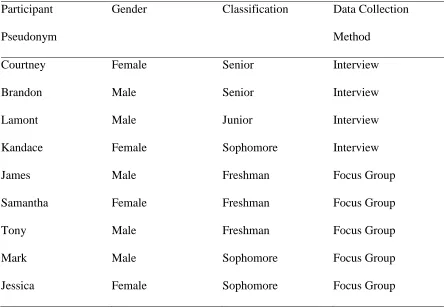
Table 1 Participant data ... 71
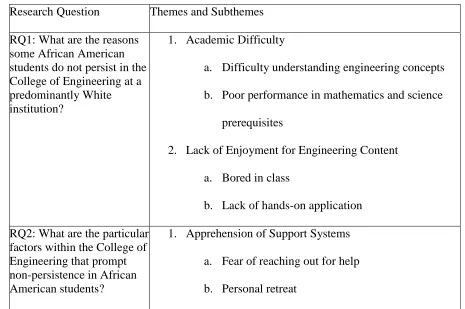
Table 2 Themes and Subthemes ... 76
Table 3 Participant transcript data ... 79
Table 4 Participant transcript data ... 80
Table 5 Participant transcript data ... 80
Table 6 Focus group participant data ... 86
Table 7 Non-persistent support data ... 98
LIST OF FIGURES
Figure 1. Self-Worth Theory in Non-Persistence ... 9
Figure 2. White/Caucasian Student Degree Completion in COE ... 14
Figure 3. African American Student Degree Completion in COE ... 14
Figure 4. Related Achievement Motivation Theories ... 26
Figure 5. Sampling Procedure ... 53
Figure 6. Data Collection Procedure (Creswell, 2013) ... 55
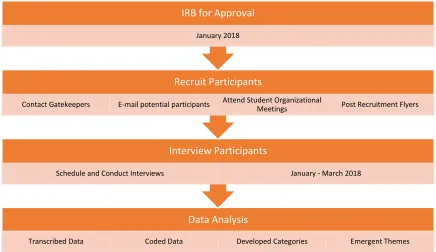
Figure 7. Data Analysis Timeline ... 61
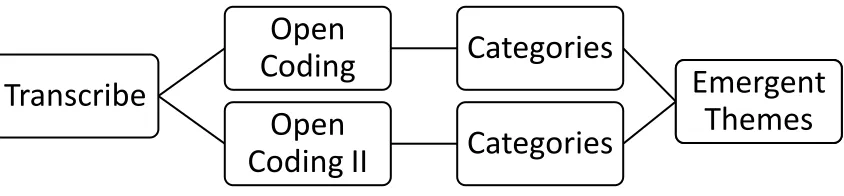
Figure 8. Coding Process ... 63
Figure 9. Persistence Timeline I ... 90
Figure 10. Persistence Timeline II ... 91
Figure 11. Participant Class Assignment ... 96
Figure 12. Reasons Students Leave Engineering ... 101
Figure 13. Self-worth Affiliation ... …113
CHAPTER 1 INTRODUCTION
Engineering is a discipline that seems to attract a diverse array of students from a myriad of backgrounds, ethnicities and socioeconomic backgrounds. These students lend themselves to be mathematicians, problem solvers and hands-on creators. Although these characteristics and skills accompany these students on their path to success in the world of engineering, there are often barriers that can be presented cognitively and socially in academic and environmental settings. In particular, African American students who pursue engineering have trouble persisting in the discipline. Brown, Morning and Watkins (2005) posited that research focusing on African American students continues to be appropriate because “they are the least successful engineering
student group in terms of the proportion of enrolled students persisting to graduation” (p.264). Although there is quantitative research describing the reasons for persistence and non-persistence in African American engineers, there hasn’t been a plethora of qualitative research conducted to
directly address the reasons African American students have trouble persisting in engineering and in particular in the College of Engineering at NC State University. The purpose of this qualitative case study was to understand the reasons African American students in the College of Engineering do not persist in engineering.
Statement of the Problem
year in the fall semester. The problem an issue of non-persistence with African American students in the College of Engineering at NC State University. In addition to the lack of persistence in the College of Engineering at NC State University, the National Science
Foundation (2017) produced a report showing that only 3.83% of bachelor’s engineering degrees in the United States were earned by African American students.
Brown, Morning and Watkins (2005) stated the underrepresentation of African
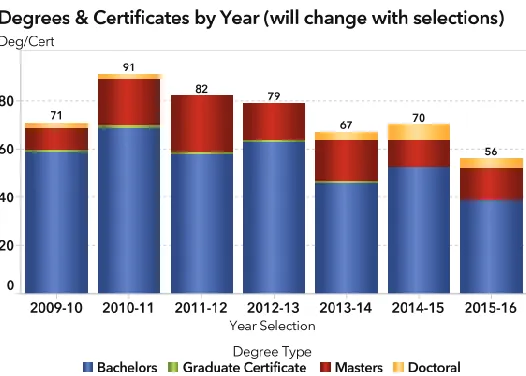
Americans along with other ethnic minorities as degree recipients in engineering is greater than their underrepresentation in enrollment due to their low degree completion rates. Data from NC State University’s Office of Institutional Research and Planning (2017) also indicated the graduation numbers from year to year for African Americans in the College of Engineering has seen a decrease in the number of African American students in the last seven years. There is a shortage of African American students persisting in engineering which results in a lack of diversity for the discipline. The goal of this research was to investigate the reasons that African American students did not persist in engineering at NC State University. Without African American students gaining engineering degrees, the discipline will continue to lack the presence of African American engineers (Solorzano, 1995).
Background
“Engineering and society are interrelated; each one shapes the other. It is imperative to
understand the influences of diverse human talents on society in order to encourage innovation, creativity, and global understanding to achieve a more equitable, inclusive, and prosperous world community. Creating a workforce diet that is capable of thinking and working across diverse perspectives is imperative to the future of engineering. To achieve this goal, we must
initiatives to leverage diversity” (Steering Committee of the National Engineering Education Research Colloquies, 2006, p. 261). “Underrepresented minorities are thought to have the ability
to widen the diversity of thought that will ultimately strengthen the solutions that the workforce will be able to develop in response to today’s complex problems for a diverse society” (National
Academy of Science et al., as cited in Yu, Crokin, and Martin, 2017, p. 68). Engineering is a field in which individuals have the opportunity to be change agents in the world through creativity, collaboration, problem solving and design. To exist in a world with a myriad of problems pertaining to diverse types of people it is imperative to have a broad range of
perspectives and talents to tackle those problems. Without diverse perspectives, the world would be void of diverse and effective solutions (National Academy of Engineering, 2001).
Although African Americans have begun to pursue engineering, the lack of persistence continues to be an issue. The goal of the findings presented in this research is to help researchers and educators understand the reasons persistence is an issue, specifically within the College of Engineering. Cognitively and socially, achievement motivation can play a role in African American students’ lack of persistence, although “little is known about how academic
confidence or achievement motivation affects engineering students and in particular African American undergraduate engineering students” (Lorah, Samuelson & Litzler, 2014, p. 825).
Although little research has been conducted that links a lack of persistence to achievement motivation, researchers such as Seymour and Hewitt (1997) suggested students left engineering programs for many reasons, one dominant reason being because of a loss of academic self-confidence in a competitive environment.
researcher insisted that understanding how motivation was associated with achievement among African Americans was and is equally important as the popular focus on the cognitive process (p. 55). Motivation is suggested to be a key factor in any student’s success. McGee et al. (2016)
conducted research concerning African American post graduate engineers, albeit a slightly different demographic, the authors’ argument that any solution aimed at addressing the lack of persistence of African American engineers through post graduate matriculation should begin with understanding how African American engineering students are motivated (p. 186).
Purpose of the Study
Achievement motivation influences can be linked to a lack of persistence in
undergraduate engineering for African American students. In particular, the research explores reasons related to self-worth, an achievement motivation theory. “National concerns over the “STEM Pipeline” have led to additional funding at all levels to recruit and retain more students
in STEM fields. Yet very few of these initiatives have significantly increased the number of underrepresented minorities, particularly African Americans, in STEM fields” (Kendricks & Arment, 2011, p. 2). In order to increase the number of African Americans in engineering by helping them persist, this research aims to showcase how some African American students lose their sense of self-worth within this academic environment, leading to non-persistence. Although very few studies have utilized self-worth achievement motivation theory to explain
nonpersistence, Graham (1994) alluded to the need to explore this phenomenon in relation to achievement motivation in her research having stated “the study of motivation appears to be a key variable in understanding achievement strivings of minority populations” (p. 56).
influences within the College of Engineering caused African American students to not persist in engineering. The goal of this research study was to discover reasons some African American students did not persist as engineering majors.
Need for Study
“Although there is existing literature on student persistence in undergraduate engineering
programs, there is a lack of insight regarding the experiences of African Americans and other minorities. According to Beasley and Fischer (2012) there is limited research that addresses the high rates of minority and female non-persistence or dropouts in STEM disciplines such as engineering. In addition, there is a need to identify influences that affect African American students’ STEM confidence” (Lorah, Samuelson & Litzler, 2014, p. 817). In addition to sparse
research on African Americans and non-persistence in engineering, little is known about the extent to which self-worth impacts the decisions of African American undergraduate engineering students (Lorah, Samuelson & Litzler, 2014, p. 825). This qualitative research study will help fill a gap in the literature regarding African American students’ lack of persistence in the College of
Engineering and the influences of self-worth in achievement motivation in determining non-persistence in engineering amongst African American students.
Theoretical Framework
Elliot, Dweck, and Yeager (2017) stated “motivation is perhaps the indispensable element needed for school success” (p. 10). Cotten, Rikard, Coleman, Huang, and Ball (2016) found that changes in students’ intrinsic values and expectancies were statistically significant
predictors of changes in students’ academic motivations. This led to researchers hypothesizing that by instilling intrinsic values, utility values, and expectancies for success, improvements can be made to the structural integrity of the STEM pipeline (Cotten, Rikard, Coleman, Huang & Ball, 2016, p. 633). These findings give way to positioning this research within the confines of the achievement motivation model, self-worth theory, which assumes students need to maintain their sense of worth or personal value by achieving success or avoiding failure in the classroom where intrinsic and extrinsic motivation is promoted (Covington, 1984).
While focusing on the mental and emotional motivational role of nonpersistence,
researchers have developed models of motivational thinking. Elliot, Dweck, and Yeager’s (2017) five key elements of the competence motivation model are metacognitive skills, learning skills, thinking skills, knowledge, and motivation (p. 9). The basis for Covington’s self-worth theory is the achievement motivation model (learned-drive theory) developed by Atkinson and
McClelland (McClelland, 1985; McClelland, Atkinson, Clark, & Lowell, 1976). People who are achievement motivation prone seek moderate challenges and risks. They are constantly trying to better themselves. Motivation also involves the individual’s motivation to enhance their
intellectual skills (Dweck, 1999, 2002, 2007; Dweck & Elliot, 1983). These individuals believe intelligence is defined as rarely making mistakes or showing intellectual weakness (p. 10).
avoidance versions of the achievement motive, which is striving to avoid failure. The motive to avoid failure involved anticipatory shame caused by a competence-relevant situation. “The notion of anticipatory emotion represents a special case of future-oriented emotions” wherein those emotions may promote non-persistence (Baumgartner, Pieters, & Bagozzi, 2008). These similar tactics help form the basis of failure-avoiding students who assume a self-worth
protective strategy to protect their perception of their competence as analyzed in the self-worth theory of achievement motivation.
The analysis of data in this research study was guided by the self-worth framework as presented by Covington (1984) as to explore participant voices when presenting the reasons African American students did not persist in engineering. Utilizing the self-worth framework regarding African American non-persistence and achievement motivation will assist in providing implications and solutions to combat to the phenomenon of non-persistent African American engineers in the College of Engineering.
Research Questions
The purpose of this qualitative case study was to explore and uncover the reasons African American students did not persist in engineering in the College of Engineering. The following questions guided the research:
1. What are the reasons some African American students do not persist in the College of Engineering at a predominantly White institution?
Limitations and Delimitations of the Study
Upon deciding to explore the dilemma concerning the lack of African American students persisting in engineering, several recognizable limits to this research study became apparent. Utilizing the case study approach to explore the perspectives of a modest number of participants in one semester may not reflect the views of an entire population (Creswell, 2007). This research study examined nine participants from one University’s engineering school. Although the
thoughts and perceptions of multiple participants were explored, some participant responses may not be generalizable (Creswell, 1998). One participant also showed apprehension during the interview and exhibited signs of fear due to the researcher power imbalance. Although this was the case with one participant, the researcher was able to gather meaningful responses from the other participants. In addition, this research also sought to explore and describe the intrinsic experiences of the participants instead of providing evidence through statistical measures.
Key Terminology
Achievement Motivation: motivation that involves seeking moderate challenges to better one’s self (Wigfield & Eccles, 2001).
Belonging: the feeling of being a part of an organization or being qualified to be a member of the organization or environment (Covington & Dray, 2002).
Engineering: a discipline that utilizes mathematical and scientific reasoning within a process to design, construct and build entities and find solutions to enhance living conditions (American Society for Engineering Education, 1985).
Non-Persistence: the act of not continuing on a current course, such as a project, task, or academic pursuit (Yu, Corkin, & Martin, 2017).
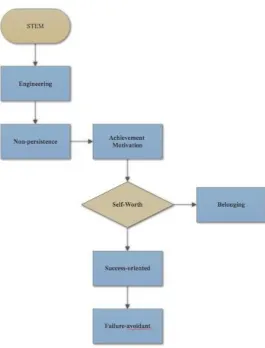
Self-Worth: the attempt of students to protect their self-esteem, worth and personal value when their perceptions of their ability change. Please see Figure 1. They adopt strategies to keep their inability veiled (Covington and Beery, 1976).
STEM: the acronym STEM represents the following disciplines: science, technology, engineering and mathematics (McClain, 2014).
Success-oriented: individuals driven to achieve who have a positive achievement motivation perception (Covington & Dray, 2002). [see figure below]
Chapter Summary
In recent years, there have been significant efforts by government, industry, universities, and philanthropic foundations to address the problem of underrepresentation of African
Americans among engineering graduates (Brown, Morning, Watkins, 2005, p.263). There has been a focus to do so because STEM employers in the United States have affirmed the value of a diverse workforce in the drive for innovation (Newman, 2011, p. 194).
The self-worth theory of achievement motivation guided this research, which focused on exploring the reasons African American students did not persist in engineering at the
undergraduate level in the College of Engineering at NC State University. The research
presented explored students’ perceptions about their own abilities and the influences that resulted in their non-persistence in the College of Engineering.
To continue to position itself as an economic powerhouse, the United States has to diversify the STEM workforce (Bidwell, 2015). In order to diversify the engineering pipeline, more African American students need to persist in the engineering discipline at the
CHAPTER 2 LITERATURE REVIEW
“Engineering is a discipline that can illustrate the features of student choice that affect
field migration and attrition in very clear terms, and was chosen for this study because, however complex its story, all the variables affecting choice, persistence, and migration come into play”
(Adelman, 1998, p. 14). The engineering discipline, a refined and celebrated extension from the traditional vocational education era, has seemingly attracted a diverse array of patrons at
universities across the world. However, even in all its allure, the discipline doesn’t seem to retain its diverse array of patrons in its entirety, in particular African American undergraduate students. “A more recent study conducted by the Higher Education Research Institute (2010) found that
33% of White and 42% of Asian American students at a national sample of institutions
completed their bachelor’s degrees in STEM within five years of entering college, compared to only 18% of African American and 22% of Latino students” (Chang, Sharkness, Hurtado, &
the College of Engineering at NC State University (Wigfield and Eccles, 2001; Office of Institutional Research and Planning, 2017).
Engineering History
“Engineering is the study and implementation of the practical uses of science. The
profession deals with the design and building of a wide range of machines, devices, systems, and structures” (JBHE, 1998, p. 32). According to the U.S. Department of Commerce (2011) STEM
jobs were expected to grow 17 percent from 2008 to 2018; however, according to the U.S. Department of Education (2010) from 2007-2008, African Americans represented only 7 percent of engineering and biological sciences undergraduate degrees in the United States. Adams and Burgoyne (2017) suggested that engineering programs typically exhibited student retention rates of 60% after the first year. Although these statistics are representative of a national problem, a similar phenomenon is occurring within the College of Engineering. According to the Office of Institutional Research and Planning at NC State University, during the 2015-2016 academic year, the College of Engineering had only 40 African American students complete an engineering degree out of the 1370 who completed the program. African American students represented slightly less than three percent of those who completed engineering degrees in 2016.
addition, engineering firms were reluctant to hire African Americans, therefore African Americans did not pursue the study of engineering.
Bowman (2015) conducted a research study that examined the degree trends for African American students. His study showed a more positive trend for African American males, although non-persistence for African American students remains a concern in the United States and in particular in the College of Engineering at NC State University. Bowman (2015) found that engineering bachelor of science degrees for African Americans declined from 5.1% to 4.3% over the course of nine years; however, the overall number of bachelor of science engineering degrees reported to ASEE increased by about 28%. The African American male engineering degree recipients grew from 2398 in 2005 to 2742 in 2013, an increase of approximately 14%. In contrast, the number of female African American recipients of engineering bachelor of science degrees declined 23%, from 1144 in 2005 to 875 in 2013. Although there has been a slight improvement in African American male engineering degree recipients from 2005 to 2013, the overall picture for African American engineering degree recipients remains bleak in comparison to their peers. The positive increases for African American male degree recipients establish that some efforts are working in some engineering disciplines such as electrical engineering;
Figure 2: White/Caucasian Student Degree Completion in COE
Figure 3: African American Student Degree Completion in COE
In 1960, the first African American student to have a degree conferred represented the College of Engineering (NCSU African Americans, 2017). Fifty-six years later, in 2016, only 40 African American students stood as graduates for the College of Engineering.
examining the variables of success of Black undergraduates within the science and engineering discipline. Wall (1995) conducted a case study exploring African American undergraduate persistence in the department of industrial engineering.
Wall (1995) used a qualitative case study to investigate persistence amongst African American students within the College of Engineering. The researcher drew on a critical theory while using an interpretive framework to gather the perspectives of students, faculty members and administrators regarding the persistence of African American students in the industrial engineering department. Her respondents included six African American students and her primary method of data collection was in-depth interviews. At the time of Wall’s research, African American students “made up about 10% of enrollment in both the college of engineering and the university” (1995, p. 101-102). In her narrative which blended many voices in an effort
to describe the community of struggle amongst African American students surrounding persistence, several themes emerged.
Wall found that students within the industrial engineering department of the College of Engineering had issues with campus climate, the department setting, financial issues and overall institutional change. Although she exclusively researched persistence versus nonpersistence, many students were also found to not persist due to the same issues. In particular to
non-persistence, students expressed having transferred out of engineering because of the demands of a challenging curriculum at a predominantly white institution (PWI), low expectations by peers in academic settings and a “cut-throat” attitude amongst peers (Wall, 1995). Research conducted by Wall (1995). Wall’s research provided indications of several self-worth issues among African
Outside of the university, no research studies were found to address the issue of non-persistence of African American students in the College of Engineering at NC State University. This lack of literature focusing on the College itself warranted a need for this research study.
Achievement Motivation
“The Latin root of the word “motivation” means “to move”; hence, in this basic sense the study of motivation is the study of action” (Wigfield & Eccles, 2002, p. 110). Within the last 30
years, theorists have presented a plethora of research on motivational beliefs, values, and goals and how they develop (Wigfield & Eccles, 2002, p. 1). The study of motivation provides a rich framework for addressing some of the most pressing issues facing our educational system today and often revolve around problem areas such as early withdrawal, retention, persistence and attrition, which have been disproportionately observed in ethnic minorities, particularly African American students (Wigfield & Eccles, 2002, p. 121). Although theorists have presented quite a bit of research on motivational beliefs and how motivation serves as a framework for addressing pertinent issues in society and the educational system, very little research has been conducted related to the motivational beliefs of African American students and the relationship of those beliefs to academic non-persistence (Wigfield & Eccles, 2002, p. 123). In this research study, the self-worth achievement motivation theory served as a framework for exploring the phenomenon of non-persistent African American students in the College of Engineering.
determined that motivation is strongest when a person’s motive to achieve success outweighs
their motive to avoid failure. However, when an individual has a stronger motive to avoid failure, achievement becomes “distant and unattractive” (p. 52).
In addition to the development of theoretical models, McClelland’s (1969) Thematic
Apperception Test (TAT) was one of the earliest achievement motivation instruments to be developed. The Mandler-Sarason Test Anxiety Questionnaire (TAQ) was often paired with McClelland’s Thematic Apperception Test (TAT) to create a combined measure of achievement
motivation (Hermans, 1970, p. 353). Other early instruments measuring achievement motivation include the Iowa Picture Interpretation Test (IPIT) and the French Test of Insight. The French Test of Insight was used to measure achievement regarding the strength of a motive to achieve and the TAQ instrument was used to indicate a student’s strength in their motive to avoid failure
(Mandler & Sarason, 1952; French, 1955). Criticism arose regarding the tests, suggesting they lacked internal consistency and test-retest reliability (Herman, 1970, p. 353) but findings indicated that success-oriented students would choose somewhat more difficult tasks, giving them an equal chance of achieving success. These students would also perform better than those who were prone to avoid failure, whom also avoided tasks at any level of difficulty.
In time, new instruments were constructed to measure achievement motivation. These instruments included the Achievement Motivation Profile (AMP), the Ray Motivation
Achievement Scale, and the Contextual Achievement Motivation Survey (CAMS). The most recent, CAMS, which is grounded in McClelland’s theory of achievement motivation, is
However, for this qualitative case study research, it was the researcher’s intent to develop a more holistic picture of how self-worth achievement motivation plays a role in a participant’s
decision-making and the influence self-worth has on non-persistence in the College of Engineering.
Since these early developments, the achievement motivation theoretical approach has been developed and explored to formulate numerous models. Current models in the achievement motivation field include: self-efficacy theory, self-worth theory, expectancy-value theory, entity vs. incremental intelligence theory, self-determination theory, interest theory, goal orientation theory, and social goal theory (Wigfield & Eccles, 2002, p. 4). Although there is a vast array of achievement motivation models, literature from this research focuses on the self-worth theory of achievement motivation which is an extension of Atkinson’s and McClelland’s Expectancy
Model.
Self-Worth Theory of Achievement Motivation
Conceptually, worth can be defined in terms of an individual’s esteem, respect, and personal acceptance. As an individual takes an evaluative review of himself, self-worth is usually discovered. In terms of the evaluation of self-self-worth, most individuals strive to protect their sense of worth, especially if it is threatened. Individuals, particularly students, try to increase or protect their sense of worth by showcasing their successes and avoiding failure. Success drives their self-worth and failure diminishes their sense of self-worth (Covington and Beery, 1976). Beery (as cited in Covington and Beery, 1976) proposed that a threat may impress upon an individual’s self-worth when there is an inability to perform which further limits the individual’s perspective of success. A student may believe this dilemma exemplifies failure
conception of the self-worth theory, which is a model within the achievement motivation theoretical umbrella. “The self-worth theory assumes that a central part of all classroom
achievement is the need for students to protect their sense of worth or personal value.
Perceptions of ability are critical to this self-protective process, since for many students the mere possession of high ability signifies worthiness. Moreover, ability is widely perceived as a major cause of success, and success in turn reflects well on the individual” (Covington, 1984, p. 4).
Distinctly, the academic environment affords students the opportunity to evaluate their abilities, put forth effort and gain acceptance or approval as residuals for their abilities and efforts. Strangely enough, academic environments also pose an interesting dichotomy for students which sets the scene for implications and threats to an individual's self-worth (Covington and Beery, 1976). The classroom is a unique place for students to gauge their abilities; however, it is also the setting for students to approach failure. A student’s sense of self-worth does not necessarily have a navigable boundary to differentiate a right or wrong place for its formation; it simply ascertains whether or not it is being threatened or maximized. Within this relationship, therein lies the birth for several pertinent concepts within the self-worth framework which include: ability, achievement, effort, failure and success.
indication of their idiosyncratic learning characteristics. This is an example of a success-oriented individual. Another type of individual appears and that is one who is failure-avoidant. For this individual, they harbor fear and often have self-doubts. He or she believes they lack ability, therefore they avoid putting forth an immense amount of effort in the attempt to avoid a threat to their self-worth. Their lack of effort which presumably results in low achievement is conceivably a strategy for the individual to protect their self-worth. Failure is a threat and it is perceived to be indicative of their inability to perform well. For success-oriented or failure avoidant individuals, these concepts play a large role in determining an individual’s self-worth. The perception of one’s ability serves as a dominant factor of achievement behavior. Success in the classroom or in
life seems to lend rewards personally and socially. Individuals are driven to succeed to minimize indications of failure and assume a position of success and reap its benefits (Covington & Dray, 2002; Covington, 1984).
Extrinsic and Intrinsic Rewards for Motivation
Typically, achievement is a major focus in academic environments. Even before an individual frames their personal definitions of success or failure, they have aiding cues. Students in particular are usually motivated by extrinsic or intrinsic means. Extrinsic motivation occurs when students are motivated to achieve for the purpose of receiving praise or acknowledgment from others, typically peers and teachers. Intrinsic motivation occurs when students achieve because of personal enjoyment or knowledge acquisition. Success and failure look differently for individuals who achieve when extrinsically rewarded versus those who achieve for intrinsic rewards. Extrinsic and intrinsic motivation based on extrinsic and intrinsic rewards play a role in a student’s sense of worth because they are residuals of a student’s achievement, ability, or
teachers, provide extrinsic rewards they prefer students to have intrinsic motivation as it assists in the learning process. In the world of academia students are praised for achievement or effort. This is particularly troublesome for both the success-oriented student and failure-avoidant student. For the success-oriented student, extrinsic rewards incite a fire that when quenched through academic inability or ensuing failure, they lose self-worth. For the failure-avoidant individual, extrinsic rewards do more harm than good, shedding light on the student’s academic
insecurities which leads to a loss of a sense of self-worth (Covington & Beery, 1976, p. 27-35). Sustaining Self-Worth
Some individuals are equally striving for success and attempting to avoid failure. One individual can either be strongly failure-avoidant or heavily success-oriented while another may have tendencies that indicate they hold both characteristics. Covington and Beery (1976) coin two overall themes for avoiding failure. The initial theme for individuals who try to avoid failure “involves disowning the implication that failure holds for one’s ability to achieve” (Covington
and Beery, 1976, p. 43). This concept describes the individual labeled as an underachiever. A second concept for a failure-avoiding strategy includes “attempts to avoid failure and its implications by ensuring success” (Covington and Beery, 1976, p. 44). An individual who uses this strategy is described as an overstriver. Two main strategies presented for individuals who avoid failure to evade an implication of their ability to achieve are: nonparticipation, false effort, and impossibly high goals. Nonparticipation, false effort and impossibly high goals are failure avoiding tactics used by students when failure seems inevitable and they want to evade
An underachiever fears failure so they limit their effort academically to serve as a defense against that sense of failure. The underachiever associates their worth with their ability to achieve; however, they expect perfection (Covington & Beery, 1976, p. 51). To this student perfection becomes unattainable, so they use failure avoiding tactics such as procrastination and not trying. This in turn protects their sense of self-worth, although it produces negative results.
Overstrivers are similar to underachievers in that they believe their worth is tied to their accomplishments. Overstrivers differ in that they do perform well academically, however, their incessant effort to avoid failure through high achievements become burdensome. They extend quite a bit of effort and they showcase high ability. They are not procrastinators, they do try and they excel. Overstrivers experience threats to their worth even when they achieve because there is always the lingering thought of failure and when failure does happen, they lose a sense of worth. Overstrivers try to avoid failure by going above and beyond. This threat of failure increases in competitive environments.
accomplishment becomes obsolete in these competitive environments. Their identity and self-worth become threatened through loss of extrinsic rewards and achievement.
Self-worth theory states that in certain situations students stand to gain by not trying—by deliberately withholding effort. This is likely to occur when poor performance imposes a threat to self-esteem. One circumstance in which this occurs is following an experience of failure. Failure threatens self-estimates of ability and engenders self-doubt about the individual’s capacity to perform well on a subsequent occasion. If subsequent
performance turns out to be poor, then doubts concerning ability are confirmed. The self- worth theory states that one way to avoid threat to self-esteem is by withdrawing effort. Withdrawing effort allows failure to be attributed to lack of effort rather than to low ability. Thereby, threat to self-esteem is reduced (Thompson, Davidson, & Barber, 1995, p. 598).
Interestingly enough, Reisel and Brekke (2010) suggested that non-persistence in higher education amongst minorities may be a choice or forced behavior that is reflected by a lack of motivation or disinterest (p.694). The transition can present itself to be the effect of many causative reasons such as poor academic performance, economic distress, family obligations or other external factors (Reisel & Brekke, 2010, p. 694). There is a great body of literature that focuses on minorities’ lack of persistence due to economic factors or external social factors;
Related Achievement Motivation Theories
There are two particular theories that Covington (1984) asserts directly influence or can be associated with the self-worth theory of achievement motivation. Those two theories are the learned-drive theory and the cognitive attribution theory.
Learned-drive Theory
Learned drives are considered to be psychological motives, such as the “need for
approval, belongingness and achievement” (Covington, 1984, p. 6). Theorists, David McClelland
and John Atkinson were responsible for developing the learned drive model in the 1950s.
According to their model, the need for achievement is a results from an internal conflict to strive for success and to avoid failure (Covington, 1984). Whether an individual, or in this case a student, is success-oriented or failure-avoidant is said to be influenced partly by childhood experiences.
Success-oriented children, those who have a positive achievement orientation, have parents who permitted them exploration but established rules of conduct and set limits within those confines. They were rewarded for praiseworthy performance and in situations where performance fell short of expectations, parents remained neutral. Failure-avoidant students were punished by parents when they did not meet expectations and parents were considered guarded or vague in their vocalizations regarding the child’s success (Covington, 1984). It is also
Cognitive Attribution Theory
Weiner and his colleagues proposed what was considered a radical take on the learned-drive theory, prompting the attribution theory. The principle behind this theory states people’s
view of the causality of their success and failure influences the quality of their future
achievement. “The basic emotional anticipation of hope for success and fear of failure (stressed
in drive-theory formulations) was subordinated to cognitive attributions as the major determinants of achievement behavior” (Covington, 1984, p. 7).
In achievement situations, students attribute their successes or failures to 1) their ability, 2) their effort, 3) the difficulty or ease of a task, and 4) random chance (Covington and Beery, 1976, p. 67). Within the perceived causes of success and failure, students either believe there are internal (locus of control) or external influences determining the outcome. Internal outcomes, those controlled by the student, are based on ability and effort. External outcomes, those beyond the student’s control, are task difficulty and random chance. Success-oriented students attribute
success to ability and effort, and failure to a lack of effort. Failure-avoidant students attribute success to external factors such as an easy assignment or good guessing on an assignment. They ascribe failure to a lack of ability (Covington and Beery, 1976).
Relation to Self-Worth
Figure 4: Related Achievement Motivation Theories
In society, a person’s worth is often measured by success and failure; therefore,
framework to determine if African American students showcase either success-oriented or failure-avoidant orientations based on their tendencies and what exact reasons pertaining to ability perceptions induce non-persistence in the College of Engineering.
African American Students and Motivation
Graham (1994) selected 140 research studies where researchers examined the
motivational factors related to African American students. Graham discovered three important misconceptions regarding African American motivation research. Although previously suggested by other researchers, Graham found African Americans to be no different than other ethnicities regarding personality traits that inhibit their motivation. It was also posited that there was insufficient evidence concerning African Americans having a lack of control when addressing motivational consequences. It was also supported that African Americans in general have an expectancy for future success, although African Americans have been found to overestimate their future success in light of their current abilities and performance. A more recent study examining persistence and non-persistence suggested that underrepresented minorities, inclusive of African American students, who pursue majors in STEM, such as engineering, are affected by environmental and internal psychological factors (Chang, Sharkness, Hurtado, & Newman, 2014).
race and social class within society, and incorporate a range of affective determinants of behavior (Graham, 1994).
Grounded within the self-worth theory, this research has viewed the non-persistence of African American students in the College of Engineering based on similar and additional factors. The case study has presented a wealth of data that will inform future research and posit helpful recommendations within the engineering discipline regarding African American students. It will also shed light on the role self-worth plays in the overall departure of African American students in the College of Engineering at NC State University. It is through understanding their voices and exploring the data presented in this research that researchers and administrators should ascertain pertinent information that will help reshape the population of African Americans in the College of Engineering.
Non-Persistence among African American Students in Engineering
Retaining underrepresented minorities such as African Americans in STEM disciplines like engineering seem to be a national priority, however, the trends exhibiting persistence are bleak (Hernandez, Woodcock, Schultz, Estrada, & Chance, 2013, p. 90). Students are admitted to engineering programs within many institutions, however evidence stemming from engineering education literature illustrates a problem with non-persistence among women and minorities.
According to Adelman (1998) NC State University has been considered a flagship engineering school in the North Carolina higher education system, and its engineering programs are considered to be selective. Albeit an engineering powerhouse, it showcases similar issues along with institutions within the United States - the continual non-persistence of African American engineering students. According to the Office of Institutional Research and Planning (2017), for the past seven years, the College of Engineering has averaged a loss of more than 25 African American engineers between the end of the fall semester and the beginning of the spring academic semester, year-to-year. Although 25 may seem to be a small number, it has a large implication when the number of African American engineering students make up less than five percent of the College of Engineering. One of the proposed research questions in this study aimed to pinpoint the reasons African American students did not persist in engineering. Espinosa (2011) even suggested that negative effects to persistence sometimes include attending a highly selective institution.
scores and high school rank were statistically significant in differentiating whether students experienced attrition or persisted.
Although this research study is valid, it does not address non-persistence within the College of Engineering among African American students. Neither does the research study provide depth and richness regarding student reasons for non-persistence. Aside from Stafford’s (1966) research, a more recent research study examining persistence amongst first-generation college students in STEM majors also posited that first-semester GPA for “diverse groups” was a deciding factor in persistence; however, the research did not exclusively discuss African
American non-persistence or the role of motivation within an academic setting (Dika &
D'Amico, 2016). However in Stafford’s (1966) research, he provided evidence from researcher Marsh’s (1966) literary work which correlates with Atkinson’s (1960) early research that
achievement motivation within the academic environment is a useful factor when examining students’ non-persistence.
Although quantitative studies have been conducted examining factors associated with non-persistence and the academic ability of engineering students, this research study had a concrete goal to explore personal and narrative depictions of non-persistence. The question of non-persistence can certainly be informed through statistical measures weighing in on
competence and motivation; however, a qualitative perspective of firsthand accounts that corroborate the various reasons for non-persistence from those who did not persist presented to be beneficial.
Reasons for Non-persistence
associations, transition and become acclimated to the academic and social communities of their institution or academic program. Tinto believe that if students were socially and academically integrated into their program, persistence was more likely to occur (p. 38). Although this is a highly respected theory, for African American students especially those attending predominantly white institutions (PWIs), academic and social integration takes on a different form, thereby negatively affecting their persistence and thus producing non-persistence amongst these students in STEM programs like engineering. The “students’ perceptions of the accessibility of faculty and other students, the comfort of the culture of their STEM program, and the overall sense of feeling welcomed by the program and fellow students all combine to influence students’ motivation, which in turn influences their academic and social integration” which in turn
functions as reasons for their persistence or non-persistence (Rodgers, 2017, p. 38-39).
Rodgers (2017) defined persistence as a “students’ tendency or decision to continue or not continue along their current course” (p. 38). Students described as non-persistent can be
considered as those who made a decision to discontinue their current academic course, in this instance, the discipline of engineering. If persistence is considered a student-controlled variable, then there must be reasons for students to make the decision to not persist (Rodgers, 2017). After reviewing the literature, several reasons for non-persistence were presented by multiple authors, the most frequent themes were discussed in this chapter and served as a guide to this research study.
Academic Environment
Seymour and Hewitt (1997) conducted research illustrating that students left science or engineering programs because of a loss of academic self-confidence in the competitive
reasoning to African American students, they did however find that “white, masculinist
experiences and expectations permeated courses in science, mathematics and engineering” which could have thereby influenced African American students to be non-persistent in such an
environment. Furthermore, if the climate of the institution’s engineering program presents to be unwelcoming assisting in African American students’ feelings of a lack of belonging, it could have presented to be detrimental to their persistence in those programs (Marra, Rodgers, Shen, & Bogue, 2012). Strayhorn et al. (2014) suggested that studies have shown that historically
underrepresented racial/ethnic minorities (URMs [such as African Americans) face several obstacles at predominantly White institutions (PWIs) that impede their engagement including negative, unsupportive faculty members and very few same-race peers upon whom they can rely for support and friendship. Some of these same reasons for the non-persistence of African American engineers was also variably presented in this research.
This reason can be further asserted by taking an opposing view. Palmer, Davis and Hilton (as cited in Burrell, Fleming, Fredericks, & Moore, 2015) suggested that at historically black colleges or universities, also referred to as HBCUs, non-persistence has little to do with
institutional characteristics such as academic environment, but with socioeconomic issues such as a lack of financial support. This further asserts that at predominantly white institutions, also known as PWIs, African American students may encounter motivational barriers within their academic environment. Barr, Gonzalez, and Wanat (2008) concluded that many
underrepresented minority students when confronted with academic challenges did not know how to persevere.
that non-persistence has stemmed from African American students not knowing how to cope with academic inadequacies. Meyer and Marx (2014) provided qualitative evidence supporting students’ academic reasons for non-persistence. The authors reported in their research that “the most common institutional factor mentioned by participants and supported by the attrition and retention literature was the participants’ feeling of unpreparedness for the rigors of the
engineering program” (p. 541). Researchers Seymour and Hewitt (1997) found that barriers to
persistence in engineering among African Americans revolved around faculty guidance. In addition, Castaneda, Cabrera, Hengstler and Nora (1992) also found depleted motivation to be a factor linking similar inhibitors such as an institutions’ academic characteristics (p. 144).
Seymour and Hewitt (1997) suggested that students in general felt a lack of or poor personal support in engineering programs. Marra, Rodgers, Shen, and Bogue (2012) found that poor teaching and advising were reasons for non-persistence. Lovecchio and Dundes (as cited in Tucker & Winsor, 2013) also indicated that one of the reasons for Black students’ decreased
Overall, African American students reported in several research studies that the biggest barriers to maintaining motivation in engineering concerned the academic environment whether in the classroom or within the departmental climate amongst peers and faculty. These reasons, amongst others discussed in this section, prompted this research study in an effort to showcase that some of these reasons, as illustrated by the data, continued to play a role in non-persistence of African American students.
Overcoming Stereotypes
Steele (as cited in Hope, Chavous, Jagers, and Sellers, 2013) “posited that Black students, particularly those who identify strongly with academics, are concerned with confirming
stereotypes of academic incompetence and racial inferiority in academic settings—stereotype threat” (p.1125). Steele (as cited in Hope, Chavous, Jagers, and Sellers, 2013) also “suggests that
in response to repeated experiences of stereotype threat, students may disidentify with the academic domain as a means of protecting their self-concept from the threat associated with negative race-based academic stereotypes” (p. 1125). This experience of negative stereotyping may lead to a lack of academic effort or achievement. Wigfield and Eccles (2001) believed that minority males, more than other adolescents, had to cope with the stressors of academic
challenge and negative stereotypes about their group, and that those stressors could undermine the endorsement of achievement values. African American males and females both have encountered negative experiences from the broader society. Beasley and Fischer (2012)
confirmed that African American women and men may suffer from stereotype threat, although it is unclear if men or women are more vulnerable to negative stereotyping. Even though
focus on meaningful activities (Reid, 2013, p. 78). Thus, the stereotype threat empowered African American students to persevere in certain cases.
Stereotypes can often be masked by racial microaggressions in the academic environment. These are subtle, nonverbal implications that often affect African American
students in negative ways. Rodgers (2017) suggested that students can receive messages, whether hidden or apparent, about their own academic competence from their peers, faculty members and society in general. Stereotypes could play a role in sending negative messages about competence and ability. Yu, Corkin and Martin (2017) also proffer that stereotypes can serve as another barrier which negatively impact underrepresented students’ motivation and achievement.
Hurtado et al. (as cited in Chang, Sharkness, Hurtado, & Newman, 2014) found that “perceptions
of hostile racial climates were negatively associated with the sense of belonging of all students, whereas such climates hindered the academic adjustment” of only underrepresented minorities
(p. 557-558).
Although none of the participants in this research cited stereotypes as being a reason for their non-persistence, an interview participant and focus group participant did express
experiencing racial undertones. Understanding that African American students are inhibited by the use of negative stereotypes can help researchers develop new theories as to why certain African American students are non-persistent in the engineering discipline at the undergraduate level.
High Aptitudes in Science and Mathematics
aptitudes in science and mathematics according to researchers. Astin and Astin (1992) found that students who persisted in engineering majors entered college with adequate mathematical and academic preparation. In particular, for African American students who did not take rigorous courses in disciplines such as mathematics, the classes at the undergraduate level presented themselves as major barriers for those students, as well as for other minorities. It was posited that those students were inhibited by institutional structures that limited opportunities for rigorous academic preparation (Oakes, 1990).
Interestingly enough, according to NC State University’s College Admissions website, the College of Engineering reported admitting students whose academic history boasted rigorous courses and relatively high composite test scores. It is uncertain of the level of rigor experienced by each student at their respective secondary schools. Although students who do not perform well in science and mathematics at the secondary level experience persistence issues within the engineering discipline, African American students within the College of Engineering were selected because of this secondary experience. These characteristically high performing students could very well have been ill-prepared. A similar theme, experiencing academic difficulty, especially in mathematics and science, was indeed presented as a assister of on non-persistence. Assessing Women and Men in Engineering (AWE) Students Leaving Engineering (SLE)
Instrument
“The AWE Students Leaving Engineering (SLE) instrument is designed to meet the need
for a quantitative instrument to collect data on the reasons engineering students decide to transfer out of engineering” (Marra et al., 2007, p. 4). Marra, Bogue, Shen and Rodgers (2007) developed
students’: “pursuing an engineering major, high school preparation, intended transfer destination
(e.g. which college, work, military), career plans, participation in college extracurricular activities, and factors that impacted respondents’ decision to leave engineering and included a
rating of the significance of each contributing factor” (p. 4).
Based on results from the 47 open-ended question instrument, the following factors were said to have influenced students’ non-persistence: teaching/climate, workload/grades, advising,
advice, finances, and belonging. Teaching and climate boasted the highest average as reported by students in their reasoning for leaving engineering. Interesting enough, the grade-point averages (GPAs) of these students ranged from 1.82 to 4.0. Students who reported themselves as high performers reported leaving due to not having a sense of belonging in the major, which held the lowest influence for students leaving the discipline. This cross-institutional study provided insight to reasons why students left engineering. Although the instrument provided viable data, the lack of African American student perspectives presented within the research left a gap regarding reasons specific to African American students. In addition, the instrument indeed provided some qualitative data sharing participant voices; however, African American respondents failed to be presented in great majority.
Non-Dominant Reasons for Non-persistence
(Marra, Bogue, Shen, & Rodgers, 2007, p. 4; Burrell, Fleming, Fredericks, & Moore, 2015). Although the reason was posited by students through qualitative and quantitative data, the overall feedback regarding financial hardship affecting student decisions was not overwhelming.
Marra, Bogue, Shen, & Rodgers (2007) reported student learning styles as influencing factors for leaving the discipline. The traditional lecture style format seemed to disconnect students from the content. The researchers found that traditional pedagogical practices were incompatible with students’ personal learning styles and preferences. Berry et al. (2007) completed a research study working with African American students in engineering and they also proffered that students expressed a desire for professors to have the ability to teach students with different learning styles and levels of ability. Participants within the research study were noted as having expressed the need for professors to make conscious efforts to reach every student and gauge their understanding. This factor can also be connected to the academic environment theme.
Lastly, Marra, Bogue, Shen, & Rodgers (2007) showcased in their instrument that some students expressed having family or community influence regarding their pursuit to engineering. In addition, Azmitia and Cooper (as cited in Rodgers, 2017) discussed the importance of
who invested in their learning during their primary years and encouraged their engagement with STEM disciplines.
Community or university-sponsored programs such as pre-college programs and minority engineering programs were found to have an impact on persistence. Pre-college programs can also be correlated with academic preparation for course rigor. Dancy, Palmer and Maramba (2011) suggested that the intensive pre-college programs gave students exposure to collegiate academic concepts and skills while at the secondary level prior to undergraduate enrollment. Allowing African American students an opportunity to be exposed to engineering content, as showcased in engineering-focused pre-college programs prior to postsecondary helped bring students up to speed with the material, which was posited by respondents as a reason they left engineering in some instances due to disconnect with the material. In addition, pre-college programs can be particularly important for underrepresented minority and STEM students (Stolle-McAllister, 2011). A recent research study conducted by Eris et al. (2010) showed that persistent students and non-persistent students did not differ on most factors regarding
persistence in engineering. Their research also showcased non-persistent students detailing information regarding pre-college preparation, parental influences and confidence in math and science skills.
Chapter Summary
“The role of motivation and collaboration in STEM learning and performance is
paramount” (Freeman, Alston, Winborne, 2008). Although this research does not review STEM
diminished confidence in their abilities to succeed, as well as non-persistence. Participants in Meyer and Marx’s (2014) research study mentioned feeling unprepared for the commitments expected of them to succeed in the engineering program and expressed dealing with confidence issues all while being faced with academic challenges such as difficult coursework and poor advising. All these reasons presented to be barriers to the students motivation. Furthermore, Moore, Madison-Colmore, and Smith (2003) found that negative experiences, attitudes and perceptions impeded their students’ academic performance and drive.
In an exploration of the themes in the literature, the common reasons that posed a motivational barrier revolved around self-worth. As stated, students in highly competitive environments exhibited a tendency to lose their identity when their academic prowess did not measure up as expected. Their worth is defined by their achievement so when their level of achievement decreases, so does their worth. Marra, Rodgers, Shen and Bogue (2012) suggested that the difficulty in engineering curriculum, and a lack of belonging prompted non-persistence. Students questioned their belonging or fit in engineering as a result of academic factors. African American students, experiencing adversity and stereotypes, (Moore, Madison-Colmore & Smith, 2003) were found to lose steam if even what they were once motivated to do became difficult to attain because of an overwhelming pressure to perform and that tension inhibited them from measuring up to their personal standards.
Many African American students, as stated earlier, experienced stereotypes at PWIs. Beasley and Fischer (2012) reported that African American participants in their research “believed that most Whites assumed they were the recipients of preferential treatment and
incapable of being accepted on their own academic merits.” Failure avoidant students do not like
environment and a lack of belonging, all this can weigh on the African American student prompting non-persistence. “This self-worth analysis suggests that the functional relationship between intrinsic valuing and extrinsic payoffs depends in part on the motivational disposition of the students. For some students these processes appear to be antagonistic, as in the case of
failure-avoiding students; for others conflicting, as in the case of overstrivers” (Covington & Dray, 2002, p. 38). These sentiments assisted in setting the tone for this research’s exploration of various reasons African American student’s perception of self-worth presented to be a reason for
non-persistence in the College of Engineering.
CHAPTER 3 METHODOLOGY
The purpose of this research was to explore the reasons African American students do not persist in the College of Engineering at NC State University and to explore the reasons and influences, albeit internal or external, that prompt non-persistence with those students. At NC State University, non-persistence amongst African American students seemed to be a continuous trend for College for seven years. The trend was for African American students seemed prevalent more so than their counterparts due to the already small population of African Americans within the College (Office of Institutional Research and Planning, 2017). In an effort to guide the research, two questions of importance were posed: 1) What are the reasons African American students do not persist in engineering and 2) What are the particular influences within the College of Engineering that prompt non-persistence in African American students?
This research study utilized an intrinsic qualitative case study approach to highlight the case itself. Case study research is a qualitative approach in which the research explores a real-life, bounded system through detailed data collection that involves multiple sources of
information, and reports a case description and case themes (Creswell, 2013). This qualitative case was composed to illustrate a unique case regarding a high caliber engineering department with an unusal trend of continued non-persistence in African American students (Creswell, 2013). In conjunction with the suggestions of Creswell (2013), the case study approach was selected in an effort to provide an in-depth understanding of a specific case regarding African American students’ non-persistence in the College of Engineering at NC State University. A
perspective as in quantitative research (Hancock & Algozzine, 2017, p. 8). The objective of the research was to share the candid and reform-shaping voices of the participants which provided insight into their thoughts and experiences for this specific case.
STEM and Case Study Research Literature
Case study research seemed most fitting to tell the story of the participants for this
unique, intrinsic case. According the Office of Institutional Planning and Research (2017), as the trend for engineering persistence among their White peers went up, African American student persistence went down. Previous case studies were explored to provide guidance and support regarding feasibility and use of the case study approach to share the details of this phenomenon.
Perna, Lundy-Wagner and Drezner et al. (2009) conducted a case study exploring the role of Historically Black Colleges in the production of African American females in STEM.
Although the case study focused solely on African American females in a HBCU setting, the chosen methodology provided an opportunity to elicit fruitful responses in an effort to examine a particular situation in which the phenomenon examined was unique, or intrinsic. In these
instances, the case study methodology is recommended according to Wilson (as cited in Perna, Lundy-Wagner & Drezna et al., 2009). The researchers established a data collection protocol using multiple sources of data including institutional documents, focus group interviews and observations. In their research, four themes emerged, one of which directly correlates to the theory guiding the research of this study which was the development that participants in the study acknowledged academic, psychological and financial barriers as having a negative impact on the persistence of Black women in STEM fields, like engineering (Perna, Lundy-Wagner & Drezna et al., 2009).