1
Next Generation Biological Control: the Need for Integrating Genetics and Evolution
Kelley Leung1 (corresponding author, [email protected] , https://orcid.org/0000-0002-1392-6203), Erica
Ras2 ([email protected]), Kim B. Ferguson4 ([email protected]), Simone Ariëns9
([email protected]), Dirk Babendreier5 ([email protected]), Piter Bijma7
([email protected]), Kostas Bourtzis2 ([email protected]), Jacques Brodeur8
([email protected]), Margreet A. Bruins4 ([email protected]), Alejandra
Centurión9 ([email protected]), Sophie R. Chattington9
([email protected]), Milena Chinchilla-Ramírez10,12 ([email protected]), Marcel Dicke13
([email protected]), Nina Fatouros21 ([email protected]), Joel González Cabrera11
([email protected]), Thomas V.M. Groot22 ([email protected]), Tim Haye5 ([email protected]),
Markus Knapp22 ([email protected]), Panagiota Koskinioti3 ([email protected]), Sophie Le
Hesran13,14 ([email protected]), Manolis Lirakis15,16([email protected]), Angeliki
Paspati10 ([email protected]), Meritxell Pérez-Hedo10 ([email protected]), Wouter N.
Plouvier23 ([email protected]), Christian Schlötterer15
([email protected]), Judith M. Stahl5,6 ([email protected]), Andra Thiel9
([email protected]), Alberto Urbaneja10 ([email protected]), Louis van de Zande1
([email protected]), Eveline Verhulst13 ([email protected]), Louise E.M. Vet13,22,23
([email protected]), Sander Visser19,20 ([email protected]), John H. Werren25
([email protected]), Shuwen Xia7 ([email protected]), Bas J. Zwaan4 ([email protected]),
Sara Magalhães17,18 ([email protected]), Leo W. Beukeboom1 ([email protected]
,https://orcid.org/0000-0001-9838-9314), Bart A. Pannebakker4 ([email protected],
https://orcid.org/0000-0001-8503-3896)
Affiliations
1: Groningen Institute for Evolutionary Life Sciences, University of Groningen, Nijenborgh 7, 9700 CC,
Groningen, the Netherlands
2: Insect Pest Control Laboratory, Joint FAO/IAEA Division of Nuclear Techniques in Food and
Agriculture, Vienna International Centre, P.O. Box 100, 1400 Vienna, Austria
3: Department of Biochemistry and Biotechnology, University of Thessaly, Viopolis, 41500 Larissa,
Greece
4: Wageningen University & Research, Laboratory of Genetics, Droevendaalsesteeg 1, 6708 PB
Wageningen, the Netherlands
5: CABI, Rue des Grillons 1, 2800 Delémont, Switzerland
6: Kearney Agricultural Research and Extension Center, 9240 South Riverbend Avenue, Parlier CA
93648
7: Wageningen University & Research, Animal Breeding and Genomics, PO Box 338, 6700 AH
Wageningen, the Netherlands
8: Institut de Recherche en Biologie Végétale, Université de Montréal, 4101 Sherbrooke Est,
Montréal, Qc, Canada H1X 2B2
9: University of Bremen, Institute of Ecology, Group for Population and Evolutionary Ecology,
Leobener Str. 5, 28359 Bremen
2
10: Instituto Valenciano de Investigaciones Agrarias (IVIA). Centro de Protección Vegetal y
Biotecnología. Unidad Mixta Gestión Biotecnológica de Plagas UV-IVIA. Carretera Moncada-Náquera
km 4,5. 46113 Moncada, Valencia, Spain.
11: Universitat de València, Department of Genetics, Estructura de Recerca Interdisciplinar en
Biotecnología i Biomedicina (ERI-BIOTECMED). Unidad Mixta Gestión Biotecnológica de Plagas
UV-IVIA. Dr Moliner 50, 46100. Burjassot, Valencia, Spain.
12: Universitat Jaume I, Departament de Ciències Agràries i del Medi Natural, 12071 Castelló de la
Plana, España
13: Wageningen University & Research, Laboratory of Entomology, Droevendaalsesteeg 1, 6708 PB
Wageningen, the Netherlands
14: Koppert BV, Veilingweg 14, Postbus 155, 2650 AD Berkel en Rodenrijs, The Netherlands
15: Institut für Populationsgenetik, Vetmeduni Vienna, Veterinärplatz 1, 1210 Wien, Austria
16: Vienna Graduate School of Population Genetics, Vetmeduni Vienna, Veterinärplatz 1, 1210 Wien,
Austria
17: Instituto Gulbenkian de Ciência, Rua da Quinta Grande, 6 2780-156 Oeiras, Portugal
18: Departamento de Biologia Animal, Faculdade de Ciências, Universidade de Lisboa, Campo
Grande, 1749-016 Lisboa, Portugal
19: Institute of Entomology, Biology Centre CAS, Branišovská 31, 37005,České Budějovice, Czech
Republic
20: University of South Bohemia, Faculty of Science, Branišovská 1760, 370 05, České Budějovice,
Czech Republic
21: Wageningen University & Research, Laboratory of Biosystematics, Droevendaalsesteeg 1, 6708
PB Wageningen, the Netherlands
22: Koppert Biological Systems, Veilingweg 14, 2651 BE Berkel en Rodenrijs, the Netherlands
23: Netherlands Institute of Ecology (NIOO-KNAW), Droevendaalsesteeg 10, 6708 PB
Wageningen, The Netherlands.
24: INRA, CNRS, UMR 1355-7254, 400 Route des Chappes, BP 167 06903 Sophia Antipolis Cedex,
France
25: Department of Biology, University of Rochester, Rochester, NY 14627 USA
Abstract
Biological control is widely successful for controlling pests, but effective biocontrol agents are now
more difficult to obtain due to more restrictive international trade laws. Coupled with increasing
demand, the efficacy of existing and new biocontrol agents needs to be improved with genetic and
3
genomic techniques is becoming more feasible from both technological and economic perspectives.
We review current methods and provide a framework for using them, incorporating evolutionary and
ecological principles. First, it is necessary to identify which biocontrol trait to select and in what
direction. Next, the genes or markers linked to these traits need be determined to better target their
selection, followed by how to implement this information into a breeding program. Choosing a trait
can be assisted by modelling to account for the proper agro-ecological context, and by knowing
which traits have sufficiently high heritability values. We provide guidelines for designing genomic
strategies in biocontrol programs, which depends on the organism, budget, and desired objective.
Genomic approaches start with genome sequencing and assembly. We provide a guide for deciding
the most successful sequencing strategy for biocontrol agents. Gene discovery involves quantitative
trait loci (QTL) analyses, transcriptomic and proteomic studies, and gene editing. Improving
biocontrol practices include marker-assisted selection, genomic selection and microbiome
manipulation of biocontrol agents, and monitoring for genetic variation during rearing and
post-release. We conclude by identifying the most promising applications of genetic and genomic
methods to improve biological control efficacy.
Keywords: artificial selection, biological control, genetics, genome assembly, genomics, insect
breeding, microbiome, modelling
Contents
I. Introduction ...4
II. What are biocontrol traits? ...6
III. What genetic information do we need? ...7
(1) Genome assembly ...7
(2) Gene discovery ...8
(3) Genome editing for exploratory research ... 10
(4) Microbiomes ... 10
IV. How can genetics be used to improve biological control? ... 11
(1) Artificial selection ... 11
(2) Genomic selection ... 13
(3) Population genetics ... 14
(4) Microbiome manipulation ... 15
V. Conclusion ... 17
VI. Acknowledgements ... 18
4
I. Introduction
Biological control, or the use of natural enemies to control a pest, is arguably the best solution for
phasing out the large scale use of synthetic pesticides (Thomas & Willis, 1998; Bale, van Lenteren, &
Bigler, 2008). It has been broadly applied for hundreds of years and to great success in both
greenhouse and open field systems worldwide (van den Bosch, 1971; Stiling & Cornelissen, 2005).
Most of the research into the fundamentals of biological control has been from an ecological
perspective, focusing on aspects such as optimal foraging and risk monitoring (Wajnberg, Bernstein,
& Alphen, 2008; Heimpel & Mills, 2017). Clearly, not all initiated programs resulted in the desired
level of pest management, and as such there is considerable room for improvement (Wajnberg,
2004). The reasons for biocontrol programs not always reaching their full potential are manifold and
range from releasing the wrong control agents, agents being non-adapted to local environmental
conditions, undesired interactions with the native fauna, and evolutionary changes in the pest
species upon invasion.
In the past, the default method for improving biocontrol performance was to find a more
efficient wild species or strain to be the biocontrol agent (Hassan & Guo, 1991; Hassan, 1994;
Nomikou et al., 2001; Hoelmer & Kirk, 2005). However, the Nagoya protocol for Access and Benefit
Sharing of Genetics Resources has severely limited international exchange of biological materials, so
the practice of successively sourcing more effective biocontrol agents from the field is severely
restricted (Cock et al., 2010; Deplazes-Zemp et al., 2018; Mason et al., 2018). Moreover, certain
geographical regions have strict regulations on which agents can be used, e.g., only local strains
originating from the region itself (Loomans, 2007; Hunt, Loomans, & Kuhlmann, 2011). Concurrently,
demand for more effective biocontrol agents is rising, driven by an increased demand for organic
products and growth of the organic food production market, valued at 62.9 billion USD as of 2013
(Willer & Lernoud, 2019; Baker, Green, & Loker, 2020). For example, the global biological control
market was worth 1.7 billion USD in 2015, with sales growing 3x faster than pesticides (van Lenteren
et al., 2018). Additionally, policy developments have aimed to reduce of synthetic pesticide use (van
Lenteren et al., 2018) such as a EU-wide neonicotinoid ban (Gross, 2013; Stokstad, 2018) and
continuous legal curtailment of organophosphate use in the US and worldwide (Hertz-Picciotto et al.,
2018). The rise of the organic market in conjunction with a reduction of pesticide use results in a
need for environmentally safer pest control, which is reflected in the rapid growth and increased
market value of the biocontrol industry (de Clercq, Mason, & Babendreier, 2011; Dunham, 2015; van
Lenteren et al., 2018). It is now more urgent than ever to understand how to effectively and
efficiently improve non-native biocontrol agents already in use and to develop novel native
biocontrol agents. We review recent developments in the field of biological control that indicate that
5
For decades, it has been advocated to use genetic means to improve the efficacy of
biocontrol programs (White, Debach, & Garber, 1970; Hoy, 1986; Hopper et al., 1993; Narang,
Bartlett, & Faust, 1993; Nunney, 2003; Routray et al., 2017, Kruitwagen, Beukeboom, & Wertheim,
2018; Lirakis & Magalhaes, 2019). Significant genetic variation has been demonstrated in several key
life-history and behavioural traits of potential biocontrol agents (Hoy, 1985; Rousch, 1990; Hopper et
al., 1993; Wajnberg, 2004, Ferguson et al., inpreparation a). However, despite its proven application
in, for example, crop and livestock breeding, there have been few attempts made to improve
biocontrol agents through genetic means. We currently witness a revival of the idea to apply genetics
to improve biocontrol programs, in terms of exploiting intra- and interspecific variation (Lommen, de
Jong, & Pannebakker, 2017; Kruitwagen et al., 2018), performing experimental evolution (Lirakis &
Magalhaes, 2019), adapting the microbiome for improving rearing methods (Ras et al., 2017), and
population monitoring of released agents (Roderick & Navajas, 2003; Stouthamer & Nunney, 2014;
Coelho et al., 2016). Notably, these methods all employ classic genetics principles within a species’
existing gene pool, distinguishing them from Genetically Modified Organisms (GMOs) that have DNA
from foreign organisms introduced into their genomes. That means that unlike GMOs, the methods
discussed here are all compatible with the organic mission common in biocontrol practice. Next to
genetic applications, we need an evolutionary perspective on the sustainability and risks of
biocontrol programs, for example to enable predictions of future adaptations of pests and agents
(Hufbauer & Roderick, 2005; Szűcs et al., 2019). Finally, application of genetics and evolution in
biocontrol programs cannot be evaluated without considering the role of the environmental and
ecological processes (Thrall et al., 2011). We outline an integrated approach of genetics and
evolution in an ecological context as a promising way forward to improve biocontrol practices.
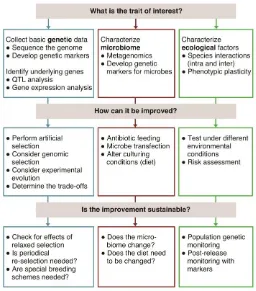
We first identify which organismal traits are important for biological control and should
therefore be targeted for improvement (so-called “biocontrol traits”). Next, we present the current
state and future prospects of using genetic and genomic methods towards that aim. We consider
these methods from evolutionary and ecological contexts, i.e. how these methods can realistically
operate in long-term breeding programs and in the field (Figure 2). Because of their prevalence and
economic importance (van Lenteren et al., 2018), we focus on programs using arthropod biocontrol
agents, although these universal genetics principles overlap with other agents (e.g. nematodes, fungi,
bacteria). While the most common form of biological control is augmentative (the recurrent release
of a biocontrol agent population not expected to establish permanently, or to supplement an existing
population), these methods discussed here can also be applied to classical biological control (release
of a new agent with the intention of establishing a self-sustaining population and level of pest control
in the area of the pest) and conservation biological control (conserving natural habitat to increase
6
on how to obtain genome-based data in specific biocontrol contexts (Figure 3). We conclude by
reviewing present uses and forecasting applications of the most promising genetic and genomic
methods in the future (Figure 4).
II. What are biocontrol traits?
One of the prime reasons preventing the uptake of genetic improvement of biocontrol agents is the
difficulty in deciding which traits to optimize. Candidate traits can be roughly subdivided into those
related to pest suppression ability, adaptation to abiotic factors, reducing ecological risk, and
improving mass production or storage (see Kruitwagen et al., 2018) for a comprehensive overview).
For some traits, such as pest kill rate, the direction of improvement may be apparent, as killing more
pests is a primary determinant of biocontrol success (Stiling & Cornelissen, 2005). However, for other
traits, the direction to take is less obvious. For example, most biocontrol agents attack hosts/prey
that are clumped in patches in the environment. From a biocontrol perspective, would it be more
effective for the agent to clear patches completely before moving on, or to disperse rapidly to
protect a larger total crop area (Wajnberg, Roitberg, & Boivin, 2016; Plouvier & Wajnberg, 2018)?
The optimal strategy depends on the specific ecological circumstances faced by the biocontrol agent
and the economic harm inflicted by pest species at low density, i.e. the specific agro-ecological
situation that the biocontrol practitioner must manage. Optimality models based on behavioural
ecology can provide important insight into the critical characteristics of natural enemies for
successful biological control (Mills & Kean, 2010; Wajnberg et al., 2016; Lommen et al., 2017).
Recently, Plouvier & Wajnberg developed a general modelling framework that identifies the key
biocontrol agent life-history traits from an economical perspective of the biocontrol practitioner
(Plouvier & Wajnberg, 2018). Under simulated conditions, two different optimized life-history
strategies for the agents were found that resulted in higher potential economic returns, differing in
plant-leaving decision and host handling time of the biocontrol agent, but also in their respective
fecundity, longevity, and dispersal ability. Such a general modelling framework can be parameterised
for different biocontrol species and different ecological situations to help identify the key traits to
target for genetic improvement.
A key requirement for biocontrol traits to be targeted for selection is the presence of
significant heritability (the proportion of the total phenotypic variation between individuals that is
due to additive genetic variation), which allows trait values to be shifted towards optimal values by
means of (artificial) selection. The amount of standing genetic variation depends on the type of trait
and its genetic architecture. Traits closely associated to fitness that are important for biocontrol,
such as life-history and behavioural traits (Mousseau & Roff, 1987; Wajnberg, 2004; Lommen et al.,
7
and morphological traits (Mousseau & Roff, 1987). The amount of genetic variation for biocontrol
traits is currently poorly investigated and insufficiently known, although progress is being made to
measure the heritability of traits related to biocontrol (for a review of the current research, see
Ferguson et al., in preparation a). Selection for low heritability traits towards optimal values is
possible, but the efficiency of this process depends on a trait’s genetic architecture (such as number
of genes involved, dominance, epistasis, pleiotropy). It is therefore of key importance to uncover the
genetic architecture of biocontrol traits if we aim to efficiently improve them.
III. What genetic information do we need?
1. Genome assembly. Assembling a genome for a biocontrol agent of interest vastly expands the
possibilities for generating new knowledge on the genetic architecture of biocontrol traits. A
reference genome facilitates studies that focus on gene expression analyses, targeted gene editing,
and marker-informed selection. Although producing a high quality genome (high coverage, few gaps)
is often portrayed as an essential goal (Bentley, 2006; Faino & Thomma, 2014), a high-level resolved
genome may often not be required. Instead, sequences may be collected, assembled, and annotated
to the level required for a specific project, and the genome can subsequently be improved further to
the level desired by other parties (Papanicolaou et al., 2017). In other words, in more applied
circumstances, such as biological control, the aim may be a “good-enough” genome rather than a
high quality genome. Also, some applications can already be realised with an incomplete genome,
including the quick generation of molecular markers such as microsatellites (Grbić et al., 2011; Abe &
Pannebakker, 2017; Kamimura et al., 2019) for low-cost analysis of genetic variation (Baker, Loxdale,
& Edwards, 2003; Paspati et al., 2019) and linkage map construction (Niehuis et al., 2010;
Beukeboom et al., 2010) in biocontrol agents. Genome assembly goes through various stages:
sequencing from an inbred stock or a single individual, aligning the sequences into an assembly, and
annotating the assembly with protein-coding information (Ekblom & Wolf, 2014). Although still
requiring a considerable amount of labor and funding, recent advances in technology have lowered
the cost of sequencing a genome considerably (Wetterstrand, 2019). In the context of biological
control, successfully producing a workable genome within one’s budget and objectives requires
careful strategy. For example, in many cases, the biocontrol agent is too small for DNA extraction
from a single individual to be usable for assembling a genome (Richards & Murali, 2015). Pooling
many genetically identical individuals is a solution, but how to obtain such a sample varies by species.
This is easier and has been done, for instance, with isofemale lines of haplodiploid parasitoids
(Werren et al., 2010; Geib et al., 2017) and clonal mites (Hoy et al., 2016), but can be more
challenging for species that are more difficult to inbreed (e.g. ladybird beetles (Facon et al., 2011).
8
control, accounting for the current state of technologies and the biology of the species (with
examples (Ferguson et al.,in preparation b, in preparation c; Kraaijeveld et al., 2019; Paspati et al.,
2019).
2. Gene discovery. Mapping genes has a long tradition in breeding and research, particularly using
quantitative trait loci studies (QTL) (e.g., maize height (Burr et al., 1988); soybean seed morphology
(Mansur et al., 1993); pig fatness and growth (Andersson et al., 1994); Nasonia parasitoid wasp sex
ratio (Pannebakker et al., 2011)). A QTL study uses crosses of individuals with different extreme
phenotypes and links their segregation in offspring to molecular marker data to identify the genetic
basis of complex traits (Lynch & Walsh, 1998; Beukeboom & Zwaan, 2007). High-throughput
sequencing and genome wide association studies (GWAS) have enabled higher resolution mapping
screens (Schlötterer et al., 2014) i.e. identification of loci with different allele frequencies between
two study populations with different phenotypes of the target trait (Bastide et al., 2013).
For QTL mapping and GWAS, the statistical power to identify causative variants increases
with the number of individuals analyzed. In addition, in a QTL approach, power increases with the
number of generations invested, but mapping precision is typically lower than GWAS. The genotyping
costs can be reduced by relying on sequencing pools of individuals with extreme phenotypes
(Pool-GWAS (Schlötterer et al., 2014)). This approach was used to create a genome wide map for body
pigmentation in Drosophila melanogaster (Bastide et al., 2013) and can theoretically be applied for
any target trait in any arthropod. Although individuals for these studies can be sourced from
commercial biocontrol populations, these tend to be inbred and represent only a fraction of the
genetic variation harbored by natural populations (Rasmussen et al., 2018; Paspati et al., 2019). For
exploratory studies, collecting sufficiently variable individuals with clear segregation of phenotype,
and thus correspondingly distinct genotypes for candidate loci, may be more easily sampled from
wild populations. Alternatively, as it may be legally or logistically difficult to sample multiple natural
populations across a large geographic range, accessible commercial strains that are already in use
and have contrasting phenotypes may be used instead. For instance, long-established Trichogramma
cacoeciae strains originating from France and Tunisia have higher fecundity under different
temperatures (Pizzol et al., 2010), and would be good candidates for investigating loci linked to
climate adaptation.
Another approach to delineating the genomic architecture of biocontrol traits is studying
gene expression. Sequencing transcriptomes and proteomes, which are complete RNA and protein
expression profiles of an organism respectively, has become increasingly easy and affordable. The
advantage of gene expression studies is that they delve into context-dependent phenotypes. For
9
Werren, & Clark, 2015), because only the female has pest killing ability. It is reasonable to infer that
females have sex-specific genotype-phenotype maps in regard to, e.g. chemosensory functions for
host interactions, venom production, and egg production. Yet, in these haplodiploid systems, haploid
males and diploid females can have the same genome (isogenic diploid state for females and the
haploid state for males). Spatiotemporal expression pattern differences of protein and transcript
quantity, methylation, RNA splicing, and post-translational modification may be responsible for
sex-specific phenotypes, and can be used to find trait-linked loci even when genetic sequences are
identical between males and females (Wang et al., 2015). Such studies have been used to delineate
the architecture of, for example, sex determination (Verhulst, Beukeboom, & Zande, 2010),
oviposition (Pannebakker et al., 2013; Cook et al., 2015), and venom composition (De Graaf et al.,
2010) in N. vitripennis, and antennal perception of different olfactory cues, i.e. male mate searching
versus female host searching in Cotesia vestalis (Nishimura et al., 2012) and Chouioia cunea (Zhao et
al., 2016).Analysis of transcriptomic and proteomic data obtained at different environmental or
culturing conditions is also a powerful tool, as it can both identify and quantify patterns of gene
expression (Wang et al., 2009). For example, transcriptome analyses of biocontrol agents such as the
ladybird Cryptolaemus montrouzieri or the parasitic wasps Cotesia typhae nov. sp and Lysiphlebus
fabarum have adapted to alternative prey/hosts by modifying the regulation of genes mainly related
to development, digestion, detoxification and virulence (Li et al., 2016; Dennis et al., 2017; Benoist et
al., 2017). In addition, the mechanisms underlying resistance to certain pesticides in the predatory
mite Neoseiulus barkeri and the ladybird beetle Propylaea japonica were identified by analysing
RNAseq data (Tang et al., 2014; Cong et al., 2016). Also, transcriptome sequencing of an
entomopathogenic nematode has revealed multiple expanded gene families that may be involved in
parasitism (Dillman et al., 2015). Transcriptomics may also pave the way to understand
symbiont-mediated resistance to parasitism (Oliver, Moran, & Hunter, 2005), and help to reverse this effect or
to make parasitoids more virulent. Additionally, proteomic analysis of aphid parasitoids Aphidius
colemani that were either exposed to fluctuating high and low temperatures or to constant cold
provided insight on genes and proteins involved in surviving temperature extremes, such as those
involved in energy metabolism (Colinet et al., 2007). A final interesting application of transcriptomics
for biocontrol is to identify the genetic architecture of memory and learning, as parasitoids can be
trained to recognize host species (Huigens et al., 2009). Recently, genes in the Ras and PI3 kinase
pathways were found responsible for interspecific differences in Nasonia memory retention (Hoedjes
et al., 2014, 2015). Gene expression studies can thus contribute to understand adaptation
mechanisms of biocontrol agents to a new environment, prey/host defences or novel hosts. Yet
careful control of expression data collection, such as consistent life stage or common garden
10
understanding gene expression patterns is essential to allow the preservation of a robust phenotype,
or how likely a phenotype is to persist in various agro-ecological environments (Félix & Barkoulas,
2015).
3. Genome editing for exploratory research. Advances in genomics approaches and knowledge have
made it possible to modify certain regions in the genome of an organism to study how such
modifications reflect in its phenotype. New phenotypic variants can be generated by knocking-down
or knocking-out genes. Knocking-down refers to temporary gene expression inhibition through RNA
interference (Pratt & MacRae, 2009). Knocking-out refers to permanent alternation through the
germ line, and the most advanced of these knock-out approaches is Clustered Regulatory Interspaced
Short Palindromic Repeats (CRISPR) (Hsu, Lander, & Zhang, 2014). Knocking-down or knocking-out
candidate life-history trait genes can lead to insight in functions that can be used to optimize
selection or breeding of biocontrol agents. For example, it can be used to examine the role of genes
in a trait through linkage with the null phenotypes, and those genes can be specifically targeted for
selection. At this point in time, gene-editing technology may be exploratory and for fundamental
research use, but should not be used in novel biocontrol release programs. Although no external
DNA is introduced with knock-down or knock-out, some countries consider gene-editing techniques
to be in the same legal category as GMOs (EU; Callaway, 2018) whereas others do not (Australia,
Mallapaty, 2019; US, Kim & Kim, 2016; Waltz, 2016). They are therefore subject to much of the same
regulations that vary broadly in restrictiveness, e.g. allowable usage in the US versus a complete ban
in the EU (reviewed in Alphey & Bonsall, 2018). Moreover, the compatibility of gene-editing with the
current “non-GMO” appeal (and therefore marketability) of biological control is questionable.
4. Microbiomes. Recently, there is much interest in the role of the microbiome in organismal
functioning. In the context of biological control, it is known that microbes can be responsible for
chemical signals that attract parasitoids to their host, and that bacteria can have a defensive role
against parasitoids, such as in aphids (Oliver, Moran, & Hunter, 2006; Schmid et al., 2012; Rothacher,
Ferrer-Suay, & Vorburger, 2016; Jamin & Vorburger, 2019; Koskinioti et al., 2019; Dicke, Cusumano,
& Poelman, 2020). Nowadays, universal DNA markers can be applied to characterize the microbiome,
i.e. to identify all bacterial symbionts to at least family or genus level, and their proportionate
presence (Ras et al., 2017). This can be used to infer the relative abundance and relative importance
of each symbiont in contributing to biocontrol traits. However, despite the enormous attention for
the role of microbiomes, we still know very little about whether and how microbes contribute to
arthropod life-history traits and biocontrol traits in particular (Janson et al., 2008; Brinker et al.,
2019; Gurung, Wertheim, & Falcao Salles, 2019). In addition, the factors that determine the
11
consistent the microbiome is transgenerationally, and if it can be manipulated through the rearing
environment.
IV. How can genetics be used to improve biological control?
1. Artificial Selection. The traditional approach to improving biocontrol agents has been through
artificial selection. Artificial selection exploits inter-individual genetic variation of life-history or
behavioural traits. For example, agent species have been selected to improve tolerance to climatic
conditions to expand their geographic range of use (White et al., 1970), pesticide resistance (allowing
their compatibility with pesticide spraying) (Roush & Hoy, 1981a; Spollen & Hoy, 1992), and
development time (to speed up production ; Rodriguez-Saona & Miller, 1995). Rather than
performing individual crosses with individuals of desired traits, experimental evolution exposes
populations to specific environmental conditions for several generations and determines the effect
on the trait of interest. Although generally successful (Lirakis & Magalhaes, 2019), selective breeding
results have not been used in commercial biocontrol practice to an extent that might be expected,
and artificial selection remains underutilised (Wajnberg, 2004; Lommen et al., 2017; Kruitwagen et
al., 2018). There are several reasons for this. A first obvious one is lack of sufficient genetic variation
because that too few individuals have been collected from nature and used as source population for
artificial selection, but little is known about such unsuccessful attempts in the literature. A second
possibility is that once selected, the genetic makeup of the selected population will change, e.g.,
through genetic drift (Roush & Daly, 1990; Stouthamer, Luck, & Werren, 1992; Hopper et al., 1993;
Wajnberg, 2004). The conclusion has been that to avoid these issues arising from “selection
relaxation,” biocontrol agents must be continuously re-selected, which can be economically
prohibitive. There is, however, little empirical evidence for this, and a recent study on Drosophila
indicates that laboratory populations may not change that much in life-history parameters compared
to their natural counterparts (Michalak et al., 2019).
Trade-offs between life-history traits are also a factor in biocontrol evolution. Life-history
theory poses that an organism has limited resources to allocate to each trait. To select for the
enhancement of one or more traits, as is the goal in biocontrol breeding, pleiotropic and
disadvantageous changes can occur in other traits, and the overall effect on the biocontrol function
of the organism can be unpredictable (Stearns, 1989; Roff, 2007). For example, it has been noted that
traits corresponding to high yield and ease of use under laboratory and industrial conditions are
favourable, but adaptation to captivity may come at the expense of an agent’s efficacy in the field
(Mackauer, 1976; Hopper et al., 1993; Sørensen, Addison, & Terblanche, 2012; Sánchez-Rosario et
al., 2017). It is also logistically difficult to phenotype complex traits for small organisms as is needed
12
However, solutions to many of these problems are at hand. There is evidence, for example,
that selection relaxation may not be as problematic as previously believed. Theoretically, if the
selection regiment is strong enough, the trait goes to fixation in a population, and is no longer
subject to drift (Falconer & Mackay, 1996). This may be reflected in selection persistence being
documented in insect lines even after many generations of no active maintenance on the trait (e.g.
(White et al., 1970; Croft & Meyer, 1973; Roush & Hoy, 1980; see Lirakis & Magalhaes, 2019). It is
also standard industrial practice to conduct quality control of biocontrol agent products (van
Lenteren, 2003), which effectively screens against lines that have lost desirable traits.
Key to these solutions is understanding the genetic architecture of the trait under selection,
which theoretically allows the combination of individual phenotype selection with molecular genetics
through applying marker-assisted selection (Lande & Thompson, 1990). When, for instance, we know
the loci and alleles associated with a desired or undesired target trait, we can breed a more efficient
biocontrol agent by selecting for the former and avoiding the latter. Not all trade-offs may be
detrimental for biological control. For example early reproduction may come at a cost of longevity
(Williams, 1996), but a long life may not be important to a captive population’s net productivity if it is
frequently supplemented with new, fecund individuals. Knowing the genetic underpinning of
trade-offs between traits would further assist in understanding and preventing unwanted trade-trade-offs.
An unfavorable life-history trade-off of a trait may take several forms, for instance at a
detriment to another trait or another stage in the biocontrol program (e.g. a trait selected for
mass-rearing improvement leads to reduced field performance). In such cases, genetics can again
potentially provide the solution if the genomic architecture underlying these trade-offs is known
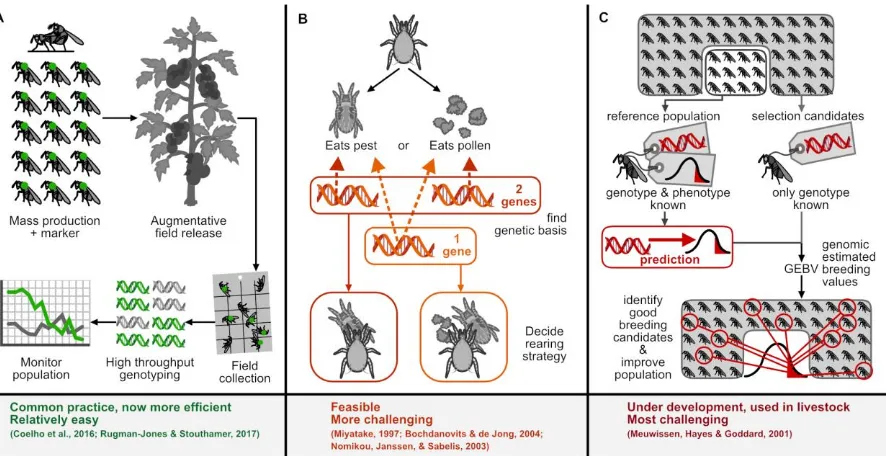
(Figure 4B). For example, antagonistic pleiotropy (genes operating on multiple traits but in opposing
directions) is known for fecundity versus longevity in the melon fly, Zeugodacus cucurbitae
(Miyatake, 1997) and higher larval survival versus lower adult body weight in D. melanogaster
(Bochdanovits & de Jong, 2004); additional studies can uncover these in biocontrol agent species. If
there are variable pathways corresponding to different trade-offs, it should be possible to choose to
select through one with the fewest unfavorable trade-offs, exploiting the ubiquitous presence of
genetic redundancy.
Learning behaviour is another biocontrol trait that responds to selection. Parasitoids can be
directly selected to better recognize pest species (Dukas, 2000; Rahmani et al., 2009; Schausberger et
al., 2010; van den Berg et al., 2011; Hoedjes et al., 2014, 2015; Kraaijeveld et al., 2018; Kruidhof et
al., 2019), or indirectly to more efficiently recognise recruitment signals from plants following
herbivore attack (tritrophic interactions) (van der Putten et al., 2001; Turlings & Wäckers, 2004).
Juvenile predatory Phytoseiulus persimilis can be trained to accept specific prey species and retain
13
in Kruidhof et al., 2019). Delineating the genetic architecture of memory and learning can thus assist
in developing applications in breeding.
Knowledge of the genetic architecture of traits can assist with artificial selection through
deliberate targeting of linked genes. This is particularly helpful for traits that are laborious or
challenging to phenotype repeatedly. For example, for many arthropods, assaying lifetime
reproductive output would require counting thousands of offspring and would require waiting until
the animal dies. In the meantime, work has already been invested in caring for the next generation
whether or not their progenitors prove to have high lifetime fecundity. Instead, rather than the trait
itself, selection can target a linked molecular marker, which is called marker-assisted selection
(MAS)(Lande & Thompson, 1990). Identification of candidate genes and QTL through the
aforementioned gene discovery methods are key to developing direct markers for genes that control
the trait of interest, or markers that are in linkage disequilibrium with the trait and are proximate to
the coding gene. Although much work remains to uncover the genetic bases of traits, there are
already good results documented for arthropods linking genes and QTL to foraging (Page et al.,
2000), grooming (Oxley, Spivak, & Oldroyd, 2010), and Varroa mite resistance in honey bees (Behrens
et al., 2011), fertility in the parasitoid Leptopilina clavipes (Pannebakker et al., 2004), and sex ratio
(Pannebakker et al., 2011), memory retention and olfaction (Hoedjes et al., 2014, 2015), host
specificity (Desjardins et al., 2010), and pupal diapause (Paolucci et al., 2016) in N. vitripennis.
2. Genomic selection. For complex traits with highly polygenic bases or genes with complicated
epigenetic effects, direct and linkage equilibrium MAS may not be possible. In such cases, it is
possible to use markers that are linked to a total breeding value instead of any specific phenotype
(reviewed in (Dekkers, 2004)). Genomic selection employs this concept to potentially circumvent the
need for proving marker causality. The statistical method of genomic selection uses information from
genome-wide DNA-markers such as single nucleotide polymorphisms to select for complex traits
(Meuwissen, Hayes, & Goddard, 2001) (Figure 4C). It is particularly helpful when artificial selection
(marker assisted or not) is hampered by low heritability either through strong environmental noise
and/or low levels of additive genetic variance. The genomic selection method considers markers
distributed throughout the whole genome and estimates an effect of each marker, irrespective of the
statistical significance of this effect. The total estimated genetic effect of an individual is the sum of
the effects of all its markers as the genomic estimated breeding value (GEBV). By including effects of
all markers, this method avoids missing a substantial portion of the genetic variance contributed by
loci of minor effects, in contrast to methods that aim to identify the causal genes underlying traits.
14
only needs to be done for the initial reference population (and then at infrequent iterations as the
predictive power of the reference population is gradually reduced over generations).
An advantage of genomic selection over traditional selection methods is that a higher accuracy of
GEBVs can be achieved for traits of low heritability, and for traits that cannot be recorded on the
selected candidate itself, but can be predicted through its genotype (Meuwissen et al., 2001). Over
the last decade, genomic selection has proven its potential in animal breeding, i.e., dairy cattle
(Hayes et al., 2009; Luan et al., 2009; VanRaden et al., 2009) and pigs (Lopes, 2016), but it has not yet
been applied to biocontrol agents. Genomic selection methods may be particularly useful because
GEBV can be estimated directly from the genotype, without the need for accurate pedigrees that are
lacking for most biocontrol agents. One current challenge to genomic selection is the cost of
large-scale SNP panels, but these are already undergoing a rapid drop in difficulty and expense. Also,
collection of a sufficient amount of DNA may require sacrificing the selected candidate, but breeding
of close relatives, such as offspring or full siblings, may offer a solution.
3. Population genetics. The availability of genetic markers allows for population genetic analyses,
either at a coarse scale such as in the case of microsatellite panels, or at fine scale such as dense SNP
panels based on assembled genomes. A powerful application of population genetics in biocontrol is
monitoring of agents released into the field (Figure 4A), allowing for the assessment of their impact
on existing natural enemies and monitoring their performance. Traditional neutral markers have
been successfully used for performance monitoring of released strains (Hufbauer, 2004; Kazmer,
Luck, & Mar, 2007; Guzmán-Larralde et al., 2014). However, high density population genomic
methods, such as GBS, allow for more detailed tracking of the introgression of the genetic material
into previously released populations (Stouthamer & Nunney, 2014). Despite the importance of
tracking the fate of released strains and their associated alleles, there has been little effort invested
in genotype-based post-release monitoring in the field, possibly because of its logistic difficulty
(Blossey & Skinner, 1999; Coombs & McEvoy, 1999). Typically, this approach involves bringing
preserved individuals back to the laboratory for DNA extraction, PCR amplification, and sequencing.
A recent novel approach allows real-time identification of a biocontrol agent in the field by
loop-mediated isothermal amplification (LAMP) (Lee, 2017). This is a low-cost alternative to PCR that can
be conducted in a single test tube and at a single temperature. In a biocontrol context, this method
has been tested with the Asian chestnut gall wasp parasitoid Tormyus sinensis (Colombari & Battisti,
2016). It can efficiently be employed for measuring parasitisation rate in the field, especially as it can
be used for juvenile stages when species identification is most difficult. The measurement of
parasitisation rates in the field is not only useful for measuring the performance of the biocontrol
15
Stahl et al., 2019d). Genetic markers for post-release assessment is one of the most straightforward
means for studying an agent’s ecology in the field, but more advanced ecological interactions can
also be examined for ways to optimize success.
Another important use of population genetics in biocontrol is the assessment of genetic
variation. Loss of genetic variation is expected to occur in all captive populations, through inbreeding,
selection, and random genetic drift, even when mass-reared at high numbers (Mackauer, 1976).
Although this does not always result in fitness or performance loss, experiments have shown severe
effects of inbreeding depression and domestication on the reproductive performance of large captive
populations of Drosophila (Woodworth et al., 2002) and a biocontrol population of a Chinese strain
of the parasitoid Bindoxys communis (Gariepy, Boivin, & Brodeur, 2014). Specific care should be
taken when culturing parasitoid wasps. As haplodiploid species, parasitoids are generally expected to
suffer less from inbreeding depression for fitness traits, but in some species a loss of genetic
variation for sex-determination loci results in the loss of reproductively competent males, and can
lead to extinction of captive populations (Stouthamer et al., 1992; Zayed & Packer, 2005; Hein,
Poethke, & Dorn, 2009; Retamal et al., 2016; Zaviezo et al., 2018; Leung, van de Zande, &
Beukeboom, 2019). These potentially large effects on the fitness and performance make the
monitoring of genetic variation a key part of mass-culturing biocontrol agents. For those species with
an assembled genome, whole-genome Genotype-By-Sequencing (GBS) techniques (Baird et al., 2008)
allow for fine-scale population analyses by providing accurate allele frequency estimates to track
evolution at a genomic scale and identify genomic regions under selection in contrasting ecological
situations (Davey & Blaxter, 2010). This can also lead the way to unravelling the genetic architecture
of relevant biocontrol traits.
4. Microbiome manipulation. Microbiomes may constitute an important target for modifying
biocontrol agent performance. The composition of the microbial community of an organism can be
altered through rearing conditions (e.g. a probiotic diet), via a breeding regime or by genetic
manipulation (Grau, Vilcinskas, & Joop, 2017; Ras et al., 2017). For example, D. melanogaster fed a
probiotic bacterium were less susceptible to infections of pathogenic bacteria (Blum et al., 2013).
Sterile male performance was enhanced and Pseudomonas pathogen levels were reduced when
Ceratitis capitata (the Mediterranean fruit fly) was fed bacterial supplements (Ami, Yuval, &
Jurkevitch, 2010). Although these studies focused on flies used in sterile insect technique (mass
releasing sterile males to outcompete wild individuals), the same principles can be applied to
biocontrol agents. Probiotic diets can potentially improve the performance of mass-reared
parasitoids directly, as can feeding on factitious hosts with a specific microbiome indirectly (Ras et
16
microbes to released biocontrol agents and influence their physiology and ecology (Schuler et al.,
2013). In such cases, microbial screening with genetic markers would be useful for investigating
microbiome shifts that are responsible for phenotype alterations. It is also known that microbes can
be responsible for chemical signals that attract parasitoids to their host. This implies that biocontrol
agents can potentially be trained using these host microbiomes to be more efficient at finding hosts.
In the case of defensive microbes in pest species, exposure to such microbes during development
may confer immunity in the next generation (Ras et al., 2017). These applications are, however, still
theoretical and will require microbiome determination of specific biocontrol agent-pest pairs,
identification of relevant symbionts, and development of methods to optimize their use.
A specific class of potentially useful symbionts are those that manipulate their hosts’
reproduction, such as Wolbachia (Dedeine et al., 2001; Vavre, Fouillet, & Fluery, 2003; Werren,
Baldo, & Clark, 2008). Wolbachia can cause cytoplasmic incompatibility, which acts as a reproductive
barrier among species or strains (Bourtzis et al., 1996; Fouillet et al., 2000; Gotoh, Noda, & Hong,
2003; Werren et al., 2008). However, it is possible to cure arthropods of Wolbachia with antibiotics,
permitting interspecies hybridisation or inter-strain reproduction (Breeuwer & Werren, 1995) and
perhaps more radically, intentional re-infection with chosen Wolbachia strains (Grenier et al., 1998;
Watanabe, Kageyama, & Miura, 2013). This can, for example, be exploited to create strains that
cannot interbreed with native congeners, reducing ecological risk. Wolbachia is also implicated in
thelytokous reproduction (female parthenogenesis) in numerous insect species, such as the
Drosophila parasitoids Asobara and Leptopilina (Breeuwer & Werren, 1995; Dedeine et al., 2001;
Schidlo et al., 2002; Kremer et al., 2009), aphid parasitoids (Starý, 1999), and Trichogramma species
(Stouthamer, Luck, & Hamilton, 1990; Stouthamer & Kazmer, 1994). Thelytoky is particularly
significant for parasitoids in biocontrol because only females have host-killing ability. In addition,
parthenogenesis induction by Wolbachia can be used as a tool for advanced genotypic selection,
which exploits the gamete duplication mechanism that underlies the parthenogenesis induction of
Wolbachia and allows for fast selection of beneficial gene combinations in parasitoids for biocontrol
(Russell & Stouthamer, 2011). In species that do not carry Wolbachia, intentional infection
(Yamashita & Takahashi, 2018) can potentially be used to alter reproduction and life-history traits.
Such transfection applications require careful testing, as Wolbachia phenotypes are not always the
same between species (Veneti et al., 2012). Also, Wolbachia can reduce the relative number of other
potentially beneficial symbiotic bacteria (Audsley, Ye, & McGraw, 2017; Ye et al., 2017) and
conversely, other microbiota can outcompete Wolbachia (Kondo, Shimada, & Fukatsu, 2005; Goto,
Anbutsu, & Fukatsu, 2006; Hughes, Rivero, & Rasgon, 2014; Rossi et al., 2015). These competition
17
consideration when releasing manipulated strains into the field, as is the fact that new microbes
introduced via hosts may become permanent fixtures in their ecosystem.
V. Conclusion
(1) It is a misconception that genetic solutions to biocontrol problems have been too complex to
attempt, explaining the perceived “lack of progress” in the past several decades (Poppy & Powell,
2004; Lommen et al., 2017; Kruitwagen et al., 2018) . Rather, the simpler approach of sourcing
superior strains from nature has been more common.
(2) Improvement of biological control is highly needed, both in terms of better performance of
existing agents as well as for expansion of the number and targets of new agents. Despite their
general applicability, animal breeding techniques have not been exploited to their full potential in
the biocontrol field. There are a number of reasons for this that, in contrast to e.g. livestock
breeding, can be attributed to how biocontrol agents need to perform in a complex ecological
environment. This makes it hard to decide which traits to optimize, but we are progressively gaining
more knowledge on this, for instance by applying modelling frameworks (Plouvier & Wajnberg,
2018).
(3) In the new era of stricter trade laws and higher commercial demand, a new horizon of genetics in
biocontrol practice is emerging (Figure 1). Several novel approaches are at hand, yet, each
application requires proper contextualisation for a realistic projection of success.
(4) Areas where research and development are still needed can be staged (Figure 4). Marker-based
methods (such as field-tracking and strain identification) are already being implemented (Figure 4A).
Others are not yet in use but are imminently possible, such as integrating knowledge of genetic
architecture to develop more effective breeding programs (Figure 4B). Still, others, such as genomic
selection are currently largely in the theoretical realm. This may be due to novel technologies being
too prohibitively labor intensive or expensive, or still requiring troubleshooting.
(5) The rapid development of genomic sequencing techniques and the resulting cost reductions
(Wetterstrand, 2019) will find its way to biocontrol as it did to other biological disciplines such as
microbiology, medicine, ecology and conservation (Handelsman, 2004; Hudson, 2008; Tautz,
Ellegren, & Weigel, 2010; Ashley, 2016; Hohenlohe et al., 2018; Supple & Shapiro, 2018).
Furthermore, even in the more advanced applications, it is likely that a first success will lead to rapid
embracement by the scientific community and industry, parallel to e.g. the development of the PCR
technique and the human genome project. For example, a proof-of-principle study on genomic
selection for a biocontrol agent would prove its feasibility even if cost and efficiency still need further
optimisation (Xia et al., 2019) (Figure 4C).
(6) Novel methodology to uncover the genetic architecture of life-history traits, in combination with
18
knowledge base of the biocontrol field. Gene-editing techniques are a useful research tool for
delineating this genetic architecture, but as the current biocontrol market depends on a reputation
of using more traditional genetics methods, now is not the time to use gene-edited organisms in the
field.
(7) Genetic variation lies at the basis of the potential of any organismal trait to evolve and hence our
ability to improve traits. We have described the current genetic methodologies to uncover the
genetic basis of important biocontrol traits. This knowledge can be used to design artificial selection
programs, either by traditional selective breeding (White et al.,1970; Ram & Sharma, 1977;
Voroshilov, 1979; Roush & Hoy, 1981b; Hoy, 1986; Rosenheim & Hoy, 1988; Spollen & Hoy, 1992;
Zhang et al., 2018), or more sophisticated genomic selection (Xia et al., 2019) or experimental
evolution approaches (Lirakis & Magalhaes, 2019). Notably, fundamental insight has been obtained
from laboratory investigations of the genetic model species D. melanogaster and N. vitripennis, and
there are good reasons to believe that similar approaches can efficiently be applied to biocontrol
agents. In fact, some species, notably haplodiploid parasitoid wasps, may confer additional
advantages for efficient mass rearing, such as the possibility to alter progeny sex ratios and select for
host searching learning behaviour.
(8) Another important requirement is the further integration of fundamental and applied research in
biological control. The authors of this article have been collaborating within Breeding Invertebrates
for Next Generation BioControl (BINGO)(BINGO-ITN, 2019). This is a 4-year EU-funded Marie
Skłodovska-Curie Innovative Training Network (ITN) (BINGO-ITN, 2019) to “advance the current state
of knowledge on the use of genetic variation in biocontrol practice with the simultaneous
development of a new breed of young researchers that have an extensive suite of interdisciplinary
skills that allows them to rise to the challenges of improving the efficiency of biological pest control
through selective breeding of natural enemies in a broad range of agricultural systems and
environmental conditions”. This has led to measurable scientific progress (Ras et al., 2017; Lirakis,
Dolezal, & Schlötterer, 2018; Stahl et al., 2019c, 2019d; Stahl, Babendreier, & Haye, 2019b; Stahl et
al., 2019a; Stahl, Babendreier, & Haye, 2018; Plouvier & Wajnberg, 2018; Balanza , Mendoza , &
Bielza , 2019; Koskinioti et al., 2019; Xia et al., 2019; Leung et al., 2019; Lirakis & Magalhaes, 2019;
Paspati et al., 2019; Le Hesran et al., 2019; Ferguson et al., in preparation b, in preparation c) as well
as to an increasing awareness of the potential of biocontrol agent breeding among scientists, the
biocontrol industry, growers, and the general public. We hope that this review will further stimulate
the application of genetic and evolutionary methodology in next generation biological control. [7802
words]
19
The Breeding Invertebrates for Next Generation BioControl (BINGO) Innovative Training Network was
funded by a MarieSkłodowska-Curie Action (project 641456). We thank Martien Groenen and
František Marec for their contributions to BINGO, Richard Stouthamer for textual improvements, and
Eric Wajnberg for his extensive advising.
VII. References
ABE,J. & PANNEBAKKER,B.A. (2017) Development of microsatellite markers and estimation of inbreeding frequency in the parasitoid wasp Melittobia. Scientific Reports 7, 39879.
ALPHEY,N. & BONSALL,M.B. (2018) Genetics-based methods for agricultural insect pest management. Agricultural and Forest Entomology 20, 131–140.
AMI,E.BEN, YUVAL,B. & JURKEVITCH,E. (2010) Manipulation of the microbiota of mass-reared
Mediterranean fruit flies Ceratitis capitata (Diptera: Tephritidae) improves sterile male sexual performance. ISME Journal 4, 28–37.
ANDERSSON,L., HALEY,C.S., ELLEGREN,H., KNOTT,S.A., JOHANSSON,M., ANDERSSON,K., ANDERSSON-EKLUND, L., EDFORS-LILJA,I., FREDHOLM,M., HANSSON,I., ANDERSSON,L., ANDERSSON-EKLUND,I., EDFORS-LILJA,M. & FREDHOLM,I. (1994) Genetic mapping of quantitative trait loci for growth and fatness in pigs. Science 263, 1771–1774.
ASHLEY,E.A. (2016) Towards precision medicine. Nature Reviews Genetics 17, 507–522.
AUDSLEY,M.D., YE,Y.H. & MCGRAW,E.A. (2017) The microbiome composition of Aedes aegypti is not critical for Wolbachia-mediated inhibition of dengue virus. PLoS Neglected Tropical Diseases 11, 1–15.
BAIRD,N.A., ETTER,P.D., ATWOOD,T.S., CURREY,M.C., SHIVER,A.L., LEWIS,Z.A., SELKER,E.U., CRESKO,W.A. & JOHNSON,E.A. (2008) Rapid SNP discovery and genetic mapping using sequenced RAD markers. PloS One 3, e3376.
BAKER,B.P., GREEN,T.A. & LOKER,A.J. (2020) Biological control and integrated pest management in organic and conventional systems. Biological Control 140, 104095.
BAKER,D.A., LOXDALE,H.D. & EDWARDS,O.R. (2003) Genetic variation and founder effects in the
parasitoid wasp, Diaeretiella rapae (M’intosh) (Hymenoptera: Braconidae: Aphidiidae), affecting
its potential as a biological control agent. Molecular Ecology 12, 3303–3311.
BALANZA V, MENDOZA JE & BIELZA P (2019) Variation in susceptibility and selection for resistance to imidacloprid and thiamethoxam in Mediterranean populations of Orius laevigatus. Entomologia Experimentalis et Applicata 167, 626–635.
BALE,J.., VAN LENTEREN,J.. & BIGLER,F. (2008) Biological control and sustainable food production. Philosophical Transactions of the Royal Society B: Biological Sciences 363, 761–776. BASTIDE,H., BETANCOURT,A., NOLTE,V., TOBLER,R., STÖBE,P., FUTSCHIK,A. & SCHLÖTTERER,C. (2013) A
genome-wide, fine-scale map of natural pigmentation variation in Drosophila melanogaster. PLoS Genetics 9, e1003534.
BEHRENS,D., HUANG,Q., GEßNER,C., ROSENKRANZ,P., FREY,E., LOCKE,B., MORITZ,R.F.A. & KRAUS,F.B.
(2011) Three QTL in the honey bee Apis mellifera L. suppress reproduction of the parasitic mite Varroa destructor . Ecology and Evolution 1, 451–458.
BENOIST,R., CHANTRE,C., CAPDEVIELLE-DULAC,C., BODET,M., MOUGEL,F., CALATAYUD,P.A., DUPAS,S., HUGUET,E., JEANNETTE,R., OBONYO,J., ODORICO,C., SILVAIN,J.F., LE RU,B. & KAISER,L. (2017) Relationship between oviposition, virulence gene expression and parasitism success in Cotesia typhae nov. sp. parasitoid strains. Genetica 145, 469–479.
BENTLEY,D.R. (2006) Whole-genome re-sequencing. Current Opinion in Genetics and Development 16,
545–552.
20
BEUKEBOOM,L.W., NIEHUIS,O., PANNEBAKKER,B.A., KOEVOETS,T., GIBSON,J.D., SHUKER,D.M., VAN DE ZANDE,
L. & GADAU,J. (2010) A comparison of recombination frequencies in intraspecific versus interspecific mapping populations of Nasonia. Heredity 104, 302–309.
BEUKEBOOM,L.W. & ZWAAN,B.J. (2007) Genetics. In Insects As Natural Enemies(ed M.A.JERVIS), pp. 167–218. Springer Netherlands, Dordrecht.
BINGO-ITN. Available at: www.bingo-itn.eu.
BLOSSEY,B. & SKINNER,L. (1999) Design and importance of post-release monitoring. In Proceedings of
the X International Symposium on Biological Control of Weeds (ed N.R.SPENCER), pp. 4–10. Montana State University, Bozeman.
BLUM,J.E., FISCHER,C.N., MILES,J. & HANDELSMAN,J. (2013) Frequent replenishment sustains the beneficial microbiome of Drosophila melanogaster. mBio 4, 1–8.
BOCHDANOVITS,Z. & DE JONG,G. (2004) Antagonistic pleiotropy for life–history traits at the gene expression level. Proceedings of the Royal Society of London. Series B: Biological Sciences 271, S75–78.
VAN DEN BOSCH,R. (1971) Biological control of insects. Annual Review of Ecology and Systematics 2, 45–66.
BOURTZIS,K., NIRGIANAKI,A., MARKAKISA,G. & SAVAKIS,C. (1996) Wolbachia infection and cytoplasmic incompatibility in Drosophila species. Genetics 144, 1063–1073.
BREEUWER,J.A.J. & WERREN,J.H. (1995) Hybrid breakdown between two haplodiploid species: the role of nuclear and cytoplasmic genes. Evolution 49, 705–717.
BRINKER,P., FONTAINE,M.C., BEUKEBOOM,L.W. & FALCAO SALLES,J. (2019) Host, symbionts, and the
microbiome: the missing tripartite interaction. Trends in Microbiology 27, 480–488. BURR,B., BURR,F.A., THOMPSON,K.H., ALBERTSON,M.C. & STUBER,C.W. (1988) Gene mapping with
recombinant inbreds in maize. Genetics 118, 519–526.
CALLAWAY,E. (2018) CRISPR plants now subject to tough GM laws in European Union. Nature 560, 16.
DE CLERCQ,P., MASON,P.G. & BABENDREIER,D. (2011) Benefits and risks of exotic biological control agents. BioControl 56, 681–698.
COCK,M.J.W., VAN LENTEREN,J.C., BRODEUR,J., BARRATT,B.I.P., BIGLER,F., BOLCKMANS,K., CÔNSOLI,F.L., HAAS,F., MASON,P.G. & PARRA,J.R.P. (2010) Do new Access and Benefit Sharing procedures
under the Convention on Biological Diversity threaten the future of biological control? BioControl 55, 199–218.
COELHO,A., RUGMAN-JONES,P.F., REIGADA,C., STOUTHAMER,R. & PARRA,J.R.P. (2016) Laboratory performance predicts the success of field releases in inbred lines of the egg parasitoid Trichogramma pretiosum (Hymenoptera: Trichogrammatidae). PLoS One 11, e0146153. COLINET,H., NGUYEN,T.T.A., CLOUTIER,C., MICHAUD,D. & HANCE,T. (2007) Proteomic profiling of a
parasitic wasp exposed to constant and fluctuating cold exposure. Insect Biochemistry and Molecular Biology 37, 1177–1188.
COLOMBARI,F. & BATTISTI,A. (2016) Native and introduced parasitoids in the biocontrol of Dryocosmus kuriphilus in Veneto (Italy). EPPO Bulletin 46, 275–285.
CONG,L., CHEN,F., YU,S., DING,L., YANG,J., LUO,R., TIAN,H., LI,H., LIU,H. & RAN,C. (2016)
Transcriptome and difference analysis of fenpropathrin resistant predatory mite, Neoseiulus barkeri (Hughes). International Journal of Molecular Sciences 17, 15–17.
COOK,N., TRIVEDI,U., PANNEBAKKER,B.A., BLAXTER,M., RITCHIE,M.G., TAUBER,E., SNEDDON,T. & SHUKER, D.M. (2015) Oviposition but not sex allocation is associated with transcriptomic changes in females of the parasitoid wasp Nasonia vitripennis. G3 Genes|Genomes|Genetics 5, 2885–2892. COOMBS,E.M. & MCEVOY,P.B. (1999) Biological control of plant invaders: regional patterns, field
experiments, and structured population models. Ecological Applications 9, 387–401. CROFT,B.A. & MEYER,R.H. (1973) Carbamate and organophosphorus resistance patterns in
populations of Amblyseius fallacis. Environmental Entomology 2, 691–696.
DAVEY,J.L. & BLAXTER,M.W. (2010) RADseq: Next-generation population genetics. Briefings in Functional Genomics 9, 416–423.
21
symbiotic Wolbachia bacteria specifically inhibits oogenesis in a parasitic wasp. Proceedings of the National Academy of Sciences 98, 6247–6252.
DEKKERS,J.C.M. (2004) Commercial application of marker- and gene-assisted selection in livestock: strategies and lessons. Journal of Animal Science 82 E-Suppl, E313-328.
DENNIS,A.B., PATEL,V., OLIVER,K.M. & VORBURGER,C. (2017) Parasitoid gene expression changes after adaptation to symbiont-protected hosts. Evolution 71, 2599–2617.
DEPLAZES-ZEMP,A., ABIVEN,S., SCHABER,P., SCHAEPMAN,M., SCHAEPMAN-STRUB,G., SCHMID,B., SHIMIZU,K.K.
& ALTERMATT,F. (2018) The Nagoya Protocol could backfire on the Global South. Nature Ecology and Evolution 2, 917–919.
DESJARDINS,C.A., PERFECTTI,F., BARTOS,J.D., ENDERS,L.S. & WERREN,J.H. (2010) The genetic basis of interspecies host preference differences in the model parasitoid Nasonia. Heredity 104, 270–
277.
DICKE,M., CUSUMANO,A. & POELMAN,E.H. (2020) Microbial symbionts of parasitoids. Annual Review of
Entomology 65, 8.1-8.20.
DILLMAN,A.R., MACCHIETTO,M., PORTER,C.F., ROGERS,A., WILLIAMS,B., ANTOSHECHKIN,I., LEE,M.-M.M., GOODWIN,Z., LU,X., LEWIS,E.E., GOODRICH-BLAIR,H., STOCK,S.P., ADAMS,B.J., STERNBERG,P.W. & MORTAZAVI,A. (2015) Comparative genomics of Steinernema reveals deeply conserved gene regulatory networks. Genome Biology 16, 9–11.
DUKAS,R. (2000) Potential fitness consequences of associative learning in a parasitoid wasp. Behavioral Ecology 11, 536–543.
DUNHAM,W.C. (2015) Evolution and future of biocontrol. Presented at 10th Annual Biocontrol
Industry Meeting (ABIM) in Basel, Switzerland.
EKBLOM,R. & WOLF,J.B.W.W. (2014) A field guide to whole-genome sequencing, assembly and annotation. Evolutionary Applications 7, 1026–1042.
FACON,B., HUFBAUER,R.A.A., TAYEH,A., LOISEAU,A., LOMBAERT,E., VITALIS,R., GUILLEMAUD,T., LUNDGREN, J.G.G. & ESTOUP,A. (2011) Inbreeding depression is purged in the invasive insect Harmonia axyridis. Current Biology 21, 424–427.
FAINO,L. & THOMMA,B.P.H.J. (2014) Get your high-quality low-cost genome sequence. Trends in Plant Science 19, 288–291.
FALCONER,D.S. & MACKAY,T.F.C. (1996) Introduction to Quantitative Genetics. Longman, Essex, England.
FÉLIX,M.A. & BARKOULAS,M. (2015) Pervasive robustness in biological systems. Nature Reviews Genetics 16, 483–496.
FERGUSON,K.B., CHATTINGTON,S.R., PLOUVIER,W.N. & PANNEBAKKER,B.A. (in preparation a) Genetic
variation of biological control relevant traits in natural enemies: a systematic review.
FERGUSON,K.B., KURSCH-METZ,T., VERHULST E.C., ZWAAN B.J. & PANNEBAKKER B.A.(in preparation b) Draft genome of biocontrol agent Trichogramma brassicae Bezdenko (Hymenoptera: Chalcidoidea). FERGUSON,K.B., VISSER,S., DALÍKOVÁ,M., PROVAZNÍKOVÁ,I., WERREN,J.H., URBANEJA,A., PÉREZ‐HEDO,M.,
MAREC,F., VERHULST,E.C., ZWAAN,B.J. & PANNEBAKKER,B.A. (in preparation c) Draft genome of biocontrol agent Nesidiocoris tenuis Reuter (Hemiptera: Miridae).
FOUILLET,P., BOULETREAU,M., VAVRE,F., FLEURY,F. & VARALDI,J. (2000) Evidence for female mortality in
Wolbachia-mediated cytoplasmic incompatibility in haplodiploid insects: epidemiologic and evolutionary consequences. Evolution 54, 191–200.
GARIEPY,T.D., BRUIN,A., HAYE,T., MILONAS,P. & VÉTEK,G. (2015) Occurrence and genetic diversity of new populations of Halyomorpha halys in Europe. Journal of Pest Science 88, 451–460. GARIEPY,V., BOIVIN,G. & BRODEUR,J. (2014) Why two species of parasitoids showed promise in the
laboratory but failed to control the soybean aphid under field conditions. Biological Control 80, 1–7.
GEIB,S.M., LIANG,G.H., MURPHY,T.D. & SIM,S.B. (2017) Whole genome sequencing of the braconid
parasitoid wasp Fopius arisanus , an important biocontrol agent of pest tepritid fruit flies. G3 Genes|Genomes|Genetics 7, 2407–2411.